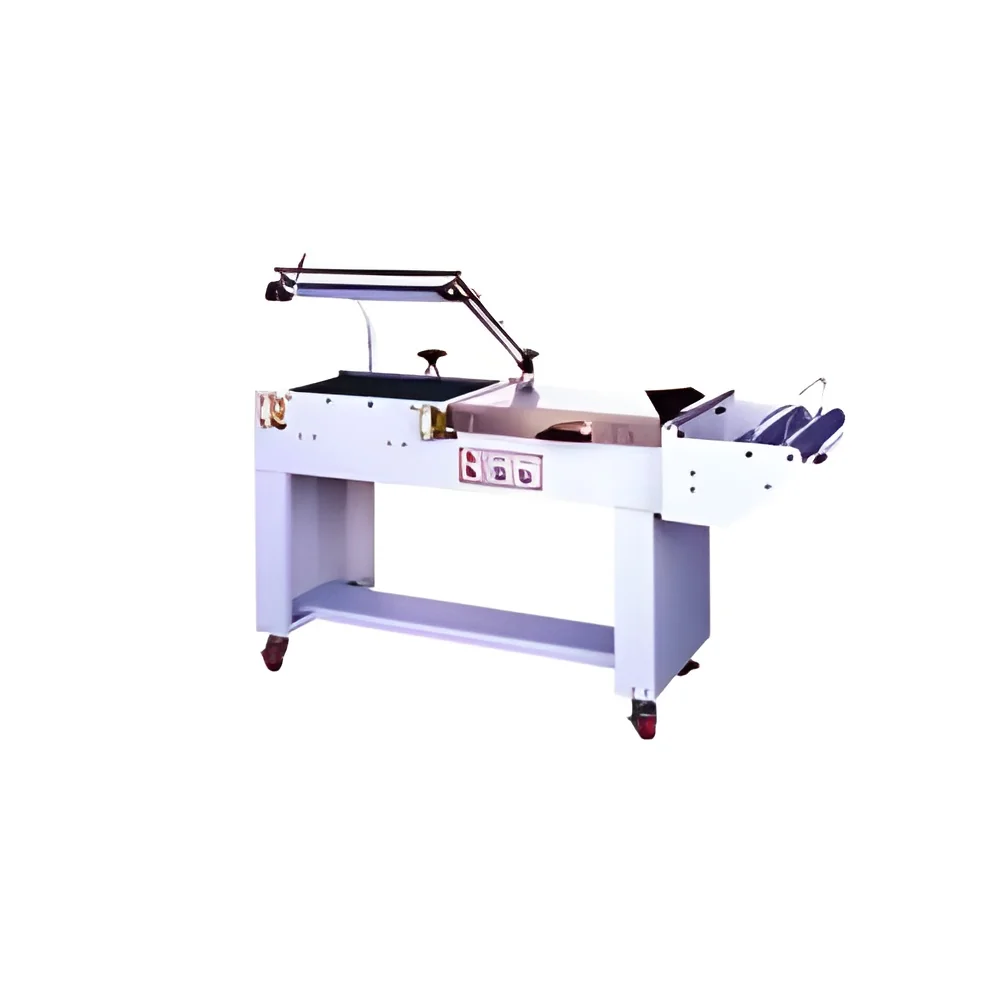
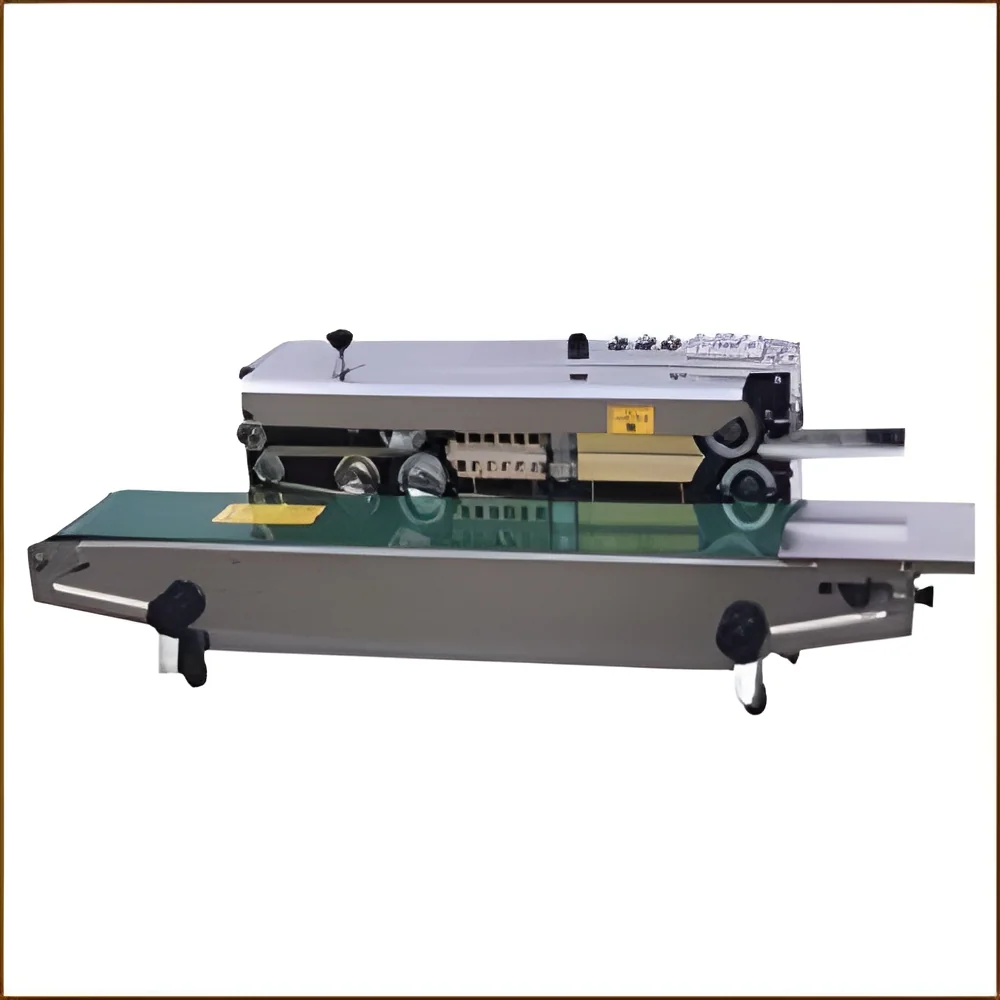
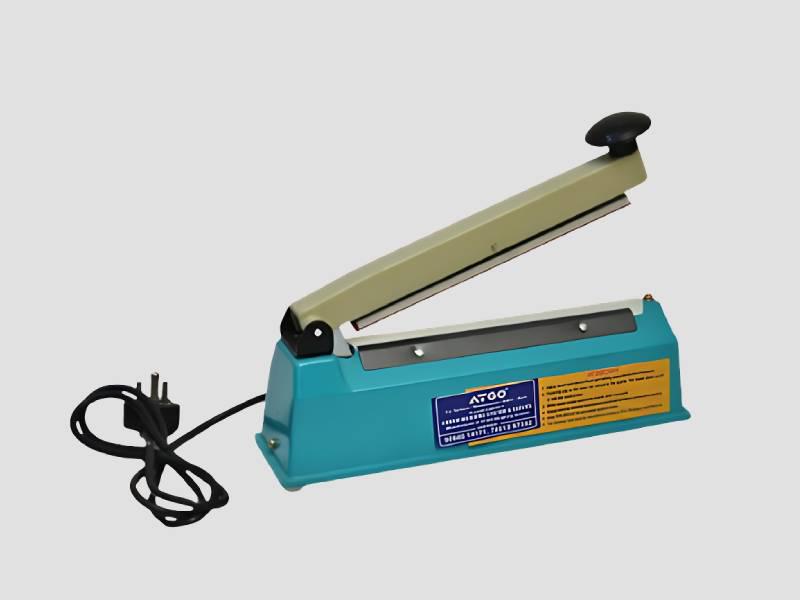
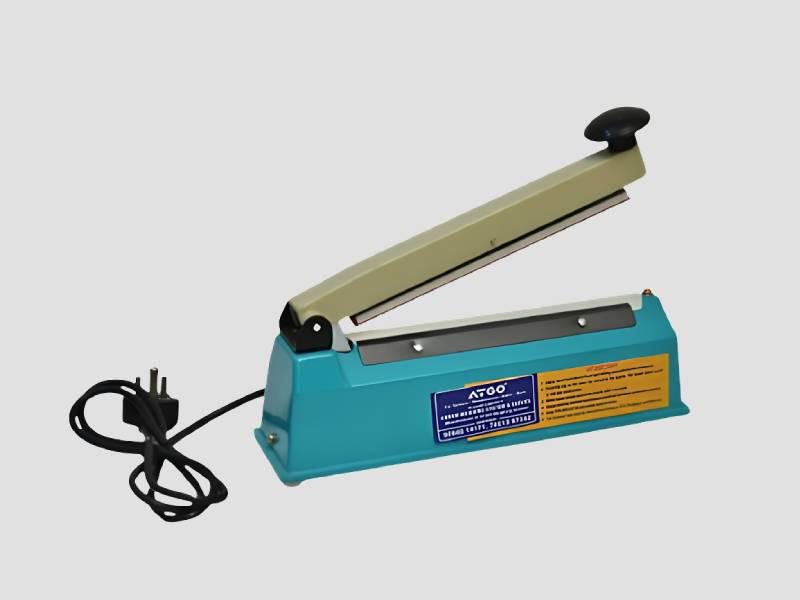
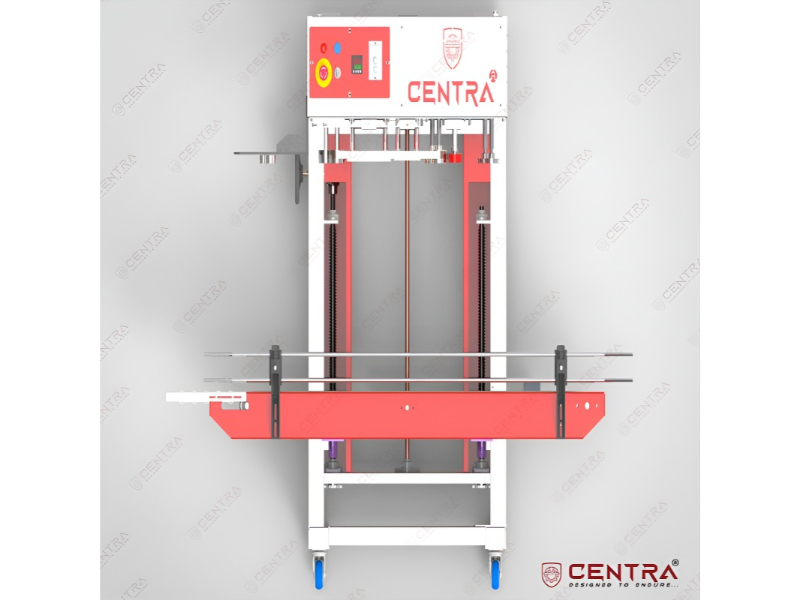
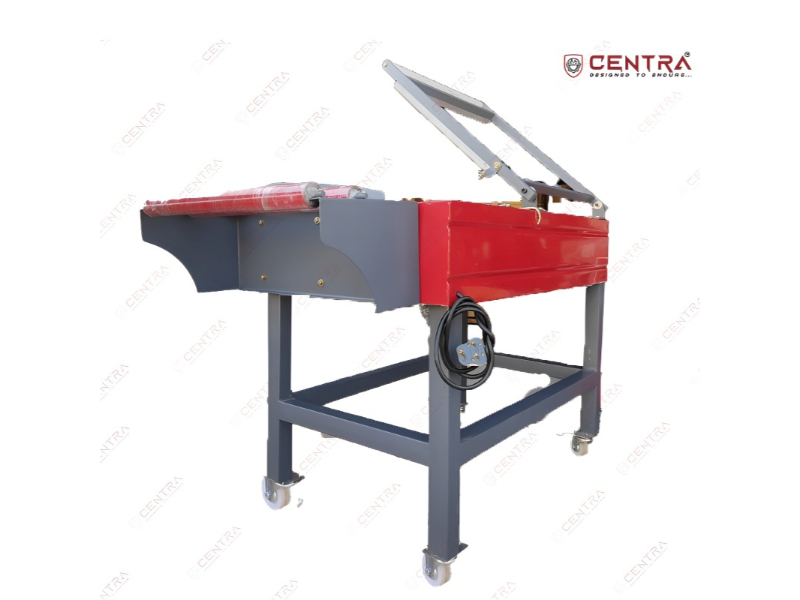
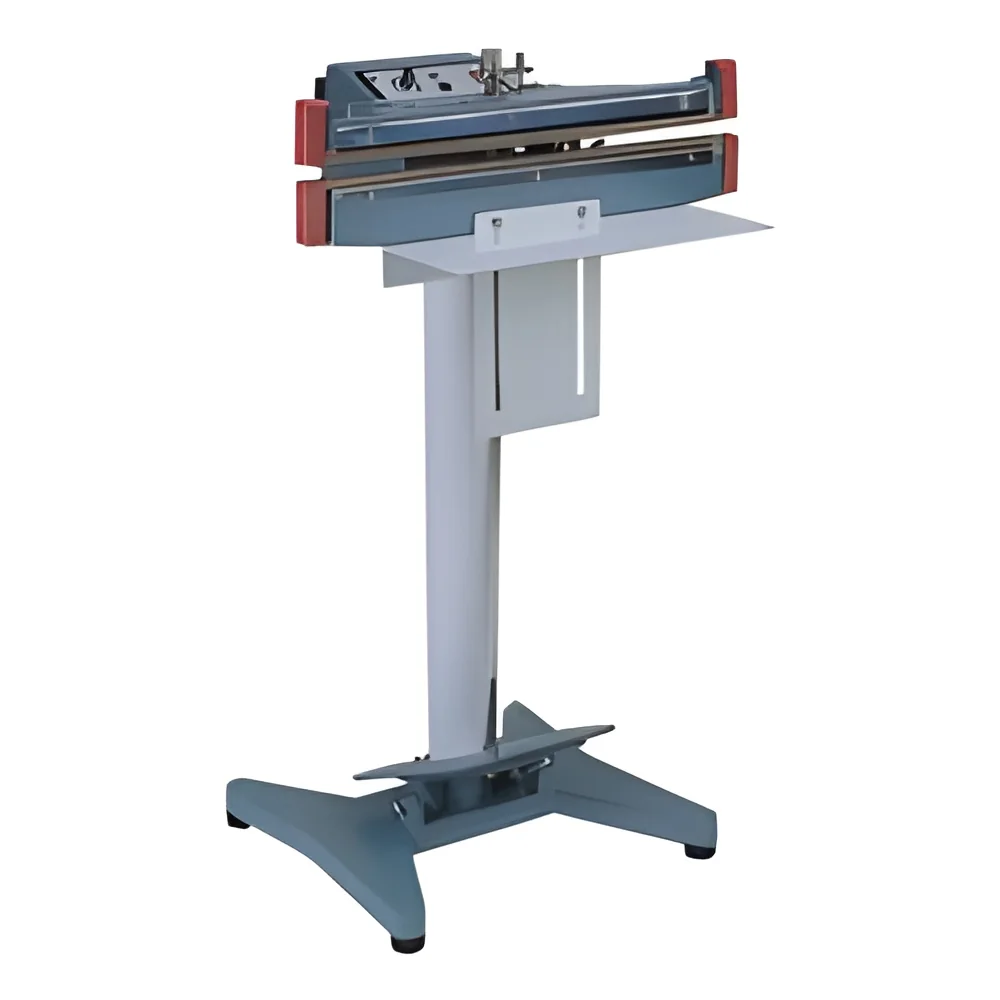
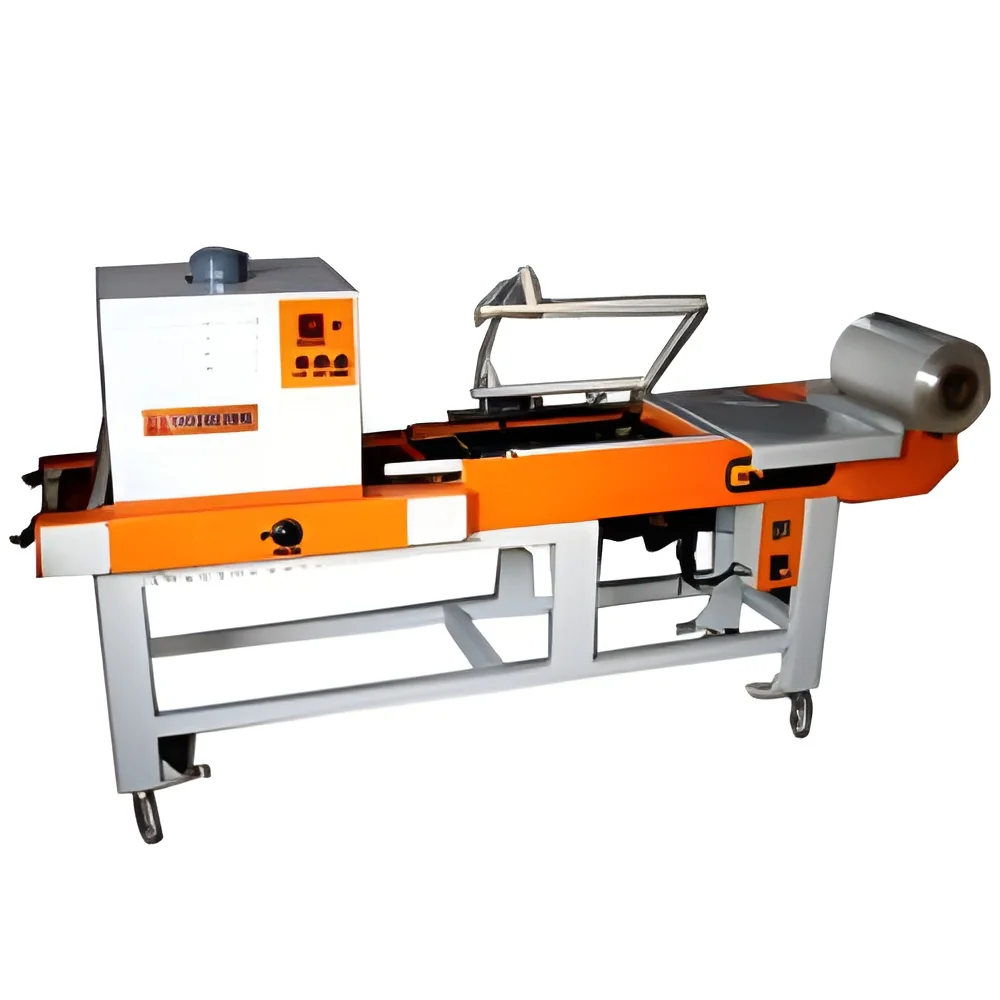
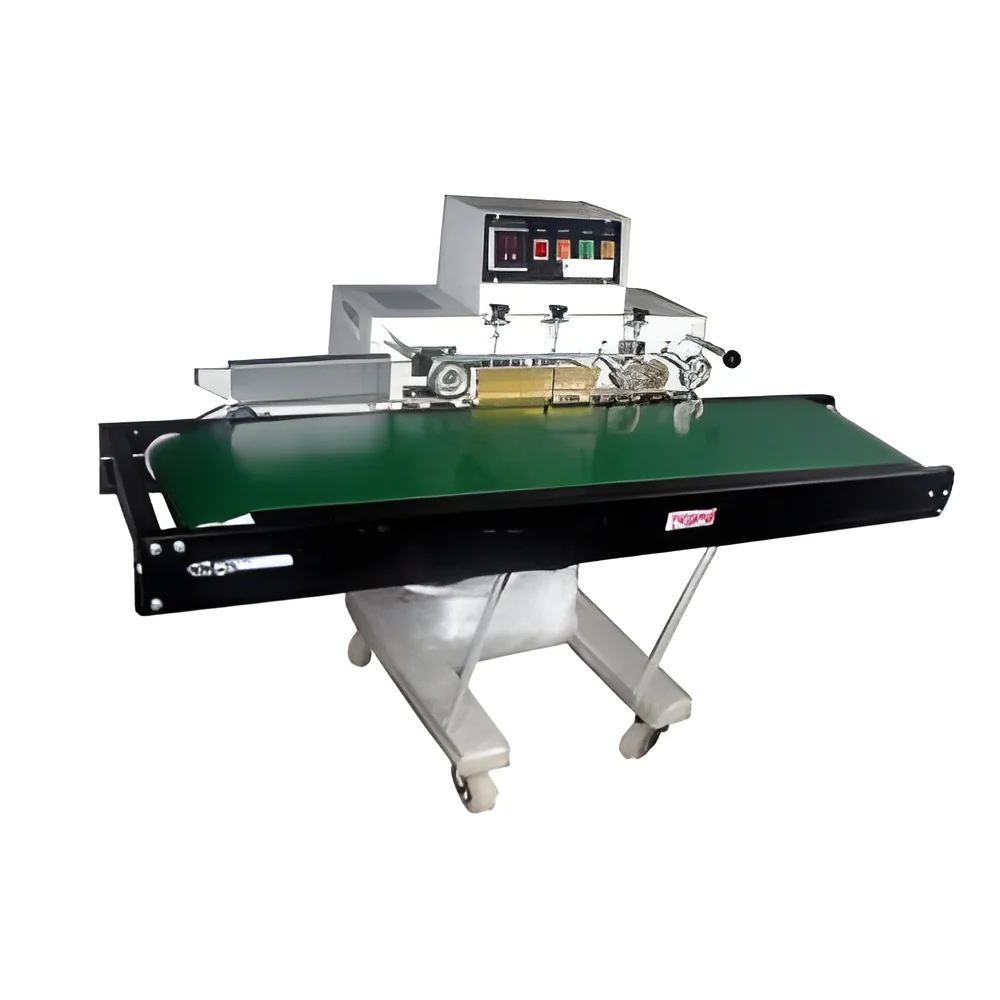
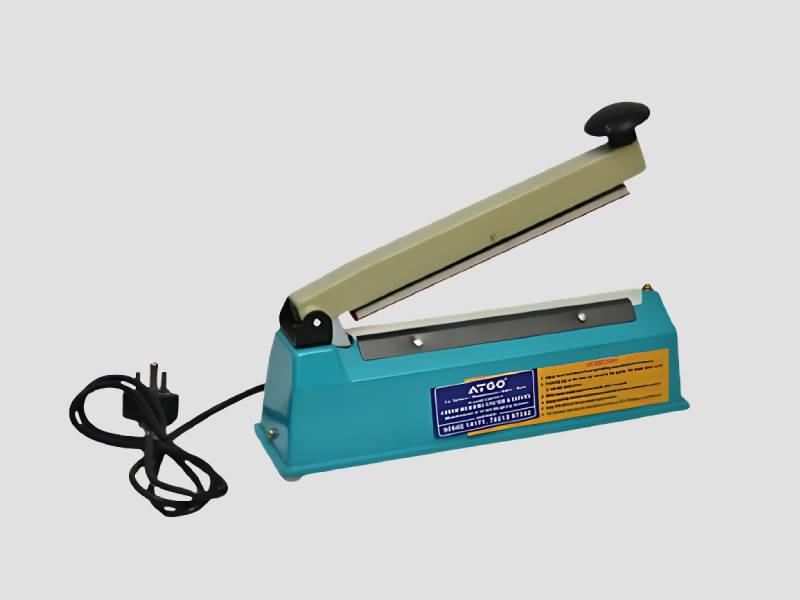
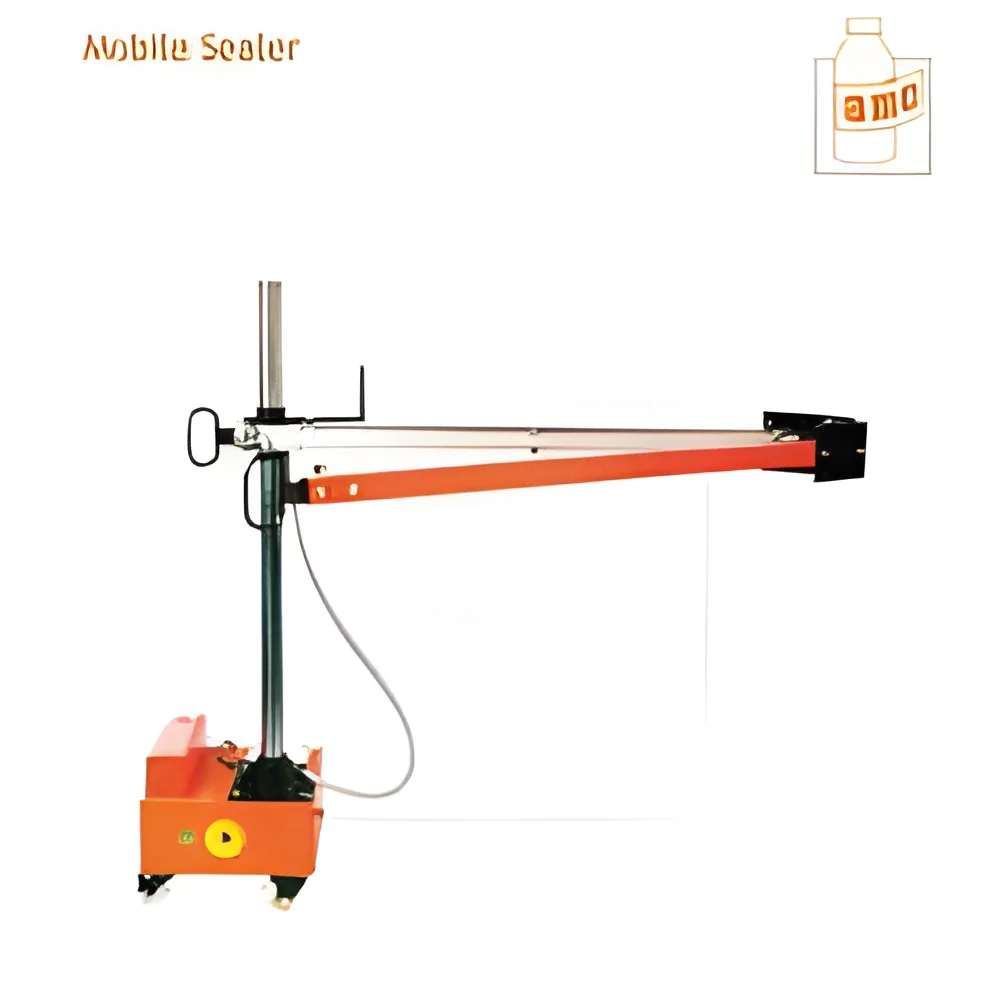
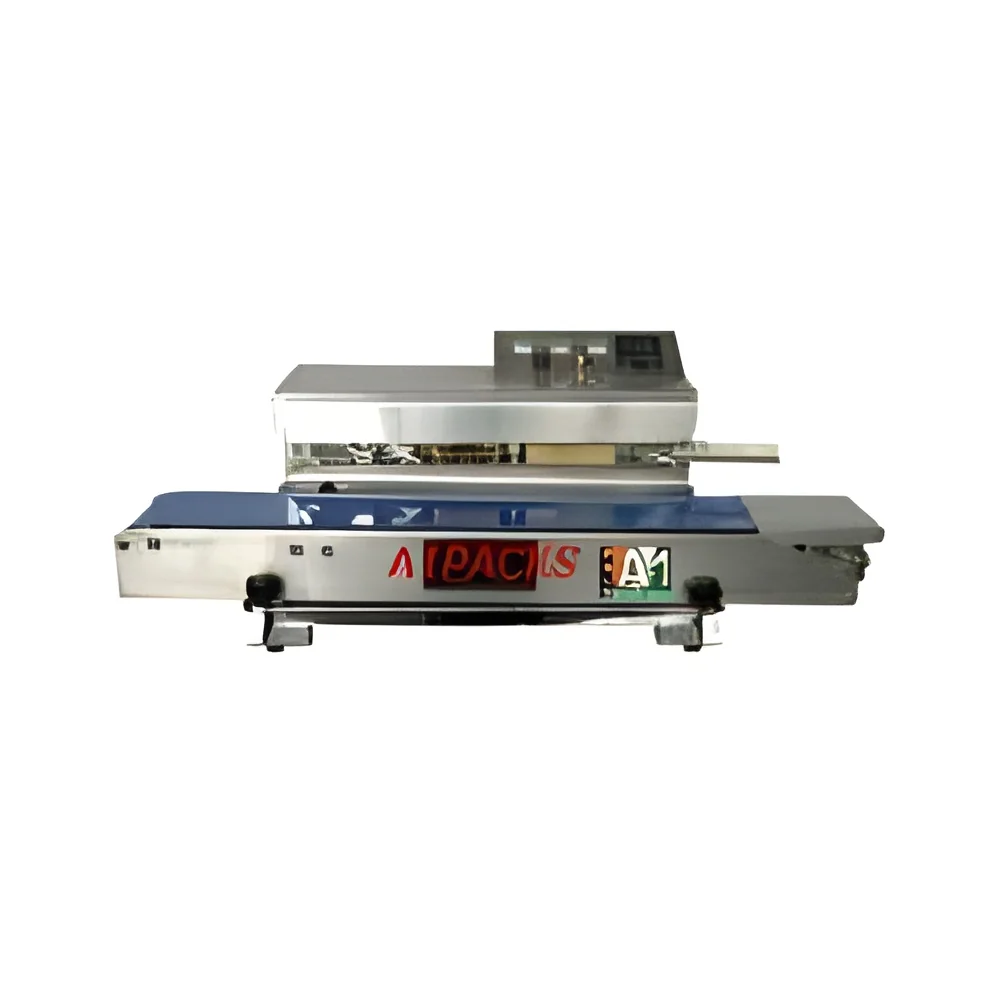
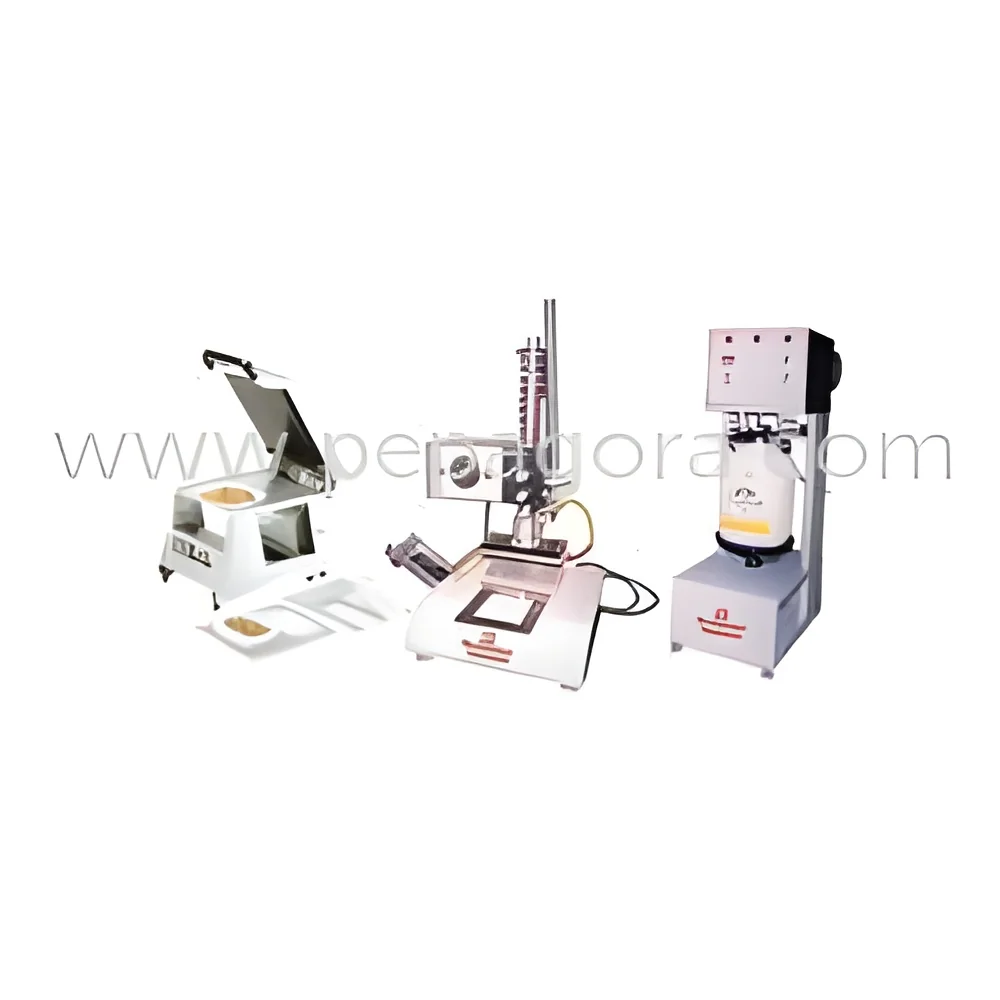
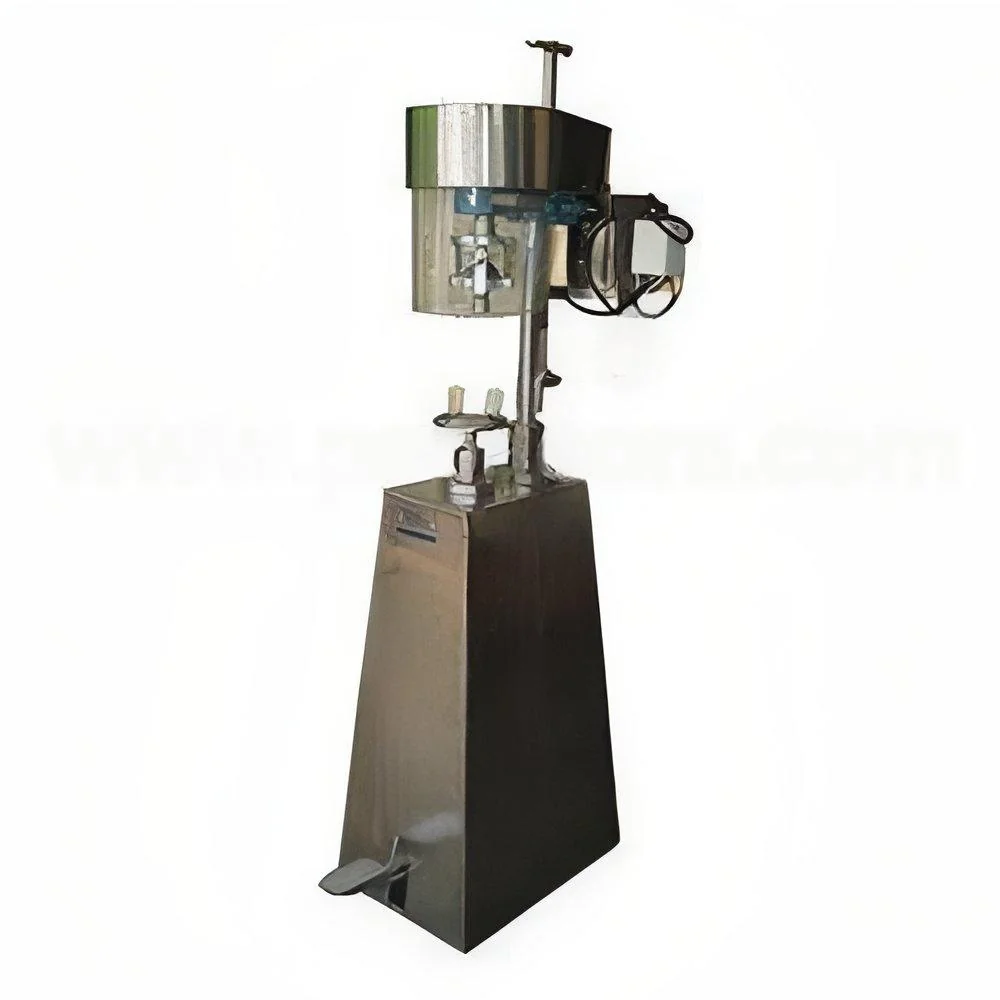
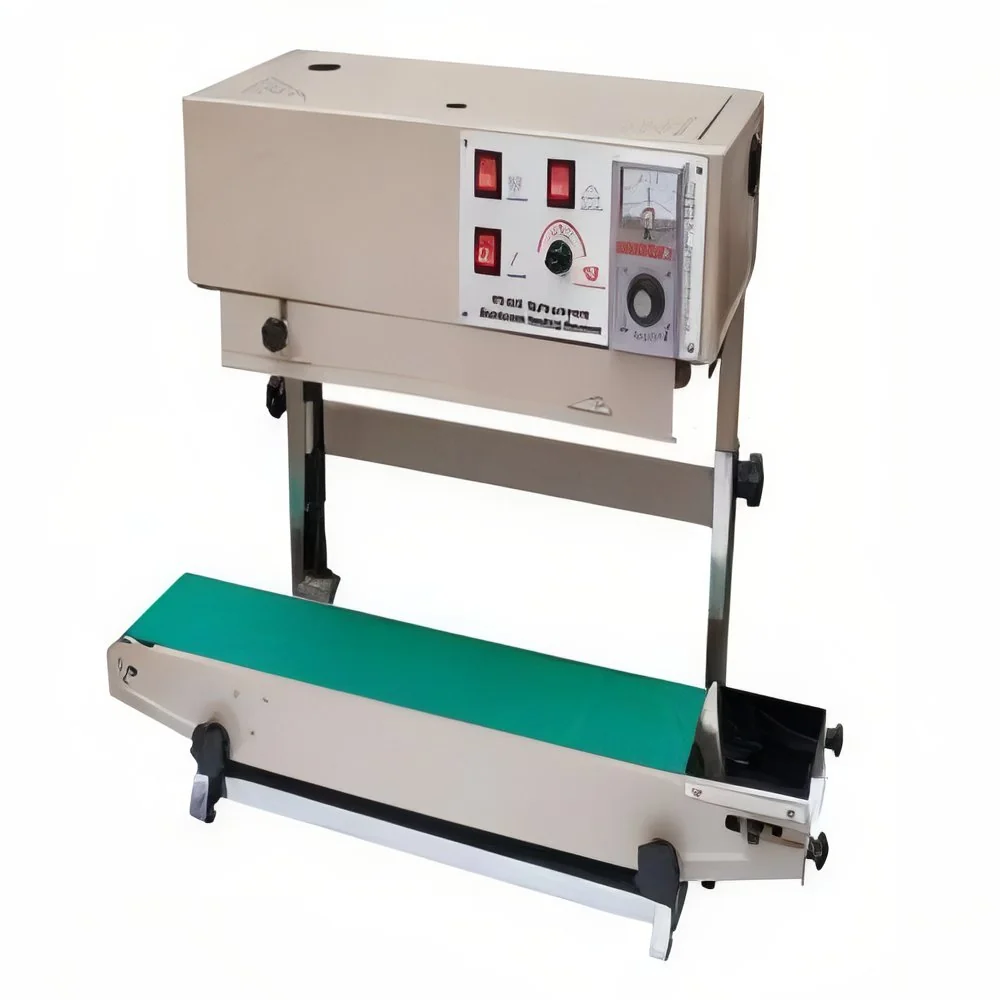
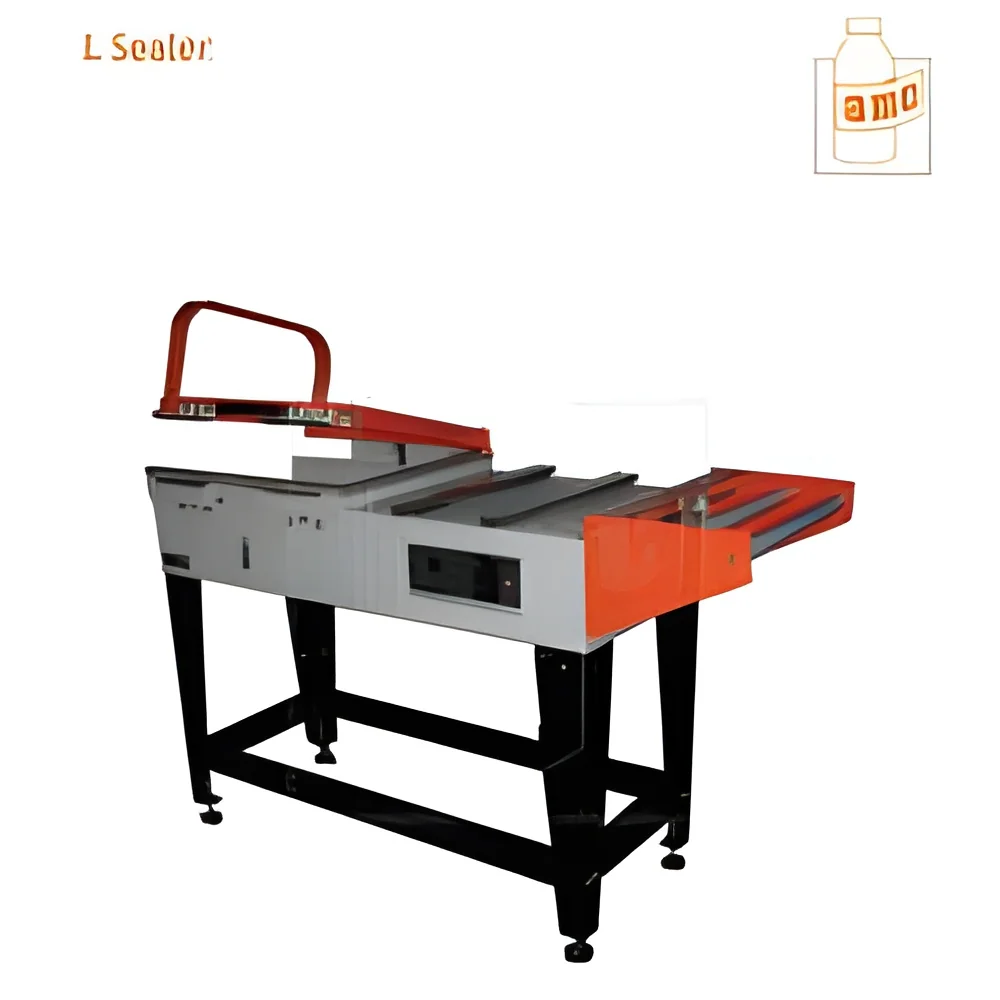
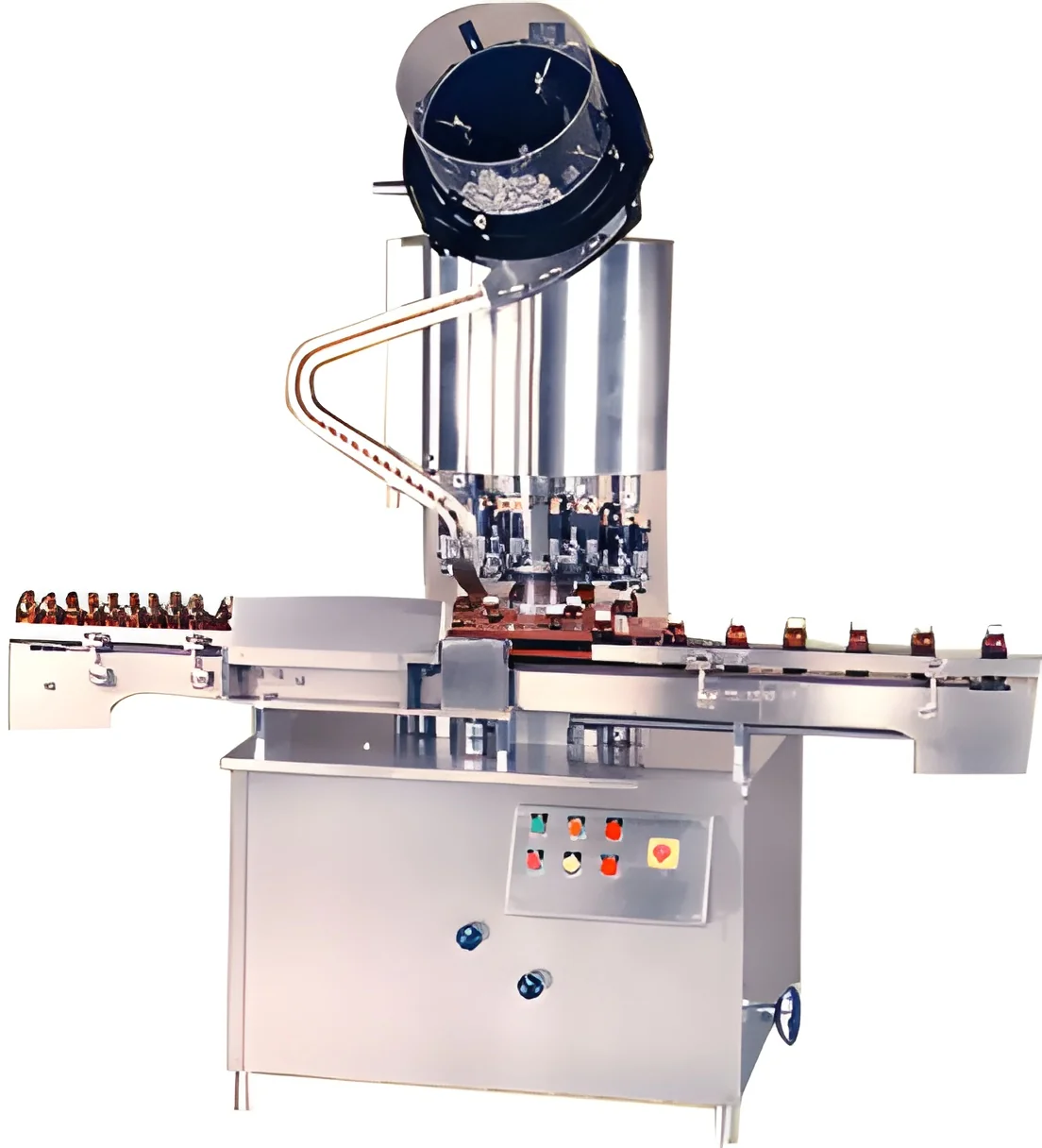
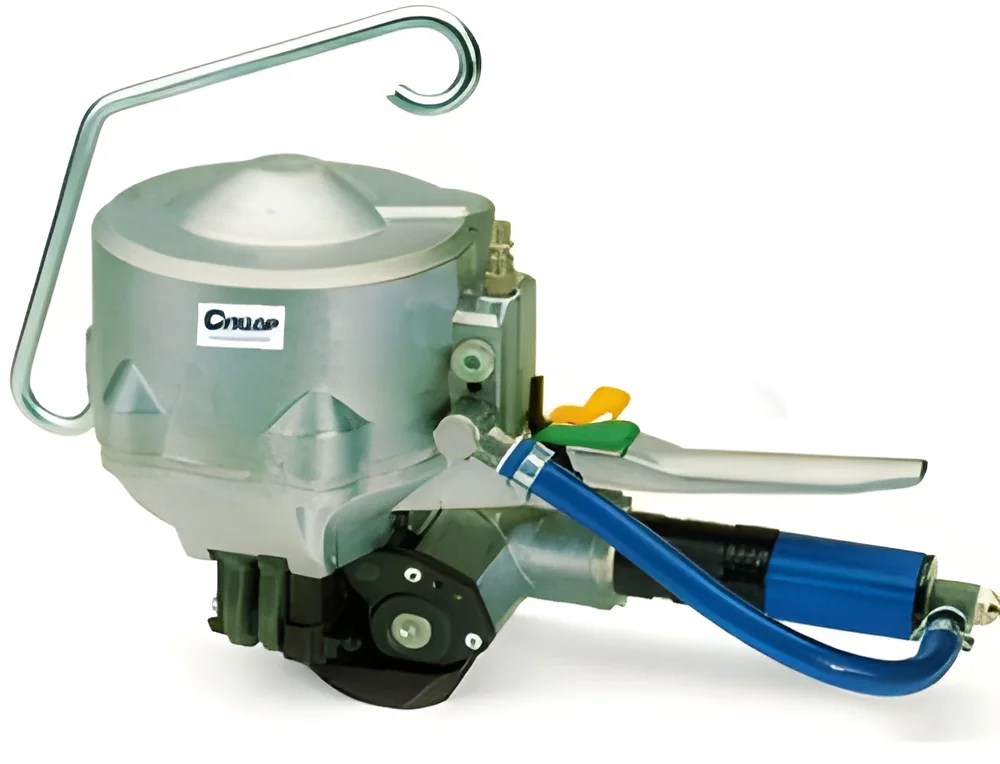
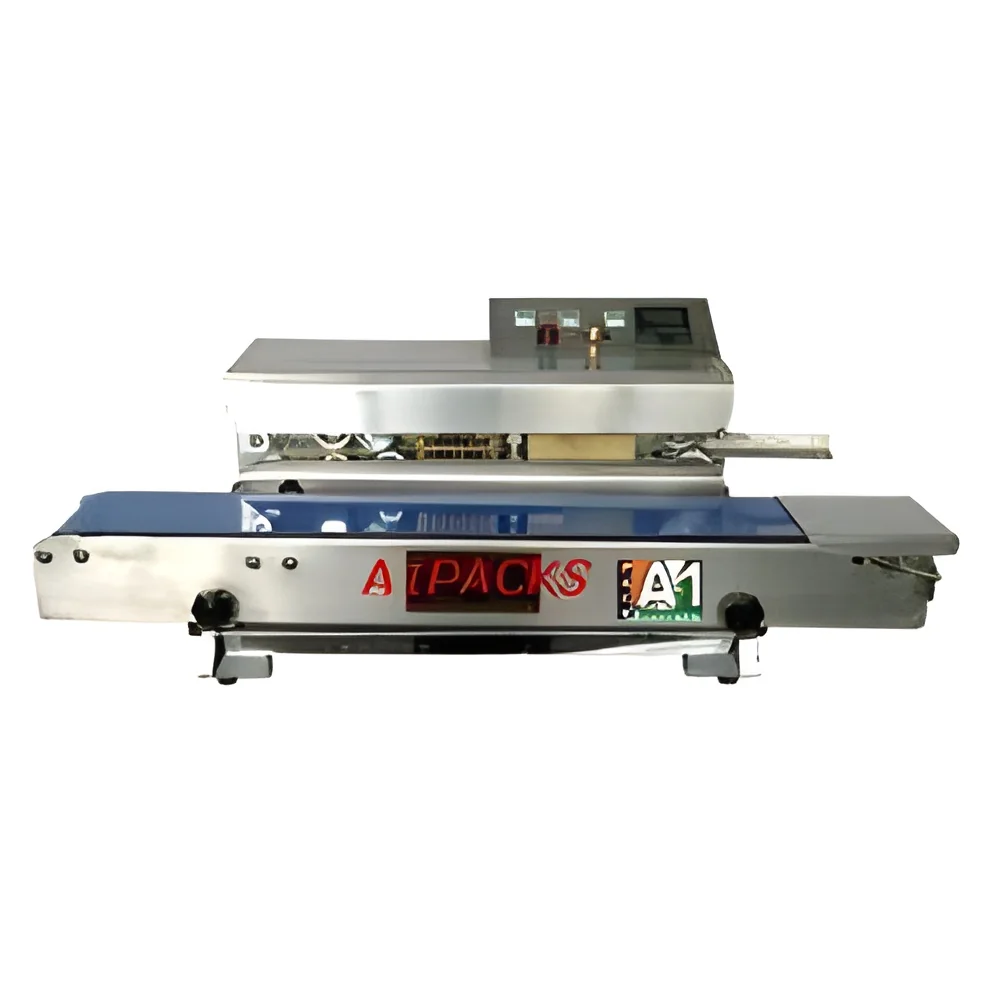
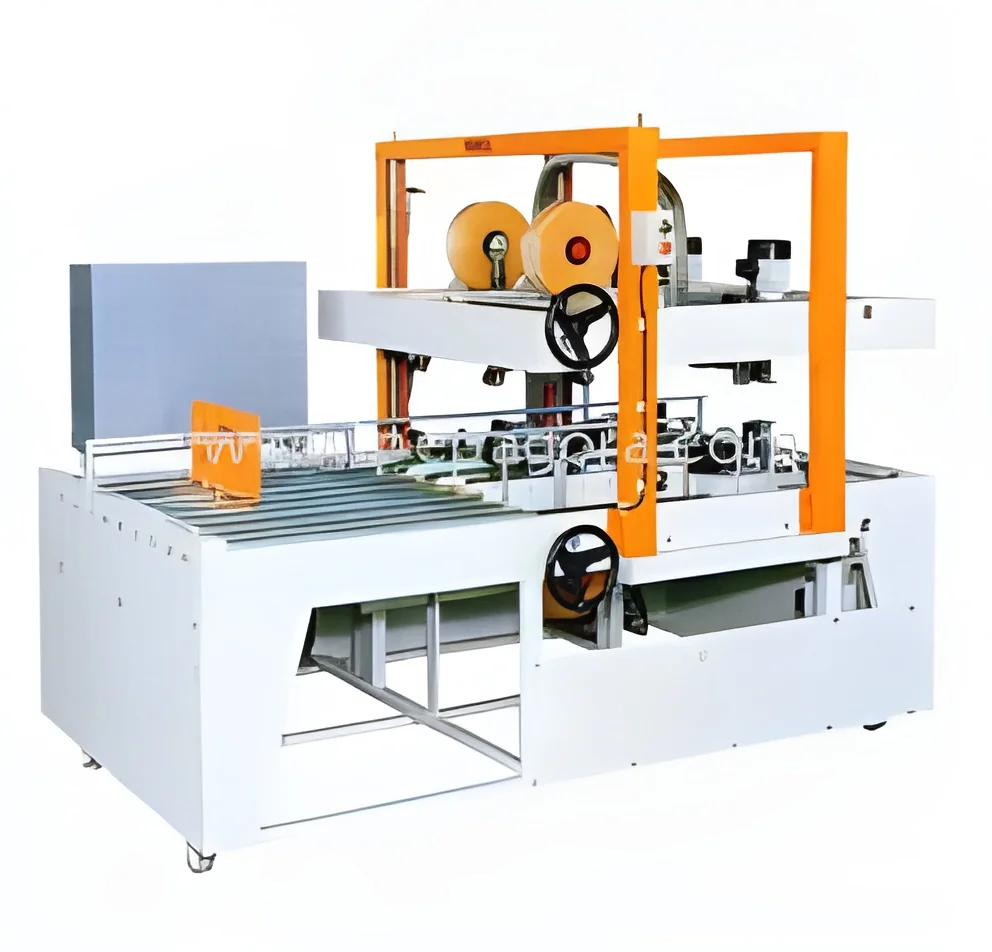
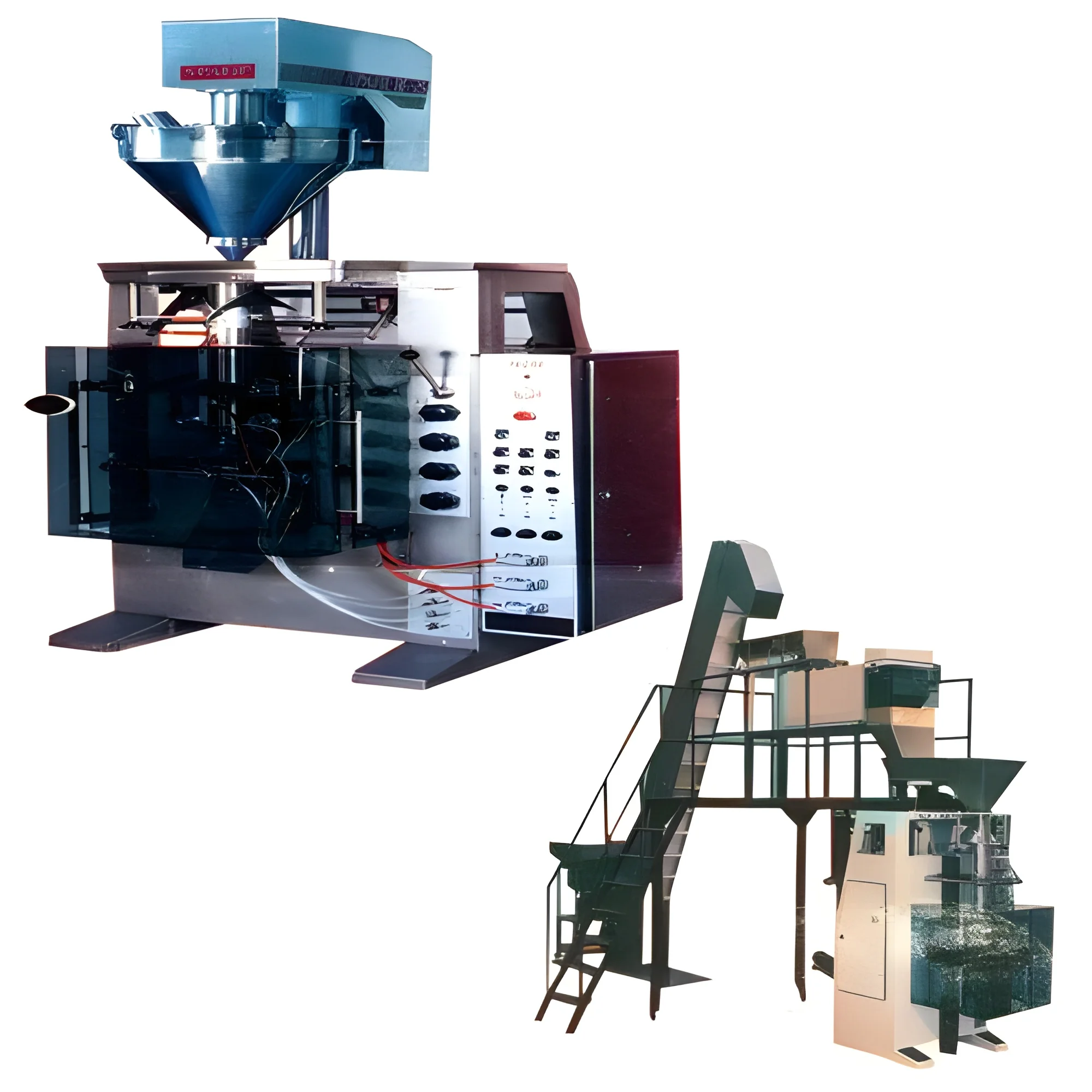
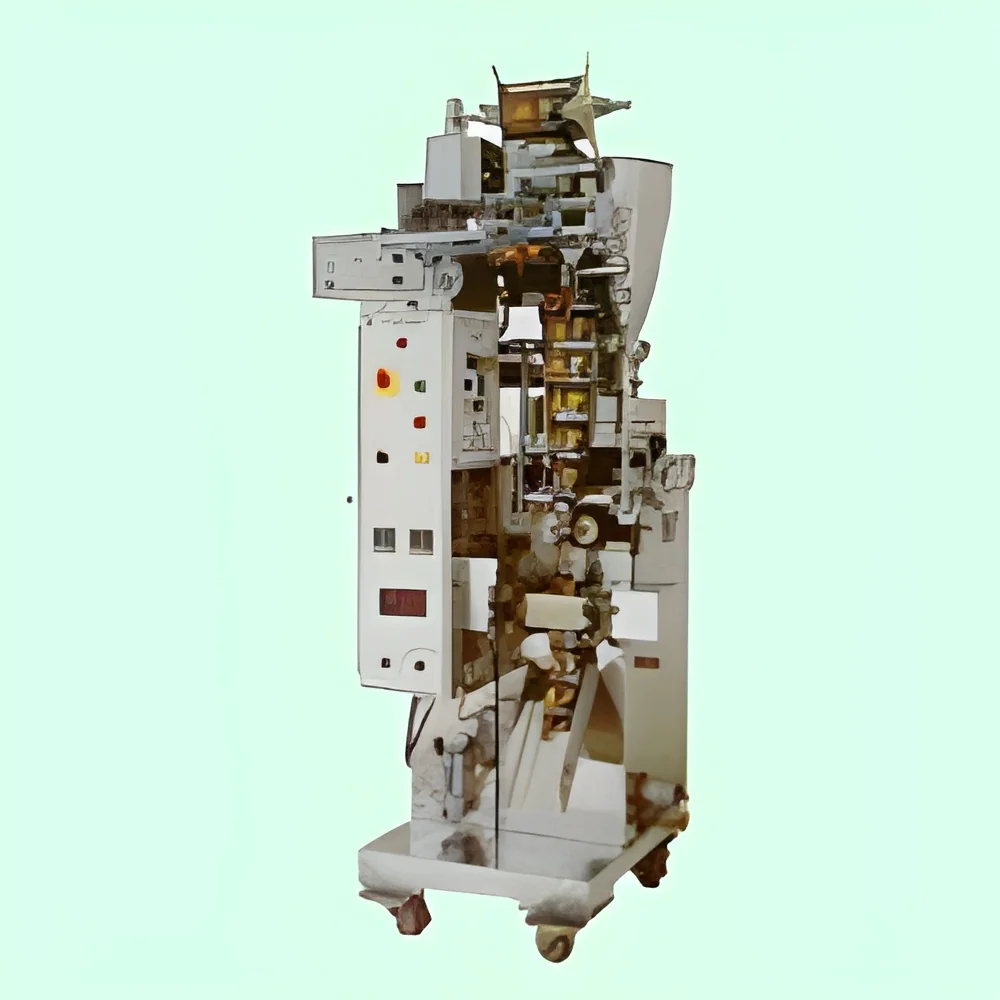
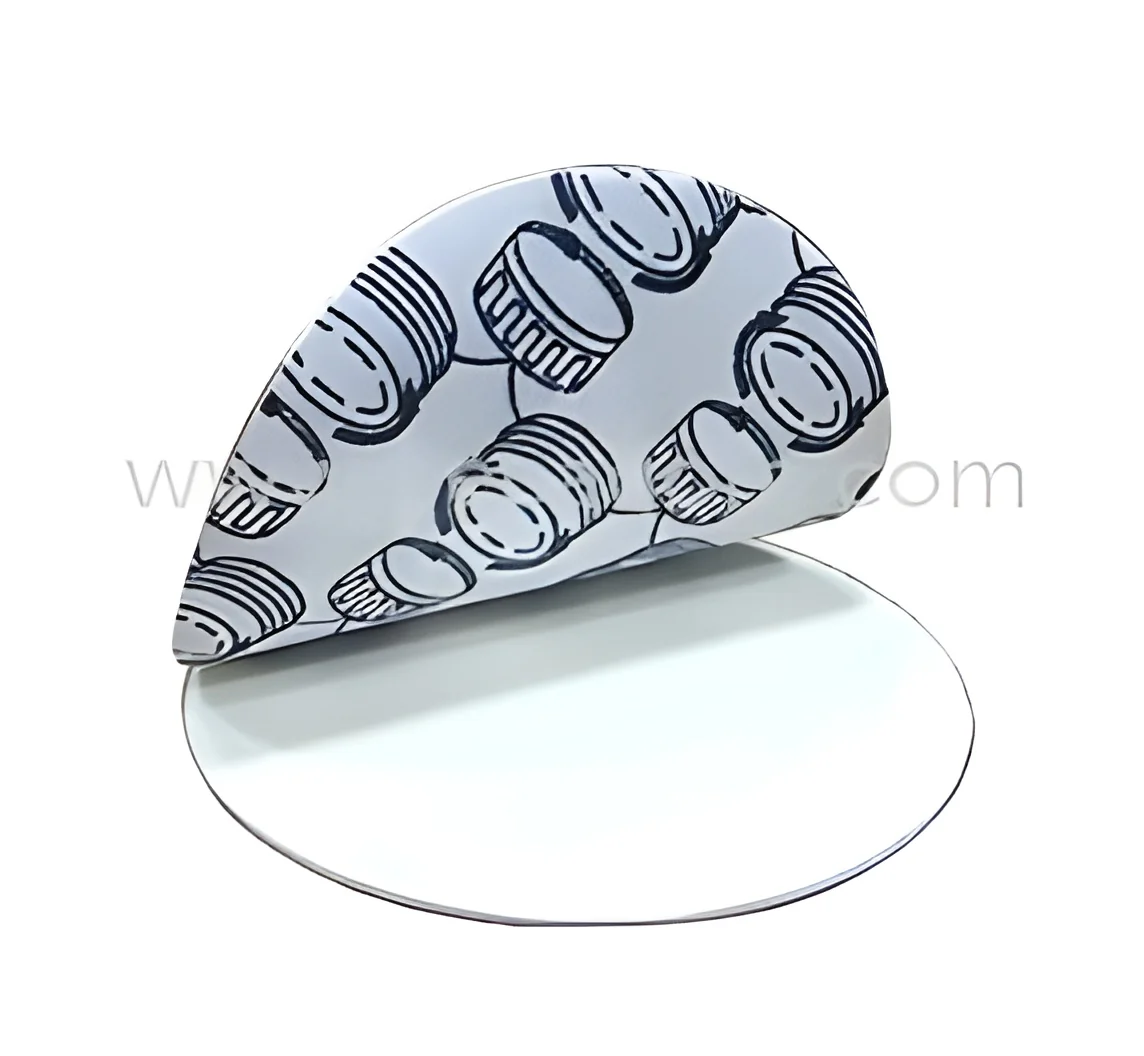
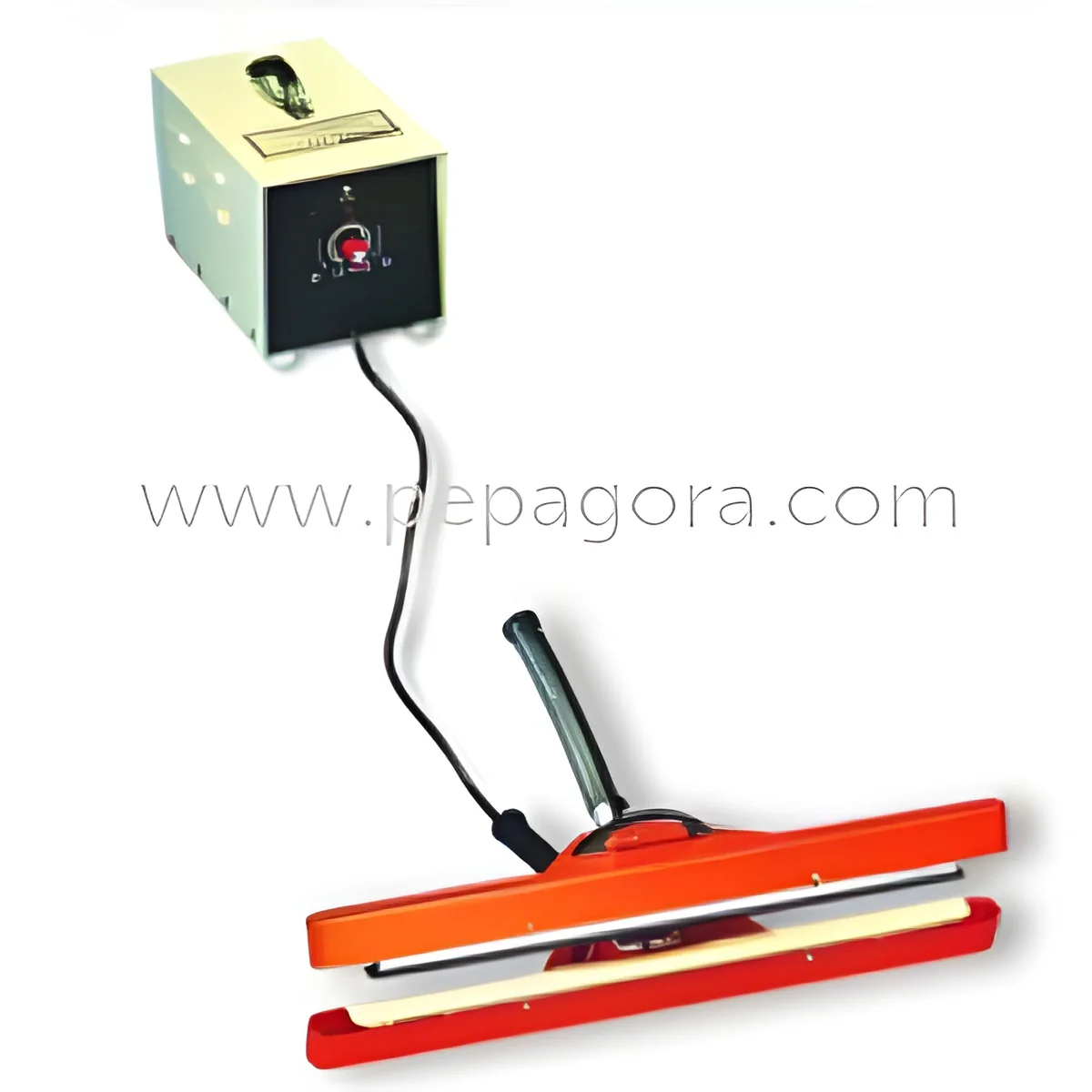
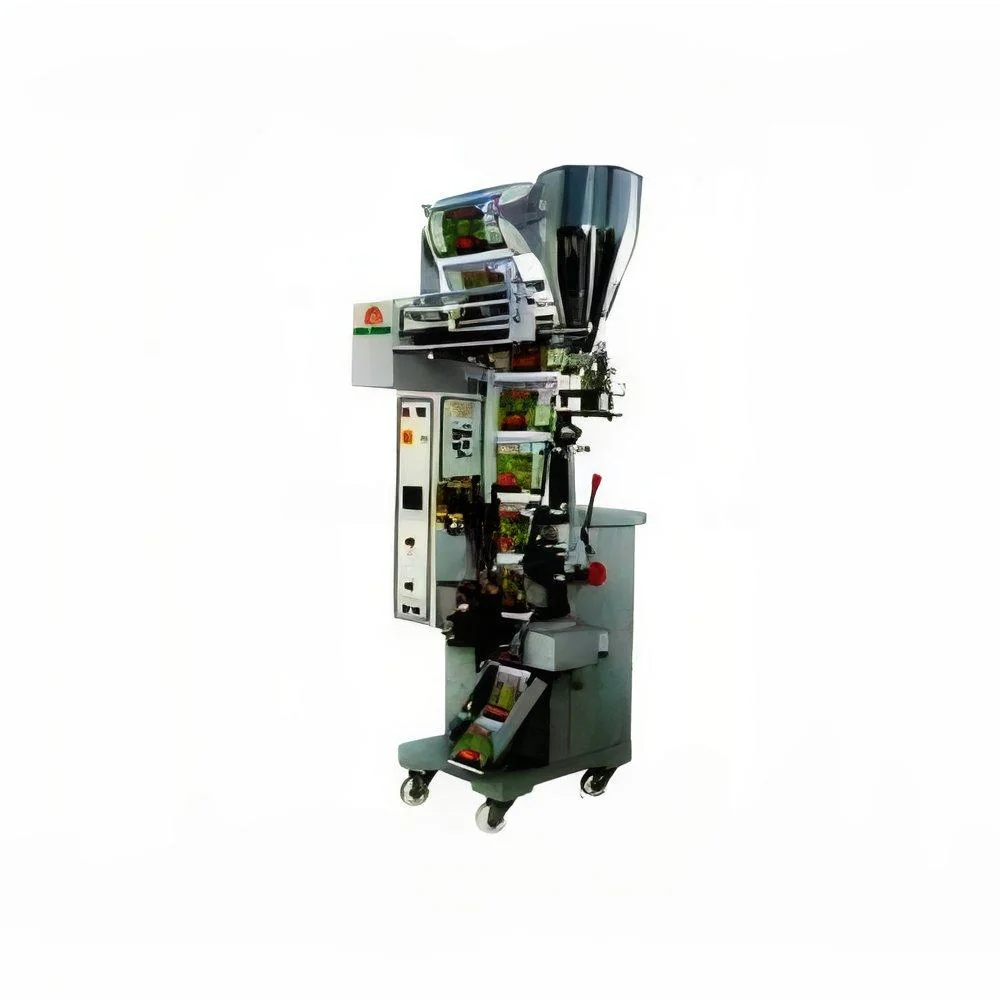
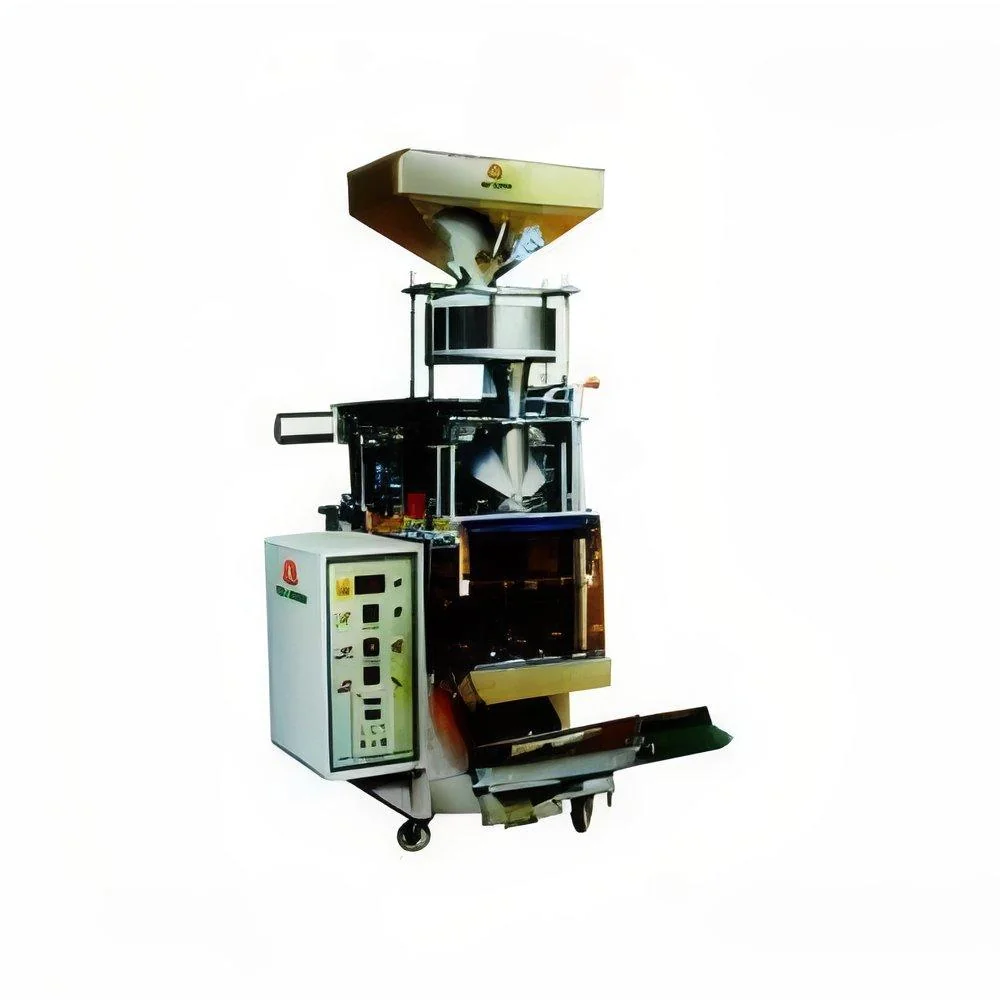
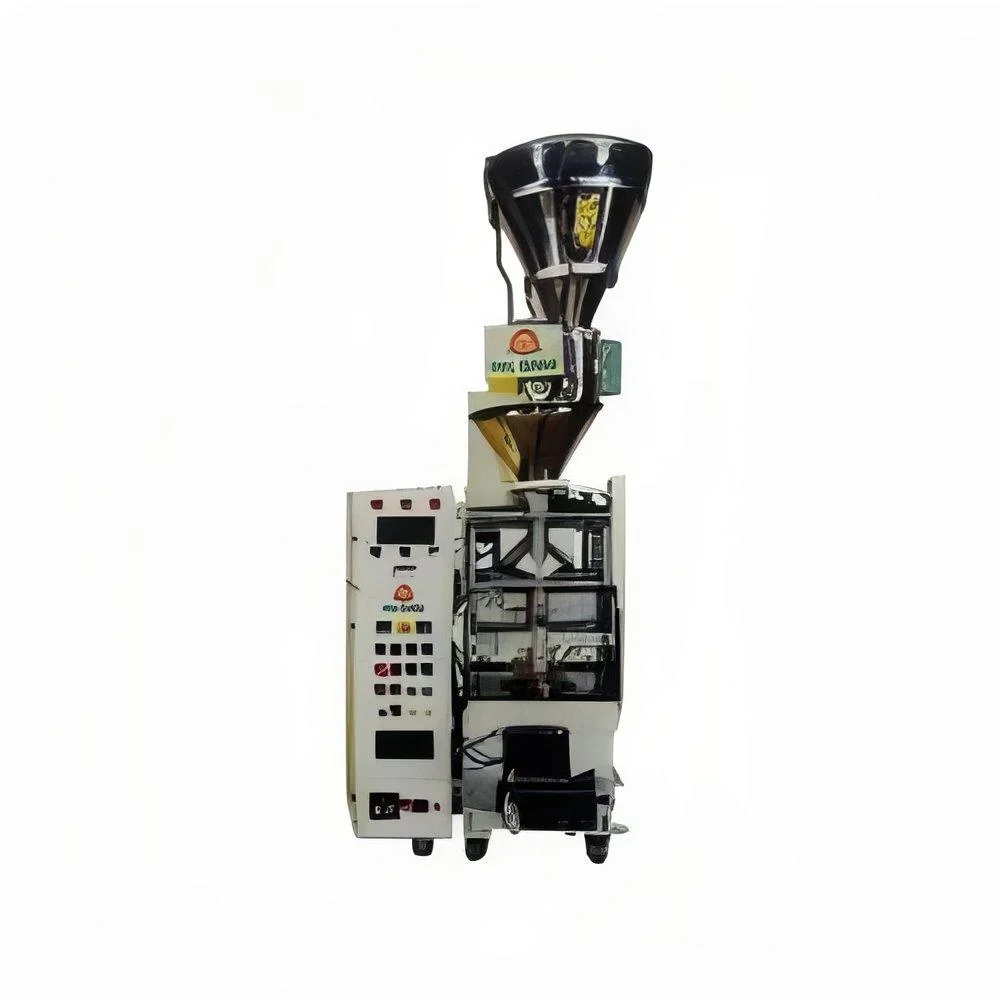
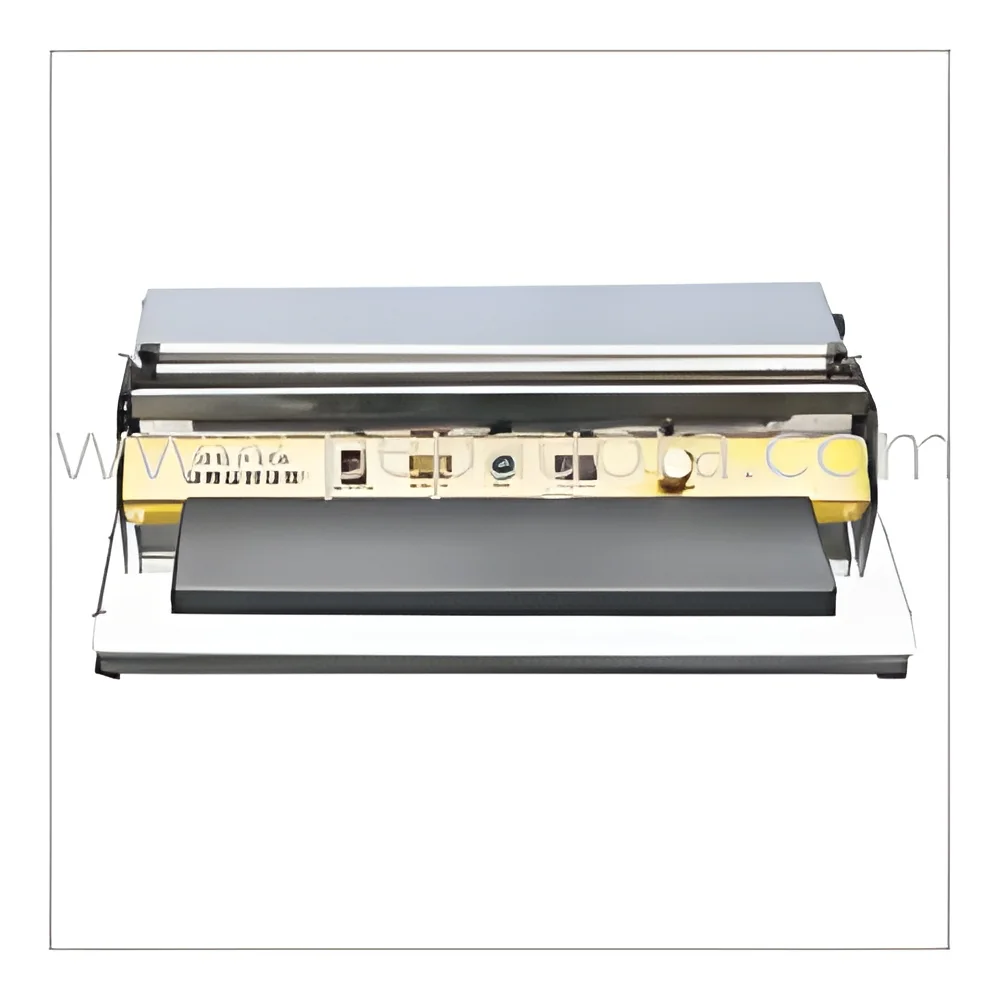
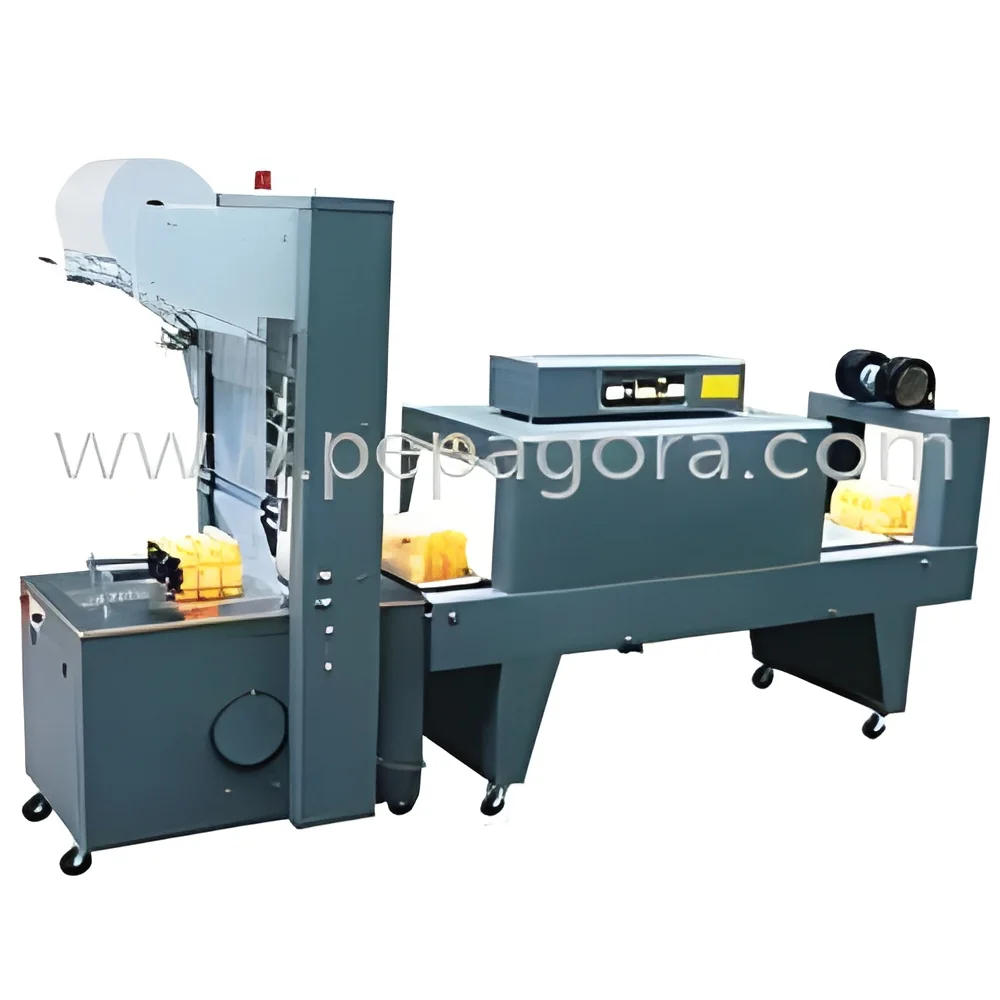
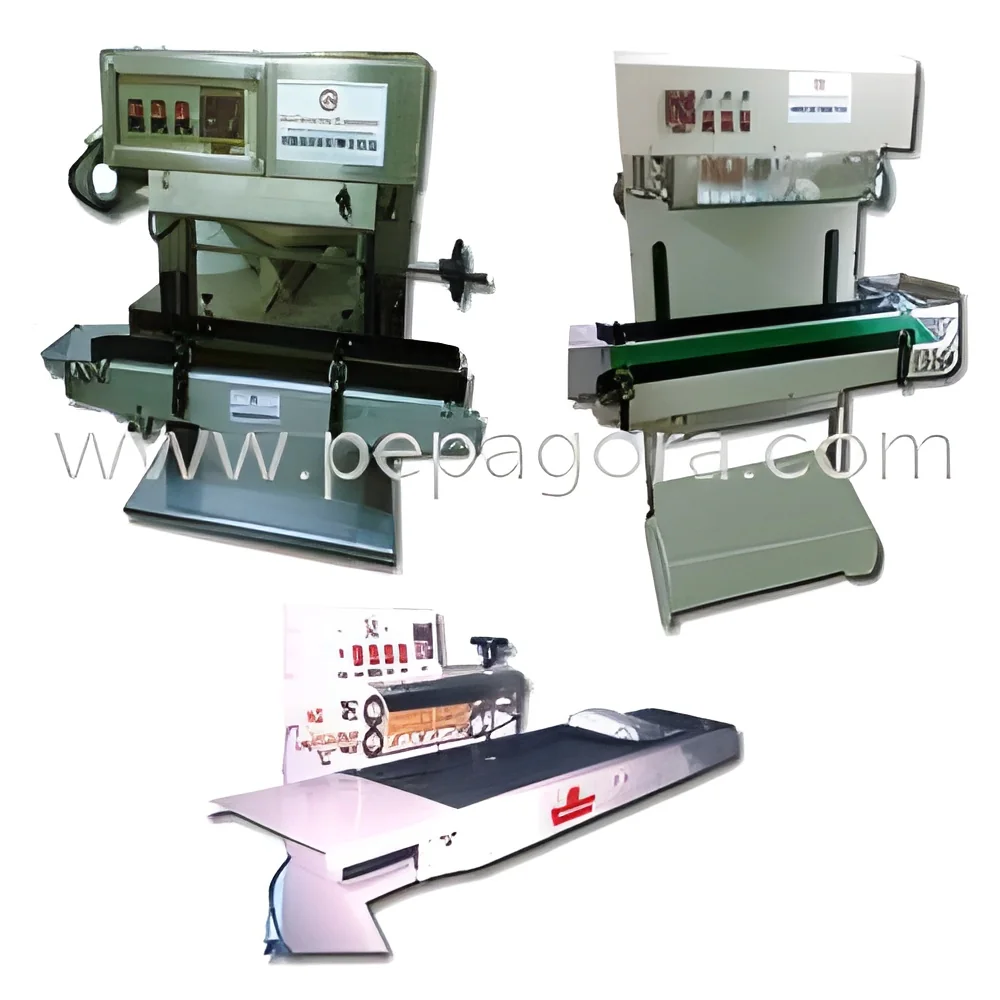
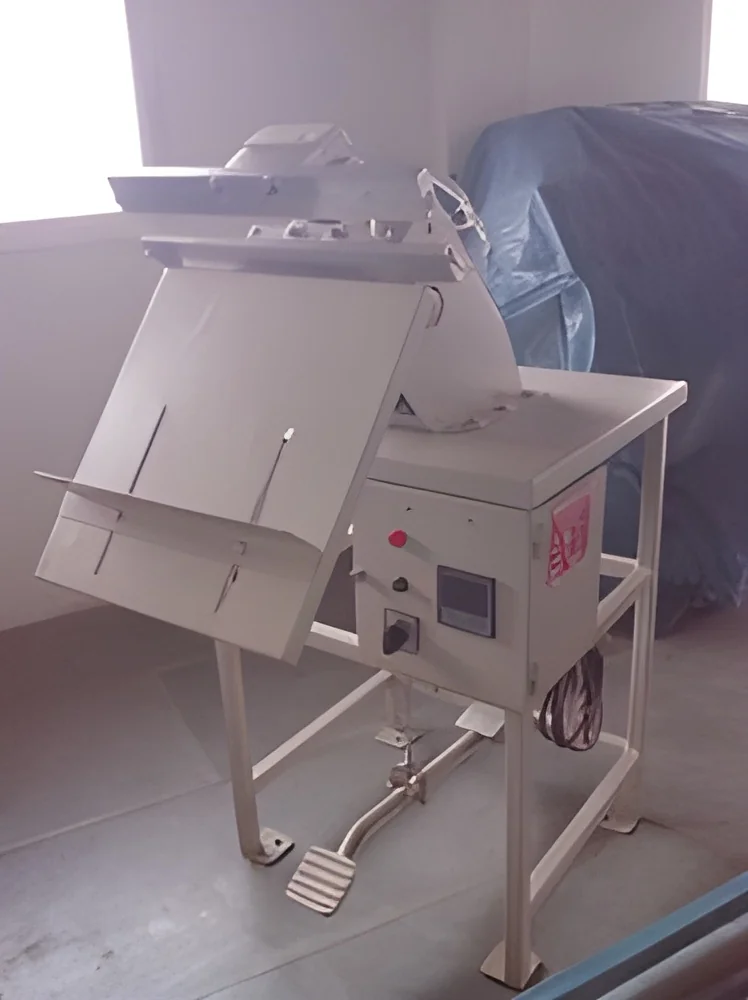
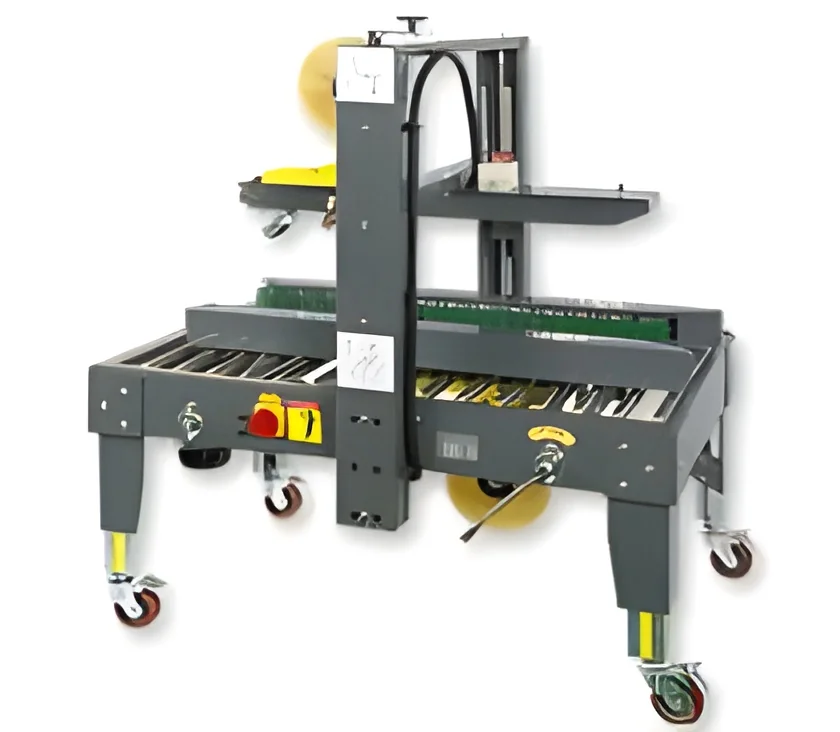
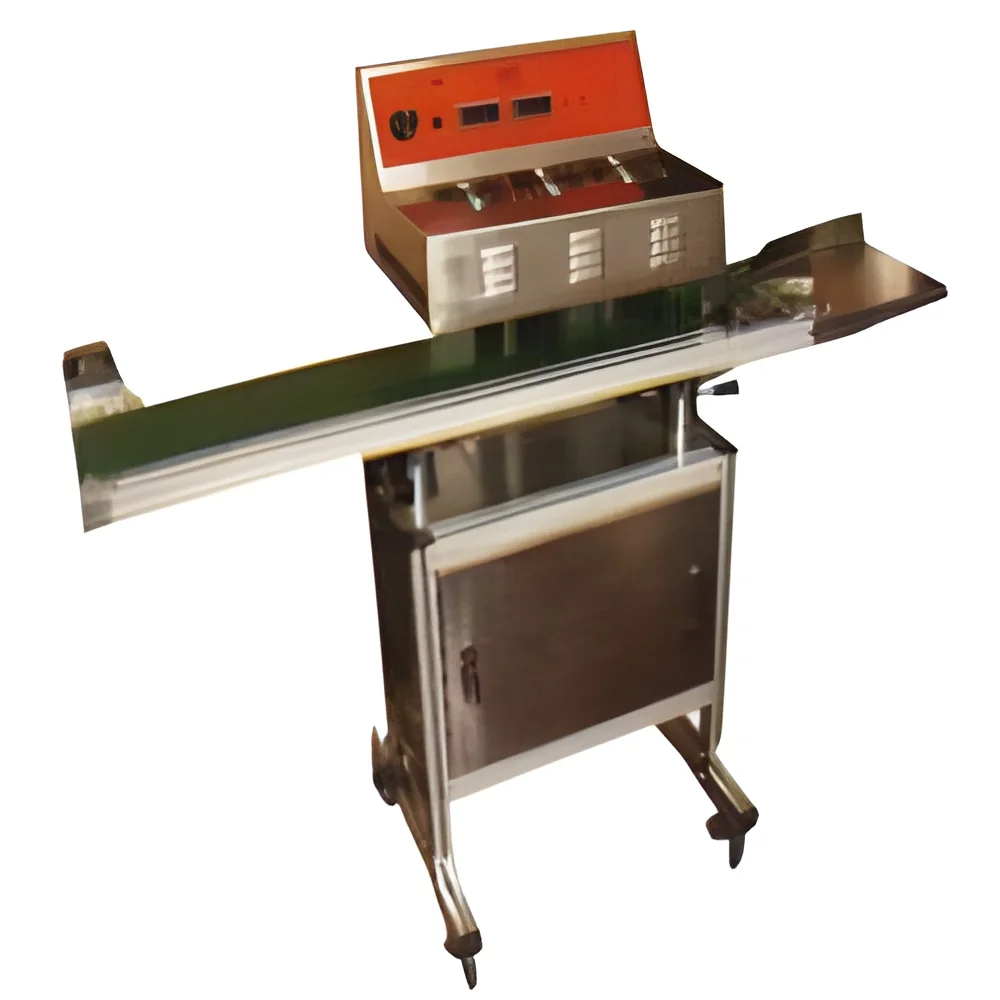
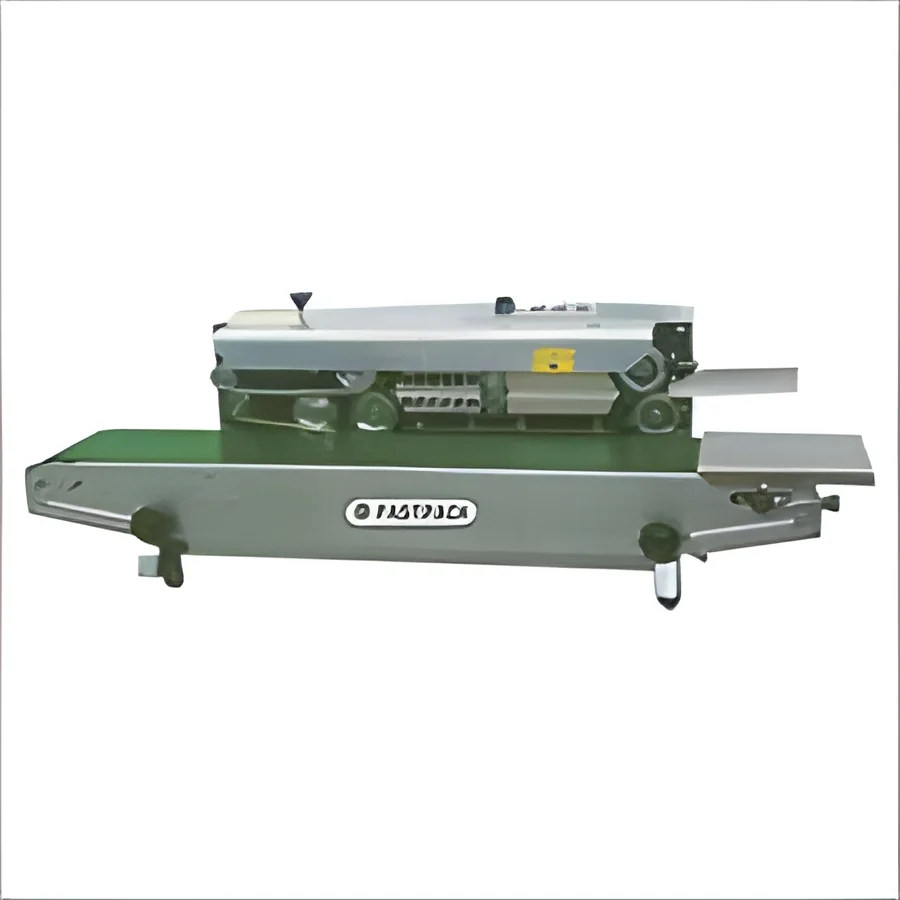
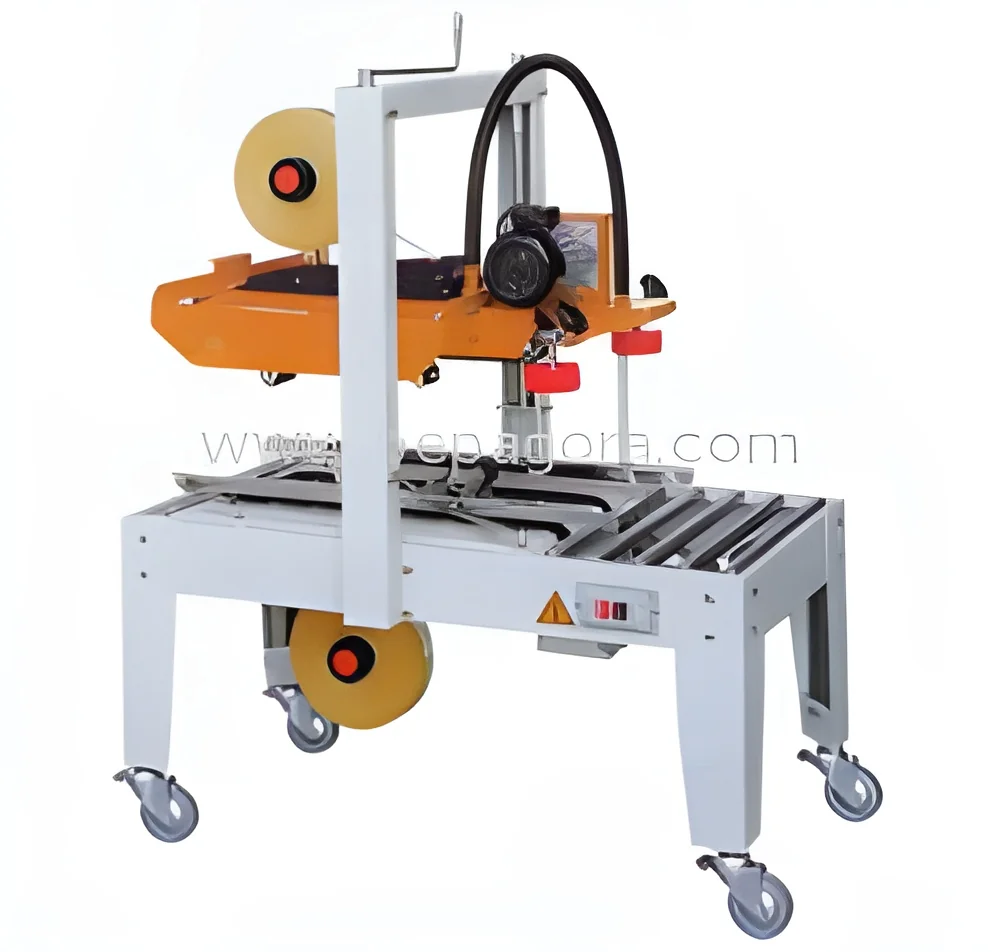
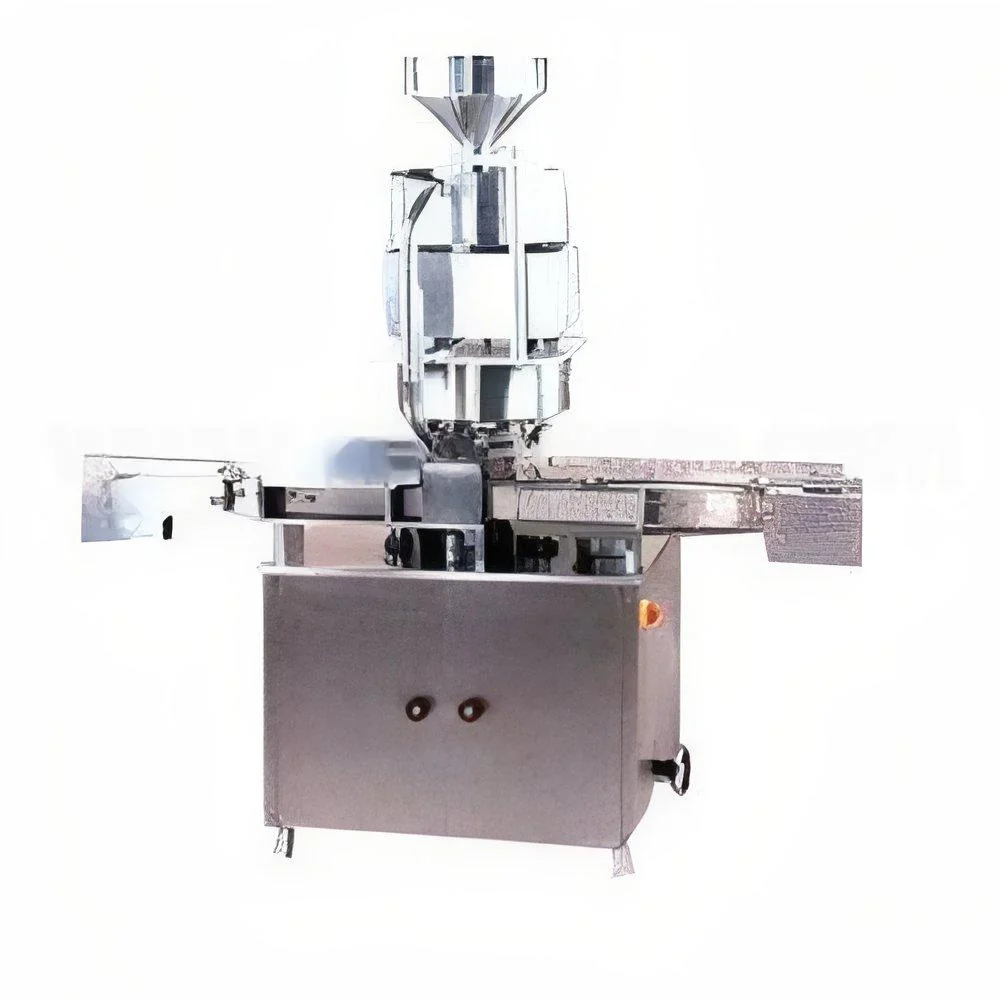
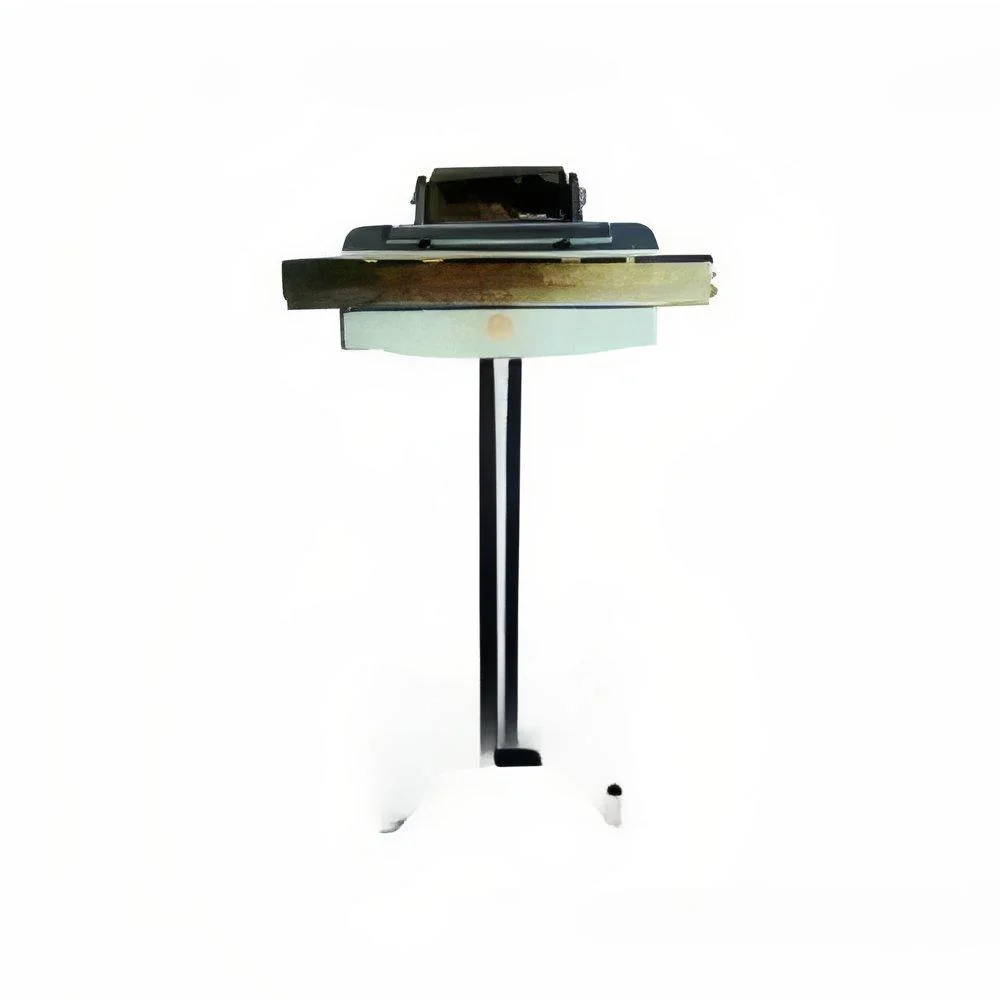
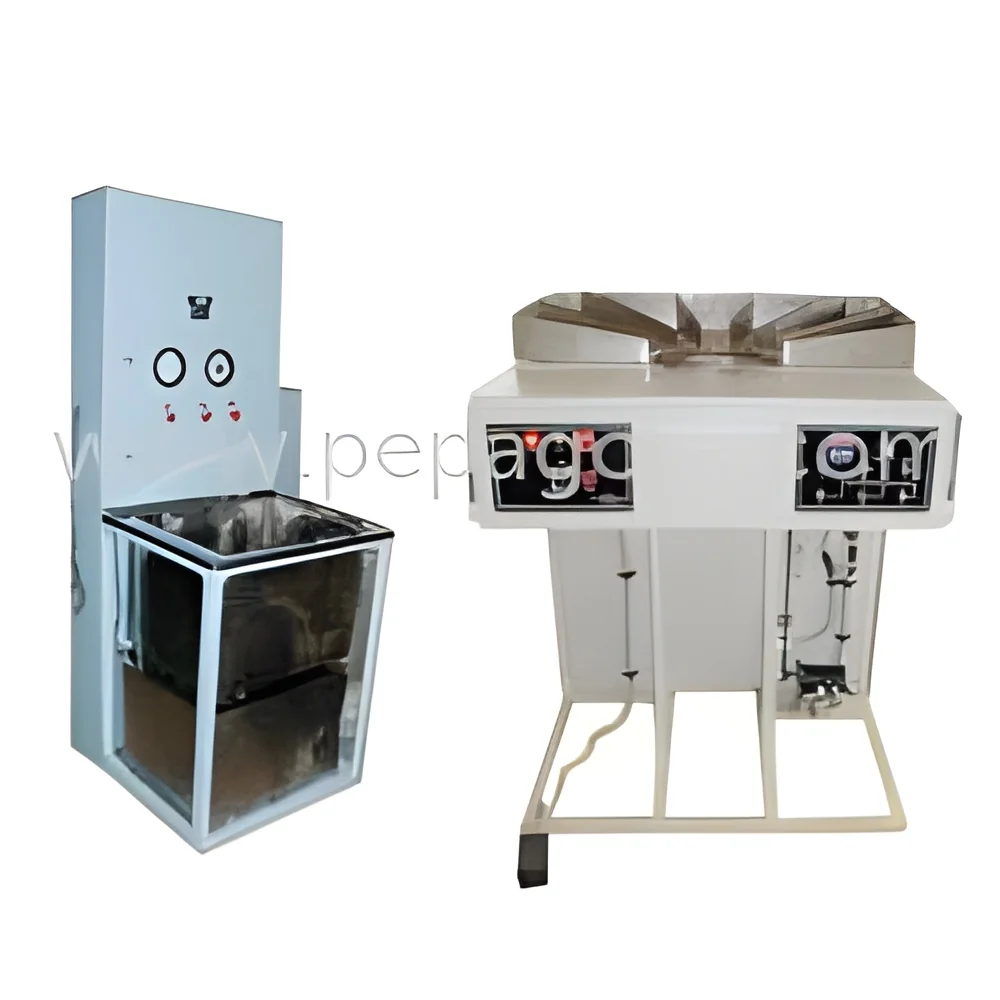
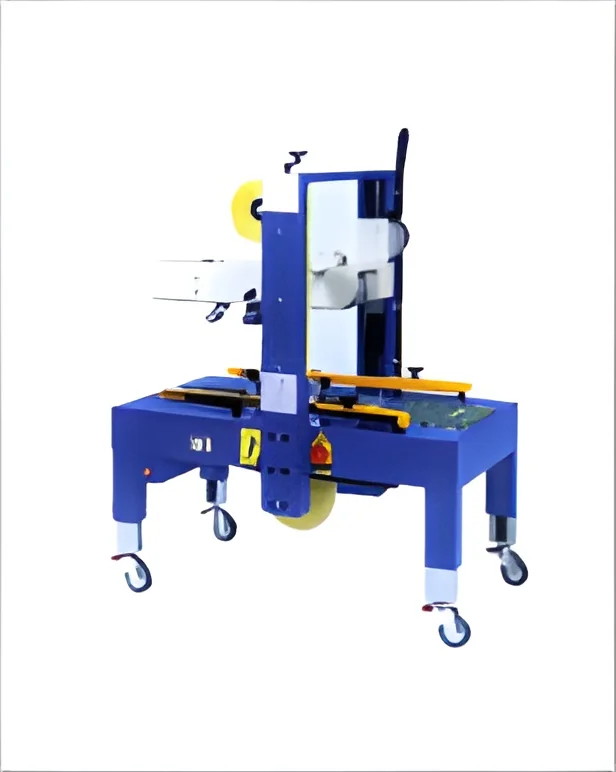
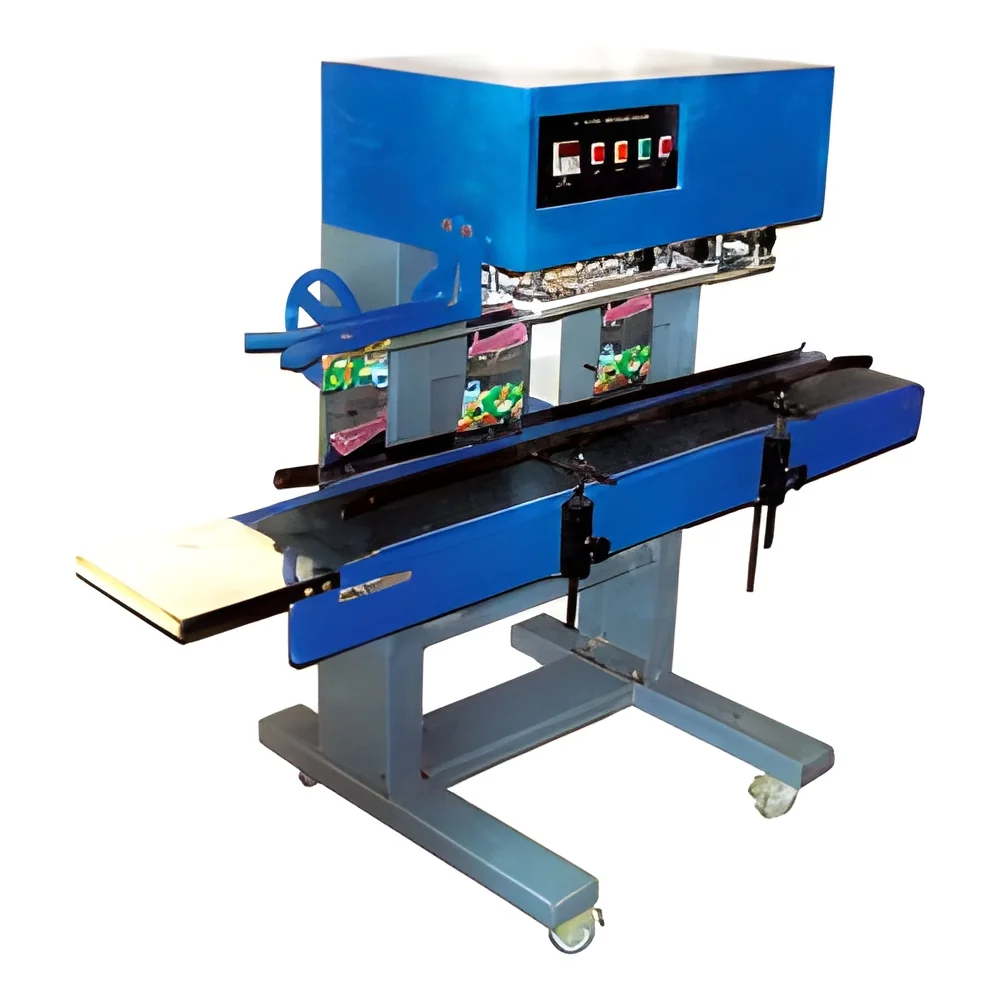
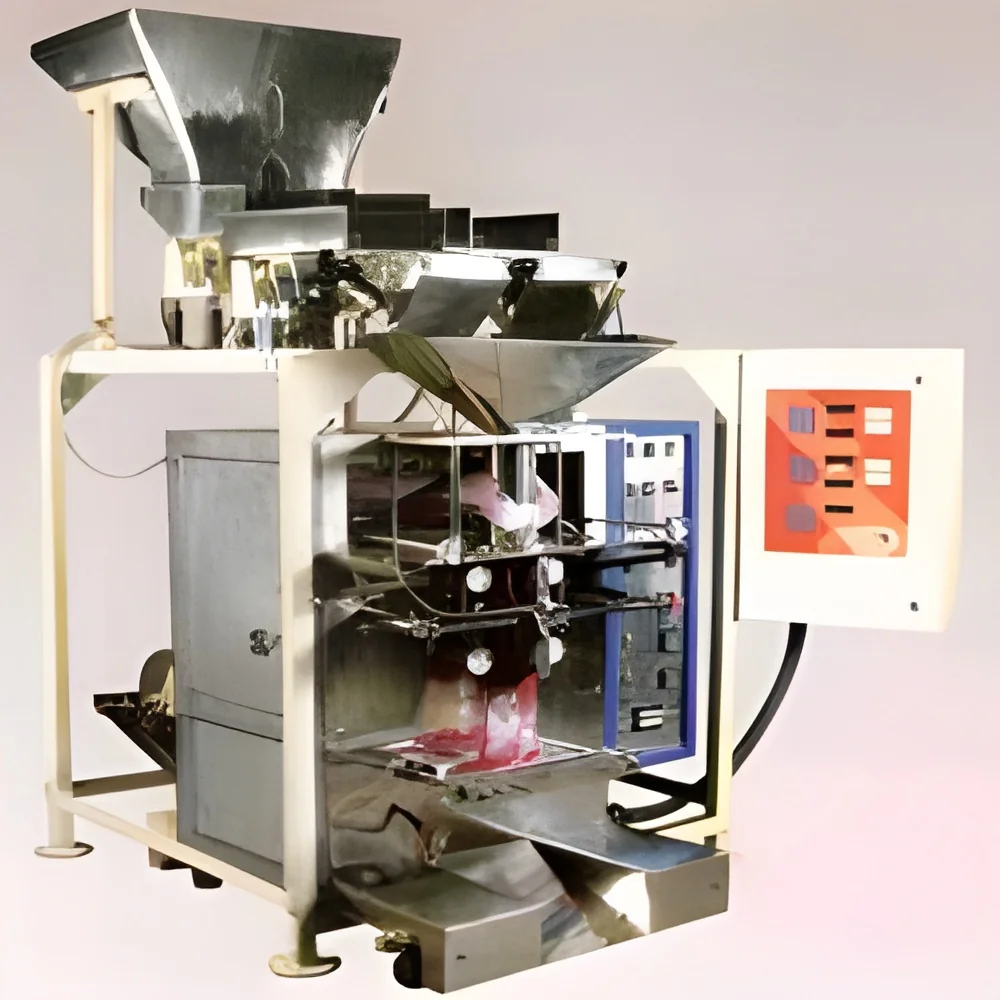
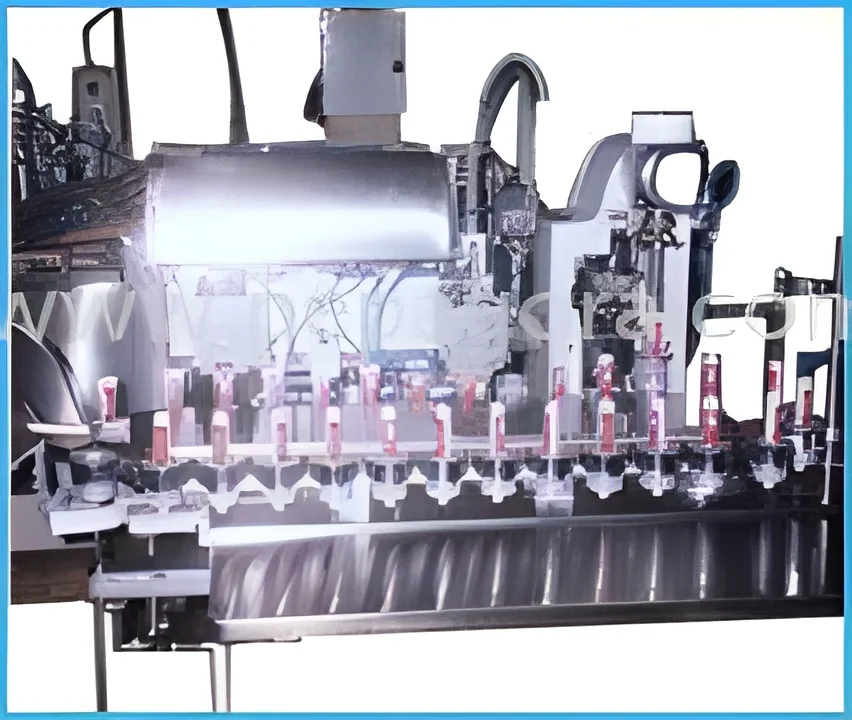
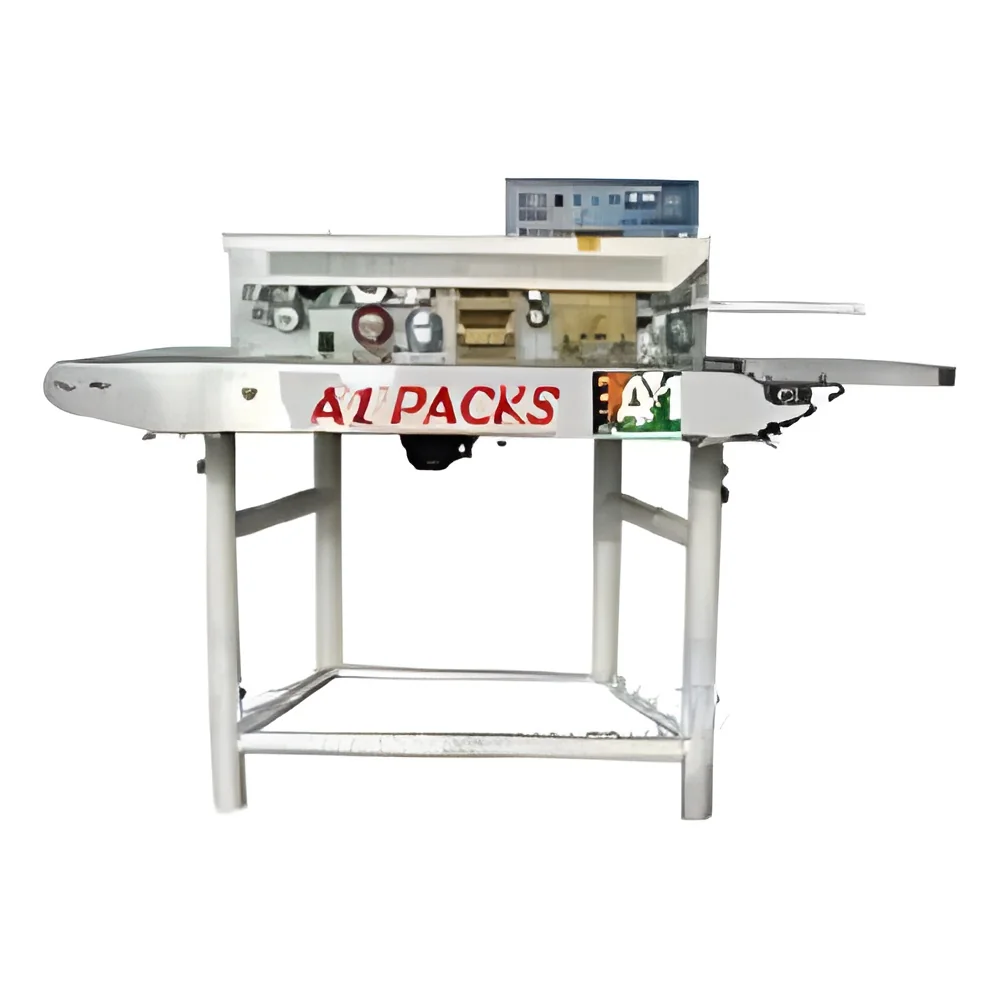
What are Sealing Machines?
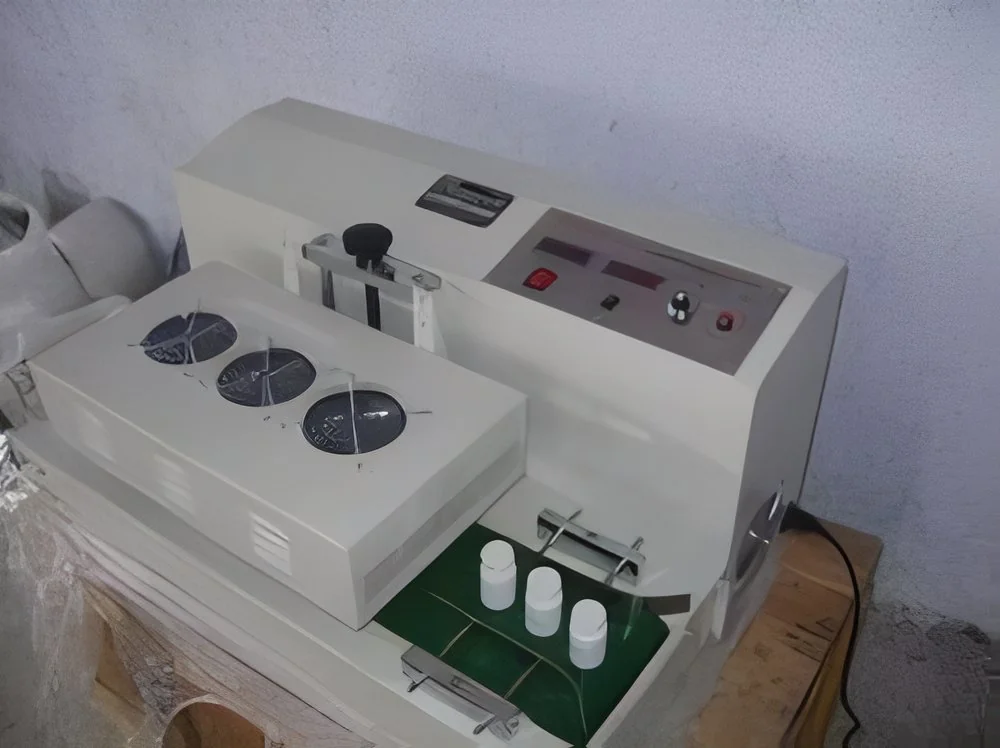
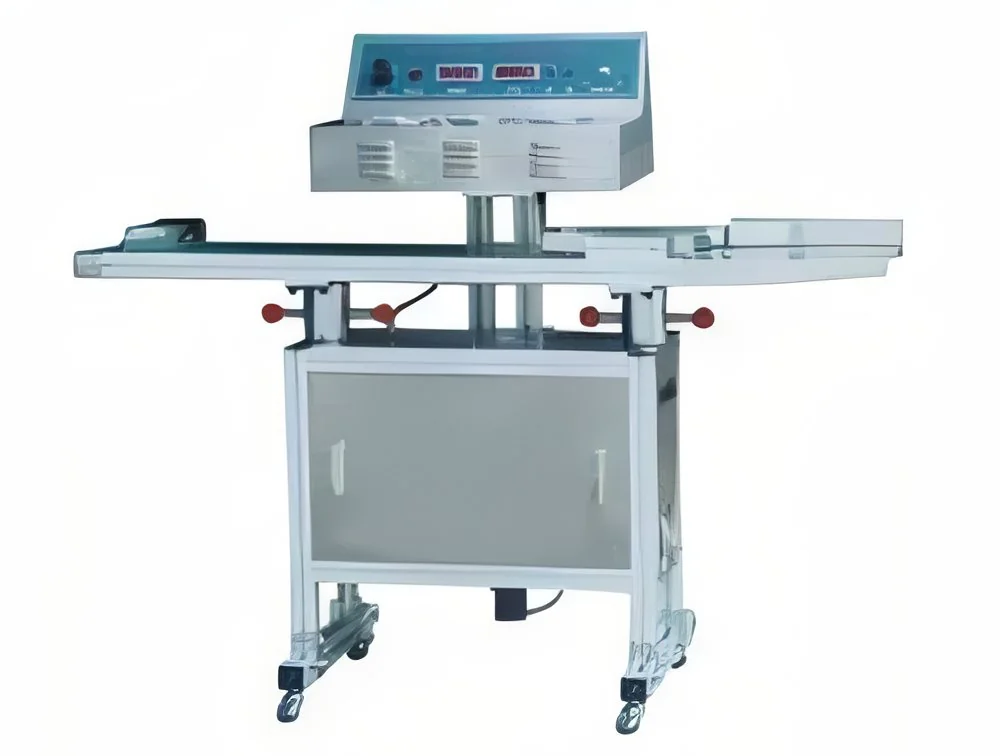
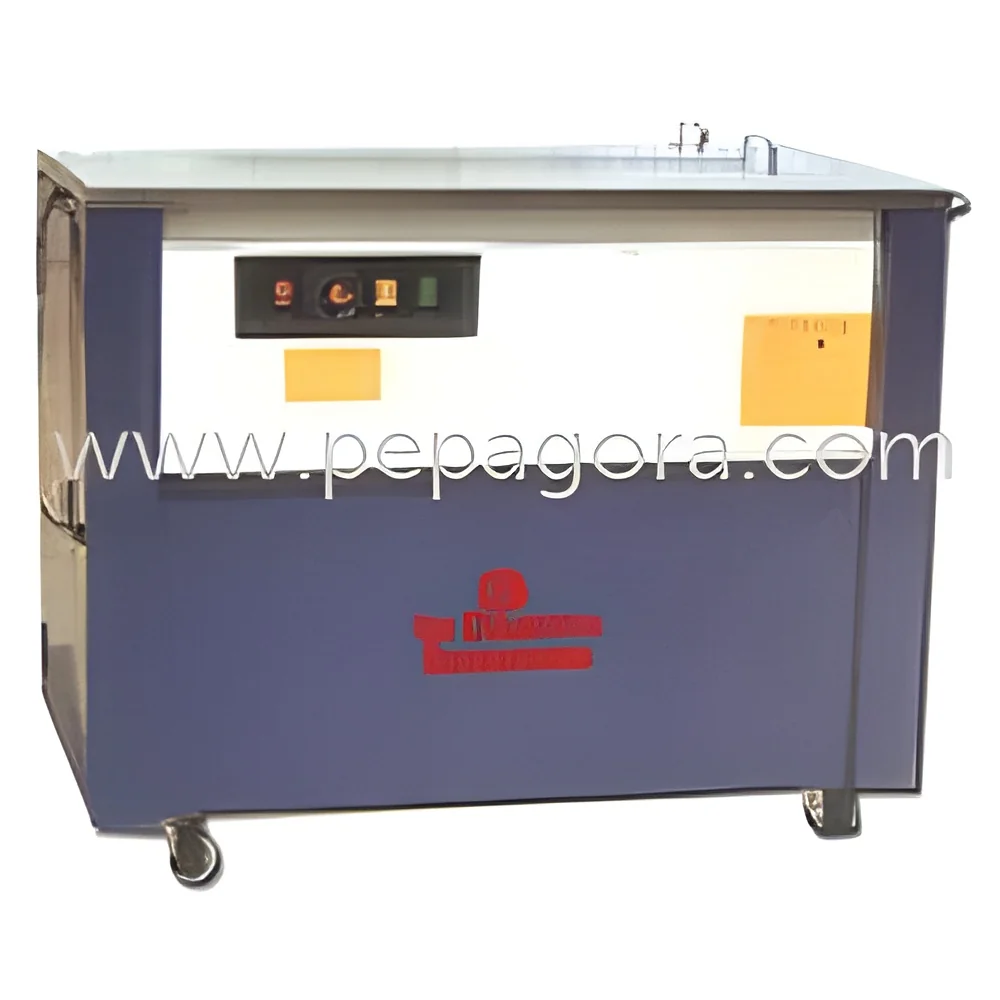
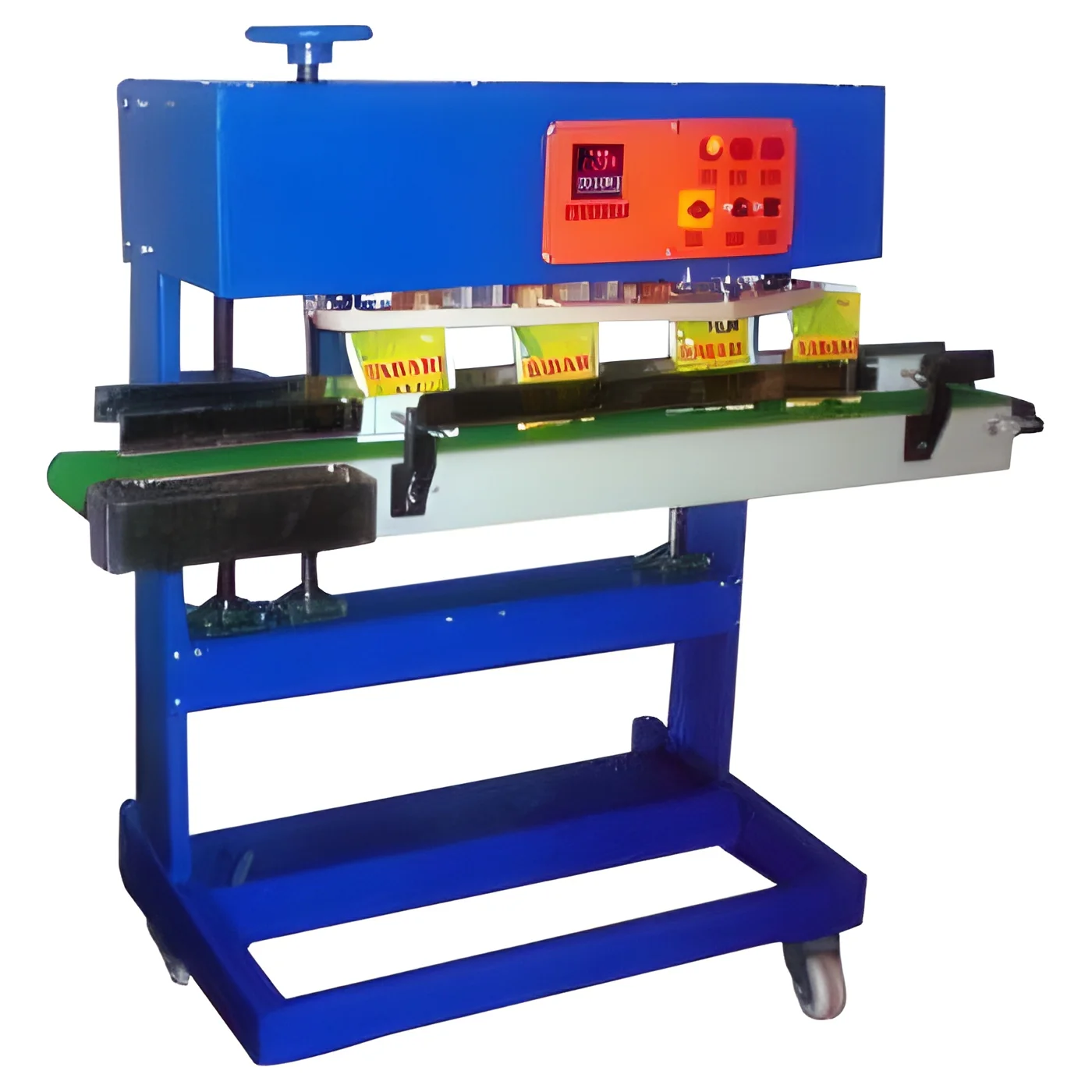
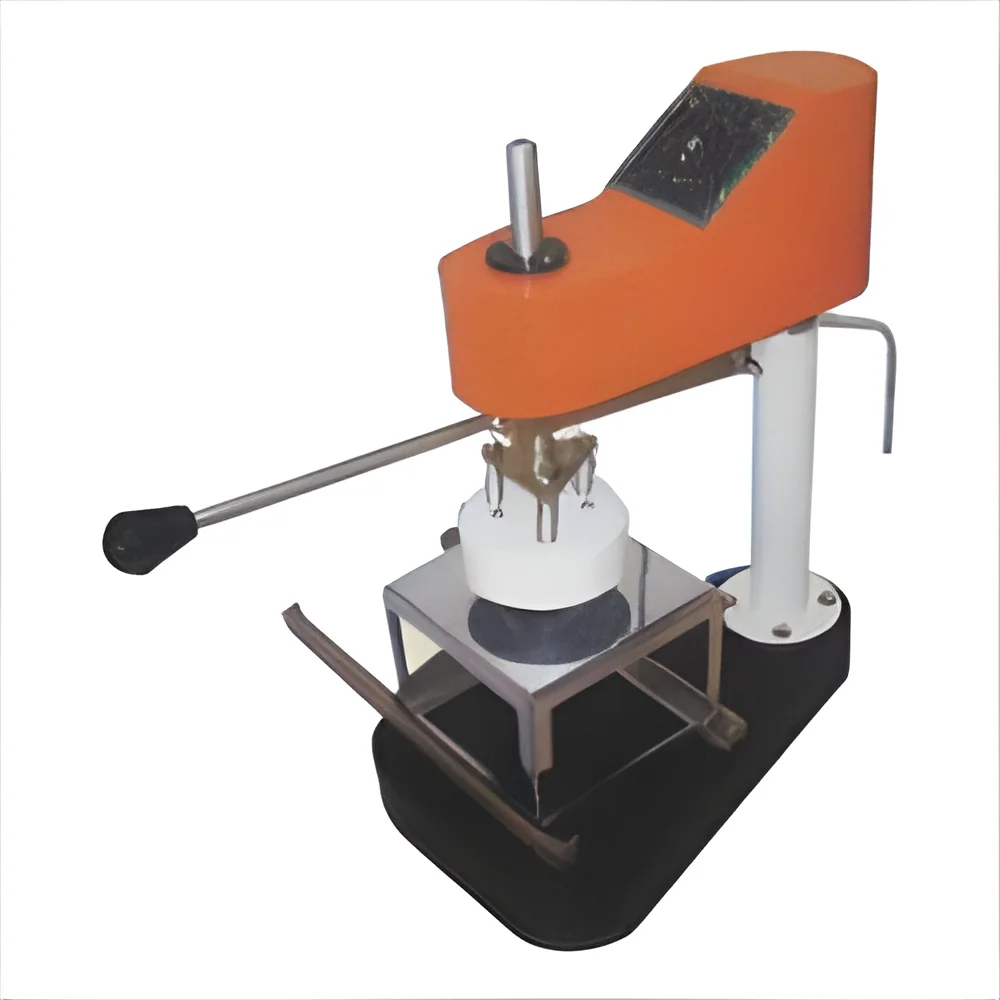
Sealing machines are specialized equipment designed to enclose or secure products in packaging to ensure their protection and integrity. These machines employ various sealing techniques, such as heat sealing, cold sealing, and vacuum sealing, to create airtight seals that prevent contamination, spoilage, or damage during storage and transportation. They are essential components in the packaging process, particularly in industries that require high levels of hygiene and product safety.
The primary applications of sealing machines span multiple sectors, including food and beverage, pharmaceuticals, cosmetics, and consumer goods. In the food industry, sealing machines are vital for packaging perishable items, prolonging shelf life, and maintaining freshness. In pharmaceuticals, they secure medications and ensure compliance with safety standards. As packaging technology evolves, sealing machines play a crucial role in enhancing operational efficiency, reducing waste, and meeting consumer demands for quality and sustainability.
As industries continue to expand globally, the market for sealing machines is growing. Companies are increasingly seeking advanced machines that integrate automation and monitoring features to facilitate faster production rates and better quality control. The rise of e-commerce and the demand for customized packaging solutions further contribute to the relevance and importance of sealing machines in today’s market.
Key Features and Specifications
Sealing machines come equipped with a variety of features that enhance their efficiency and reliability. Understanding these specifications is vital for selecting the right machine for specific business needs.
Key specifications include:
1. Sealing Method
- Options include heat sealing, cold sealing, and vacuum sealing.
- Each method has distinct advantages based on the type of product being sealed.
2. Speed
- The sealing speed can range from 5 to 30 packages per minute, depending on the machine model.
- Higher speeds increase productivity but may require more advanced technology.
3. Seal Width
- Typical seal widths range from 5mm to 20mm.
- Wider seals provide better protection but may require more space.
4. Power Supply
- Most machines operate on standard electrical power, with options for energy-efficient models.
- Voltage requirements can vary, so it is essential to select machines compatible with local supply.
5. Control Systems
- Many machines feature programmable logic controllers (PLCs) for precise operation.
- User-friendly interfaces enhance ease of use and reduce training time.
6. Material Compatibility
- Sealing machines can handle a range of materials, including plastic films, paper, and foil.
- The choice of material impacts sealing effectiveness and product shelf life.
7. Dimensions
- Machine dimensions vary significantly, with compact models ideal for limited spaces.
- Larger machines may offer higher throughput but require more floor space.
8. Safety Features
- Many machines include emergency stops, safety guards, and heat protection.
- Compliance with safety standards is crucial for protecting operators.
In summary, selecting the right sealing machine involves understanding these key specifications and how they align with production requirements.
Common Applications and Use Cases
Sealing machines have a wide array of applications across various industries, each requiring specific sealing solutions to meet operational needs.
1. Food and Beverage: Sealing machines are extensively used to package snacks, beverages, and perishable items. They preserve freshness and prevent spoilage, ensuring food safety.
2. Pharmaceuticals: In the pharmaceutical sector, sealing machines ensure that medications are securely packaged. This protects the products from contamination and meets strict regulatory requirements.
3. Cosmetics: Cosmetic companies utilize sealing machines to package creams, lotions, and other beauty products. Proper sealing maintains product integrity and enhances shelf appeal.
4. Electronics: Sealing machines are used for packaging electronic components to prevent moisture and dust ingress, which could damage sensitive parts.
5. Consumer Goods: Many household items, such as cleaning products and personal care items, rely on sealing machines for effective packaging that ensures user safety.
6. Industrial Products: Sealing machines are critical in packaging industrial goods, providing protective barriers against environmental factors during storage and transport.
7. E-commerce: With the growth of online shopping, sealing machines are increasingly used to package products securely for delivery, ensuring they arrive in perfect condition.
Product Variants and Subcategories
Sealing machines come in various designs to cater to different packaging needs. This diversity allows businesses to find the most suitable solution for their operations.
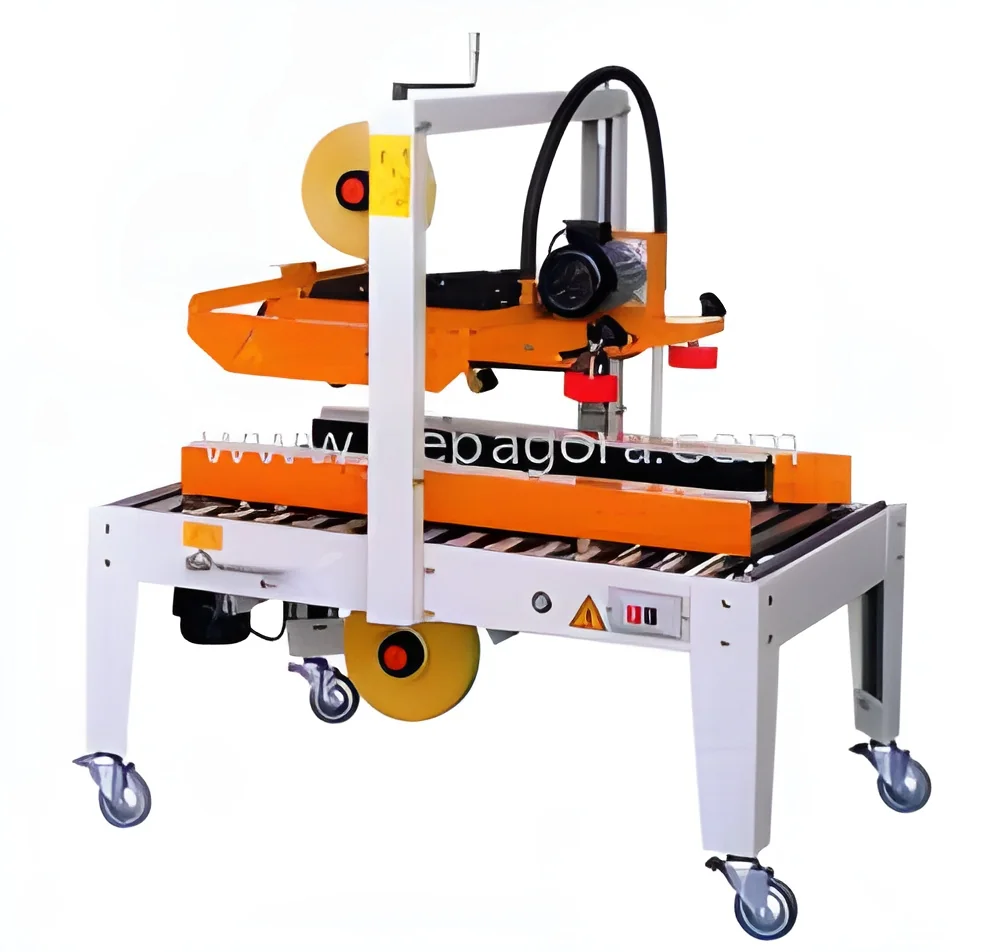
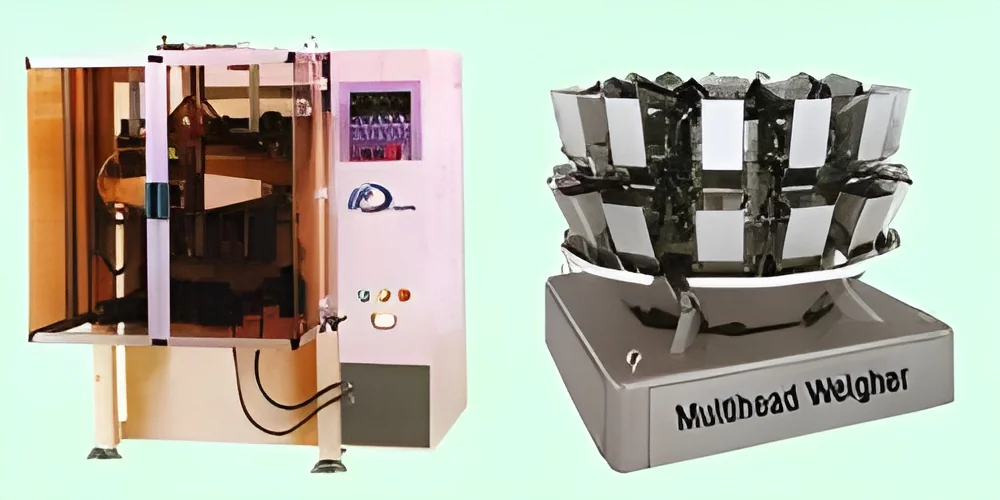
Automatic Sealing Machines
These machines operate with minimal manual intervention, increasing productivity and efficiency. They are ideal for high-volume production settings and often come with advanced features like automatic feeding and sealing.
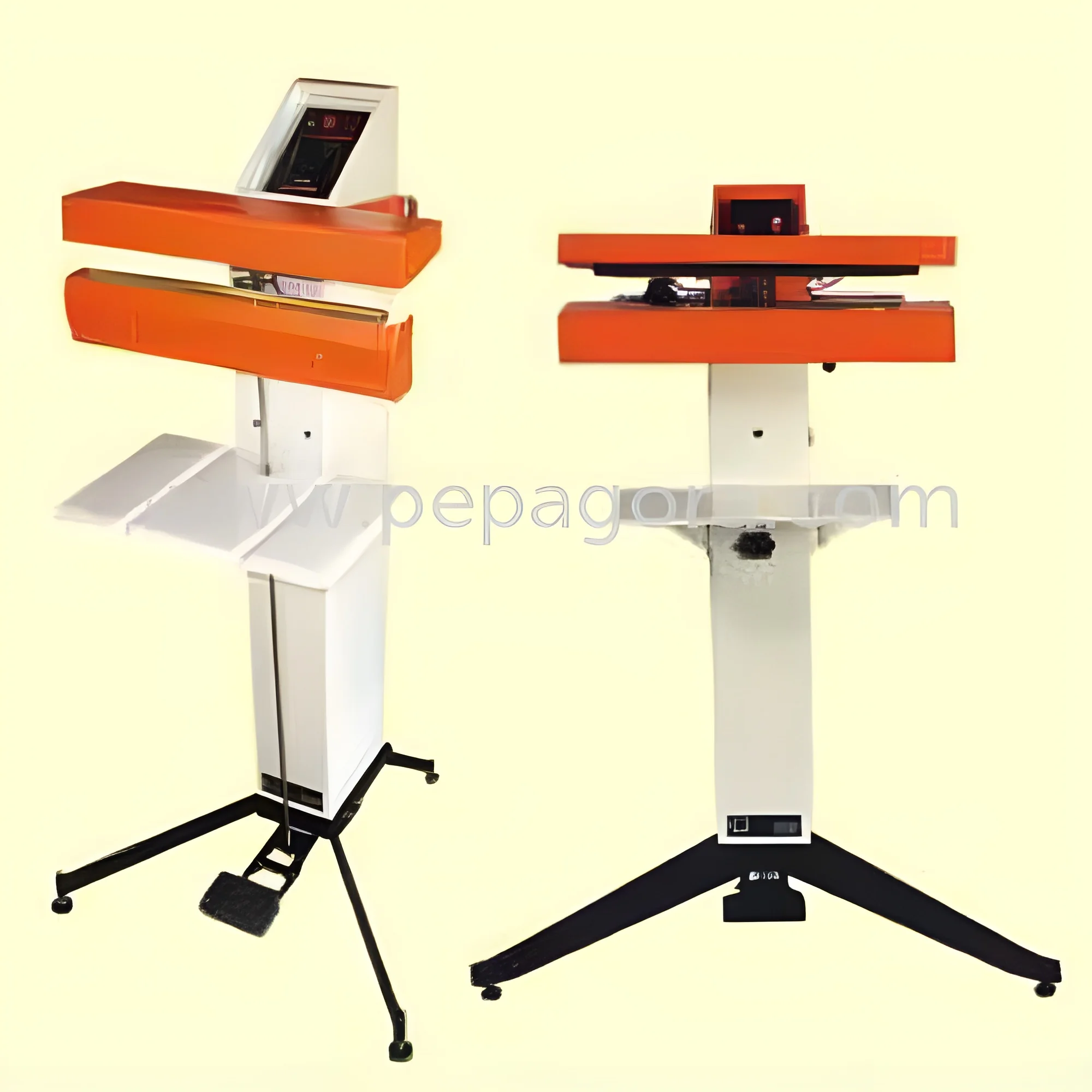
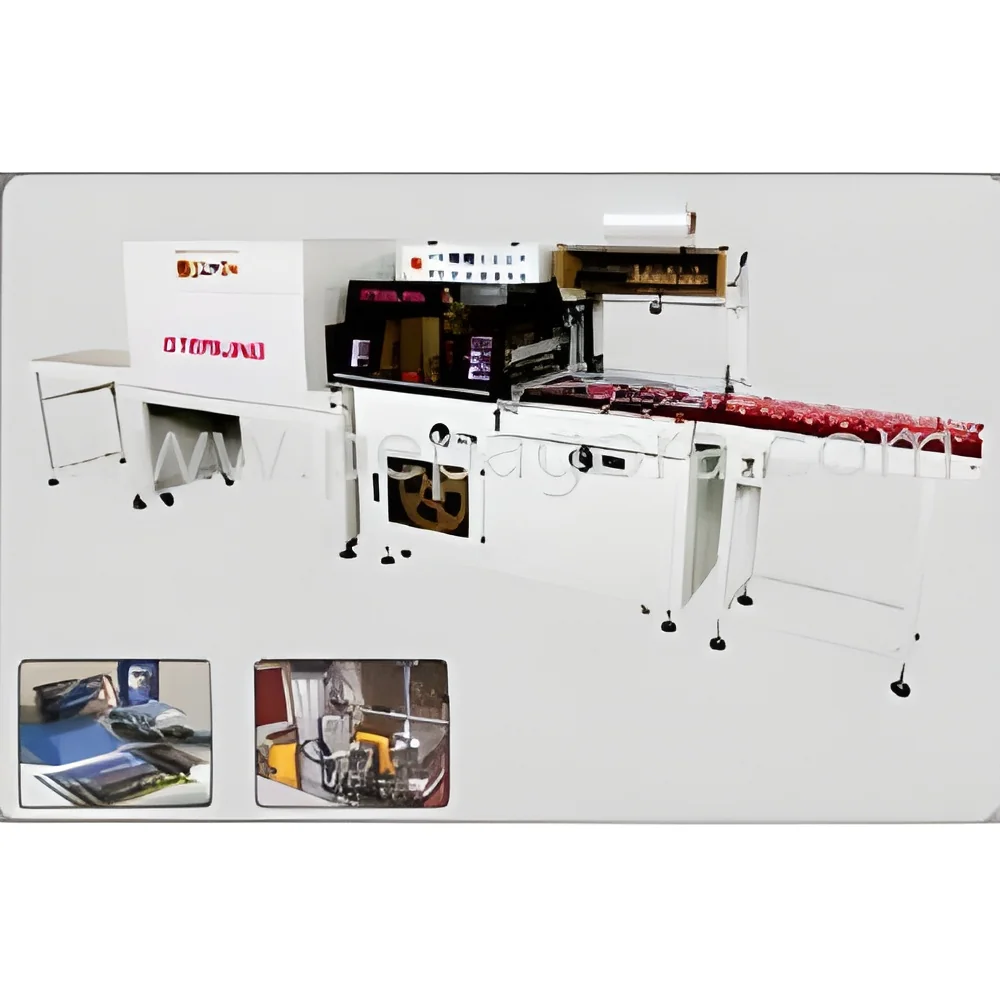
Semi-Automatic Sealing Machines
These machines require some manual input but offer faster operation compared to fully manual machines. They are suitable for medium-scale operations where flexibility is essential.
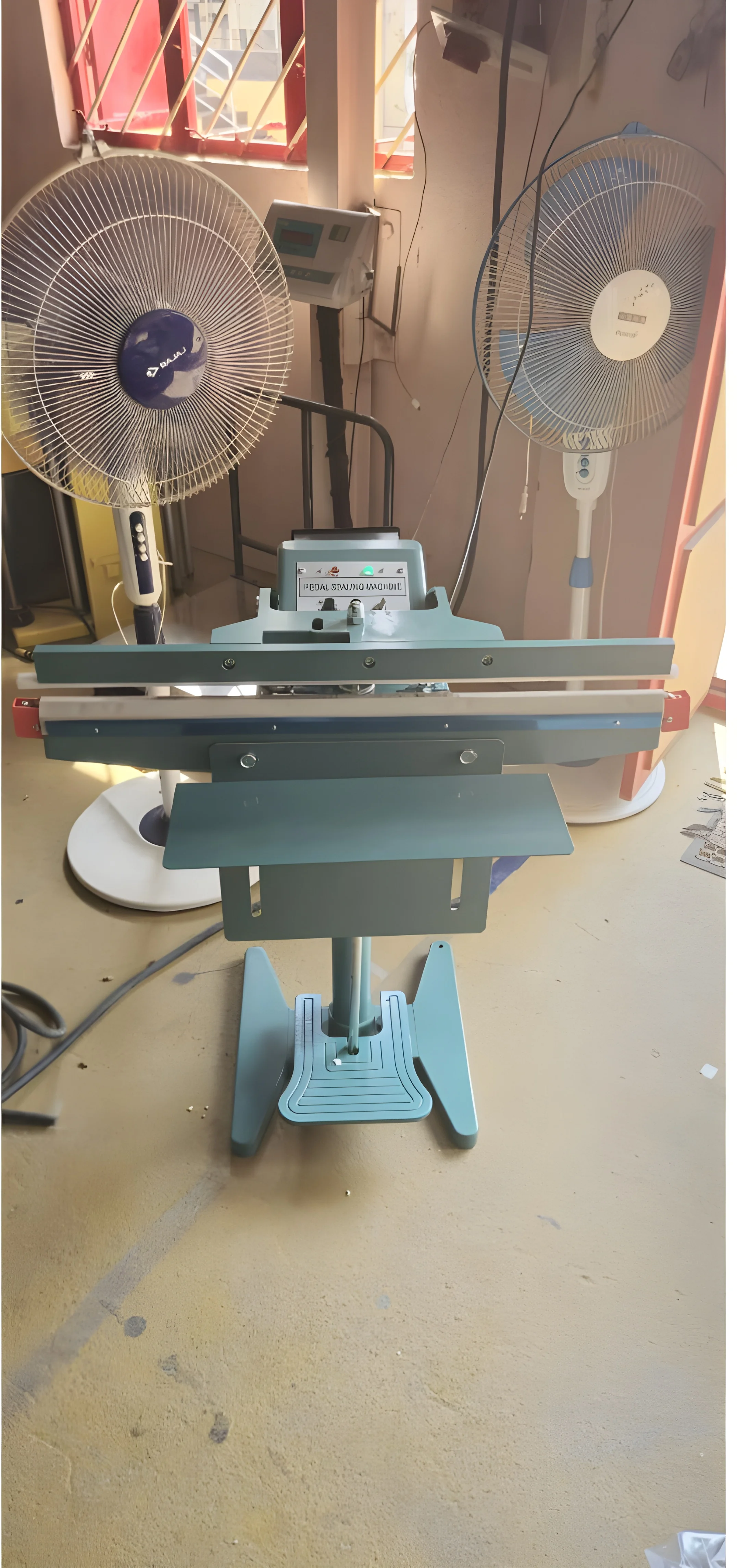
Tray Sealing Machines
Designed specifically for packaging food in trays, these machines create airtight seals that maintain product freshness. They are commonly used in the food service and retail sectors.
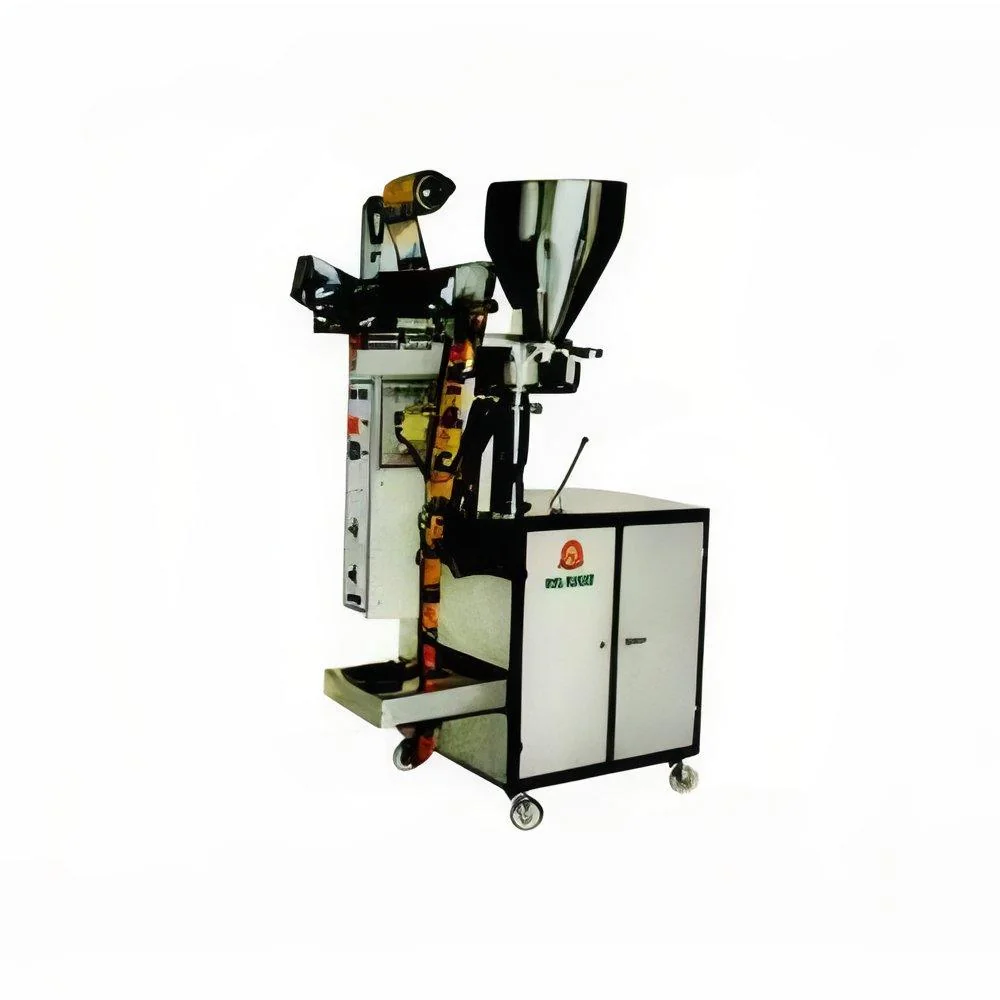
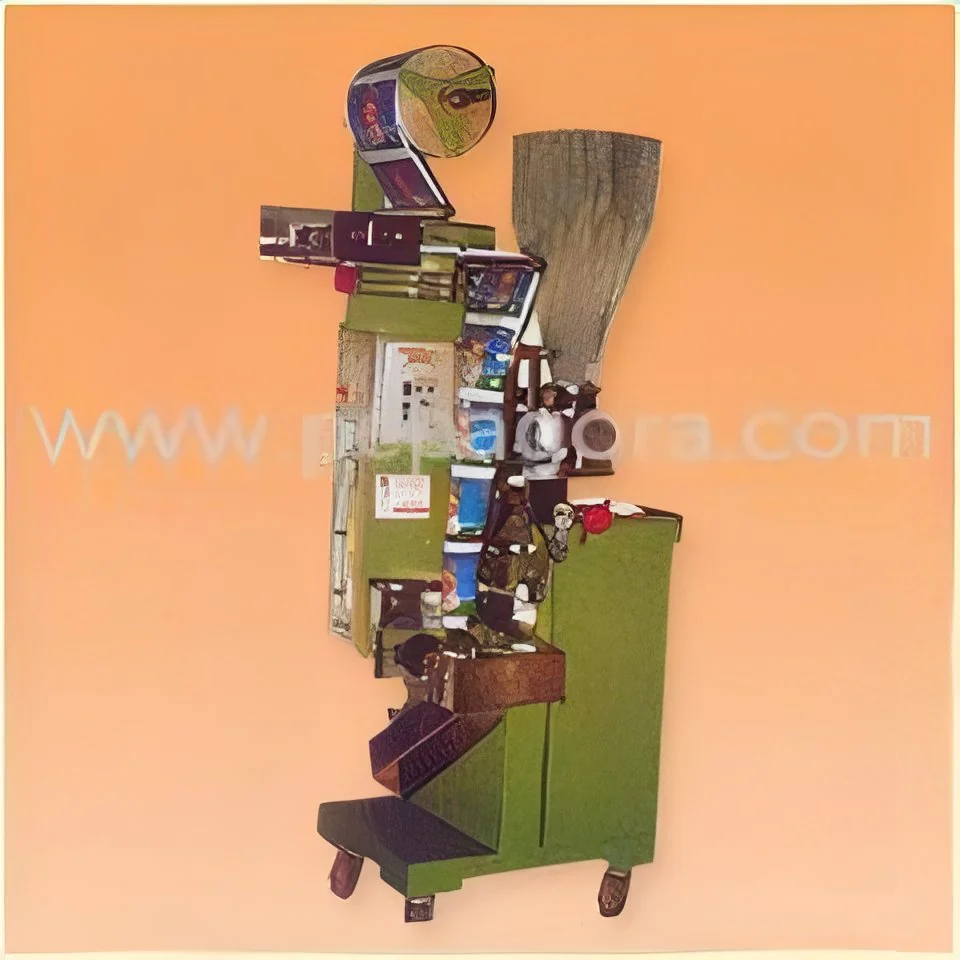
Pouch Sealing Machines
These machines are tailored for sealing pouches of various sizes and materials. They are highly versatile and used across multiple industries, from snacks to pharmaceuticals.
Benefits and Advantages
Investing in sealing machines provides numerous benefits that enhance packaging operations and overall business efficiency.
1. Enhanced Product Safety: Sealing machines secure products against contamination, spoilage, and damage, ensuring they reach customers in optimal condition.
2. Improved Shelf Life: Proper sealing extends the shelf life of products, reducing waste and improving profitability for businesses.
3. Increased Productivity: Automated sealing machines facilitate faster packaging processes, allowing companies to meet growing demand without compromising quality.
4. Cost Efficiency: By minimizing material waste and maximizing production output, sealing machines can significantly lower overall packaging costs.
5. Customization Options: Many sealing machines can be tailored to meet specific requirements, accommodating different packaging materials and sizes.
6. Regulatory Compliance: Sealing machines help businesses comply with industry standards for packaging safety, particularly in sectors like food and pharmaceuticals.
Buying Guide for B2B Buyers
When sourcing sealing machines, it is essential to consider several key factors that will influence your purchase decision.
1. Quality Assessment: Look for machines that meet established industry standards. Conduct thorough inspections and reviews to ensure the equipment is reliable and durable.
2. Supplier Verification: Vet suppliers to ensure they have a track record of providing high-quality machines and excellent customer service. Request references or reviews from other businesses.
3. Pricing and MOQ: Evaluate pricing structures and minimum order quantities. Ensure that costs align with your budget and production needs while considering long-term value.
4. Delivery and Lead Times: Discuss delivery schedules and lead times with suppliers to ensure that your production timeline is not disrupted.
5. Compliance Requirements: Confirm that the machines meet all necessary regulatory and quality compliance standards relevant to your industry to avoid potential legal issues.
Compliance and Certifications
Sealing machines must adhere to various quality and safety standards to ensure they are suitable for industrial use. Relevant certifications include ISO 9001, which indicates a commitment to quality management systems, and HACCP for food safety.
In addition, CE marking is essential for machinery sold in the European Economic Area, signifying compliance with health, safety, and environmental protection standards.
Manufacturers should also consider safety and testing requirements, which may vary by region. Compliance with these standards not only enhances product credibility but also ensures safety for operators and end-users.
Regional compliance considerations may include local regulations that differ based on geographic location, necessitating thorough research prior to purchase.
Why Source Sealing Machines from Pepagora?
Pepagora offers a trusted platform for sourcing sealing machines, providing several key advantages for businesses.
Verified Supplier Network: Our platform connects you with verified suppliers who have a proven track record of quality and reliability. This reduces the risk associated with sourcing equipment.
Streamlined RFQ Process: With our straightforward request for quotation system, buyers can easily obtain competitive pricing and product options from multiple suppliers, simplifying the decision-making process.
Trade Assurance and Support: Pepagora provides trade assurance to protect buyers, ensuring that transactions are secure and that products meet agreed-upon specifications.
Regional Coverage: We have a broad geographic reach, serving markets in India, the GCC, and Southeast Asia. This enables businesses to find suitable sealing machines that cater to local requirements and preferences.
By choosing Pepagora, you can enhance your sourcing experience and ensure you acquire the right sealing machines for your operational needs.

 IN
IN