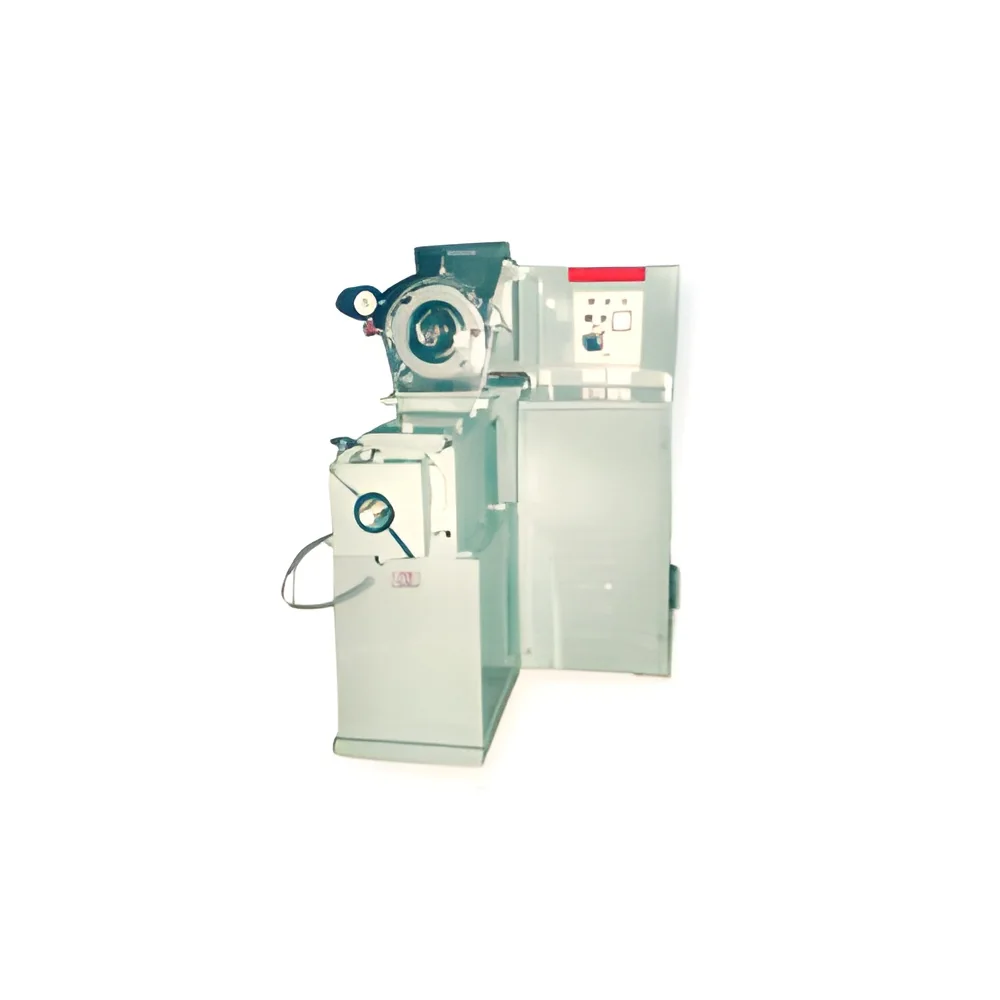
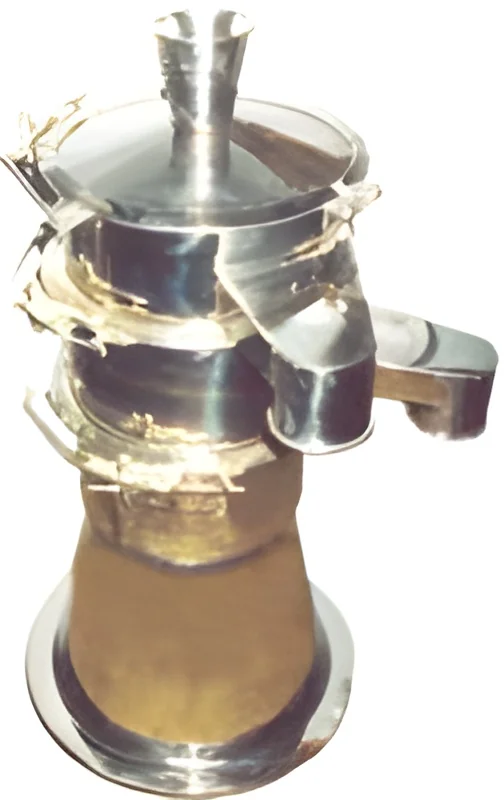
What are Stick Pack Machines?
Stick pack machines are specialized packaging equipment designed to create stick-shaped packages for various products, primarily in liquid or powder form. These machines efficiently fill and seal individual packets, which are typically long and narrow, resembling a stick. The automation involved in stick pack machines allows for high-speed production, ensuring that businesses can meet increasing consumer demand while maintaining quality and consistency in packaging.
These machines are widely used across various industries, including food and beverage, pharmaceuticals, and personal care. They are particularly effective for packaging single-serving sizes of products like sugar, coffee, tea, and condiments. With their ability to streamline the packaging process, stick pack machines help businesses enhance operational efficiency and reduce labor costs. In today's competitive market, the relevance of stick pack machines continues to grow as companies look for ways to improve packaging aesthetics and functionality, thereby increasing product appeal and consumer convenience.
Key Features and Specifications
Stick pack machines come equipped with a variety of features that enhance their performance and efficiency. Understanding these specifications can aid in selecting the right machine for specific business needs.
Key specifications include:
1. Filling Capacity
- Determines the volume of product that can be filled per stick.
- Ranges typically from 1 to 50 grams, depending on the application.
2. Speed of Operation
- Refers to the number of packets produced per minute.
- Can vary from 30 to 100 packets, depending on the machine model.
3. Sealing Technology
- Involves the method used to seal the packets.
- Options include heat sealing, cold sealing, and ultrasonic sealing.
4. Machine Dimensions
- Refers to the overall size of the machine.
- Typically ranges from compact models for small operations to larger systems for high-volume production.
5. Control System
- Describes the interface for operating the machine.
- May include PLC (Programmable Logic Controller) for automated functions.
6. Material Compatibility
- Indicates the types of materials that can be used for packaging.
- Common materials include polyethylene, polypropylene, and laminated films.
7. Power Consumption
- Refers to the energy requirements of the machine.
- Usually ranges from 1 kW to 10 kW depending on the machine's size and speed.
8. Compliance Standards
- Covers the industry standards the machine adheres to.
- Typically includes CE certification for safety and reliability.
In summary, stick pack machines offer a range of features and specifications that are critical for meeting production needs while ensuring product quality and compliance.
Common Applications and Use Cases
Stick pack machines serve various industries by providing efficient packaging solutions tailored to specific applications.
1. Food and Beverage: Stick pack machines are extensively used to package single-serving portions of coffee, tea, sugar, and condiments. This not only enhances convenience for consumers but also helps businesses minimize waste.
2. Pharmaceuticals: In the pharmaceutical industry, stick packs are used to package powdered medications and supplements. This ensures accurate dosing and helps maintain the integrity of the product.
3. Personal Care: Stick pack machines are utilized to package single-use samples of lotions, gels, and other personal care products. This allows brands to offer trial sizes, increasing customer engagement.
4. Chemicals: Industrial chemicals and powders can also be packaged using stick packs, providing a safe and controlled way to handle and distribute these materials.
5. Pet Care: Stick pack machines are used for packaging pet food and supplements in single-serving sizes, making it easier for pet owners to manage portions.
6. Nutraceuticals: Companies in the nutraceutical sector use stick packs for vitamins and dietary supplements, providing consumers with easy-to-consume options.
7. Confectionery: Stick packs are ideal for packaging candies and snacks, offering an attractive presentation that appeals to consumers.
Product Variants and Subcategories
Stick pack machines come in various configurations to suit different production needs. Each variant is designed with specific features to cater to particular applications.
High-Speed Stick Pack Machine
This variant is engineered for maximum output, capable of producing up to 100 packets per minute. It is ideal for high-demand environments where efficiency is critical.
Compact Stick Pack Machine
Designed for smaller operations, this machine occupies less floor space while still delivering reliable performance. It is perfect for startups and businesses with limited production volumes.
Multi-Lane Stick Pack Machine
This type features multiple lanes for simultaneous packing, significantly increasing production capabilities. It is suitable for large-scale manufacturers looking to optimize their packaging processes.
Vertical Stick Pack Machine
This variant employs a vertical filling method, which is particularly effective for liquid products. It ensures precise filling and sealing, maintaining product integrity.
Benefits and Advantages
Investing in stick pack machines offers numerous benefits that can enhance operational efficiency and product appeal.
1. Increased Efficiency: Stick pack machines streamline the packaging process, allowing for faster production times and reduced labor costs.
2. Space-Saving Design: The compact nature of stick pack machines means they require less floor space, making them suitable for facilities with limited room.
3. Enhanced Product Freshness: Stick packs provide excellent sealing, which helps preserve product freshness and extends shelf life.
4. Customizable Packaging: These machines can accommodate various materials and sizes, allowing businesses to create tailored packaging solutions.
5. Improved Consumer Convenience: Single-serving stick packs are easy to use and transport, catering to the preferences of modern consumers.
6. Cost-Effective Solution: By reducing material waste and labor costs, stick pack machines can lead to significant savings for businesses.
Buying Guide for B2B Buyers
When sourcing stick pack machines, several factors should be considered to ensure a suitable purchase decision.
1. Quality Assessment: Evaluate the quality of the machinery by checking for industry certifications and customer reviews. High-quality machines tend to have better durability and performance.
2. Supplier Verification: Vet potential suppliers by checking their background, customer feedback, and compliance with industry standards. A reliable supplier will provide consistent support and service.
3. Pricing and MOQ: Understand the pricing structure and minimum order quantity (MOQ) requirements. Compare different suppliers to find a balance between cost and quality.
4. Delivery and Lead Times: Inquire about delivery schedules and lead times to ensure timely delivery of the machinery. Delays can impact production schedules significantly.
5. Compliance Requirements: Ensure that the machine meets regulatory and compliance standards relevant to your industry. This can include safety certifications and operational standards.
Compliance and Certifications
Stick pack machines must adhere to various compliance and certification standards to ensure safety and quality in production.
ISO 9001 is a widely recognized standard that outlines the requirements for a quality management system. Compliance with this standard demonstrates a manufacturer's commitment to quality and continuous improvement.
HACCP (Hazard Analysis Critical Control Point) certification is important for food and beverage applications. It ensures that the manufacturing processes are designed to identify and control potential food safety hazards.
CE certification indicates that the machine meets European Union safety, health, and environmental protection requirements. This certification is essential for machines sold within the EU market.
Safety and testing requirements are critical for ensuring the machine operates within safe parameters. Regular testing and maintenance checks are necessary to uphold these standards.
Regional compliance considerations may vary, so businesses should be aware of local regulations governing machinery use and packaging standards in their respective markets.
Why Source Stick Pack Machines from Pepagora?
Pepagora offers a trusted platform for sourcing stick pack machines, providing several key advantages to buyers.
Verified Supplier Network: Pepagora connects buyers with a robust network of verified suppliers. Each supplier undergoes a thorough vetting process to ensure reliability and quality.
Streamlined RFQ Process: The platform facilitates a streamlined request for quotation (RFQ) process, allowing buyers to easily compare offerings from multiple suppliers. This saves time and helps in making informed decisions.
Trade Assurance and Support: Pepagora provides trade assurance, protecting buyers throughout the purchasing process. This includes support for any disputes that may arise, ensuring a smooth transaction.
Regional Coverage: With a strong presence in markets like India, the GCC, and Southeast Asia, Pepagora caters to a wide range of geographic regions. This broad coverage allows buyers to find suitable machines regardless of their location.

 IN
IN