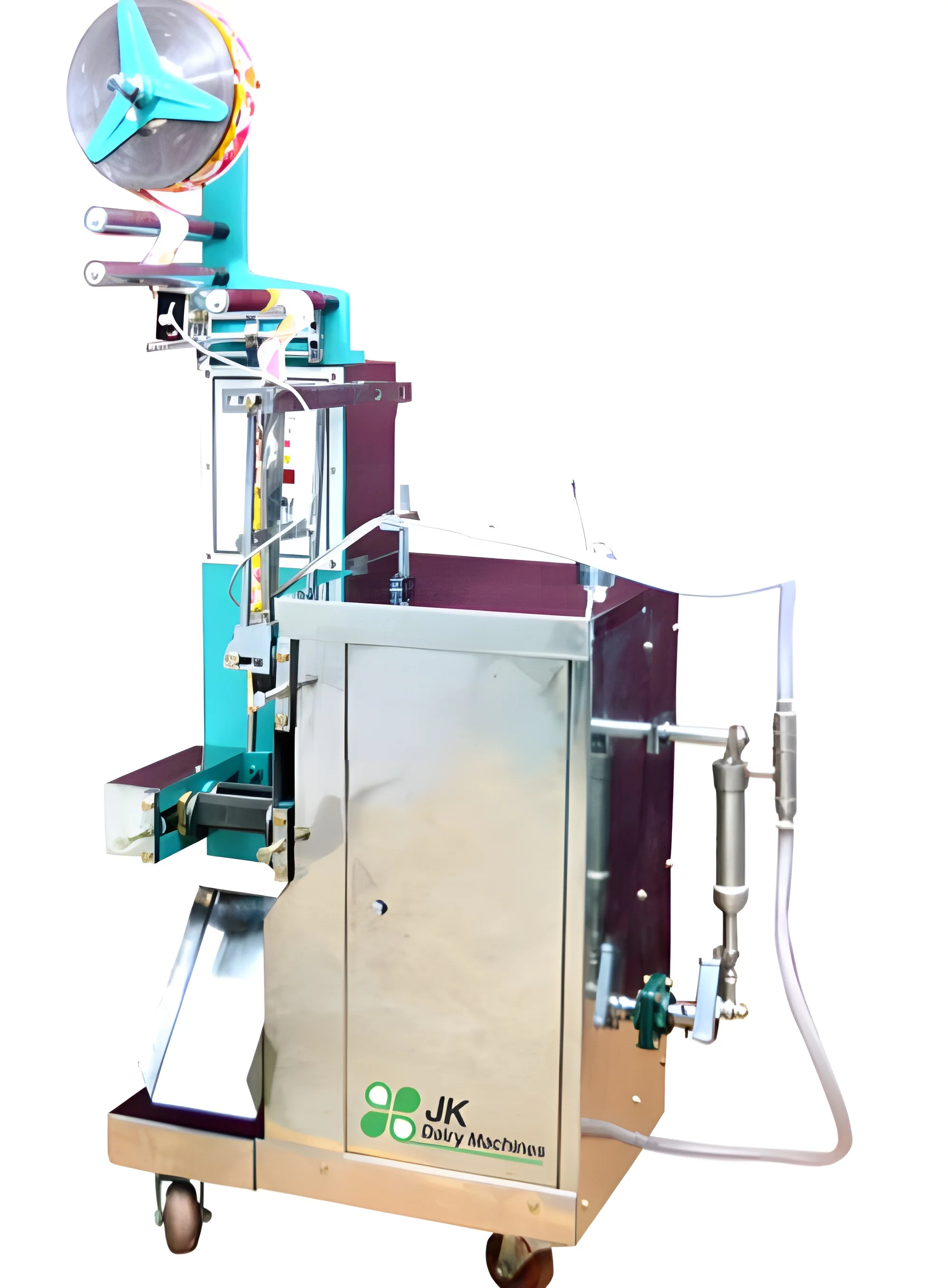
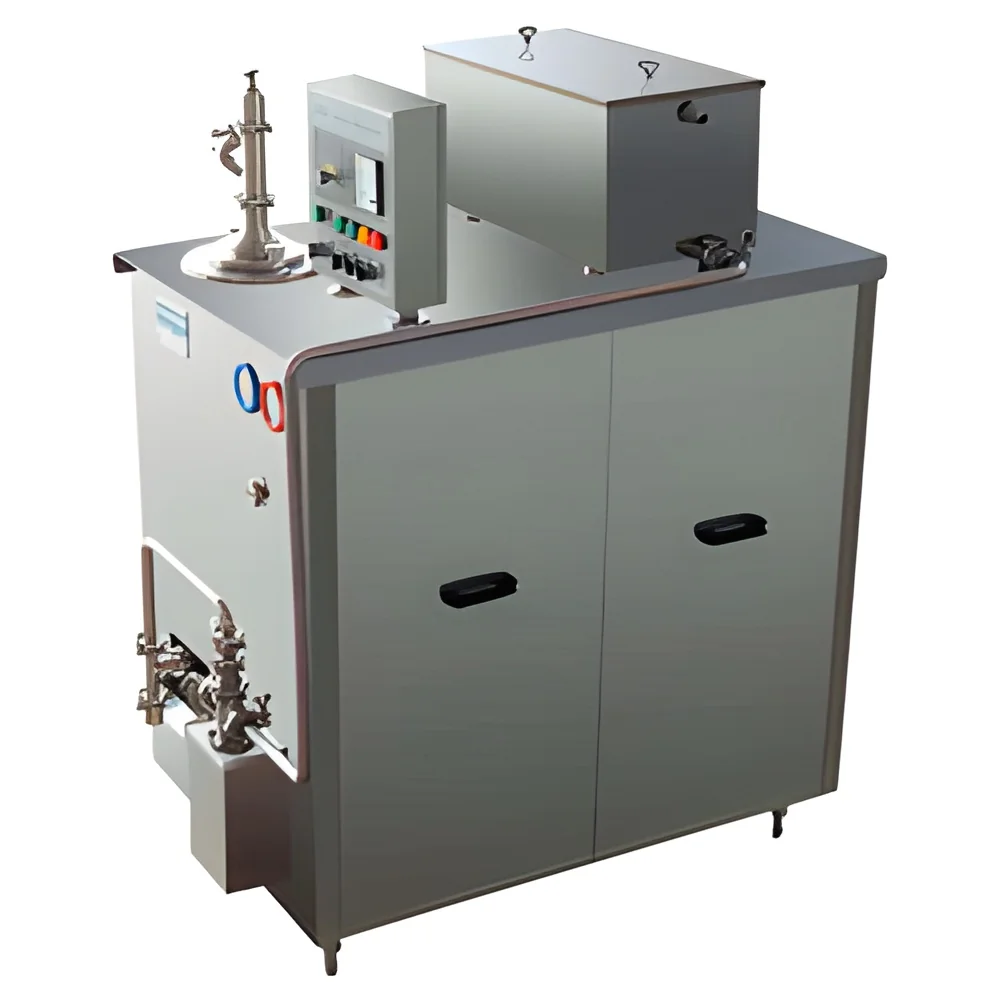
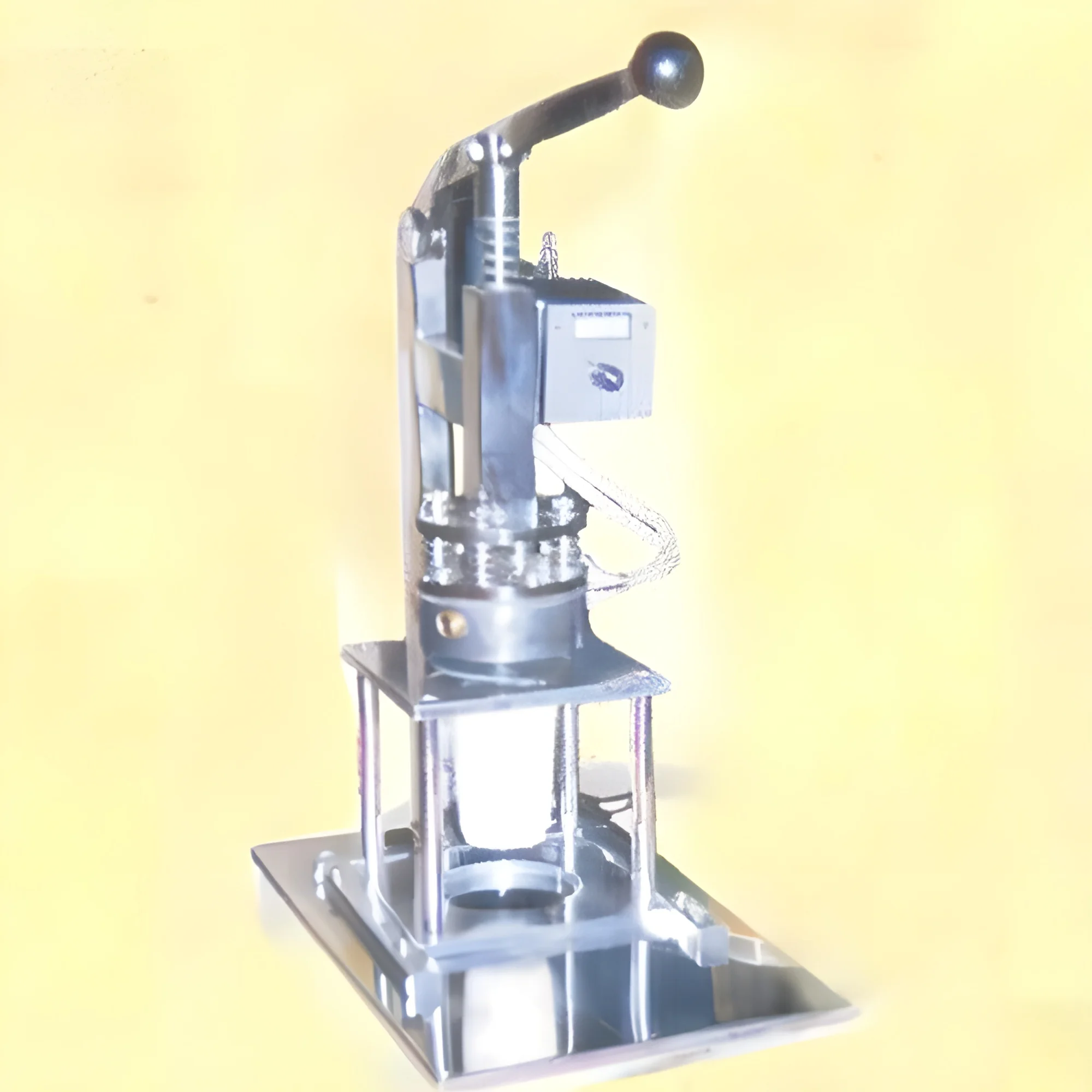
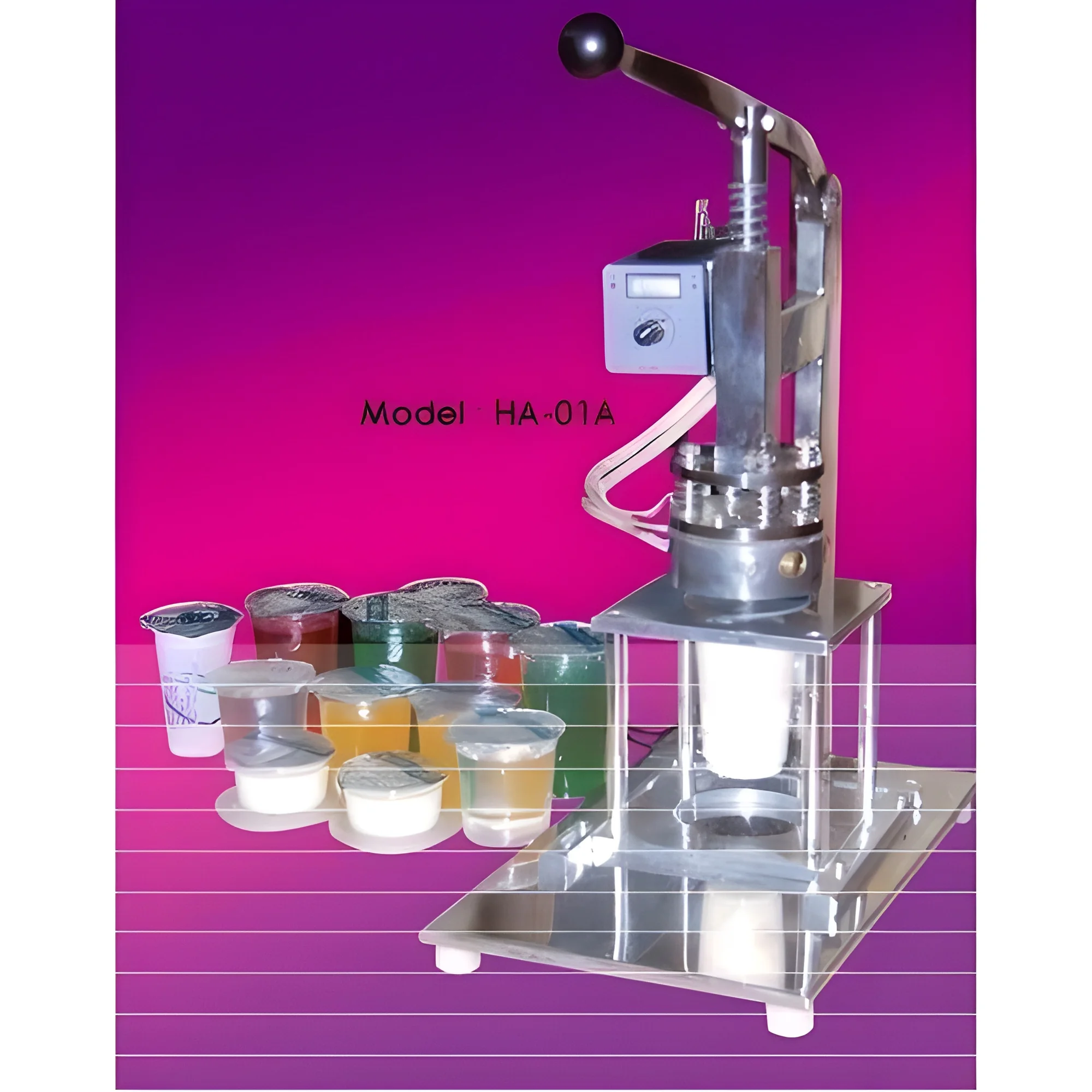
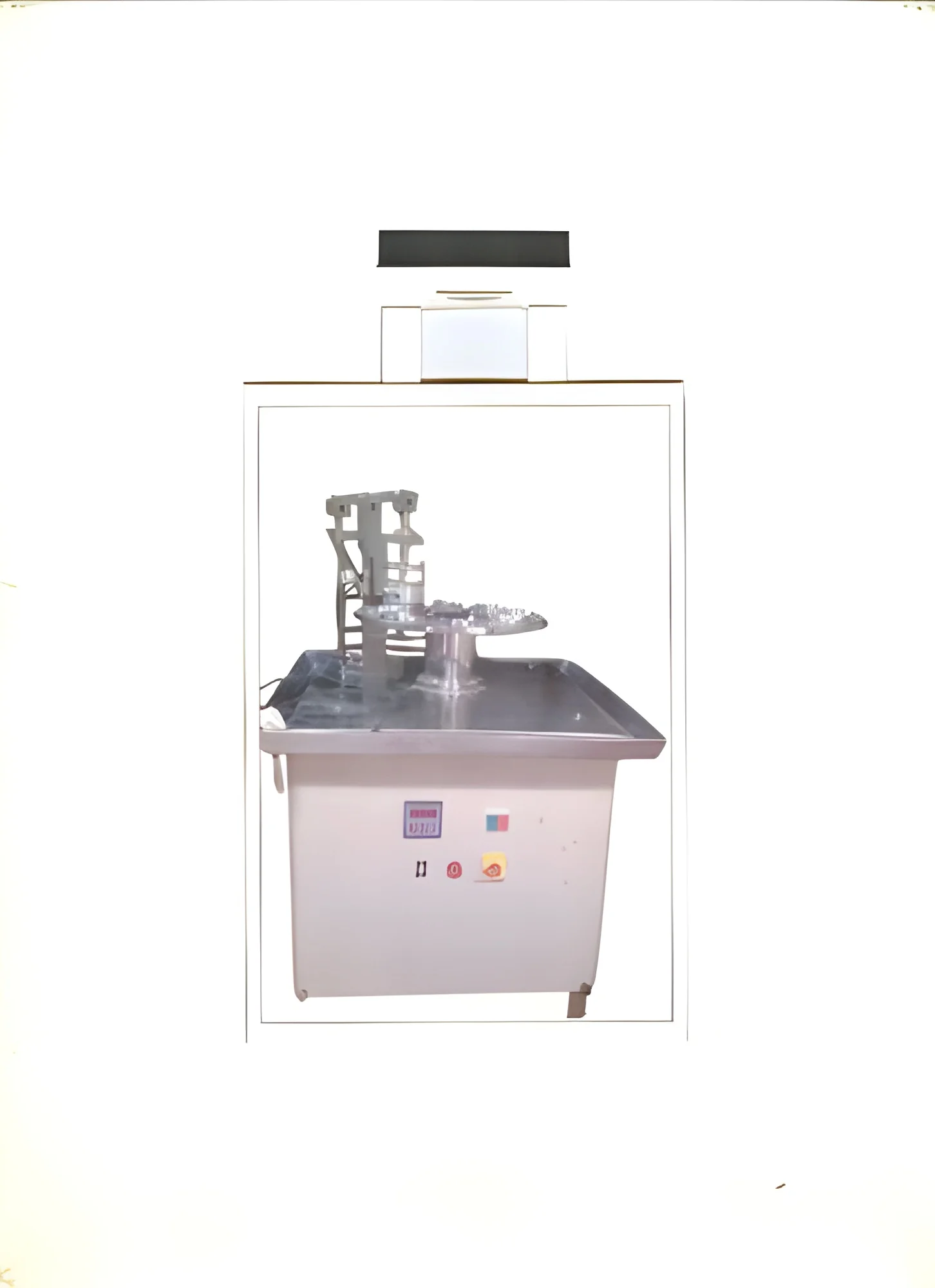
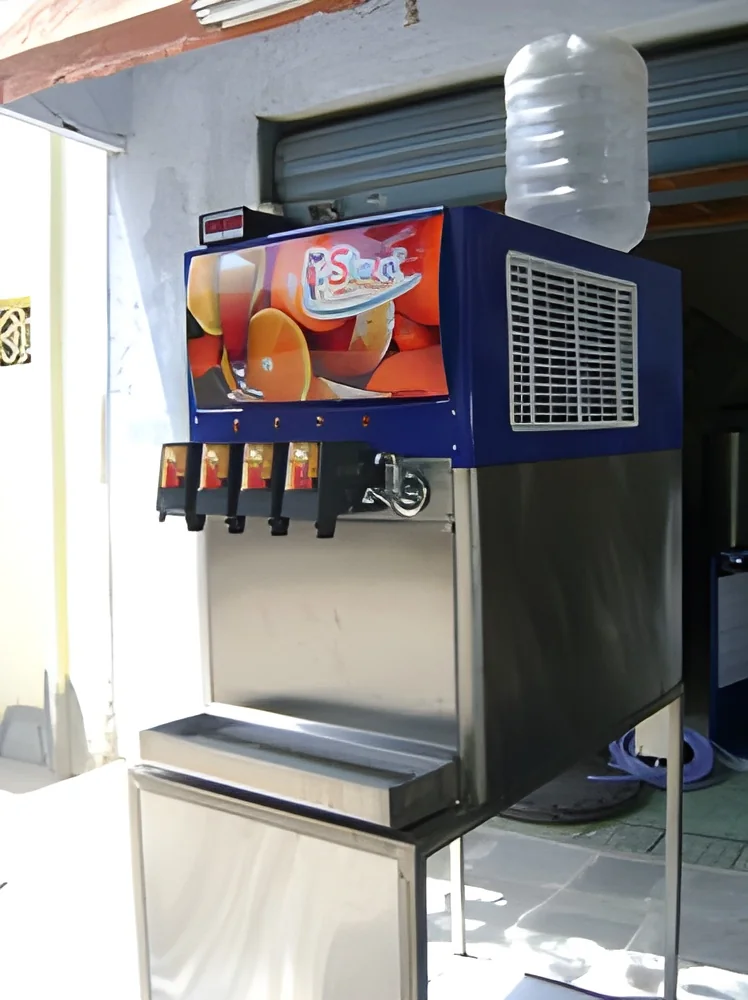
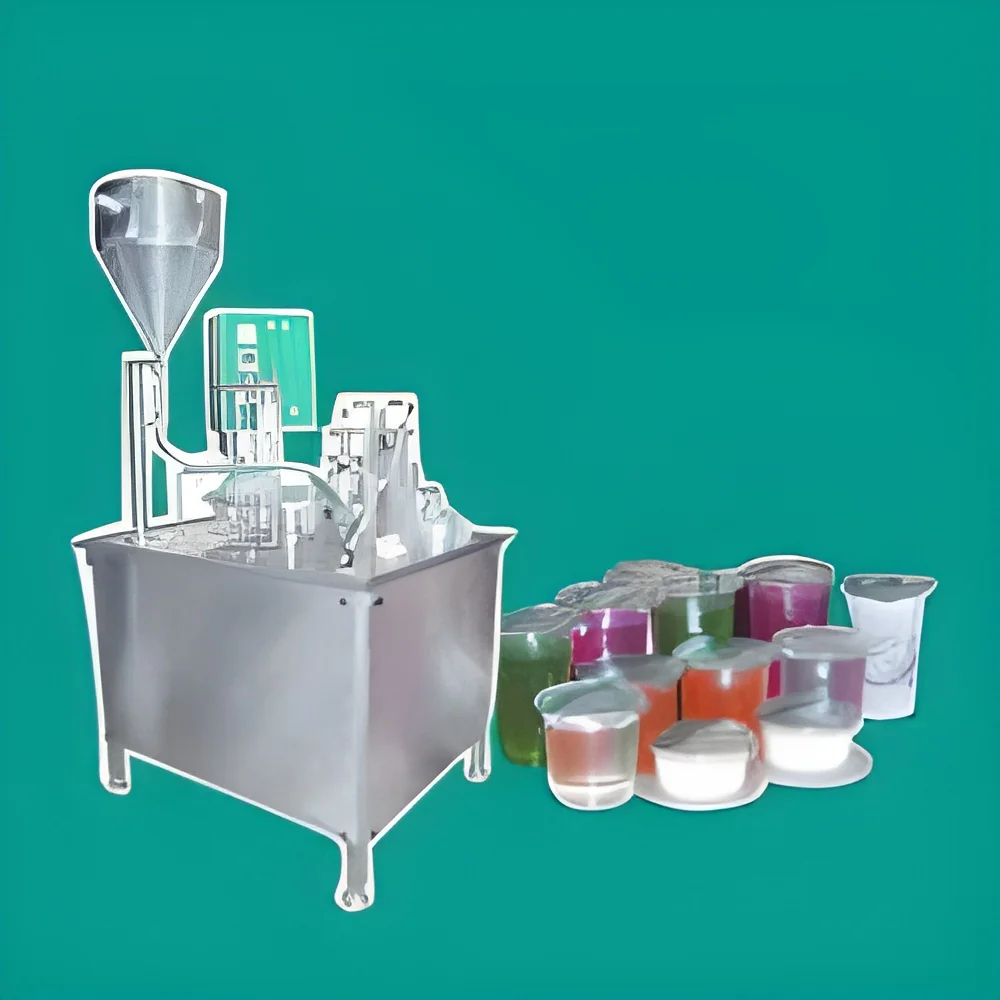
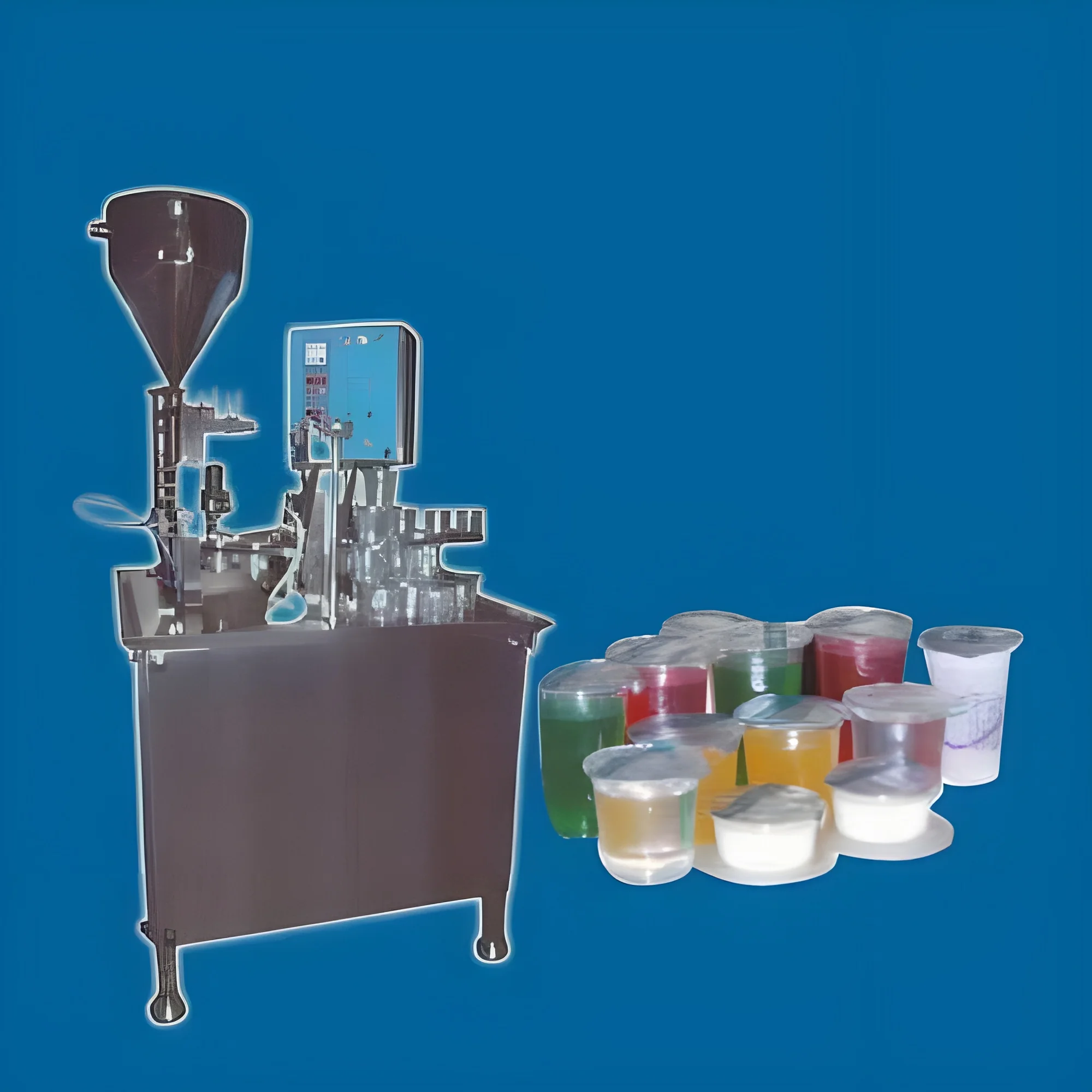
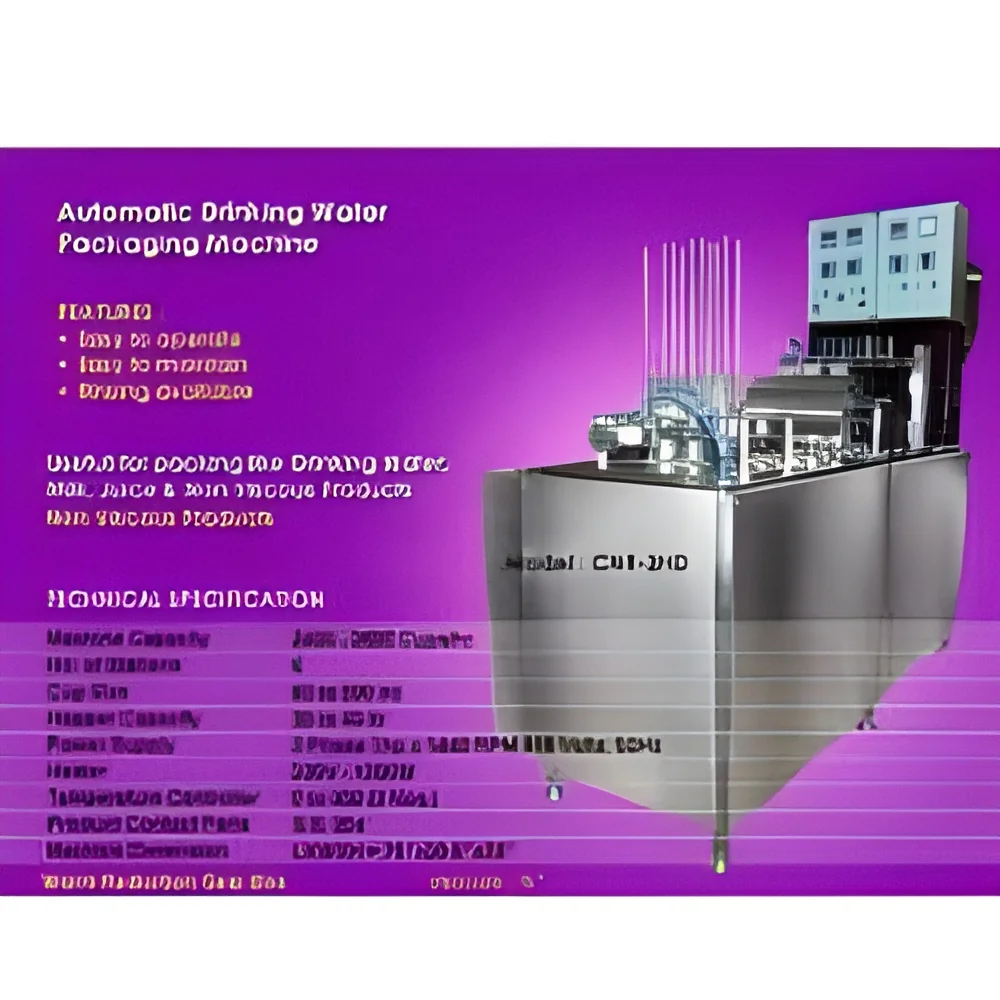
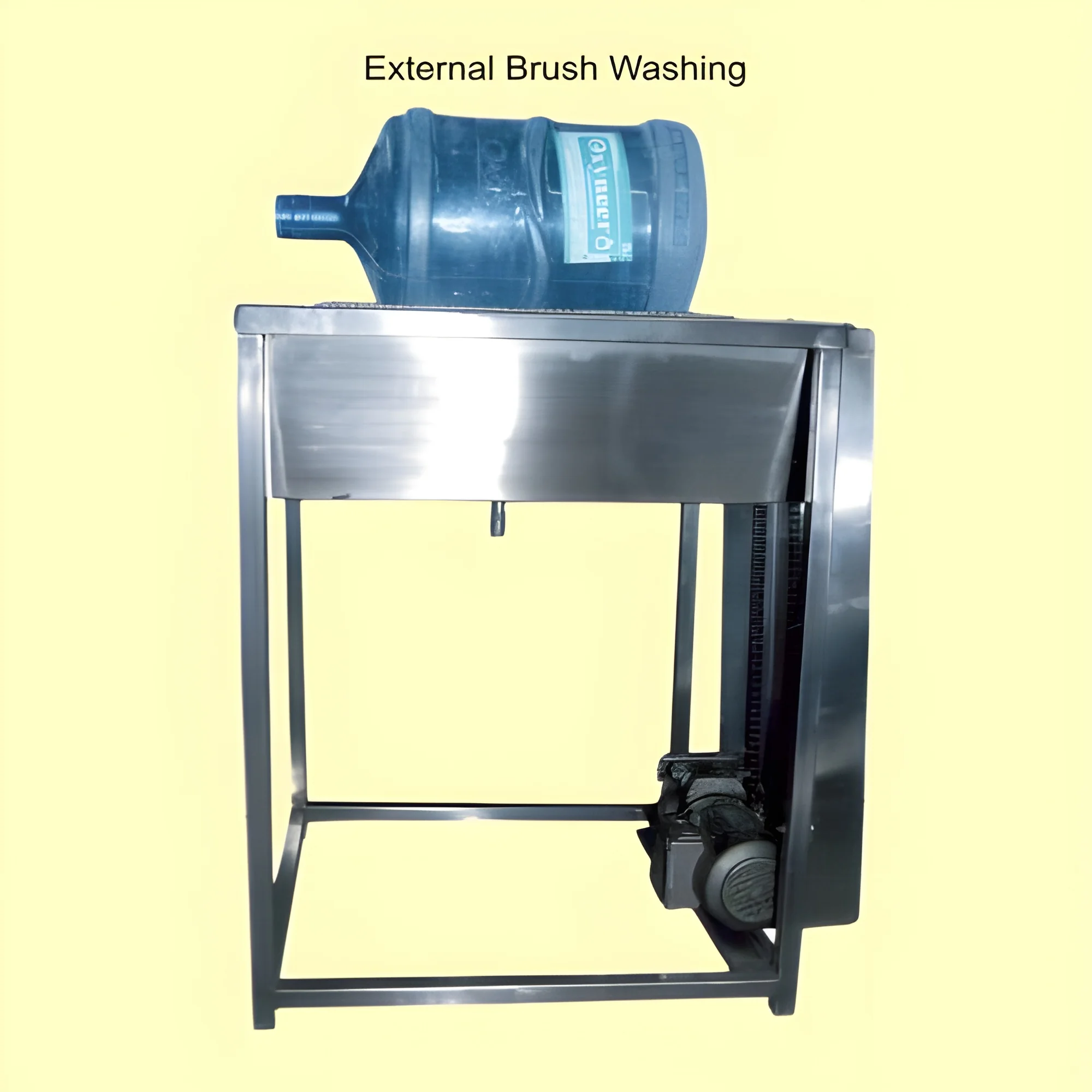
What are Milk & Juice Packing Machines?
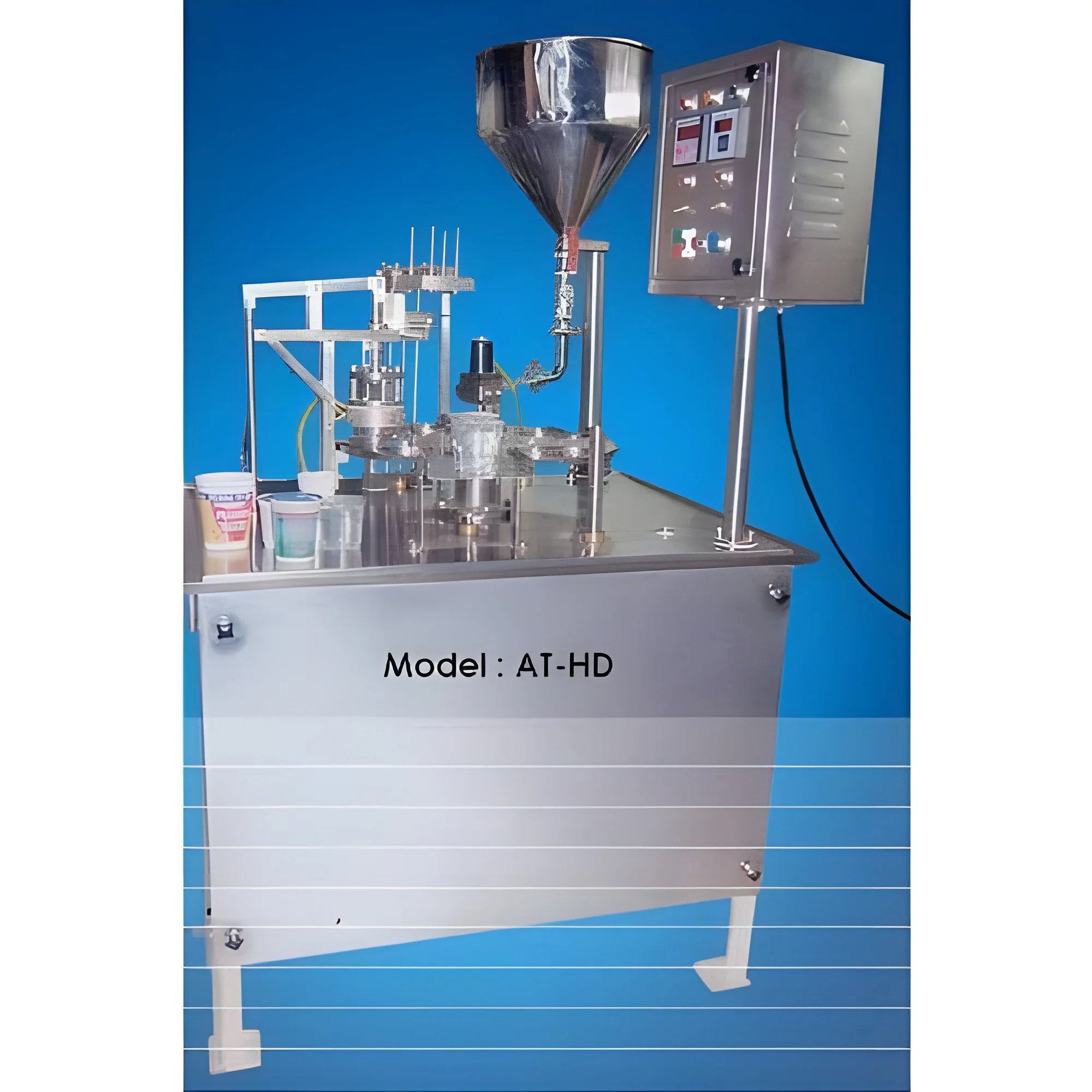
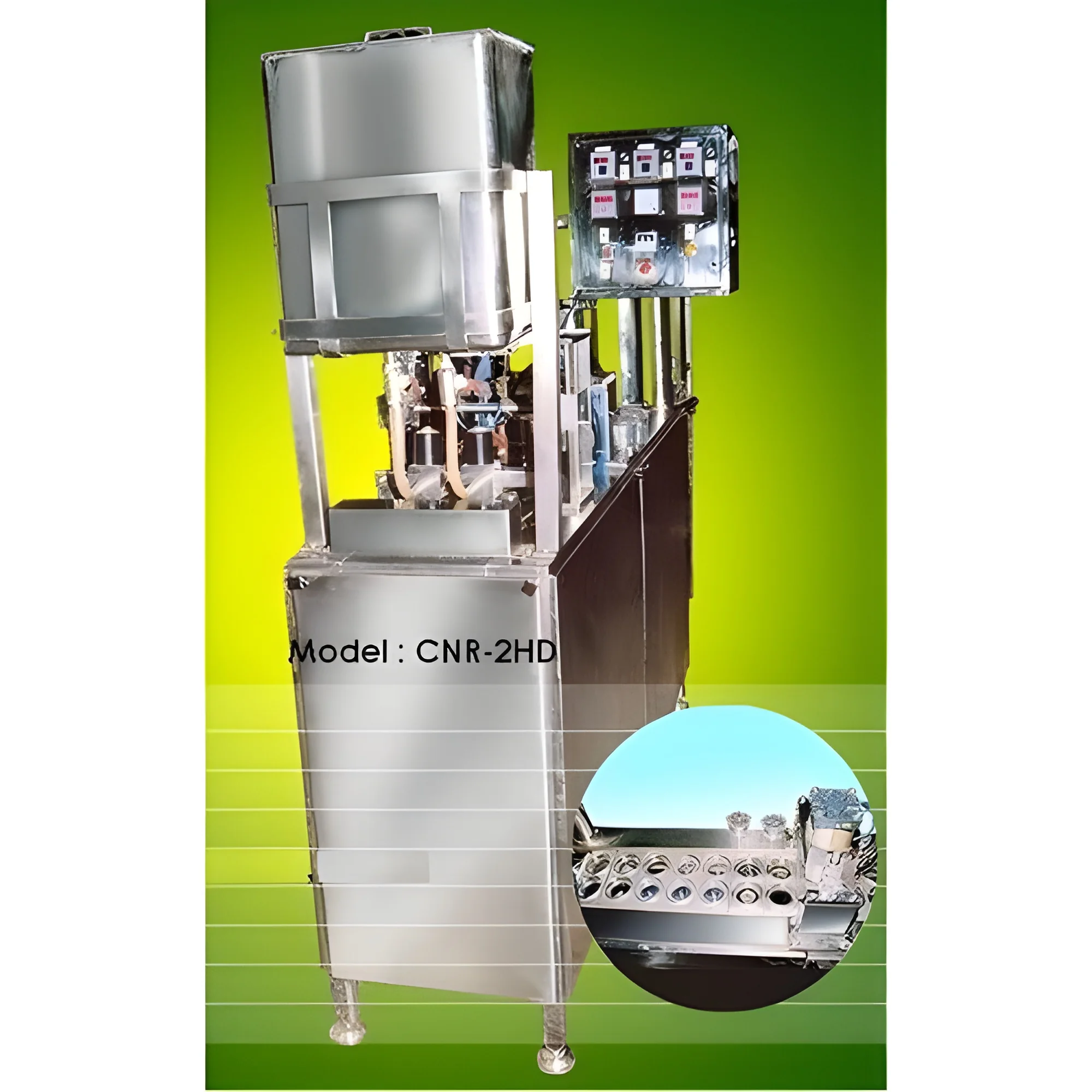
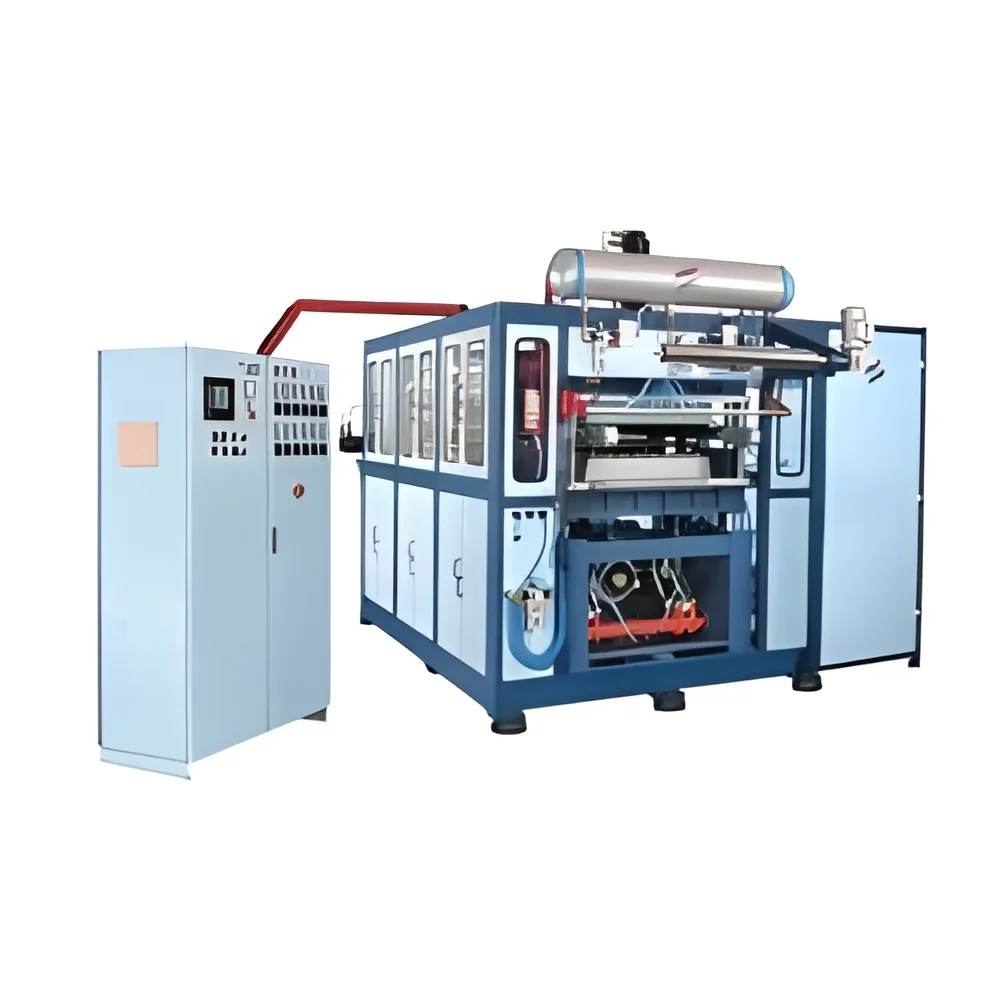
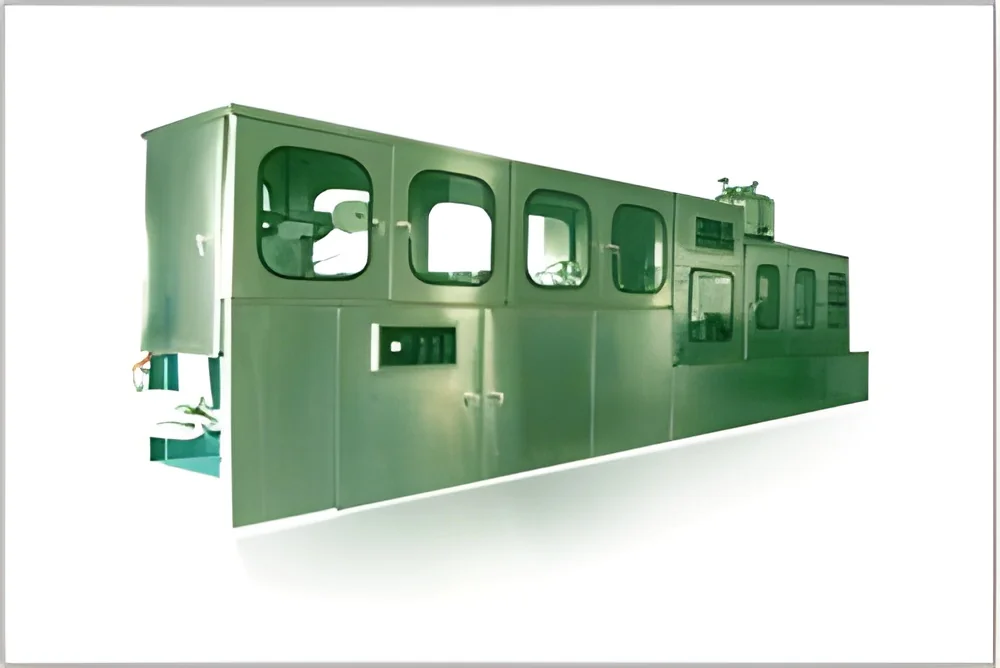
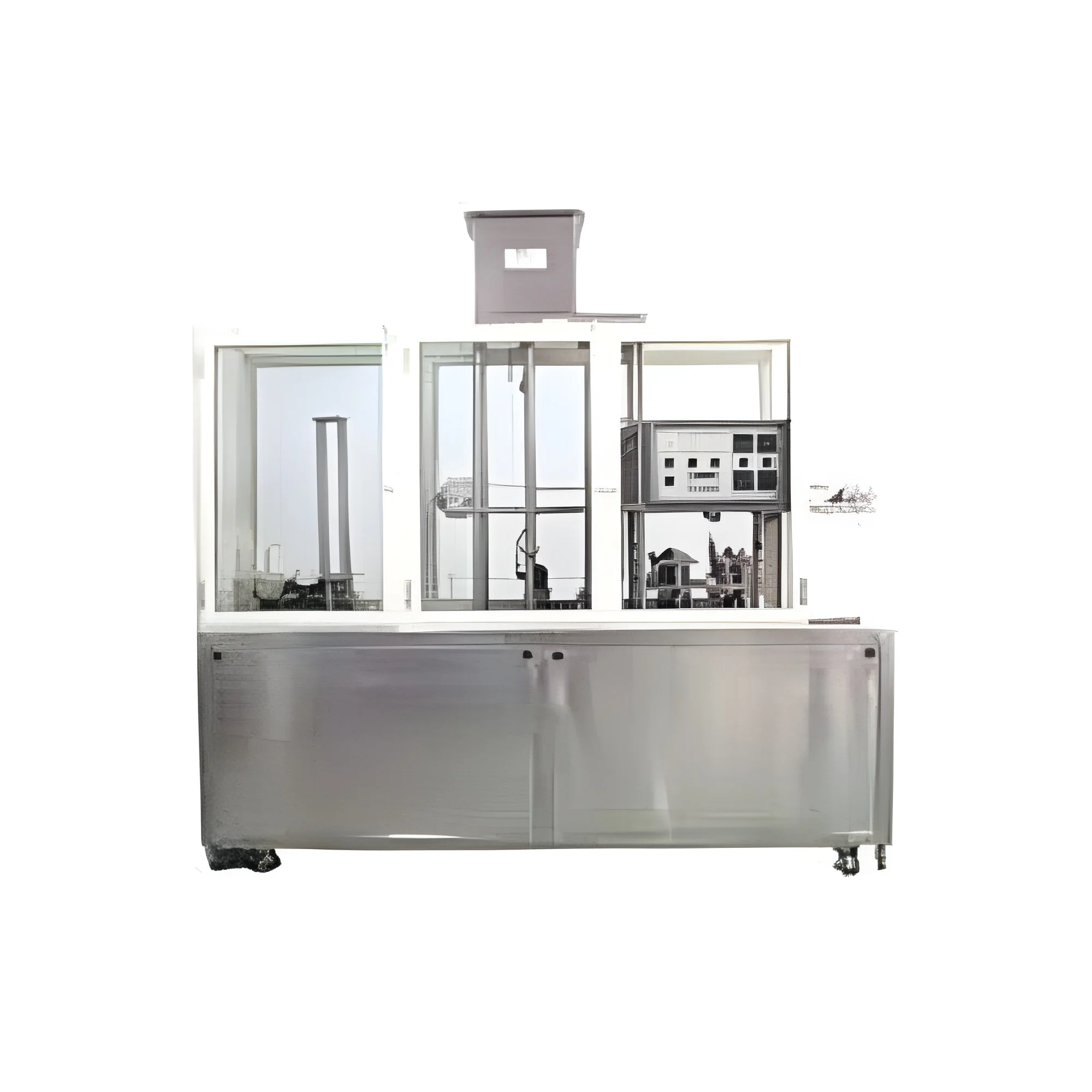
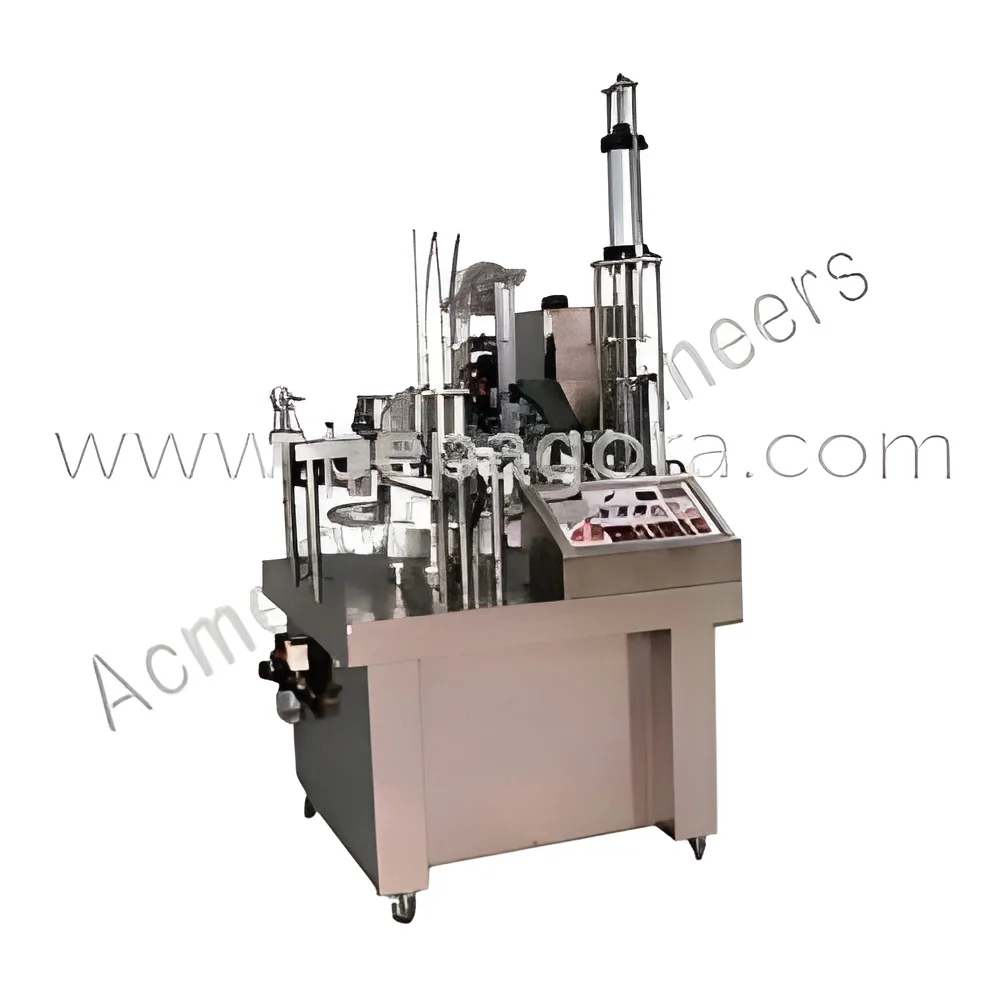
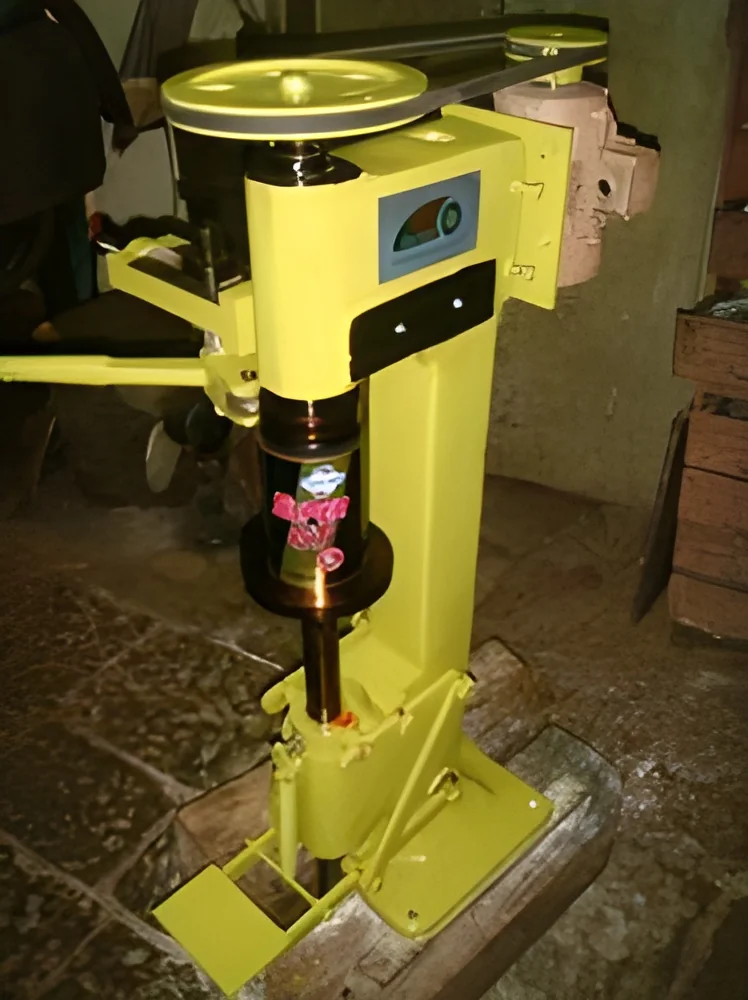
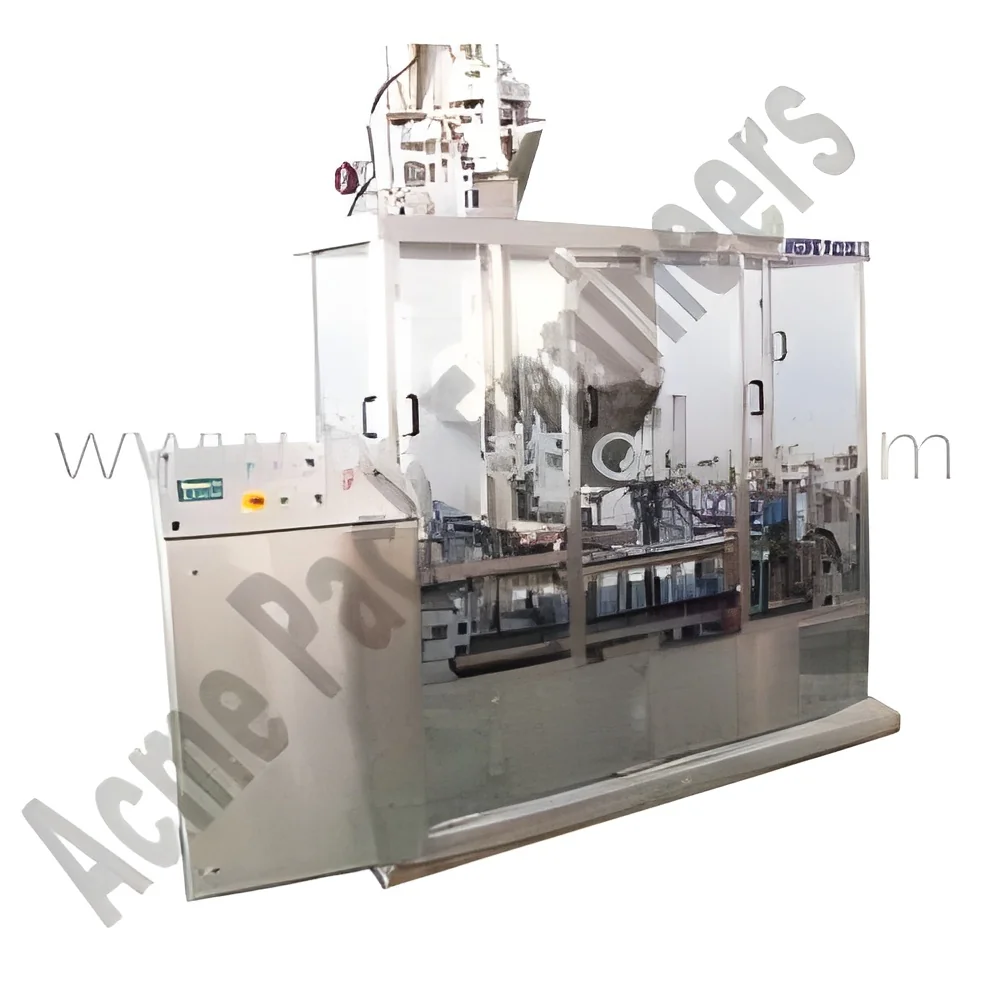
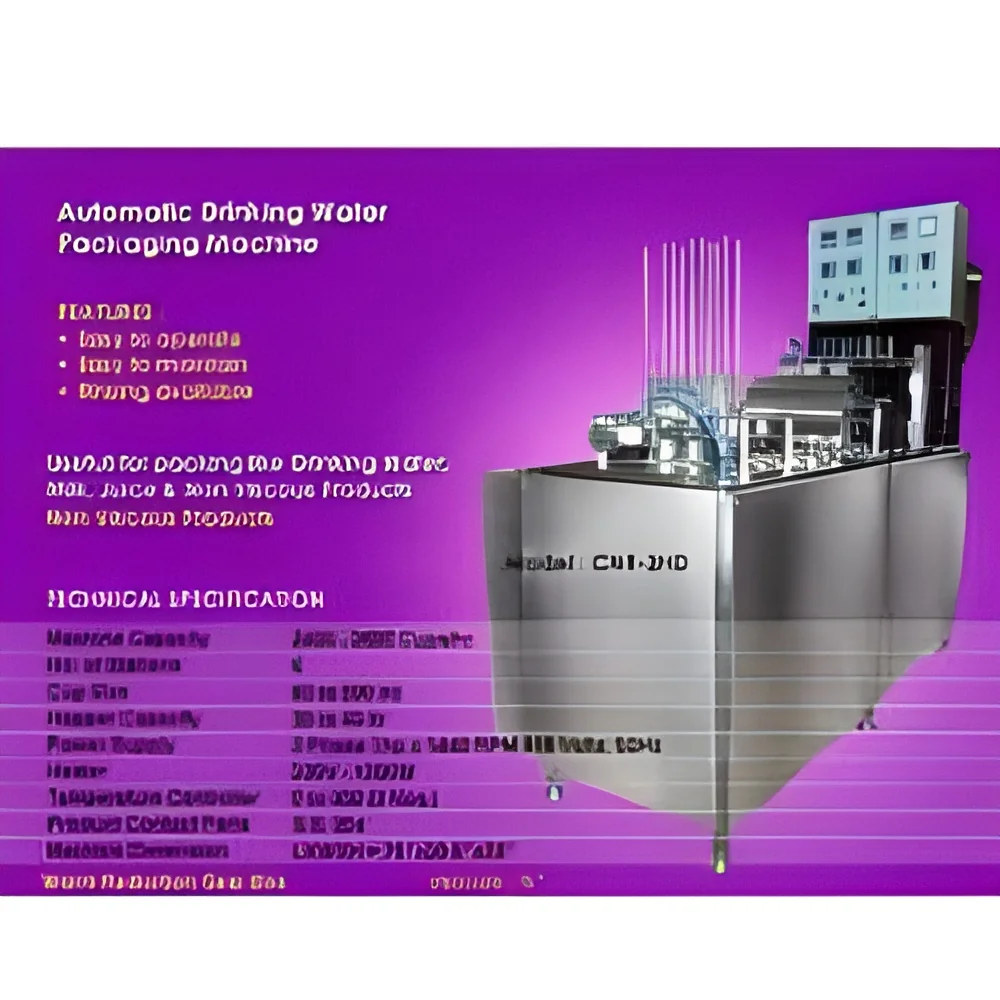
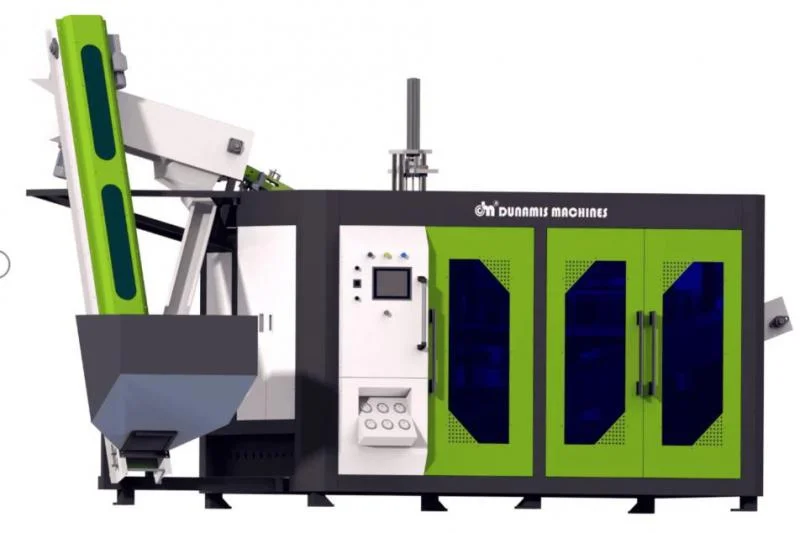
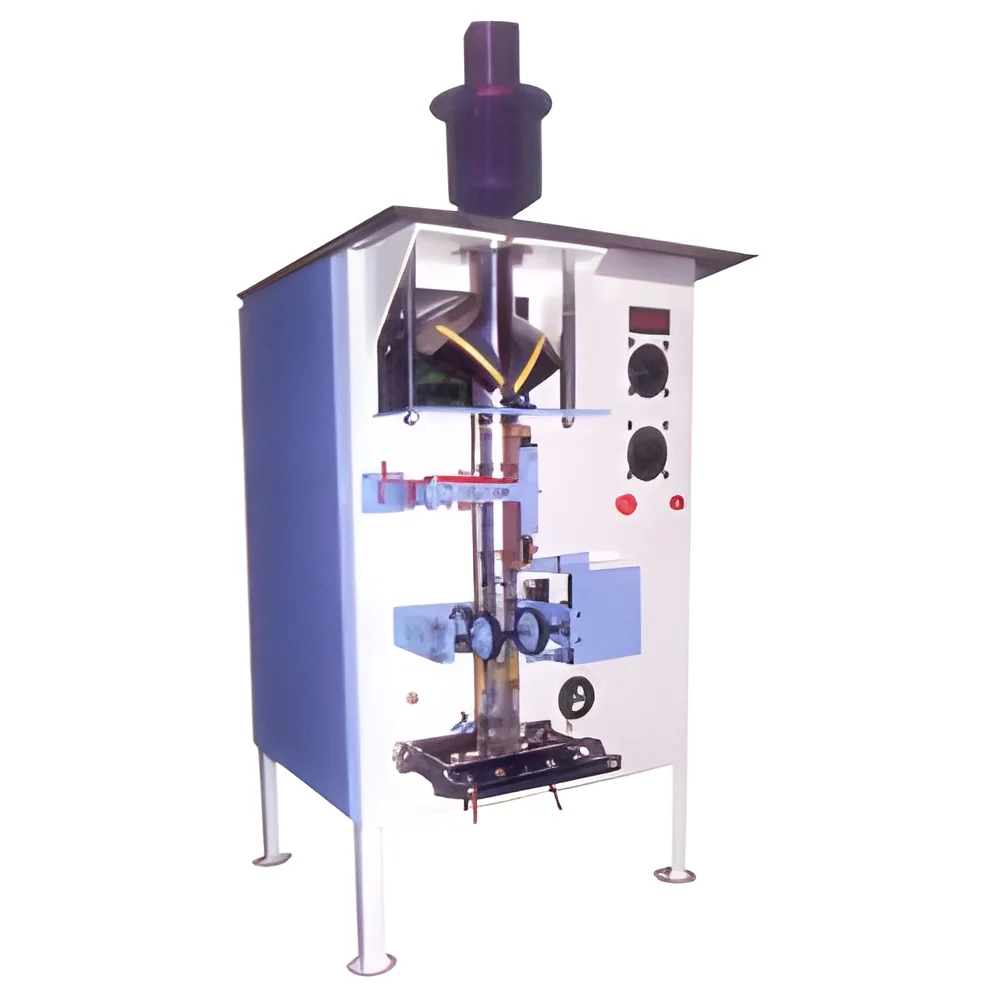
Milk and juice packing machines are specialized equipment designed to package liquid products like milk and juice into containers for distribution and sale. These machines automate the entire packing process, ensuring that the products are sealed, labeled, and ready for market efficiently and hygienically. They can handle various packaging types, including cartons, bottles, and pouches, and are built to maintain the quality and shelf-life of the beverages.
These machines are primarily used in food and beverage manufacturing industries, where high-volume production is common. They cater to businesses that require consistent packaging solutions to meet consumer demand. The automation provided by these machines reduces labor costs and minimizes the risk of contamination, making them essential for manufacturers aiming to uphold safety and quality standards.
In today's competitive market, the relevance of milk and juice packing machines is growing. With the rise in demand for packaged beverages, businesses are investing in advanced packing technology to enhance productivity and meet regulatory requirements. As consumer preferences continue to evolve, companies are looking for flexible and efficient packing solutions that can adapt to market changes.
Key Features and Specifications
Milk and juice packing machines come with a variety of features designed to optimize performance and efficiency. These specifications are crucial for businesses when selecting the right machine for their production needs.
Key specifications include:
1. Production Capacity
- Machines can handle various output rates, typically ranging from 1,000 to 12,000 liters per hour.
2. Packaging Types
- Capable of packaging liquids in different forms, including cartons, bottles, and pouches.
3. Automation Level
- Machines can be semi-automatic or fully automatic, depending on production requirements.
4. Material Compatibility
- Designed to work with various packaging materials such as plastic, paper, and aluminum.
5. Control Systems
- Equipped with advanced control systems for monitoring and adjusting packing processes.
6. Hygiene Standards
- Built to comply with stringent hygiene requirements to ensure product safety.
7. Energy Efficiency
- Many machines are designed to minimize energy consumption while maximizing output.
8. Maintenance Needs
- Machines should have user-friendly designs that allow for easy maintenance and repairs.
In summary, the specifications of milk and juice packing machines are tailored to enhance production efficiency while ensuring product safety and compliance with industry standards.
Common Applications and Use Cases
Milk and juice packing machines serve various industries, demonstrating their versatility and importance.
1. Dairy Industry: These machines are essential for bottling and packaging liquid milk, yogurt drinks, and flavored milk products, ensuring long shelf life and quality.
2. Beverage Industry: Juice manufacturers rely on packing machines for packaging fruit juices, smoothies, and plant-based beverages, catering to diverse consumer preferences.
3. Food Service: Restaurants and cafes use these machines for portioning and packaging milk and juice for takeout services, enhancing customer convenience.
4. Retail: Supermarkets utilize these machines to package ready-to-drink products, providing attractive and functional packaging that appeals to consumers.
5. E-commerce: With the rise in online grocery shopping, packing machines are used to package beverages securely for shipping, ensuring they arrive in good condition.
6. Health and Wellness: Manufacturers of health drinks and supplements use packing machines to provide safe and hygienic packaging for their products.
7. Organic Products: Companies producing organic juices and dairy products benefit from the precision and quality assurance provided by these machines.
Product Variants and Subcategories
Milk and juice packing machines are available in various configurations to meet specific needs in the industry.
Automatic Packing Machines: These machines provide high-speed packing with minimal human intervention, making them suitable for large-scale production. They often include features like inline filling, capping, and labeling.
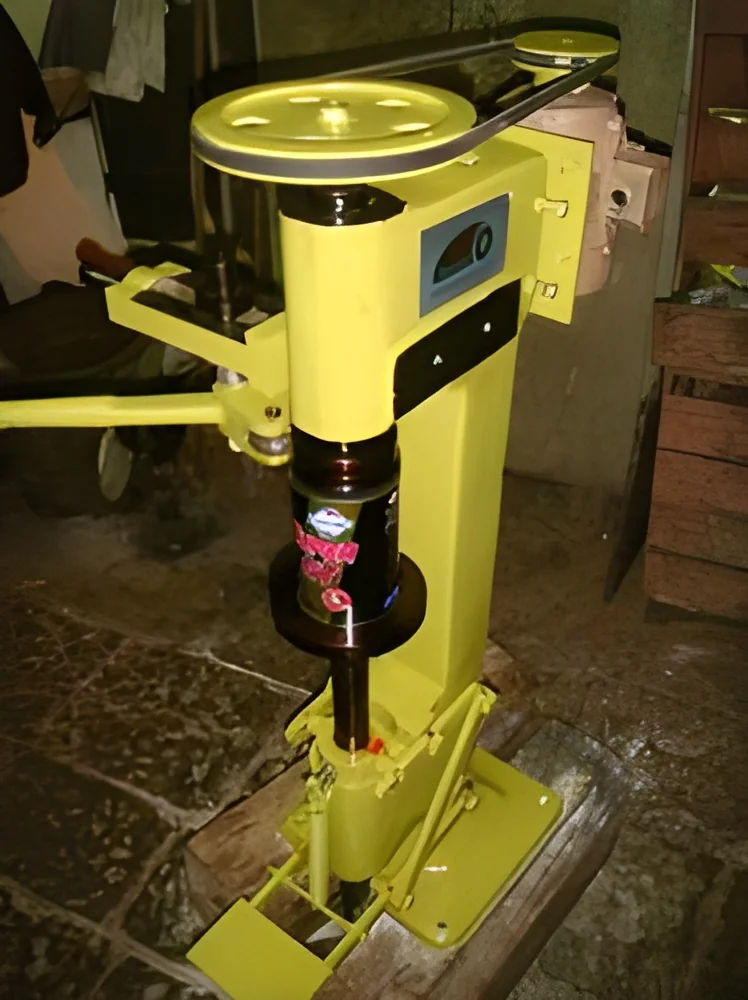
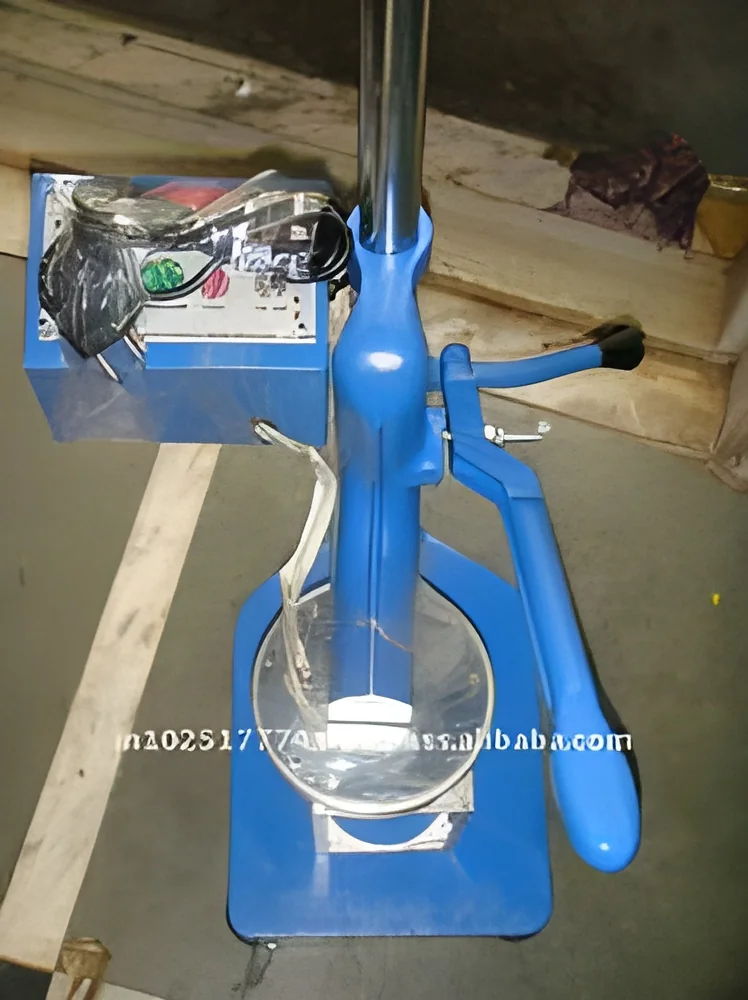
Semi-Automatic Packing Machines: Ideal for smaller operations, these machines require some manual input while still offering automation benefits. They are flexible and can handle different packaging types.
Mobile Packing Units: These are portable solutions designed for small businesses or temporary setups. They can be easily transported and set up in various locations.
Customizable Packing Solutions: Some manufacturers offer machines that can be tailored to specific requirements, including size, output capacity, and packaging type.
Benefits and Advantages
Milk and juice packing machines offer numerous benefits that enhance operational efficiency and product quality.
1. Increased Efficiency: These machines significantly reduce packaging time, allowing businesses to meet high demand quickly.
2. Cost Savings: Automation decreases labor costs and reduces waste, leading to better profit margins.
3. Enhanced Product Safety: Advanced hygiene features ensure that beverages are packaged in sanitary conditions, minimizing contamination risks.
4. Improved Shelf Life: Effective sealing and packaging techniques help extend the shelf life of products, benefitting both consumers and manufacturers.
5. Versatile Packaging Options: These machines can handle a variety of packaging types, accommodating diverse product lines.
6. Compliance with Standards: Many machines are designed to meet international quality and safety standards, ensuring regulatory compliance.
Buying Guide for B2B Buyers
When sourcing milk and juice packing machines, several key factors should be considered to ensure a suitable purchase.
1. Quality Assessment: Buyers should evaluate machines based on performance, reliability, and construction quality. Reviews and testimonials can provide valuable insights into the machine's effectiveness.
2. Supplier Verification: It is essential to vet suppliers to ensure they have a proven track record and offer reliable customer support. Checking for industry certifications can also help validate their credibility.
3. Pricing and MOQ: Buyers should compare prices across different suppliers while considering minimum order quantities. Understanding pricing structures will aid in budget planning.
4. Delivery and Lead Times: Logistics play a crucial role in the purchasing process. Buyers should inquire about delivery times and ensure that suppliers can meet their timelines.
5. Compliance Requirements: Ensuring that machines meet relevant industry regulations is critical. Buyers should confirm that suppliers provide documentation for compliance with standards such as ISO and CE.
Compliance and Certifications
Compliance with quality standards is vital for milk and juice packing machines to ensure product safety and marketability. Relevant standards include ISO 9001, which outlines requirements for a quality management system, and HACCP, which focuses on food safety management.
Many machines are certified with CE marking, indicating that they meet European health, safety, and environmental protection standards. This certification is crucial for companies exporting their products to European markets.
Safety and testing requirements are also paramount in the design of packing machines. Equipment must undergo rigorous testing to ensure it operates efficiently and safely under various conditions.
Additionally, regional compliance considerations may vary. It's essential for manufacturers to be aware of local regulations and standards that apply to their market, ensuring that their machines are compliant and safe for use.
Why Source Milk & Juice Packing Machines from Pepagora?
Pepagora provides a trusted platform for sourcing milk and juice packing machines, offering several key advantages to B2B buyers.
Verified Supplier Network: Pepagora thoroughly vets its suppliers to ensure they provide high-quality machines. This process includes checking credentials and customer reviews, giving buyers peace of mind.
Streamlined RFQ Process: The request for quotation system allows buyers to easily request pricing and specifications from multiple suppliers, making it simpler to compare options and find the best fit.
Trade Assurance and Support: Pepagora offers trade assurance that helps protect buyers throughout the purchasing process, ensuring they receive what they pay for and have access to support when needed.
Regional Coverage: With a wide reach across India, the GCC, and Southeast Asia, Pepagora connects buyers with local and regional suppliers, facilitating easier logistics and support for businesses in various markets.

 IN
IN