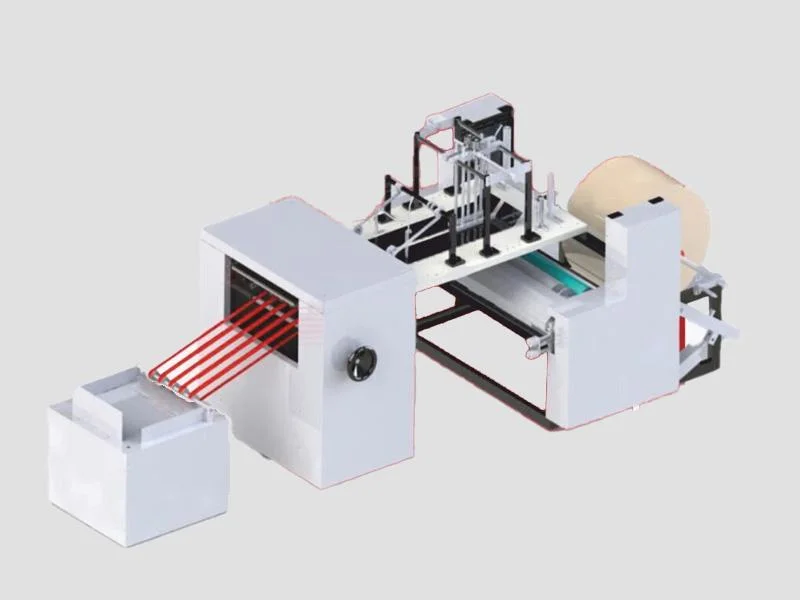
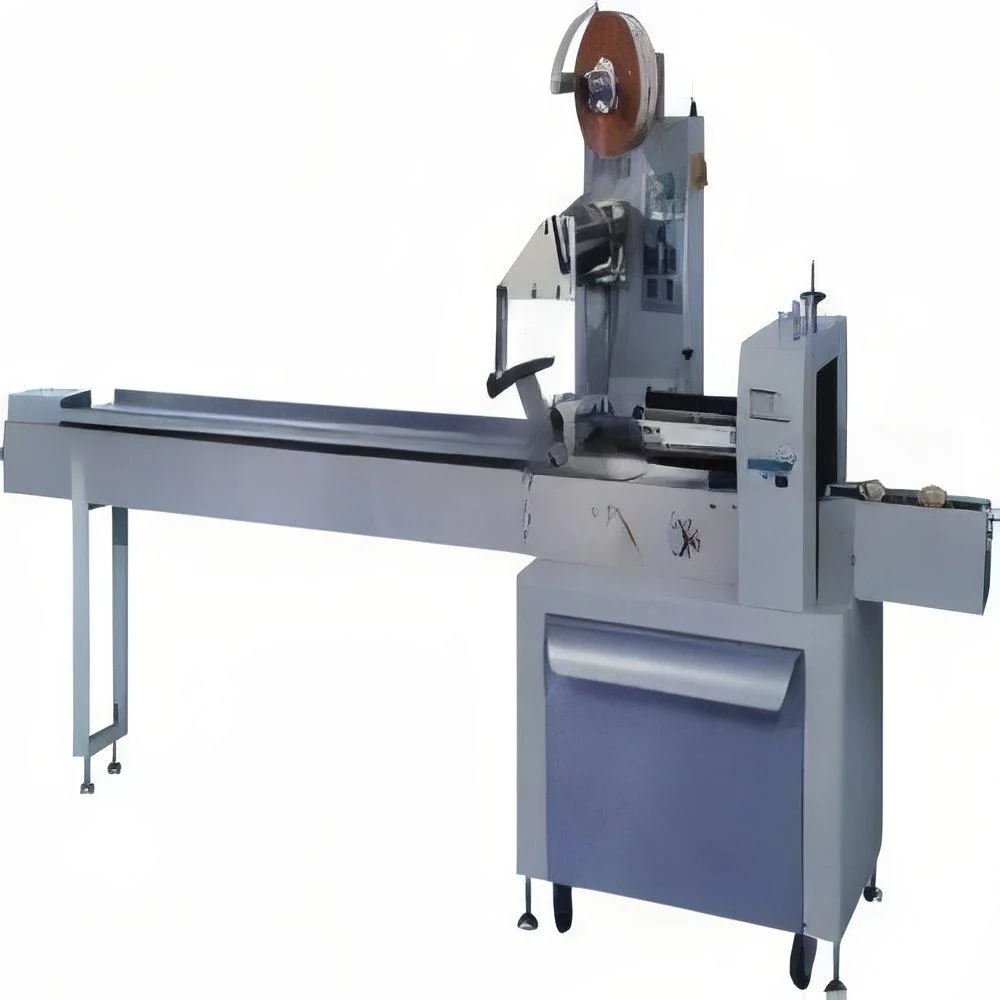
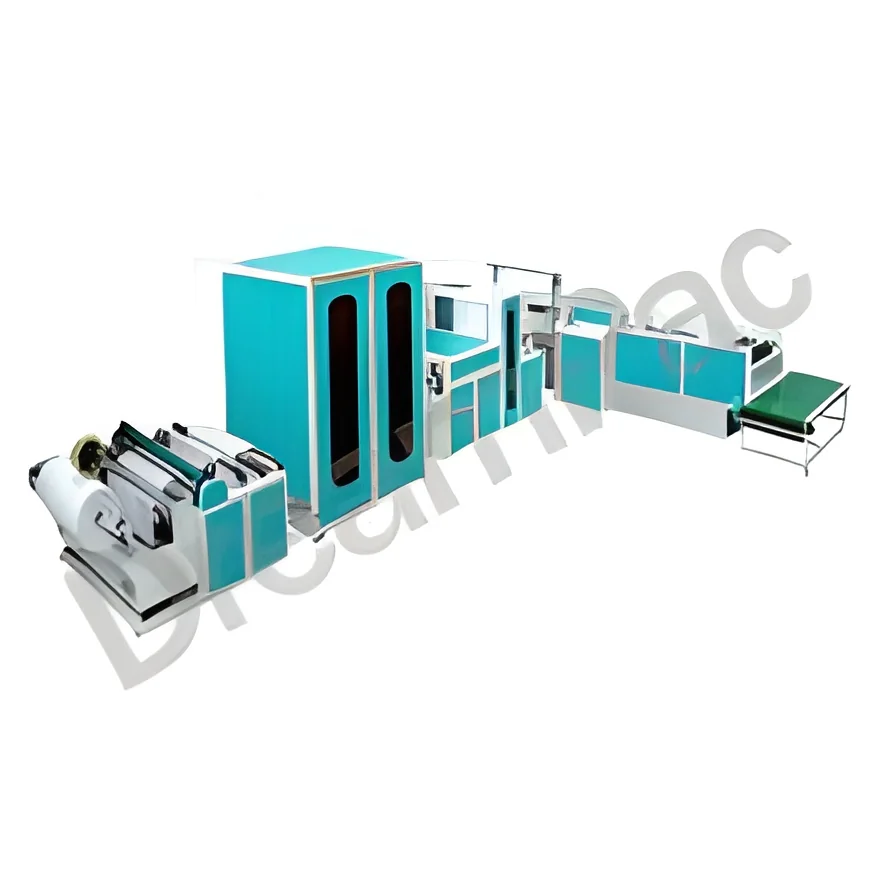
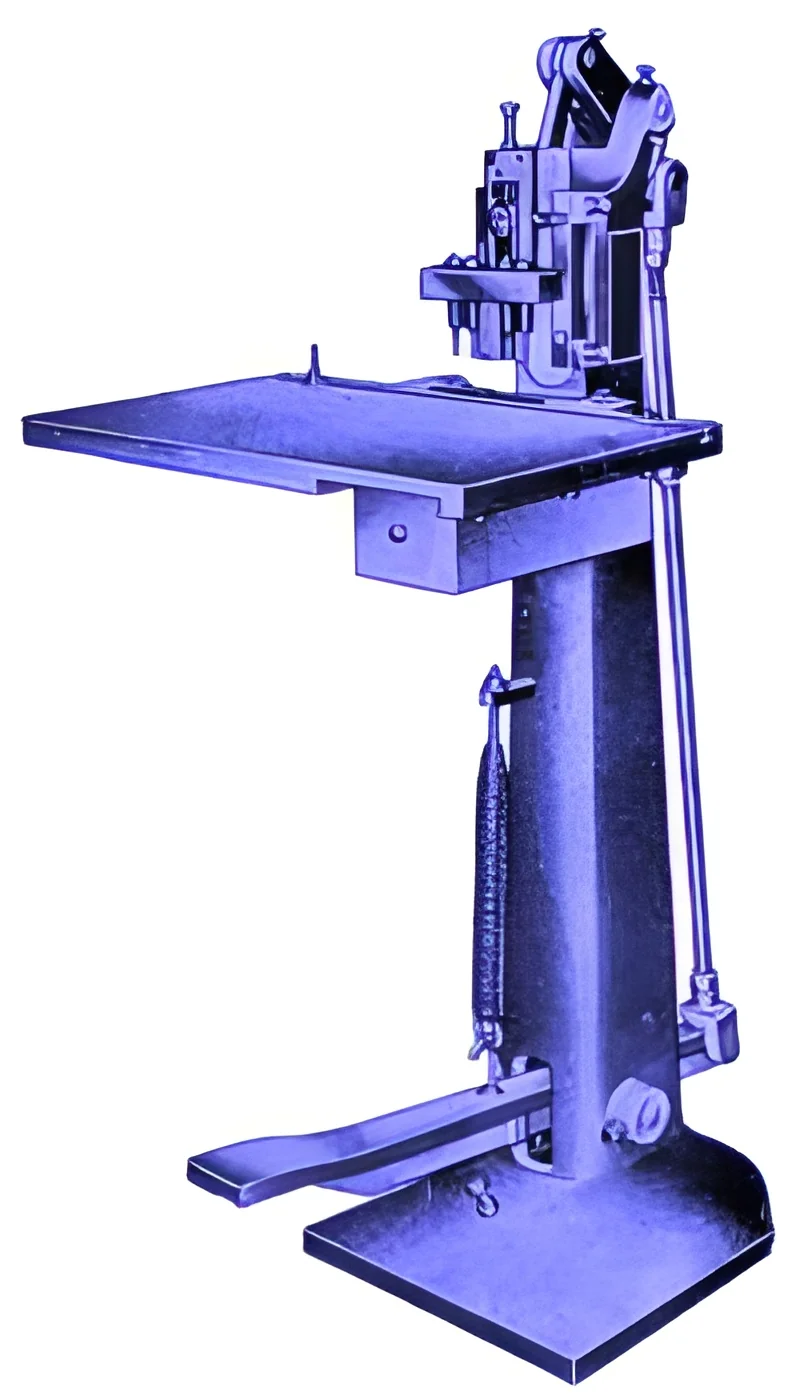
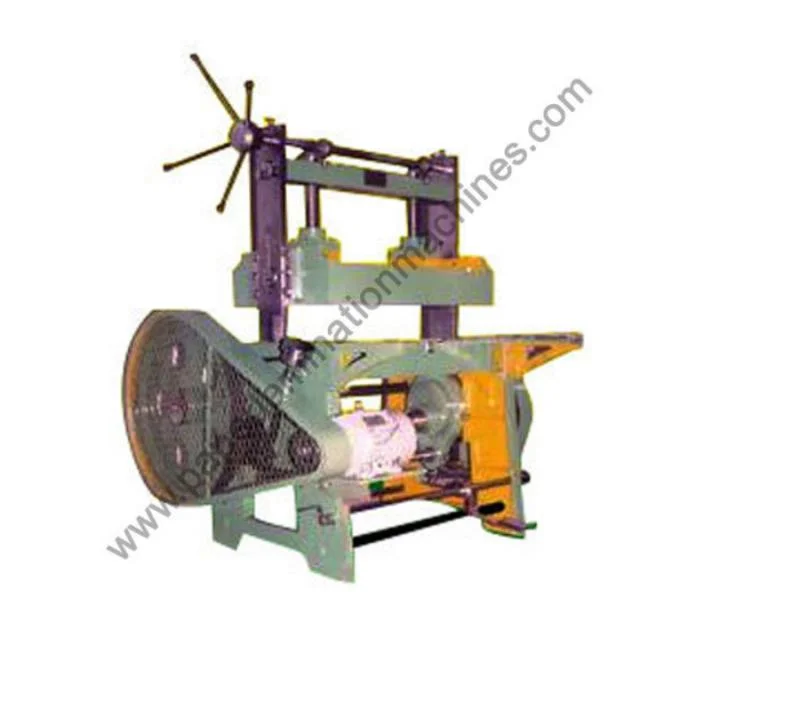
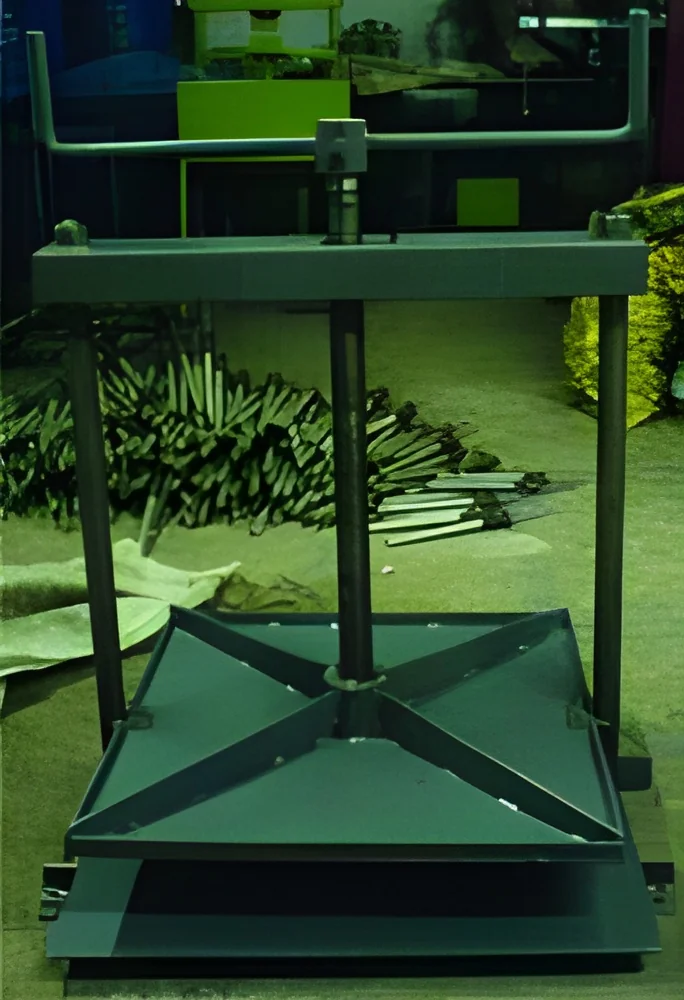
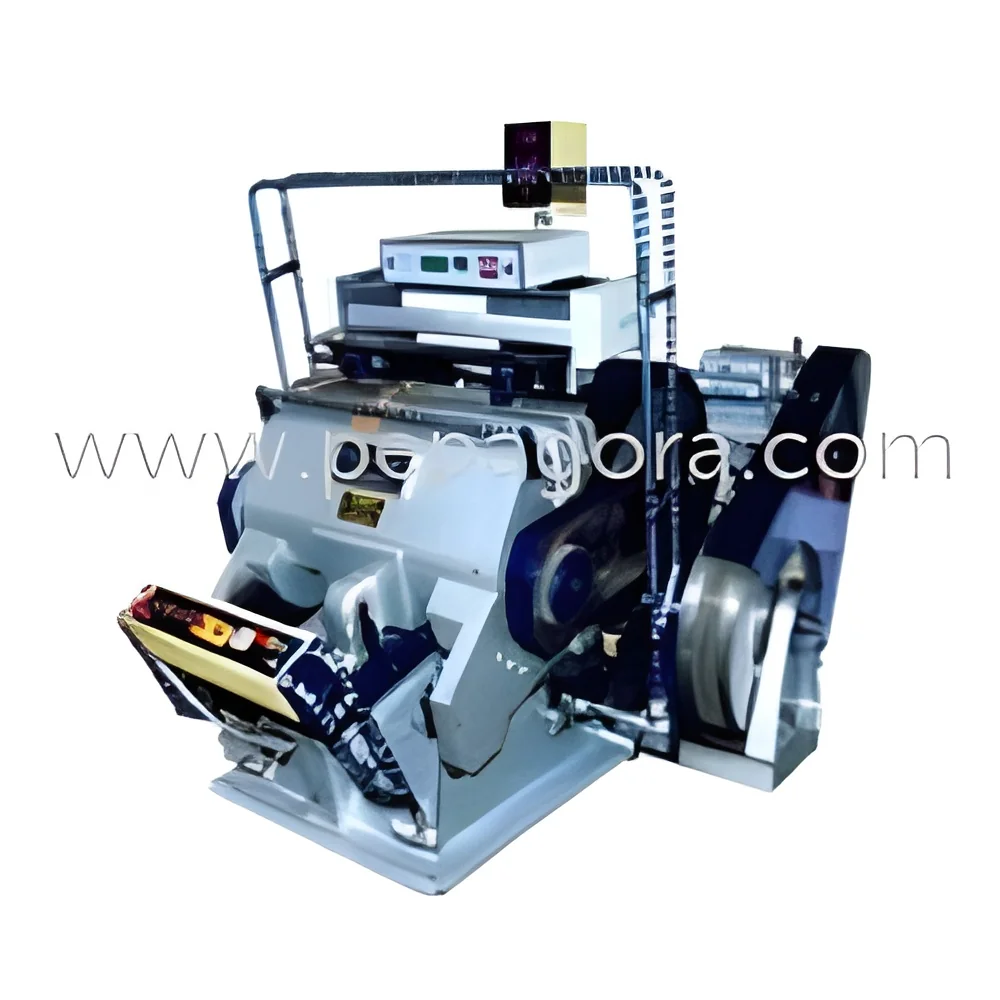
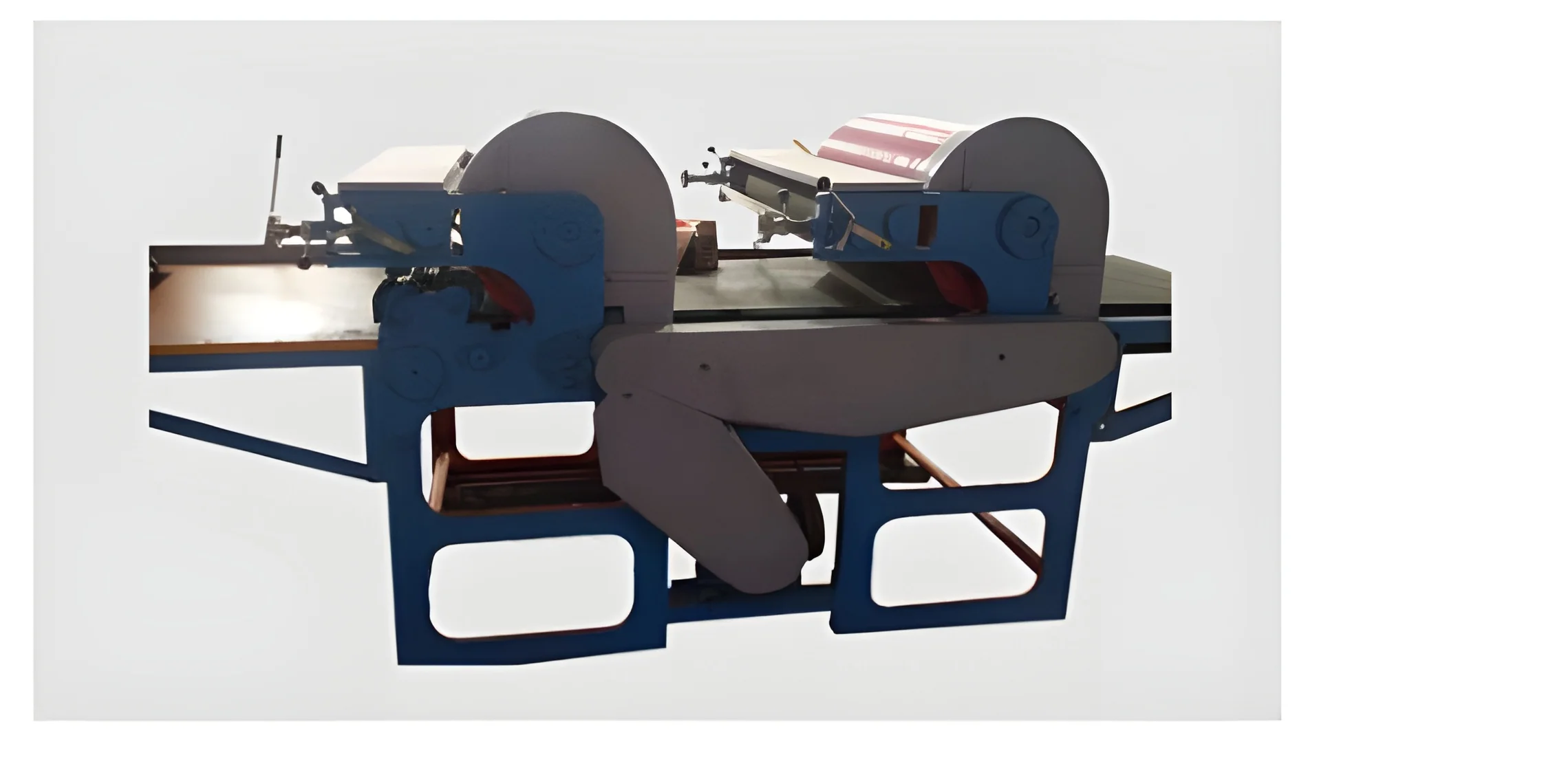
What are Packaging Forming Machines?
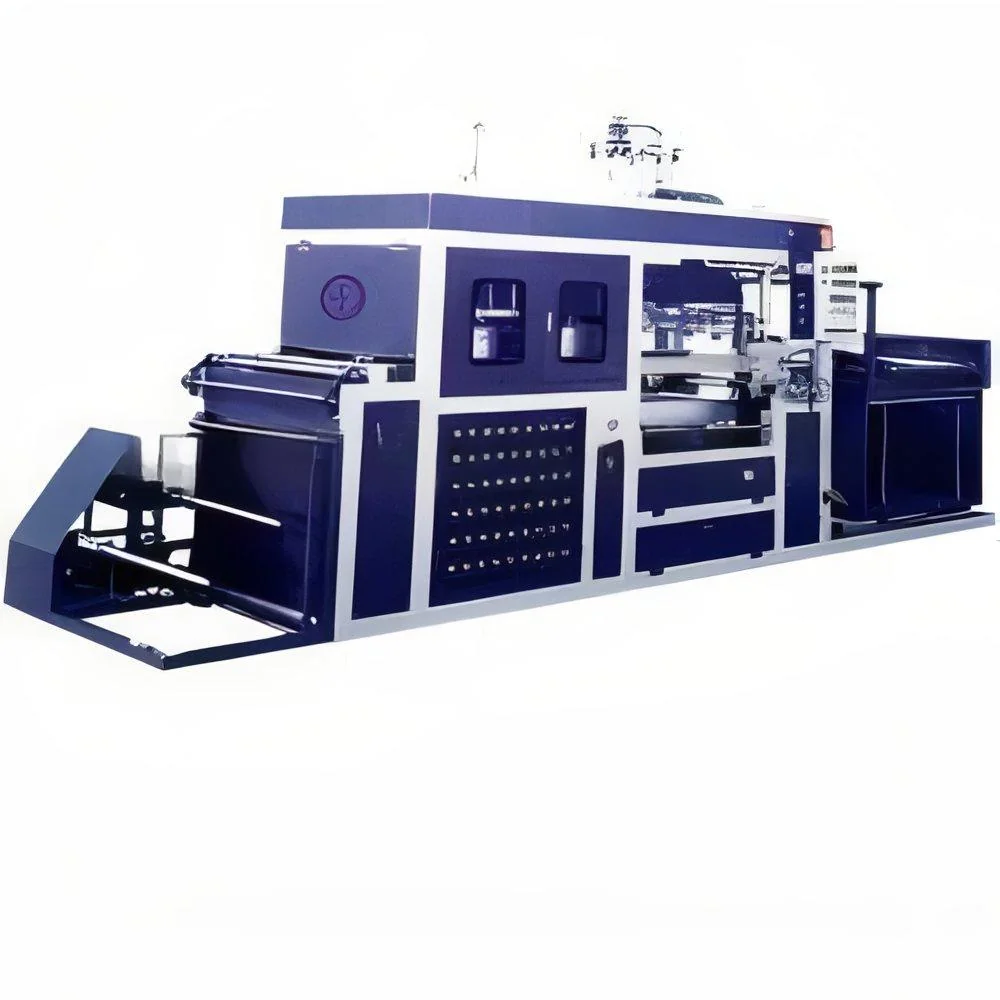
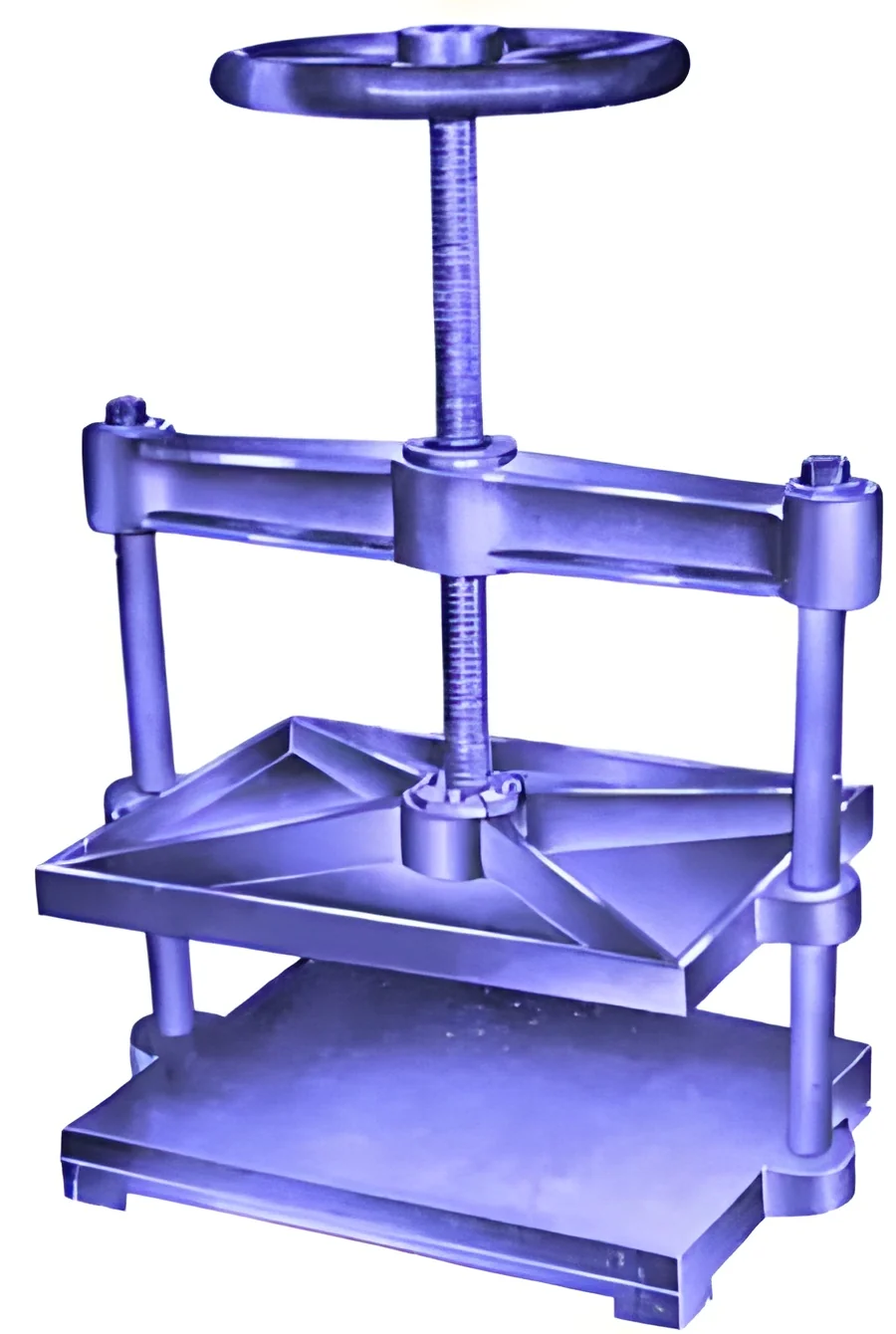
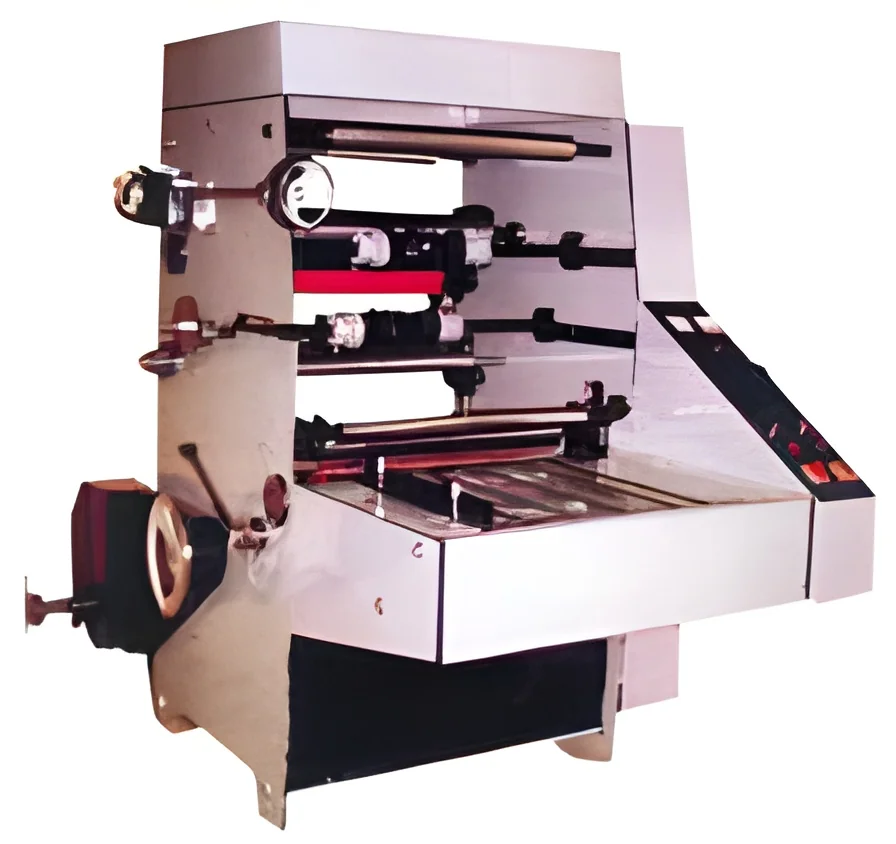
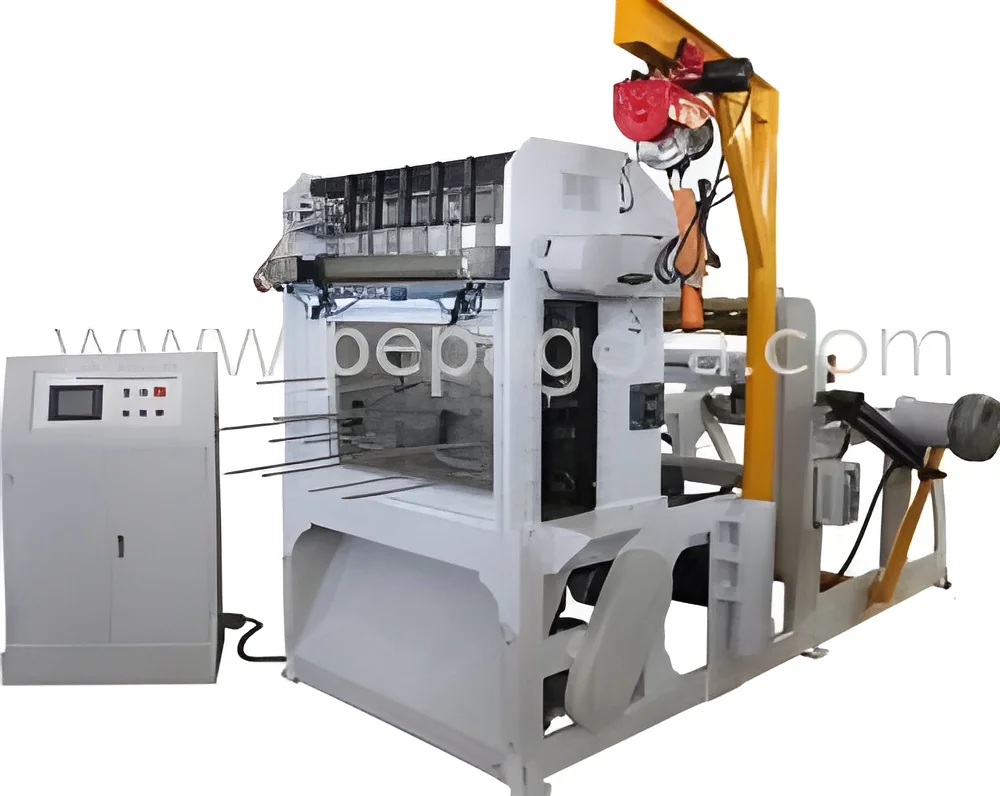
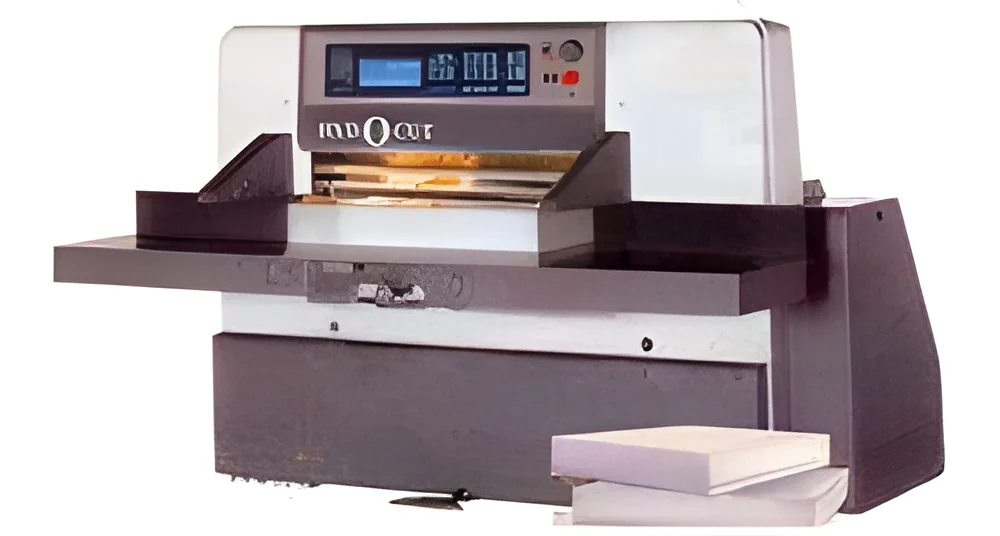
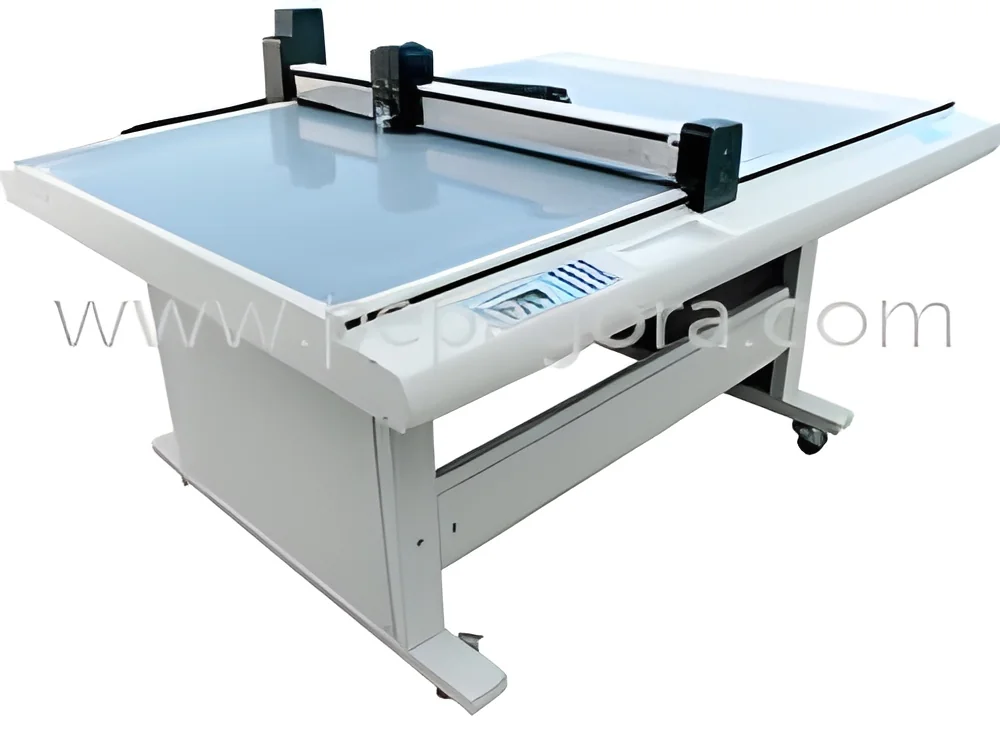
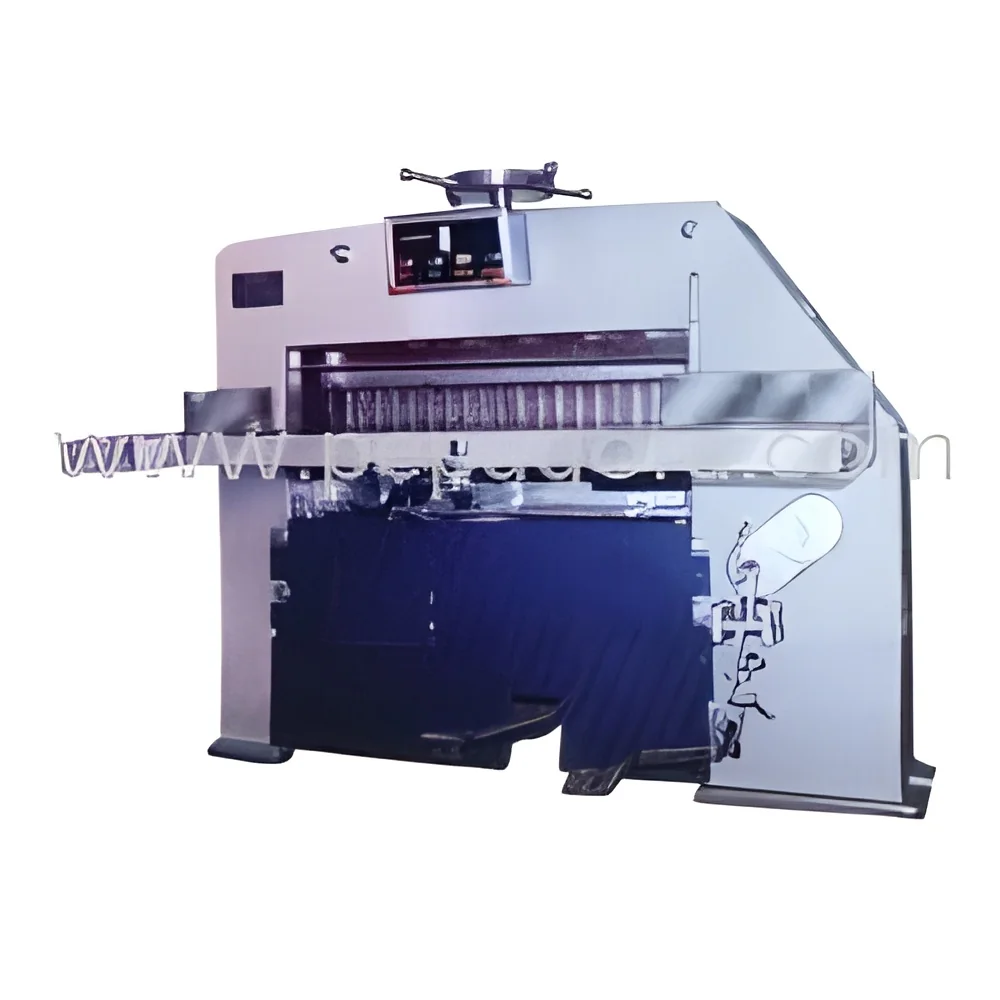
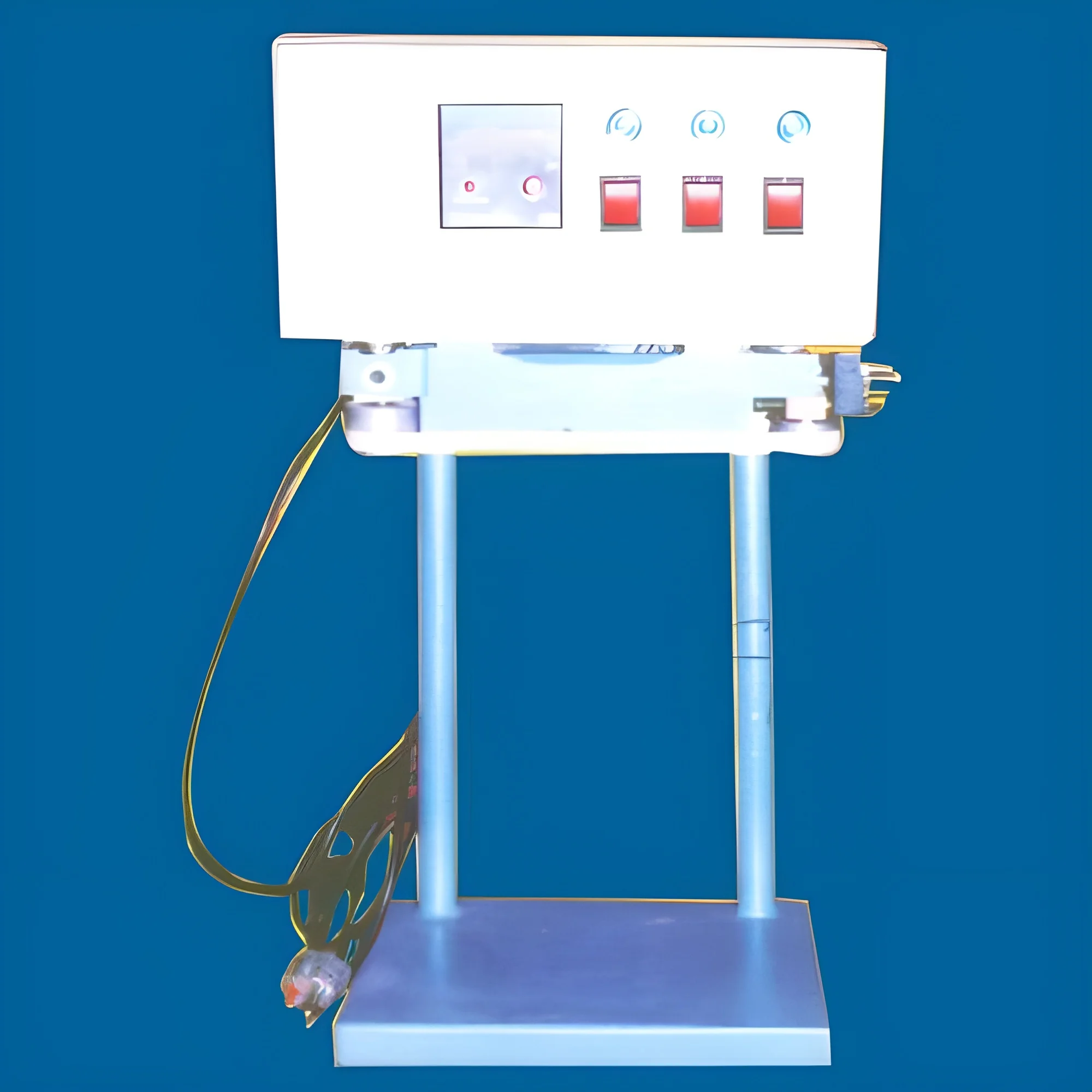
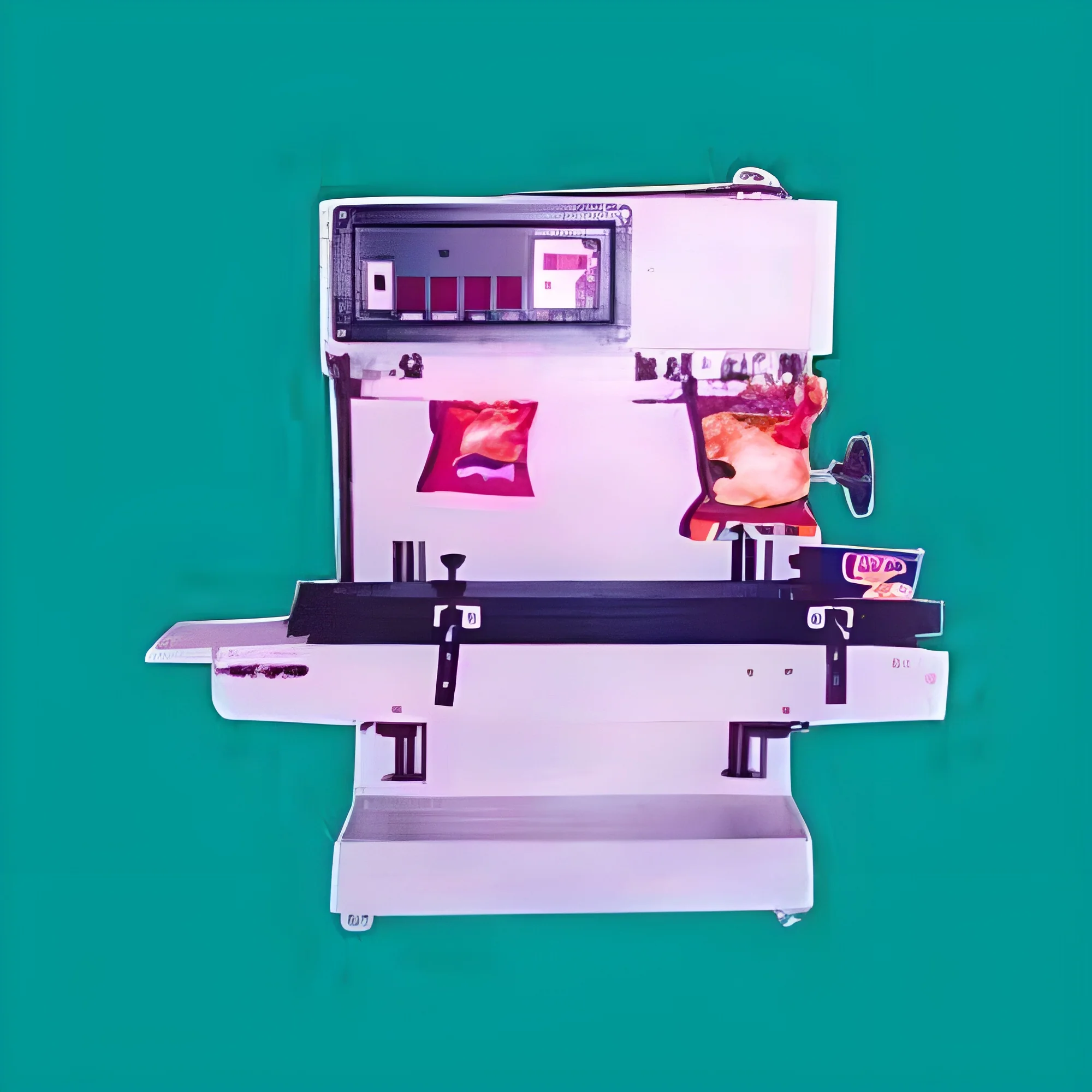
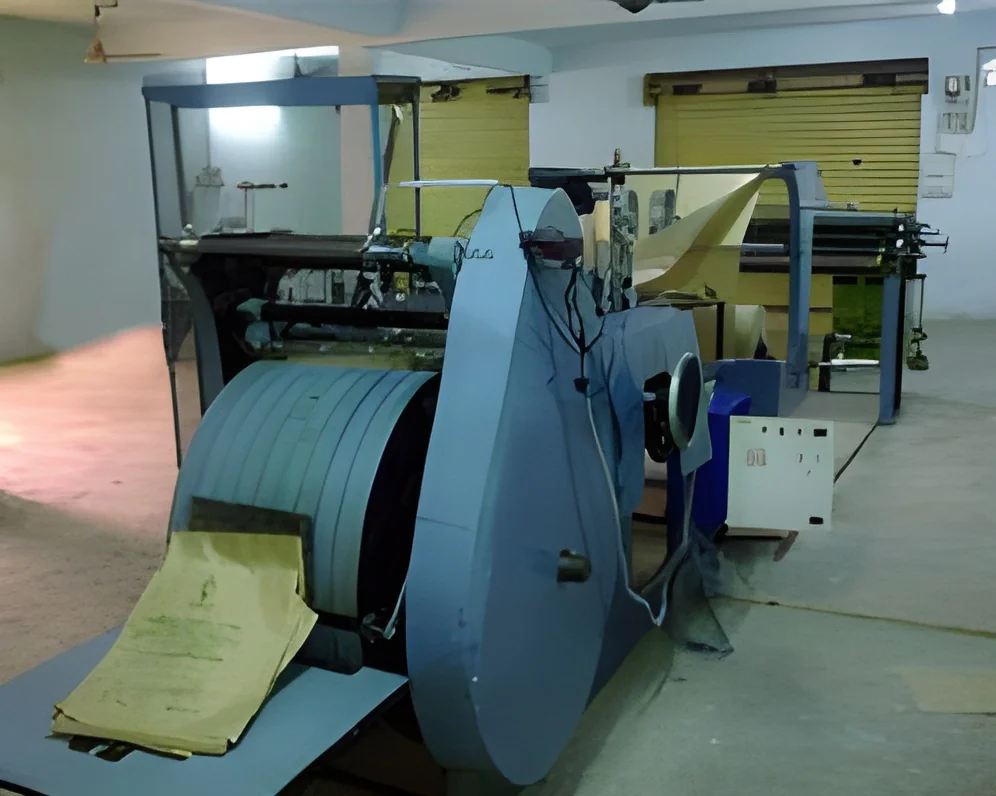
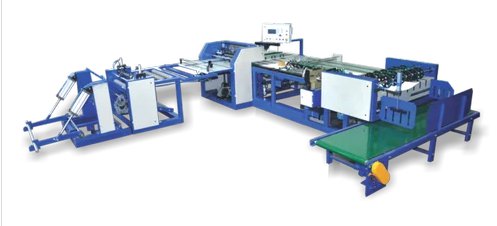
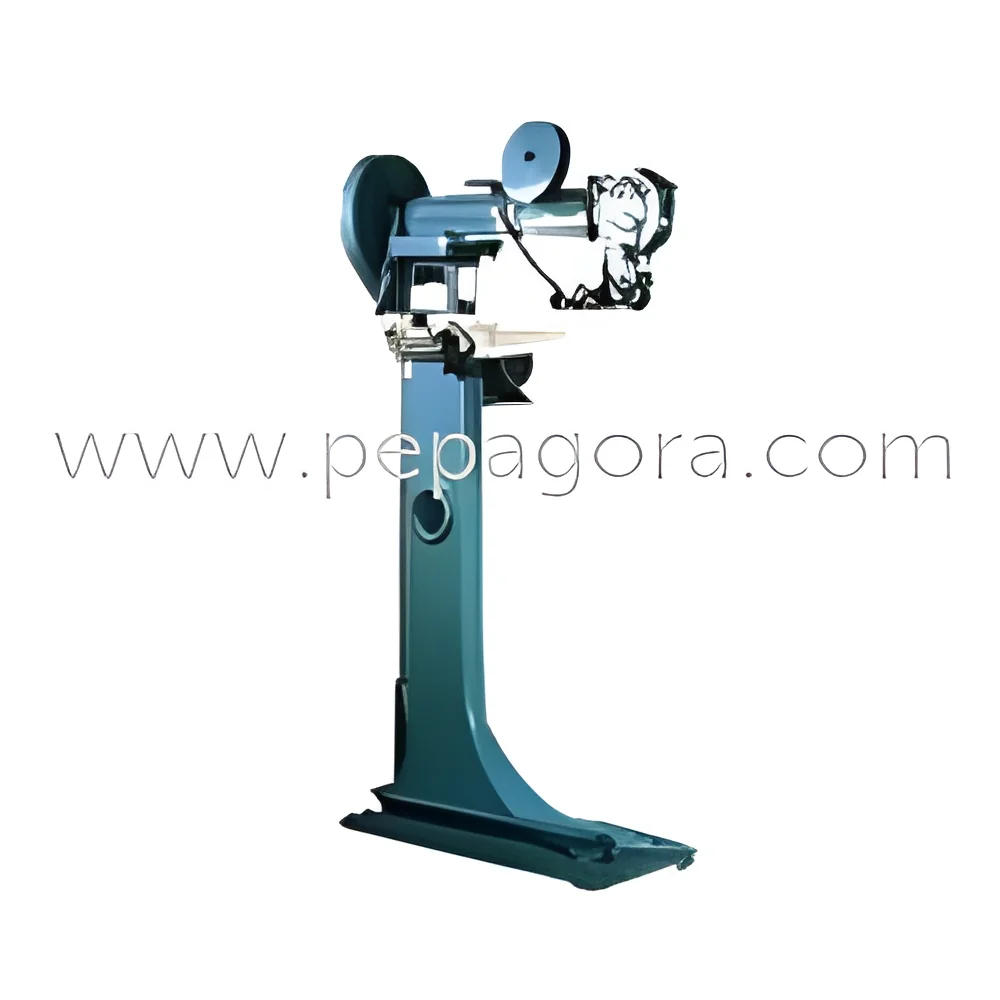
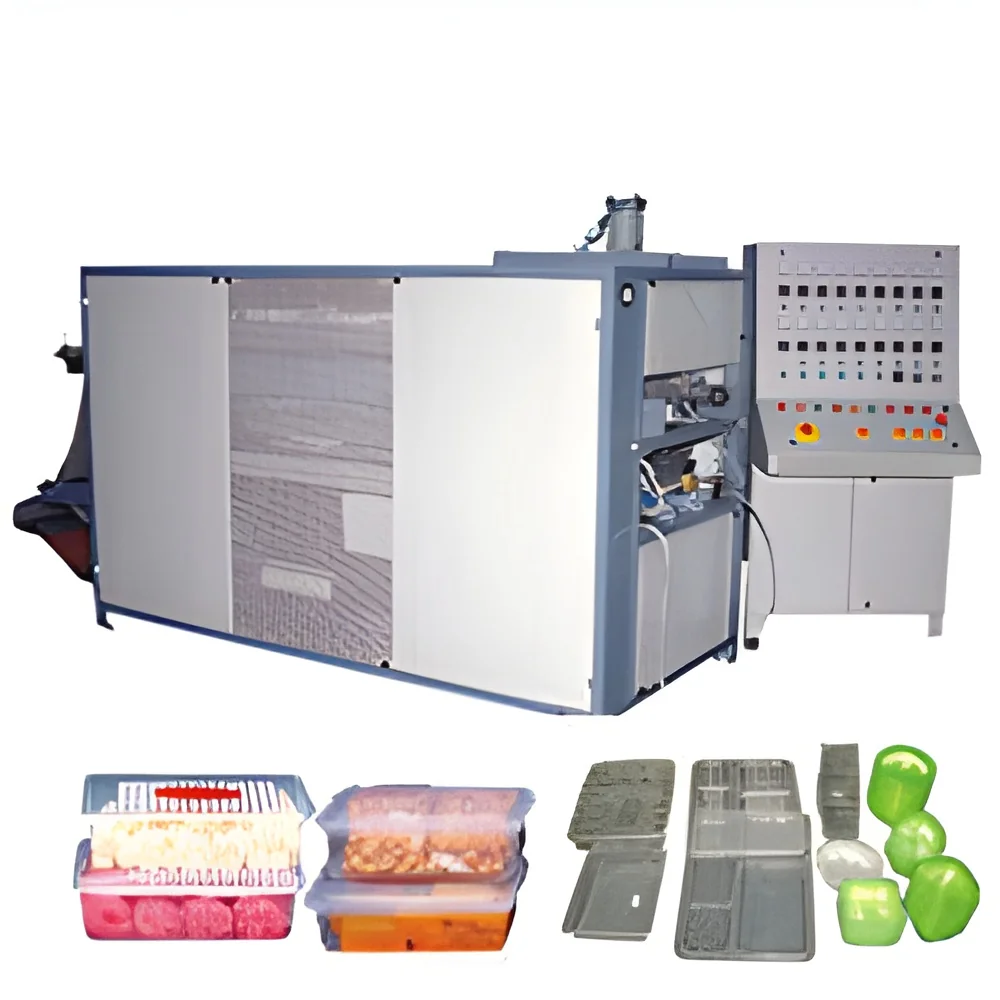
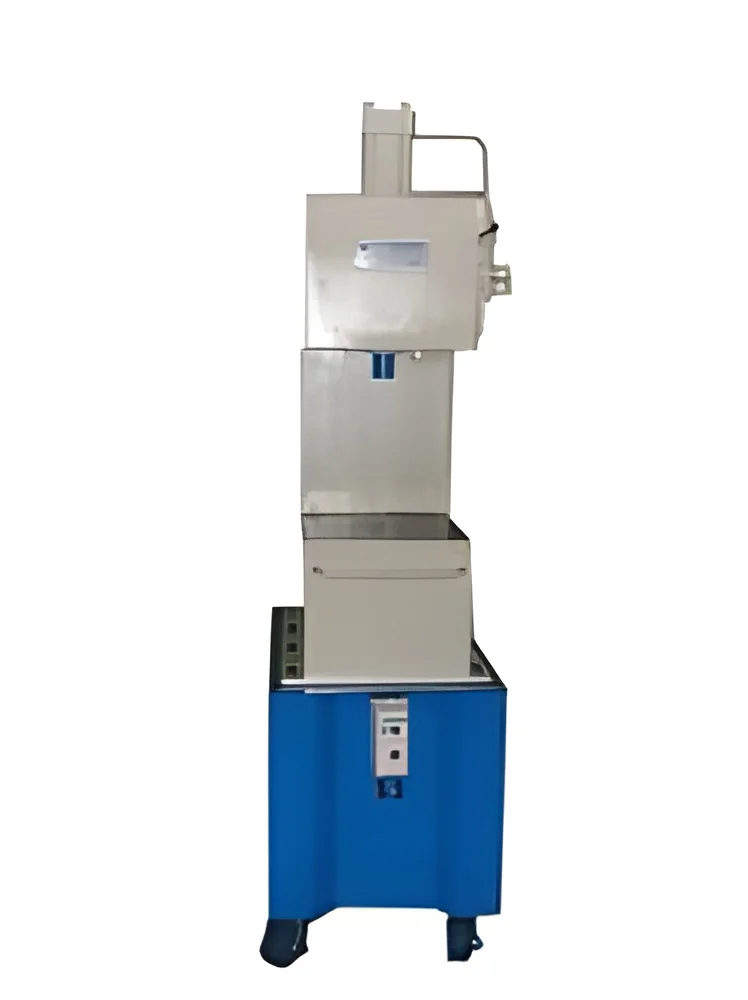
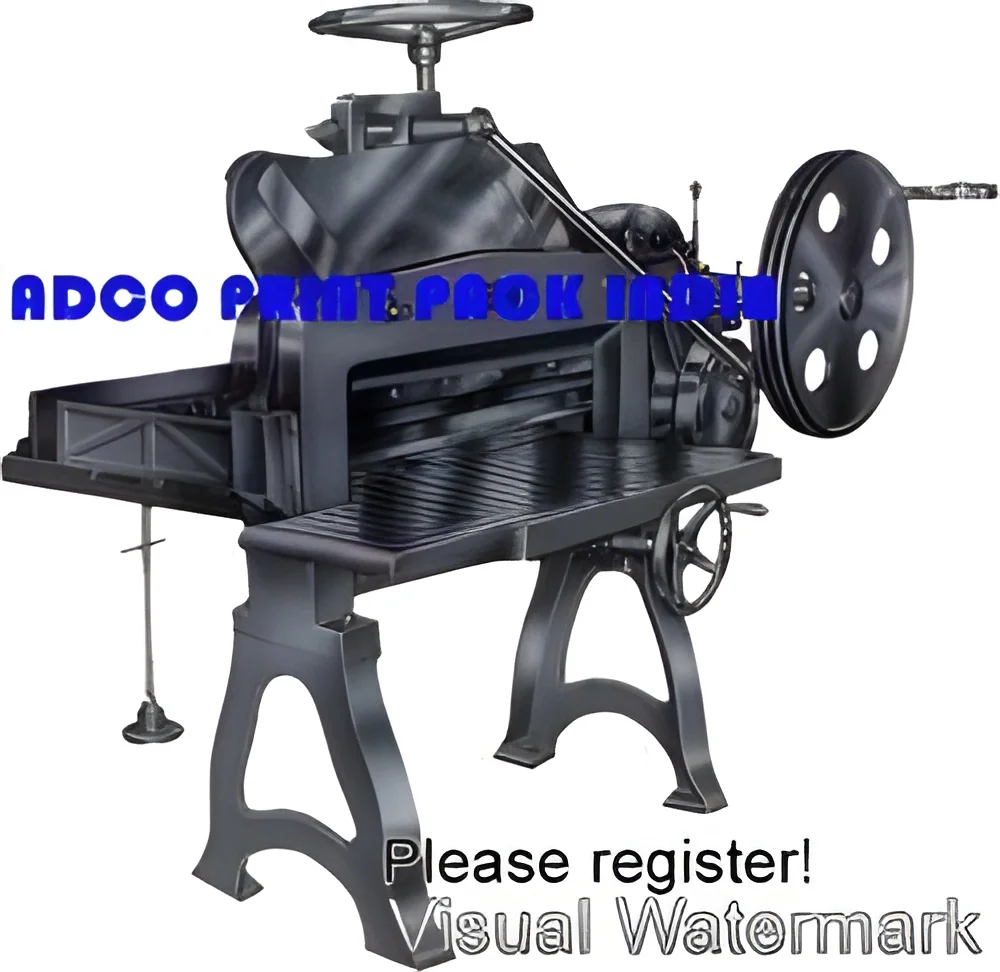
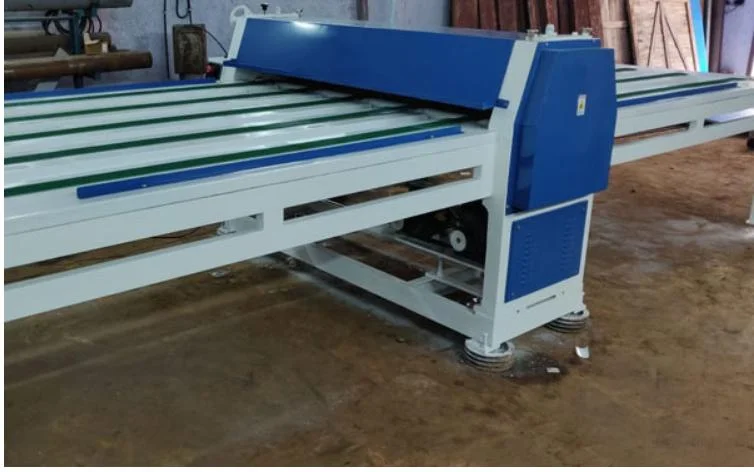
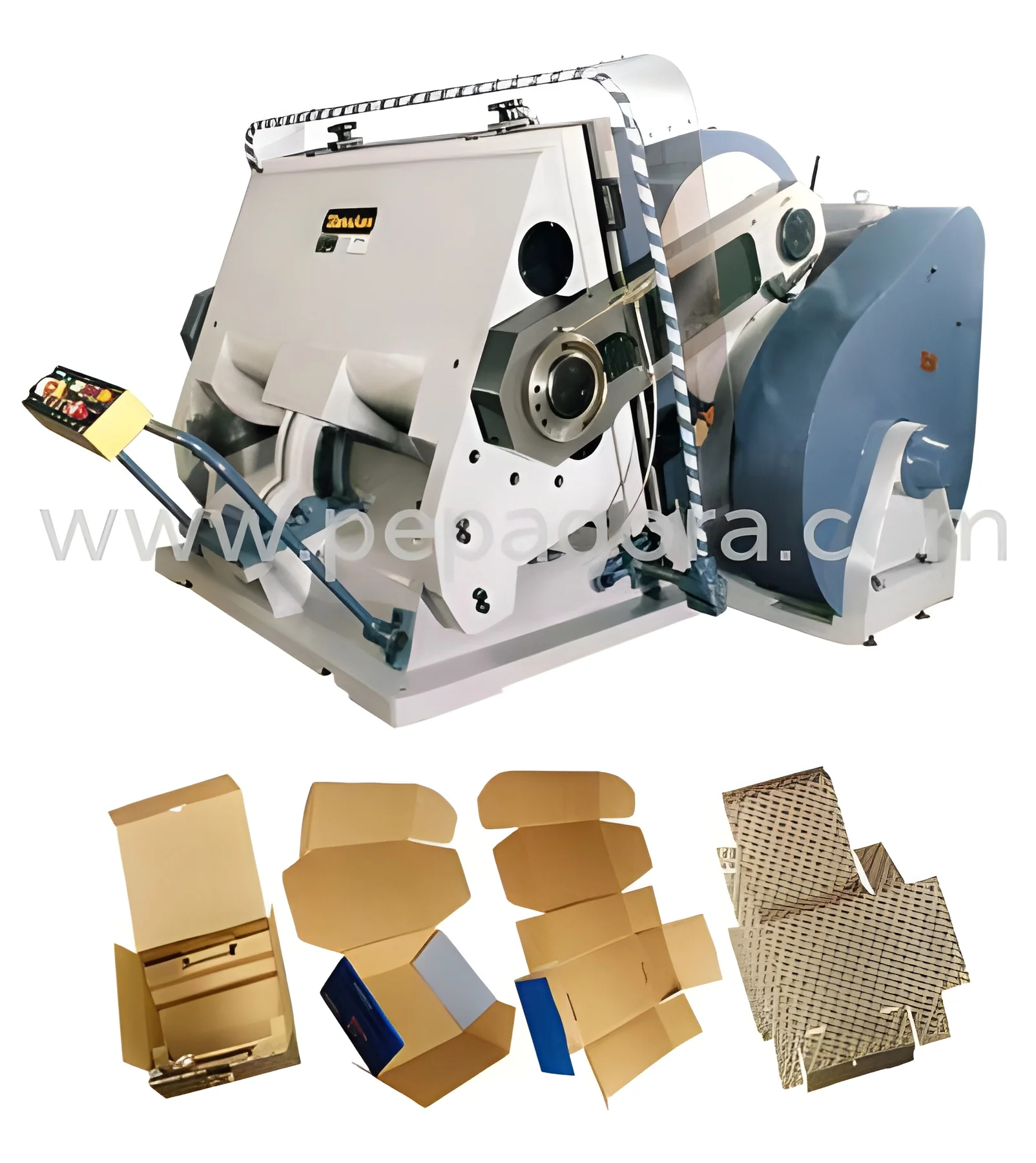
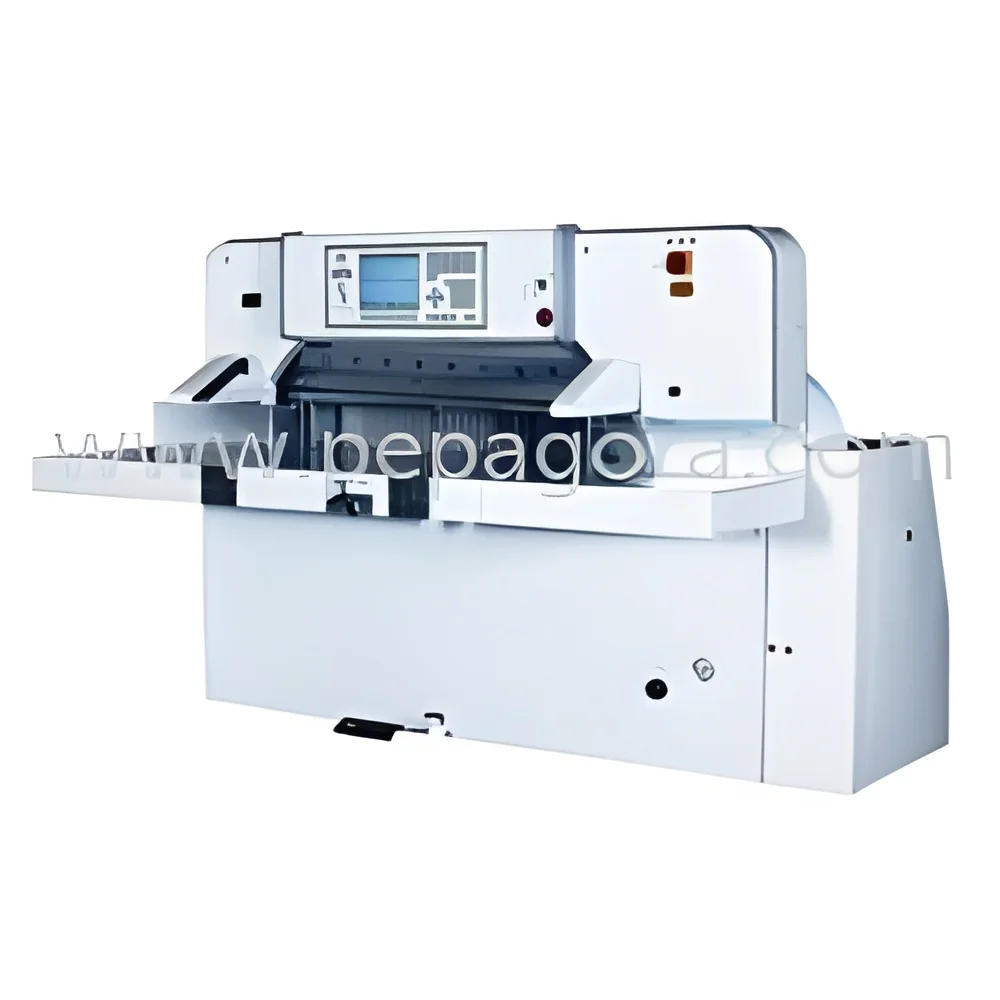
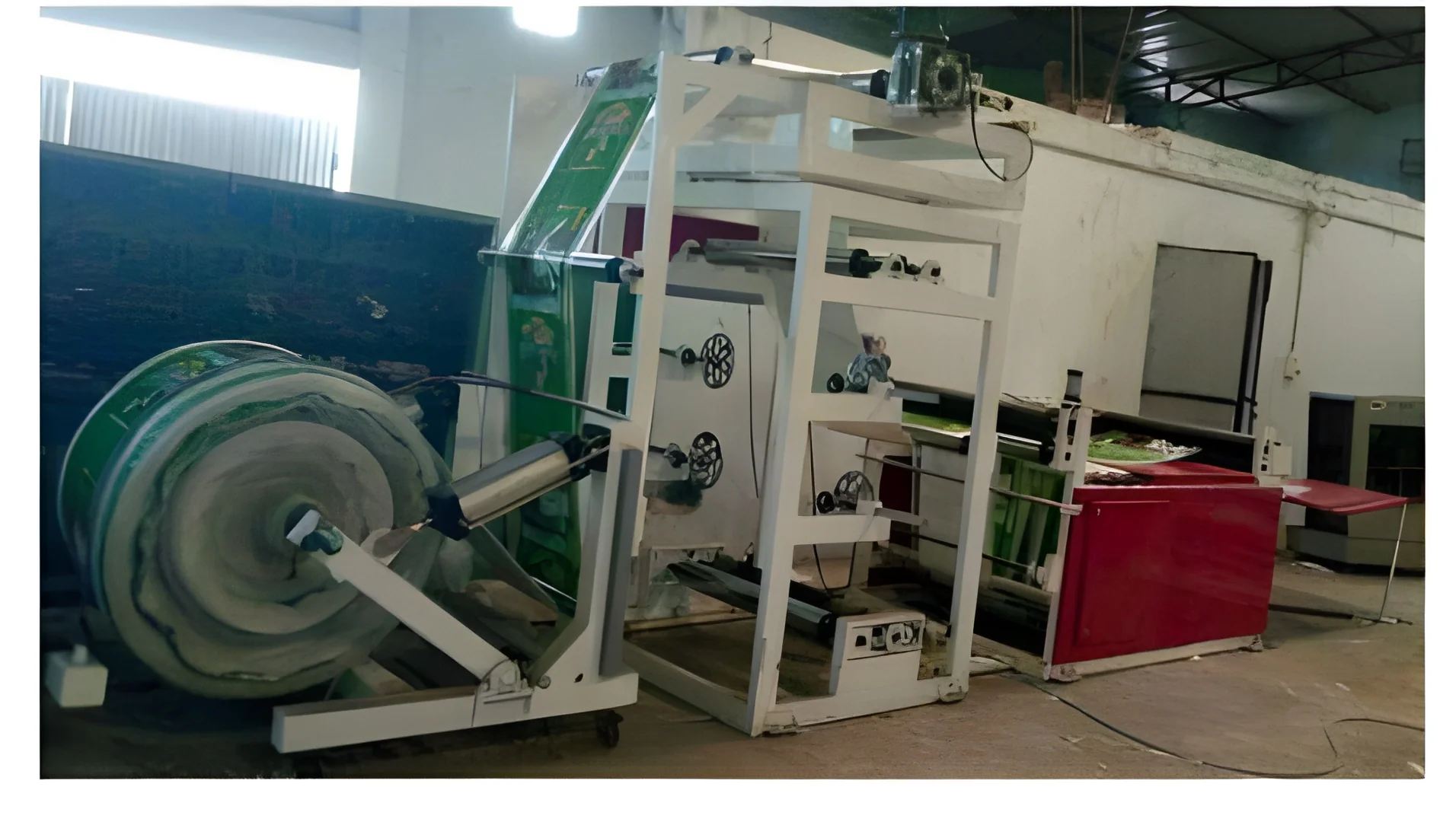
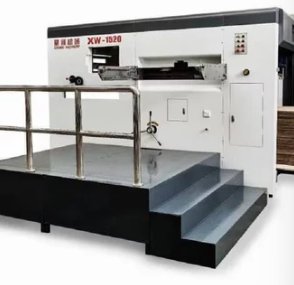
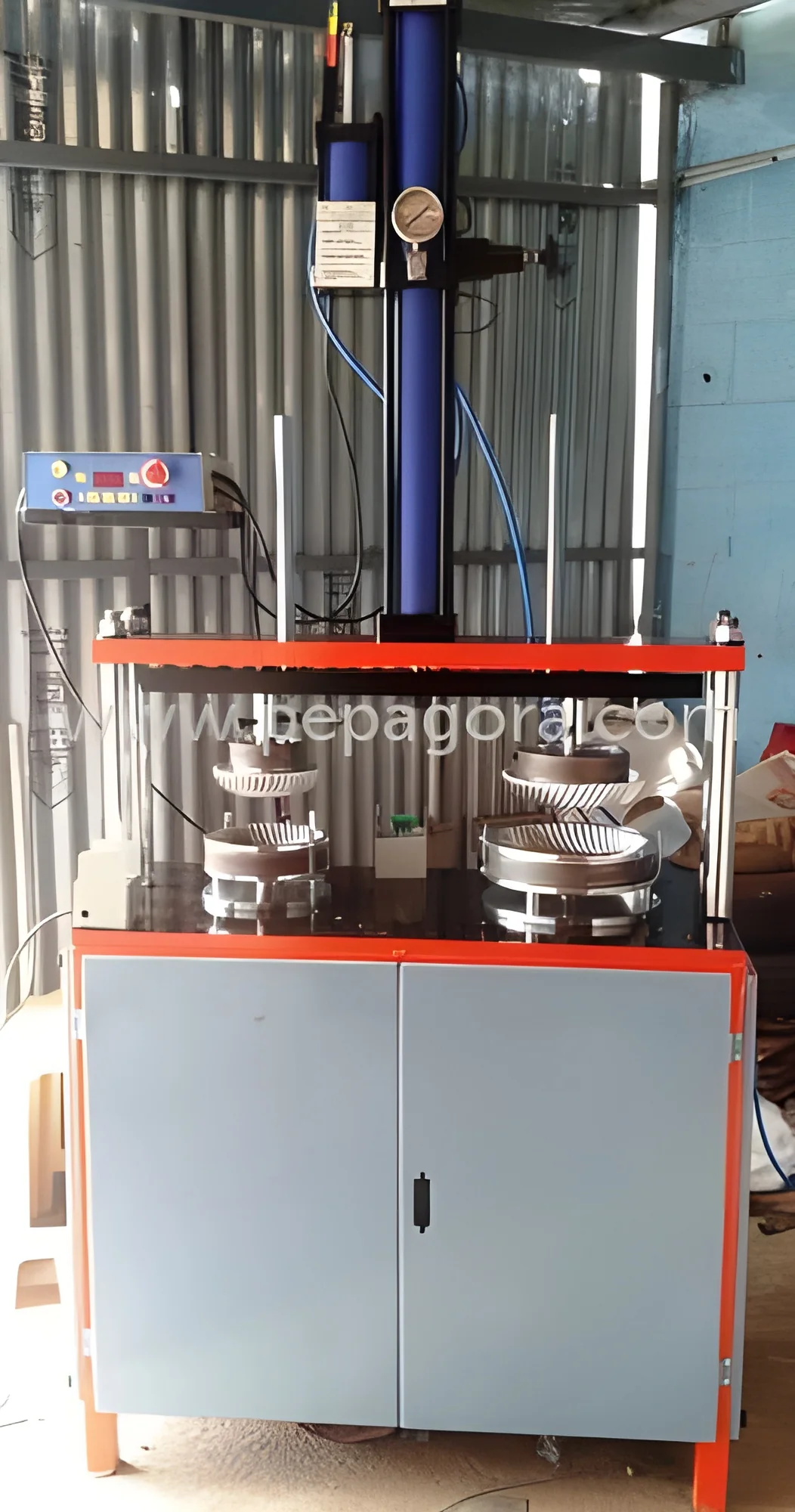
Packaging forming machines are specialized equipment designed to create packaging solutions from various materials. These machines mold and shape packaging materials into containers, wrappers, or other formats that protect and preserve products. They can handle a variety of materials including plastic, paper, and metal, and are integral to the production line in many manufacturing sectors.
These machines are primarily used in industries such as food and beverage, pharmaceuticals, cosmetics, and consumer goods. They are essential for producing packaging that not only preserves the integrity of products but also complies with safety and regulatory standards. The demand for packaging forming machines has grown as businesses seek efficient and cost-effective solutions for their packaging needs.
Within the context of the market, the relevance of packaging forming machines is underscored by the ongoing shift towards automation and efficiency in manufacturing processes. As companies strive to reduce waste and enhance productivity, these machines are increasingly seen as a vital investment. The market for packaging solutions continues to expand, driven by consumer demand for sustainable and innovative packaging options.
Key Features and Specifications
Packaging forming machines come equipped with a variety of features that enhance their functionality and efficiency. Understanding these specifications is crucial for businesses looking to invest in such machinery.
Key specifications include:
1. Production Speed
- The rate at which the machine can form packages, typically measured in units per minute.
2. Material Compatibility
- The types of materials the machine can process, which may include plastics, paper, and metals.
3. Machine Dimensions
- The physical size of the machine, which affects space requirements and integration into existing production lines.
4. Power Consumption
- The energy requirements for operation, impacting operational costs and efficiency.
5. Control Systems
- The technology used for operating the machine, including manual and automated systems.
6. Maintenance Requirements
- The frequency and type of maintenance needed to ensure optimal performance.
7. Customization Options
- Availability of features that can be tailored to specific packaging needs.
8. Safety Features
- Built-in safety mechanisms that comply with industry standards to protect operators.
In summary, understanding the key features and specifications of packaging forming machines helps businesses make informed decisions about their investments.
Common Applications and Use Cases
Packaging forming machines serve a wide array of industries, each with specific applications that highlight their versatility.
1. Food and Beverage: These machines are used to create packaging for various food items, ensuring freshness and compliance with health standards.
2. Pharmaceuticals: In this industry, packaging forming machines produce blister packs and other forms of packaging that protect medications from contamination.
3. Cosmetics: They are vital in producing visually appealing and functional packaging for beauty products, enhancing brand presentation.
4. Consumer Goods: Packaging forming machines create packaging for everyday items, providing a balance between protection and aesthetics.
5. Electronics: These machines help create packaging that safeguards sensitive components during shipping and handling.
6. Chemicals: They are used to form containers that safely hold chemical products, adhering to safety regulations.
7. E-commerce: With the rise of online shopping, packaging forming machines are increasingly used to create packaging that ensures products are secure during transit.
Product Variants and Subcategories
Packaging forming machines exhibit diversity to cater to different business needs. Although specific subcategories are not available, several notable variants can be identified.
Semi-Automatic Packaging Forming Machines: These machines require some manual input but significantly reduce labor costs. They are suitable for small to medium-scale operations, offering flexibility and efficiency.
Fully Automatic Packaging Forming Machines: Designed for high-volume production, these machines automate the entire packaging process, minimizing human intervention. They are ideal for large manufacturers looking to enhance productivity.
Custom Packaging Forming Machines: Tailored to specific industry needs, these machines can be designed to accommodate unique products and packaging requirements. They are valuable for businesses seeking specialized solutions.
Benefits and Advantages
Investing in packaging forming machines presents several benefits for businesses.
1. Increased Efficiency: These machines streamline the packaging process, significantly reducing production time and labor costs.
2. Enhanced Product Protection: By creating tailored packaging solutions, they ensure that products are well-protected during storage and transportation.
3. Improved Consistency: Automated processes reduce the variability in packaging quality, leading to a more uniform product presentation.
4. Cost Savings: Over time, the efficiency gains from using these machines can lead to substantial cost reductions in material and labor.
5. Flexibility: Many packaging forming machines can be adjusted to accommodate different sizes and types of packaging, allowing businesses to adapt quickly to market changes.
6. Sustainability: With the ability to use eco-friendly materials, these machines support businesses in meeting sustainability goals.
Buying Guide for B2B Buyers
When sourcing packaging forming machines, several factors should be taken into consideration to ensure an informed purchase.
1. Quality Assessment: Evaluate the build quality and reliability of the machines. Look for certifications and standards that indicate adherence to industry benchmarks.
2. Supplier Verification: Conduct thorough research on potential suppliers. Check their reputation, customer reviews, and history of delivering quality products.
3. Pricing and MOQ: Compare prices across different suppliers while considering the minimum order quantity. Ensure the pricing aligns with your budget and production needs.
4. Delivery and Lead Times: Understand the expected delivery times and any potential delays that could impact your production schedule.
5. Compliance Requirements: Confirm that the machines meet relevant industry regulations and safety standards, ensuring they are suitable for your specific applications.
Compliance and Certifications
Compliance with industry standards is crucial for packaging forming machines to ensure safety and quality. Key quality standards include ISO 9001, which focuses on quality management systems, and HACCP, which addresses food safety management.
Additionally, many machines are required to meet CE certification, indicating compliance with European health and safety standards. These certifications assure buyers that the machines have undergone rigorous testing and meet predefined safety requirements.
It is essential for manufacturers to be aware of regional compliance considerations. Different regions may have specific regulations regarding packaging materials and processes, and adherence to these is necessary to avoid penalties and ensure product safety.
Why Source Packaging Forming Machines from Pepagora?
Pepagora offers a trusted platform for sourcing packaging forming machines, providing several key advantages for B2B buyers.
Verified Supplier Network: Each supplier on the Pepagora platform undergoes a thorough verification process, ensuring that buyers can trust the quality and reliability of the products offered.
Streamlined RFQ Process: Pepagora streamlines the request for quotation process, allowing buyers to easily connect with suppliers and obtain competitive pricing without unnecessary delays.
Trade Assurance and Support: Buyers are protected through trade assurance measures, which provide confidence in the transaction and support in case of disputes.
Regional Coverage: With presence in India, the GCC, and Southeast Asia, Pepagora provides extensive regional coverage, facilitating access to a wide range of suppliers and products tailored to local market needs.

 IN
IN