IN
IN₹
Apparel & Fashion
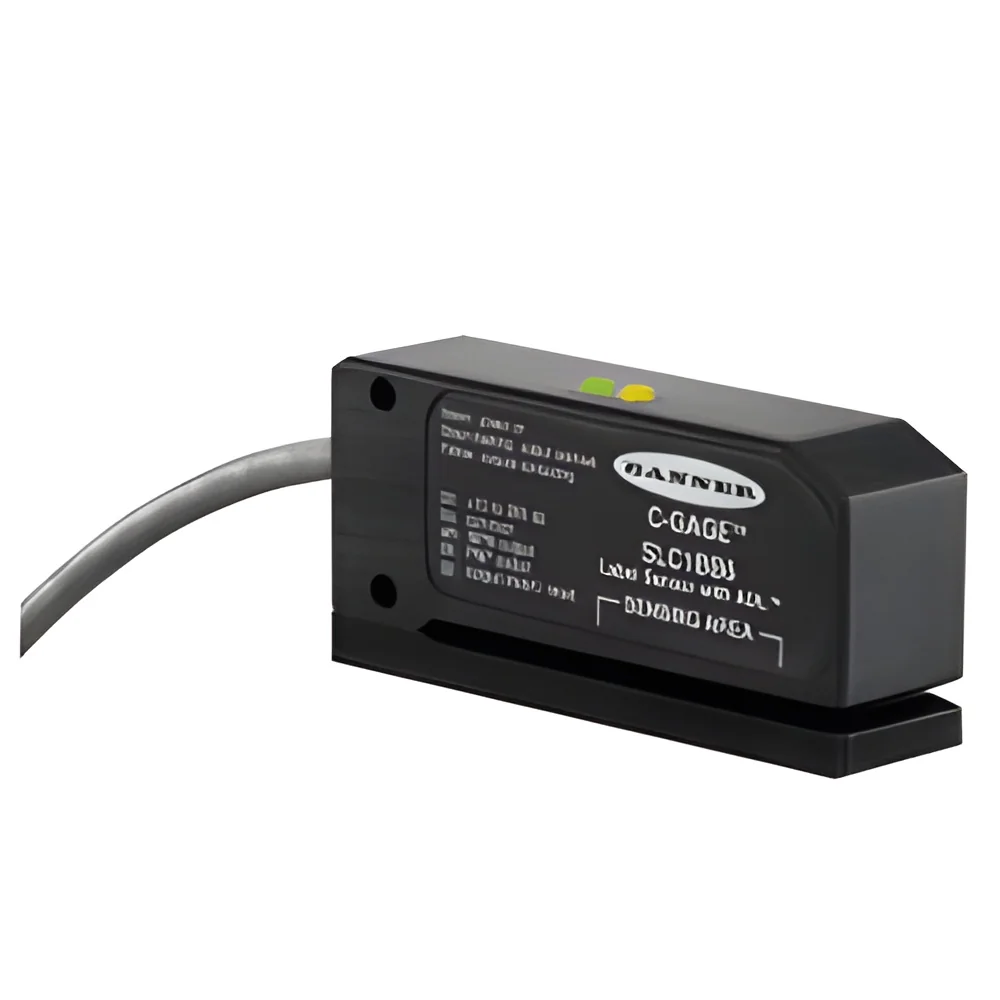
Description
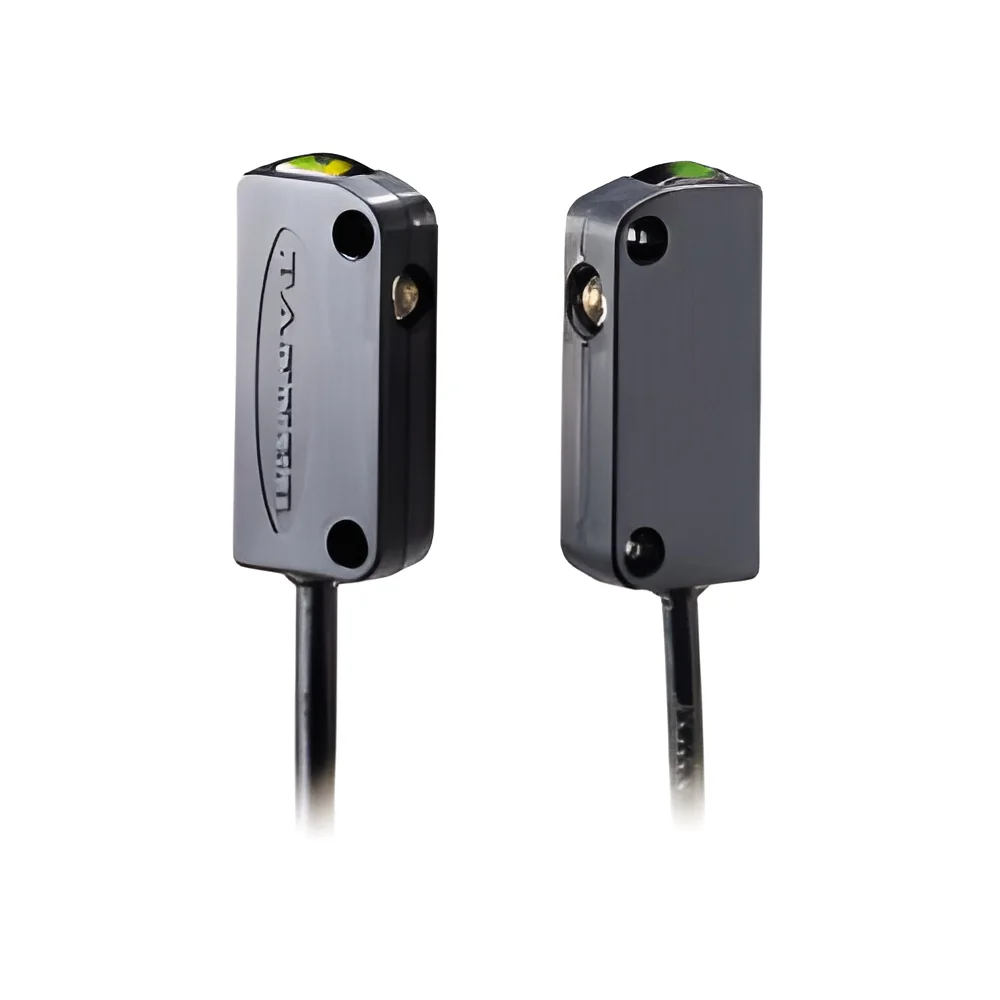
Our advanced label sensors represent the next generation of detection technology for industrial applications. Featuring revolutionary Adaptive Digital Logic (ADL), these sensors automatically learn and adjust to your specific labeling environment without requiring manual intervention. They accurately detect labels on web backing regardless of whether the materials are clear, opaque, or specialty substrates. The system maintains exceptional registration accuracy of ±0.3 mm even at high web speeds up to 1.5 meters per second, ensuring consistent performance in the most demanding production environments. This self-learning capability eliminates the need for constant operator adjustments, reducing training requirements and human error while maintaining optimal detection performance throughout extended production runs.

These label sensors serve critical roles across multiple industries where precision labeling is essential. In pharmaceutical manufacturing, they ensure accurate label placem...
Our advanced label sensors represent the next generation of detection technology for industrial applications. Featuring revolutionary Adaptive Digital Logic (ADL), these sensors automatically learn and adjust to your specific labeling environment without requiring manual intervention. They accurately detect labels on web backing regardless of whether the materials are clear, opaque, or specialty substrates. The system maintains exceptional registration accuracy of ±0.3 mm even at high web speeds up to 1.5 meters per second, ensuring consistent performance in the most demanding production environments. This self-learning capability eliminates the need for constant operator adjustments, reducing training requirements and human error while maintaining optimal detection performance throughout extended production runs.

These label sensors serve critical roles across multiple industries where precision labeling is essential. In pharmaceutical manufacturing, they ensure accurate label placement on medication packages, complying with strict regulatory requirements. Food and beverage producers rely on them for consistent labeling on various packaging materials from glass jars to flexible pouches. Logistics and shipping companies utilize these sensors to verify label presence on parcels and shipments, preventing delivery errors. Industrial manufacturers implement them in production lines monitoring label application on components and finished products. The automotive, electronics, and consumer goods sectors all benefit from the reliable detection capabilities that maintain product identification and tracking throughout manufacturing processes.

The business value of these label sensors extends beyond their technical specifications to tangible operational benefits. Their reliability directly reduces material waste by preventing misapplied labels and production errors. The self-adjusting technology minimizes downtime typically associated with sensor recalibration, leading to higher overall equipment effectiveness. Companies experience reduced maintenance costs and longer service intervals due to the robust design and adaptive capabilities. The sensors' consistent performance ensures product quality remains high, protecting brand reputation and customer satisfaction. For distributors and wholesalers, these represent premium products with higher margins and repeat business opportunities due to customer satisfaction and reliability in operation.

Key Features:
- Adaptive Digital Logic (ADL) technology for automatic self-learning capability
- No manual adjustments required during operation or material changes
- Maintains ±0.3 mm registration accuracy at web speeds up to 1.5 m/s
- Detects labels on all web backing types including clear and opaque materials
- Automatic sensing threshold adjustment with drift compensation

Benefits:
- Reduced operational downtime through automatic self-adjustment capabilities
- Lower material waste from precise label detection and placement accuracy
- Decreased maintenance requirements and longer service intervals
- Consistent performance across various materials and production conditions
- Improved production efficiency through reliable detection technology
Specifications
| Additional Information | |
|---|---|
| Country of Origin | India |
Application
These advanced label sensors deliver reliable performance in demanding production environments where detection accuracy is critical. Their self-learning ADL technology automatically adapts to various materials including clear films, opaque labels, and specialty substrates without requiring manual recalibration during operation. This makes them suitable for continuous production runs with minimal intervention needed, maintaining consistent performance throughout extended shifts and material changes.
Industries ranging from food packaging to pharmaceuticals benefit from the consistent detection capabilities that ensure proper label placement. The sensors maintain ±0.3 mm registration accuracy even at web speeds up to 1.5 m/s, guaranteeing labels are applied correctly every time. This reliability translates to reduced waste and improved production efficiency for operations of all sizes, from small manufacturers to large-scale production facilities requiring uninterrupted performance.
- Automated packaging lines applying labels to bottles, containers, and boxes with precision
- Pharmaceutical labeling systems ensuring accurate placement on medication packages and vials
- Food and beverage production facilities maintaining label accuracy on various packaging materials
- Logistics and shipping operations verifying label presence on parcels and shipments
- Manufacturing plants monitoring label application on industrial products and components
Trade Details
| Available Stock | In Stock |
| Sample Availability | No |
Payment Terms
| Payment Terms |
|
Company Profile

Automation Systems & Solution, New Delhi
 New Delhi, India
New Delhi, IndiaElectronics & Electrical•Manufacturer•Retailer
Factory Details
Factory SizeBelow 1000 sqm
Annual Production Capacity0
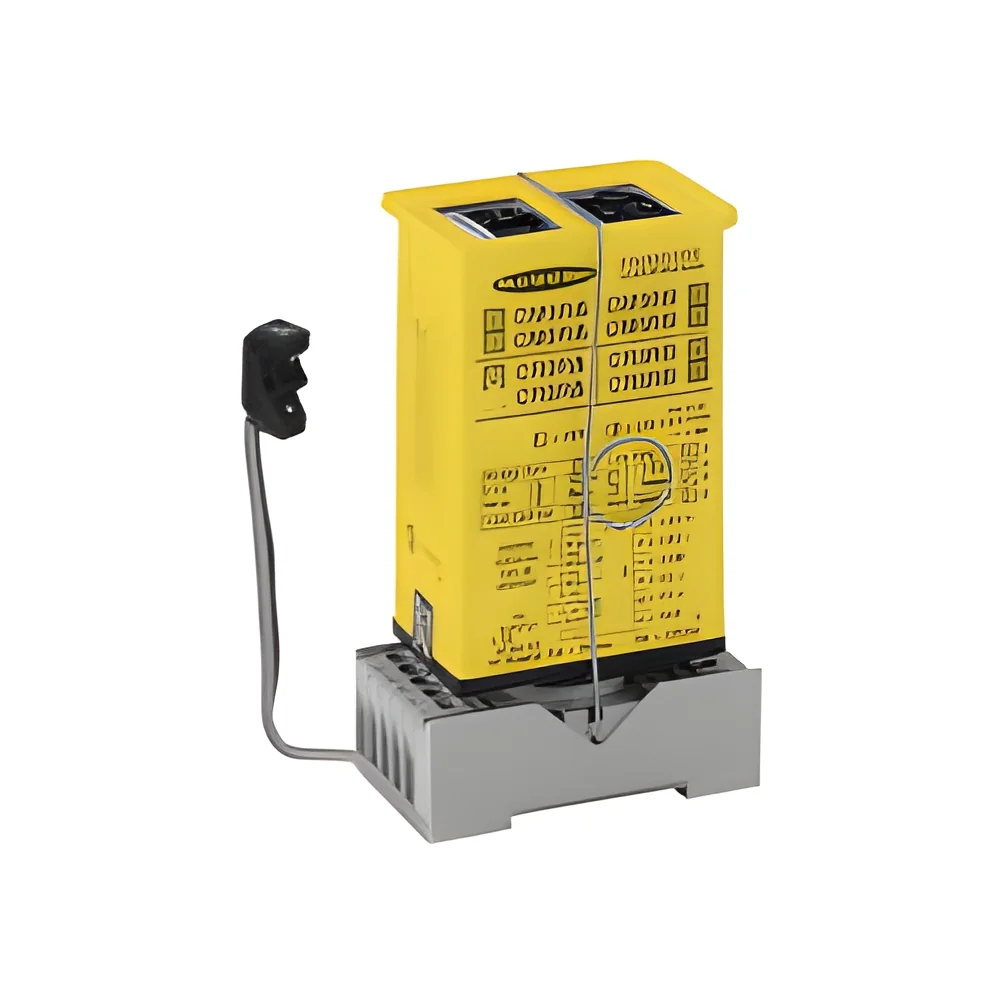
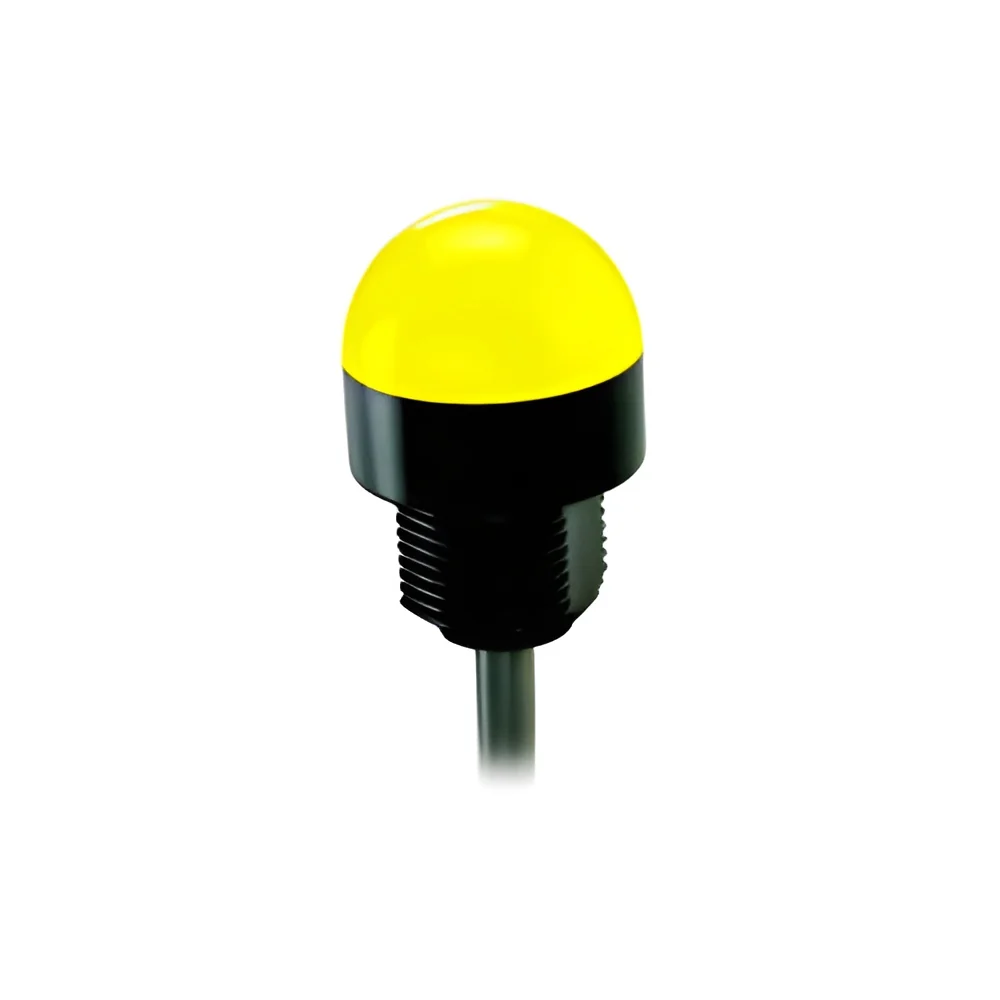
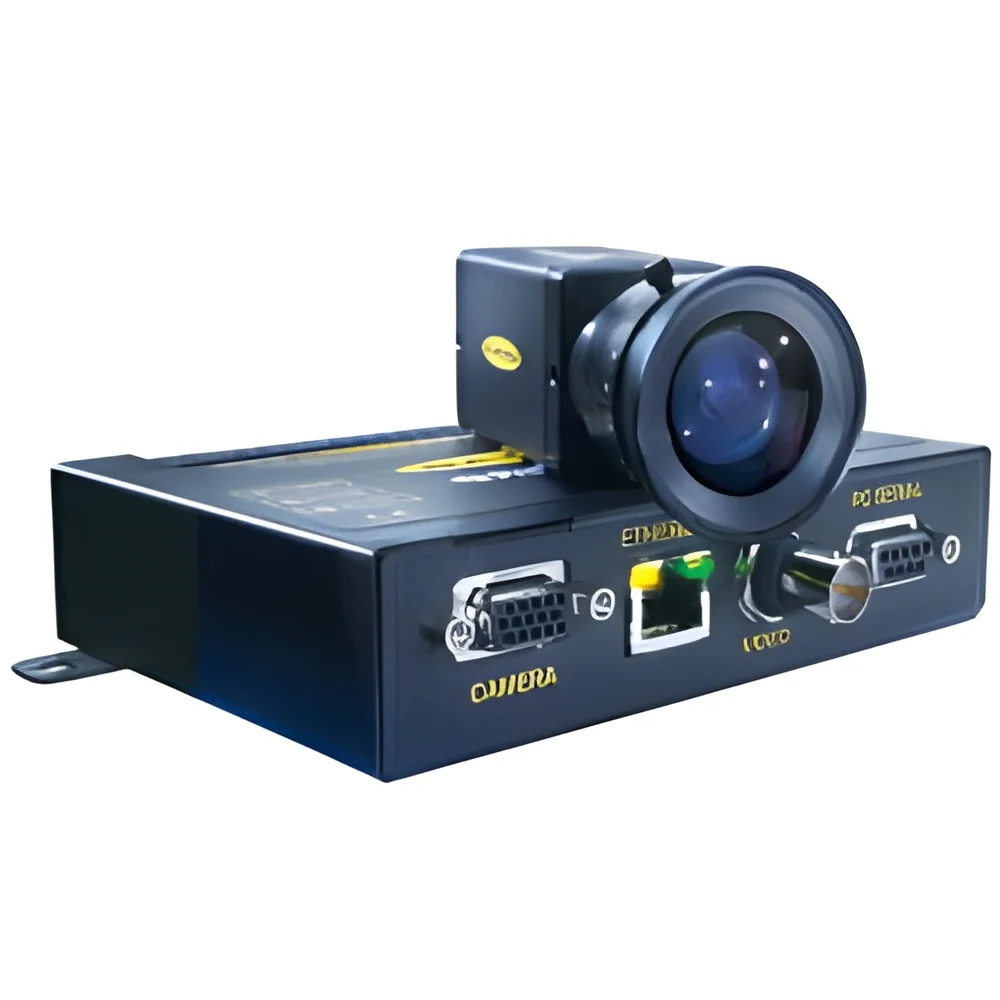
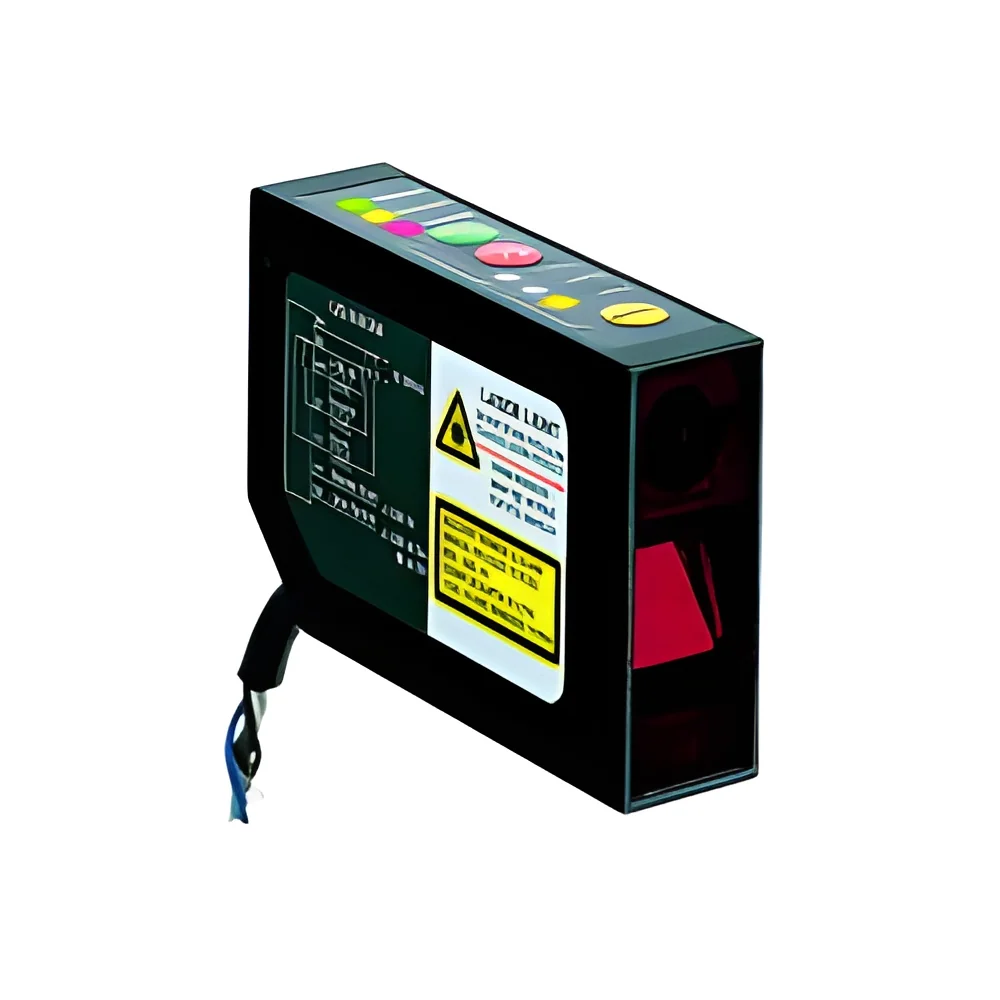
Advanced Label Sensors With Self Learning ADL Technology For Precise Detection
Advanced label sensors with self-learning ADL technology for precise detection on any web backing. No manual adjustments needed. Ideal for high-speed packaging, labeling, and converting lines across industries.
Min. Order Quantity: 1 unit
Shipping
Shipping fee and delivery date to be negotiated. Contact supplier now for more details.
Automation Systems & Solution
 New Delhi, India
New Delhi, IndiaElectronics & ElectricalManufacturer