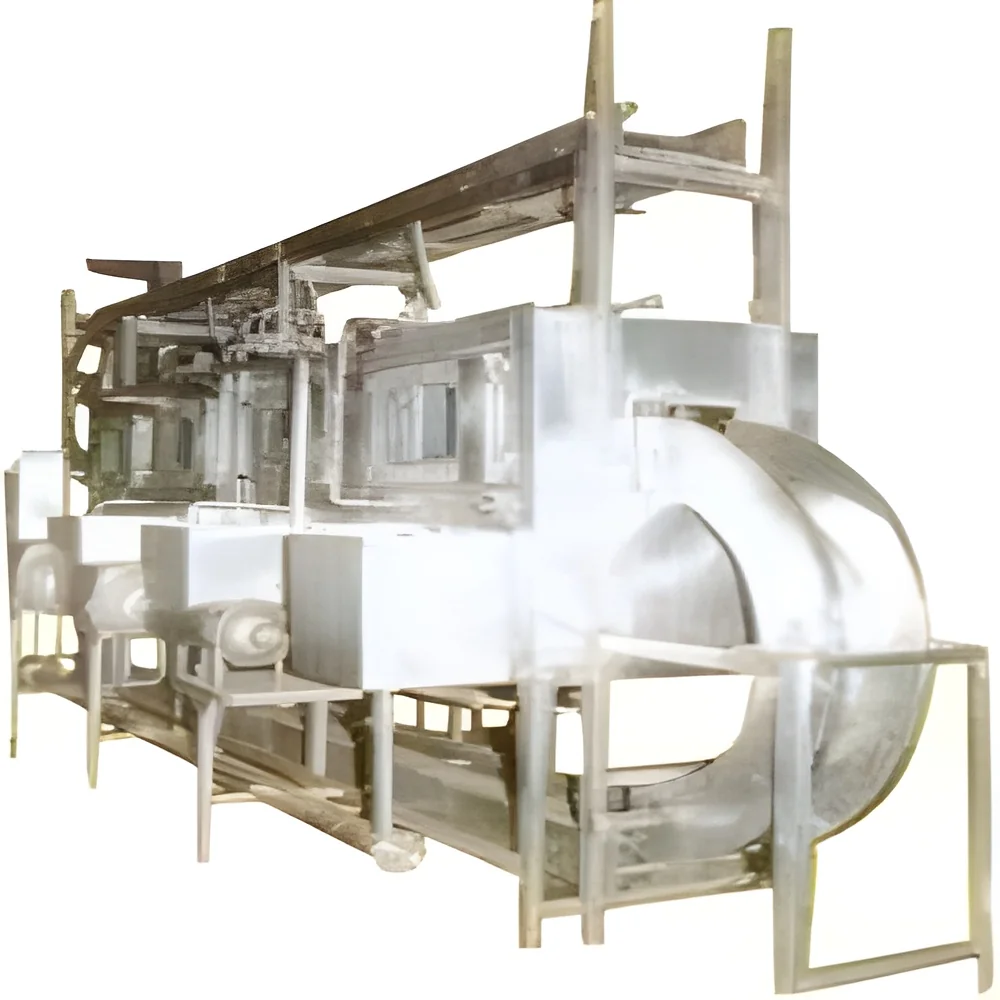
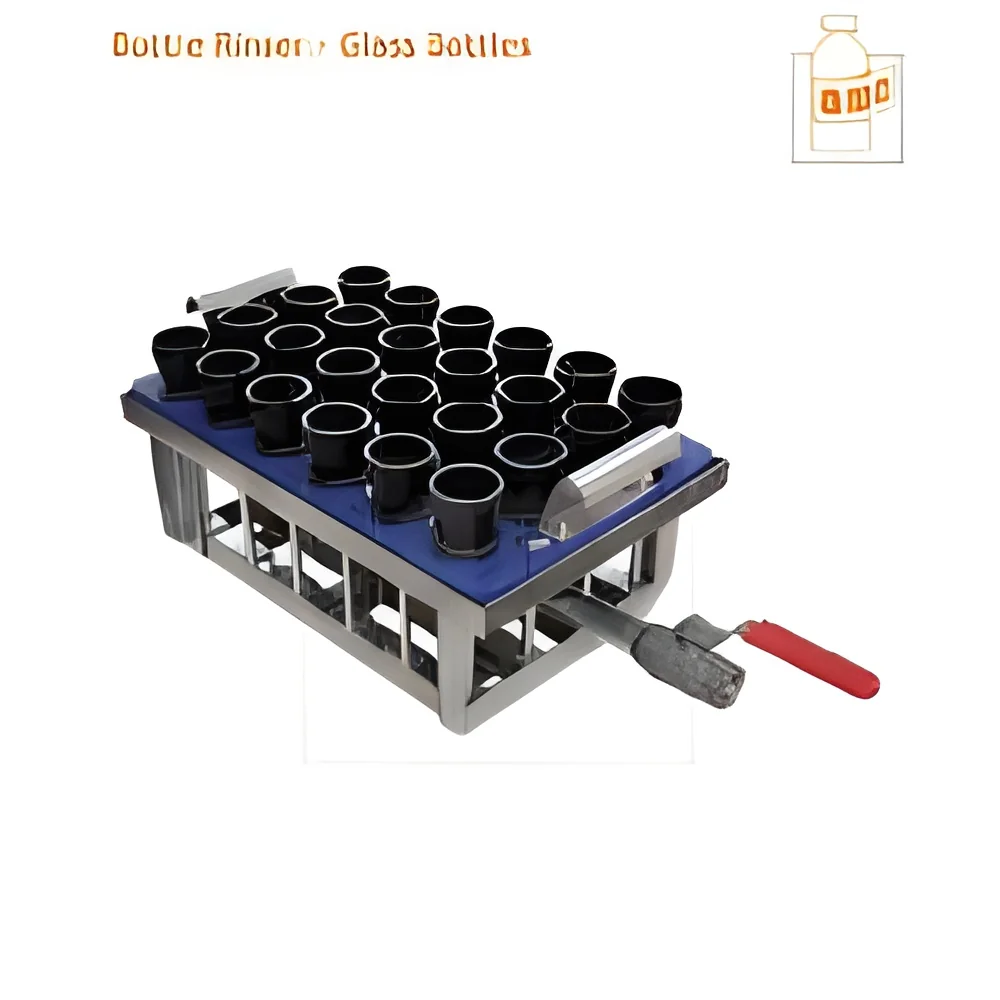
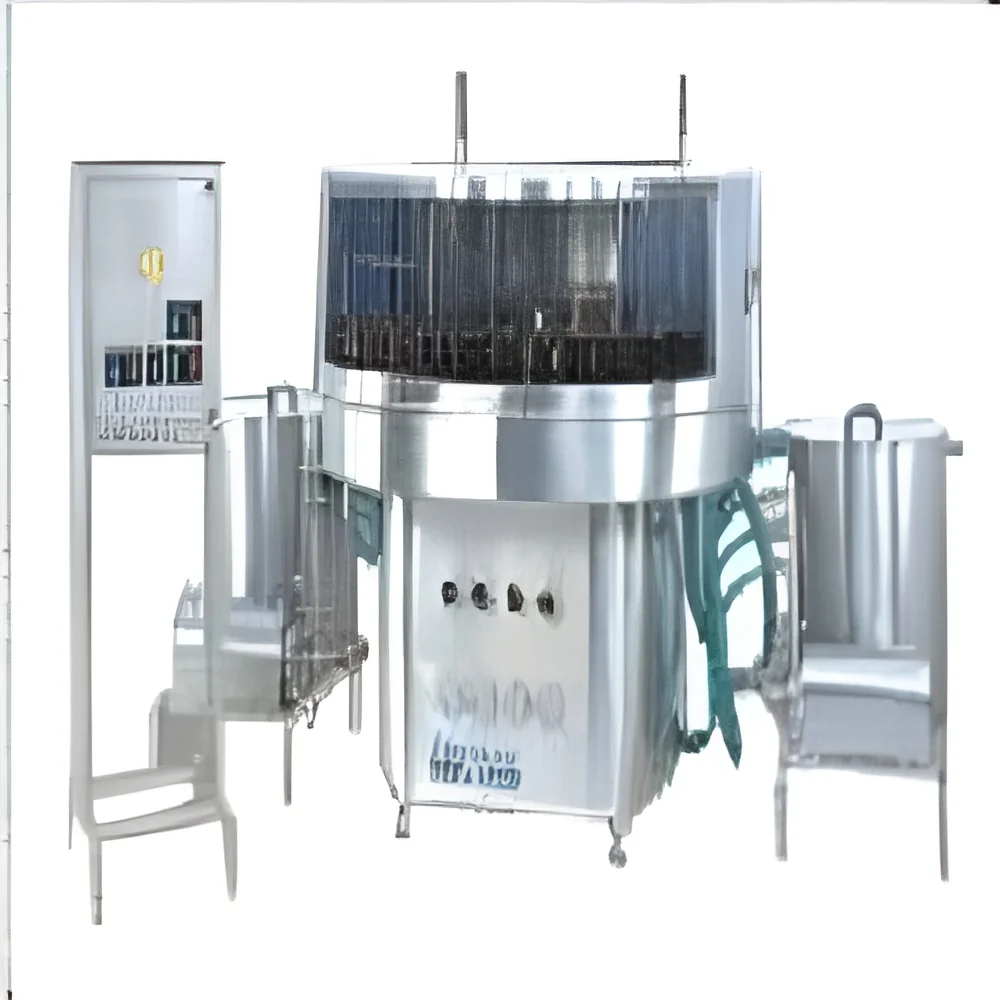
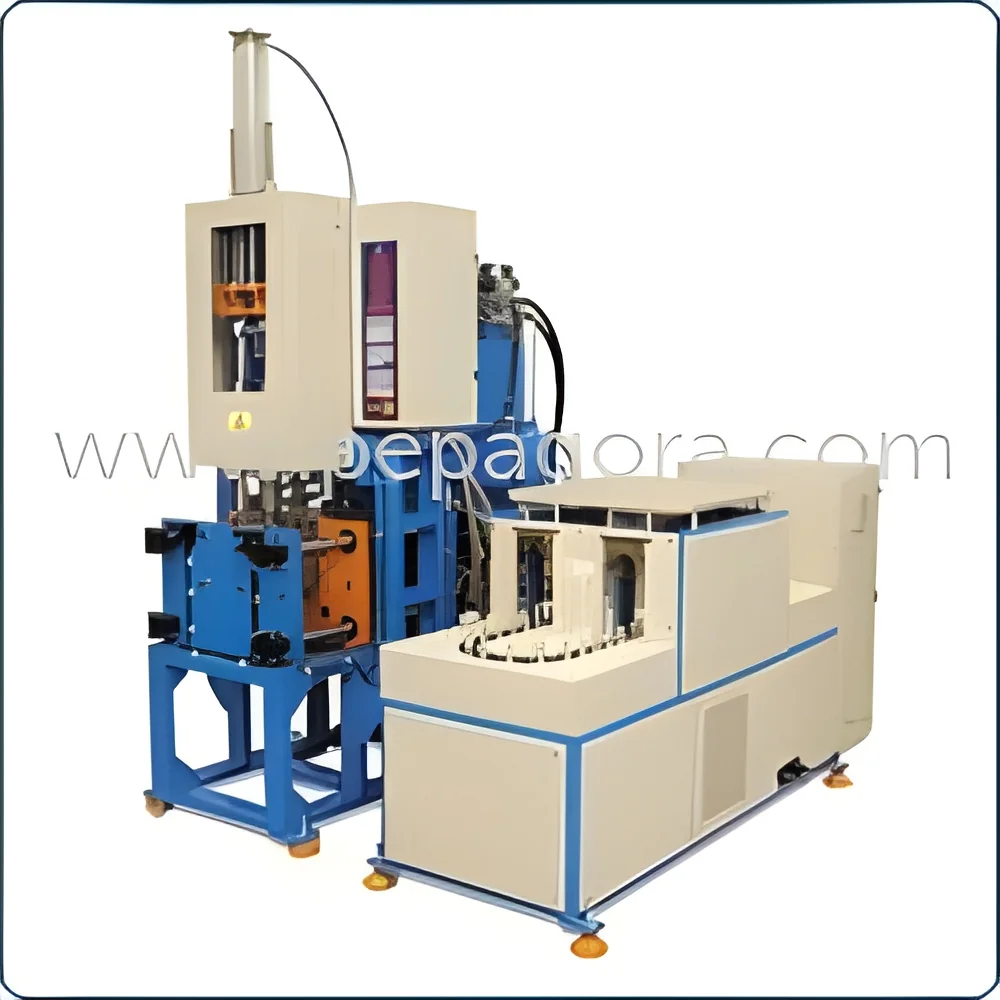
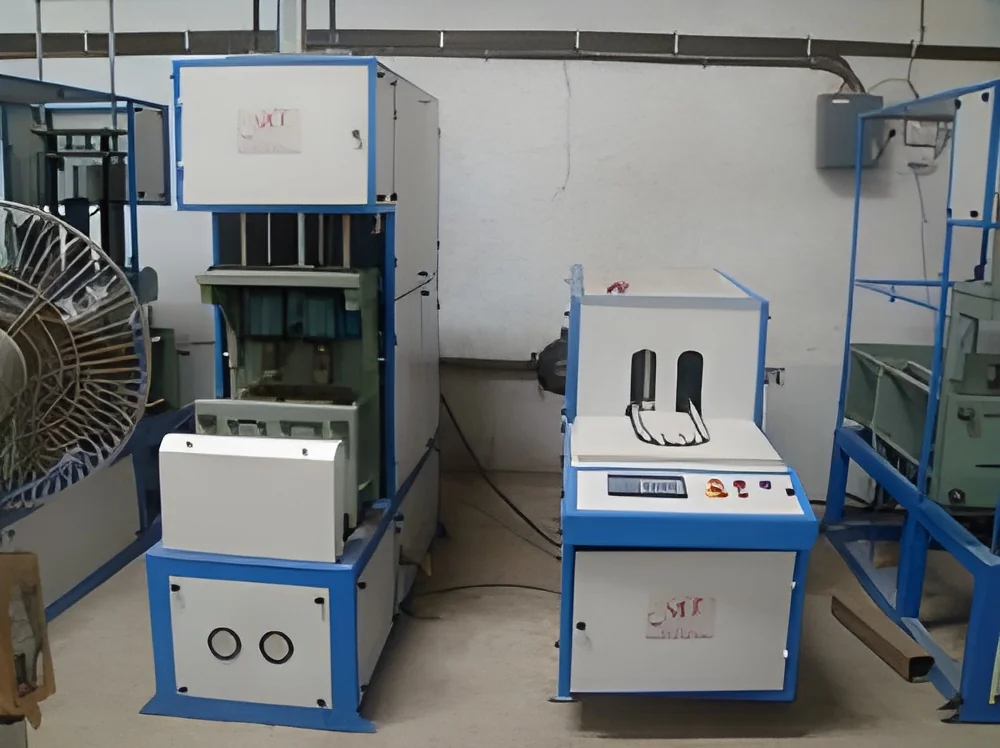
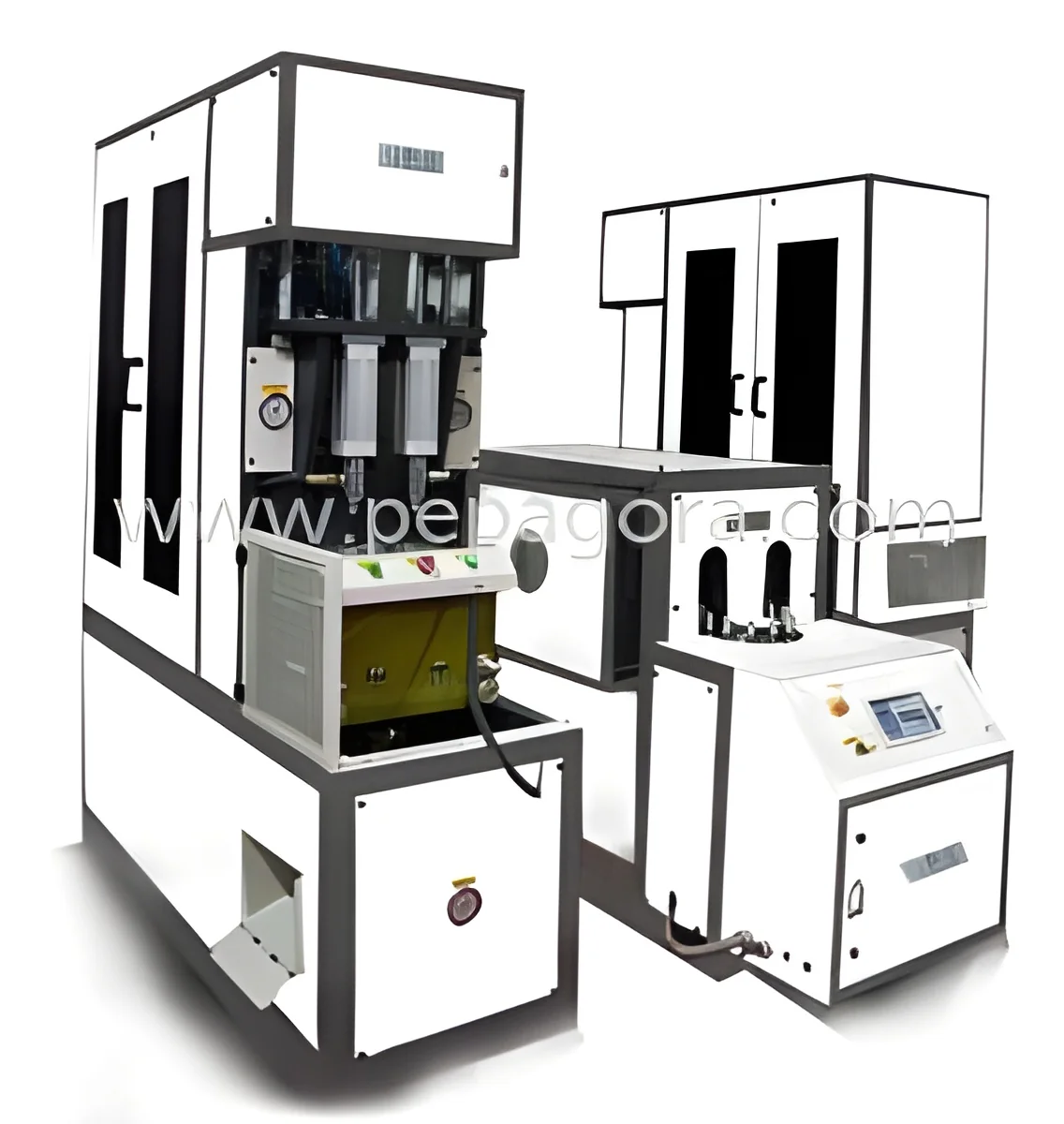
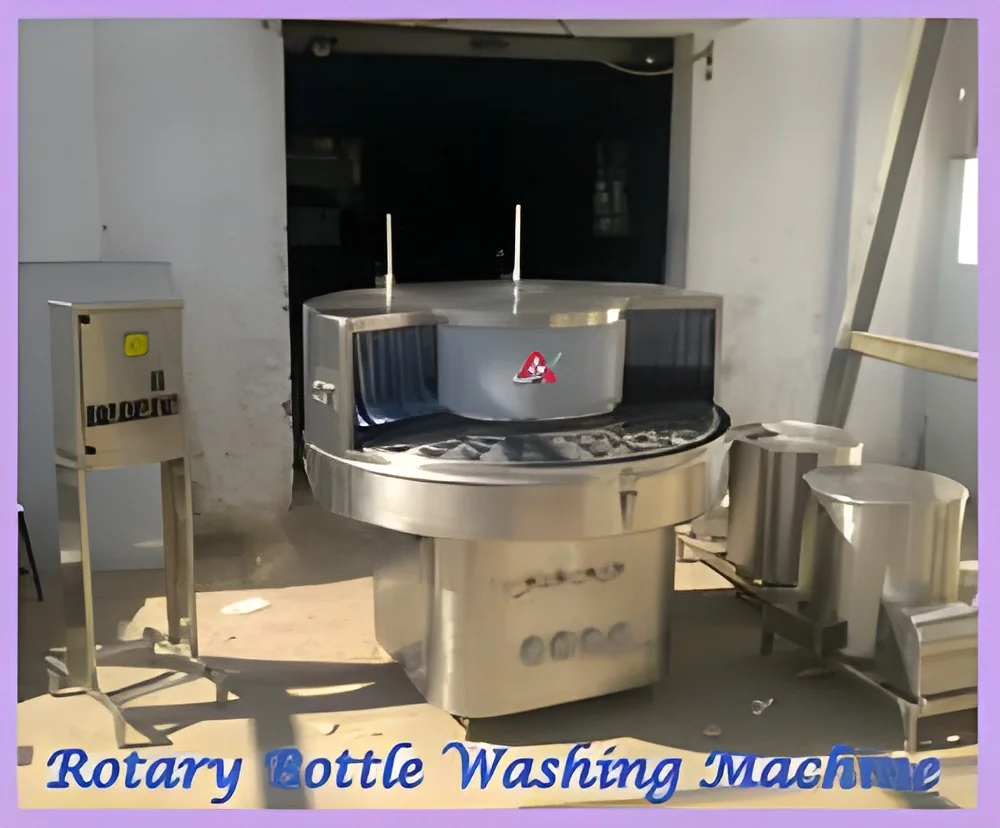
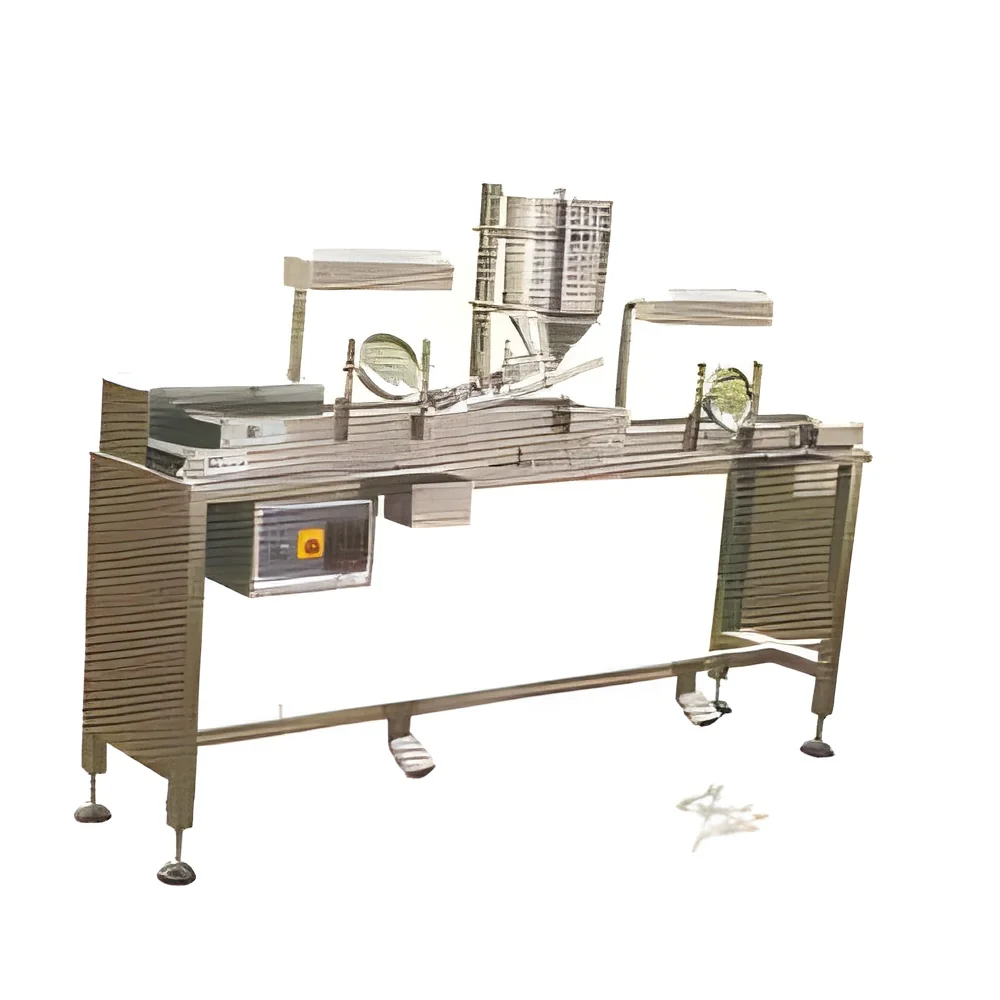
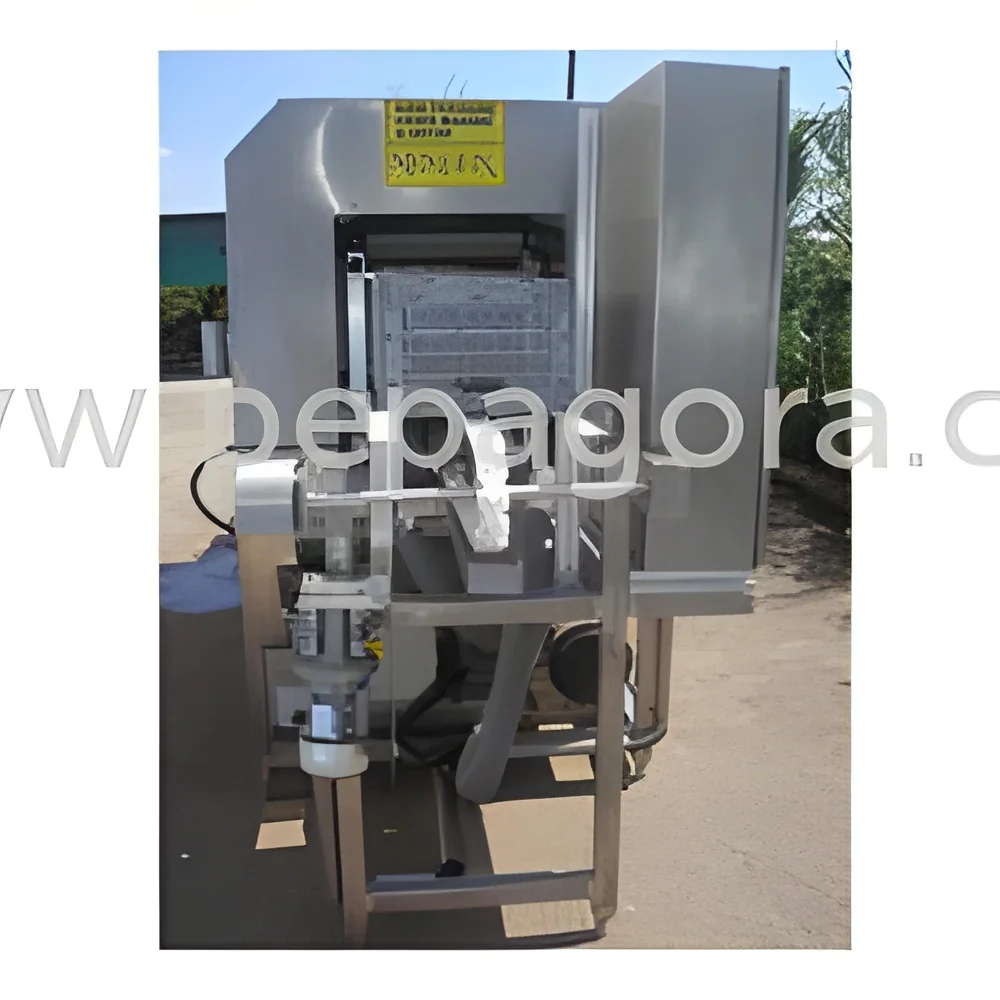
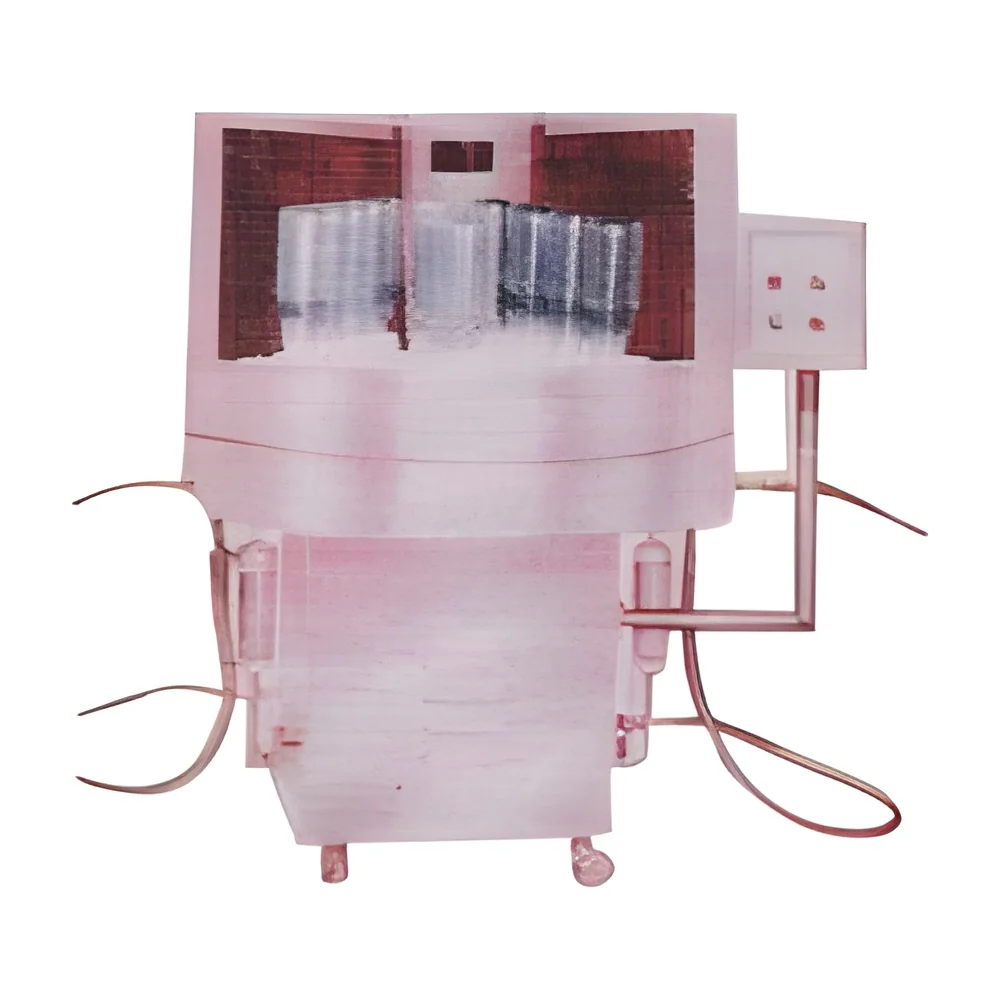
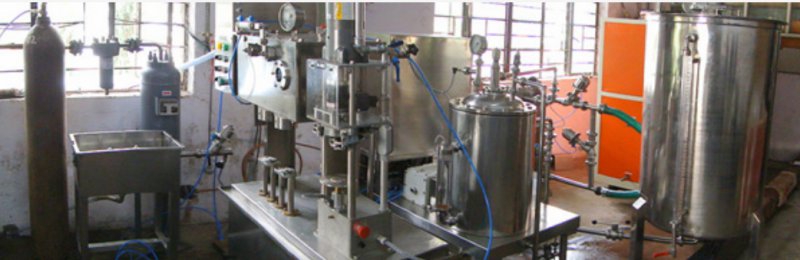
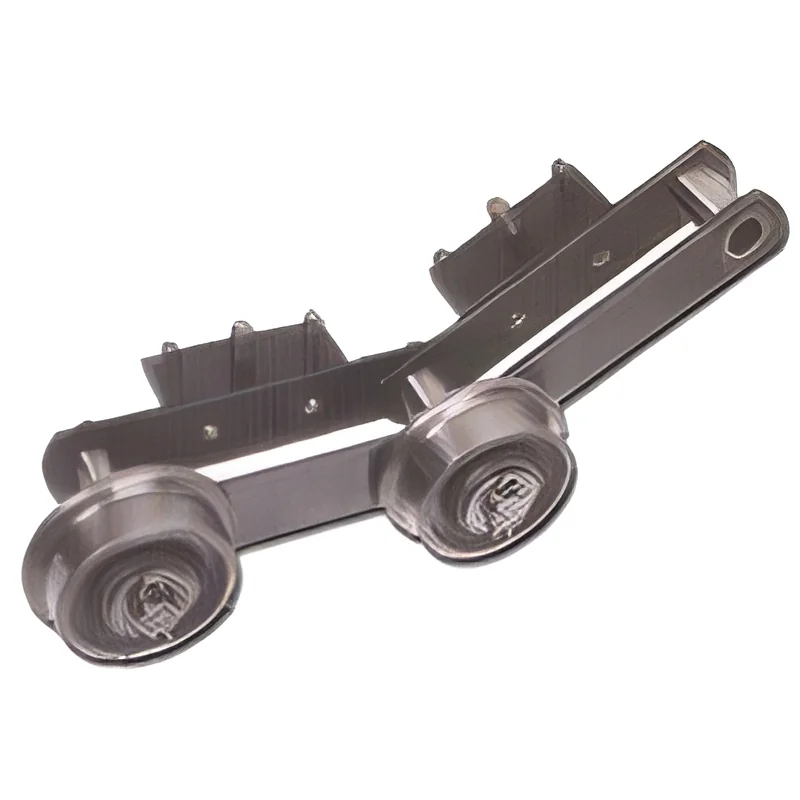
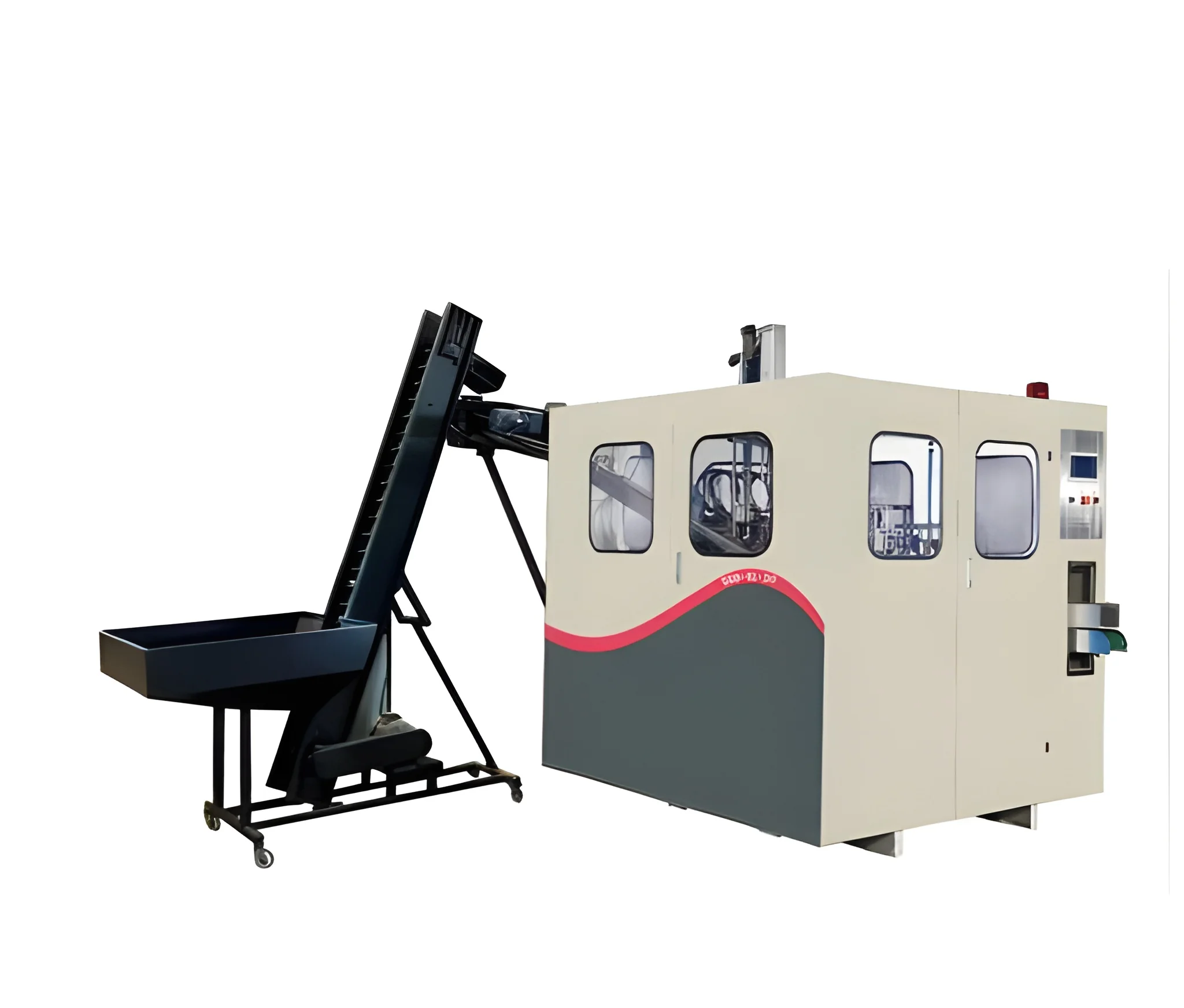
What are Bottle Washing Machines?
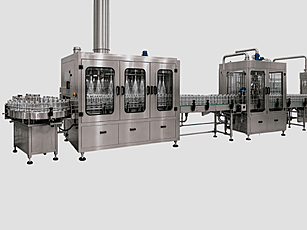
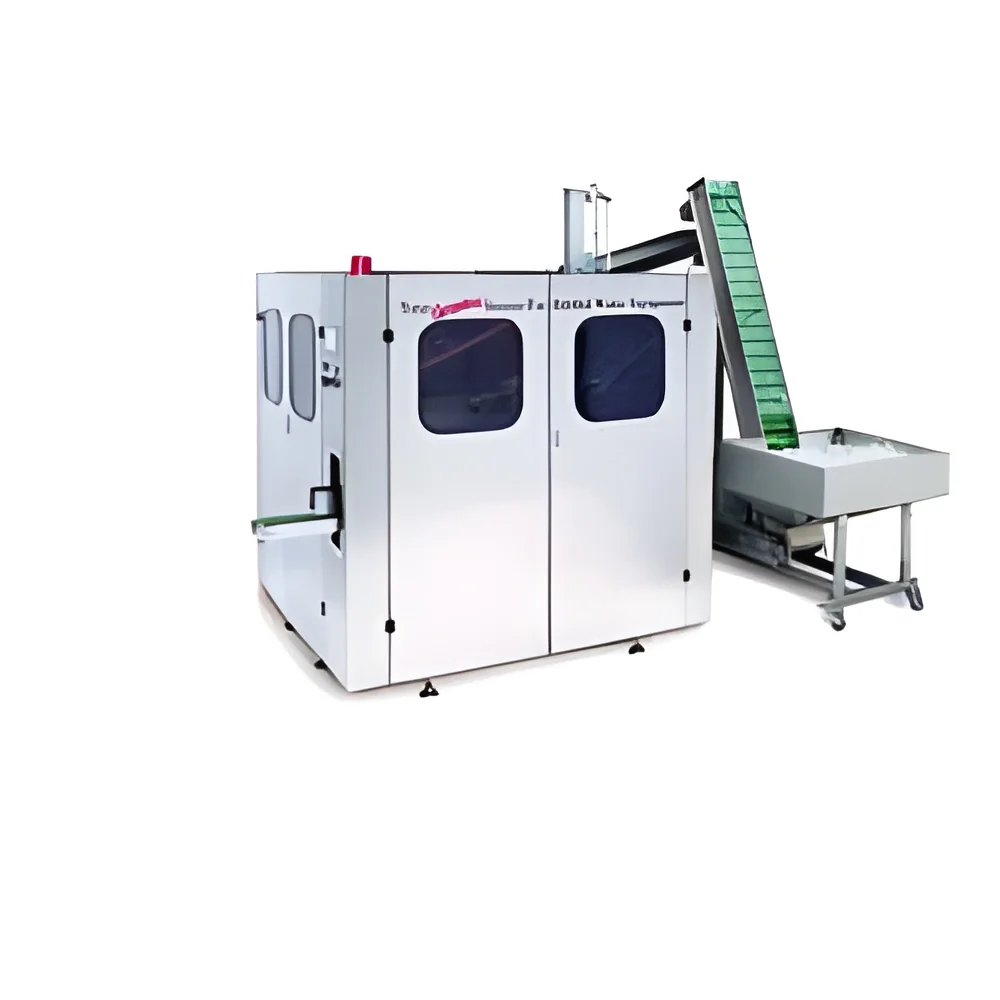
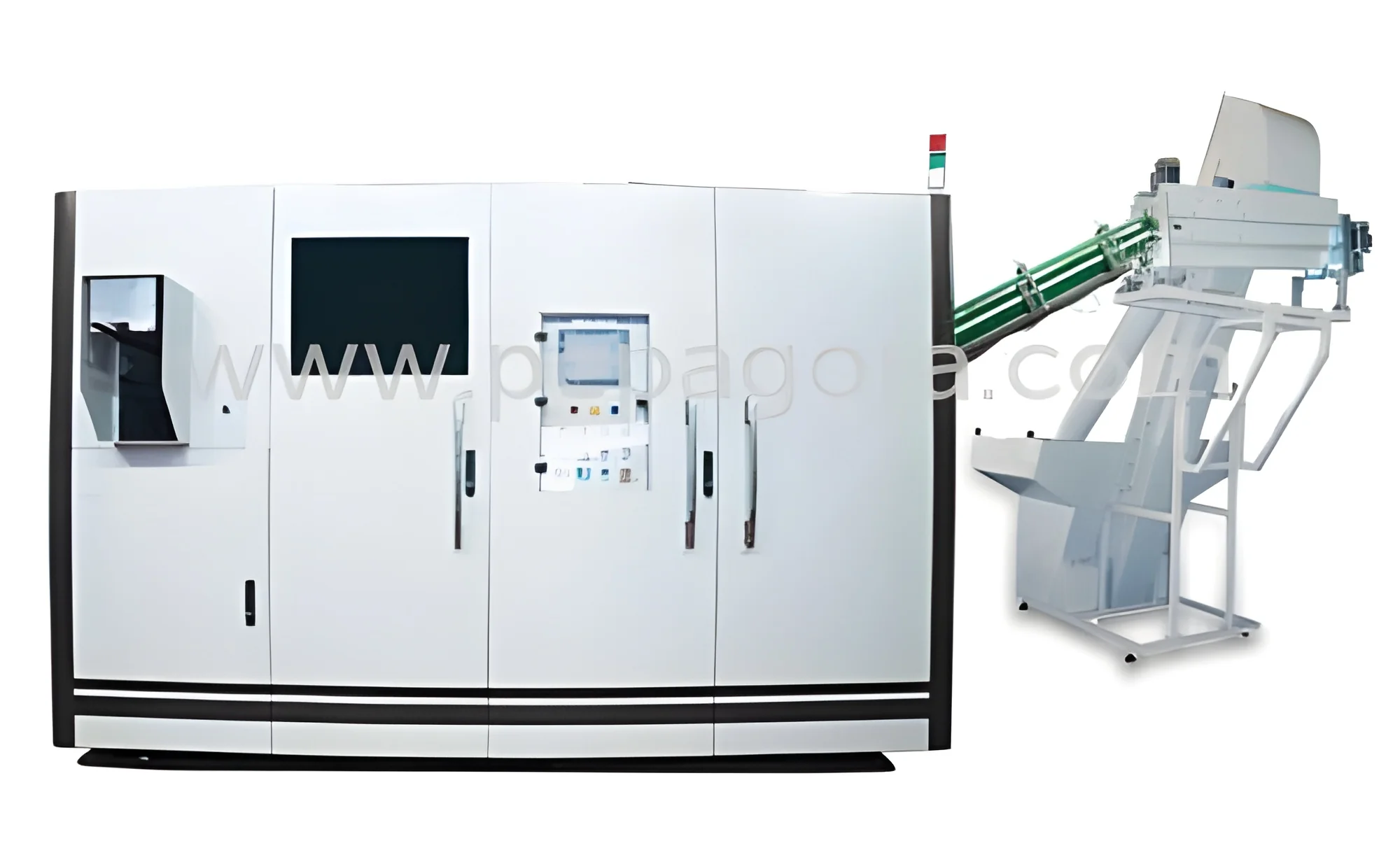
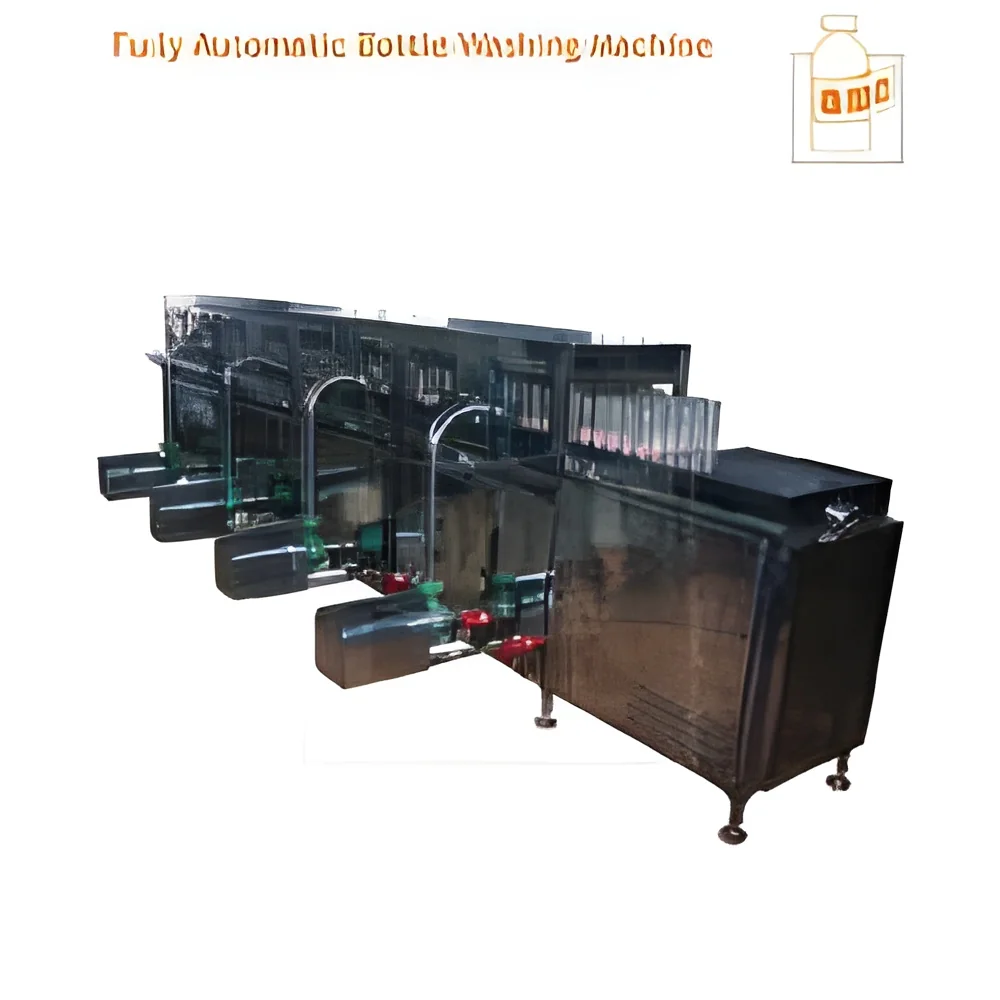
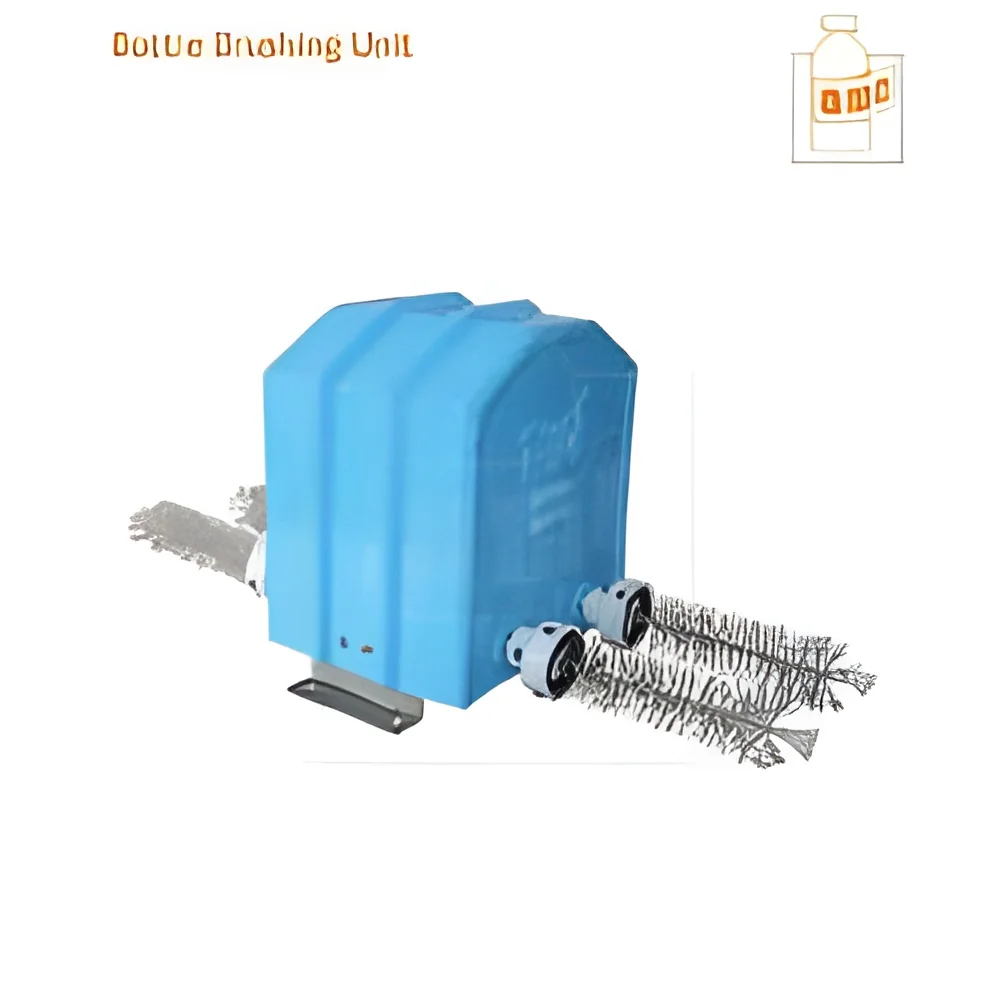
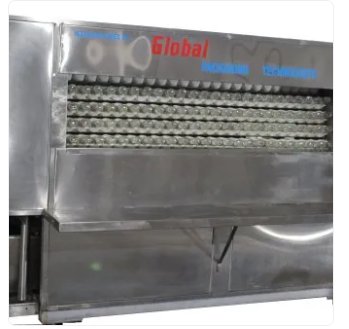
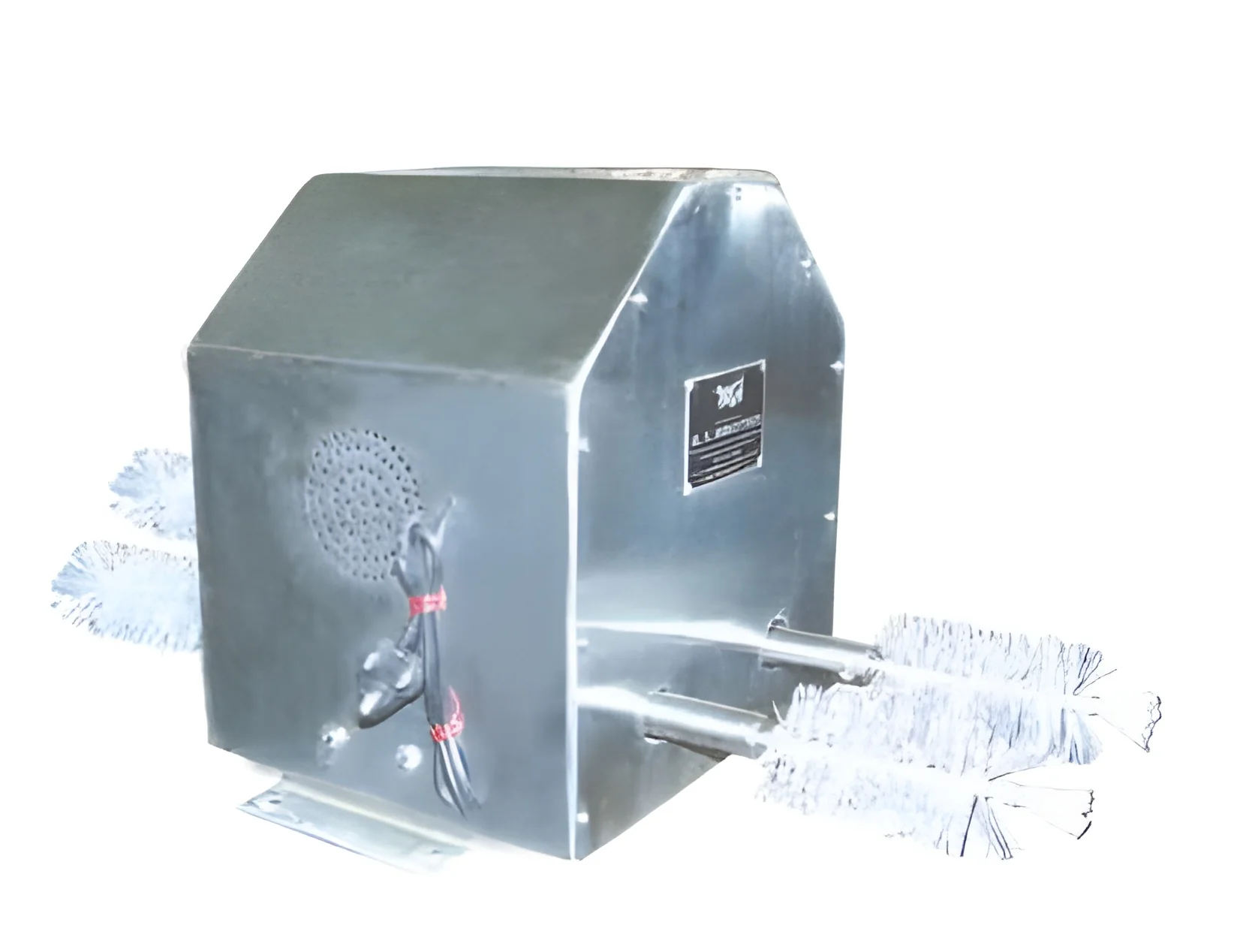
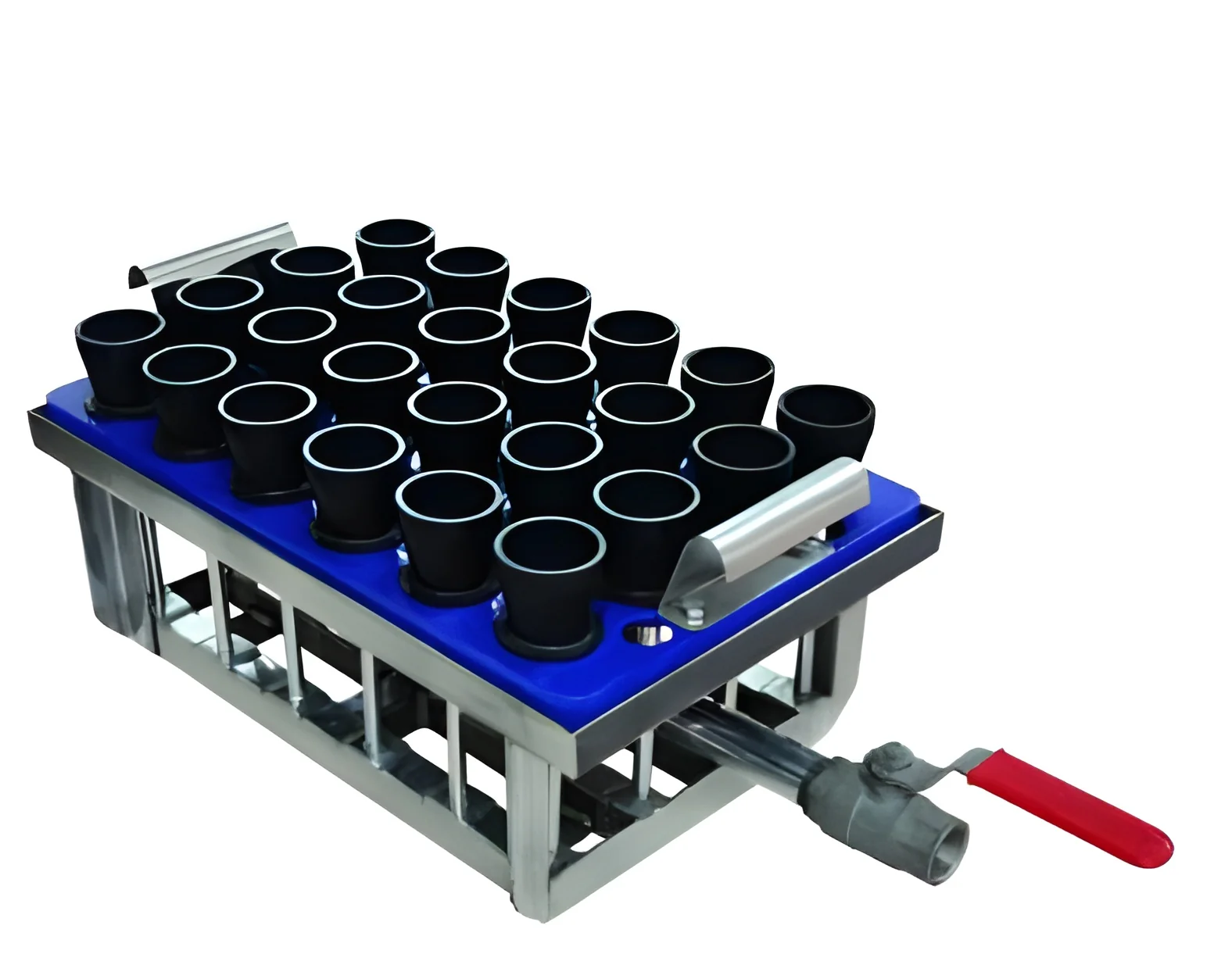
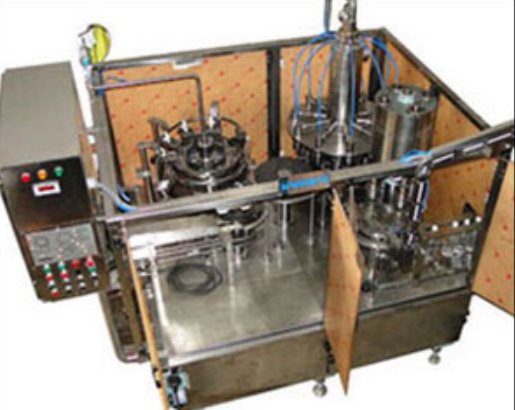
Bottle washing machines are specialized industrial equipment designed for cleaning bottles of various shapes and sizes. They utilize a combination of water, detergents, and mechanical action to effectively remove contaminants from the interior and exterior surfaces of bottles. These machines are essential in industries where hygiene and cleanliness are critical, such as food and beverage, pharmaceuticals, and cosmetics.
The primary application of bottle washing machines is in the preparation of bottles for filling and packaging processes. They ensure that bottles are free from residues, dust, and microbial contaminants before they are filled with products. In the context of high-volume production, these machines significantly enhance operational efficiency by automating the cleaning process, thereby reducing labor costs and improving overall productivity.
In the current market, the demand for bottle washing machines is driven by the growing focus on product safety and quality. With increasing regulations around hygiene standards across various industries, investing in reliable bottle washing technology is becoming a priority for manufacturers. This trend is expected to continue as companies seek to ensure compliance with health and safety regulations while maintaining high production rates.
Key Features and Specifications
Bottle washing machines come equipped with several key features that enhance their functionality and efficiency. These machines are designed to accommodate different production needs, with specifications that can vary based on the model and manufacturer.
Key specifications include:
1. Cleaning Capacity
- This specification indicates the number of bottles that can be washed per hour.
- Typical ranges may vary from 1,000 to 10,000 bottles per hour depending on the model.
2. Water Consumption
- This detail highlights the amount of water used during the washing process.
- Machines can range from 100 to 500 liters per hour of water usage.
3. Power Consumption
- This specification reflects the electrical power required to operate the machine.
- Power requirements can range from 5 kW to 30 kW.
4. Machine Dimensions
- This includes the physical size of the machine, which affects installation and space requirements.
- Dimensions typically vary from 2 meters to 6 meters in length.
5. Control System
- Many machines come with automated control systems for ease of operation.
- Features may include programmable settings for different bottle types.
6. Build Material
- Most bottle washing machines are constructed from stainless steel to ensure durability and hygiene.
- The quality of materials can impact the longevity of the machine.
7. Compliance with Standards
- Machines often meet industry standards such as CE certification for safety and performance.
- Compliance with ISO standards may also be applicable.
In summary, the specifications of bottle washing machines are designed to address the diverse needs of industries requiring high hygiene standards. Selecting the right machine involves considering these specifications to ensure optimal performance in your facility.
Common Applications and Use Cases
Bottle washing machines are utilized across various industries, reflecting their versatility and importance in maintaining hygiene standards.
1. Food and Beverage Industry: These machines are critical for cleaning glass and plastic bottles used for beverages. They ensure that bottles are free from residues and contaminants, which is vital for product safety.
2. Pharmaceutical Industry: In this sector, bottle washing machines are used to clean containers for medications and supplements. This process helps prevent contamination and ensures compliance with strict health regulations.
3. Cosmetic Industry: Bottle washing machines are essential for cleaning containers used for lotions, creams, and other cosmetic products. Proper cleaning maintains product integrity and consumer safety.
4. Chemical Industry: These machines are also used to clean bottles for various chemicals, ensuring that no harmful residues remain before refilling.
5. Laboratory Use: In laboratories, these machines are helpful for washing bottles that hold samples, reagents, and other materials, ensuring accuracy in experiments.
6. E-commerce and Retail: With the rise of e-commerce, bottle washing machines are increasingly important for companies that refill and resell bottles, ensuring cleanliness before distribution.
7. Beverage Production: Breweries and wineries use these machines to ensure that bottles are sanitized before filling, preventing spoilage and ensuring quality.
Product Variants and Subcategories
Bottle washing machines come in various configurations to meet specific operational needs. Each variant offers unique features tailored to different applications within industries.
Compact Bottle Washing Machine: This variant is designed for smaller production facilities or businesses with limited space. It offers efficient cleaning capabilities while occupying minimal floor space, making it ideal for startups or smaller manufacturers.
Industrial Bottle Washing Machine: Tailored for large-scale operations, this machine provides high throughput and is built to handle a diverse range of bottle sizes. It often features advanced automation and control systems for optimal efficiency.
Semi-Automatic Bottle Washing Machine: This variant combines manual and automated processes. Operators can control certain aspects of the washing process while benefiting from automated features, making it suitable for mid-sized operations.
Benefits and Advantages
Investing in a bottle washing machine can provide numerous advantages for businesses across various sectors.
1. Enhanced Hygiene: These machines ensure thorough cleaning, reducing the risk of contamination and improving product safety.
2. Increased Efficiency: Automating the washing process allows for higher production rates, saving time and labor costs.
3. Consistency in Quality: Automated machines provide uniform cleaning results, ensuring that every bottle meets hygiene standards.
4. Reduced Water Usage: Advanced bottle washing machines are designed to minimize water consumption while maintaining effective cleaning performance.
5. Compliance with Regulations: Using a bottle washing machine helps companies meet industry-specific hygiene standards and regulations.
6. Lower Labor Costs: Automation reduces the need for manual labor, allowing staff to focus on other critical tasks within the production process.
Buying Guide for B2B Buyers
When sourcing bottle washing machines, there are several key factors to consider to ensure you make an informed decision.
1. Quality Assessment: It is essential to evaluate the quality of the machines based on performance, durability, and manufacturer reputation. Look for machines that adhere to recognized industry standards.
2. Supplier Verification: Vet potential suppliers to ensure they are credible and reliable. This includes checking their certifications, customer reviews, and service support.
3. Pricing and MOQ: Understand the pricing structure and minimum order quantities required by suppliers. This will help you budget effectively and assess the total cost of ownership.
4. Delivery and Lead Times: Inquire about the expected delivery timelines and lead times for production. This is crucial for planning your operations and ensuring timely availability of machines.
5. Compliance Requirements: Make sure the machines comply with relevant industry regulations and standards. This may include safety certifications and quality assurance protocols.
Compliance and Certifications
Bottle washing machines must meet various compliance and certification standards to ensure safety and quality in their operation. Key relevant standards include ISO 9001, which pertains to quality management systems and ensures that products consistently meet customer and regulatory requirements.
Additionally, HACCP (Hazard Analysis Critical Control Point) compliance is often essential in food and beverage industries to identify and manage food safety hazards. Compliance with GDP (Good Distribution Practice) is also crucial in pharmaceuticals to ensure proper handling and distribution of medicinal products.
Many bottle washing machines are certified with CE marking, indicating compliance with European health, safety, and environmental protection standards. This certification assures buyers of the machine's safety and reliability.
Safety and testing requirements are also paramount, as machines must undergo rigorous testing to ensure they operate safely under normal conditions. Regional compliance considerations may vary, so it is important to verify that machines meet local regulations where they will be deployed.
Why Source Bottle Washing Machines from Pepagora?
Pepagora is a trusted platform for sourcing bottle washing machines, offering several key advantages for B2B buyers.
Verified Supplier Network: Pepagora connects buyers with verified suppliers who have been vetted for reliability and quality. This reduces the risk associated with sourcing equipment from unfamiliar vendors.
Streamlined RFQ Process: The platform provides a straightforward request for quotation (RFQ) process, allowing buyers to easily compare offers from multiple suppliers. This simplifies decision-making and helps find the best value.
Trade Assurance and Support: Pepagora offers trade assurance, protecting buyers throughout the purchasing process. This includes support in case of disputes and ensuring that products meet agreed-upon specifications.
Regional Coverage: With a strong presence in India, the GCC, and Southeast Asia, Pepagora provides extensive regional coverage, making it easier for businesses in these areas to find suitable bottle washing machines tailored to their specific needs.

 IN
IN