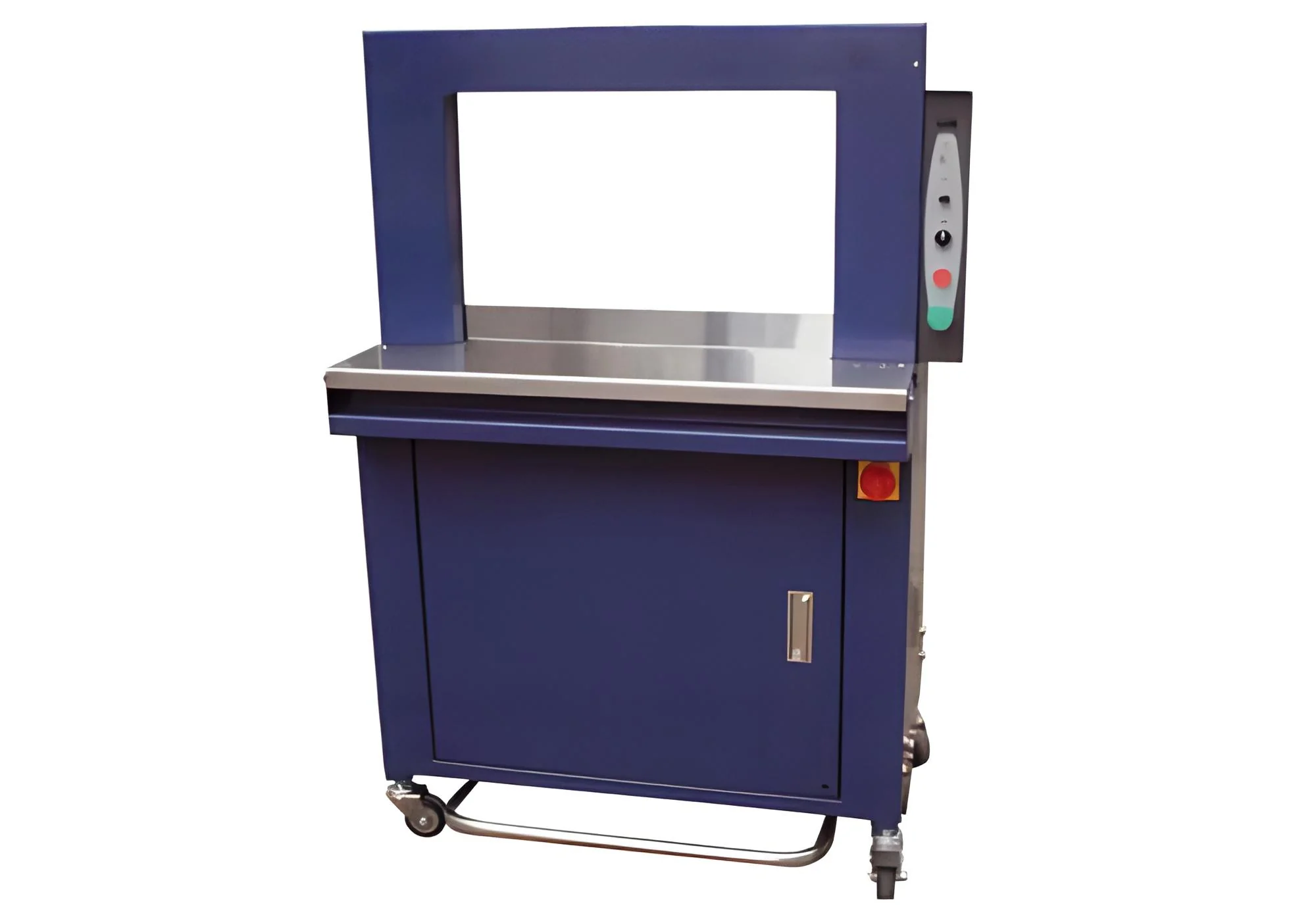
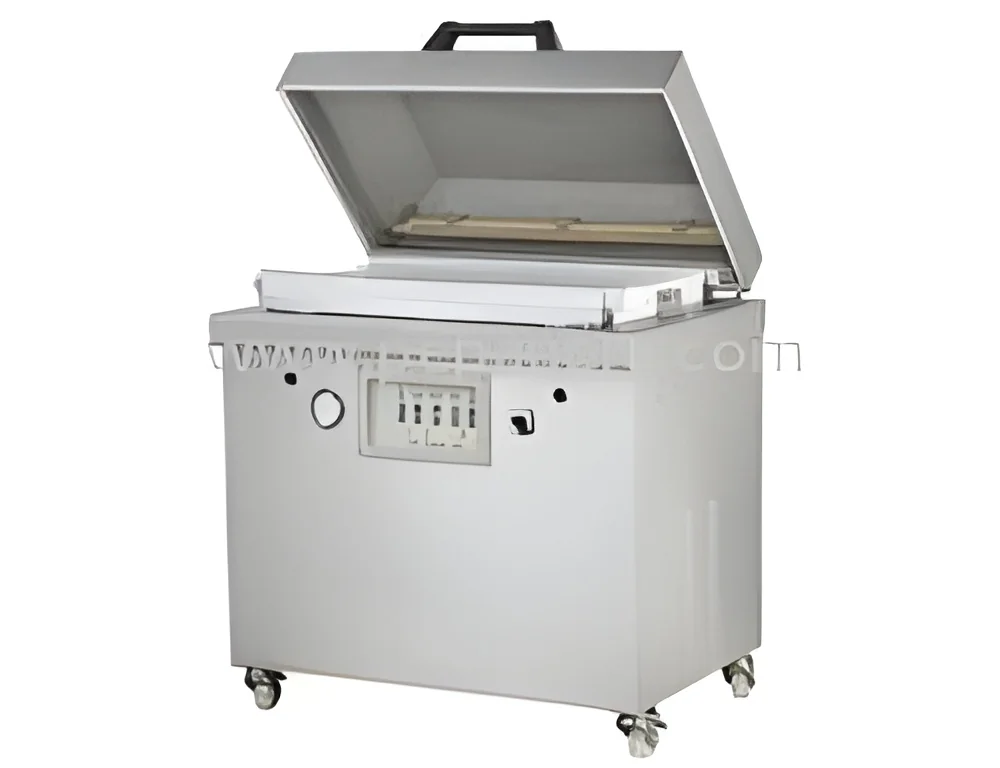
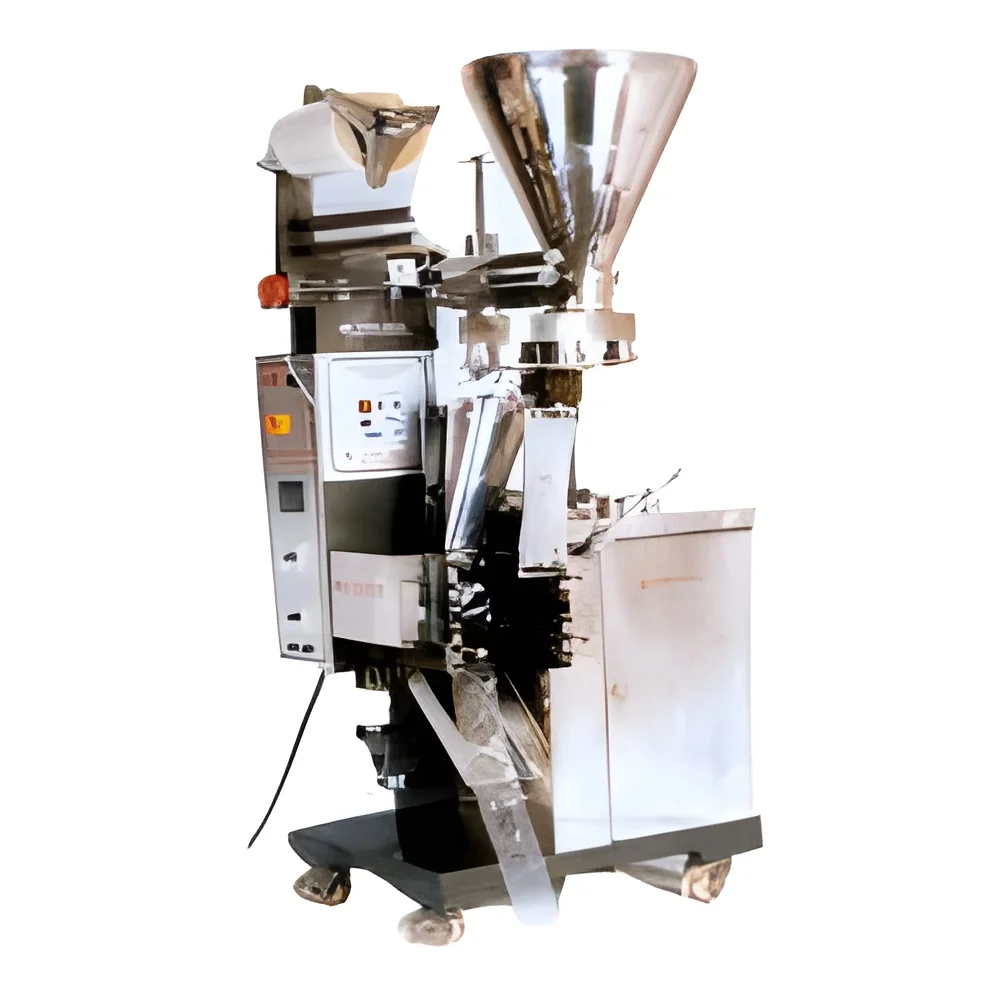
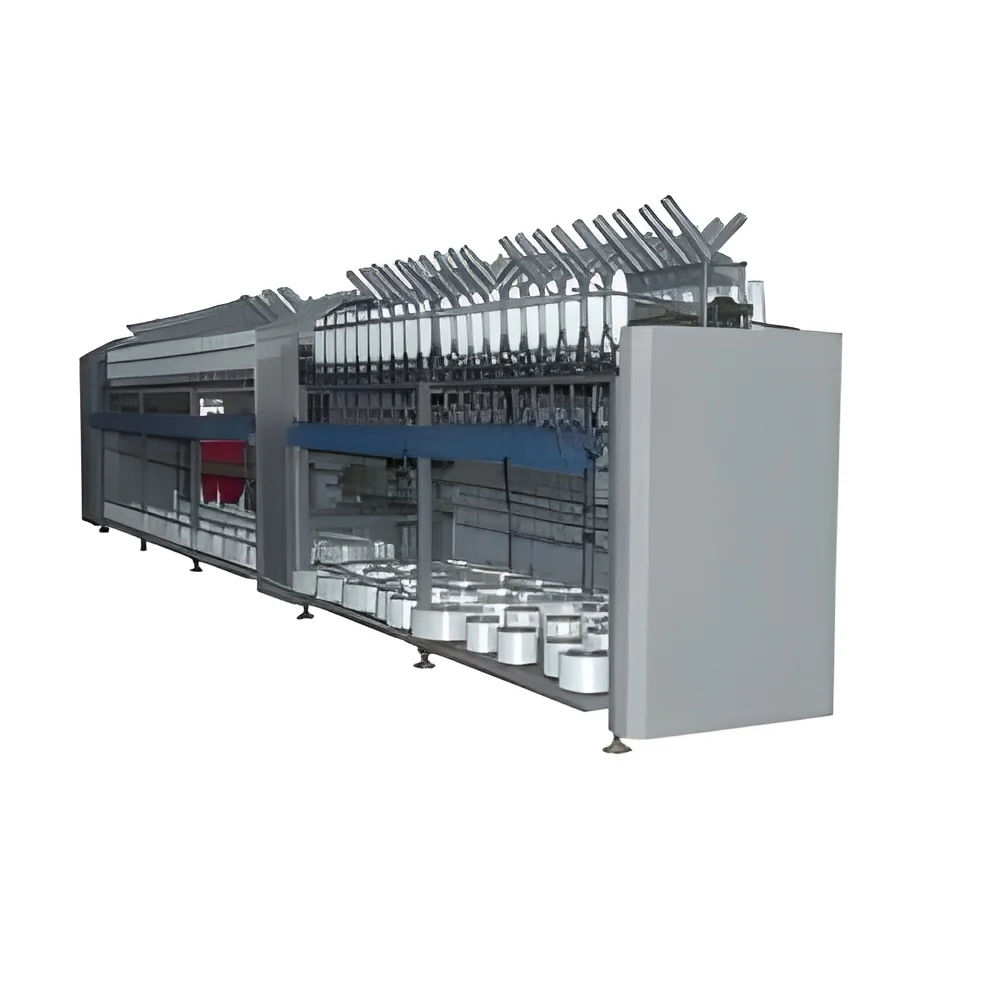
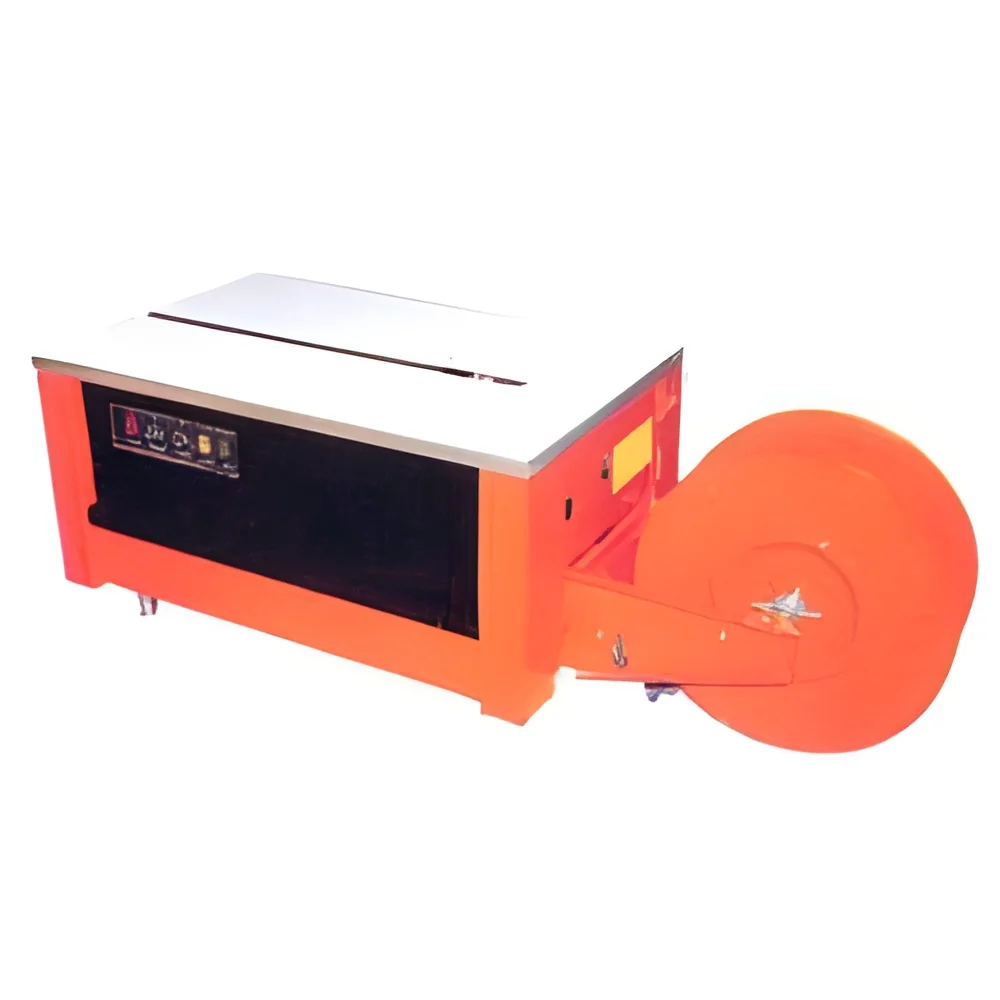
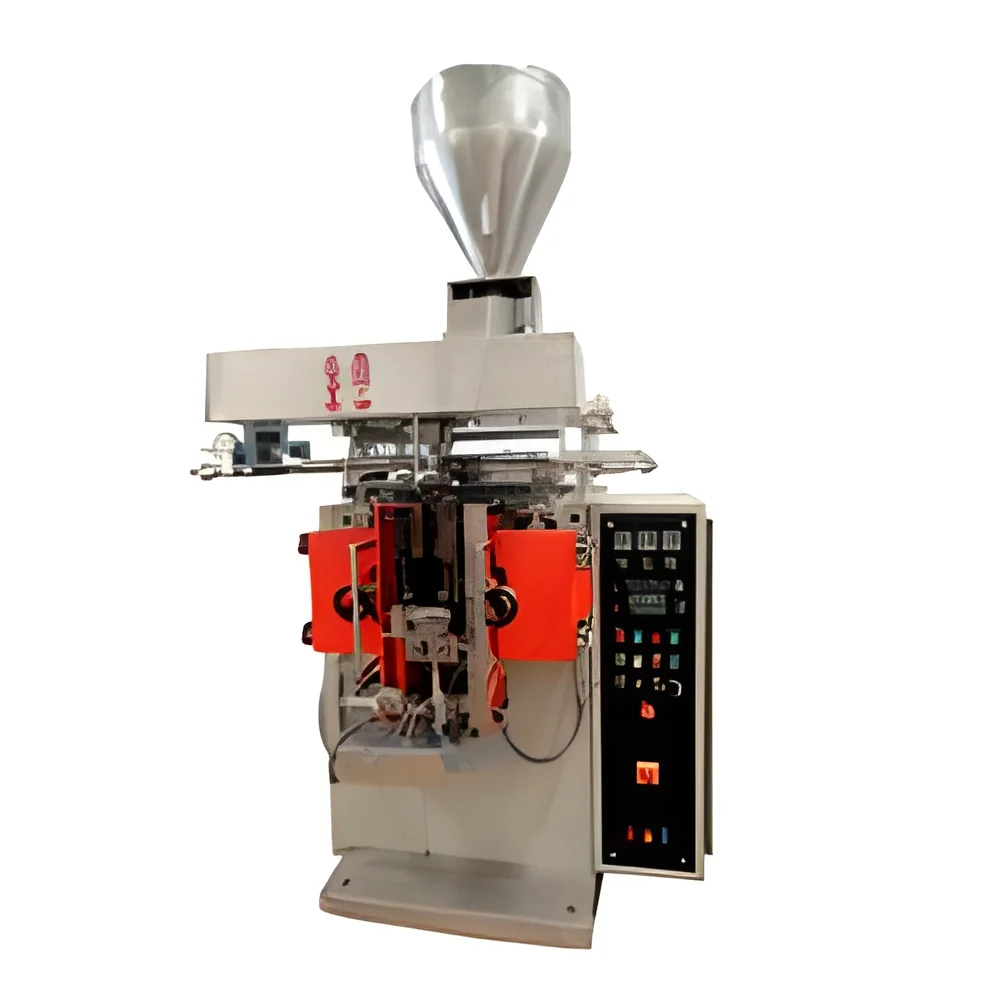
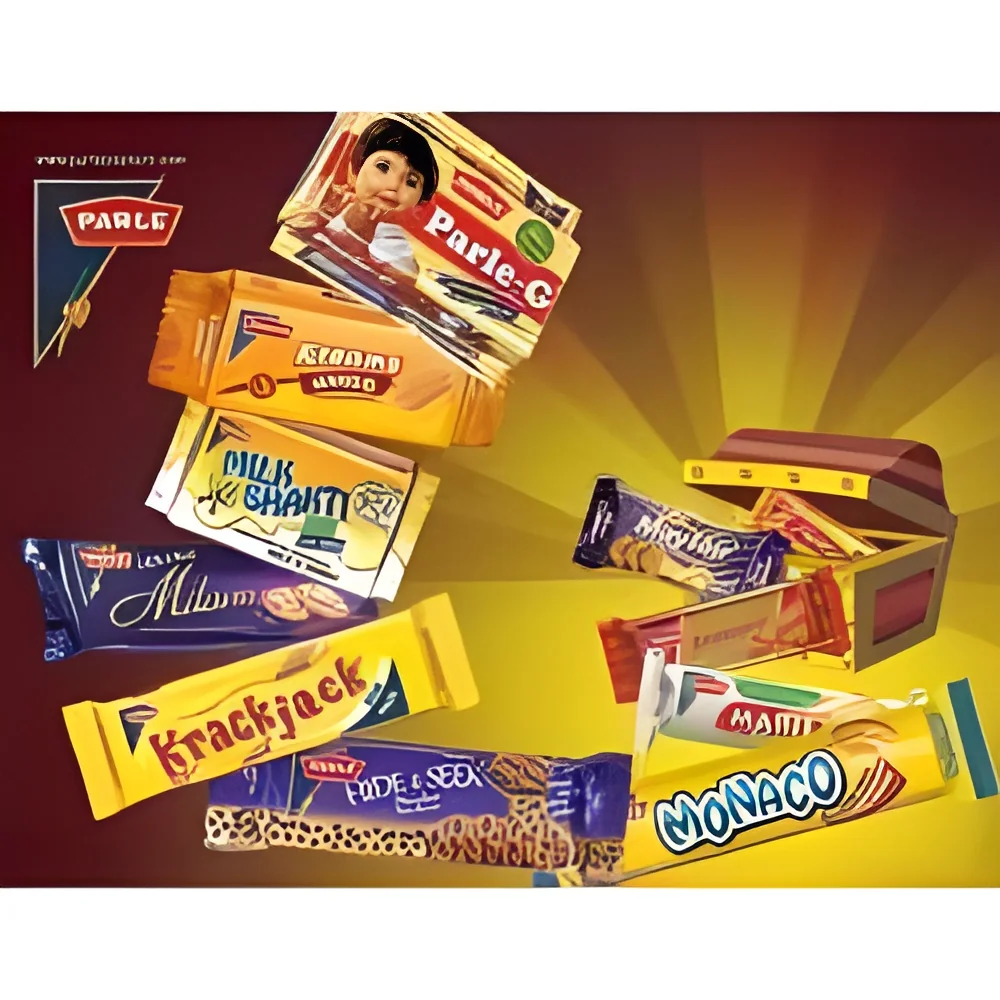
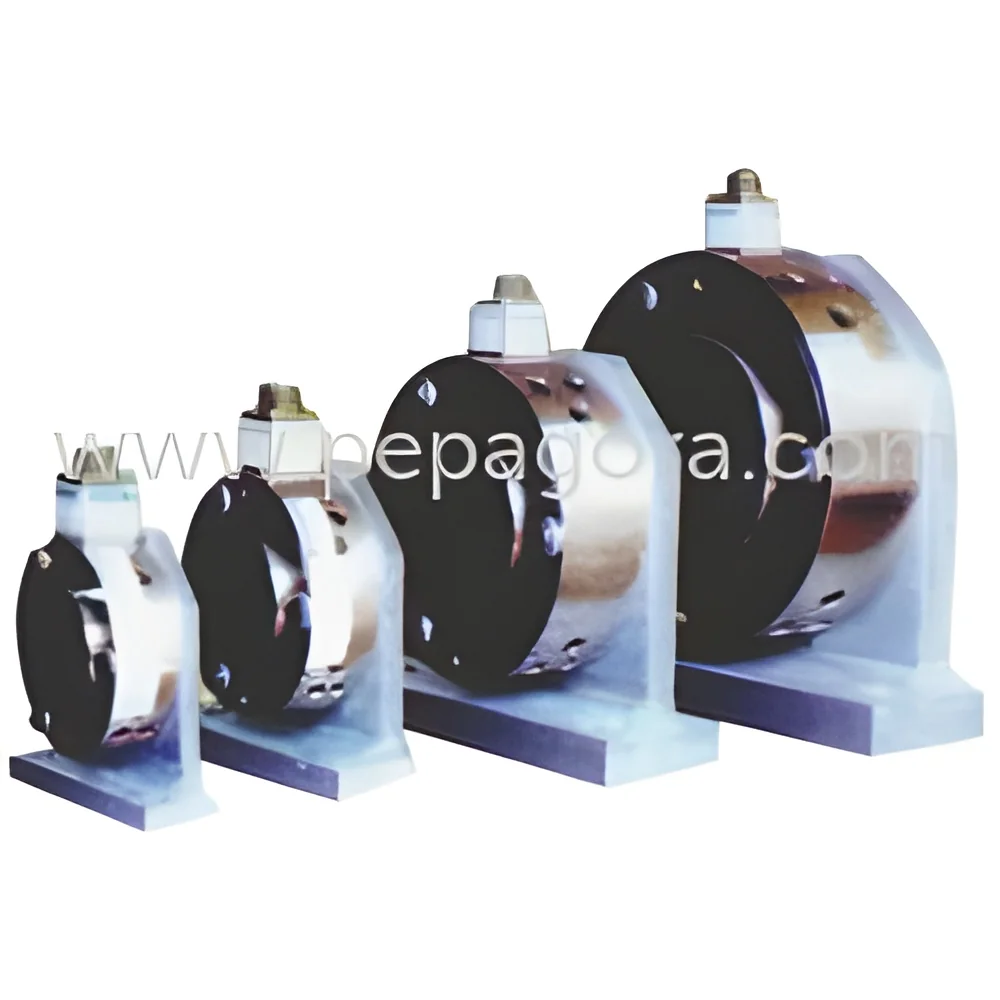
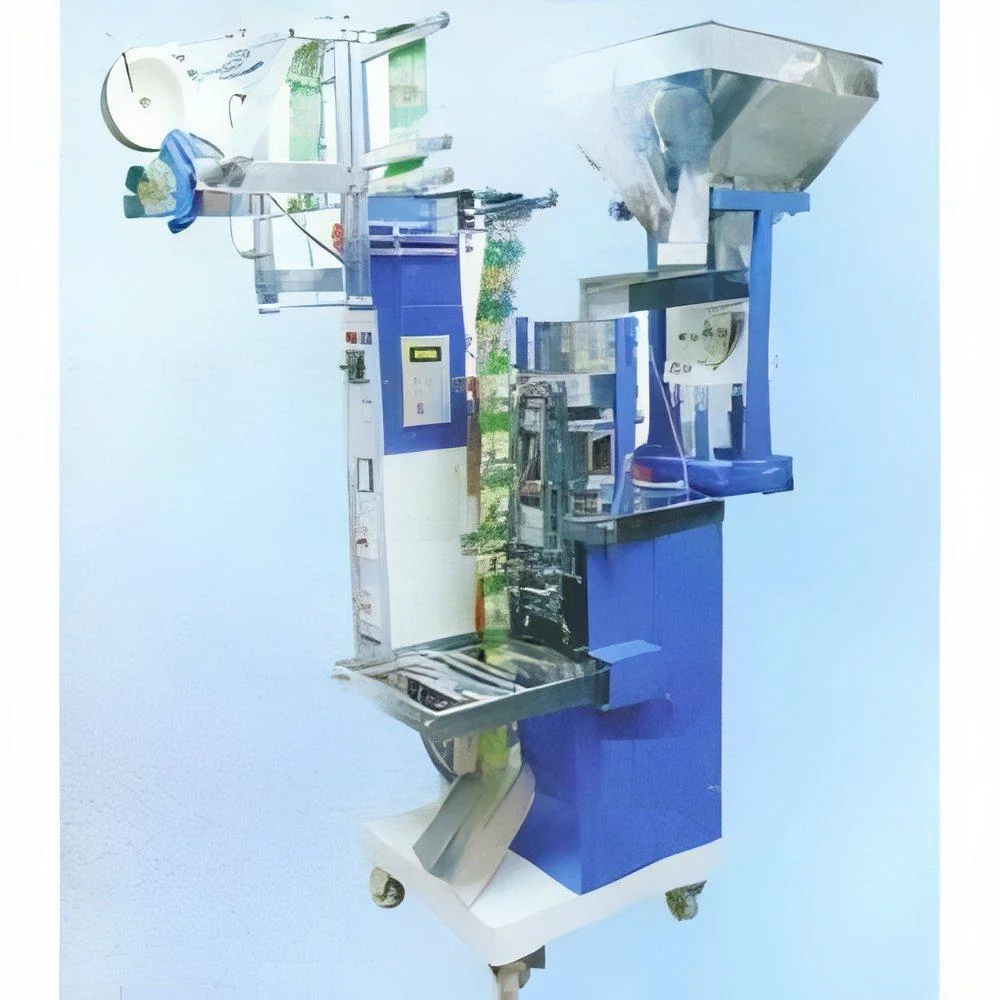
𝗪𝗵𝗮𝘁 𝗮𝗿𝗲 𝗢𝘁𝗵𝗲𝗿 𝗣𝗮𝗰𝗸𝗮𝗴𝗶𝗻𝗴 𝗠𝗮𝗰𝗵𝗶𝗻𝗲𝗿𝘆?
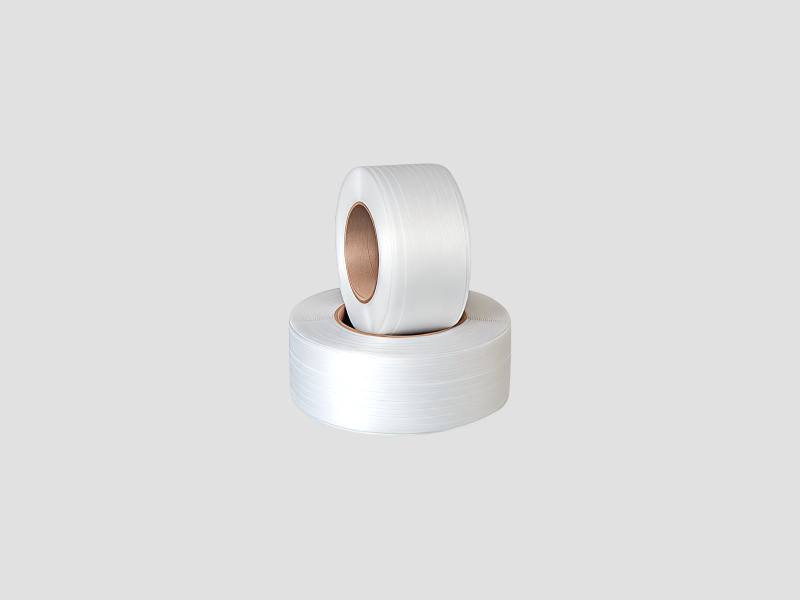
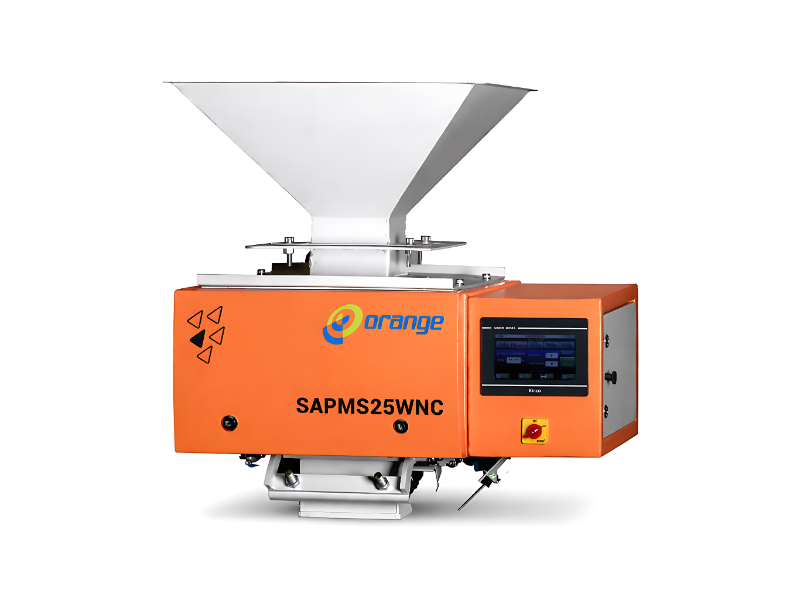
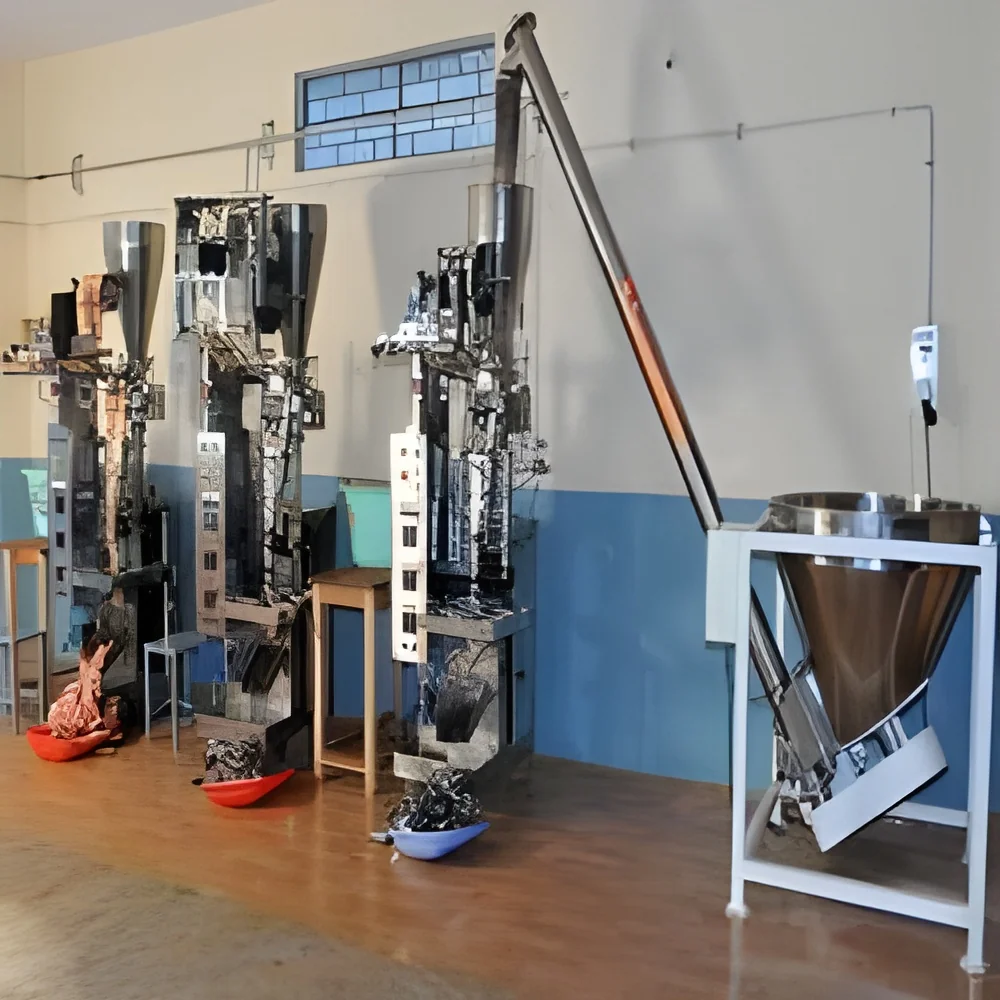
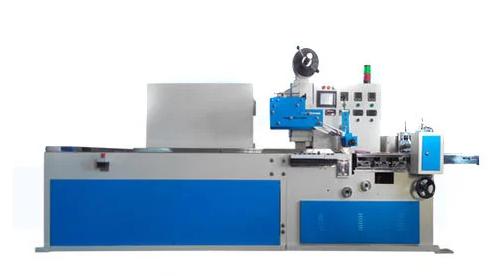
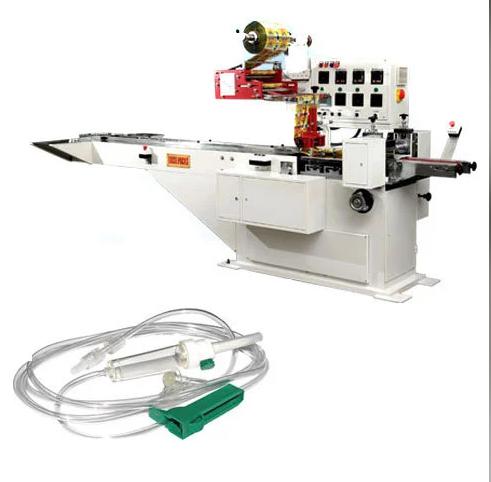
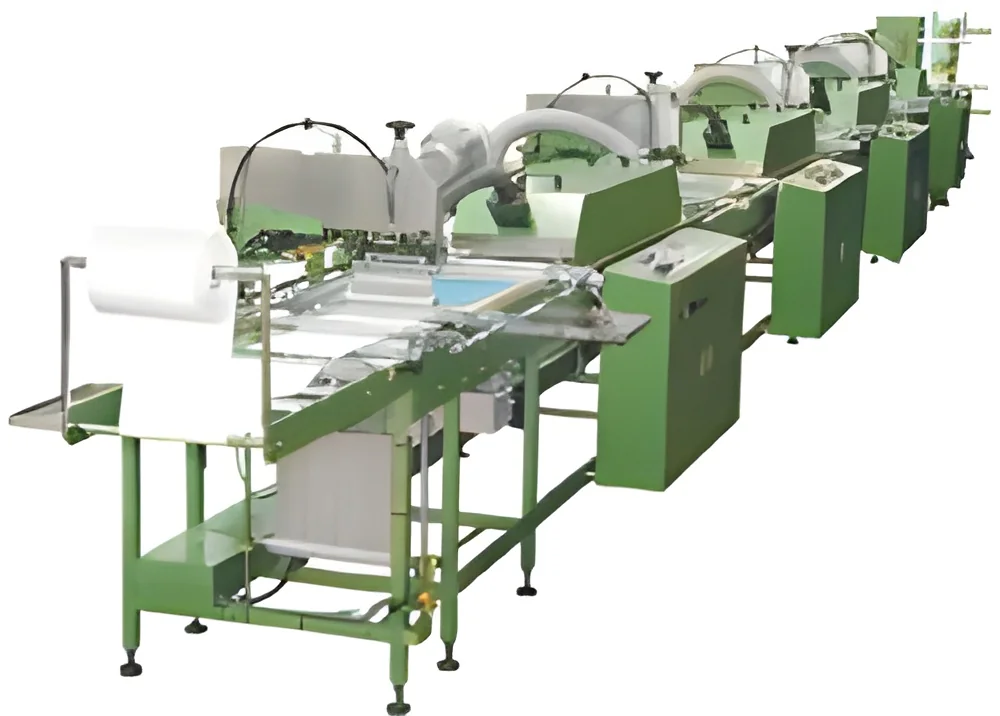
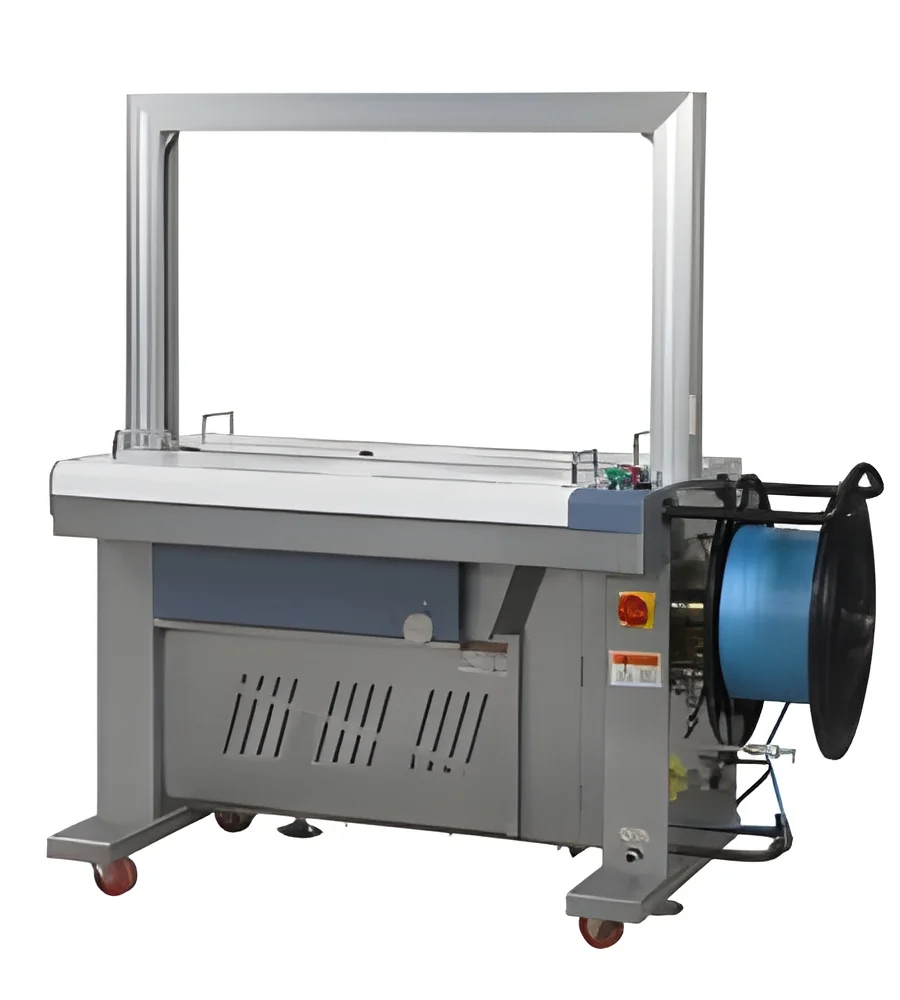
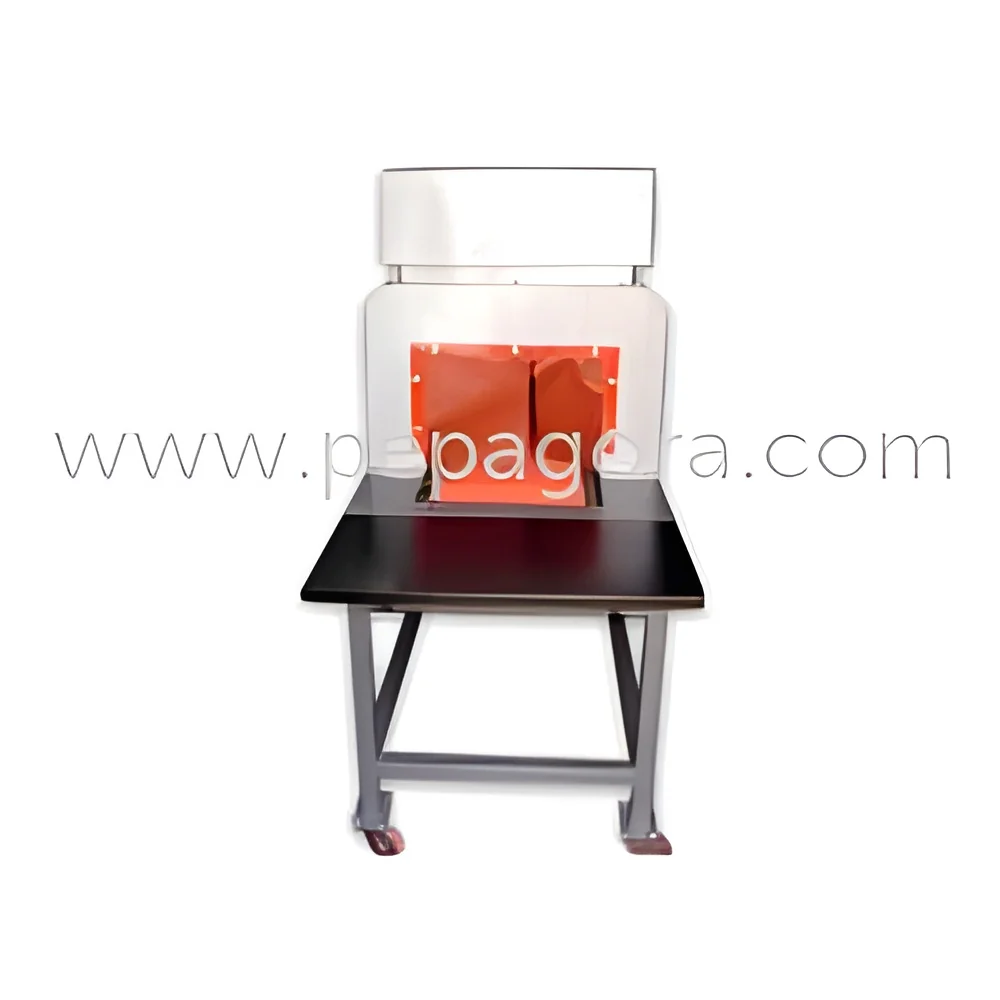
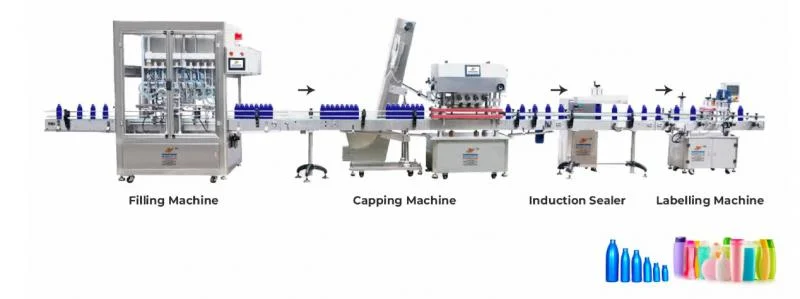
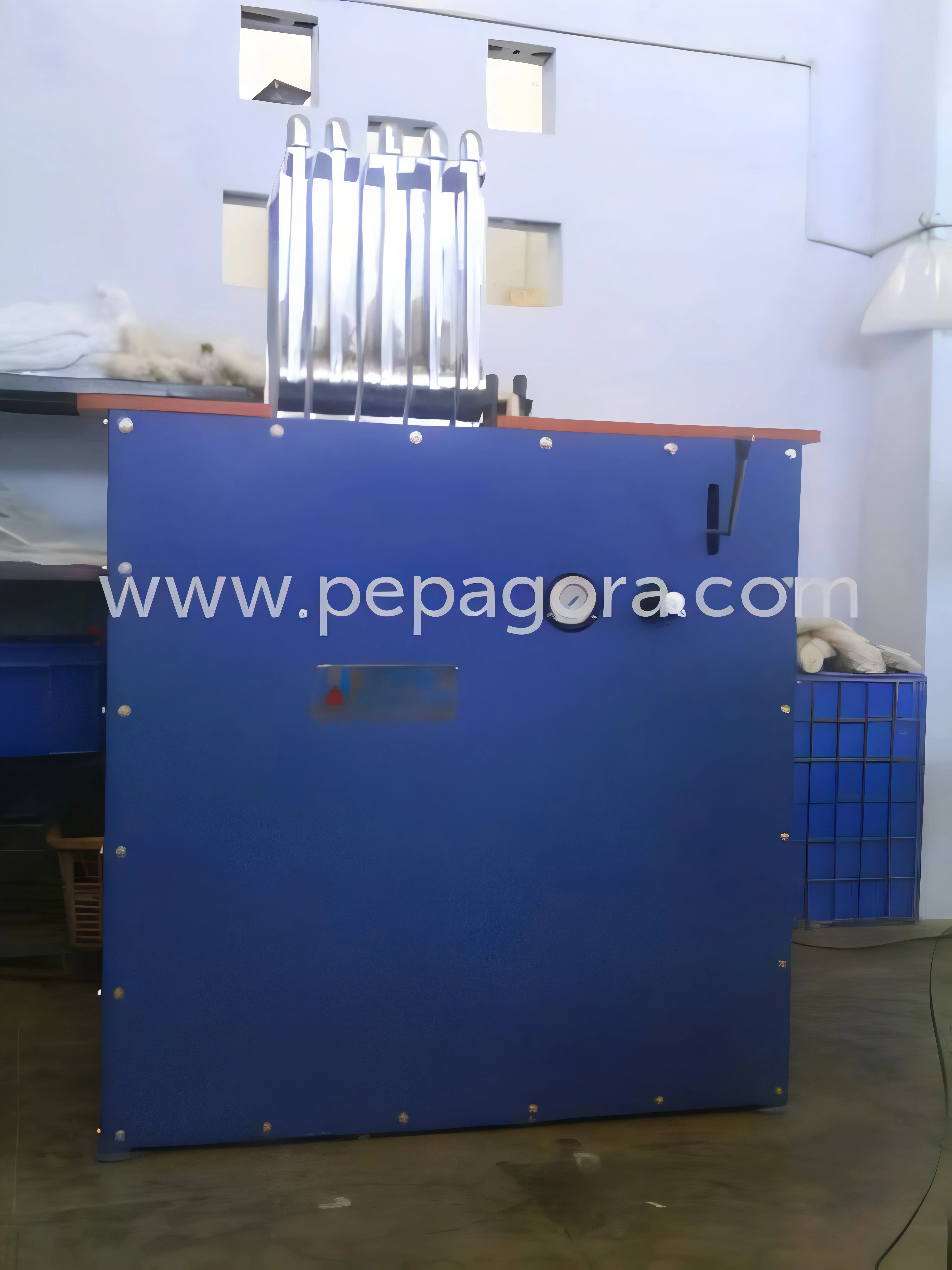
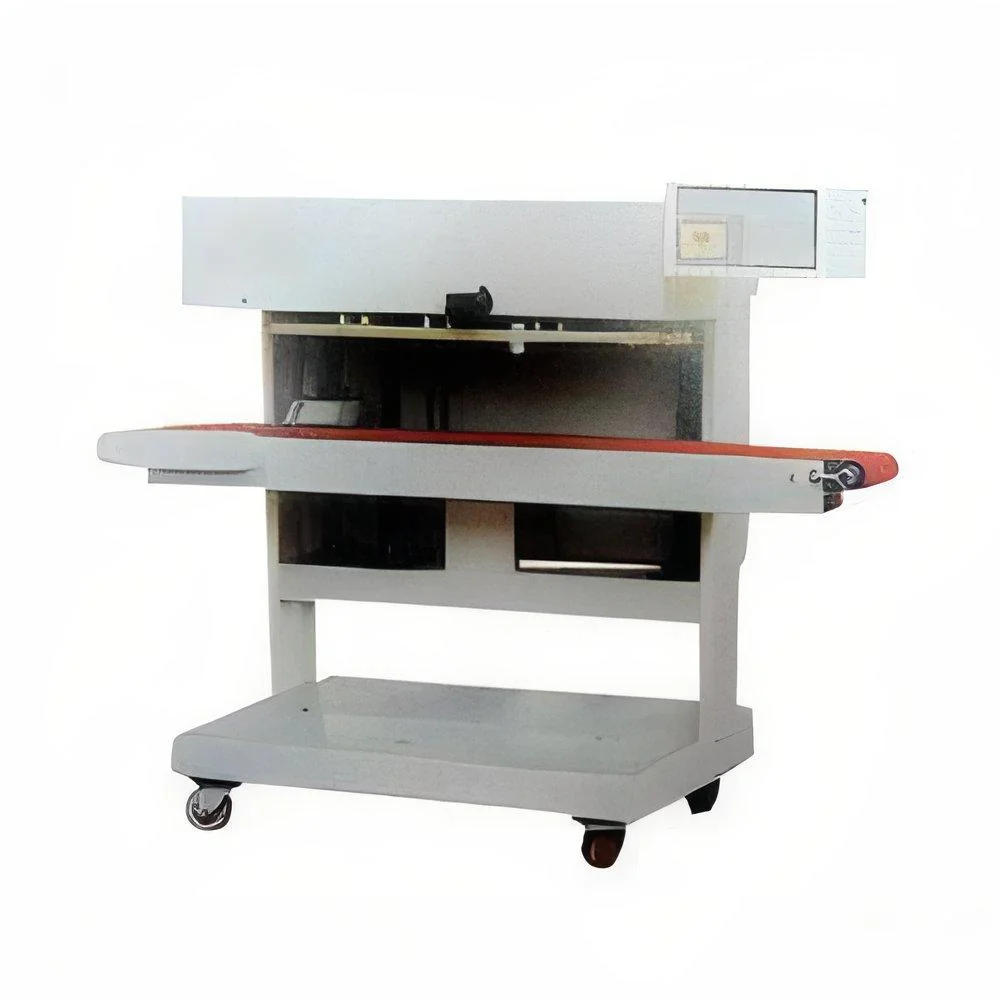
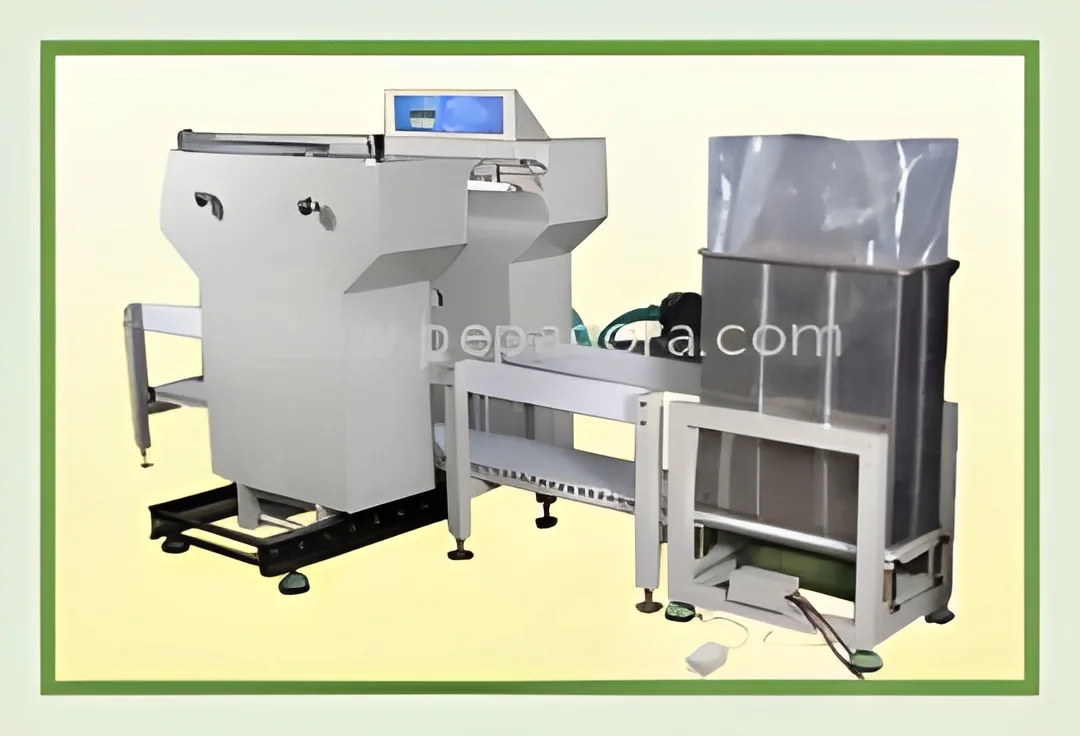
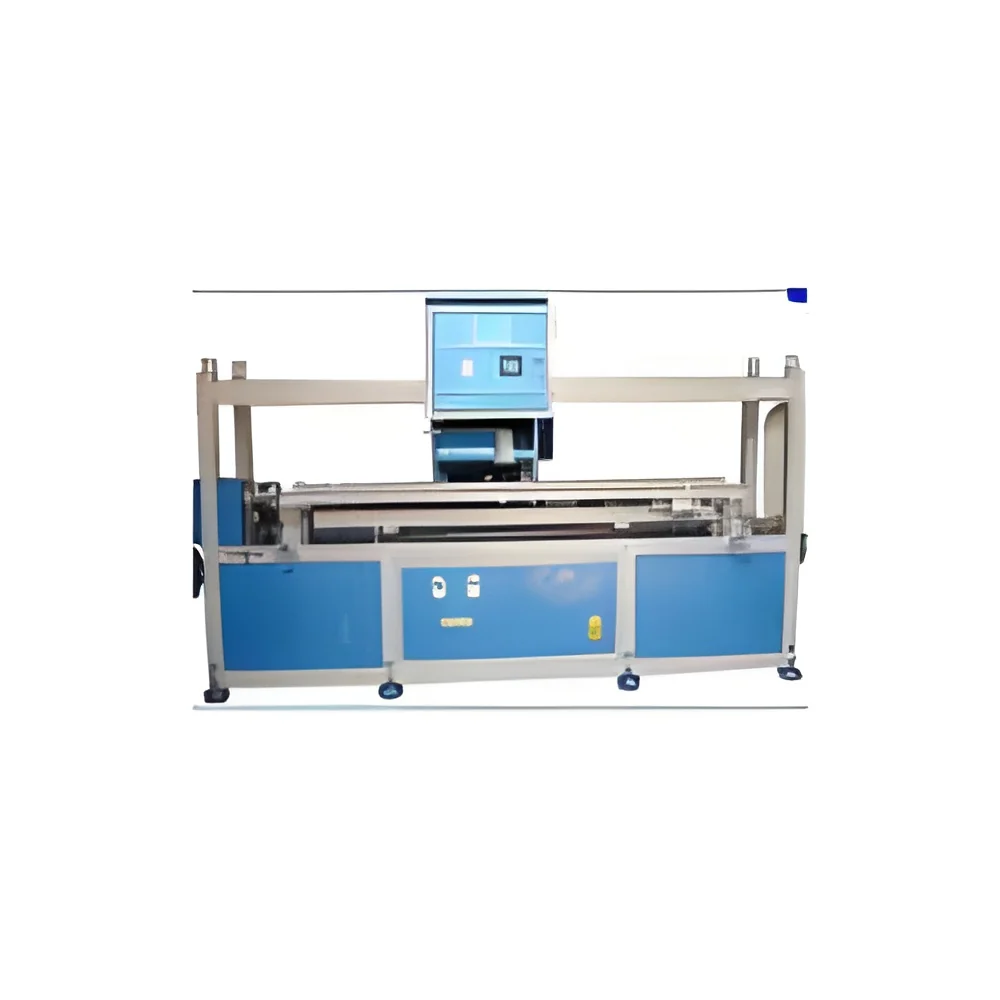
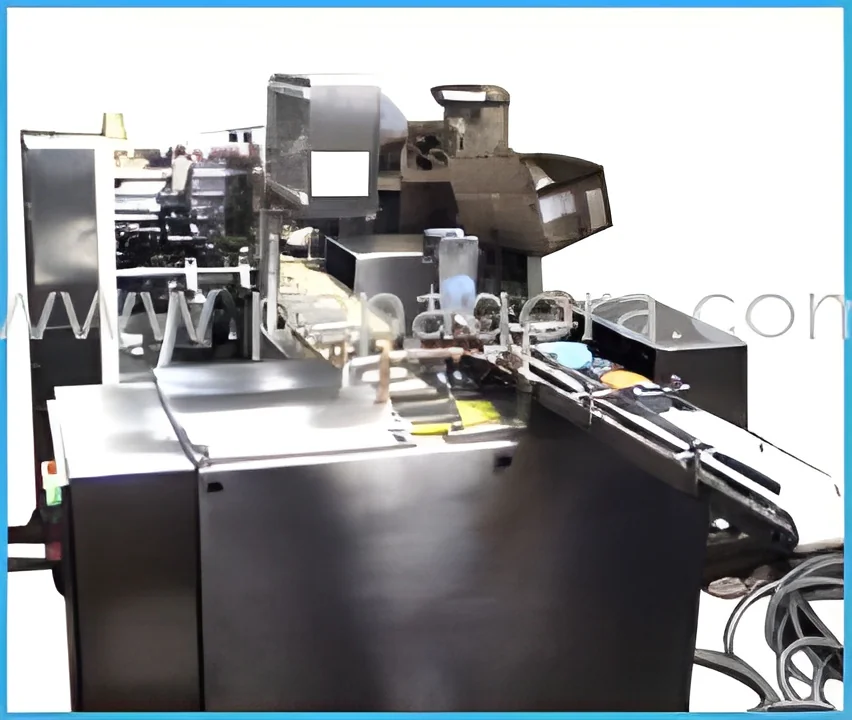
Other Packaging Machinery encompasses a diverse range of equipment designed to package products across various industries. This category includes machines that perform a multitude of functions, including filling, sealing, labeling, and wrapping. Unlike traditional packaging machines, Other Packaging Machinery focuses on specialized tasks that cater to unique packaging requirements, making them essential for businesses looking to enhance operational efficiency and product presentation.
These machines find primary uses in industries such as food and beverage, pharmaceuticals, cosmetics, and electronics. Businesses use them to ensure their products are packaged securely, maintaining quality and compliance with industry standards. For instance, they help in preparing products for shipment, protecting them during storage, and enhancing shelf appeal. The relevance of Other Packaging Machinery in the market is underscored by the growing demand for customized packaging solutions, which are crucial for product differentiation and brand loyalty.
𝗞𝗲𝘆 𝗙𝗲𝗮𝘁𝘂𝗿𝗲𝘀 𝗮𝗻𝗱 𝗦𝗽𝗲𝗰𝗶𝗳𝗶𝗰𝗮𝘁𝗶𝗼𝗻𝘀
Other Packaging Machinery is characterized by a range of key features and specifications that enhance their functionality and adaptability. These machines are designed to meet the specific needs of different industries, providing flexibility in operations and efficiency in production.
Key specifications include:
1. Speed of Operation
- Refers to the number of packages processed per minute.
- Typical ranges vary from 10 to 200 packages per minute, depending on the machine type.
2. Machine Dimensions
- Overall size of the machinery which influences installation and workspace.
- Dimensions can range from compact units for small spaces to large machines for high-volume production.
3. Power Consumption
- Amount of electrical power required to operate the machinery.
- Generally between 1 kW to 10 kW depending on the machine's capabilities.
4. Control Systems
- Type of technology used to operate the machine, such as PLC or touch screen interfaces.
- Features may include programmable settings for various packaging formats.
5. Material Compatibility
- Types of materials the machine can handle, such as plastic, glass, or metal.
- Most machines can accommodate multiple packaging materials.
6. Safety Features
- Built-in safety mechanisms to protect operators and products.
- May include emergency stop buttons and safety guards.
7. Maintenance Requirements
- Frequency and type of maintenance needed to keep the machinery operational.
- Regular check-ups and cleaning are often required to ensure longevity.
8. Compliance Standards
- Adherence to relevant industry standards and regulations.
- Commonly compliant with CE certifications for safety and quality assurance.
These specifications play a crucial role in selecting the right machinery for specific business needs, ensuring optimal performance and reliability.
𝗖𝗼𝗺𝗺𝗼𝗻 𝗔𝗽𝗽𝗹𝗶𝗰𝗮𝘁𝗶𝗼𝗻𝘀 𝗮𝗻𝗱 𝗨𝘀𝗲 𝗖𝗮𝘀𝗲𝘀
Other Packaging Machinery serves a variety of industries, each with unique applications that enhance operational efficiency and product integrity.
1. Food and Beverage: These machines are widely used to package items like snacks, beverages, and ready-to-eat meals, ensuring freshness and compliance with safety standards.
2. Pharmaceuticals: In this sector, packaging machinery is crucial for securely packaging medications, ensuring accurate labeling, and maintaining product integrity.
3. Cosmetics: Packaging machinery in the cosmetics industry is used to package creams, lotions, and perfumes, focusing on aesthetic presentation and protection.
4. Electronics: Specialized packaging solutions are employed to protect sensitive electronic components during shipping and storage.
5. Chemicals: These machines help in the packaging of chemicals, ensuring safety and compliance with hazardous material regulations.
6. Consumer Goods: From detergents to household items, packaging machinery is essential for delivering a wide range of consumer products efficiently.
7. E-commerce: As online shopping grows, packaging machinery that can handle diverse product sizes and shapes is increasingly in demand.
𝗣𝗿𝗼𝗱𝘂𝗰𝘁 𝗩𝗮𝗿𝗶𝗮𝗻𝘁𝘀 𝗮𝗻𝗱 𝗦𝘂𝗯𝗰𝗮𝘁𝗲𝗴𝗼𝗿𝗶𝗲𝘀
The diversity of Other Packaging Machinery allows businesses to select equipment tailored to their specific needs.
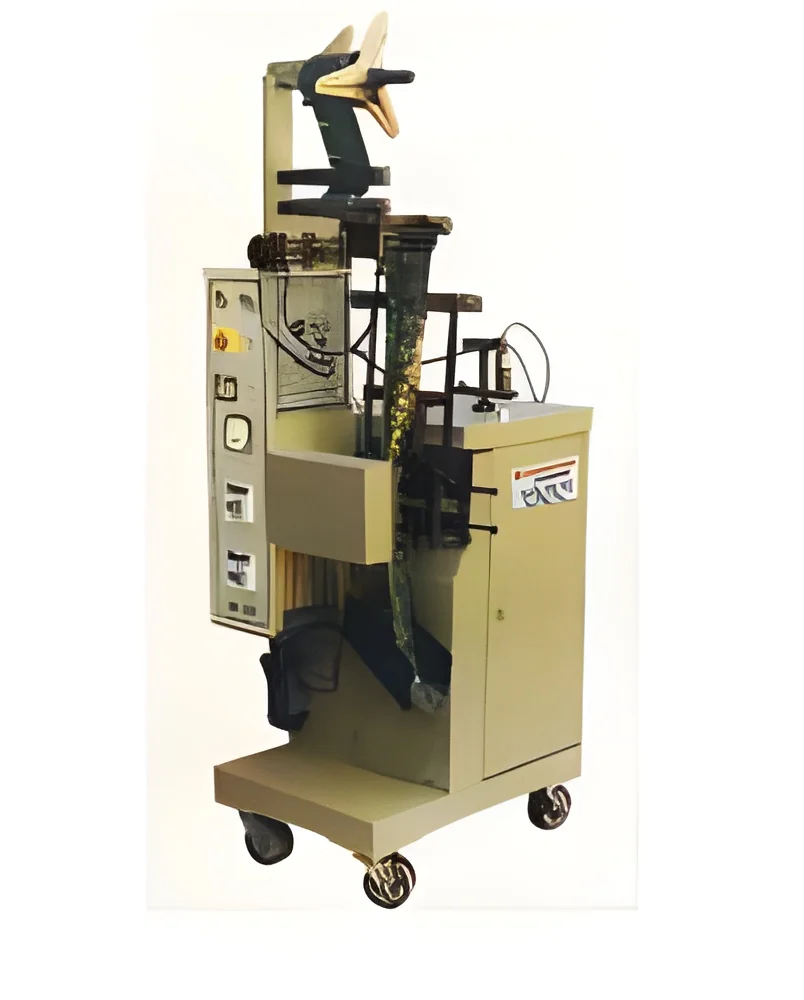
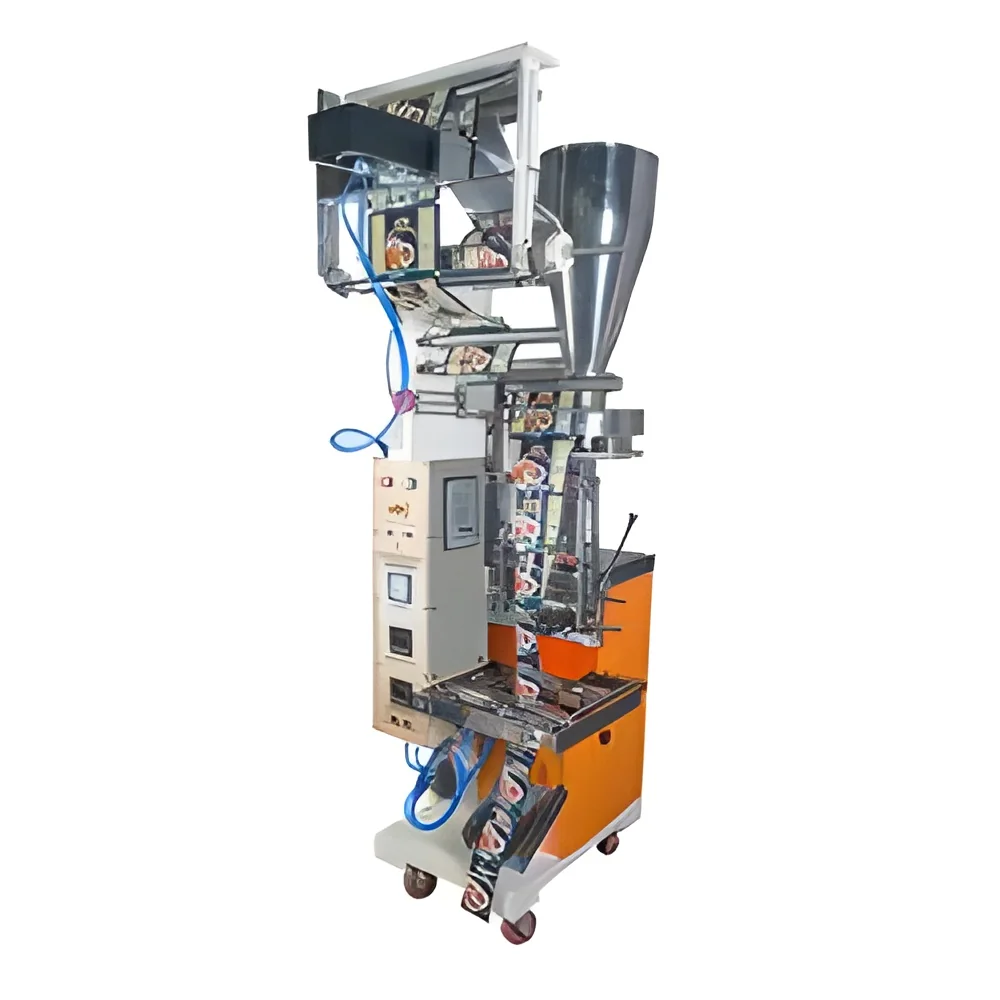
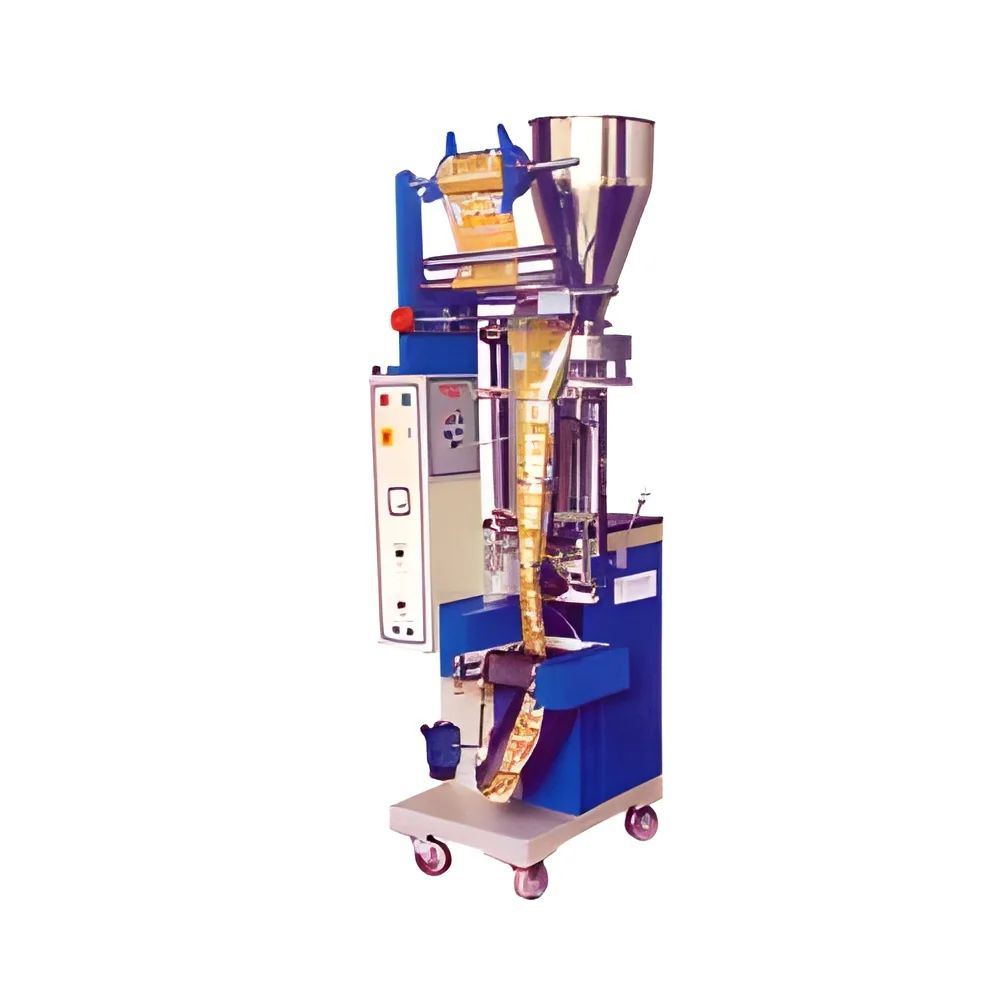
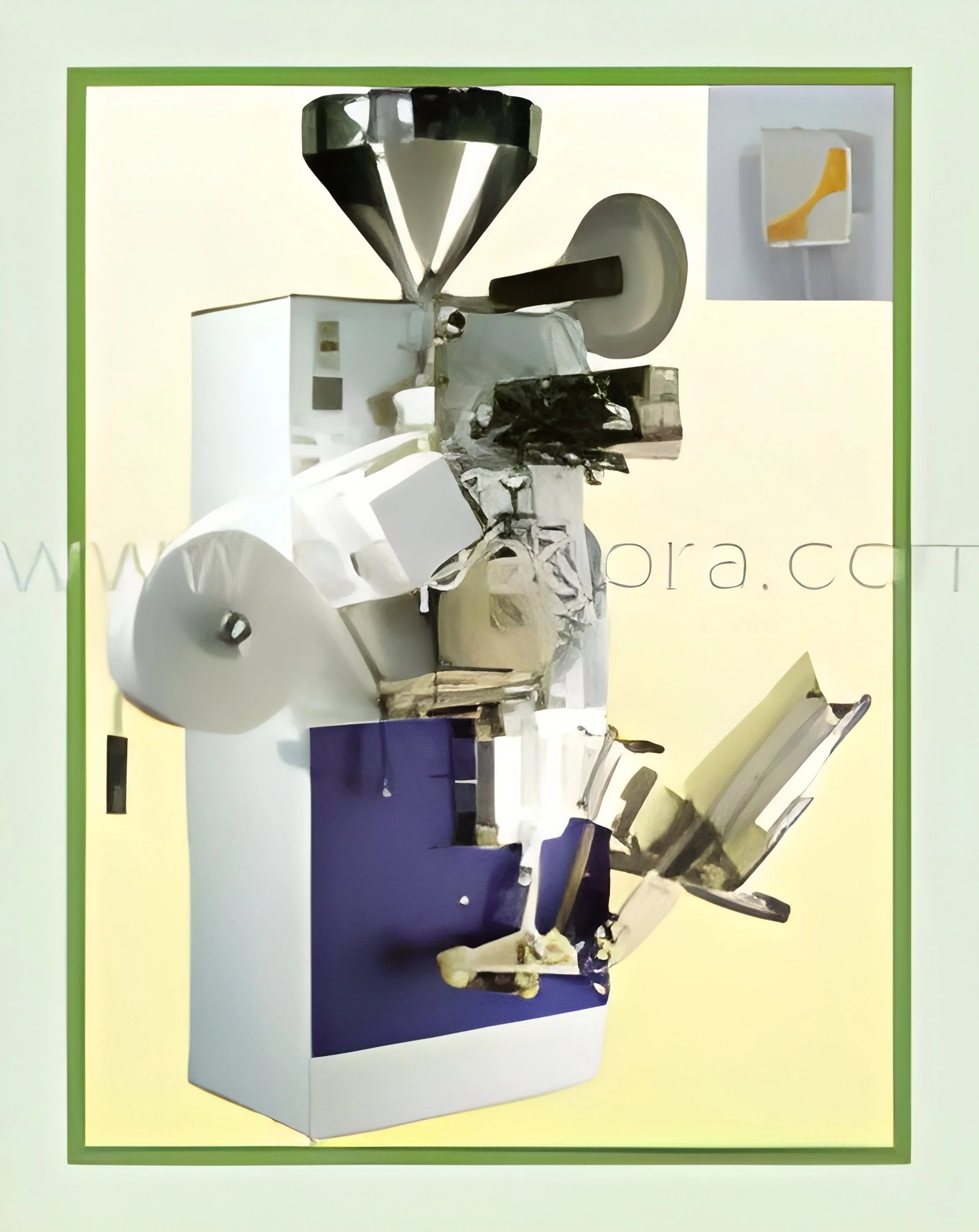
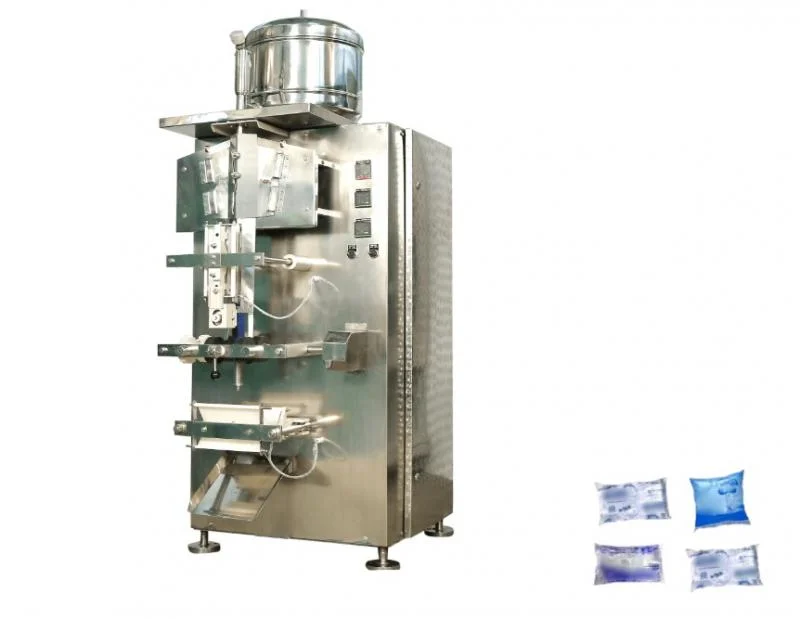
Vertical Form Fill Seal Machines: These machines create packages from a film roll, fill them with product, and seal them, making them ideal for snacks and dry goods.
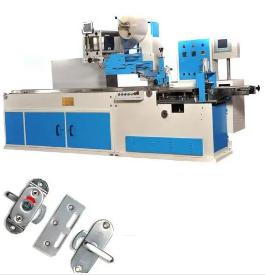
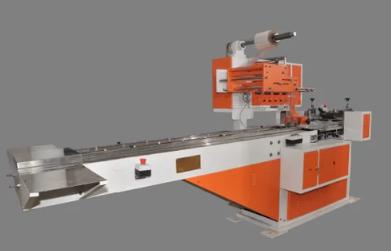
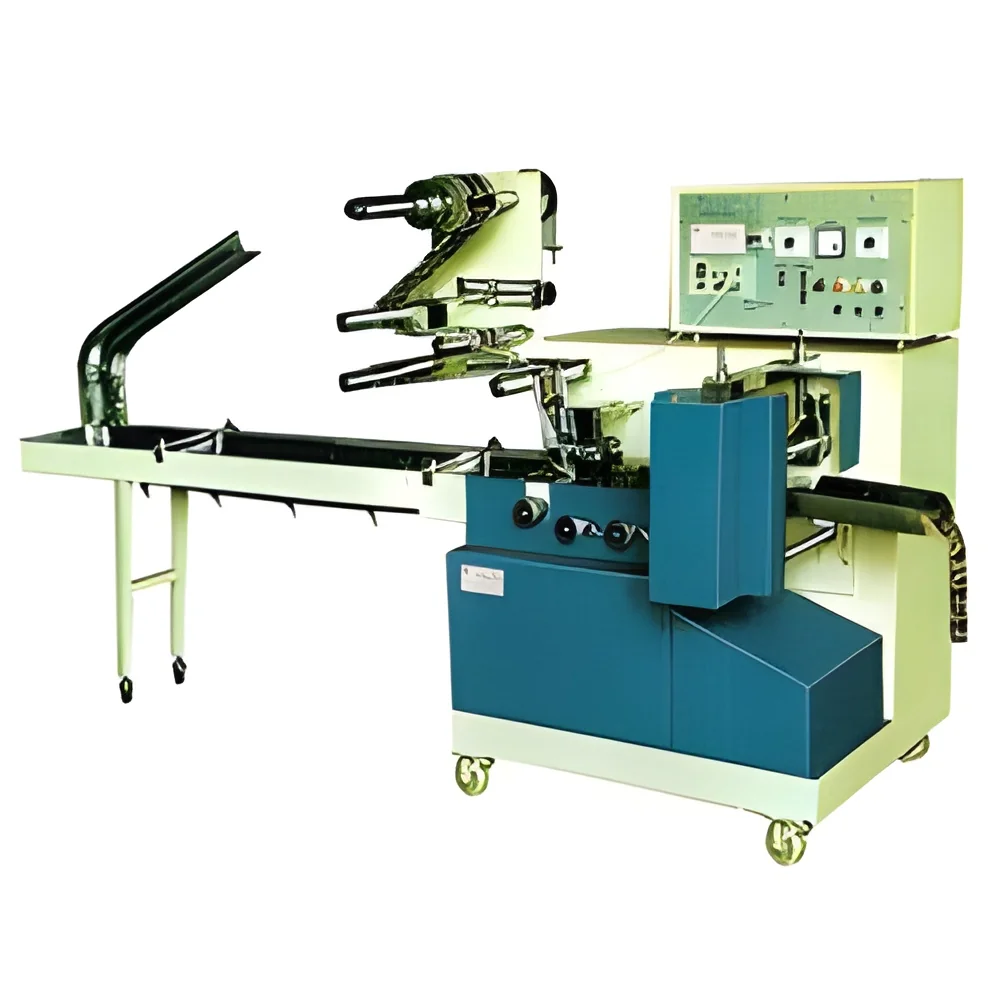
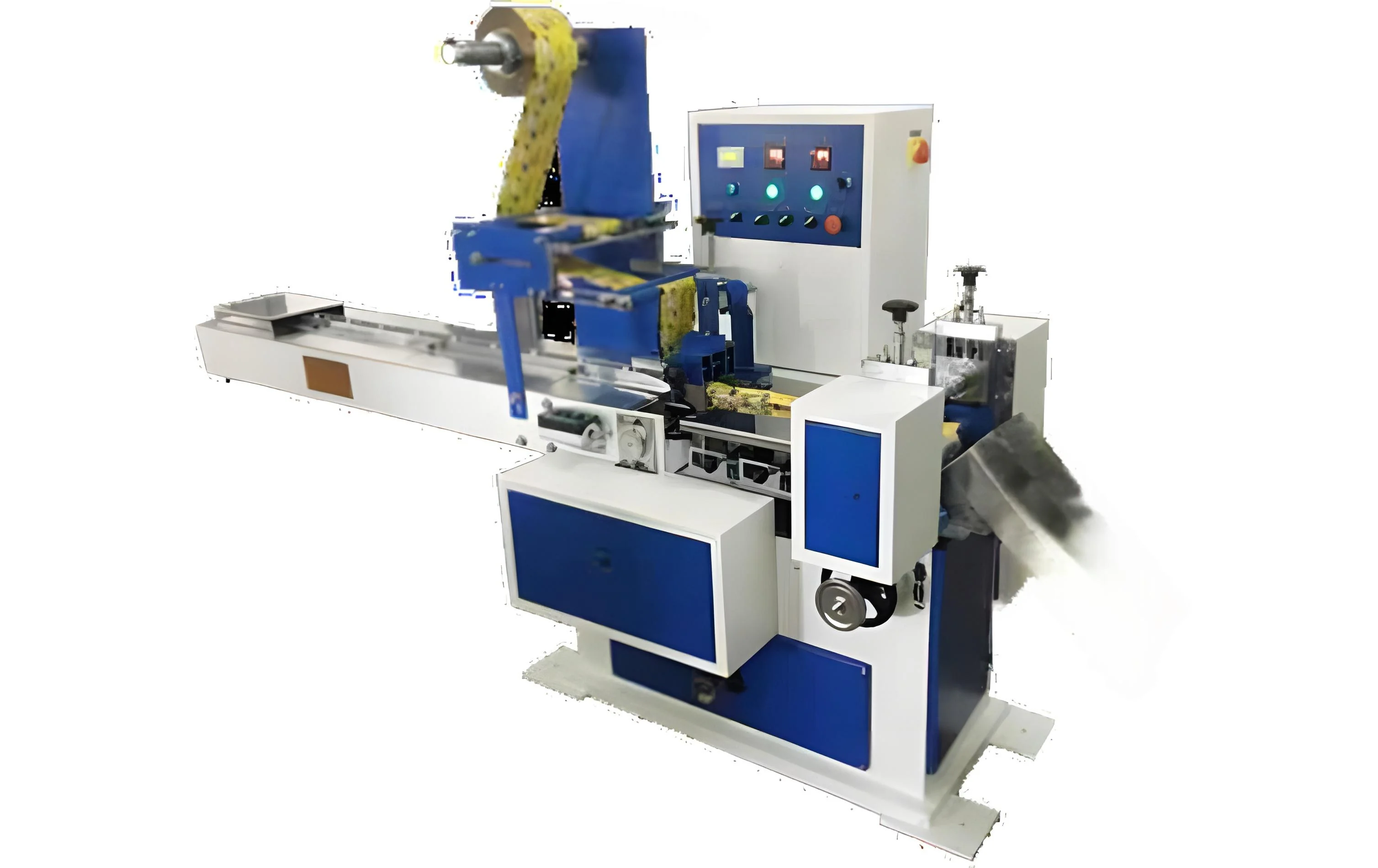
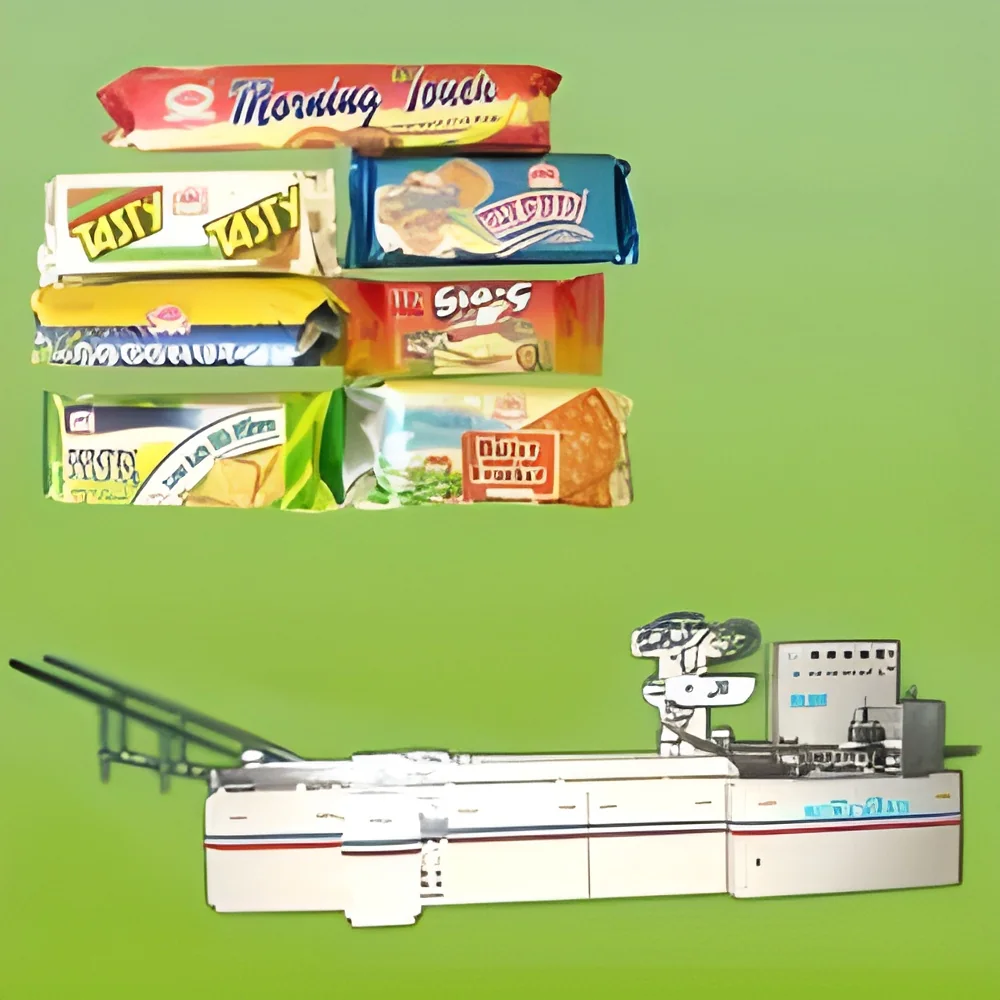
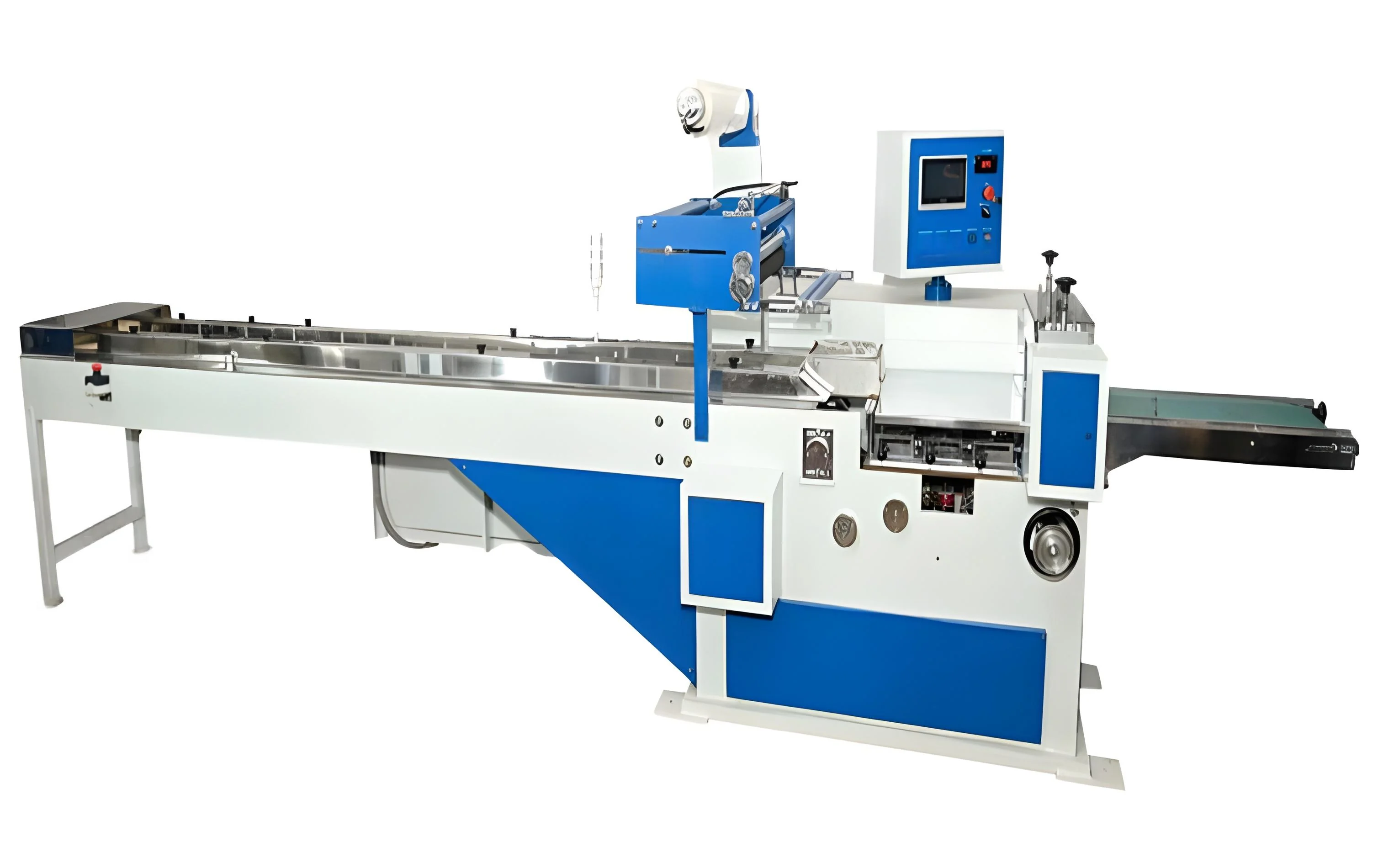
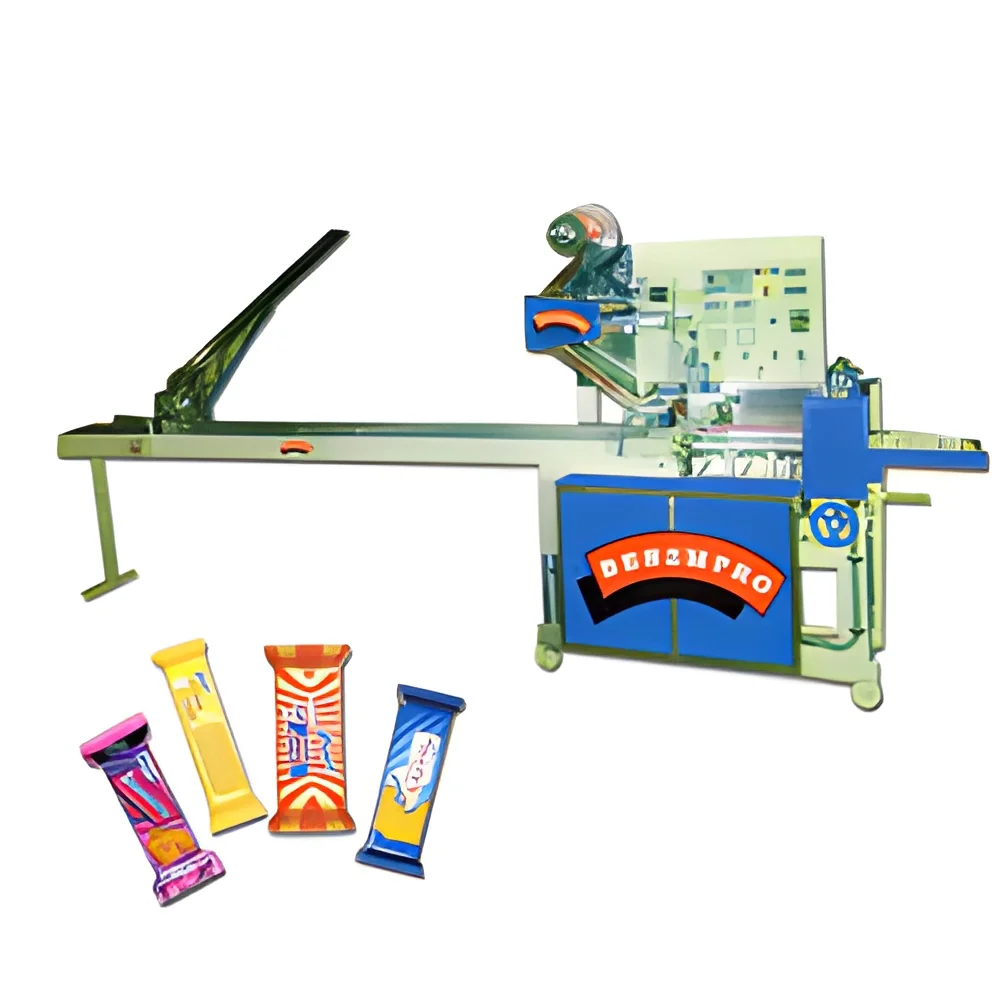
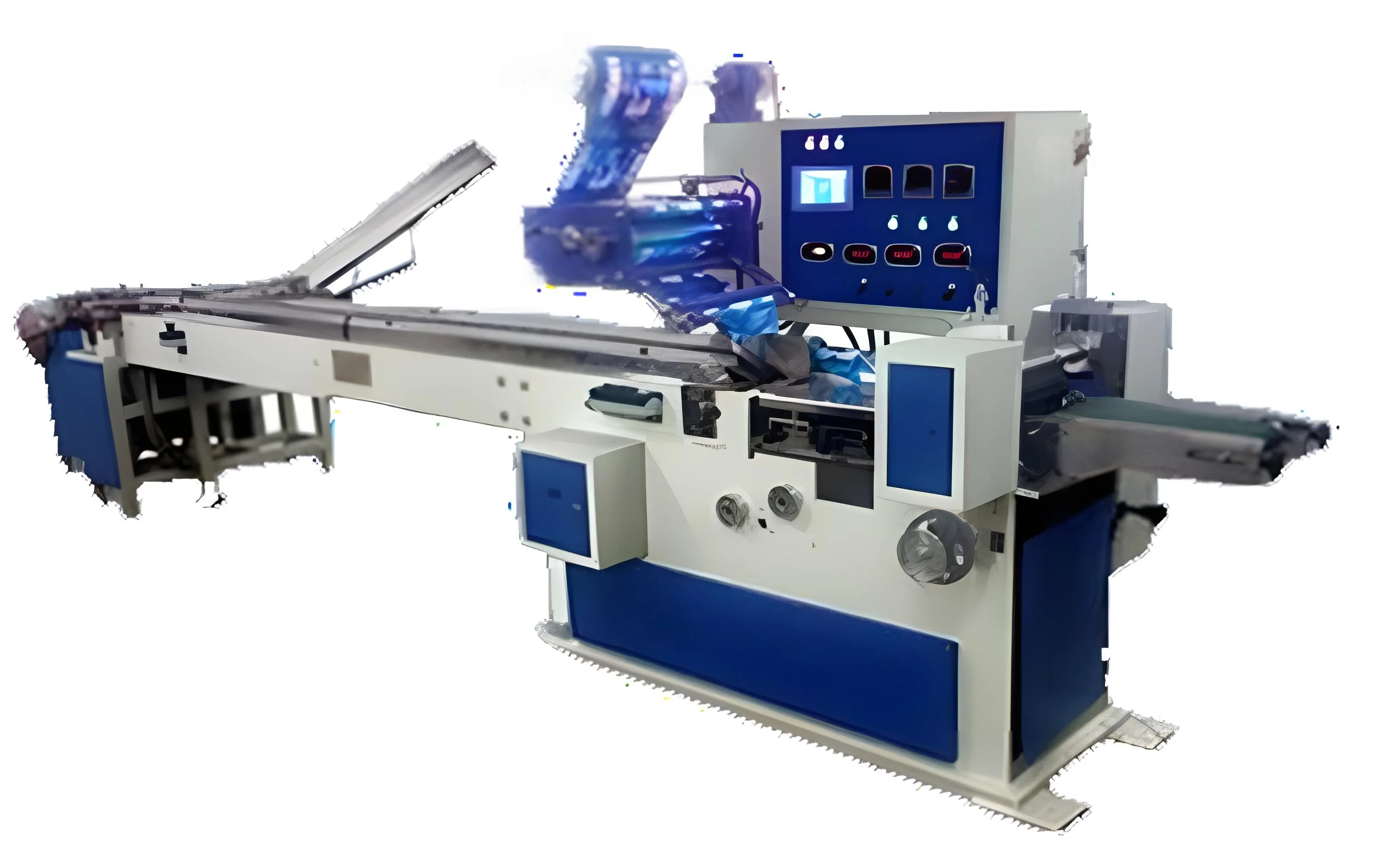
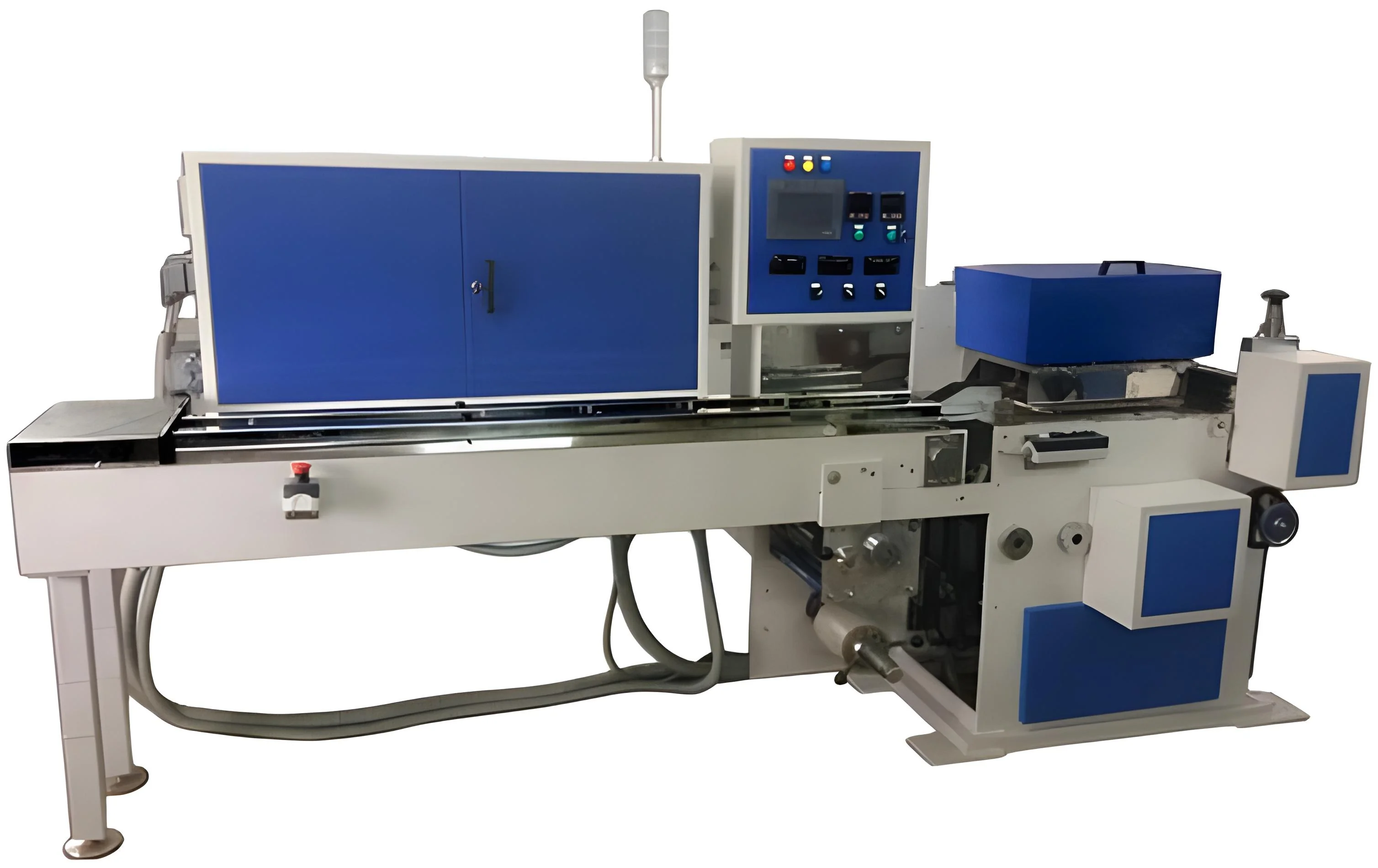
Horizontal Wrapping Machines: Designed for packaging products in a horizontal format, these machines are perfect for items like bars and pouches.
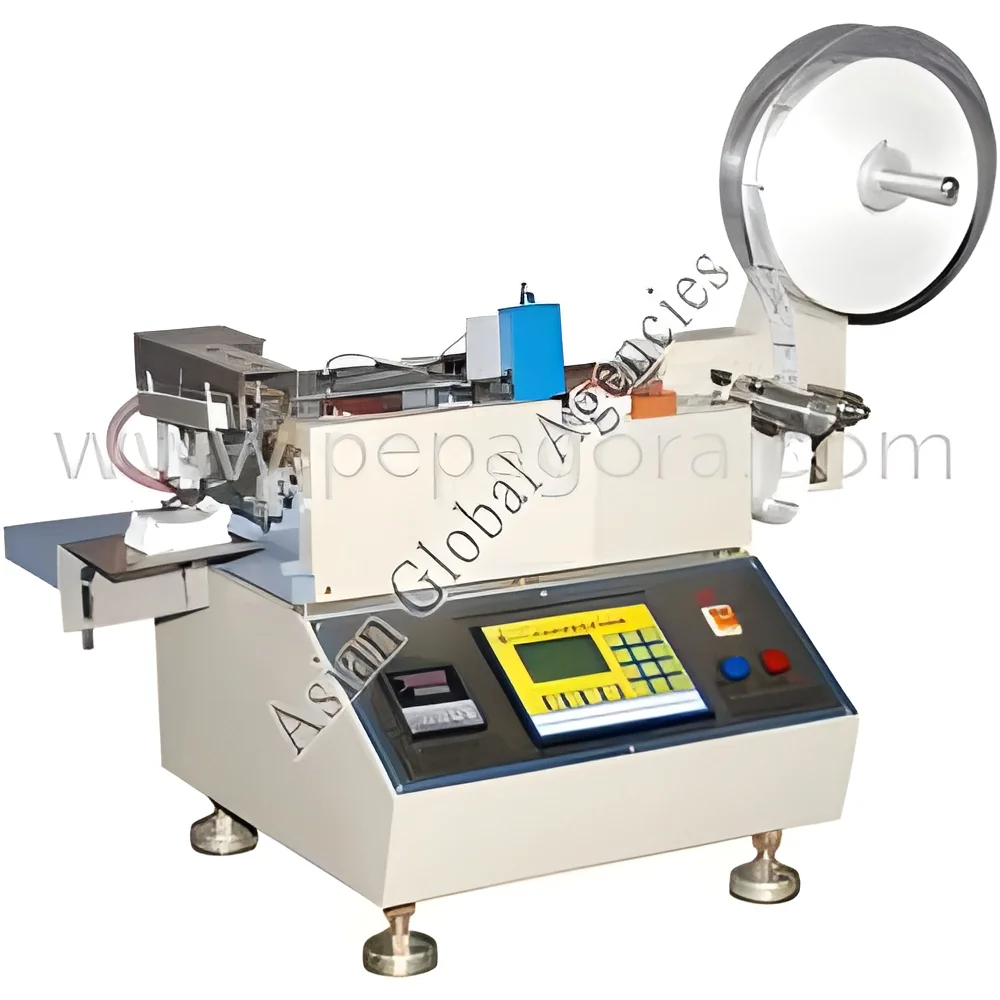
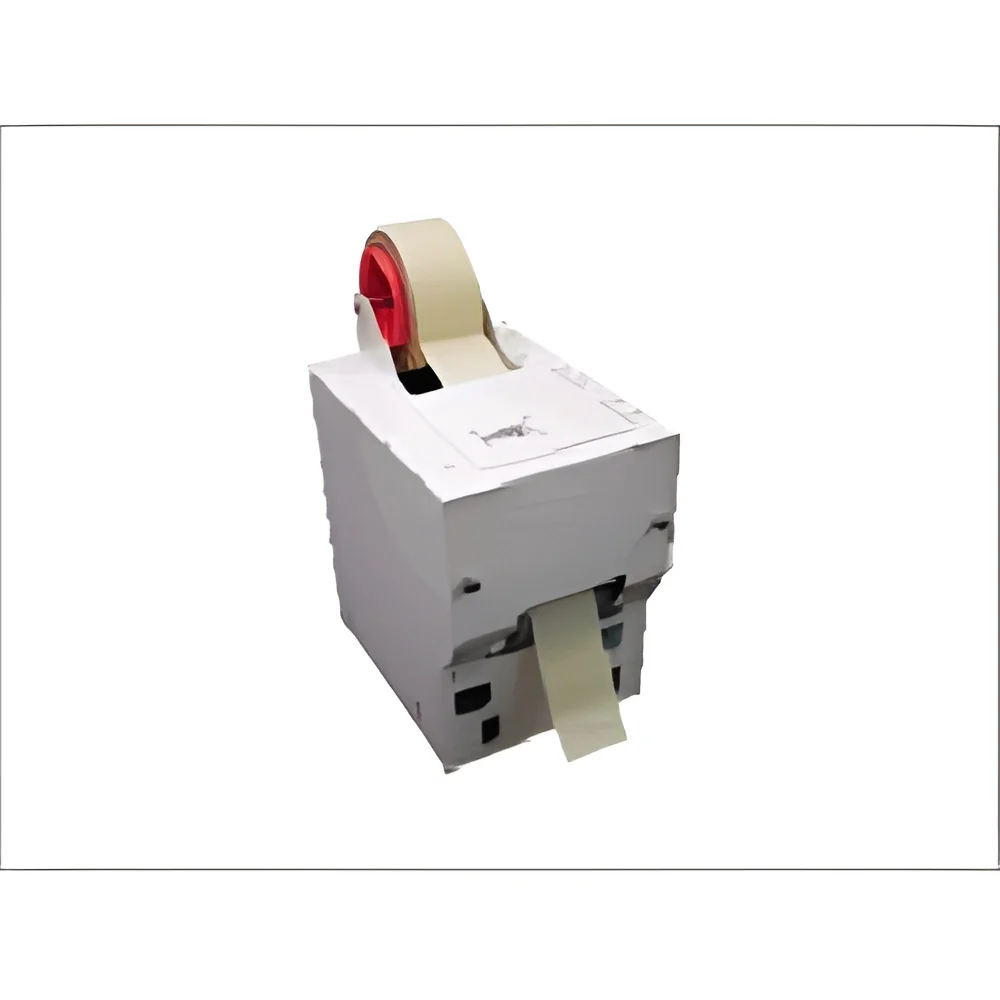
Labeling Machines: These machines apply labels to products and packaging, ensuring compliance with regulatory requirements and enhancing brand visibility.
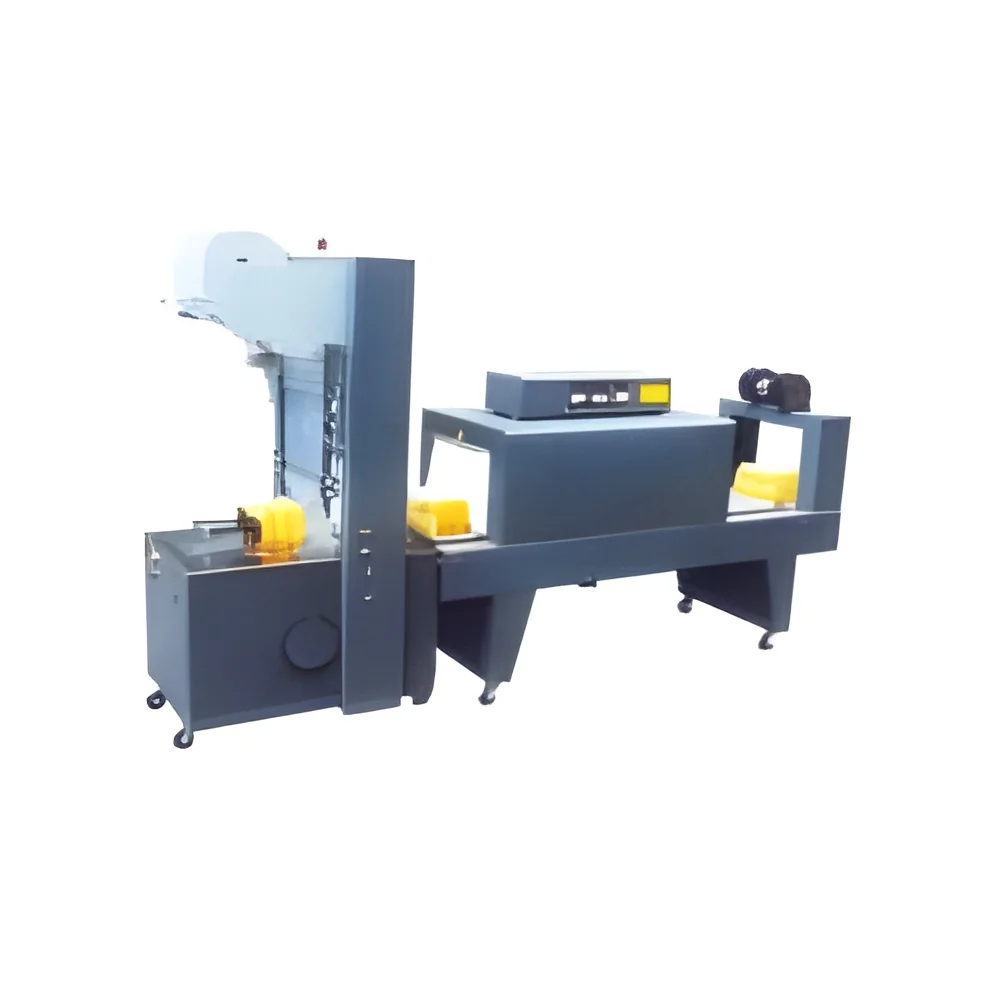
Shrink Wrappers: Used to apply a tight plastic film around products, providing protection and tamper evidence, commonly used in food and beverage sectors.
Stretch Wrappers: These are utilized for palletizing products, wrapping them in stretch film to secure items during transportation.
𝗕𝗲𝗻𝗲𝗳𝗶𝘁𝘀 𝗮𝗻𝗱 𝗔𝗱𝘃𝗮𝗻𝘁𝗮𝗴𝗲𝘀
Investing in Other Packaging Machinery provides numerous benefits for businesses looking to enhance their packaging processes.
1. Increased Efficiency: Automating packaging tasks can significantly reduce labor costs and improve production speed.
2. Enhanced Product Protection: Proper packaging machinery ensures products are securely packaged, reducing damage during transport.
3. Consistent Quality: Automated systems provide uniformity in packaging, which is crucial for brand reputation and customer satisfaction.
4. Versatility: Many machines can handle different types of products and packaging formats, allowing businesses to adapt to changing market demands.
5. Compliance Support: Equipped machinery helps ensure adherence to industry standards and regulations, minimizing legal risks.
6. Improved Aesthetics: Advanced machinery can enhance the visual appeal of products, positively impacting customer perception and sales.
𝗕𝘂𝘆𝗶𝗻𝗴 𝗚𝘂𝗶𝗱𝗲 𝗳𝗼𝗿 𝗕𝟮𝗕 𝗕𝘂𝘆𝗲𝗿𝘀
When sourcing Other Packaging Machinery, businesses should consider several critical factors to ensure they choose the right equipment.
1. Quality Assessment: Evaluate the machinery's build quality, durability, and reliability. Look for machines that meet industry standards and have positive reviews from previous buyers.
2. Supplier Verification: Conduct thorough research on potential suppliers. Check certifications, customer testimonials, and service history to ensure they are reputable and capable of providing support.
3. Pricing and MOQ: Understand the pricing structure of the machinery and the minimum order quantities required. This will help in budgeting and financial planning.
4. Delivery and Lead Times: Consider the logistics involved in shipping and installation. Ensure the supplier can meet your timelines to avoid disruptions in production.
5. Compliance Requirements: Familiarize yourself with any regulatory requirements specific to your industry, ensuring that the machinery complies with these standards.
𝗖𝗼𝗺𝗽𝗹𝗶𝗮𝗻𝗰𝗲 𝗮𝗻𝗱 𝗖𝗲𝗿𝘁𝗶𝗳𝗶𝗰𝗮𝘁𝗶𝗼𝗻𝘀
Compliance with industry standards is crucial for Other Packaging Machinery to ensure safety and quality in operations. Relevant quality standards like ISO 9001 focus on consistent quality management practices. Compliance with HACCP (Hazard Analysis Critical Control Point) is particularly important in food packaging, ensuring that food safety risks are managed effectively.
Additionally, obtaining industry certifications such as CE signifies that the machinery meets European safety and environmental requirements. Safety and testing requirements vary by industry but generally include performance testing, safety assessments, and adherence to operational guidelines.
Regional compliance considerations may also affect machinery selection, particularly for businesses operating in multiple countries. Understanding the specific regulations in each region is essential for legal compliance and product acceptance in the market.
𝗪𝗵𝘆 𝗦𝗼𝘂𝗿𝗰𝗲 𝗢𝘁𝗵𝗲𝗿 𝗣𝗮𝗰𝗸𝗮𝗴𝗶𝗻𝗴 𝗠𝗮𝗰𝗵𝗶𝗻𝗲𝗿𝘆 𝗳𝗿𝗼𝗺 𝗣𝗲𝗽𝗮𝗴𝗼𝗿𝗮?
Pepagora provides a trusted platform for sourcing Other Packaging Machinery, emphasizing several key advantages for businesses.
Verified Supplier Network: The platform connects buyers with a network of verified suppliers, ensuring that the machinery sourced meets high standards of quality and reliability. This verification process helps businesses make informed decisions.
Streamlined RFQ Process: Pepagora offers a seamless request for quotation (RFQ) process, allowing buyers to receive competitive quotes from multiple suppliers efficiently. This simplifies the procurement process and saves time.
Trade Assurance and Support: The platform provides buyer protection through trade assurance, ensuring that transactions are secure. This support extends to customer service, helping buyers navigate any challenges they may encounter.
Regional Coverage: With a strong presence in India, the GCC, and Southeast Asia, Pepagora offers extensive geographic reach. This allows businesses to access a wide variety of suppliers and machinery options tailored to their regional needs.

 IN
IN