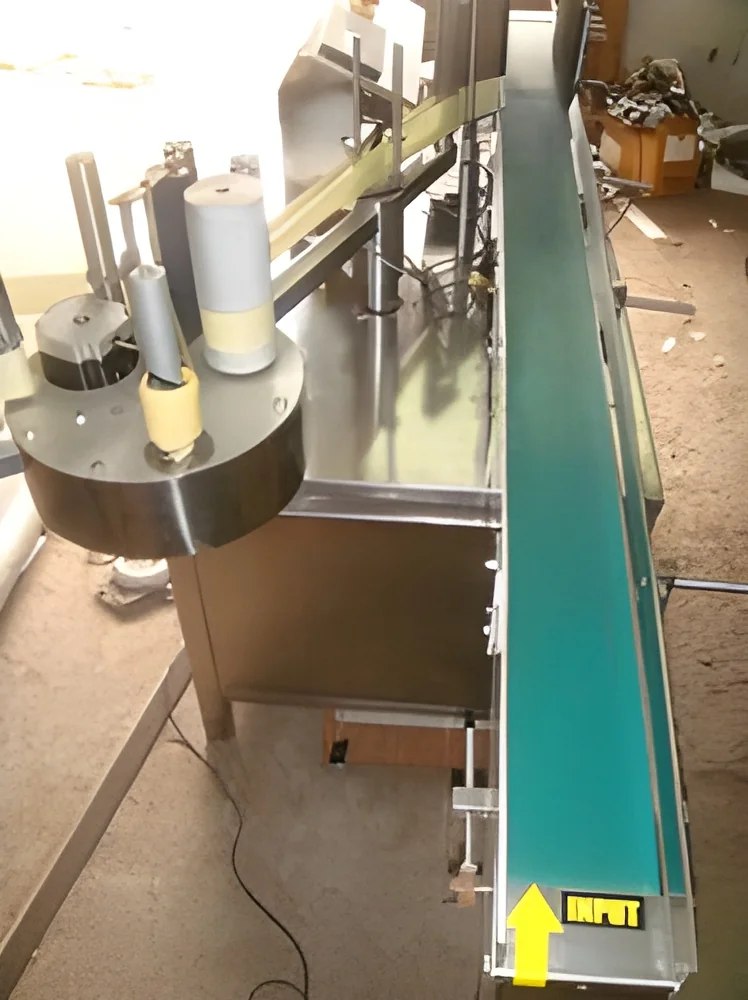
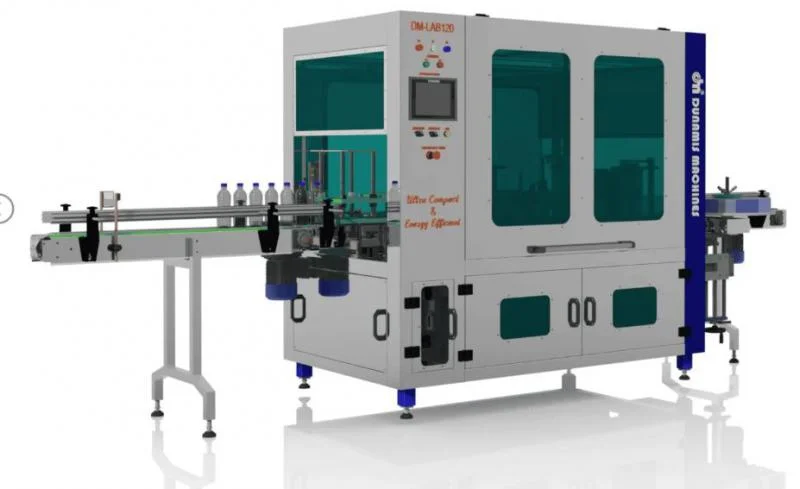
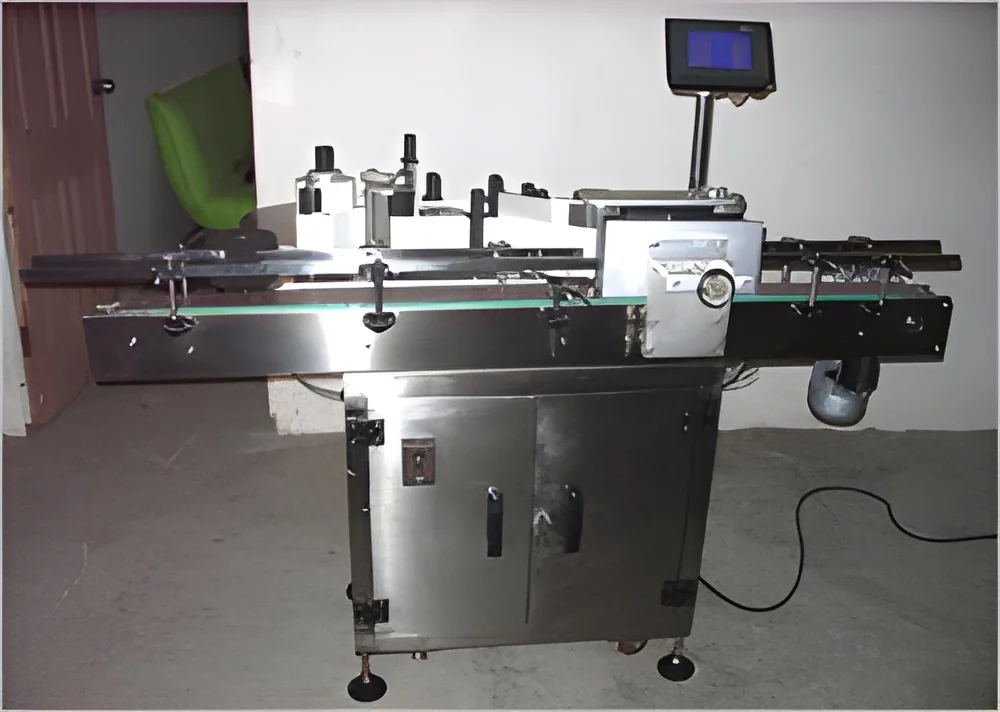
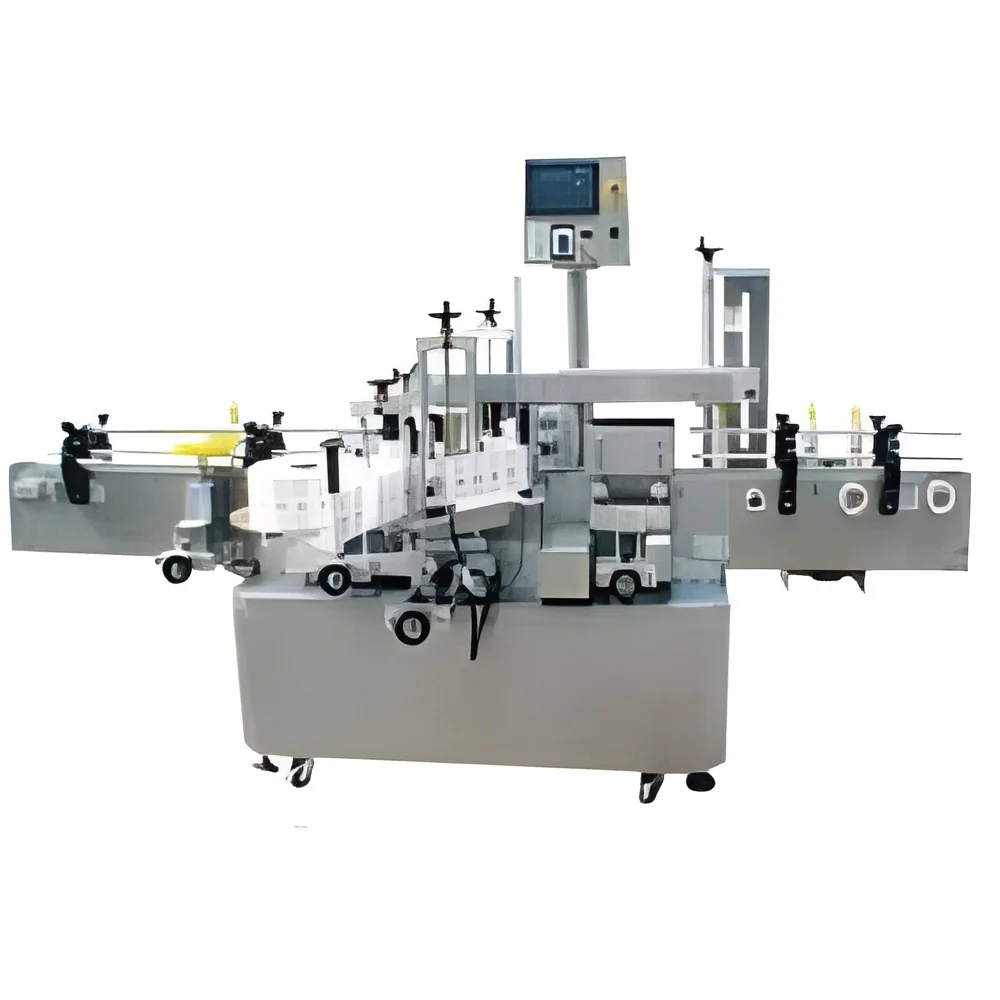
What are Bottle Labelers?
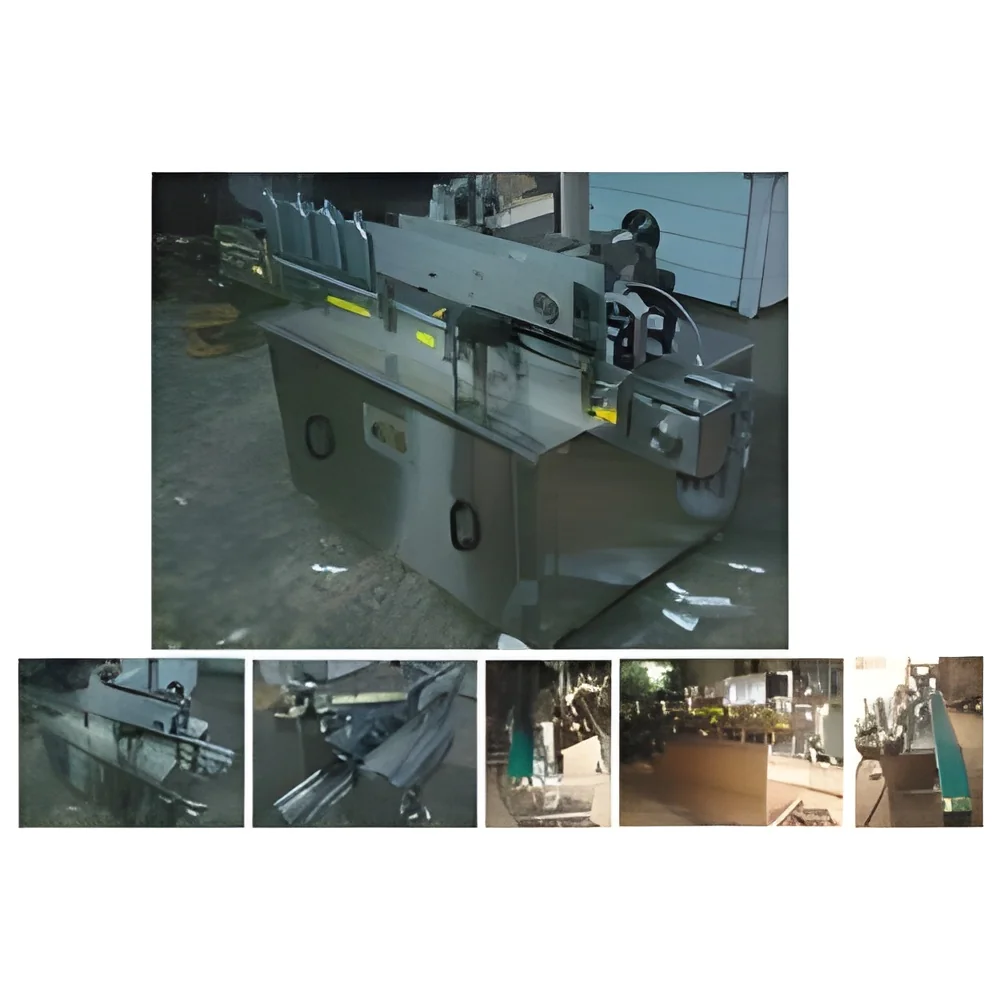
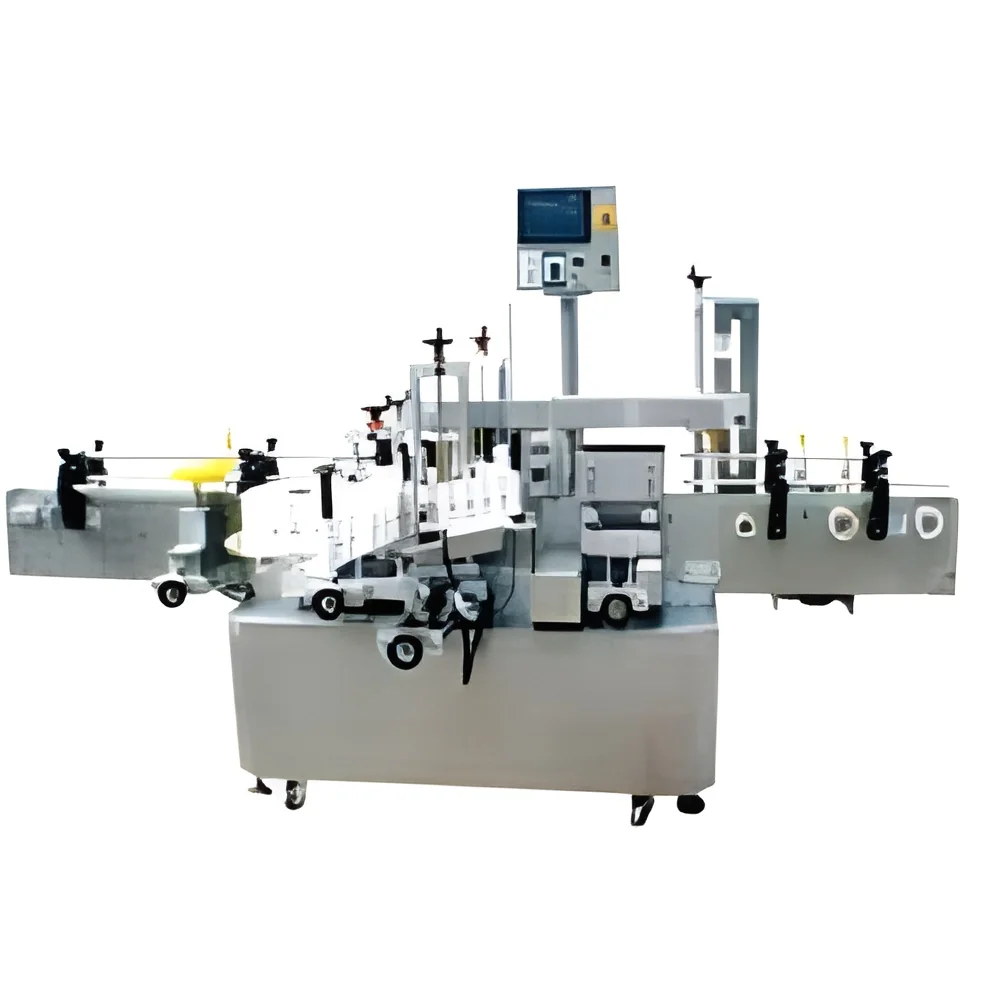
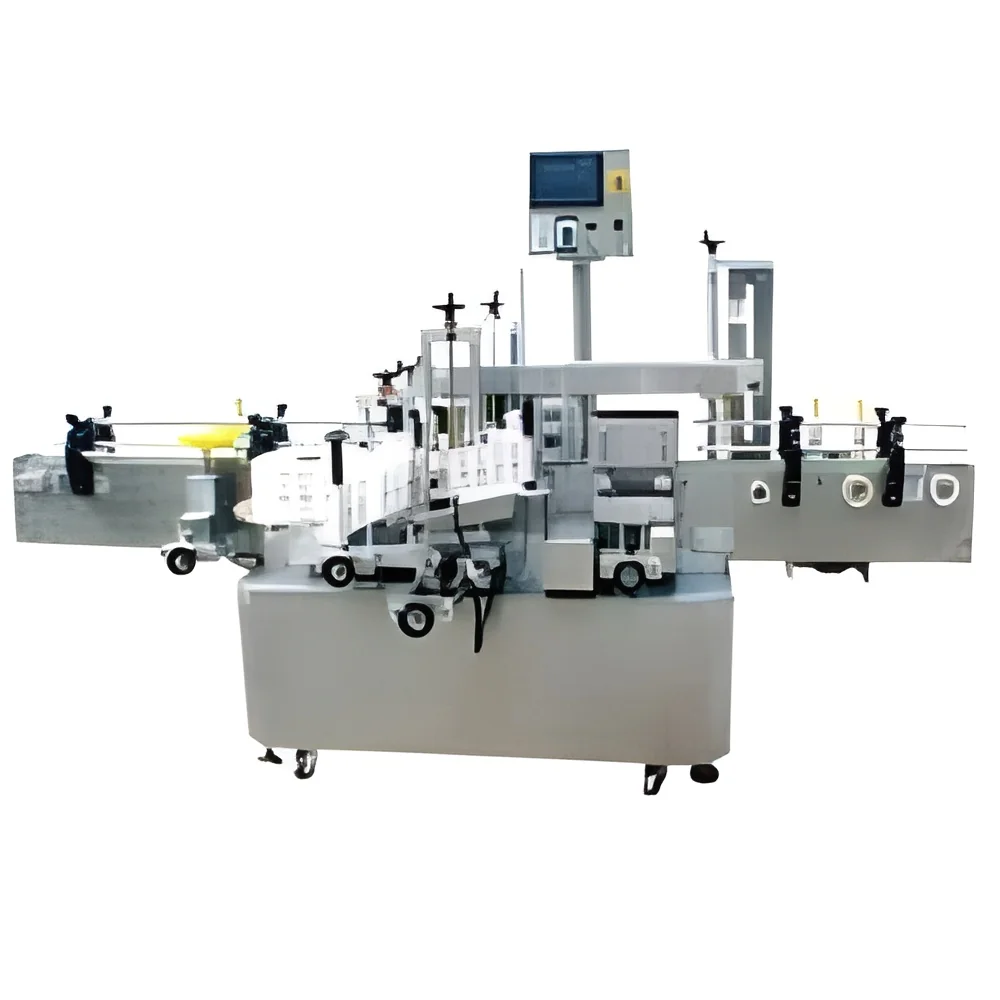
Bottle labelers are specialized machines designed to apply labels onto bottles in a precise and efficient manner. These machines can handle various types of bottles, including glass, plastic, and metal, and they can apply labels of different shapes and sizes. Bottle labelers are crucial in ensuring that products are properly branded, providing essential information to consumers, and complying with industry regulations.
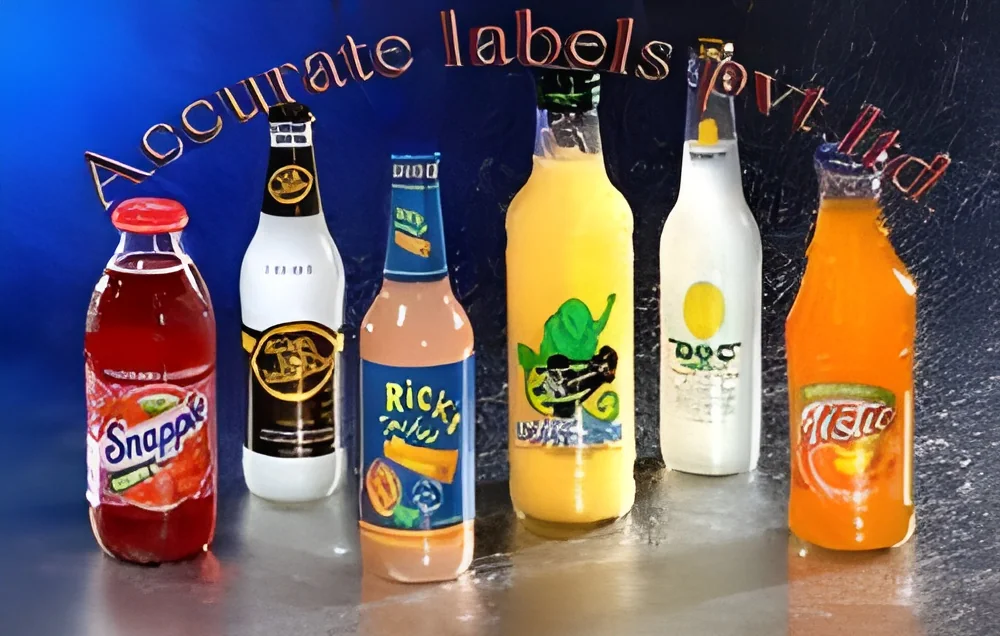
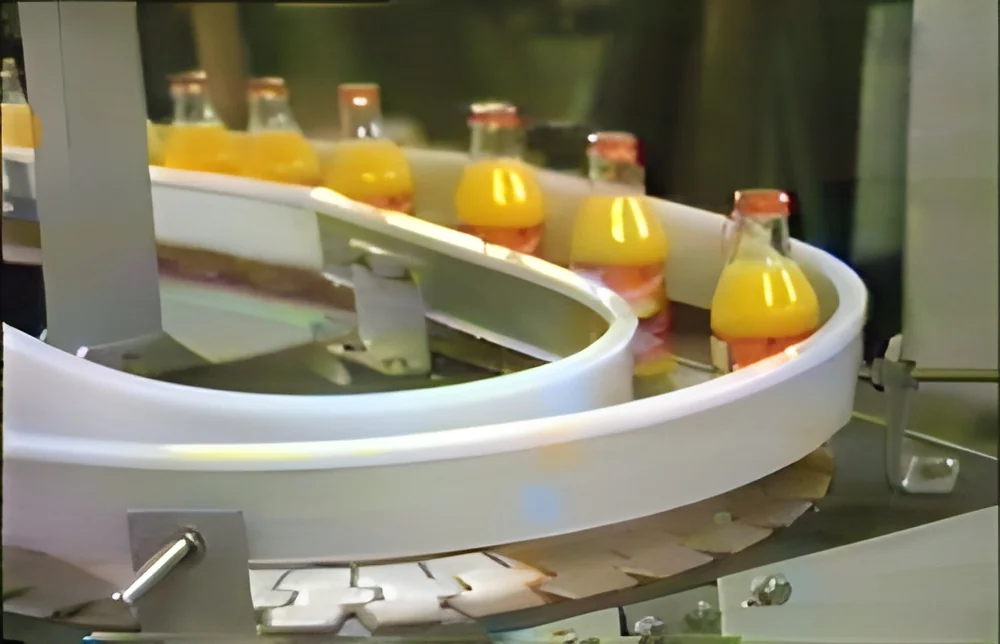
The primary applications of bottle labelers span multiple industries, including food and beverage, pharmaceuticals, cosmetics, and chemicals. In the food and beverage industry, for instance, these machines help in labeling products such as juices, sauces, and spirits, ensuring that all necessary information, including ingredients and expiration dates, is clearly presented. The significance of bottle labelers in today's market cannot be overstated, as they contribute to branding, marketing, and regulatory compliance across various sectors.
Key Features and Specifications
Bottle labelers come equipped with several key features that enhance their functionality and efficiency. Understanding these specifications is important for businesses looking to invest in this equipment.
Key specifications include:
1. Label Application Speed
- Determines how quickly labels can be applied to bottles.
- Typical ranges can vary from 30 to 300 bottles per minute.
2. Label Size Compatibility
- Indicates the range of label sizes that can be processed.
- Common sizes may range from 1 inch to 8 inches in width.
3. Bottle Size Compatibility
- Refers to the types of bottle dimensions the machine can accommodate.
- Machines can often handle bottles from 30 ml to 5 liters.
4. Adhesive Type
- Specifies the type of adhesive used for label application.
- Options may include pressure-sensitive, cold glue, or heat-sensitive adhesives.
5. Control System
- Describes the technology used for controlling the labeler.
- Options may include manual, semi-automatic, or fully automatic systems.
6. Power Requirements
- Lists the electrical specifications needed to operate the machine.
- Common requirements may be 220V, 50Hz.
7. Machine Dimensions
- Provides the overall size of the equipment.
- Typical dimensions might range from 1 meter to 3 meters in length.
8. Weight
- Indicates the overall weight of the labeler.
- Machines can weigh anywhere from 100 kg to over 1000 kg.
In summary, the specifications of bottle labelers vary widely based on application needs. Businesses should prioritize these features based on their production requirements.
Common Applications and Use Cases
Bottle labelers are utilized across many industries, demonstrating their versatility and importance.
1. Food and Beverage: These machines are essential for labeling products such as soft drinks, sauces, and bottled water, ensuring compliance with nutritional and legal labeling requirements.
2. Pharmaceuticals: In this industry, bottle labelers are critical for applying labels on medication bottles, which must include dosage instructions and safety information.
3. Cosmetics: Labelers are used for applying labels on beauty products, ensuring that branding information and ingredient lists are clearly displayed.
4. Chemicals: For chemical products, bottle labelers help in affixing labels that comply with safety regulations and provide necessary hazard information.
5. Household Products: These machines are also used for labeling cleaning products and other household items, emphasizing safety and usage instructions.
6. Beverage Alcohol: In the alcoholic beverage sector, bottle labelers play a key role in labeling beer, wine, and spirits, focusing on branding and regulatory compliance.
7. Nutraceuticals: These products often require precise labeling for dietary supplements, making bottle labelers essential in this field.
Product Variants and Subcategories
Bottle labelers come in various designs tailored to meet specific business needs.
Semi-Automatic Labelers: These machines require minimal operator intervention, making them ideal for small to medium-sized production lines. They provide a balance of efficiency and cost-effectiveness.
Fully Automatic Labelers: Designed for high-volume production, these machines can handle large quantities of bottles with minimal manual input. They are suitable for industries with high throughput requirements.
Manual Labelers: These are more basic machines operated by hand. They are best for low-volume operations or businesses just starting out.
Benefits and Advantages
Investing in bottle labelers offers numerous advantages for businesses looking to enhance their packaging processes.
1. Increased Efficiency: Bottle labelers significantly speed up the labeling process, reducing time and labor costs.
2. Improved Accuracy: These machines ensure labels are applied consistently and accurately, minimizing errors that can occur with manual labeling.
3. Enhanced Branding: Proper labeling helps in branding and marketing efforts, ensuring products stand out on shelves.
4. Compliance Assurance: Bottle labelers help ensure that products meet legal labeling requirements, reducing the risk of non-compliance penalties.
5. Versatility: They can handle a variety of bottle shapes and sizes, making them suitable for diverse products.
6. Cost-Effectiveness: Automating the labeling process can lead to long-term savings by reducing labor costs and waste.
Buying Guide for B2B Buyers
When sourcing bottle labelers, businesses should consider several important factors to make an informed decision.
1. Quality Assessment: Evaluate the build quality and durability of the machines. Look for established manufacturers with a history of reliability.
2. Supplier Verification: Vet suppliers thoroughly by checking references and reviewing past customer experiences to ensure they have a good reputation.
3. Pricing and MOQ: Understand the pricing structure and minimum order quantities (MOQ) to ensure it aligns with your budget and production needs.
4. Delivery and Lead Times: Inquire about delivery schedules and lead times to avoid delays in production.
5. Compliance Requirements: Ensure that the machines meet industry standards and regulations relevant to your specific sector to avoid compliance issues.
Compliance and Certifications
Bottle labelers must adhere to various compliance standards that ensure quality and safety in manufacturing.
Quality standards such as ISO 9001 focus on maintaining effective quality management systems, which are crucial for manufacturers of bottle labeling equipment.
Certifications like CE demonstrate that the machines meet European safety and environmental protection standards, ensuring they are safe for use.
Safety and testing requirements also play a critical role in the manufacturing of bottle labelers. Regular testing ensures that machines perform reliably under different operational conditions.
Additionally, businesses must consider regional compliance requirements, which may vary by location. Understanding these regulations is essential for businesses operating in multiple regions.
Why Source Bottle Labelers from Pepagora?
Pepagora offers a trusted platform for sourcing bottle labelers, providing numerous advantages for businesses.
Verified Supplier Network: Pepagora's network consists of verified suppliers who have undergone rigorous checks to ensure quality and reliability. This reduces the risk of partnering with untrustworthy manufacturers.
Streamlined RFQ Process: The request for quotation (RFQ) process on Pepagora is designed for efficiency. Businesses can easily submit their requirements and receive competitive quotes from multiple suppliers.
Trade Assurance and Support: Pepagora provides trade assurance and support for buyers, offering protection for transactions and ensuring peace of mind when making purchases.
Regional Coverage: With a geographic reach that includes India, the GCC, and Southeast Asia, Pepagora connects businesses with local suppliers, facilitating smoother transactions and logistics.
By choosing Pepagora, businesses can enhance their sourcing experience for bottle labelers, ensuring they find the right equipment to meet their production needs.

 IN
IN