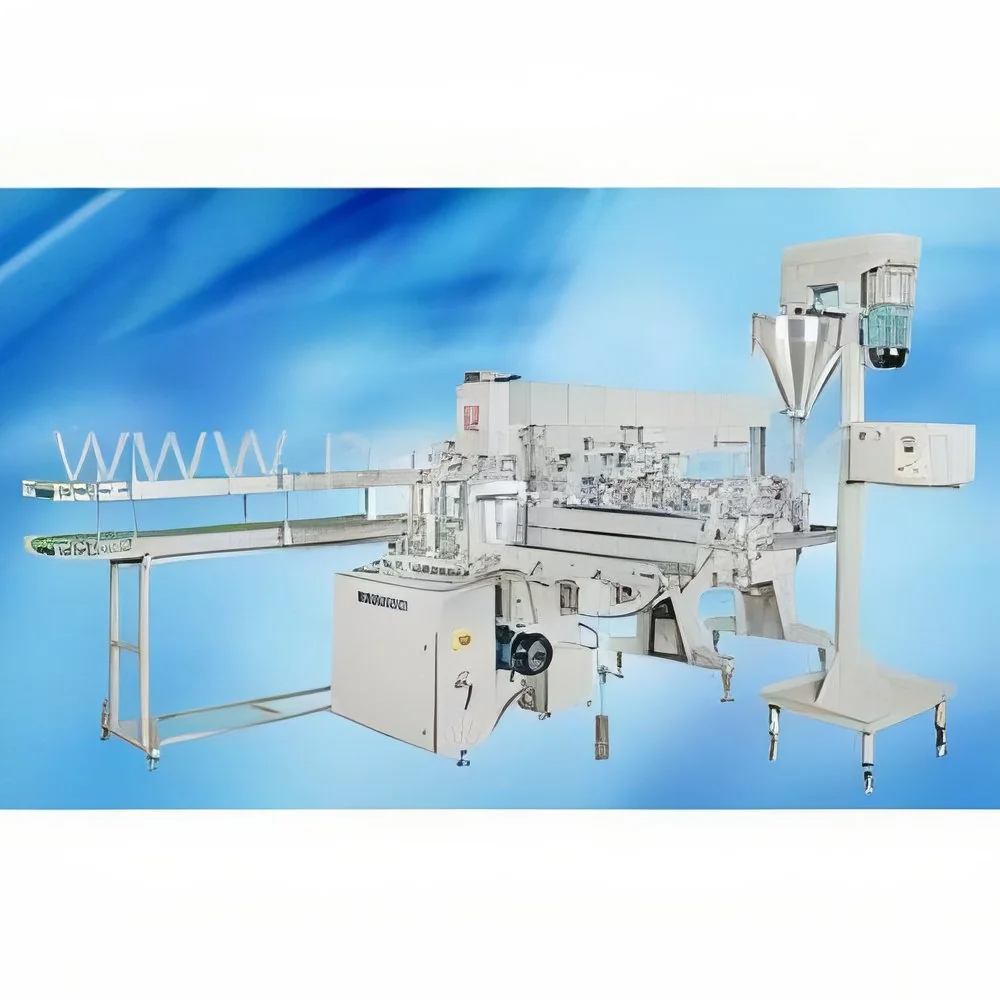
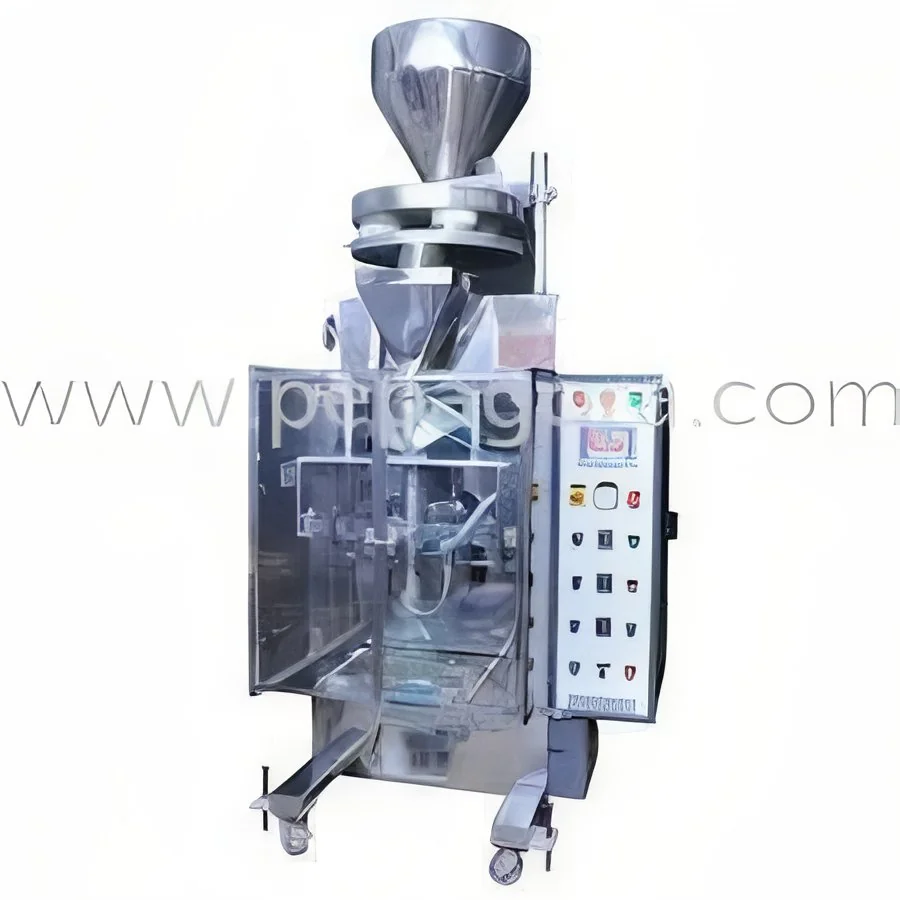
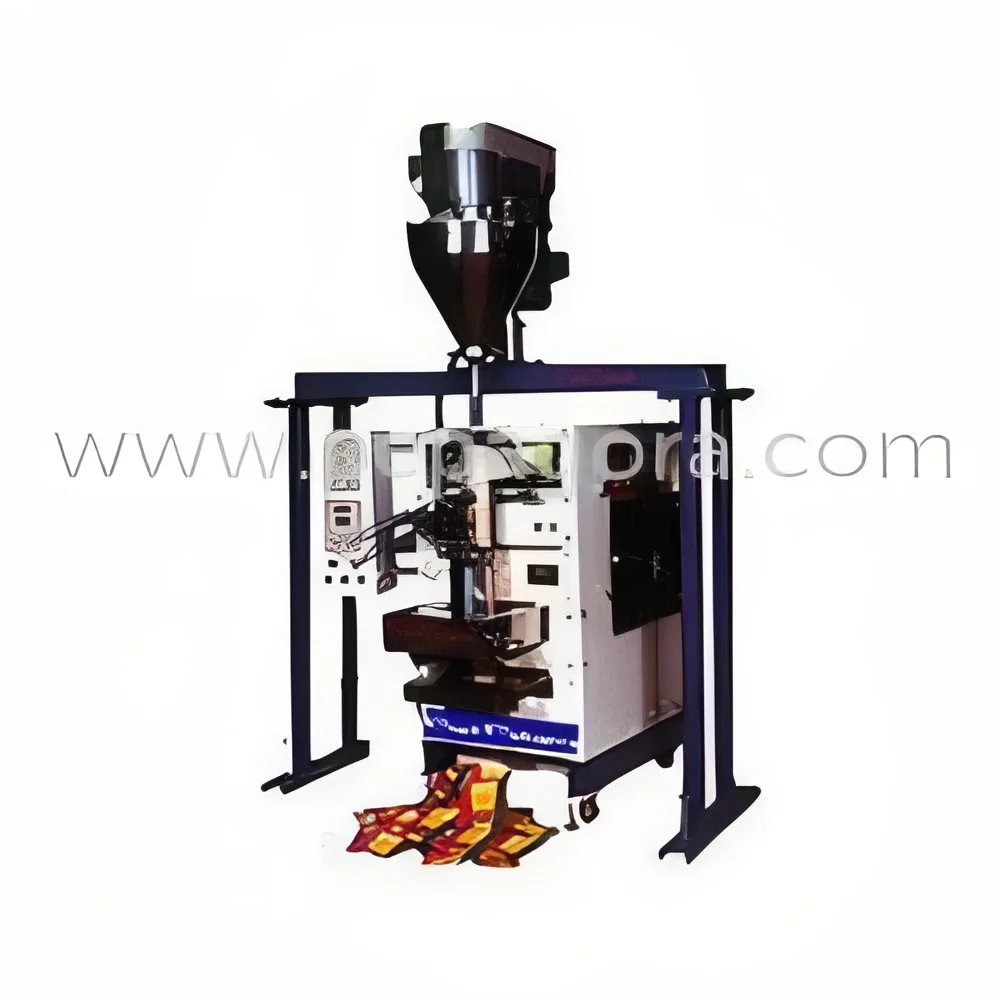
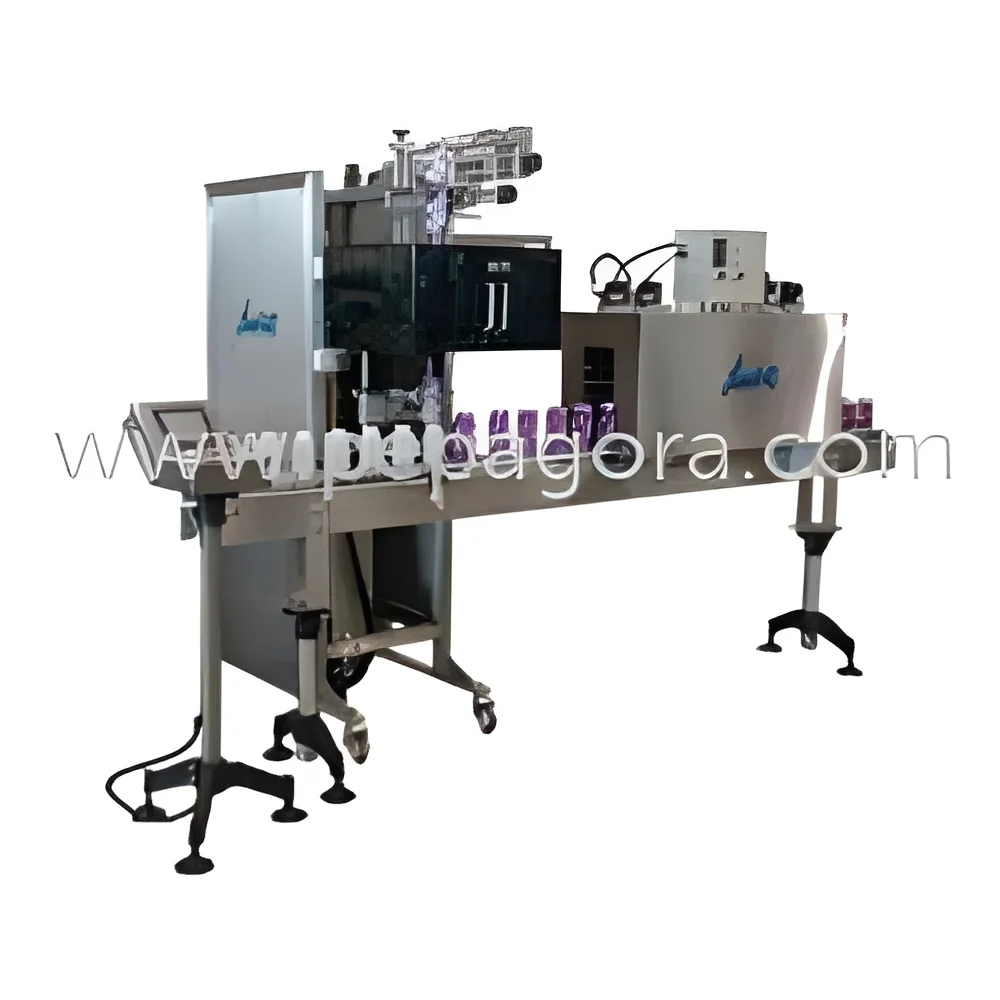
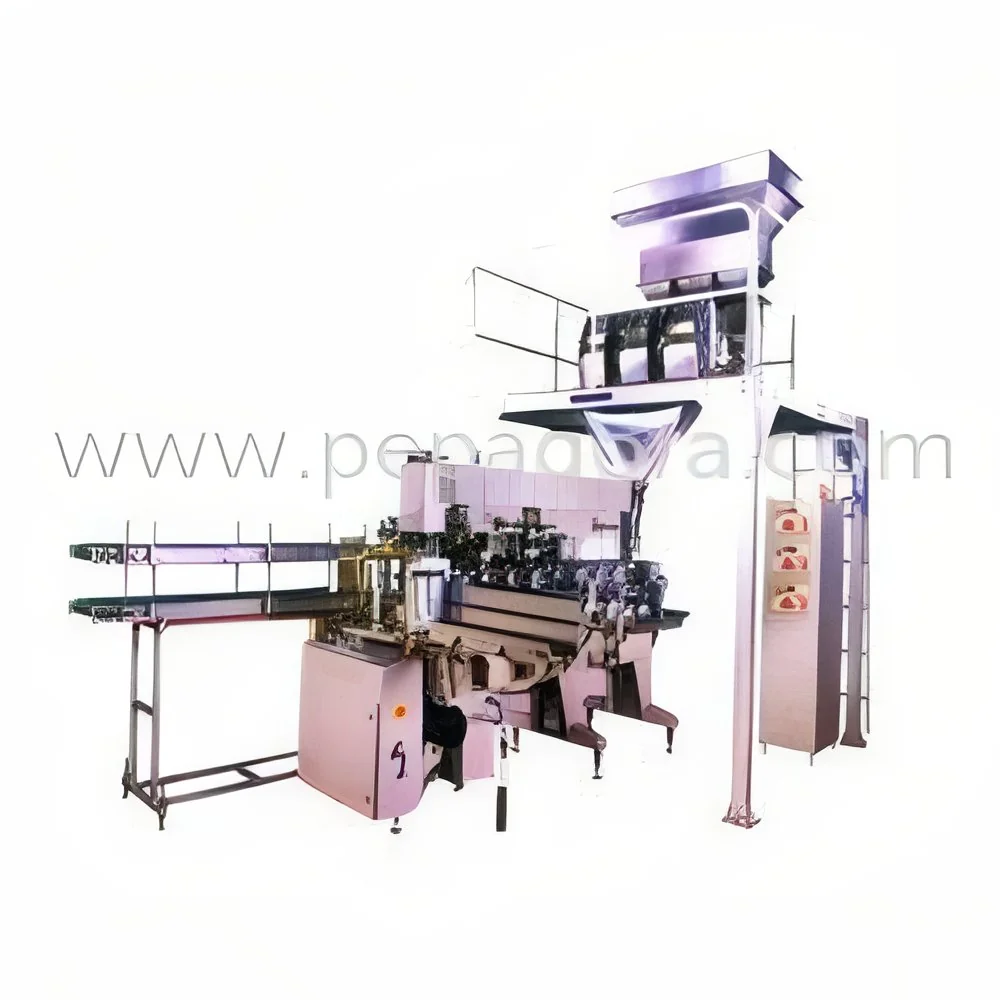
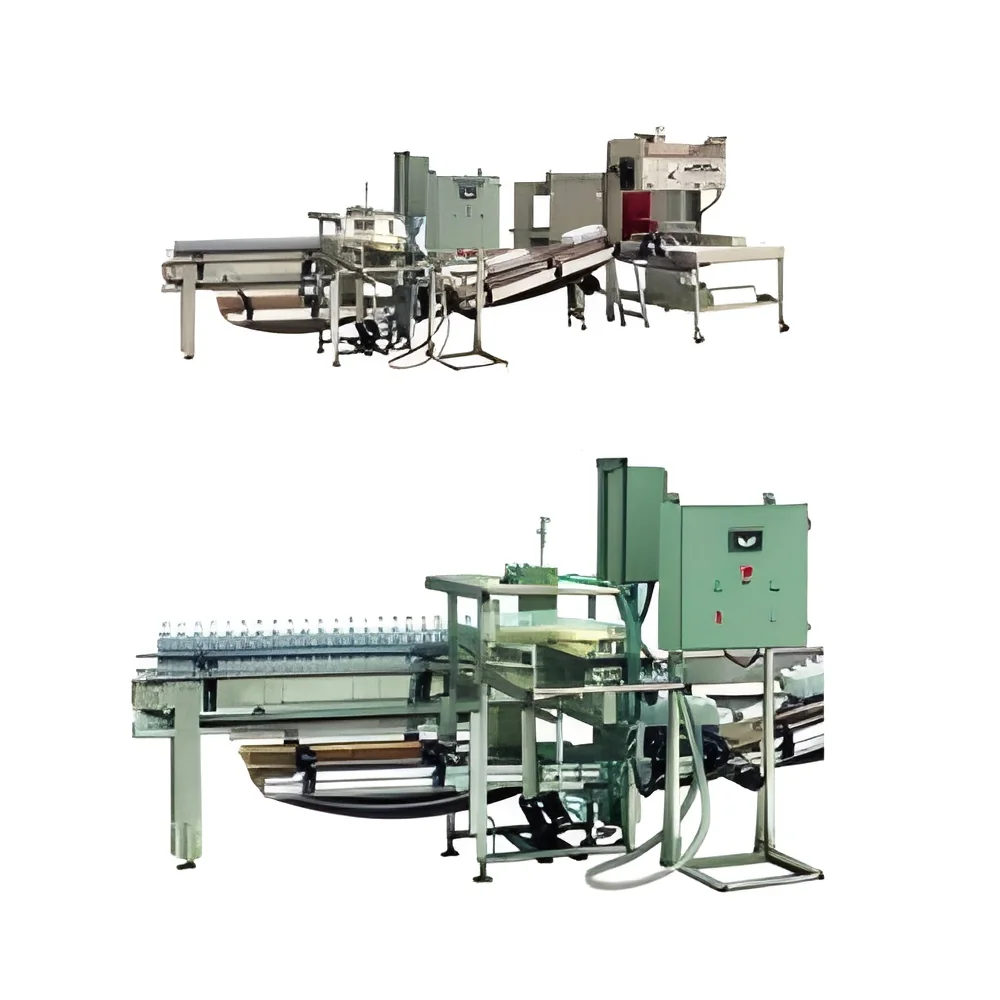
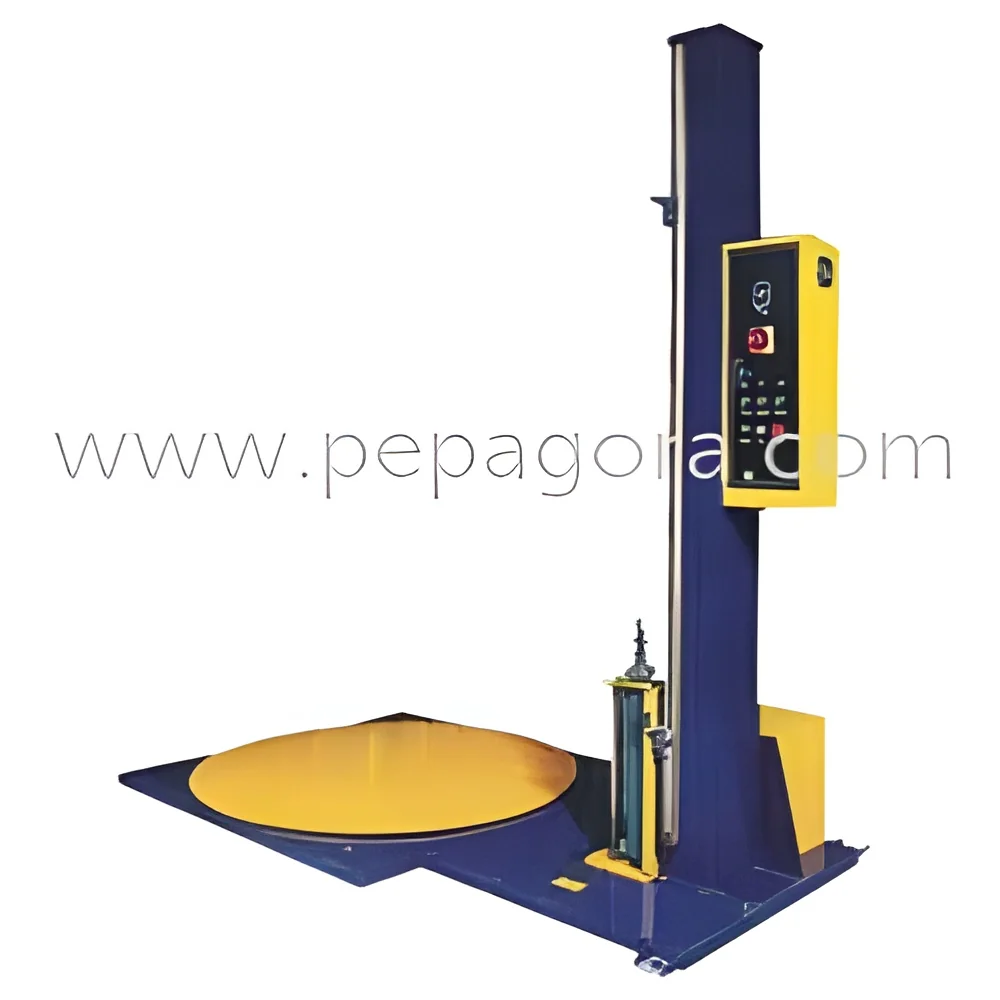
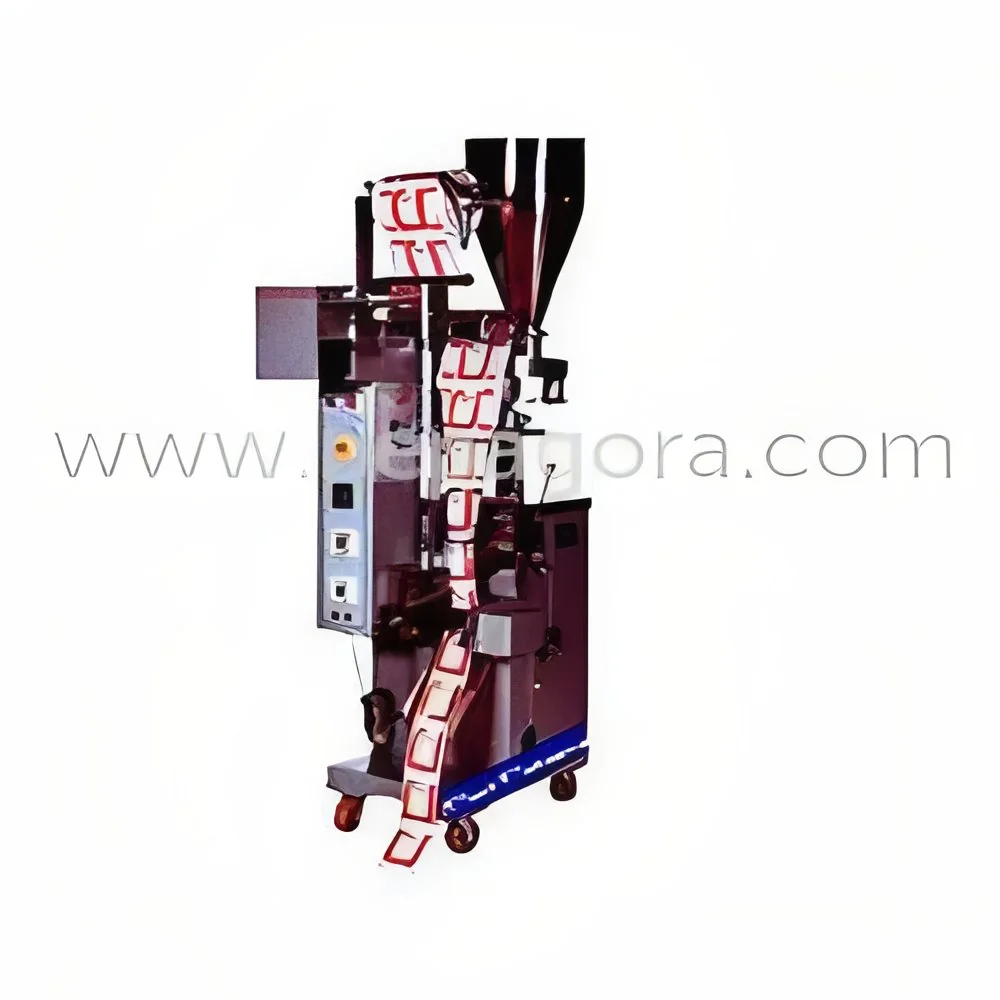
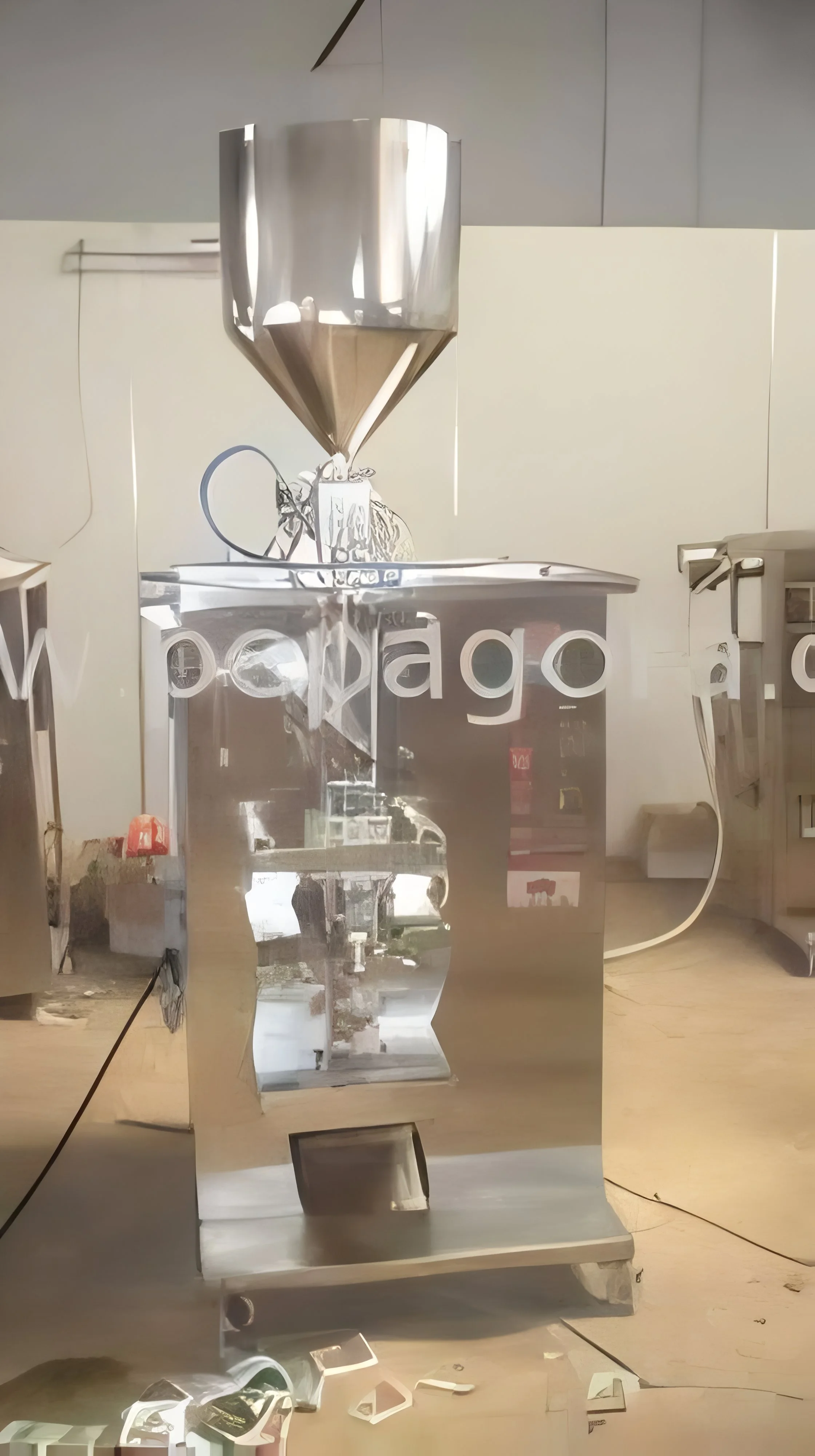
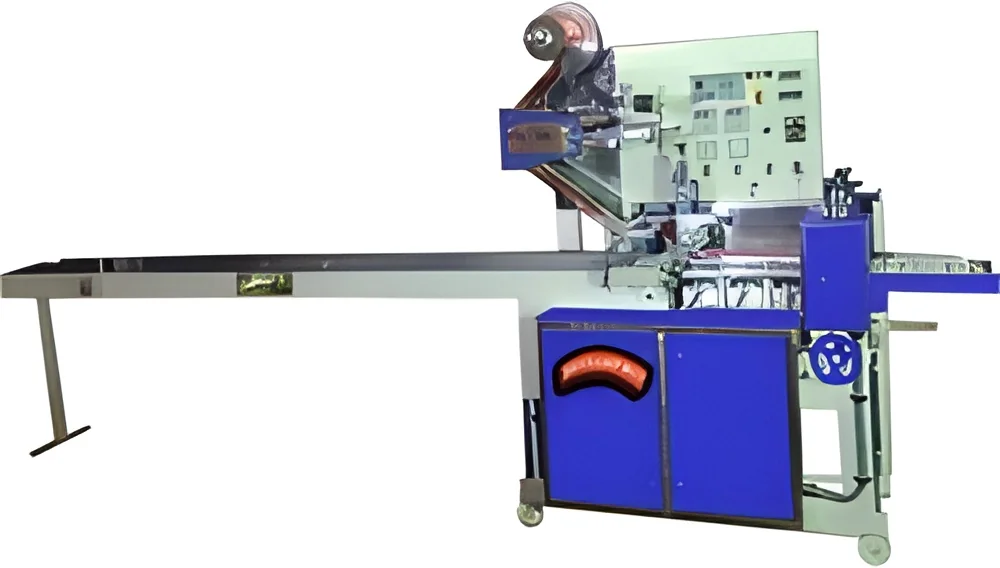
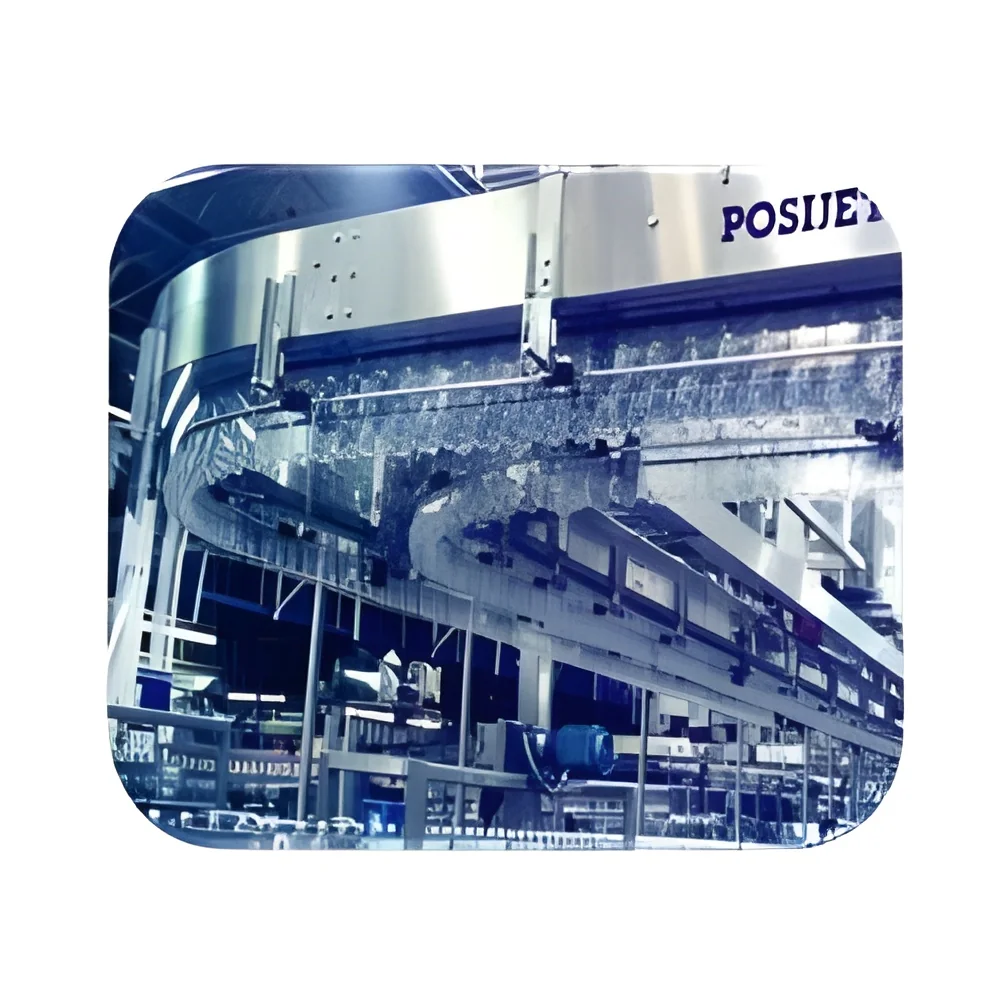
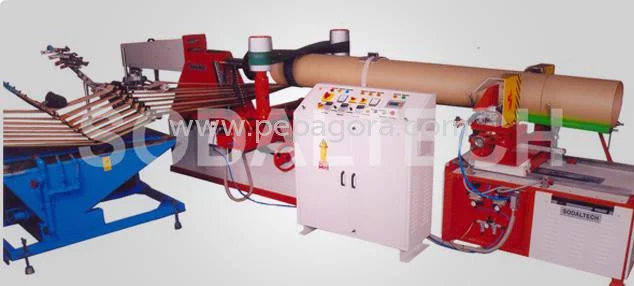
What are Packaging Line?
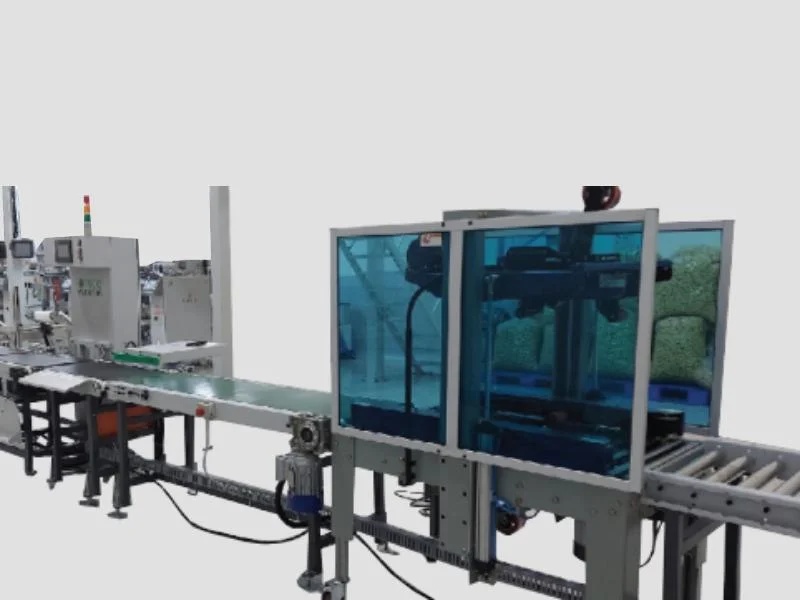
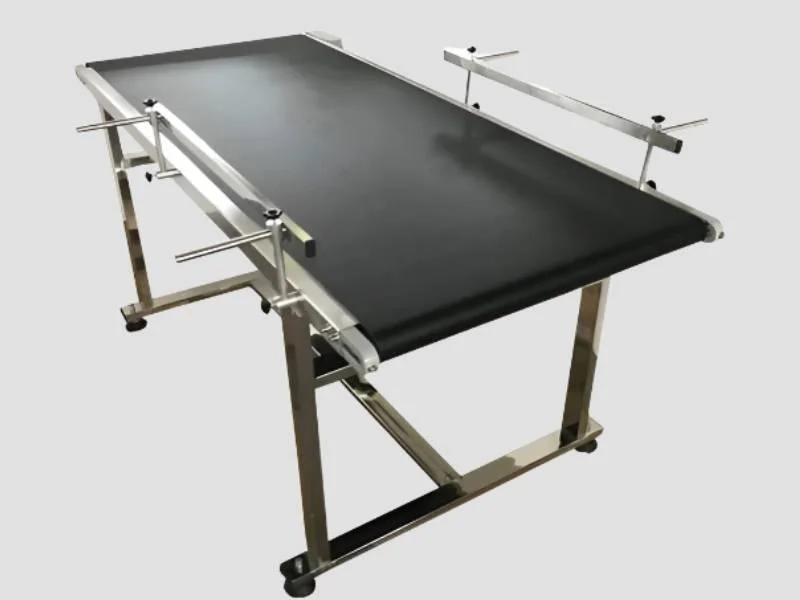
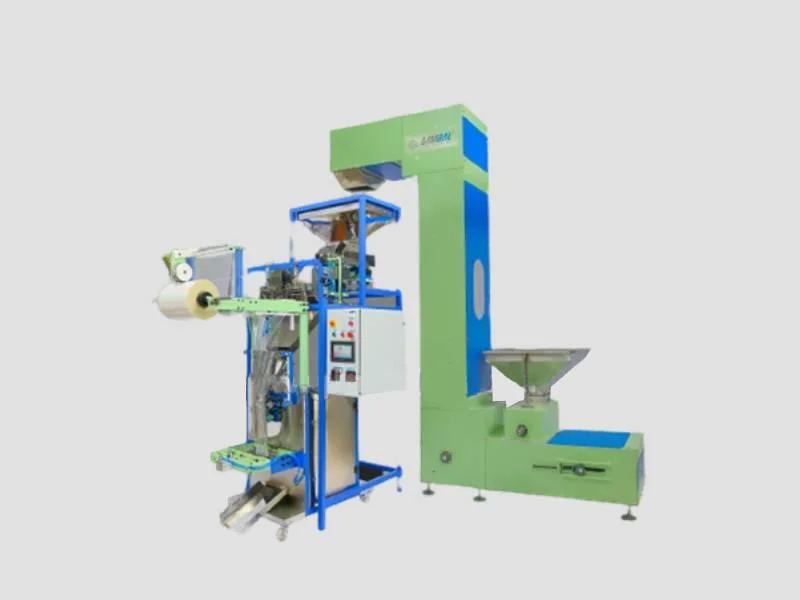
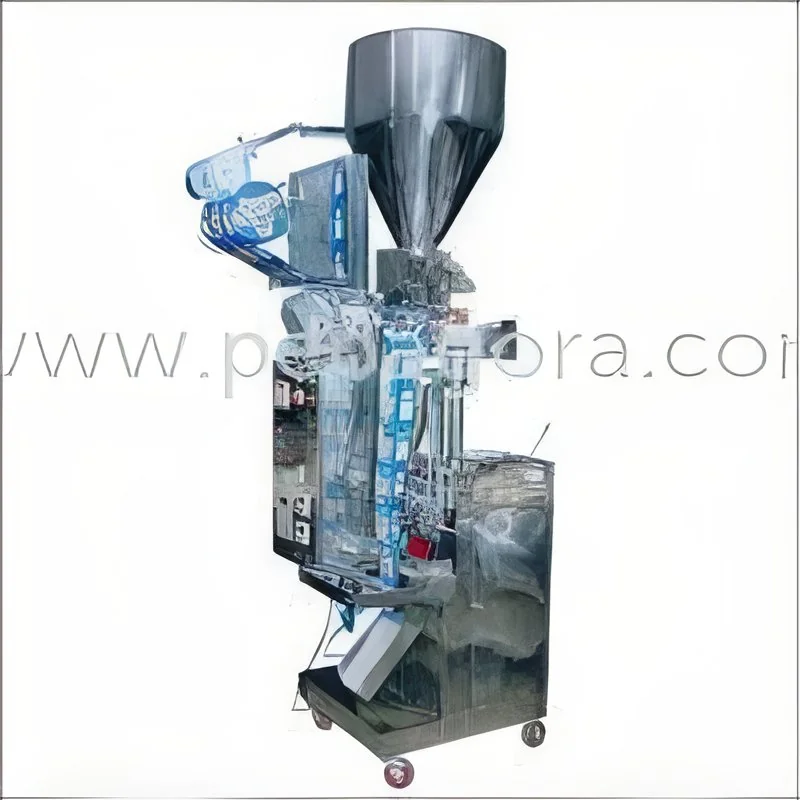
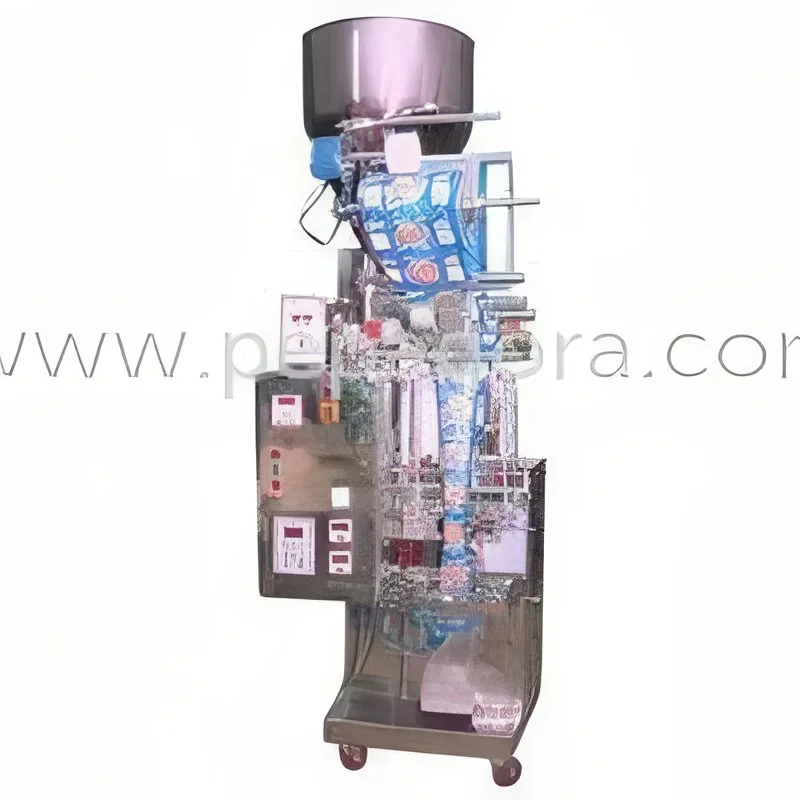
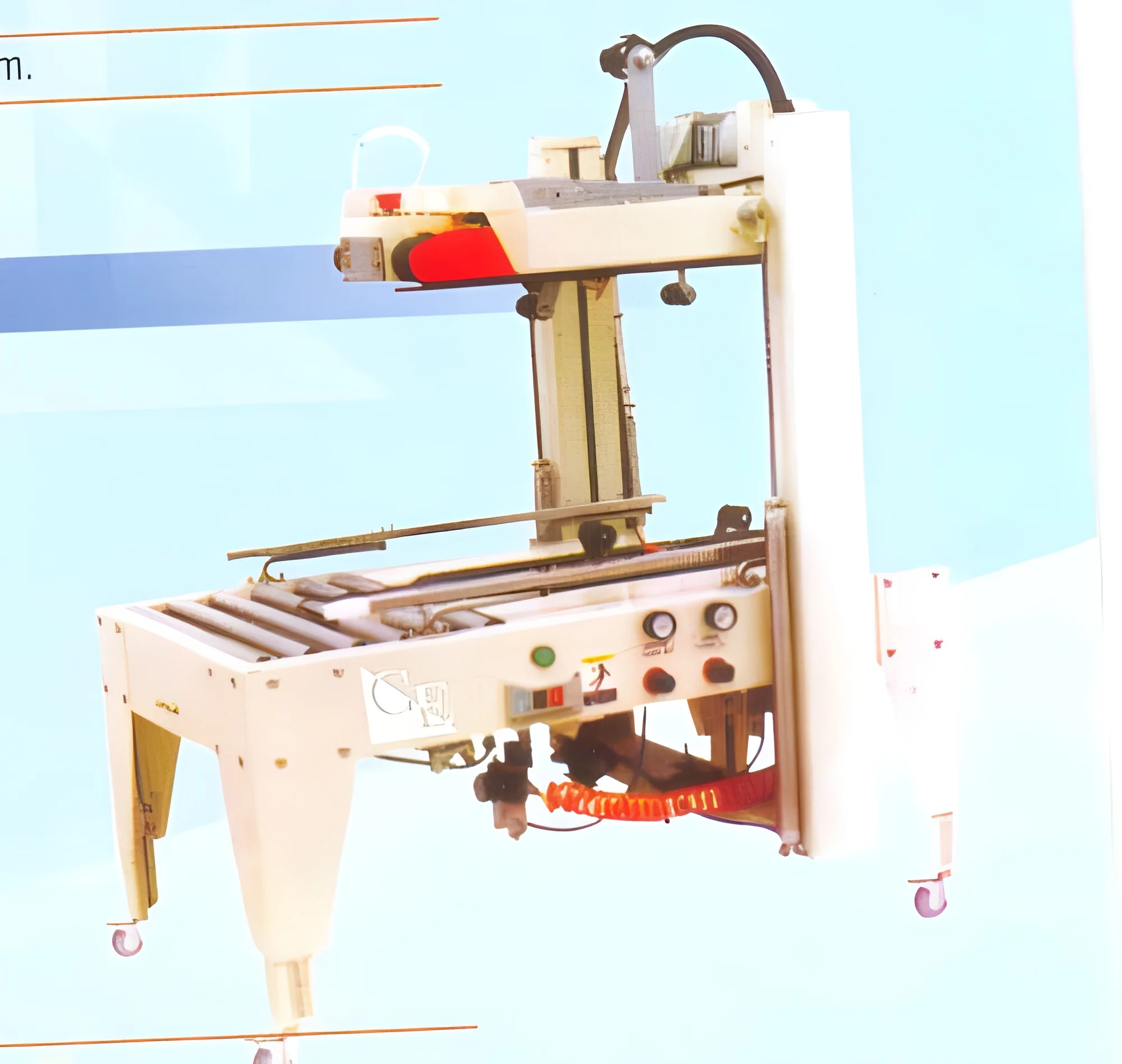
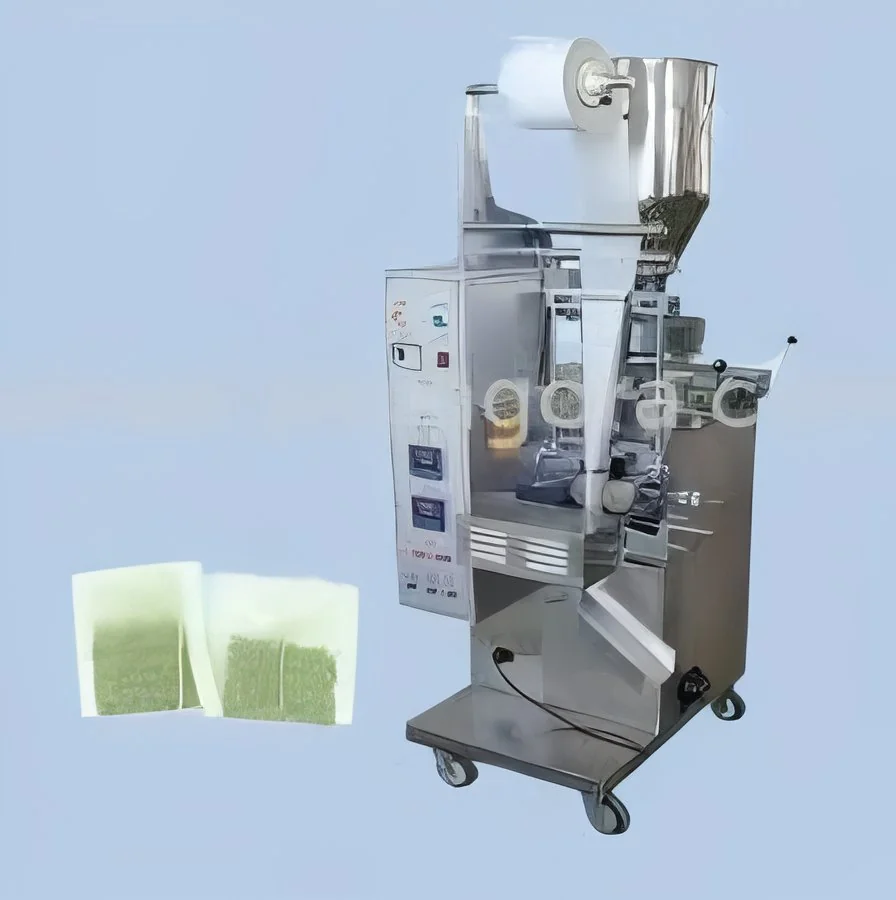
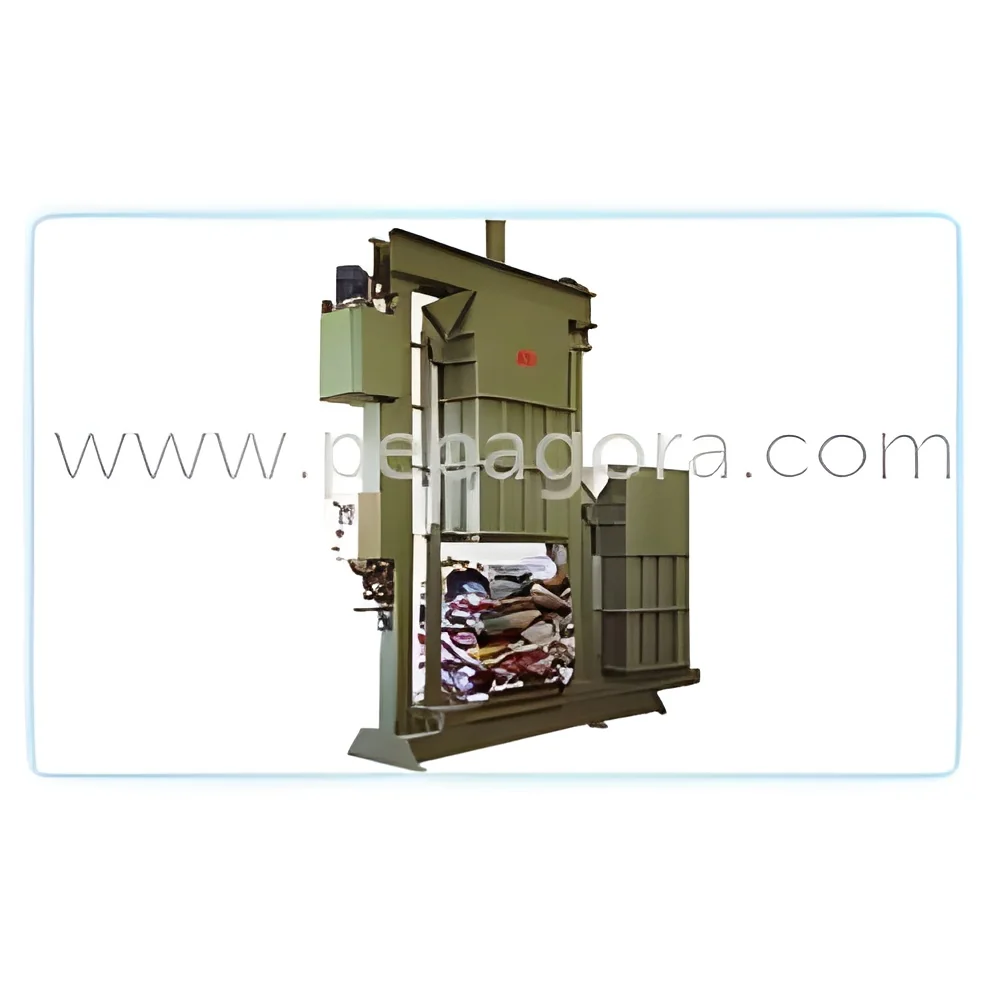
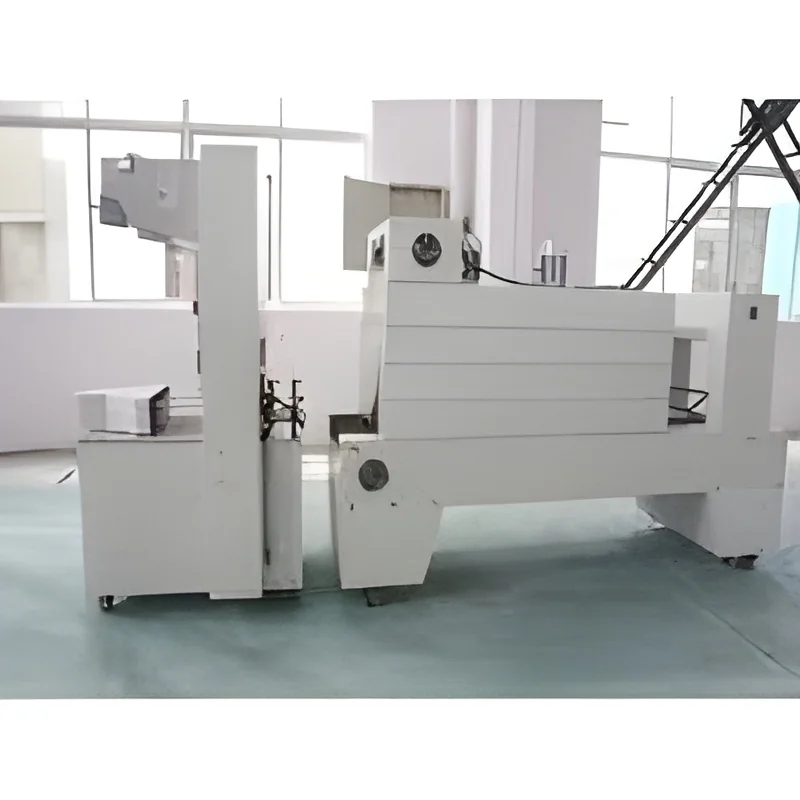
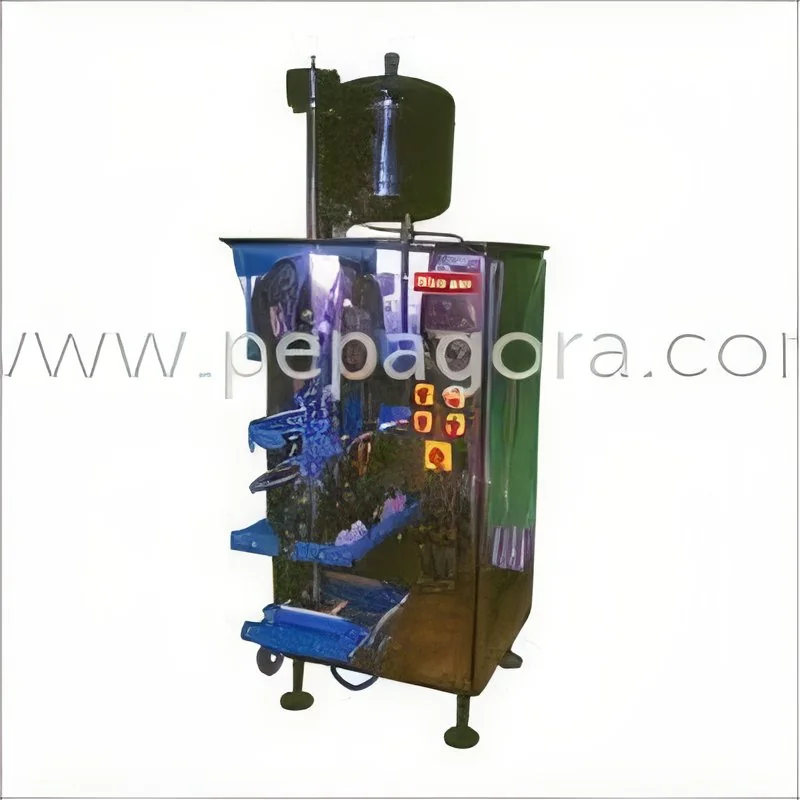
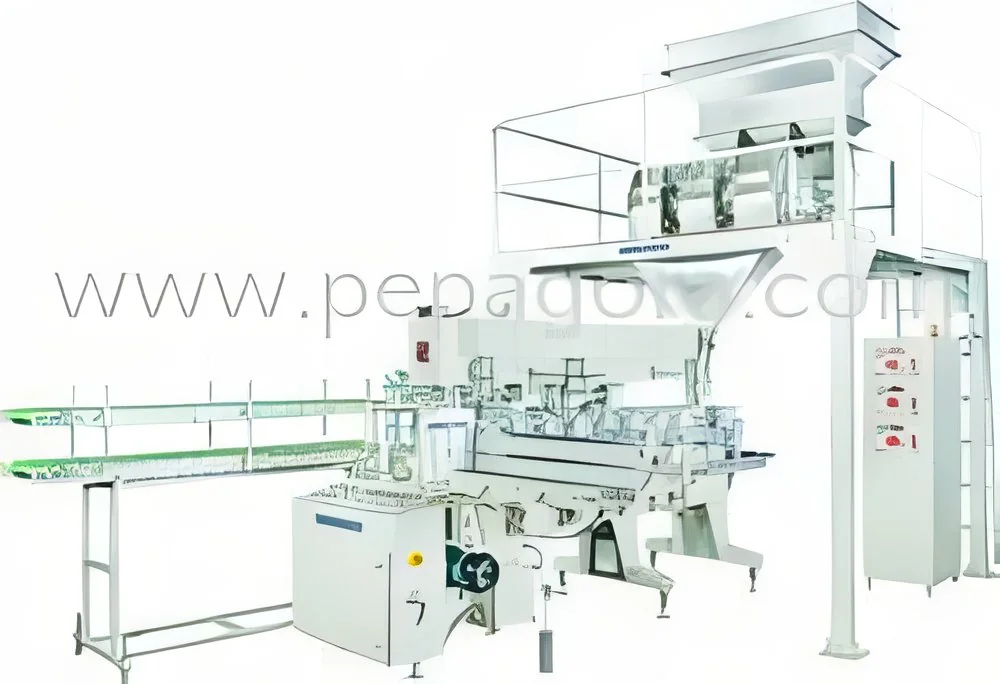
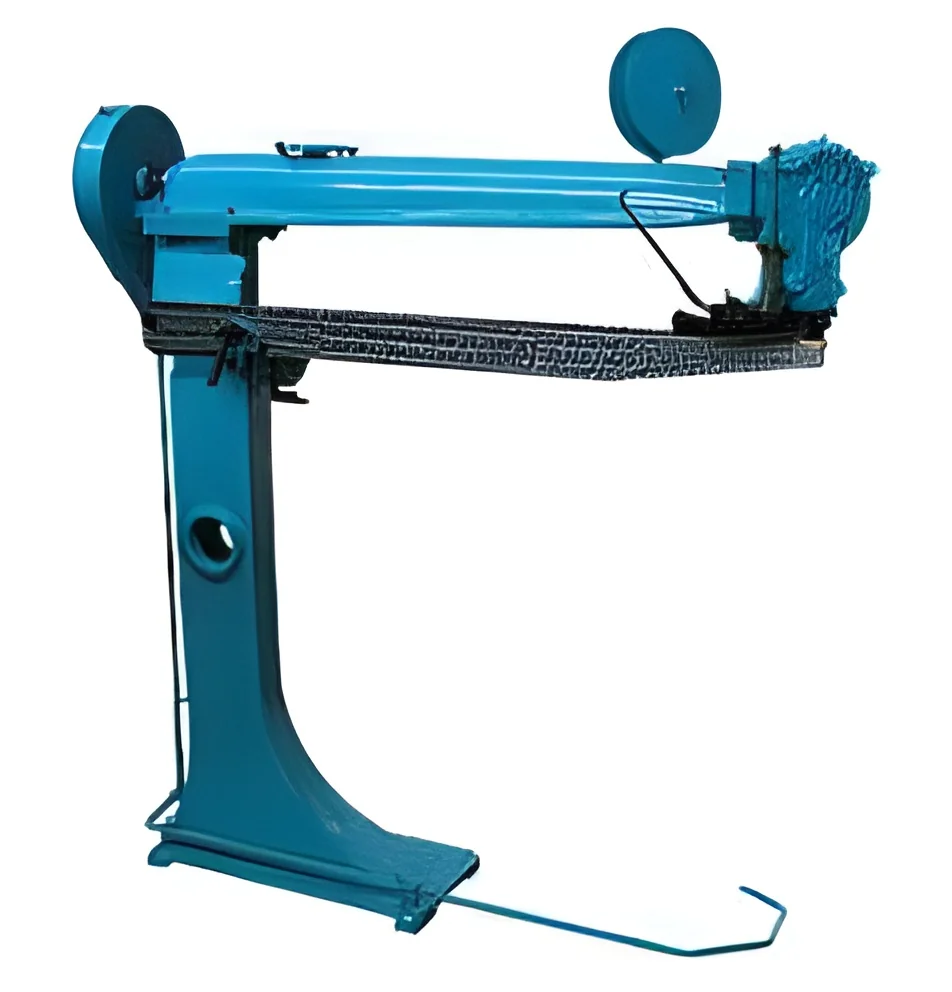
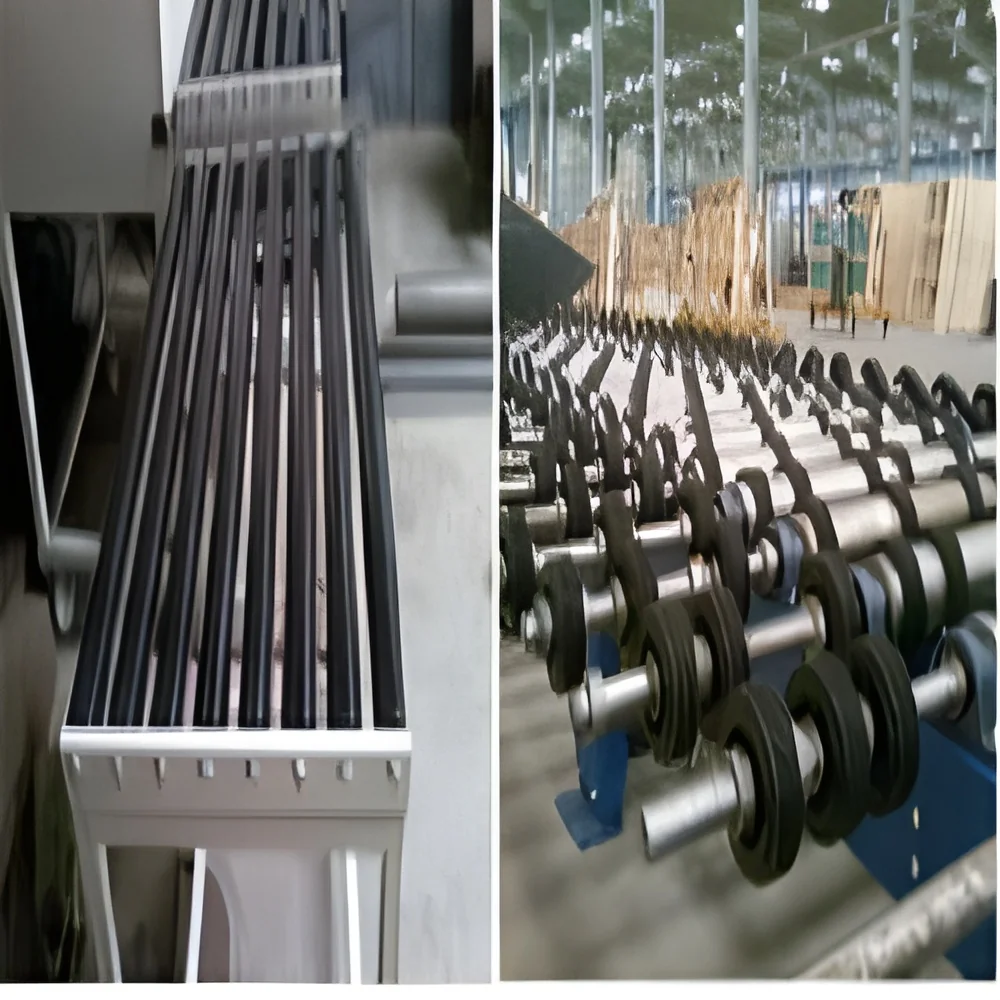
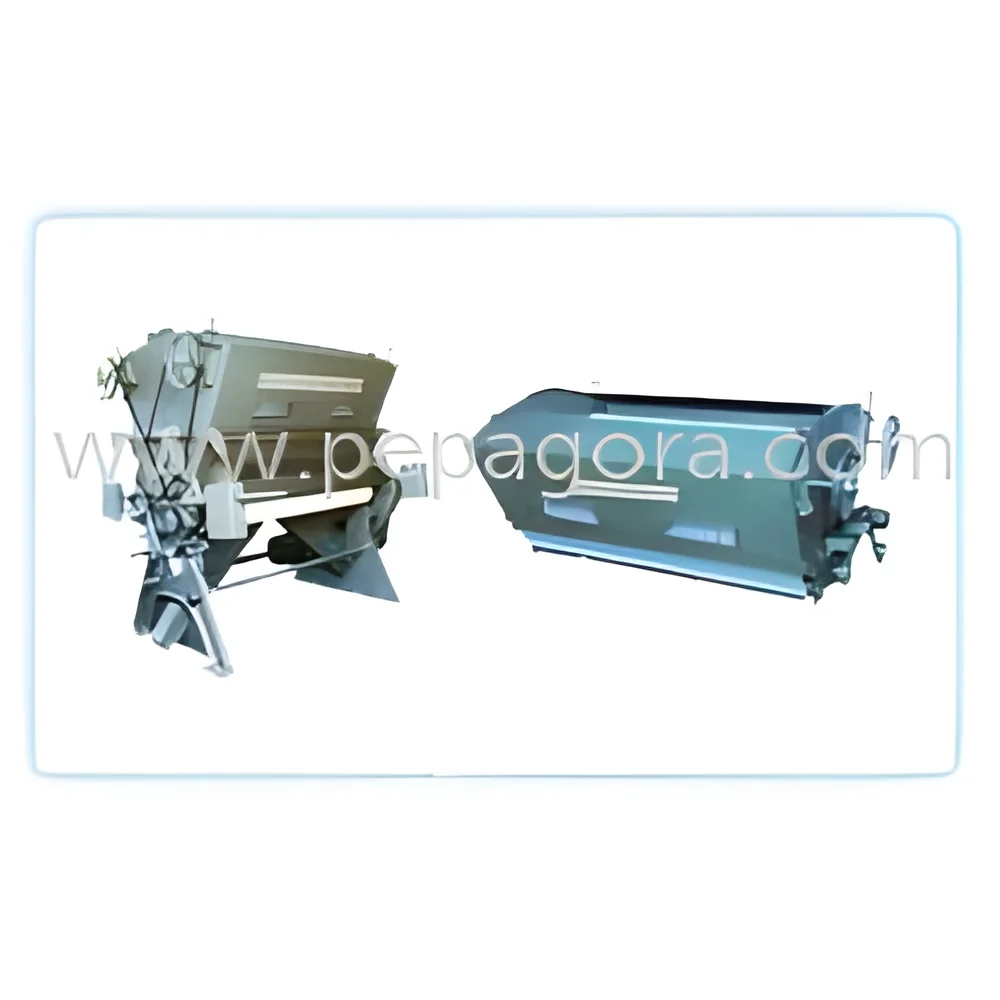
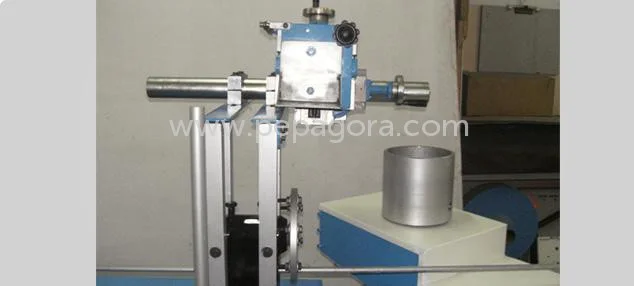
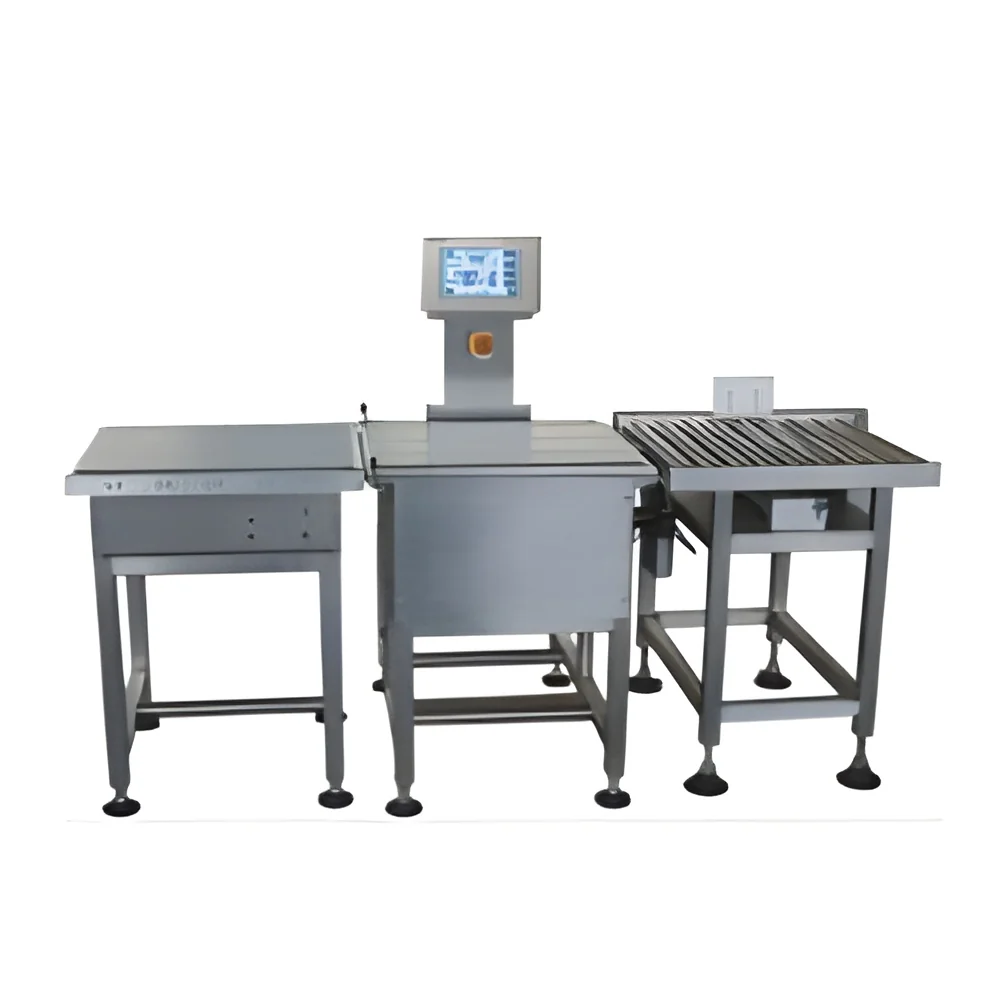
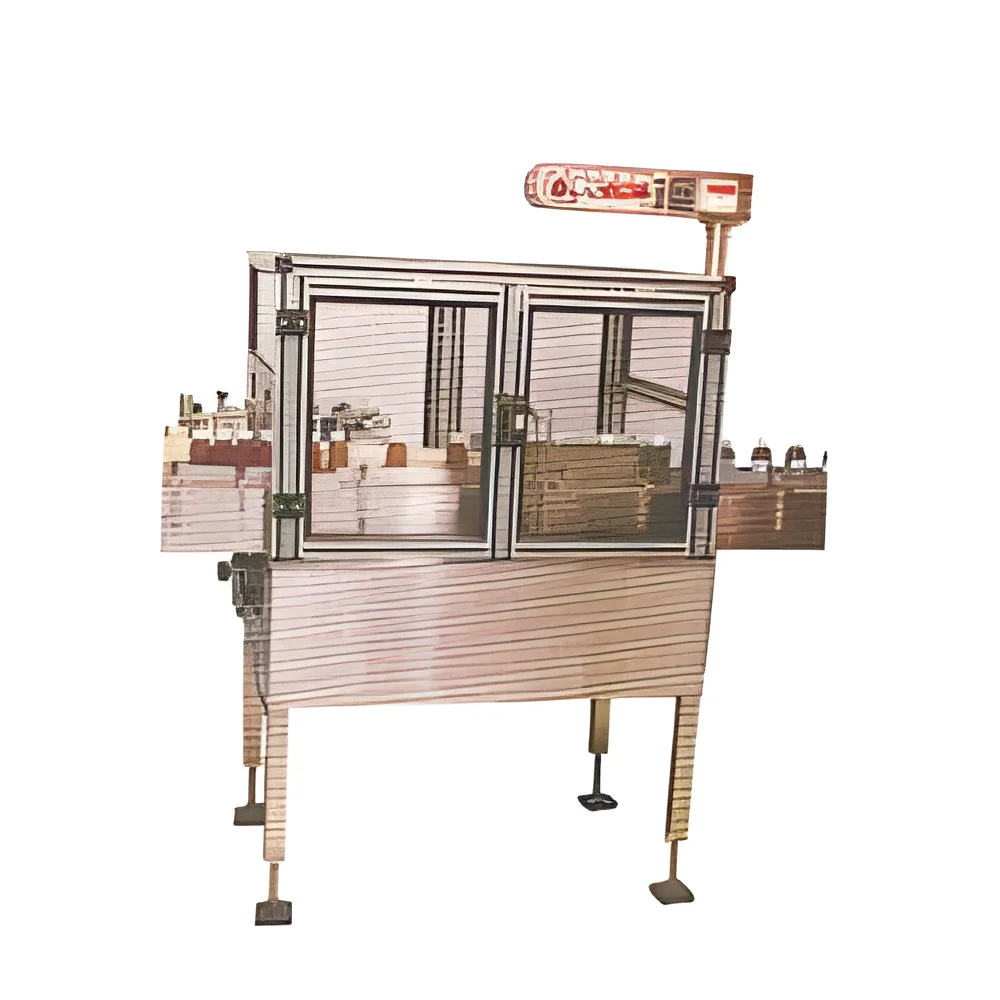
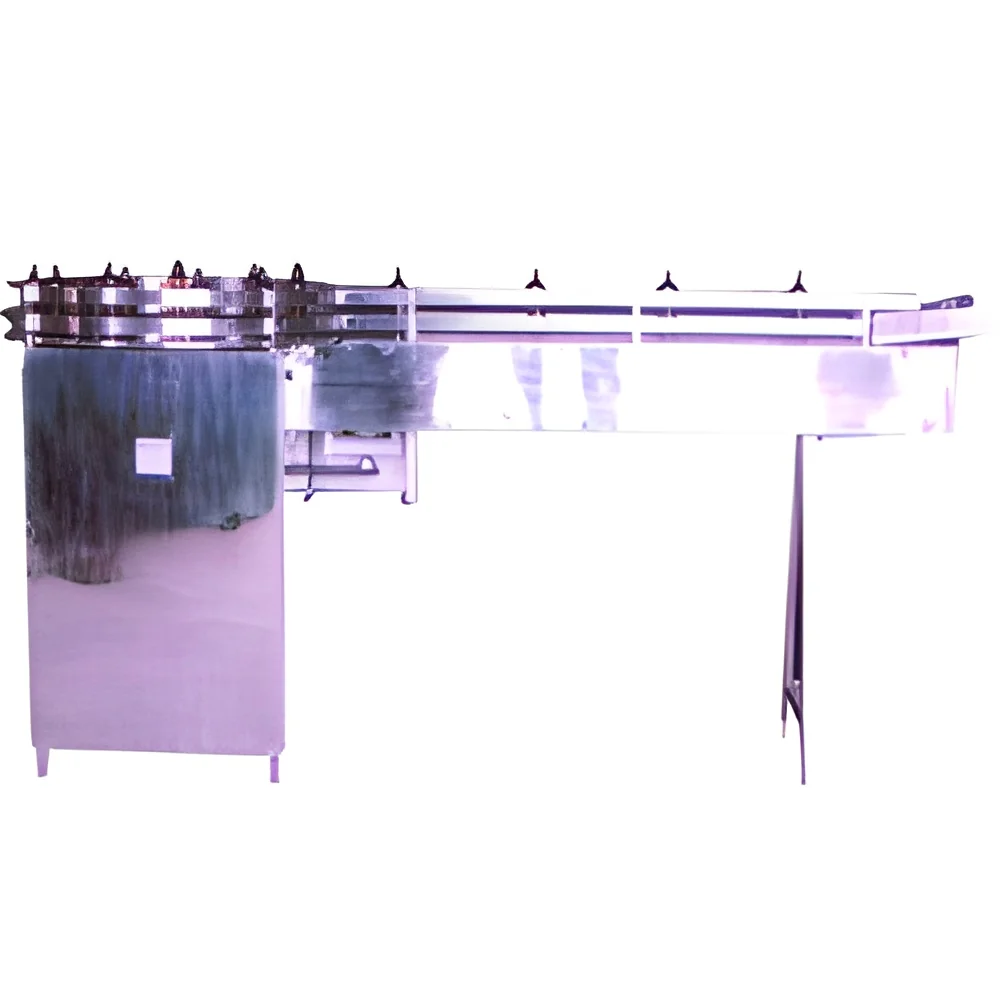
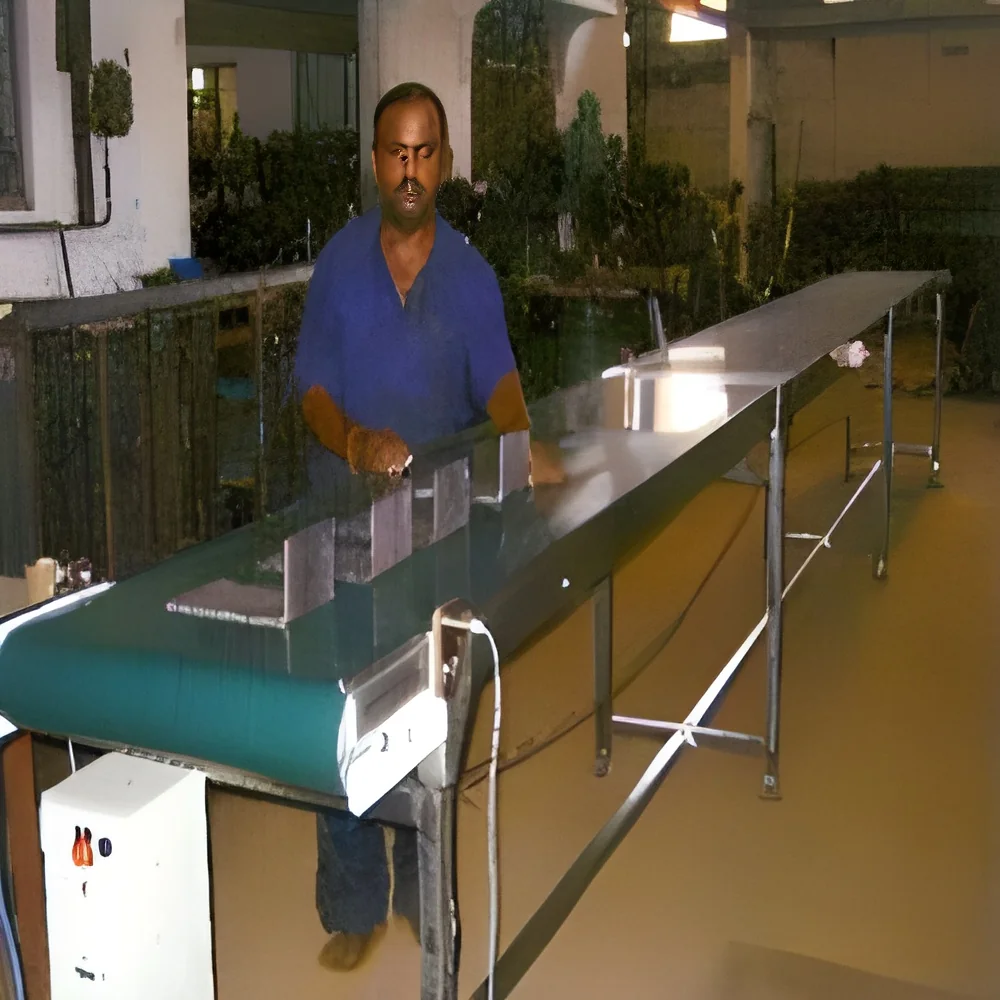
A Packaging Line is an integrated system designed for the packaging of products in various industries. It encompasses a series of machines and processes that automate the packaging workflow. This includes tasks such as filling, sealing, labeling, and wrapping. The primary goal of a Packaging Line is to enhance efficiency and accuracy while ensuring that products are securely packaged for distribution and sale.
Packaging Lines find extensive use across multiple sectors including food and beverage, pharmaceuticals, cosmetics, and consumer goods. They are essential for businesses aiming to streamline their production processes, improve product presentation, and maintain high standards of hygiene and safety. In today’s competitive market, a well-designed Packaging Line can significantly impact a company's operational efficiency and product quality.
The relevance of Packaging Lines is underscored by the increasing demand for packaged products worldwide. As consumer preferences shift towards convenience and sustainability, businesses are investing in advanced packaging technologies. This trend highlights the importance of innovative packaging solutions that not only protect products but also enhance brand visibility.
Key Features and Specifications
Packaging Lines are characterized by various features that enhance their performance and reliability. Understanding these specifications is crucial for businesses looking to invest in packaging solutions.
Key specifications include:
1. Speed and Output
- The capacity of the line to process products per minute.
- Typical rates can range from 20 to 200 packages per minute depending on the product type.
2. Automation Level
- The degree of automation, which can be semi-automated or fully automated.
- Fully automated lines often reduce labor costs and enhance consistency.
3. Customization Options
- Ability to adapt to different packaging styles and sizes.
- Flexibility in accommodating various product shapes and materials.
4. Material Compatibility
- The types of packaging materials the line can handle, such as plastic, glass, or metal.
- Compatibility with biodegradable or recyclable materials may be included.
5. Size and Footprint
- The physical dimensions of the Packaging Line, which impact space requirements.
- Compact designs are available for facilities with limited space.
6. Maintenance Requirements
- Frequency and type of maintenance needed to keep the line operational.
- Some systems may feature self-diagnostic tools for easier upkeep.
7. Energy Efficiency
- The energy consumption of the equipment, with many manufacturers focusing on eco-friendly designs.
- Options for energy-saving modes that reduce operational costs.
8. Safety Features
- Compliance with safety standards and the inclusion of emergency stop mechanisms.
- Features designed to protect operators from potential hazards.
In summary, selecting the right Packaging Line involves a careful consideration of these features and specifications to ensure that it meets the specific needs of the business.
Common Applications and Use Cases
Packaging Lines are versatile and can be tailored to serve various industries effectively.
1. Food and Beverage: These lines are commonly used to package snacks, beverages, and frozen foods. They ensure products are sealed for freshness and labeled for consumer information.
2. Pharmaceuticals: In this sector, Packaging Lines help in packaging medicines and health supplements. They maintain stringent hygiene standards and ensure proper labeling for compliance.
3. Cosmetics: Packaging Lines in cosmetics are utilized for efficiently packaging creams, lotions, and perfumes. They provide attractive packaging that enhances brand appeal.
4. Consumer Goods: Everyday items like cleaning supplies and personal care products are packaged using these lines. Effective packaging is key for shelf visibility and consumer attraction.
5. Electronics: Packaging Lines are also used for electronic components and devices. They protect sensitive items from damage during shipping and handling.
6. Chemicals: In the chemical industry, these lines help in safely packaging hazardous materials, ensuring compliance with safety regulations.
7. E-commerce: With the rise of online shopping, Packaging Lines are increasingly used to prepare products for shipment, ensuring that items are secure and properly labeled.
Product Variants and Subcategories
While specific subcategories are not available for Packaging Lines, the product diversity allows for a range of configurations based on business needs.
Standard Packaging Line: This variant typically includes essential components for filling, sealing, and labeling. It is suitable for businesses that require a reliable and straightforward packaging solution.
High-Speed Packaging Line: Designed for large-scale operations, this variant focuses on maximizing output and efficiency. It incorporates advanced technology to handle high volumes of products.
Flexible Packaging Line: This variant allows for quick changeovers between different product types and packaging styles. It is ideal for companies with diverse product lines.
Benefits and Advantages
Investing in a Packaging Line offers numerous advantages for businesses aiming to optimize their operations.
Key benefits include:
1. Increased Efficiency: Automation reduces manual labor, speeding up the packaging process and allowing for higher production rates.
2. Improved Product Quality: Consistent packaging reduces errors and enhances product presentation, which can lead to higher customer satisfaction.
3. Cost Savings: Over time, a Packaging Line can lower labor costs and reduce material waste, leading to better overall profitability.
4. Enhanced Safety: Modern Packaging Lines are designed with safety features that protect workers and minimize accidents during operation.
5. Scalability: A well-designed Packaging Line can grow with a business, easily accommodating increased production demands.
6. Compliance Assurance: Packaging Lines can be designed to meet industry-specific regulations, ensuring products are packaged correctly for market entry.
Buying Guide for B2B Buyers
When considering the acquisition of a Packaging Line, several factors should be taken into account to ensure a successful purchase.
1. Quality Assessment: Evaluate the durability and reliability of the equipment. Look for lines that meet recognized quality standards and are built with high-grade materials.
2. Supplier Verification: Conduct thorough background checks on potential suppliers. Verify their credentials, customer reviews, and track record in delivering quality products.
3. Pricing and MOQ: Understand the cost implications and minimum order quantities. Compare prices across different suppliers to ensure competitive rates without compromising quality.
4. Delivery and Lead Times: Inquire about delivery schedules and lead times for the equipment. Ensure that the timelines align with your operational needs.
5. Compliance Requirements: Familiarize yourself with the regulatory standards applicable to your industry. Ensure that the Packaging Line can meet these compliance requirements.
Compliance and Certifications
Compliance with industry standards and certifications is vital for Packaging Lines to ensure quality and safety.
Relevant quality standards include ISO 9001, which focuses on quality management systems. This standard ensures that the products meet customer and regulatory requirements consistently.
Certifications such as CE indicate that the packaging equipment meets European safety standards. This is crucial for businesses operating in or exporting to Europe.
Safety and testing requirements often mandate that Packaging Lines undergo rigorous testing to ensure they operate safely and effectively. This can include electrical safety tests and performance assessments.
Regional compliance considerations may vary based on local regulations. It is important for businesses to be aware of these requirements to avoid potential legal issues.
Why Source Packaging Line from Pepagora?
Pepagora offers a reliable platform for sourcing Packaging Lines, presenting several key advantages for B2B buyers.
Verified Supplier Network: Pepagora ensures that all suppliers are thoroughly vetted for quality and reliability. This provides buyers with peace of mind when selecting a supplier for their packaging needs.
Streamlined RFQ Process: The platform simplifies the Request for Quotation (RFQ) process, allowing buyers to quickly obtain competitive quotes from multiple suppliers. This efficiency helps in making informed purchasing decisions.
Trade Assurance and Support: Pepagora provides trade assurance to protect buyers throughout the purchasing process. This includes support for resolving disputes, ensuring a smooth transaction.
Regional Coverage: With a strong presence in regions like India, the GCC, and Southeast Asia, Pepagora connects buyers with suppliers across diverse markets. This extensive reach facilitates access to a wide range of packaging solutions tailored to various industry needs.

 IN
IN