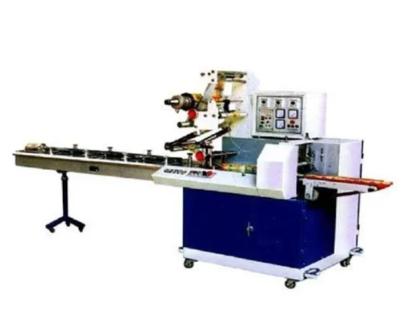
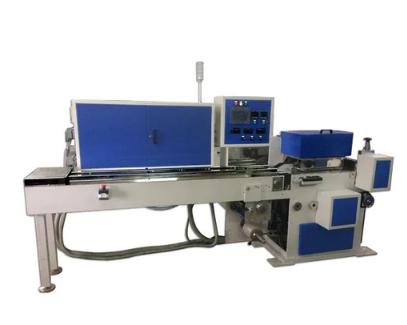
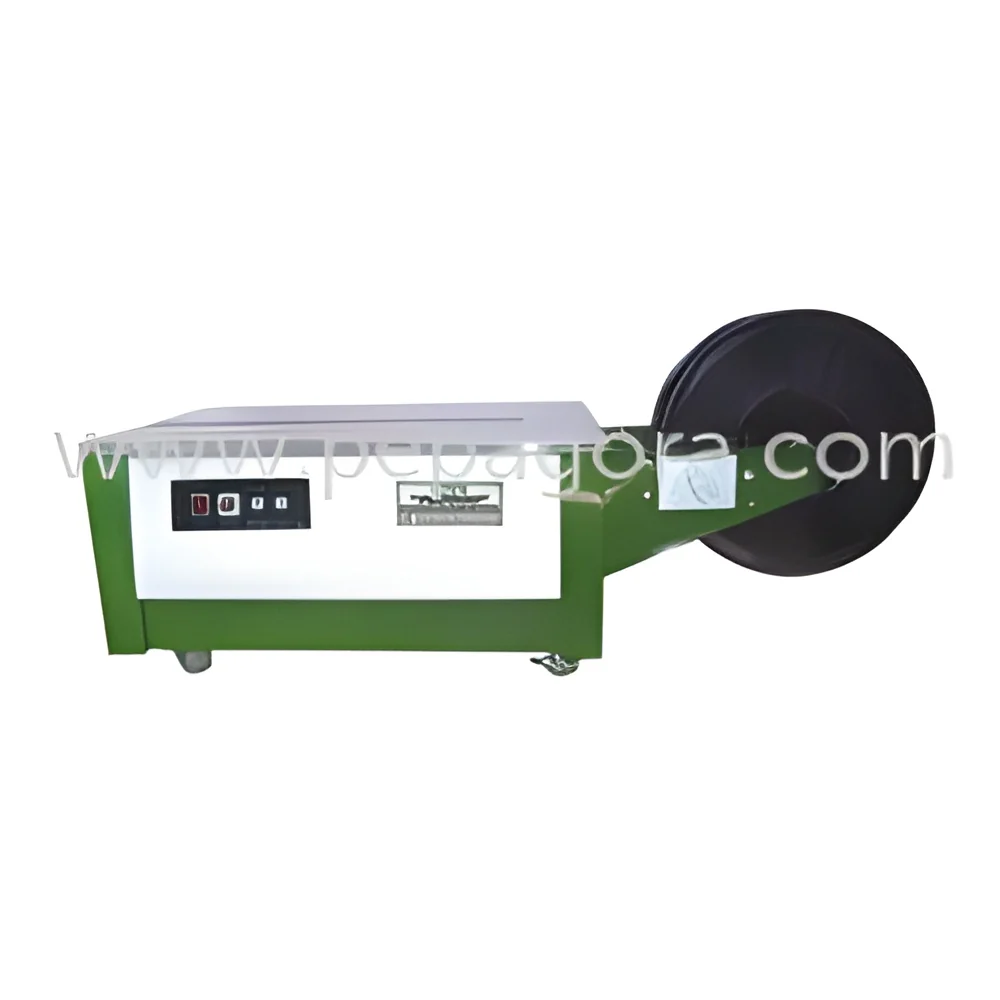
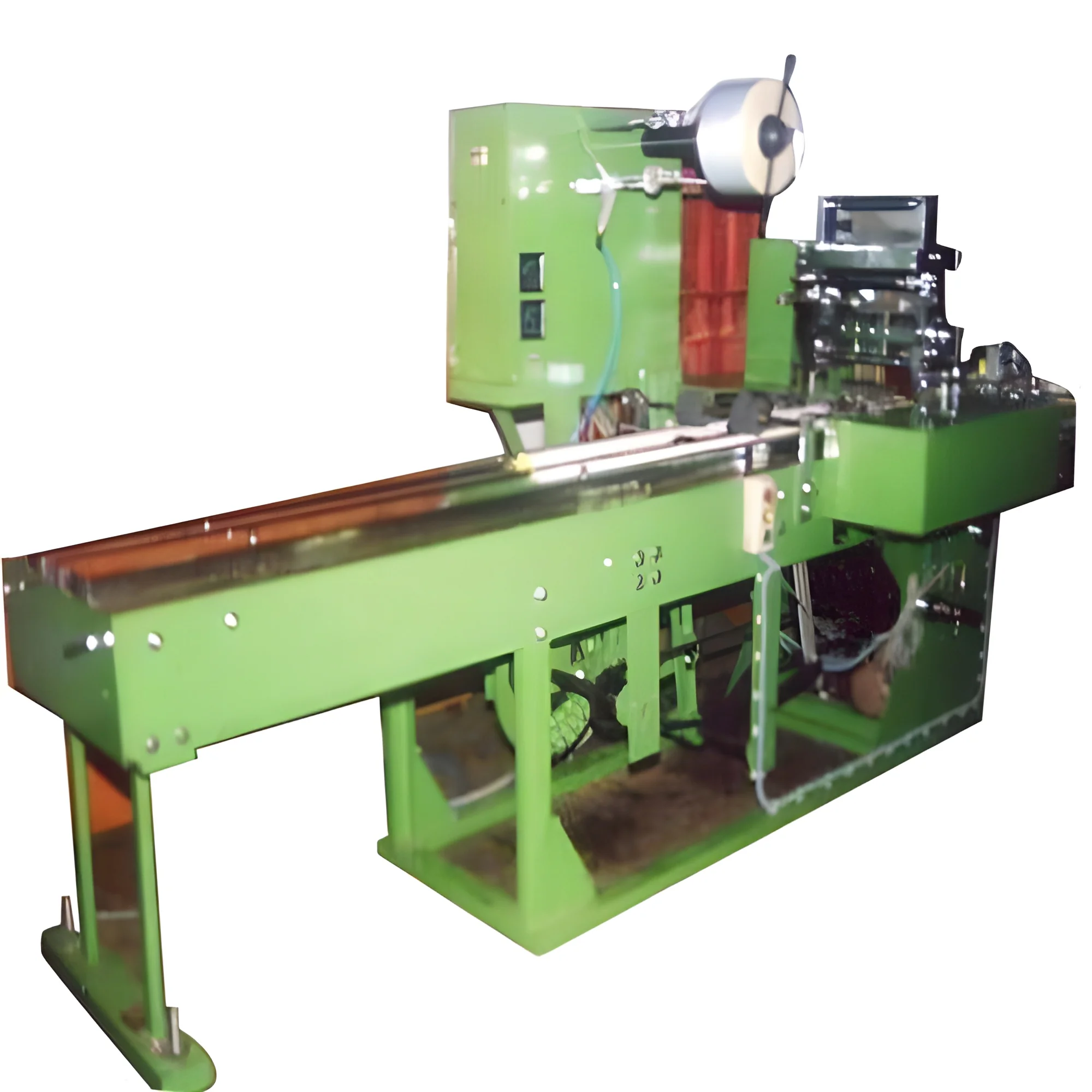
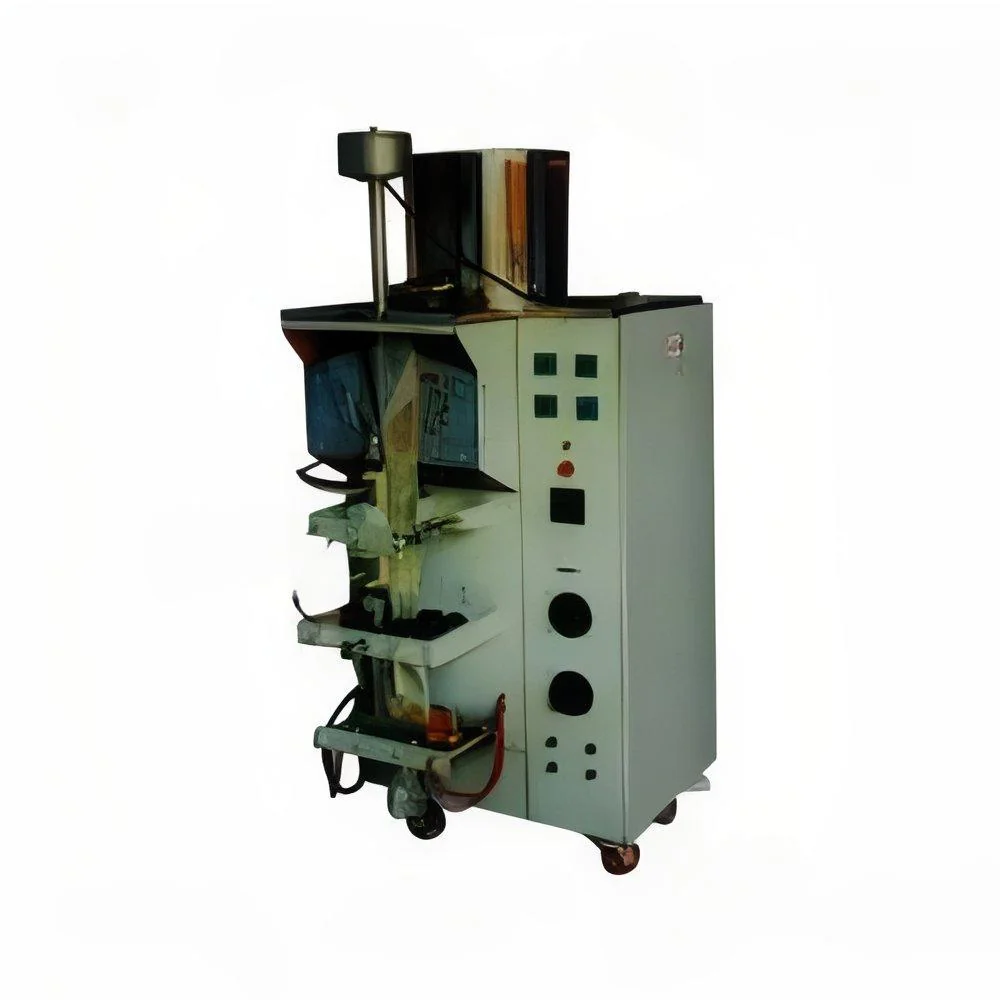
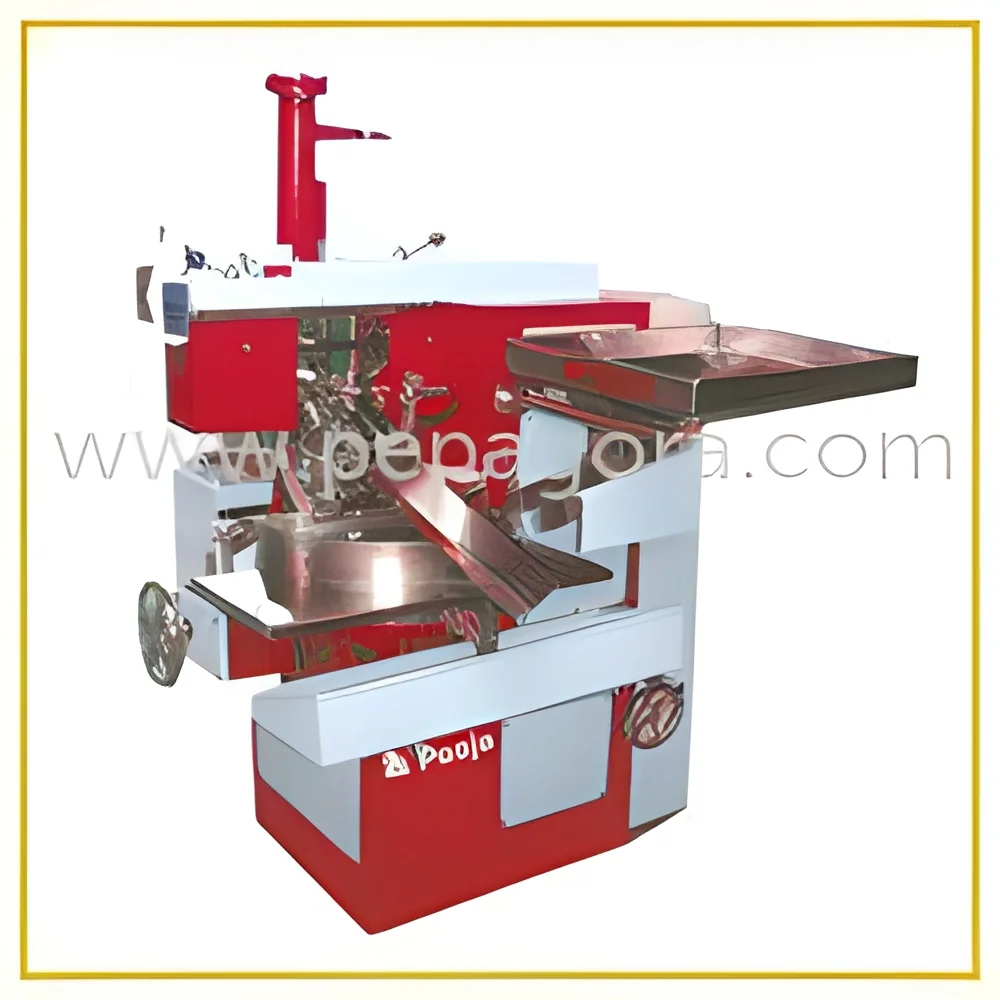
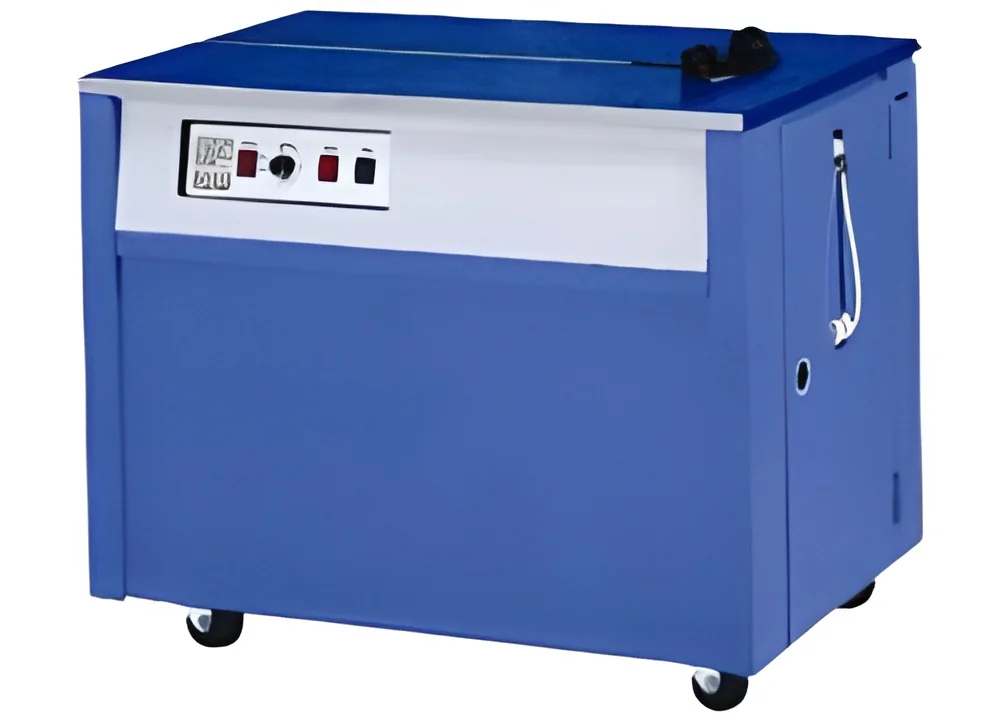
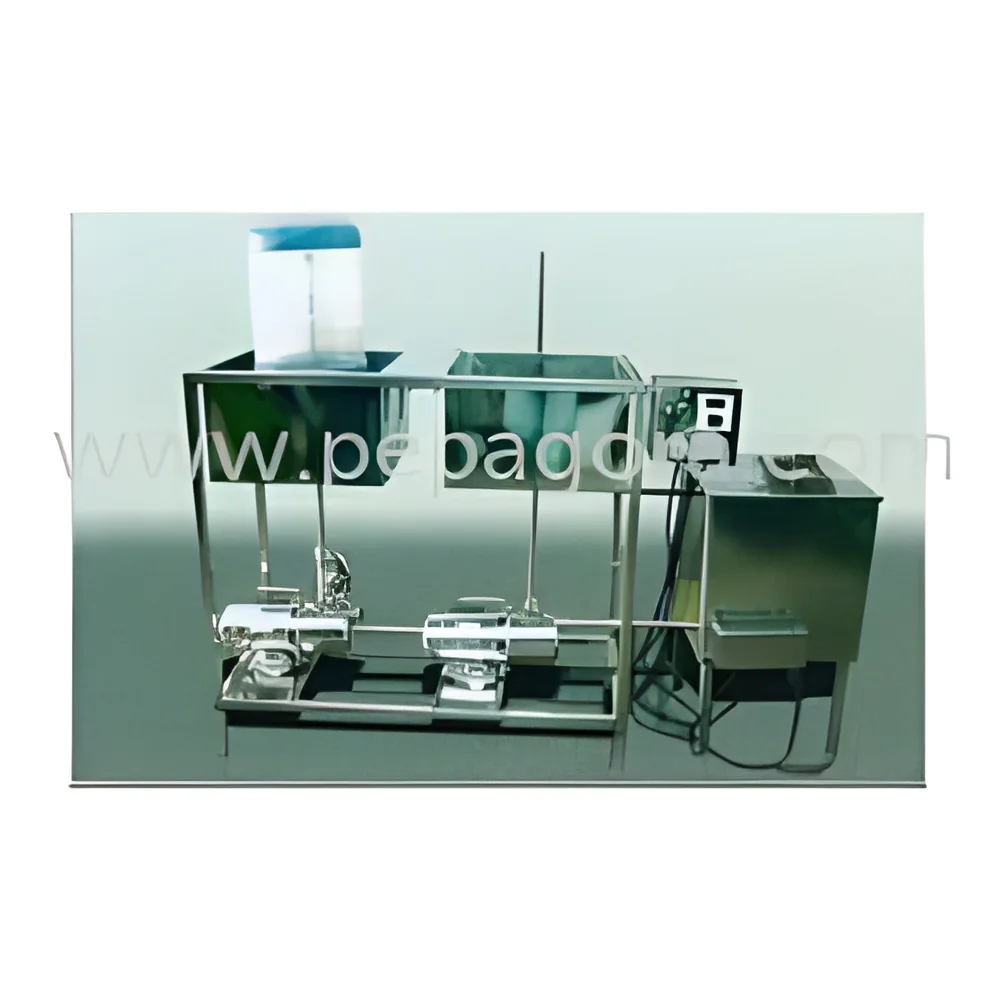
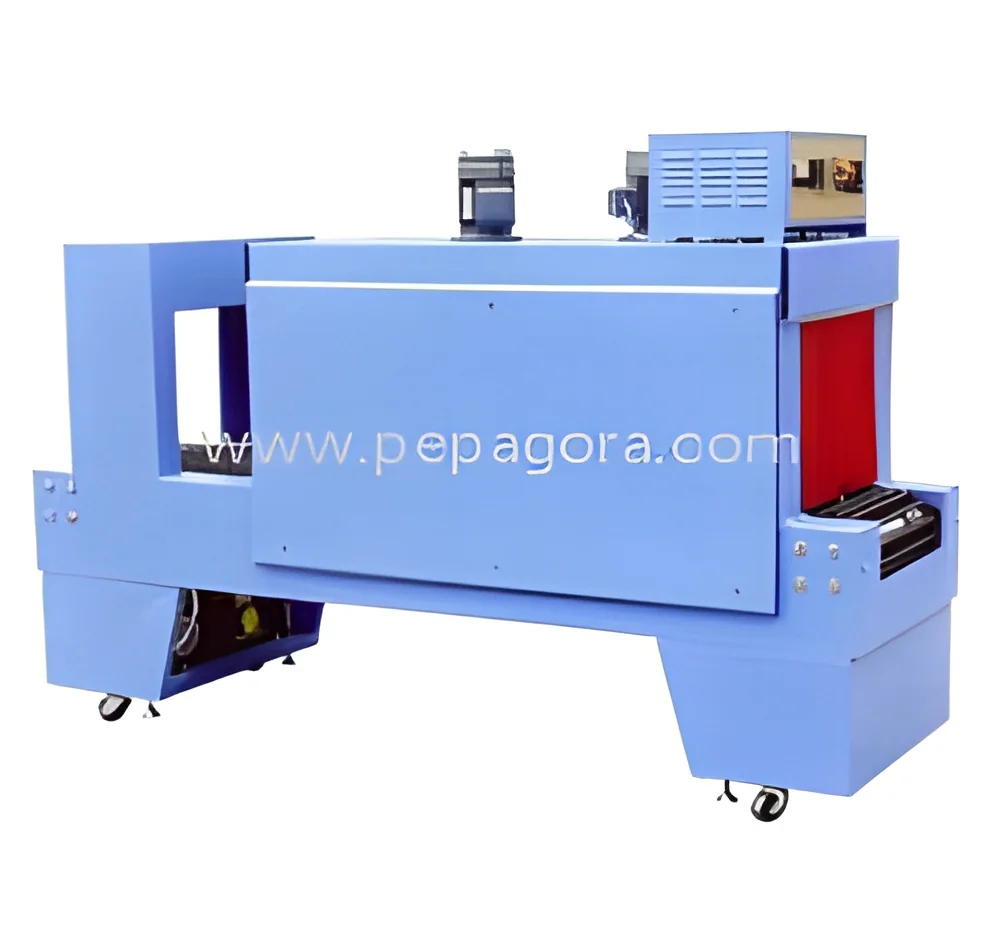
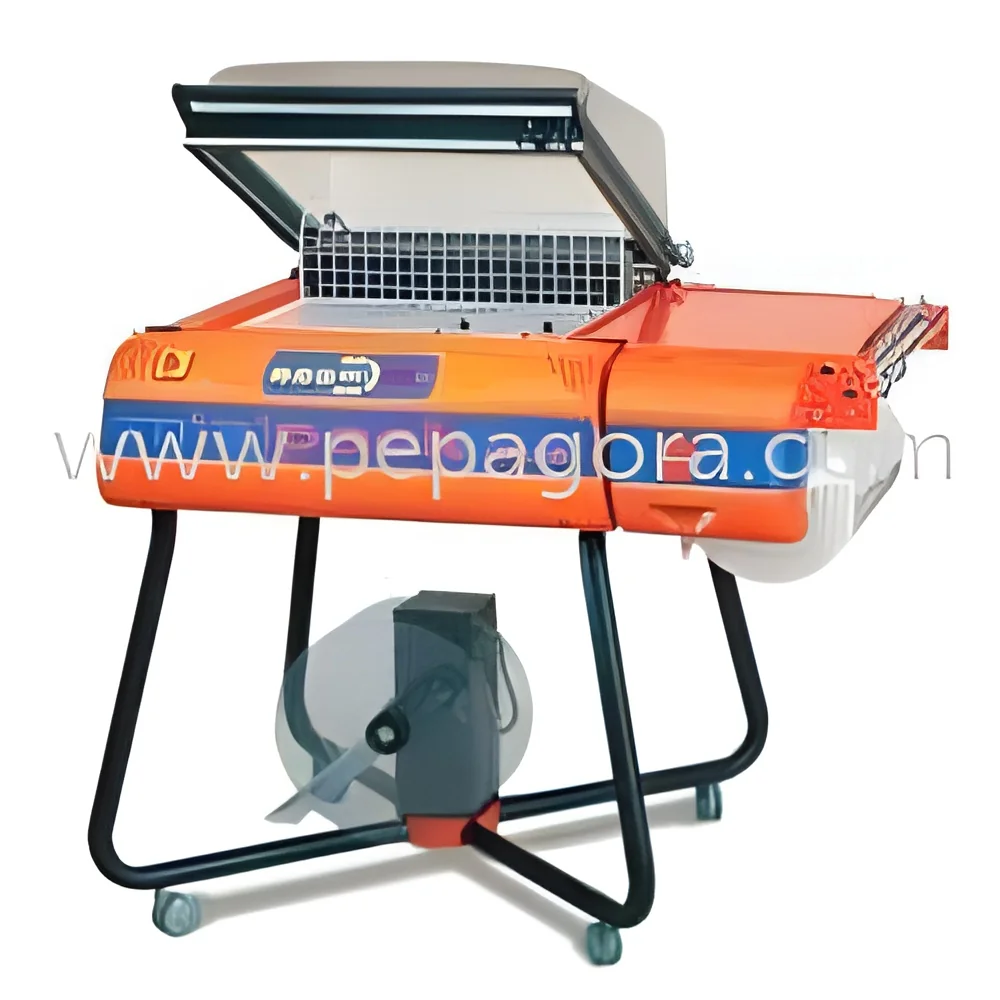
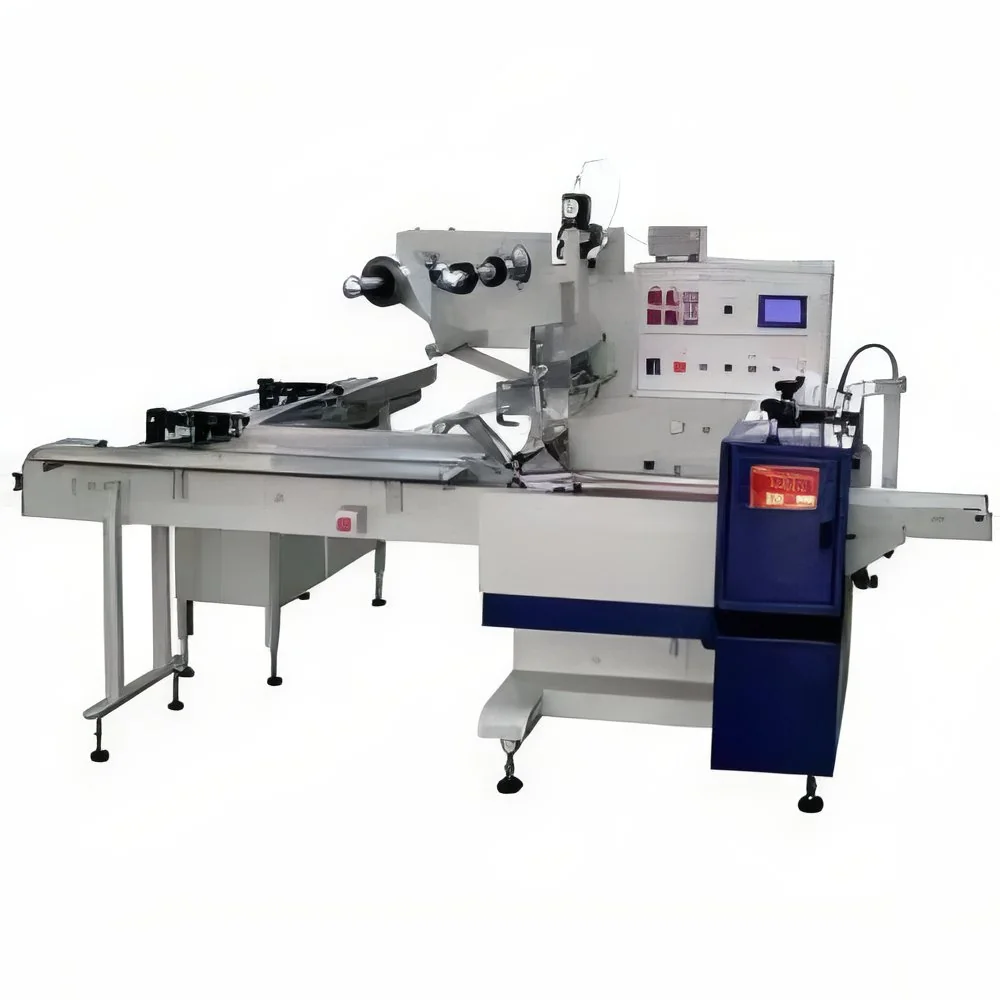
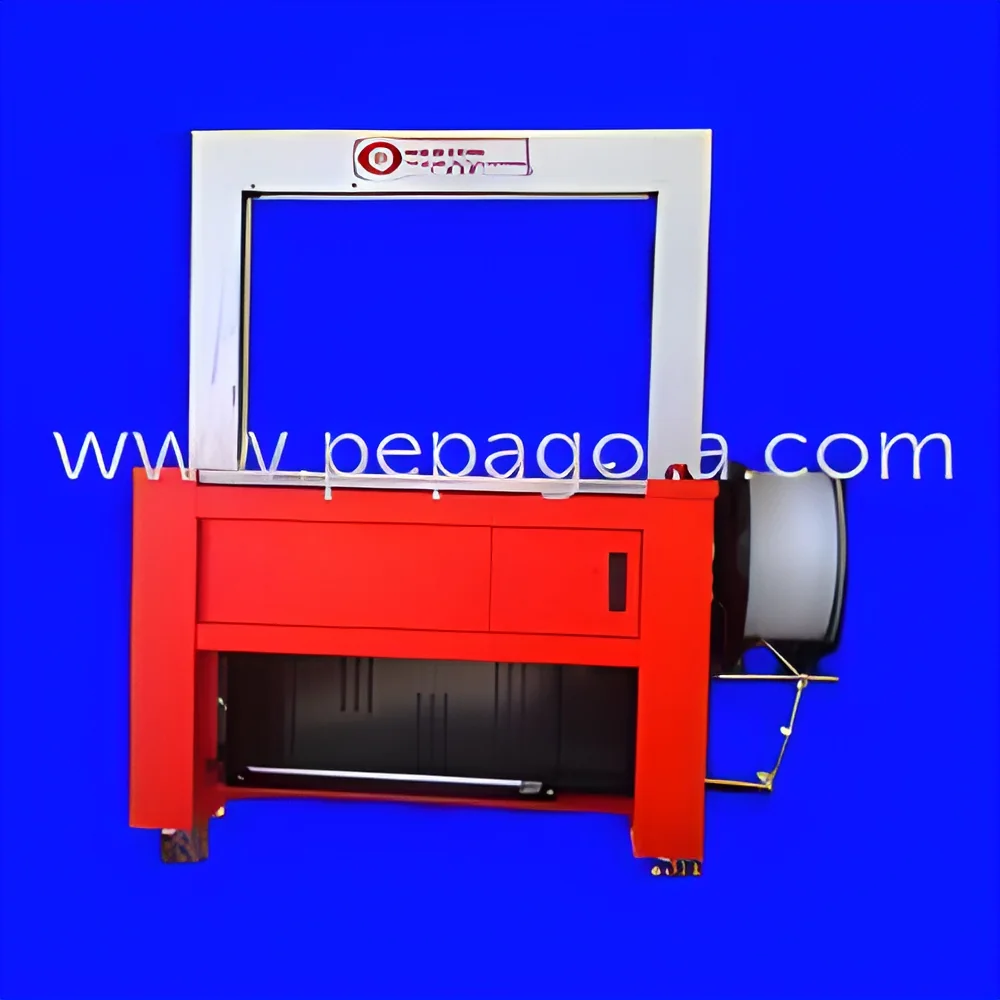
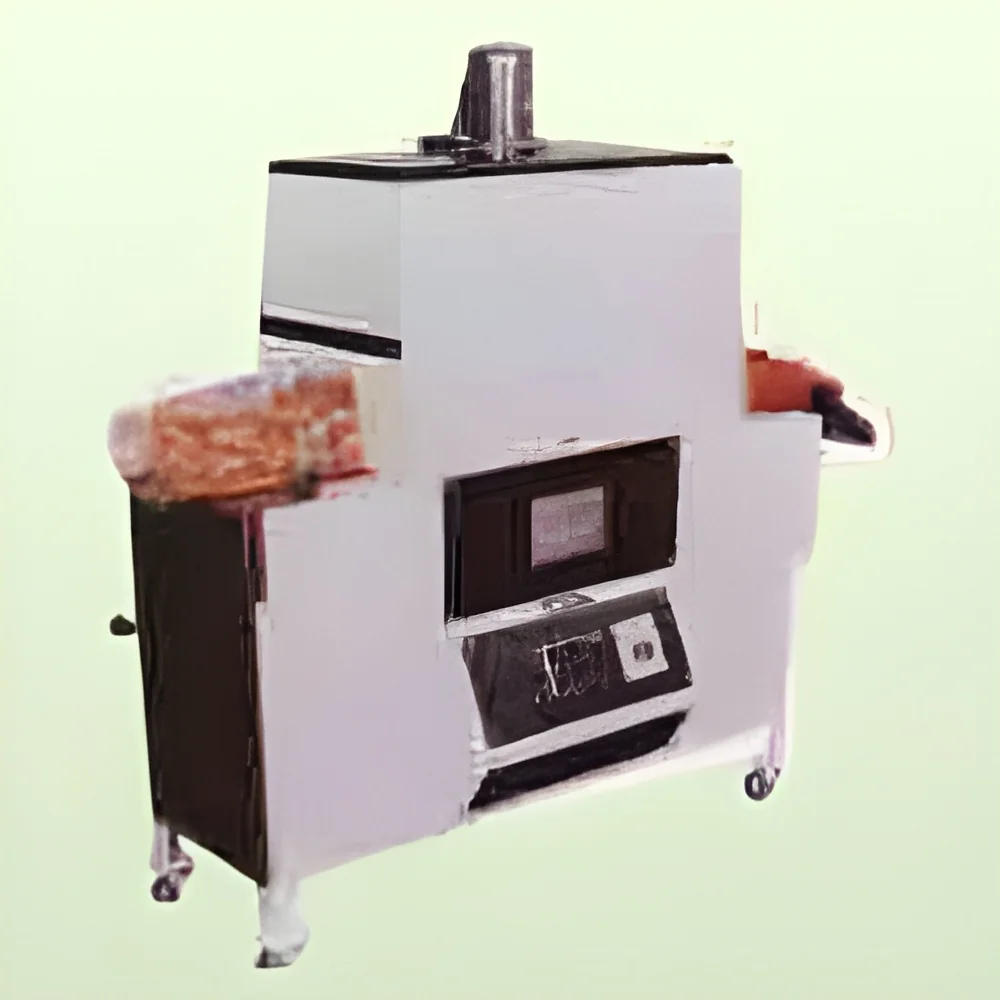
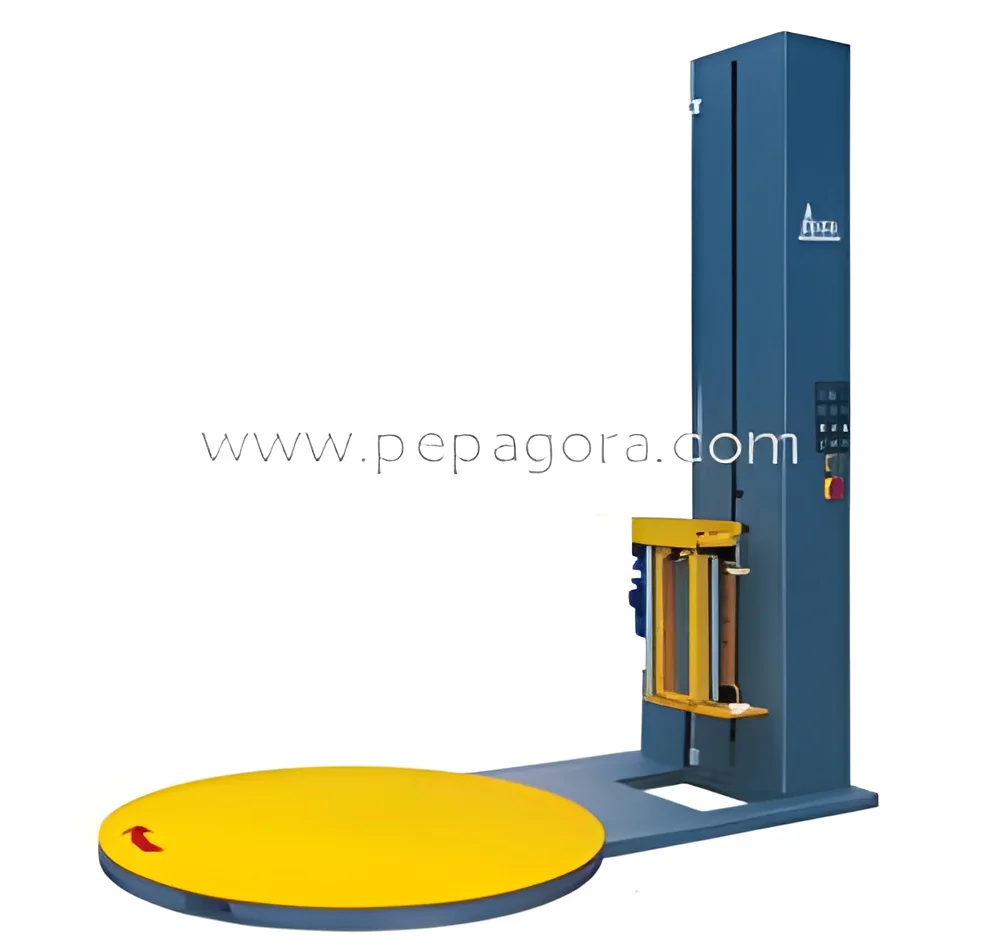
𝗪𝗵𝗮𝘁 𝗮𝗿𝗲 𝗪𝗿𝗮𝗽𝗽𝗶𝗻𝗴 𝗠𝗮𝗰𝗵𝗶𝗻𝗲𝘀?
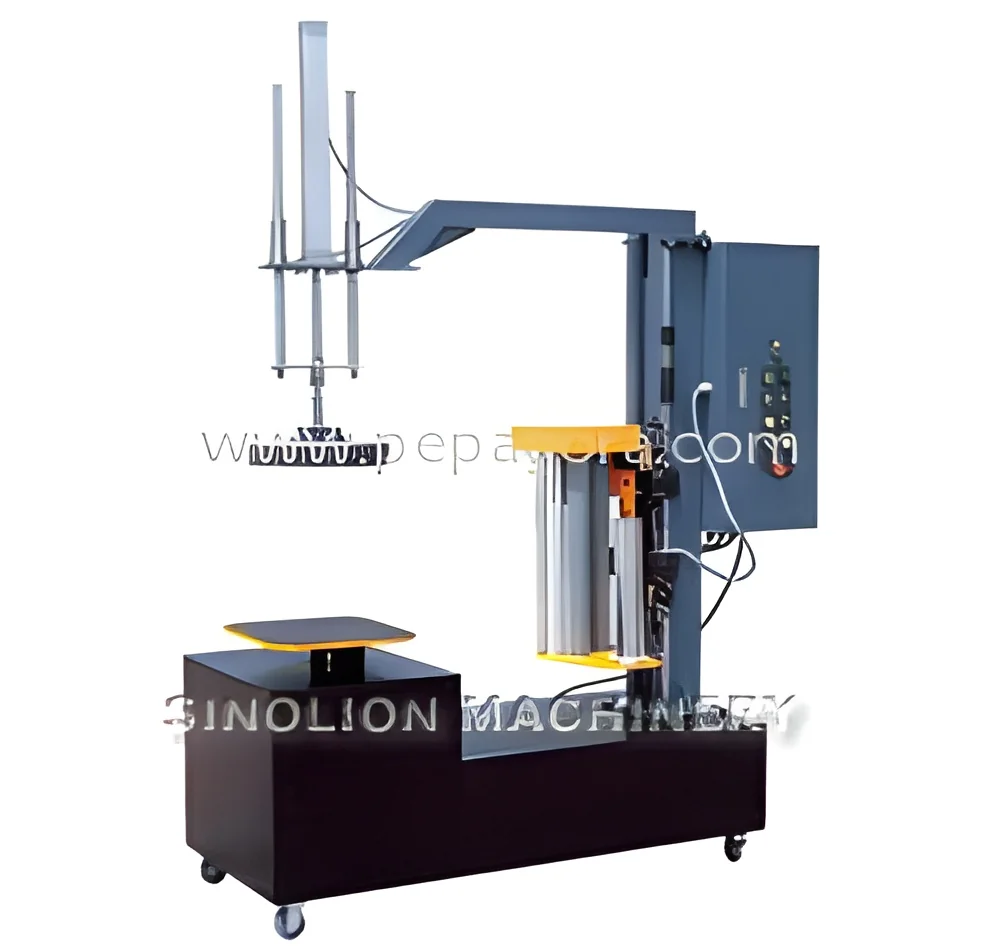
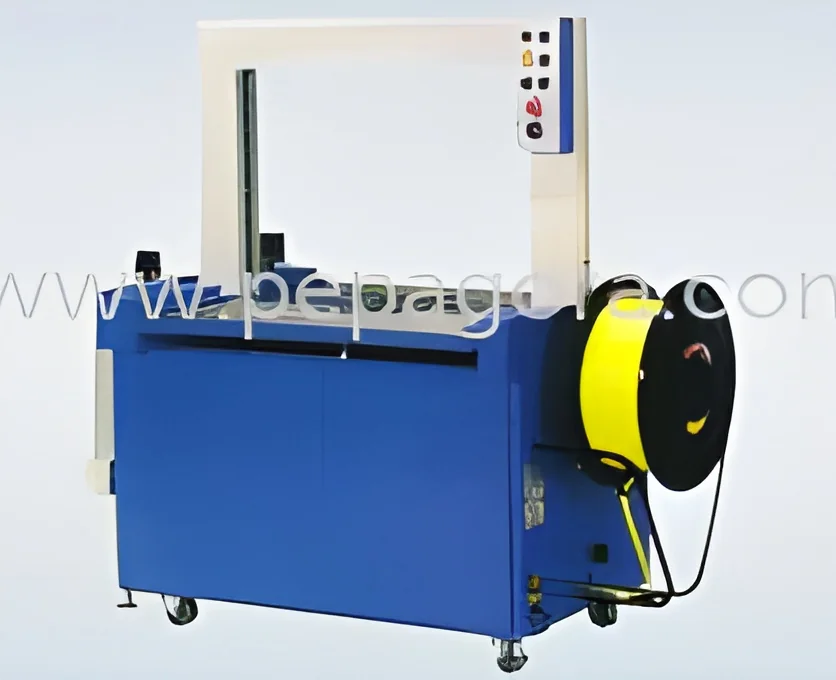
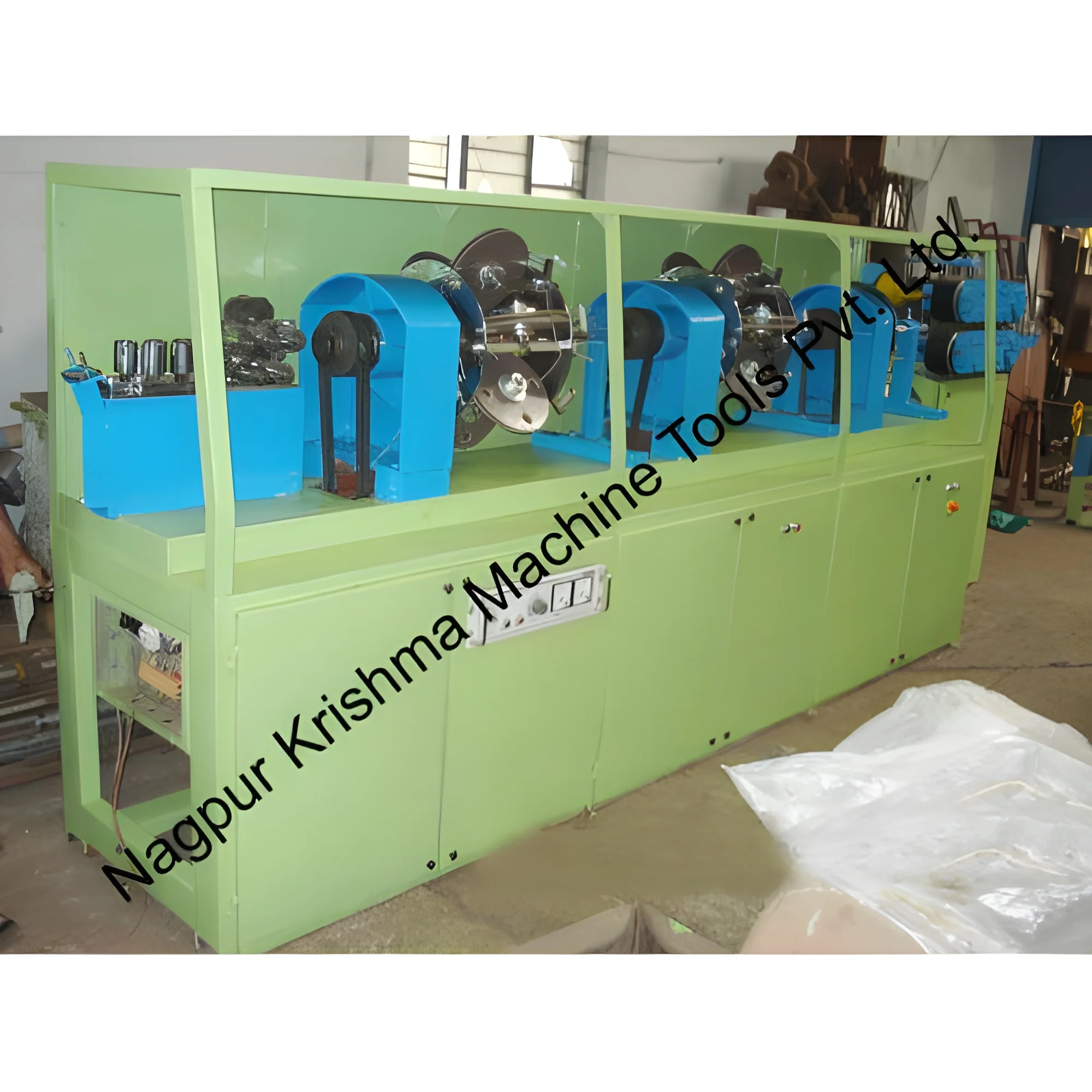
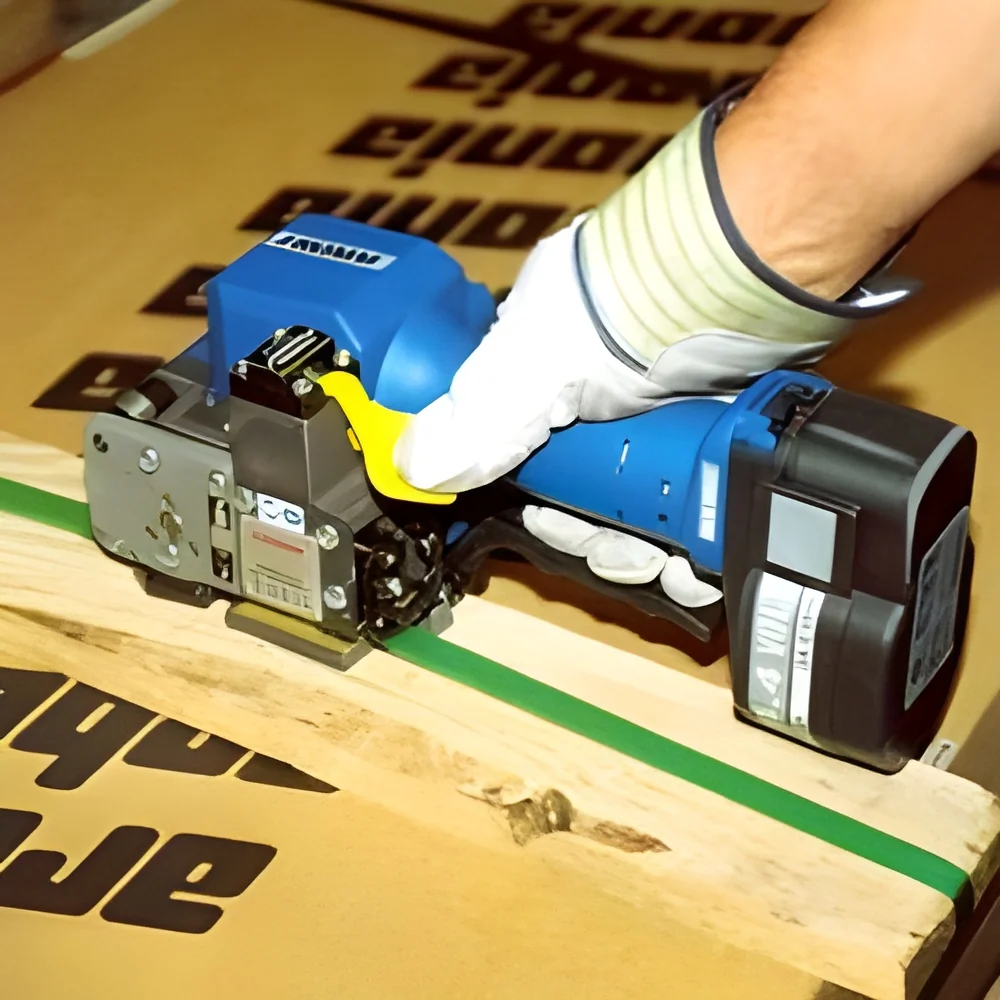
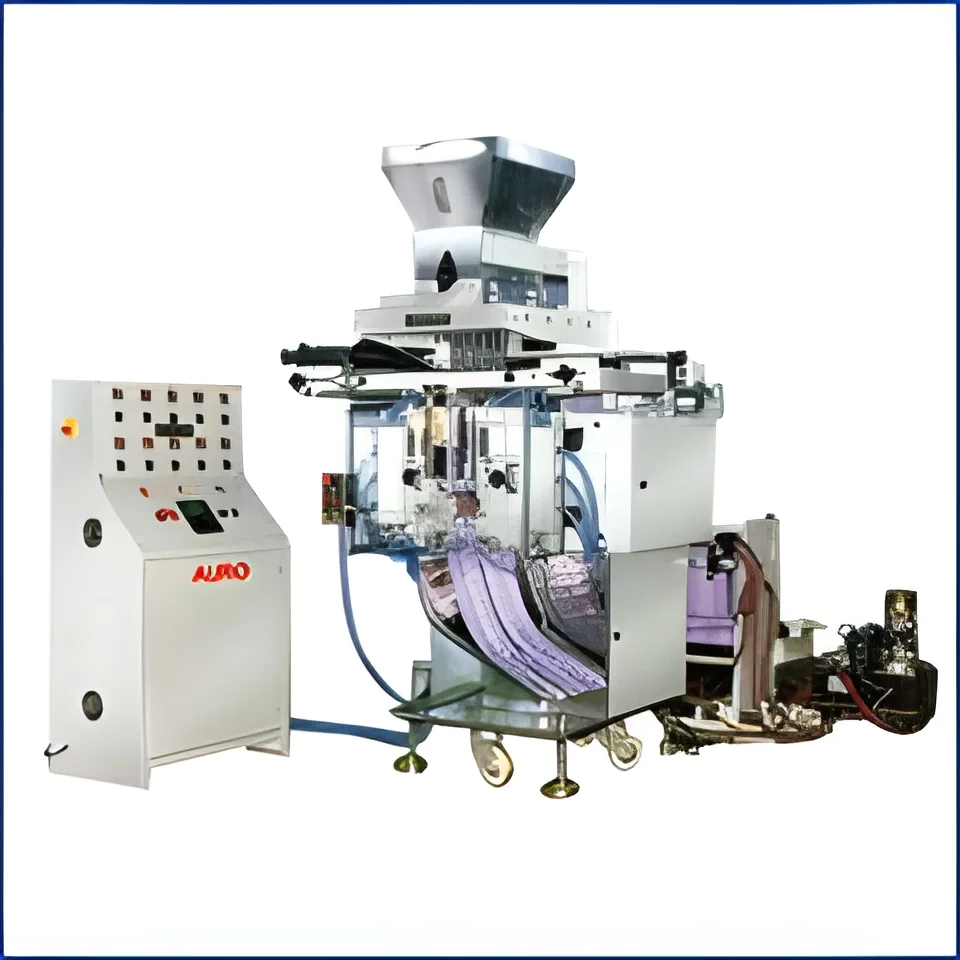
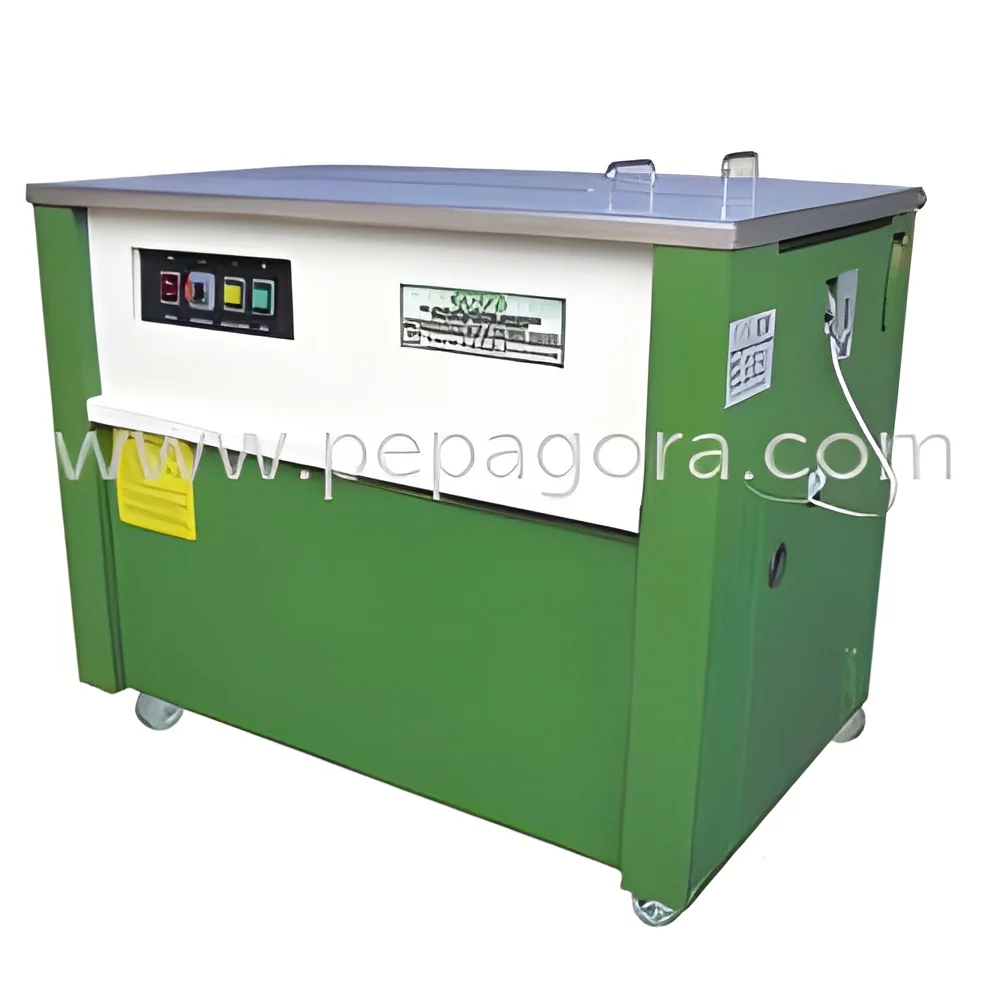
Wrapping machines are specialized equipment designed to package products securely for storage and transportation. They play a crucial role in the manufacturing and distribution process by ensuring that goods are protected from dust, moisture, and damage. By automating the wrapping process, these machines enhance efficiency and consistency in packaging operations, which is vital for businesses looking to optimize their workflows.
These machines are widely used across various industries, including food and beverage, pharmaceuticals, and consumer goods. Their primary function is to wrap products in materials such as plastic film, paper, or cardboard, depending on the requirements of the item being packaged. The automation of this process not only speeds up production but also reduces labor costs and the potential for human error. In today's competitive market, the ability to package products efficiently and effectively is essential for maintaining product integrity and customer satisfaction.
The relevance of wrapping machines in the industrial context cannot be overstated. As businesses continue to scale and adapt to changing consumer demands, the need for reliable packaging solutions becomes increasingly critical. The global market for wrapping machines is expanding, driven by advancements in technology and the growing emphasis on sustainable packaging practices. Companies that invest in modern wrapping solutions are better positioned to meet these evolving challenges.
𝗞𝗲𝘆 𝗙𝗲𝗮𝘁𝘂𝗿𝗲𝘀 𝗮𝗻𝗱 𝗦𝗽𝗲𝗰𝗶𝗳𝗶𝗰𝗮𝘁𝗶𝗼𝗻𝘀
Wrapping machines come equipped with a variety of features that enhance their functionality and efficiency. Understanding these specifications is vital for businesses looking to invest in the right equipment.
Key specifications include:
1. Speed
- The speed of the machine is typically measured in packages per minute.
- Ranges can vary significantly based on the model and application, from 20 to over 100 packages per minute.
2. Film Width
- This refers to the maximum width of the wrapping material that can be used.
- Common film widths range from 200 mm to 800 mm, allowing for flexibility in packaging sizes.
3. Power Consumption
- This specification indicates the electrical efficiency of the machine.
- Power consumption can vary, with average ranges between 1 kW to 5 kW depending on machine size and capabilities.
4. Control System
- Many wrapping machines feature advanced control systems for user-friendly operation.
- Options may include digital touch screens and programmable settings for various wrapping styles.
5. Material Compatibility
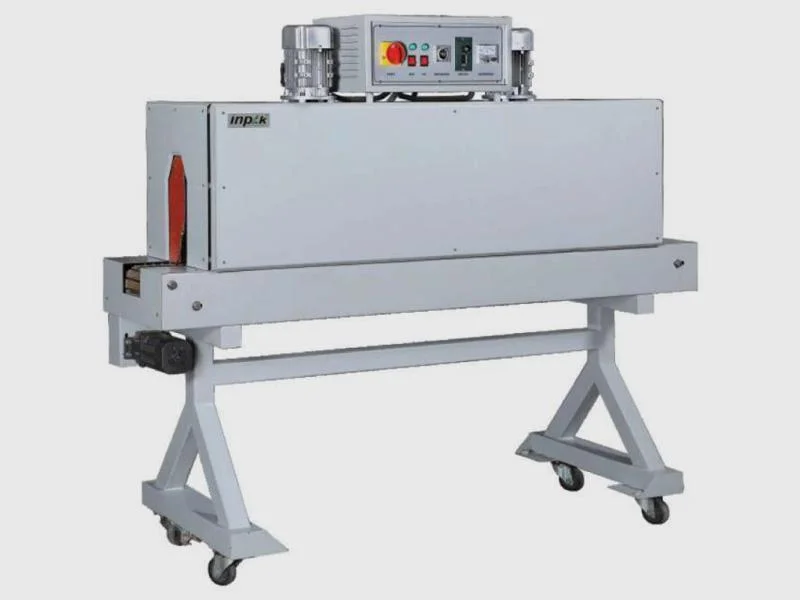
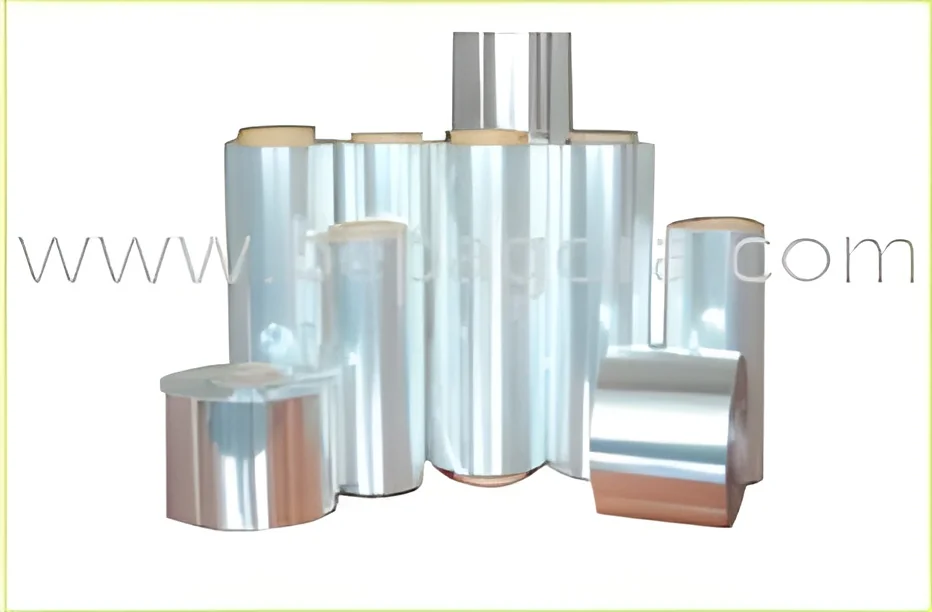
- These machines can handle various wrapping materials, such as stretch film, shrink film, and paper.
- Compatibility with specific materials enhances versatility in packaging solutions.
6. Safety Features
- Safety features may include emergency stop buttons, safety guards, and automatic shut-off mechanisms.
- These features are critical for ensuring operator safety during machine operation.
7. Dimensions
- The size of the machine affects installation and space requirements in the production area.
- Typical dimensions can range from compact models suitable for small spaces to larger configurations for high-volume operations.
8. Maintenance Requirements
- Regular maintenance is essential for optimal performance and longevity.
- Some machines come with self-diagnostic features to assist in maintenance planning.
In summary, wrapping machines offer a range of features and specifications that cater to various packaging needs. Understanding these elements helps businesses choose the right equipment to enhance operational efficiency and product protection.
𝗖𝗼𝗺𝗺𝗼𝗻 𝗔𝗽𝗽𝗹𝗶𝗰𝗮𝘁𝗶𝗼𝗻𝘀 𝗮𝗻𝗱 𝗨𝘀𝗲 𝗖𝗮𝘀𝗲𝘀
Wrapping machines are versatile tools that serve various industries.
1. Food and Beverage: In this industry, wrapping machines are utilized to package items such as bottles, cans, and boxed goods. They ensure products are sealed and protected from contamination, extending shelf life.
2. Pharmaceuticals: Wrapping machines are crucial for packaging medicines and health products, maintaining sterility and compliance with safety regulations. They help in providing tamper-evident seals.
3. Consumer Goods: Products like electronics, household items, and cosmetics are often wrapped for retail display. Wrapping machines provide attractive packaging that enhances product presentation.
4. Industrial Products: Heavy machinery components and tools benefit from wrapping machines that secure items with robust materials, protecting them during shipping and storage.
5. E-commerce: With the rise of online shopping, wrapping machines are increasingly used to package orders securely for delivery. They help streamline the fulfillment process and ensure products arrive intact.
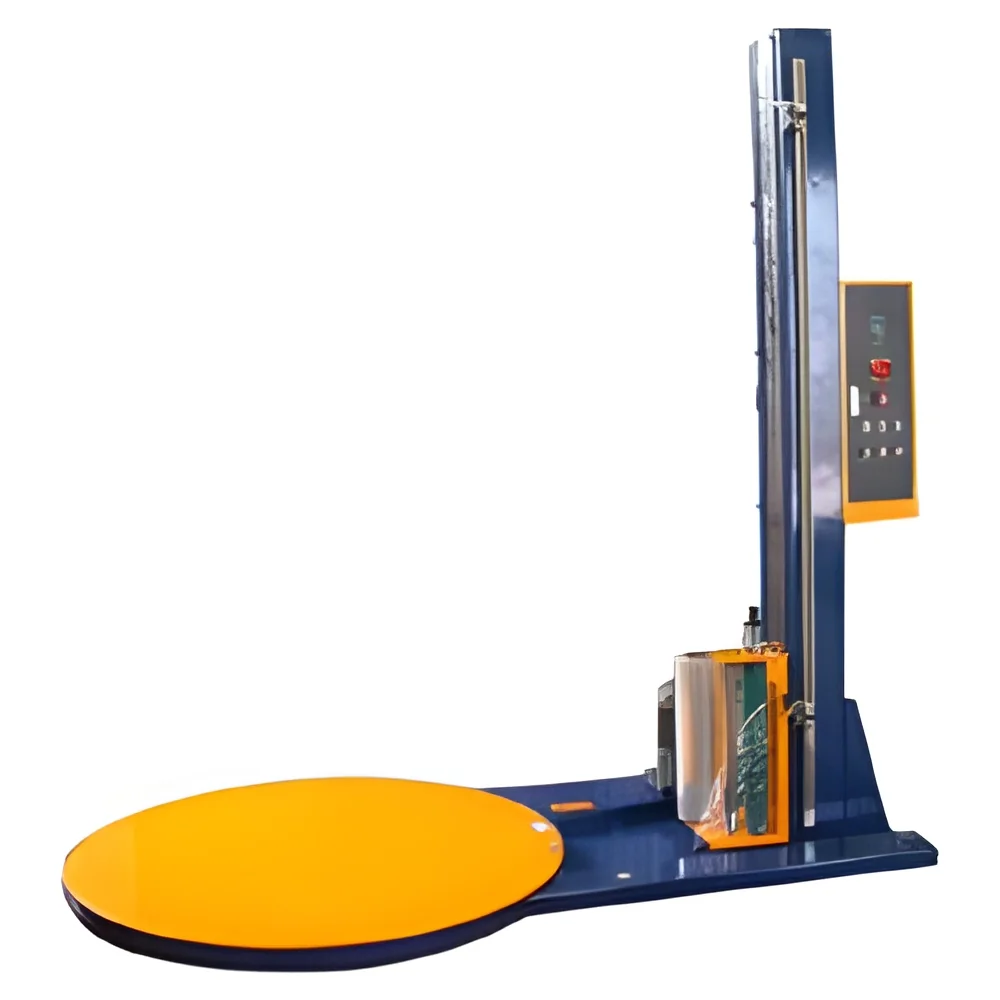
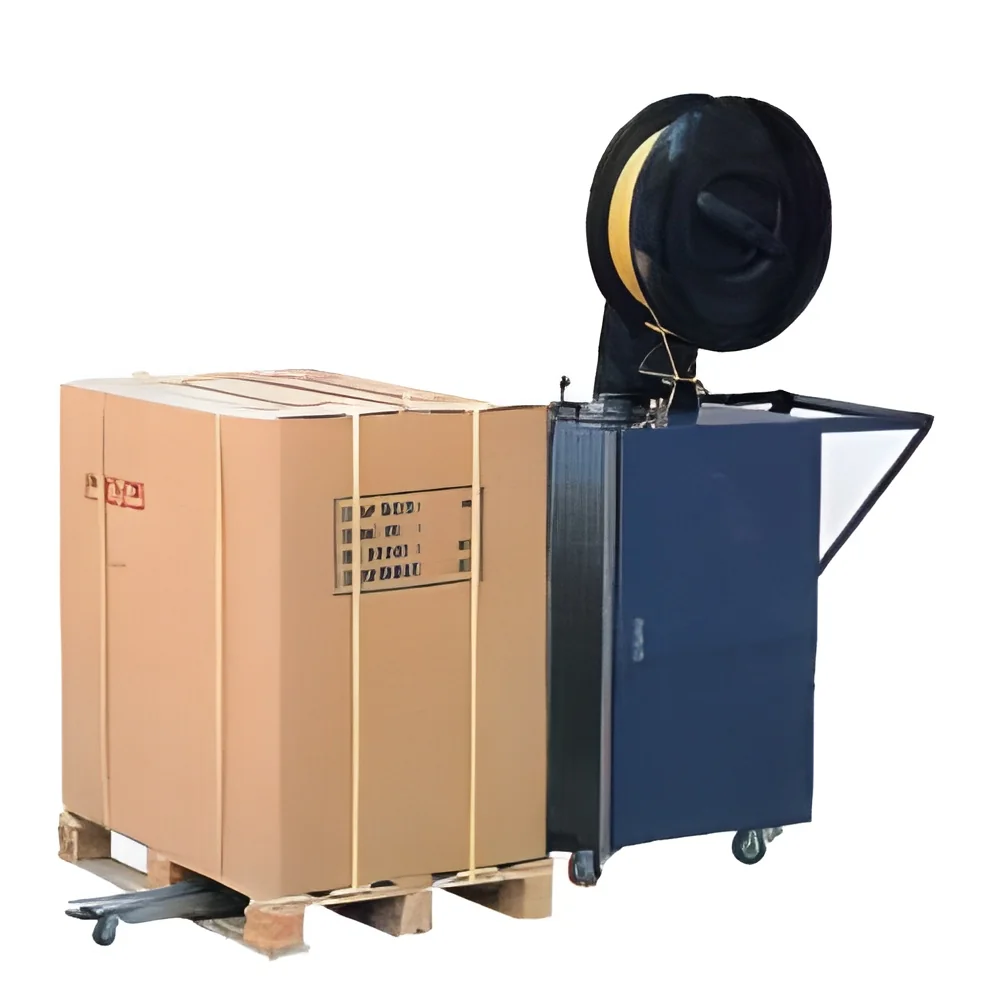
6. Logistics: In warehouses and distribution centers, wrapping machines assist in securing pallets of goods for transport. This application minimizes damage during handling and shipping.
7. Printing and Publishing: Books and printed materials are wrapped to protect against environmental factors. Wrapping machines provide efficient packaging solutions for bulk orders.
𝗣𝗿𝗼𝗱𝘂𝗰𝘁 𝗩𝗮𝗿𝗶𝗮𝗻𝘁𝘀 𝗮𝗻𝗱 𝗦𝘂𝗯𝗰𝗮𝘁𝗲𝗴𝗼𝗿𝗶𝗲𝘀
Wrapping machines come in various designs to meet specific business needs. The diversity in product types allows companies to select machines tailored to their operational requirements.
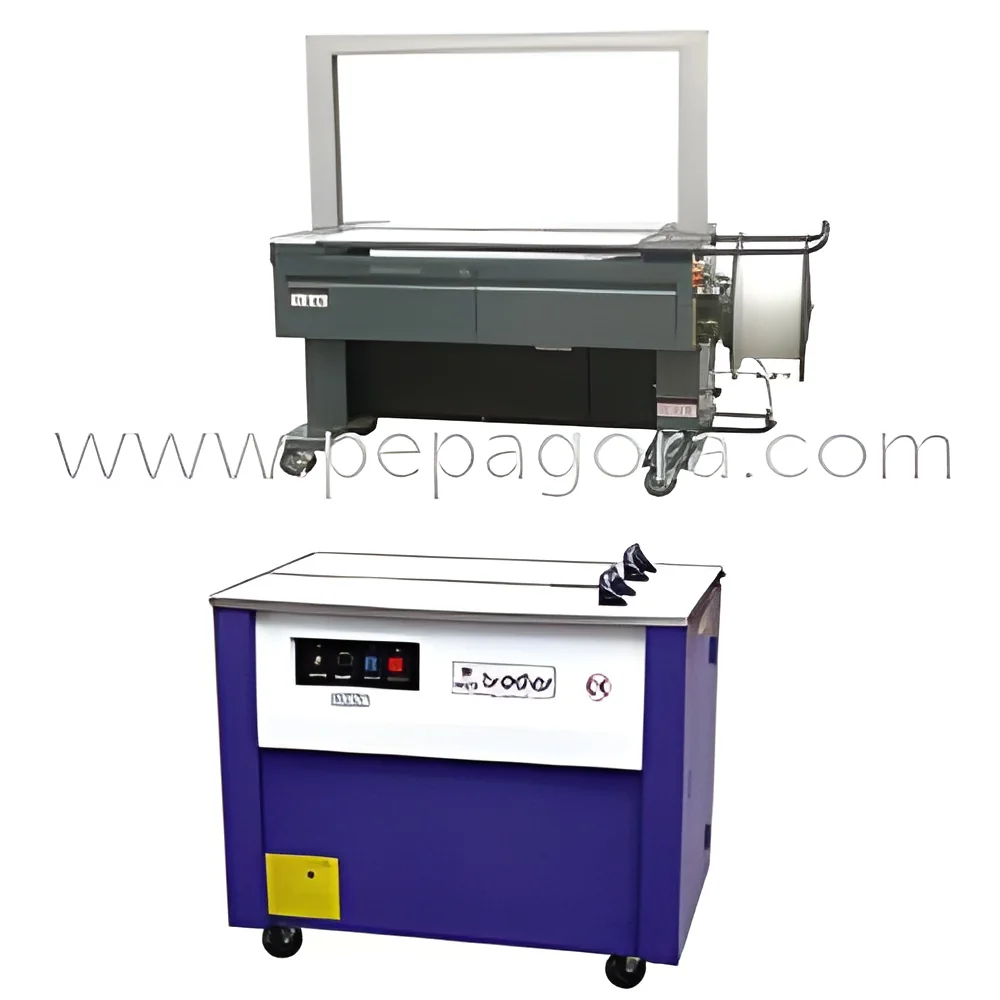
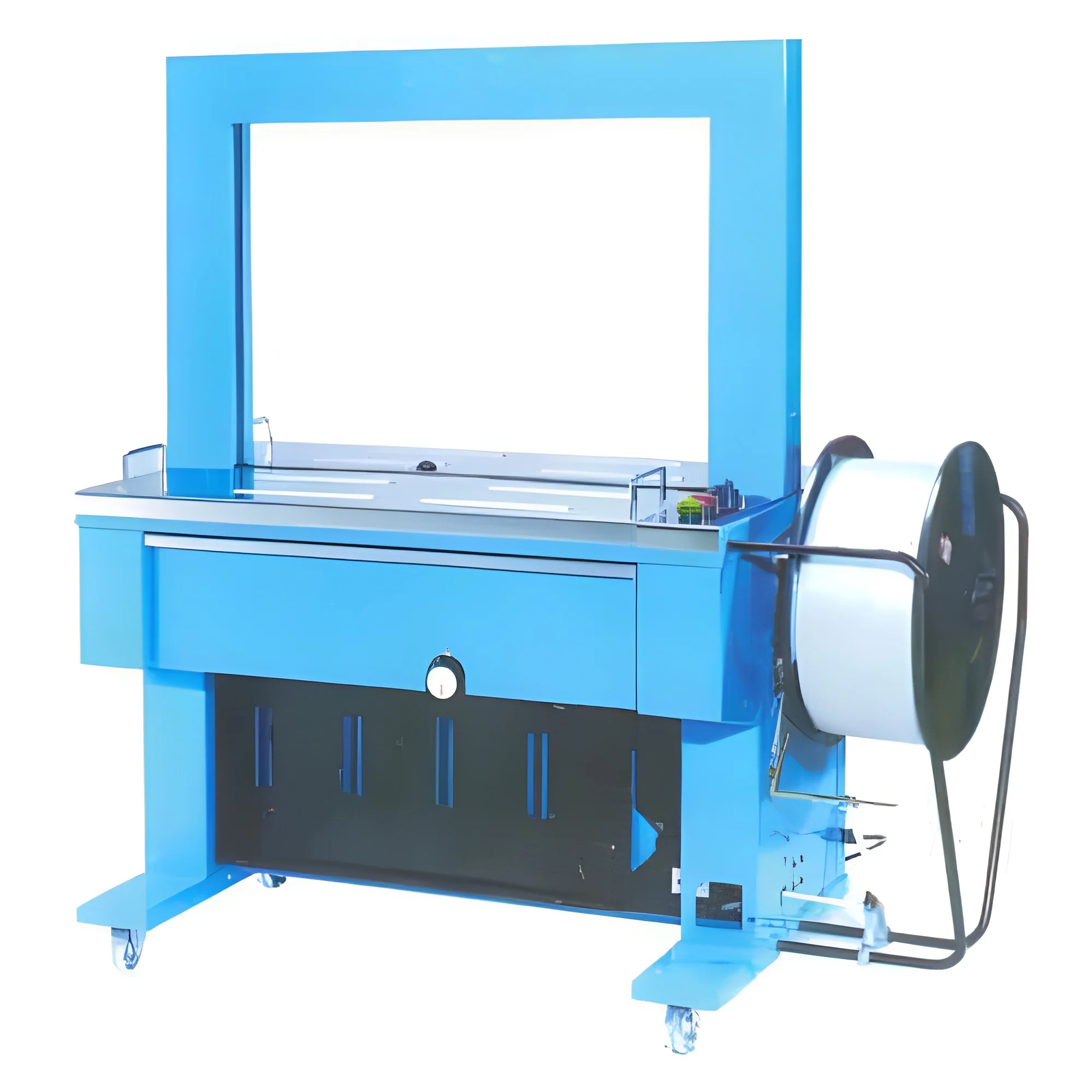
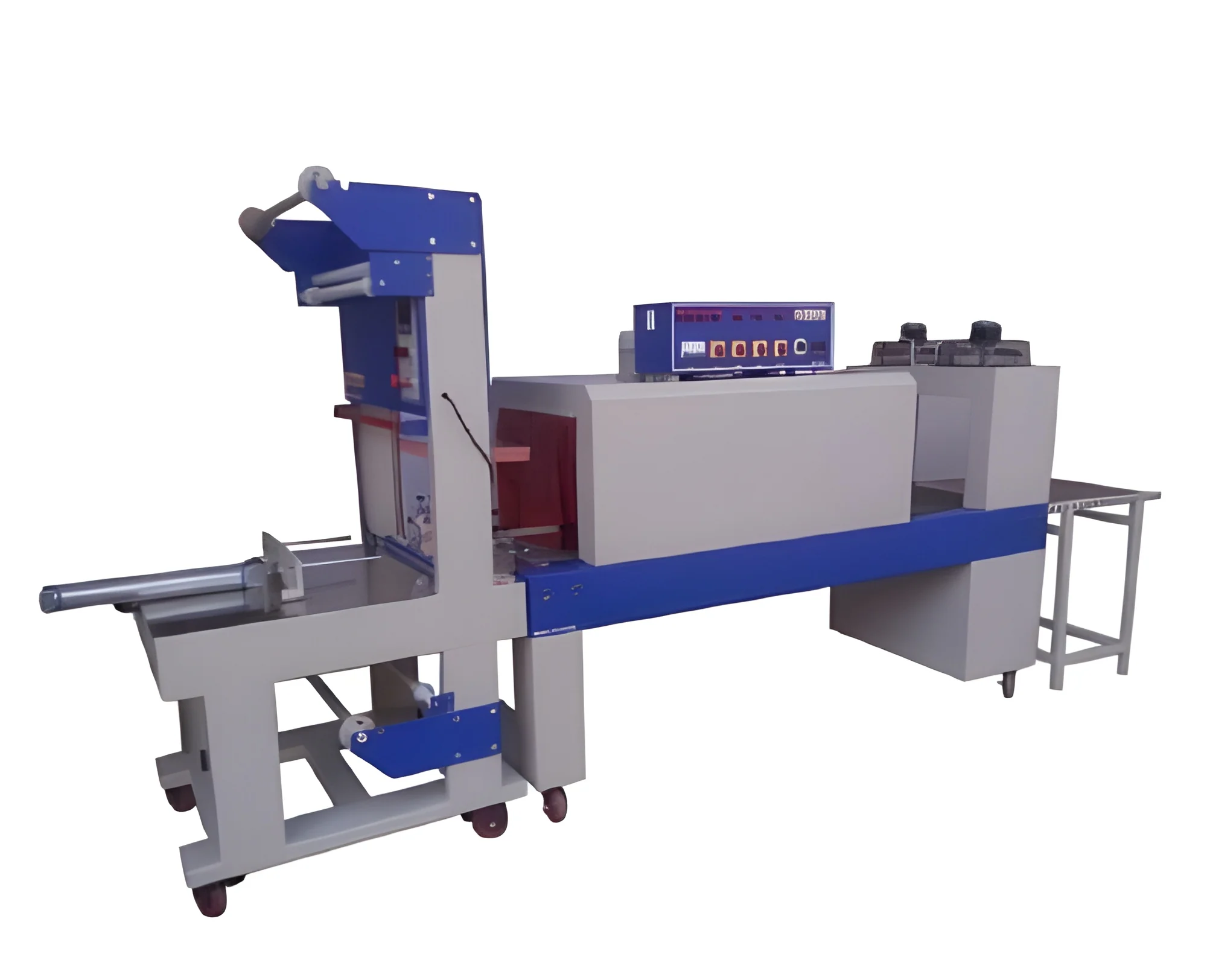
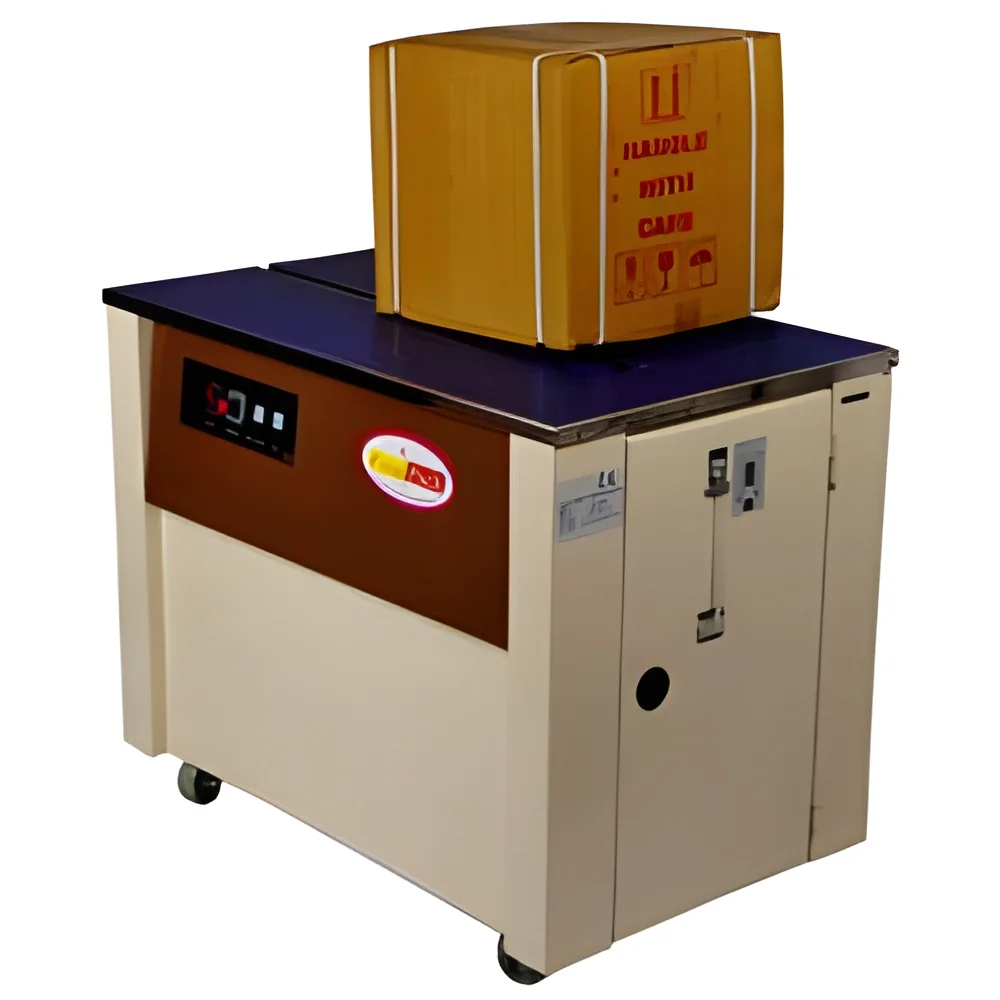
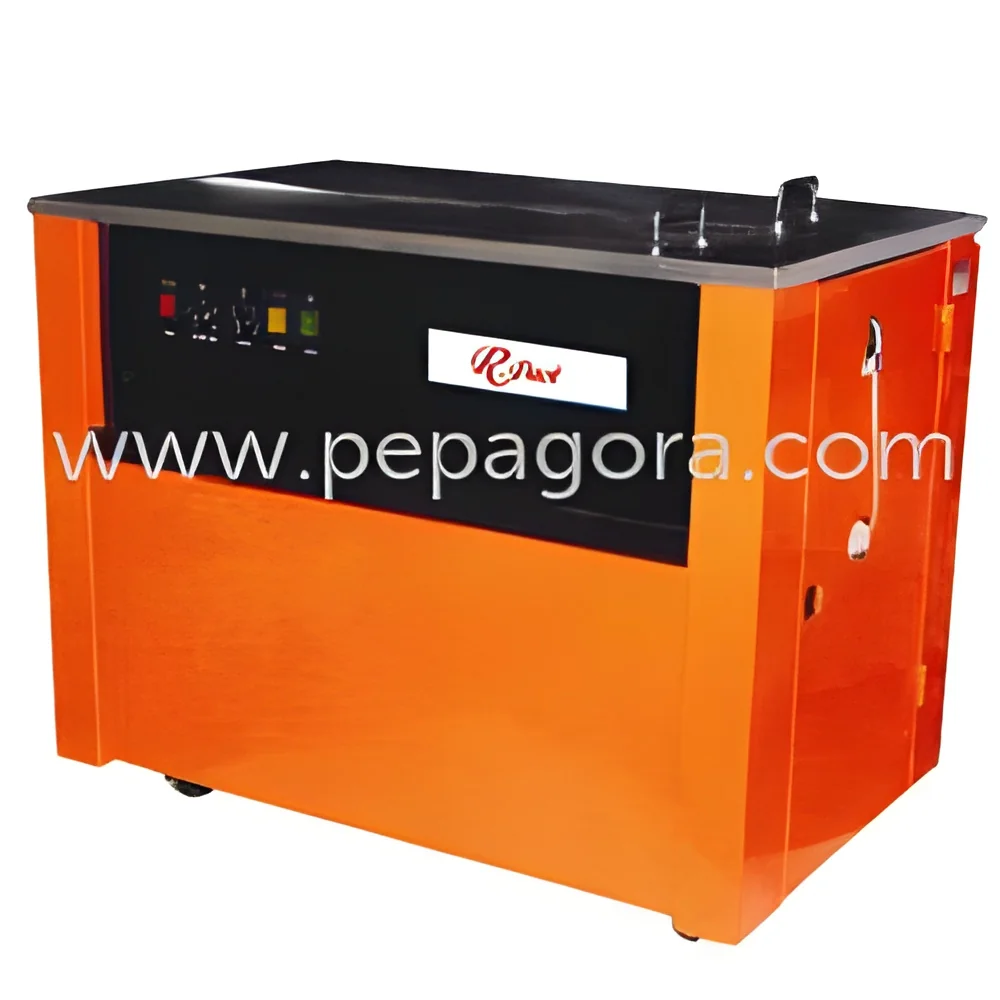
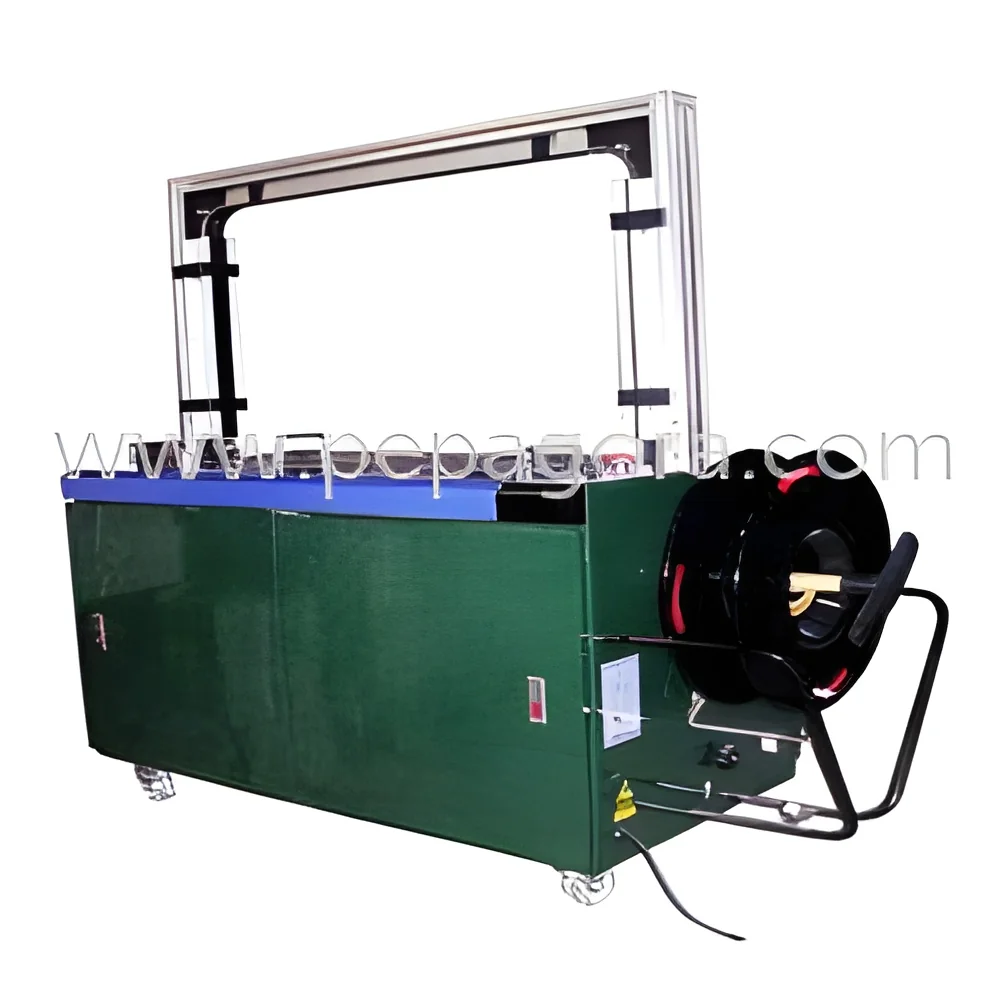
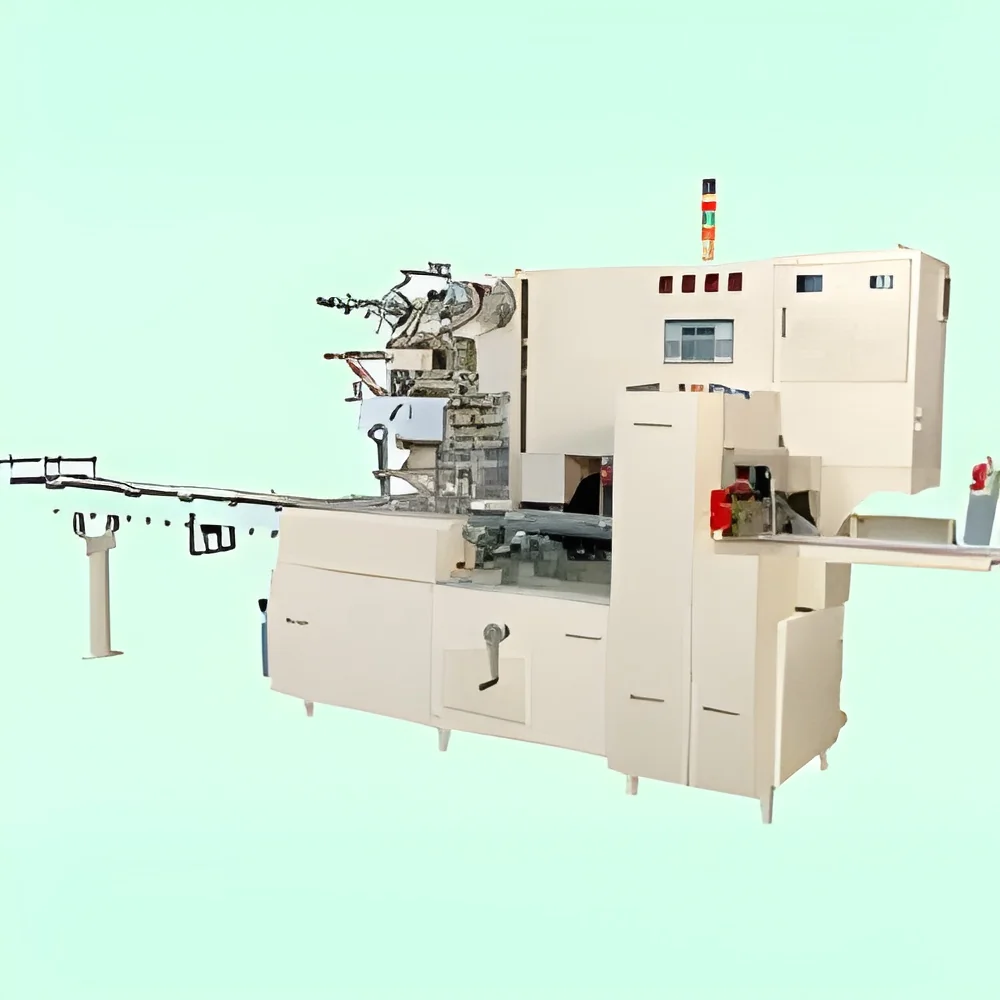
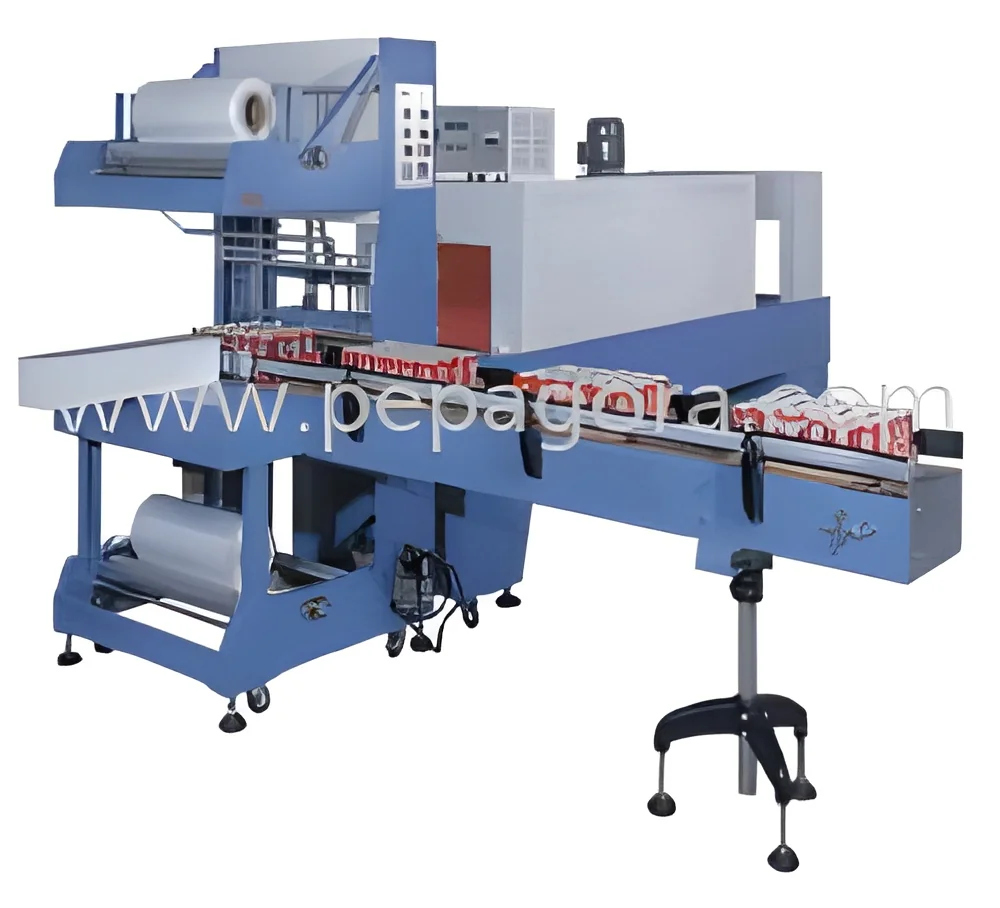
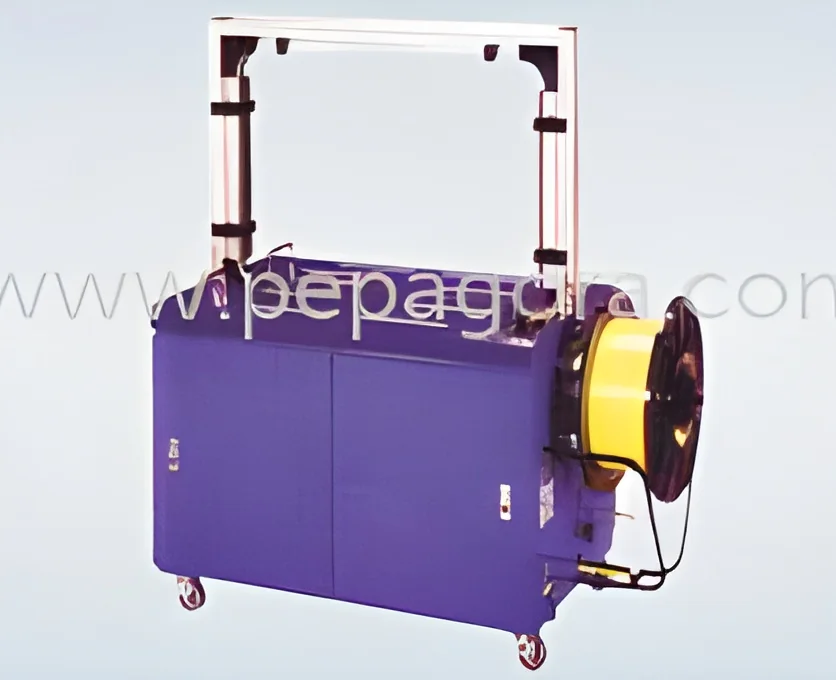
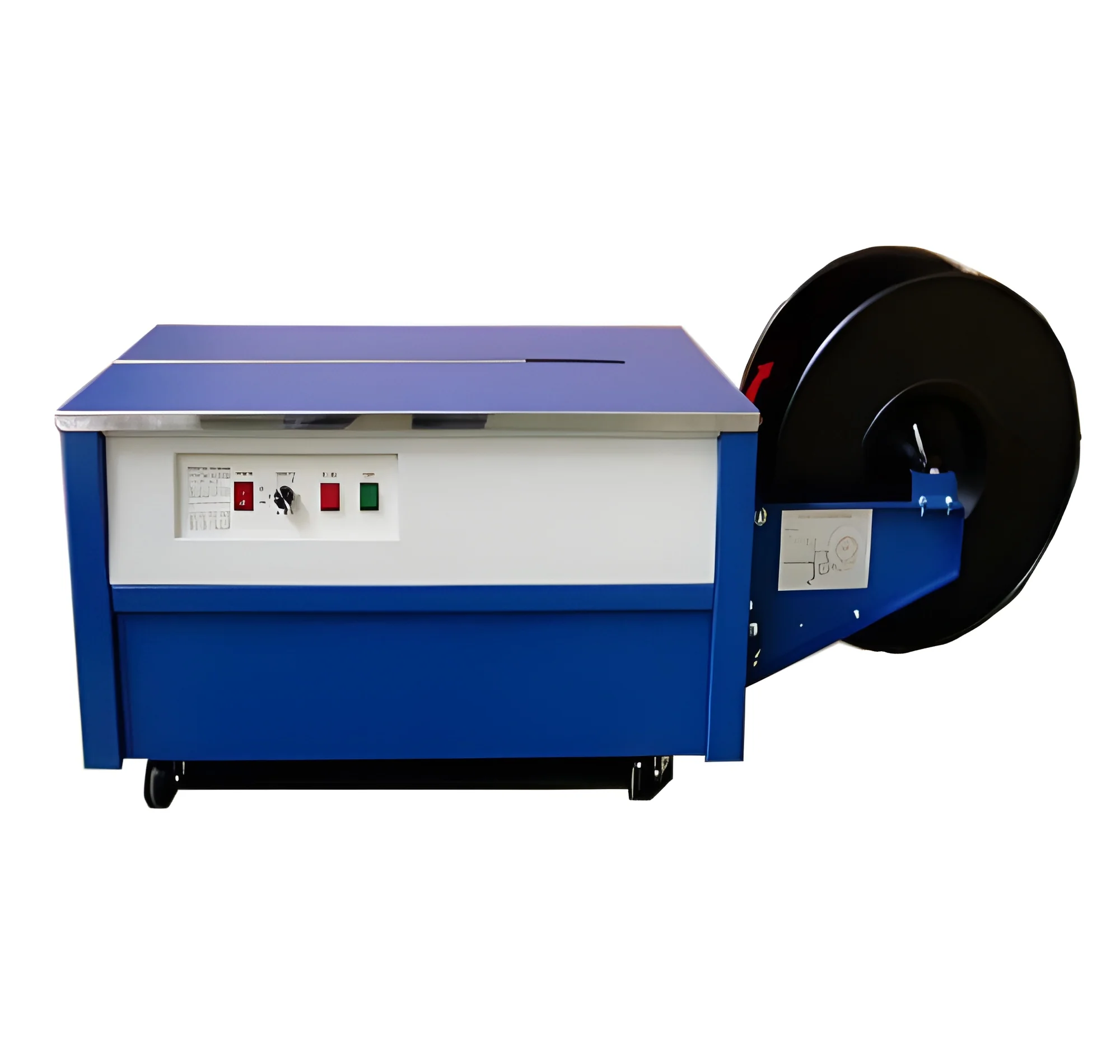
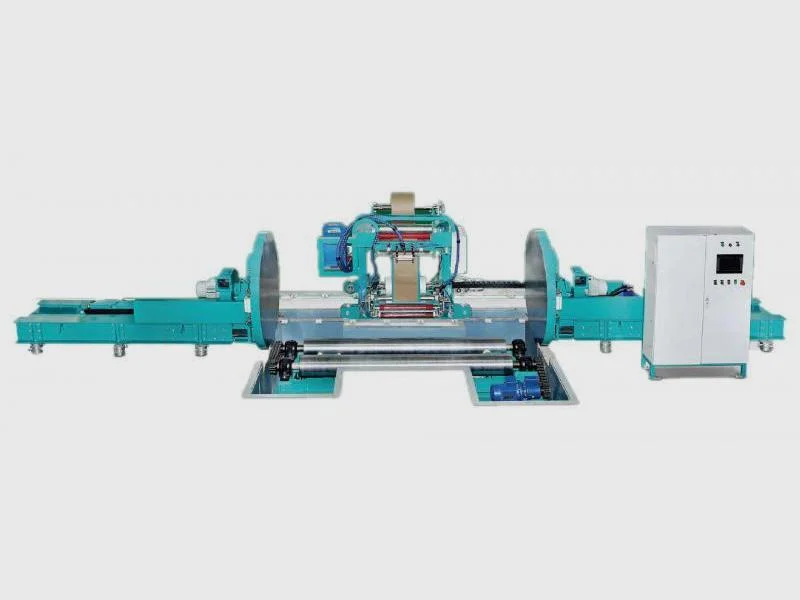
Automatic Wrapping Machines: These machines are designed for high-volume production lines. They operate with minimal human intervention, increasing throughput and efficiency. Features often include programmable settings and advanced control systems.
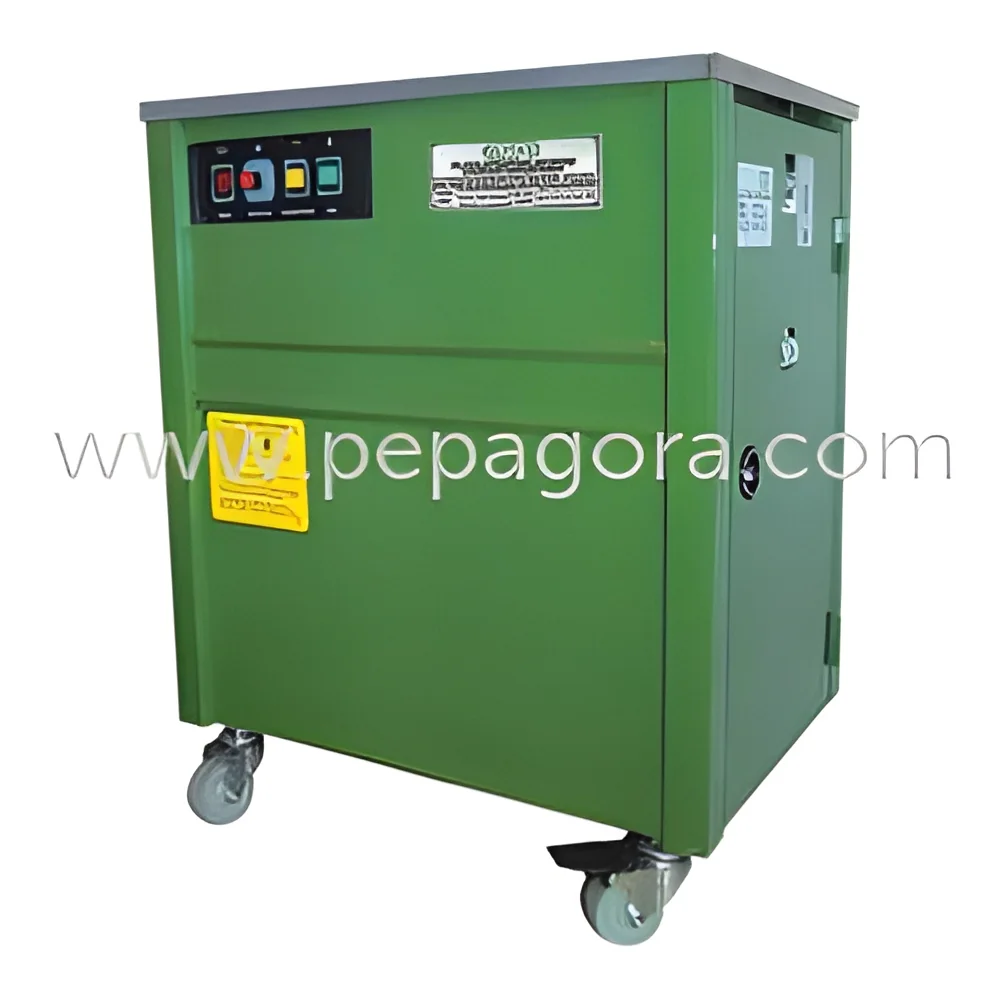
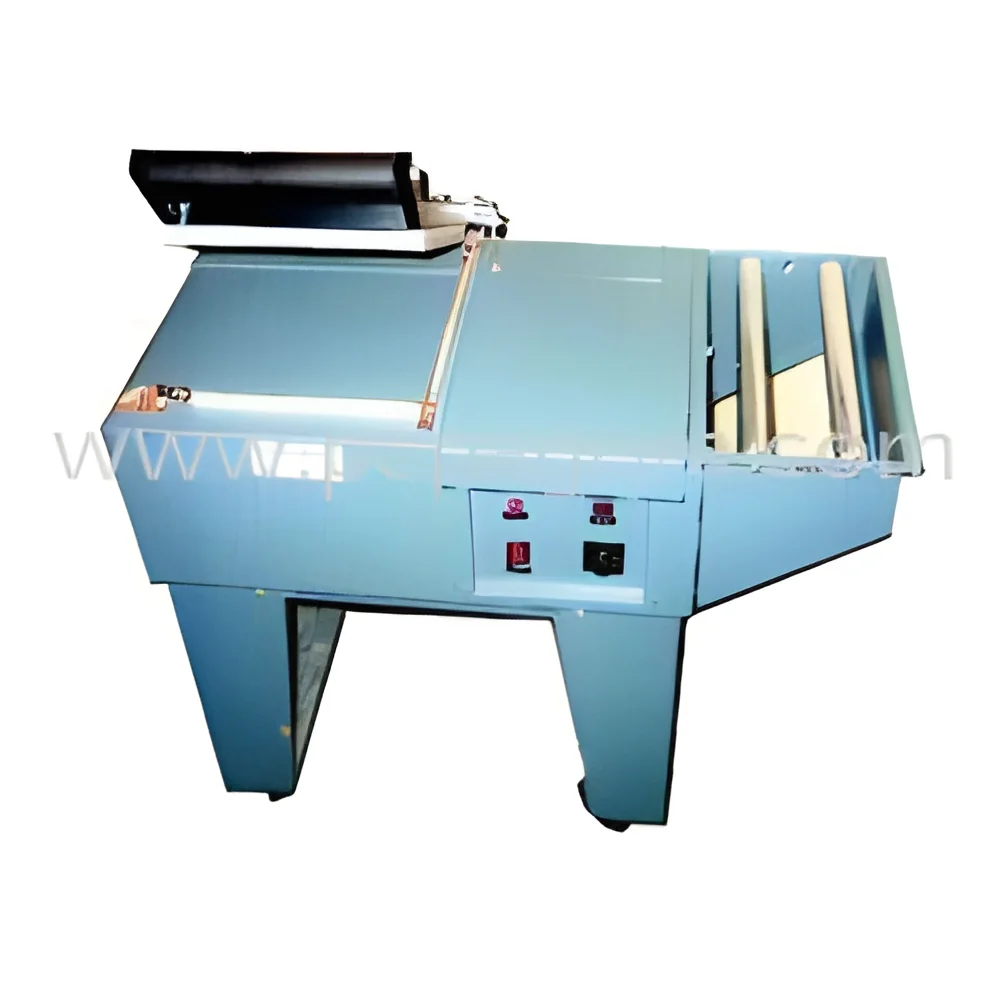
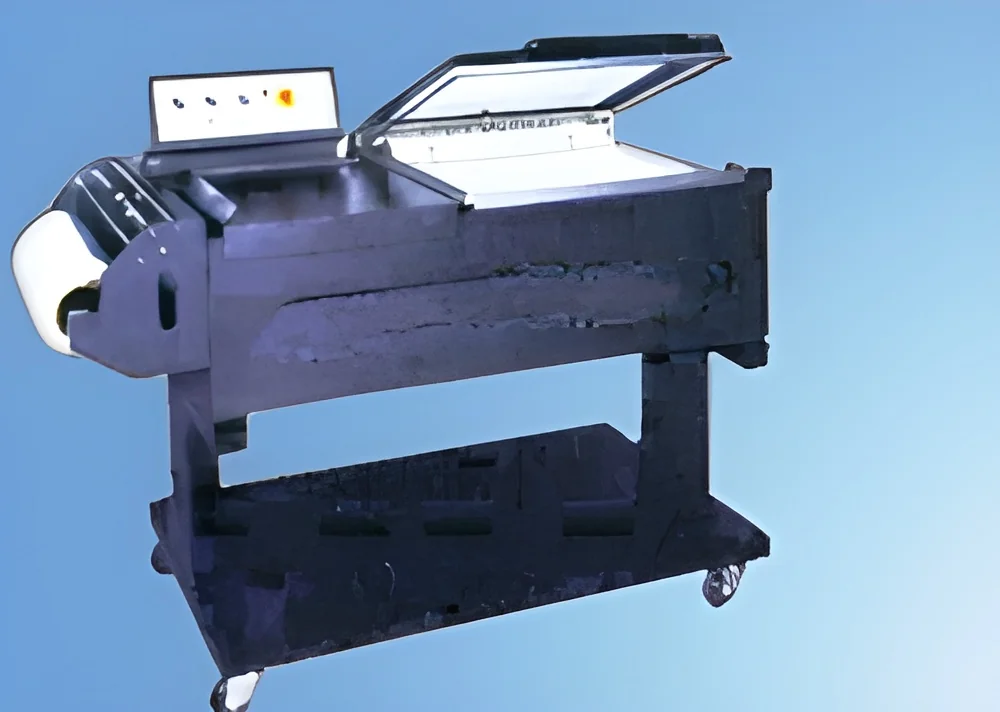
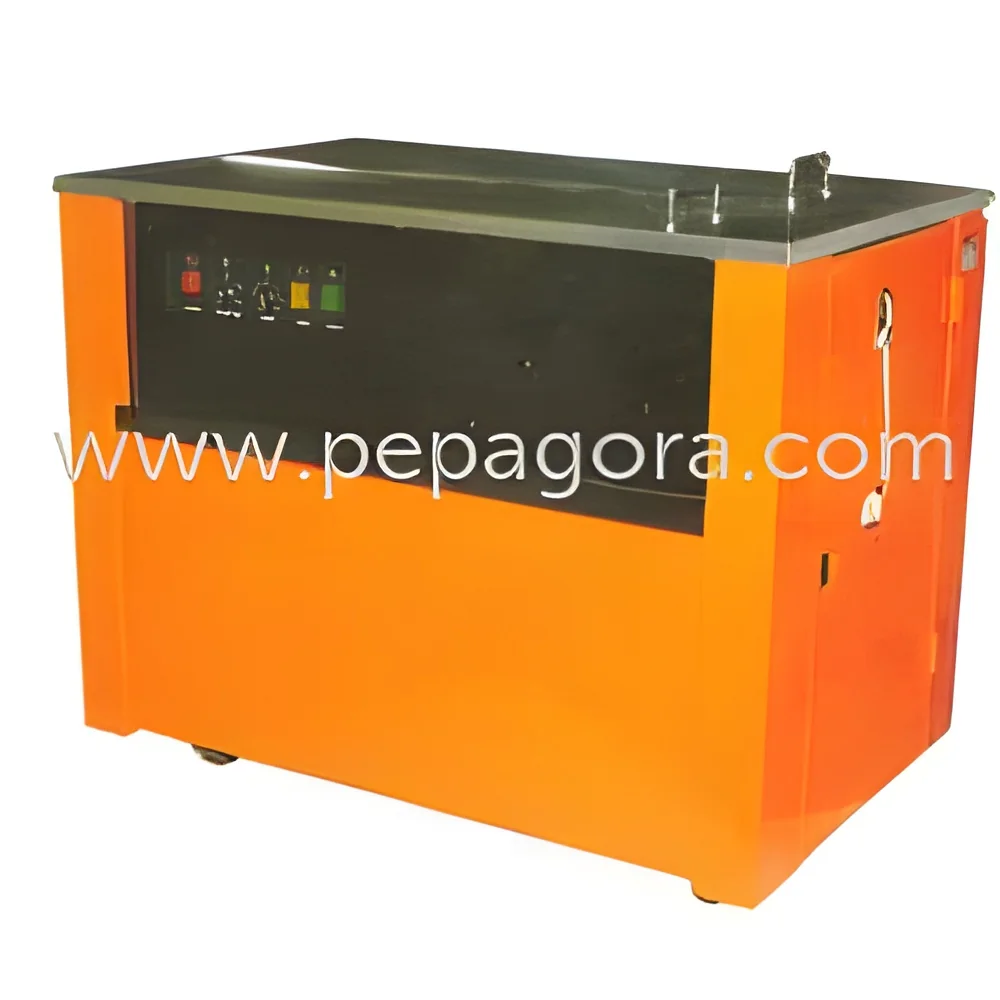
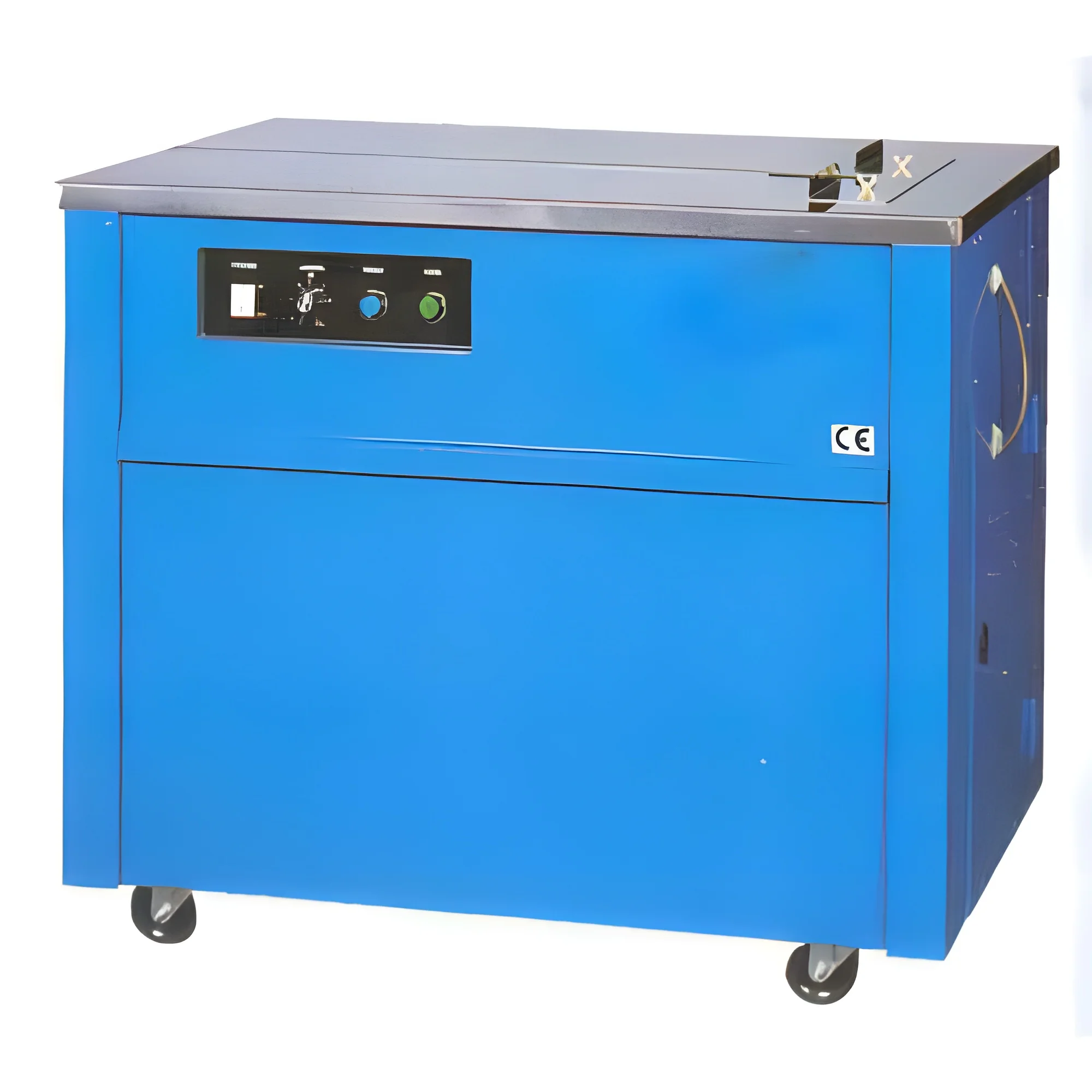
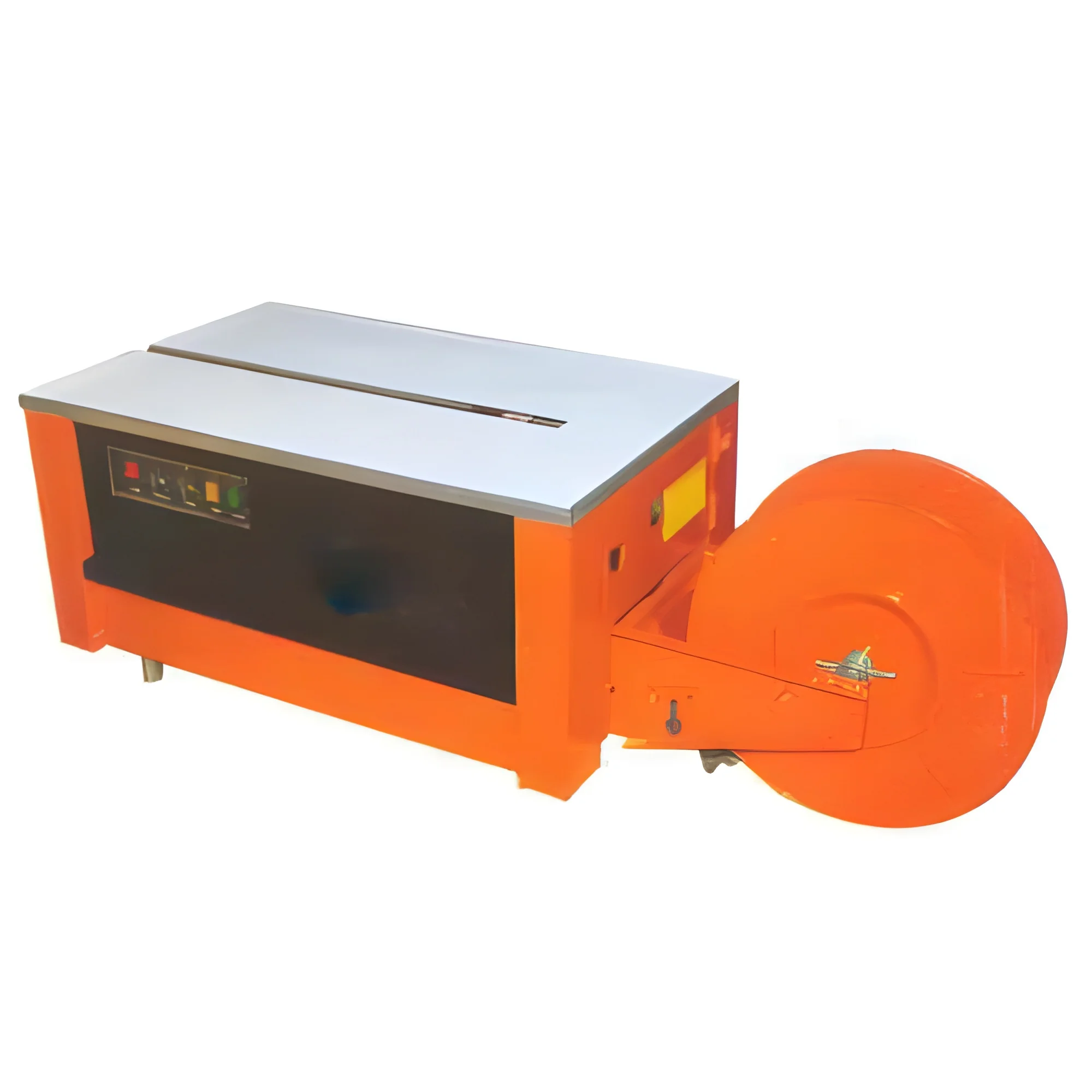
Semi-Automatic Wrapping Machines: These machines require some manual input but still provide significant automation benefits. They are ideal for businesses with varying production levels, allowing flexibility in operation.
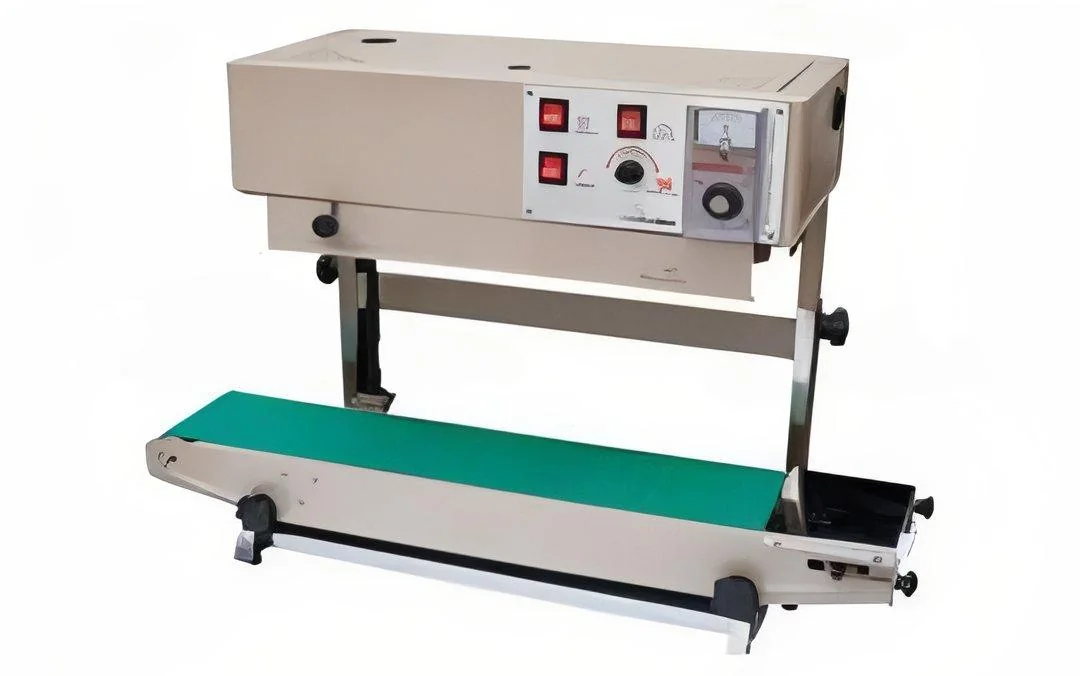
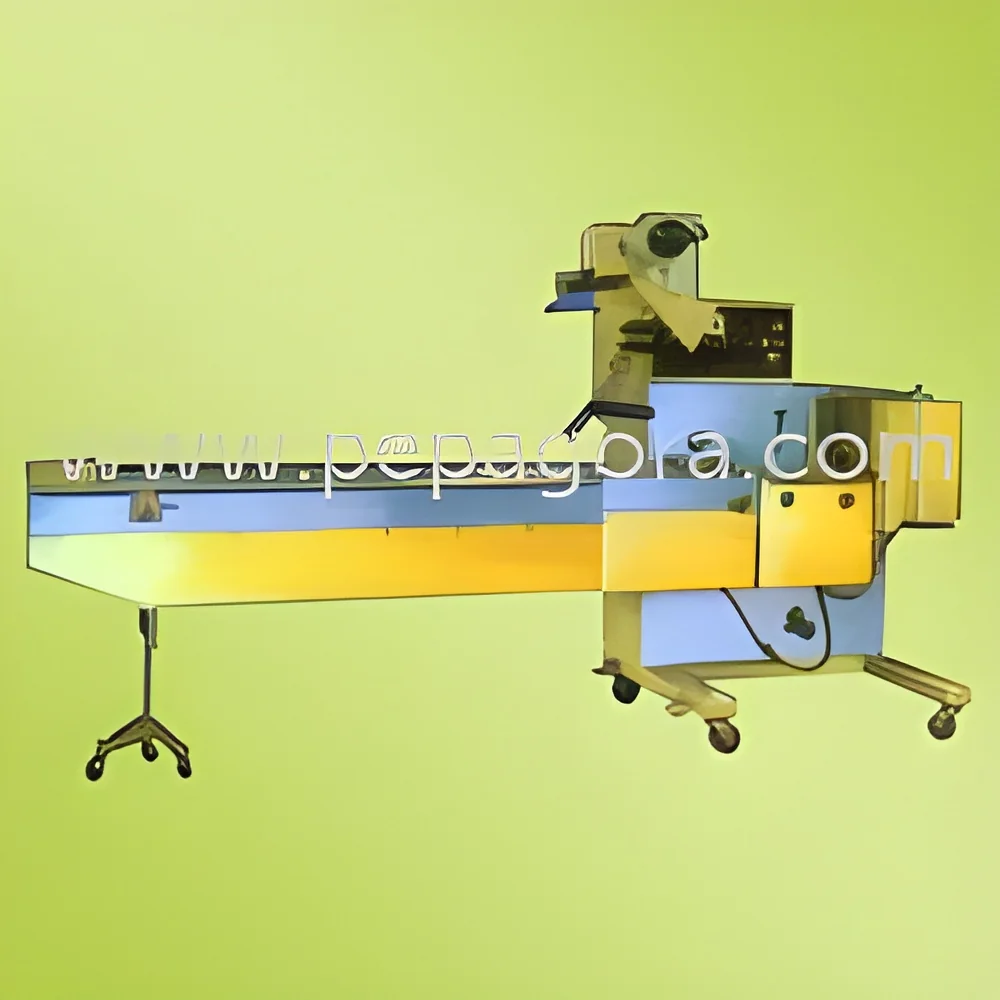
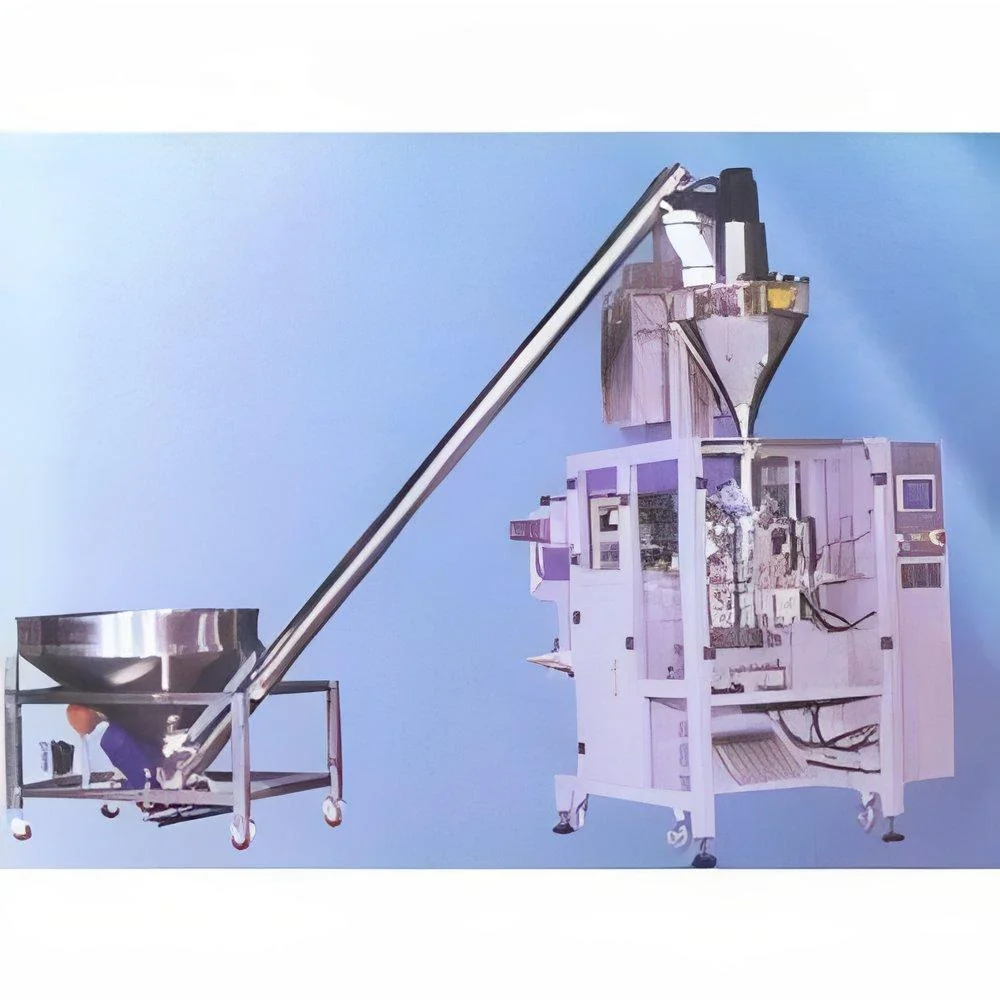
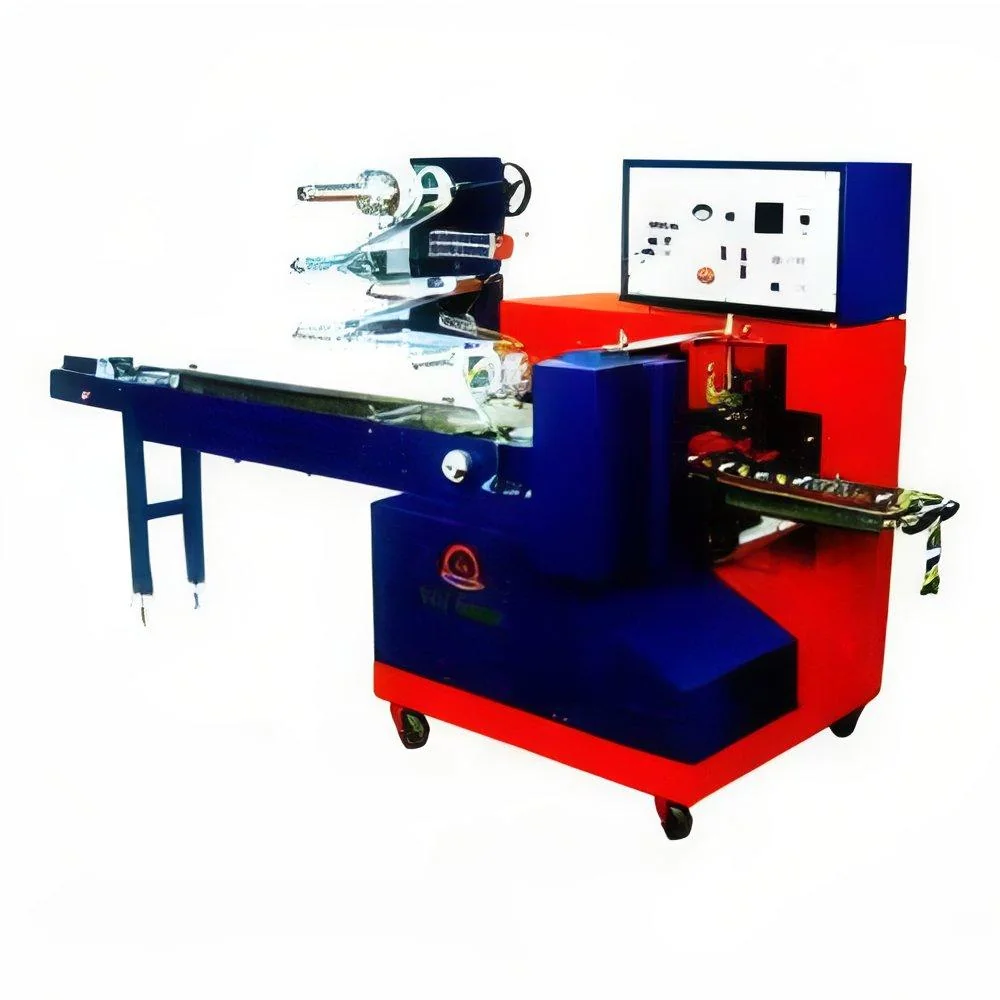
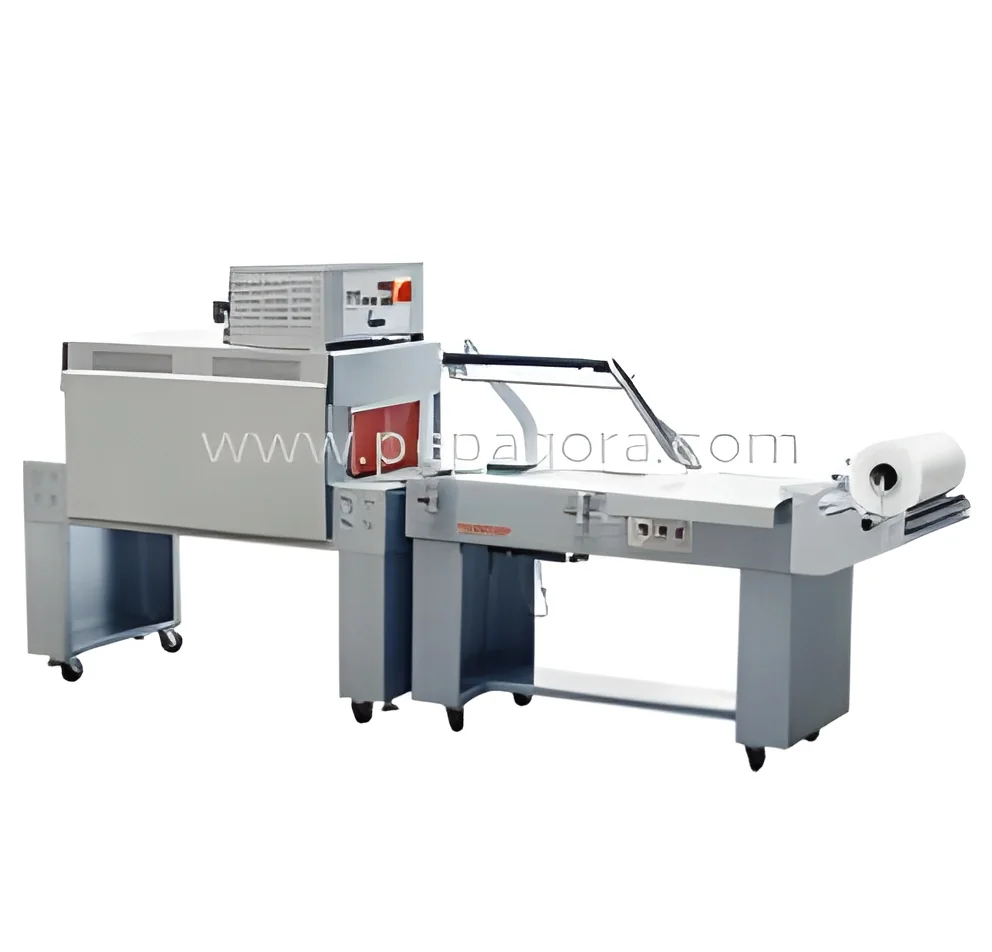
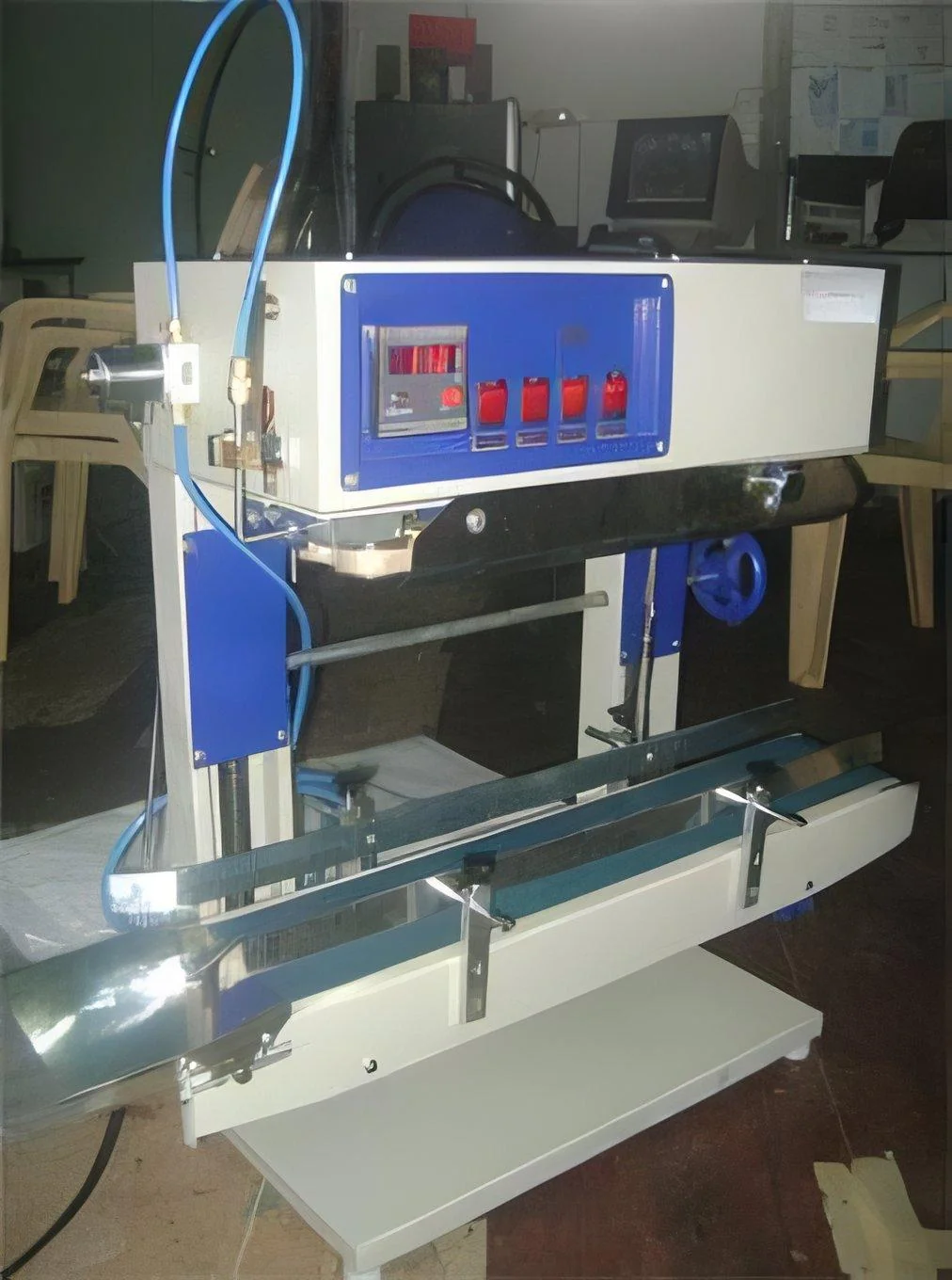
Horizontal and Vertical Wrapping Machines: Depending on the product shape and size, manufacturers can choose between horizontal or vertical wrapping configurations. Each type is optimized for different packaging tasks.
𝗕𝗲𝗻𝗲𝗳𝗶𝘁𝘀 𝗮𝗻𝗱 𝗔𝗱𝘃𝗮𝗻𝘁𝗮𝗴𝗲𝘀
Investing in wrapping machines offers numerous benefits for businesses.
1. Increased Efficiency: Wrapping machines automate the packaging process, significantly speeding up production times and reducing labor costs.
2. Enhanced Product Protection: By securely wrapping products, these machines help prevent damage from moisture, dust, and handling during transport and storage.
3. Consistent Quality: Automated wrapping ensures uniformity in packaging, leading to a more professional appearance and improved customer satisfaction.
4. Flexibility: Many wrapping machines can accommodate different product sizes and materials, allowing businesses to adapt to changing packaging needs.
5. Reduced Waste: Efficient wrapping processes minimize material waste, contributing to cost savings and improved sustainability.
6. Compliance Assurance: Wrapping machines can be designed to meet industry standards and regulations, ensuring that packaged products remain compliant with safety and quality requirements.
𝗕𝘂𝘆𝗶𝗻𝗴 𝗚𝘂𝗶𝗱𝗲 𝗳𝗼𝗿 𝗕𝟮𝗕 𝗕𝘂𝘆𝗲𝗿𝘀
When sourcing wrapping machines, several factors should be considered to ensure an informed purchase.
1. Quality Assessment: Determine the quality of the machine by reviewing manufacturer specifications, material durability, and customer reviews. A well-built machine will offer better longevity and performance.
2. Supplier Verification: It is crucial to vet suppliers to ensure they have a good track record. Check for certifications, customer testimonials, and after-sales support to gauge reliability.
3. Pricing and MOQ: Consider the overall cost, including machine price, installation, and maintenance. Minimum order quantities may vary, so understanding these terms will assist in budgeting.
4. Delivery and Lead Times: Evaluate the supplier's ability to meet delivery schedules. Timely delivery is essential for maintaining production timelines and avoiding delays.
5. Compliance Requirements: Ensure the wrapping machine meets relevant industry regulations and standards. Compliance with safety and quality certifications will mitigate the risk of legal issues.
𝗖𝗼𝗺𝗽𝗹𝗶𝗮𝗻𝗰𝗲 𝗮𝗻𝗱 𝗖𝗲𝗿𝘁𝗶𝗳𝗶𝗰𝗮𝘁𝗶𝗼𝗻𝘀
Compliance and certifications are vital aspects of wrapping machines that ensure product quality and safety.
Relevant quality standards, such as ISO 9001, guide manufacturers in maintaining consistent quality management systems. Adherence to these standards helps businesses enhance operational efficiency and customer satisfaction.
Industry certifications like CE signify that wrapping machines comply with European safety, health, and environmental protection standards. Such certifications assure buyers of the machine's reliability and safety during operation.
Safety and testing requirements are paramount in the manufacturing process. Machines must undergo rigorous testing to ensure they operate safely and effectively. Compliance with regional regulations is also necessary, as different markets may have specific safety standards.
Ensuring that wrapping machines meet these compliance requirements is crucial for businesses to operate within legal frameworks and maintain product integrity.
𝗪𝗵𝘆 𝗦𝗼𝘂𝗿𝗰𝗲 𝗪𝗿𝗮𝗽𝗽𝗶𝗻𝗴 𝗠𝗮𝗰𝗵𝗶𝗻𝗲𝘀 𝗳𝗿𝗼𝗺 𝗣𝗲𝗽𝗮𝗴𝗼𝗿𝗮?
Pepagora provides a trusted platform for sourcing wrapping machines, offering several key advantages that benefit B2B buyers.
Verified Supplier Network: Pepagora ensures that all suppliers are thoroughly vetted, providing buyers with peace of mind. This verification process helps in establishing trust and reliability in supplier relationships.
Streamlined RFQ Process: The platform allows for an efficient request for quotation (RFQ) process. Buyers can easily compare multiple suppliers and receive tailored quotations, simplifying the decision-making process.
Trade Assurance and Support: Pepagora offers trade assurance, protecting buyers against potential issues. This support ensures that transactions are secure and that buyers receive the products as promised.
Regional Coverage: With a strong presence in regions like India, the GCC, and Southeast Asia, Pepagora connects buyers with local and international suppliers. This geographic reach facilitates access to diverse options and solutions tailored to specific market needs.

 IN
IN