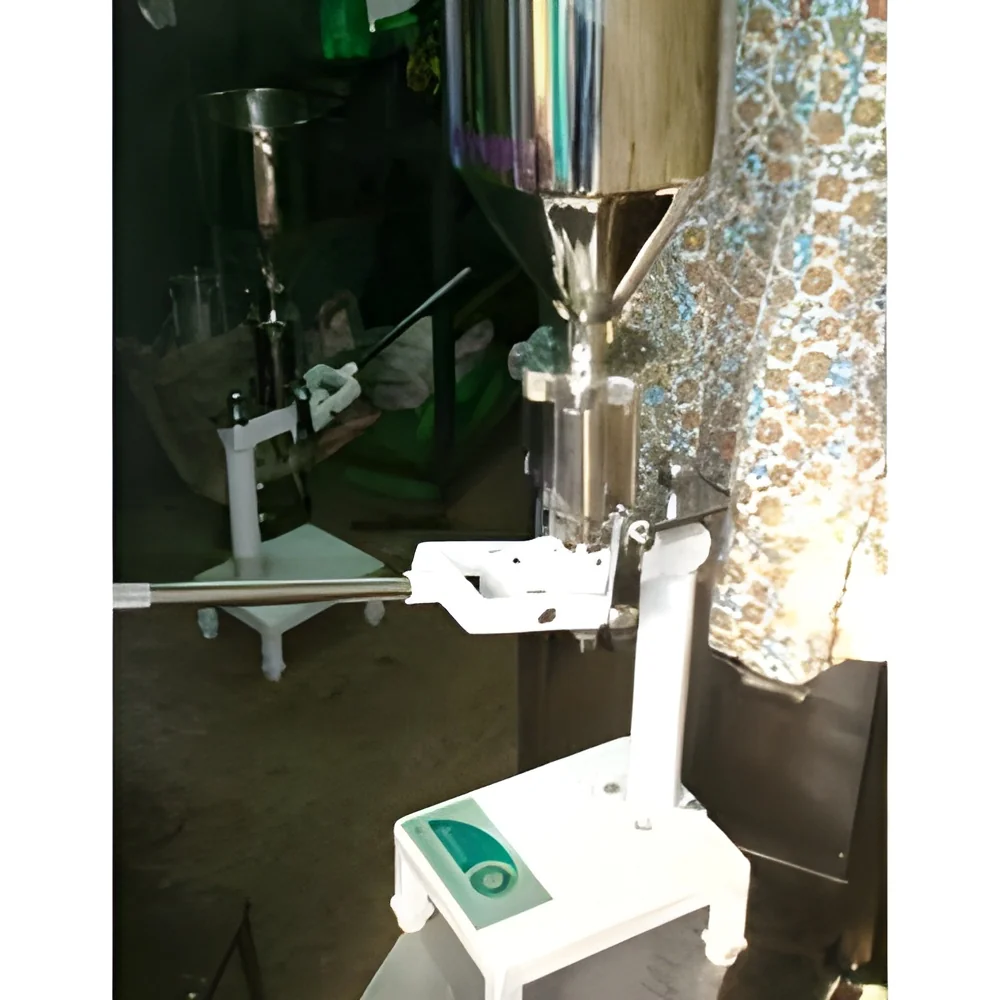
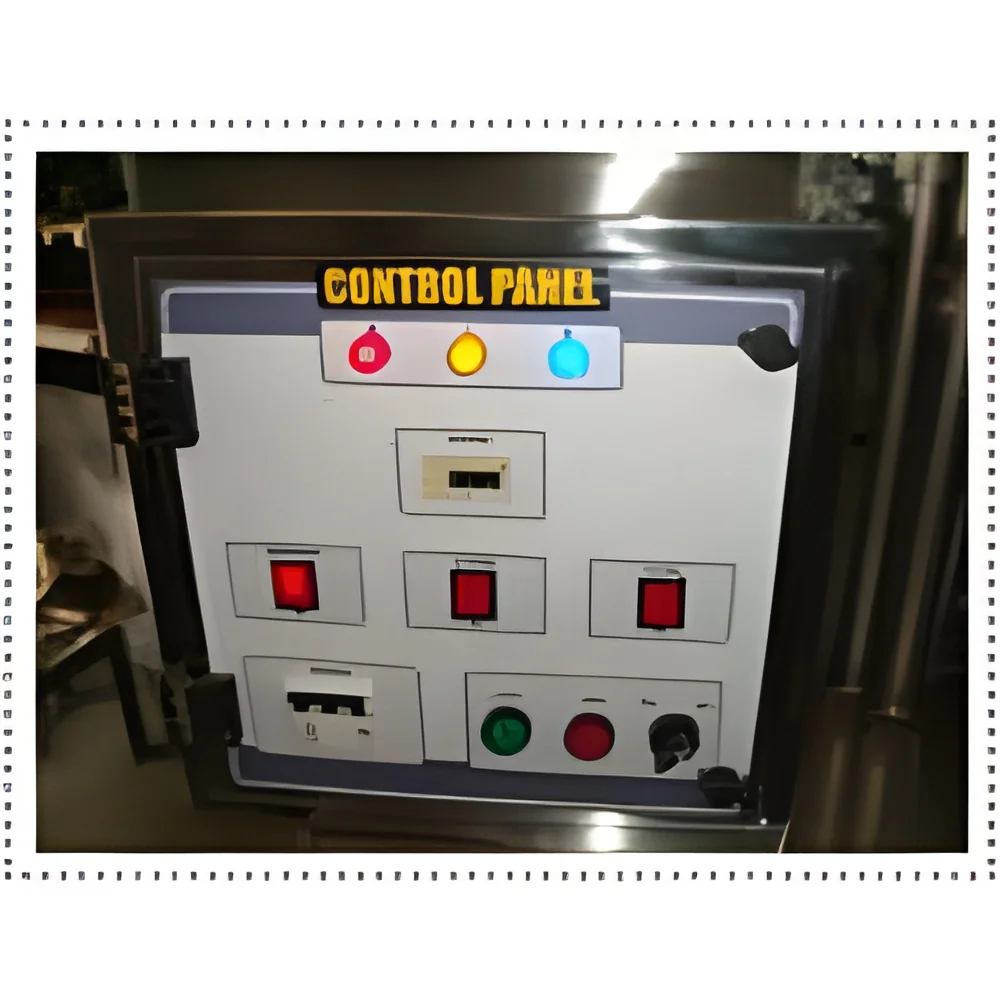
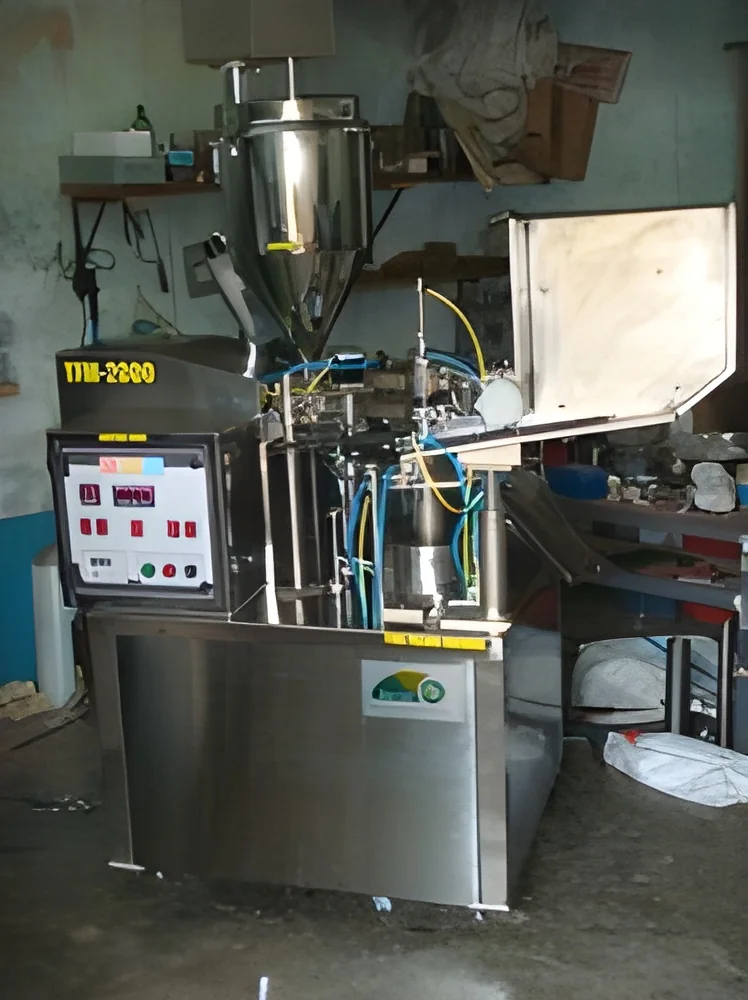
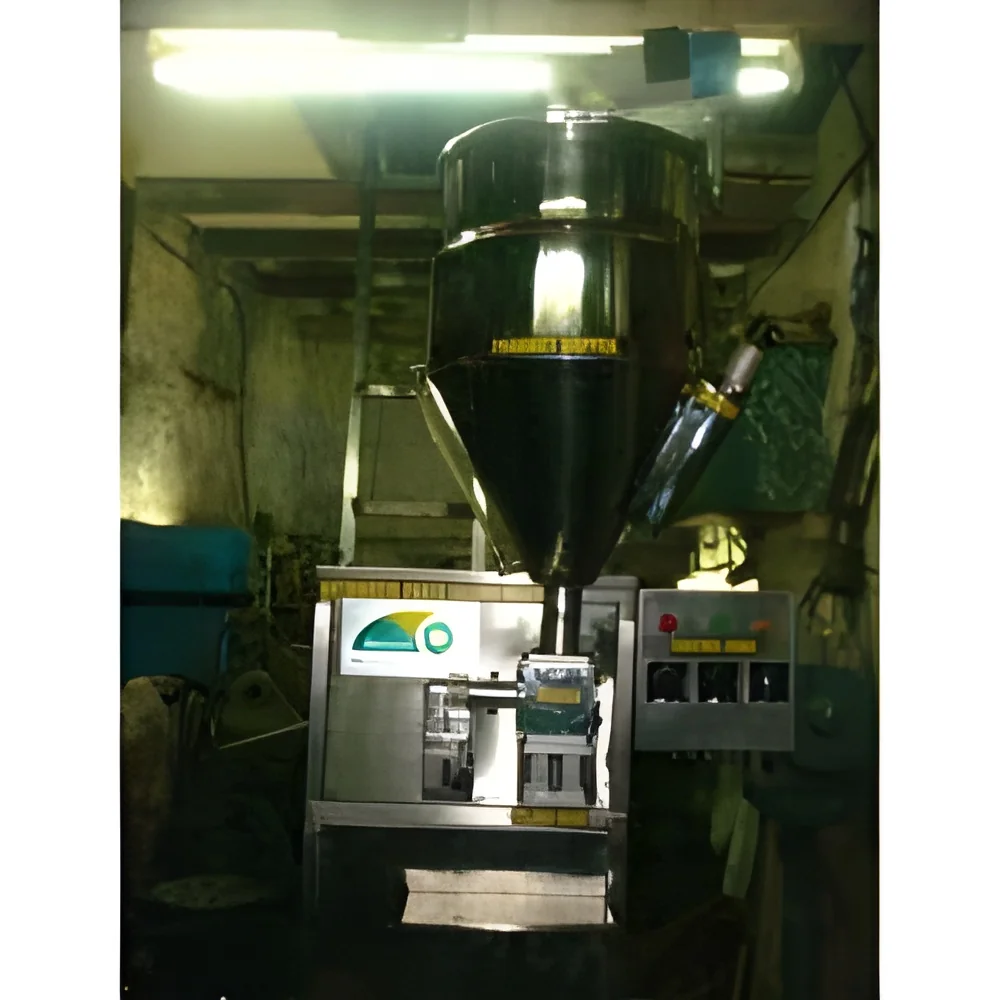
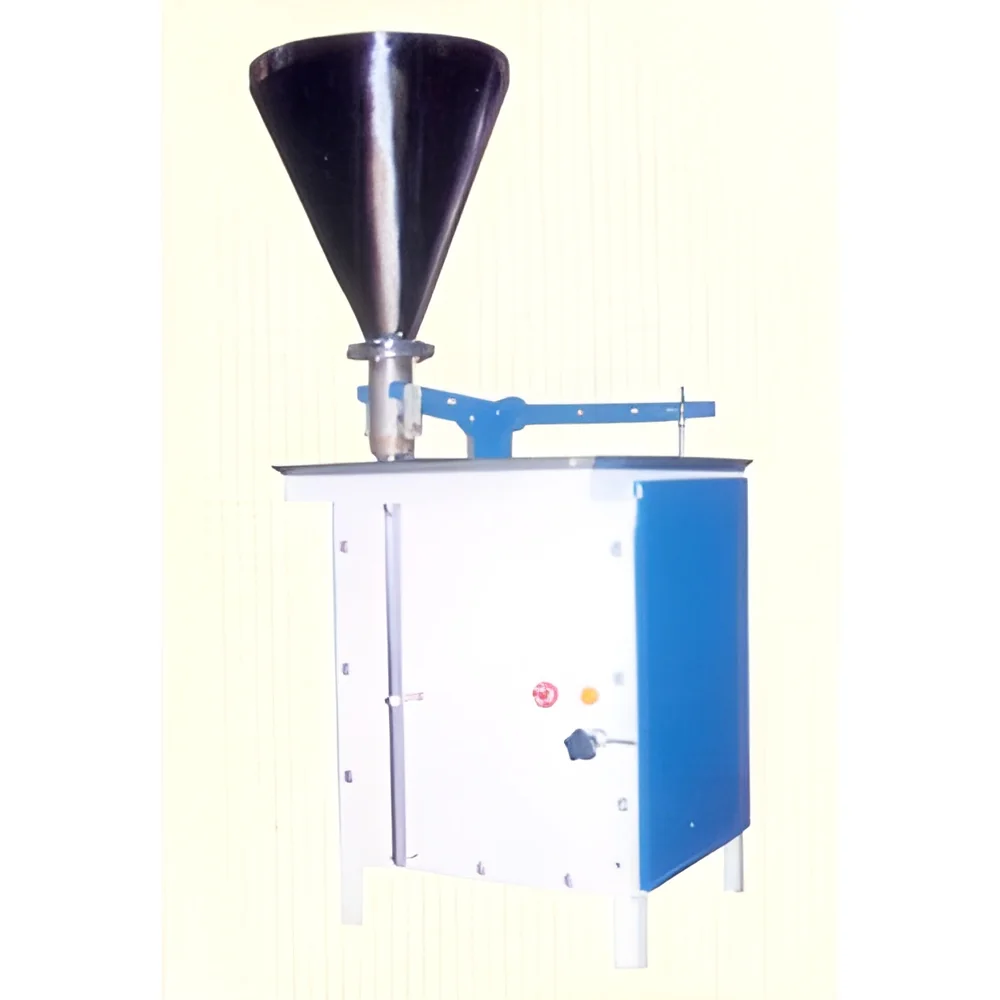
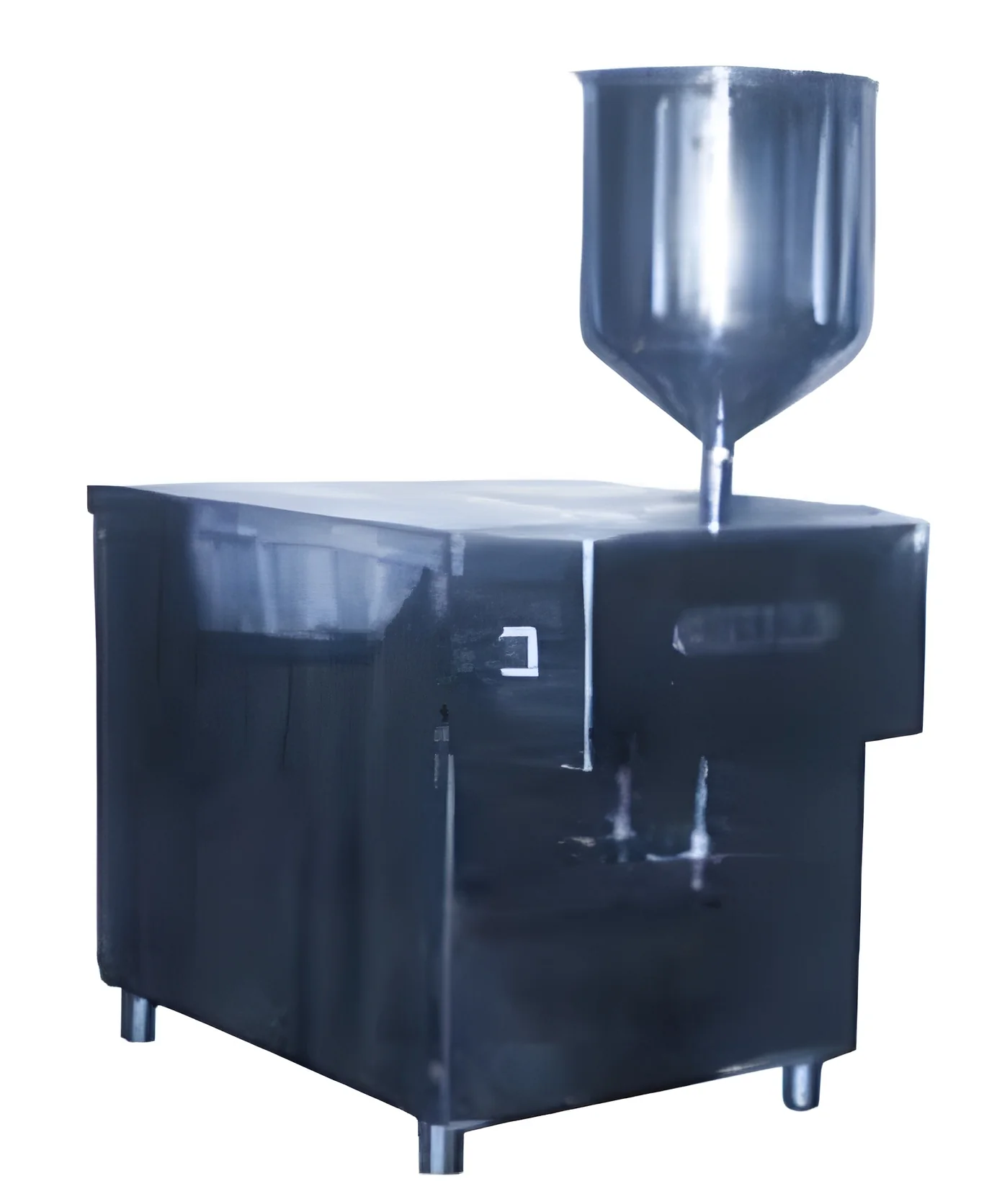
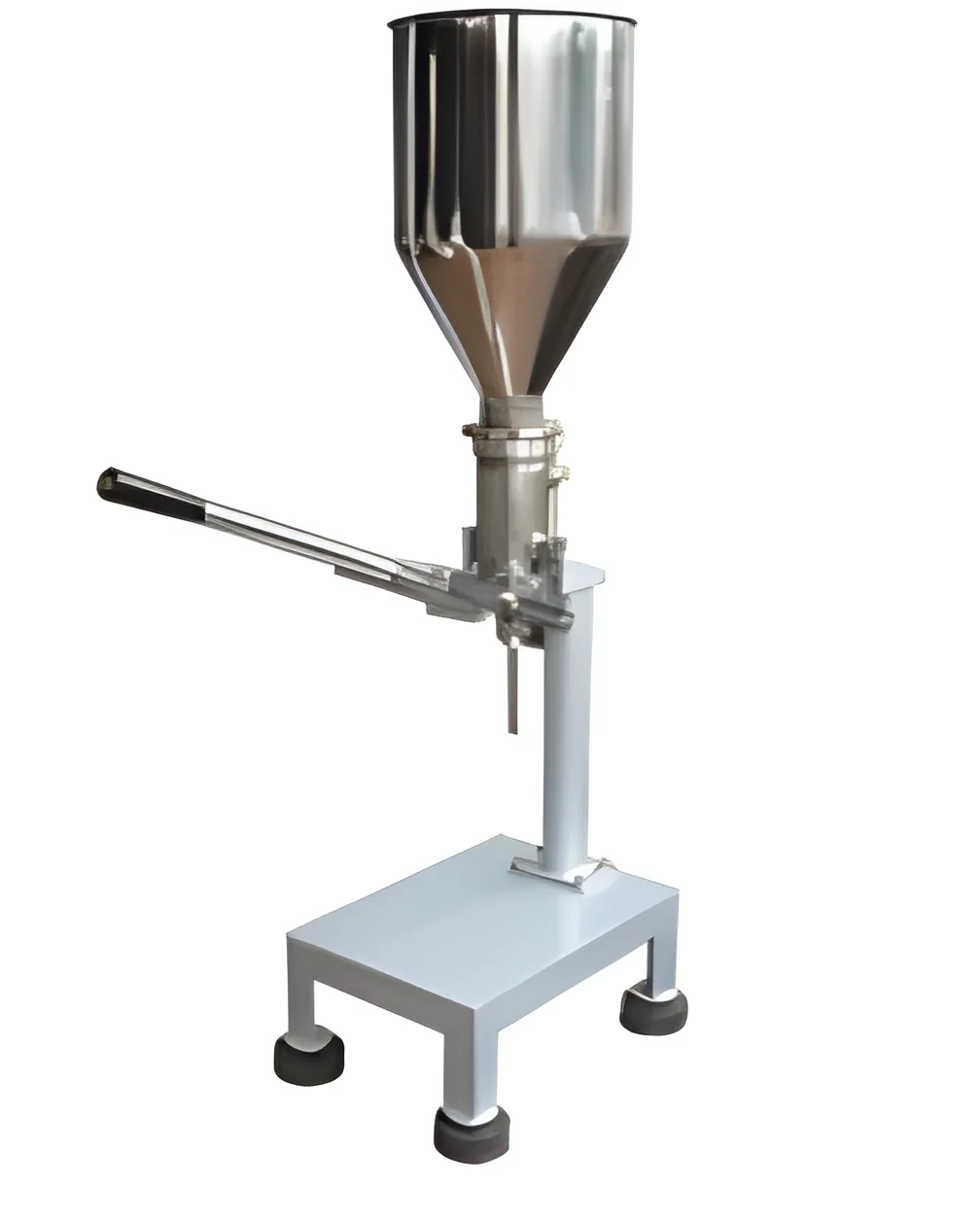
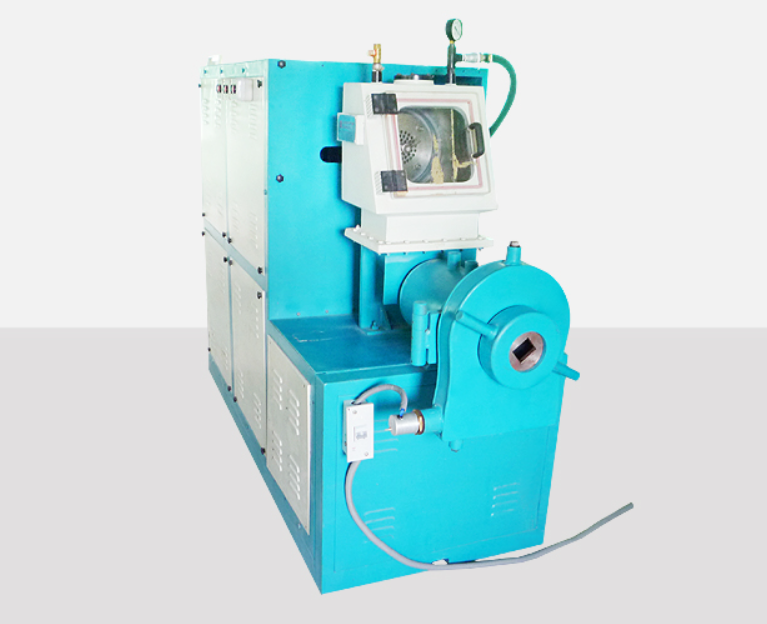
What are Paste Filling Machines?
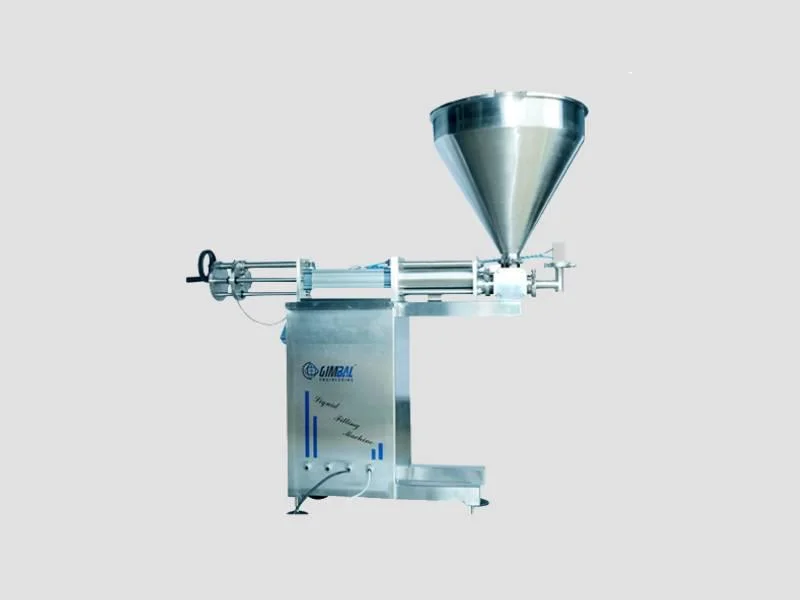
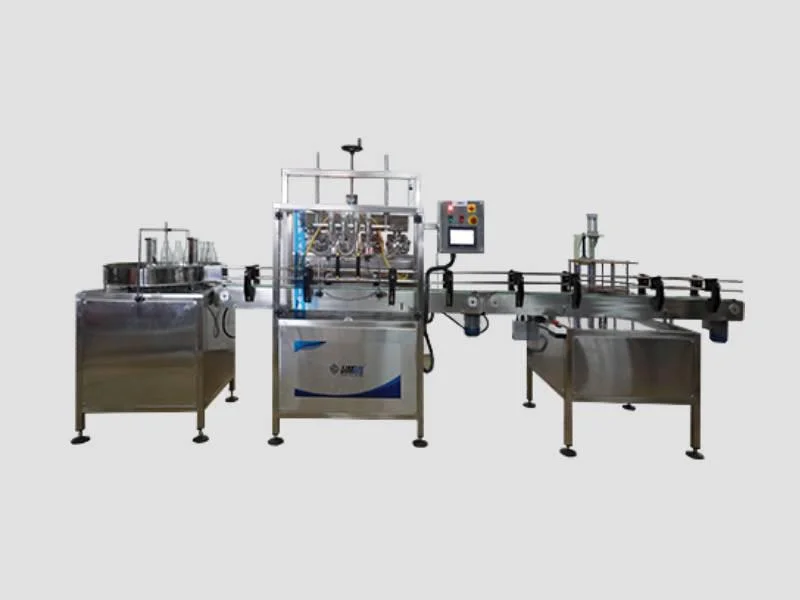
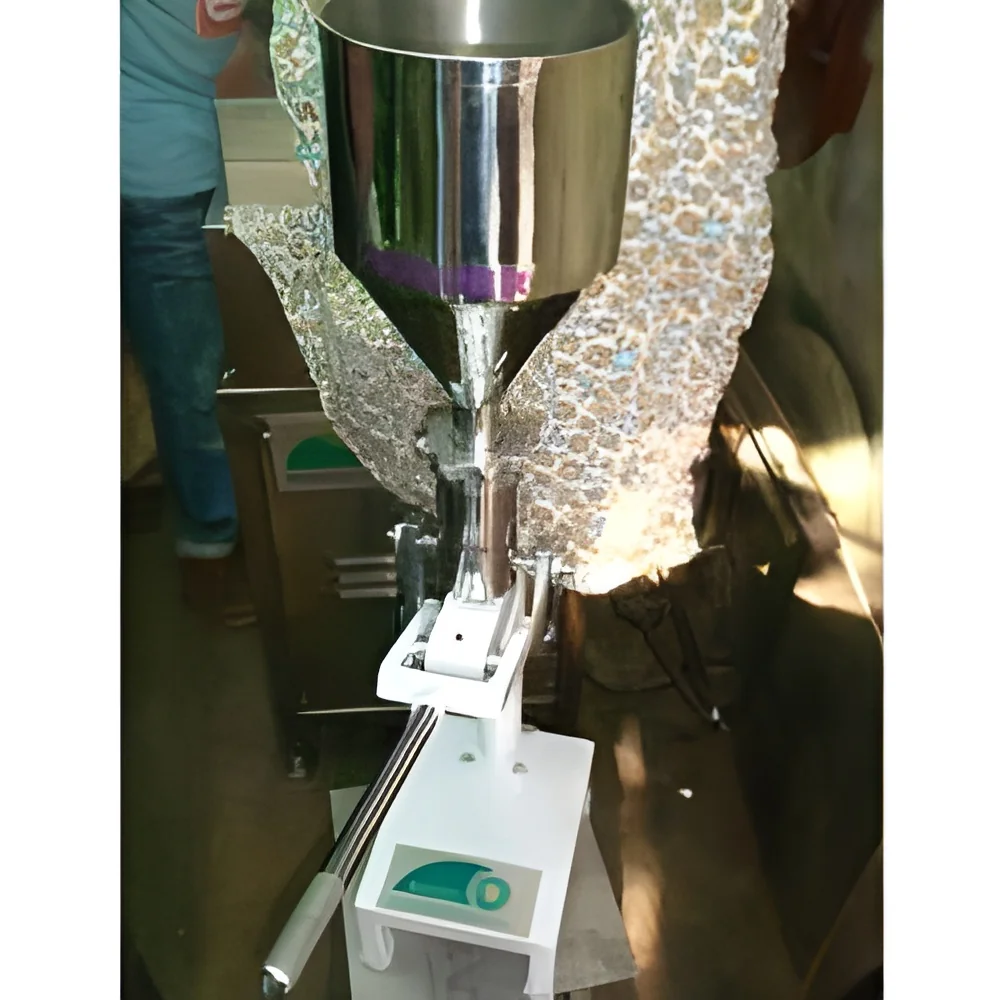
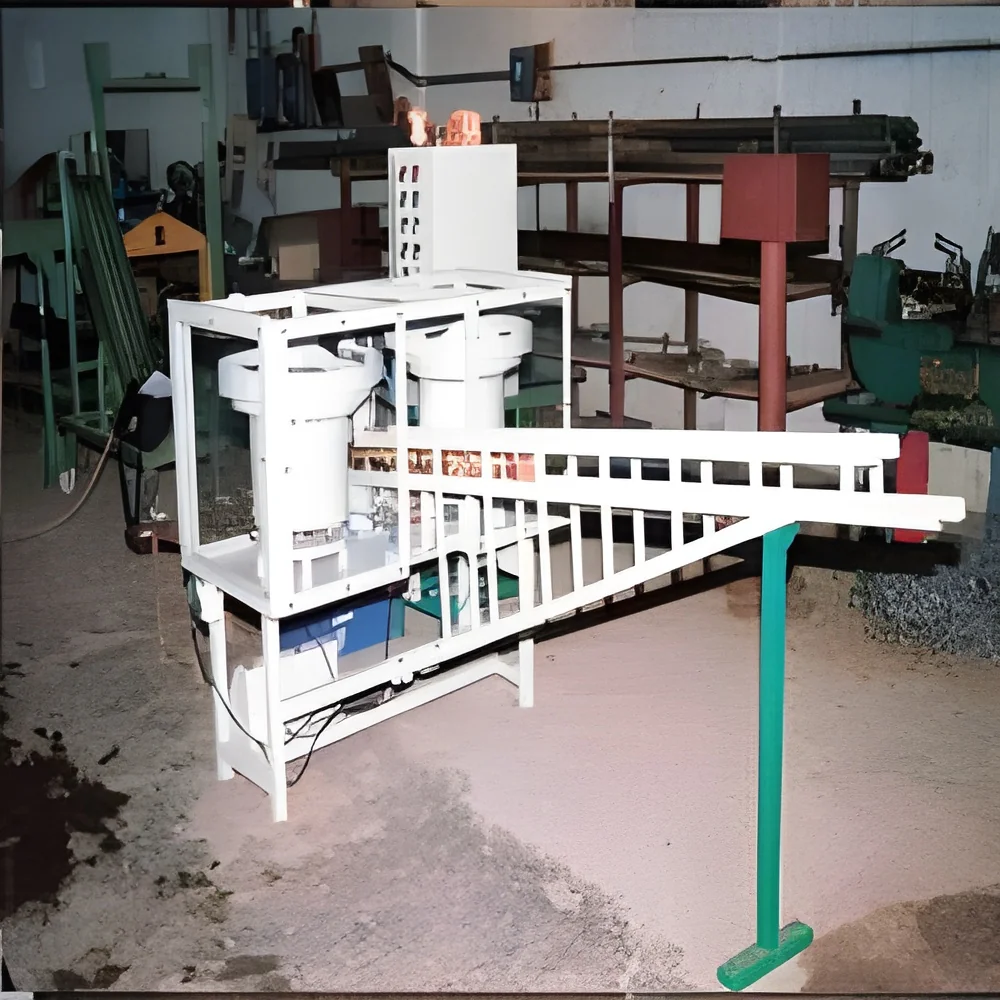
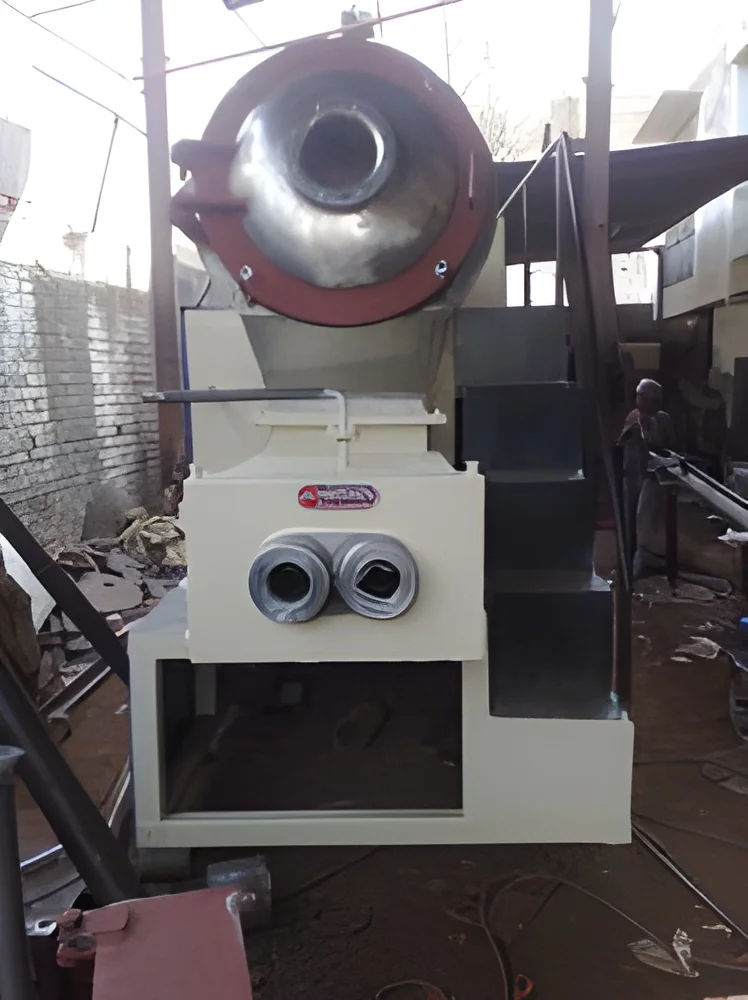
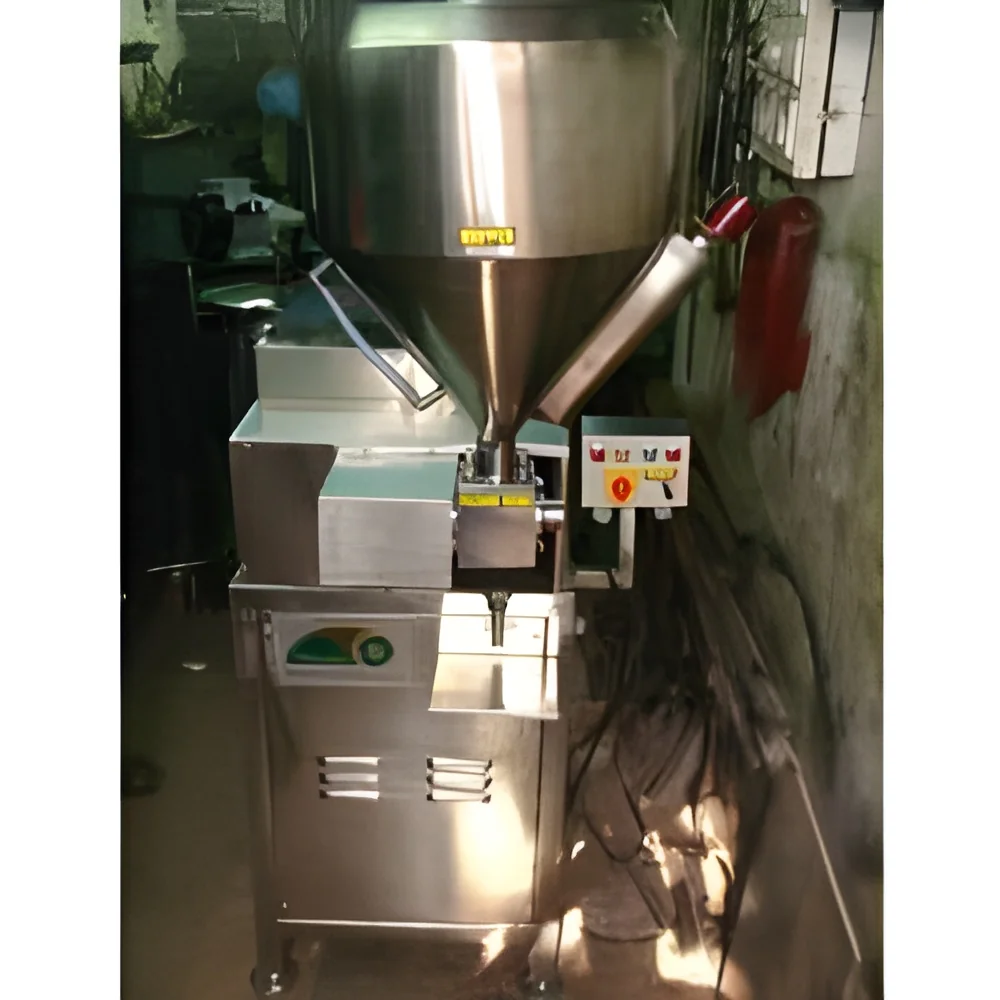
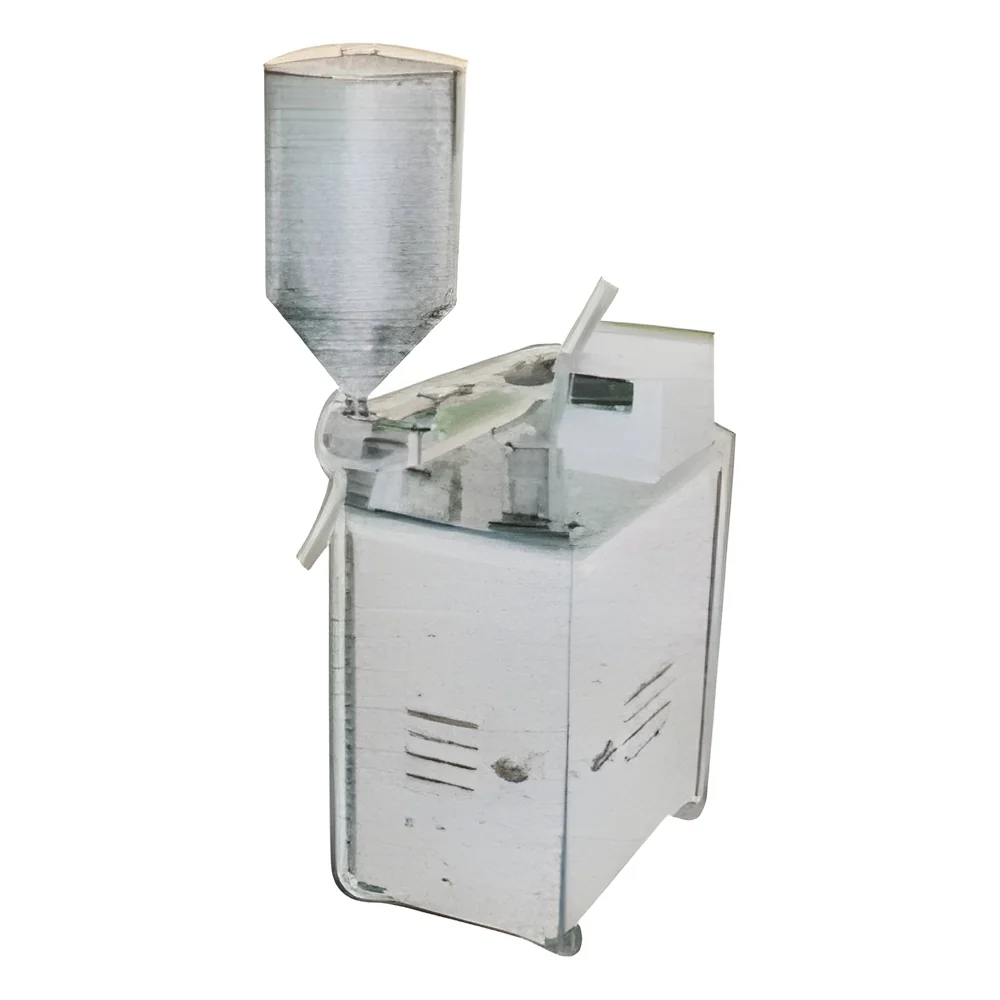
Paste filling machines are specialized equipment used for accurately dispensing paste-like substances into containers. These machines are designed to handle a wide range of viscous products, including food pastes, adhesives, creams, and pharmaceuticals. By employing various filling methods, such as piston filling or vacuum filling, they ensure that the right amount of product is filled into each container, minimizing waste and enhancing efficiency.
The primary uses for paste filling machines are found across several industries. In the food and beverage sector, they are essential for filling jars and pouches with sauces, spreads, and other similar products. The cosmetic industry relies on these machines for packaging creams and ointments, while the pharmaceutical sector uses them for filling tubes and bottles with ointments and gels. The versatility of paste filling machines makes them a vital component in any manufacturing line that requires precise filling of viscous products.
As manufacturers strive for increased productivity and accuracy, paste filling machines have become increasingly relevant in the market. With a growing focus on automation and efficiency in production processes, these machines are evolving to incorporate advanced technology, such as automated controls and monitoring systems, to meet the demands of modern manufacturing.
Key Features and Specifications
Paste filling machines come equipped with several key features that enhance their performance and usability. These features not only improve production efficiency but also ensure the quality and consistency of the filled products.
Key specifications include:
1. Filling Capacity
- The volume of paste that can be filled per cycle.
- Ranges from small batches of a few milliliters to large volumes of several liters.
2. Filling Accuracy
- The precision with which the machine dispenses the paste.
- Typically within a range of ±1% to ±2% of the target volume.
3. Speed of Operation
- The number of containers filled per minute.
- Varies based on machine type and complexity, ranging from 20 to 200 containers per minute.
4. Material Construction
- The type of materials used in the machine's construction, often stainless steel for hygiene.
- Ensures compliance with industry standards and durability.
5. Control System
- The type of control interface (manual or automated).
- Advanced models may feature touch screens and programmable settings.
6. Cleaning Process
- The ease of cleaning the machine between production runs.
- Many machines offer quick-release parts for simple disassembly.
7. Power Requirements
- The electrical specifications needed to operate the machine.
- Generally available in standard voltages such as 220V or 380V.
8. Dimensions and Weight
- The physical size and weight of the machine.
- Important for space planning on production floors.
The combination of these specifications allows businesses to choose paste filling machines that best fit their production needs.
Common Applications and Use Cases
Paste filling machines are utilized in various industries, showcasing their versatility and efficiency.
1. Food and Beverage: These machines fill products like sauces, jams, and dressings into jars and pouches, ensuring accurate portioning and minimizing waste.
2. Cosmetics: In the beauty industry, paste filling machines are essential for packaging creams, lotions, and gels, providing a clean and efficient filling process.
3. Pharmaceuticals: These machines are used for filling ointments, gels, and creams into tubes and jars, adhering to strict hygiene and quality standards.
4. Chemicals: Manufacturers in the chemical sector use paste filling machines for packing adhesives and sealants, ensuring precision in high-viscosity environments.
5. Personal Care: Products like toothpaste and lotions are filled into containers using paste filling machines, providing consistency in production.
6. Household Products: Cleaning agents and pastes are effectively packaged using these machines, contributing to efficient production lines.
7. Industrial Applications: Paste filling machines are also used for industrial products that require precise filling, such as lubricants and greases.
Product Variants and Subcategories
Paste filling machines come in various designs to cater to different production needs.
Piston Filling Machines
These machines use a piston mechanism to draw and dispense paste. They are ideal for high-viscosity products and can handle various container sizes, making them versatile for different applications.
Vacuum Filling Machines
Utilizing vacuum pressure, these machines fill containers by drawing in paste through a nozzle. They are particularly effective for preventing air pockets in thicker substances, ensuring a consistent fill.
Gravity Filling Machines
These machines operate on the principle of gravity to fill containers from a reservoir. They are suitable for less viscous pastes and are often used in food and beverage industries.
Benefits and Advantages
Investing in paste filling machines offers numerous advantages for manufacturers.
1. Increased Efficiency: Automating the filling process significantly reduces the time required for production, allowing companies to meet higher demand.
2. Improved Accuracy: These machines ensure precise filling, minimizing product waste and reducing costs associated with overfilling or underfilling.
3. Versatility: Paste filling machines can handle a range of products, making them suitable for various industries and applications.
4. Enhanced Hygiene: Many machines are designed with easy-to-clean components, ensuring compliance with hygiene standards and reducing contamination risks.
5. Cost-Effective: The high efficiency and reduced labor costs associated with these machines lead to long-term savings for businesses.
6. Scalability: As production needs grow, businesses can easily scale operations by integrating additional machines or upgrading existing ones.
Buying Guide for B2B Buyers
When sourcing paste filling machines, it is essential to consider several factors to ensure an optimal purchase.
1. Quality Assessment: Evaluate the build quality and components of the machine. Look for certifications that indicate compliance with industry standards.
2. Supplier Verification: Research potential suppliers to ensure they have a reputable history and positive reviews from other clients.
3. Pricing and MOQ: Understand the pricing structure and minimum order quantities. Compare quotes from multiple suppliers to find the best deal.
4. Delivery and Lead Times: Discuss logistics with suppliers, including estimated delivery times and shipping options, to ensure timely procurement.
5. Compliance Requirements: Familiarize yourself with the regulatory standards applicable to your industry, ensuring that the machines meet these compliance needs.
Compliance and Certifications
Compliance with industry standards is crucial for paste filling machines.
Quality standards such as ISO 9001 ensure that manufacturing processes meet international quality management criteria. This certification guarantees that the machines are built with consistent quality and reliability.
Additionally, HACCP (Hazard Analysis and Critical Control Points) certification is essential for food-related applications, focusing on food safety and preventing contamination during the filling process.
CE certification indicates that the machines comply with European safety standards, ensuring they are safe for use in various applications.
Safety and testing requirements mandate that paste filling machines undergo rigorous testing to verify their performance and reliability, providing peace of mind to manufacturers.
Regional compliance considerations may also vary, necessitating that businesses remain informed about local regulations affecting their operations.
Why Source Paste Filling Machines from Pepagora?
Pepagora provides a trusted platform for sourcing paste filling machines, offering several key advantages to B2B buyers.
Verified Supplier Network: Pepagora connects buyers with a network of verified suppliers, ensuring that customers receive high-quality machines from reputable manufacturers. Each supplier undergoes thorough vetting, providing confidence in the purchasing process.
Streamlined RFQ Process: The request for quotation (RFQ) system is designed to simplify the procurement process. Buyers can easily submit requests and receive competitive quotes from multiple suppliers, saving time and effort.
Trade Assurance and Support: Pepagora offers trade assurance to protect buyers throughout the purchasing journey. This includes support services to address any concerns and ensure a smooth transaction.
Regional Coverage: With a strong presence in India, the GCC, and Southeast Asia, Pepagora caters to a diverse range of markets. This regional reach allows businesses to source machines that meet local requirements while benefiting from competitive pricing and efficient logistics.

 IN
IN