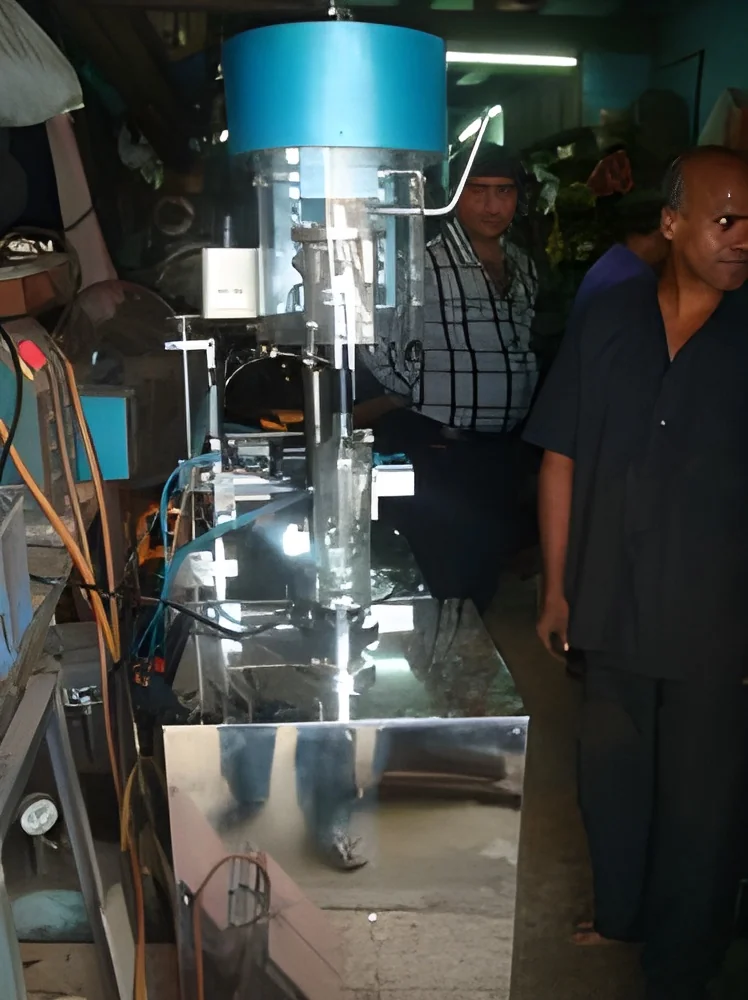
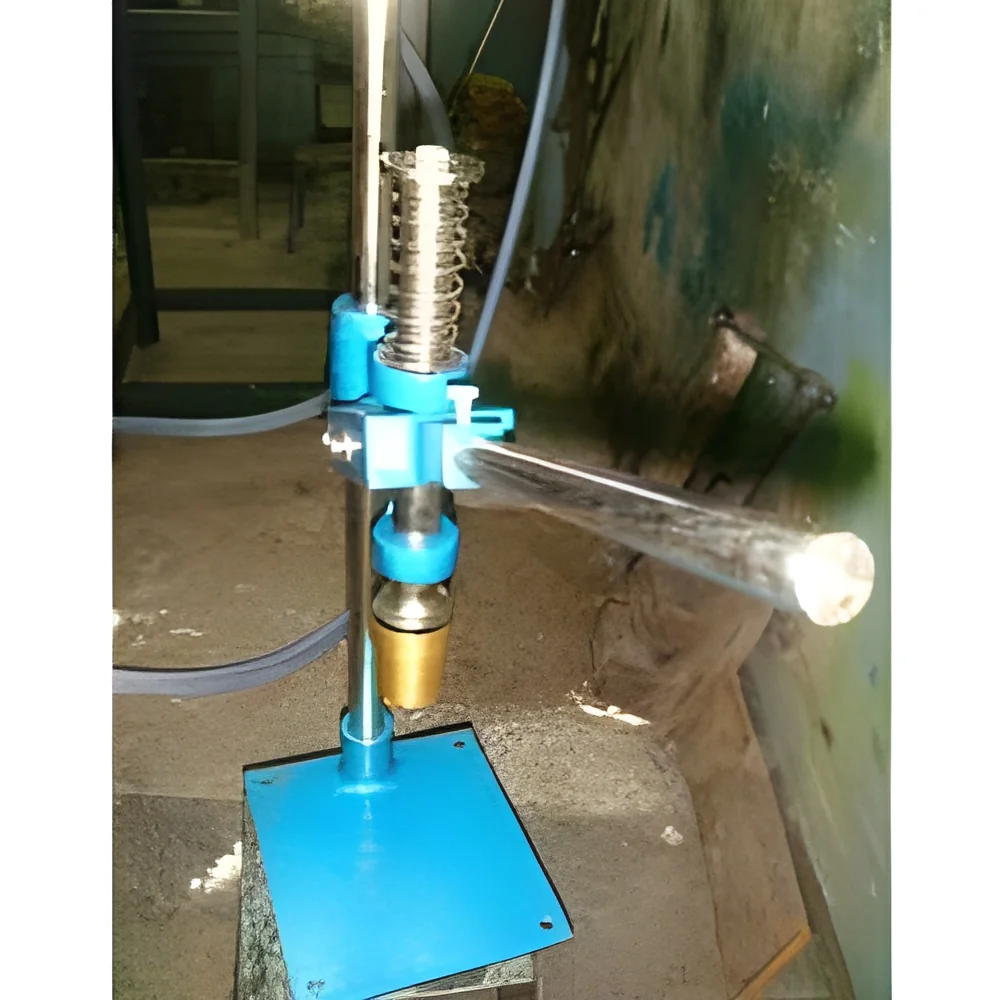
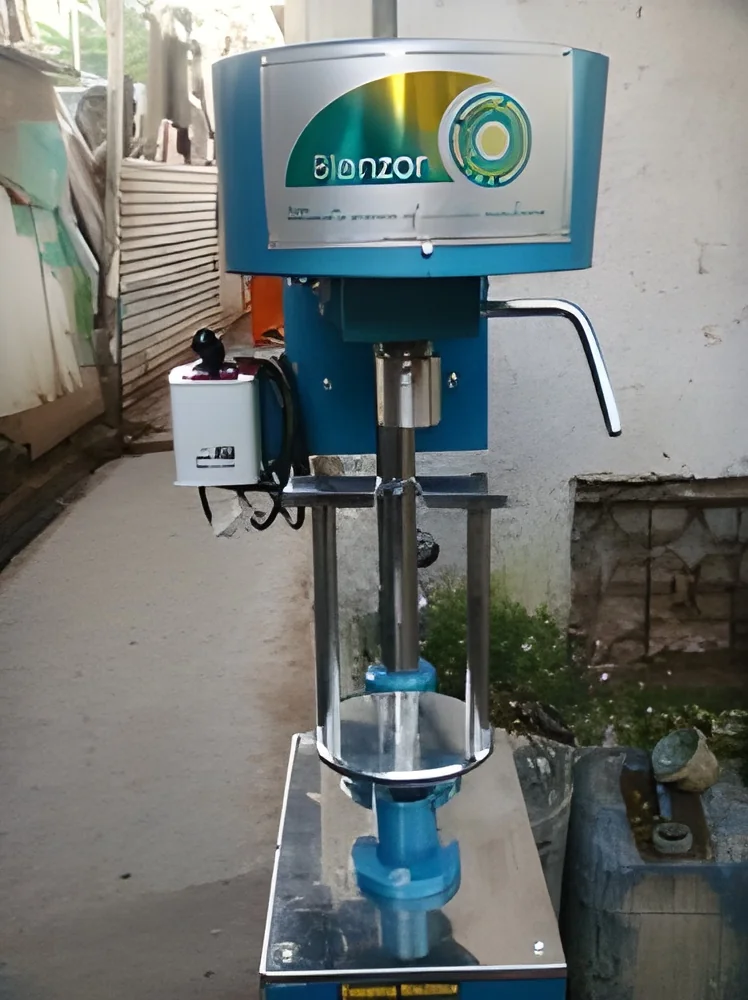
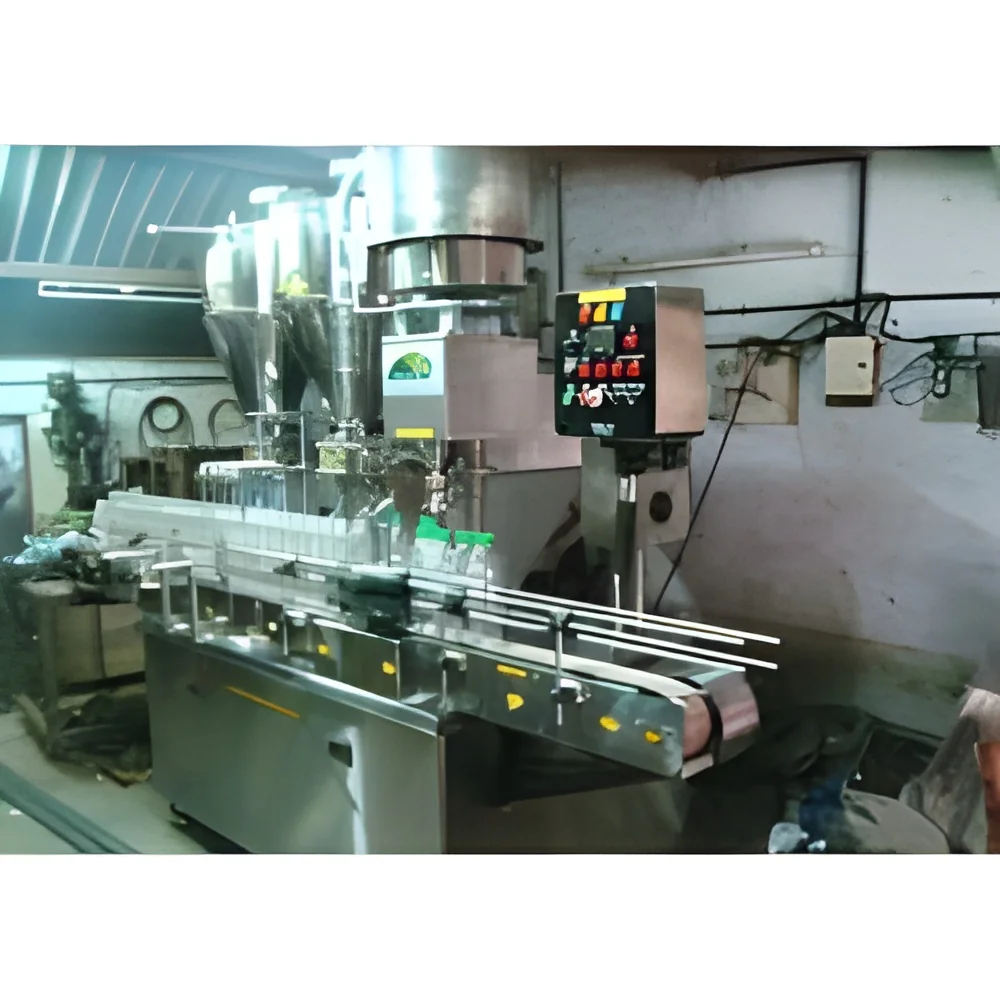
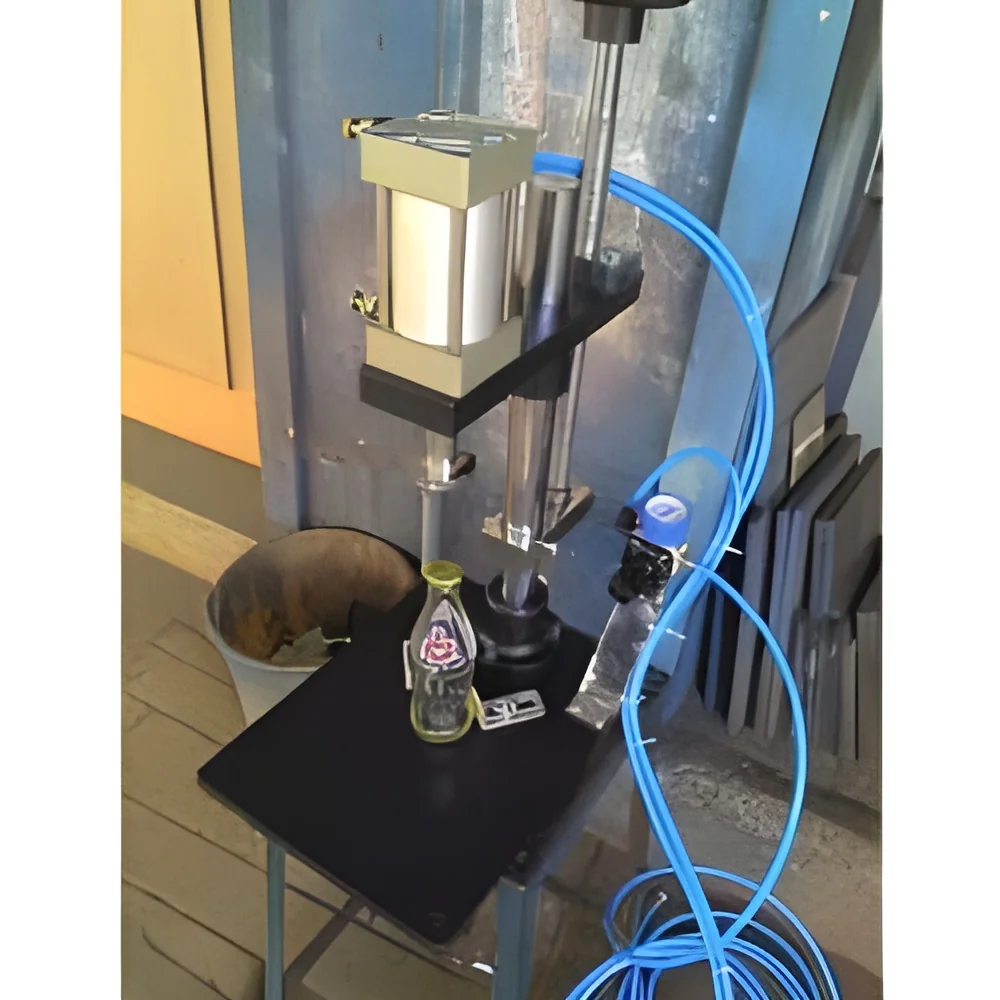
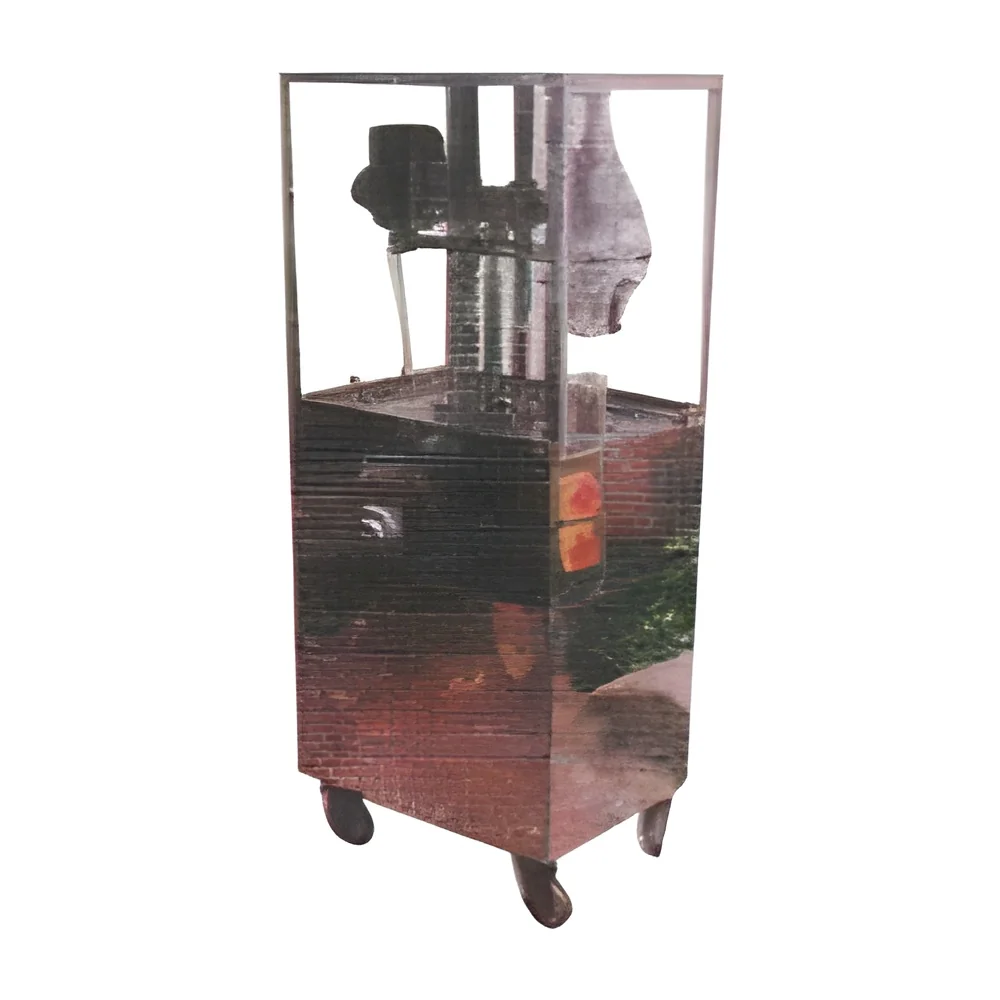
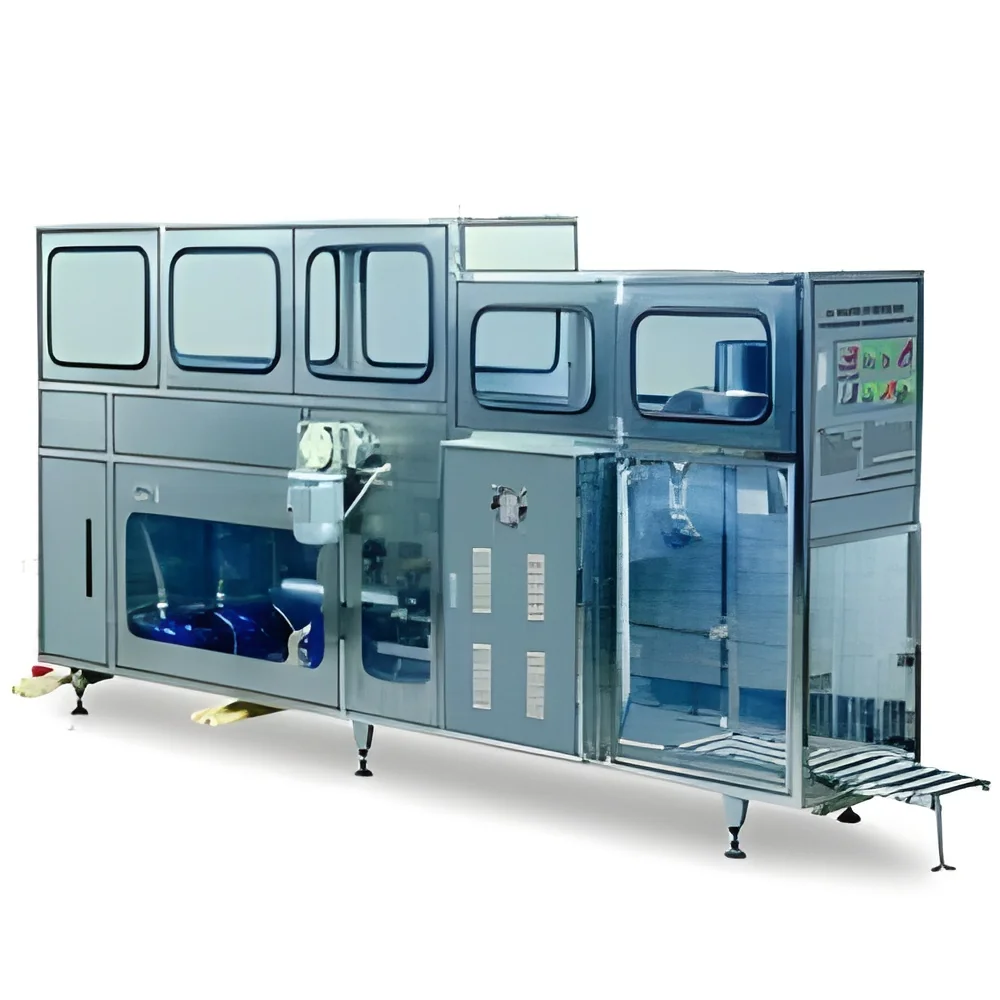
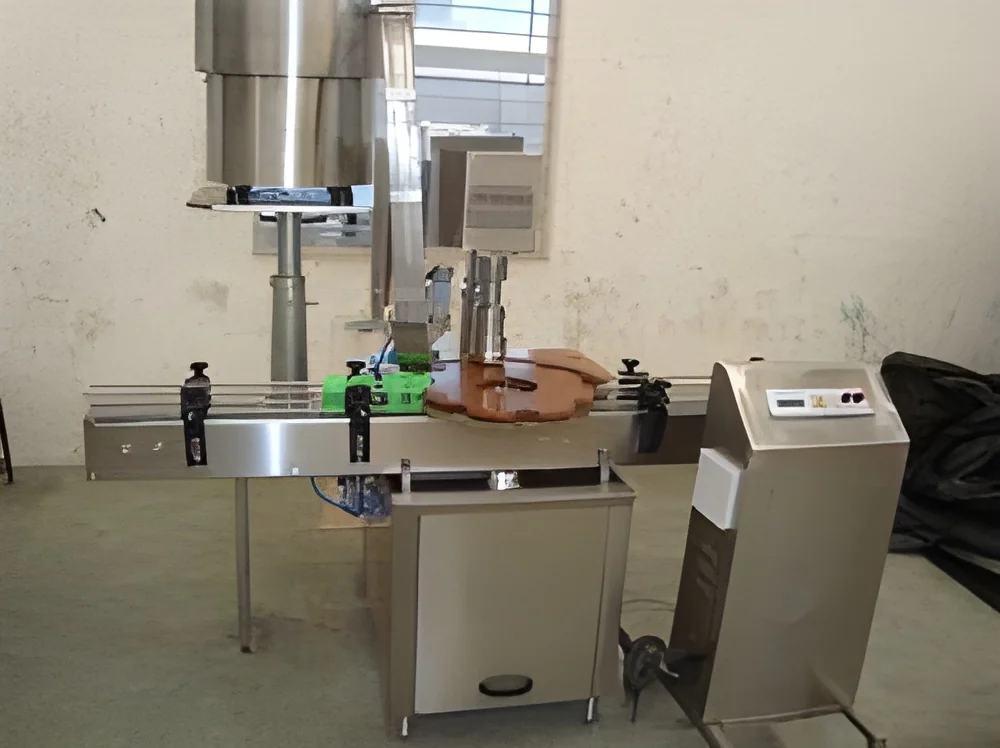
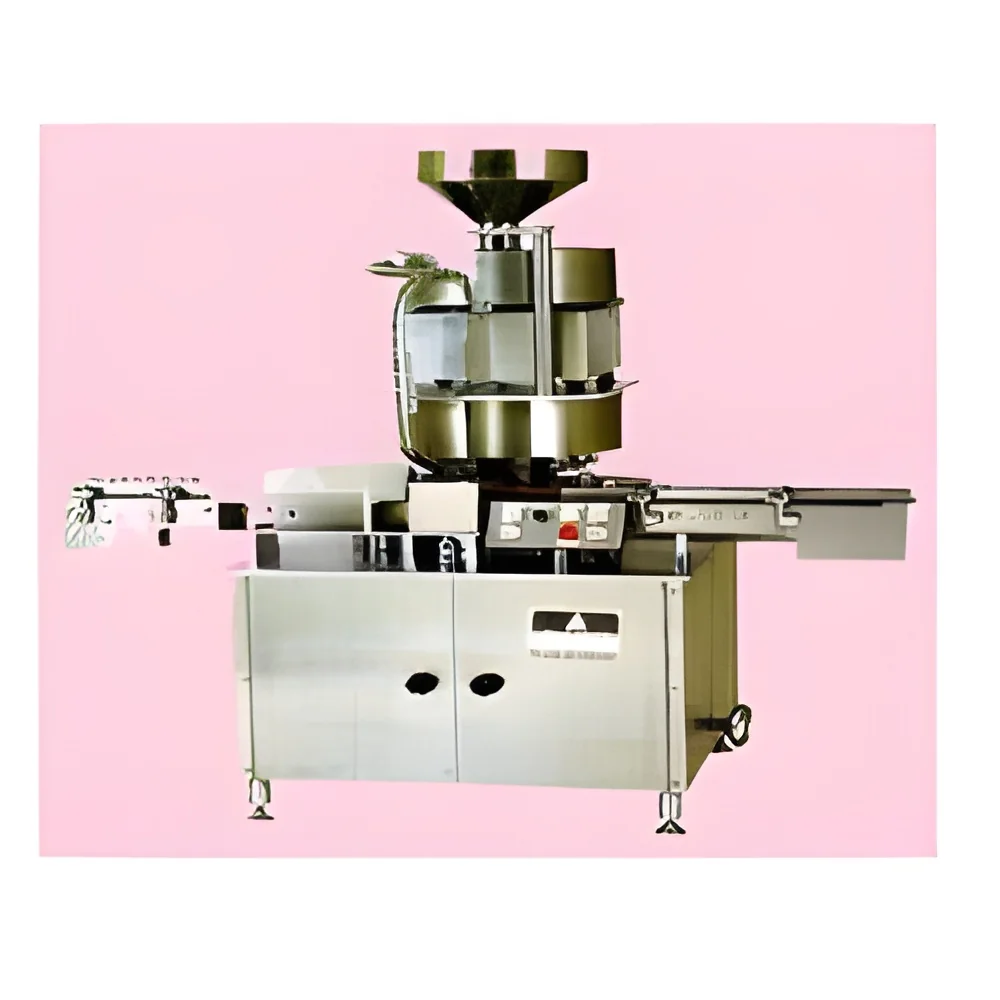
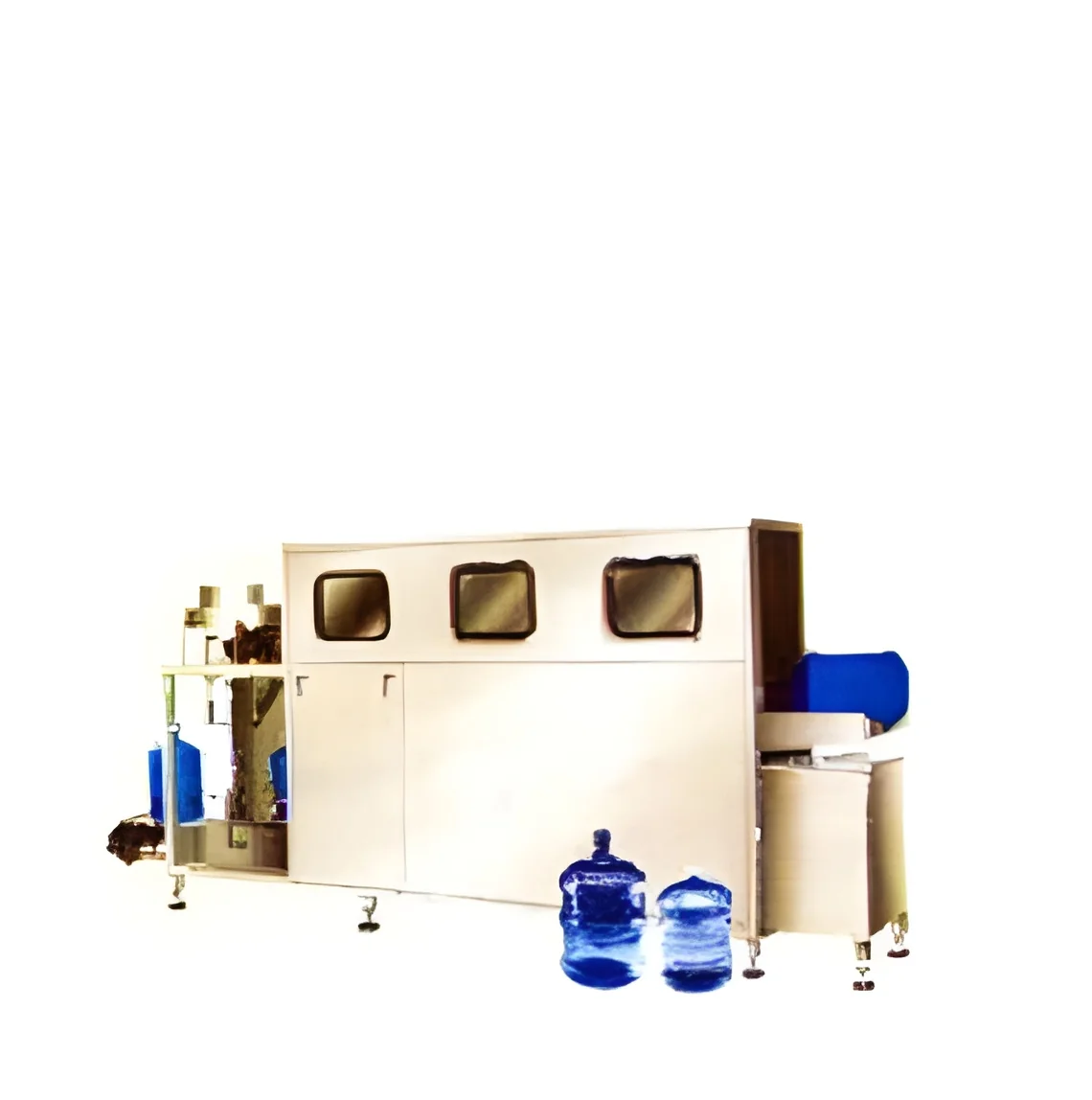
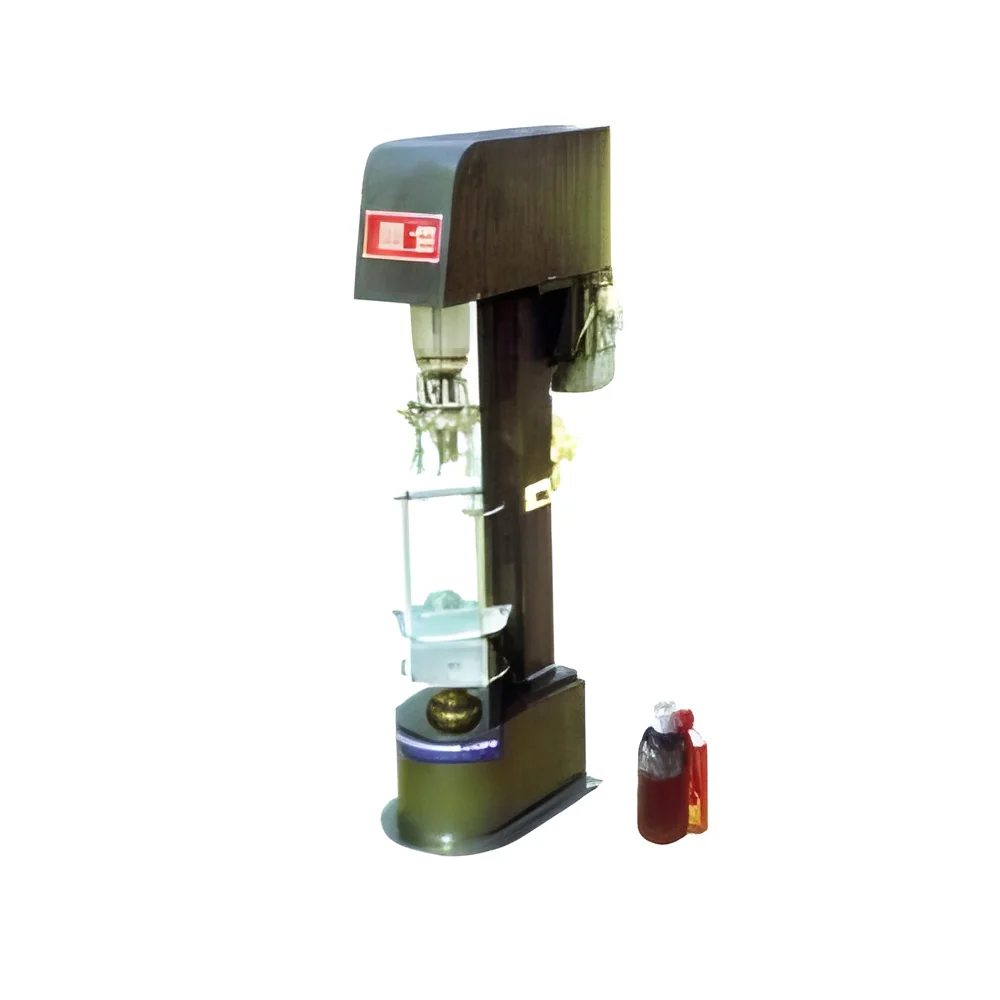
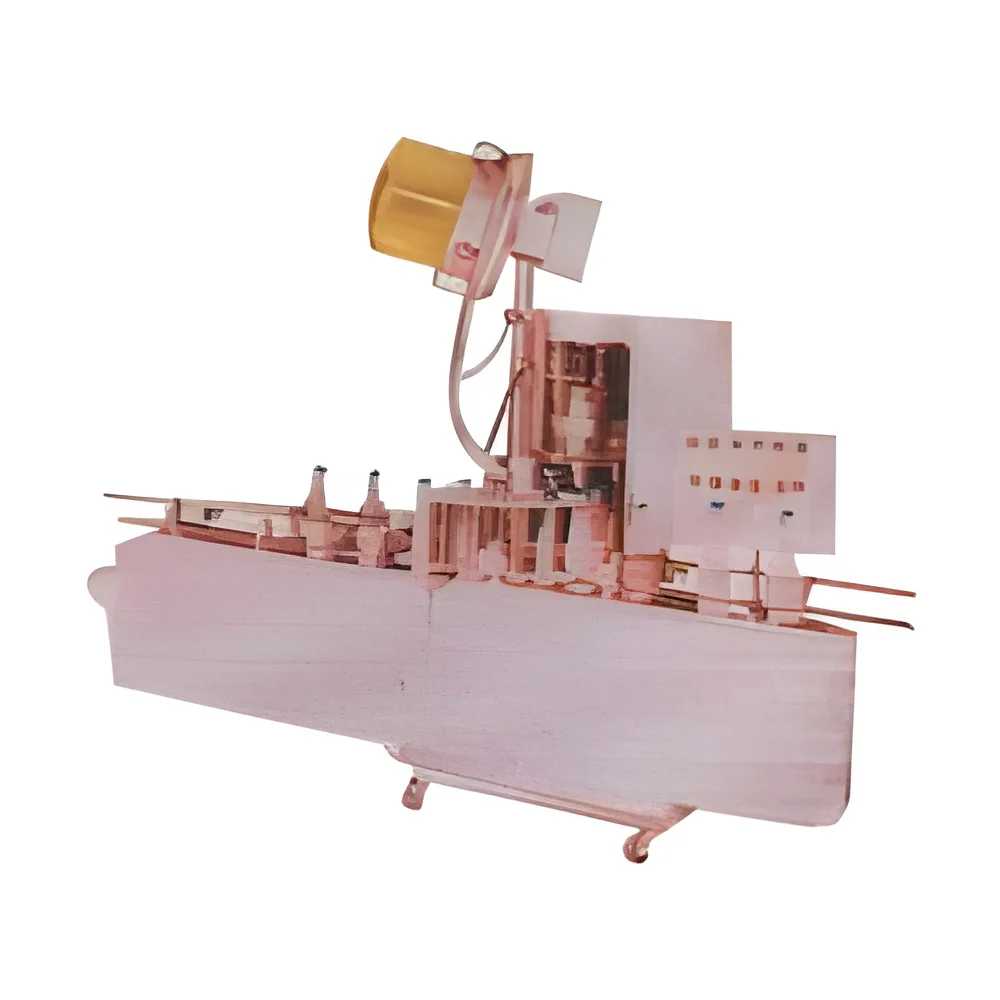
What are Capping Machines?
Capping machines are specialized equipment used in various industries to securely seal containers, such as bottles, jars, and other packaging formats. They are essential in ensuring that products remain intact during transportation and storage, preventing leakage and contamination. These machines operate by applying caps or closures to filled containers, often using automated systems to enhance efficiency and consistency.
The primary applications of capping machines range from food and beverage production to pharmaceuticals and cosmetics. In the food and beverage sector, for example, capping machines are crucial in bottling operations, where they help maintain product quality and safety. Similarly, in the pharmaceutical industry, these machines play a vital role in ensuring that medication containers are sealed properly to avoid tampering and preserve efficacy. The relevance of capping machines in modern manufacturing cannot be overstated, as they contribute significantly to operational efficiency and product integrity across various market segments.
Key Features and Specifications
Capping machines are designed with several key features that enhance their performance and usability. These machines come with various specifications tailored to meet the demands of different industries and packaging types.
Key specifications include:
1. Speed of Operation
- Determines how many containers can be capped per minute.
- Operational ranges can vary from 30 to 200 containers per minute, depending on the model.
2. Cap Size Compatibility
- Refers to the range of cap sizes that the machine can accommodate.
- Many machines can handle caps ranging from 10mm to 120mm in diameter.
3. Machine Dimensions
- Overall size of the capping machine, impacting space requirements.
- Typical dimensions can range from 1.5m to 3m in length and height.
4. Power Requirements
- Indicates the electrical power needed to operate the machine.
- Most machines operate on standard industrial voltage, commonly 220V or 380V.
5. Control System
- Type of control interface used to operate the machine, such as manual or automated.
- Advanced models may include touchscreen interfaces for easier operation.
6. Material of Construction
- The materials used in the machine's construction affect durability and hygiene.
- Stainless steel is commonly used for food-grade applications.
7. Maintenance Requirements
- Indicates how easy it is to maintain the machine.
- Some models feature quick-release parts for easier cleaning and maintenance.
8. Compliance Certifications
- Refers to any industry certifications the machine has obtained, ensuring safety and quality.
- Many machines are CE certified, indicating compliance with European safety standards.
In summary, when considering capping machines, understanding their features and specifications is vital for selecting the right equipment for specific business needs.
Common Applications and Use Cases
Capping machines find extensive use across various industries, each with unique applications.
1. Food and Beverage: Capping machines are essential in bottling and packaging operations, where they ensure that products like juices, sauces, and alcoholic beverages are sealed correctly to maintain freshness and prevent spoilage.
2. Pharmaceuticals: In this sector, capping machines are used to seal bottles and vials containing medications. Proper sealing is critical to ensure product safety, efficacy, and compliance with regulatory standards.
3. Cosmetics: Capping machines are used for products like lotions, shampoos, and perfumes, where securing the product is necessary to prevent leaks and maintain quality.
4. Chemicals: In the chemical industry, these machines are vital for sealing containers of various liquids, ensuring that hazardous materials are contained safely.
5. Household Products: Capping machines are employed for products such as cleaners and detergents, maintaining the integrity of packaging to avoid spills and contamination.
6. Nutraceuticals: These machines are used to seal bottles of vitamins and supplements, ensuring that the products remain intact and safe for consumers.
7. Pet Care: Capping machines are also utilized in sealing containers for pet foods and care products, helping to preserve freshness and prevent spoilage.
Product Variants and Subcategories
Capping machines come in various designs to cater to different capping needs, ensuring versatility in packaging processes.
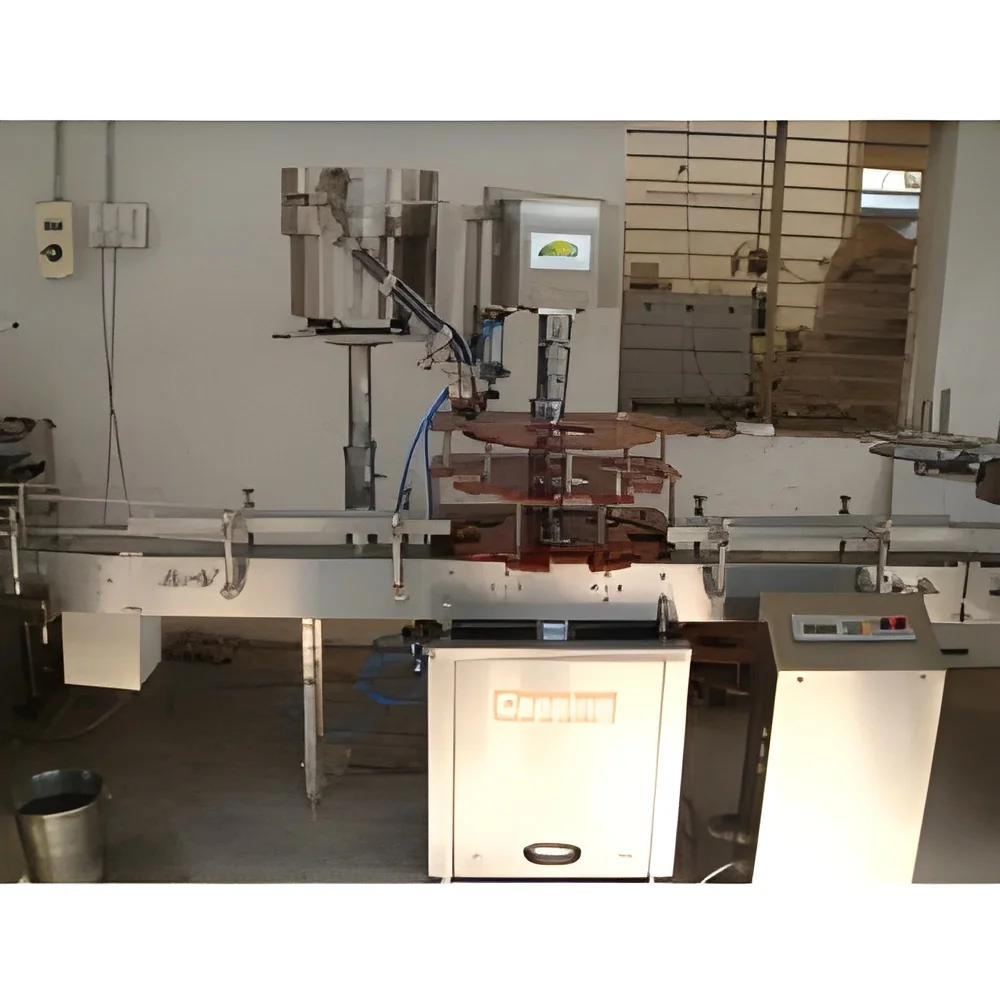
Automatic Capping Machines
These machines offer high-speed operations and minimal manual intervention. They are designed for large-scale production and can handle a variety of cap types, making them suitable for industries with high output requirements.
Semi-Automatic Capping Machines
These machines require some manual operation but still provide efficiency in the capping process. They are ideal for medium-sized businesses where production rates are moderate and flexibility is needed.
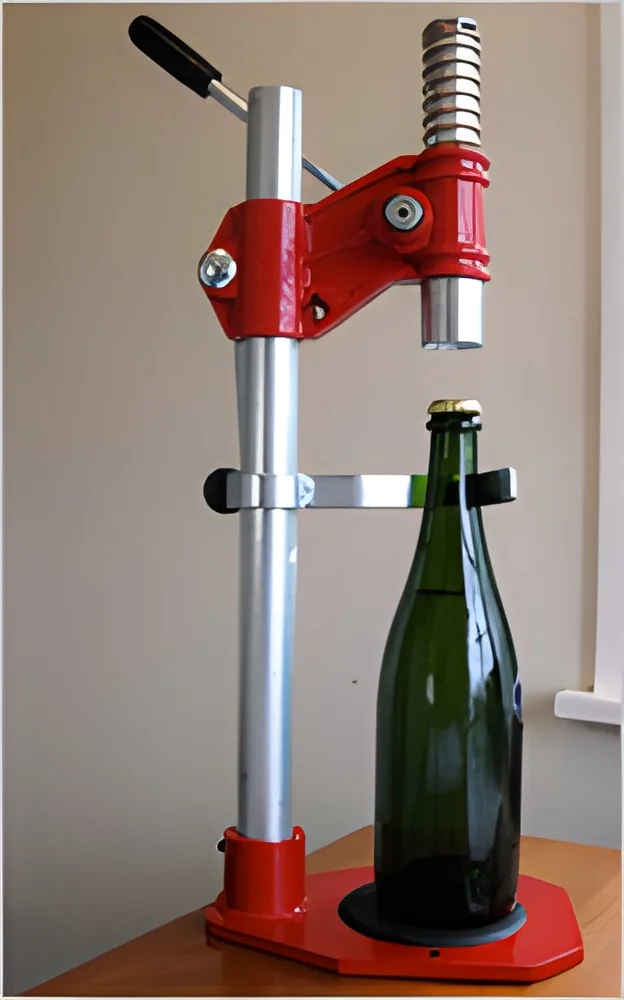
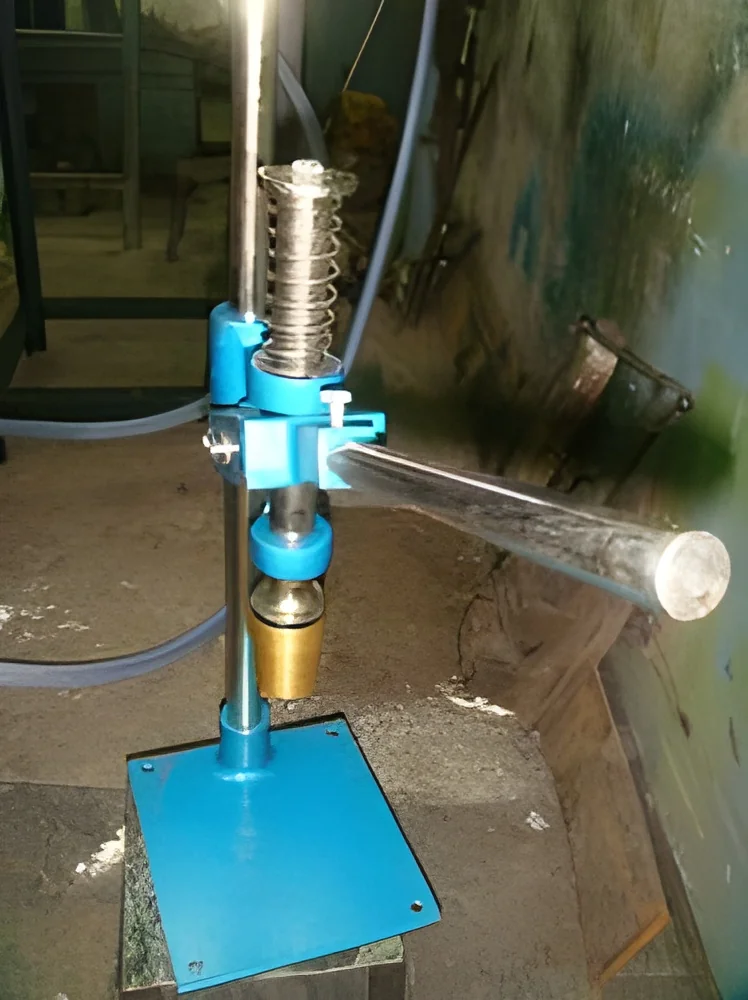
Handheld Capping Tools
These are portable tools designed for small-scale operations or specific applications. They are suitable for businesses that require occasional capping without the need for large machinery.
Benefits and Advantages
Capping machines provide several advantages that enhance production processes and product quality.
1. Increased Efficiency: These machines significantly speed up the capping process, allowing for higher production rates and reduced labor costs.
2. Consistent Quality: Automated capping ensures that each container is sealed uniformly, reducing the risk of defects and maintaining product integrity.
3. Enhanced Safety: Proper sealing minimizes the risk of contamination, ensuring that products are safe for consumers, particularly in food and pharmaceutical sectors.
4. Versatility: Capping machines can accommodate various cap sizes and types, making them suitable for different products across multiple industries.
5. Reduced Waste: Efficient capping processes lead to less product loss due to leaks or spills, optimizing material use.
6. Compliance with Standards: Many capping machines meet industry standards, ensuring that businesses adhere to safety and quality regulations.
Buying Guide for B2B Buyers
When sourcing capping machines, it is crucial to consider several factors to ensure the best fit for your business.
1. Quality Assessment: Evaluate the quality of the machines based on materials used, build quality, and manufacturer reputation. Look for machines that are CE certified and meet industry standards.
2. Supplier Verification: Vet potential suppliers by checking their credentials, customer reviews, and past performance. A reliable supplier will have a proven track record in delivering quality machinery.
3. Pricing and MOQ: Understand the pricing structure and minimum order quantities (MOQ) required by suppliers. This will help you budget effectively and plan your procurement strategy.
4. Delivery and Lead Times: Discuss delivery times with suppliers to ensure that machines can be delivered in a timely manner, aligning with your production schedules.
5. Compliance Requirements: Ensure that the capping machines meet all regulatory compliance needs for your industry. This may include safety certifications and adherence to local or international standards.
Compliance and Certifications
Capping machines must adhere to various quality standards and certifications to ensure safety and reliability in operation. Common standards include ISO 9001, which outlines requirements for quality management systems, and HACCP, which focuses on food safety management.
Additionally, many capping machines are certified with the CE mark, indicating compliance with European safety, health, and environmental protection regulations. This certification is essential for businesses operating within the EU, as it ensures that products meet required safety standards.
Safety and testing requirements are also crucial, as they ensure that machines operate without risk to operators and consumers. Regular testing and maintenance checks are recommended to uphold these standards.
Furthermore, businesses should consider regional compliance requirements, as these can vary significantly by country and region. Understanding these regulations is crucial for companies seeking to enter new markets or expand their operations.
Why Source Capping Machines from Pepagora?
Pepagora offers a trusted platform for sourcing capping machines that come with several advantages for B2B buyers.
Verified Supplier Network: Pepagora has a stringent verification process for suppliers, ensuring that only reputable manufacturers are featured on the platform. This means buyers can confidently source equipment that meets their quality standards.
Streamlined RFQ Process: The platform simplifies the request for quotation (RFQ) process, allowing buyers to quickly compare offers from multiple suppliers. This efficiency helps in making informed purchasing decisions.
Trade Assurance and Support: Pepagora provides trade assurance for buyers, protecting their investments and ensuring that they receive the products as promised. Customer support is readily available to assist with any inquiries.
Regional Coverage: With a focus on markets like India, GCC, and Southeast Asia, Pepagora has a broad geographic reach, ensuring that buyers can find suitable capping machines regardless of their location. This extensive network facilitates smooth transactions and timely deliveries.

 IN
IN