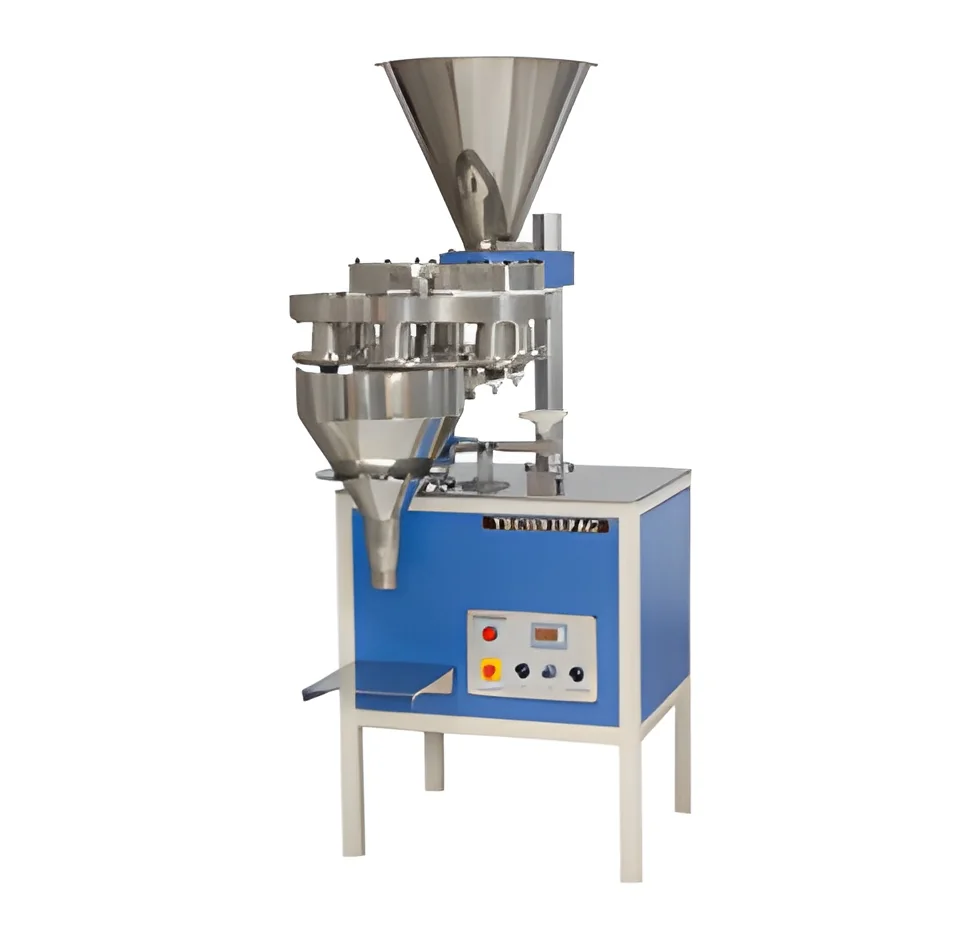
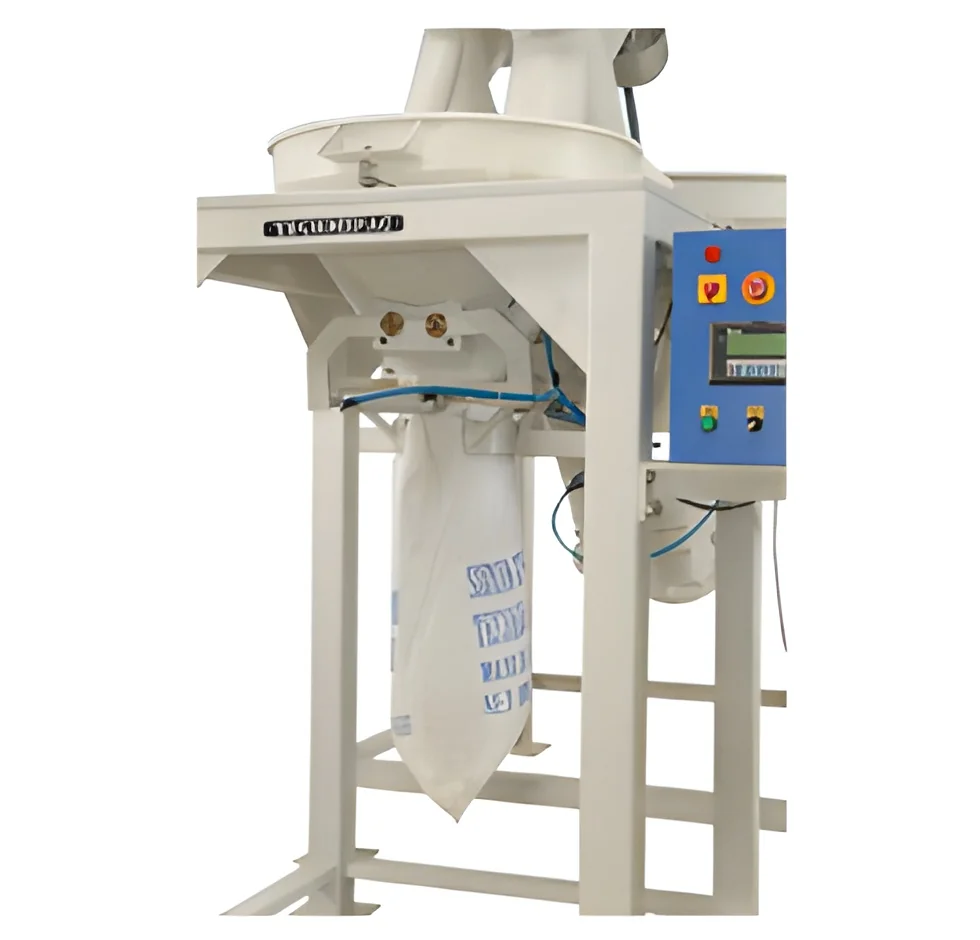
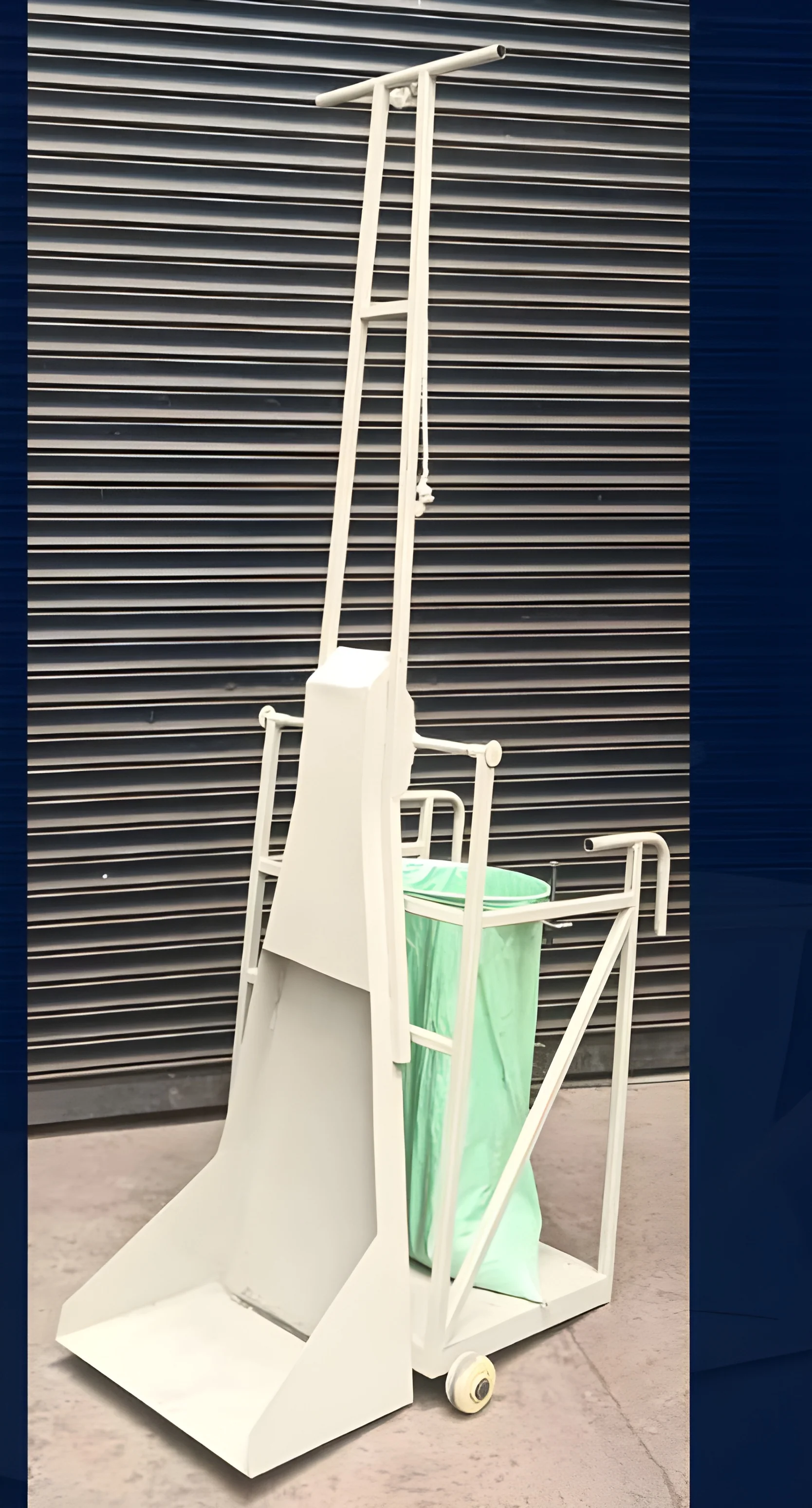
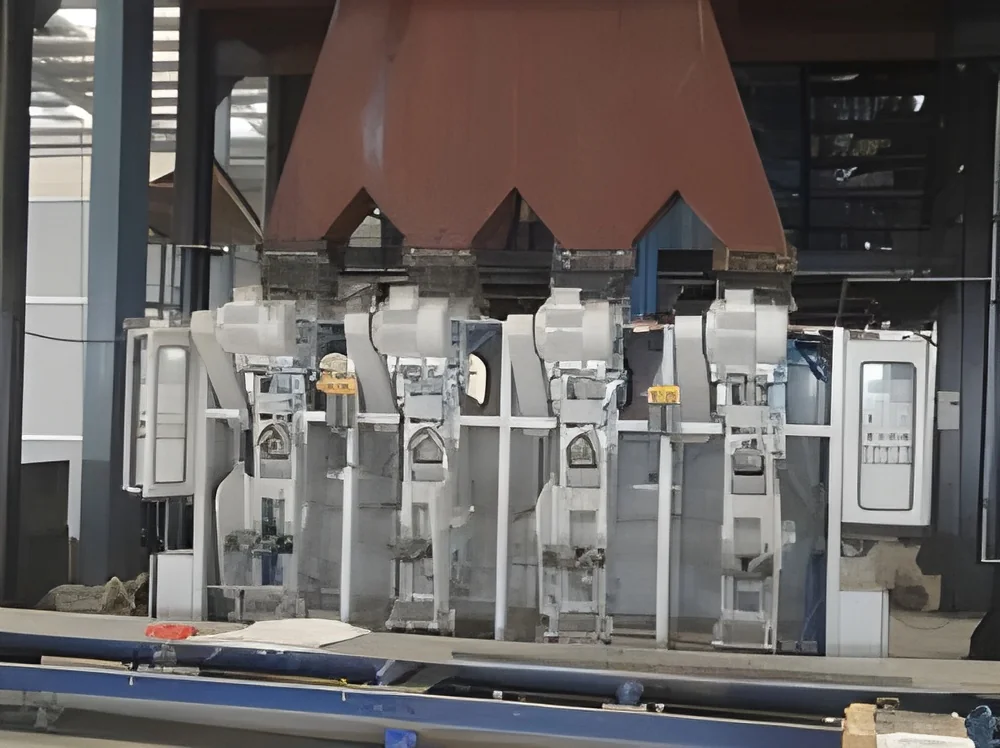
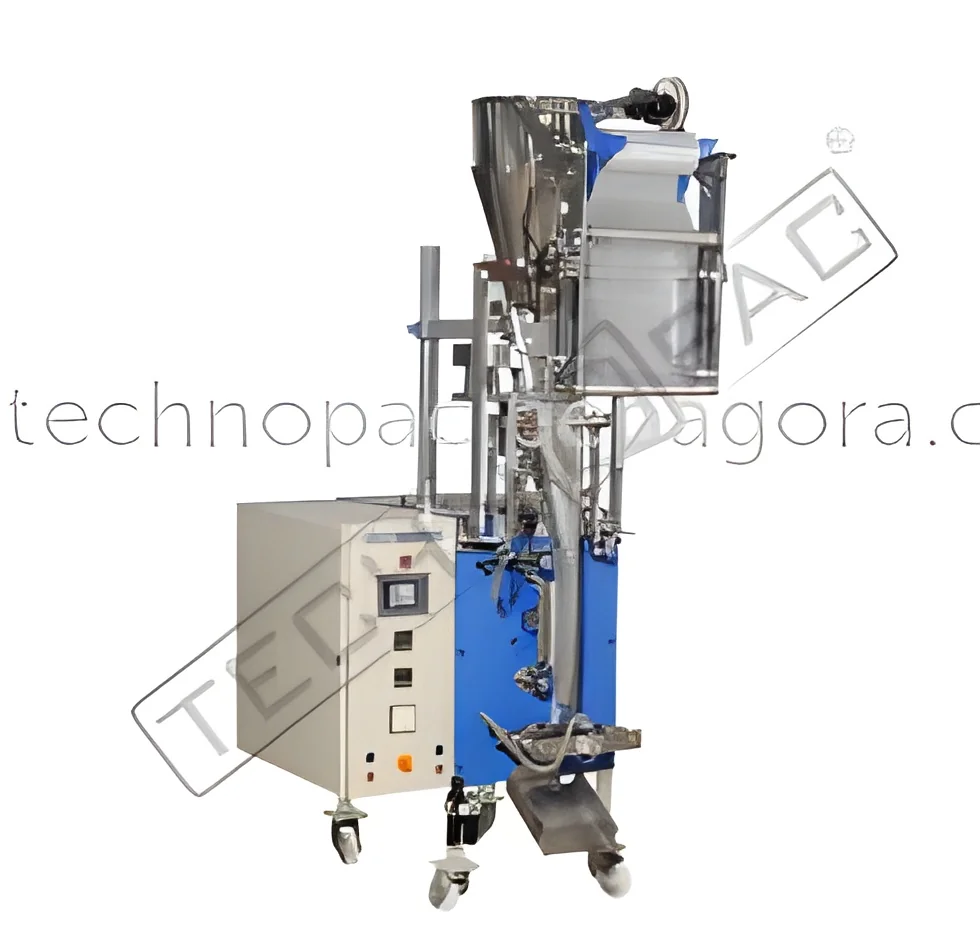
What are Granule Filling Machines?
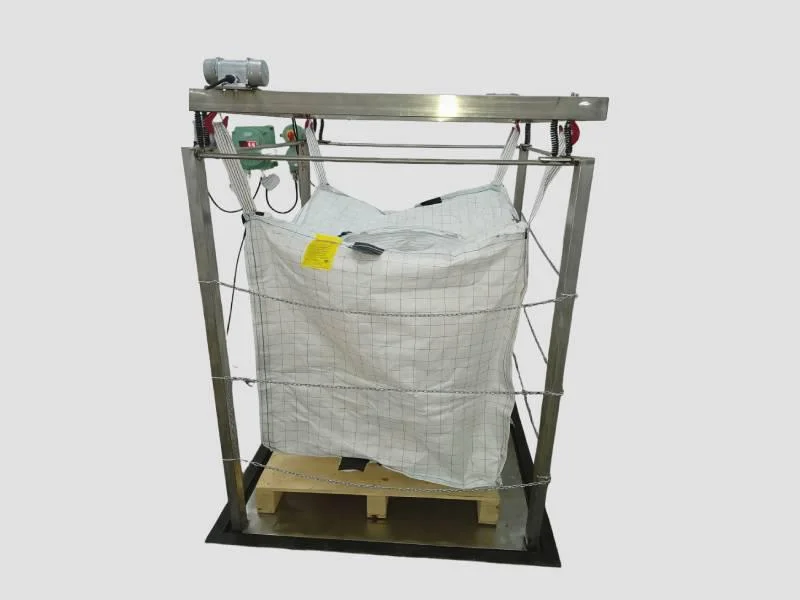
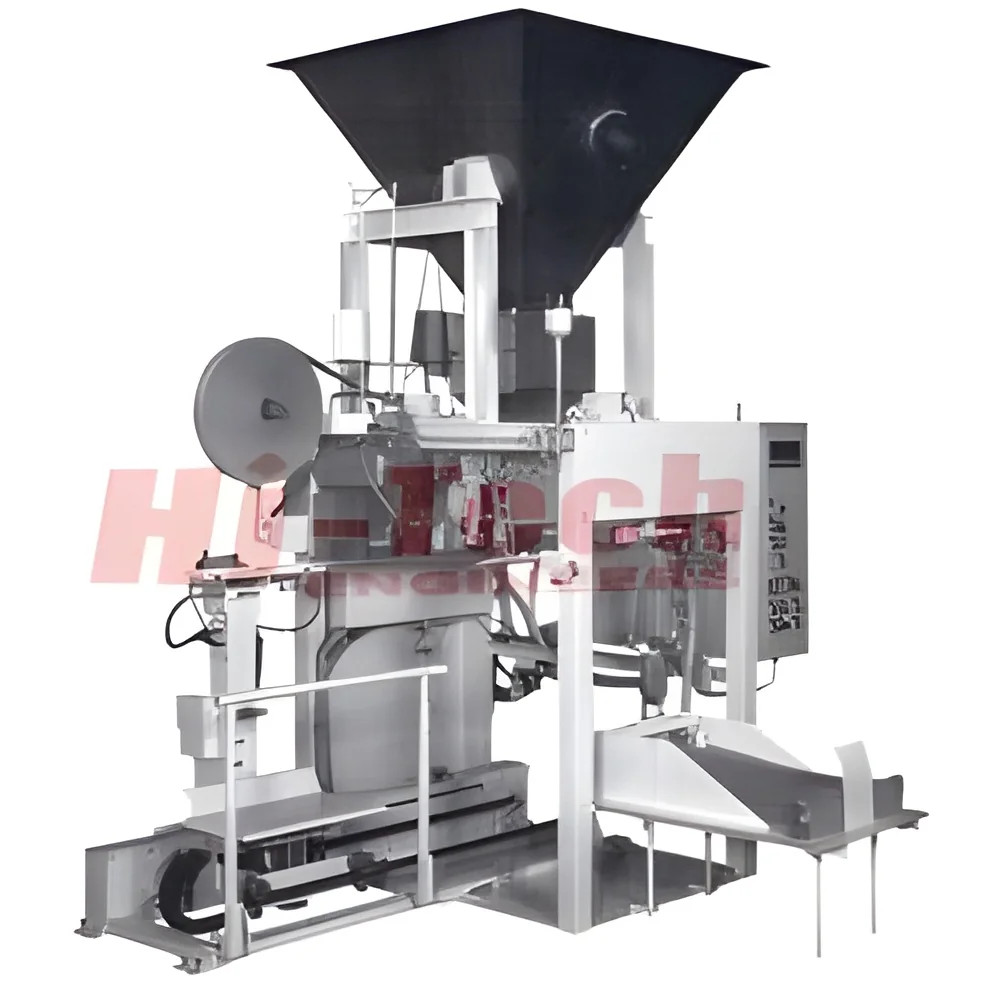
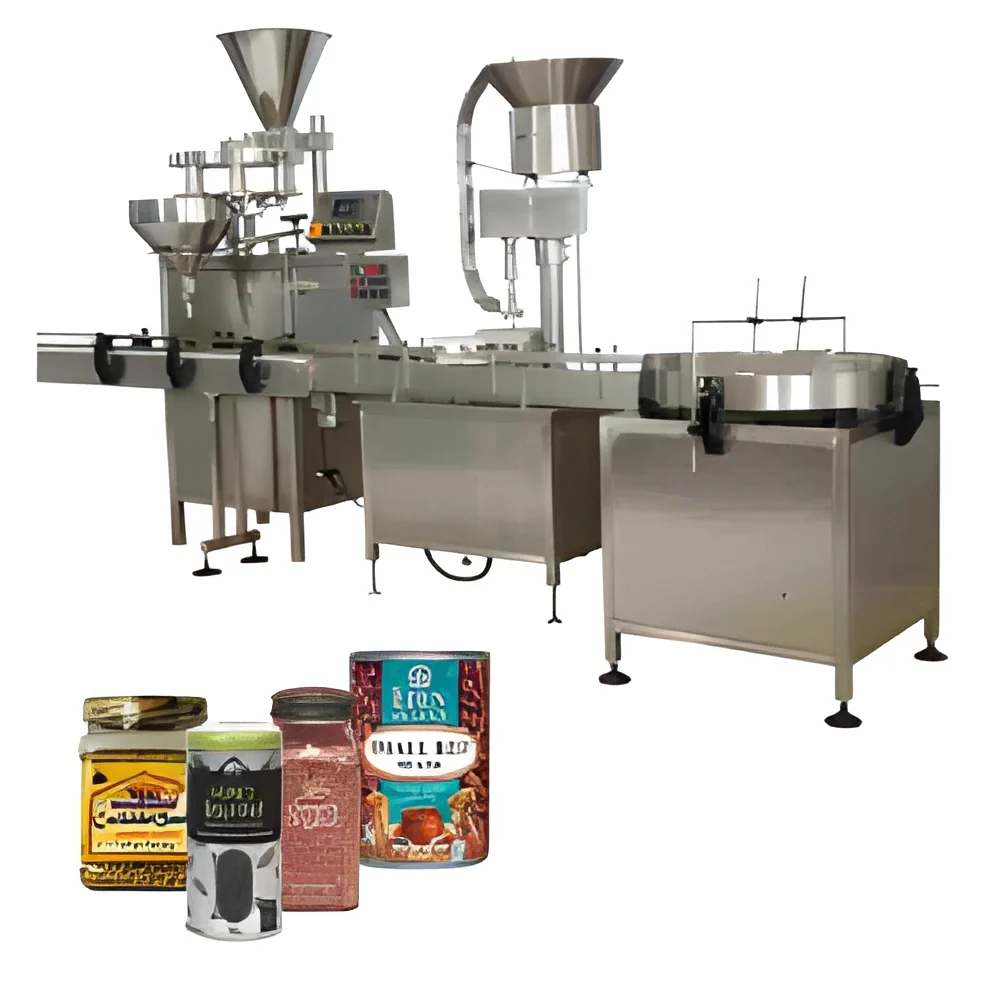
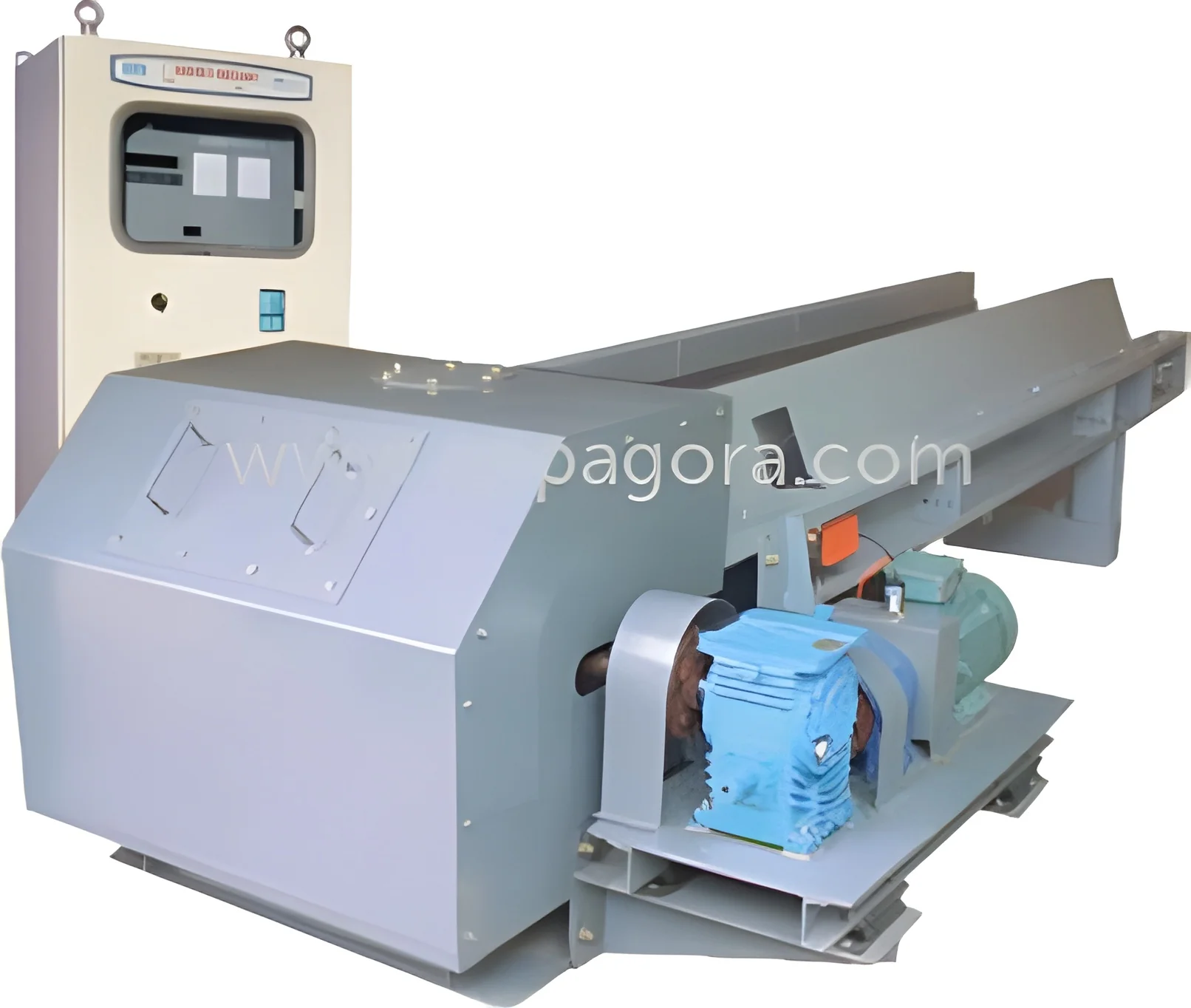
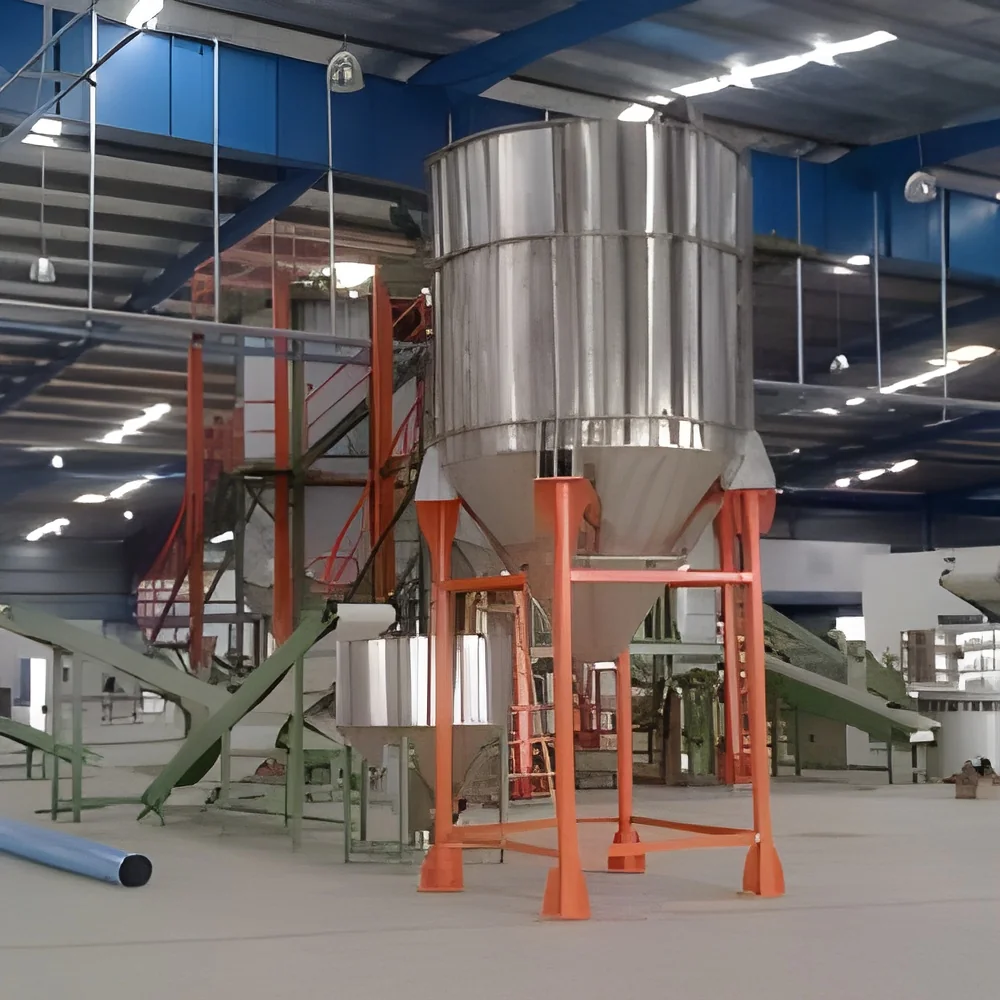
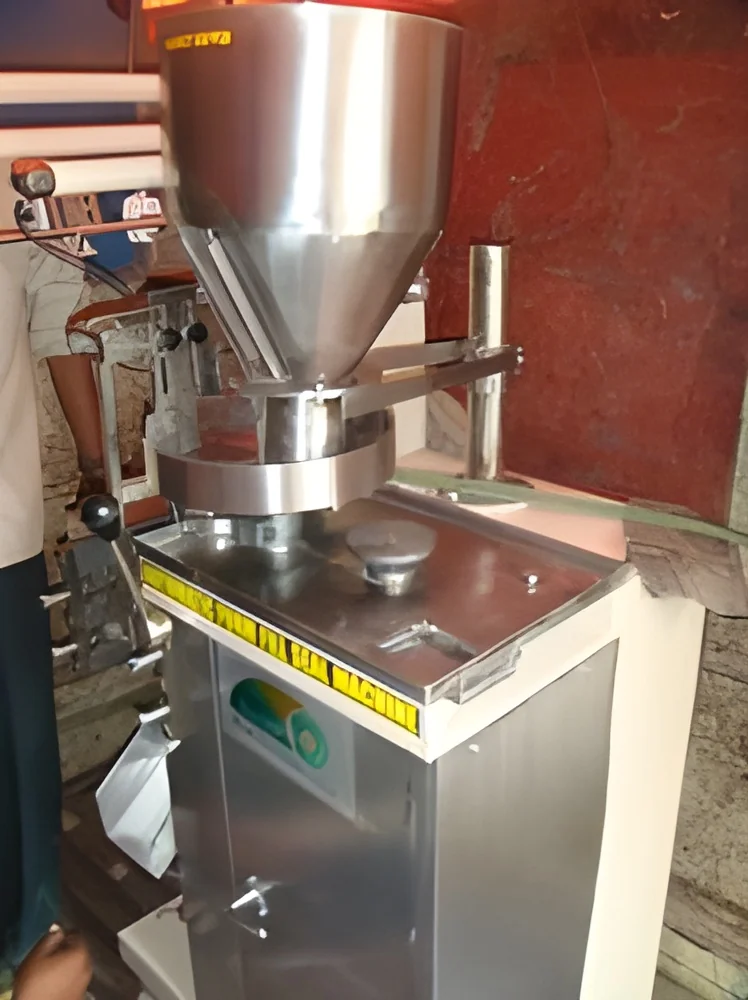
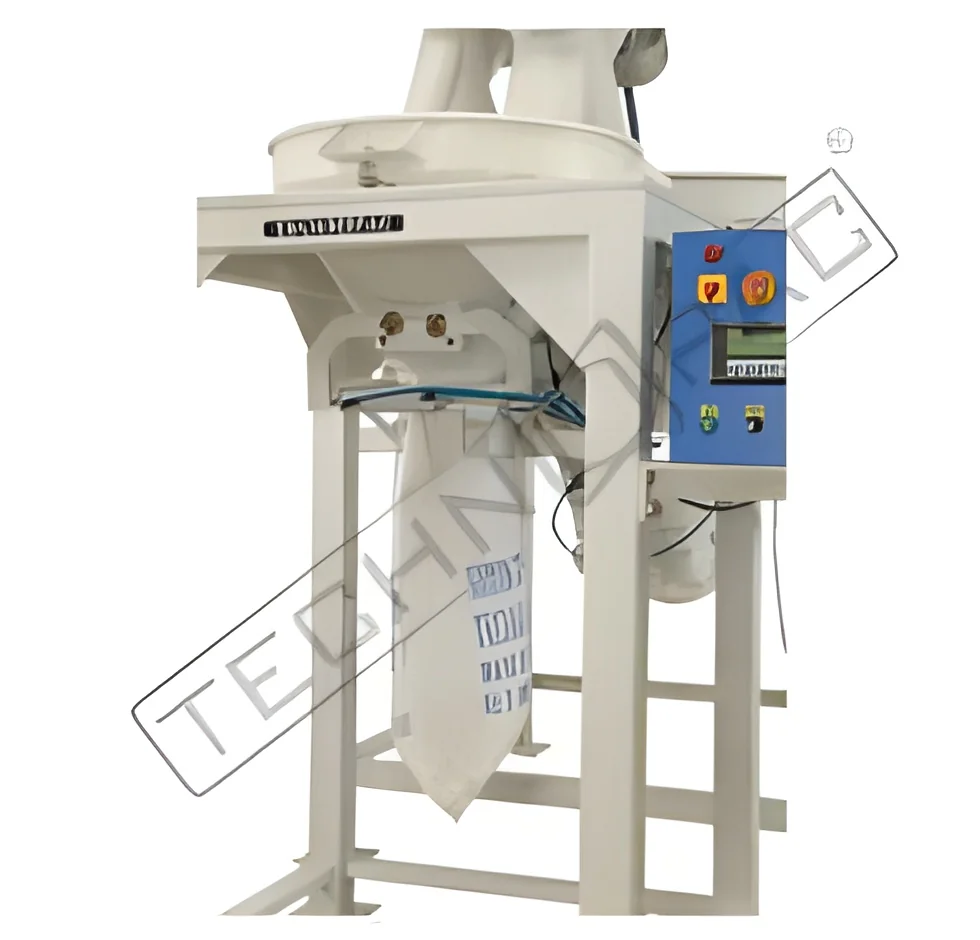
Granule filling machines are specialized equipment designed for the precise filling of granular products into containers, such as bags, bottles, or pouches. These machines automate the process of dispensing granules, ensuring accuracy and efficiency in various industrial applications. They are commonly used in sectors that require the handling of free-flowing materials, including food, pharmaceuticals, chemicals, and agriculture.
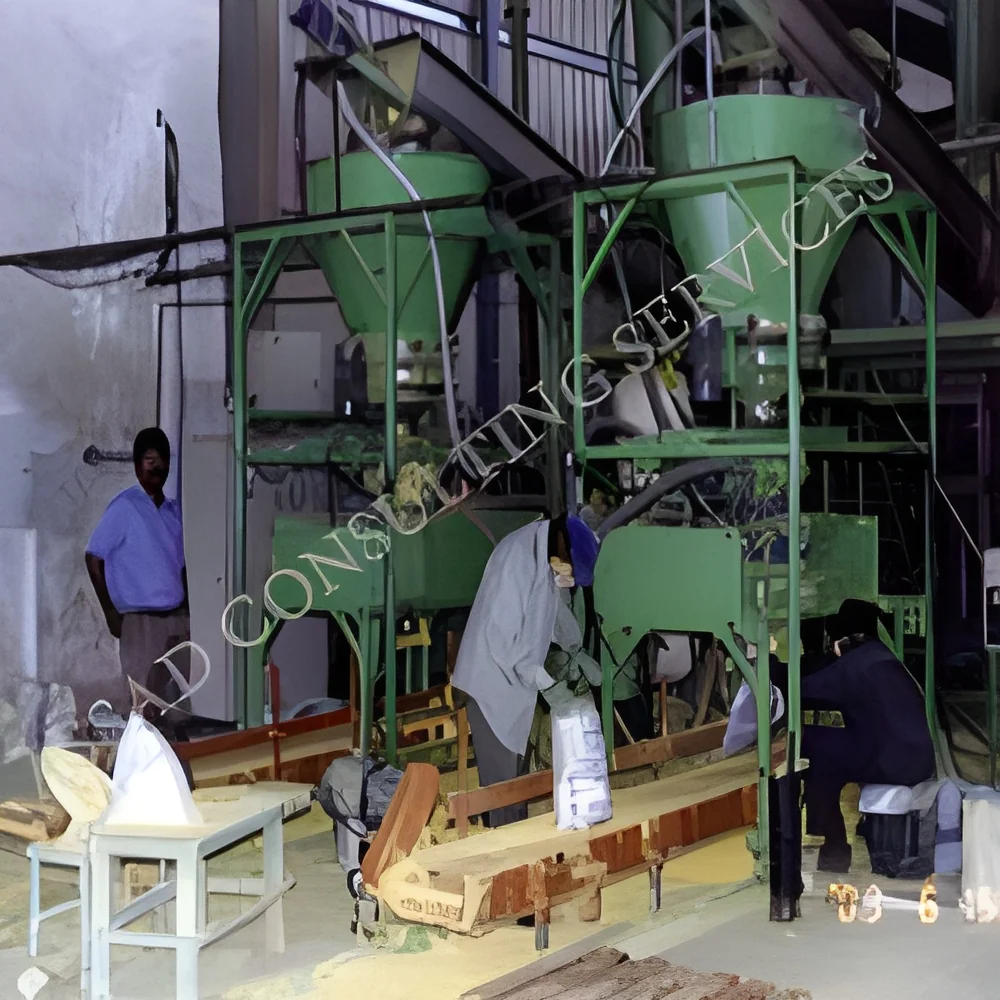
The primary applications of granule filling machines include the packaging of products such as sugar, salt, seeds, detergent granules, and granular pharmaceuticals. Businesses utilize these machines to improve productivity, reduce manual labor, and maintain consistent filling volumes. In a competitive market, the efficiency and accuracy of these machines play a crucial role in meeting customer demands and optimizing production lines.
In terms of industry relevance, granule filling machines are essential contributors to the supply chain in various sectors. They help manufacturers meet regulatory standards, such as those set by the Food and Drug Administration (FDA) and other governing bodies. With advancements in technology, these machines are increasingly becoming integral to automated packaging systems, enhancing overall operational efficiency.
Key Features and Specifications
Granule filling machines come with several features and specifications that cater to diverse industrial needs. Understanding these specifications is vital for selecting the right equipment for a specific application.
Key specifications include:
1. Filling Capacity
- Determines the volume of granules dispensed per cycle
- Ranges from small-scale (5 kg) to large-scale (1000 kg) capacities
2. Accuracy
- Refers to the precision of the filling process
- Typically maintains an accuracy level of ±0.1 to ±0.5 grams
3. Speed
- Indicates the number of filling cycles per minute
- Can range from 10 to 120 cycles, depending on machine design
4. Power Consumption
- Reflects the energy required to operate the machine
- Usually ranges between 0.5 to 5 kW
5. Control System
- Involves the technology used for operation
- Options include manual, semi-automatic, and fully automatic systems
6. Material Construction
- Specifies the materials used for building the machine
- Commonly stainless steel for hygiene and durability
7. Dimensions
- Indicates the size of the machine
- Varies based on capacity and design, typically from compact to large industrial sizes
8. Customization Options
- Availability of tailored features to meet specific client needs
- May include adjustable filling volumes and specialized nozzles
In summary, selecting a granule filling machine involves understanding its features and specifications to ensure it aligns with business requirements and operational efficiency.
Common Applications and Use Cases
Granule filling machines serve various industries by streamlining the packaging process for granular products.
1. Food Industry: These machines are used to fill bags or containers with items like rice, sugar, and spices. They ensure precise measurements and maintain food safety standards.
2. Pharmaceutical Industry: Granule filling machines handle the packaging of powdered medications and nutritional supplements. They are essential for maintaining product integrity and compliance with health regulations.
3. Chemical Industry: These machines are utilized for packaging granulated chemicals, fertilizers, and plastic resins. They facilitate safe handling and efficient distribution.
4. Agriculture: In the agricultural sector, granule filling machines are used for seeds, fertilizers, and pesticides, ensuring accurate dosing for effective application.
5. Pet Food Industry: These machines fill bags with granulated pet foods, ensuring consistent portion sizes and maintaining product quality through hygienic packaging.
6. Construction Industry: Granule filling machines package materials like sand and gravel. They support bulk handling and efficient logistics.
7. Household Products: These machines are used for packing granular cleaning agents and detergents, allowing for quick and reliable filling processes.
Product Variants and Subcategories
Granule filling machines come in various types, each designed for specific applications and operational needs.
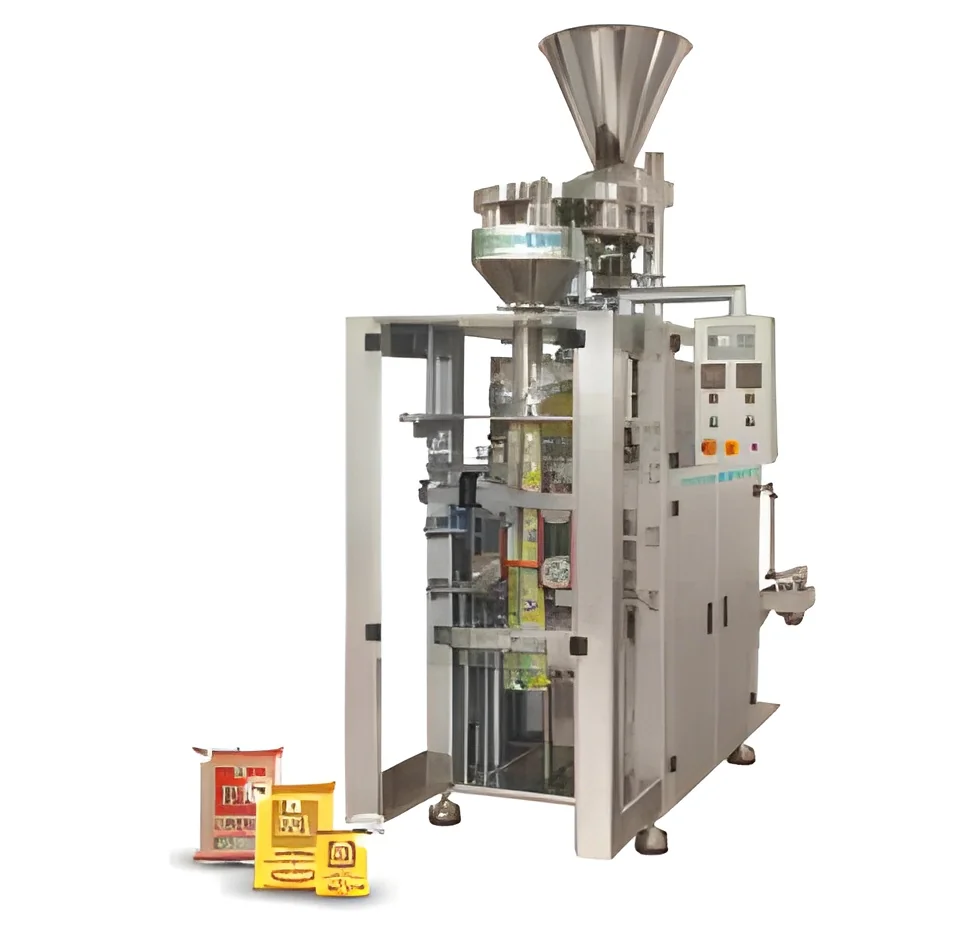
Vertical Granule Filling Machines: These machines are designed for high-speed filling of granules in a vertical orientation. They are ideal for small to medium-sized packages, ensuring accurate filling with minimal waste.
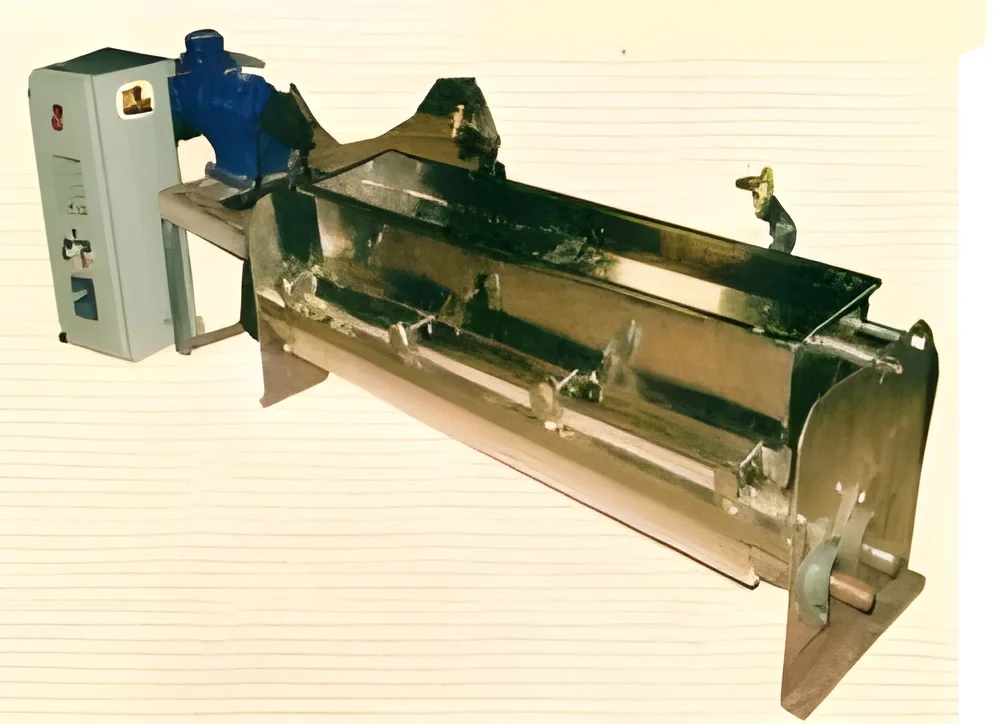
Auger Granule Filling Machines: Utilized for precise filling of powdery and granular materials, these machines use an auger system for consistent dosing. They are widely used in the food and pharmaceutical industries.
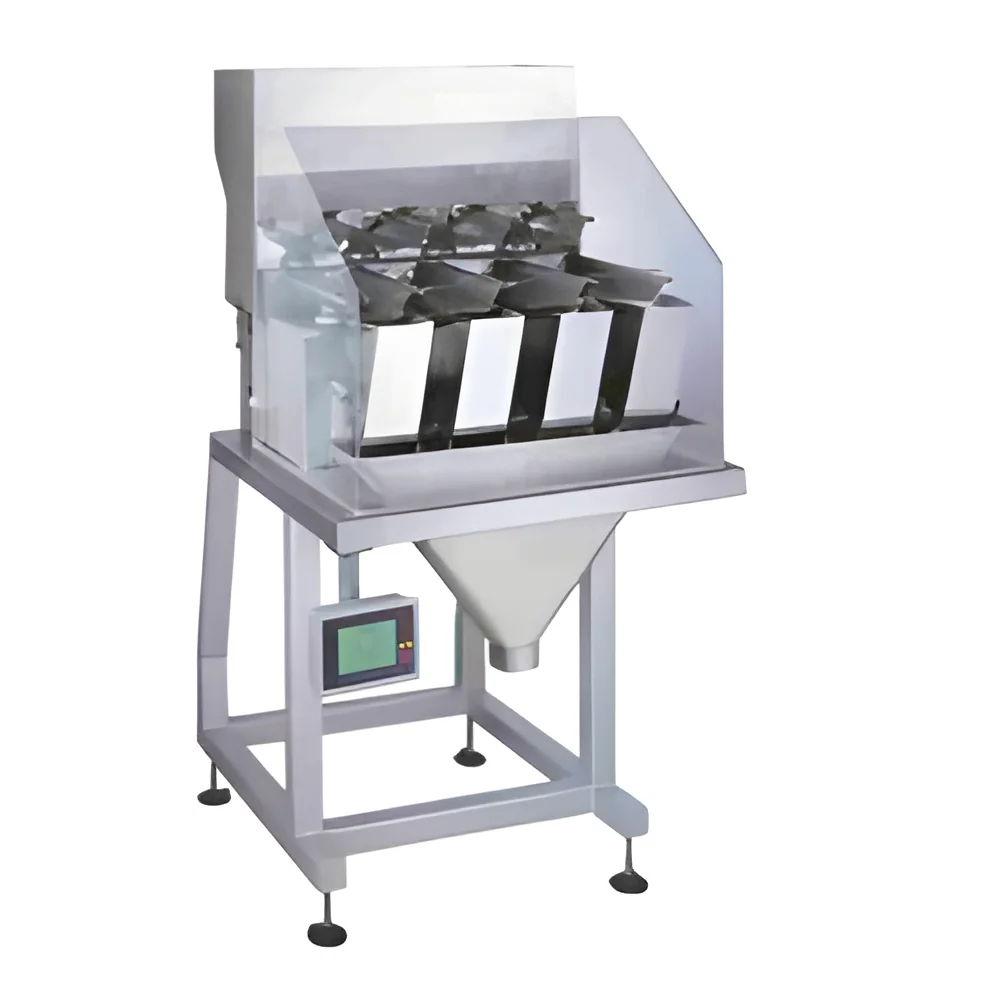
Multi-Head Weighing Machines: These sophisticated machines utilize multiple weighing heads to achieve high-speed filling with exceptional accuracy. They are suitable for large-scale operations requiring quick turnaround times.
Benefits and Advantages
Granule filling machines offer numerous benefits that enhance operational efficiency and product consistency.
1. Increased Efficiency: Automation reduces manual labor, speeding up the filling process and increasing overall productivity.
2. Enhanced Accuracy: These machines provide precise filling, minimizing product waste and ensuring compliance with packaging standards.
3. Reduced Labor Costs: By automating the filling process, businesses can lower labor costs and redirect resources to other essential operations.
4. Improved Quality Control: Consistent filling leads to better quality assurance, which is critical in regulated industries like food and pharmaceuticals.
5. Versatility: Granule filling machines can adapt to various granular products, making them suitable for multiple industries.
6. Reduced Downtime: Modern machines are designed for easy maintenance and quick changeovers, minimizing operational interruptions.
Buying Guide for B2B Buyers
When sourcing granule filling machines, several important factors should be taken into consideration.
1. Quality Assessment: Evaluate the machine's construction materials, design, and reliability. High-quality components ensure longevity and robust performance.
2. Supplier Verification: Conduct thorough research on potential suppliers. Check for industry certifications and customer reviews to ensure reliability.
3. Pricing and MOQ: Understand the pricing structure and minimum order quantities (MOQ). Compare costs among different suppliers to find the best value.
4. Delivery and Lead Times: Assess the supplier's ability to meet delivery schedules. Timely delivery is crucial for maintaining production timelines.
5. Compliance Requirements: Ensure that the machines meet relevant industry regulations and standards. Compliance with safety and quality standards is essential for operational success.
Compliance and Certifications
Granule filling machines must adhere to various quality standards and regulatory requirements.
ISO 9001 is a fundamental standard that emphasizes quality management systems. Compliance with this standard ensures that manufacturers maintain a focus on quality and customer satisfaction.
HACCP (Hazard Analysis Critical Control Point) is crucial in the food industry, ensuring that all processes are monitored to prevent contamination and maintain food safety.
CE and UL certifications are essential for ensuring that machines meet safety and performance standards in various regions. These certifications indicate that the equipment has been tested and complies with regulatory guidelines.
Additionally, manufacturers should be aware of regional compliance considerations that may affect operational practices. Understanding local regulations helps businesses avoid legal issues and ensures smooth market entry.
Why Source Granule Filling Machines from Pepagora?
Pepagora provides a trusted platform for sourcing granule filling machines, offering several key advantages for B2B buyers.
Verified Supplier Network: Pepagora collaborates with a carefully vetted network of suppliers, ensuring that buyers have access to high-quality machines from reputable manufacturers. This verification process builds trust and reliability in the sourcing experience.
Streamlined RFQ Process: The request for quotation (RFQ) process is designed for efficiency. Buyers can easily submit their specifications and receive quotes from multiple suppliers, simplifying decision-making.
Trade Assurance and Support: Pepagora offers trade assurance services that protect buyers from potential risks. This support enhances buyer confidence in their purchases and facilitates smoother transactions.
Regional Coverage: Pepagora has a broad geographic reach, covering regions such as India, the GCC, and Southeast Asia. This extensive coverage allows buyers to connect with local suppliers and access products tailored to their market needs.
In conclusion, sourcing granule filling machines through Pepagora provides buyers with a reliable and efficient platform to enhance their operational capabilities.

 IN
IN