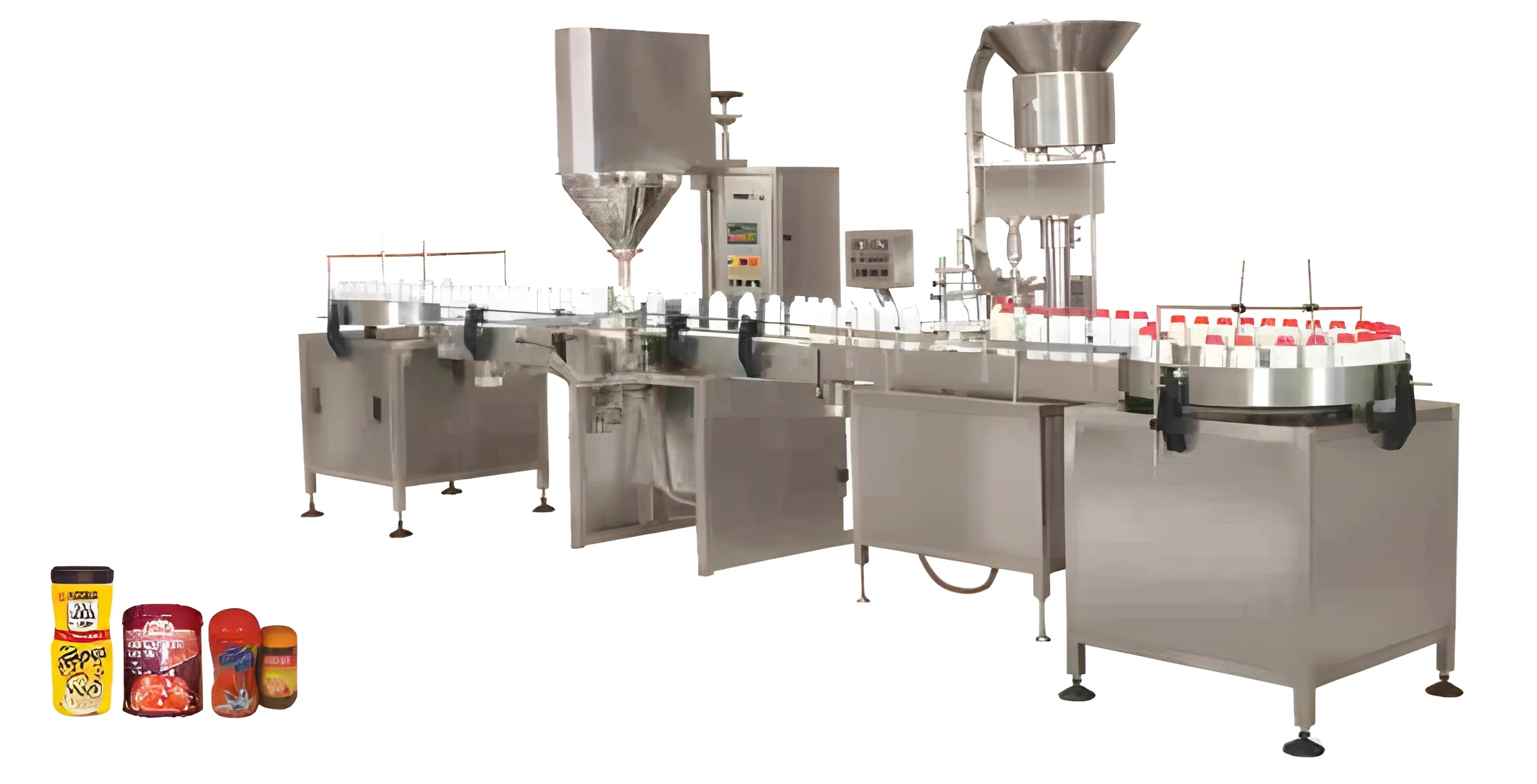
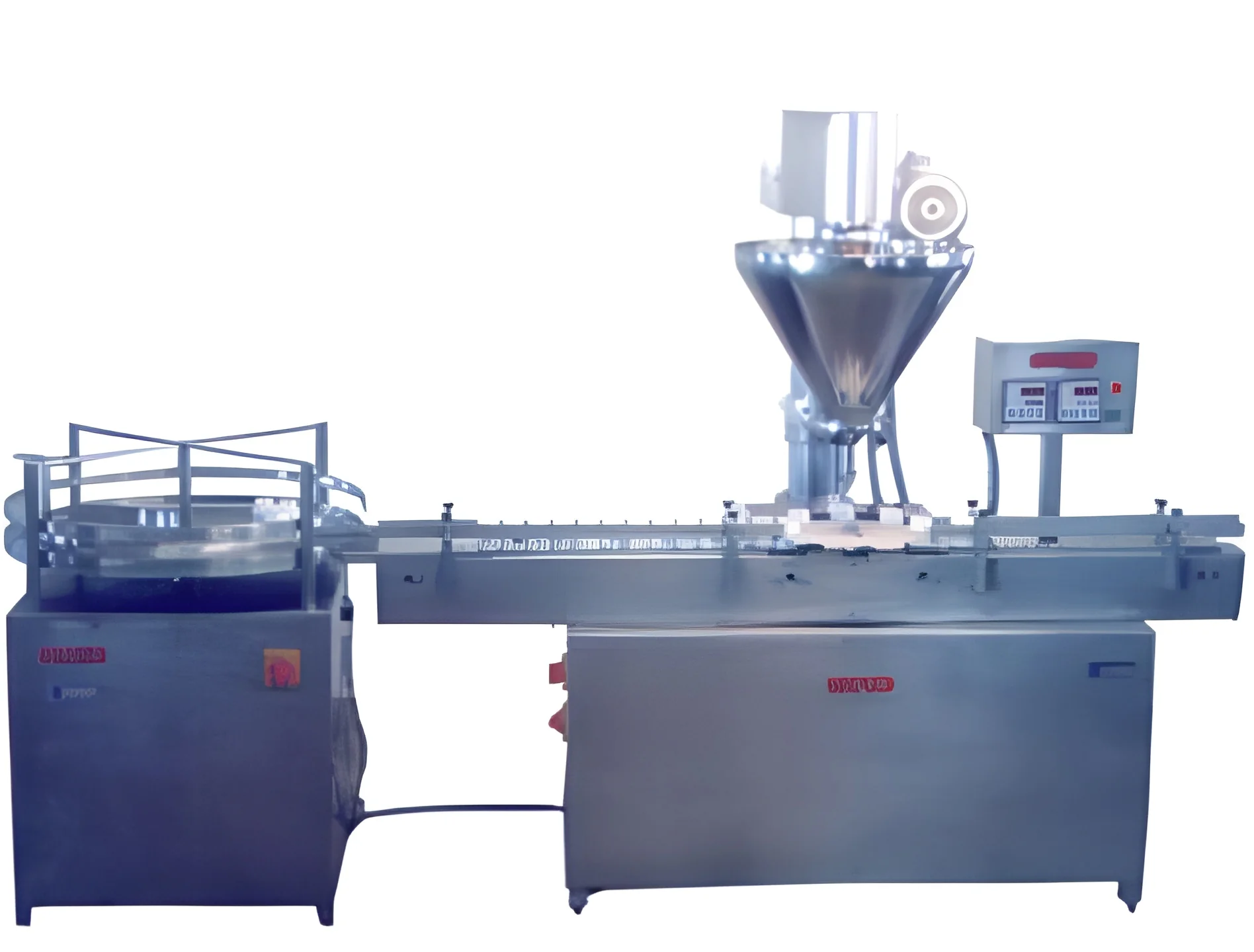
What are Powder Filling Machines?
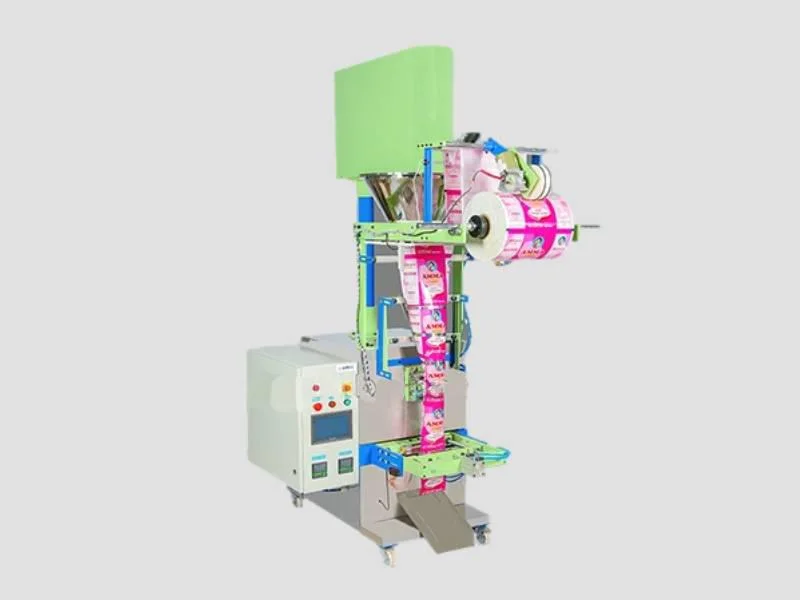
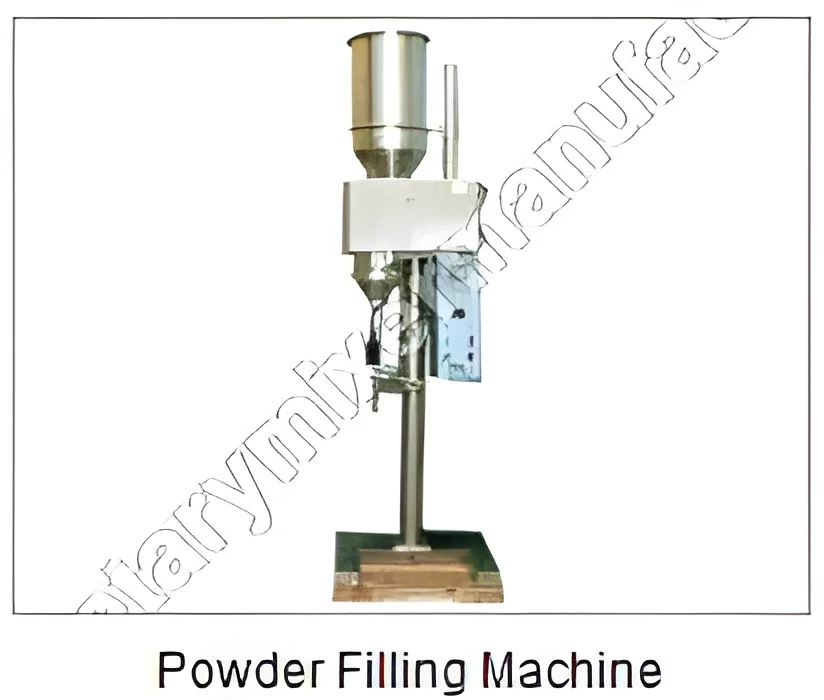
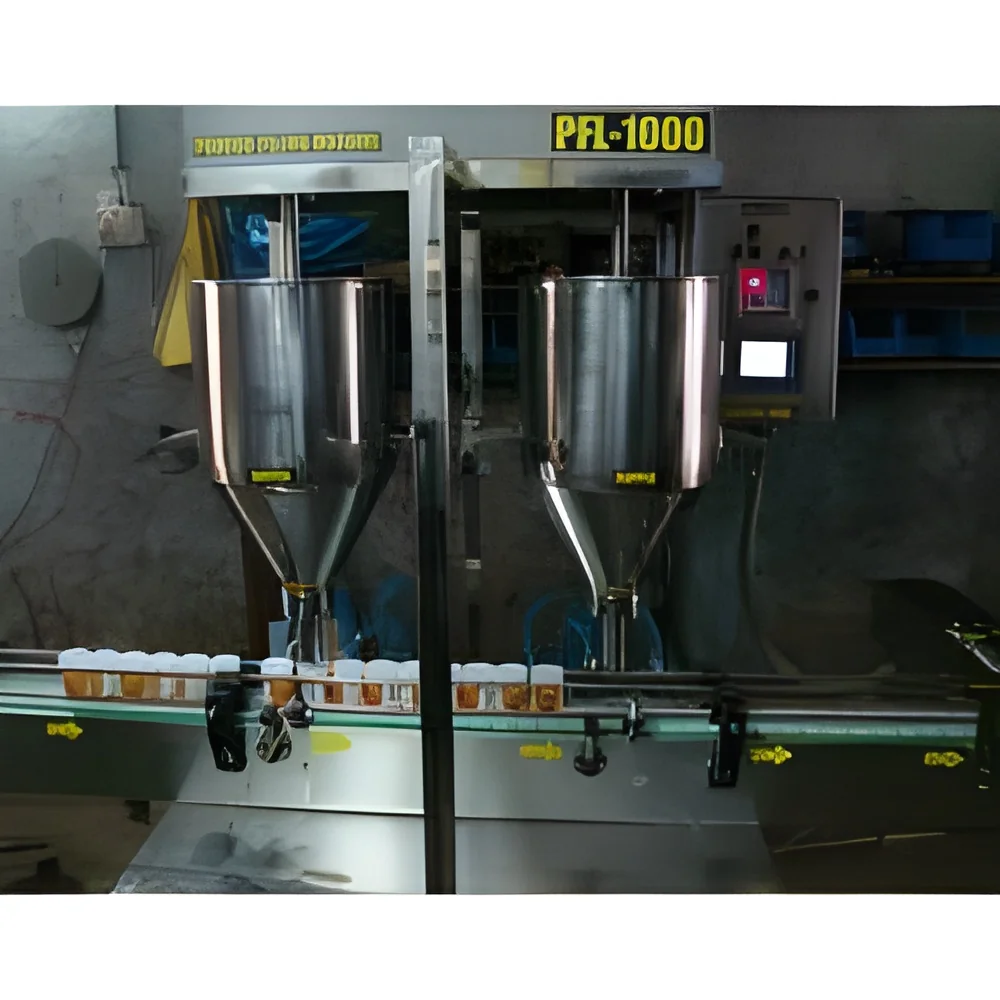
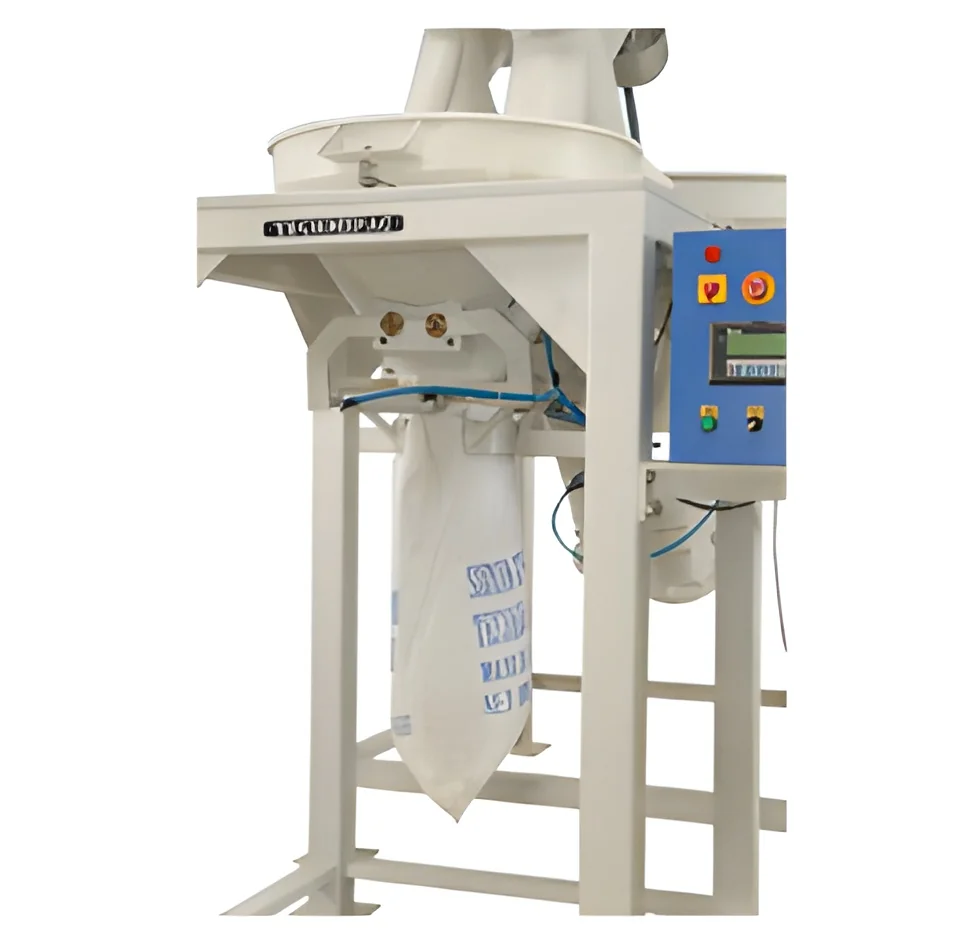
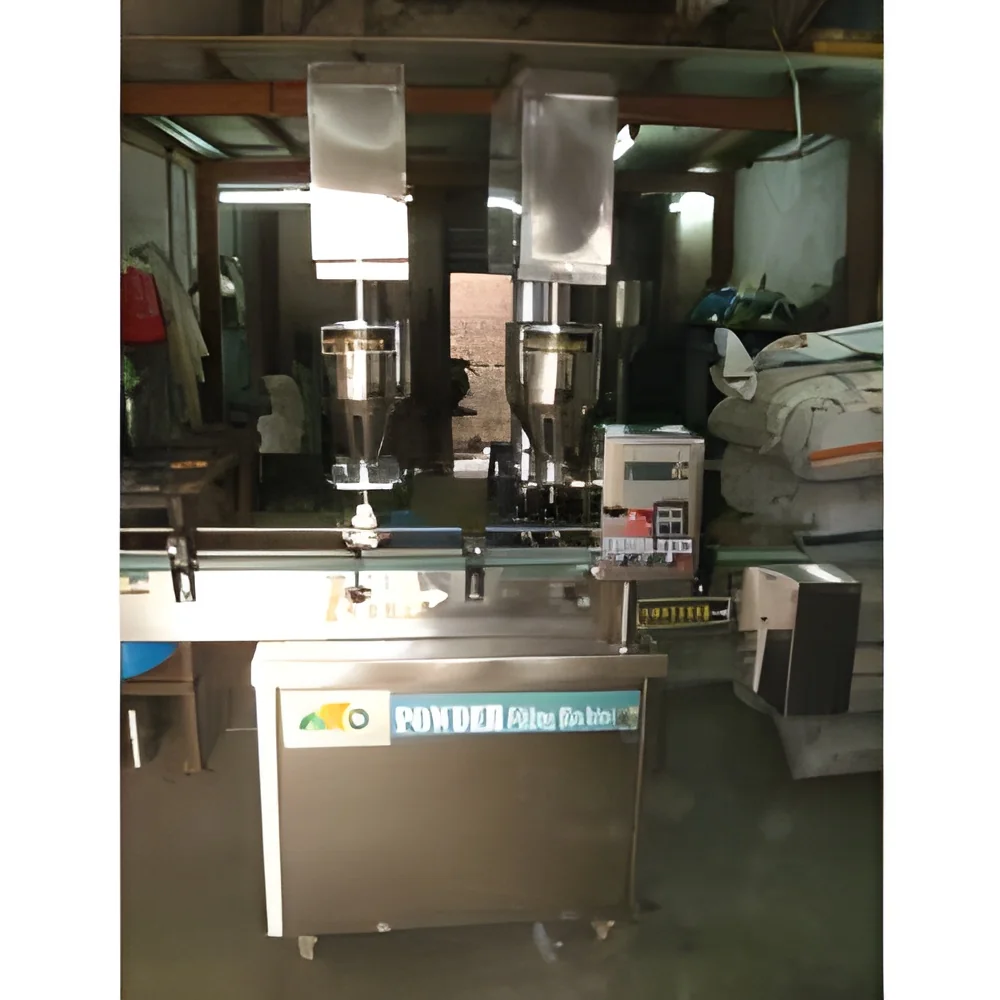
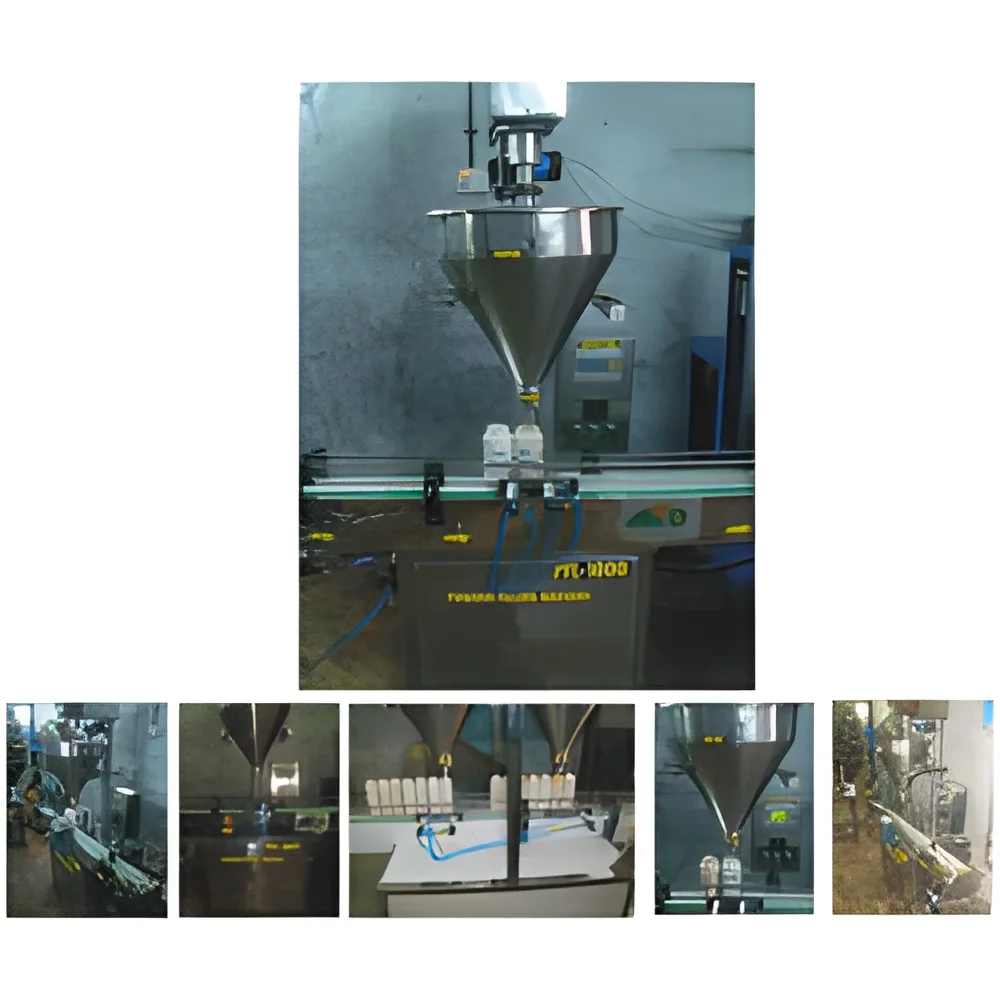
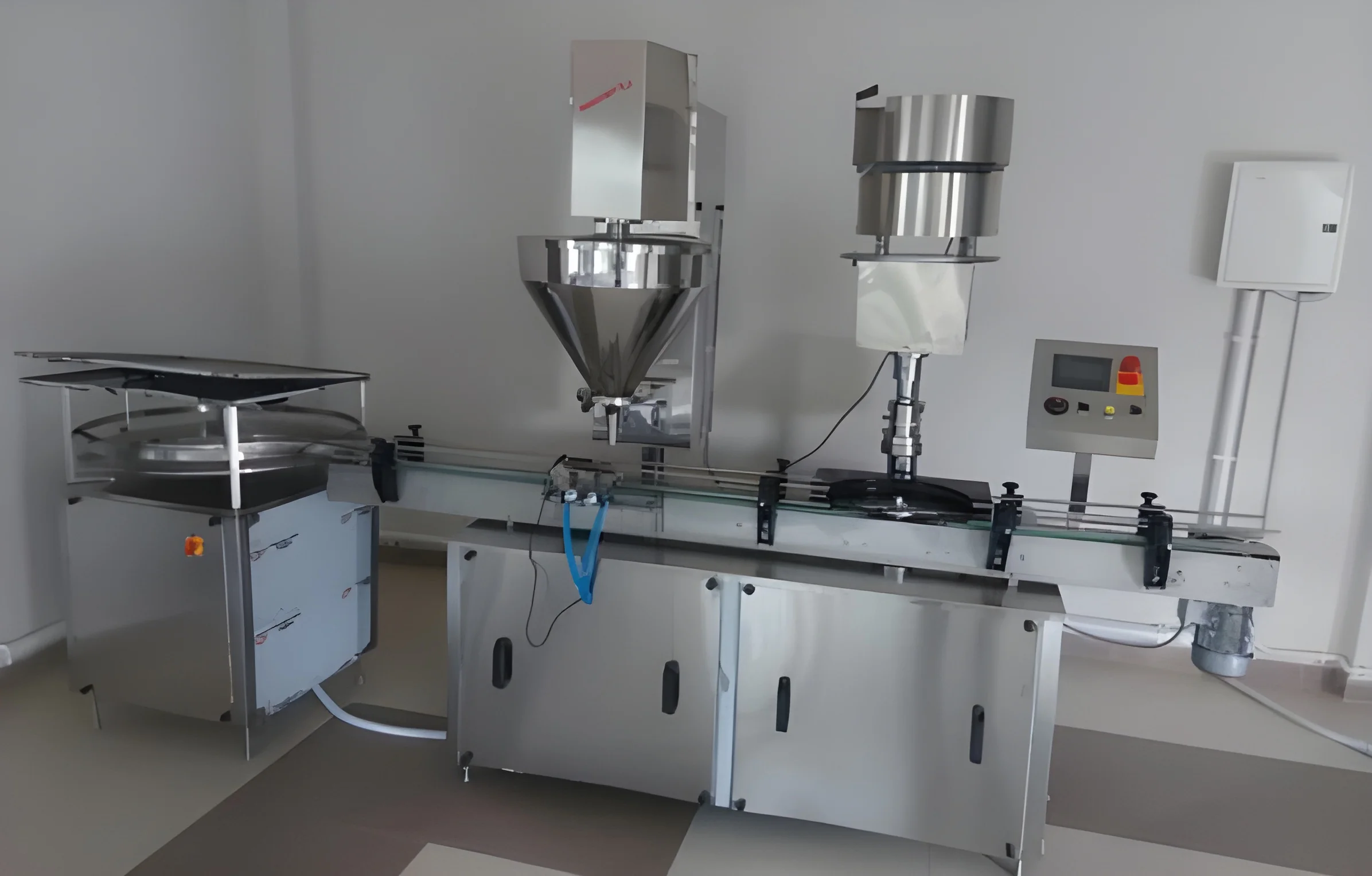
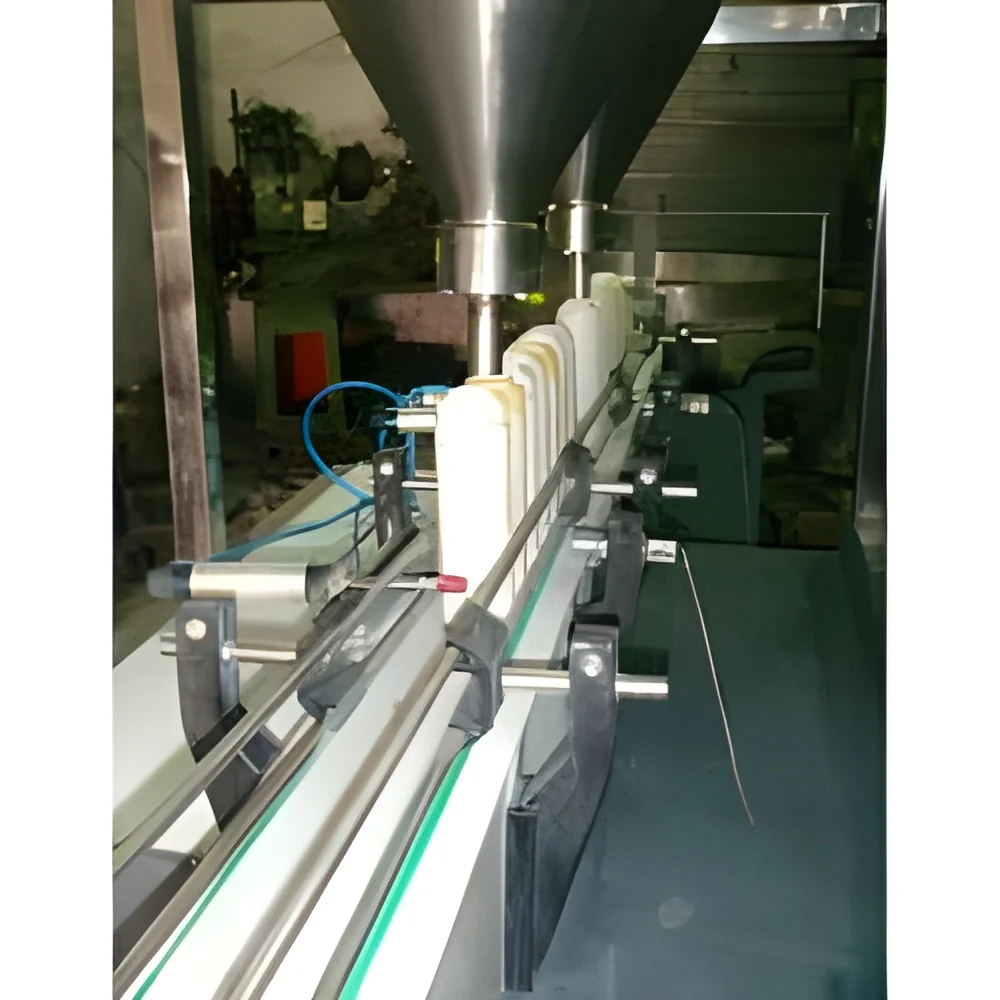
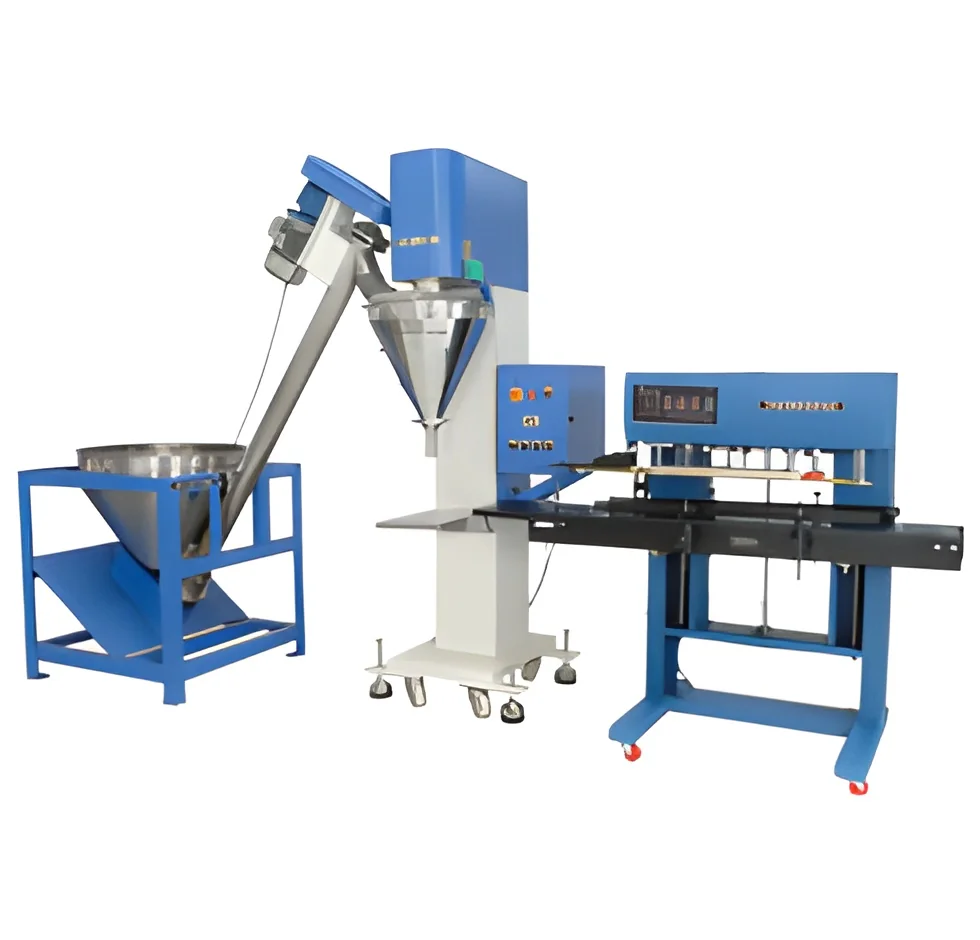
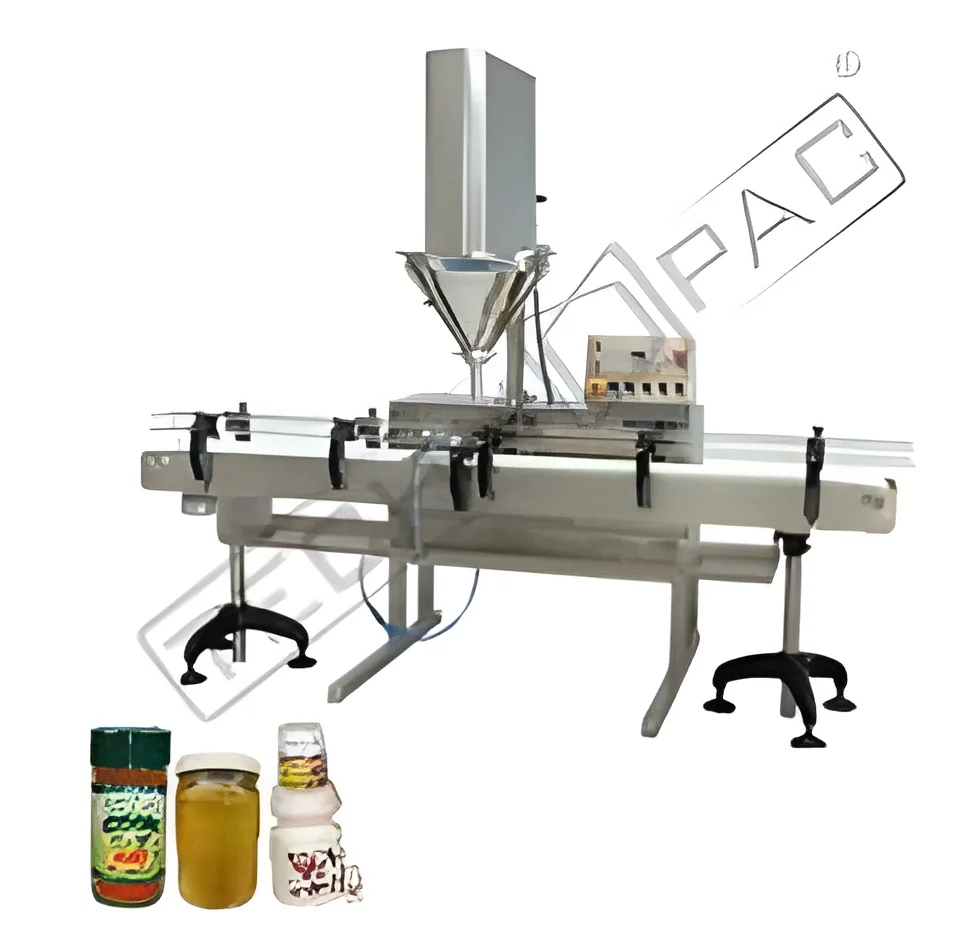
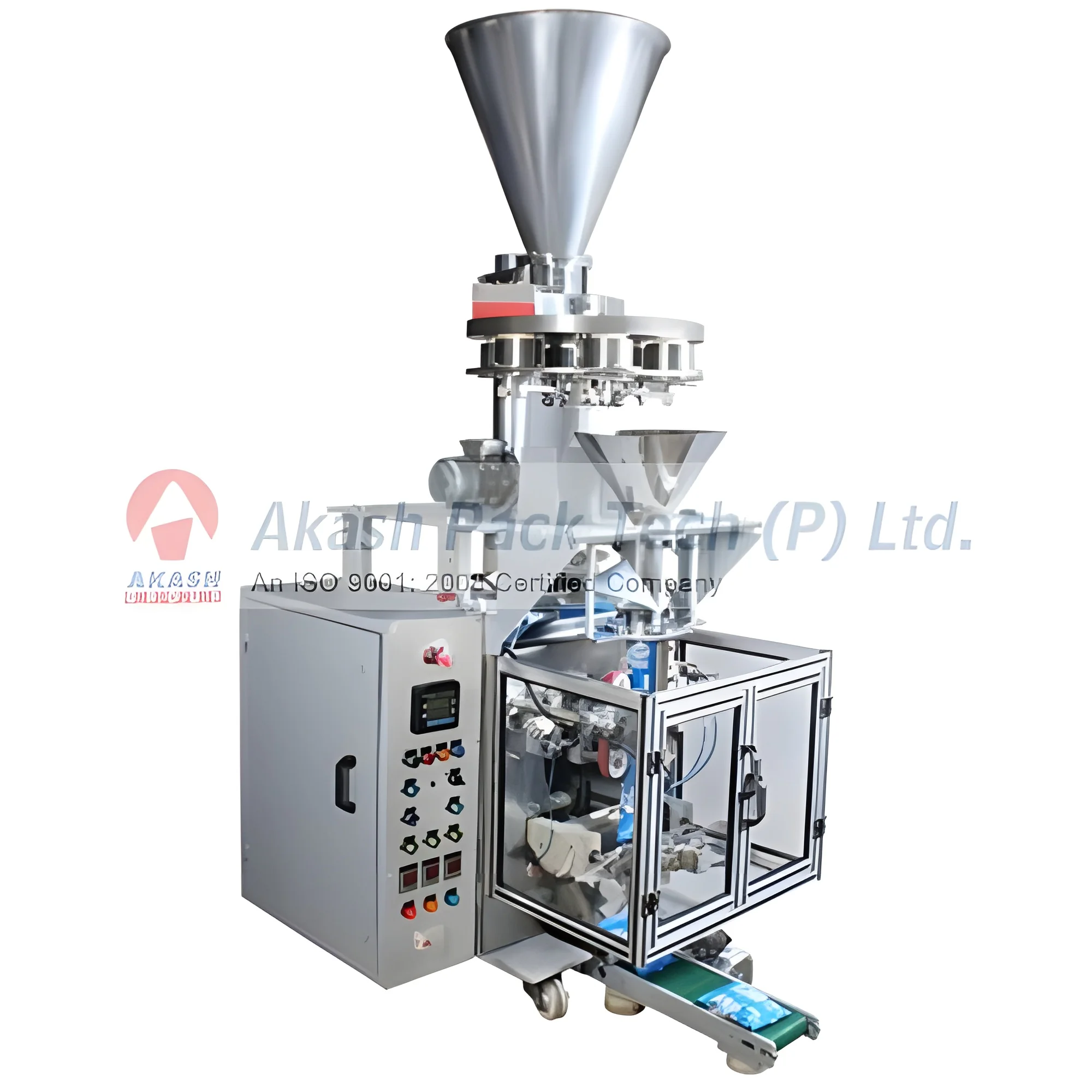
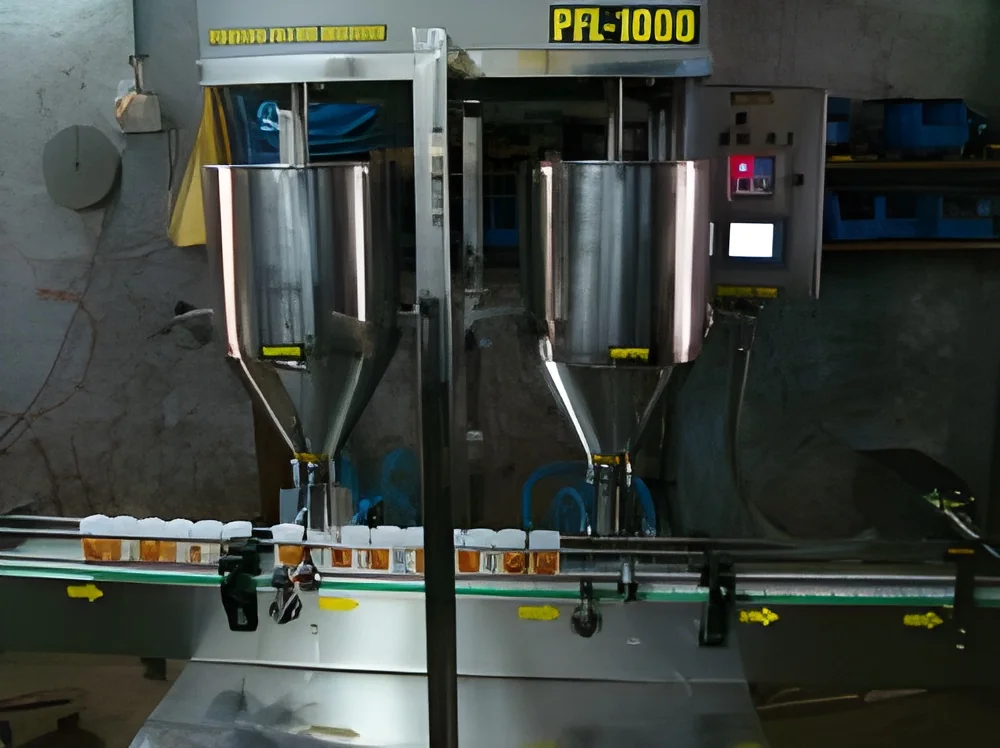
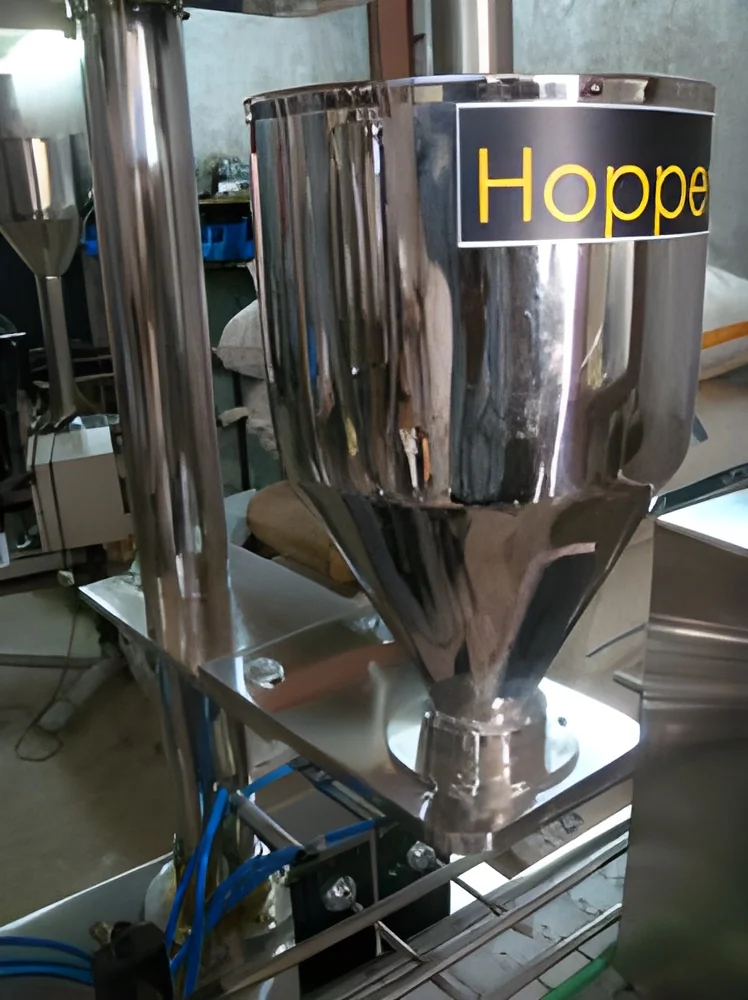
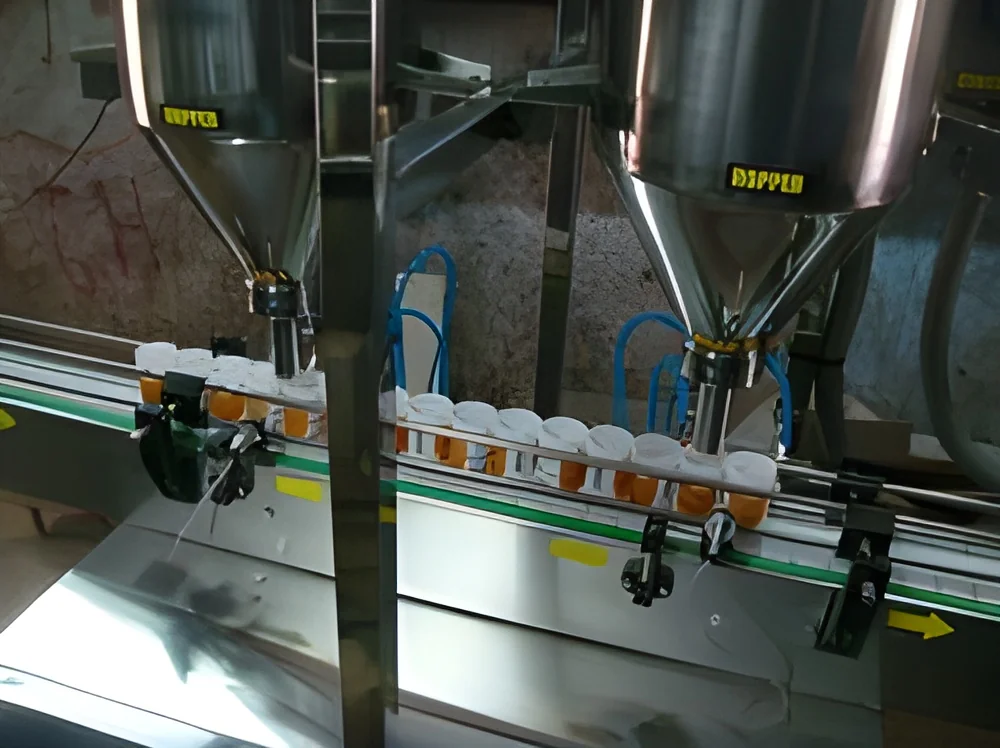
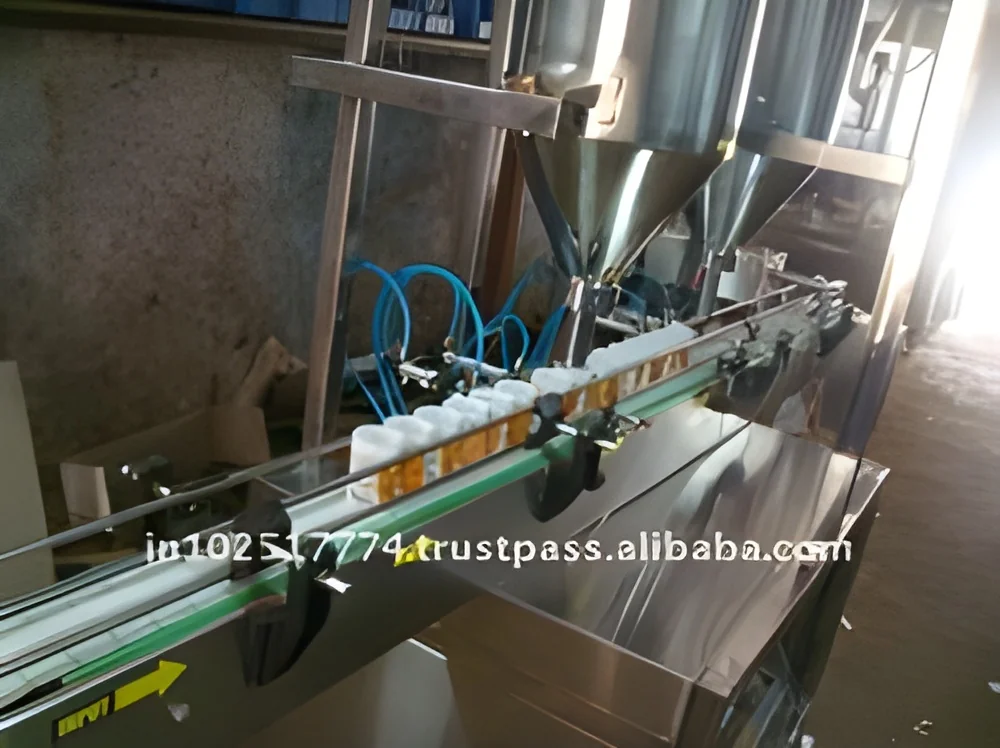
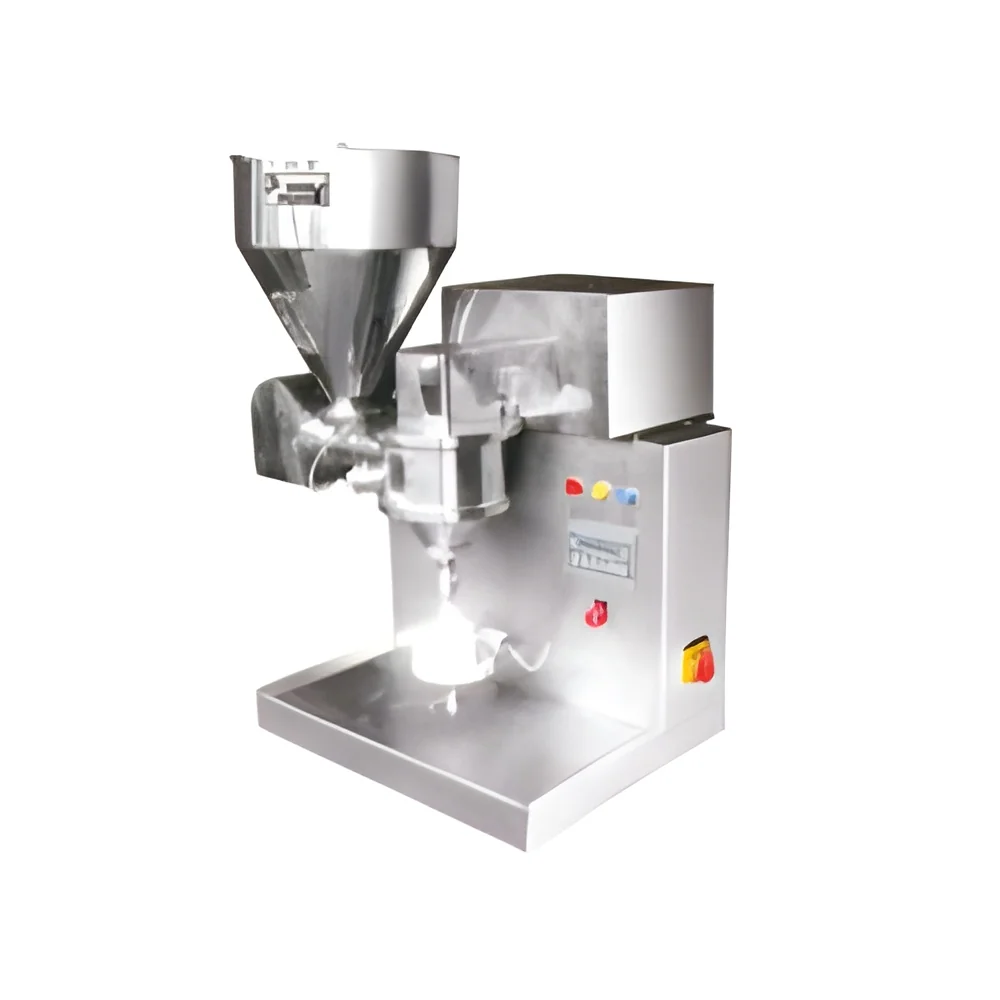
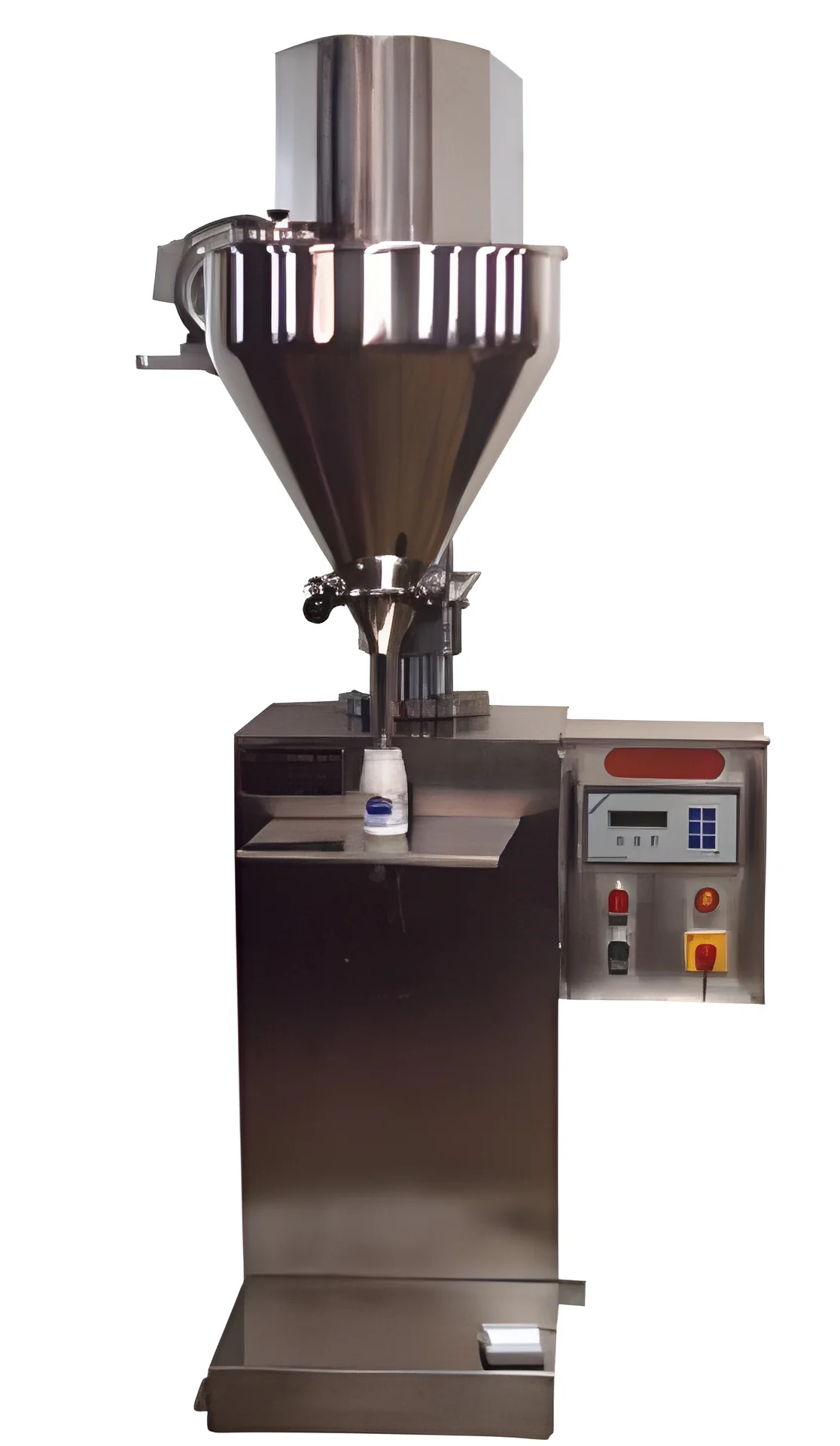
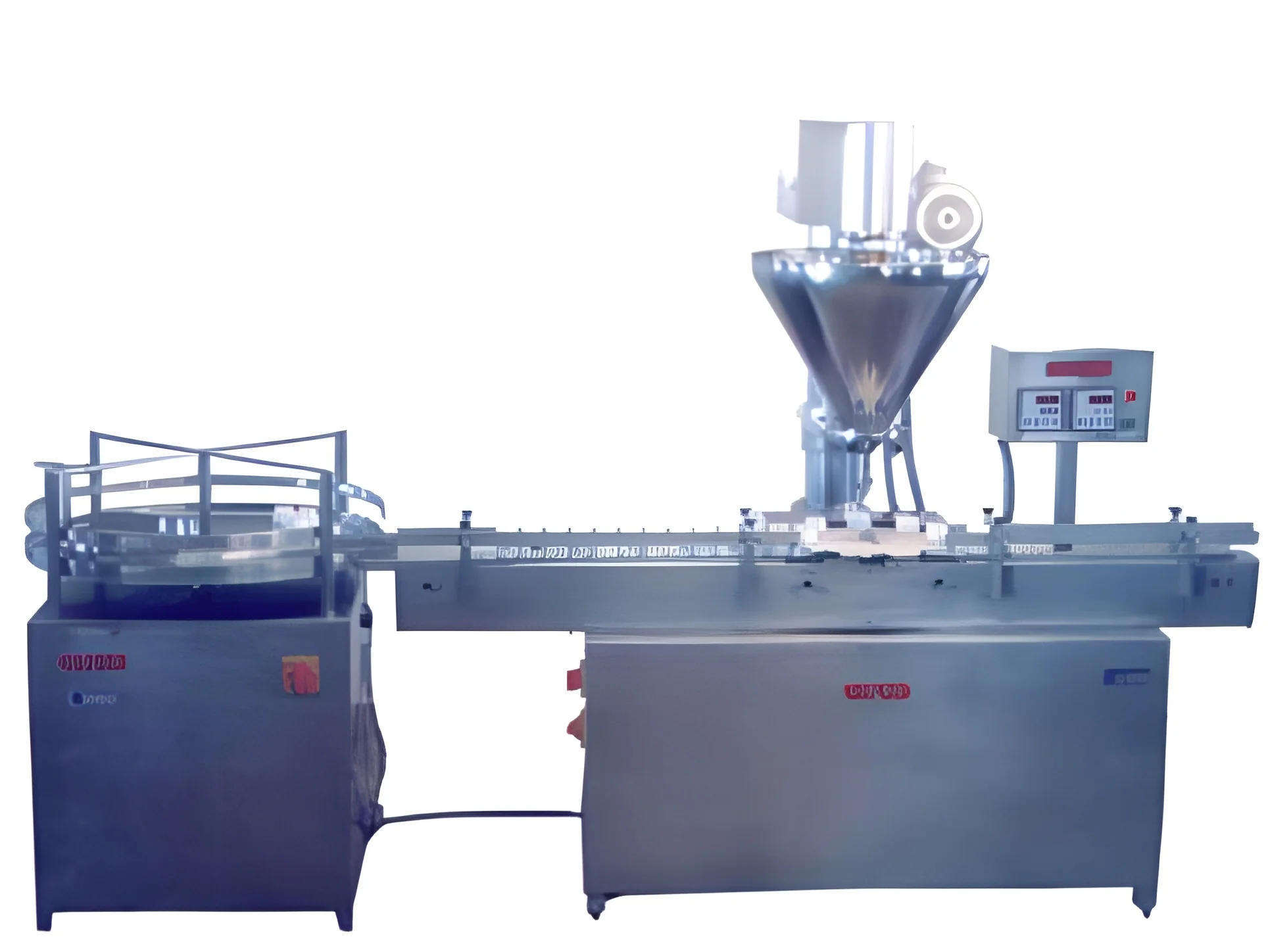
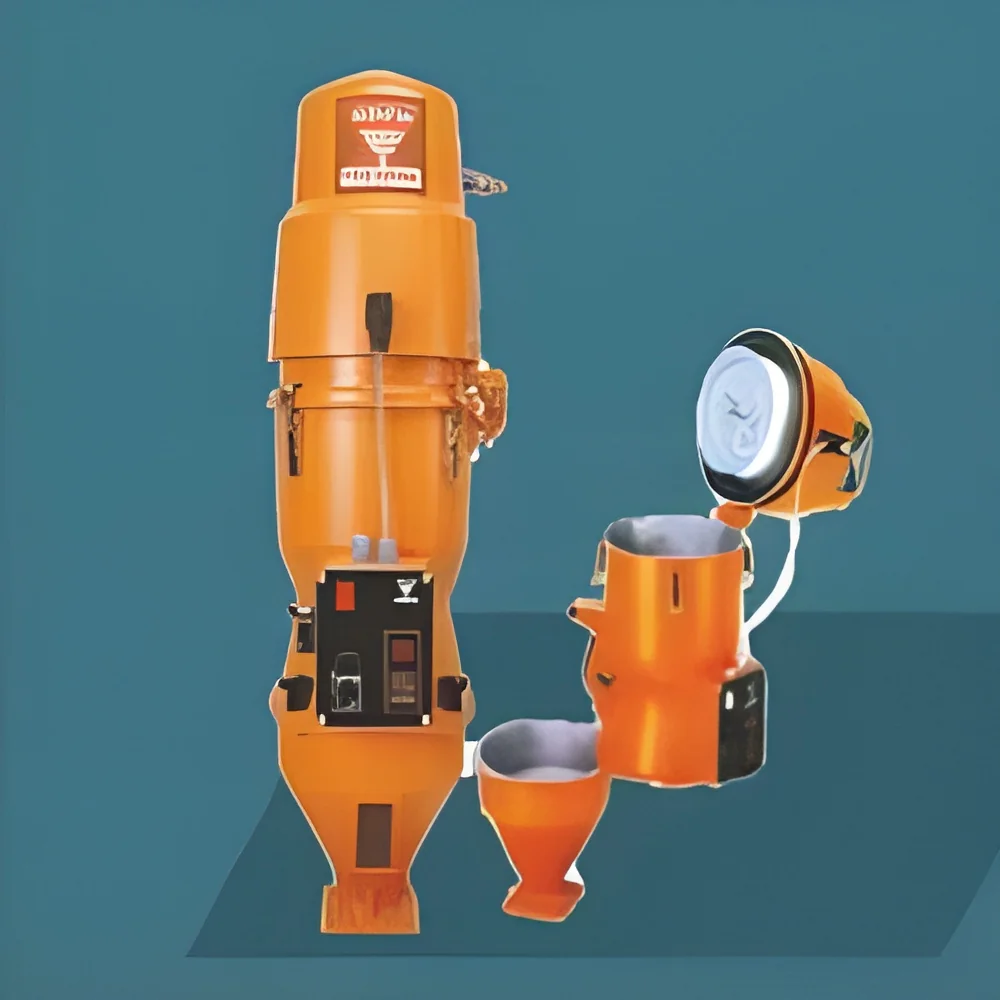
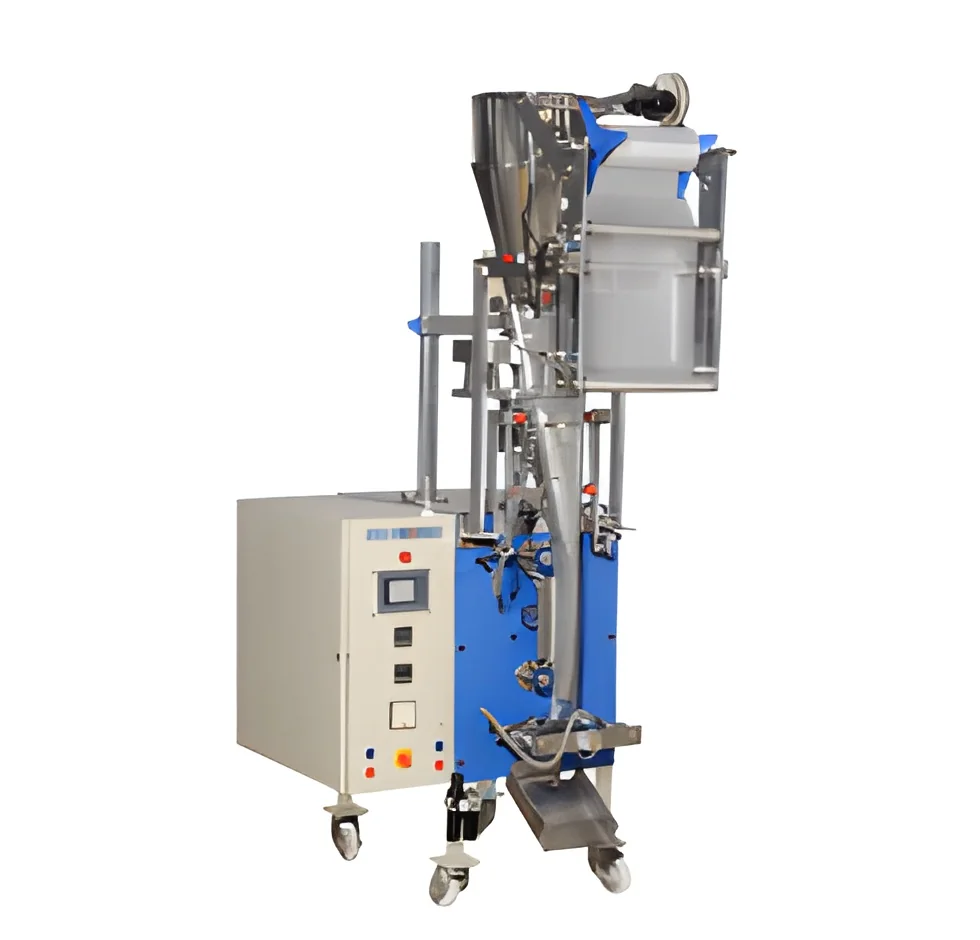
Powder filling machines are specialized equipment designed for accurately dispensing powdered materials into containers, such as bottles, pouches, or jars. These machines are essential in various industries where precise measurement is critical. They are engineered to handle a wide range of powder types, including food powders, pharmaceuticals, chemicals, and cosmetics. The technology behind these machines ensures efficient filling processes that maintain product integrity and minimize waste.
The primary uses of powder filling machines span multiple sectors. In the food industry, they are used for filling products like spices, flour, and protein powders. In pharmaceuticals, these machines are crucial for packing medications and supplements. The cosmetic industry also relies on powder fillers for products like face powders and hair care products. Given the increasing demand for automation and efficiency in manufacturing, powder filling machines play a vital role in streamlining production lines and ensuring consistent quality.
In the current market context, the growth of the e-commerce and retail sectors has further propelled the need for powder filling machines. As businesses strive to meet consumer expectations for faster delivery and high-quality packaging, investing in reliable filling technology has become a priority. This trend underscores the relevance of powder filling machines in supporting modern production requirements across various industries.
Key Features and Specifications
Powder filling machines come equipped with various features that enhance their performance and usability. These features are designed to accommodate different types of powders and meet the specific needs of businesses.
Key specifications include:
1. Filling Accuracy
- Ensures precise measurements of powder dispensed
- Typically ranges between ±0.5g to ±2g depending on the machine model
2. Speed of Operation
- Measures how quickly the machine can fill containers
- Can range from 30 to 120 containers per minute based on machine design
3. Container Compatibility
- Refers to the types of containers the machine can handle
- Suitable for bottles, pouches, jars, and more
4. Automation Level
- Indicates the degree of automation in the machine
- Options range from semi-automatic to fully automatic systems
5. Material Construction
- Describes the materials used in machine construction
- Common materials include stainless steel for durability and hygiene
6. Control System
- Refers to the technology used to operate the machine
- Often includes digital displays and programmable settings
7. Maintenance Requirements
- Specifies how easy it is to maintain the machine
- Machines designed for quick disassembly and cleaning are preferred
8. Compliance Features
- Indicates adherence to regulatory standards
- Machines may comply with CE and other relevant certifications
In summary, understanding these specifications helps buyers select the right powder filling machine that meets their production needs while ensuring quality and efficiency.
Common Applications and Use Cases
Powder filling machines are versatile and find applications in a variety of industries. Their ability to handle different powdered materials makes them valuable in several contexts.
1. Food Industry: These machines are commonly used to fill products like flour, sugar, spices, and powdered beverages. Accurate filling ensures consistent product quality and adheres to food safety standards.
2. Pharmaceutical Sector: In this industry, powder filling machines are critical for packaging medicinal powders and supplements. They help maintain dosage accuracy and comply with strict regulatory requirements.
3. Chemical Manufacturing: Powder fillers are utilized for dispensing chemicals used in various applications, such as detergents and fertilizers. They help in managing hazardous materials safely and efficiently.
4. Cosmetic Industry: Powder filling machines are used to package products like face powders, talcum powders, and other beauty essentials. They ensure precise filling and enhance shelf appeal.
5. Nutraceuticals: These machines are essential in filling dietary supplements and protein powders, where accuracy and hygiene are paramount.
6. Agriculture: Powder filling machines can be deployed to package agricultural powders, such as fertilizers and pesticides, ensuring proper dosage for effective application.
7. Construction Materials: The machines are also used in filling powdered materials used in construction, such as gypsum and cement, ensuring consistent volume and quality.
Product Variants and Subcategories
Powder filling machines come in various designs and capacities to cater to different business needs. While specific subcategories may not be available, the diversity in functionality allows for tailored solutions.
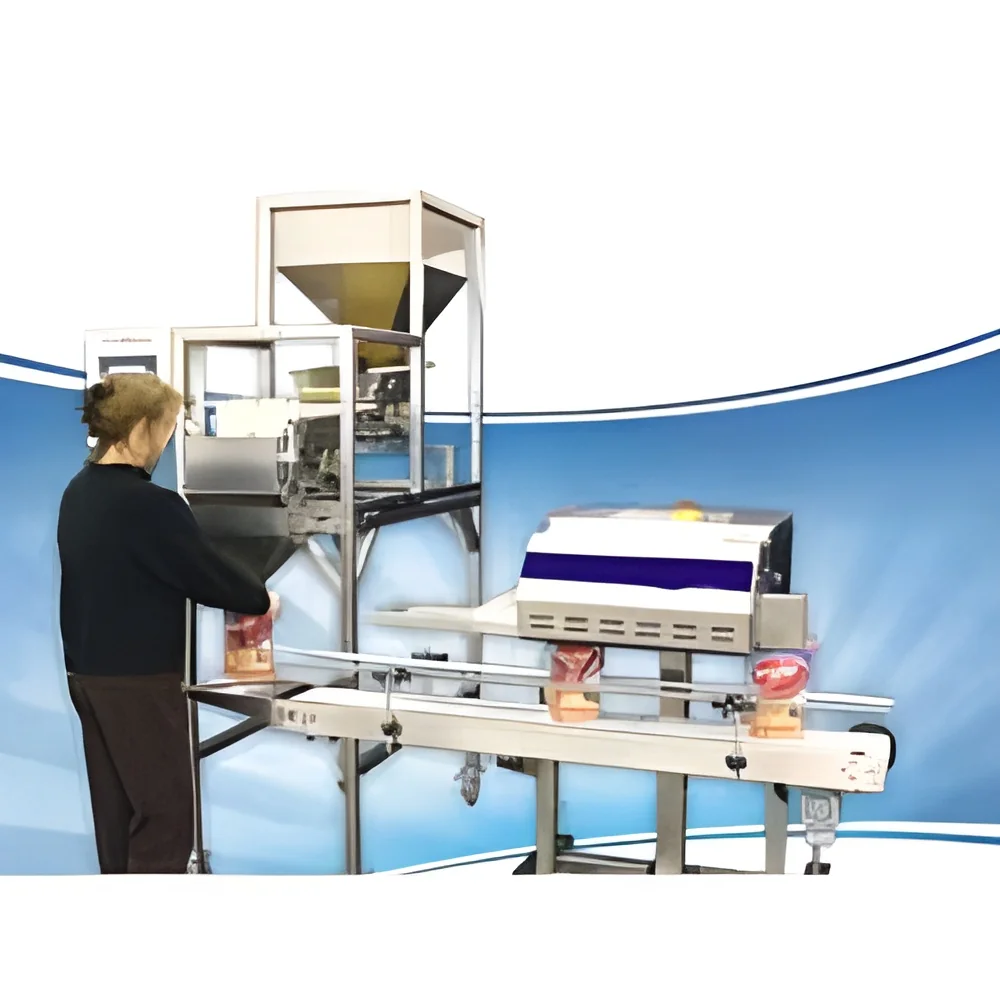
Semi-Automatic Powder Filling Machines: These machines provide a balance between manual and automated operations. They require operator input for certain functions while automating the filling process, making them suitable for small to medium production runs.
Fully Automatic Powder Filling Machines: Designed for high-volume production, these machines operate independently with minimal human intervention. They are equipped with advanced technology to ensure fast and precise filling, ideal for large-scale manufacturers.
Volumetric Powder Filling Machines: These machines utilize volume-based filling mechanisms, making them suitable for products that have a consistent density. They are often used in food and pharmaceutical industries.
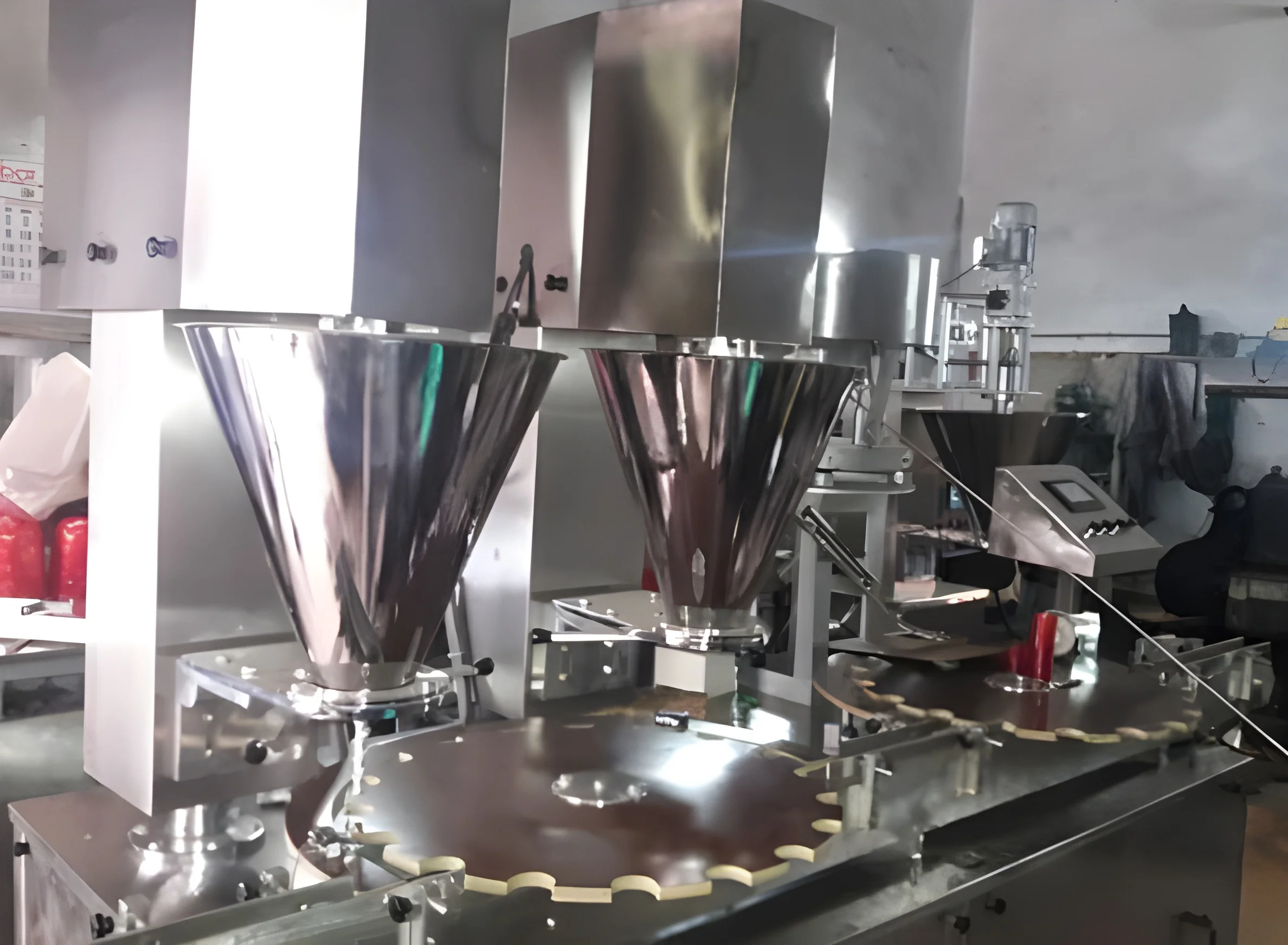
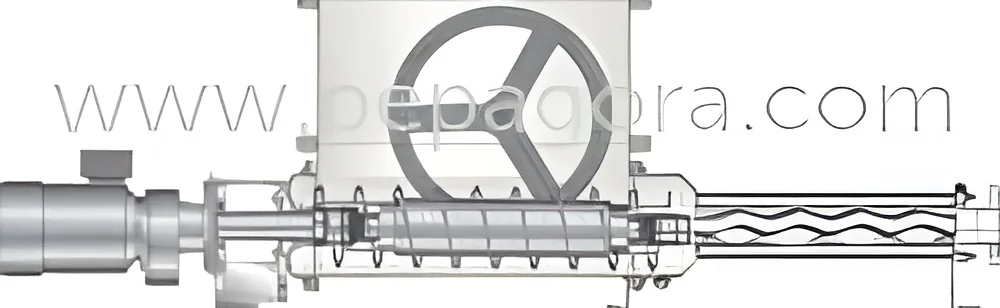
Auger Filler Machines: These specialized machines use an auger screw to dispense powder accurately. They are particularly effective for powders with varying flow properties and are widely used in the food and chemical sectors.
Benefits and Advantages
Investing in powder filling machines offers numerous advantages for businesses looking to improve their packaging processes.
Key benefits include:
1. Increased Efficiency: Powder filling machines streamline the filling process, significantly reducing the time taken to fill containers compared to manual methods.
2. Enhanced Accuracy: These machines provide precise measurements, minimizing product waste and ensuring that each container is filled to the correct level.
3. Improved Hygiene: Automated filling reduces human contact with powders, promoting better hygiene and compliance with safety standards.
4. Customization Options: Many machines can be tailored to accommodate various powder types and container sizes, offering flexibility for different production needs.
5. Cost-Effective: By reducing labor costs and minimizing waste, powder filling machines can lead to significant savings over time.
6. Reliability: Modern powder filling machines are built for durability and consistent performance, ensuring long-term operation without frequent breakdowns.
Buying Guide for B2B Buyers
When sourcing powder filling machines, it is essential to consider several factors to ensure the right choice for your business needs.
1. Quality Assessment: Evaluate the machine's construction and features. Look for equipment made from high-quality materials that ensure durability and compliance with industry standards.
2. Supplier Verification: Vet potential suppliers thoroughly. Check their reputation, customer reviews, and any certifications to ensure they are reliable and offer quality products.
3. Pricing and MOQ: Understand the cost of the machines and any minimum order quantities required. This information can help in budgeting and planning your purchases.
4. Delivery and Lead Times: Inquire about the expected delivery timelines. Ensure that the supplier can meet your production schedule without delays.
5. Compliance Requirements: Verify that the machines meet necessary regulatory standards, such as CE certification. This is critical for ensuring safety and reliability in your operations.
Compliance and Certifications
Compliance and certifications are crucial for powder filling machines to ensure quality and safety in operations.
Relevant quality standards such as ISO 9001 and HACCP emphasize the importance of maintaining quality management systems and food safety practices. These standards help manufacturers ensure that their processes meet customer and regulatory requirements.
Industry certifications, including CE, indicate that the machines comply with European health, safety, and environmental protection standards. This certification is essential for businesses looking to market their products in European markets.
Safety and testing requirements are critical to ensuring that machines operate reliably and safely. Regular testing can help identify any potential issues before they impact production.
Regional compliance considerations may vary depending on the market. It is essential to be aware of local regulations that could affect the machinery's operation and certification requirements.
Why Source Powder Filling Machines from Pepagora?
Pepagora offers a trusted platform for sourcing powder filling machines, providing several key advantages for B2B buyers.
Verified Supplier Network: Pepagora features a network of verified suppliers, ensuring that buyers have access to quality machines from reputable manufacturers. This verification process helps mitigate risks associated with sourcing equipment.
Streamlined RFQ Process: The platform simplifies the request for quotation (RFQ) process, enabling buyers to receive competitive quotes from multiple suppliers. This efficiency can save time and enhance decision-making.
Trade Assurance and Support: Pepagora provides trade assurance, protecting buyers against potential issues related to payment and delivery. This support ensures a smoother purchasing experience.
Regional Coverage: With a strong presence in markets such as India, GCC, and Southeast Asia, Pepagora offers comprehensive regional support, making it easier for businesses to find suitable powder filling solutions tailored to their local needs.

 IN
IN