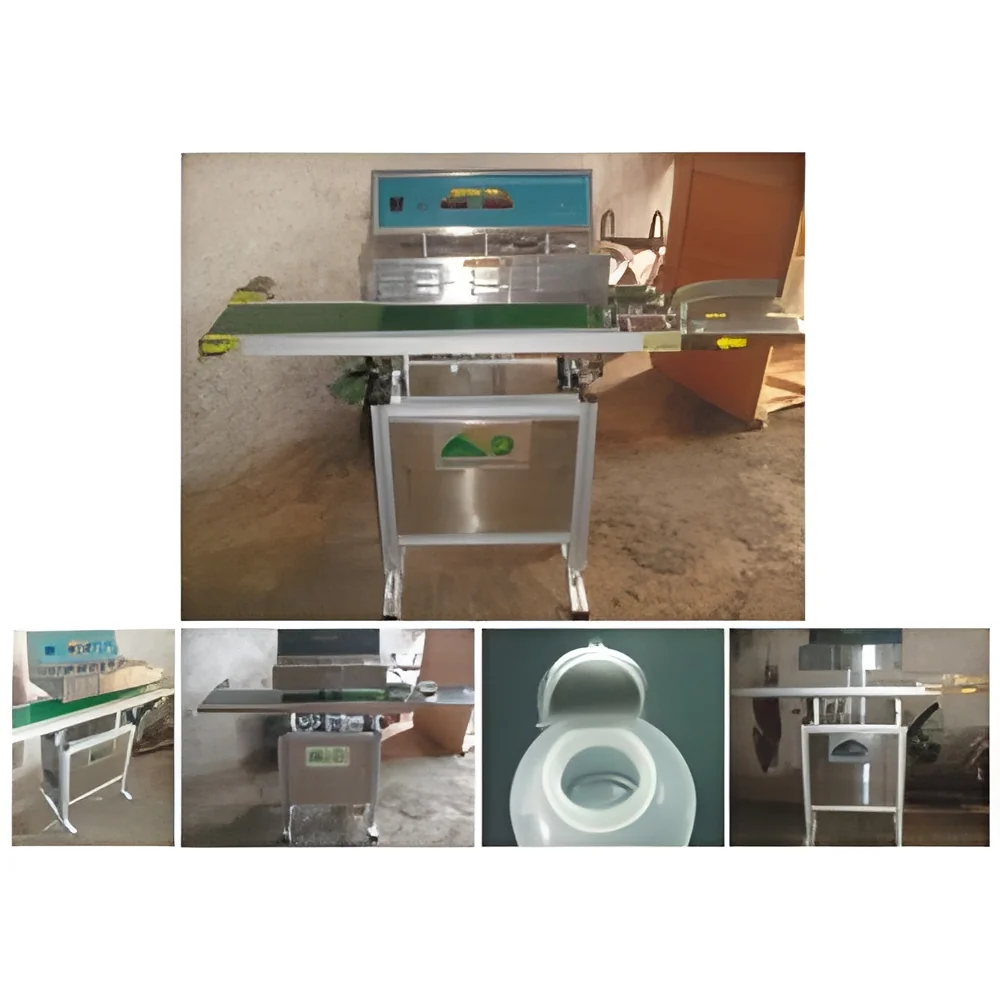
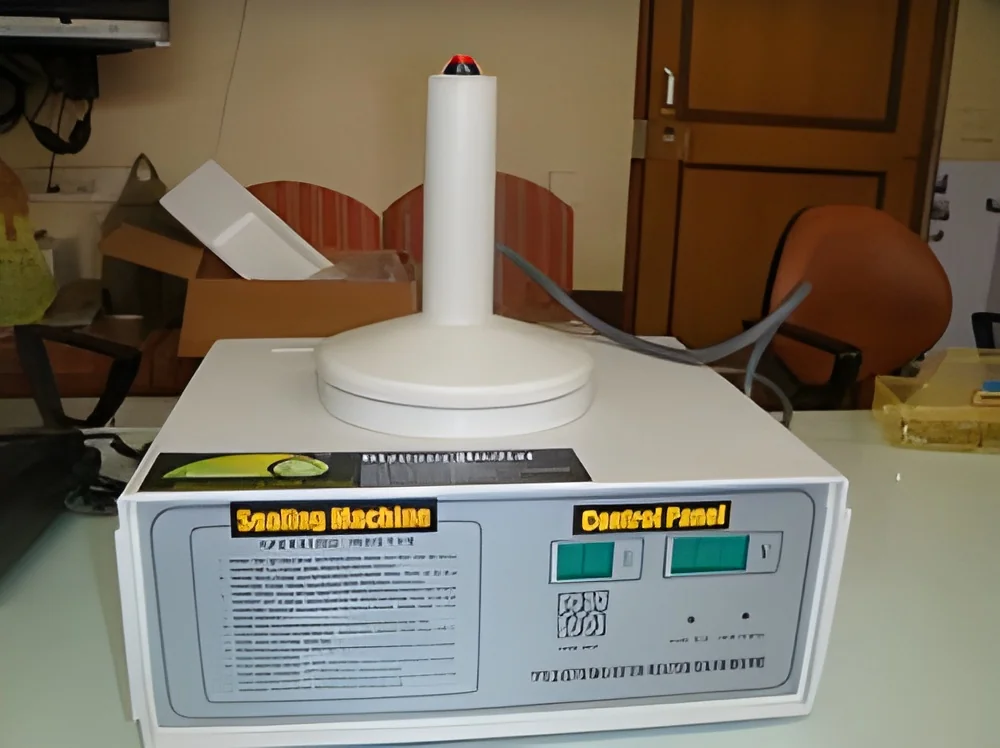
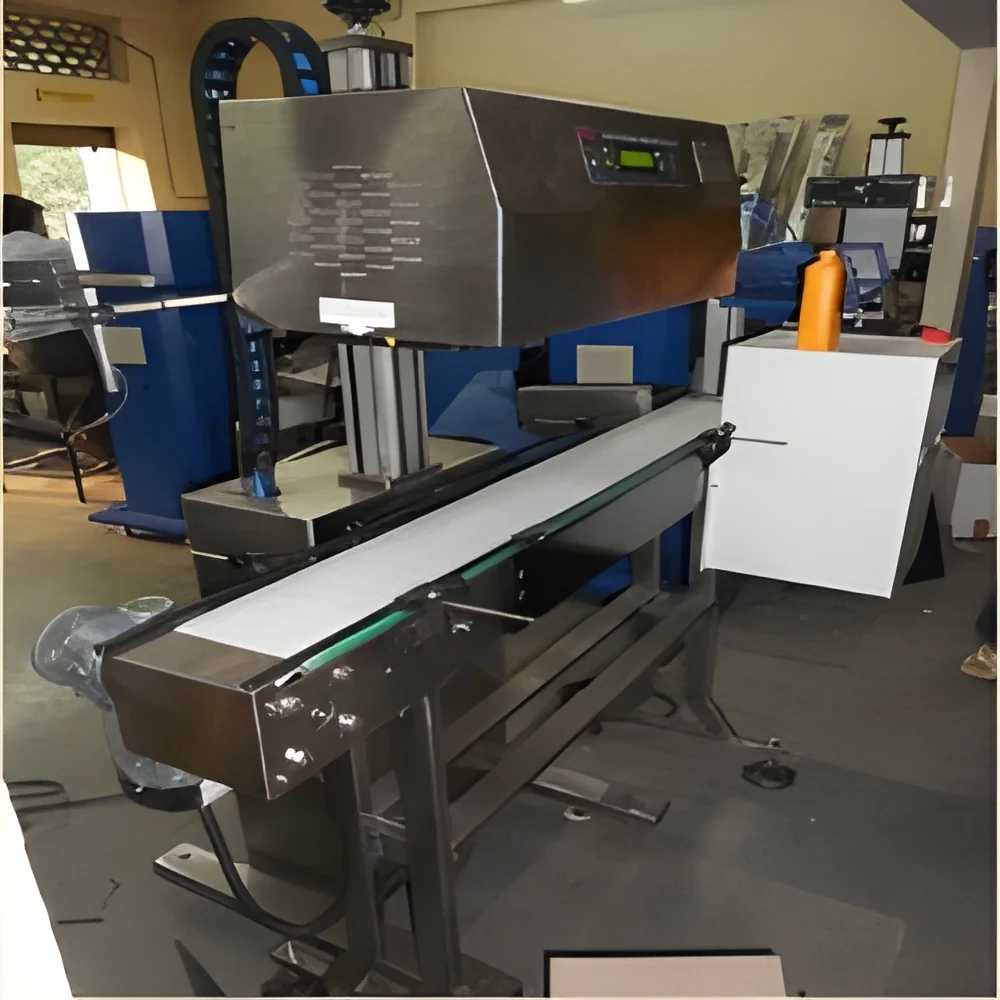
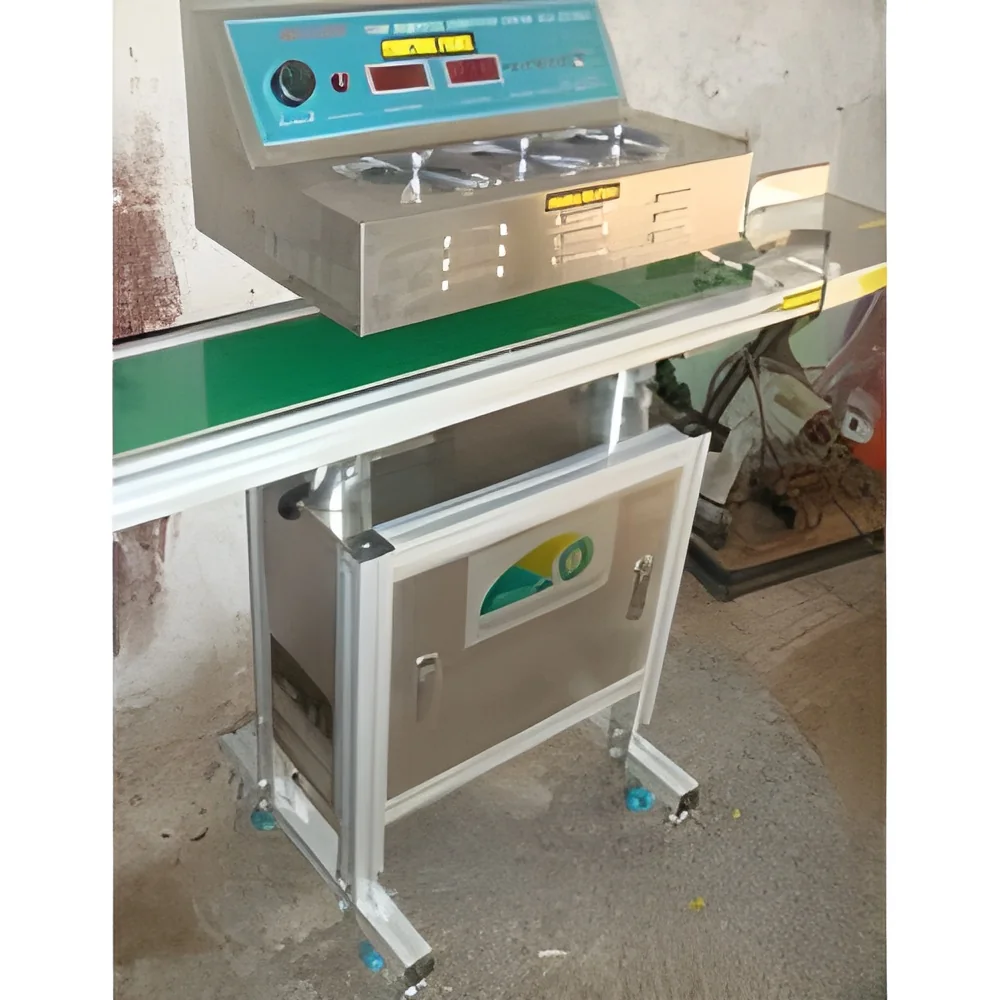
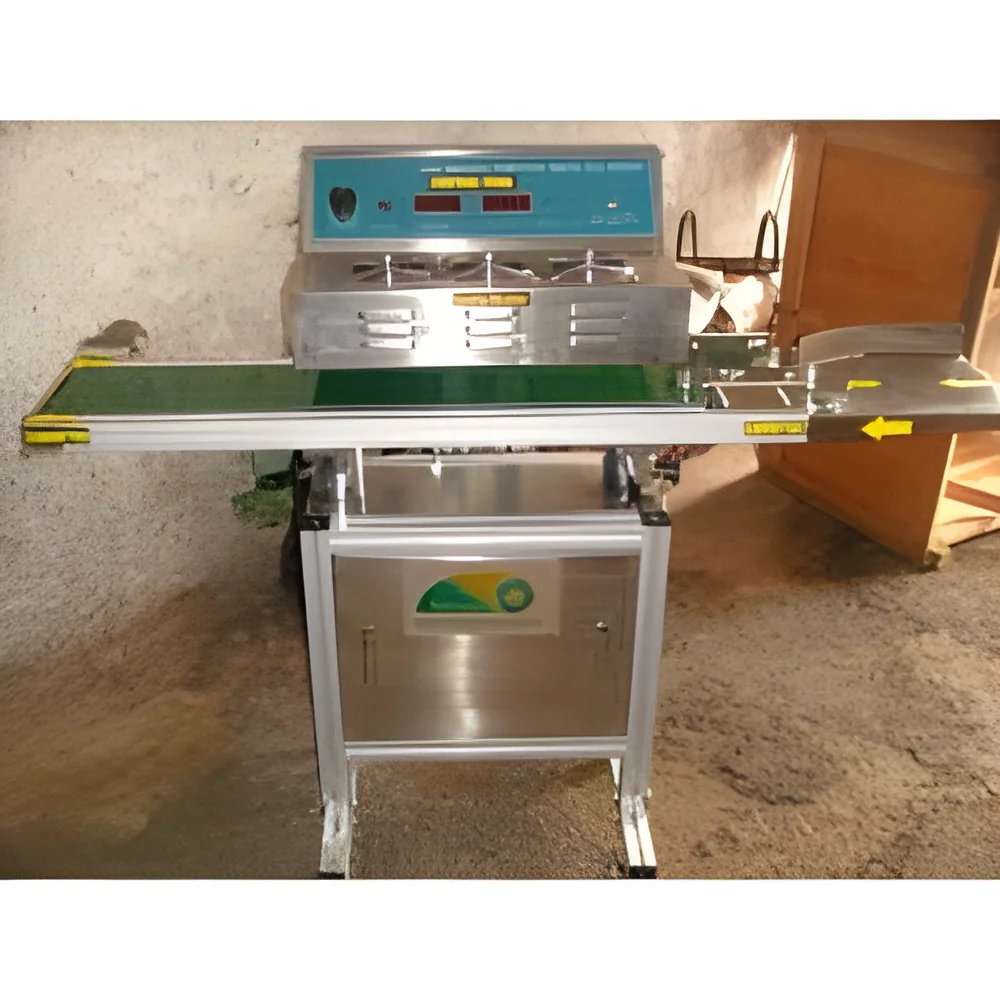
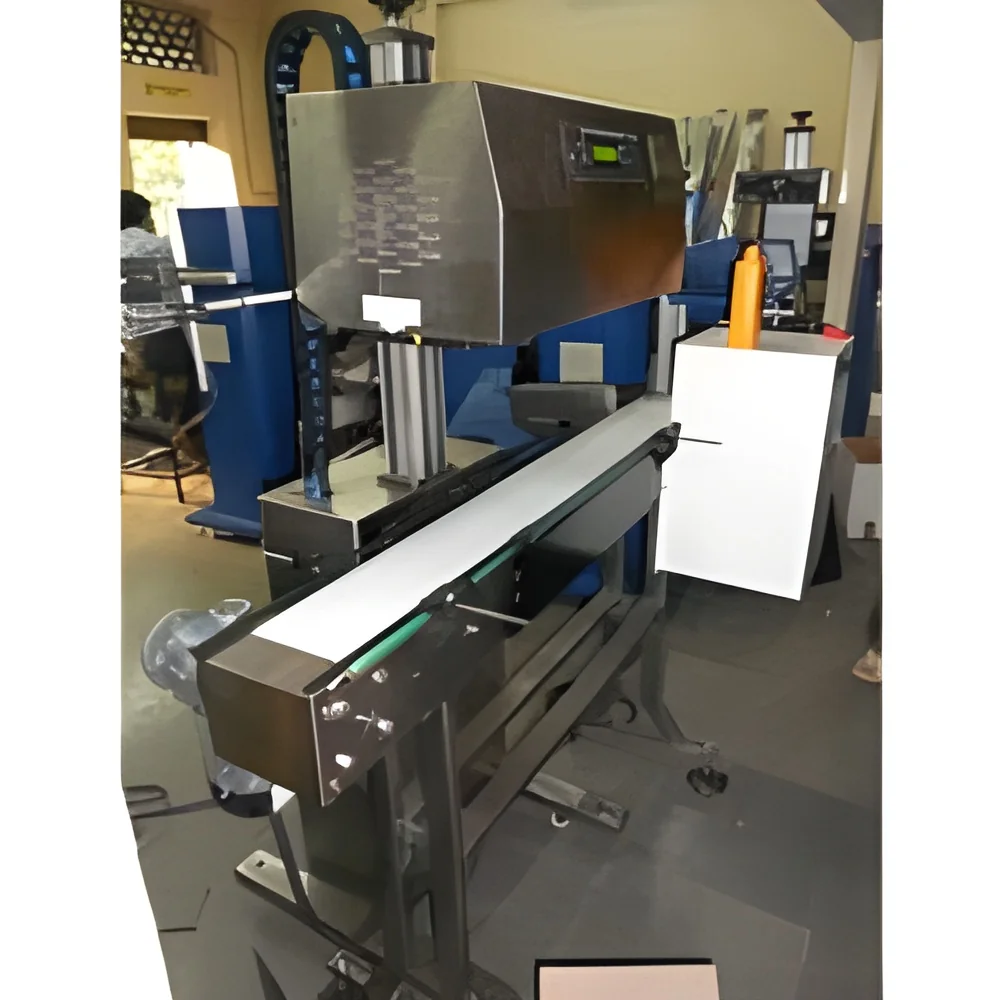
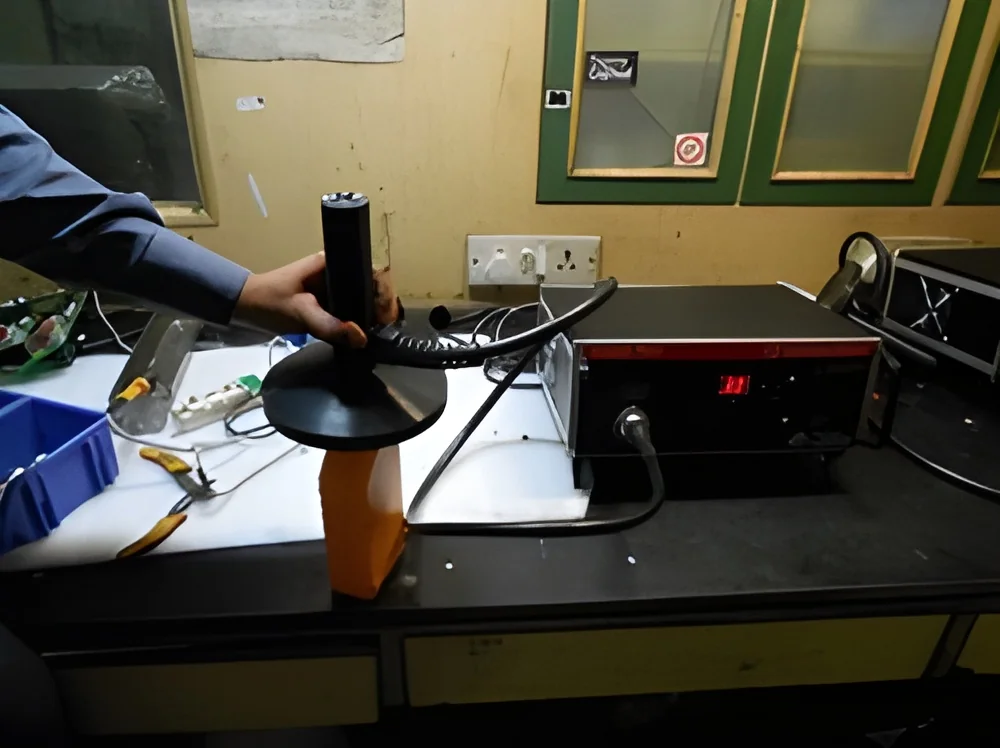
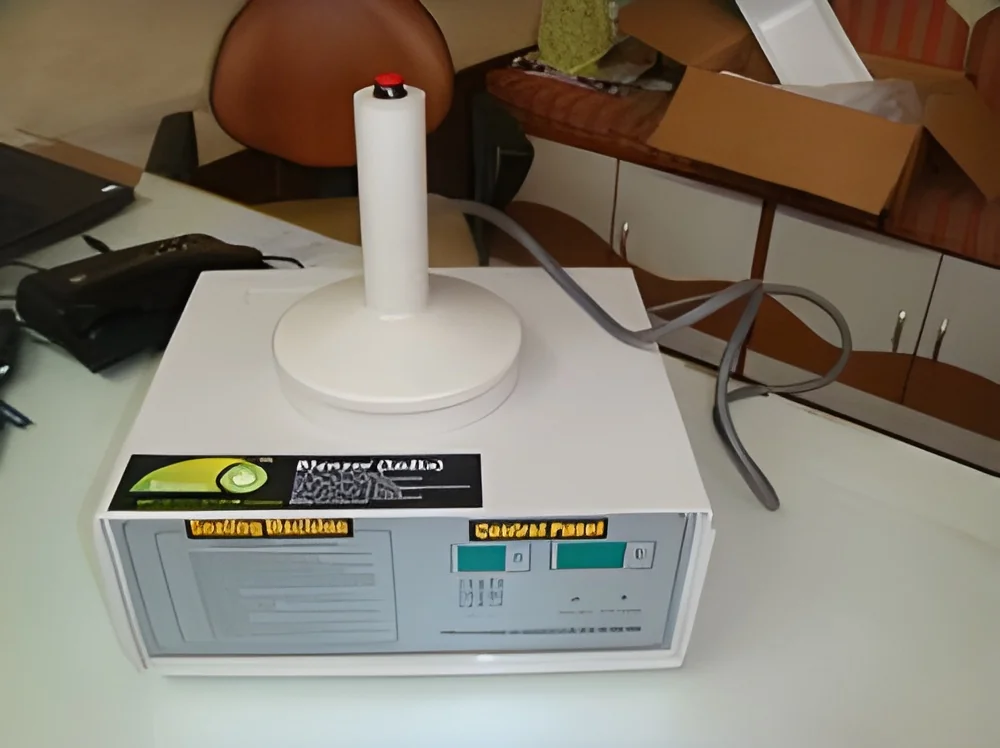
What are Induction Sealing Machines?
Induction sealing machines are specialized devices used to seal containers with a hermetic closure. This process utilizes electromagnetic induction to heat and melt a foil layer on the container's closure, creating a secure bond between the closure and the container. The method is efficient and effective in preserving product integrity and extending shelf life by providing tamper evidence and preventing contamination.
These machines are primarily used in various industries, including food and beverage, pharmaceuticals, cosmetics, and chemicals. They are essential for packaging products that require airtight seals to maintain quality and safety. Businesses leverage induction sealing machines to ensure compliance with industry standards, enhance brand trust, and reduce product spoilage, making them a critical component in modern packaging lines.
As the demand for efficient packaging solutions grows, induction sealing machines have gained significance in the market. Their ability to improve operational efficiency and meet regulatory requirements has made them a preferred choice for manufacturers. The industry continues to evolve with technological advancements, leading to more sophisticated and user-friendly sealing machines that cater to diverse packaging needs.
Key Features and Specifications
Induction sealing machines come equipped with several features that enhance their functionality and usability. Understanding these specifications is crucial for businesses looking to invest in this technology.
Key specifications include:
1. Sealing Speed
- Determines how quickly the machine can seal containers.
- Typically ranges from 20 to 100 containers per minute.
2. Power Consumption
- Indicates the amount of energy required for operation.
- Commonly ranges from 1000 to 2000 watts.
3. Control System
- Features user-friendly interfaces for easy operation.
- Advanced models may include programmable settings for various container types.
4. Heating Element
- The type of heating technology used for sealing.
- Options include high-frequency induction coils or ceramic heaters.
5. Compatibility
- The range of container materials the machine can handle.
- Usually compatible with glass, plastic, and metal containers.
6. Size and Dimensions
- The physical footprint of the machine, important for space planning.
- Varies depending on the model, generally compact for easy integration into production lines.
7. Safety Features
- Includes emergency stop buttons and safety enclosures.
- Ensures operator safety during operation.
8. Maintenance Requirements
- Outlines the upkeep needed to ensure optimal performance.
- Regular cleaning and occasional part replacements are common.
In summary, understanding the key features and specifications of induction sealing machines is vital for selecting the right model to meet business needs. These specifications not only affect performance but also influence operational efficiency and product quality.
Common Applications and Use Cases
Induction sealing machines are versatile and find applications across multiple industries.
1. Food and Beverage: In this sector, induction sealing ensures that products remain fresh and free from contamination. It is commonly used for sealing jars, bottles, and pouches.
2. Pharmaceuticals: Sealing medications in bottles or vials is crucial for maintaining their efficacy and safety. Induction sealing provides tamper-evident packaging, promoting trust in pharmaceutical products.
3. Cosmetics: Beauty products often require airtight seals to prevent spoilage. Induction sealing machines are used for containers of creams, lotions, and serums.
4. Chemicals: Many chemical products need secure sealing to avoid leaks and spills. Induction sealing is adopted for packaging hazardous materials in various containers.
5. Household Products: Products like detergents, cleaners, and oils benefit from induction sealing to ensure long shelf life and consumer safety.
6. Nutraceuticals: Supplements and health products rely on induction sealing to maintain product integrity and compliance with health regulations.
7. Automotive: Sealing automotive fluids and lubricants helps prevent contamination and maintains product quality over time.
Product Variants and Subcategories
Induction sealing machines come in various models to cater to specific needs and applications.
Fully Automatic Induction Sealing Machines: These machines are designed for high-volume production lines. They offer advanced automation features, reducing labor costs and improving efficiency.
Semi-Automatic Induction Sealing Machines: Suitable for smaller operations, these machines require manual intervention for loading and unloading but automate the sealing process, making them cost-effective.
Portable Induction Sealing Machines: Lightweight and compact, these machines are ideal for businesses requiring mobility. They are suitable for smaller batches and temporary setups.
Inline Induction Sealing Machines: Integrated into existing production lines, these machines streamline the sealing process without disrupting workflow. They are designed for high-speed operations.
Benefits and Advantages
Investing in induction sealing machines offers numerous advantages for businesses.
1. Enhanced Product Integrity: Induction sealing provides a robust barrier against contaminants, ensuring product quality is maintained.
2. Tamper Evidence: Seals created by induction sealing machines indicate if a product has been tampered with, increasing consumer trust.
3. Cost Efficiency: By reducing spoilage and extending shelf life, businesses can save on potential losses.
4. Speed and Efficiency: With high sealing speeds, these machines can significantly enhance production line throughput.
5. Versatility: Induction sealing machines can handle various container shapes and materials, making them adaptable for different products.
6. Compliance with Regulations: Many industries require specific sealing methods for regulatory compliance, and induction sealing meets these needs effectively.
Buying Guide for B2B Buyers
When sourcing induction sealing machines, it is essential to consider several key factors to make an informed decision.
1. Quality Assessment: Evaluate the build quality and reliability of the machine. Look for certifications and user reviews that can provide insights into performance.
2. Supplier Verification: Conduct thorough research on potential suppliers. Verify their reputation, history, and customer feedback to ensure reliability.
3. Pricing and MOQ: Understand the cost implications, including the minimum order quantity. Compare prices across different suppliers while considering the total cost of ownership.
4. Delivery and Lead Times: Assess the supplier’s ability to meet your delivery requirements. Timely delivery is crucial for maintaining production schedules.
5. Compliance Requirements: Ensure that the machines meet relevant industry regulations and standards. This is important for maintaining safety and quality in your operations.
Compliance and Certifications
Induction sealing machines must adhere to various quality standards and industry regulations to ensure safety and effectiveness.
ISO 9001 is a widely recognized standard that focuses on quality management systems. Compliance with this standard indicates that the manufacturer has established processes to maintain product quality.
HACCP, or Hazard Analysis and Critical Control Points, is particularly relevant in the food and beverage industry. It ensures that all potential hazards are identified and controlled throughout the production process.
Additionally, CE certification is crucial for machines sold in European markets, demonstrating compliance with health, safety, and environmental protection standards.
Safety testing requirements also play a significant role in machine compliance, ensuring that machines operate safely without posing risks to users.
Regional compliance considerations may vary, so it is important to understand the specific regulations applicable to your location and industry.
Why Source Induction Sealing Machines from Pepagora?
Pepagora offers a reliable platform for sourcing induction sealing machines, providing numerous advantages for B2B buyers.
Verified Supplier Network: Pepagora connects buyers with a network of verified suppliers, ensuring that all listed machines meet high-quality standards and are backed by reputable manufacturers.
Streamlined RFQ Process: The platform simplifies the request for quotation process, allowing buyers to easily compare offers from multiple suppliers. This efficiency helps in making informed purchasing decisions.
Trade Assurance and Support: Pepagora provides buyer protection through trade assurance, ensuring that transactions are secure and that buyers receive the products as promised.
Regional Coverage: With a strong presence in India, the GCC, and Southeast Asia, Pepagora can cater to diverse geographic needs, facilitating smoother transactions and logistics for buyers in various regions.

 IN
IN