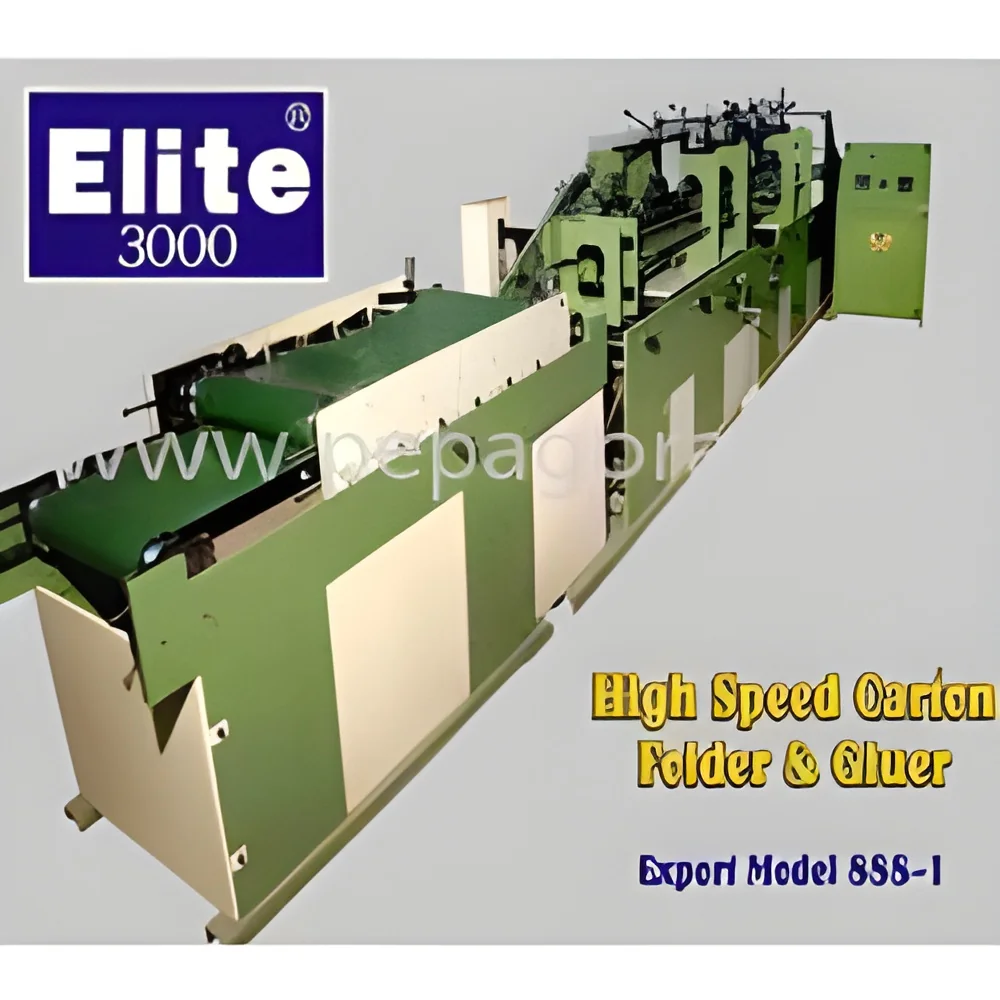
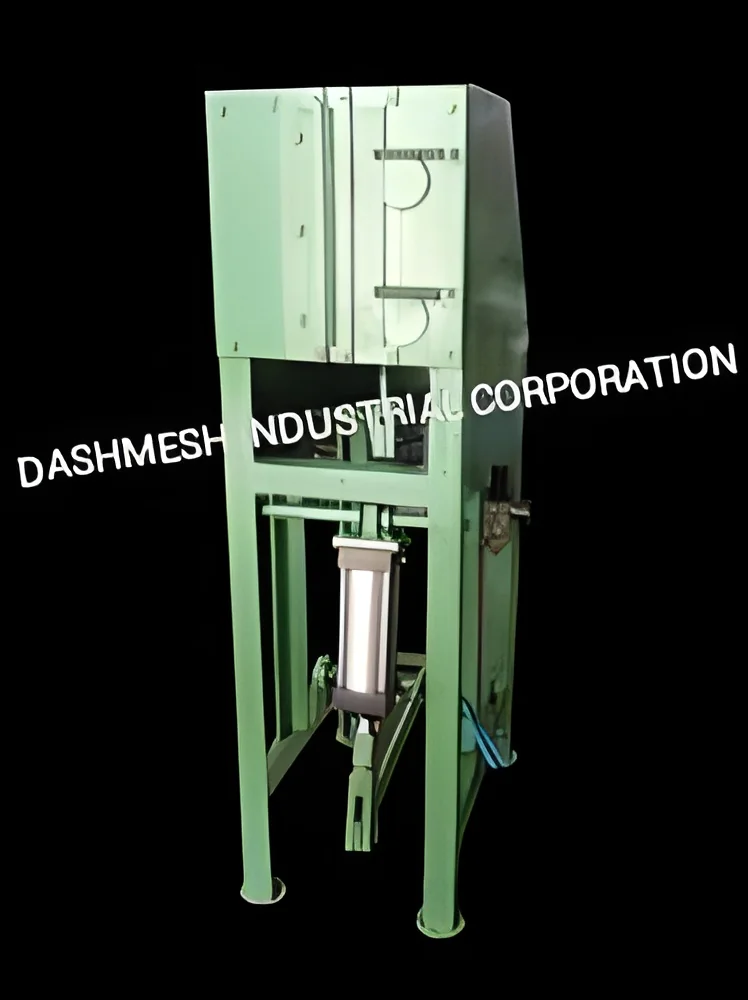
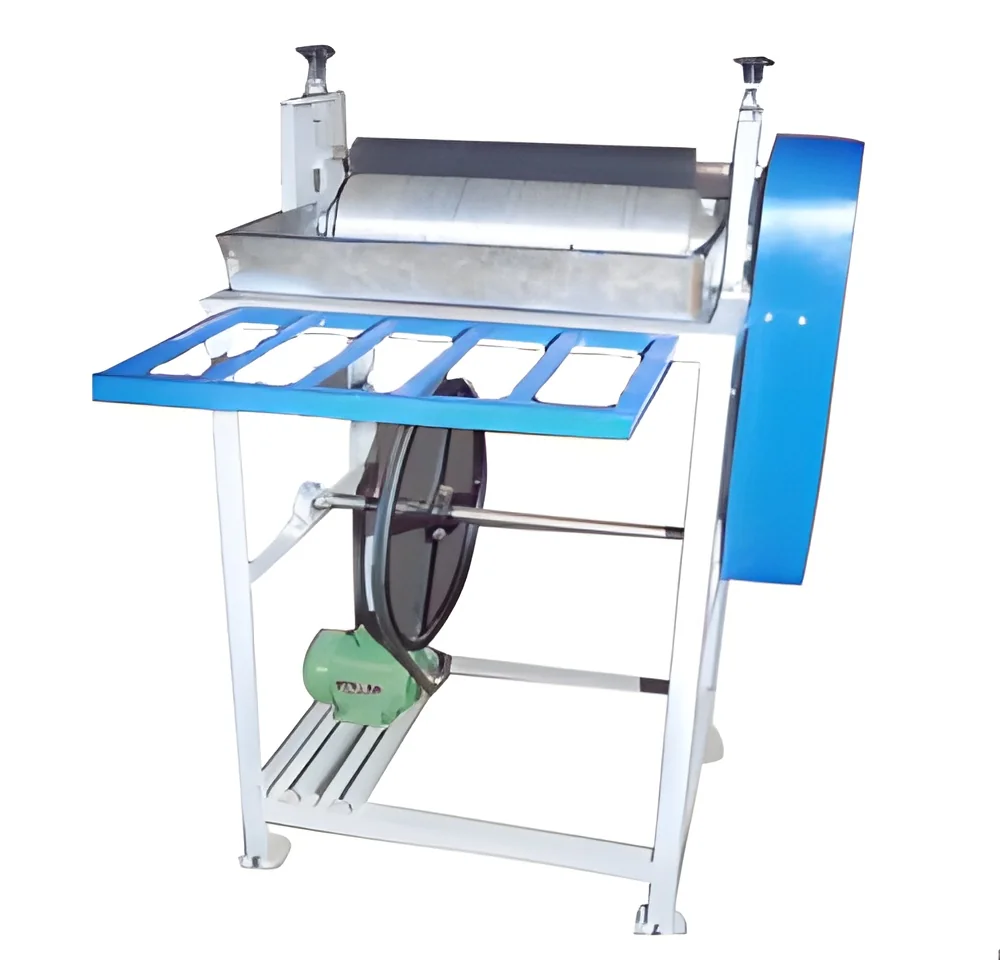
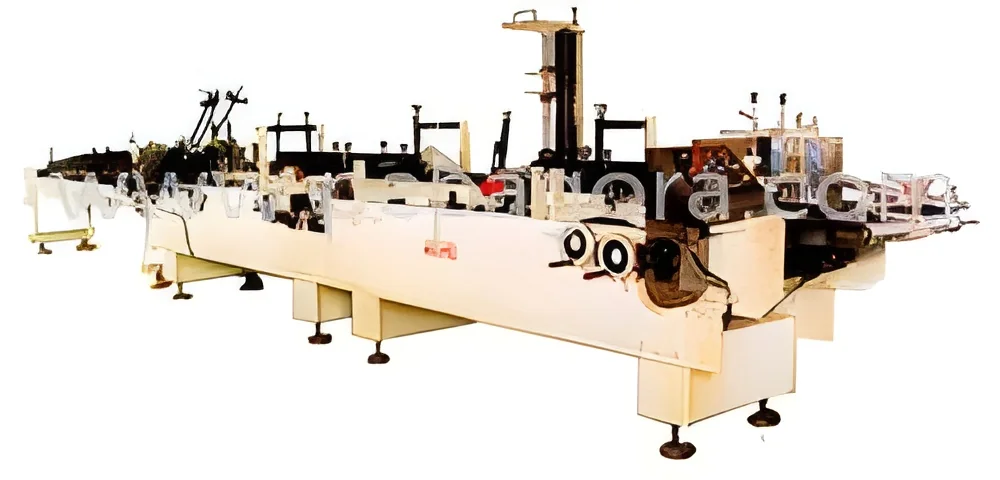
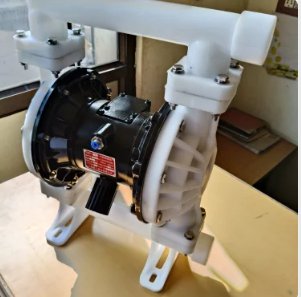
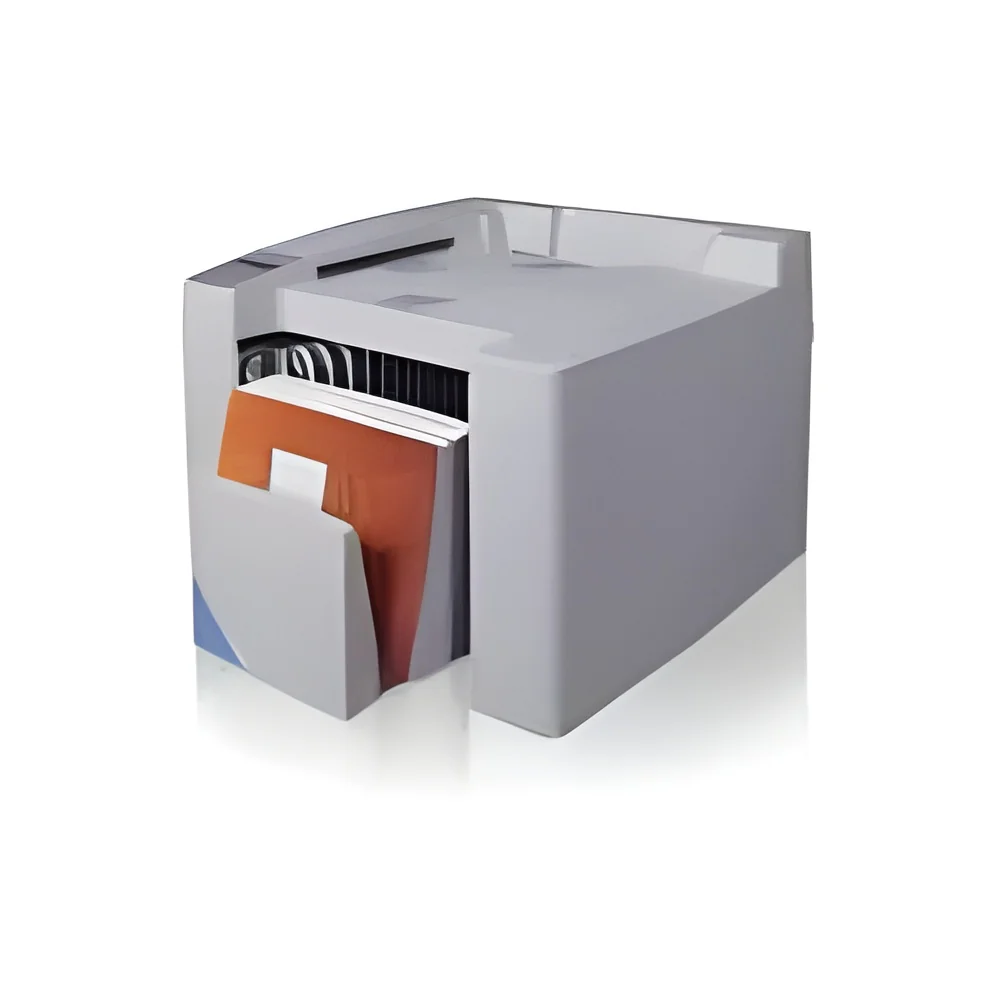
What are Gluing Machines?
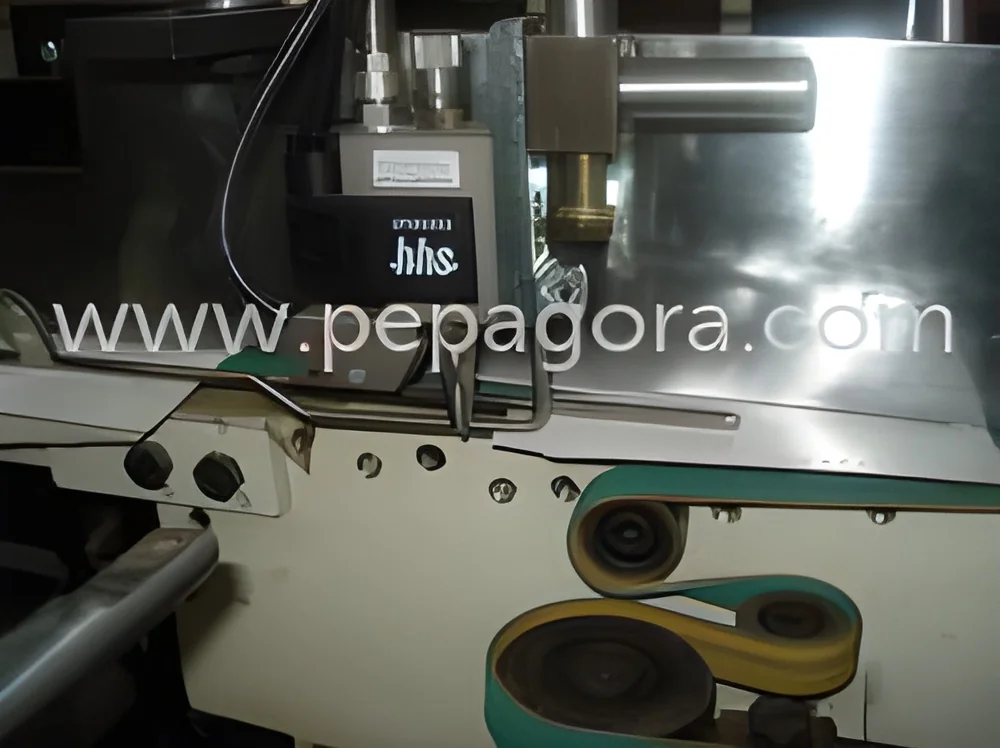
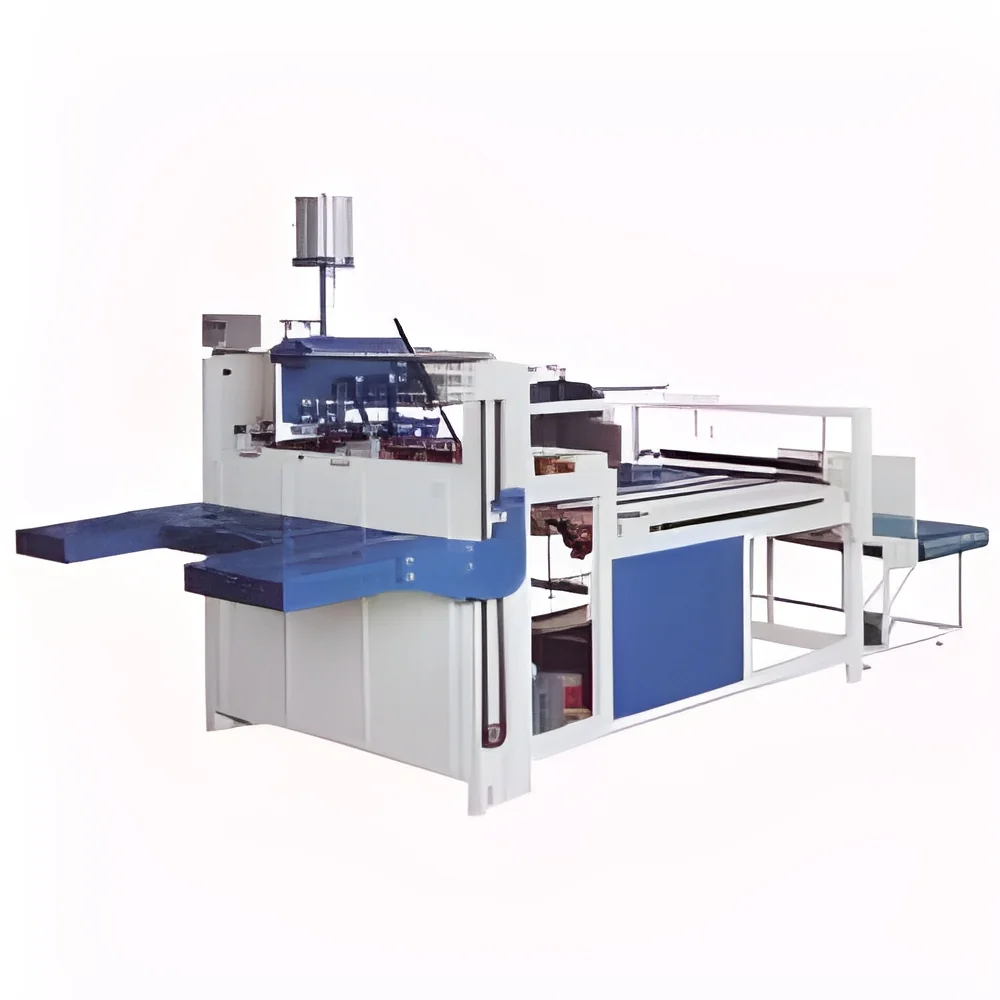
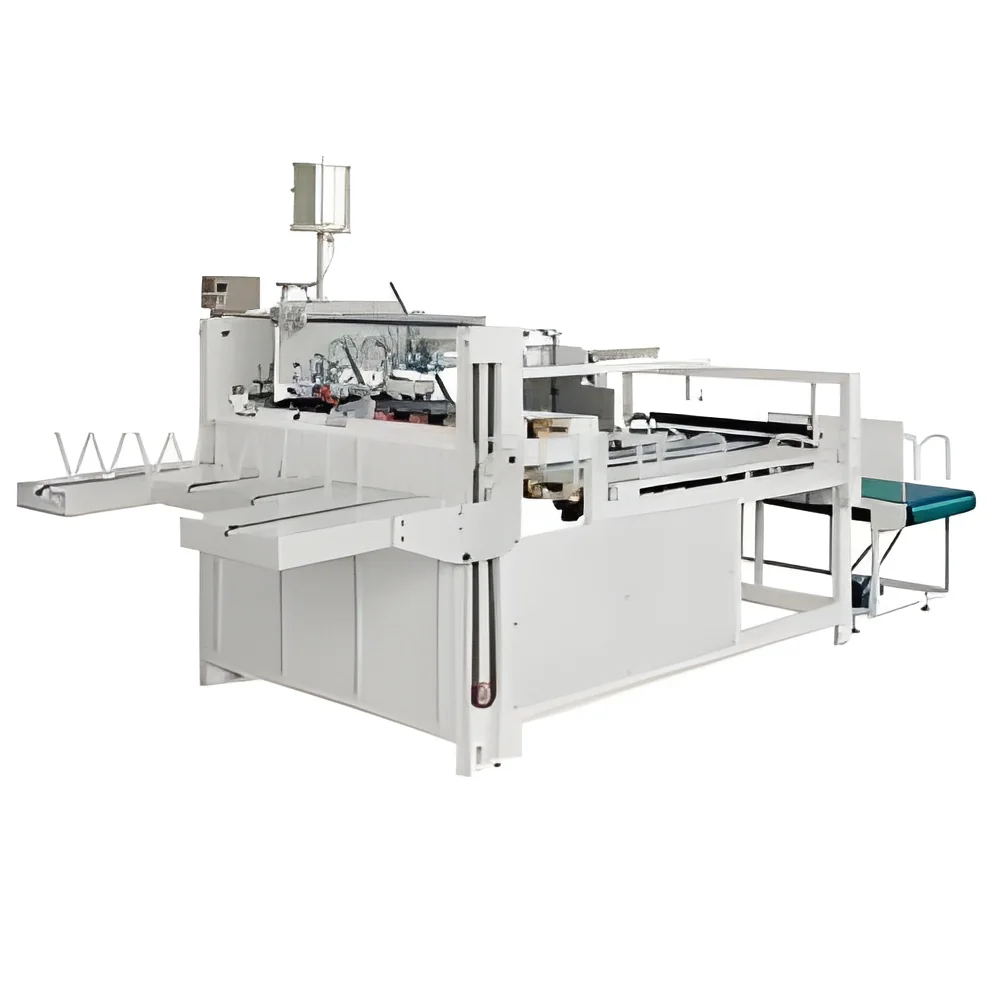
Gluing machines are specialized industrial equipment designed to apply adhesive materials to various surfaces in a controlled and efficient manner. These machines can handle a wide range of adhesives, including hot melt, cold glue, and pressure-sensitive types, making them essential in many manufacturing processes. They play a critical role in ensuring that products adhere together securely, enhancing the overall quality and durability of the final product.
The primary uses of gluing machines span multiple industries such as packaging, woodworking, automotive, and electronics. In packaging, these machines are utilized for sealing boxes and attaching labels. In woodworking, they help in assembling furniture and cabinetry. Automotive applications include bonding components, while electronics benefit from precise adhesive applications for circuit boards. Given the growing emphasis on automation and efficiency, gluing machines have become increasingly relevant in today's competitive market, where speed and precision are vital for operational success.
Key Features and Specifications
Gluing machines come with a variety of features designed to enhance performance and usability. These machines are engineered to meet the demands of high-volume production while ensuring consistent adhesive application. The following specifications outline the key features and capabilities of gluing machines.
Key specifications include:
1. Adhesive Type Compatibility
- Supports various adhesive types such as hot melt, cold glue, and pressure-sensitive adhesives.
- Flexibility to switch between adhesive types based on application needs.
2. Application Speed
- High-speed operation allows for rapid adhesive application to maintain production efficiency.
- Varies by model, typically ranging from 30 to 100 meters per minute.
3. Control System
- Advanced control systems enable precise adjustments to adhesive flow and application patterns.
- May include touchscreen interfaces for user-friendly operation.
4. Heating System
- Integrated heating systems for hot melt adhesives ensure optimal adhesive viscosity.
- Temperature ranges may vary based on the adhesive requirements.
5. Size and Configuration
- Available in various sizes and configurations to suit different production layouts.
- Customizable designs to accommodate specific workspace constraints.
6. Safety Features
- Equipped with safety mechanisms such as automatic shutoff and emergency stop buttons.
- Compliance with industry safety standards to protect operators.
7. Maintenance Requirements
- Designed for easy maintenance and cleaning to reduce downtime.
- User manuals typically provide detailed maintenance guidelines.
8. Energy Efficiency
- Energy-efficient models are available to reduce operational costs.
- May include features such as standby modes to conserve power.
In summary, gluing machines are equipped with advanced features and specifications that cater to diverse industrial needs, ensuring efficient and reliable adhesive application.
Common Applications and Use Cases
Gluing machines serve various industries with specific applications tailored to their needs.
1. Packaging: In the packaging industry, gluing machines are essential for sealing boxes, attaching labels, and forming cartons. They enhance the speed and accuracy of packaging processes, ensuring secure and reliable product delivery.
2. Woodworking: Woodworking applications utilize gluing machines for assembling furniture, cabinetry, and other wooden products. These machines enable precise adhesive application, contributing to the strength and durability of finished products.
3. Automotive: In the automotive sector, gluing machines bond components such as dashboards, panels, and trim pieces. Their ability to apply adhesives accurately ensures high-quality assembly and performance.
4. Electronics: The electronics industry benefits from gluing machines for applying adhesives to circuit boards and components. These machines ensure precision in adhesive placement, which is critical for electronic device reliability.
5. Textile: In the textile industry, gluing machines are used for fabric bonding and laminating materials. They streamline production processes and reduce labor costs associated with traditional sewing methods.
6. Construction: Gluing machines are increasingly used in construction for bonding materials such as insulation and decorative elements. Their efficiency contributes to faster project completion.
7. Bookbinding: In the publishing industry, gluing machines are vital for binding books and magazines. They provide quick and consistent adhesive application to ensure high-quality finished products.
Product Variants and Subcategories
Gluing machines come in various models and configurations to meet the specific needs of different industries.
Automatic Gluing Machines: These machines offer fully automated operations, including adhesive application and drying. They are ideal for high-volume production environments, providing consistent quality and efficiency.
Semi-Automatic Gluing Machines: These models require some manual intervention but still streamline the gluing process. They are suitable for medium production levels and offer flexibility in adhesive application.
Portable Gluing Machines: Designed for on-the-go applications, portable gluing machines are lightweight and easy to operate. They are commonly used in fieldwork, allowing for quick repairs or assembly tasks.
Benefits and Advantages
Investing in gluing machines offers numerous advantages for businesses looking to enhance their production capabilities.
1. Increased Efficiency: Gluing machines significantly reduce the time required for adhesive application, leading to faster production cycles.
2. Consistent Quality: Automated adhesive application ensures uniformity in bonding, minimizing defects and enhancing product quality.
3. Labor Savings: By automating adhesive processes, businesses can reduce labor costs and reallocate resources to other areas of production.
4. Versatility: Gluing machines can handle various adhesive types and applications, making them suitable for diverse manufacturing needs.
5. Improved Safety: Advanced safety features in gluing machines protect operators and reduce the risk of accidents in the workplace.
6. Scalability: Businesses can easily scale production by adding more gluing machines as demand increases, ensuring flexibility in operations.
Buying Guide for B2B Buyers
When sourcing gluing machines, businesses should consider several key factors to ensure they select the right equipment for their needs.
1. Quality Assessment: Evaluate the quality of gluing machines by examining materials, construction, and performance reviews. High-quality machines are crucial for reliable adhesive application.
2. Supplier Verification: Conduct thorough background checks on suppliers, including their experience, reputation, and customer feedback. Verified suppliers are more likely to provide reliable equipment and support.
3. Pricing and MOQ: Understand the pricing structure of gluing machines and consider minimum order quantities. This helps in budgeting and ensures that the purchase meets production needs.
4. Delivery and Lead Times: Inquire about delivery schedules and lead times to ensure timely procurement of machines, especially for projects with tight deadlines.
5. Compliance Requirements: Familiarize yourself with industry regulations and compliance standards that gluing machines must meet. Ensure that suppliers can provide necessary certifications and documentation.
Compliance and Certifications
Compliance with industry standards and certifications is crucial for gluing machines. The following aspects are essential for ensuring quality and safety.
Many gluing machines adhere to ISO 9001 standards, which certify effective quality management systems. This ensures that the machines are manufactured consistently and meet customer expectations.
In addition to ISO standards, gluing machines may also require compliance with HACCP and GDP guidelines, particularly in industries like food packaging and pharmaceuticals, where safety is paramount.
Certifications such as CE indicate that the equipment meets European safety and health requirements. This certification is essential for businesses looking to operate in or export to European markets.
Moreover, manufacturers must consider safety and testing requirements to ensure that gluing machines operate safely in various environments. This includes regular maintenance checks and adherence to regional compliance standards.
Why Source Gluing Machines from Pepagora?
Pepagora provides a trusted platform for sourcing gluing machines, offering a range of key advantages that cater to B2B buyers.
Verified Supplier Network: Pepagora boasts a robust network of verified suppliers, ensuring that businesses can find reliable manufacturers and distributors for high-quality gluing machines. This verification process helps mitigate risks associated with sourcing.
Streamlined RFQ Process: The platform features a streamlined request for quotation (RFQ) process, allowing buyers to easily compare offers from multiple suppliers. This enhances transparency and helps businesses make informed purchasing decisions.
Trade Assurance and Support: Pepagora offers trade assurance and support for buyers, providing protection against potential risks in transactions. This assurance fosters confidence in sourcing decisions and promotes long-term partnerships.
Regional Coverage: With a strong presence in India, the GCC, and Southeast Asia, Pepagora provides extensive regional coverage. This geographic reach enables businesses to access a diverse range of gluing machines tailored to local market needs.

 IN
IN

_762788117_81.webp)