IN
IN₹
Apparel & Fashion
Description
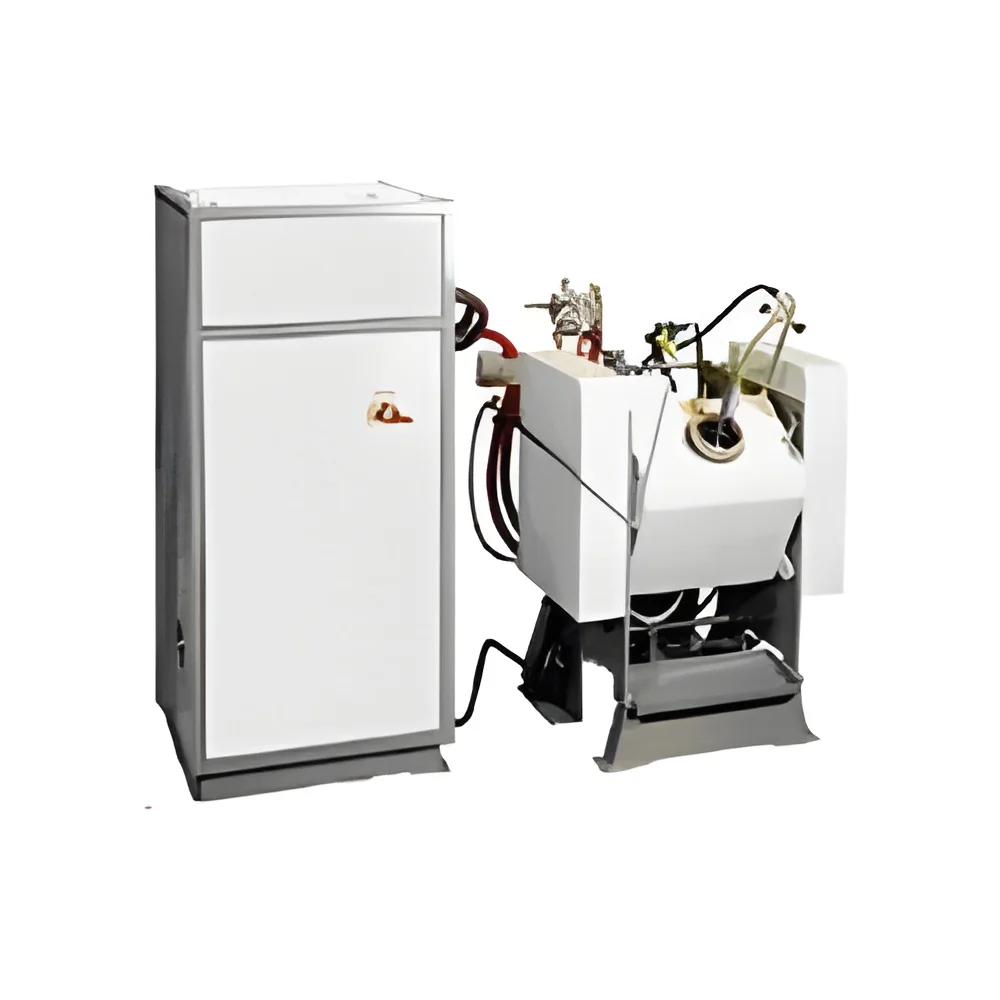
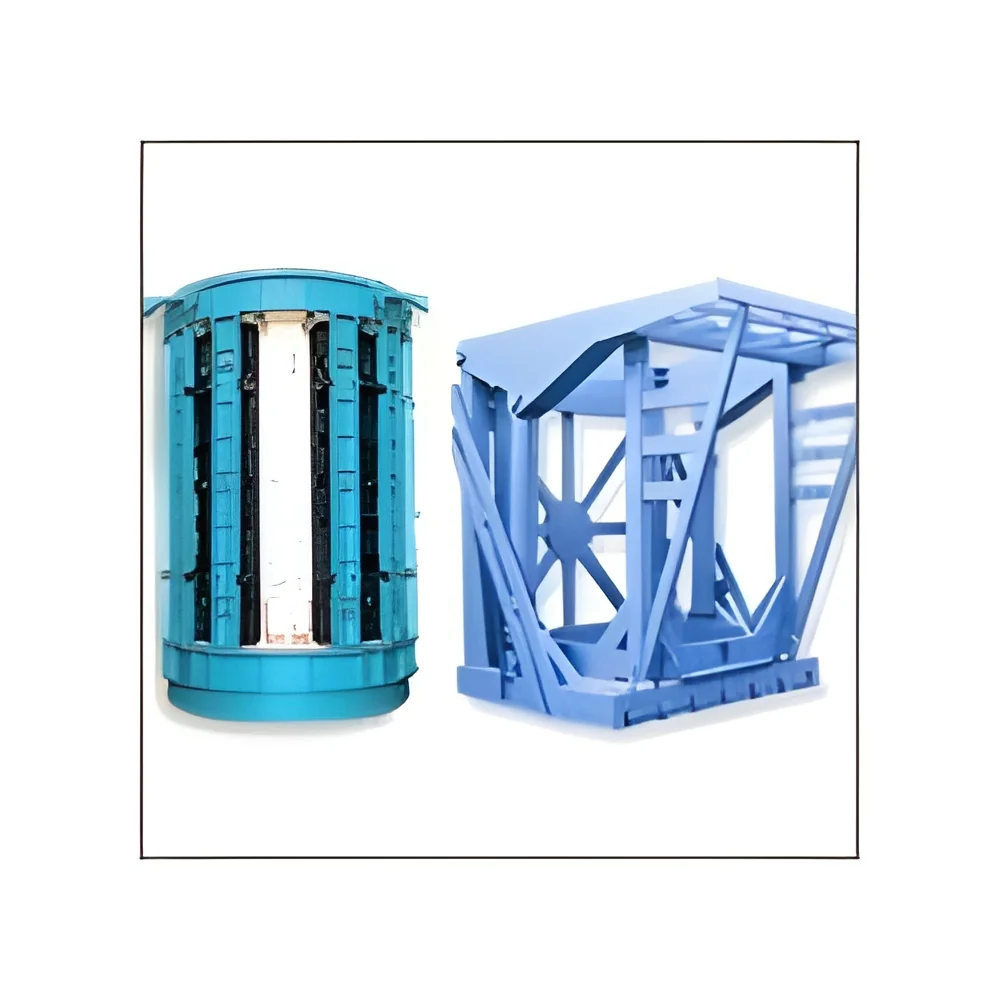
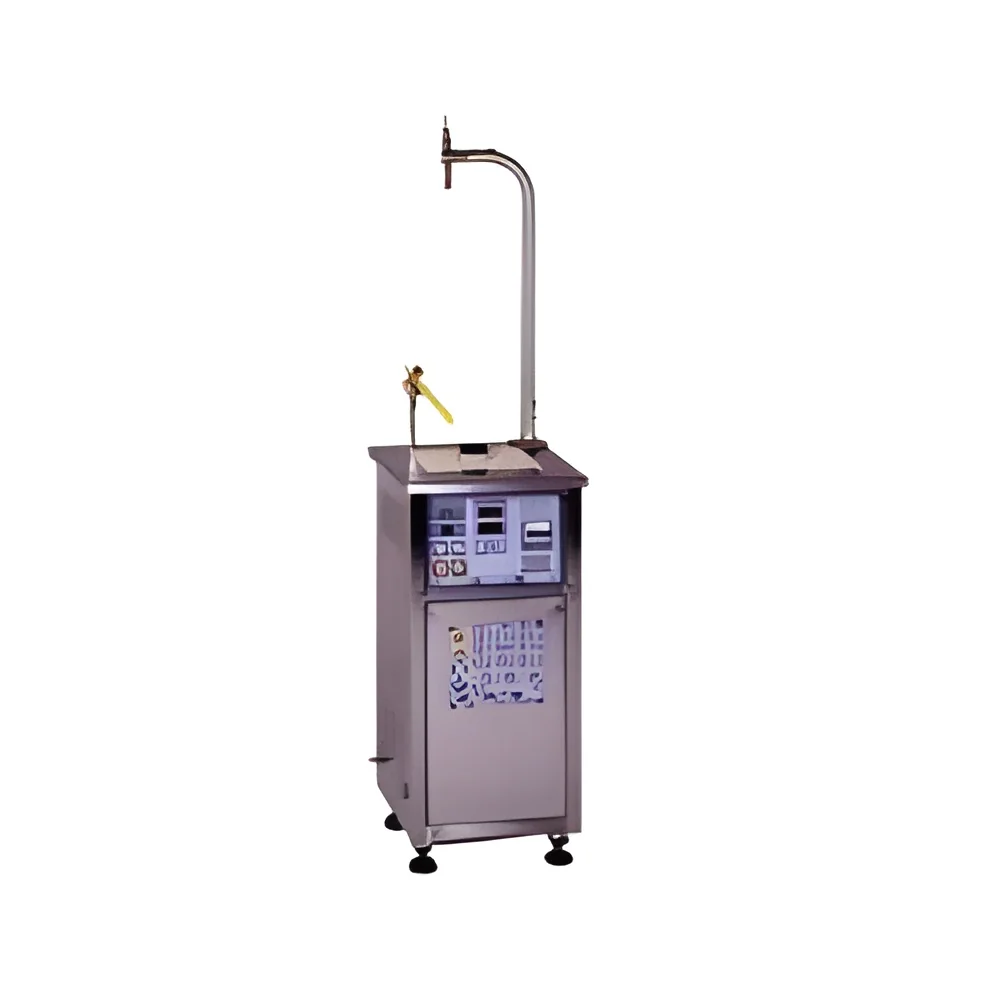
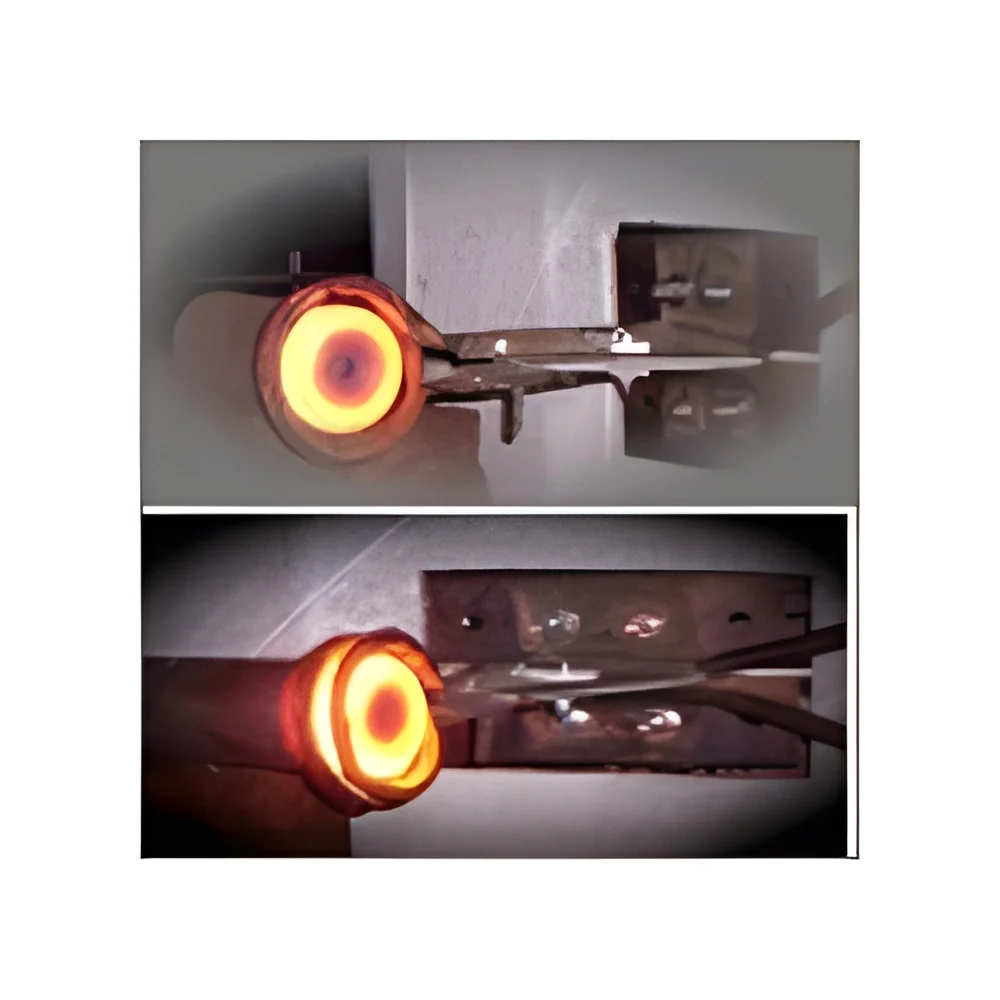
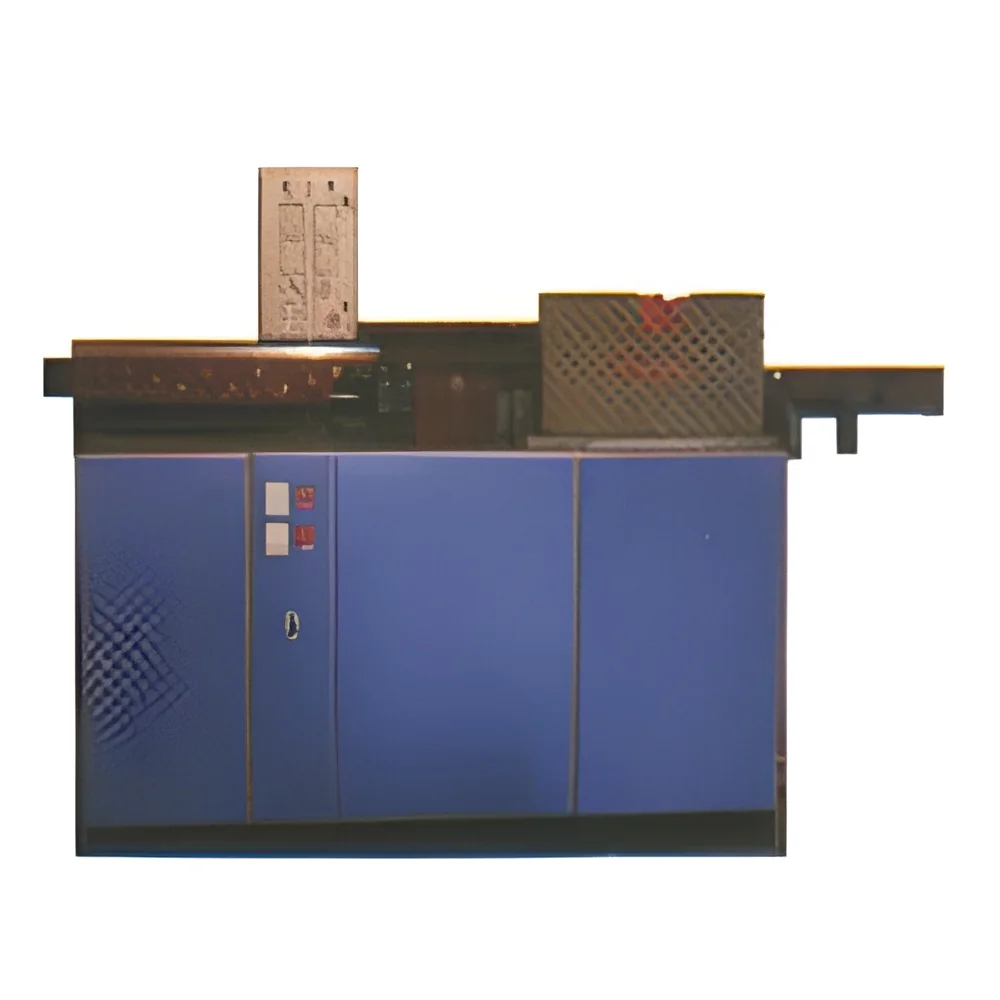
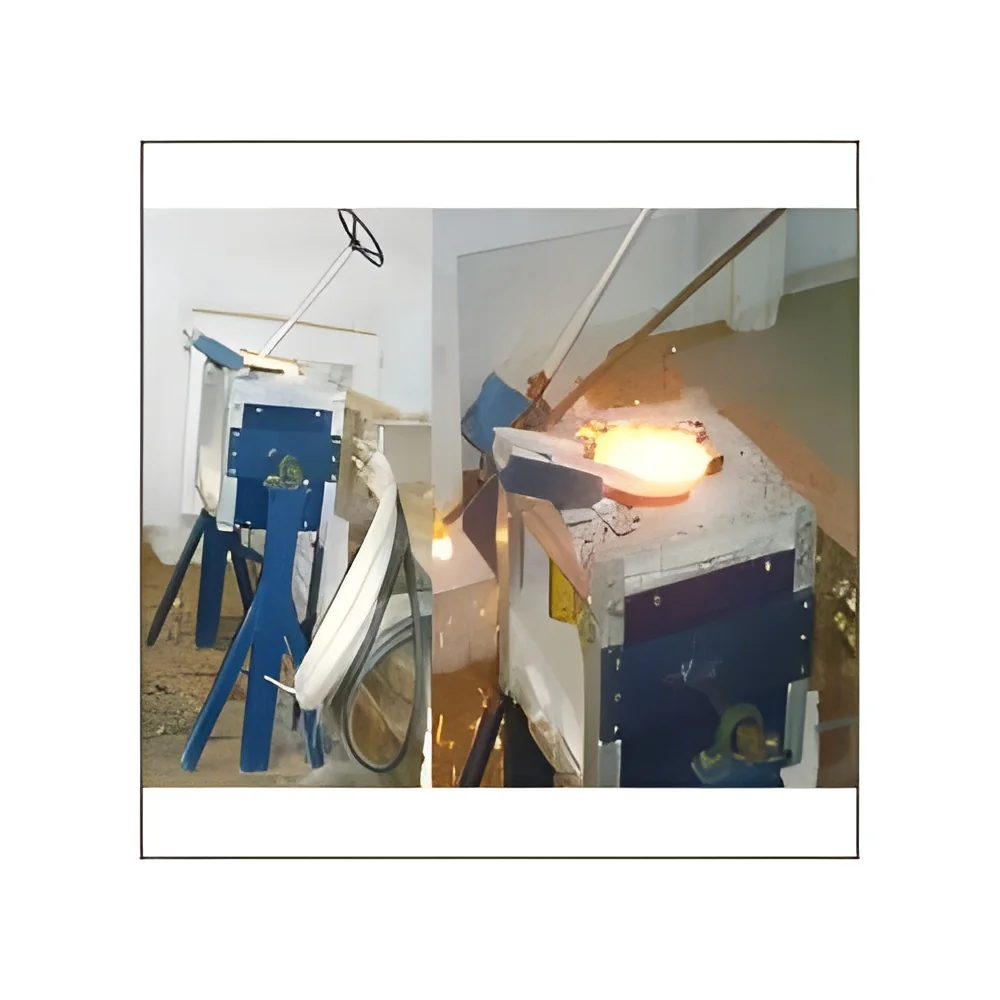
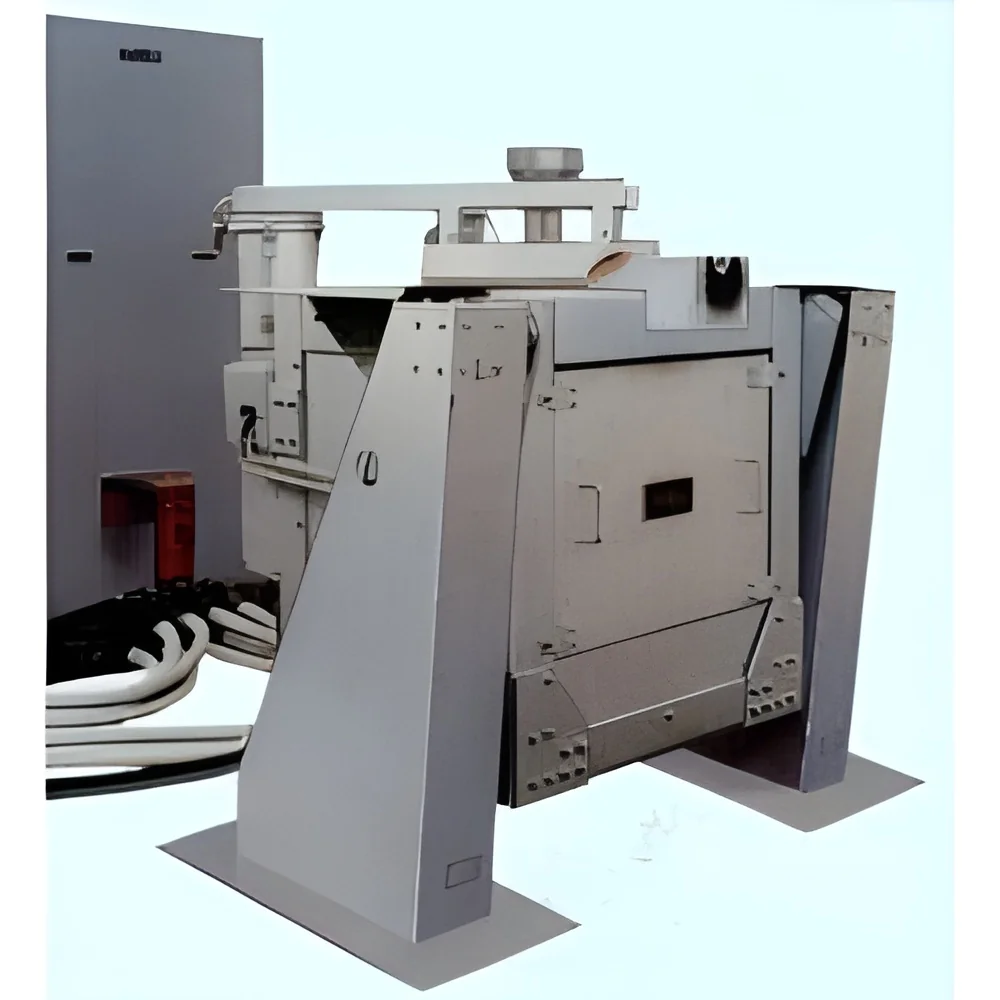
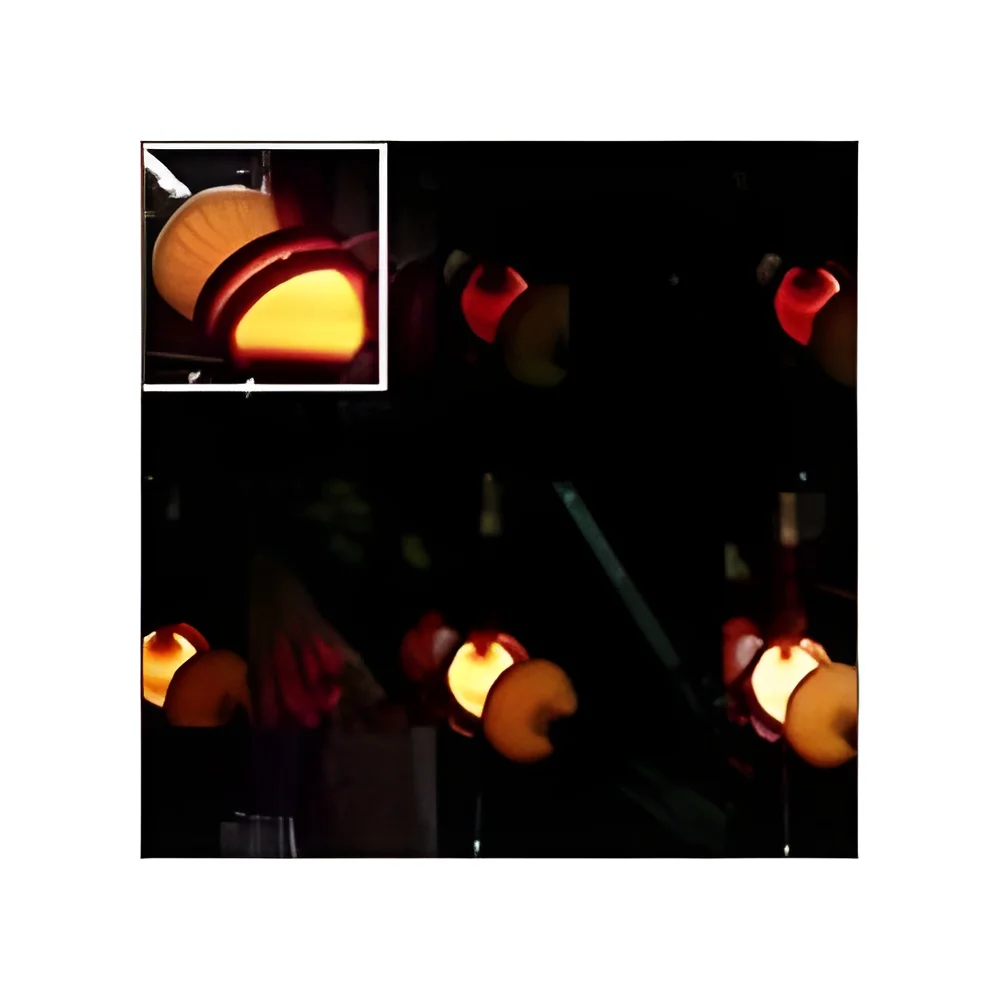
Industrial Induction Heating Systems represent advanced thermal processing technology engineered for applications demanding precise temperature control in metalworking. These systems utilize electromagnetic induction to generate heat directly within conductive materials, ensuring efficient energy transfer without direct contact. The equipment is designed for both targeted surface heating and thorough, volumetric heating of larger workpieces. This dual capability provides exceptional versatility across different metal types, geometries, and production requirements. The technology delivers rapid heating cycles, significantly reduced energy consumption compared to traditional methods, and minimal thermal loss to the environment. This creates optimal, repeatable processing conditions while upholding stringent workplace safety standards through integrated protection systems.

These induction heating systems serve as critical assets across multiple core industrial sectors. In metal forging, ...
Industrial Induction Heating Systems represent advanced thermal processing technology engineered for applications demanding precise temperature control in metalworking. These systems utilize electromagnetic induction to generate heat directly within conductive materials, ensuring efficient energy transfer without direct contact. The equipment is designed for both targeted surface heating and thorough, volumetric heating of larger workpieces. This dual capability provides exceptional versatility across different metal types, geometries, and production requirements. The technology delivers rapid heating cycles, significantly reduced energy consumption compared to traditional methods, and minimal thermal loss to the environment. This creates optimal, repeatable processing conditions while upholding stringent workplace safety standards through integrated protection systems.

These induction heating systems serve as critical assets across multiple core industrial sectors. In metal forging, they provide uniform heating of billets and bars prior to shaping, ensuring proper material plasticity and preventing surface defects. The automotive manufacturing industry utilizes them extensively for heat treatment of engine components, transmission parts, and chassis elements. The aerospace and defense sectors rely on this technology for annealing and stress-relieving mission-critical components where material integrity is paramount. Furthermore, construction and heavy engineering projects employ these systems for bending and forming large-diameter pipes and structural sections. Metal processing plants seamlessly integrate them into rolling mill operations to ensure consistent material properties and microstructure throughout production runs.

The inherent business value of these induction heating systems is rooted in their proven reliability, operational efficiency, and cost-effectiveness. Built with robust components and sophisticated control systems, they deliver consistent performance in the most demanding industrial environments. By drastically reducing processing times compared to conventional furnace-based heating, they directly increase production throughput and lower per-unit manufacturing costs. Their superior energy efficiency translates to substantial operational savings over the equipment's extended lifespan. Most importantly, the precise and repeatable temperature control minimizes material waste, scrap, and costly rework. This powerful combination of durability, efficiency, and precision provides businesses with a tangible competitive advantage, supporting superior product quality, sustainable operations, and reliable performance shift after shift.

Key Features:
- Advanced electromagnetic induction technology for direct, efficient, and contactless heating.
- Precise digital temperature control systems ensuring consistent, repeatable results for every cycle.
- Robust construction utilizing high-quality, industrial-grade components for maximum durability and uptime.
- Versatile system configurations adaptable to various workpiece sizes, shapes, and specific application requirements.
- Comprehensive integrated safety features including fault diagnostics, cooling systems, and operational safeguards.

Benefits:
- Significant reduction in energy consumption leading to substantially lower operating costs and improved sustainability.
- Faster heating cycles dramatically increase production throughput and overall equipment effectiveness.
- Exceptional temperature control minimizes material waste, scrap rates, and the need for costly rework.
- Durable, reliable construction ensures long-term operational stability and reduces total cost of ownership.
- Enhanced workplace safety through built-in protection systems, creating a more secure production environment.
Specifications
| Additional Information | |
|---|---|
| Country of Origin | India |
Application
Our industrial induction heating systems deliver precise, controlled heating for metal forming processes. They provide uniform thermal treatment from surface hardening to complete billet penetration, ensuring consistent material properties essential for high-quality manufacturing. This technology supports demanding production environments where exact temperature management directly impacts output quality and operational efficiency.
Engineered specifically for forging, forming, and rolling applications, these systems offer rapid heat-up times and energy-efficient performance. They reduce cycle times and operational costs while maintaining strict temperature parameters for various metals and alloys. This makes them ideal for continuous, high-volume production lines in heavy industries where reliability and precision are non-negotiable.
- Heating metal billets and bars for forging operations in automotive and heavy machinery part manufacturing.
- Pre-heating pipes, tubes, and structural beams for bending and forming in construction and infrastructure projects.
- Annealing and stress relieving critical metal components in aerospace, defense, and precision engineering sectors.
- Surface hardening of gears, shafts, rollers, and other wear-prone machine parts for industrial equipment production.
- Providing consistent heat for hot rolling mills in steel and non-ferrous metal processing plants.
Trade Details
| Available Stock | In Stock |
| Sample Availability | No |
Payment Terms
| Payment Terms |
|
Company Profile

Eddy Melt, Maharashtra
 Maharashtra, India
Maharashtra, IndiaIndustrial Equipment & Machinery•Manufacturer•Distributor / Wholesaler•Importer / Exporter
Factory Details
Factory SizeBelow 1000 sqm
Annual Production Capacity0
Main Markets
South Asia
Industrial Induction Heating Systems For Forging Forming Rolling
Industrial Induction Heating Systems provide precise surface or thorough heating for forging, forming, and rolling applications. These reliable, efficient systems deliver durability for metal processing operations across various industries.
Min. Order Quantity: 1 unit
Shipping
Shipping fee and delivery date to be negotiated. Contact supplier now for more details.
Eddy Melt
 Maharashtra, India
Maharashtra, IndiaIndustrial Equipment & MachineryManufacturer