IN
IN₹
Apparel & Fashion
Description
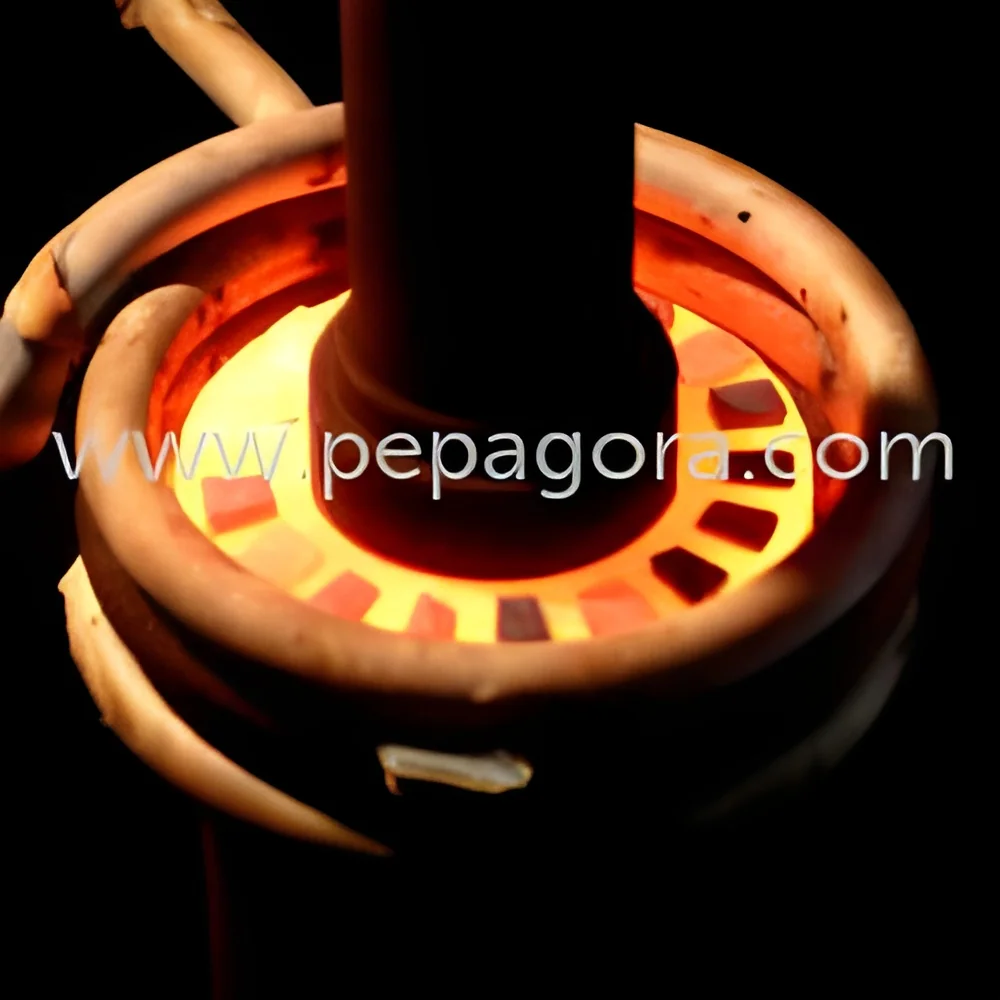
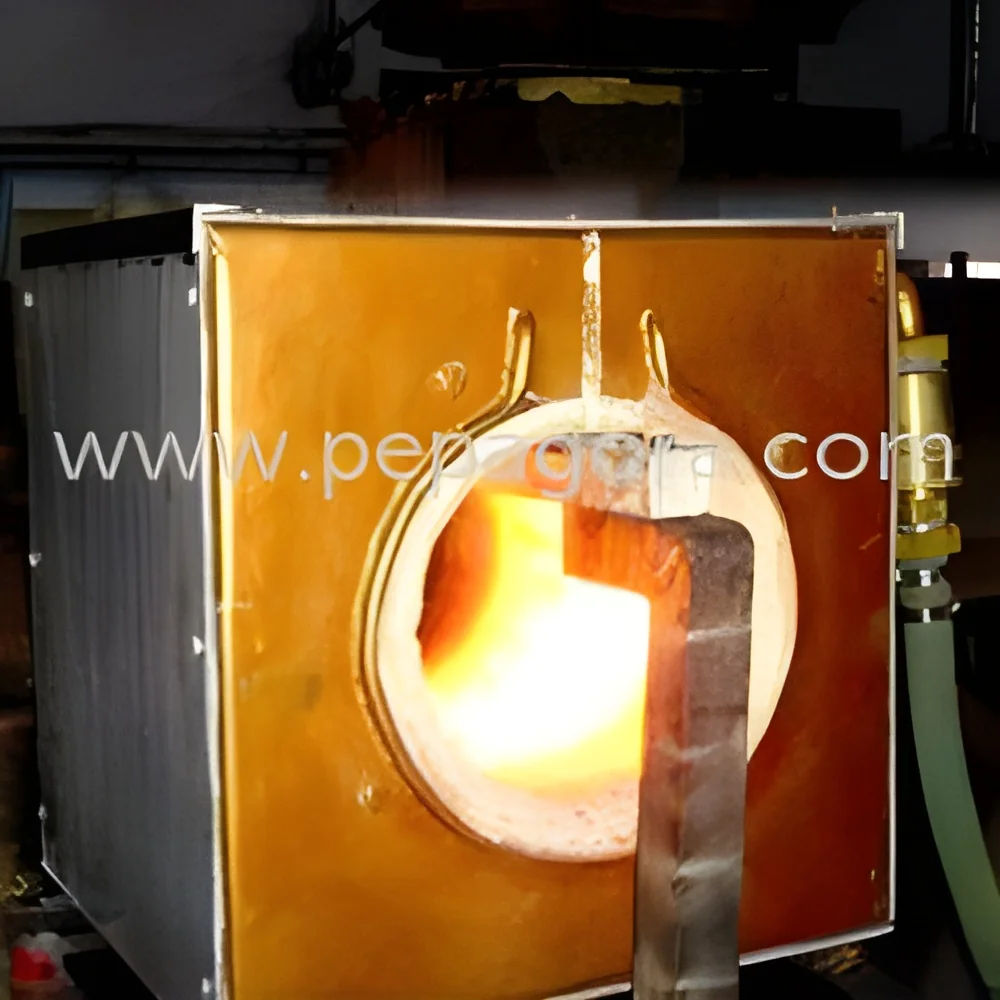
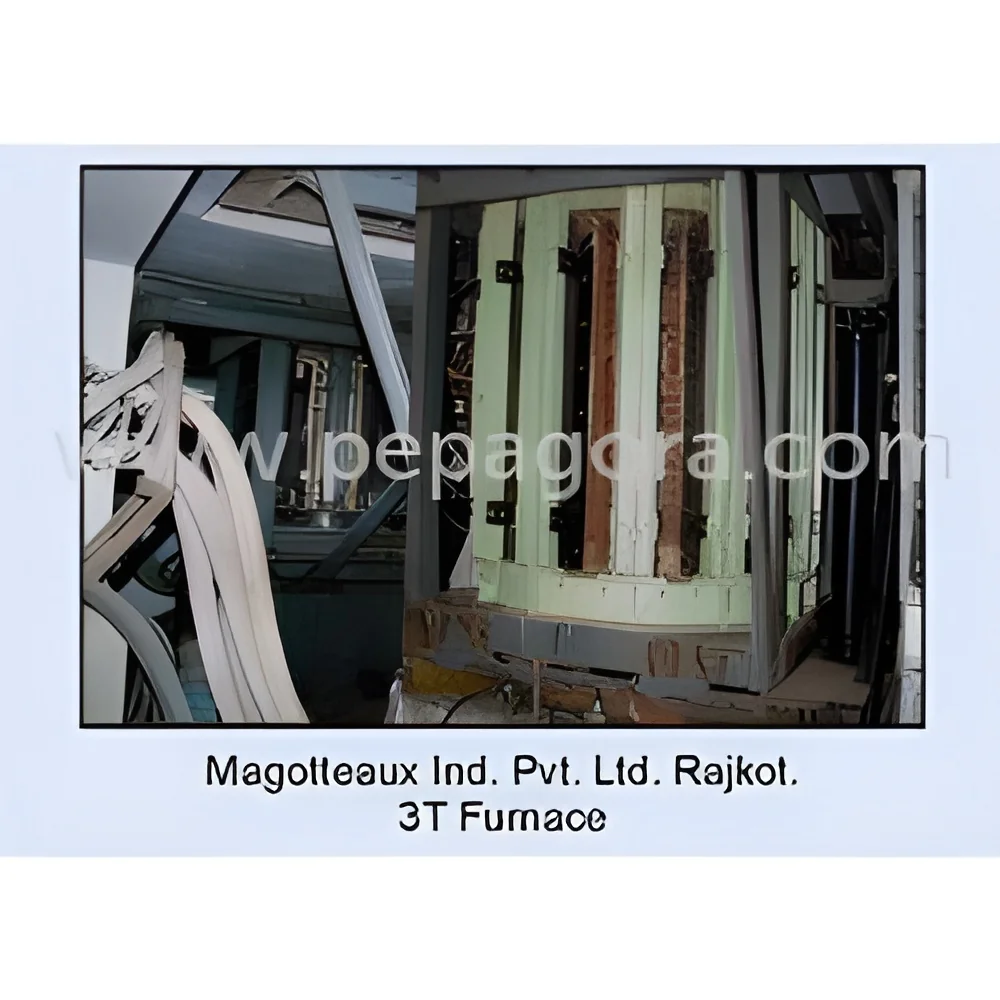
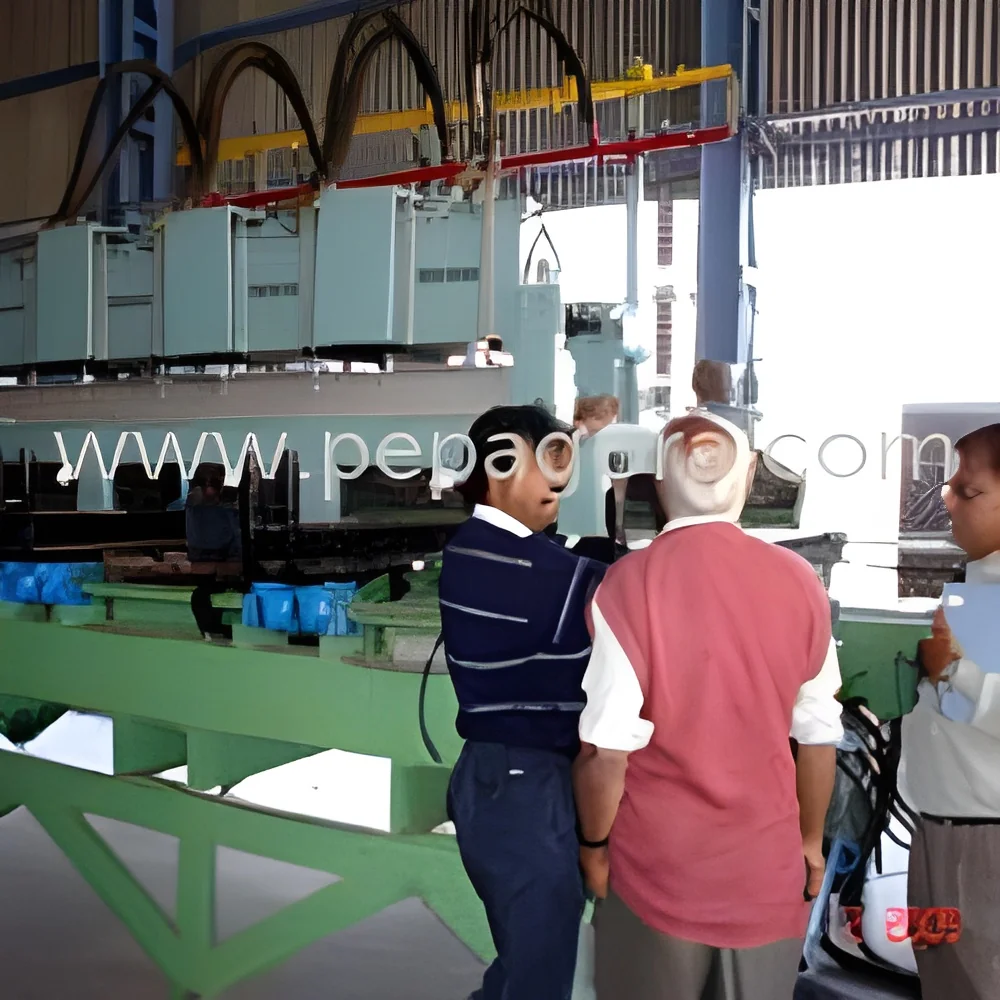
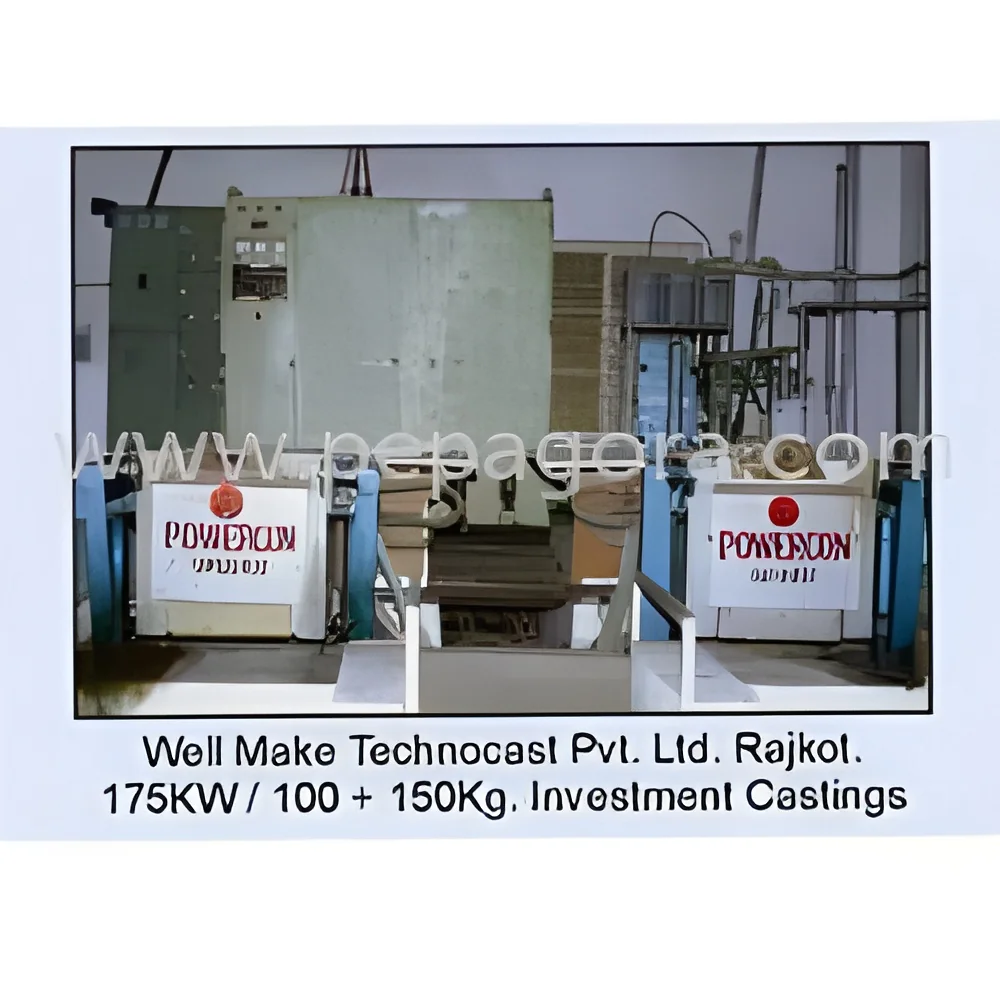
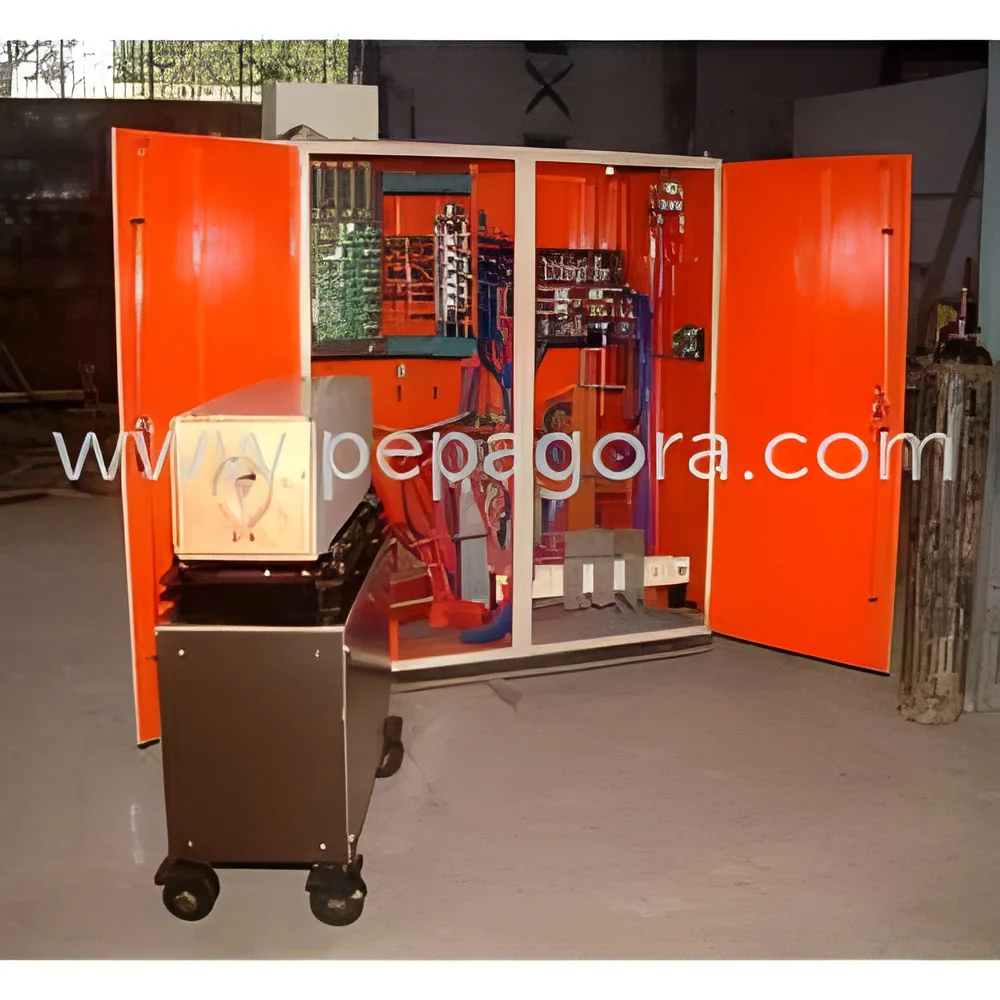
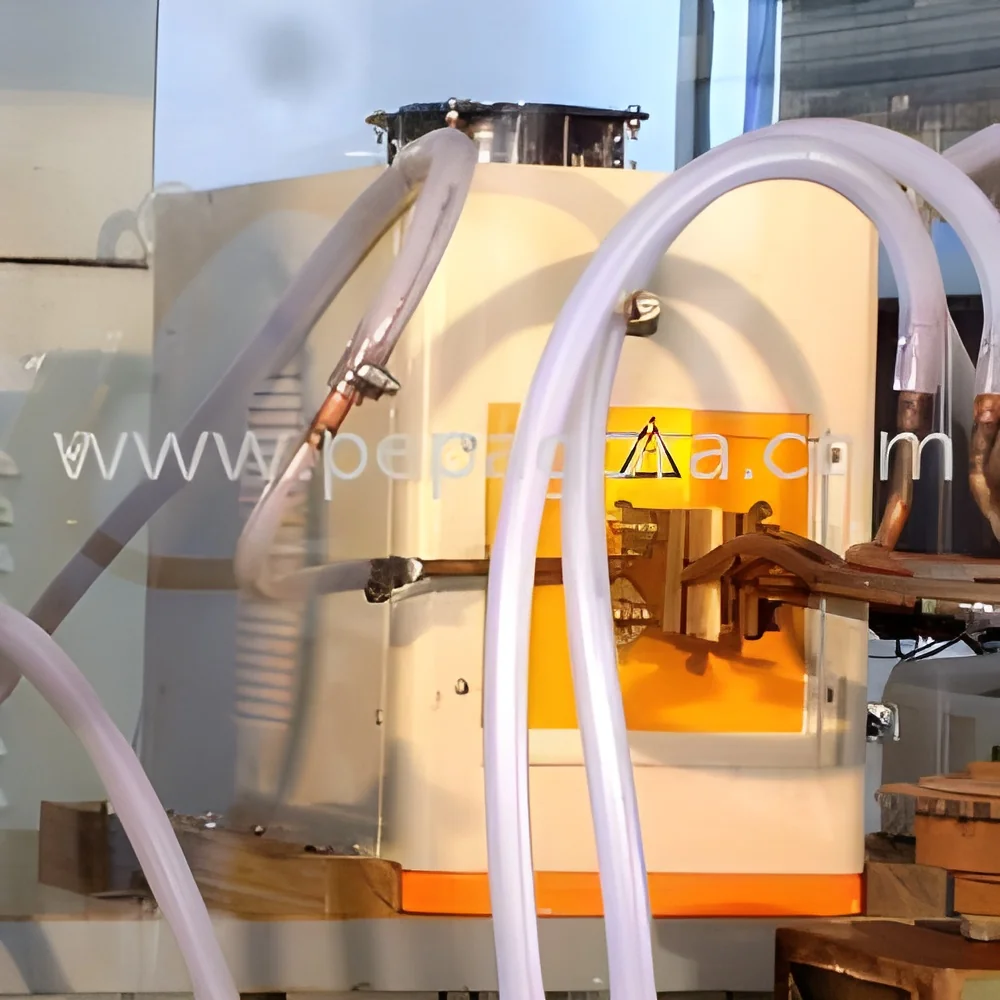
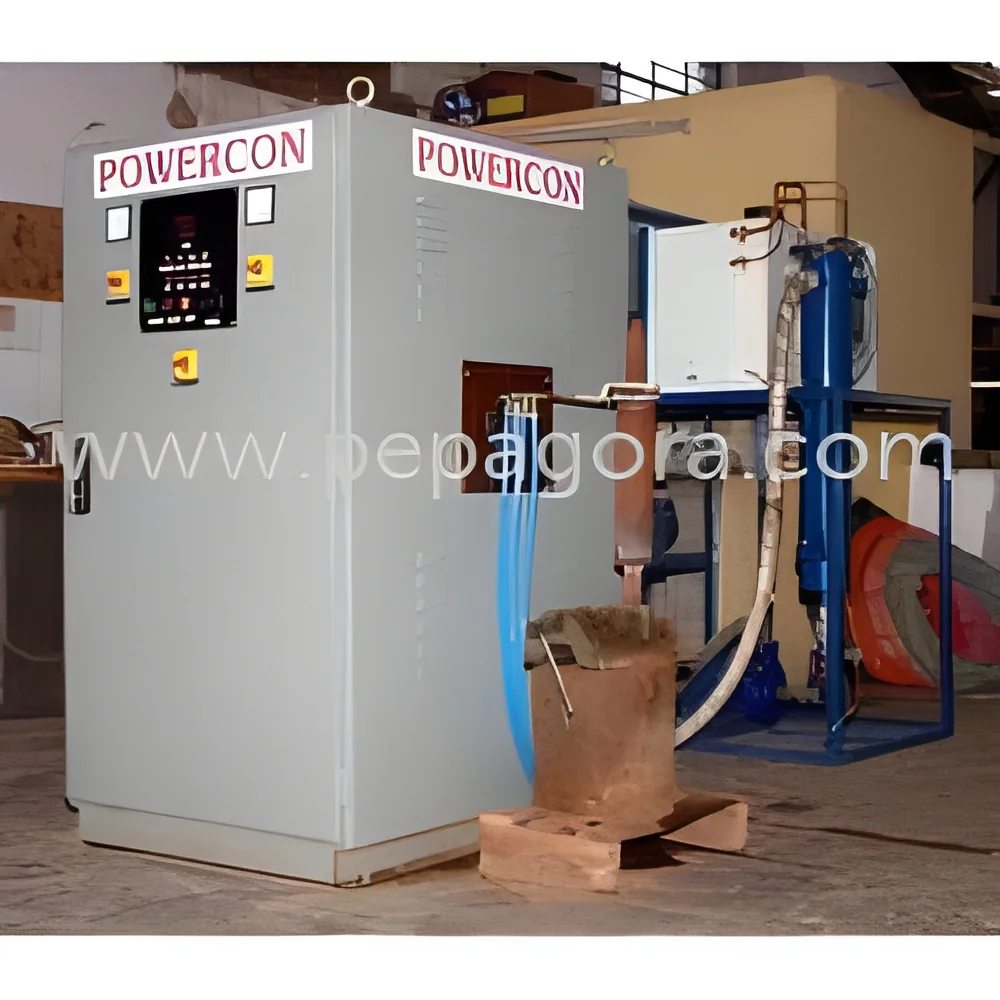
Industrial IGBT induction heaters represent a significant advancement in controlled thermal processing technology. Utilizing Insulated Gate Bipolar Transistor (IGBT) power modules, these systems convert electrical energy into precise, localized heat with exceptional efficiency and control. Unlike conventional heating methods, induction technology heats the workpiece directly through electromagnetic fields, resulting in faster cycle times, reduced energy consumption, and minimal heat-affected zones. These heaters are engineered for demanding industrial environments, featuring robust construction with high-grade components that ensure consistent performance and long-term reliability. They support various metals including steel, aluminum, copper, and their alloys, making them versatile tools for multiple thermal processes requiring accuracy and repeatability.

These induction heating systems are integral to manufacturing operations across numerous industries. Automotive manufacturers rely...
Industrial IGBT induction heaters represent a significant advancement in controlled thermal processing technology. Utilizing Insulated Gate Bipolar Transistor (IGBT) power modules, these systems convert electrical energy into precise, localized heat with exceptional efficiency and control. Unlike conventional heating methods, induction technology heats the workpiece directly through electromagnetic fields, resulting in faster cycle times, reduced energy consumption, and minimal heat-affected zones. These heaters are engineered for demanding industrial environments, featuring robust construction with high-grade components that ensure consistent performance and long-term reliability. They support various metals including steel, aluminum, copper, and their alloys, making them versatile tools for multiple thermal processes requiring accuracy and repeatability.

These induction heating systems are integral to manufacturing operations across numerous industries. Automotive manufacturers rely on them for hardening transmission components and drive shafts to withstand wear. Metal fabrication shops use them for annealing welded structures to relieve stresses without distortion. Aerospace suppliers employ them for precision brazing of turbine blades and heat exchangers where joint integrity is paramount. Foundries utilize induction for preheating molds and ladles, while maintenance facilities use portable units for on-site repairs and assembly operations. The technology's adaptability makes it equally valuable for mass production lines and custom, low-volume applications requiring specific thermal profiles and controlled heating cycles.

The business value of IGBT induction heaters stems from their operational efficiency, reliability, and long-term cost-effectiveness. They typically reduce energy consumption by 25-40% compared to resistance or flame heating methods, directly lowering utility expenses. Their precise control minimizes material waste, rework, and scrap rates, improving overall product quality and yield. With solid-state electronics and minimal moving parts, these systems require less maintenance and offer higher uptime than traditional heating equipment. The ability to customize power output, frequency ranges, and coil configurations ensures each unit meets specific process requirements, providing a tailored solution that integrates smoothly into existing production workflows. This combination of performance, durability, and adaptability delivers a rapid return on investment through increased productivity and reduced operating costs.

Key Features:
- IGBT-based inverter technology for efficient, stable power conversion and precise control
- Multiple frequency options (typically 1-100 kHz) optimized for different material types and penetration depths
- Heavy-duty construction with industrial-grade components designed for continuous operation
- Configurable power ratings from several kilowatts to megawatt ranges based on application needs
- Intuitive control interface with programmable temperature, time, and power parameters

Benefits:
- Significant energy savings through efficient electromagnetic heating technology
- Faster heating cycles increase production throughput and reduce processing time
- Precise, localized heat application minimizes distortion and improves part quality
- Reduced maintenance requirements and high reliability ensure consistent operation
- Flexible configuration options allow optimization for specific materials and geometries
Specifications
| Additional Information | |
|---|---|
| Country of Origin | India |
Application
IGBT induction heaters deliver targeted, controllable heat essential for modern metal processing. They excel in applications requiring precise temperature management and repeatable results, from surface hardening to joining dissimilar metals. Their efficiency and speed make them indispensable for operations where energy costs and cycle times are critical factors, ensuring consistent quality and reduced operational expenses.
These systems serve diverse sectors including automotive parts manufacturing, tool and die production, and heavy equipment fabrication. The technology adapts to both high-volume production environments and specialized job shops handling custom components. With flexible configurations, they address specific material challenges and geometric complexities across various industrial workflows, providing a versatile thermal solution for modern manufacturing needs.
- Surface hardening of gear teeth, camshafts, and cutting tools to extend service life
- Brazing carbide tips to tool holders and joining copper busbars with minimal thermal stress
- Annealing welded seams on stainless steel tanks to restore corrosion resistance
- Localized heating for shrink fitting bearings onto shafts and gears onto axles
- Preheating metal blanks before forging or forming to improve material flow
Trade Details
| Available Stock | In Stock |
| Sample Availability | No |
Payment Terms
| Payment Terms |
|
Company Profile
Powercon Superheat Pvt Ltd, Gujarat
 Gujarat, India
Gujarat, IndiaIndustrial Equipment & Machinery•Manufacturer•Importer / Exporter
Factory Details
Factory SizeBelow 1000 sqm
Annual Production Capacity0
Industrial IGBT Induction Heaters For Metalworking Hardening Brazing
Industrial IGBT Induction Heaters provide high-efficiency, precise heating for metal hardening, brazing, and annealing applications. These reliable systems offer custom power and frequency options for durable performance in demanding manufacturing.
Min. Order Quantity: 1 unit
Shipping
Shipping fee and delivery date to be negotiated. Contact supplier now for more details.
Powercon Superheat Pvt Ltd
 Gujarat, India
Gujarat, IndiaIndustrial Equipment & MachineryManufacturer