IN
IN₹
Apparel & Fashion
Description
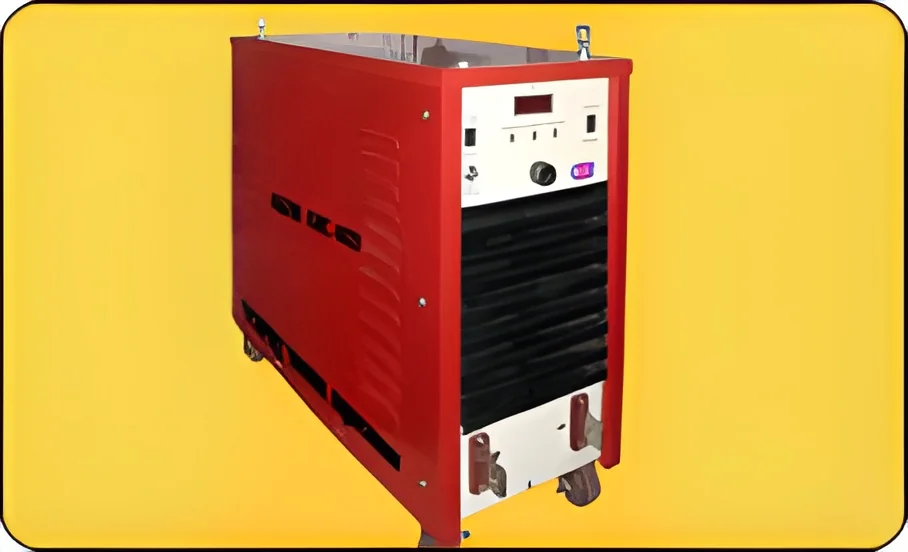
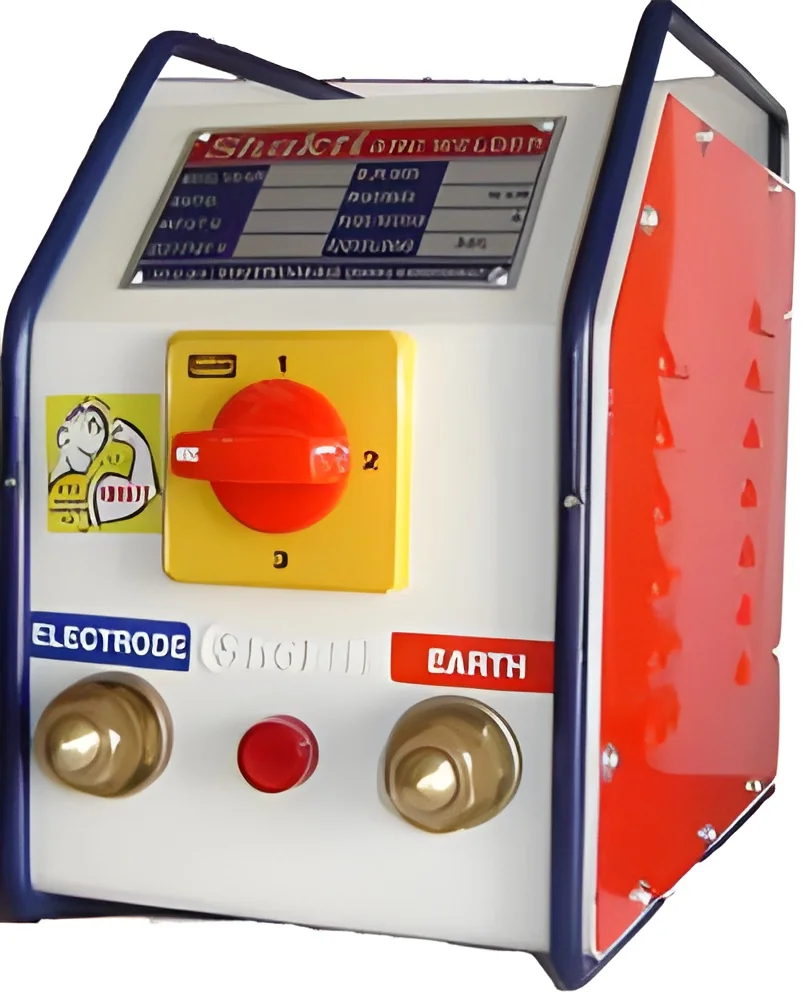
Professional-grade industrial welding machines are engineered to deliver consistent, high-quality performance in demanding metal fabrication and construction environments. These units combine robust mechanical construction with advanced electrical systems to provide reliable arc stability across various welding applications. Designed for continuous operation, they maintain precise control over welding parameters, ensuring repeatable results that meet industry standards and project specifications. Their durable build quality withstands the rigors of industrial use while maintaining operational efficiency, making them suitable for workshops, manufacturing facilities, and construction sites where equipment reliability directly impacts productivity and project outcomes.

These welding machines serve critical functions across multiple industrial sectors where metal joining is fundamental to operations. In construction and infrastructure development, they facilitate structural steel welding ...
Professional-grade industrial welding machines are engineered to deliver consistent, high-quality performance in demanding metal fabrication and construction environments. These units combine robust mechanical construction with advanced electrical systems to provide reliable arc stability across various welding applications. Designed for continuous operation, they maintain precise control over welding parameters, ensuring repeatable results that meet industry standards and project specifications. Their durable build quality withstands the rigors of industrial use while maintaining operational efficiency, making them suitable for workshops, manufacturing facilities, and construction sites where equipment reliability directly impacts productivity and project outcomes.

These welding machines serve critical functions across multiple industrial sectors where metal joining is fundamental to operations. In construction and infrastructure development, they facilitate structural steel welding for building frameworks, bridge components, and support systems. Manufacturing industries utilize them for producing machinery components, industrial equipment, and metal products requiring durable, precision joins. The energy sector depends on these machines for pipeline fabrication, tank construction, and maintenance operations where weld integrity is paramount for safety and longevity. Additionally, they support repair and maintenance activities across transportation, heavy equipment, and industrial plant operations, providing versatile solutions for both production and maintenance welding requirements.

The business value of these industrial welding machines centers on their ability to enhance operational efficiency while reducing long-term equipment costs. Their reliable performance minimizes production interruptions caused by equipment failure, directly supporting project timelines and delivery schedules. The durable construction extends service life and reduces maintenance requirements, providing better return on investment through extended operational periods with consistent output quality. Their design prioritizes user-friendly operation, reducing training time and operator error while maintaining safety standards. This combination of reliability, durability, and operational efficiency makes them strategic assets for businesses seeking to optimize their welding operations and maintain competitive advantage through consistent, high-quality metal fabrication capabilities.

Key Features:
- Robust industrial-grade construction with durable components for extended service life.
- Advanced arc stability technology ensuring consistent weld quality across various conditions.
- User-friendly control systems with intuitive interfaces for precise parameter adjustment.
- Versatile compatibility with multiple electrode types and material specifications.
- Engineered for continuous operation with efficient cooling and protection systems.

Benefits:
- Reduced equipment downtime through reliable performance in demanding environments.
- Consistent high-quality welds that meet industry standards and project requirements.
- Lower operational costs through extended equipment lifespan and reduced maintenance needs.
- Enhanced productivity with user-friendly controls that minimize setup and adjustment time.
- Operational flexibility across various applications and material types without compromising quality.
Specifications
| Additional Information | |
|---|---|
| Country of Origin | India |
Application
Engineered for continuous heavy-duty operation, these welding machines provide stable arc performance across various metal joining, repair, and fabrication processes. Their robust construction withstands challenging workshop and jobsite conditions while maintaining precision and output quality. This reliability minimizes equipment downtime, supporting uninterrupted production schedules and project timelines across diverse industrial settings.
Versatile in application, these units accommodate multiple electrode types and material thicknesses, making them suitable for both manual welding operations and integrated manufacturing systems. They adapt seamlessly to different power sources and work environments, ensuring operational flexibility without compromising safety standards or weld integrity. This adaptability makes them valuable assets for businesses requiring consistent performance across varying project requirements.
- Structural steel fabrication and erection for commercial buildings, bridges, and industrial facilities.
- Pipeline construction and maintenance in oil, gas, and petrochemical infrastructure projects.
- Heavy equipment manufacturing and repair for agricultural, mining, and construction machinery.
- Industrial tank and pressure vessel fabrication requiring certified welding procedures.
- Metal component production for manufacturing plants across automotive, aerospace, and machinery sectors.
Trade Details
| Available Stock | In Stock |
| Sample Availability | No |
Payment Terms
| Payment Terms |
|
Company Profile
Adinath Traders, Gujarat
 Gujarat, India
Gujarat, IndiaTools & Hardware•Manufacturer
Factory Details
Factory SizeBelow 1000 sqm
Annual Production Capacity0
Industrial Welding Machines For Metal Fabrication And Construction
Industrial welding machines deliver reliable arc performance and durable construction for metal fabrication and construction applications. These professional-grade units offer consistent quality for demanding industrial environments.
Min. Order Quantity: 1 unit
Shipping
Shipping fee and delivery date to be negotiated. Contact supplier now for more details.
Adinath Traders
 Gujarat, India
Gujarat, IndiaTools & HardwareManufacturer