
 IN
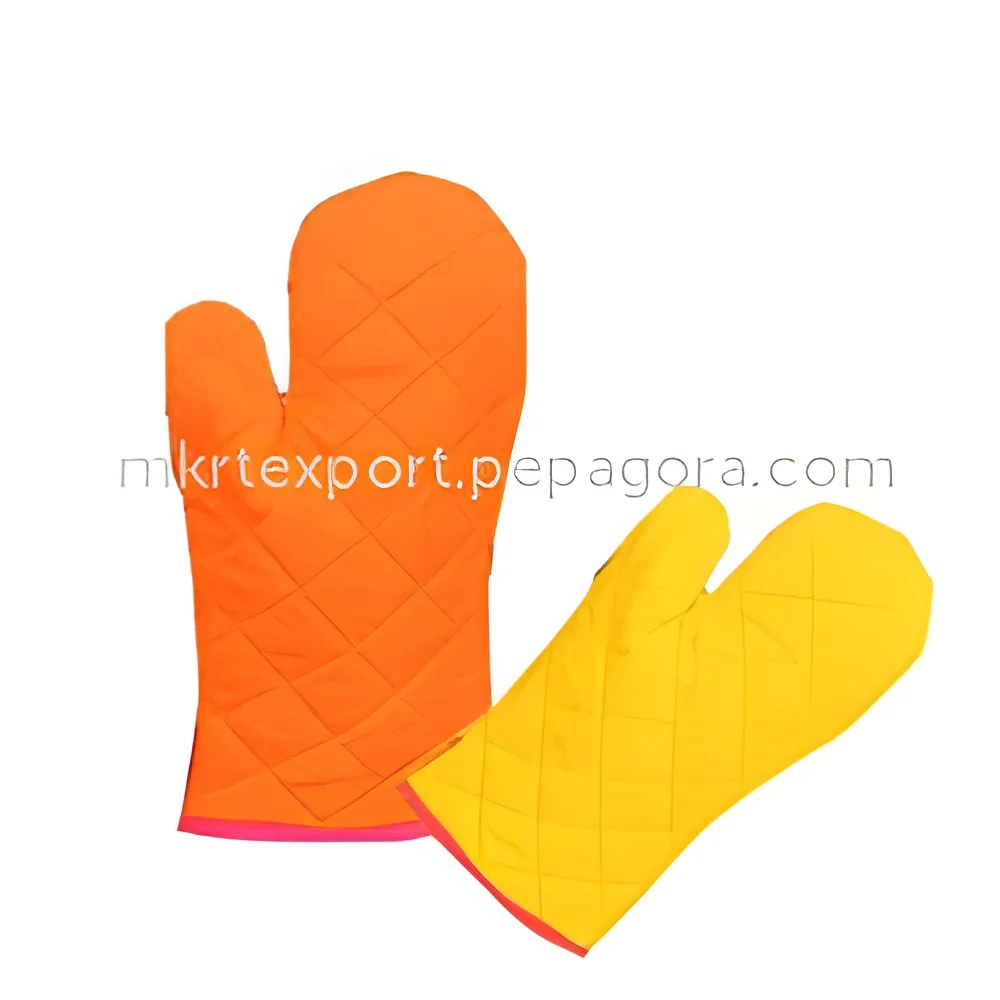
Heat Resistant Gloves & Jackets
4 products available
What are Heat Resistant Gloves & Jackets?
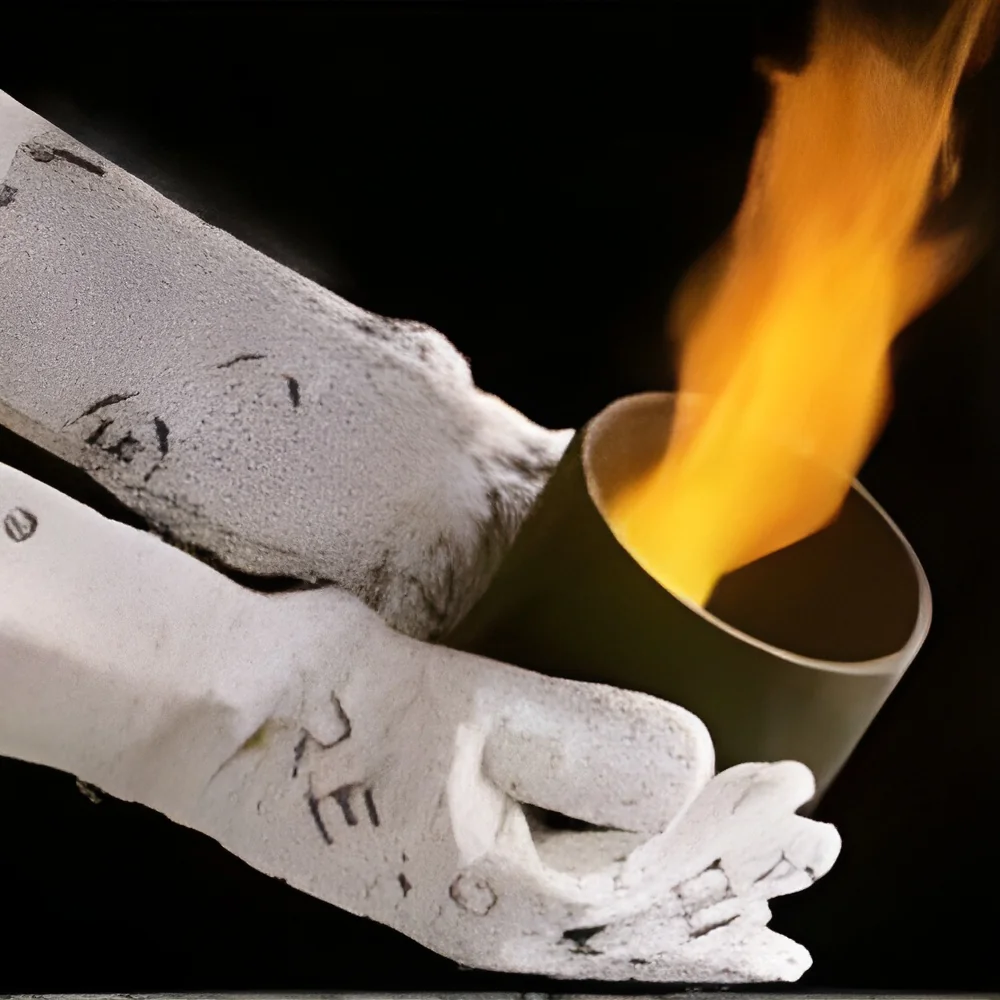
Heat resistant gloves and jackets are specialized protective gear designed to withstand high temperatures. These garments are constructed from materials that can resist heat, flames, and thermal hazards, ensuring the safety of workers in demanding environments. They are essential in operations where exposure to extreme temperatures is a routine risk, such as metalworking, welding, and glass manufacturing.
The primary applications for heat resistant gloves and jackets span various industries, including manufacturing, construction, and food processing. These products protect workers from burns and injuries while allowing them to perform their tasks with flexibility and dexterity. In sectors where contact with hot surfaces or materials is common, such gear becomes critical for maintaining workplace safety and compliance with health regulations.
With increasing emphasis on worker safety and regulatory compliance, the market for heat resistant gloves and jackets is expanding. Companies are now more aware of the importance of investing in high-quality protective gear, leading to a broader range of products available to meet specific needs. This growth reflects the ongoing commitment to safety in high-risk industries and demonstrates the relevance of these products in today’s market.
Key Features and Specifications
Heat resistant gloves and jackets come with various features that enhance their performance and usability. These features are crucial for ensuring that the products meet industry standards and provide reliable protection.
Key specifications include:
1. Material Composition
- Typically made from high-performance fibers such as aramid or silicone.
- Designed to withstand temperatures ranging from 200 to 1000 degrees Celsius, depending on the application.
2. Construction Type
- Often available in both coated and uncoated variations for different levels of heat resistance.
- Seams are reinforced to prevent wear and tear during use.
3. Thermal Insulation
- Features insulation layers to protect against conductive heat transfer.
- Ensures comfort while maintaining high levels of heat resistance.
4. Dexterity and Grip
- Designed to allow for fine motor skills and grip strength.
- Textured surfaces enhance handling of tools and materials.
5. Size and Fit Options
- Available in multiple sizes to accommodate various users.
- Adjustable cuffs and closures offer a secure fit.
6. Safety Certifications
- Products typically meet international safety standards, such as CE certification.
- Compliance with relevant health and safety regulations is assured.
7. Durability
- Engineered for extended use in harsh environments.
- Resistant to abrasion and tearing for longer lifespan.
8. Care Instructions
- Many products are machine washable or easy to clean.
- Specific care guidelines help maintain performance over time.
In summary, heat resistant gloves and jackets are designed with specific features and specifications that ensure safety and usability in high-temperature environments. Understanding these elements helps businesses select the right products for their needs.
Common Applications and Use Cases
Heat resistant gloves and jackets are utilized across a variety of industries, each benefiting from the protective qualities these products offer.
1. Metalworking: In metal fabrication and welding, workers wear these gloves and jackets to protect against sparks and molten metal.
2. Glass Manufacturing: Employees handling hot glass rely on heat resistant gear to prevent burns during the shaping and cooling processes.
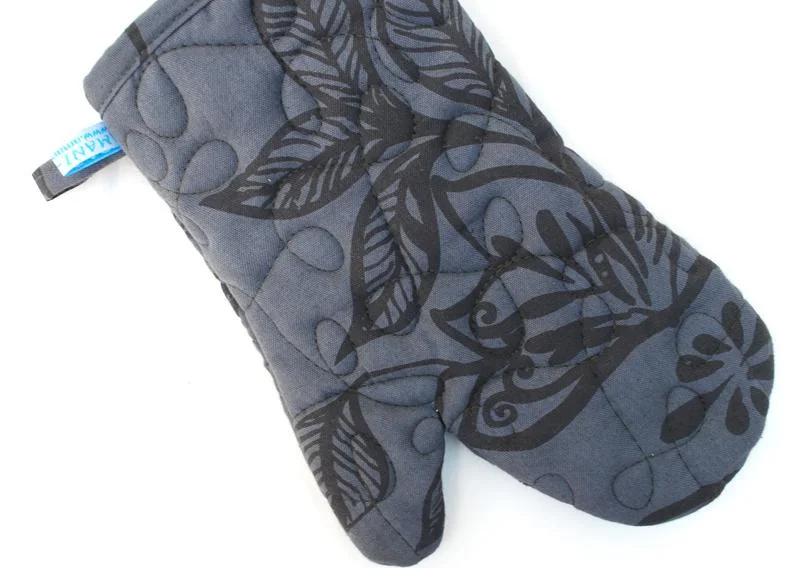
3. Food Processing: In kitchens and food production facilities, workers use heat resistant gloves to handle hot equipment and food items safely.
4. Automotive: In automotive manufacturing and repair, these products protect workers from hot components and surfaces.
5. Construction: Workers on construction sites use heat resistant jackets to guard against exposure to heat and flame.
6. Oil and Gas: In the oil and gas industry, heat resistant gear is crucial for safety during drilling and refining processes.
7. Aerospace: Technicians in aerospace manufacturing use these gloves and jackets when working with high-temperature materials and equipment.
Product Variants and Subcategories
There is a diverse range of heat resistant gloves and jackets available to meet specific user needs and industry requirements. Each variant offers unique features designed for particular applications.
Heavy-Duty Heat Resistant Gloves
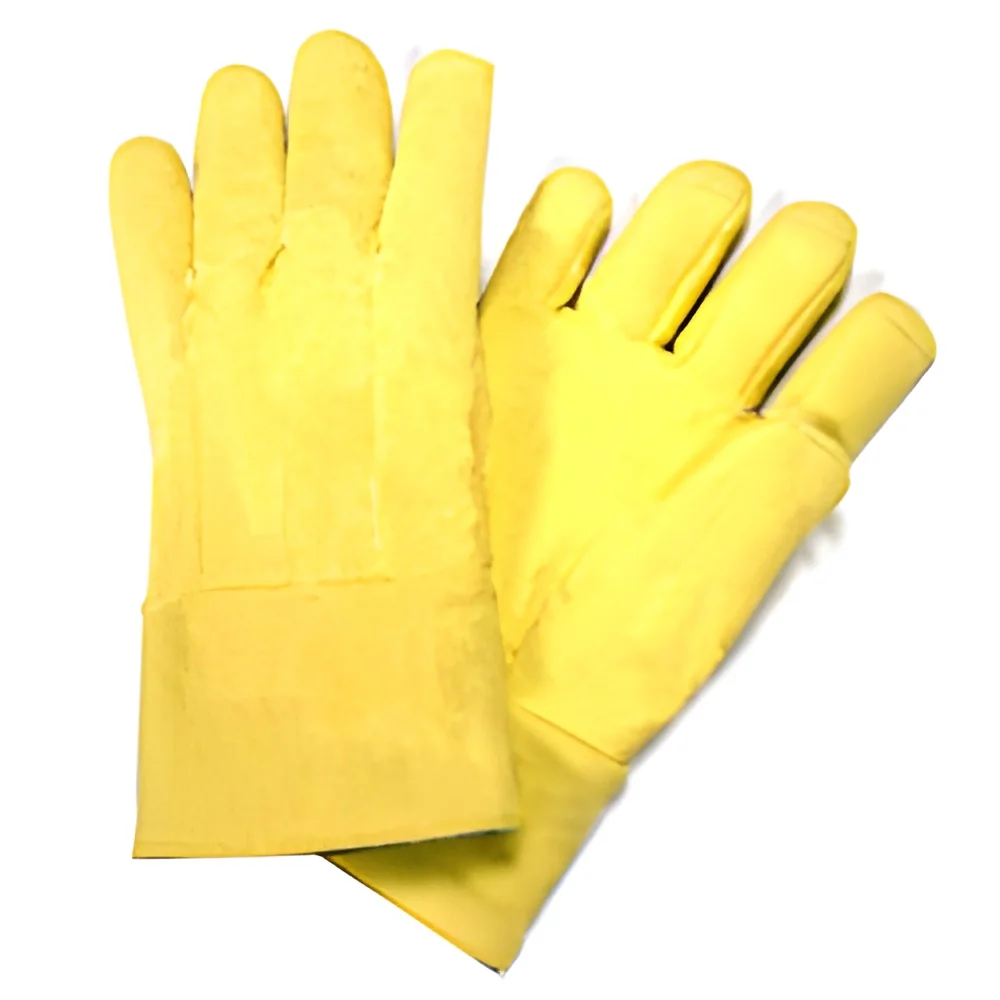
These gloves are designed for extreme environments and provide maximum protection against high temperatures. They often include reinforced palm areas for enhanced durability and grip, making them ideal for welding and metal handling.
Lightweight Heat Resistant Jackets
These jackets are crafted for comfort and breathability while still offering heat protection. They are suitable for environments where workers require mobility and flexibility without compromising safety.
Insulated Heat Resistant Gloves
These gloves feature additional insulation layers to protect against both heat and cold. They are particularly useful in environments where temperature fluctuations occur, providing a balanced solution for workers.
High-Visibility Heat Resistant Gear
This variant combines heat resistance with bright colors and reflective materials. It is essential for workers in low-light conditions, ensuring visibility while providing necessary heat protection.
Benefits and Advantages
Investing in heat resistant gloves and jackets provides numerous benefits to organizations and their employees.
Key benefits include:
1. Enhanced Safety: These products significantly reduce the risk of burns and injuries, promoting a safer work environment.
2. Improved Comfort: Designed with ergonomics in mind, heat resistant gloves and jackets allow for greater mobility and comfort during use.
3. Compliance with Regulations: Utilizing certified protective gear helps businesses meet safety standards and regulatory requirements.
4. Increased Productivity: When workers feel safe and comfortable, they can perform tasks more efficiently, leading to higher productivity levels.
5. Durability and Longevity: High-quality materials ensure that these products withstand tough conditions, resulting in lower replacement costs over time.
6. Versatile Applications: Heat resistant gloves and jackets can be used across various industries, making them a flexible solution for businesses with different needs.
Buying Guide for B2B Buyers
When sourcing heat resistant gloves and jackets, buyers should consider several important factors to ensure they select the right products for their operations.
1. Quality Assessment: Evaluate the materials and construction of the gloves and jackets to ensure they meet safety standards and provide adequate protection.
2. Supplier Verification: Conduct thorough research on suppliers to confirm their credibility and reputation in the market for reliable products.
3. Pricing and MOQ: Understand the pricing structure and minimum order quantities to ensure that the investment aligns with the budget and needs of the business.
4. Delivery and Lead Times: Inquire about the logistics involved in sourcing, including expected delivery times and any potential delays.
5. Compliance Requirements: Ensure that the products comply with relevant safety regulations and industry certifications, as this is crucial for maintaining a safe working environment.
Compliance and Certifications
Compliance and certifications are critical aspects of heat resistant gloves and jackets, as they ensure the products meet industry standards for safety and performance.
Relevant quality standards include ISO 9001, which focuses on quality management systems, ensuring that manufacturers consistently meet customer requirements. Additionally, HACCP (Hazard Analysis Critical Control Point) is essential in food-related industries, emphasizing safety in food processing environments.
The CE certification indicates that products comply with European health, safety, and environmental protection standards. This certification is crucial for businesses operating within the European Union.
Safety and testing requirements involve rigorous assessments to verify the heat resistance capabilities of the products. Manufacturers must conduct tests to ensure their gloves and jackets can withstand specified temperature ranges.
Finally, regional compliance considerations may vary, and buyers should be aware of the specific regulations applicable in their geographic areas to ensure full compliance.
Why Source Heat Resistant Gloves & Jackets from Pepagora?
Pepagora offers a reliable platform for sourcing heat resistant gloves and jackets, with several key advantages for B2B buyers.
The verified supplier network ensures that businesses can access high-quality products from reputable manufacturers. This network provides peace of mind, knowing that the suppliers have undergone a thorough vetting process.
The streamlined RFQ process simplifies the quotation system, allowing buyers to receive competitive pricing and tailored offers quickly. This efficiency saves valuable time and resources during the procurement process.
Trade assurance and support are integral to Pepagora’s service offerings. Buyers benefit from protection against potential risks, ensuring their investments are secure and transactions are conducted smoothly.
Lastly, Pepagora's regional coverage extends across India, the GCC, and Southeast Asia, making it easy for businesses in these regions to find the right heat resistant gloves and jackets for their needs. This broad reach allows for effective sourcing and supply chain management, further enhancing the overall purchasing experience.

 India


Frequently Asked Questions
What are Heat Resistant Gloves & Jackets?
Heat Resistant Gloves & Jackets are protective garments designed to withstand high temperatures and protect the wearer from heat-related injuries. They are commonly used in industries such as metalworking, glass handling, and cooking, where exposure to extreme heat is frequent.
What are the different types of Heat Resistant Gloves & Jackets?
There are various types of Heat Resistant Gloves & Jackets, including leather gloves, aluminized gloves, and jackets made from heat-resistant fabrics. Each type is designed for specific applications and levels of heat protection, catering to different industry needs.
How do I choose the right Heat Resistant Gloves & Jackets?
Choosing the right Heat Resistant Gloves & Jackets depends on the specific application, the level of heat exposure, and any additional features required, such as grip or dexterity. It is essential to assess the working environment and select products that meet the necessary safety standards.
What are the standard specifications for Heat Resistant Gloves & Jackets?
Standard specifications for Heat Resistant Gloves & Jackets typically include materials used, temperature ratings, and compliance with safety standards like EN 407. It is important to refer to these specifications to ensure the products provide adequate protection.
What is the price range for Heat Resistant Gloves & Jackets?
The price range for Heat Resistant Gloves & Jackets can vary widely based on the type, material, and manufacturer. Generally, prices can start from a few hundred rupees to several thousand, depending on the quality and features of the products.
What quality standards apply to Heat Resistant Gloves & Jackets?
Quality standards for Heat Resistant Gloves & Jackets include certifications such as EN 407 for thermal hazards and ISO standards for protective clothing. Manufacturers must adhere to these standards to ensure the effectiveness and safety of their products.
Where can I find Heat Resistant Gloves & Jackets suppliers in India?
Heat Resistant Gloves & Jackets suppliers in India can be found through online B2B marketplaces, industry trade shows, and local distributors. Pepagora.com is an excellent platform to connect with reliable suppliers and manufacturers in this category.
Can Heat Resistant Gloves & Jackets be customized?
Yes, many manufacturers offer customization options for Heat Resistant Gloves & Jackets, allowing businesses to add logos, specific features, or adjust sizes. Customization can help in branding and ensuring a better fit for the intended use.
What is the typical minimum order quantity for Heat Resistant Gloves & Jackets?
The typical minimum order quantity (MOQ) for Heat Resistant Gloves & Jackets varies by supplier, but it often ranges from 50 to 100 units. It is advisable to check with specific manufacturers for their MOQ policies.
What is the typical lead time for Heat Resistant Gloves & Jackets?
The typical lead time for Heat Resistant Gloves & Jackets can range from a few days to several weeks, depending on the supplier and whether the products are in stock or require customization. It is important to inquire about lead times when placing an order.
Why Businesses Trust Pepagora
Thousands of companies trust Pepagora to source smarter and sell faster
Expand Your Sales Globally

Source Smarter,Grow Faster
