IN
IN₹
Apparel & Fashion
Description
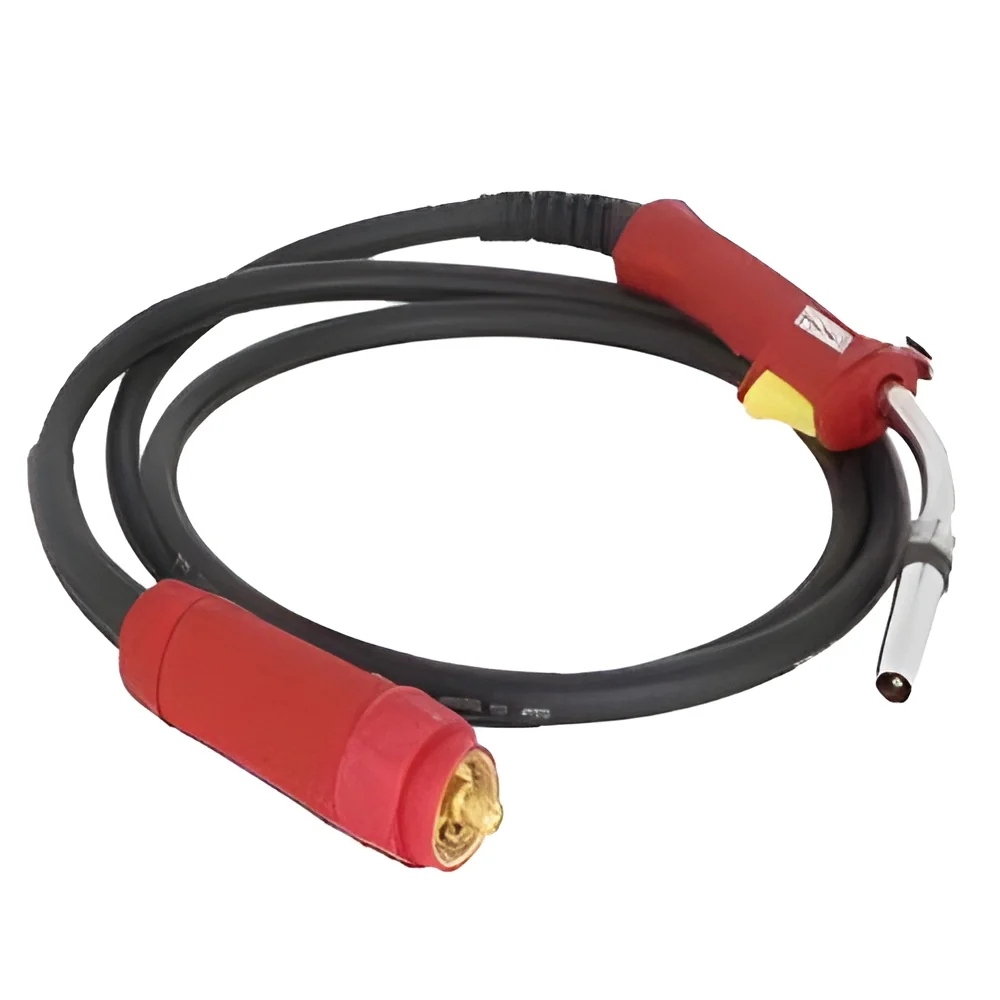
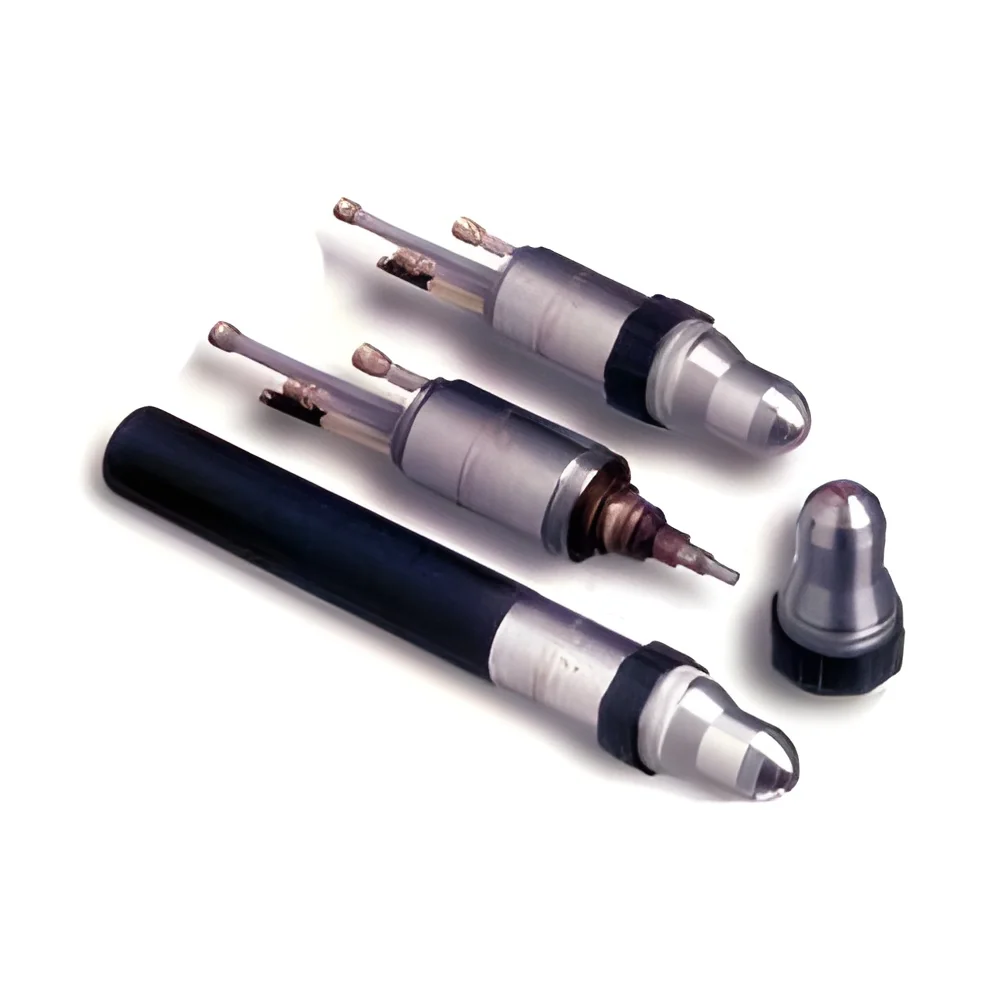
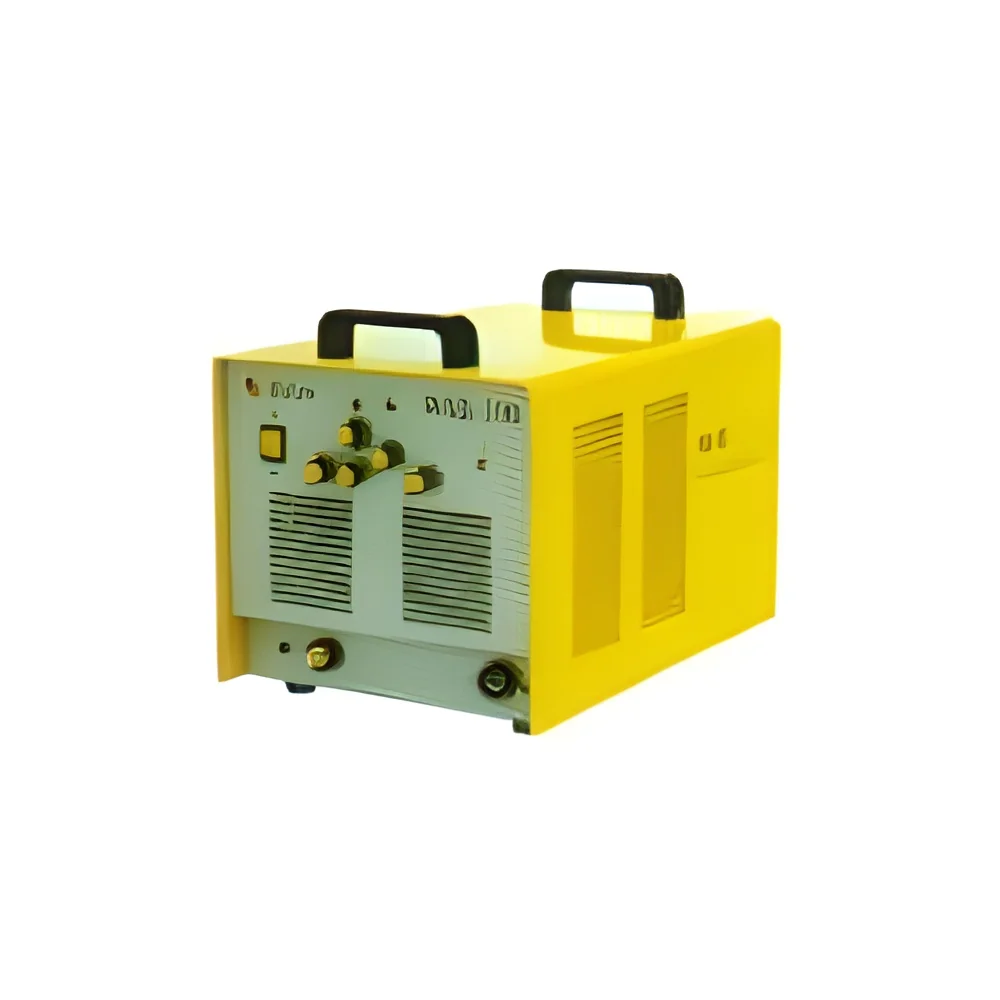
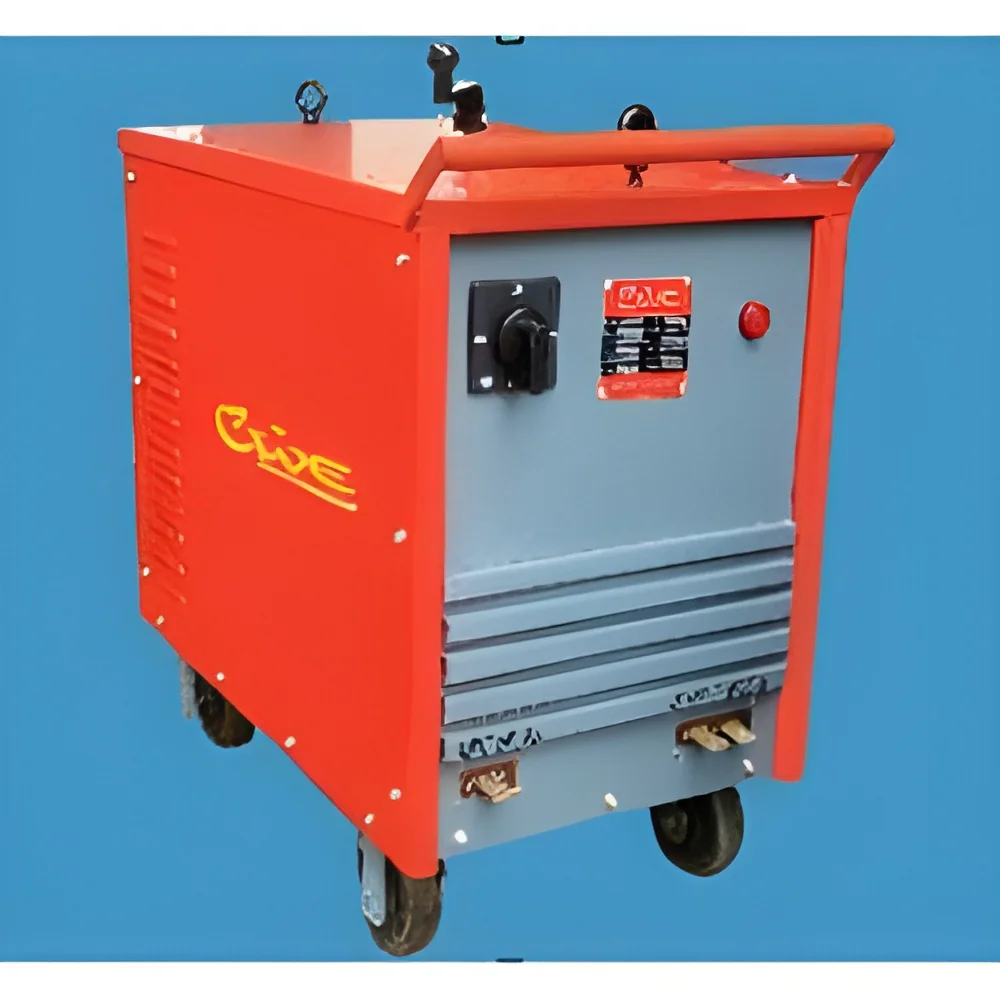
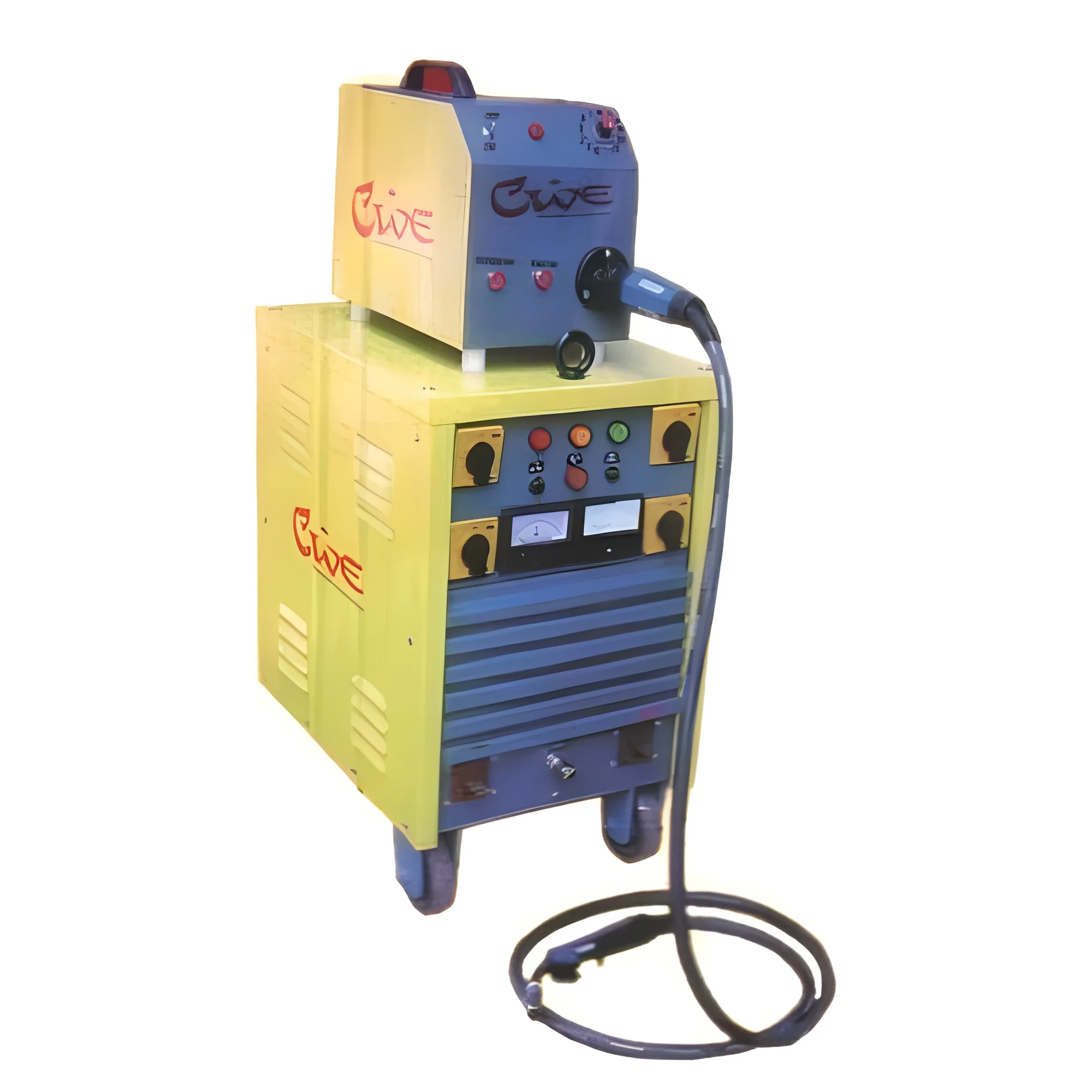
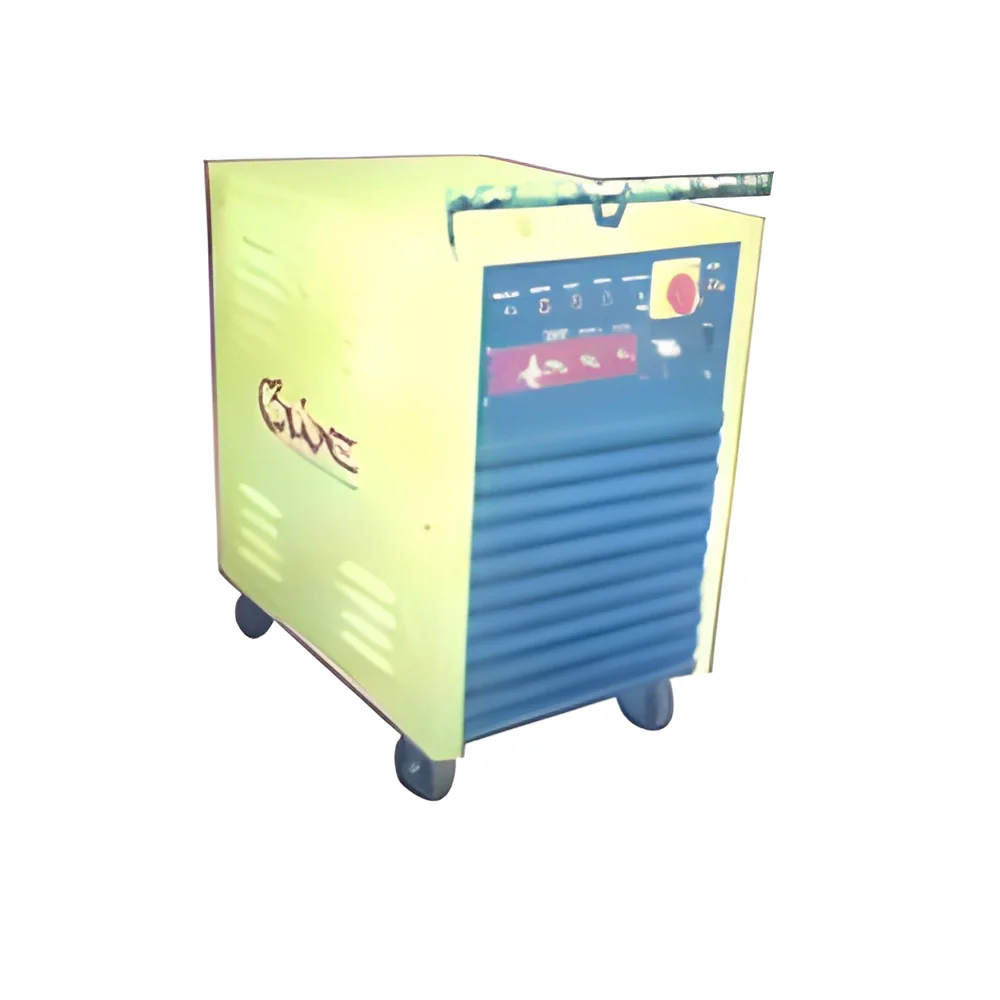
Industrial high frequency units represent specialized power conversion systems engineered for demanding manufacturing applications. These units generate high-frequency alternating currents that enable precise control over energy application in welding, heating, and cutting processes. Built with industrial-grade components and advanced electrical design, they deliver consistent, reliable performance in challenging production environments. The focus on durability ensures long service life with minimal maintenance requirements, while efficient operation helps manage energy consumption in continuous industrial use. These systems are designed for straightforward integration into existing production lines, with safety features and protective measures that ensure operator protection and equipment longevity.

These high frequency units serve critical functions across multiple industrial sectors where precision energy application is essential. In metal fabrication and machining, they enable cle...
Industrial high frequency units represent specialized power conversion systems engineered for demanding manufacturing applications. These units generate high-frequency alternating currents that enable precise control over energy application in welding, heating, and cutting processes. Built with industrial-grade components and advanced electrical design, they deliver consistent, reliable performance in challenging production environments. The focus on durability ensures long service life with minimal maintenance requirements, while efficient operation helps manage energy consumption in continuous industrial use. These systems are designed for straightforward integration into existing production lines, with safety features and protective measures that ensure operator protection and equipment longevity.

These high frequency units serve critical functions across multiple industrial sectors where precision energy application is essential. In metal fabrication and machining, they enable clean, strong welds and precise thermal cutting of various metals and alloys. The automotive industry utilizes them for component manufacturing processes including induction hardening, brazing, and specialized welding operations. Plastics and packaging manufacturers employ these units for high-speed sealing and welding of thermoplastic materials. Electronics and electrical equipment producers rely on them for precise soldering and component assembly. Foundries and metal processing plants use these systems for annealing, tempering, and other heat treatment applications requiring controlled thermal cycles.

The business value of these industrial high frequency units extends beyond their technical capabilities to deliver measurable operational advantages. Reliability is engineered into every component, reducing unexpected downtime and maintenance costs that can disrupt production schedules. Energy-efficient operation lowers electricity consumption while maintaining consistent output quality, contributing to reduced operating expenses. The robust construction ensures durability in industrial environments, translating to longer equipment life and lower total cost of ownership. Consistent performance supports quality control initiatives by delivering repeatable results across production batches. These units represent a strategic investment in production capability, enabling manufacturers to meet quality standards, increase throughput, and maintain competitive operations.

Key Features:
- Industrial-grade construction with durable components for long service life
- High efficiency operation designed to minimize energy consumption
- Stable high frequency output for consistent process results
- Built-in safety features and protective systems for operational security
- Designed for straightforward installation and integration into production lines

Benefits:
- Reliable performance reduces production downtime and maintenance costs
- Energy-efficient design lowers operational electricity expenses
- Consistent output quality supports manufacturing standards and specifications
- Durable construction ensures long equipment life and investment protection
- Easy integration minimizes implementation time and production disruption
Specifications
| Additional Information | |
|---|---|
| Country of Origin | India |
Application
Industrial high frequency units generate concentrated electrical energy essential for precision manufacturing processes. These systems provide stable, controlled output where standard power sources cannot meet the demands of specialized applications like material joining, thermal treatment, and precise cutting operations across various industries.
These units are engineered for demanding environments, offering consistent performance in metal fabrication, automotive production, plastics processing, and electronics manufacturing. Their design focuses on operational reliability, enabling cleaner welds, efficient heating cycles, and accurate cuts that improve production quality and throughput in industrial settings.
- Induction heating for metal hardening and tempering in automotive component manufacturing
- High frequency welding of plastics and composites in packaging and container production
- Precision cutting of metals and conductive materials in fabrication and machining shops
- Brazing and soldering operations in electrical equipment and appliance assembly
- Annealing and stress relieving in wire, tube, and sheet metal processing facilities
Trade Details
| Available Stock | In Stock |
| Sample Availability | No |
Payment Terms
| Payment Terms |
|
Company Profile

Choudhary Weld Equipment, Maharashtra
 Maharashtra, India
Maharashtra, IndiaManufacturer•Trading Company•Distributor / Wholesaler
Factory Details
Factory SizeBelow 1000 sqm
Annual Production Capacity0
Industrial High Frequency Units For Welding Heating And Cutting
Industrial high frequency units for welding, heating, and cutting applications deliver durable, efficient performance with reliable operation for precision industrial processes.
Min. Order Quantity: 1 unit
Shipping
Shipping fee and delivery date to be negotiated. Contact supplier now for more details.
Choudhary Weld Equipment
 Maharashtra, India
Maharashtra, IndiaManufacturer