
 IN
Fume Extraction Systems
15 products available
What are Fume Extraction Systems?
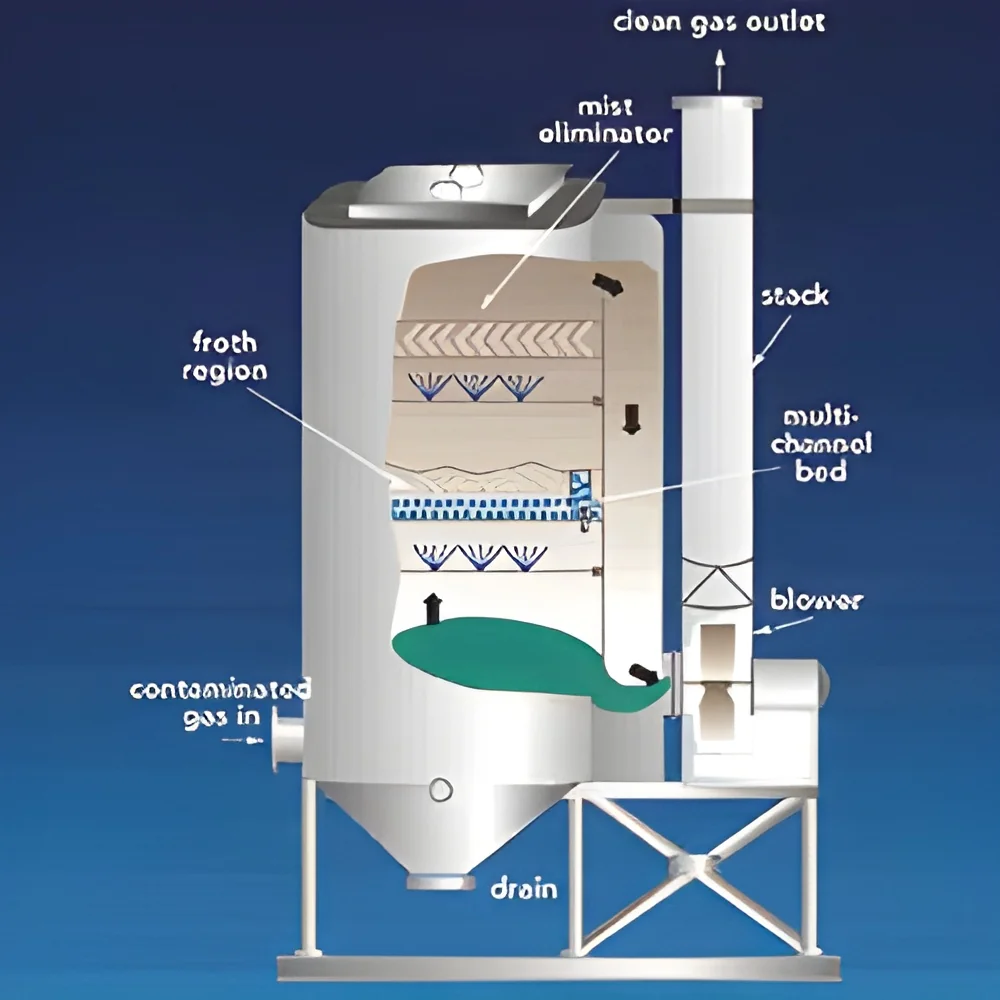
Fume Extraction Systems are specialized equipment designed to capture and filter hazardous fumes, vapors, and airborne particles generated during various industrial processes. These systems utilize a combination of ventilation, filtration, and exhaust mechanisms to ensure that harmful contaminants are effectively removed from the air, promoting a safer working environment. By utilizing advanced technology, these systems can significantly reduce the risk of respiratory issues and other health hazards among workers.
Primarily, fume extraction systems find applications in industries such as manufacturing, welding, automotive, and chemical processing. They are essential for tasks that involve soldering, laser cutting, or any operation that produces harmful emissions. By implementing these systems, businesses not only comply with regulatory standards but also enhance productivity by minimizing health-related absences. The growing emphasis on workplace safety and environmental regulations further underscores the relevance of fume extraction systems across various sectors.
In today’s market, the demand for fume extraction systems is on the rise due to increasing awareness regarding occupational safety and health. Companies are investing in these systems to maintain compliance with health and safety regulations while protecting their workforce. As industries evolve and implement more complex processes, the need for effective air quality management solutions like fume extraction systems becomes even more critical.
Key Features and Specifications
Fume extraction systems are equipped with various features designed to optimize their performance and efficiency. Understanding these specifications is crucial for businesses looking to invest in these systems.
Key specifications include:
1. Filtration Efficiency
- High-efficiency particulate air (HEPA) filters are commonly used.
- Capable of capturing particles as small as 0.3 microns.
2. Airflow Rate
- Measured in cubic feet per minute (CFM).
- Typically ranges from 200 to over 2000 CFM, depending on application needs.
3. Noise Level
- Important for maintaining a comfortable work environment.
- Generally ranges from 55 dB to 75 dB.
4. Power Consumption
- Efficiency is key to operating costs.
- Systems typically consume between 1 kW to 5 kW.
5. Dimensions
- Size varies to fit different workspace requirements.
- Compact models are available for limited spaces.
6. Control Systems
- May include manual or automated controls for ease of use.
- Advanced models have programmable features.
7. Compliance Standards
- Must meet regulatory requirements such as CE certification.
8. Maintenance Requirements
- Design considerations for ease of filter replacement and cleaning.
In summary, the selection of a fume extraction system should be based on specific operational requirements, including filtration efficiency, airflow, and compliance with safety regulations.
Common Applications and Use Cases
Fume extraction systems are utilized across a diverse range of industries to ensure air quality and worker safety.
1. Manufacturing: In manufacturing environments, these systems effectively remove harmful fumes produced during metalworking, machining, and assembly processes.
2. Welding: Welding operations generate significant smoke and fumes. Fume extraction systems are crucial for capturing these emissions to protect welders and nearby personnel.
3. Automotive: The automotive industry uses fume extraction systems during painting and finishing processes to eliminate volatile organic compounds (VOCs) and other hazardous materials.
4. Chemical Processing: In chemical plants, fume extraction systems manage toxic vapors and ensure compliance with environmental regulations.
5. Electronics: Soldering and other electronic assembly processes produce hazardous fumes. Extraction systems help maintain a safe workspace.
6. Laboratories: Laboratories conducting experiments involving chemicals benefit from fume extraction systems to safeguard researchers from harmful inhalation.
7. Construction: Construction sites often engage in tasks that produce dust and fumes, and these systems are vital for maintaining air quality.
Product Variants and Subcategories
Fume extraction systems come in various configurations to meet specific industry needs.
Portable Fume Extractors
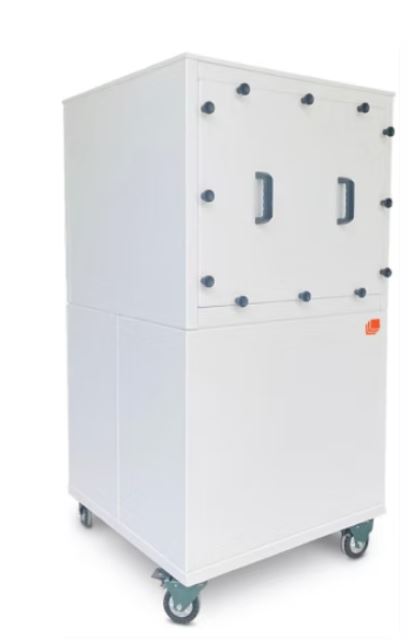
These compact systems are designed for mobility and flexibility. They can easily be moved to different workstations, making them ideal for small workshops or job sites.
Centralized Fume Extraction Systems
These larger systems are installed as a permanent solution for high-volume applications. They are designed to serve multiple work areas and provide consistent airflow and filtration.
Bench-Top Fume Extractors
These units are specifically designed for bench-top use, capturing fumes from small-scale operations such as soldering or light machining tasks.
Ducted Fume Extraction Systems
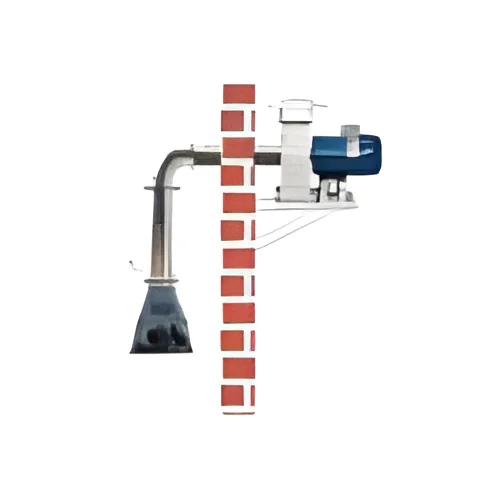
These systems use ductwork to transport fumes from the source to a centralized filtration unit, ideal for fixed installations in larger facilities.
Benefits and Advantages
Investing in fume extraction systems provides numerous benefits to businesses.
1. Improved Worker Safety: By removing hazardous fumes, these systems significantly reduce the risk of respiratory illnesses and ensure a healthier workplace.
2. Regulatory Compliance: Fume extraction systems help businesses comply with local and international health and safety regulations, avoiding potential fines and legal issues.
3. Enhanced Productivity: A cleaner work environment leads to fewer health-related absences, allowing for improved workforce efficiency.
4. Reduced Equipment Wear: By minimizing the presence of corrosive fumes, these systems can prolong the lifespan of machinery and tools.
5. Environmental Protection: Effective fume extraction contributes to lower emissions and a reduced environmental footprint, aligning with sustainability goals.
6. Customization Options: Many systems can be tailored to specific processes or environments, enhancing their effectiveness and suitability.
Buying Guide for B2B Buyers
When sourcing fume extraction systems, several key factors should be considered to ensure a suitable investment.
1. Quality Assessment: Evaluate the quality and reliability of the systems. Look for reputable brands with proven track records in the industry.
2. Supplier Verification: Conduct thorough research on potential suppliers. Check their credentials, customer reviews, and overall reputation in the market.
3. Pricing and MOQ: Understand the pricing structure and minimum order quantities. This can vary significantly between suppliers and models.
4. Delivery and Lead Times: Consider the supplier's delivery capabilities and lead times to ensure timely acquisition of the systems for your operations.
5. Compliance Requirements: Ensure that the selected systems meet relevant industry standards and regulations. This includes checking for certifications like CE.
Compliance and Certifications
Fume extraction systems must adhere to various compliance and certification standards to ensure safety and effectiveness.
Relevant quality standards include ISO 9001, which emphasizes quality management systems and continuous improvement practices. This standard is essential for manufacturers of fume extraction systems to demonstrate their commitment to quality.
Industry certifications, such as CE marking, indicate that the product meets European safety, health, and environmental protection requirements. This certification is crucial for systems sold in the European market and assures buyers of compliance with essential guidelines.
Safety and testing requirements are vital to ensure that fume extraction systems operate effectively under various conditions. Manufacturers must conduct rigorous testing to verify the systems' performance and safety features.
Regional compliance considerations also play a significant role in the deployment of fume extraction systems. Different regions may have specific regulations regarding emissions and worker safety, so it is important for buyers to be aware of these requirements in their respective markets.
Why Source Fume Extraction Systems from Pepagora?
Pepagora offers a reliable platform for sourcing fume extraction systems, providing several key advantages to B2B buyers.
Verified Supplier Network: Pepagora ensures that all suppliers are thoroughly vetted. This guarantees that buyers connect with reputable manufacturers who meet high standards of quality and reliability.
Streamlined RFQ Process: The request for quotation (RFQ) process is designed to be efficient and user-friendly. This allows buyers to easily compare options and receive competitive pricing from multiple suppliers.
Trade Assurance and Support: Pepagora provides buyer protection through trade assurance services. This gives buyers confidence in their transactions and support throughout the purchasing process.
Regional Coverage: With a strong presence in India, the GCC, and Southeast Asia, Pepagora connects buyers with local suppliers, reducing logistics challenges and ensuring timely delivery of fume extraction systems.
By choosing Pepagora, businesses can simplify their sourcing process while ensuring they receive high-quality fume extraction systems tailored to their specific needs.



 India
 India
 India
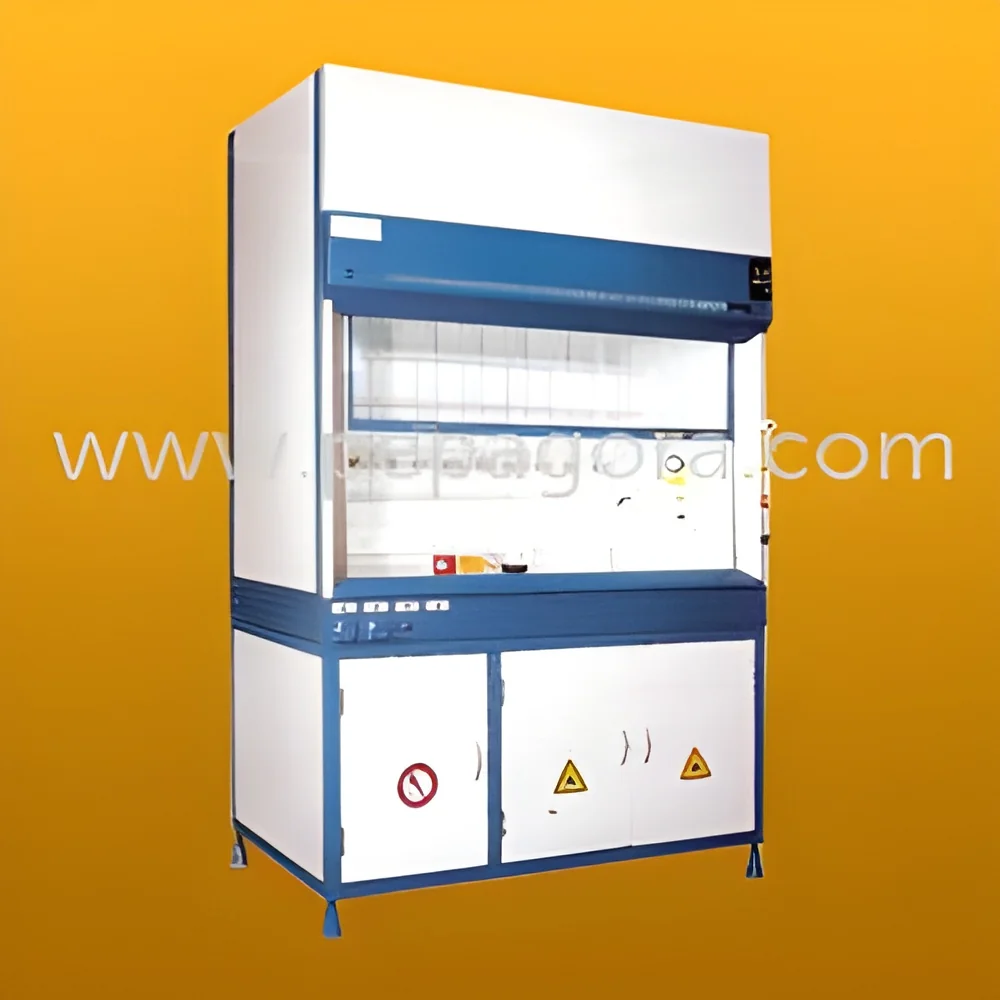
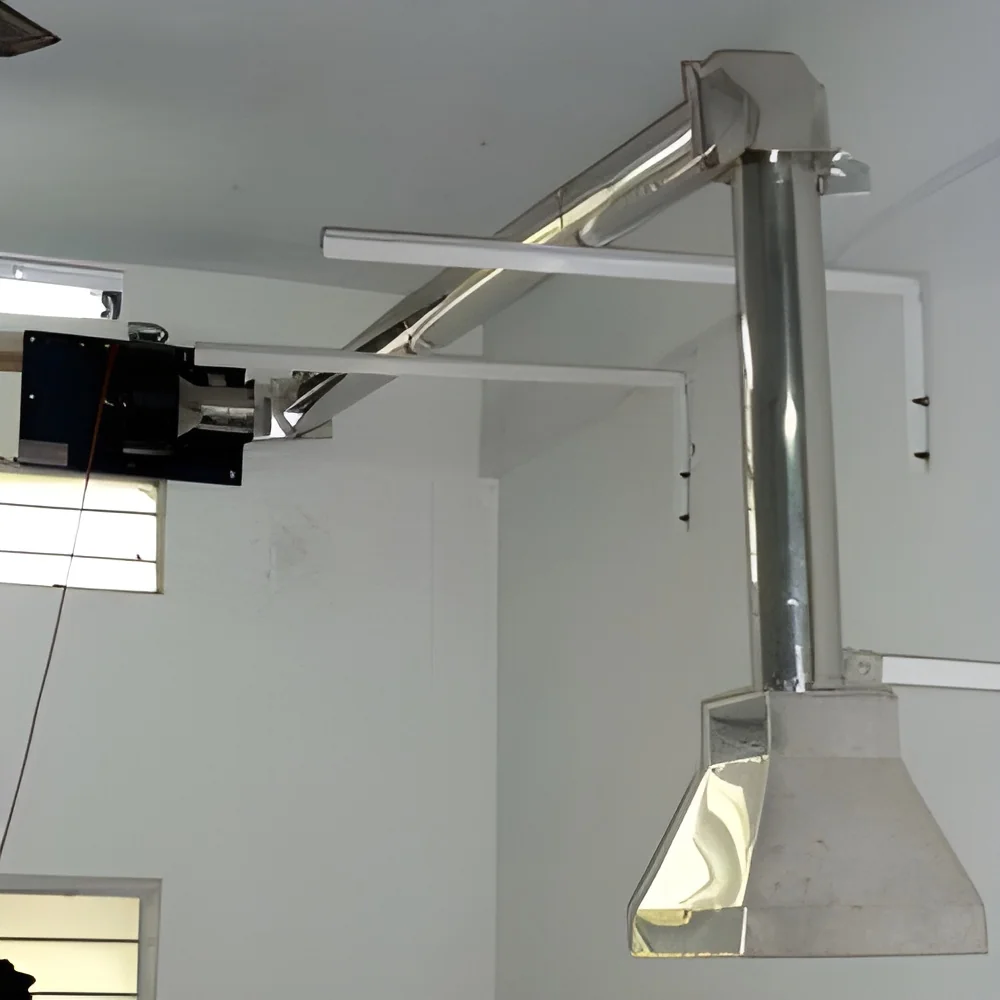 India
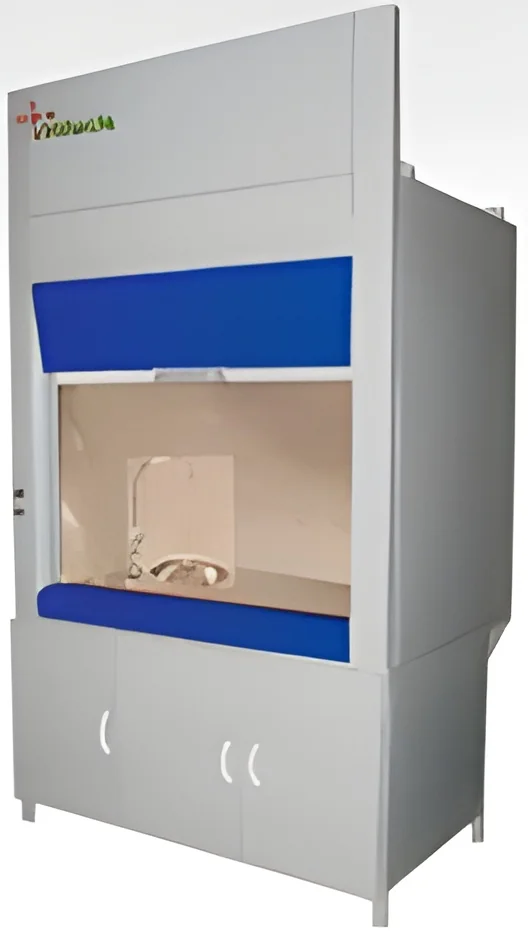 India
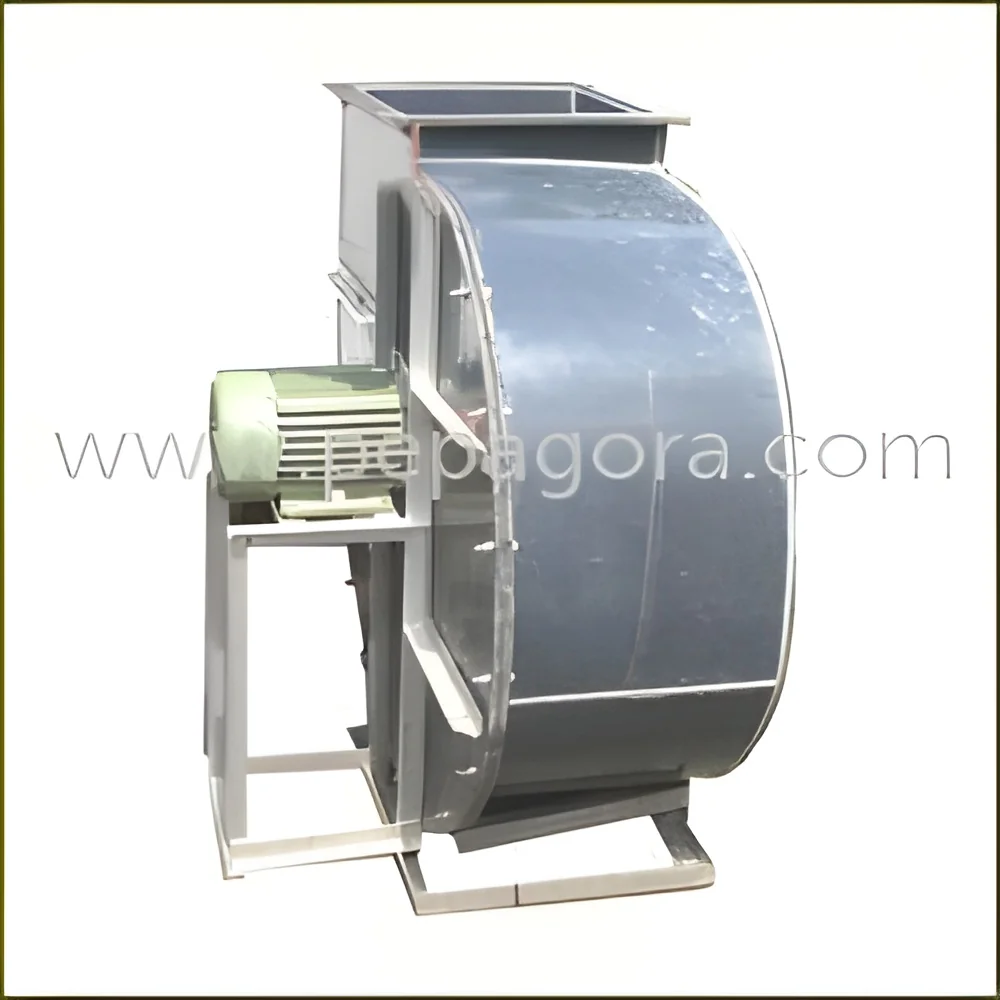 India


 India
 India
 India

Frequently Asked Questions
What are Fume Extraction Systems?
Fume Extraction Systems are specialized devices designed to capture and remove harmful fumes, vapors, and airborne particles from industrial and laboratory environments. These systems help maintain air quality by filtering contaminants, ensuring a safe workspace for employees.
What are the different types of Fume Extraction Systems?
There are several types of Fume Extraction Systems, including portable fume extractors, centralized systems, and ductless fume hoods. Each type is tailored to specific applications and environments, depending on the volume of fumes generated and the layout of the workspace.
How do I choose the right Fume Extraction Systems?
When selecting a Fume Extraction System, consider factors such as the type and volume of fumes produced, the layout of your workspace, and any specific regulatory requirements. Consulting with suppliers or manufacturers can also provide insights into the best options for your needs.
What are the standard specifications for Fume Extraction Systems?
Standard specifications for Fume Extraction Systems typically include airflow rates, filtration efficiency, noise levels, and power consumption. It is important to review these specifications to ensure the system meets your operational requirements and safety standards.
What is the price range for Fume Extraction Systems?
The price range for Fume Extraction Systems can vary widely based on the type, specifications, and manufacturer. Generally, prices can start from a few thousand Indian Rupees for portable models and can go up to several lakhs for advanced centralized systems.
What quality standards apply to Fume Extraction Systems?
Fume Extraction Systems must comply with various national and international quality standards, such as ISO certifications and local safety regulations. Adhering to these standards ensures that the systems are effective and safe for use in industrial settings.
Where can I find Fume Extraction Systems suppliers in India?
You can find Fume Extraction Systems suppliers in India through B2B marketplaces like Pepagora.com, industry trade shows, or by searching online directories. It's advisable to compare multiple suppliers to find the best quality and price.
Can Fume Extraction Systems be customized?
Yes, many manufacturers offer customization options for Fume Extraction Systems to meet specific operational needs or space constraints. Custom features may include specialized filters, varying airflow rates, and tailored designs.
What is the typical minimum order quantity for Fume Extraction Systems?
The typical minimum order quantity (MOQ) for Fume Extraction Systems can vary by supplier but often starts from one unit for portable models and may increase for larger, more complex systems. It is best to consult with manufacturers for their specific MOQs.
What is the typical lead time for Fume Extraction Systems?
The typical lead time for Fume Extraction Systems can range from a few days to several weeks, depending on the type of system, customization requests, and supplier production schedules. It is advisable to confirm lead times with your chosen supplier before placing an order.
Why Businesses Trust Pepagora
Thousands of companies trust Pepagora to source smarter and sell faster
Expand Your Sales Globally

Source Smarter,Grow Faster
