IN
IN₹
Apparel & Fashion
Description
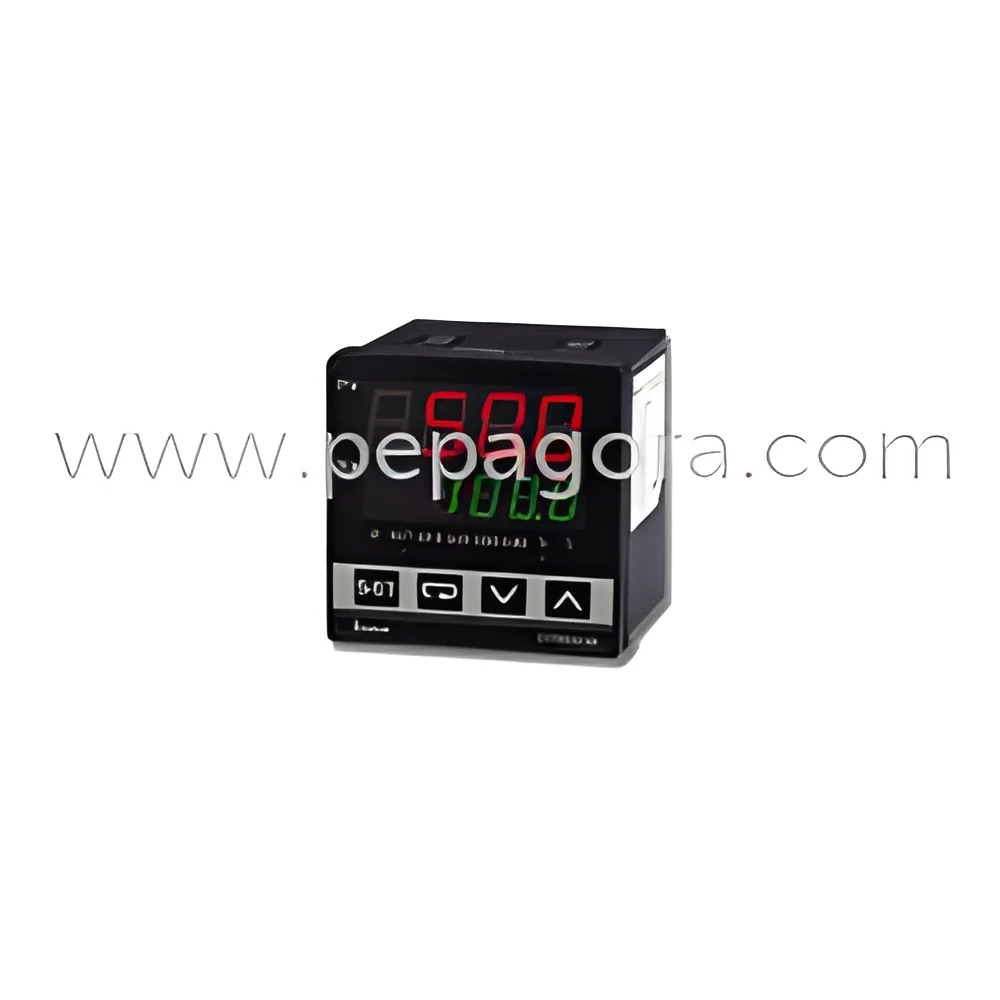
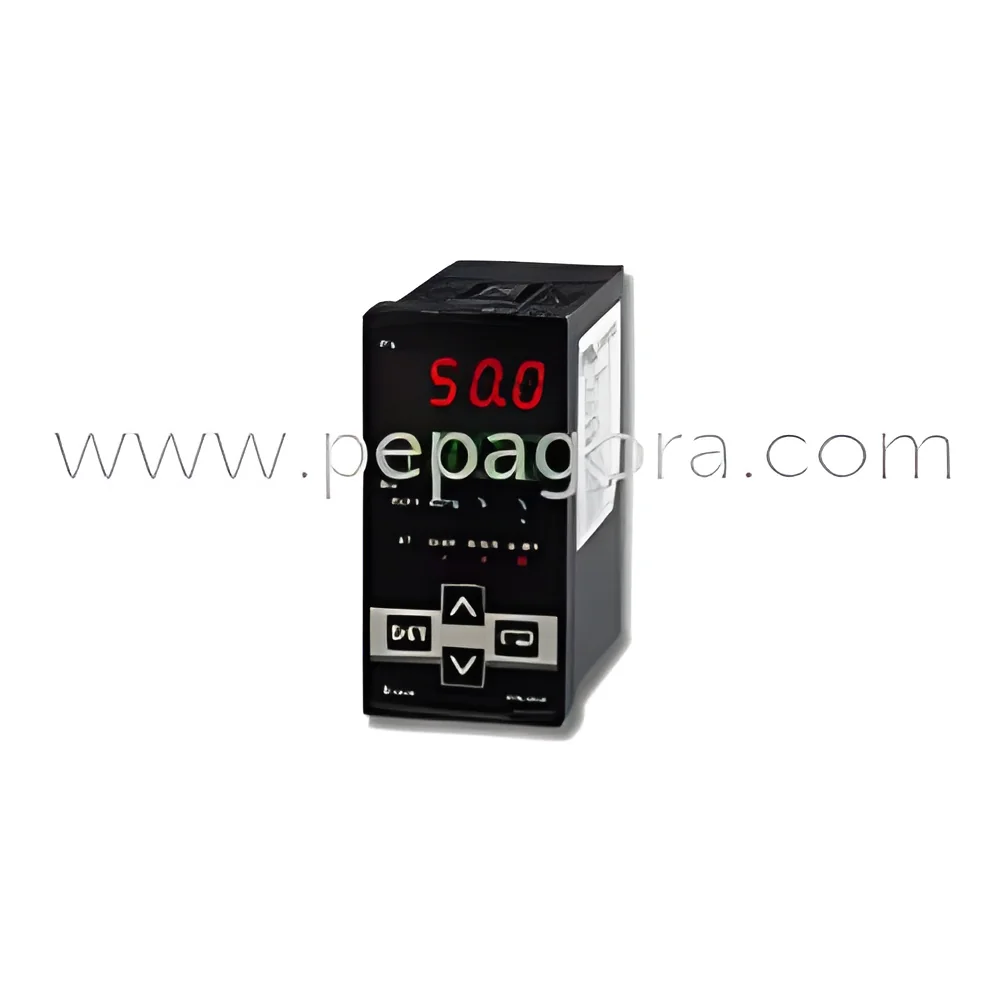
The DTA Standard Models Temperature Controller represents advanced thermal management technology designed for industrial applications requiring precise temperature control. This sophisticated device incorporates PID auto-tuning functionality that automatically calculates and implements optimal control parameters, eliminating the need for manual calibration while ensuring consistent performance. Engineered for reliability, the controller features versatile configurations supporting multiple input types including thermocouples and RTDs, along with various output options for heating, cooling, and alarm functions. Its robust construction withstands demanding industrial environments while maintaining accurate temperature regulation through advanced algorithms and stable data transmission architecture.

This temperature controller serves critical functions across multiple industrial sectors where precise thermal management is essential. In plastics manufacturing, it maintains consistent temp...
The DTA Standard Models Temperature Controller represents advanced thermal management technology designed for industrial applications requiring precise temperature control. This sophisticated device incorporates PID auto-tuning functionality that automatically calculates and implements optimal control parameters, eliminating the need for manual calibration while ensuring consistent performance. Engineered for reliability, the controller features versatile configurations supporting multiple input types including thermocouples and RTDs, along with various output options for heating, cooling, and alarm functions. Its robust construction withstands demanding industrial environments while maintaining accurate temperature regulation through advanced algorithms and stable data transmission architecture.

This temperature controller serves critical functions across multiple industrial sectors where precise thermal management is essential. In plastics manufacturing, it maintains consistent temperatures in injection molding machines and extruders, directly affecting product quality and material properties. Food processing facilities rely on its accuracy for ovens, fryers, and pasteurization systems where temperature control ensures food safety and quality standards. Pharmaceutical applications utilize the controller for maintaining stable environments in sterilization equipment and storage facilities. Metalworking industries employ it for heat treatment processes requiring specific temperature profiles, while commercial facilities integrate it into HVAC systems for optimal climate control and energy efficiency.

The DTA controller delivers substantial operational value through enhanced process reliability and reduced maintenance requirements. Its auto-tuning capability minimizes setup time and eliminates the need for specialized technical expertise during installation and operation. The controller's stable performance reduces process variations, leading to consistent output quality and decreased material waste. Built with industrial durability, it offers long service life with minimal downtime, providing excellent return on investment through reliable operation and reduced replacement costs. The device's compatibility with standard industrial sensors and control systems ensures easy integration without requiring extensive system modifications.

Key Features:
- Advanced PID auto-tuning for automatic parameter optimization
- Multiple input compatibility with thermocouples and RTD sensors
- Versatile output configurations for heating and cooling control
- Robust industrial construction for demanding environments
- Stable data transmission architecture for reliable performance

Benefits:
- Reduced setup time through automatic calibration
- Consistent process control improving product quality
- Compatibility with standard industrial equipment
- Long-term reliability minimizing maintenance costs
- Easy integration into existing control systems
Specifications
| Additional Information | |
|---|---|
| Country of Origin | India |
Application
The DTA Temperature Controller provides stable, accurate temperature regulation for diverse industrial processes requiring consistent thermal management. Its auto-tuning PID functionality automatically optimizes performance parameters, minimizing manual adjustments while maintaining precise setpoints across varying operational conditions. This intelligent control system adapts to process changes, ensuring reliable temperature maintenance without constant supervision.
Multiple industries benefit from this controller's robust construction and versatile configurations. Manufacturing facilities utilize it for critical heating and cooling processes where temperature stability directly impacts product quality and operational efficiency. The device supports various sensor inputs and control outputs, enabling seamless integration with existing industrial equipment and automation systems.
- Maintaining precise melt temperatures in plastic extrusion and injection molding equipment
- Regulating thermal processes in food production ovens and drying systems
- Controlling environmental chambers for pharmaceutical manufacturing and testing
- Managing temperature in industrial furnaces for metal heat treatment processes
- Optimizing climate control in commercial HVAC and building management systems
Trade Details
| Available Stock | In Stock |
| Sample Availability | No |
Payment Terms
| Payment Terms |
|
Company Profile
Lakshmi Automation, Tamil Nadu
 Tamil Nadu, India
Tamil Nadu, IndiaIndustrial Equipment & Machinery•Manufacturer•Distributor / Wholesaler•Importer / Exporter
Factory Details
Factory SizeBelow 1000 sqm
Annual Production Capacity0
Industrial Temperature Controller with PID Auto Tuning for Precise Control
DTA Standard Models Temperature Controller delivers precise industrial temperature control with PID auto-tuning for reliable performance across manufacturing and processing applications.
Min. Order Quantity: 1 unit
Shipping
Shipping fee and delivery date to be negotiated. Contact supplier now for more details.
Lakshmi Automation
 Tamil Nadu, India
Tamil Nadu, IndiaIndustrial Equipment & MachineryManufacturer