IN
IN₹
Apparel & Fashion
Loading subcategories...
View More
Description
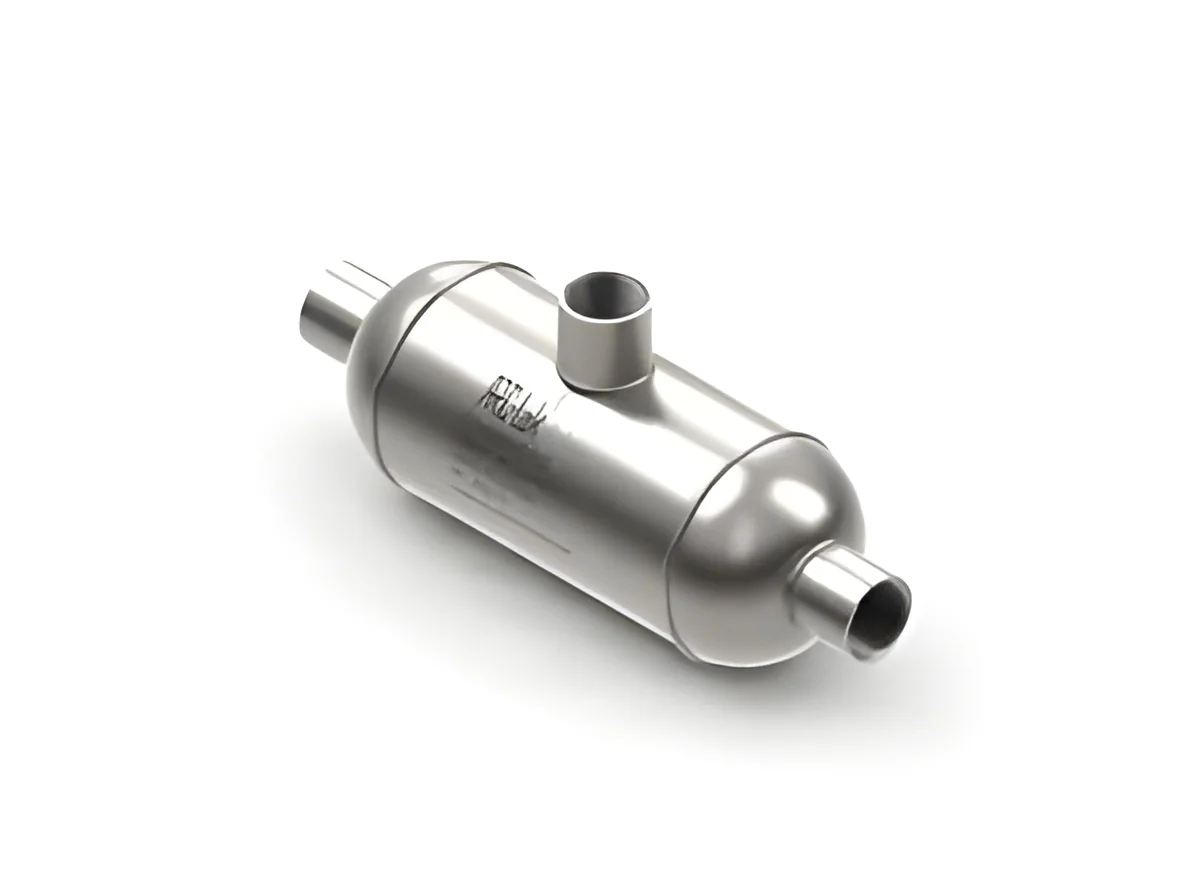
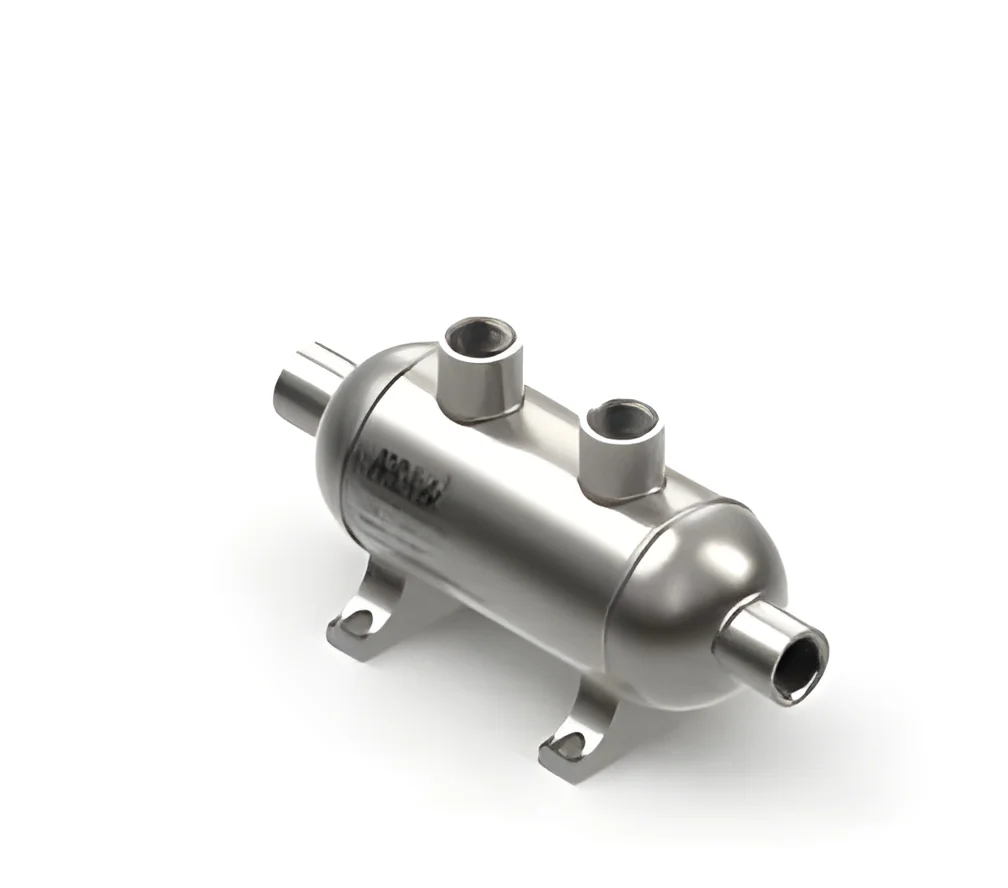
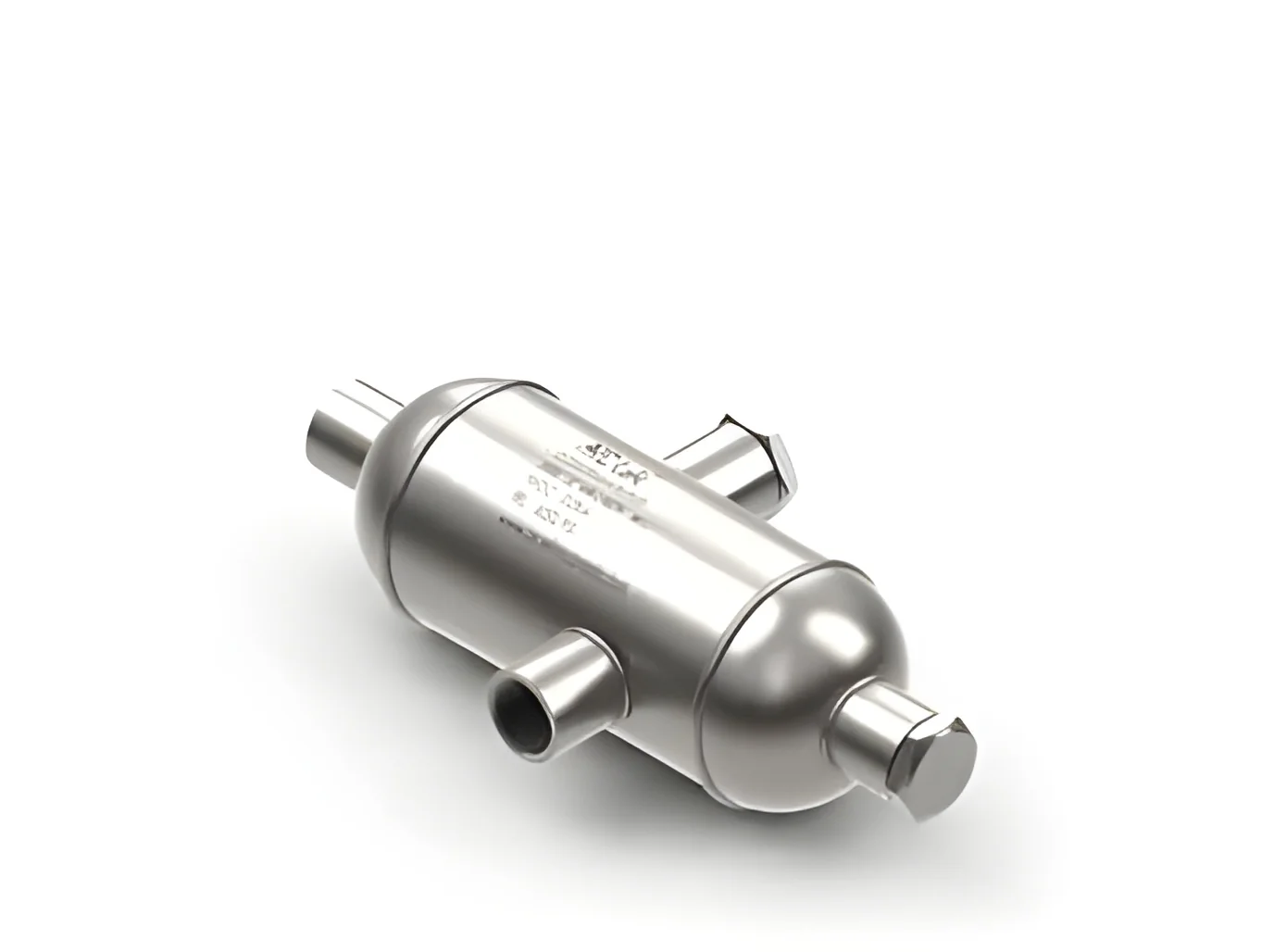
The Industrial Steam System Four Port Condensate Pot is a critical component designed for steam system applications where accurate pressure measurement is essential. This specialized vessel acts as an intermediary between steam-carrying process lines and sensitive differential pressure instrumentation. It creates a controlled environment that collects and maintains condensate to form a consistent liquid column. The four-port configuration offers exceptional installation flexibility, allowing for connections to multiple process points, drain lines, vent systems, or various instrumentation devices simultaneously. Manufactured from durable materials such as carbon steel or stainless steel, these pots are built to withstand extreme temperatures and pressure variations, ensuring long-term reliability and consistent performance. Their primary function is to protect expensive instrumentation from direct steam exposure, which can cause damage and lead to inaccurate readings, while maintaining ...
The Industrial Steam System Four Port Condensate Pot is a critical component designed for steam system applications where accurate pressure measurement is essential. This specialized vessel acts as an intermediary between steam-carrying process lines and sensitive differential pressure instrumentation. It creates a controlled environment that collects and maintains condensate to form a consistent liquid column. The four-port configuration offers exceptional installation flexibility, allowing for connections to multiple process points, drain lines, vent systems, or various instrumentation devices simultaneously. Manufactured from durable materials such as carbon steel or stainless steel, these pots are built to withstand extreme temperatures and pressure variations, ensuring long-term reliability and consistent performance. Their primary function is to protect expensive instrumentation from direct steam exposure, which can cause damage and lead to inaccurate readings, while maintaining the precision required for optimal process control and system monitoring in demanding industrial settings.

This component finds indispensable usage across multiple heavy industries. In power generation, it is crucial for boiler systems, steam turbines, and heat recovery applications where precise pressure differentials directly impact plant efficiency and safety protocols. The oil and gas sector utilizes these pots extensively within refineries for monitoring distillation columns, heat exchangers, and pipeline systems. Chemical and petrochemical plants integrate them into reactor systems, separation columns, and various processing units to prevent costly production errors through accurate measurement. Pharmaceutical manufacturers depend on them to maintain sterile conditions in autoclaves and cleaning-in-place systems. Similarly, food processing facilities implement these pots in critical processes like pasteurization, cooking, and sterilization, where both measurement accuracy and hygiene standards are paramount for product quality and safety.

The business value of implementing a four port condensate pot extends beyond basic functionality to deliver significant operational and financial advantages. Its robust construction and reliable performance minimize unplanned downtime by effectively protecting sensitive instrumentation from steam-related damage, thereby reducing replacement costs and lowering maintenance frequency. The four-port design offers superior installation versatility, simplifying initial system integration and allowing for future modifications or expansions without requiring complete component replacement. This inherent flexibility ensures the pot is optimally suited for a wide range of industrial applications and specific operational needs. The consistent accuracy it maintains directly contributes to enhanced process efficiency, supports energy conservation efforts, and safeguards product quality. Furthermore, its durability in high-temperature and high-pressure environments enhances overall system safety through reliable pressure monitoring and translates into long-term cost savings, offering a reduced total cost of ownership for industrial operations.

Key Features:
- Four-port configuration for flexible connection to process lines, drains, vents, and instruments.
- Constructed from high-grade materials like carbon steel or stainless steel for superior durability.
- Engineered to withstand high temperatures and significant pressure variations.
- Maintains a constant liquid column to ensure accurate and reliable pressure measurement.
- Offers reliable performance with a focus on quality and long-term operational integrity.

Benefits:
- Protects sensitive and costly instrumentation from direct steam exposure and potential damage.
- Ensures consistent and accurate pressure readings for optimal process control and decision-making.
- Reduces maintenance costs and extends the service life of connected equipment.
- Enhances overall system reliability and operational safety in demanding industrial conditions.
- Provides installation flexibility and adaptability for various industrial setups and configurations.
Specifications
| Additional Information | |
|---|---|
| Country of Origin | India |
| Customisable | No |
Application
The four port condensate pot is engineered for industrial steam systems where precise pressure measurement is non-negotiable. Its four-port design provides flexible installation between steam lines and differential pressure instruments, creating a stable liquid barrier. This prevents direct steam from reaching sensitive equipment, ensuring measurement accuracy remains consistent despite operational fluctuations in temperature and pressure. This component is vital for reliable steam system monitoring and protection, especially in high-temperature processes where instrument durability directly affects safety and operational efficiency.
Its robust construction and multiple connection options make it suitable for diverse industrial setups requiring dependable condensate management. The design accommodates connections to process points, drain lines, and vent systems simultaneously, offering versatility for complex configurations. This adaptability ensures the pot integrates seamlessly into both standard and specialized systems, providing a reliable solution for maintaining accurate pressure readings and protecting valuable instrumentation across various demanding environments.
- Power generation plants use these pots to protect differential pressure transmitters in boiler systems and steam turbines.
- Oil and gas refineries install them for accurate pressure monitoring in distillation columns and heat exchangers.
- Chemical processing facilities employ condensate pots for precise measurement in reactor systems and steam-jacketed vessels.
- Pharmaceutical manufacturing relies on them to maintain sterile conditions while monitoring steam sterilization systems.
- Food and beverage processing implements these pots for reliable pressure measurement in cooking, pasteurization, and cleaning processes.
Trade Details
| Available Stock | In Stock |
| Sample Availability | No |
Payment Terms
| Payment Terms |
|
Company Profile

ARCELLOR CONTROLS INDIA, Gujarat
 Gujarat, India
Gujarat, IndiaIndustrial Equipment & Machinery•Manufacturer•Distributor / Wholesaler
Factory Details
Factory SizeBelow 1000 sqm
Annual Production Capacity0
Industrial Steam System Four Port Condensate Pot For Pressure Measurement
Industrial Steam System Four Port Condensate Pot collects and holds condensate for accurate pressure measurement, maintaining a constant fluid column between process equipment and instrumentation for reliable operations.
Min. Order Quantity: 1 piece
Shipping
Shipping fee and delivery date to be negotiated. Contact supplier now for more details.
ARCELLOR CONTROLS INDIA
 Gujarat, India
Gujarat, IndiaIndustrial Equipment & MachineryManufacturer