IN
IN₹
Apparel & Fashion
Description
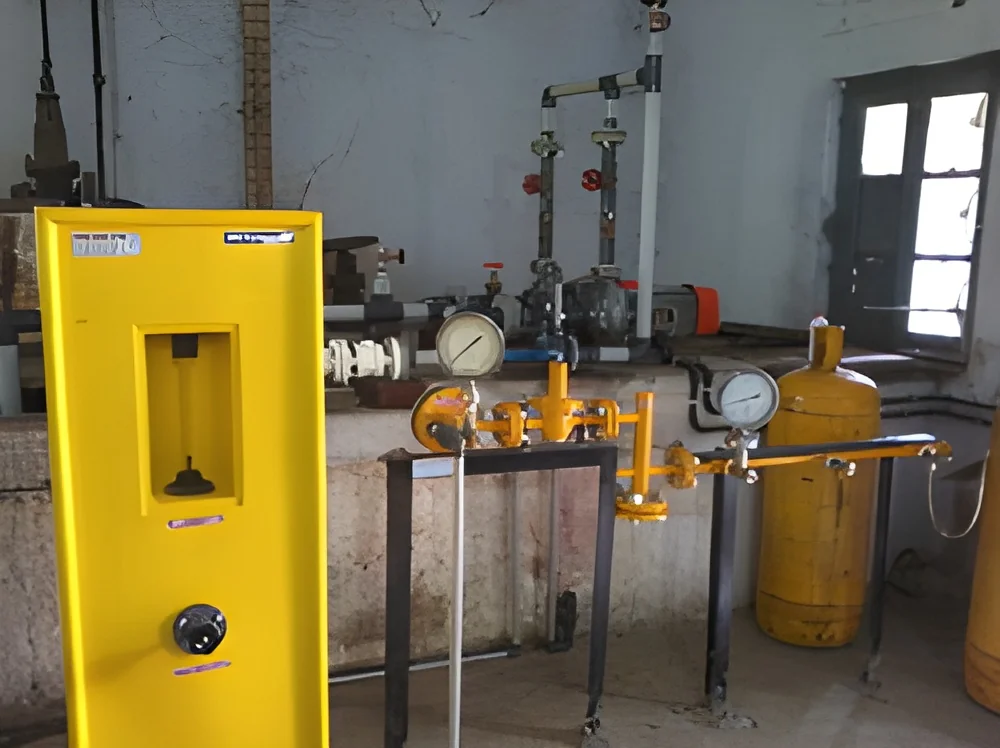
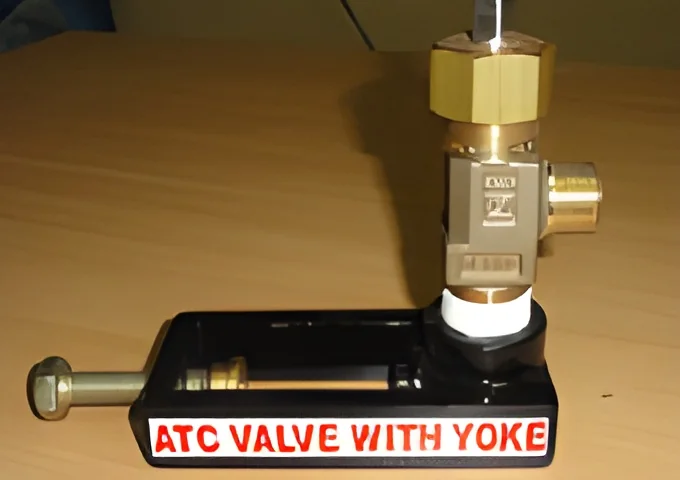
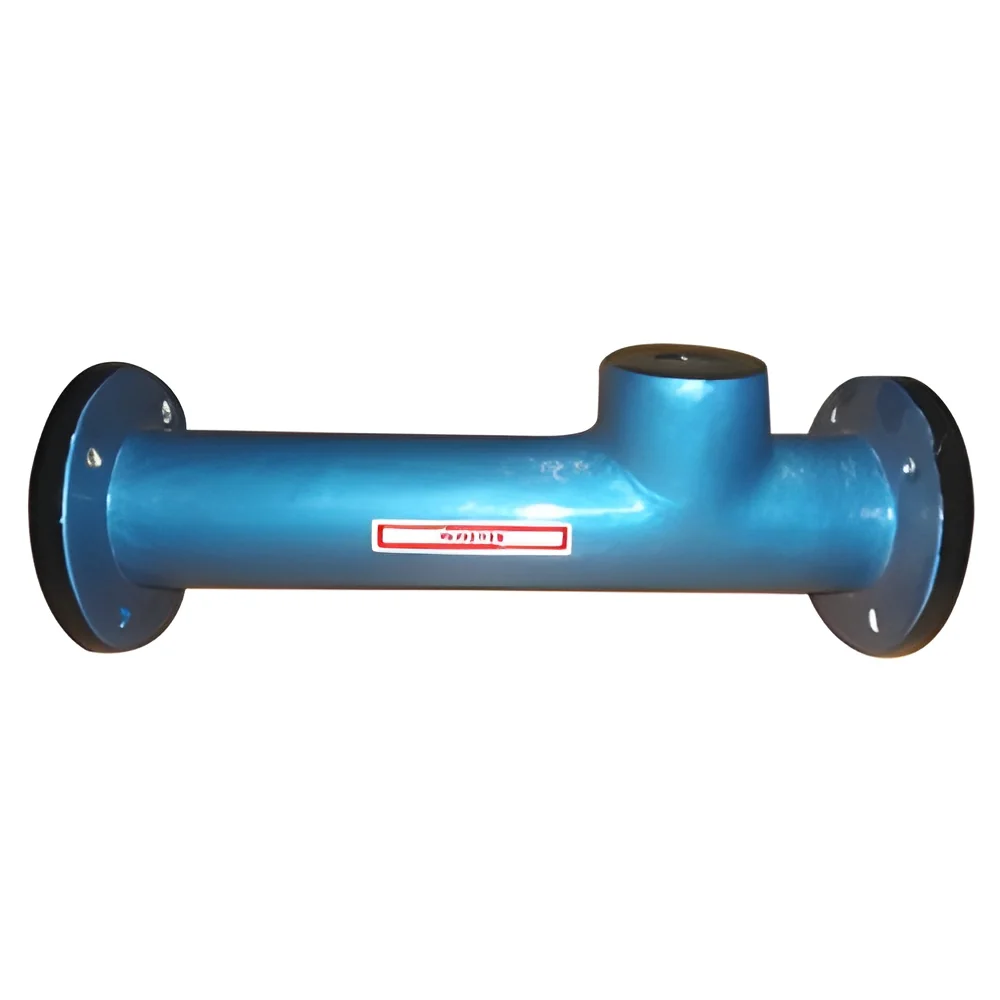
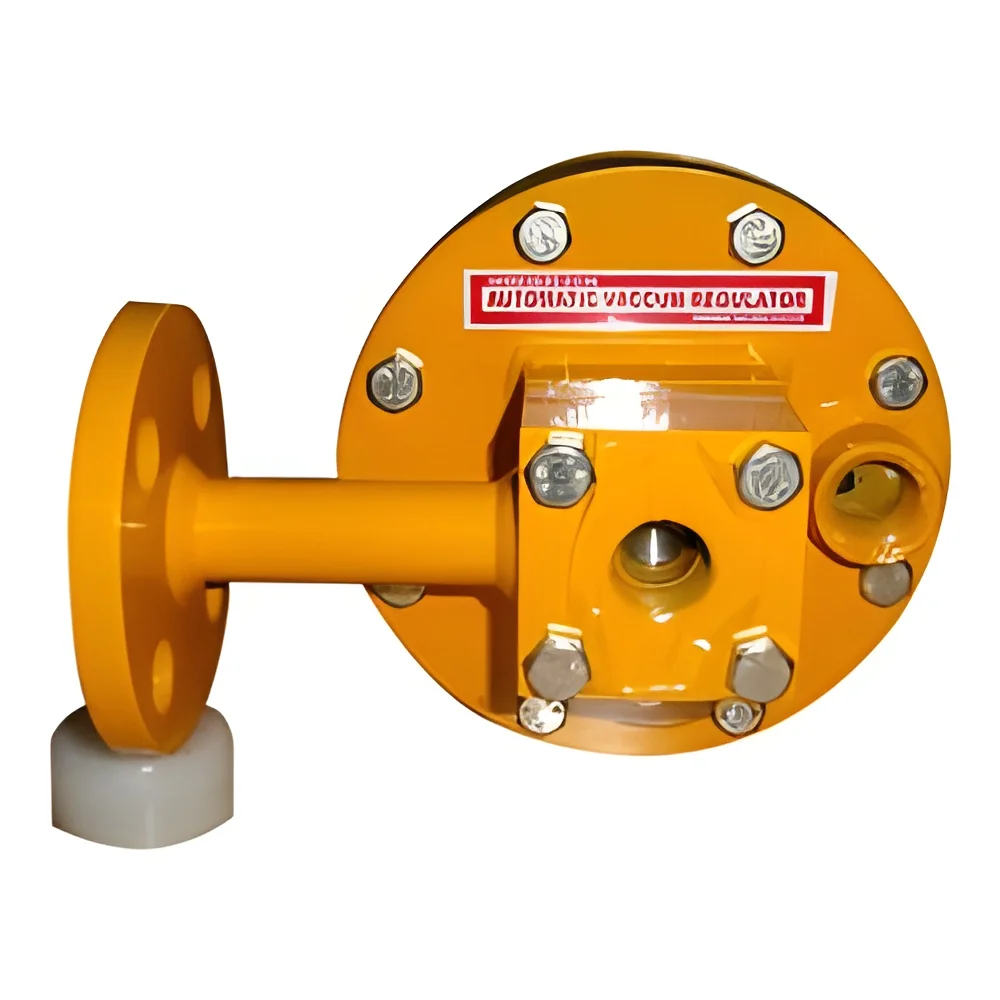
The Automatic Vacuum Regulator represents a critical safety innovation in chlorination technology, specifically engineered to prevent hazardous chlorine gas releases. This precision device operates on a simple yet effective principle: it remains closed under positive pressure and opens only when sufficient vacuum is present in the system. This fundamental operation ensures that chlorine gas cannot flow to the injector unless proper vacuum conditions are maintained, creating an inherently safe design that protects both personnel and equipment. The AVR's reliability stems from its robust construction and precise engineering, making it an indispensable component in any chlorine gas handling system where safety cannot be compromised.

Water treatment industries constitute the primary application for Automatic Vacuum Regulators, with municipal water plants, wastewater treatment facilities, and industrial disinfection systems representing core users. These regulators find essential usage in ...
The Automatic Vacuum Regulator represents a critical safety innovation in chlorination technology, specifically engineered to prevent hazardous chlorine gas releases. This precision device operates on a simple yet effective principle: it remains closed under positive pressure and opens only when sufficient vacuum is present in the system. This fundamental operation ensures that chlorine gas cannot flow to the injector unless proper vacuum conditions are maintained, creating an inherently safe design that protects both personnel and equipment. The AVR's reliability stems from its robust construction and precise engineering, making it an indispensable component in any chlorine gas handling system where safety cannot be compromised.

Water treatment industries constitute the primary application for Automatic Vacuum Regulators, with municipal water plants, wastewater treatment facilities, and industrial disinfection systems representing core users. These regulators find essential usage in swimming pool complexes, food processing plants, and pharmaceutical manufacturing facilities where water purity is paramount. The manufacturing sector utilizes AVRs in cooling tower treatment systems, while the oil and gas industry employs them in process water treatment. Across these diverse applications, the common thread remains the critical need for failsafe protection against accidental chlorine gas release during system upsets or equipment failures.

The business value of implementing Automatic Vacuum Regulators extends beyond basic safety compliance to encompass significant operational reliability and risk mitigation benefits. These devices provide foolproof protection against potentially catastrophic chlorine gas leaks, reducing liability exposure and insurance costs while ensuring regulatory compliance. Their robust construction minimizes maintenance requirements and downtime, delivering long-term cost savings through reduced service interventions. The reliability and quality ensure perfect integration with existing chlorination systems, ensuring optimal performance without requiring extensive system modifications. This combination of safety assurance, operational reliability, and compliance management makes AVRs a smart investment for any facility handling chlorine-based disinfection systems.

Key Features:
- Precision vacuum-activated operation ensures maximum safety
- Robust construction withstands demanding industrial environments
- Fail-safe design prevents chlorine gas release during vacuum loss
- Compatible with various chlorinator models and systems
- Durable materials ensure long service life and reliability

Benefits:
- Prevents hazardous chlorine gas leaks and exposure risks
- Ensures regulatory compliance and safety standards adherence
- Reduces maintenance costs and system downtime
- Provides reliable performance in demanding conditions
- Enhances overall system safety and operational confidence
Specifications
| Additional Information | |
|---|---|
| Country of Origin | India |
Application
The Automatic Vacuum Regulator serves as the primary safety mechanism in water treatment chlorination systems. It automatically shuts off chlorine gas flow when vacuum pressure drops below safe operating thresholds, preventing hazardous leaks during system irregularities or failures. This failsafe operation is vital for maintaining safe working environments in facilities handling toxic gases.
Industries relying on water disinfection utilize AVRs across municipal water plants, industrial wastewater treatment facilities, and swimming pool complexes. These regulators provide essential protection against chlorine gas exposure during operational anomalies such as pump failures, pipe ruptures, or flow interruptions. Their robust design ensures continuous protection in demanding environments where safety cannot be compromised.
- Municipal water treatment plants for safe chlorine gas control
- Industrial wastewater disinfection systems preventing toxic leaks
- Swimming pool chlorination facilities ensuring public safety
- Food processing plants utilizing water disinfection processes
- Pharmaceutical manufacturing requiring pure water treatment
Trade Details
| Available Stock | In Stock |
| Sample Availability | No |
Payment Terms
| Payment Terms |
|
Company Profile

Chennai Chloro System, Tamil Nadu
 Tamil Nadu, India
Tamil Nadu, IndiaManufacturer•Distributor / Wholesaler
Factory Details
Factory SizeBelow 1000 sqm
Annual Production Capacity0
Water Treatment Automatic Vacuum Regulator For Chlorination Safety
Automatic Vacuum Regulator for chlorination safety prevents hazardous chlorine gas release by closing under pressure and opening only under vacuum, ensuring operational safety and regulatory compliance in water treatment systems.
Min. Order Quantity: 1 unit
Shipping
Shipping fee and delivery date to be negotiated. Contact supplier now for more details.
Chennai Chloro System
 Tamil Nadu, India
Tamil Nadu, IndiaManufacturer