
 IN
Water Softeners (Residential, Industrial)
142 products available
Key Features and Specifications
Water softeners come equipped with several important features that enhance their functionality and efficiency. Understanding these specifications helps buyers make informed decisions.
Key specifications include:
1. Capacity
- Refers to the volume of water the softener can treat before regeneration is required.
- Typically measured in grains or liters.
2. Flow Rate
- Indicates the amount of softened water available per minute.
- Commonly expressed in gallons per minute (GPM).
3. Regeneration Type
- Describes how the softener replenishes its ion exchange medium.
- Types include time-initiated and demand-initiated regeneration.
4. Salt Efficiency
- Measures how effectively the softener uses salt during the regeneration process.
- Expressed in pounds of salt per thousand grains of hardness.
5. Control Valve Type
- Refers to the mechanism used for controlling water flow and regeneration cycles.
- Options include manual, semi-automatic, and fully automatic valves.
6. Dimensions
- The physical size of the unit, which can impact installation space.
- Usually provided in height, width, and depth measurements.
7. Power Supply
- Indicates whether the unit requires electricity for operation.
- Most modern systems are powered by standard electrical outlets.
8. Warranty
- The manufacturer’s guarantee covering parts and service.
- Typically ranges from one to ten years depending on the model.
These specifications ensure that buyers can select a water softener that meets their specific needs and operational requirements.
Common Applications and Use Cases
Water softeners are versatile systems applicable across a range of industries.
1. Residential: In homes, water softeners improve water quality for drinking, cooking, and laundry. They enhance the performance of soaps and detergents and protect plumbing systems from scale buildup.
2. Manufacturing: In manufacturing processes, softened water is crucial for machinery operation and product quality. It prevents mineral deposits that can disrupt operations and reduce equipment lifespan.
3. Food and Beverage: Water softeners are essential in food and beverage production, where water quality directly affects taste and product consistency. Softened water ensures effective cleaning and sanitization.
4. Hospitality: Hotels and restaurants utilize water softeners to enhance guest experiences. Softened water improves the quality of laundry services and contributes to better tasting beverages.
5. Agriculture: In agricultural settings, water softeners are used for irrigation systems and livestock watering. Softened water promotes healthier plant growth and improves animal health.
6. Healthcare: Hospitals and clinics require high-quality water for various applications, including sterilization and patient care. Water softeners help maintain these standards.
7. HVAC Systems: In heating, ventilation, and air conditioning (HVAC) systems, softened water is used to prevent scale buildup in boilers and cooling towers, ensuring efficient operation.
Product Variants and Subcategories
Water softeners are available in various configurations to meet the diverse needs of users.
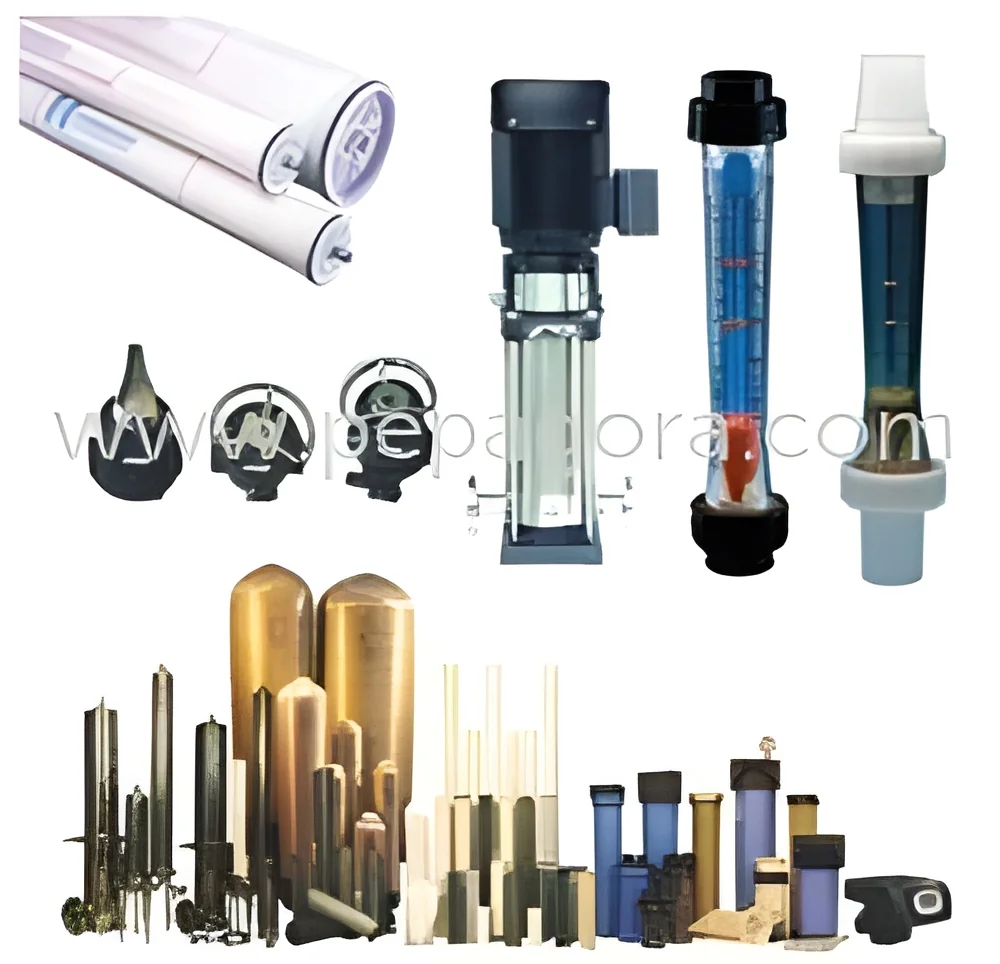
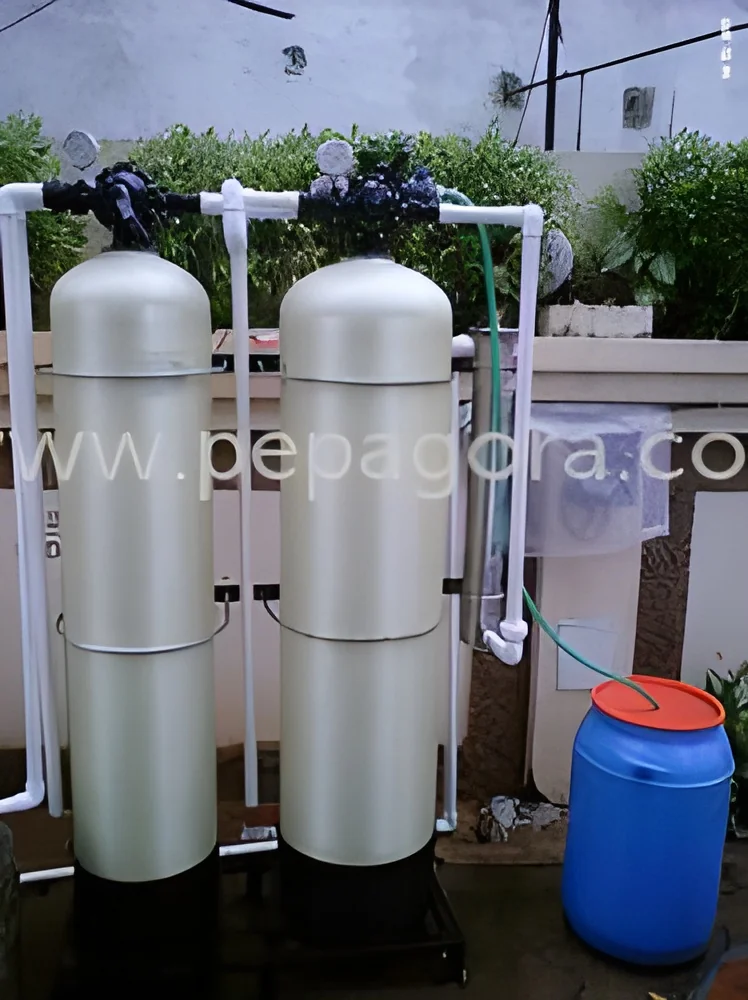
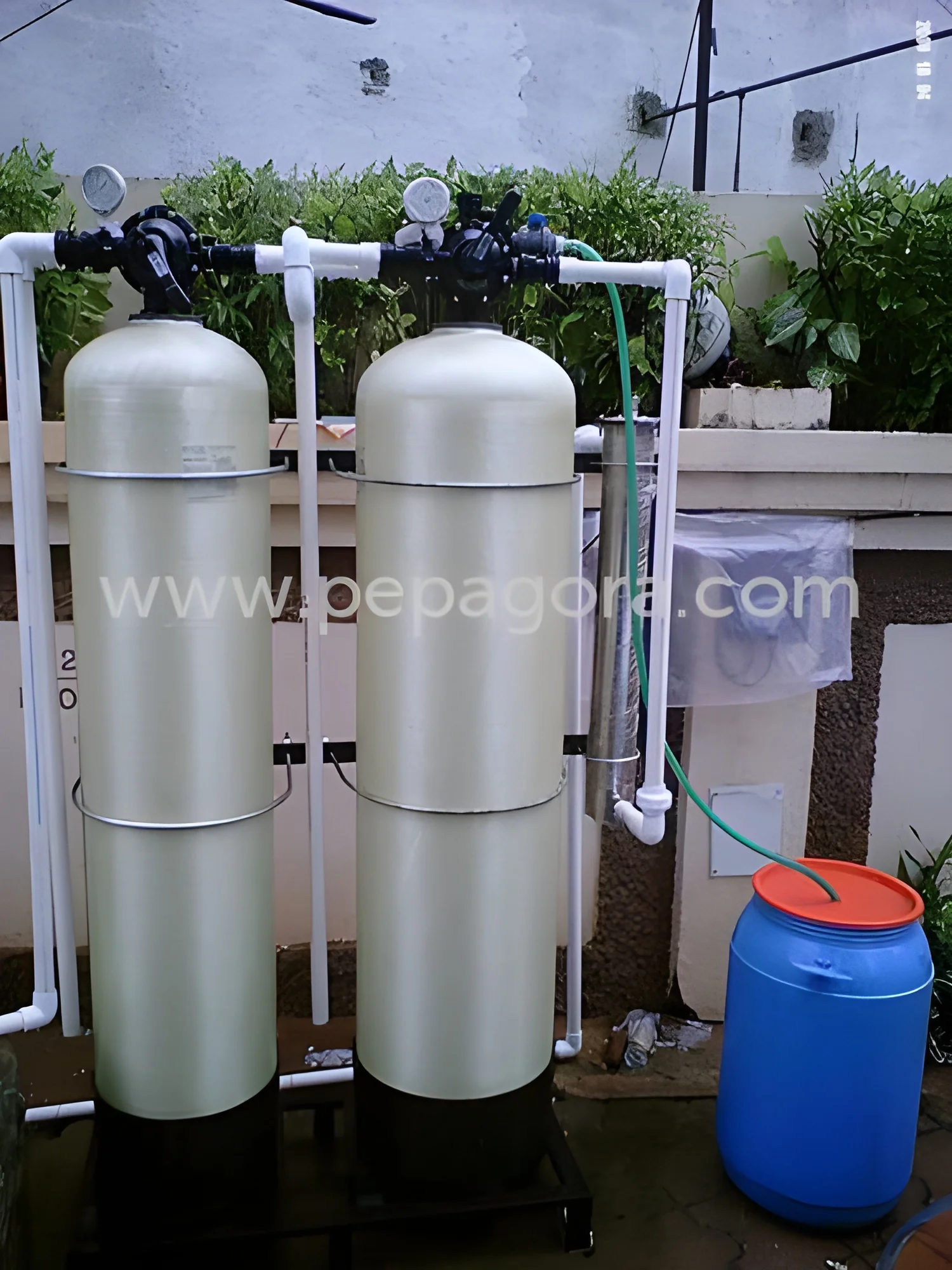
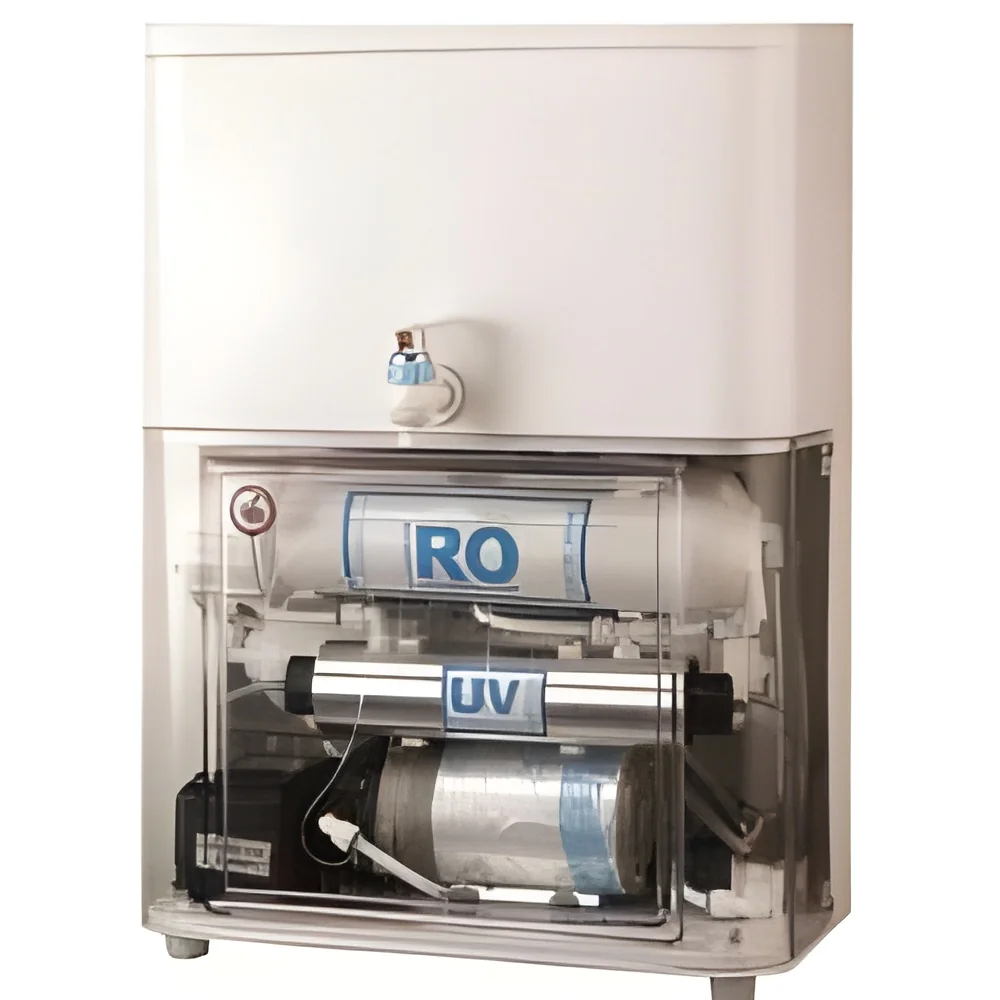
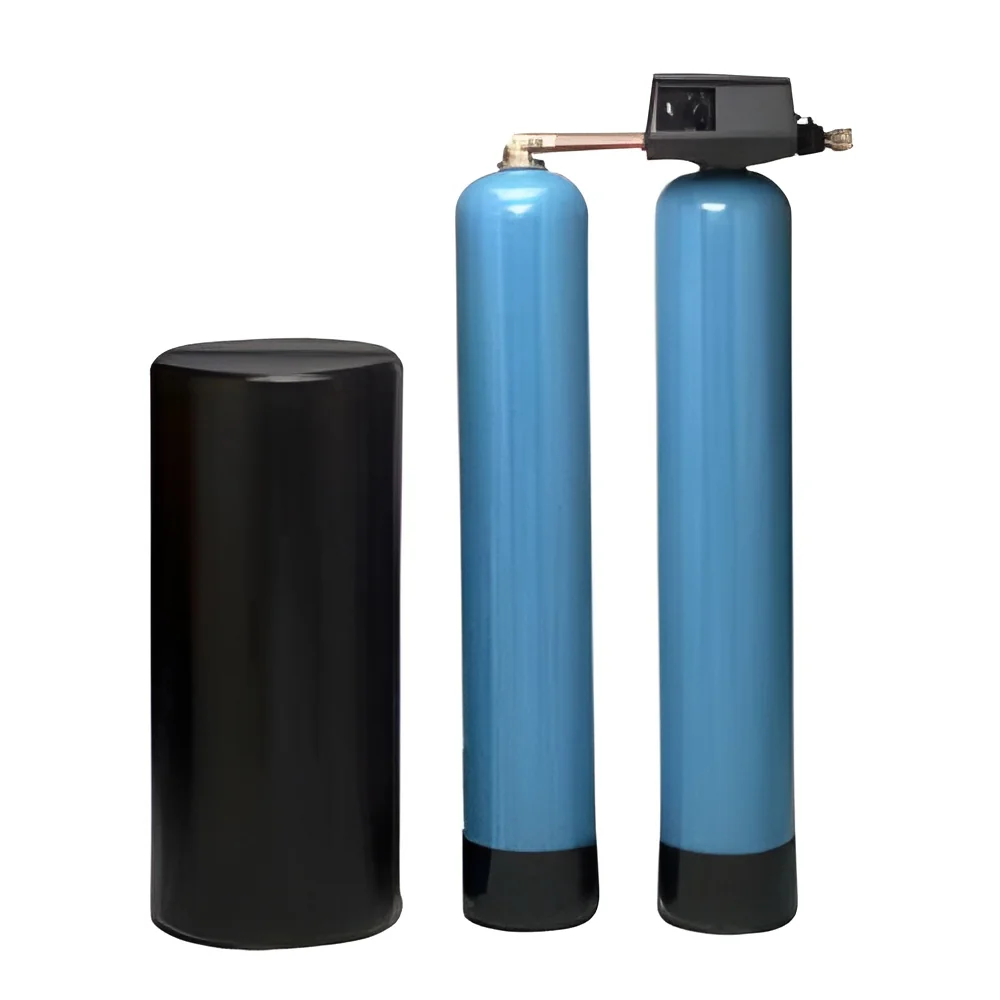
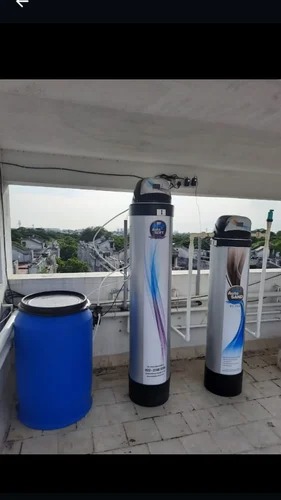
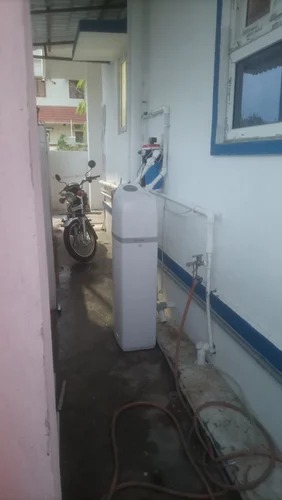
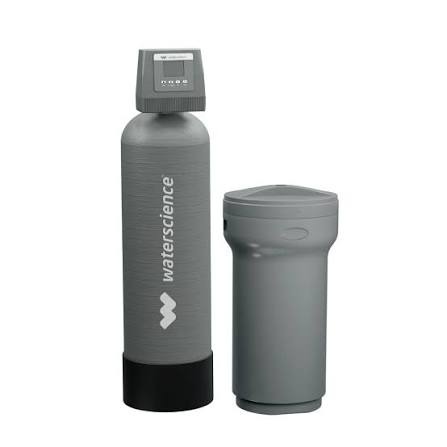
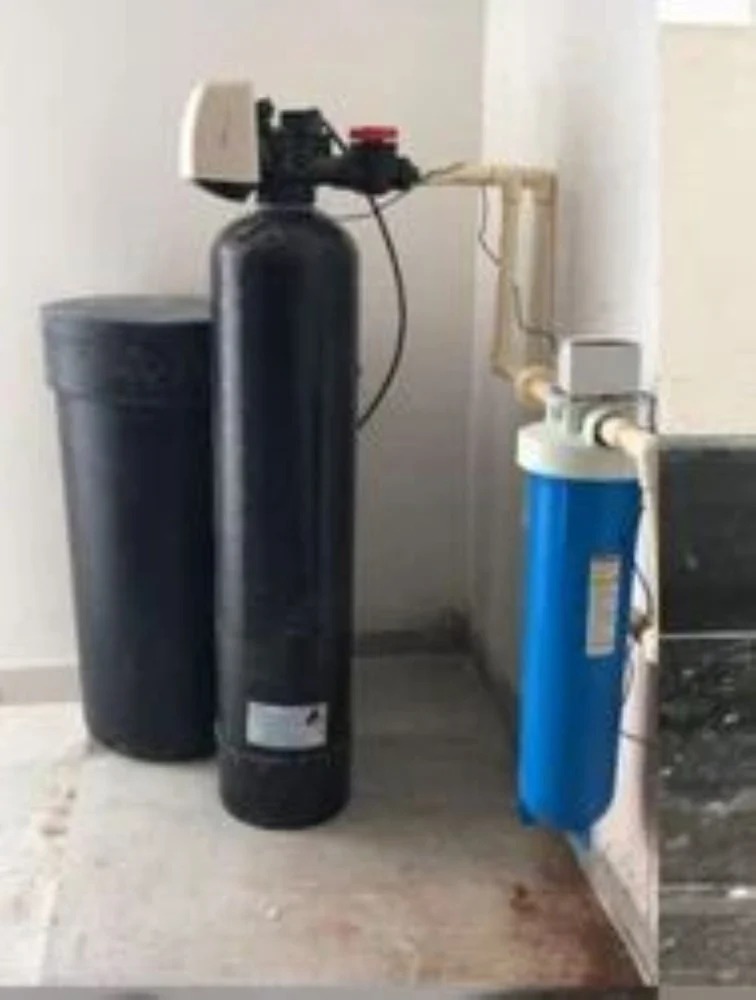
Residential Water Softeners: These units are designed for home use and typically offer compact designs to fit in limited spaces. They often feature advanced control systems for efficient operation.
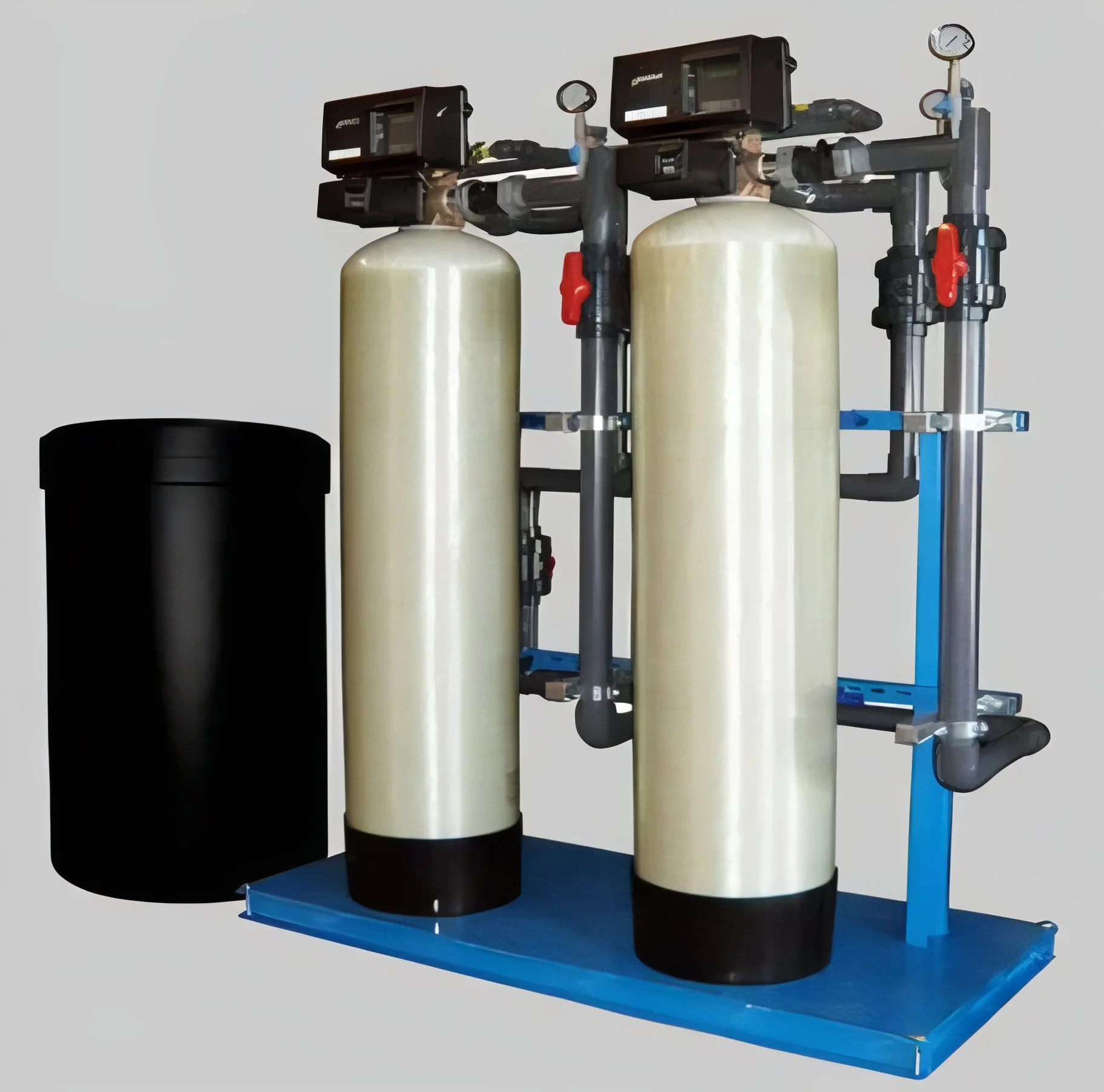
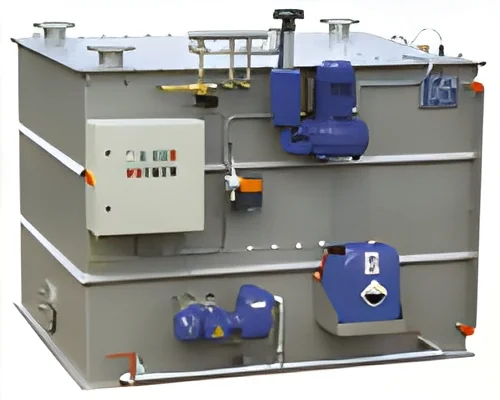
Commercial Water Softeners: Designed for larger applications, these systems can handle higher flow rates and larger capacities. They are suitable for businesses like restaurants and laundries.
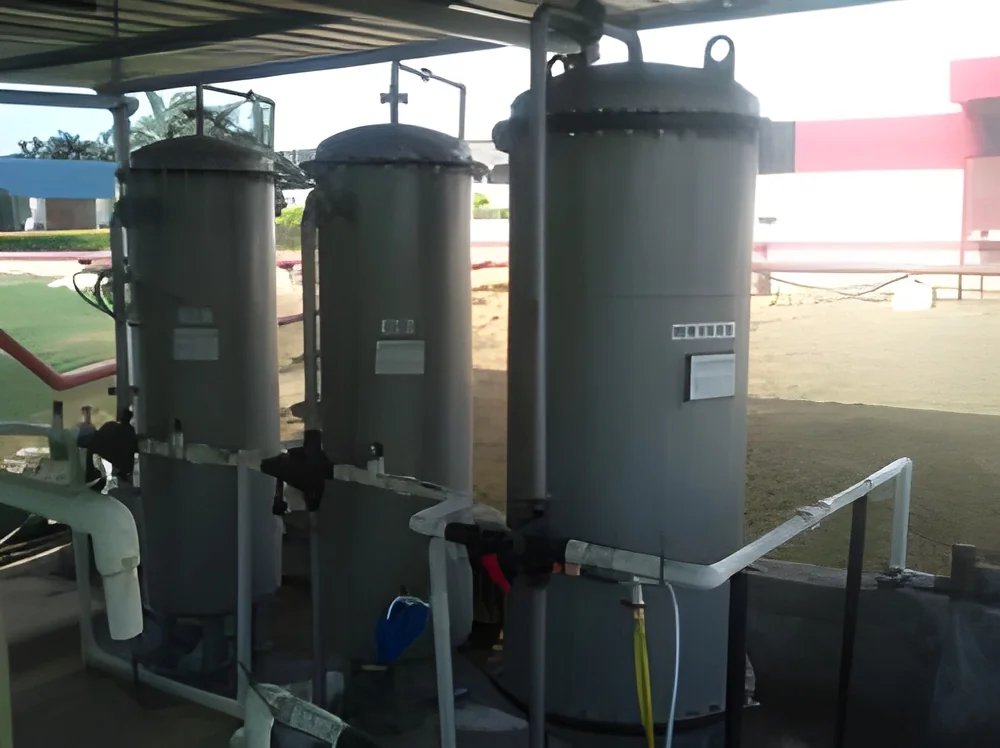
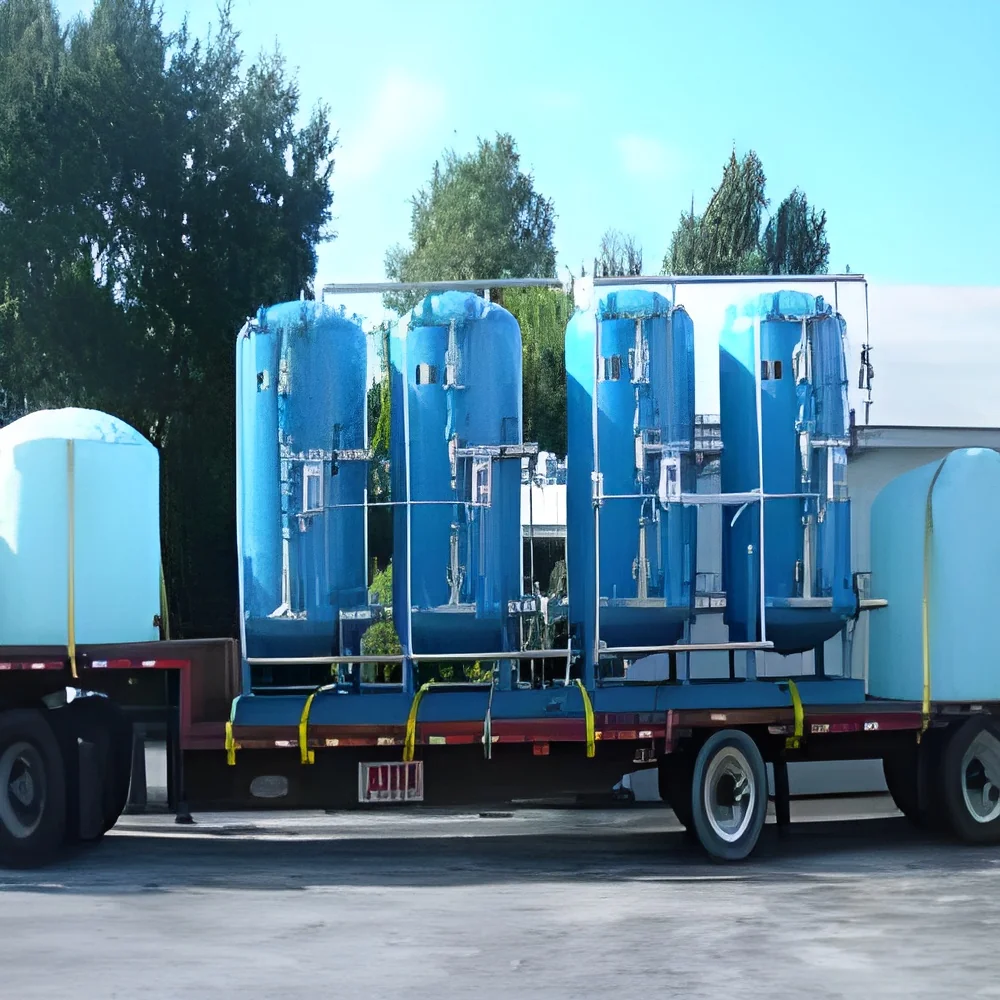
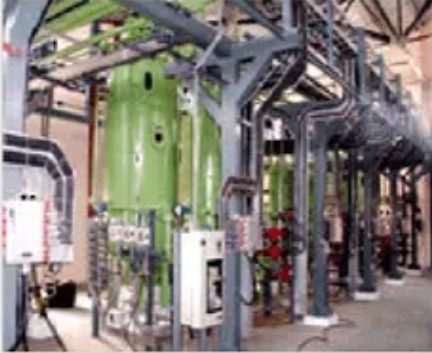
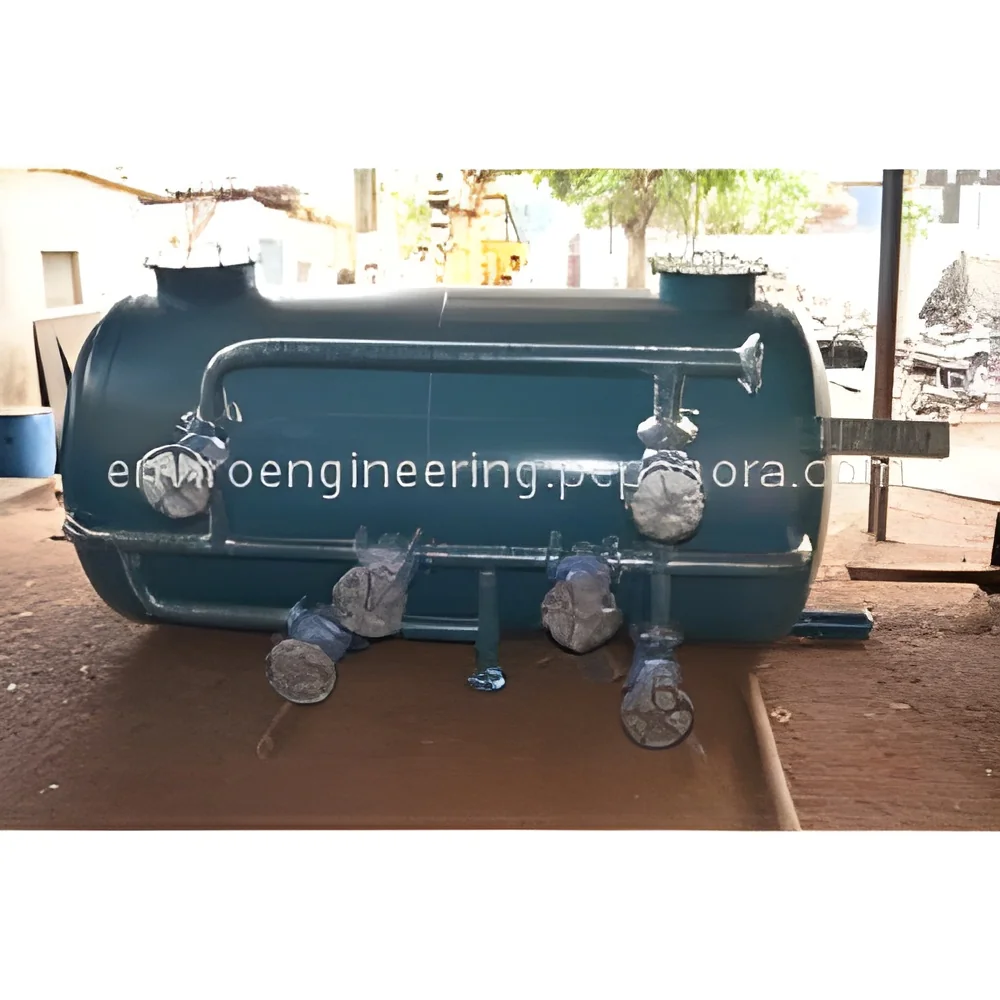
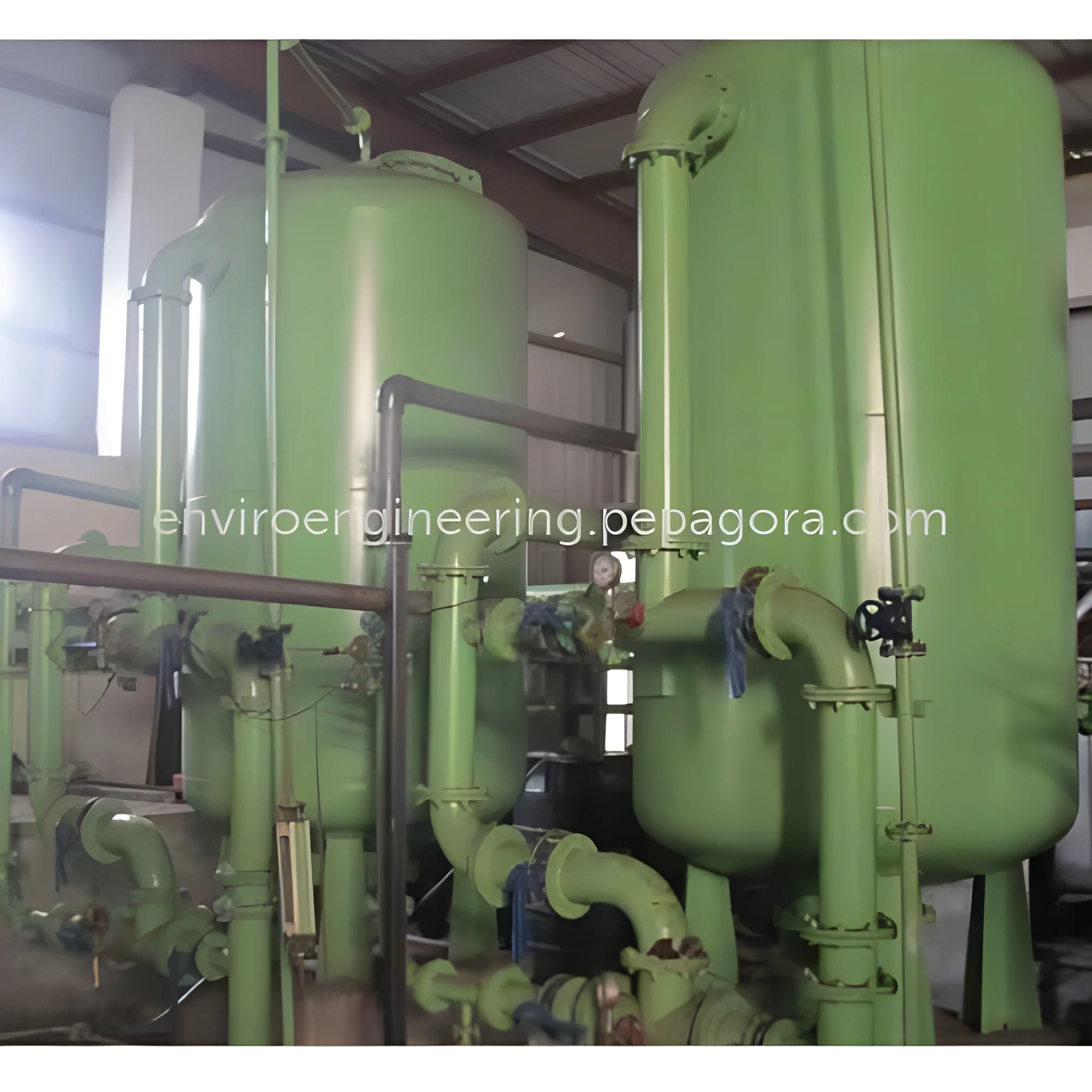
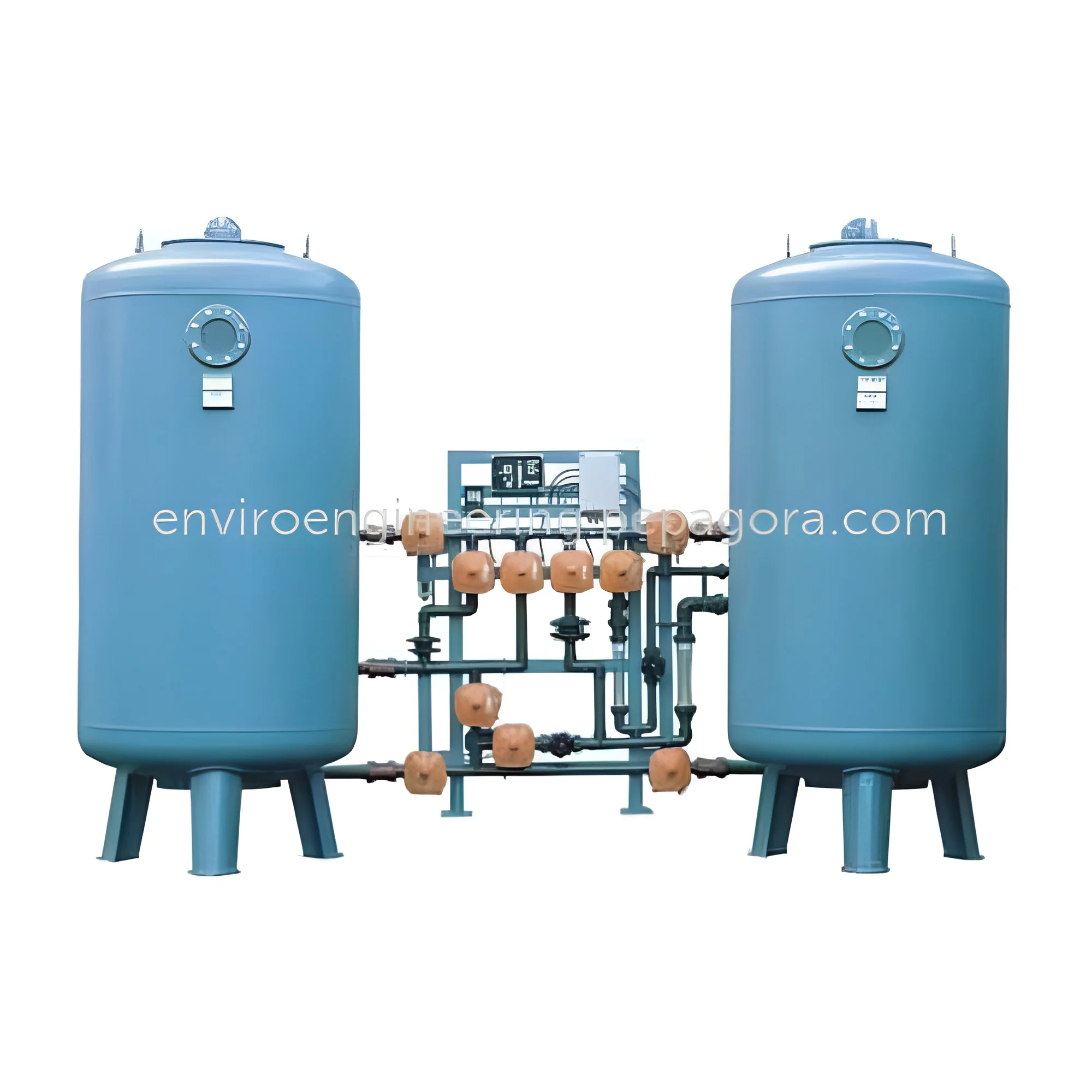
Industrial Water Softeners: These robust systems are built for heavy-duty applications in manufacturing and processing industries. They offer high capacity and rapid regeneration cycles to meet continuous water demands.
Benefits and Advantages
Investing in water softeners offers numerous advantages for both residential and industrial users.
1. Improved Water Quality: Softened water enhances the taste and clarity of drinking water, making it more enjoyable.
2. Reduced Scale Buildup: Water softeners help prevent mineral deposits in pipes and appliances, increasing their efficiency and lifespan.
3. Increased Energy Efficiency: Softened water allows appliances to operate more effectively, leading to reduced energy consumption.
4. Enhanced Soap Performance: Softened water improves the effectiveness of soaps and detergents, resulting in cleaner dishes, clothes, and surfaces.
5. Lower Maintenance Costs: By reducing scale buildup, water softeners can lead to lower maintenance and repair costs for plumbing and appliances.
6. Better Skin and Hair: Softened water is gentler on skin and hair, making it beneficial for personal care and hygiene.
Buying Guide for B2B Buyers
When sourcing water softeners for residential or industrial use, several factors should be considered to ensure the best choice.
1. Quality Assessment: Evaluate the quality standards of the water softeners, including certifications like CE. Look for products with proven reliability and durability.
2. Supplier Verification: Vet suppliers thoroughly to ensure they are reputable and provide quality products. Check reviews and ask for references from other businesses.
3. Pricing and MOQ: Consider the pricing structure and minimum order quantities. Ensure that the costs align with your budget while providing value for the investment.
4. Delivery and Lead Times: Confirm the expected delivery times and logistics arrangements. Timely delivery is crucial for minimizing disruptions in operations.
5. Compliance Requirements: Ensure that the water softeners meet local and regional compliance standards. Understanding these regulations will help avoid potential legal issues.
Compliance and Certifications
Compliance and certifications are critical aspects when evaluating water softeners. Adhering to recognized quality standards ensures that products meet safety and performance requirements.
ISO 9001 is a widely recognized quality management standard applicable to manufacturing processes. Companies that comply with ISO 9001 demonstrate their commitment to quality assurance and continuous improvement.
The CE mark indicates conformity with European health, safety, and environmental protection standards. Products bearing the CE mark are deemed safe for use in the European market.
Safety and testing requirements for water softeners also encompass performance evaluations, ensuring that the systems function as intended. Regional compliance may vary based on local regulations, making it vital to understand specific requirements in different markets.
Why Source Water Softeners (Residential, Industrial) from Pepagora?
Pepagora provides a trusted platform for sourcing water softeners, offering several key advantages.
Verified Supplier Network: Pepagora ensures that all suppliers undergo rigorous verification processes. This guarantees that buyers are connected with reliable manufacturers and distributors.
Streamlined RFQ Process: The request for quotation (RFQ) system allows buyers to easily compare multiple offers, simplifying the decision-making process.
Trade Assurance and Support: Pepagora offers trade assurance, protecting buyers from potential issues during transactions. Their support team is available to assist with any inquiries or challenges.
Regional Coverage: Pepagora's reach extends across India, the GCC, and Southeast Asia, providing access to a wide range of suppliers and products. This geographic diversity allows businesses to find the right solutions tailored to their local needs.

Frequently Asked Questions
What are Water Softeners (Residential, Industrial)?
Water softeners are devices designed to remove hardness-causing minerals, primarily calcium and magnesium, from water. They are used in both residential and industrial settings to improve water quality, enhance the efficiency of appliances, and prevent scale buildup in plumbing.
What are the different types of Water Softeners (Residential, Industrial)?
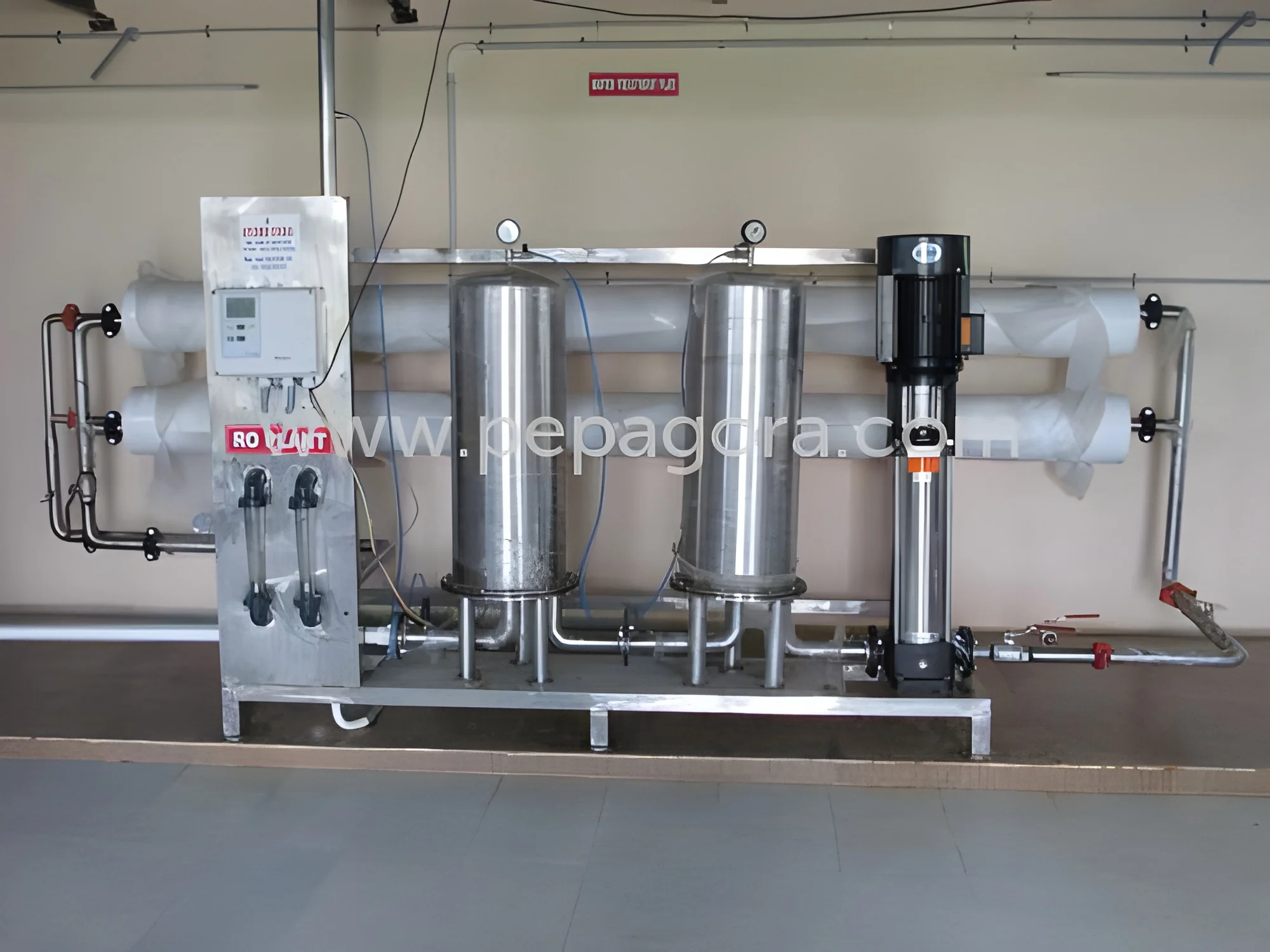
The main types of water softeners include ion exchange softeners, salt-free softeners, and reverse osmosis systems. Ion exchange systems are the most common, using salt to exchange hardness minerals with sodium ions, while salt-free systems use alternative methods to condition water without removing minerals.
How do I choose the right Water Softeners (Residential, Industrial)?
When selecting a water softener, consider factors such as water hardness levels, household size, and water usage patterns. Additionally, evaluate maintenance requirements, space availability, and whether you need a residential or industrial solution.
What are the standard specifications for Water Softeners (Residential, Industrial)?
Standard specifications for water softeners can include flow rate, resin capacity, regeneration type, and tank size. For residential units, flow rates typically range from 5 to 20 gallons per minute, while industrial systems may require higher capacities based on usage demands.
What is the price range for Water Softeners (Residential, Industrial)?
The price of water softeners varies widely based on type and capacity, generally ranging from ₹15,000 to ₹1,50,000 for residential units. Industrial water softeners may cost more, depending on their specifications and required features.
What quality standards apply to Water Softeners (Residential, Industrial)?
Quality standards for water softeners often include compliance with ISO certifications and guidelines set by the Water Quality Association (WQA). These standards ensure the efficiency, safety, and reliability of the products.
Where can I find Water Softeners (Residential, Industrial) suppliers in India?
You can find water softener suppliers in India through online B2B marketplaces like Pepagora, industry trade shows, and local directories. It is advisable to check supplier reviews and product certifications to ensure quality.
Can Water Softeners (Residential, Industrial) be customized?
Yes, many manufacturers offer customization options for water softeners to meet specific needs, such as size, capacity, and additional features. Custom solutions can help address unique water quality challenges faced in different environments.
What is the typical minimum order quantity for Water Softeners (Residential, Industrial)?
The minimum order quantity (MOQ) for water softeners can vary by supplier, but it typically ranges from 1 to 10 units for residential products. Industrial suppliers may have higher MOQs based on project requirements.
What is the typical lead time for Water Softeners (Residential, Industrial)?
The lead time for water softeners generally ranges from 1 to 6 weeks, depending on the type, customization requirements, and supplier capabilities. It's advisable to confirm the lead time with the supplier at the time of purchase.
Why Businesses Trust Pepagora
Thousands of companies trust Pepagora to source smarter and sell faster
Expand Your Sales Globally

Source Smarter,Grow Faster
