
 IN
Waste Heat Recovery Boilers
15 products available
What are Waste Heat Recovery Boilers?
Waste heat recovery boilers are specialized systems designed to capture and utilize waste heat produced during industrial processes. These boilers convert the wasted thermal energy into usable steam or hot water, thereby improving overall energy efficiency. By recovering heat that would otherwise be lost to the environment, these boilers help reduce fuel consumption and lower greenhouse gas emissions.
The primary uses of waste heat recovery boilers include power generation, process heating, and district heating applications. They are commonly found in industries such as manufacturing, petrochemicals, and food processing, where substantial amounts of waste heat are readily available. By integrating waste heat recovery systems, businesses can significantly reduce operational costs while enhancing sustainability practices.
In today's competitive market, energy efficiency has become a critical factor for companies looking to maintain profitability and comply with environmental regulations. The adoption of waste heat recovery technology is increasingly relevant as industries strive to meet stricter emission standards and seek innovative solutions to lower energy expenses. As a result, the market for waste heat recovery boilers is expanding, with advancements in technology driving greater efficiency and performance.
Key Features and Specifications
Waste heat recovery boilers come with a range of features and specifications that enhance their performance and adaptability to various industrial needs. These specifications ensure that the boilers can operate efficiently under different conditions and applications.
Key specifications include:
1. Thermal Efficiency
- High thermal efficiency rates ensure maximum energy recovery.
- Typical efficiency ranges from 70% to 90%.
2. Pressure Rating
- Designed to operate at different pressure levels to suit specific applications.
- Common pressure ratings range from 1 bar to 50 bar.
3. Capacity
- Varies to meet the demands of different industries.
- Capacity options typically range from 500 kg/h to 50,000 kg/h.
4. Fuel Compatibility
- Can utilize a variety of fuel sources, including natural gas, biomass, and oil.
- Enables flexibility in energy sourcing based on availability and cost.
5. Construction Material
- Built with durable materials to withstand high temperatures and corrosive environments.
- Common materials include carbon steel and stainless steel.
6. Control Systems
- Advanced control systems for optimal operation and monitoring.
- Features may include automated controls and remote monitoring capabilities.
7. Emission Control
- Integrated systems to reduce emissions and comply with environmental regulations.
- May include flue gas treatment technologies.
8. Compact Design
- Space-saving designs allow for easier installation in tight spaces.
- Modular options available for versatility.
In summary, the specifications of waste heat recovery boilers highlight their efficiency, adaptability, and suitability for various industrial applications. These features play a crucial role in helping businesses maximize energy recovery and minimize environmental impact.
Common Applications and Use Cases
Waste heat recovery boilers are utilized across a diverse range of industries, demonstrating their versatility and effectiveness in improving energy efficiency.
1. Manufacturing: In manufacturing settings, waste heat recovery boilers capture heat from processes like metal production and glass manufacturing. This heat can be reused for space heating or power generation.
2. Petrochemicals: The petrochemical industry generates significant waste heat during the production of chemicals and fuels. Waste heat recovery boilers help convert this energy into steam for further processing.
3. Food Processing: In food processing plants, boilers recover heat from cooking and drying processes. This recovered heat can be used to provide hot water or steam for various applications.
4. Power Generation: Power plants often utilize waste heat recovery boilers to enhance the efficiency of their operations. By capturing exhaust heat, these boilers can produce additional electricity.
5. Cement Production: Cement manufacturing involves high-temperature processes that generate substantial waste heat. Recovery boilers can utilize this heat to improve energy efficiency in the production cycle.
6. Pulp and Paper: The pulp and paper industry can benefit from waste heat recovery by using excess heat from production processes to generate steam for drying and other operational needs.
7. Pharmaceuticals: In pharmaceutical manufacturing, consistency in temperature is crucial. Waste heat recovery boilers provide a reliable source of heat for various production processes.
Product Variants and Subcategories
Waste heat recovery boilers come in various designs to meet the unique needs of different industries. Each variant offers specific features suited to particular applications.
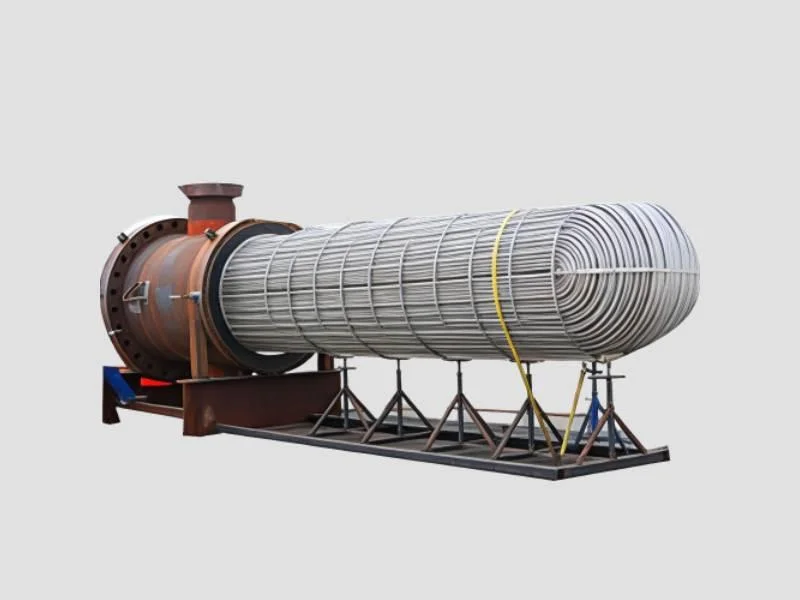
Fire Tube Boilers: These boilers utilize a fire tube design where hot gases pass through tubes submerged in water. They are ideal for low-pressure applications and are commonly used in smaller facilities.
Water Tube Boilers: In this design, water circulates through tubes heated by the combustion gases. Water tube boilers are suited for high-pressure applications and can handle larger capacities, making them ideal for industrial plants.
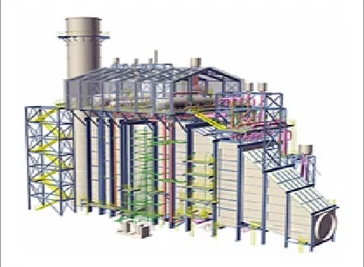
Heat Recovery Steam Generators (HRSG): HRSG units are designed to capture exhaust heat from gas turbines. They are widely used in combined cycle power plants to maximize energy efficiency.
Modular Boilers: These compact units are designed for easy installation and scalability. They are suitable for facilities looking to optimize energy recovery without extensive modifications.
Benefits and Advantages
Investing in waste heat recovery boilers presents numerous advantages for businesses seeking to enhance energy efficiency and sustainability.
Key benefits include:
1. Cost Savings: By recovering waste heat, businesses can significantly reduce fuel costs and overall energy expenses.
2. Environmental Impact: Utilizing waste heat helps lower greenhouse gas emissions, contributing to a more sustainable operation.
3. Improved Energy Efficiency: Waste heat recovery boilers enhance the overall energy efficiency of industrial processes, leading to better resource utilization.
4. Increased Productivity: By providing a reliable source of heat or steam, these boilers can improve production efficiency and operational reliability.
5. Compliance with Regulations: Implementing waste heat recovery systems can assist companies in meeting environmental regulations and reducing carbon footprints.
6. Enhanced System Longevity: Waste heat recovery systems can lead to lower operating temperatures, thereby extending the lifespan of equipment and reducing maintenance costs.
Buying Guide for B2B Buyers
When sourcing waste heat recovery boilers, several critical factors should be considered to ensure the right choice for your business.
1. Quality Assessment: Evaluate the quality of materials and construction standards. Look for certifications that indicate adherence to industry standards.
2. Supplier Verification: Vet suppliers thoroughly to ensure they have a reliable track record and can provide adequate support and service.
3. Pricing and MOQ: Understand the price range for different boiler types and inquire about minimum order quantities (MOQ) to plan your budget effectively.
4. Delivery and Lead Times: Consider logistics and timelines for delivery, as these can impact your project schedules. Confirm lead times with suppliers.
5. Compliance Requirements: Ensure that the chosen boilers meet relevant compliance and safety standards to avoid legal issues and ensure operational safety.
Compliance and Certifications
Waste heat recovery boilers must adhere to various compliance and certification standards to ensure safety, quality, and environmental responsibility.
Relevant quality standards include ISO 9001, which focuses on quality management systems, ensuring that manufacturers maintain high quality in their production processes. Other standards may include HACCP and GDP, which are vital for industries like food processing and pharmaceuticals.
Industry certifications such as CE mark indicate that the products meet European Union safety, health, and environmental protection standards. This certification is crucial for international trade and market acceptance.
Safety and testing requirements are also paramount. Boilers must undergo rigorous testing to ensure they operate safely under specified conditions. Factors such as pressure, temperature, and emissions are closely monitored.
Additionally, regional compliance considerations may vary. It is essential to understand local regulations that may impact boiler operation, installation, and maintenance.
Why Source Waste Heat Recovery Boilers from Pepagora?
Pepagora provides a trusted platform for sourcing waste heat recovery boilers, offering several key advantages to businesses.
Verified Supplier Network: Pepagora has established a robust network of verified suppliers, ensuring that buyers have access to high-quality products. This network simplifies the vetting process and enhances trust in the sourcing process.
Streamlined RFQ Process: The platform features a user-friendly Request for Quotation (RFQ) system that allows buyers to easily solicit quotes from multiple suppliers. This streamlining helps businesses compare options efficiently.
Trade Assurance and Support: Buyers benefit from trade assurance measures that protect their investments. Pepagora offers support throughout the purchasing process, ensuring a smooth experience.
Regional Coverage: With a focus on regions like India, the Gulf Cooperation Council (GCC), and Southeast Asia, Pepagora provides extensive geographic reach. This coverage allows businesses to connect with suppliers that meet their specific needs, enhancing accessibility and convenience.

 India
 India
 India
 India
 India
 India
 India
 India
Frequently Asked Questions
What are Waste Heat Recovery Boilers?
Waste Heat Recovery Boilers are systems designed to capture and utilize waste heat generated from various industrial processes. This heat can be recovered and converted into useful energy, such as steam or hot water, which can then be used for heating or power generation.
What are the different types of Waste Heat Recovery Boilers?
There are several types of Waste Heat Recovery Boilers, including economizers, heat recovery steam generators (HRSG), and flue gas boilers. Each type is designed to optimize heat recovery from different sources, such as exhaust gases or process fluids.
How do I choose the right Waste Heat Recovery Boilers?
To choose the right Waste Heat Recovery Boiler, consider factors such as the temperature and pressure of the waste heat source, the intended application, and the required efficiency levels. Additionally, evaluating the manufacturer's experience and product specifications can help in making an informed decision.
What are the standard specifications for Waste Heat Recovery Boilers?
Standard specifications for Waste Heat Recovery Boilers typically include design pressure, design temperature, heat recovery efficiency, and material standards. These specifications ensure the boiler operates safely and effectively within the required parameters.
What is the price range for Waste Heat Recovery Boilers?
The price of Waste Heat Recovery Boilers can vary widely based on factors such as size, design complexity, and manufacturer. Generally, prices can range from a few lakhs to several crores of Indian Rupees, depending on the specifications and customization.
What quality standards apply to Waste Heat Recovery Boilers?
Quality standards for Waste Heat Recovery Boilers often include compliance with international standards such as ASME, ISO, and ASTM. Manufacturers may also adhere to specific industry standards that pertain to safety, efficiency, and environmental regulations.
Where can I find Waste Heat Recovery Boilers suppliers in India?
You can find Waste Heat Recovery Boilers suppliers in India through online B2B marketplaces like Pepagora.com, industry trade shows, and directories. It's advisable to compare different suppliers based on their product offerings, experience, and customer reviews.
Can Waste Heat Recovery Boilers be customized?
Yes, many manufacturers offer customization options for Waste Heat Recovery Boilers to meet specific operational needs and efficiency requirements. Customization can involve adjustments in design, size, and additional features to enhance performance.
What is the typical minimum order quantity for Waste Heat Recovery Boilers?
The typical minimum order quantity (MOQ) for Waste Heat Recovery Boilers can vary by manufacturer and product type. Generally, the MOQ may range from one unit for custom designs to larger quantities for standard models.
What is the typical lead time for Waste Heat Recovery Boilers?
The lead time for Waste Heat Recovery Boilers usually depends on factors such as complexity, customization, and supplier capabilities. On average, lead times can range from a few weeks to several months, so it's advisable to confirm with the manufacturer.
Why Businesses Trust Pepagora
Thousands of companies trust Pepagora to source smarter and sell faster
Expand Your Sales Globally

Source Smarter,Grow Faster
