IN
IN₹
Apparel & Fashion
Description
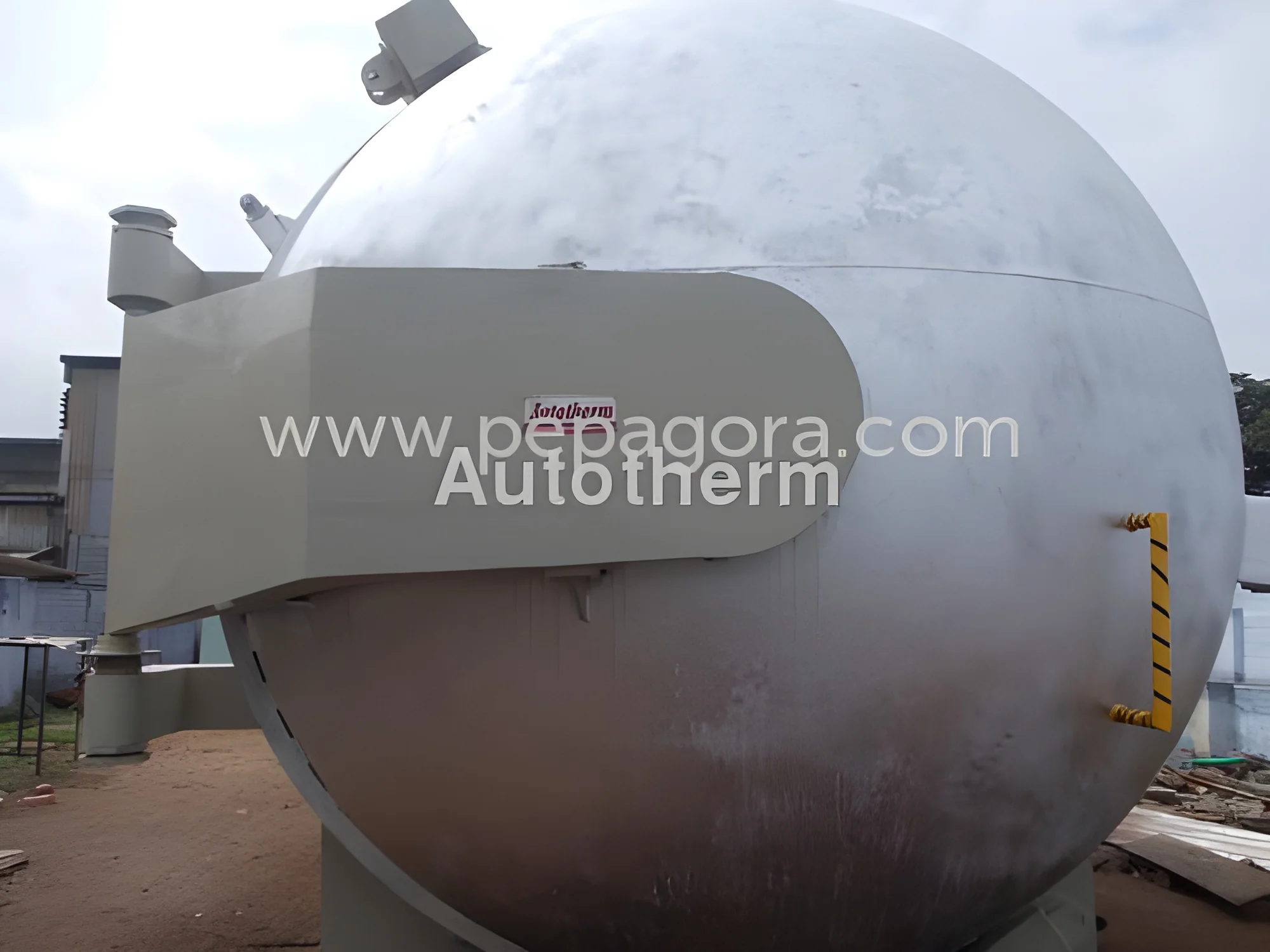
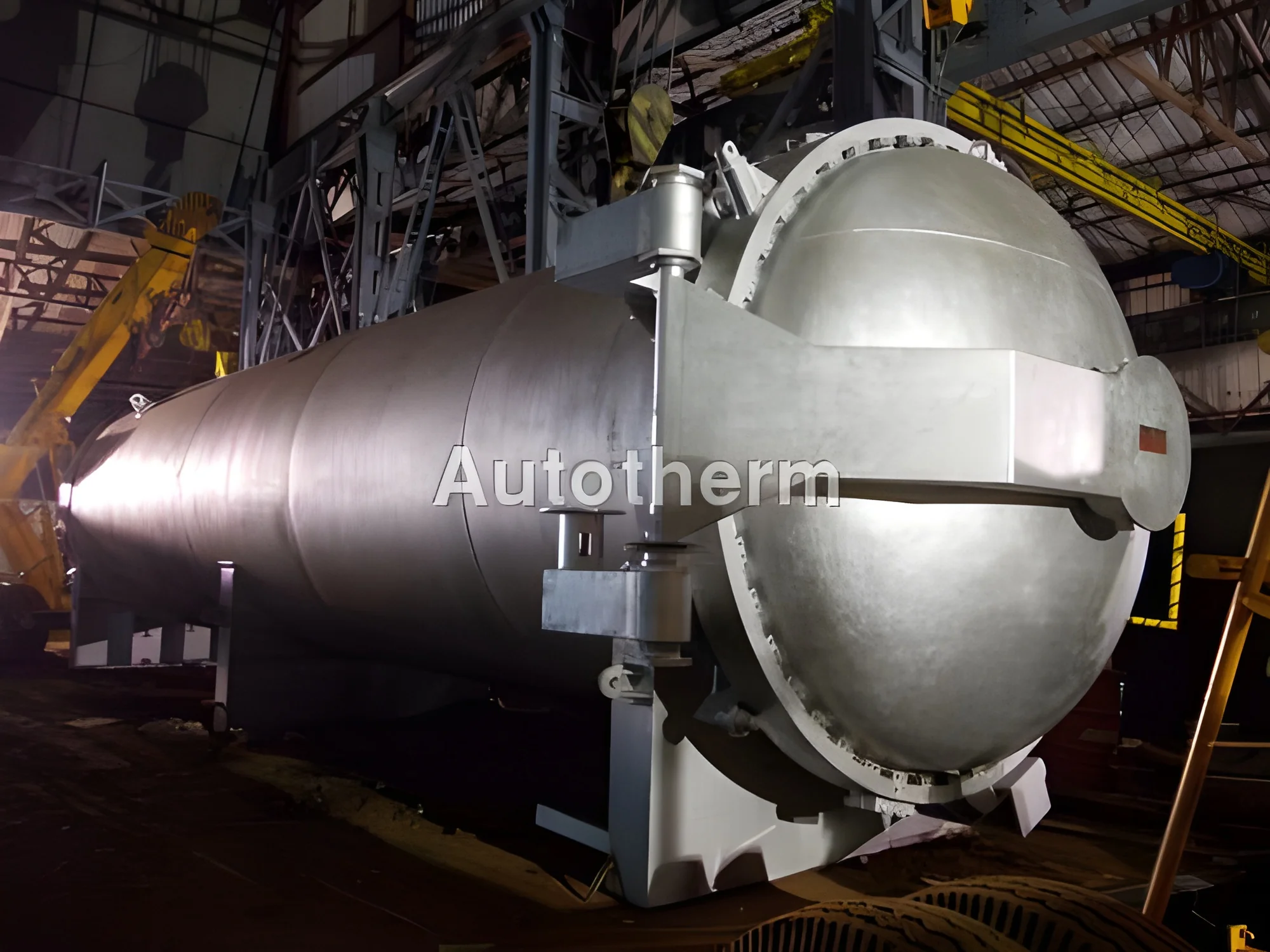
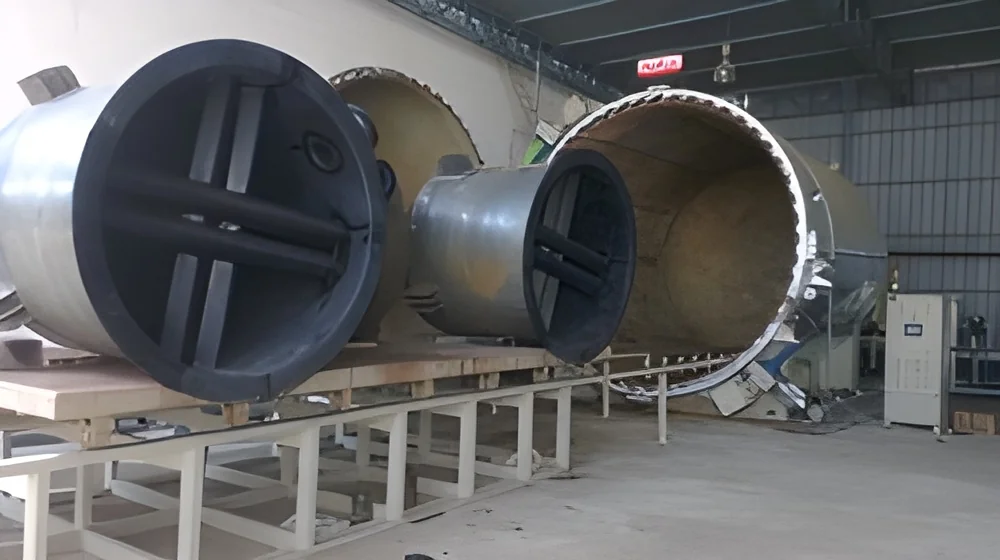
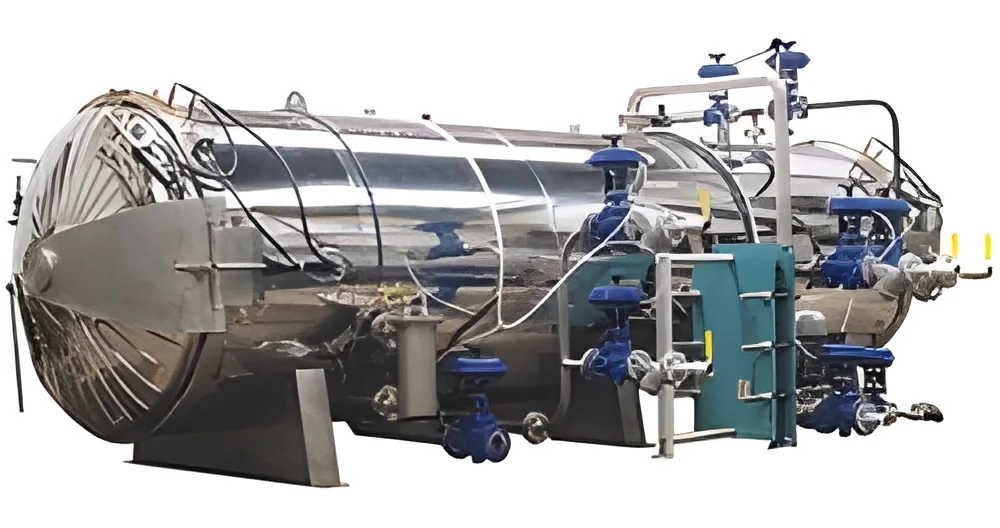
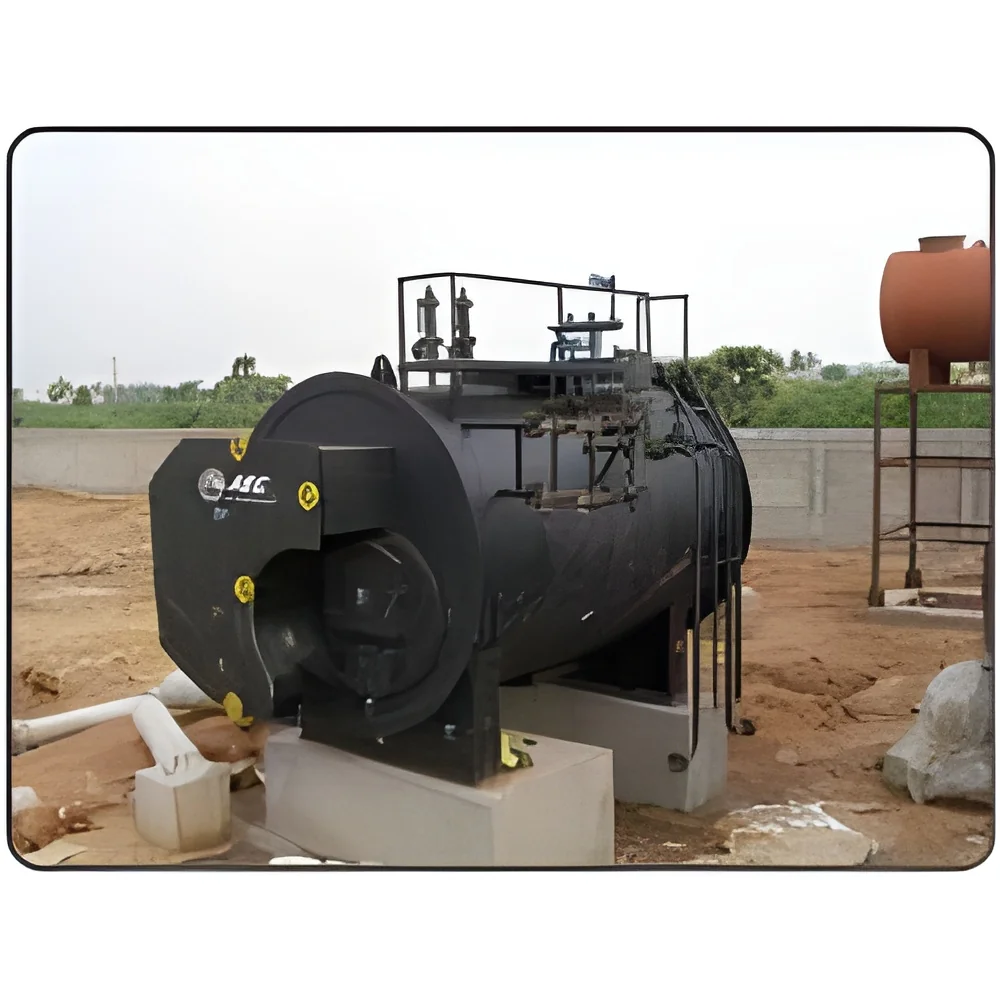
The Industrial Solid Waste Fired 3 Pass Wet Back Boiler represents advanced thermal engineering designed specifically for converting solid waste materials into efficient, reliable energy. This robust system features a three-pass flue gas design that maximizes heat transfer efficiency, ensuring optimal fuel economy from diverse waste streams. The wet back construction enhances operational safety and durability by maintaining lower rear wall temperatures, reducing thermal stress and extending service life. Built with high-quality materials and precision engineering, this boiler delivers consistent performance in demanding industrial environments where waste-to-energy conversion is essential for both economic and environmental objectives. Its design focuses on operational simplicity, maintenance accessibility, and long-term reliability, providing a dependable solution for facilities seeking to transform waste management challenges into energy opportunities.

This boiler serves critical fu...
The Industrial Solid Waste Fired 3 Pass Wet Back Boiler represents advanced thermal engineering designed specifically for converting solid waste materials into efficient, reliable energy. This robust system features a three-pass flue gas design that maximizes heat transfer efficiency, ensuring optimal fuel economy from diverse waste streams. The wet back construction enhances operational safety and durability by maintaining lower rear wall temperatures, reducing thermal stress and extending service life. Built with high-quality materials and precision engineering, this boiler delivers consistent performance in demanding industrial environments where waste-to-energy conversion is essential for both economic and environmental objectives. Its design focuses on operational simplicity, maintenance accessibility, and long-term reliability, providing a dependable solution for facilities seeking to transform waste management challenges into energy opportunities.

This boiler serves critical functions across multiple industrial sectors with substantial solid waste outputs. In manufacturing facilities, it processes production scrap and by-products into process steam for heating and power applications. Food processing plants utilize it to handle agricultural residues, packaging materials, and organic waste while generating essential thermal energy for cooking, sterilization, and cleaning processes. Textile industries employ the system to manage fabric cuttings and textile waste, converting them into heat for dyeing, drying, and finishing operations. Chemical production facilities benefit from safe disposal of industrial by-products with simultaneous energy recovery for reactor heating and distillation. Municipal waste management operations implement these boilers for waste-to-energy projects, reducing landfill volumes while producing steam for district heating or electricity generation, demonstrating versatility across public and private sector applications.

The business value of this industrial boiler centers on its proven reliability, operational efficiency, and significant cost-reduction capabilities. By utilizing available waste materials as primary fuel, facilities dramatically lower disposal expenses and reduce dependence on purchased fuels, creating substantial operational savings. The system's sturdy construction and intelligent design minimize downtime through accessible maintenance points and durable components, ensuring continuous operation and strong return on investment. Its engineering excellence provides consistent performance across varying waste compositions, delivering predictable energy output for planning and budgeting purposes. Organizations benefit from enhanced sustainability profiles and regulatory compliance through reduced environmental impact, while gaining energy independence through on-site generation from waste resources that would otherwise represent disposal costs.

Key Features:
- Three-pass flue gas design maximizes heat transfer efficiency and fuel economy from solid waste combustion
- Wet back construction enhances safety with lower rear wall temperatures and improves durability
- Robust construction using high-quality materials ensures long service life in demanding industrial environments
- Efficient combustion system handles diverse solid waste materials with consistent performance
- Designed for operational reliability with accessible maintenance points and durable components

Benefits:
- Significant reduction in waste disposal costs by converting by-products into valuable thermal energy
- Lower operational expenses through decreased dependence on external fuel sources
- Enhanced sustainability profile by minimizing landfill contributions and environmental impact
- Reliable performance ensures consistent energy supply for critical industrial processes
- Strong return on investment through fuel savings, disposal cost reduction, and extended equipment life
Specifications
| Additional Information | |
|---|---|
| Country of Origin | India |
Application
This industrial boiler is engineered for continuous operations where waste disposal and energy recovery are critical priorities. Its three-pass wet back design ensures exceptional heat transfer efficiency and operational reliability, making it suitable for processes demanding consistent thermal energy from various solid waste materials. The system handles diverse waste streams while maintaining high combustion efficiency and meeting environmental standards, providing a practical solution for reducing disposal costs and generating usable energy.
Industries benefit from its robust performance across manufacturing, processing, and municipal sectors. The boiler's design allows integration into existing waste management workflows, converting by-products into valuable thermal resources. This supports operational sustainability by lowering external fuel dependency and minimizing landfill contributions, making it a strategic asset for facilities managing substantial solid waste volumes.
- Power generation facilities using municipal solid waste as primary fuel for steam and electricity production
- Textile manufacturing plants utilizing fabric scraps and textile waste to generate process heat for dyeing and drying operations
- Food processing units converting agricultural residues and packaging waste into thermal energy for cooking, sterilization, and pasteurization
- Paper and pulp mills employing waste paper, biomass, and sludge to produce steam for drying machines and process heating
- Chemical production plants processing industrial by-products and waste materials into usable energy for reactor heating and distillation processes
Trade Details
| Available Stock | In Stock |
| Sample Availability | No |
Payment Terms
| Payment Terms |
|
Company Profile

Auto Therm Equipments Corporation, Tamil Nadu
 Tamil Nadu, India
Tamil Nadu, IndiaIndustrial Equipment & Machinery•Manufacturer•Trading Company•Importer / Exporter
Factory Details
Factory SizeBelow 1000 sqm
Annual Production Capacity0
Main Markets
Eastern Asia
South Asia
Southeast Asia
Industrial Solid Waste Fired 3 Pass Wet Back Boiler For Energy Recovery
Industrial Solid Waste Fired 3 Pass Wet Back Boiler efficiently converts waste into reliable thermal energy. This durable boiler features superior heat transfer and is built for continuous industrial operations requiring sustainable waste management and energy recovery solutions.
Min. Order Quantity: 1 unit
Shipping
Shipping fee and delivery date to be negotiated. Contact supplier now for more details.
Auto Therm Equipments Corporation
 Tamil Nadu, India
Tamil Nadu, IndiaIndustrial Equipment & MachineryManufacturer