IN
IN₹
Apparel & Fashion
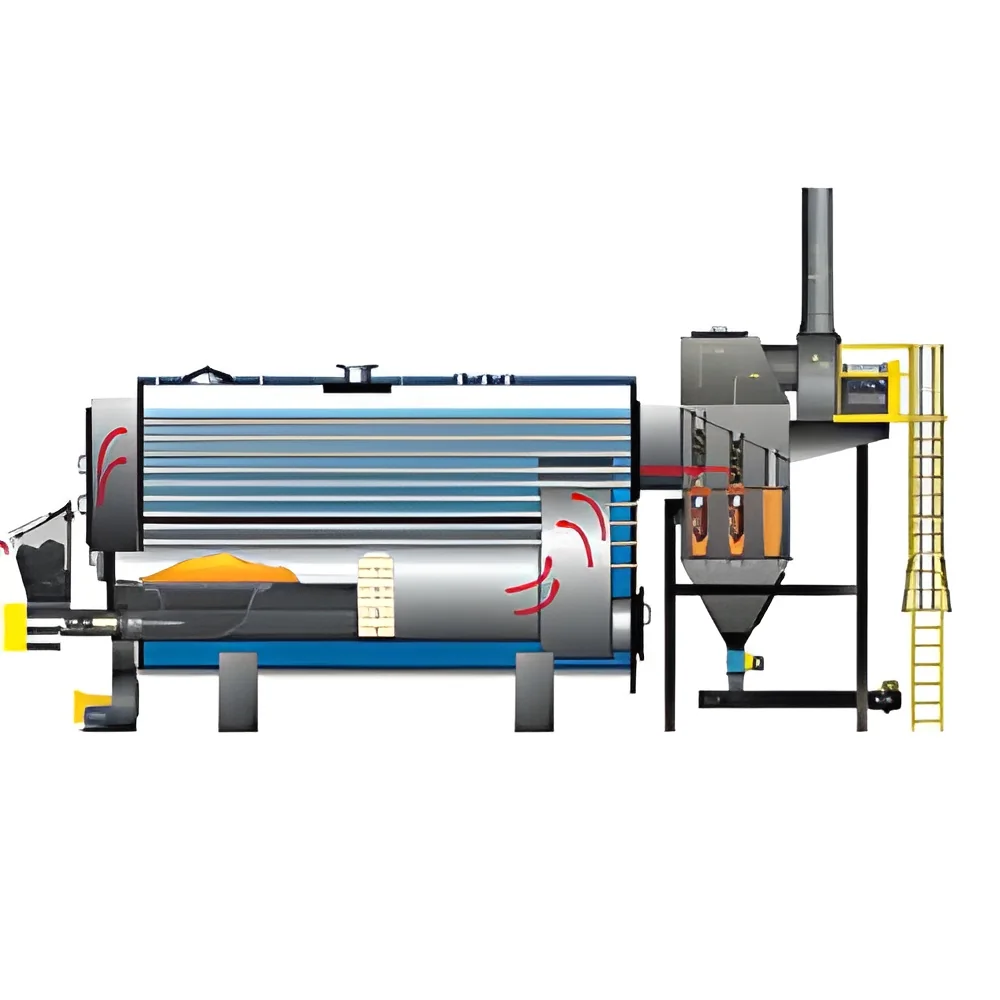
Description
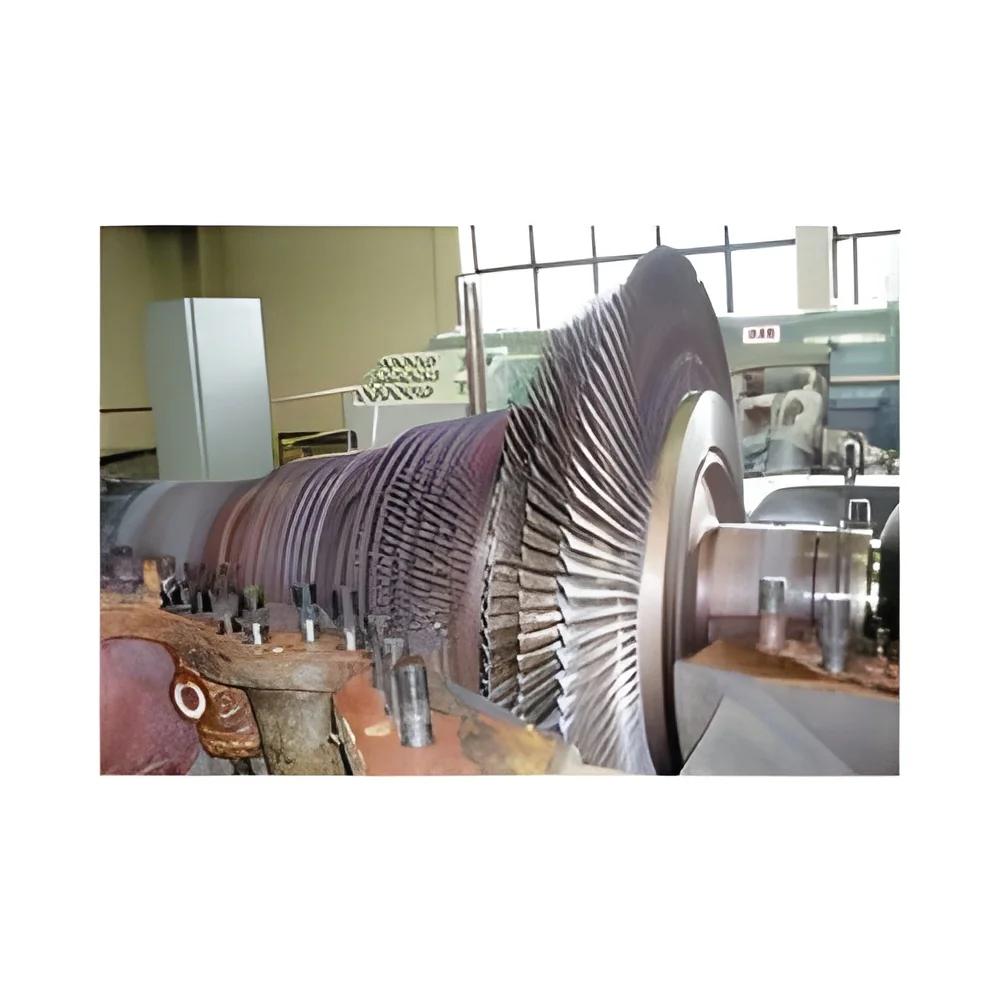
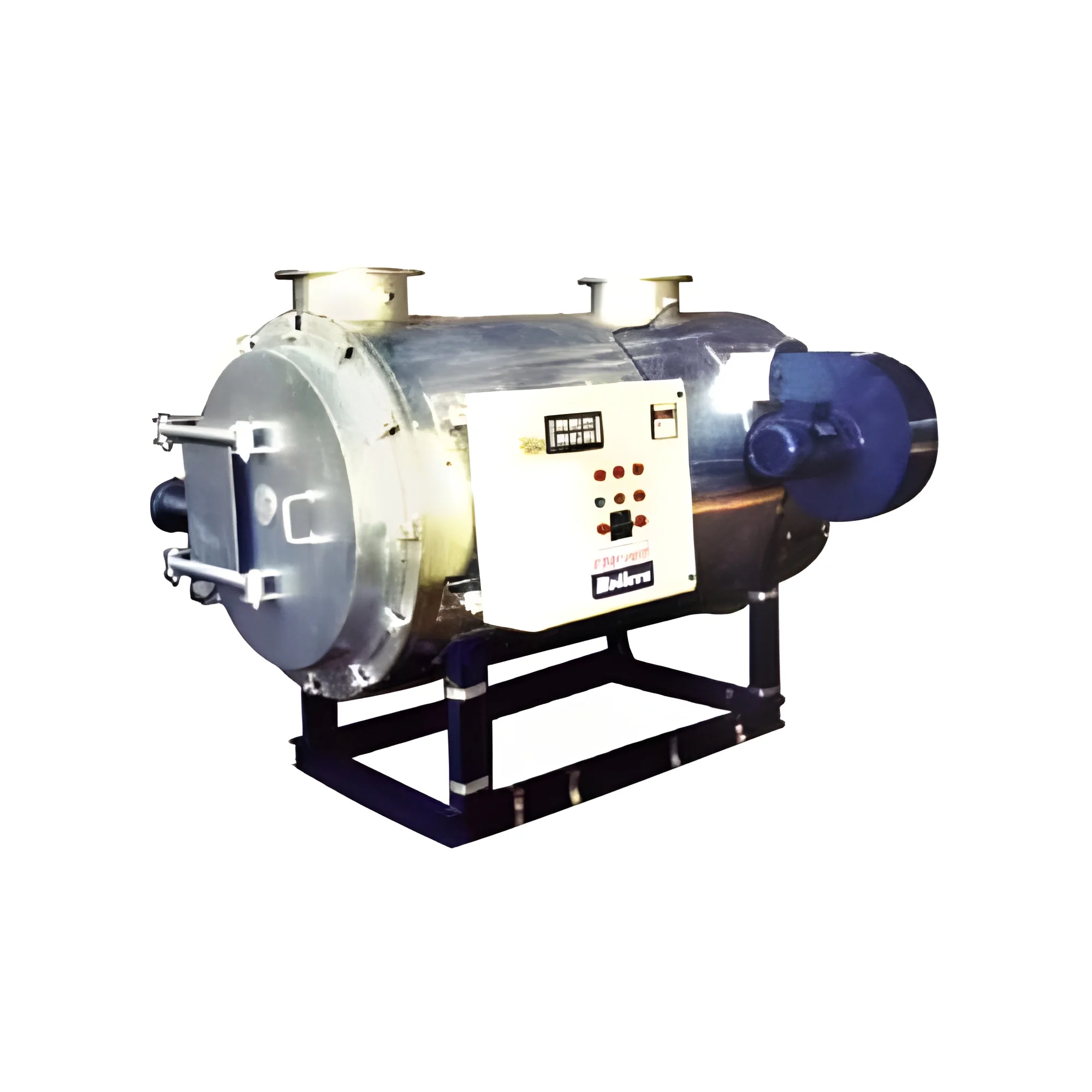
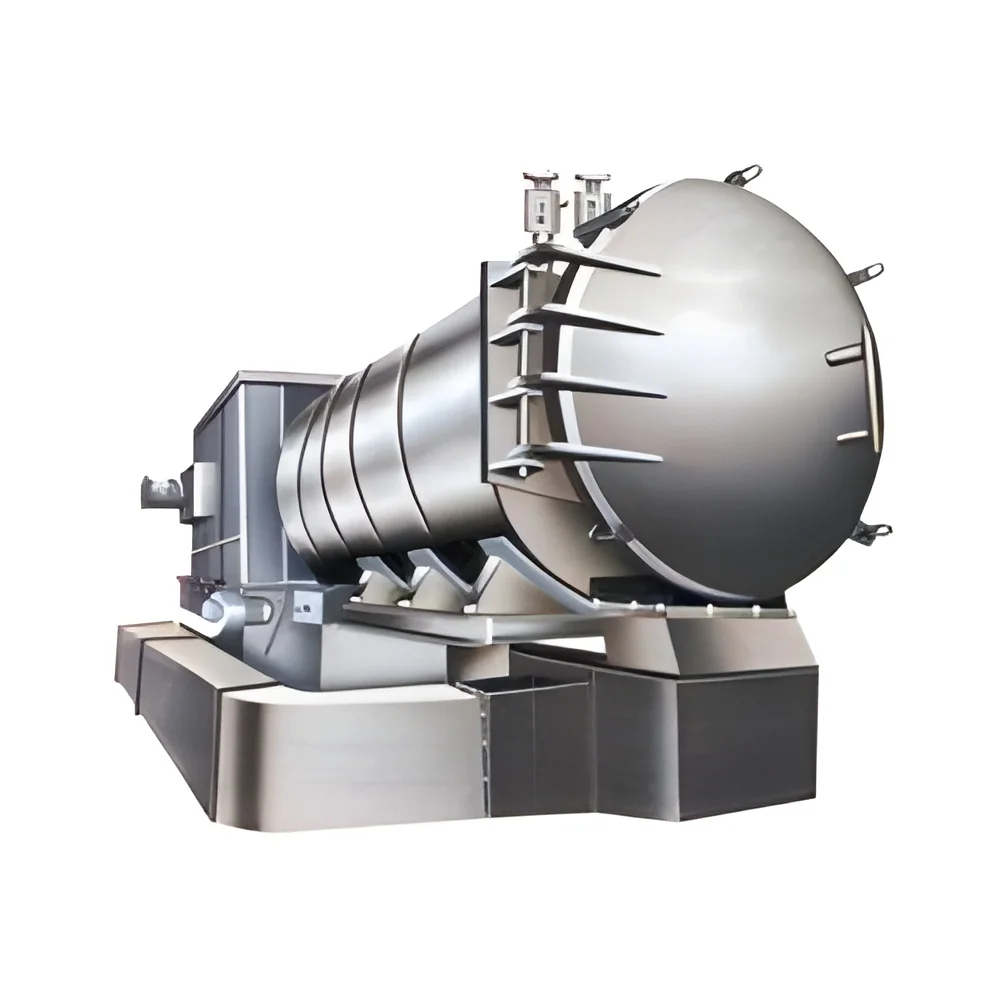
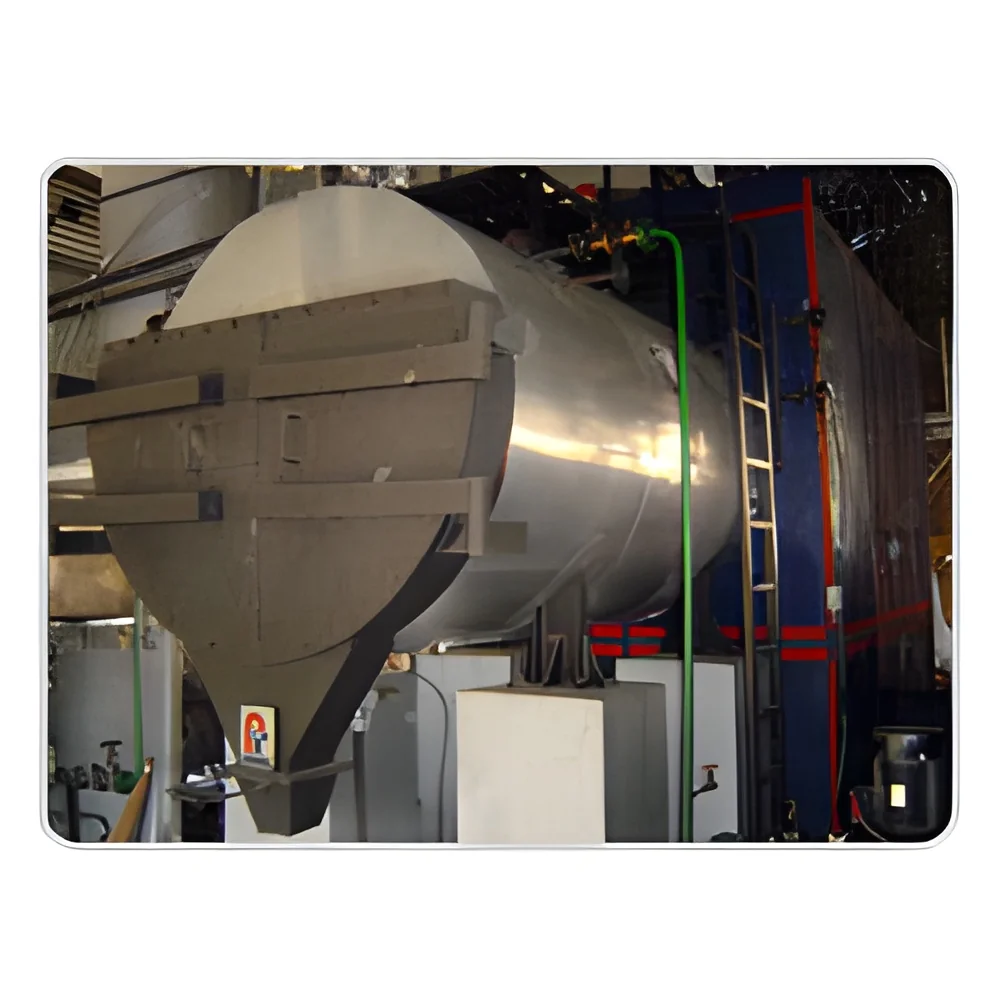
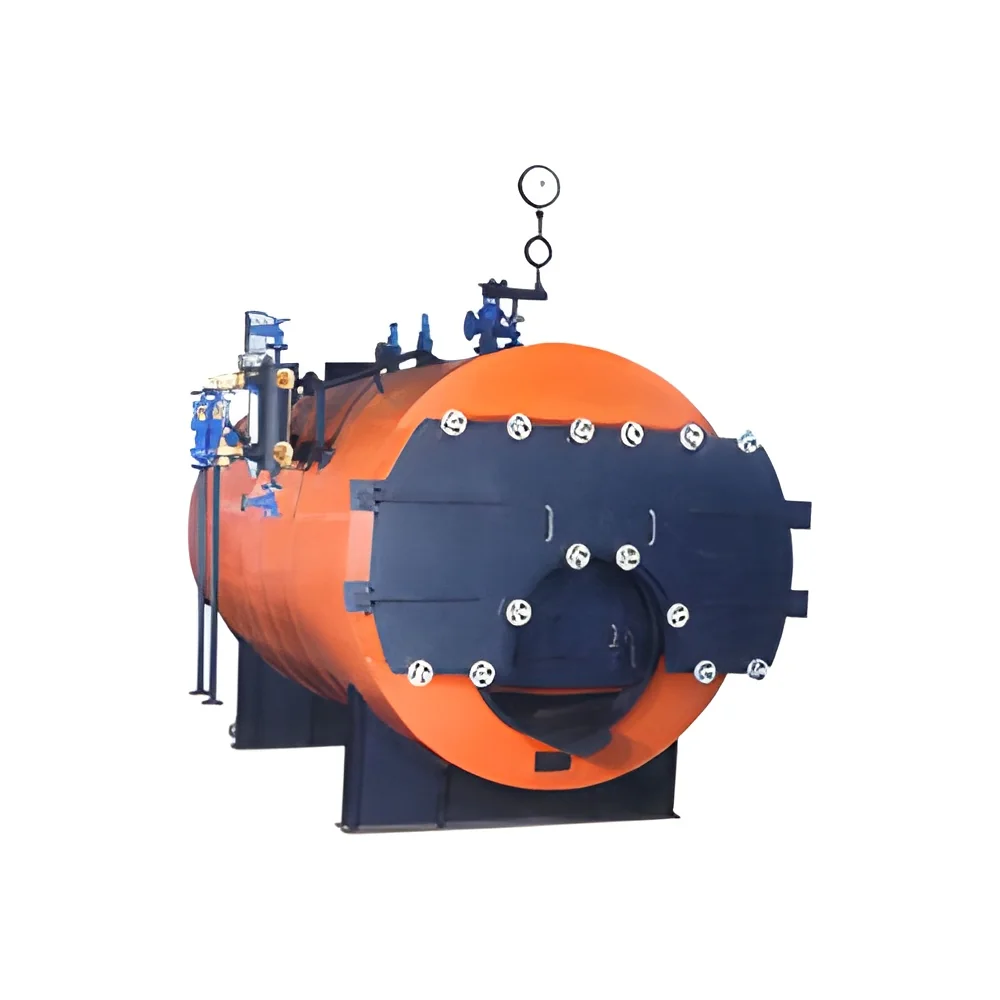
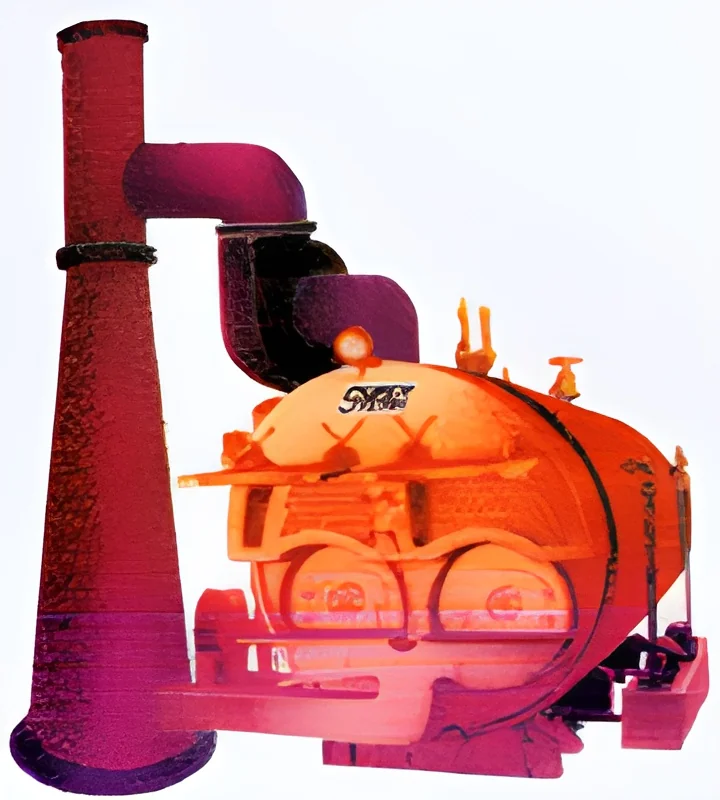
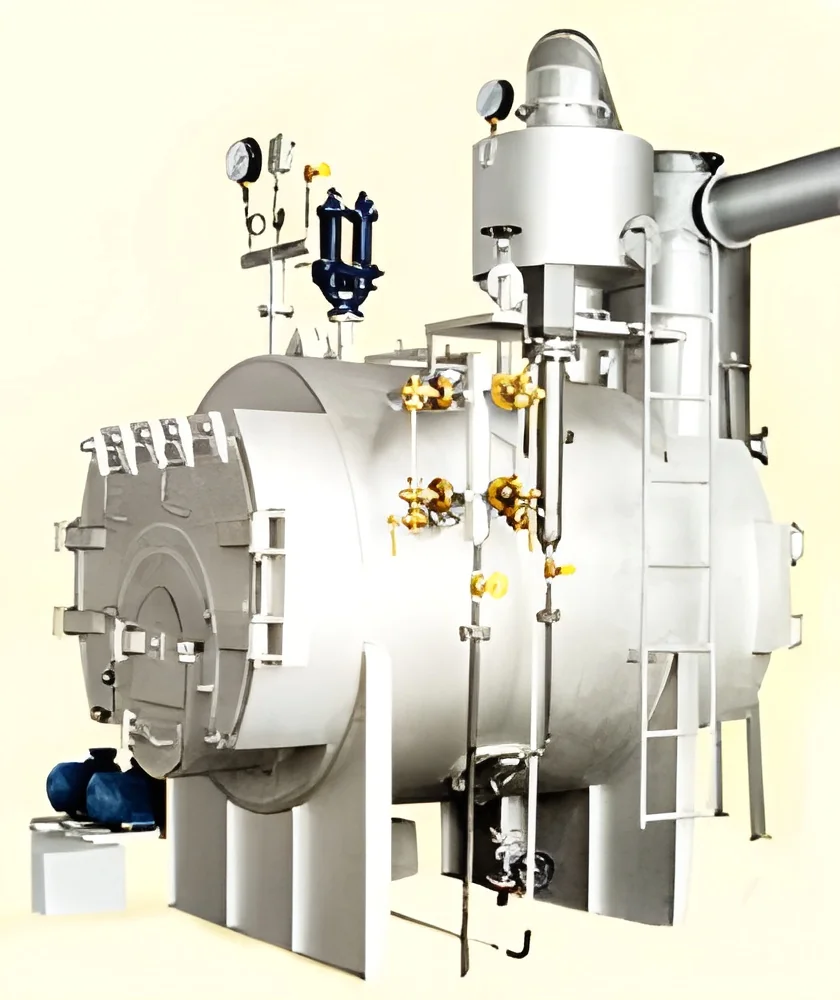
Industrial Waste Heat Recovery Boilers are engineered systems designed to capture and utilize thermal energy from gas turbine exhaust streams. By installing these boilers in the exhaust path, facilities can generate high-pressure steam or hot water without additional fuel consumption. This process converts waste heat—typically released into the atmosphere—into valuable thermal energy, significantly boosting overall plant efficiency. The boilers feature robust construction with advanced heat exchange surfaces that withstand high temperatures and corrosive flue gas environments. Their design ensures reliable operation with minimal maintenance, making them a dependable component in demanding industrial settings. This technology represents a practical approach to energy conservation, turning an operational byproduct into a productive asset.

These recovery systems find extensive application across industries where gas turbines are employed for power generation or mechanical drive. In the p...
Industrial Waste Heat Recovery Boilers are engineered systems designed to capture and utilize thermal energy from gas turbine exhaust streams. By installing these boilers in the exhaust path, facilities can generate high-pressure steam or hot water without additional fuel consumption. This process converts waste heat—typically released into the atmosphere—into valuable thermal energy, significantly boosting overall plant efficiency. The boilers feature robust construction with advanced heat exchange surfaces that withstand high temperatures and corrosive flue gas environments. Their design ensures reliable operation with minimal maintenance, making them a dependable component in demanding industrial settings. This technology represents a practical approach to energy conservation, turning an operational byproduct into a productive asset.

These recovery systems find extensive application across industries where gas turbines are employed for power generation or mechanical drive. In the power sector, they are integrated into combined cycle plants to maximize electricity output from each unit of fuel. Manufacturing industries, including chemicals, fertilizers, and metals, use them to supply process steam for various operations, reducing reliance on separate boilers. The oil and gas industry implements them in refineries and LNG facilities to optimize energy use. Additionally, they serve in district heating systems and large-scale industrial complexes where thermal energy demands are substantial. This widespread usage demonstrates their versatility in improving energy economics across different operational contexts.

Implementing Waste Heat Recovery Boilers delivers measurable business value through direct reductions in fuel procurement and energy expenses. The systems typically offer attractive return on investment by lowering operational costs while increasing overall capacity. Their reliability is ensured through quality engineering, durable materials, and designs that accommodate fluctuating exhaust conditions. These boilers help organizations meet increasingly stringent environmental regulations by reducing greenhouse gas emissions per unit of output. Furthermore, they enhance operational resilience by diversifying energy sources and improving plant efficiency metrics. Choosing these solutions demonstrates a commitment to both economic performance and sustainable industrial practices.

Key Features:
- Engineered to capture exhaust heat from gas turbines and convert it into usable steam or hot water.
- Constructed with durable materials suitable for high-temperature and corrosive exhaust environments.
- Designed for integration with existing turbine setups and various industrial process requirements.
- Incorporates advanced heat exchange technology to maximize thermal energy recovery efficiency.
- Features robust engineering for reliable operation with minimal maintenance in continuous industrial use.

Benefits:
- Reduces fuel consumption and energy costs by utilizing waste heat that would otherwise be lost.
- Lowers greenhouse gas emissions and environmental impact through improved energy efficiency.
- Increases overall plant efficiency and output without additional fuel input or major infrastructure changes.
- Provides reliable thermal energy supply for industrial processes, enhancing operational consistency.
- Delivers strong return on investment through energy savings and potential capacity increases.
Specifications
| Additional Information | |
|---|---|
| Country of Origin | India |
Application
Waste Heat Recovery Boilers transform exhaust heat from gas turbines into usable steam or hot water, significantly improving overall system efficiency. This process captures thermal energy that would otherwise be wasted, directly reducing primary fuel consumption and lowering operational expenses for continuous industrial operations. The technology is particularly valuable in energy-intensive environments where heat is a consistent byproduct of core processes.
These boilers serve critical roles across multiple heavy industries by converting waste streams into valuable energy assets. Power generation facilities use them to enhance turbine output, while manufacturing plants integrate recovered heat into production processes. This dual benefit of cost reduction and efficiency improvement makes these systems essential for operations focused on sustainability and economic performance. Real-world applications:
- Power generation plants increasing electricity output by utilizing gas turbine exhaust heat for additional steam generation.
- Chemical manufacturing facilities employing recovered heat for distillation columns, reactors, and process heating requirements.
- Metal production and processing plants using waste heat for preheating combustion air, materials, or annealing processes.
- Oil refineries and petrochemical complexes capturing flue gas heat to reduce fuel consumption in crude distillation units.
- Cement manufacturing operations recovering kiln exhaust heat for drying raw materials or generating auxiliary power.
Trade Details
| Available Stock | In Stock |
| Sample Availability | No |
Payment Terms
| Payment Terms |
|
Company Profile
Alankar Boilers & Pressure Vessels Private Limited, Gujarat
 Gujarat, India
Gujarat, IndiaManufacturer•Distributor / Wholesaler
Factory Details
Factory SizeBelow 1000 sqm
Annual Production Capacity0
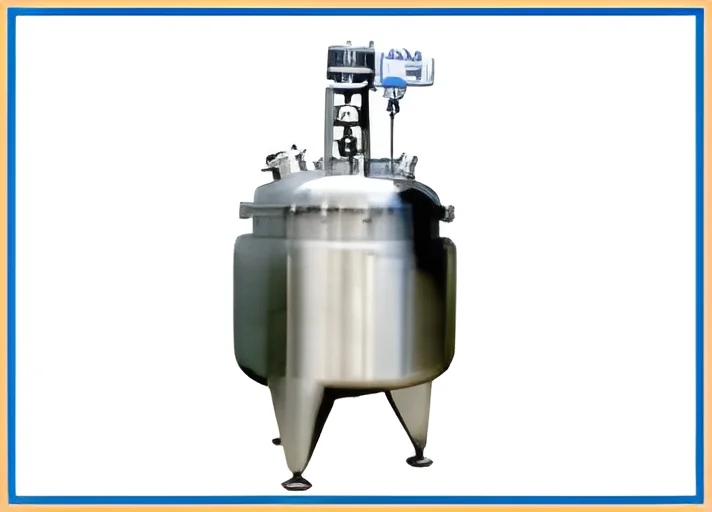
Industrial Waste Heat Recovery Boilers For Gas Turbine Efficiency
Industrial Waste Heat Recovery Boilers capture exhaust heat from gas turbines to generate steam, reducing fuel costs and emissions for power plants and manufacturing facilities with reliable, efficient energy solutions.
Min. Order Quantity: 1 unit
Shipping
Shipping fee and delivery date to be negotiated. Contact supplier now for more details.
Alankar Boilers & Pressure Vessels Private Limited
 Gujarat, India
Gujarat, IndiaManufacturer