
 IN
Screw Pumps
11 products available
What are Screw Pumps?
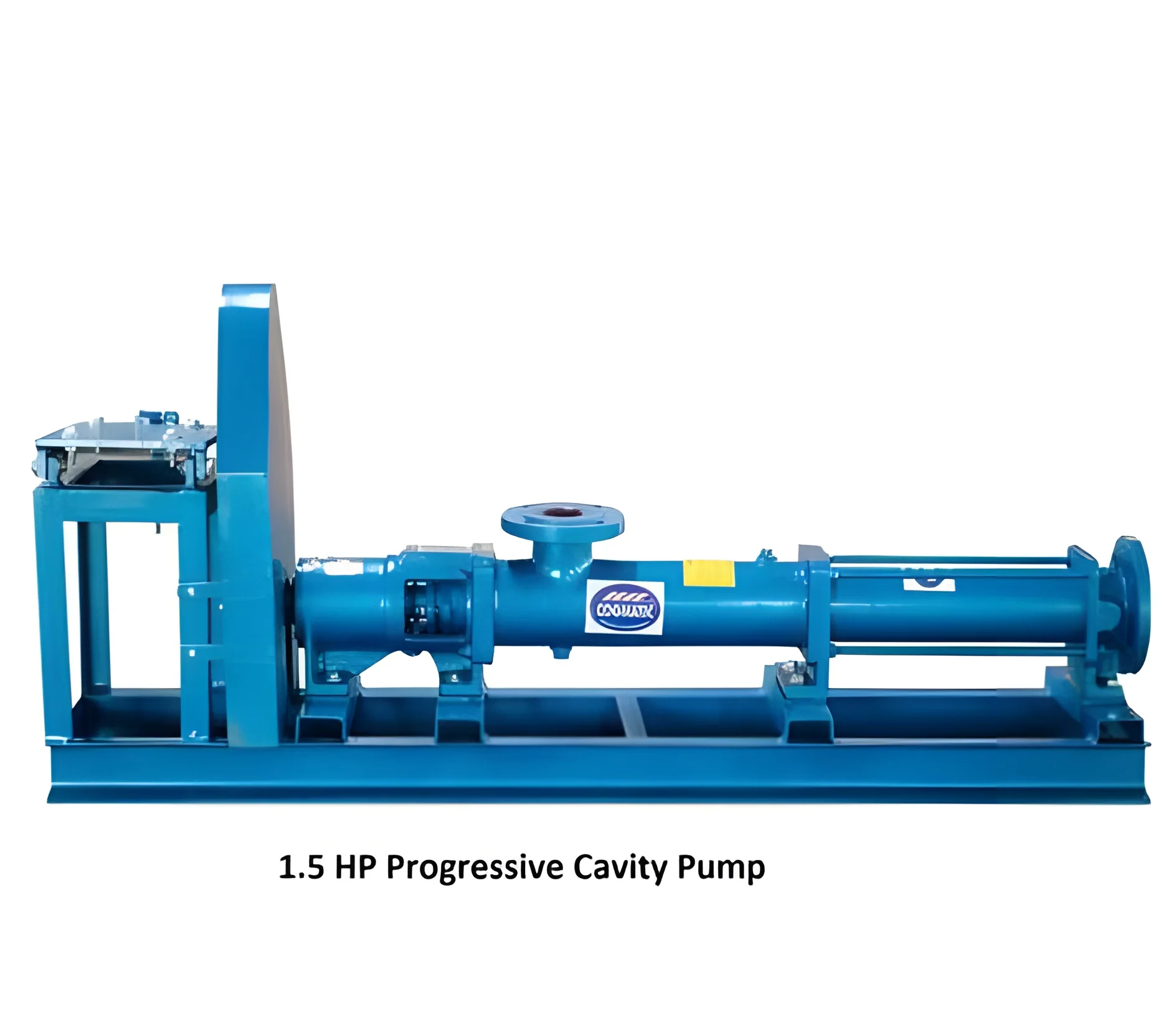
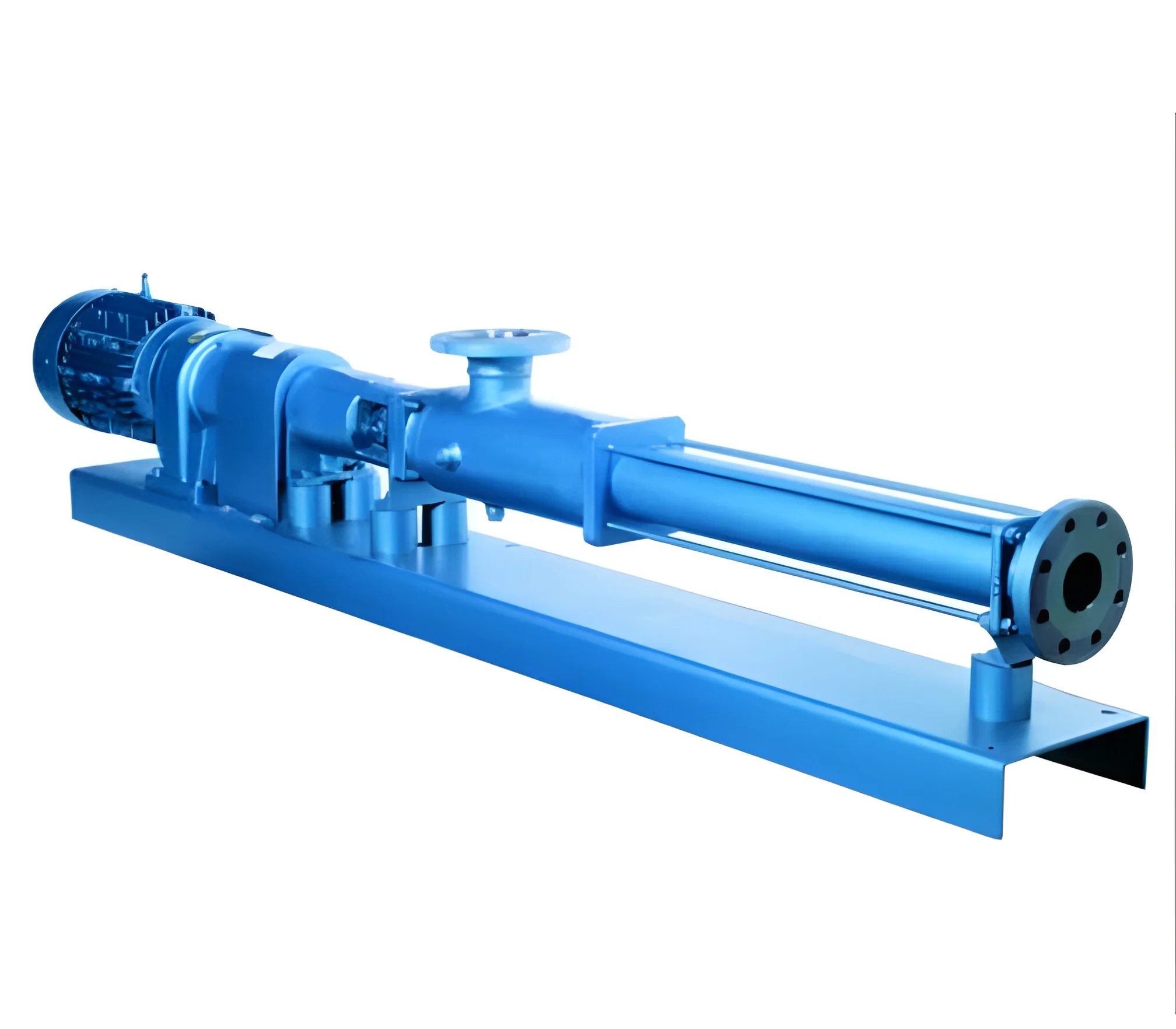
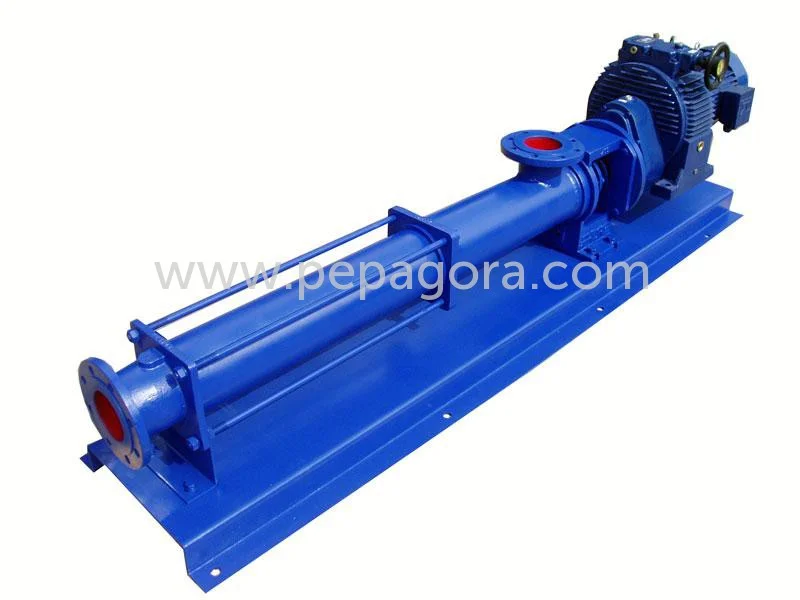
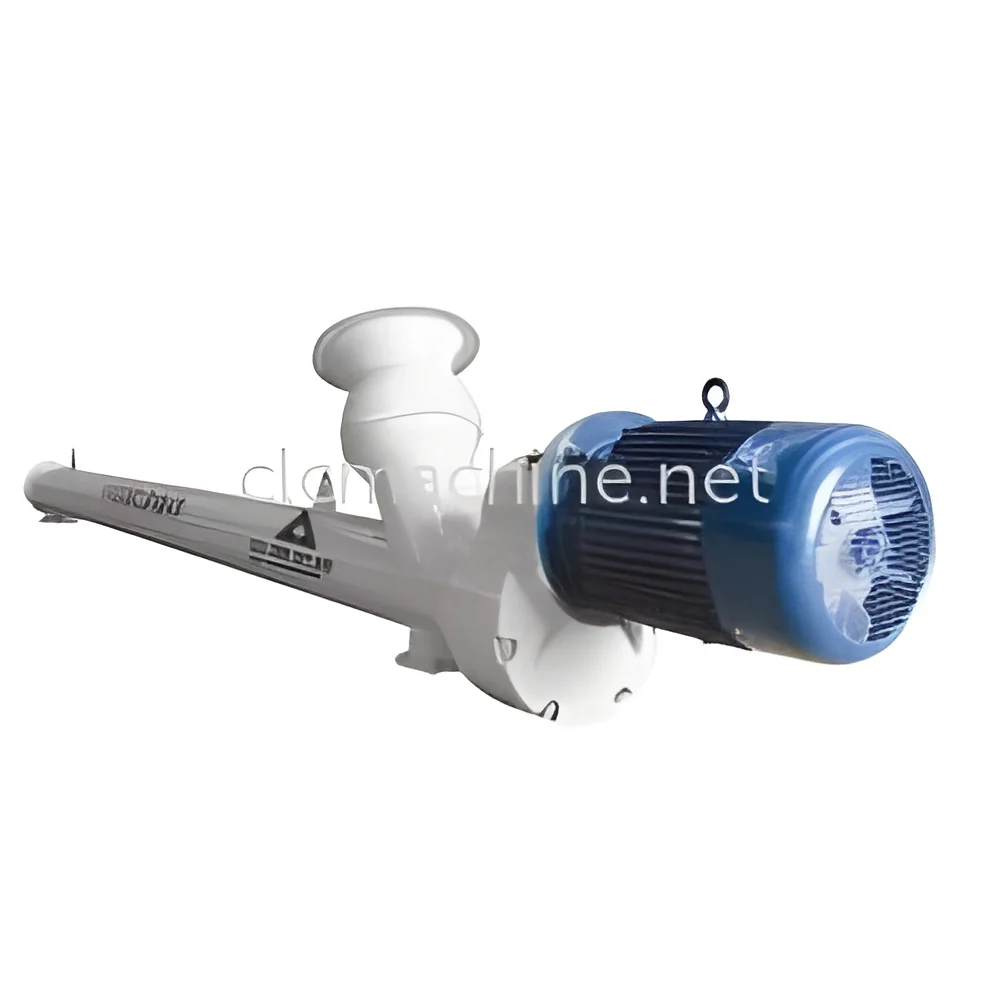
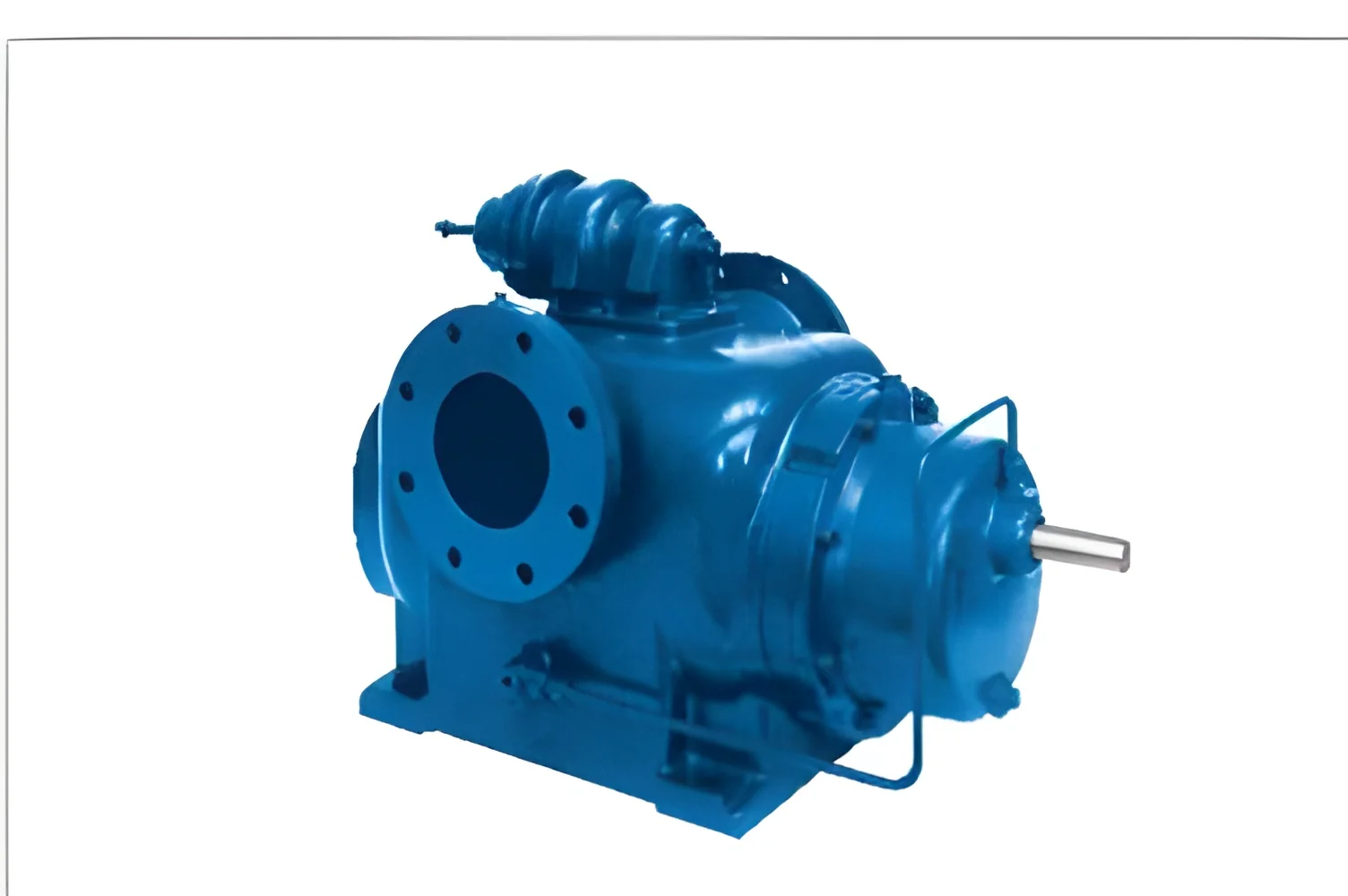
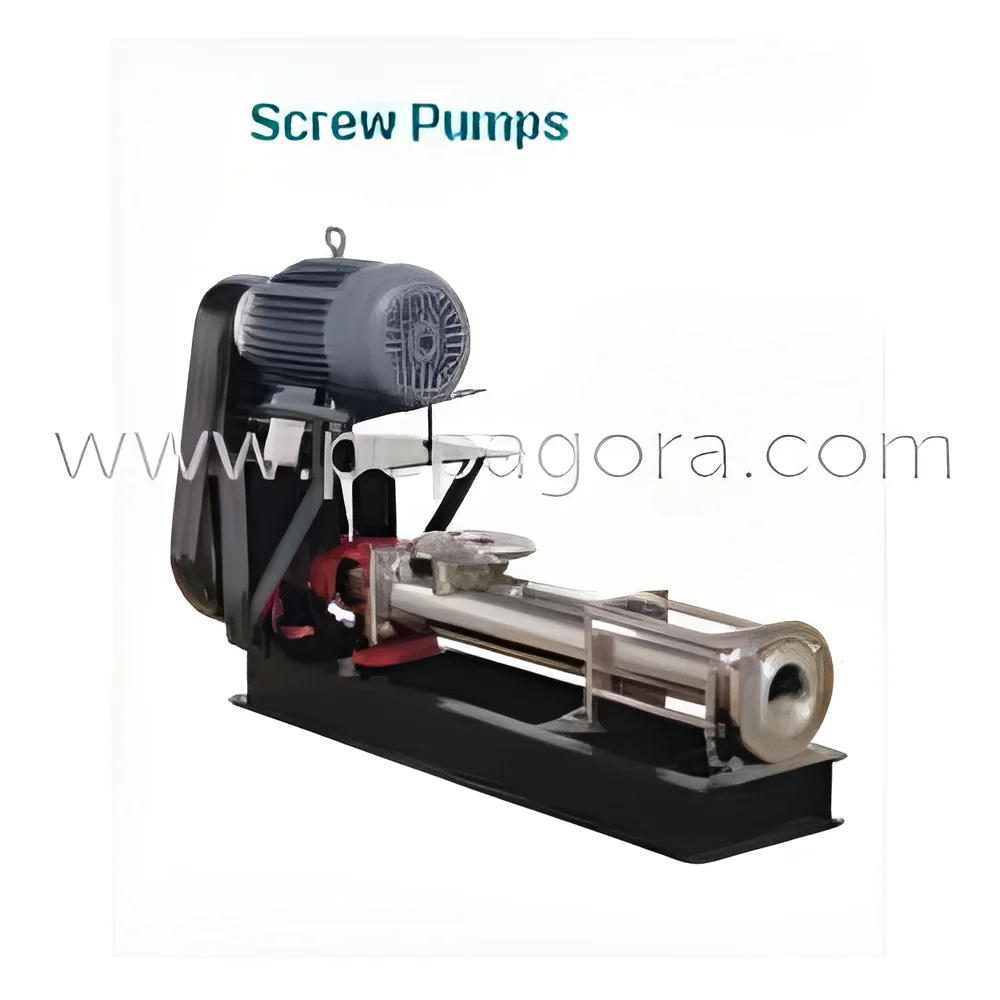
Screw pumps are a type of positive displacement pump that uses one or more screws to move fluids. The design typically consists of a pair of interlocking screws that rotate within a casing, creating a continuous flow of liquid as they turn. This mechanism allows for the efficient handling of a variety of fluids, including viscous liquids and slurries. Unlike centrifugal pumps, screw pumps provide a steady flow rate and can operate under high pressure, making them suitable for demanding industrial applications.
Screw pumps find extensive use across various industries, including oil and gas, chemical processing, and wastewater management. They are particularly effective for transferring viscous fluids such as oils, adhesives, and polymers. The ability to handle a wide range of viscosities and temperatures makes screw pumps a versatile choice for many businesses. Given the increasing demand for reliable fluid transfer solutions, the market for screw pumps continues to grow, driven by advancements in technology and the need for more efficient pumping systems.
Key Features and Specifications
Screw pumps are renowned for their unique design and operational advantages. Their features contribute to their effectiveness in various applications, making them a preferred choice in many sectors.
Key specifications include:
1. Flow Rate
- Typically ranges from a few liters per minute to several thousand liters per minute.
- Can be tailored to meet specific process requirements.
2. Pressure Handling
- Capable of handling pressures up to several hundred bar.
- Suitable for high-pressure applications in oil and gas extraction.
3. Viscosity Range
- Can efficiently pump fluids with viscosities ranging from water-like to very thick substances.
- Ideal for handling slurries and viscous materials in industrial processes.
4. Temperature Tolerance
- Designed to operate at high temperatures, often exceeding 200 degrees Celsius.
- Ensures reliability in extreme processing conditions.
5. Material of Construction
- Available in various materials including stainless steel, cast iron, and special alloys.
- Choice of materials enhances corrosion resistance and durability.
6. Seal Types
- Equipped with mechanical seals or packing seals depending on application needs.
- Ensures leak-proof operation and longevity of the pump.
7. Drive Options
- Can be powered by electric motors, hydraulic systems, or combustion engines.
- Flexibility in drive options accommodates diverse operational requirements.
8. Maintenance Requirements
- Designed for easy maintenance with accessible components.
- Regular maintenance schedules enhance operational efficiency and lifespan.
The combination of these features makes screw pumps a reliable solution for various industrial applications, ensuring consistent performance and efficiency.
Common Applications and Use Cases
Screw pumps are utilized in a wide array of industries, showcasing their versatility and adaptability in fluid handling.
1. Oil and Gas: Used for transporting crude oil, refined products, and other hydrocarbons in upstream and downstream operations.
2. Chemical Processing: Ideal for moving viscous chemicals, resins, and polymers in manufacturing processes, ensuring smooth flow and minimal shear.
3. Food and Beverage: Employed in the food industry for pumping oils, syrups, and other viscous products, maintaining hygiene and product integrity.
4. Wastewater Treatment: Utilized in the transfer of sludge and other thick waste materials, facilitating effective waste management processes.
5. Pharmaceuticals: Critical in the movement of viscous formulations and active ingredients, ensuring precision and safety in production.
6. Pulp and Paper: Used for handling thick slurries and pulp materials in the paper manufacturing process, enhancing efficiency.
7. Marine Applications: Effective in bilge pumping and oil transfer in ships, providing reliable operation in challenging conditions.
Product Variants and Subcategories
Screw pumps come in various designs and configurations to meet specific industry needs.
Standard Screw Pump
This variant is widely used across multiple sectors, known for its robustness and reliability. It efficiently handles a range of fluids, making it suitable for both low and high viscosity applications.
High-Pressure Screw Pump
Designed for applications requiring elevated pressure levels, this variant is ideal for oil extraction and chemical processing. Its construction allows it to sustain high operational pressures without compromising performance.
Sanitary Screw Pump
Tailored for the food and pharmaceutical industries, this variant is built to meet strict hygiene standards. It features smooth surfaces and easy disassembly for cleaning, ensuring compliance with safety regulations.
Self-Priming Screw Pump
This variant eliminates the need for external priming, making it convenient for applications where fluid levels may fluctuate. It is ideal for transferring liquids in varying conditions without manual intervention.
Benefits and Advantages
Screw pumps offer numerous advantages that enhance their appeal to businesses across industries.
1. Consistent Flow Rate: The design of screw pumps ensures a steady and uniform flow rate, minimizing fluctuations and maintaining process efficiency.
2. Versatility: Capable of handling a wide range of fluids, screw pumps are suitable for various applications, from handling viscous liquids to slurries.
3. High Efficiency: Their positive displacement mechanism enables efficient fluid transfer, resulting in lower energy consumption compared to other pump types.
4. Durability: Constructed from robust materials, screw pumps are built to withstand harsh operating conditions, offering long service life and reduced maintenance costs.
5. Easy Maintenance: The straightforward design allows for quick access to components for maintenance, minimizing downtime and ensuring continuous operation.
6. Customization Options: Screw pumps can be tailored to specific operational needs, including material selection, seal types, and drive options, providing flexibility for different industries.
Buying Guide for B2B Buyers
When sourcing screw pumps, businesses should consider several key factors to ensure they select the most appropriate solution.
1. Quality Assessment: Evaluate the quality of the pumps based on industry standards and specifications. Look for certifications such as CE and ISO to ensure reliability and safety.
2. Supplier Verification: Vet suppliers by checking their reputation, experience, and customer reviews. A reliable supplier will provide consistent quality and support.
3. Pricing and MOQ: Understand the pricing structure and any minimum order quantities. Compare quotes from different suppliers to find a balance between cost and quality.
4. Delivery and Lead Times: Consider the logistics of delivery and lead times. Ensure suppliers can meet your project timelines to avoid delays.
5. Compliance Requirements: Verify that the pumps meet relevant regulatory and compliance standards specific to your industry. This ensures safety and adherence to legal requirements.
Compliance and Certifications
Screw pumps are subject to various quality standards and certifications that ensure their reliability and safety in industrial applications.
ISO 9001 is a widely recognized standard that outlines quality management systems, ensuring that manufacturers consistently provide products that meet customer and regulatory requirements.
The CE marking indicates compliance with European health, safety, and environmental protection standards. This certification is crucial for screw pumps used in Europe, signifying that they meet the necessary safety requirements.
Safety and testing requirements are essential to ensure that screw pumps operate safely in demanding environments. Regular testing helps verify that pumps perform as expected and adhere to industry standards.
Regional compliance considerations differ by location. Buyers should be aware of local regulations that may impact the specifications and certifications required for screw pumps in their area.
Why Source Screw Pumps from Pepagora?
Pepagora provides a trusted platform for sourcing screw pumps, ensuring businesses have access to high-quality products backed by reliable suppliers.
Verified Supplier Network: Pepagora has a stringent verification process for suppliers, ensuring that only reputable manufacturers are featured. This minimizes the risk of sourcing substandard products.
Streamlined RFQ Process: The request for quotation process is designed to be user-friendly, allowing buyers to quickly obtain quotes from multiple suppliers. This efficiency saves time and streamlines procurement.
Trade Assurance and Support: Pepagora offers trade assurance to protect buyers, ensuring that orders are fulfilled as agreed. This support fosters a secure purchasing environment.
Regional Coverage: With a strong presence in India, the GCC, and Southeast Asia, Pepagora connects buyers with suppliers across these regions, facilitating access to a wide range of screw pumps and related products. This geographic reach enhances sourcing options for businesses looking to optimize their supply chains.

 India
 India
 India
 India
 India
 India
 India
 India
 India
Frequently Asked Questions
What are Screw Pumps?
Screw pumps are positive displacement pumps that use one or more screws to move fluids along the pump's axis. They are known for their ability to handle high-viscosity fluids and provide a smooth, continuous flow.
What are the different types of Screw Pumps?
There are primarily two types of screw pumps: single-screw pumps and twin-screw pumps. Single-screw pumps utilize a single helical screw, while twin-screw pumps use two intermeshing screws to transfer fluid.
How do I choose the right Screw Pumps?
Choosing the right screw pump involves considering factors such as the viscosity of the fluid, the required flow rate, and the pressure conditions. It is also important to evaluate the pump's material compatibility with the fluid being pumped.
What are the standard specifications for Screw Pumps?
Standard specifications for screw pumps typically include flow rate, pressure rating, temperature range, and material construction. Additionally, performance curves and efficiency ratings are also important parameters to consider.
What is the price range for Screw Pumps?
The price range for screw pumps can vary widely based on factors such as size, materials, and manufacturer. Generally, prices can start from a few thousand rupees and can go up to several lakhs for specialized models.
What quality standards apply to Screw Pumps?
Screw pumps must comply with various quality standards, such as ISO and ASTM certifications, which ensure reliability and performance. Additionally, specific industry standards may apply depending on the application, such as food-grade or chemical standards.
Where can I find Screw Pumps suppliers in India?
Screw pump suppliers in India can be found through online B2B marketplaces like Pepagora, industry trade shows, and manufacturer directories. It is advisable to check supplier credentials and product reviews before making a purchase.
Can Screw Pumps be customized?
Yes, many manufacturers offer customization options for screw pumps to meet specific application requirements. Customizations can include variations in size, material, and specific design features.
What is the typical minimum order quantity for Screw Pumps?
The typical minimum order quantity (MOQ) for screw pumps can vary by supplier and product type, but it often ranges from one unit to several units for bulk orders. It is advisable to check with individual suppliers for their specific MOQs.
What is the typical lead time for Screw Pumps?
The typical lead time for screw pumps can range from a few weeks to several months, depending on factors such as customization, order size, and manufacturer production schedules. It is important to confirm lead times with the supplier before placing an order.
Why Businesses Trust Pepagora
Thousands of companies trust Pepagora to source smarter and sell faster
Expand Your Sales Globally

Source Smarter,Grow Faster
