IN
IN₹
Apparel & Fashion
Description
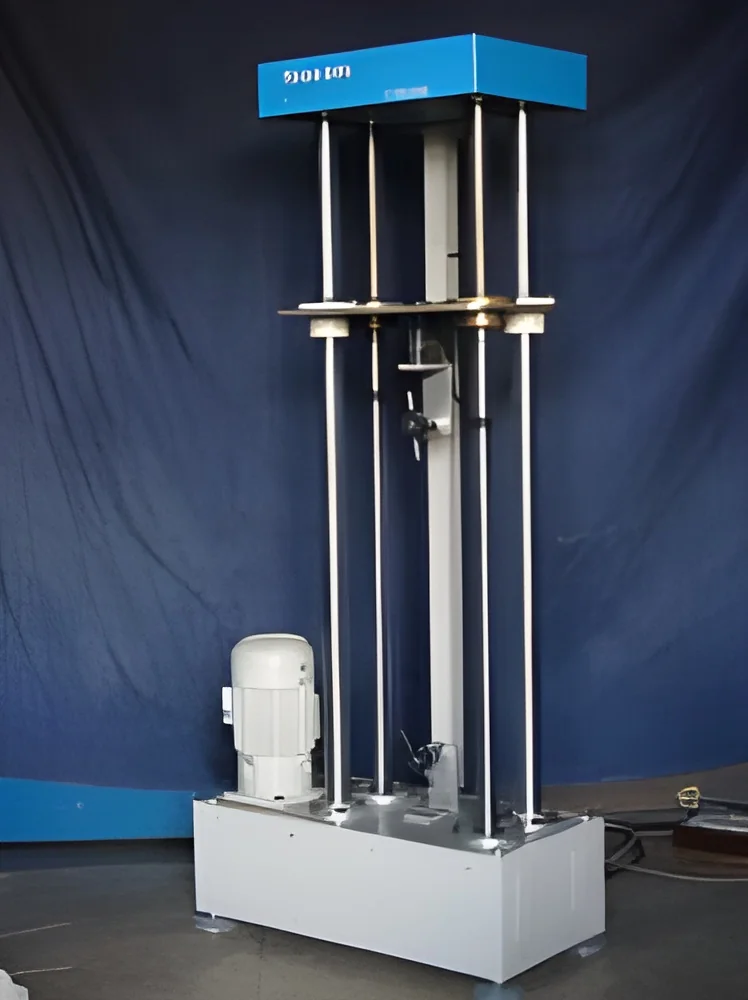
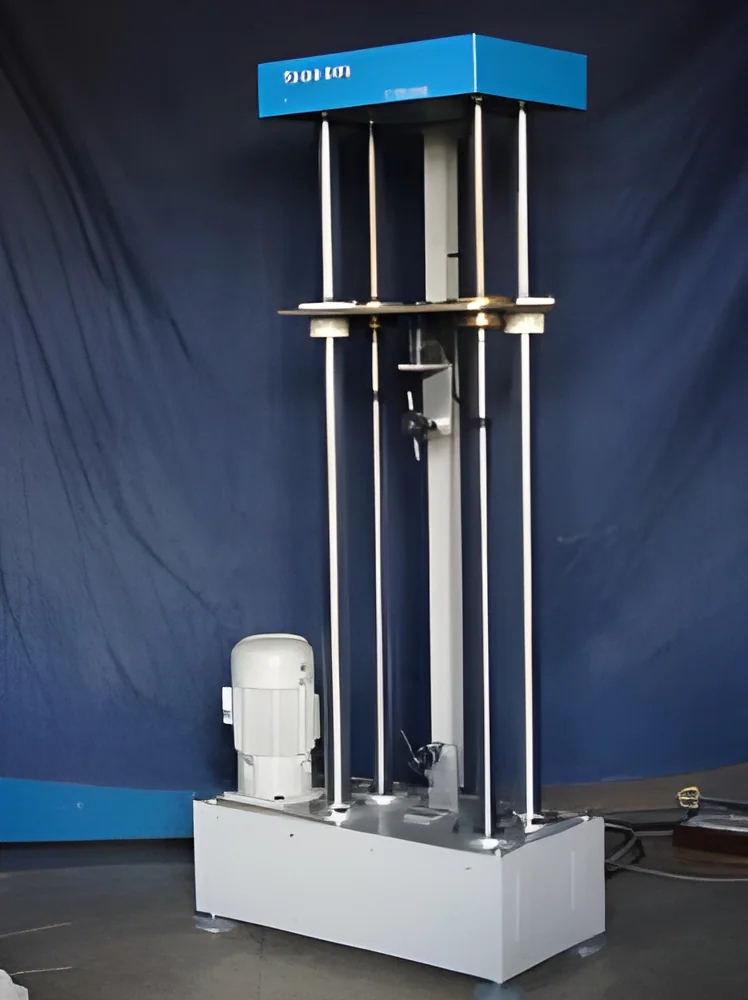
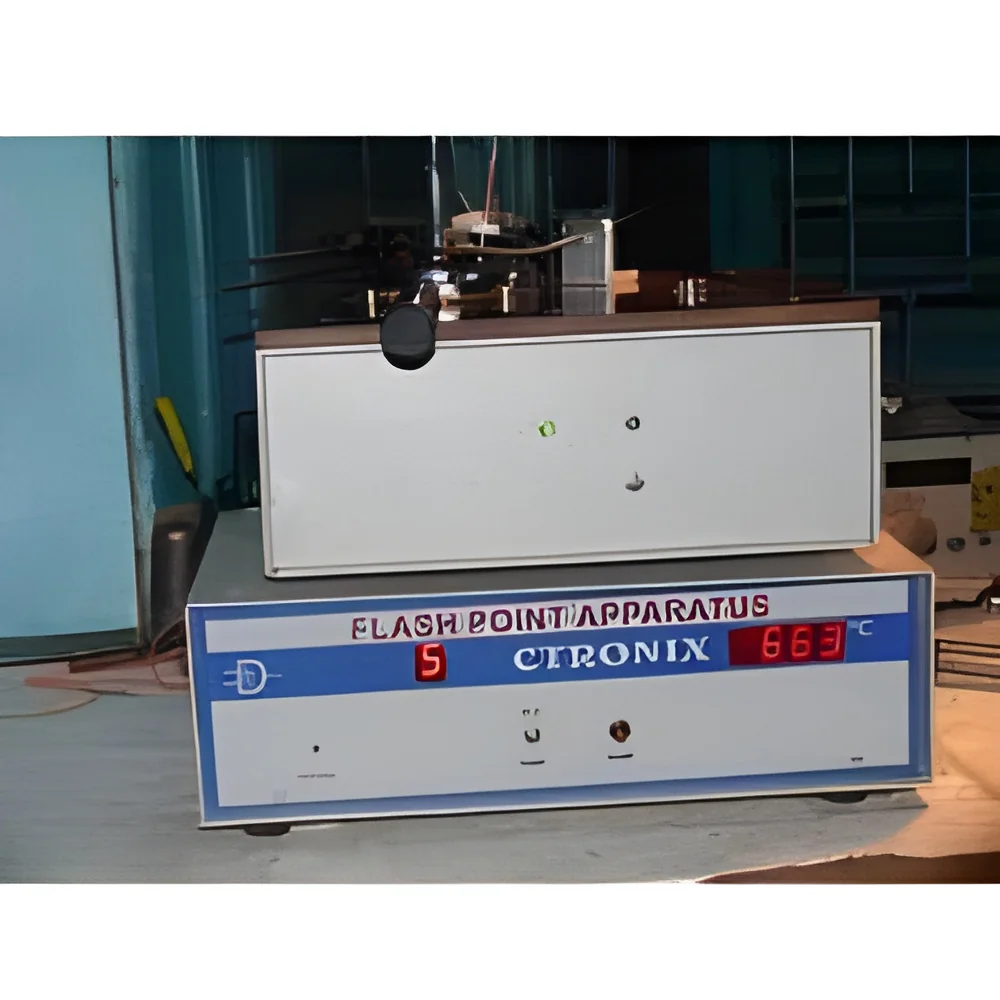
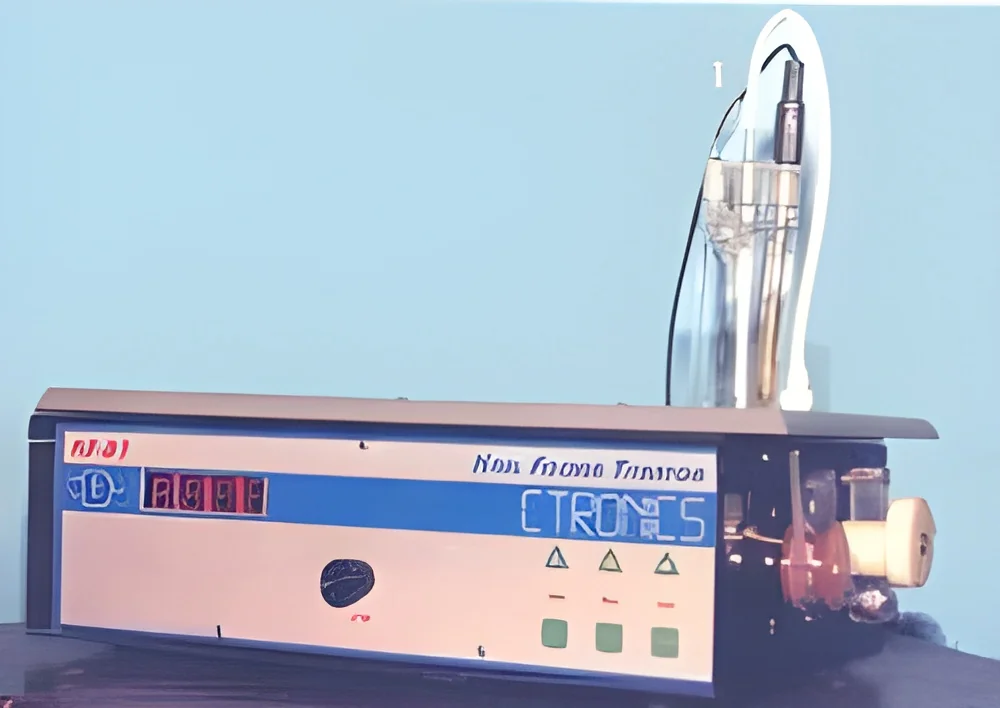
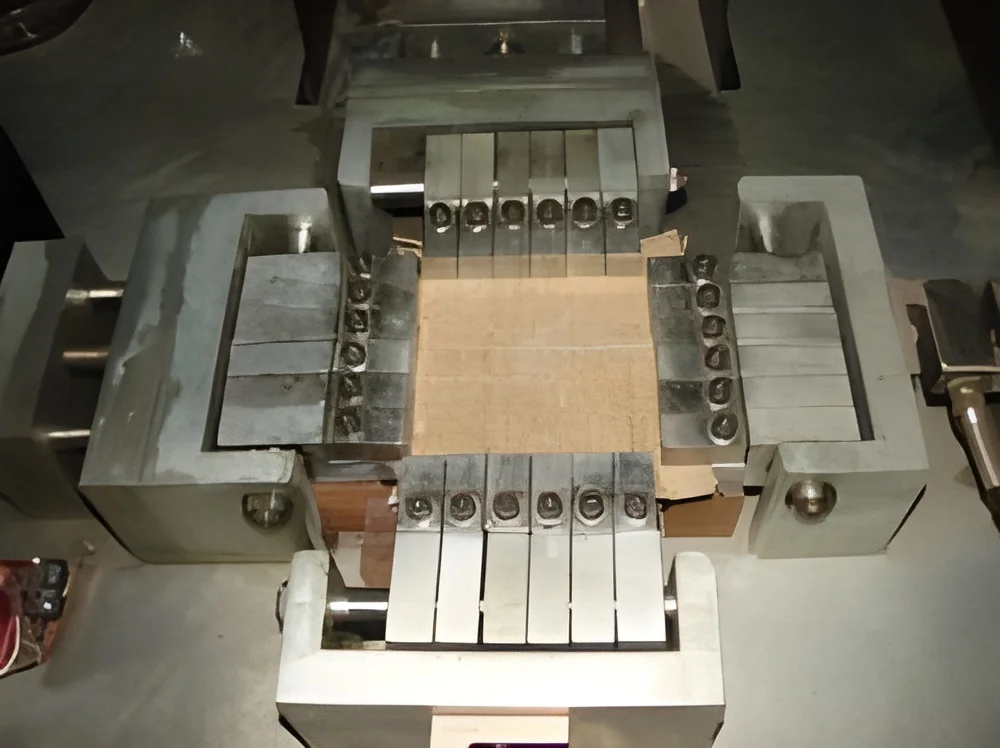
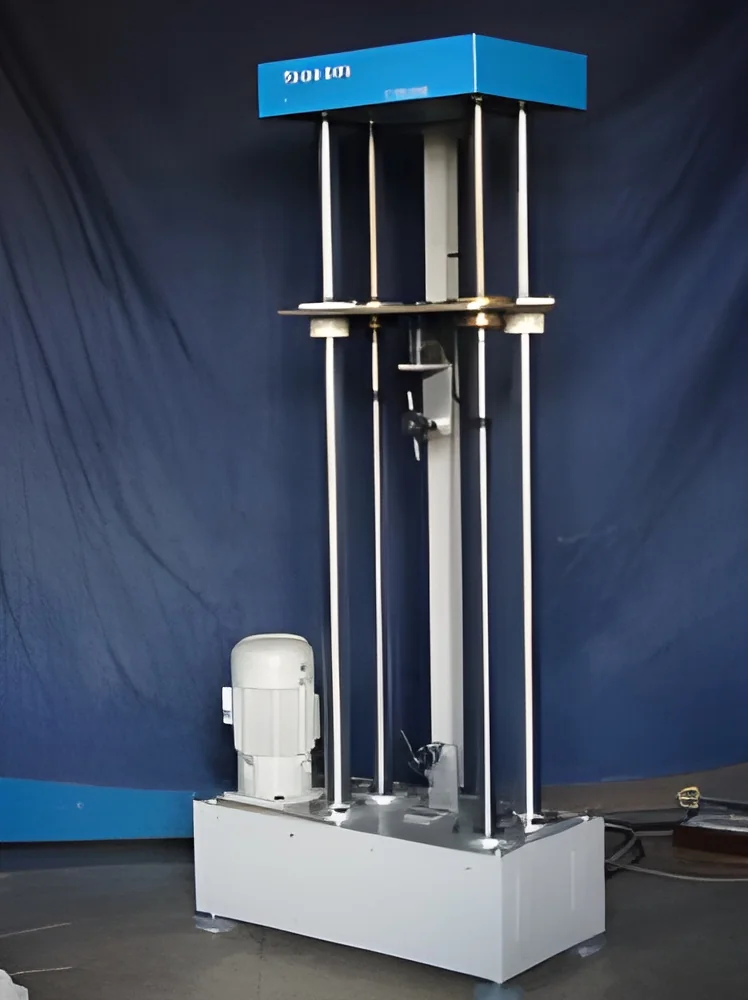
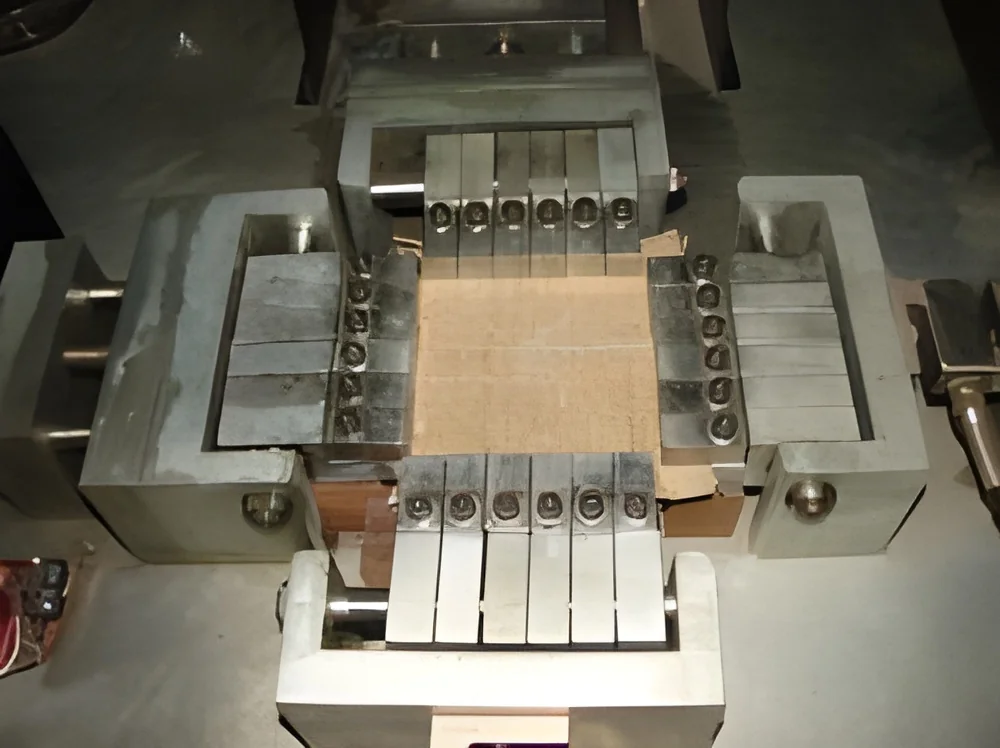
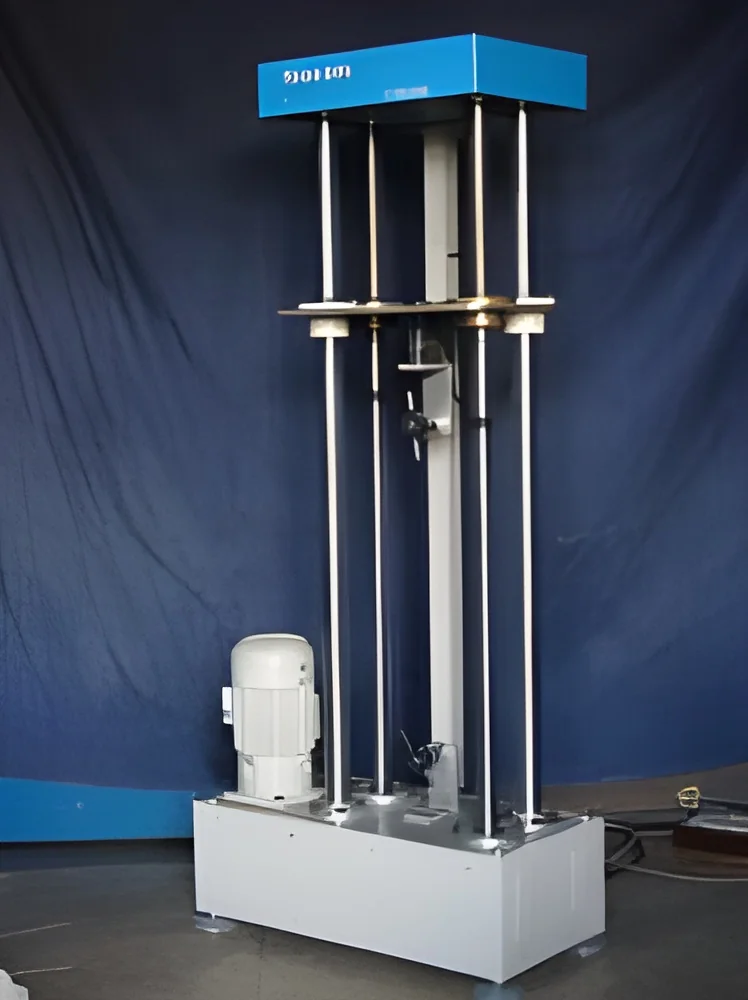
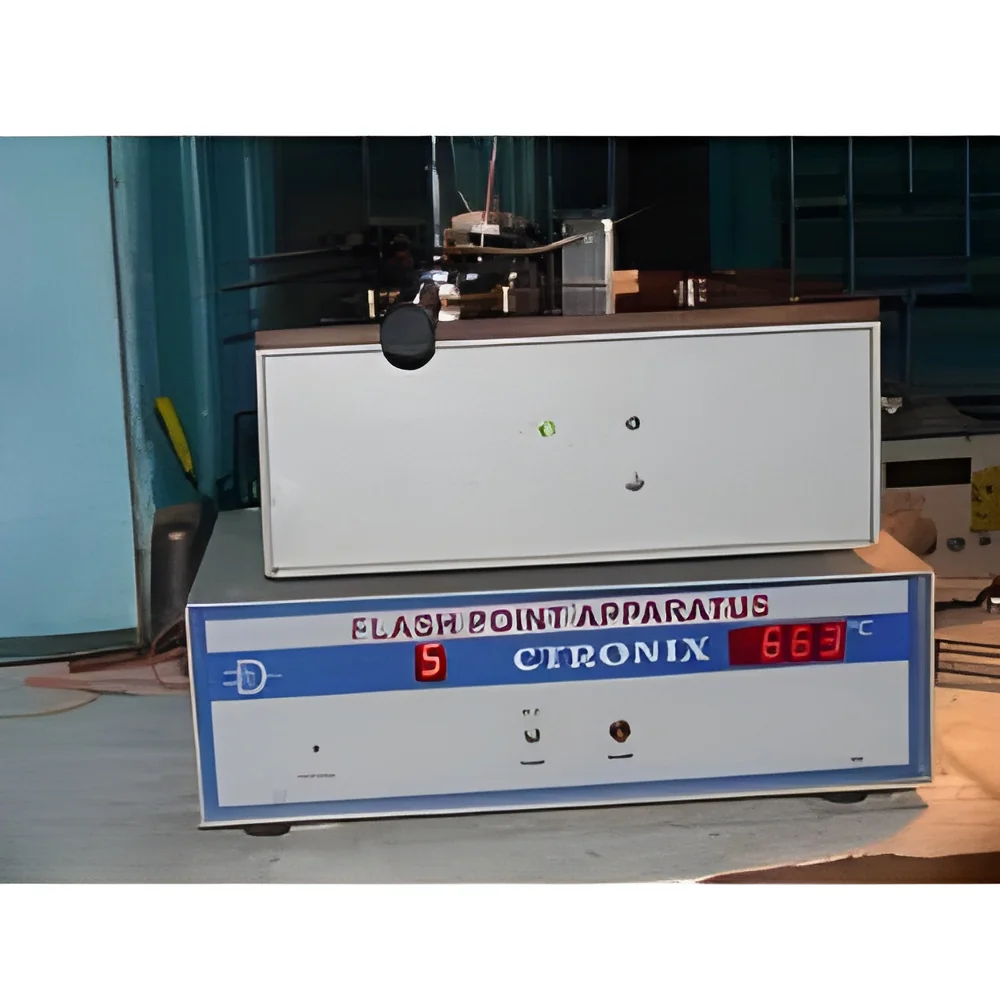
The Magnetic Quenchometer is a precision testing instrument designed to measure the quenching speed characteristics of petroleum liquids used in metal heat treatment processes. Compliant with ASTM D3520-88 standards, this testing method determines the cooling rate of quench oils by timing the cooling of a chromised nickel ball from approximately 885°C to 354°C. The system utilizes advanced timing technology with 0.01-second resolution, activated by a photocell triggered by the hot ball and stopped when the ball reaches the Curie point and becomes magnetic. This provides accurate, repeatable measurements essential for evaluating quench oil performance and ensuring consistent results in industrial applications.

This instrument serves critical roles across multiple industrial sectors including automotive manufacturing, aerospace component production, tool and die manufacturing, and general metal fabrication. Heat treatment facilities use it to verify quench oil performance before process...
The Magnetic Quenchometer is a precision testing instrument designed to measure the quenching speed characteristics of petroleum liquids used in metal heat treatment processes. Compliant with ASTM D3520-88 standards, this testing method determines the cooling rate of quench oils by timing the cooling of a chromised nickel ball from approximately 885°C to 354°C. The system utilizes advanced timing technology with 0.01-second resolution, activated by a photocell triggered by the hot ball and stopped when the ball reaches the Curie point and becomes magnetic. This provides accurate, repeatable measurements essential for evaluating quench oil performance and ensuring consistent results in industrial applications.

This instrument serves critical roles across multiple industrial sectors including automotive manufacturing, aerospace component production, tool and die manufacturing, and general metal fabrication. Heat treatment facilities use it to verify quench oil performance before processing high-value components. Automotive manufacturers rely on it for hardening engine parts, transmission components, and suspension elements. Aerospace applications include testing quench oils for aircraft landing gear and turbine components. The tool and die industry utilizes it to ensure precise hardness characteristics in manufacturing tools, while metal fabrication shops employ it for quality assurance across various hardened products.

The Magnetic Quenchometer delivers significant value through enhanced process reliability and reduced material waste. By accurately measuring quenching speeds, manufacturers can prevent costly defects such as cracking, warping, or insufficient hardness in treated components. The instrument's precision timing system ensures repeatable results, reducing variability in heat treatment processes. This reliability translates to improved product quality, reduced rejection rates, and enhanced customer satisfaction. The ASTM compliance provides assurance of international standard adherence, making it suitable for global supply chains and quality-conscious manufacturers seeking consistent, verifiable results in their metal treatment operations.

Key Features:
- ASTM D3520-88 compliant testing methodology
- Precision timer with 0.01-second resolution for accurate measurements
- Photocell activation system triggered by the hot chromised nickel ball
- Magnetic detection system that stops timing at Curie point (354°C)
- Standardized testing with 200ml sample volume at specified temperatures

Benefits:
- Ensures consistent metallurgical properties in heat-treated components
- Prevents costly defects like cracking and warping in hardened parts
- Reduces material waste and improves production efficiency
- Provides reliable compliance with international ASTM standards
- Enhances product quality and customer satisfaction through precise testing
Specifications
| Additional Information | |
|---|---|
| Country of Origin | India |
Application
The Magnetic Quenchometer serves as a critical quality control instrument for heat treatment facilities and metalworking operations. It precisely measures the cooling rate of quench oils to ensure consistent metallurgical properties in hardened components, preventing defects and maintaining process reliability. This testing method is essential for manufacturers requiring repeatable results and compliance with international ASTM standards for industrial quenching processes.
Primary users include automotive part manufacturers, aerospace component producers, tool and die makers, and general metal fabrication shops. The instrument serves quality assurance laboratories, research departments, and production floors where verifying quench oil performance is necessary for product integrity. Industries depend on it for maintaining stringent quality standards in metal hardening operations and ensuring component reliability.
- Quality control testing of quench oils in heat treatment facilities
- Research and development of new metal quenching formulations
- Automotive manufacturing for hardening engine and transmission components
- Aerospace industry for testing critical aircraft parts quenching processes
- Tool and die manufacturing for ensuring precise hardness in metal tools
Trade Details
| Available Stock | In Stock |
| Sample Availability | No |
Payment Terms
| Payment Terms |
|
Company Profile
C. Tronix, West Bengal
 West Bengal, India
West Bengal, IndiaConstruction•Manufacturer•Distributor / Wholesaler
Factory Details
Factory Size1000-5000 sqm
Annual Production Capacity0
Main Markets
North America
Oceania
Northern Europe
South America
Mid East
Southern Europe
Eastern Europe
Eastern Asia
South Asia
Southeast Asia
Western Europe
Africa
Central America
Domestic
Industrial Magnetic Quenchometer For ASTM D3520 88 Quench Oil Testing
ASTM D3520-88 compliant Magnetic Quenchometer measures quenching speed of petroleum liquids for metal heat treatment, ensuring precise cooling rate analysis for industrial quench oil selection and quality control.
Min. Order Quantity: 1 unit
Shipping
Shipping fee and delivery date to be negotiated. Contact supplier now for more details.
C. Tronix
 West Bengal, India
West Bengal, IndiaConstructionManufacturer