IN
IN₹
Apparel & Fashion
Description
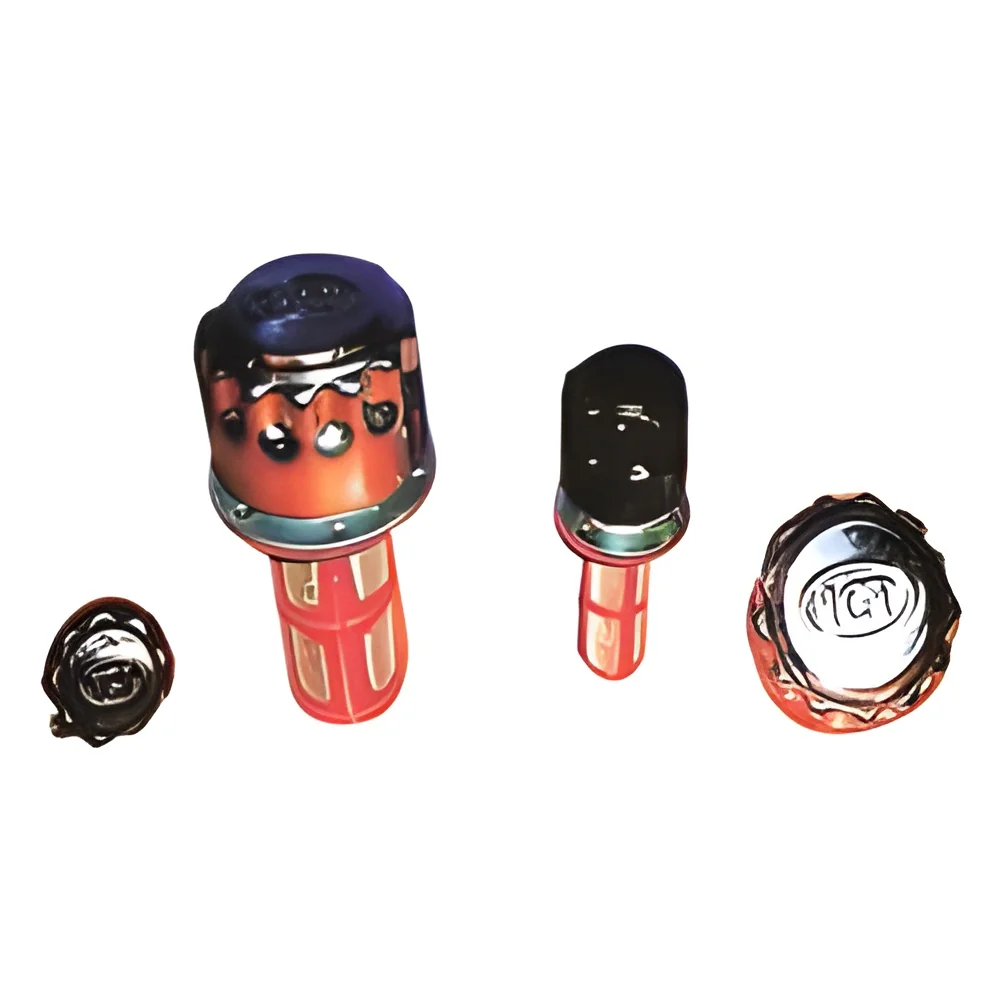
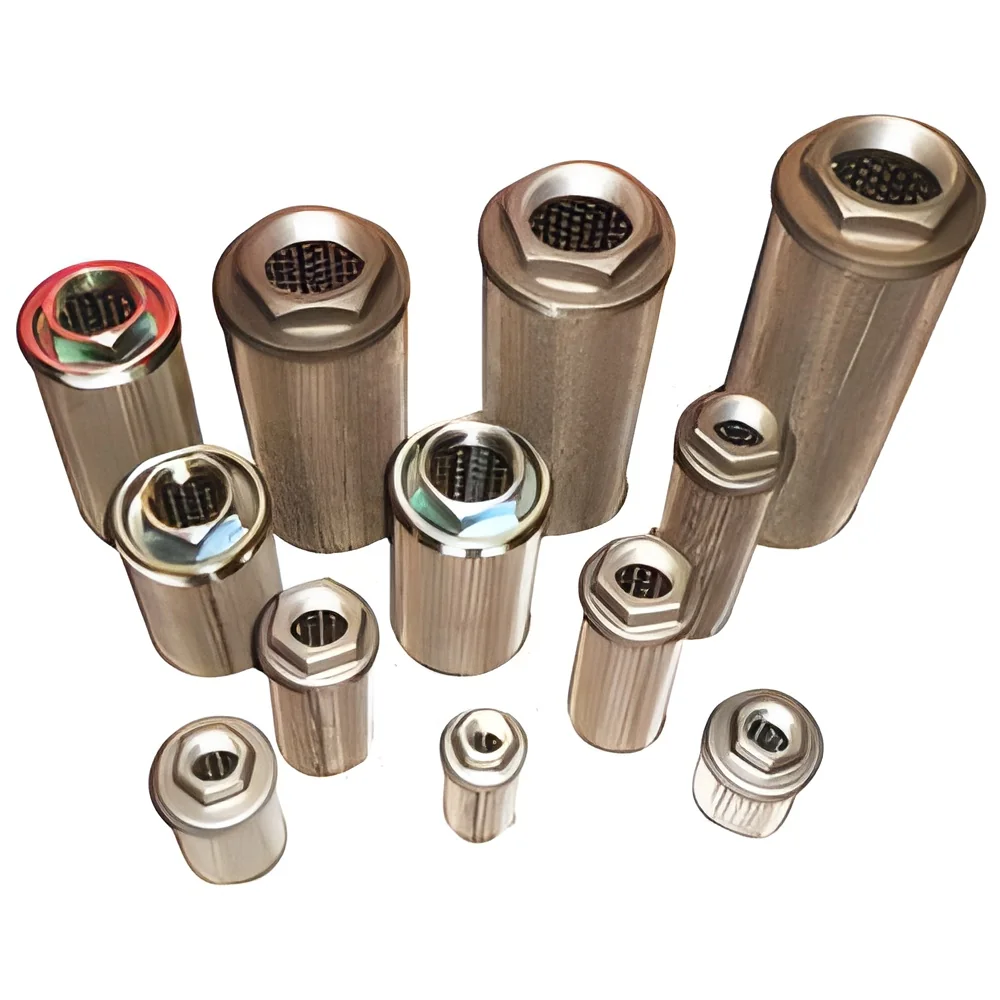
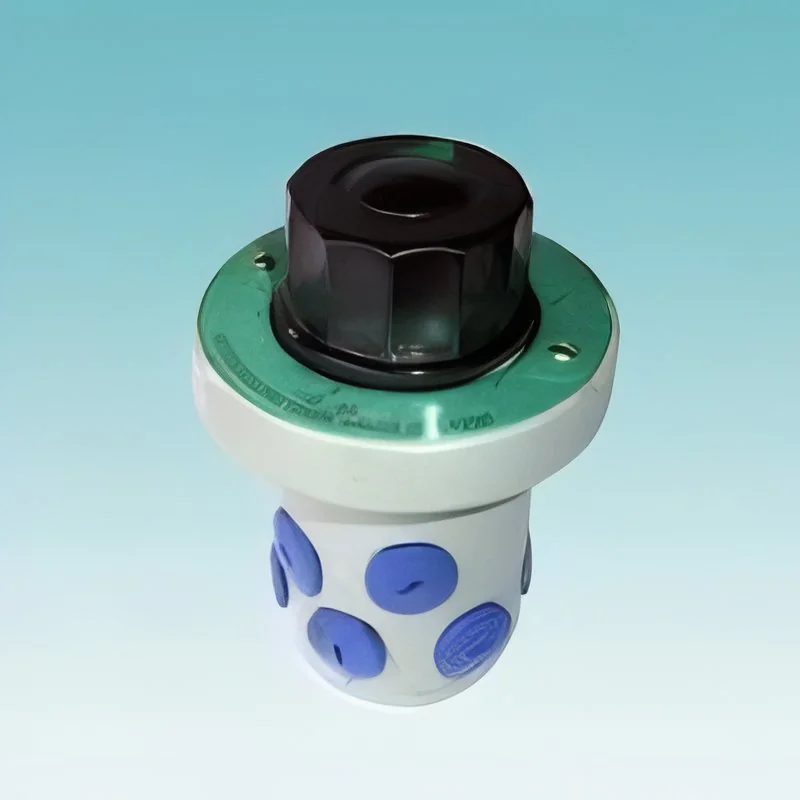
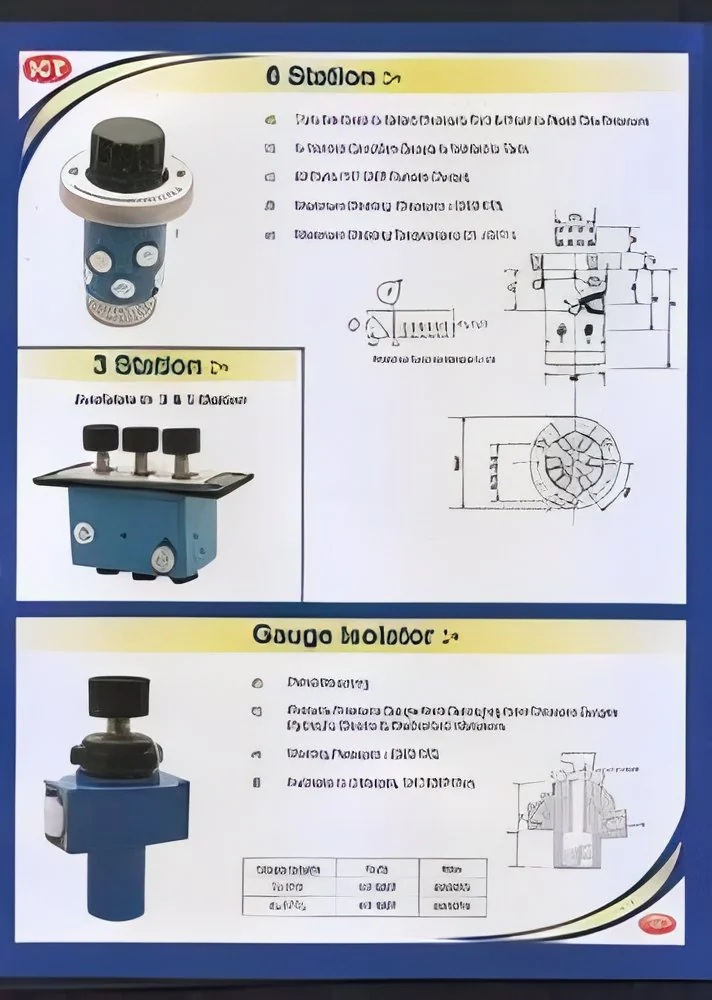
Industrial gauge isolator valves are specialized safety devices designed to protect pressure measurement instruments from system disturbances. They function as a reliable barrier, isolating the gauge from the process fluid until a reading is needed. This simple yet effective mechanism prevents damaging pressure surges, water hammer, and pulsations from reaching the gauge bourdon tube, thereby eliminating a common cause of premature gauge failure. The valve is manually operated via a knob or lever: in the closed position, it provides complete isolation; when opened, it allows the system pressure to reach the gauge for an accurate reading. This design ensures that gauges are only exposed to pressure during brief measurement periods, dramatically extending their service life and maintaining calibration integrity in challenging industrial environments.

These valves find essential application in numerous sectors where process safety and equipment longevity are paramount. In the oil and gas...
Industrial gauge isolator valves are specialized safety devices designed to protect pressure measurement instruments from system disturbances. They function as a reliable barrier, isolating the gauge from the process fluid until a reading is needed. This simple yet effective mechanism prevents damaging pressure surges, water hammer, and pulsations from reaching the gauge bourdon tube, thereby eliminating a common cause of premature gauge failure. The valve is manually operated via a knob or lever: in the closed position, it provides complete isolation; when opened, it allows the system pressure to reach the gauge for an accurate reading. This design ensures that gauges are only exposed to pressure during brief measurement periods, dramatically extending their service life and maintaining calibration integrity in challenging industrial environments.

These valves find essential application in numerous sectors where process safety and equipment longevity are paramount. In the oil and gas industry, they protect gauges on pipelines, wellheads, and refining equipment from sudden pressure spikes. Chemical and petrochemical plants use them to isolate instruments handling corrosive or hazardous fluids. Water and wastewater treatment facilities employ isolator valves to shield gauges from pump surges and water hammer. Manufacturing plants integrate them into hydraulic and pneumatic systems to ensure consistent pressure monitoring. Power generation facilities, including thermal and nuclear plants, rely on them to protect critical instrumentation on boilers, turbines, and feedwater systems. In each case, the valve acts as a first line of defense for valuable instrumentation.

The business value of installing gauge isolator valves is clear: they reduce operational costs by minimizing unplanned downtime and expensive gauge replacements. By preventing gauge failure, they ensure continuous, reliable pressure monitoring, which is vital for process control and safety compliance. Their robust, industrial-grade construction offers long-term reliability with minimal maintenance. The availability in single, double, and six-valve configurations provides flexibility for various system layouts and instrumentation clusters. This makes them a cost-effective insurance policy for any operation dependent on accurate pressure data, delivering a strong return on investment through enhanced equipment protection and reduced lifecycle costs.

Key Features:
- Manual isolation valve design for complete gauge protection from surges and shock.
- Available in single, double, and six-valve configurations for system design flexibility.
- Robust construction with industrial-grade materials suitable for demanding environments.
- Simple knob or lever operation for instant, on-demand pressure readings.
- Standard port threads and connections for compatibility with most pressure gauge fittings.

Benefits:
- Extends pressure gauge lifespan by preventing exposure to damaging pressure spikes.
- Maintains measurement accuracy and calibration by protecting the gauge mechanism.
- Reduces maintenance costs and downtime associated with frequent gauge replacement.
- Enhances system safety by ensuring reliable pressure monitoring is always available.
- Provides a simple, reliable, and cost-effective solution for instrument protection.
Specifications
| Additional Information | |
|---|---|
| Country of Origin | India |
Application
Gauge isolator valves are critical components in systems where pressure monitoring must remain accurate despite harsh conditions. They shield sensitive instruments from damaging pressure spikes, hydraulic shocks, and mechanical vibrations that occur during normal operation, startup, or shutdown cycles. This protection is essential for maintaining reliable data and preventing costly gauge failures.
These valves are deployed across industries that rely on precise pressure control for safety and efficiency. Their robust design ensures they perform reliably in environments with frequent pressure fluctuations, corrosive media, or high vibration. Engineers specify them to integrate seamlessly into existing piping, providing a dependable barrier that extends instrumentation life and reduces maintenance interventions.
- Isolating and protecting gauges on oil and gas transmission pipelines and wellheads.
- Shielding instrumentation in chemical processing reactors, distillation columns, and storage tanks.
- Safeguarding pressure measurement devices in water treatment plants and municipal supply systems.
- Enhancing reliability for gauges on hydraulic power units and pneumatic control panels in manufacturing.
- Protecting critical monitors in power generation facilities, including boiler feedwater and steam lines.
Trade Details
| Available Stock | In Stock |
| Sample Availability | No |
Payment Terms
| Payment Terms |
|
Company Profile

International Crafford Tools, Karnataka
 Karnataka, India
Karnataka, IndiaIndustrial Equipment & Machinery•Manufacturer•Distributor / Wholesaler•Importer / Exporter
Factory Details
Factory SizeBelow 1000 sqm
Annual Production Capacity0
Main Markets
South Asia
Industrial Gauge Isolator Valves For Pressure Surge Protection
Industrial gauge isolator valves protect pressure gauges from surges, shock, and vibrations. Available in single, double, and six configurations for enhanced safety and measurement accuracy in demanding industrial systems.
Min. Order Quantity: 1 unit
Shipping
Shipping fee and delivery date to be negotiated. Contact supplier now for more details.
International Crafford Tools
 Karnataka, India
Karnataka, IndiaIndustrial Equipment & MachineryManufacturer