IN
IN₹
Apparel & Fashion
Description
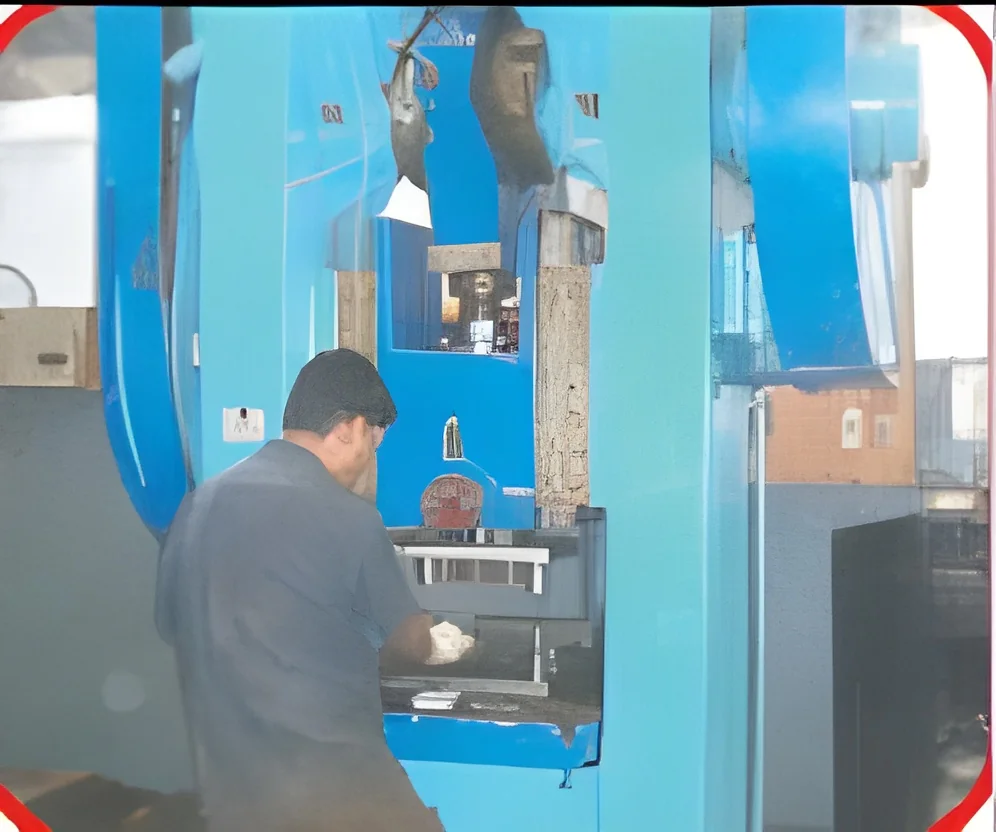
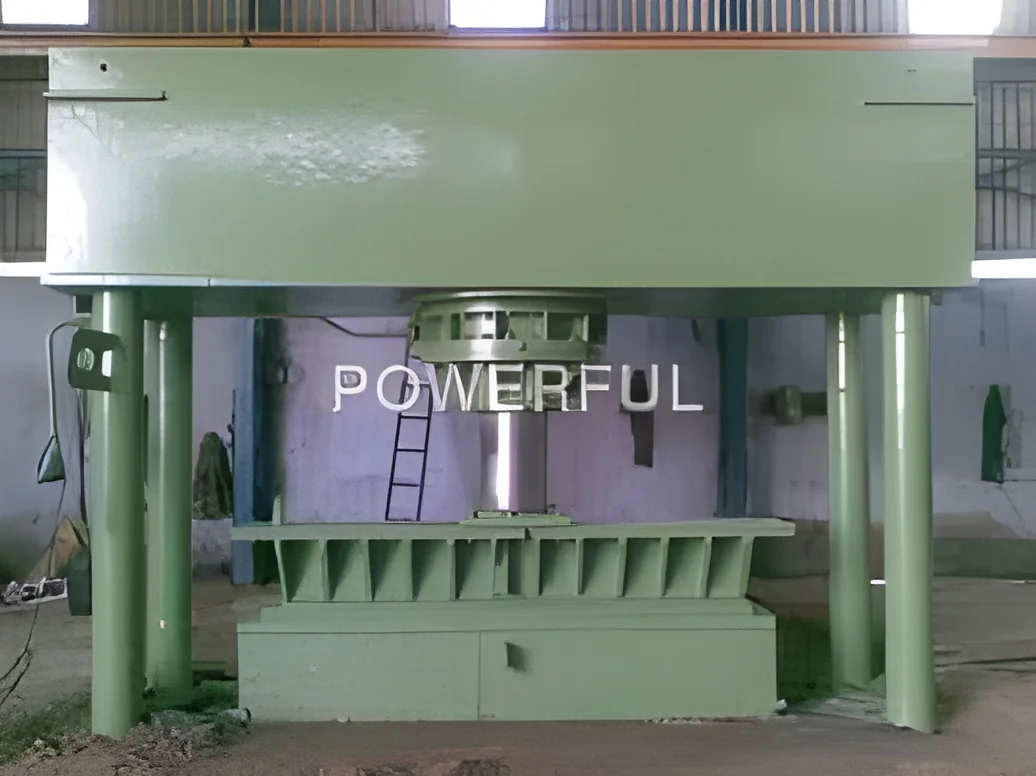
Industrial hydraulic pressing jobs provide specialized metal forming services using controlled hydraulic force systems. These services convert raw metal materials into precise components through bending, forming, and stamping operations. The process utilizes custom-designed tooling and dies to achieve specific geometries according to exact client specifications. Hydraulic pressing delivers consistent results across production runs while accommodating various material types including steel, aluminum, and alloys. This manufacturing approach combines traditional metalworking expertise with modern hydraulic technology for superior forming outcomes.

Multiple industrial sectors depend on hydraulic pressing services for their critical component manufacturing. Automotive manufacturers utilize these services for producing suspension components, mounting brackets, and structural reinforcements. Aerospace companies rely on hydraulic pressing for aircraft parts requiring exact tolerances and mate...
Industrial hydraulic pressing jobs provide specialized metal forming services using controlled hydraulic force systems. These services convert raw metal materials into precise components through bending, forming, and stamping operations. The process utilizes custom-designed tooling and dies to achieve specific geometries according to exact client specifications. Hydraulic pressing delivers consistent results across production runs while accommodating various material types including steel, aluminum, and alloys. This manufacturing approach combines traditional metalworking expertise with modern hydraulic technology for superior forming outcomes.

Multiple industrial sectors depend on hydraulic pressing services for their critical component manufacturing. Automotive manufacturers utilize these services for producing suspension components, mounting brackets, and structural reinforcements. Aerospace companies rely on hydraulic pressing for aircraft parts requiring exact tolerances and material integrity. Industrial equipment producers use these services for machinery frames, housings, and functional components. Construction equipment manufacturers benefit from hydraulic pressing for durable parts that withstand heavy operational stresses. Electrical and energy sectors utilize these services for enclosure fabrication and specialized component production.

Hydraulic pressing services deliver substantial business value through operational efficiency and quality consistency. These services reduce manufacturing costs by minimizing material waste and secondary processing requirements. The reliable output ensures components meet stringent industry specifications and performance standards. Businesses achieve faster production cycles and reduced operational downtime through efficient forming processes. The inherent reliability of hydraulic systems provides consistent performance across production batches, while precision control capabilities enable complex part geometries.

Key Features:
- High-force hydraulic systems for controlled metal forming operations
- Custom tooling and die design for specific component requirements
- Consistent quality output with maintained dimensional tolerances
- Support for prototype development through production-scale manufacturing
- Advanced pressure control systems for precise force application

Benefits:
- Reduced material waste through efficient forming techniques
- Consistent part quality across production batches
- Faster production cycles with reduced operational downtime
- Accommodation of various material types and thicknesses
- Complex geometry capabilities through precision control systems
Specifications
| Additional Information | |
|---|---|
| Country of Origin | India |
Application
Industrial hydraulic pressing services deliver controlled high-force metal forming for components requiring strength and dimensional accuracy. These processes transform metal sheets and plates into precise parts through bending, stamping, and deep drawing operations. The technology supports diverse materials and thicknesses while maintaining tight tolerances essential for functional assemblies.
Manufacturers utilize hydraulic pressing for both prototype development and production-scale manufacturing. The process ensures part integrity across batches while reducing material waste through efficient forming techniques. This makes it a cost-effective solution for industries where component reliability directly impacts product performance and safety standards.
- Automotive chassis reinforcement bracket forming and assembly
- Aerospace wing rib and structural component fabrication
- Industrial machinery housing and frame bending operations
- Construction equipment hydraulic cylinder end cap production
- Electrical transformer casing and enclosure stamping
Trade Details
| Available Stock | In Stock |
| Sample Availability | No |
Payment Terms
| Payment Terms |
|
Company Profile
Abhijeet Surface Coatings Private Limited, Maharashtra
 Maharashtra, India
Maharashtra, IndiaRaw Materials & Chemicals•Manufacturer•Distributor / Wholesaler
Factory Details
Factory SizeBelow 1000 sqm
Annual Production Capacity0
Industrial Hydraulic Pressing Jobs For Metal Forming And Bending
Industrial hydraulic pressing services for precision metal forming and bending. Expert solutions for automotive, aerospace, and manufacturing sectors with reliable performance and consistent quality output.
Min. Order Quantity: 1 unit
Shipping
Shipping fee and delivery date to be negotiated. Contact supplier now for more details.
Abhijeet Surface Coatings Private Limited
 Maharashtra, India
Maharashtra, IndiaRaw Materials & ChemicalsManufacturer