
 IN
Marine Pump
11 products available
What are Marine Pump?
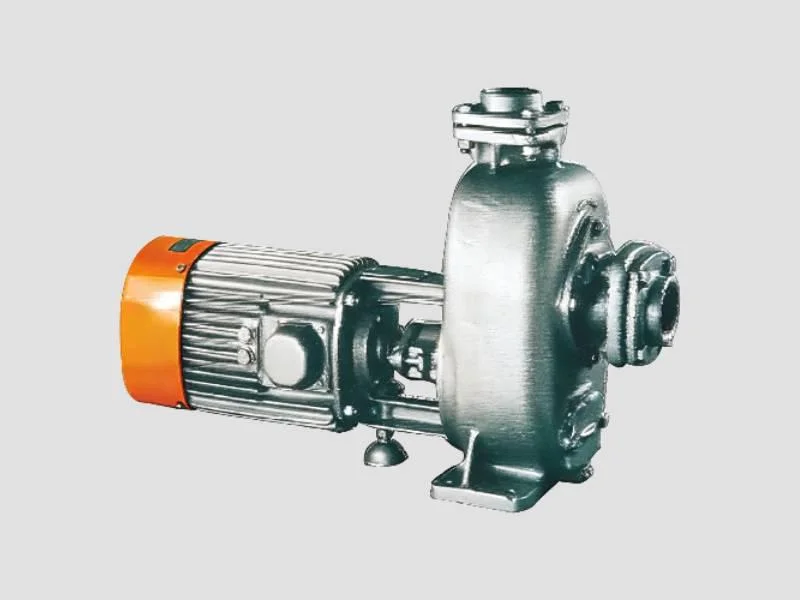
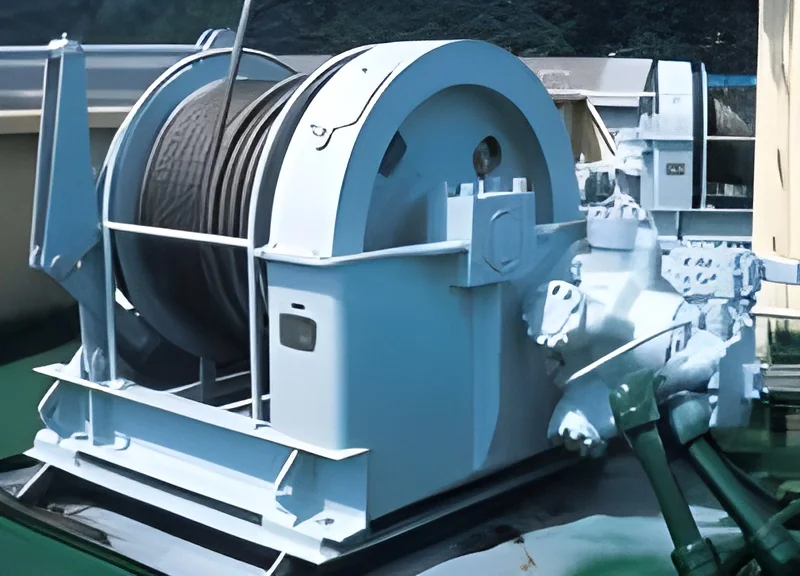
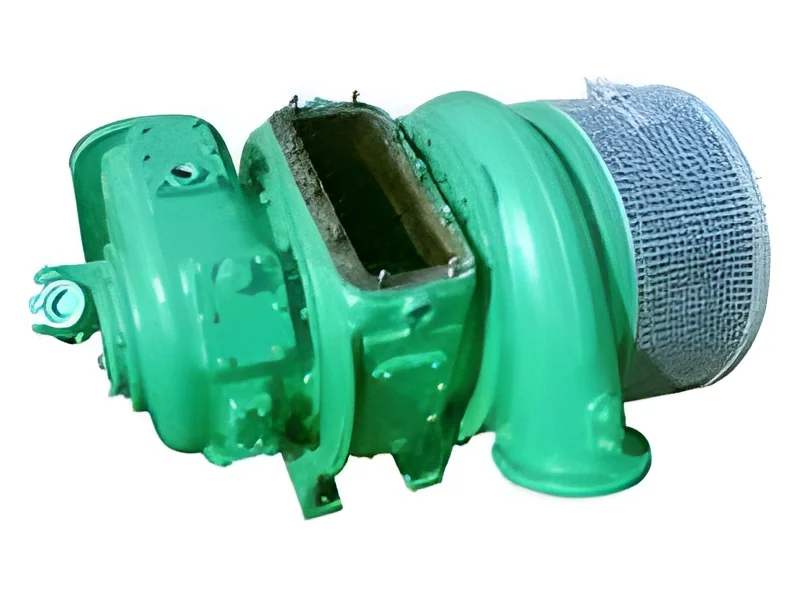
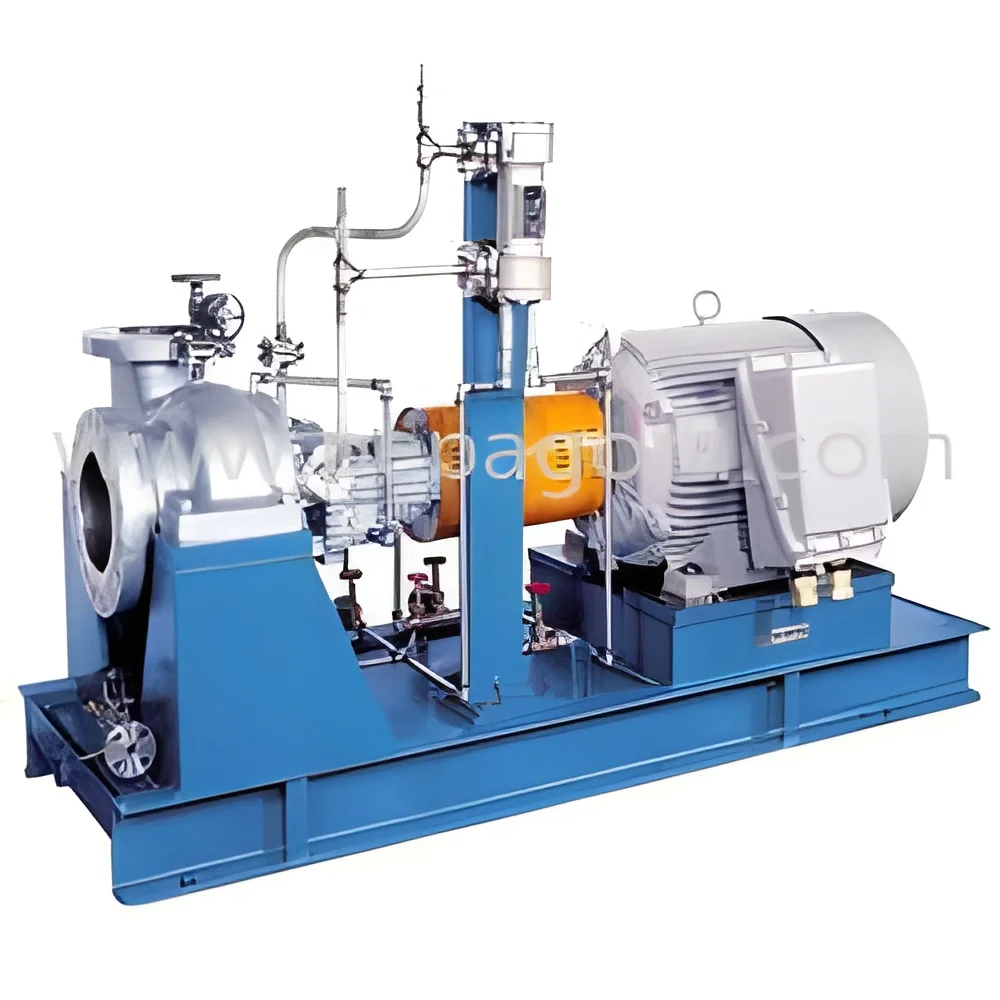
Marine pumps are specialized devices designed to move fluids in marine environments. They are essential components in various applications, including shipbuilding, offshore platforms, and other maritime operations. These pumps are built to withstand harsh marine conditions, ensuring reliable performance and durability. They can handle various types of fluids, including seawater, fuel, and lubricants, making them versatile tools in the marine industry.
The primary uses of marine pumps range from ballast systems in ships to cooling systems in marine engines. They play a crucial role in maintaining optimal operational conditions and ensuring safety on vessels. Businesses in shipping, fishing, and offshore oil and gas extraction rely heavily on these pumps to maintain efficiency and operational integrity. The marine pump market is evolving, driven by advancements in technology and increasing demand for energy-efficient solutions.
As the maritime industry continues to grow, the relevance of marine pumps becomes increasingly significant. The global push for sustainable practices and regulations concerning emissions and environmental protection has led to innovations in pump design and materials. This market context highlights the importance of selecting the right marine pump for specific applications, ensuring compliance with industry standards, and addressing the unique challenges posed by marine environments.
Key Features and Specifications
Marine pumps come with several features that enhance their performance and reliability. Understanding these specifications is vital for selecting the right pump for various applications.
Key specifications include:
1. Flow Rate
- The volume of fluid the pump can move, typically measured in liters per minute (L/min) or gallons per minute (GPM).
- Flow rates can vary widely depending on the type and size of the pump.
2. Pressure Rating
- The maximum pressure the pump can handle, usually expressed in pounds per square inch (PSI) or bar.
- This specification is crucial for applications requiring high-pressure fluid movement.
3. Material Construction
- Marine pumps are generally made from corrosion-resistant materials such as stainless steel or bronze.
- The choice of material affects durability and performance in harsh marine conditions.
4. Power Source
- Pumps may be electrically powered, hydraulically operated, or engine-driven, impacting their suitability for specific applications.
- The power source influences the pump's operational efficiency and maintenance needs.
5. Seal Type
- The type of seal used in the pump affects leakage prevention and maintenance requirements.
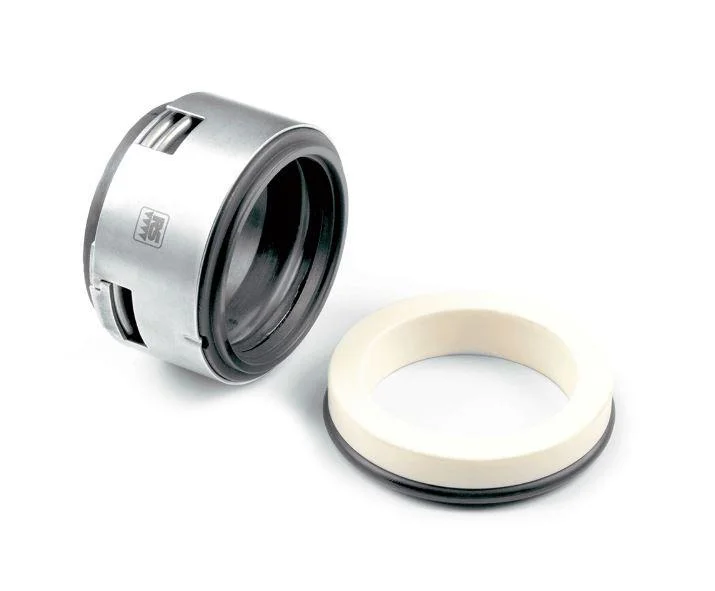
- Common seal types include mechanical seals and lip seals, each with its advantages.
6. Port Size
- The size of the inlet and outlet ports, typically measured in inches or millimeters, influences compatibility with existing systems.
- Proper port sizing ensures optimal fluid flow and minimizes pressure loss.
7. Noise Level
- Some marine pumps are designed to operate quietly, which is essential in applications where noise reduction is a priority.
- Noise levels are usually measured in decibels (dB).
8. Weight
- The weight of the pump can affect installation and mobility, especially in smaller vessels.
- Lighter pumps may be preferred for applications where space and weight are critical factors.
In summary, understanding these features and specifications is essential for selecting the appropriate marine pump for specific tasks, ensuring efficiency and reliability in fluid movement.
Common Applications and Use Cases
Marine pumps are utilized across various industries, demonstrating their versatility and importance.
1. Shipping Industry: Marine pumps are critical in ballast systems, allowing vessels to manage stability and weight distribution. They also pump fuel and lubricants for engines, ensuring efficient operation.
2. Offshore Oil and Gas: Pumps are essential for transferring crude oil and natural gas from offshore rigs to processing facilities. They support drilling operations by managing fluids used in exploration.
3. Fishing Industry: In commercial fishing, marine pumps help circulate seawater in fish holds, maintaining optimal conditions for live catch. They also assist in transferring liquids during processing.
4. Recreational Boating: Many recreational vessels use marine pumps for bilge systems, ensuring that excess water is removed from the hull to prevent sinking.
5. Marine Construction: Pumps are used in dredging operations and managing dewatering on construction sites, making them vital for maintaining safe and dry working conditions.
6. Aquaculture: Marine pumps help circulate water in fish farms and aquariums, ensuring proper oxygenation and water quality for aquatic life.
7. Naval Vessels: Military ships rely on marine pumps for various functions, including fuel transfer, ballast control, and fire-fighting systems.
Product Variants and Subcategories
The diversity of marine pumps allows for tailored solutions based on specific needs.
Horizontal Centrifugal Pumps
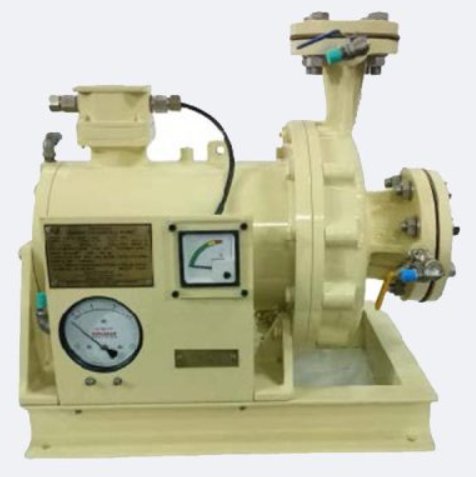
These pumps are commonly used for transferring large volumes of fluids and are known for their efficiency. They are ideal for applications such as ballast systems and fuel transfer.
Submersible Pumps
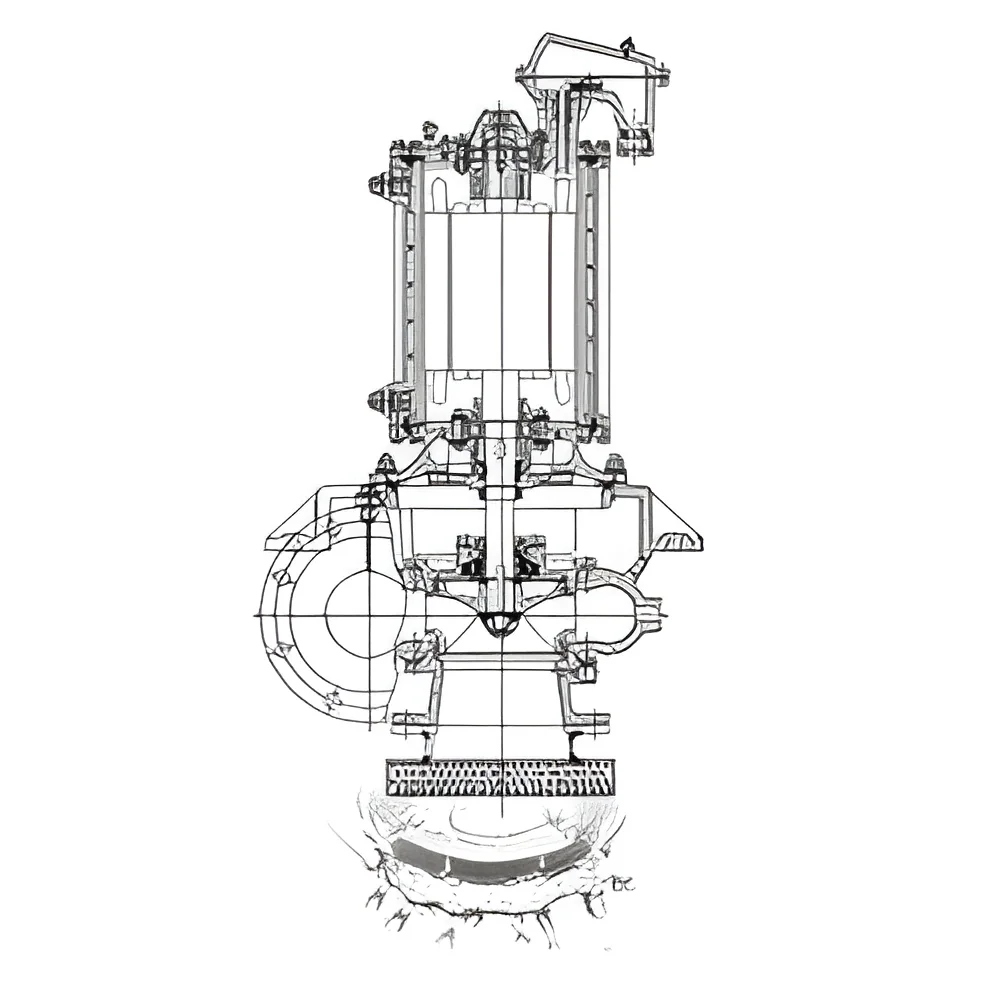
Designed to operate underwater, submersible pumps are perfect for dewatering applications. They are often used in aquaculture and construction to remove water from specific areas.
Diaphragm Pumps
These pumps are suited for moving viscous or abrasive fluids. They are commonly used in the oil and gas industry for transferring slurries and other challenging materials.
Positive Displacement Pumps
These pumps are effective for applications requiring precise fluid movement. They are often utilized in lubrication systems and hydraulic applications.
Benefits and Advantages
Marine pumps offer numerous benefits that contribute to efficient operations.
1. Durability: Marine pumps are designed to withstand harsh conditions, ensuring long-term reliability and reducing maintenance costs.
2. Versatility: They can handle various fluids, making them suitable for multiple applications across different industries.
3. Efficiency: Many marine pumps are engineered for optimal energy use, helping businesses reduce operational costs.
4. Safety: High-quality marine pumps enhance safety by preventing leaks and ensuring proper fluid management, critical in marine environments.
5. Easy Maintenance: Many modern pumps are designed for easy access to components, simplifying maintenance and minimizing downtime.
6. Compliance: Marine pumps often meet industry standards and certifications, ensuring that they adhere to safety and environmental regulations.
Buying Guide for B2B Buyers
When sourcing a marine pump, it is essential to consider several factors to ensure the right purchase.
1. Quality Assessment: Look for pumps that comply with recognized industry standards. Evaluate the materials used and check for durability and performance under marine conditions.
2. Supplier Verification: Vet suppliers by checking their reputation, certifications, and customer reviews. A reliable supplier ensures quality and efficient service.
3. Pricing and MOQ: Understand the pricing structures and minimum order quantities (MOQ) before purchasing. This knowledge helps in budgeting and planning.
4. Delivery and Lead Times: Inquire about lead times for delivery to ensure that you receive the pump when needed. This consideration is crucial for project timelines.
5. Compliance Requirements: Ensure that the selected pump meets regulatory compliance standards specific to your region and application, particularly regarding safety and environmental impact.
Compliance and Certifications
Marine pumps must adhere to several quality standards to ensure reliability and safety. ISO 9001 is a widely recognized standard that indicates effective quality management systems are in place. Compliance with this standard helps ensure that manufacturers produce consistent and high-quality products.
In addition to ISO certifications, many marine pumps also meet CE certification requirements. CE marking indicates that products comply with European health, safety, and environmental protection standards, making them suitable for the European market.
Safety and testing requirements are essential in the marine industry due to the risks associated with fluid handling. Manufacturers often conduct rigorous testing to ensure pumps perform well under various conditions. This includes pressure tests, flow tests, and durability assessments.
Regional compliance considerations may vary based on local regulations, particularly for environmental standards. It is crucial to verify that the pump meets all applicable regulations before purchasing to avoid legal issues and ensure safety.
Why Source Marine Pump from Pepagora?
Pepagora provides an excellent platform for sourcing marine pumps with numerous advantages that benefit B2B buyers.
Verified Supplier Network: Pepagora features a robust network of verified suppliers, ensuring that buyers connect with reputable manufacturers. This verification process helps mitigate risks associated with purchasing industrial equipment.
Streamlined RFQ Process: The request for quotation (RFQ) process on Pepagora is designed for efficiency. Buyers can easily obtain multiple quotes, enabling them to compare prices and specifications to make informed decisions.
Trade Assurance and Support: Pepagora offers buyer protection through trade assurance, ensuring that transactions are secure. This support builds trust and confidence in the purchasing process.
Regional Coverage: Pepagora caters to a wide geographic area, including India, the Gulf Cooperation Council (GCC) countries, and Southeast Asia. This broad reach ensures that buyers can find suitable marine pumps regardless of their location, enhancing accessibility and convenience.


 India
 India
 India
 India
 IndiaIndia




Frequently Asked Questions
What are Marine Pump?
Marine Pumps are specialized pumps designed for the marine environment, primarily used in boats, ships, and offshore platforms. They are engineered to handle seawater and other fluids in a variety of applications, including bilge pumping, fuel transfer, and fire fighting.
What are the different types of Marine Pump?
There are several types of Marine Pumps, including centrifugal pumps, positive displacement pumps, submersible pumps, and diaphragm pumps. Each type serves different purposes and is selected based on factors such as flow rate, pressure requirements, and fluid characteristics.
How do I choose the right Marine Pump?
To choose the right Marine Pump, consider the specific application, flow rate, and pressure requirements. Additionally, evaluate the pump's material compatibility with the fluids being handled, as well as its energy efficiency and maintenance needs.
What are the standard specifications for Marine Pump?
Standard specifications for Marine Pumps typically include flow rate (measured in liters per minute or gallons per minute), pressure ratings, power consumption, and material construction. Furthermore, certifications for marine use, such as those from relevant regulatory bodies, are also important.
What is the price range for Marine Pump?
The price range for Marine Pumps can vary widely based on type, size, and specifications, typically starting from a few thousand rupees to several lakhs. It is advisable to compare prices from different suppliers to find a suitable option that meets your budget and requirements.
What quality standards apply to Marine Pump?
Marine Pumps must adhere to various quality standards, including ISO certifications and specific marine industry regulations. These standards ensure reliability, safety, and performance in challenging marine environments.
Where can I find Marine Pump suppliers in India?
You can find Marine Pump suppliers in India through B2B marketplaces like Pepagora.com, industry trade shows, and directories. It's essential to research suppliers' credibility and product offerings to ensure you are sourcing from reputable companies.
Can Marine Pump be customized?
Yes, many manufacturers offer customization options for Marine Pumps to meet specific needs. Customization may include modifications in size, material, or configuration based on particular operational requirements.
What is the typical minimum order quantity for Marine Pump?
The typical minimum order quantity (MOQ) for Marine Pumps can vary depending on the manufacturer and pump type, often ranging from one unit to several units. It's advisable to check with individual suppliers for their specific MOQs.
What is the typical lead time for Marine Pump?
The typical lead time for Marine Pumps can range from a few weeks to several months, depending on the supplier's inventory and whether the pumps are standard or customized. It's recommended to confirm lead times with the supplier before placing an order.
Why Businesses Trust Pepagora
Thousands of companies trust Pepagora to source smarter and sell faster
Expand Your Sales Globally

Source Smarter,Grow Faster
