
 IN
Graphite Molds
14 products available
What are Graphite Molds?
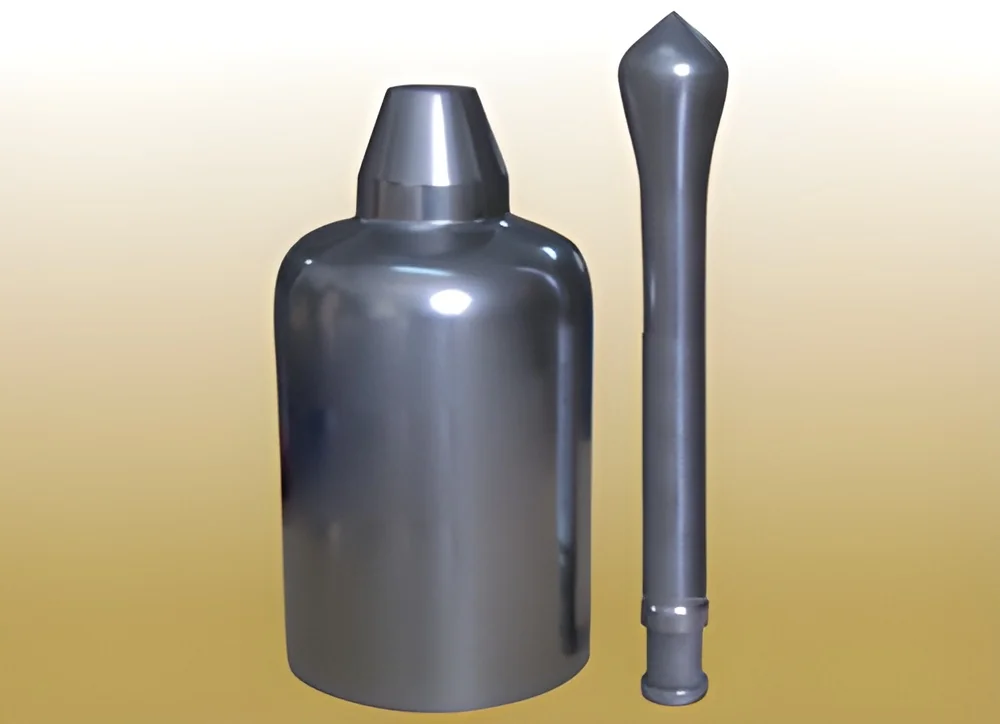
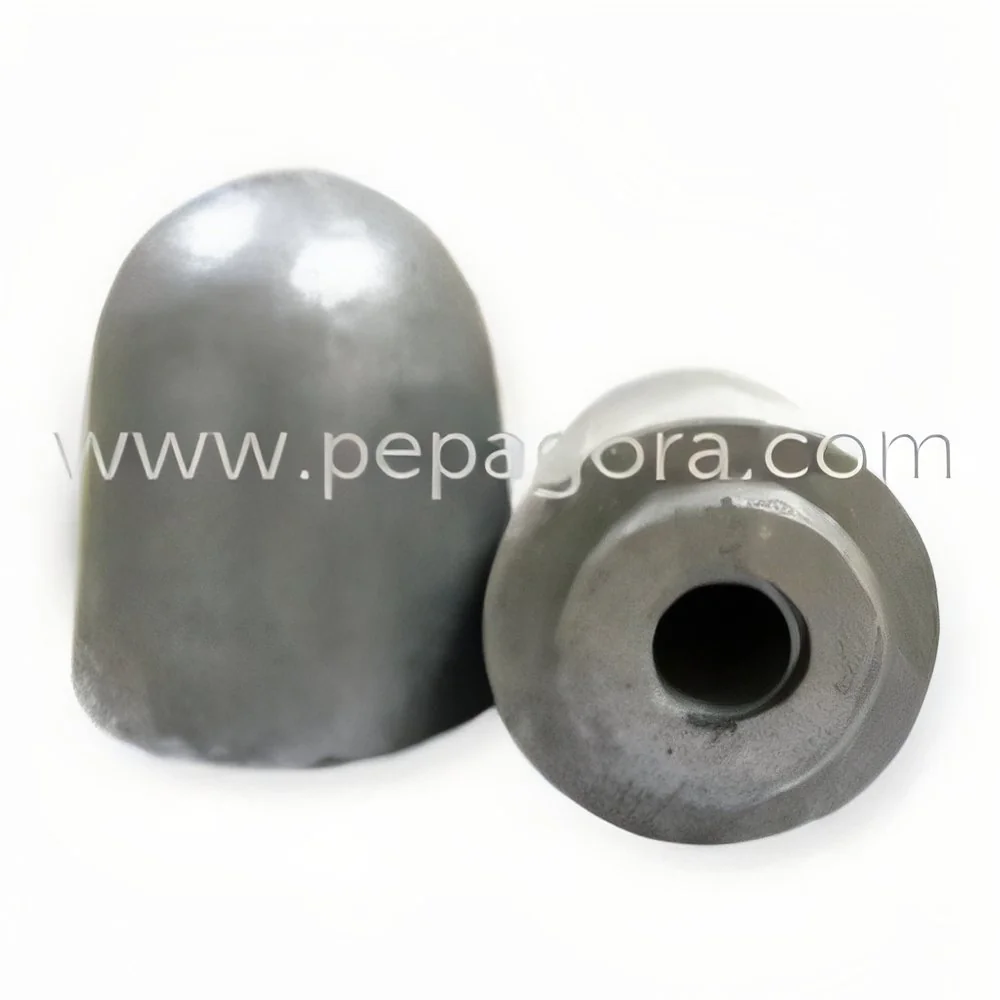
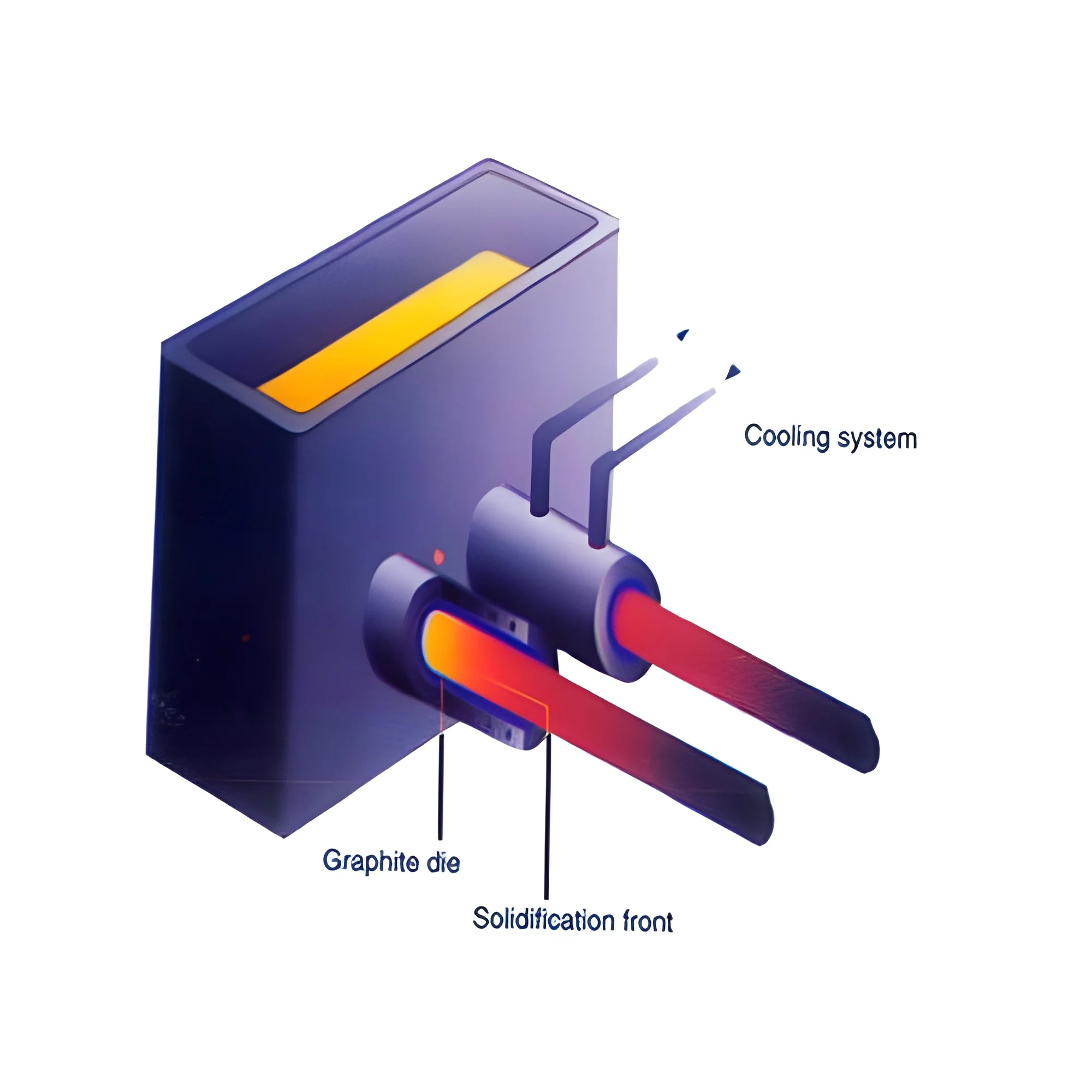
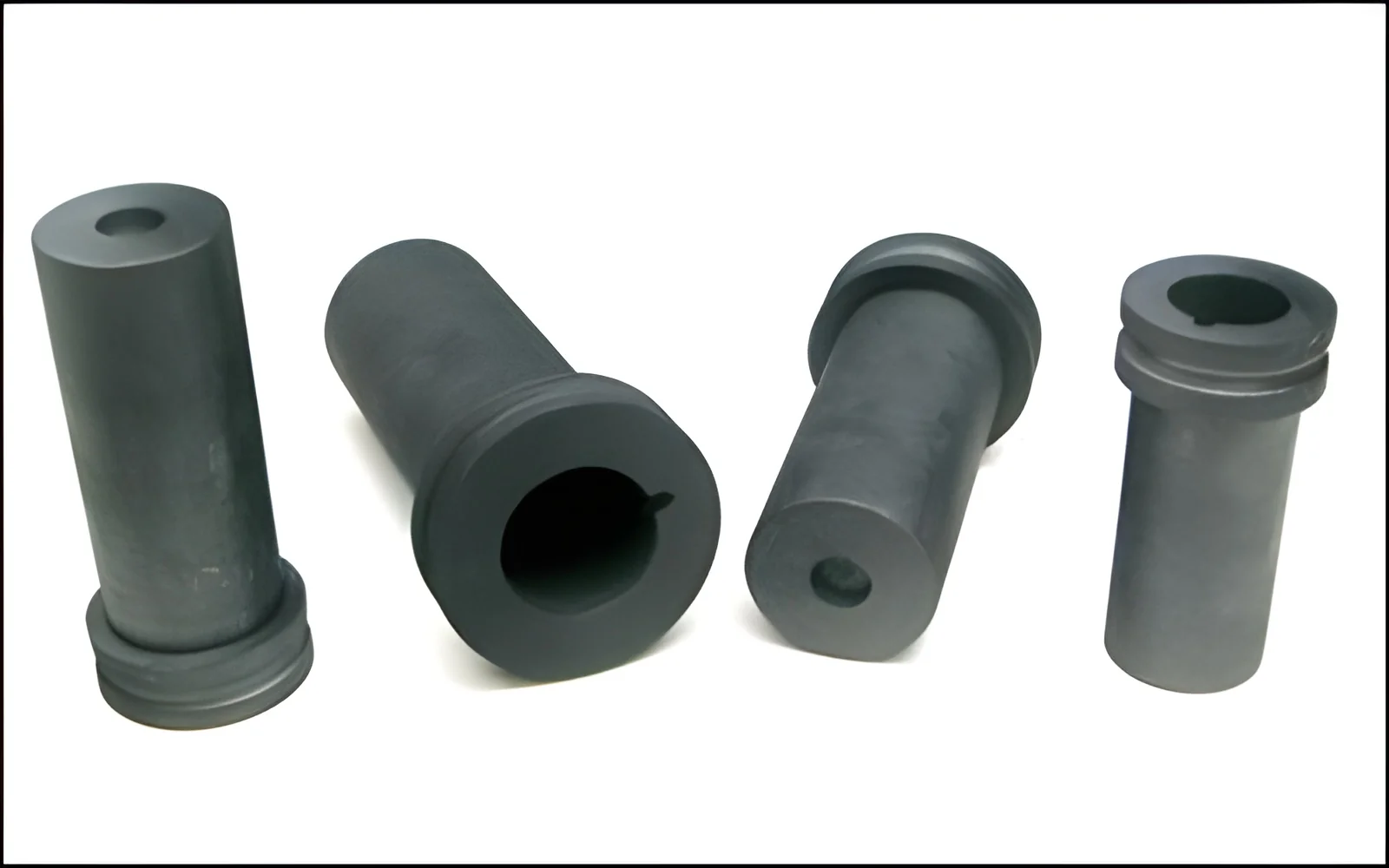
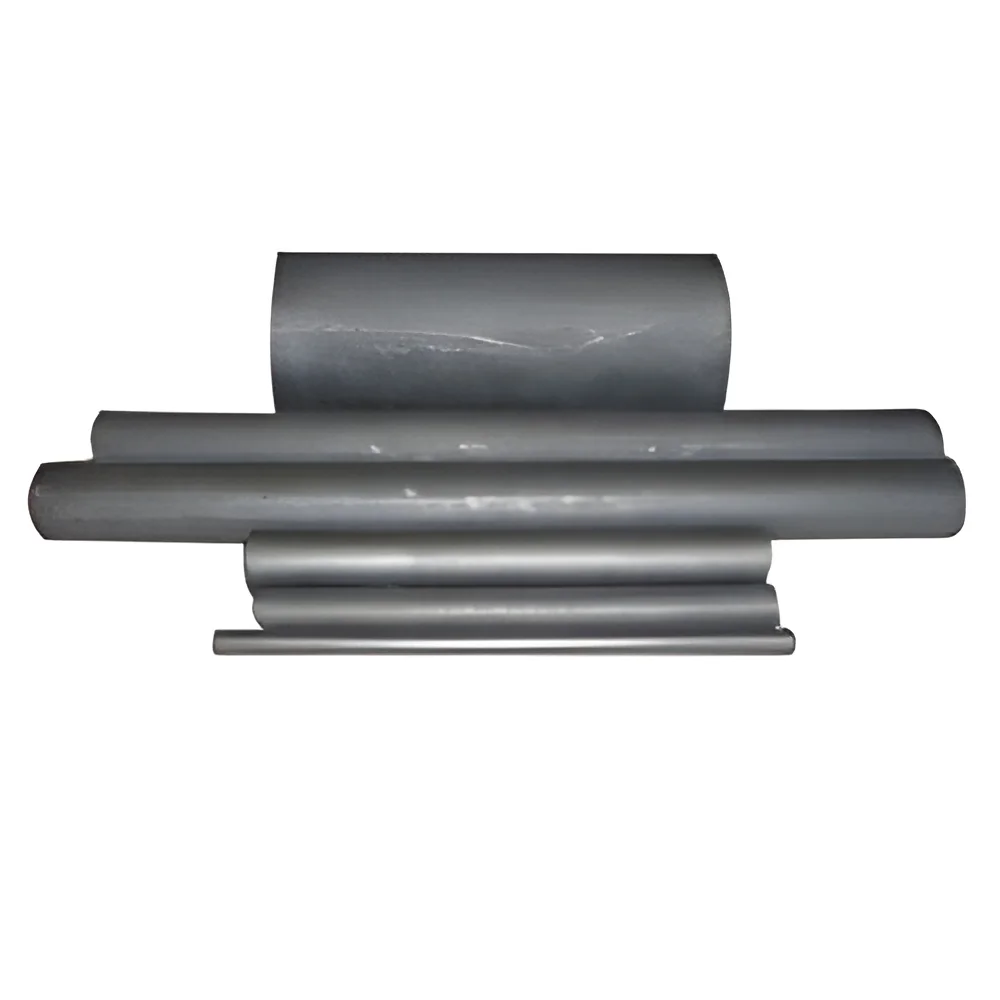
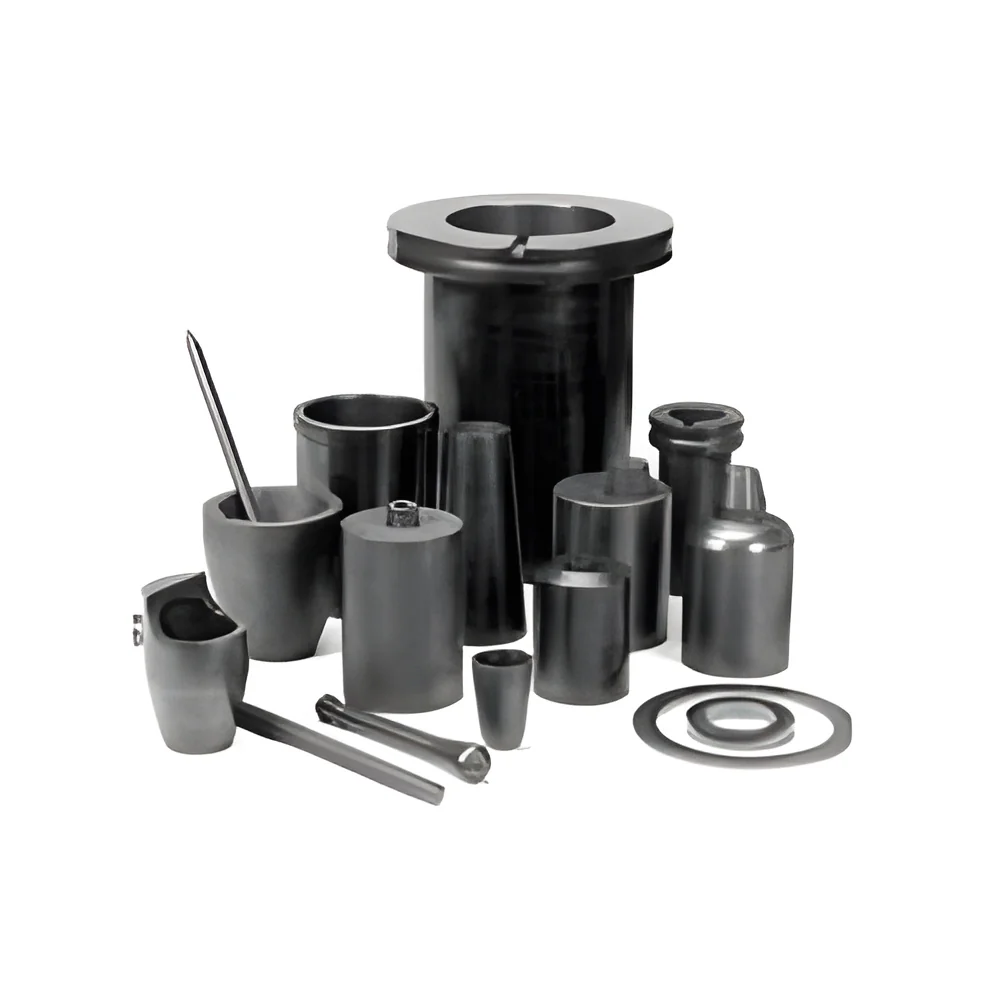
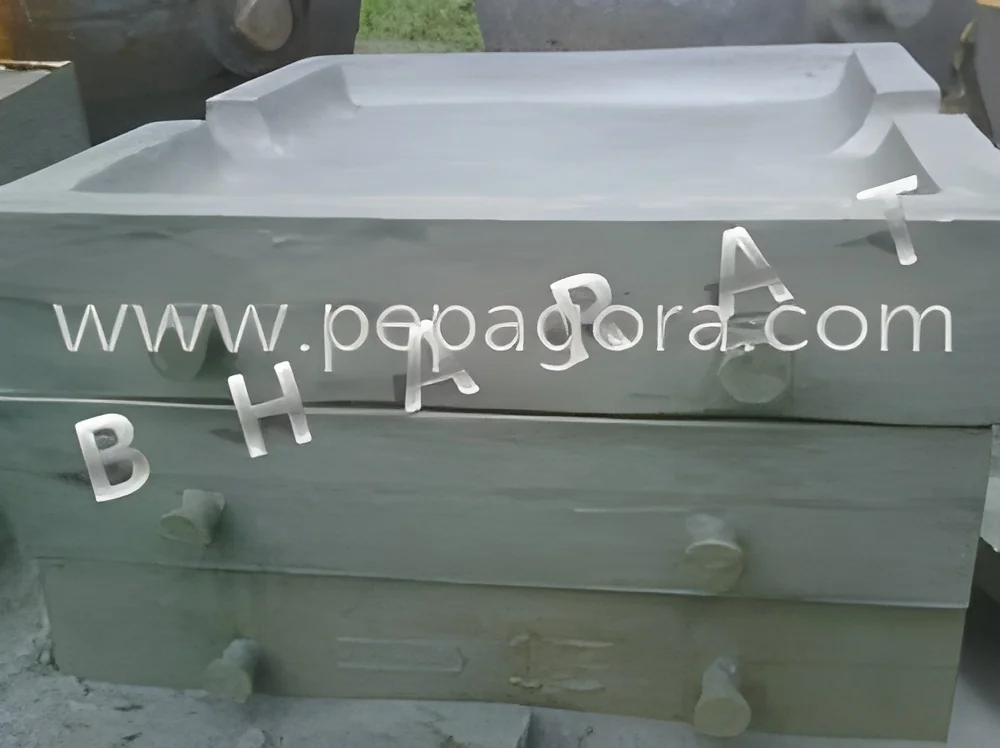
Graphite molds are specialized tools used in various industrial applications for casting metals and other materials. Made from high-purity graphite, these molds are designed to withstand high temperatures and provide excellent thermal conductivity. Their unique properties allow them to retain heat effectively while also offering resistance to thermal shock. This makes graphite molds an ideal choice for processes that require precise temperature control and consistency.
The primary uses of graphite molds include the production of complex shapes and components in industries such as metallurgy, jewelry making, and electronics. They are utilized for casting materials like aluminum, copper, and other non-ferrous metals. Businesses that require high-quality casting processes benefit from the efficiency and reliability that graphite molds provide. As industries continue to advance, the relevance of graphite molds only grows, with increasing demand for precision engineering and high-performance materials.
In the current market, graphite molds are recognized for their essential role in modern manufacturing. As companies strive to improve productivity and reduce costs, the adoption of advanced materials like graphite is becoming more prevalent. This trend is particularly evident in sectors that prioritize quality and efficiency, leading to a greater focus on sourcing high-quality graphite molds.
Key Features and Specifications
Graphite molds come with a variety of features and specifications that enhance their performance and usability. Understanding these specifications is crucial for businesses looking to make informed purchasing decisions.
Key specifications include:
1. Thermal Conductivity
- High thermal conductivity ensures efficient heat transfer during the casting process.
- Typically ranges from 100 to 150 W/mK.
2. Temperature Resistance
- Capable of withstanding extreme temperatures without deformation.
- Often rated for use at temperatures exceeding 3000 degrees Fahrenheit.
3. Customizable Shapes
- Molds can be tailored to meet specific shape and size requirements.
- Flexibility in design supports complex geometries.
4. Surface Finish
- Smooth surface finishes reduce defects in cast products.
- Available in various surface textures based on application needs.
5. Durability
- High wear resistance ensures long-lasting performance.
- Resistant to cracking or chipping under stress.
6. Lightweight Design
- Reduced weight makes handling and installation easier.
- Facilitates quicker setup times for production runs.
7. Non-Stick Properties
- Graphite's natural non-stick characteristics minimize material adhesion.
- Enhances the ease of mold release after casting.
In summary, the features and specifications of graphite molds make them a critical component in various industrial applications. Their high thermal conductivity, customizable designs, and durability contribute to improved efficiency and product quality.
Common Applications and Use Cases
Graphite molds serve a wide range of industries, each benefiting from their unique properties.
1. Metallurgy: Graphite molds are extensively used for metal casting, particularly in the production of aluminum and copper alloys. Their ability to withstand high temperatures makes them ideal for this application.
2. Jewelry Manufacturing: In the jewelry industry, graphite molds are employed for casting intricate designs. The precision and detail achievable with these molds are essential for high-quality jewelry pieces.
3. Electronics: The electronics sector utilizes graphite molds for manufacturing components such as capacitors and resistors. The molds facilitate the production of complex shapes necessary for modern electronic devices.
4. Aerospace: In aerospace applications, graphite molds are used for casting lightweight yet strong components. Their thermal stability is crucial for parts that experience extreme conditions.
5. Automotive: The automotive industry relies on graphite molds for the production of engine components and other critical parts, ensuring high performance and reliability.
6. Medical Devices: Graphite molds are increasingly being used for casting parts in medical devices. Their precision and biocompatibility are vital for applications in healthcare.
7. Renewable Energy: In renewable energy sectors, graphite molds are utilized for manufacturing components for wind turbines and solar panels, supporting the shift towards sustainable energy solutions.
Product Variants and Subcategories
Graphite molds come in various forms to cater to specific industry needs, showcasing their versatility.
Standard Graphite Molds
These molds are designed for general casting applications. They offer a balance of thermal conductivity and durability, making them suitable for a variety of materials and industries.
High-Performance Graphite Molds
Engineered for extreme conditions, these molds can handle higher temperatures and provide superior wear resistance. They are ideal for industries such as aerospace and automotive, where precision is crucial.
Customized Graphite Molds
Tailored to meet specific design requirements, these molds can be produced in unique shapes and sizes. They are often used in specialized applications where standard molds do not suffice.
Benefits and Advantages
Graphite molds offer numerous advantages that enhance their value in industrial applications.
1. High Efficiency: Graphite molds provide excellent thermal conductivity, which leads to faster cooling rates and shorter cycle times in casting processes.
2. Cost-Effective: The durability and longevity of graphite molds reduce the need for frequent replacements, resulting in cost savings for businesses.
3. Precision Engineering: Their ability to maintain tight tolerances ensures high-quality castings, which is essential for industries requiring exact specifications.
4. Versatility: Graphite molds can be used for a wide range of materials and applications, making them suitable for diverse industries.
5. Low Maintenance: Graphite molds require minimal maintenance compared to other mold materials, allowing for more consistent production with less downtime.
6. Environmentally Friendly: The use of graphite molds can reduce waste and energy consumption in casting processes, contributing to more sustainable manufacturing practices.
Buying Guide for B2B Buyers
When sourcing graphite molds, several factors should be taken into account to ensure the best purchasing decision.
1. Quality Assessment: Evaluate the quality of graphite materials used in the molds. Look for suppliers who adhere to high manufacturing standards and offer product samples for inspection.
2. Supplier Verification: Vet potential suppliers by checking their credentials, customer reviews, and industry reputation. This helps ensure reliability and product quality.
3. Pricing and MOQ: Understand the pricing structure and minimum order quantities (MOQ) offered by suppliers. This will aid in budgeting and planning for production needs.
4. Delivery and Lead Times: Consider the delivery options and lead times provided by suppliers. Timely delivery is critical for maintaining production schedules.
5. Compliance Requirements: Ensure that the molds meet relevant industry regulations and standards. This includes checking for certifications such as CE to guarantee safety and quality.
Compliance and Certifications
Graphite molds must adhere to several relevant quality standards to ensure they meet industry requirements. Compliance with ISO 9001 indicates a commitment to quality management systems, ensuring consistent product quality and customer satisfaction.
Additionally, certifications such as CE signify that the molds conform to European safety and health requirements, which is crucial for industries operating in regulated markets.
Safety and testing requirements should also be considered during the sourcing process. Molds should undergo rigorous testing to ensure they can withstand high temperatures and prevent material failure.
Regional compliance considerations may vary based on the market. It is essential for businesses to understand the specific regulations that apply to their industry and region when sourcing graphite molds.
Why Source Graphite Molds from Pepagora?
Pepagora offers a trusted platform for sourcing graphite molds, providing several key advantages to B2B buyers.
Verified Supplier Network: Pepagora connects buyers with a network of verified suppliers. This ensures that businesses can source high-quality graphite molds from reputable manufacturers.
Streamlined RFQ Process: The platform features a streamlined request for quotation (RFQ) system. This allows buyers to easily compare prices and specifications from multiple suppliers, facilitating informed decision-making.
Trade Assurance and Support: Buyers benefit from trade assurance measures that protect their investments. Pepagora provides support throughout the sourcing process, ensuring smooth transactions and reliable product delivery.
Regional Coverage: With a strong presence in India, the GCC, and Southeast Asia, Pepagora provides extensive regional coverage. This allows businesses to access local suppliers and meet their specific market needs efficiently.

 India

 India
 India
 India
 India
 India
Frequently Asked Questions
What are Graphite Molds?
Graphite molds are specialized tools used in various manufacturing processes to shape molten materials. They are made from high-purity graphite, which offers excellent thermal conductivity and resistance to thermal shock.
What are the different types of Graphite Molds?
There are several types of graphite molds, including those used for casting metals, ceramics, and glass. They can vary in shape and size, depending on the specific application and the material being cast.
How do I choose the right Graphite Molds?
Selecting the right graphite mold depends on factors such as the type of material to be cast, the required dimensions, and the intended application. It is also important to consider the mold's thermal properties and durability.
What are the standard specifications for Graphite Molds?
Standard specifications for graphite molds typically include parameters such as density, thermal conductivity, and resistance to thermal shock. These specifications can vary based on the intended use and manufacturing processes.
What is the price range for Graphite Molds?
The price of graphite molds can vary widely based on factors such as size, complexity, and manufacturer. Generally, prices can range from a few thousand to several lakhs of Indian Rupees.
What quality standards apply to Graphite Molds?
Quality standards for graphite molds often include criteria such as purity, dimensional accuracy, and thermal properties. Manufacturers may adhere to international standards like ISO to ensure consistent quality.
Where can I find Graphite Molds suppliers in India?
You can find suppliers of graphite molds in India through online B2B marketplaces like Pepagora.com. Additionally, trade shows and industry directories can be valuable resources for sourcing suppliers.
Can Graphite Molds be customized?
Yes, many manufacturers offer customization options for graphite molds to meet specific requirements. Customizations may include size, shape, and material composition based on the client's needs.
What is the typical minimum order quantity for Graphite Molds?
The typical minimum order quantity (MOQ) for graphite molds can vary by supplier but often ranges from 1 to 10 units, depending on the customization and manufacturing process.
What is the typical lead time for Graphite Molds?
The lead time for graphite molds generally varies based on the complexity of the mold and the manufacturer's production capacity. It can typically range from a few weeks to a couple of months.
Why Businesses Trust Pepagora
Thousands of companies trust Pepagora to source smarter and sell faster
Expand Your Sales Globally

Source Smarter,Grow Faster
