
 IN
Globe Valves
41 products available
What are Globe Valves?
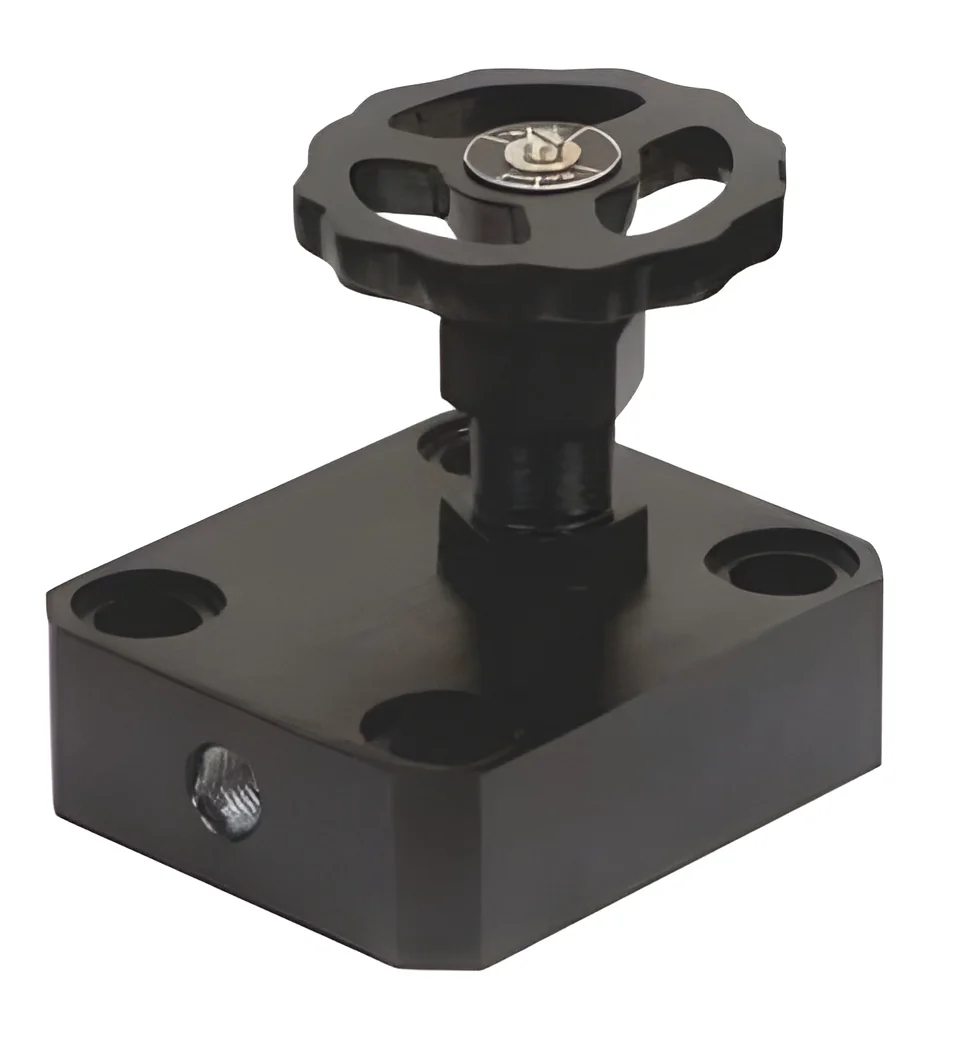
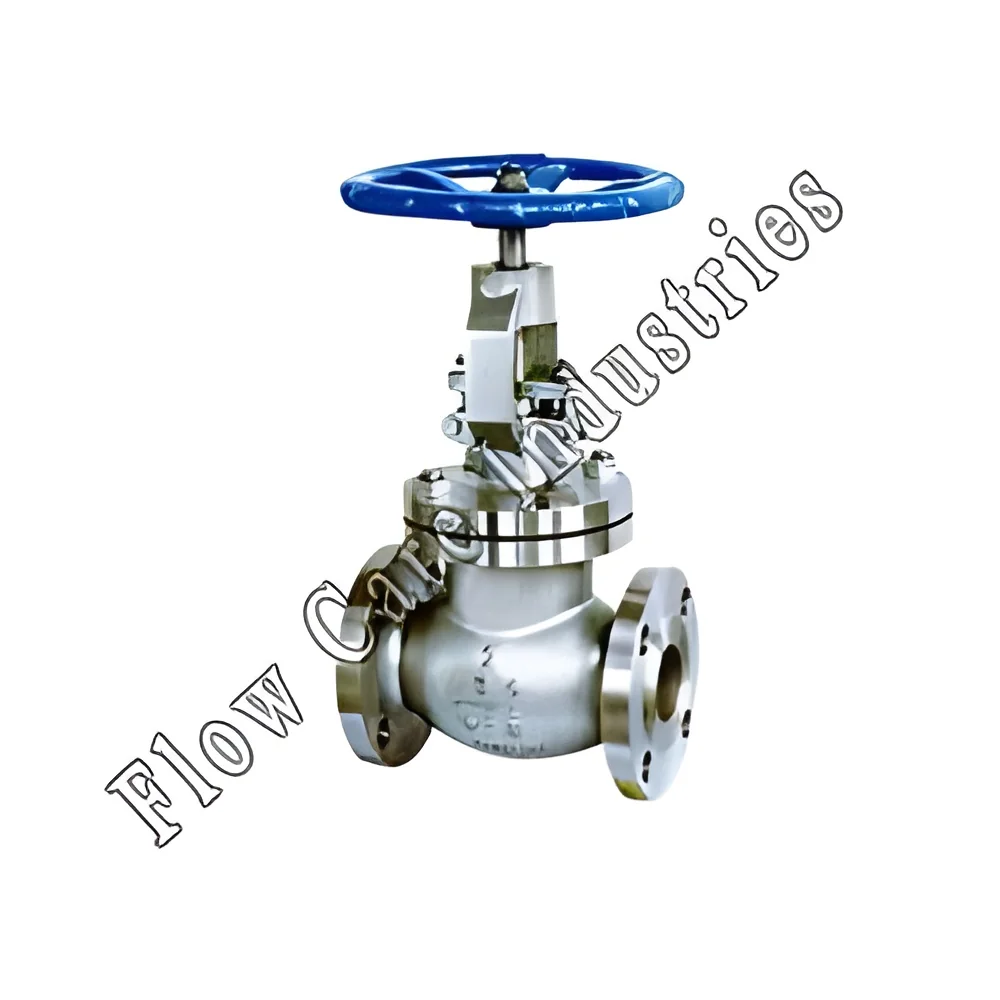
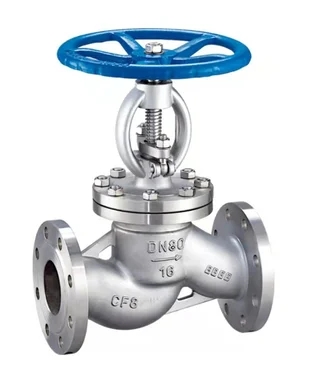
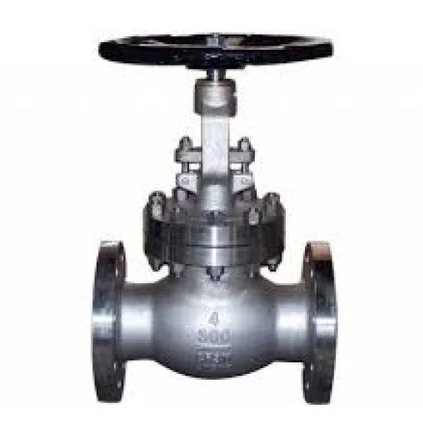
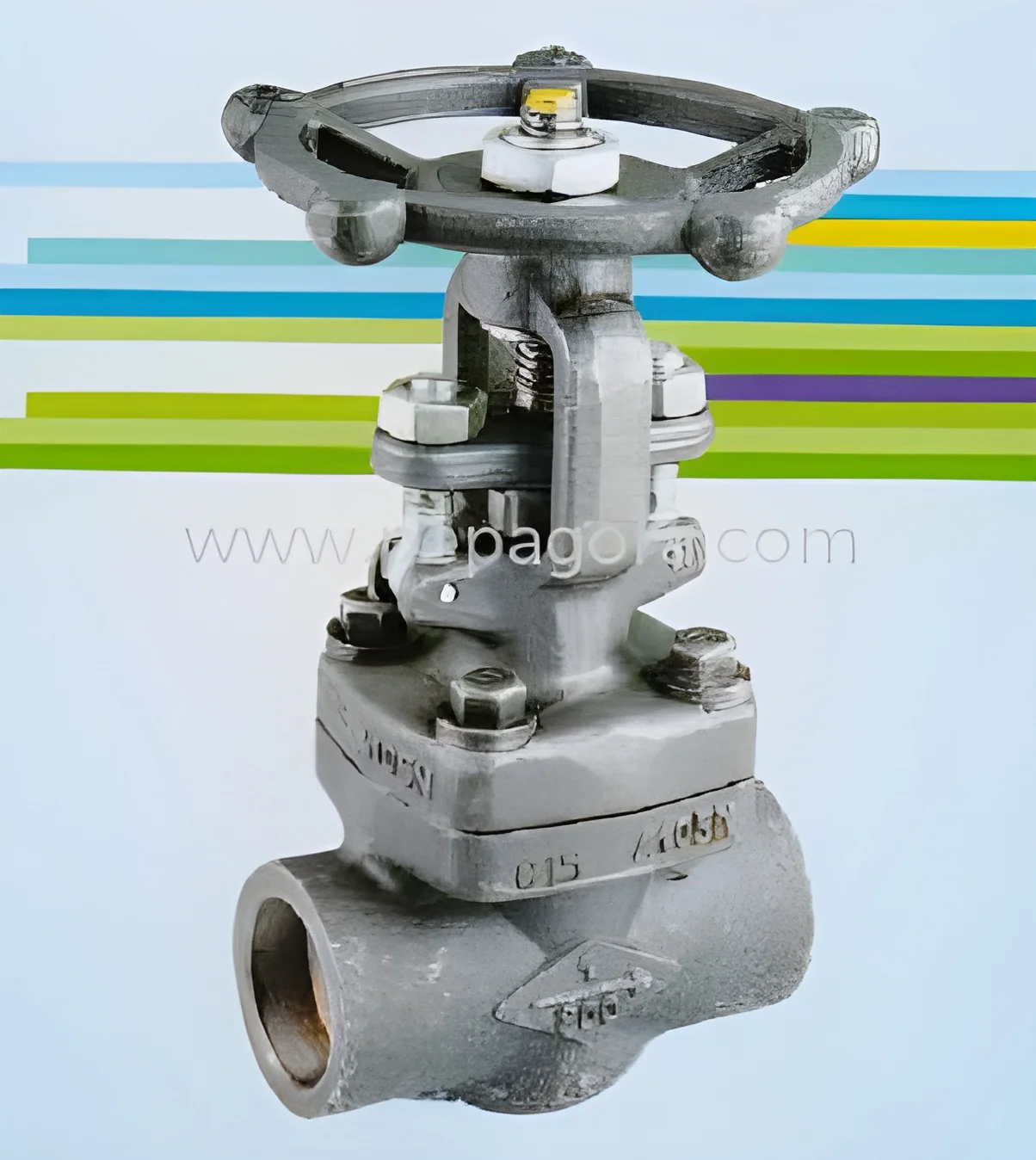
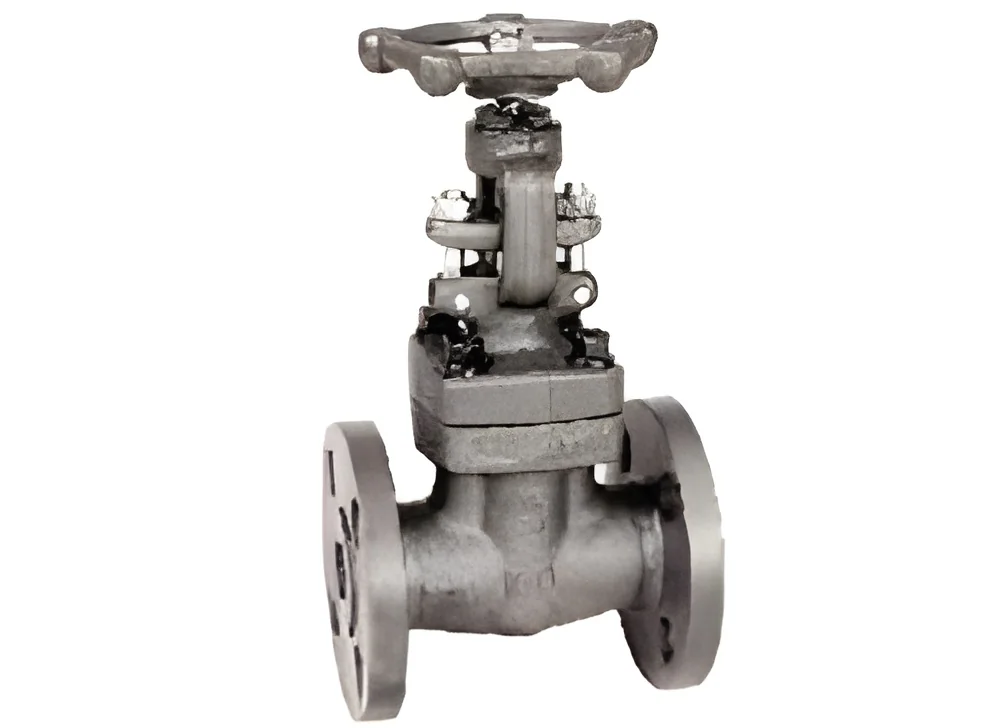
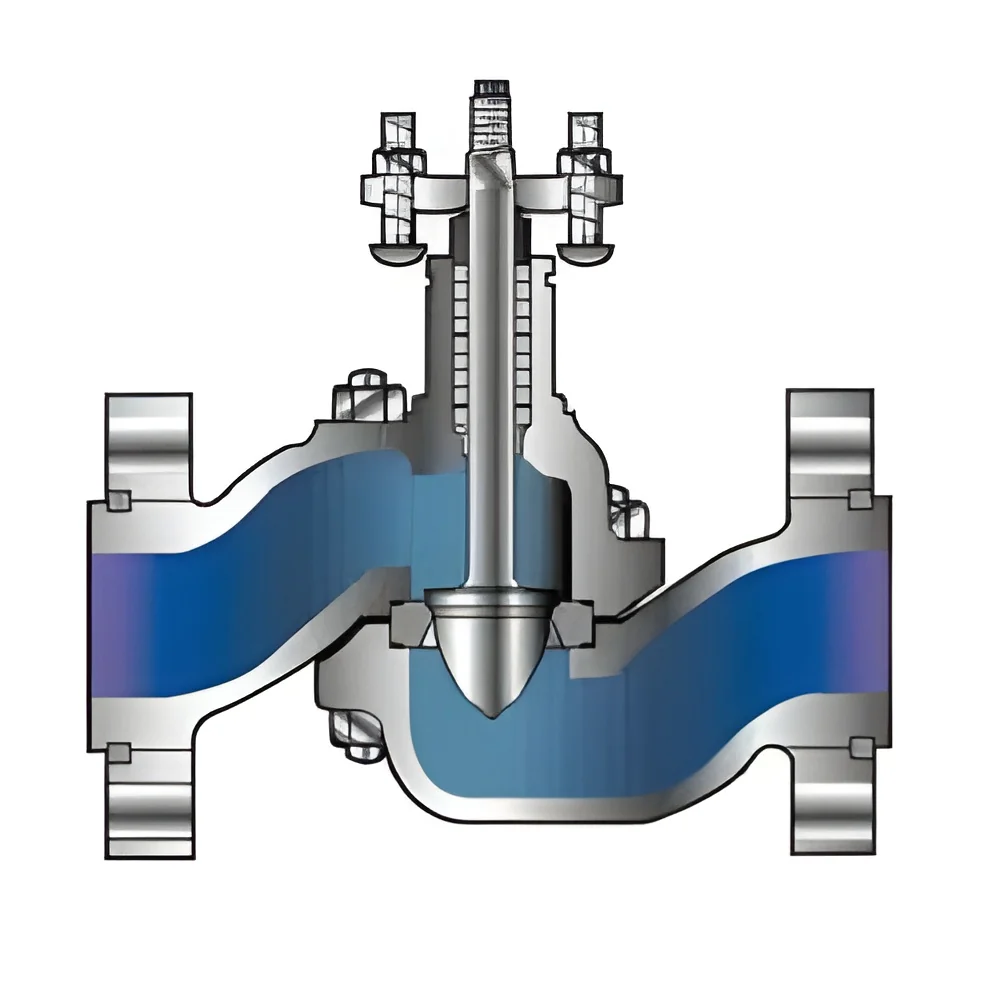
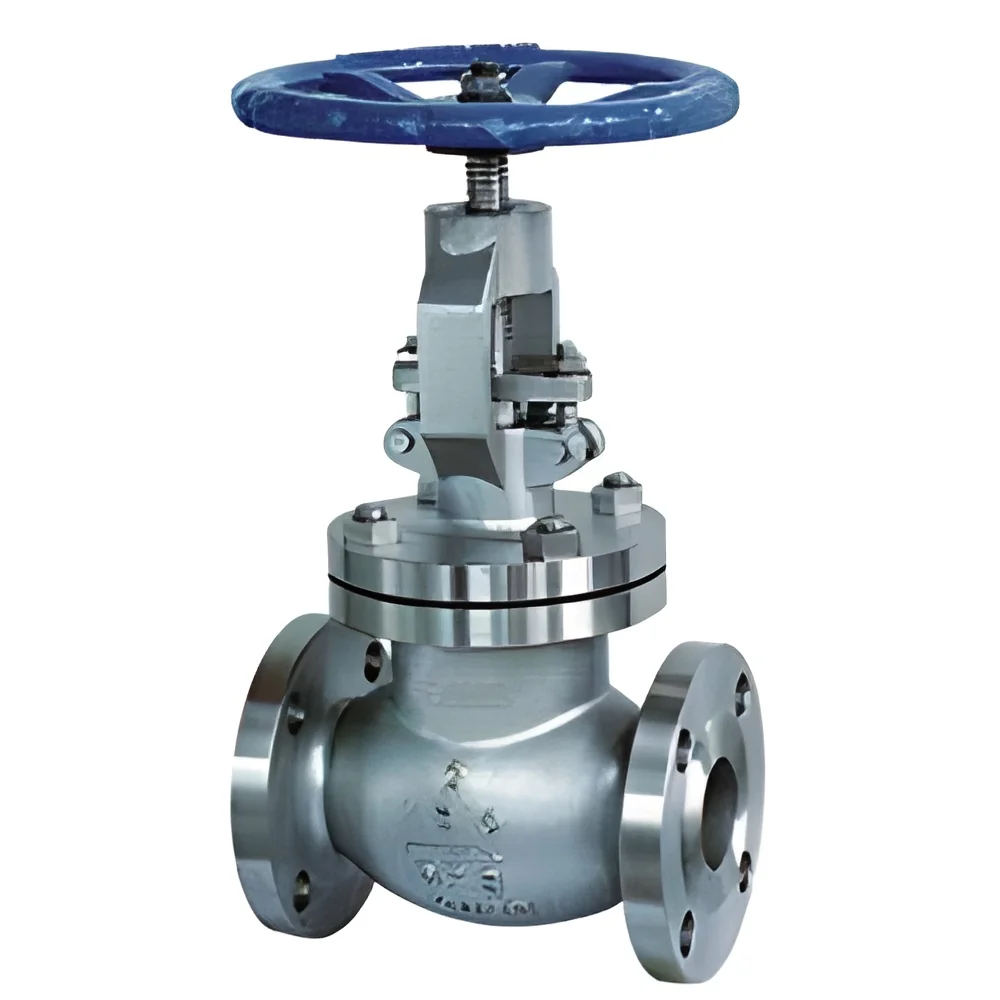
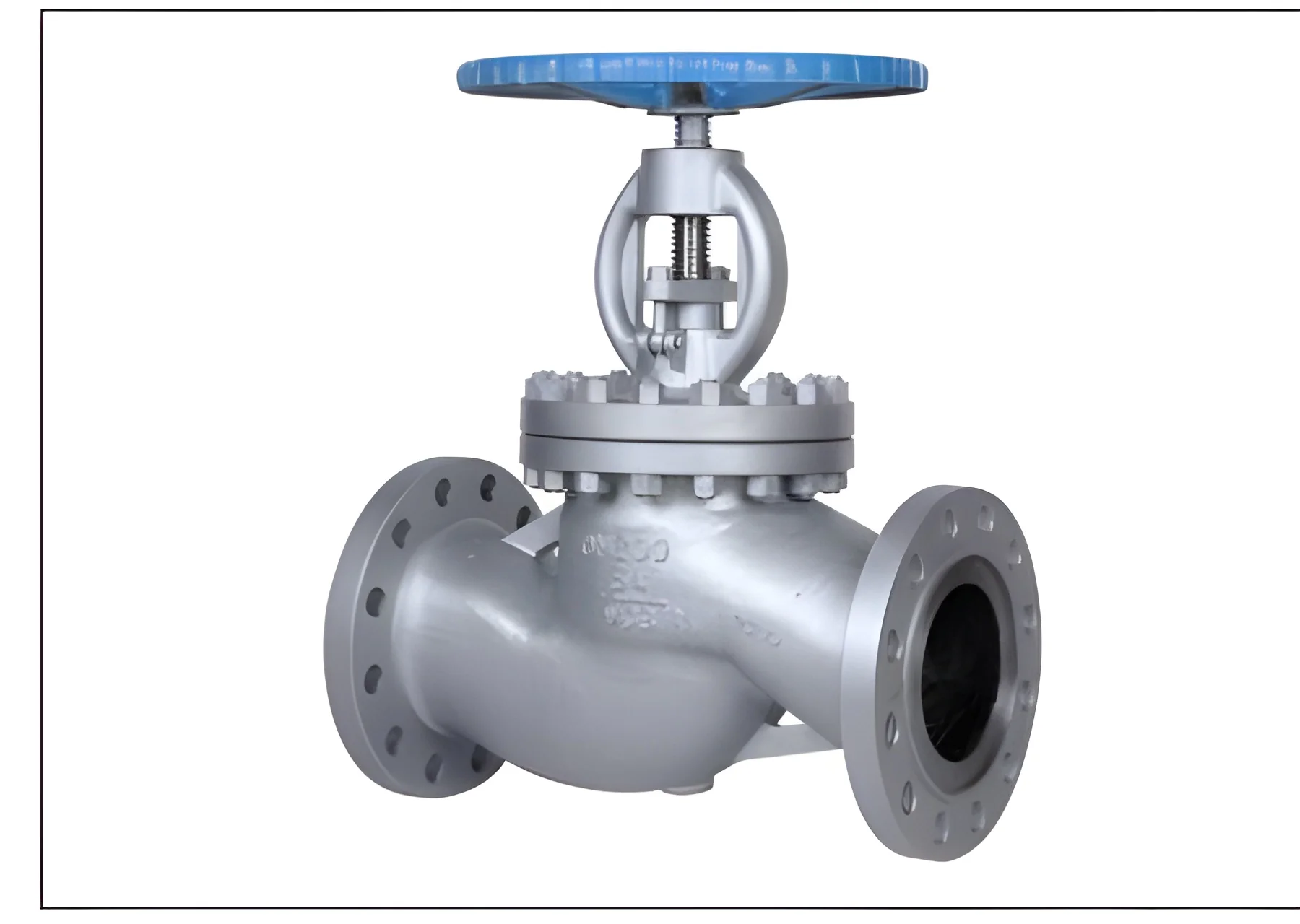
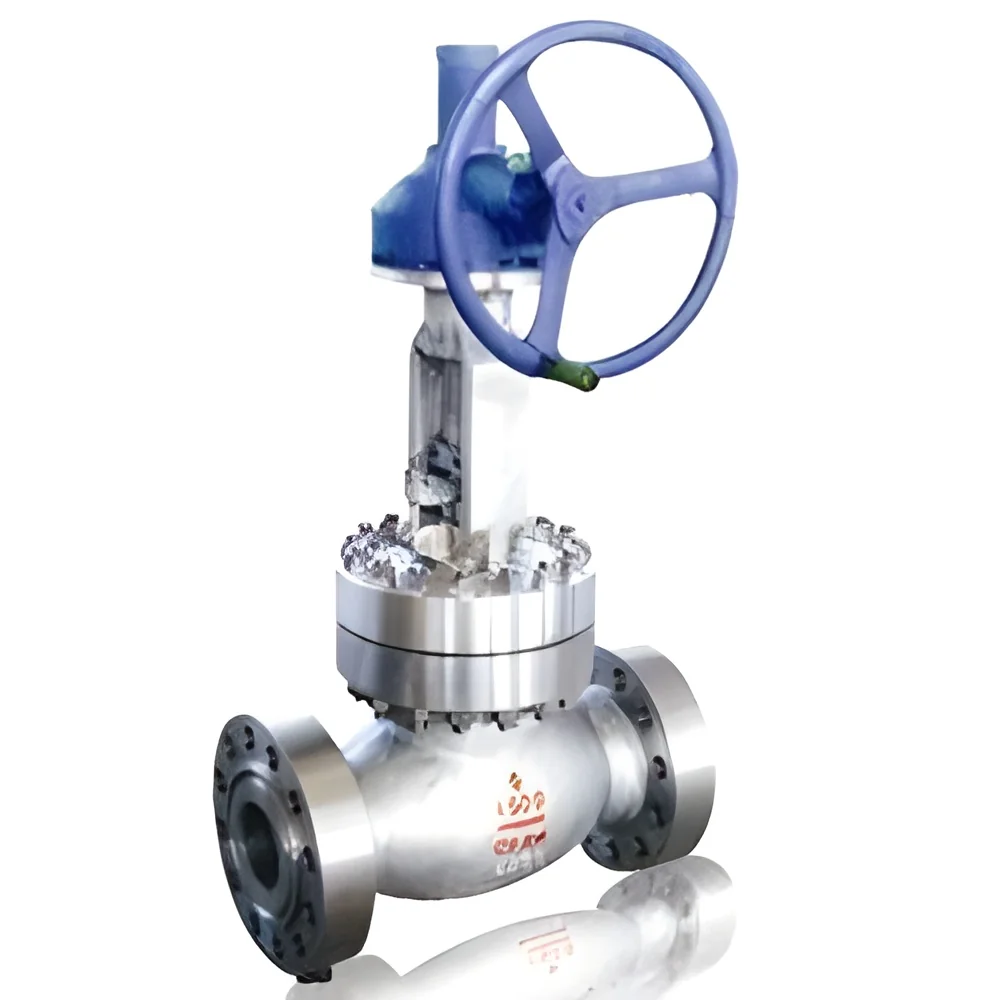
Globe valves are a type of valve used to regulate flow in a pipeline. They are characterized by a spherical body shape that houses a movable disk or plug, which controls the flow of fluid through the valve. The design allows for precise flow control and makes globe valves suitable for applications requiring throttling or regulating flow rates. Their construction typically includes a seat, which the disk seals against when closed, preventing fluid from passing through.
These valves are commonly used in various industries, including water treatment, oil and gas, power generation, and chemical processing. They can handle high-pressure and high-temperature applications, making them versatile in managing fluids under different conditions. The ability to control flow rates makes globe valves essential in processes where maintaining specific flow characteristics is crucial. As industries evolve and demand more efficient solutions, globe valves remain relevant due to their reliability and performance in critical applications.
Key Features and Specifications
Globe valves offer numerous features that enhance their functionality and reliability. Designed for both manual and automated operations, these valves can be equipped with various actuation methods, including electric and pneumatic actuators. Their robust construction ensures long service life and minimal maintenance requirements.
Key specifications include:
1. Valve Size
- Common sizes range from ½ inch to 24 inches
- Custom sizes may be available based on requirements
2. Pressure Rating
- Typically rated for ANSI classes 150, 300, 600, and 900
- Allows for use in various pressure environments
3. Temperature Range
- Suitable for temperatures up to 450 degrees Fahrenheit
- Specific temperature capabilities depend on the materials used
4. Body Material
- Available in materials such as stainless steel, cast iron, and bronze
- Material selection impacts corrosion resistance and durability
5. End Connections
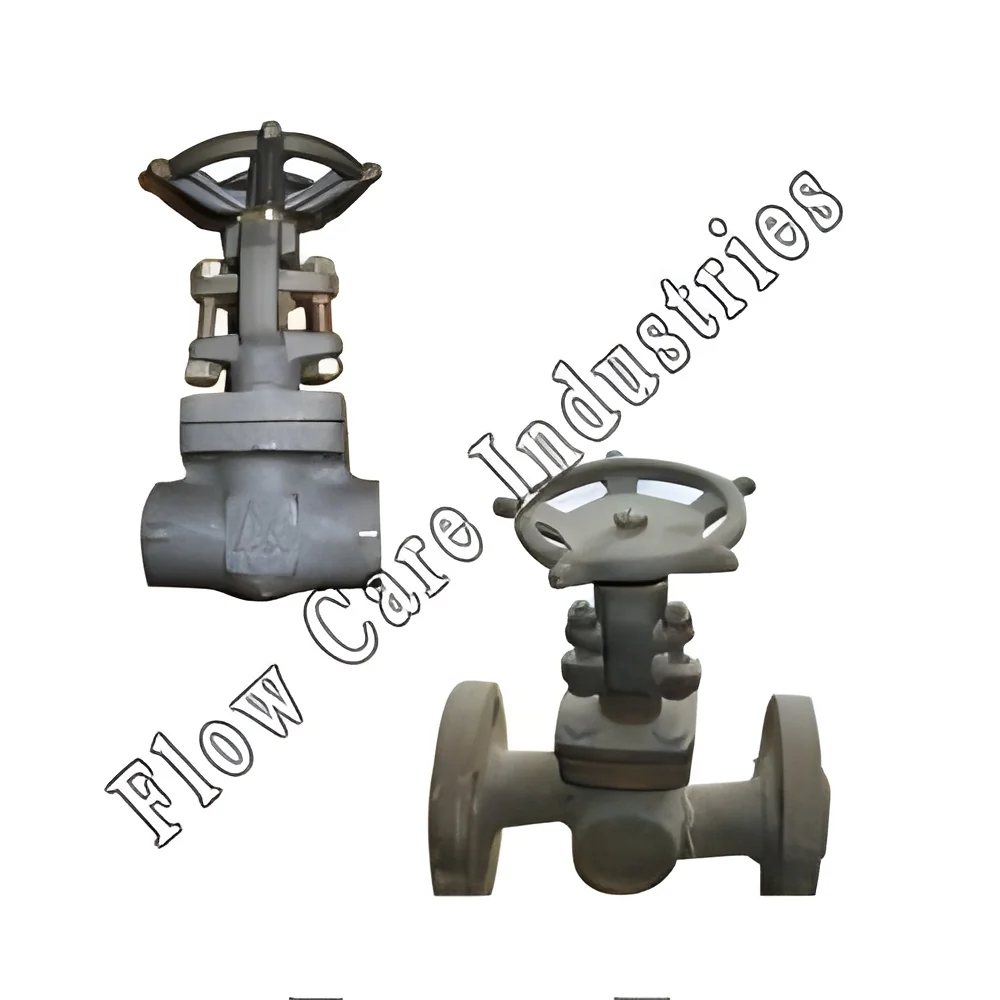
- Can come with threaded, flanged, or welded ends
- Selection based on installation requirements
6. Flow Coefficient (Cv)
- Indicates the flow capacity of the valve
- Higher Cv values indicate greater flow capability
7. Actuation Options
- Manual handwheel, electric, or pneumatic options
- Customization based on operational needs
8. Seal Type
- Options include soft seat, metal seat, and others
- Selection impacts leakage rates and service life
In summary, globe valves are designed with a variety of features and specifications that cater to specific industrial needs, ensuring effective flow control across multiple applications.
Common Applications and Use Cases
Globe valves are widely utilized across various industries due to their ability to control flow effectively.
1. Water Treatment: These valves are used to regulate the flow of water in treatment facilities, ensuring proper chemical dosing and filtration processes.
2. Oil and Gas: Globe valves are essential in controlling the flow of crude oil and natural gas through pipelines, helping maintain system pressure and safety.
3. Power Generation: In power plants, globe valves help manage steam and water flow, contributing to efficient energy production.
4. Chemical Processing: These valves are critical in managing the flow of chemicals during processing, ensuring accurate dosing and minimizing risks.
5. HVAC Systems: Globe valves are used to control heating and cooling fluid flow in HVAC systems, optimizing energy use and comfort levels.
6. Pharmaceuticals: In pharmaceutical manufacturing, globe valves ensure precise control of process fluids, maintaining product quality and compliance.
7. Pulp and Paper: These valves regulate flow in pulp and paper mills, helping control chemical treatments and water usage.
Product Variants and Subcategories
Globe valves come in various designs and configurations to meet specific application needs.
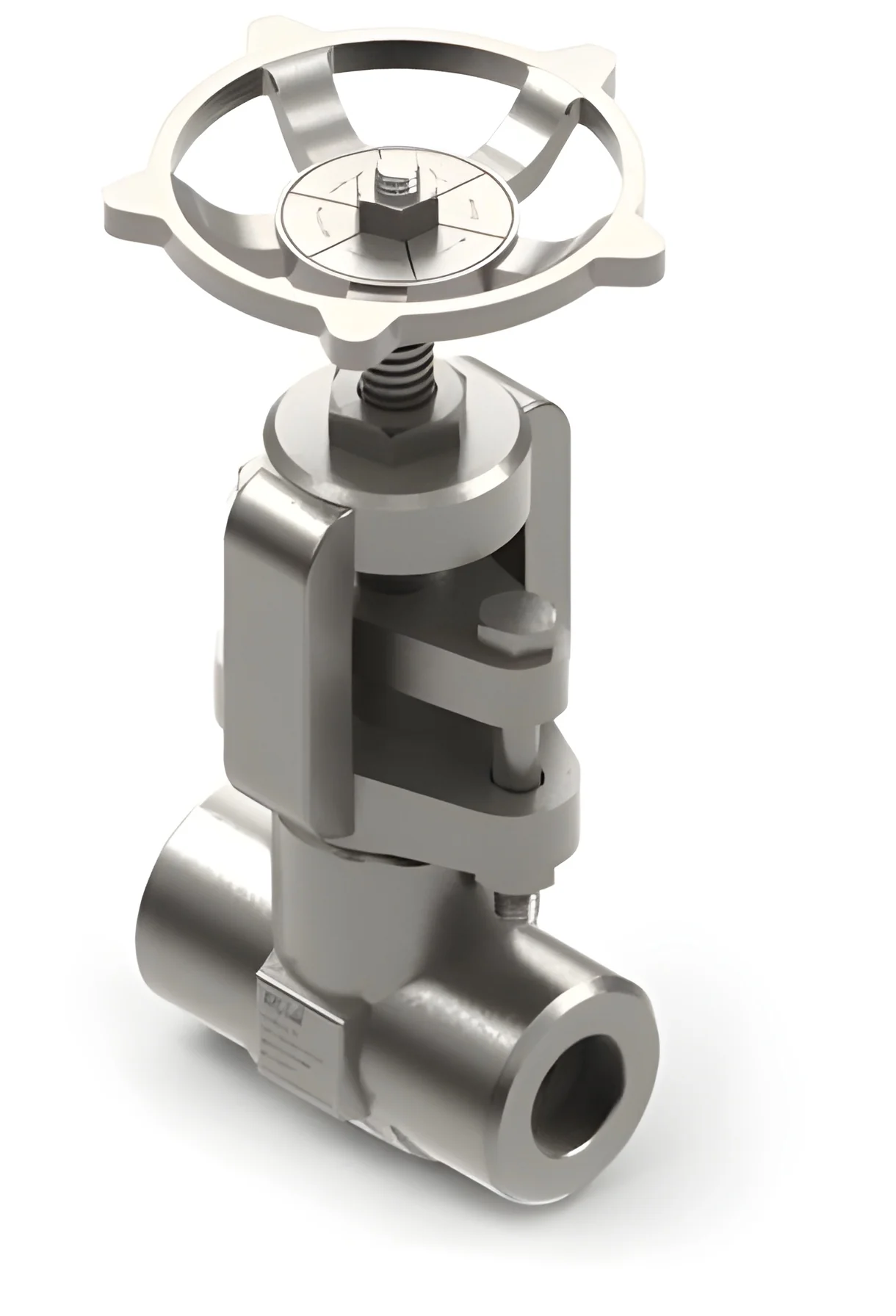
Standard Globe Valves are widely used in many applications due to their straightforward design. They provide excellent flow regulation and are suitable for on-off and throttling service.
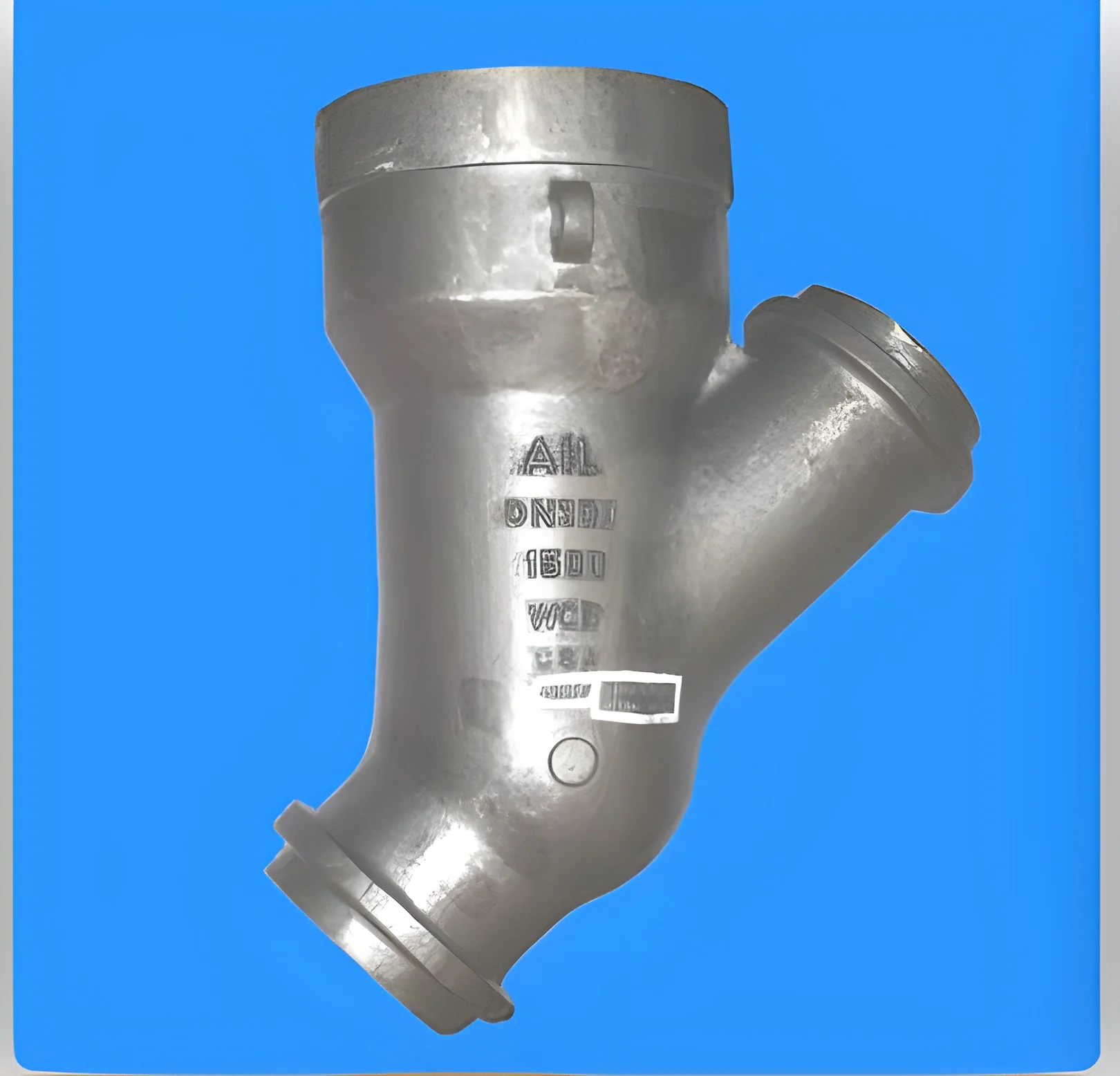
Y-Pattern Globe Valves feature a unique design that allows for lower pressure drops compared to standard designs. They are ideal for applications requiring efficient flow control with minimal energy loss.
Angle Globe Valves are designed with an angled body, facilitating a more direct flow path. They are often used in applications where space constraints are a concern.
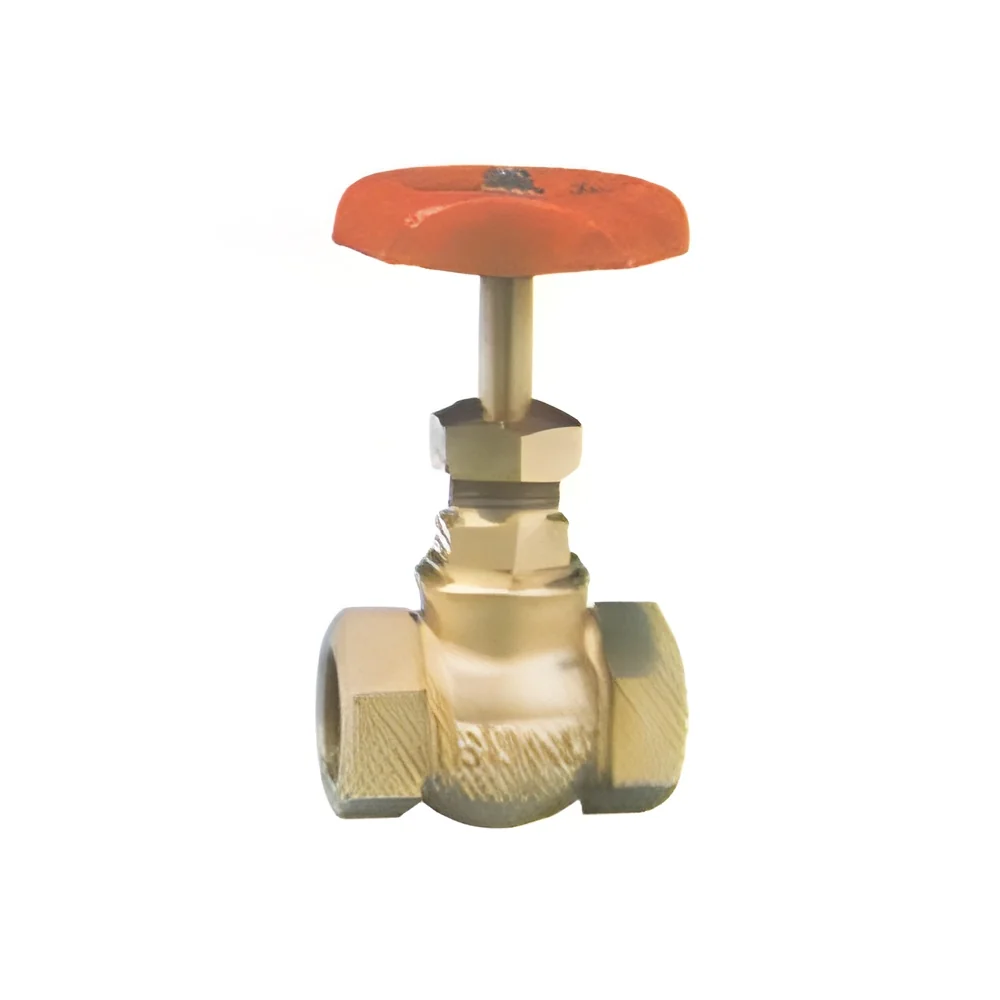
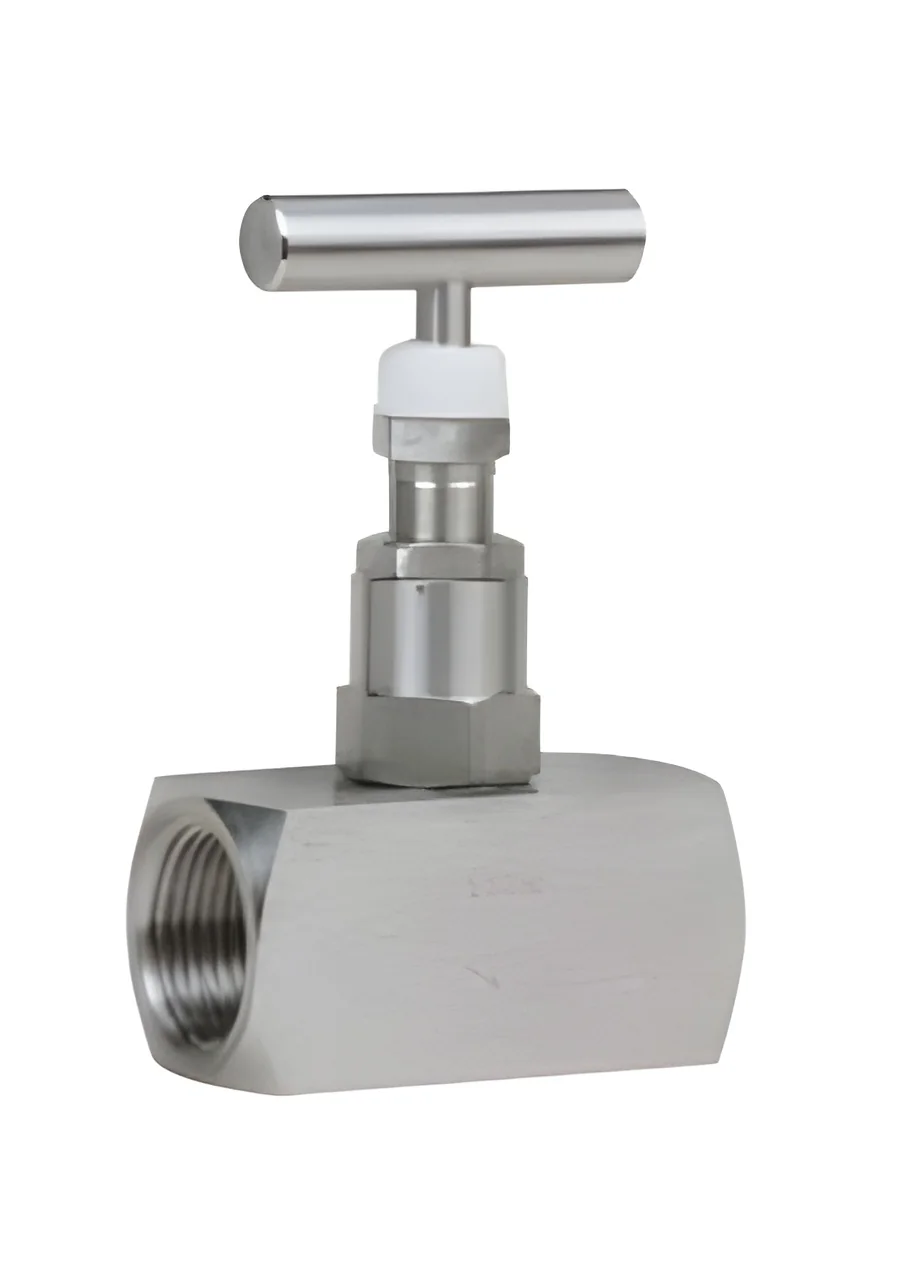
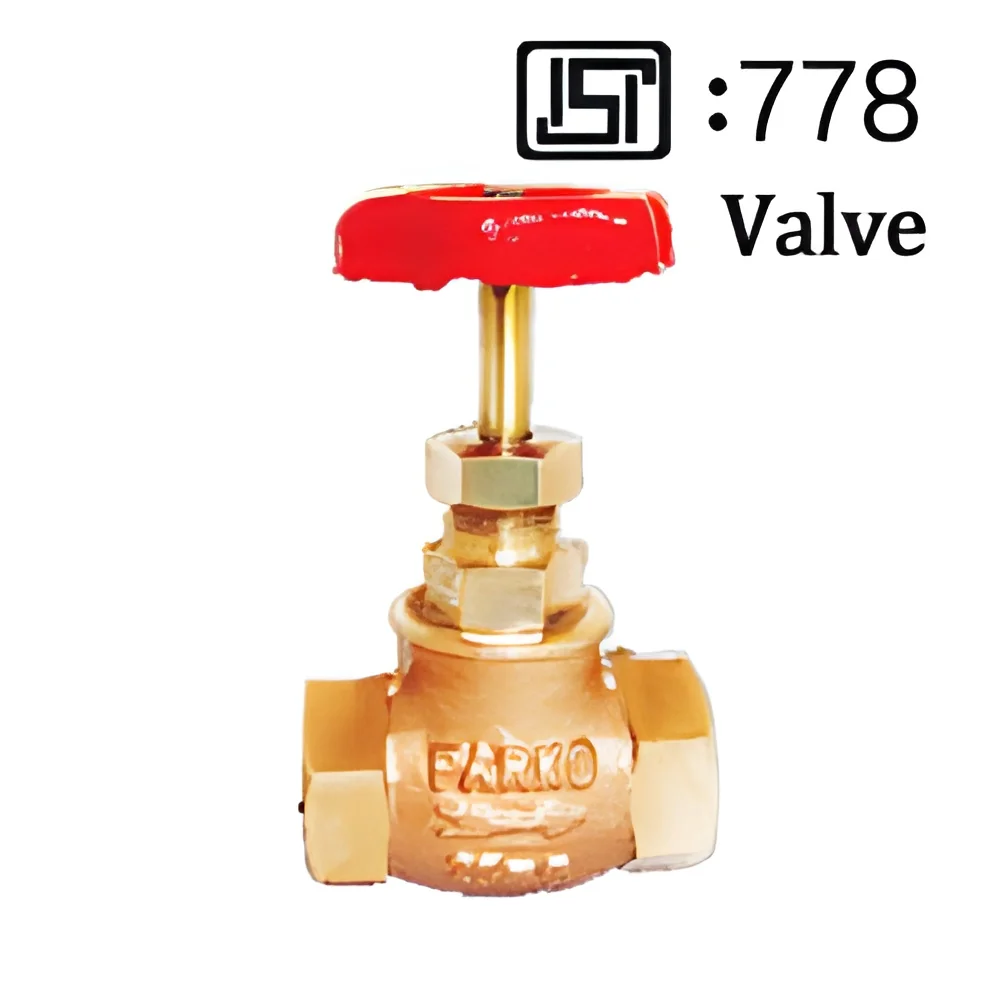
Threaded Globe Valves are designed for easy installation in piping systems. They are widely used in residential and commercial applications where quick assembly is necessary.
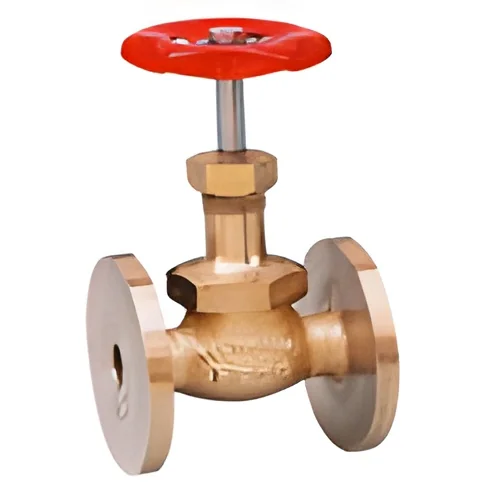
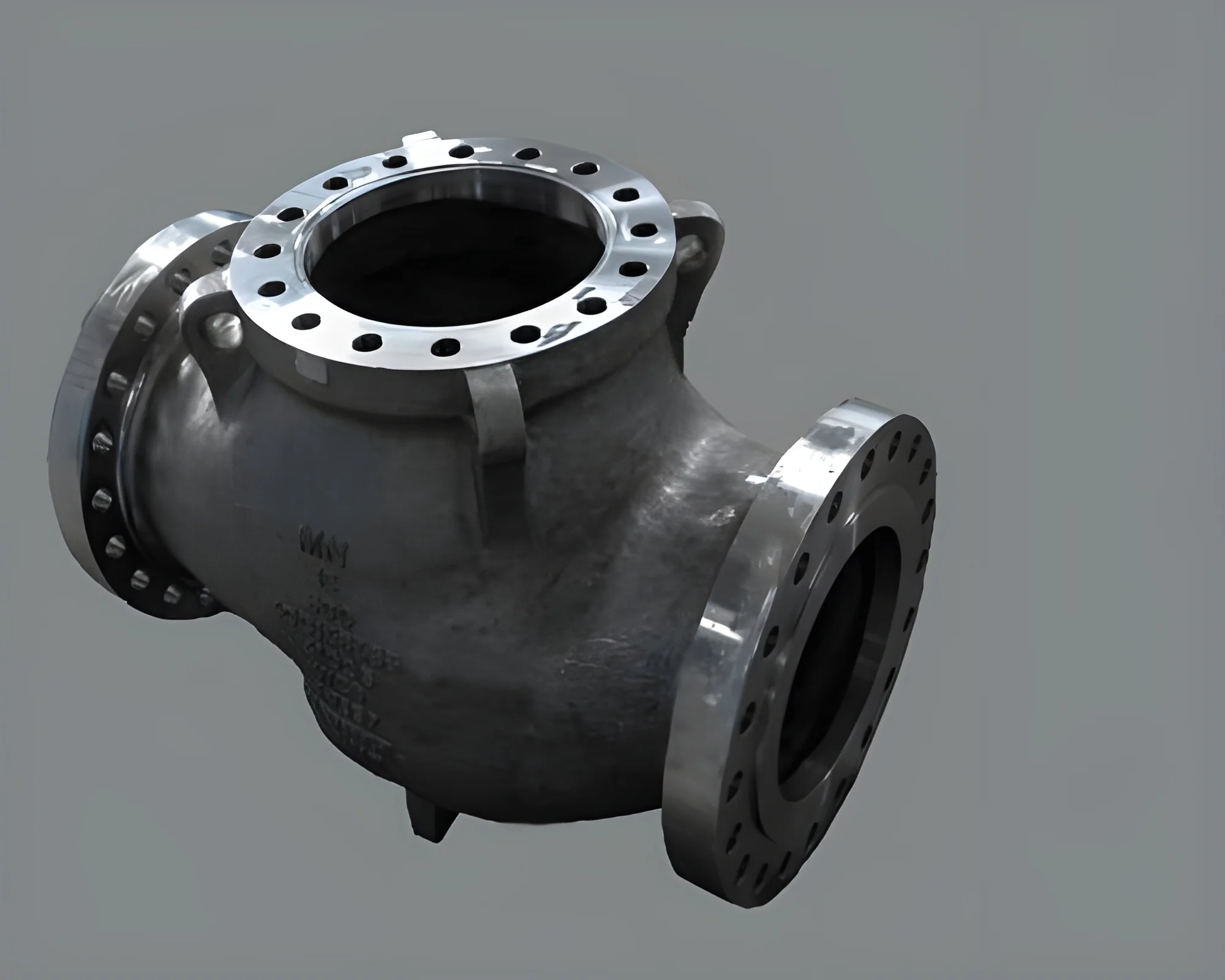
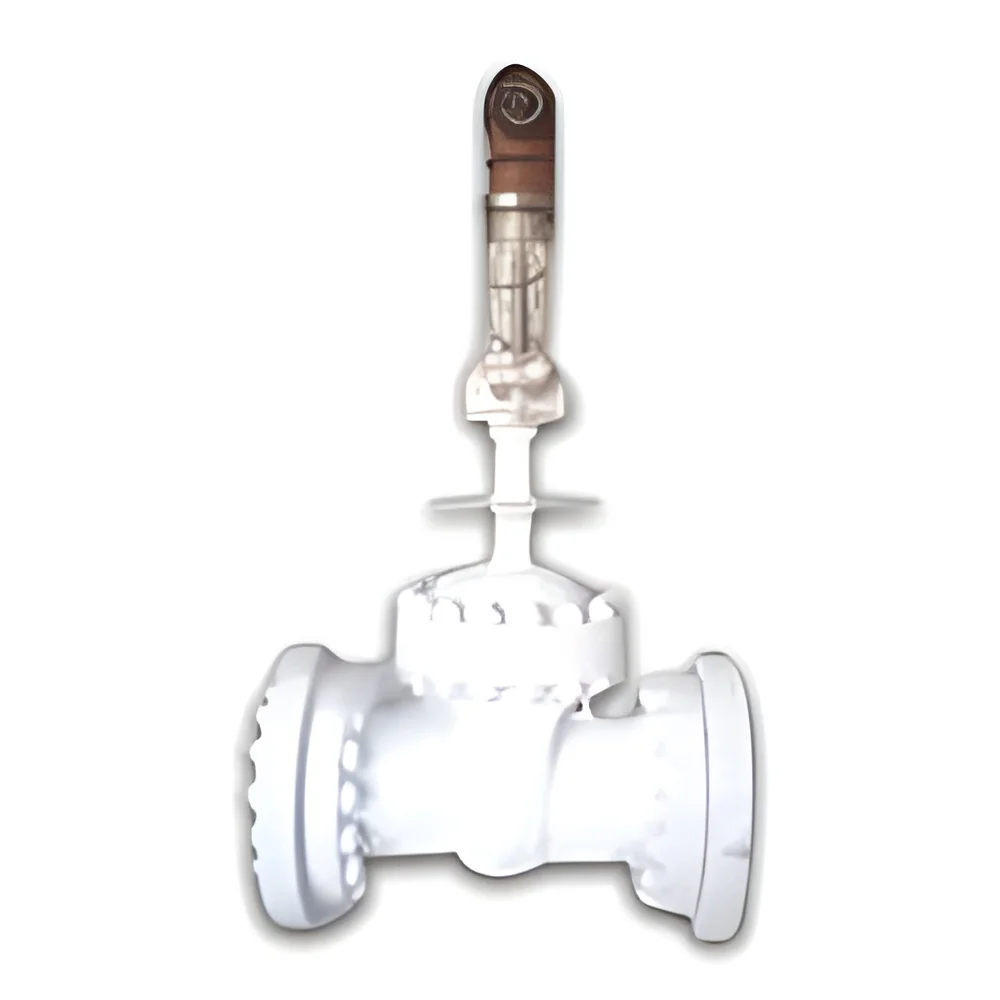
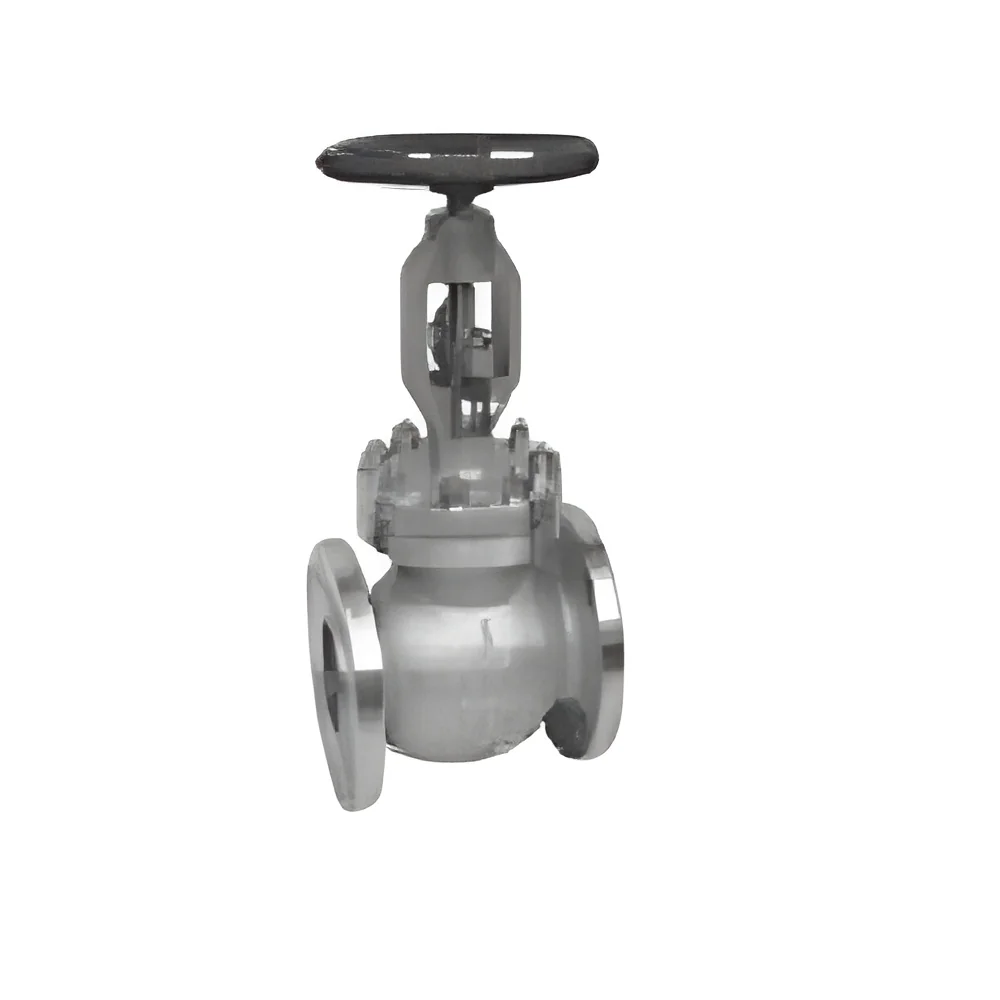
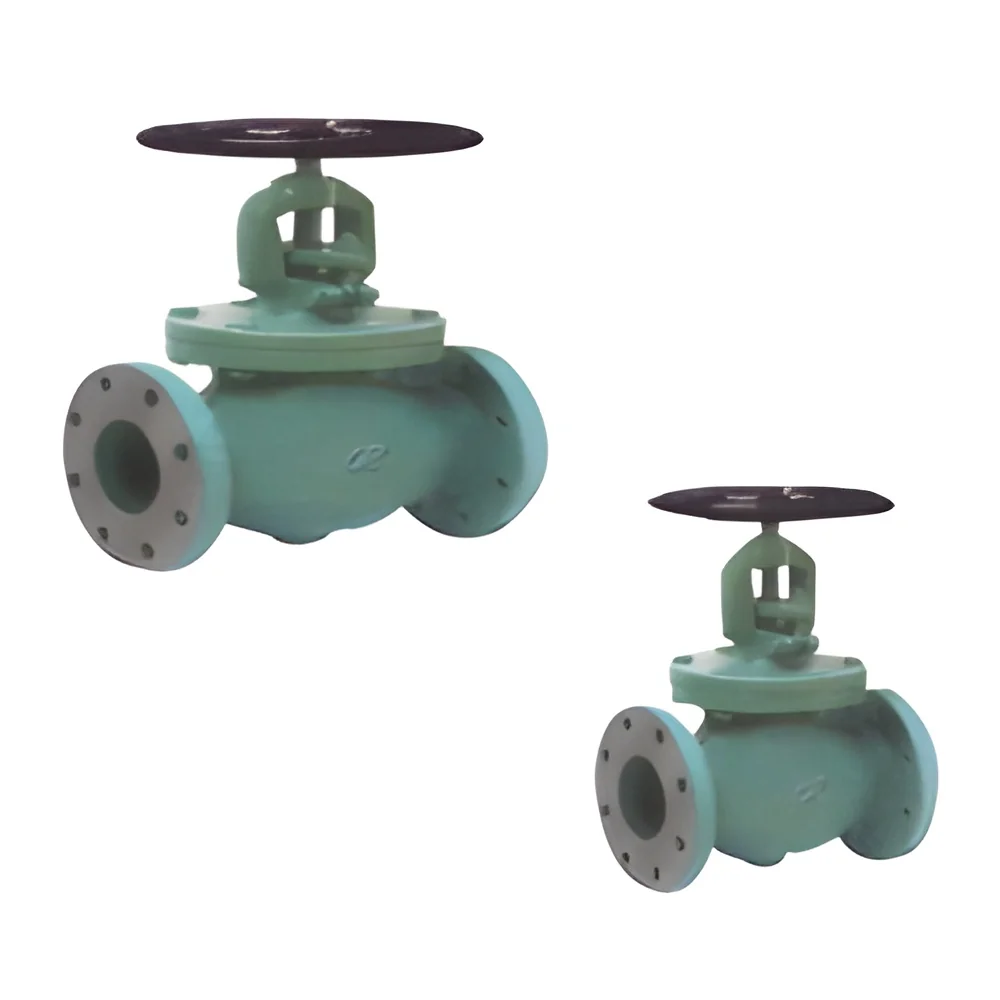
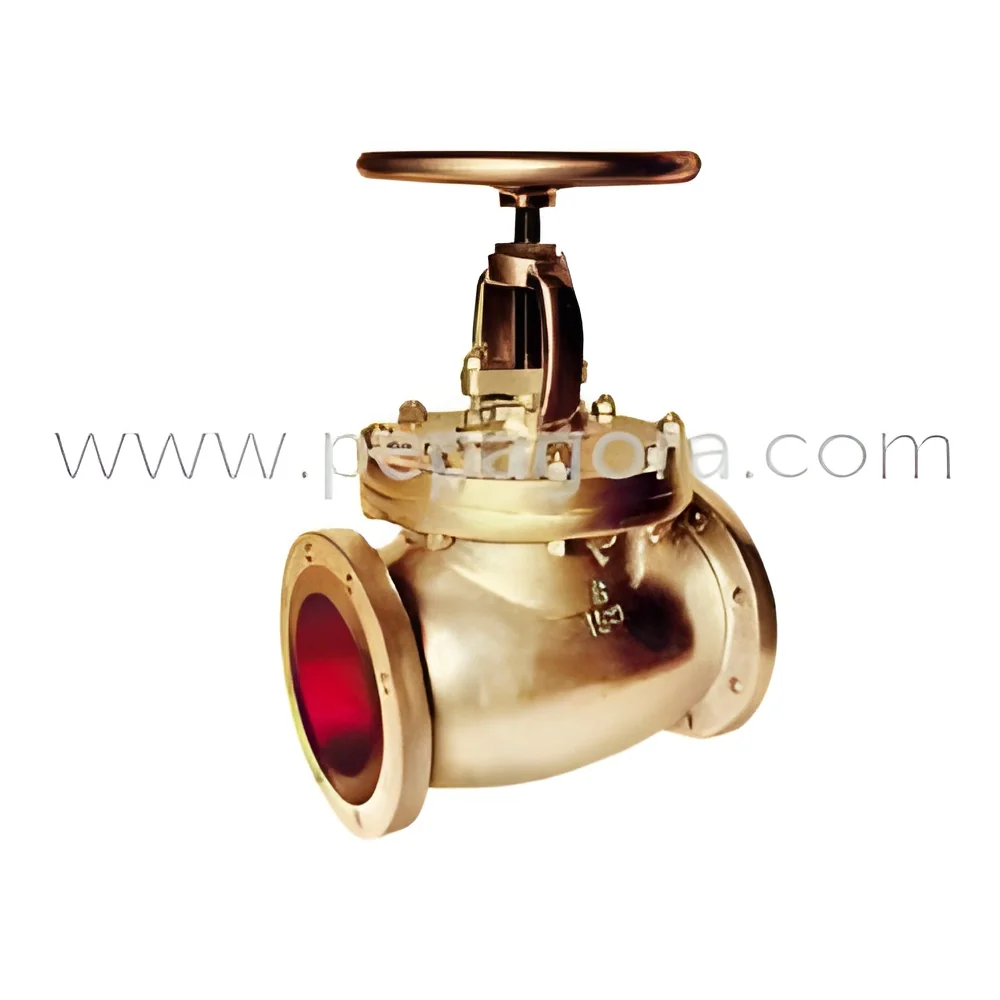
Flanged Globe Valves provide a robust connection for larger pipes, ensuring a secure seal and reliable operation in high-pressure systems.
Benefits and Advantages
Globe valves offer several benefits that make them a preferred choice in various industrial applications.
1. Precise Flow Control: Globe valves enable accurate regulation of flow rates, making them ideal for applications requiring detailed adjustments.
2. Versatility: With various designs and materials available, globe valves can be tailored to suit a wide range of fluids and operating conditions.
3. Durability: Constructed from robust materials, globe valves are built to withstand harsh environments and have a long service life.
4. Low Leakage Rates: The design of globe valves minimizes leakage, ensuring system efficiency and safety.
5. Ease of Maintenance: Globe valves are designed for straightforward maintenance, reducing downtime and operational costs.
6. Compatibility: These valves can be integrated with various actuation methods, enhancing their functionality in automated systems.
Buying Guide for B2B Buyers
When sourcing globe valves, it is essential for buyers to consider several key factors to ensure they make informed decisions.
1. Quality Assessment: Evaluate the manufacturing quality and materials used in the valve construction. Look for compliance with industry standards to guarantee reliability.
2. Supplier Verification: Vet suppliers to ensure they have a proven track record and positive reviews from previous clients. This helps secure a reliable source for your valves.
3. Pricing and MOQ: Understand the pricing structures and minimum order quantities. This will aid in budgeting and ensure you meet procurement requirements.
4. Delivery and Lead Times: Discuss logistics with suppliers to understand expected delivery schedules. Timely delivery is crucial for maintaining project timelines.
5. Compliance Requirements: Ensure that the valves meet local and international regulatory standards relevant to your industry. This includes safety and environmental compliance.
Compliance and Certifications
Globe valves are subject to various quality standards and certifications that ensure their reliability and safety in industrial applications.
ISO 9001 is a widely recognized standard that outlines quality management principles. Adherence to this standard indicates that a manufacturer has established a robust quality management system, ensuring consistent product quality.
CE certification signifies that products meet European safety, health, and environmental protection standards. This certification is essential for globe valves used in regions requiring compliance with stringent safety regulations.
In addition to quality standards, globe valves must pass specific safety and testing requirements to ensure they can handle the pressures and temperatures of their intended applications.
Regional compliance considerations may vary, so it is vital to understand local regulations and standards applicable to your industry and geographic location.
Why Source Globe Valves from Pepagora?
Pepagora offers a trusted platform for sourcing globe valves, providing several key advantages that facilitate the buying process for businesses.
Verified Supplier Network: Pepagora maintains a network of verified suppliers, ensuring that buyers have access to reputable manufacturers. This reduces the risk of sourcing subpar products.
Streamlined RFQ Process: The platform features a streamlined request for quotation process, enabling buyers to quickly obtain quotes from multiple suppliers, thus enhancing decision-making efficiency.
Trade Assurance and Support: Pepagora provides trade assurance, offering buyer protection and support throughout the purchasing process. This ensures that buyers are safeguarded against potential risks.
Regional Coverage: With a strong presence in India, the GCC region, and Southeast Asia, Pepagora connects buyers with suppliers across various geographic locations, enhancing accessibility to quality globe valves.
By choosing Pepagora, businesses can confidently source globe valves that meet their specific operational needs while benefiting from a supportive purchasing environment.



 India
 India
 India

 India

 India
 India
 India
 India
 India
 India
 India
 India
 India
 India
 India
 India
 India

 India
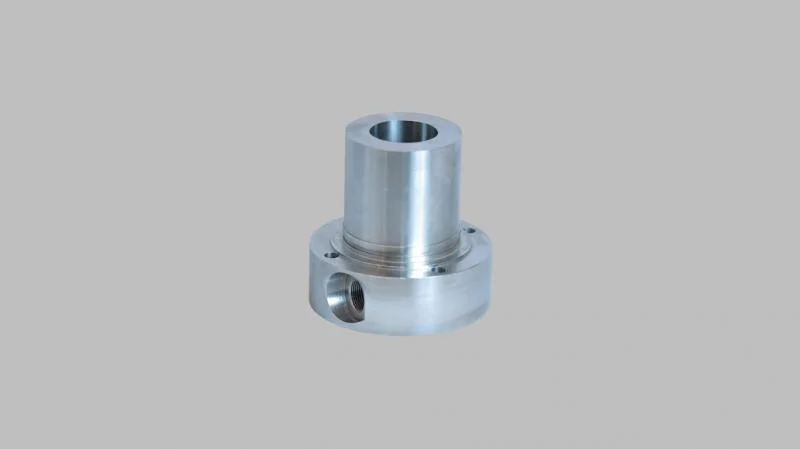
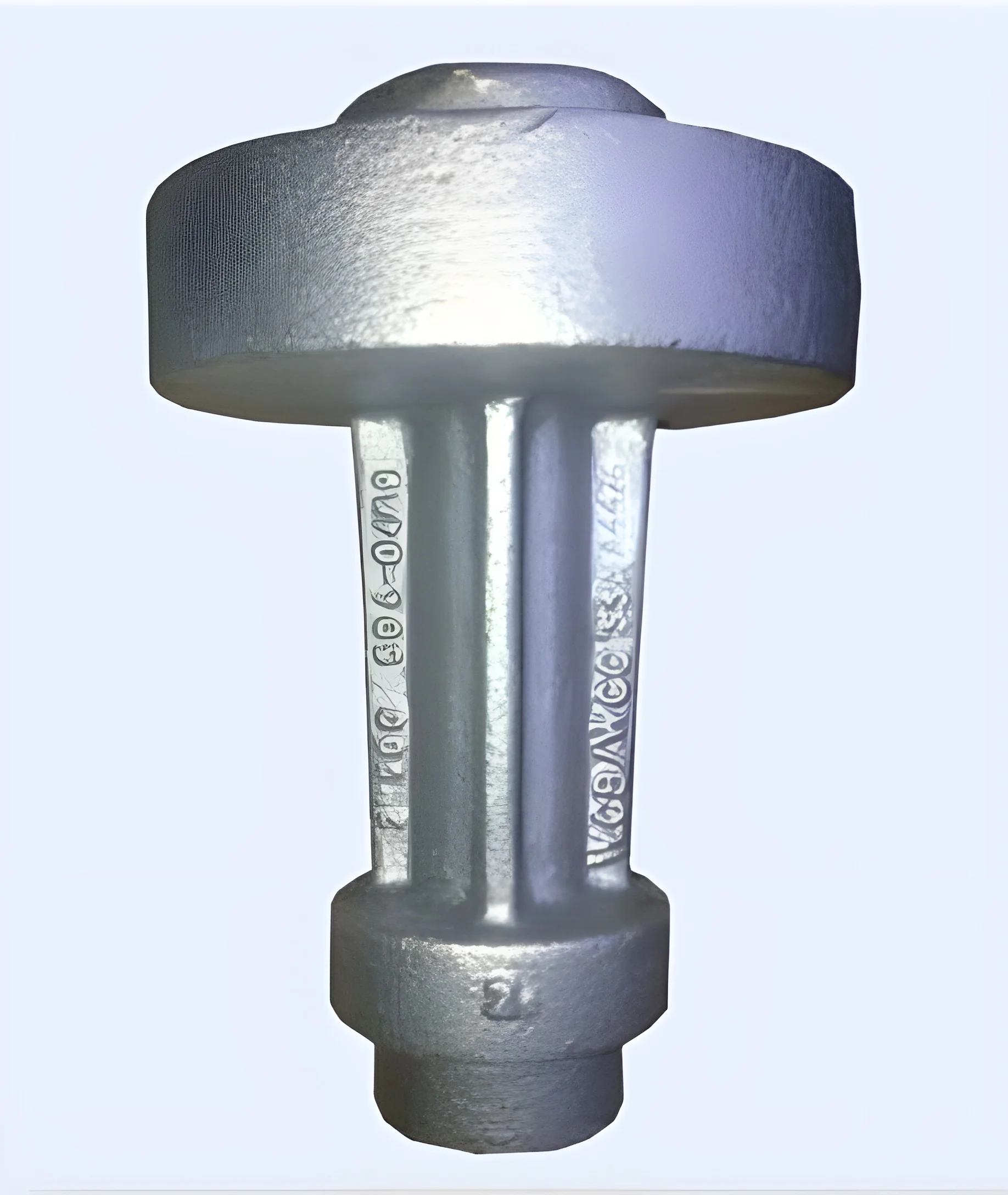
 India
Frequently Asked Questions
What are Globe Valves?
Globe Valves are a type of valve used to regulate fluid flow in pipelines. They have a spherical body shape and a movable disk or plug that controls the flow, allowing for precise throttling and shut-off capabilities.
What are the different types of Globe Valves?
There are several types of Globe Valves, including regular port, reduced port, and angle globe valves. Each type is designed for specific applications and flow characteristics, catering to different operational needs.
How do I choose the right Globe Valves?
Choosing the right Globe Valves involves considering factors such as flow requirements, pressure ratings, and the type of fluid being controlled. It's also important to assess the valve material compatibility with the application to ensure optimal performance.
What are the standard specifications for Globe Valves?
Standard specifications for Globe Valves typically include pressure ratings, temperature ratings, and material types (such as brass, stainless steel, or cast iron). These specifications help ensure the valve meets the necessary operational conditions.
What is the price range for Globe Valves?
The price range for Globe Valves can vary widely based on size, material, and manufacturer. Generally, prices can start from a few hundred rupees and go up to several thousand, depending on the specifications and quality.
What quality standards apply to Globe Valves?
Globe Valves are often manufactured in accordance with international standards such as ASTM, API, and ISO. Compliance with these standards ensures reliability, safety, and performance in various industrial applications.
Where can I find Globe Valves suppliers in India?
You can find Globe Valves suppliers in India through online B2B marketplaces like Pepagora, industry trade shows, and local industrial suppliers. It's advisable to compare multiple suppliers to find the best options for your needs.
Can Globe Valves be customized?
Yes, many manufacturers offer customization options for Globe Valves to meet specific application requirements. Customizations may include size, material, and design modifications to suit unique operational needs.
What is the typical minimum order quantity for Globe Valves?
The typical minimum order quantity (MOQ) for Globe Valves varies by supplier and can range from a single unit to several dozen. It's best to check with the specific manufacturer or supplier for their MOQ policies.
What is the typical lead time for Globe Valves?
The typical lead time for Globe Valves can range from a few days to several weeks, depending on the supplier's inventory, manufacturing capacity, and any customization required. It's important to confirm lead times with the supplier prior to placing an order.
Why Businesses Trust Pepagora
Thousands of companies trust Pepagora to source smarter and sell faster
Expand Your Sales Globally

Source Smarter,Grow Faster
