IN
IN₹
Apparel & Fashion
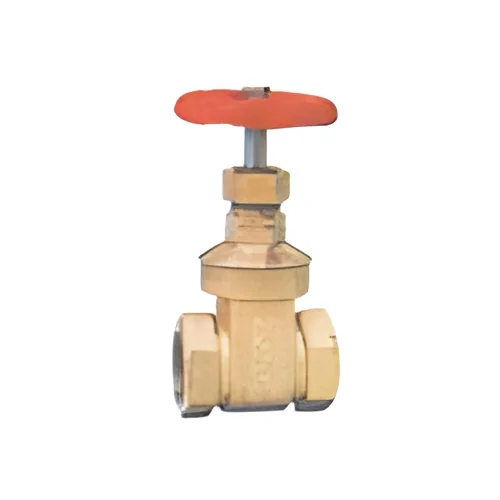
Description
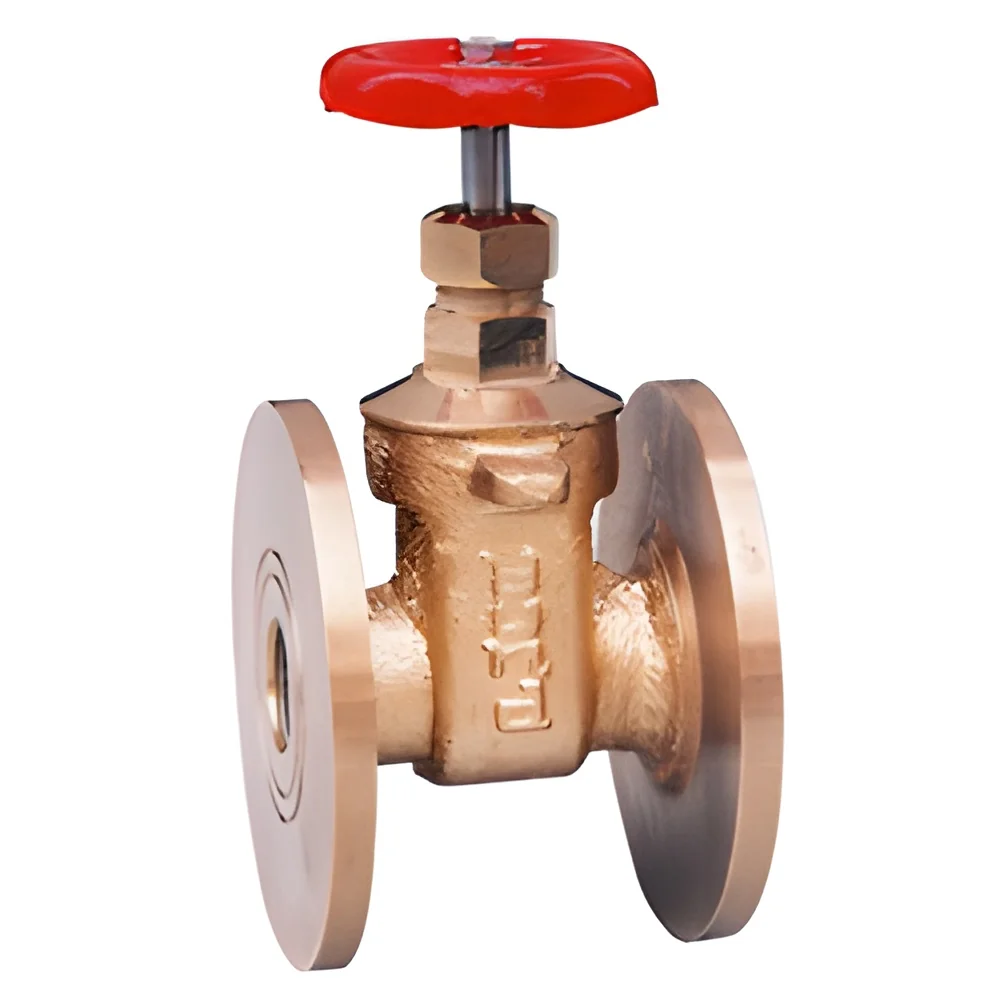
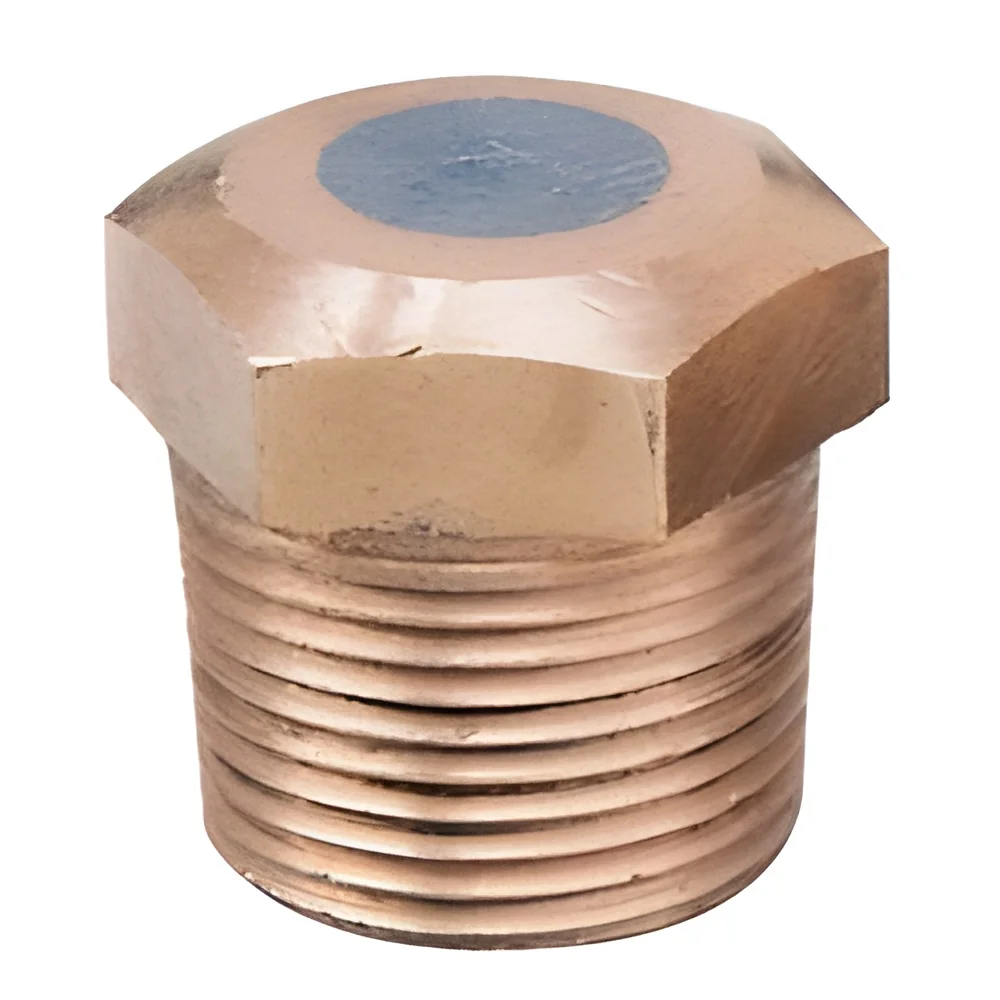
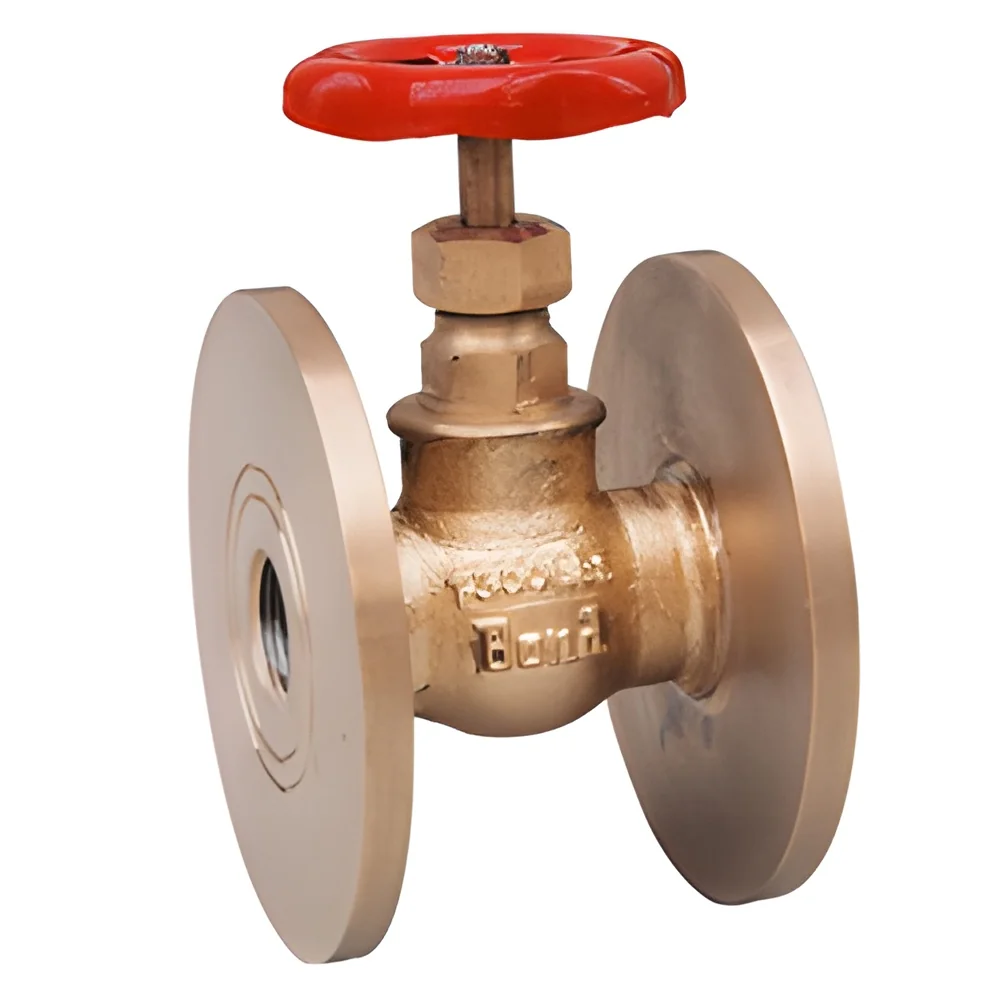
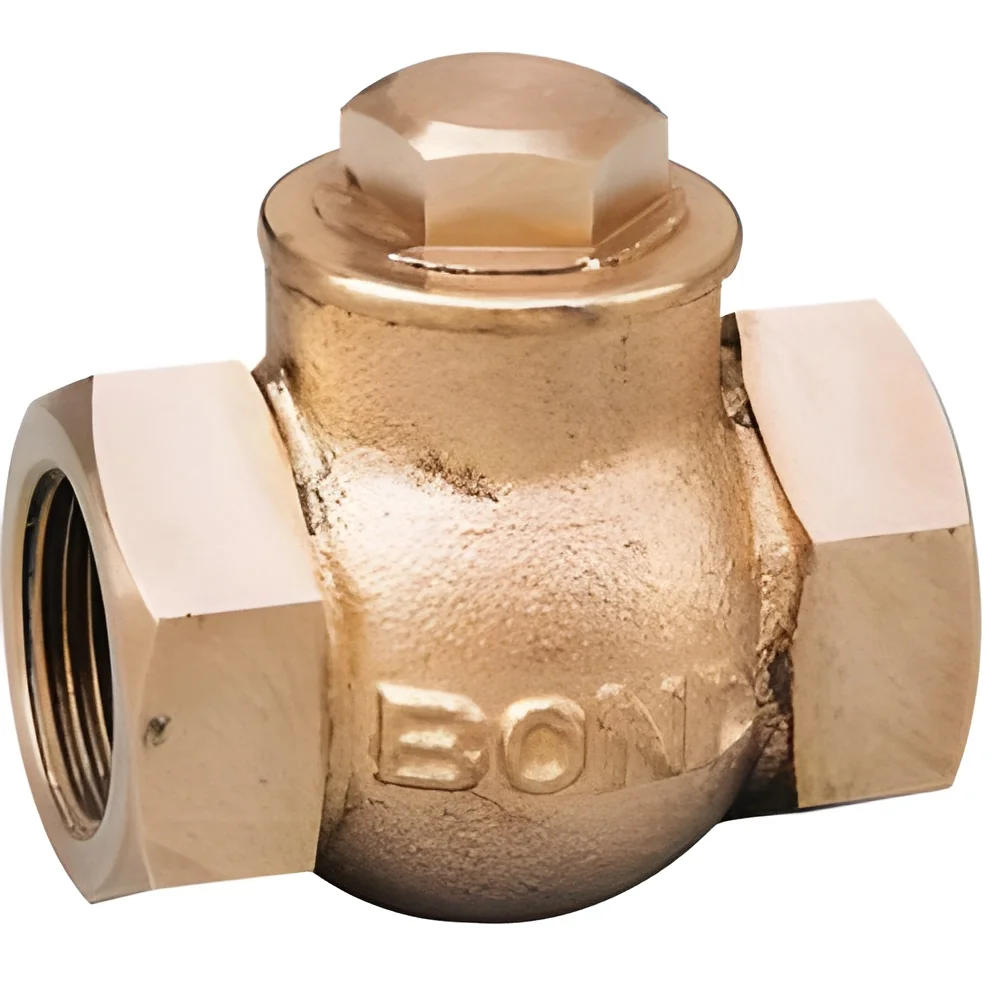
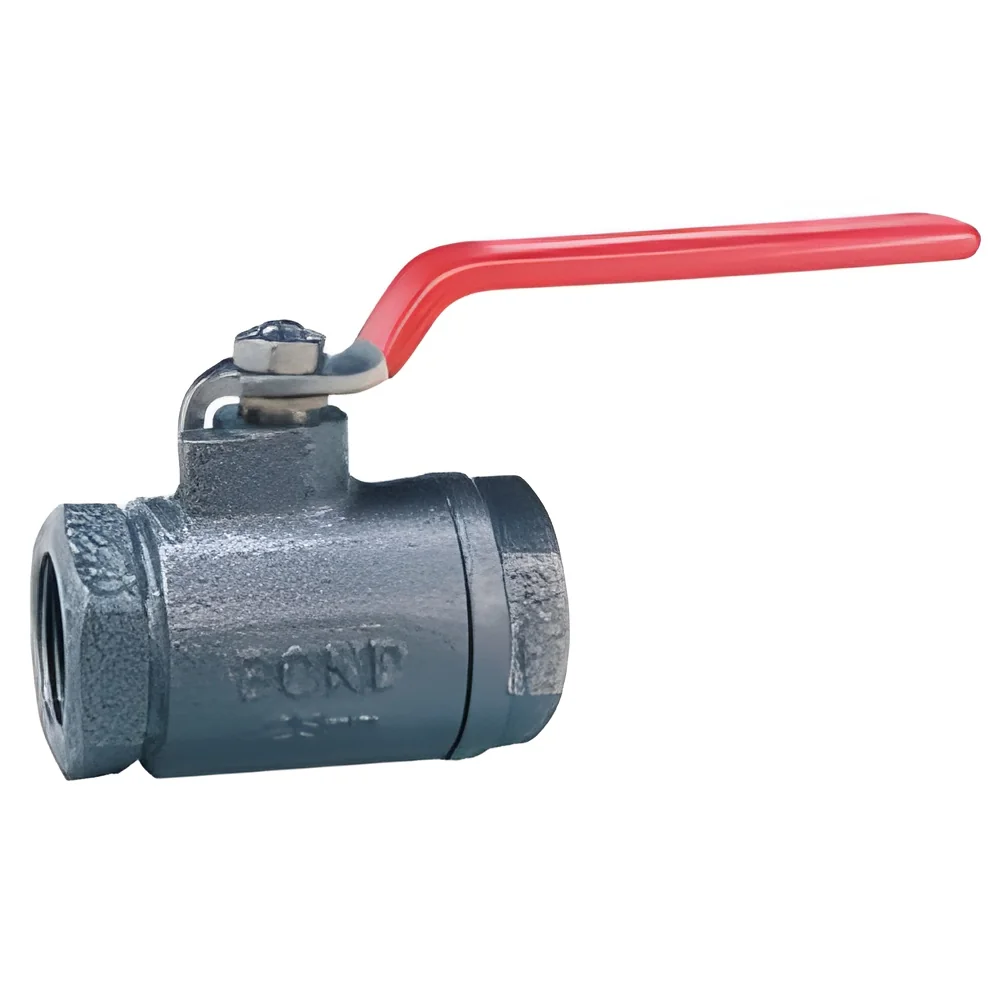
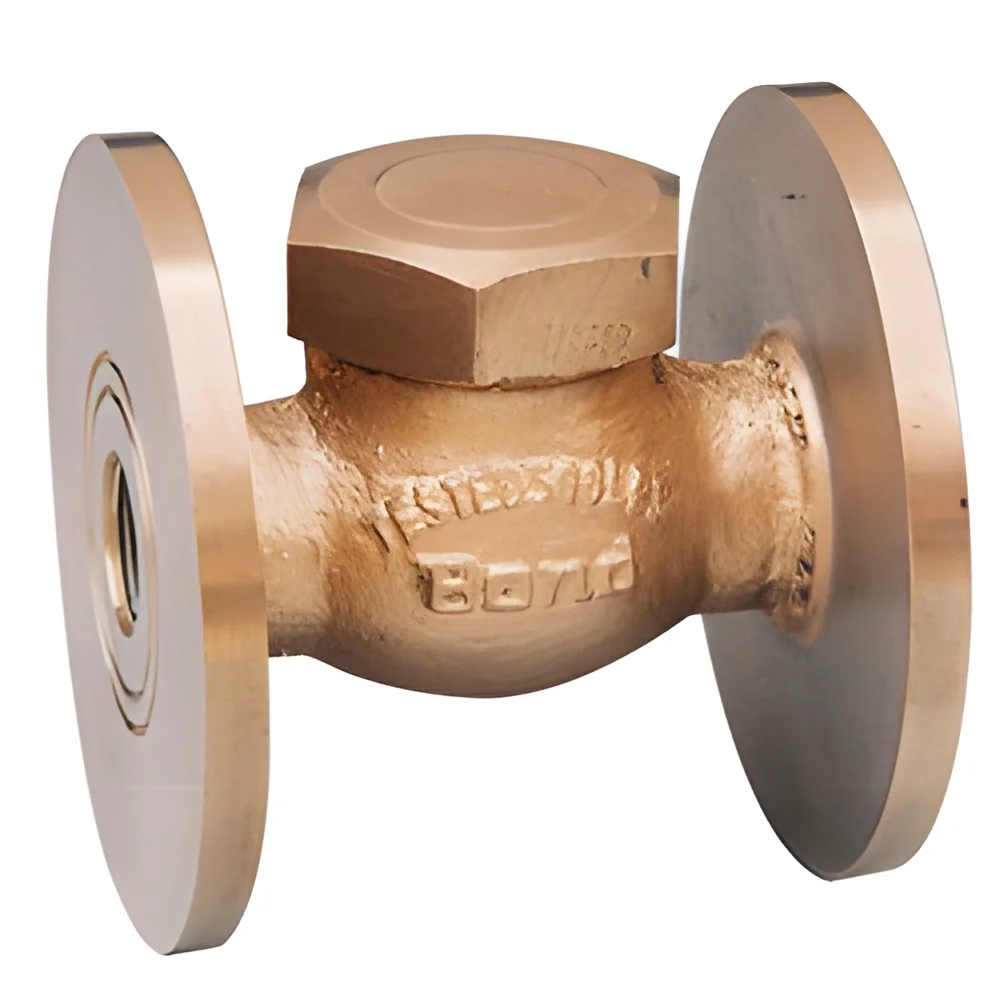
Industrial control valves are precision-engineered devices critical for managing the flow, pressure, and temperature of liquids, gases, and steam in industrial process lines. They act as the final control element, receiving signals from process controllers to adjust their opening position with high accuracy. This precise adjustment is fundamental to maintaining setpoints for process variables, ensuring system stability, operational safety, and product consistency. Built to withstand demanding conditions including high pressures, extreme temperatures, and corrosive media, these valves are designed for reliability and long service life, forming the backbone of efficient and safe industrial automation.

These valves find indispensable usage across core process industries. In oil and gas, they control flow from wellheads, manage pressures in separation units, and regulate product streams in refineries. Chemical and petrochemical plants rely on them for precise dosing of raw materials, cont...
Industrial control valves are precision-engineered devices critical for managing the flow, pressure, and temperature of liquids, gases, and steam in industrial process lines. They act as the final control element, receiving signals from process controllers to adjust their opening position with high accuracy. This precise adjustment is fundamental to maintaining setpoints for process variables, ensuring system stability, operational safety, and product consistency. Built to withstand demanding conditions including high pressures, extreme temperatures, and corrosive media, these valves are designed for reliability and long service life, forming the backbone of efficient and safe industrial automation.

These valves find indispensable usage across core process industries. In oil and gas, they control flow from wellheads, manage pressures in separation units, and regulate product streams in refineries. Chemical and petrochemical plants rely on them for precise dosing of raw materials, controlling reactor conditions, and managing transfer of hazardous fluids. Power generation facilities use them to regulate steam and feedwater, while water treatment plants employ them for flow control and chemical injection. Their versatility also extends to pharmaceuticals, food and beverage, pulp and paper, and general manufacturing, wherever precise fluid control is a requirement for quality, safety, and efficiency.

Investing in high-quality industrial control valves delivers direct business value through enhanced process efficiency, reduced operational costs, and improved system reliability. Precise control minimizes product giveaway, reduces energy consumption, and optimizes raw material usage. Their robust construction and reliable performance decrease unplanned downtime and lower maintenance costs over the valve's lifecycle. This reliability translates to consistent product quality, enhanced safety by preventing dangerous process deviations, and greater overall operational effectiveness, providing a strong return on investment and supporting sustainable, compliant operations.

Key Features:
- Engineered for precise modulation of flow, pressure, and temperature in demanding industrial environments.
- Robust construction utilizing materials like stainless steel, alloy steels, and special alloys for corrosion and erosion resistance.
- Compatible with various actuators (pneumatic, electric, hydraulic) and industry-standard control signals (4-20mA, HART, Foundation Fieldbus).
- Designed to handle a wide range of pressures, temperatures, and fluid types including aggressive chemicals and hydrocarbons.
- Available in multiple designs including globe, ball, butterfly, and diaphragm styles to suit specific application needs.

Benefits:
- Ensures precise process control for consistent product quality and optimized yield.
- Enhances operational safety by reliably maintaining process parameters within safe limits.
- Reduces energy consumption and raw material waste through accurate flow regulation.
- Minimizes maintenance requirements and downtime due to durable, reliable construction.
- Provides long-term cost savings and a strong return on investment through improved efficiency and reduced operational expenses.
Specifications
| Additional Information | |
|---|---|
| Country of Origin | India |
Application
Industrial control valves are engineered for precise regulation of fluid flow, pressure, and temperature within complex process systems. They provide critical stability and safety by responding accurately to control signals, ensuring consistent operation in pipelines, reactors, and transfer lines where even minor deviations can impact safety and product quality. Their robust design handles the challenging conditions of industrial environments, making them fundamental to automated process control and operational integrity across multiple high-stakes sectors.
These valves serve essential functions in industries like oil and gas, chemical processing, power generation, water treatment, and manufacturing. Their adaptability allows seamless integration into Distributed Control Systems (DCS) and Programmable Logic Controllers (PLC), supporting operations from basic isolation to sophisticated modulating control. This capability enhances overall process efficiency, reduces energy consumption, minimizes waste, and helps maintain strict compliance with environmental and safety regulations.
- Precisely regulating feedstock and catalyst flow in chemical reactors to maintain optimal reaction rates and product yield.
- Controlling pressure and flow rates in oil and gas transmission pipelines to ensure safe, efficient transport and prevent overpressure scenarios.
- Managing steam flow to turbines in power generation plants for consistent electricity production and equipment protection.
- Automating chemical dosing (e.g., chlorine, coagulants) in water and wastewater treatment facilities for effective purification.
- Modulating coolant and process fluid flows in manufacturing and refining to maintain precise temperatures for quality control.
Trade Details
| Available Stock | In Stock |
| Sample Availability | No |
Payment Terms
| Payment Terms |
|
Company Profile
Bond Metal Industries, Punjab
 Punjab, India
Punjab, IndiaFood & Agriculture•Manufacturer
Factory Details
Factory SizeBelow 1000 sqm
Annual Production Capacity0
Industrial Control Valves For Flow Regulation In Chemical Oil Gas
Premium industrial control valves for precise flow regulation in demanding chemical, oil, and gas processes. Engineered for reliability and optimal performance in critical applications.
Min. Order Quantity: 1 unit
Shipping
Shipping fee and delivery date to be negotiated. Contact supplier now for more details.
Bond Metal Industries
 Punjab, India
Punjab, IndiaFood & AgricultureManufacturer