IN
IN₹
Description
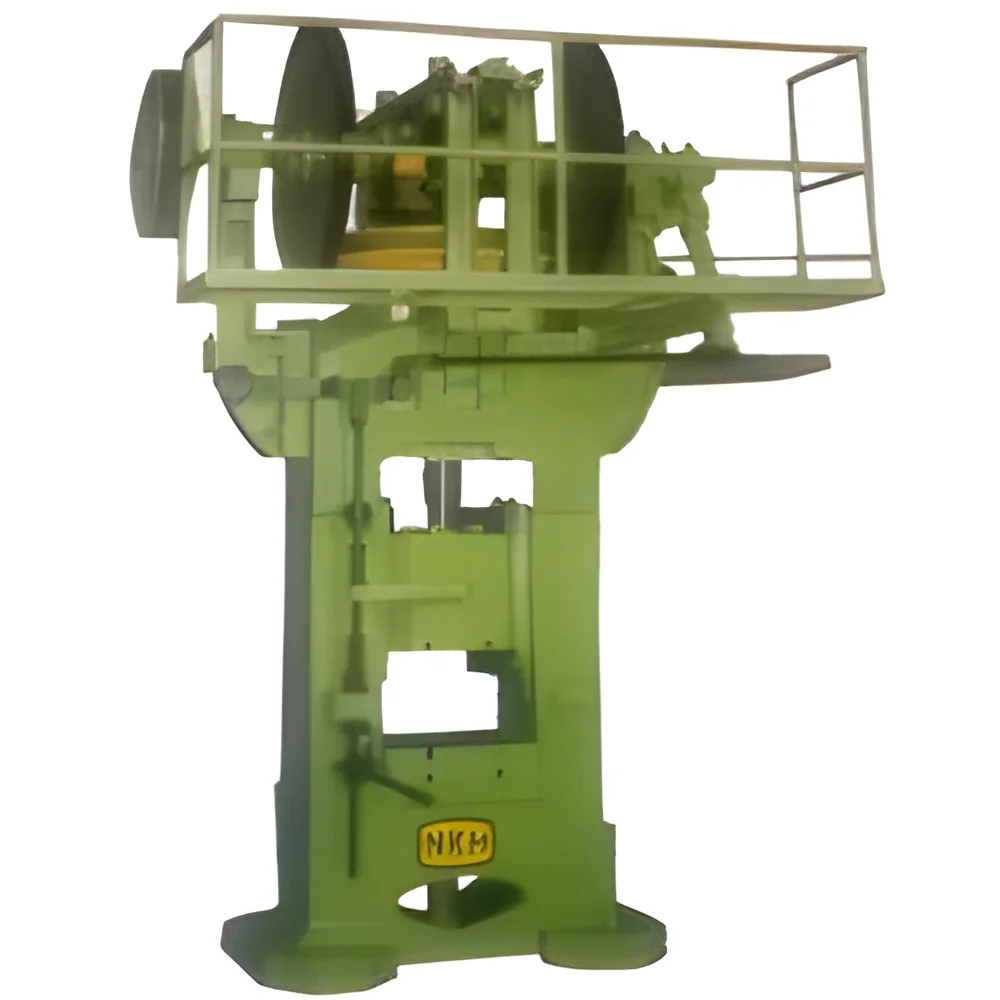
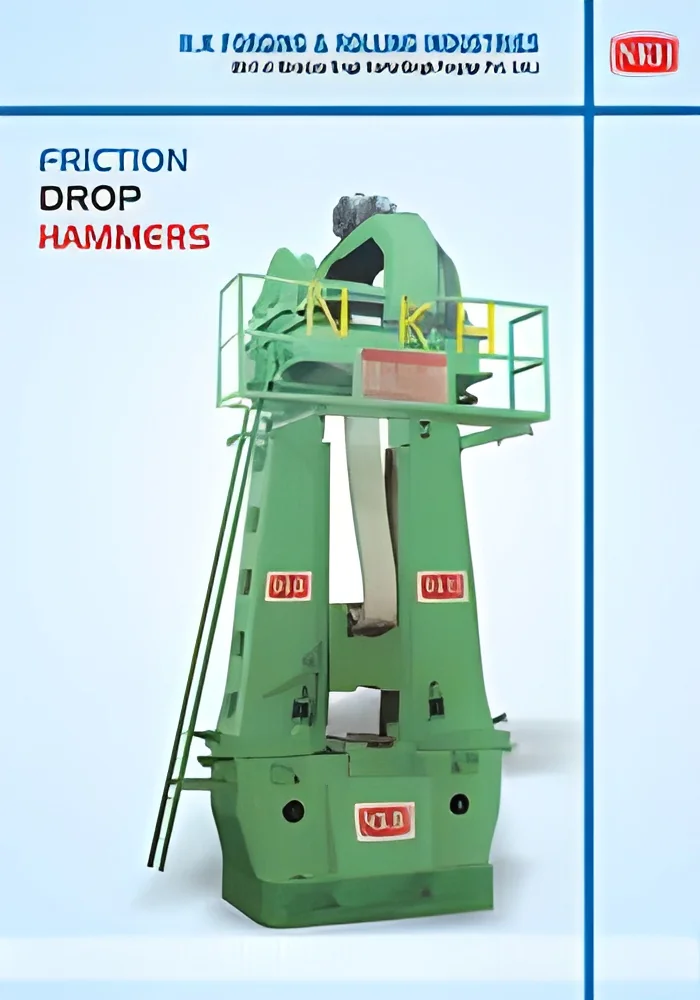
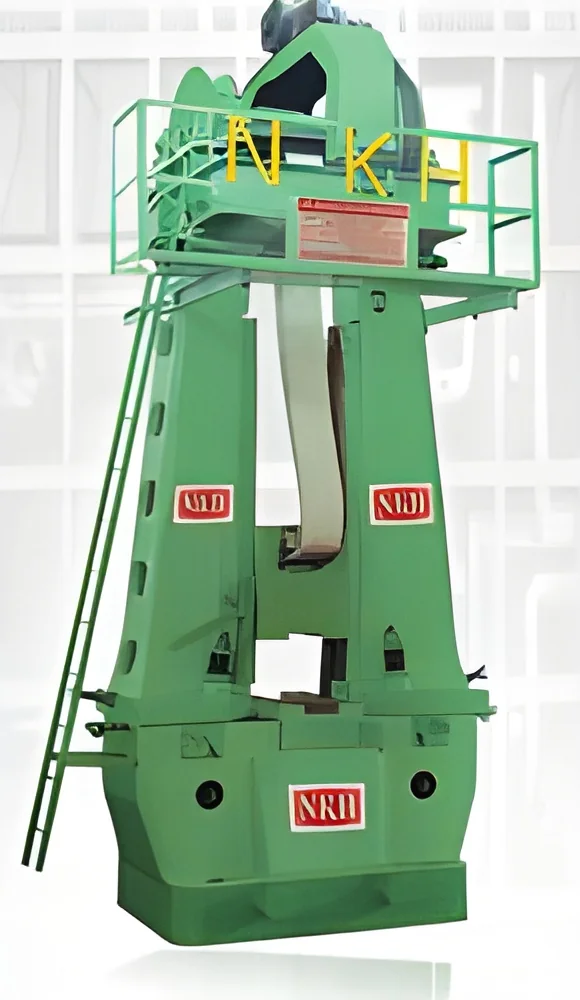
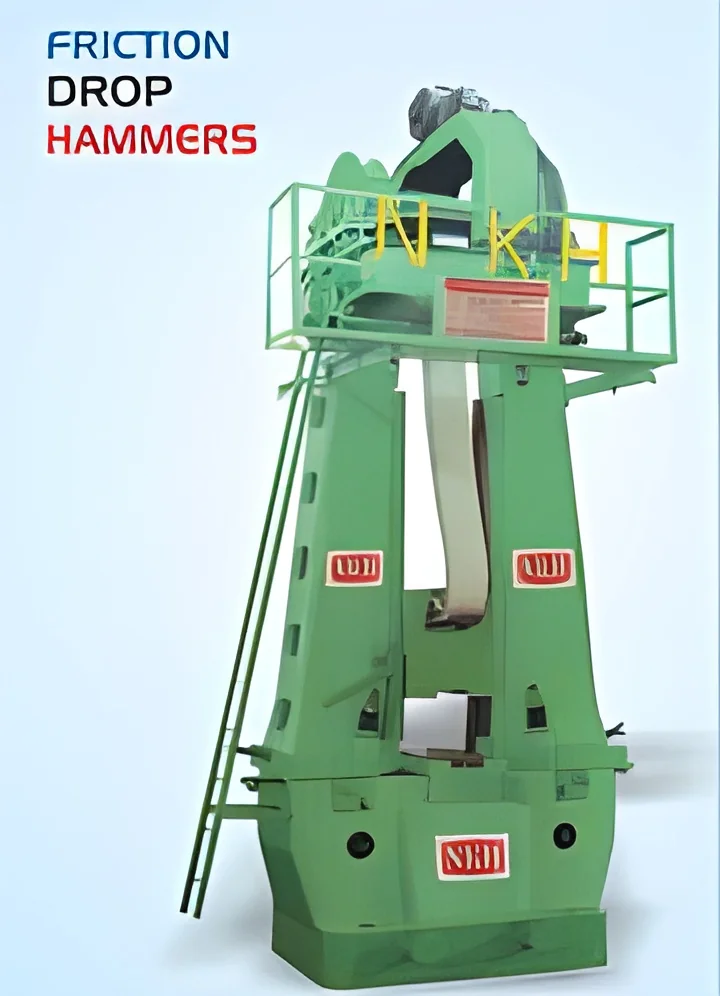
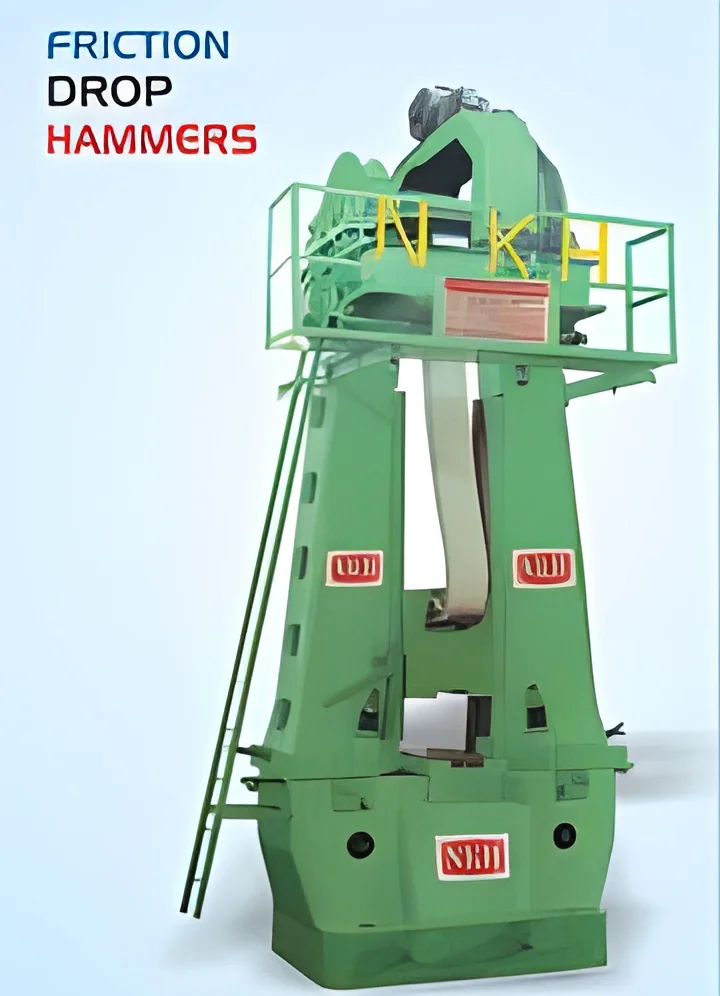
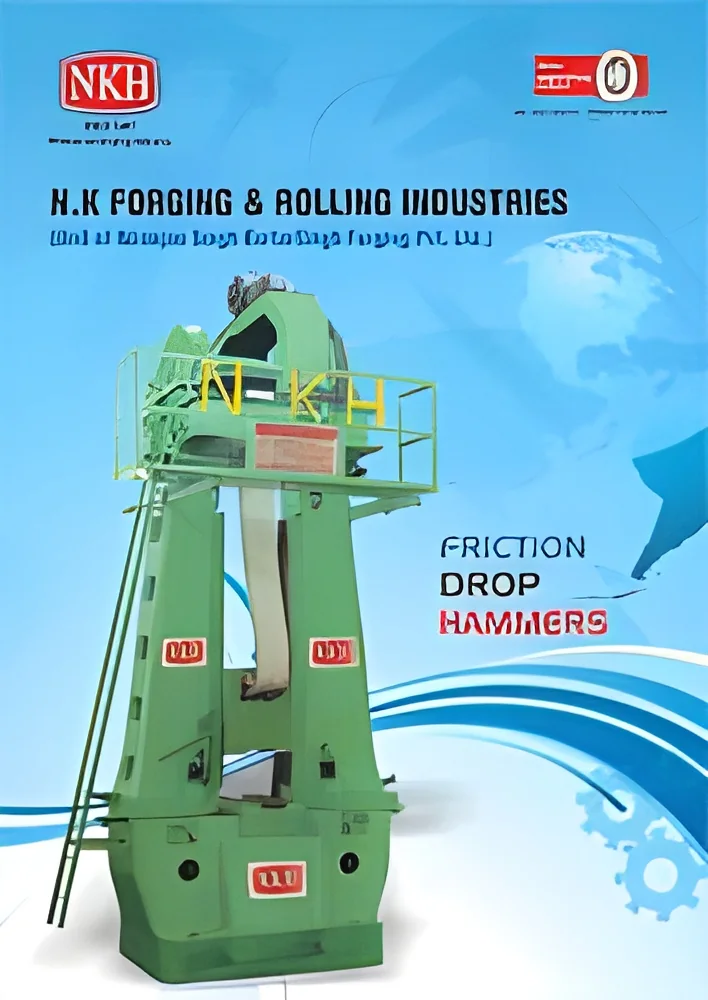
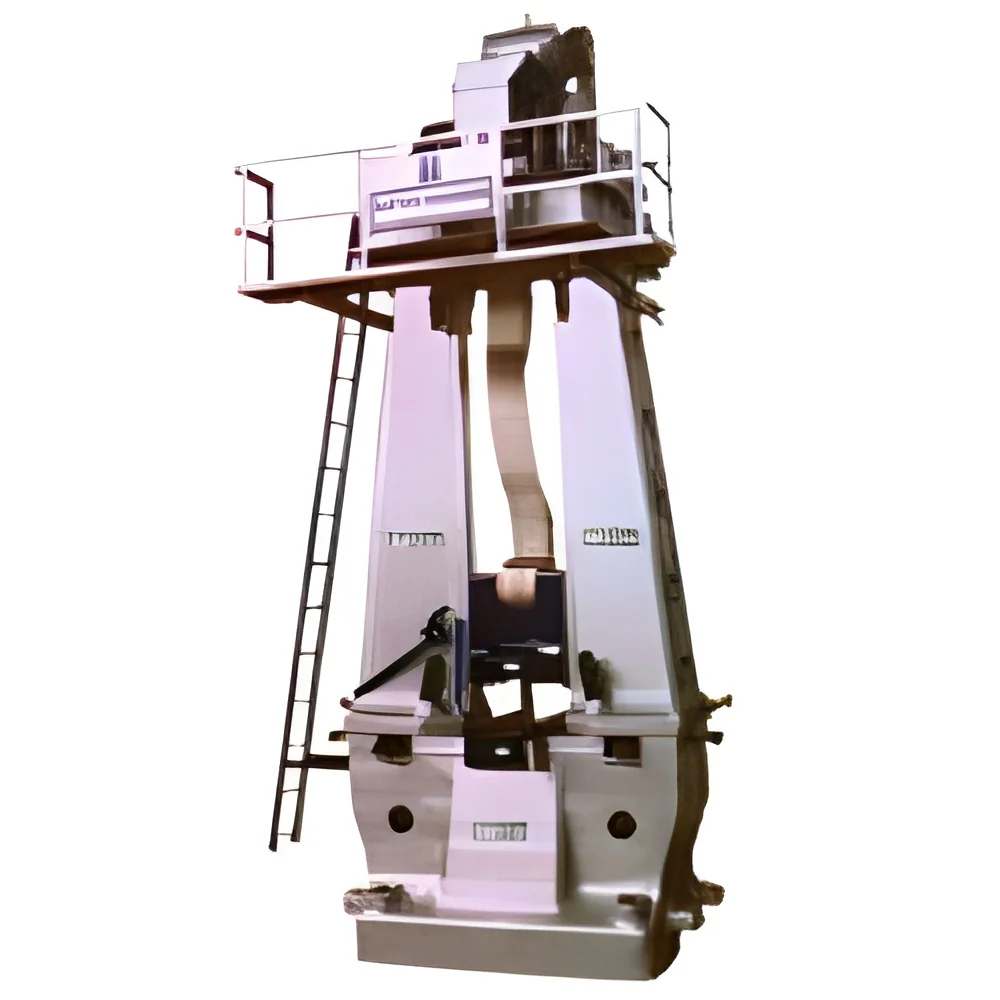
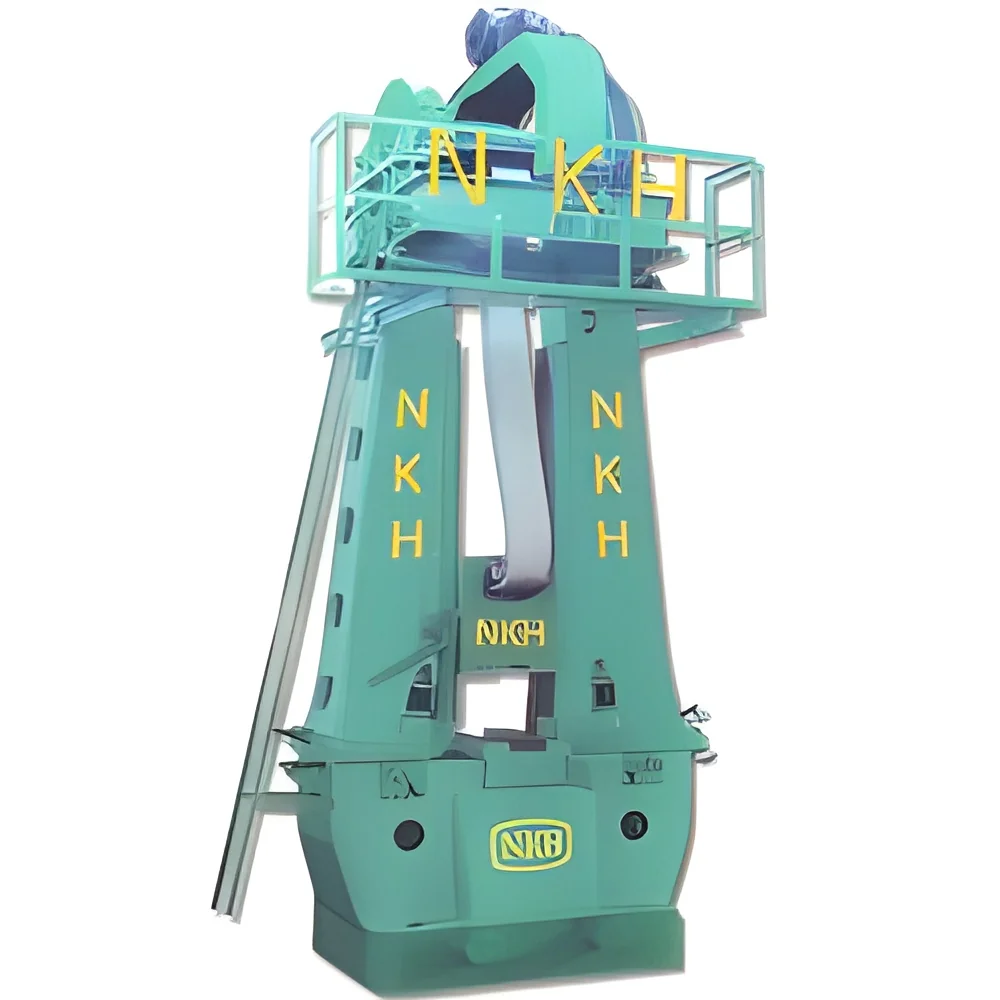
Our industrial drop forging hammer applies controlled compressive force to shape metal components through either hot or cold forging processes. In hot forging applications, metal is heated to its recrystallization temperature and pressed between custom dies, allowing the material to gradually take the shape of the die cavity through repeated strikes. Cold forging follows the same mechanical principle but operates without elevated temperatures, making it suitable for certain alloys and applications where material properties must remain unchanged. This versatile equipment represents the cornerstone of modern metal forming, offering manufacturers the ability to create high-strength components with consistent quality and precision. The hammer's robust construction ensures long-term reliability in demanding industrial environments, providing dependable performance for various production requirements across multiple sectors.

This forging hammer serves critical roles across multiple heavy in...
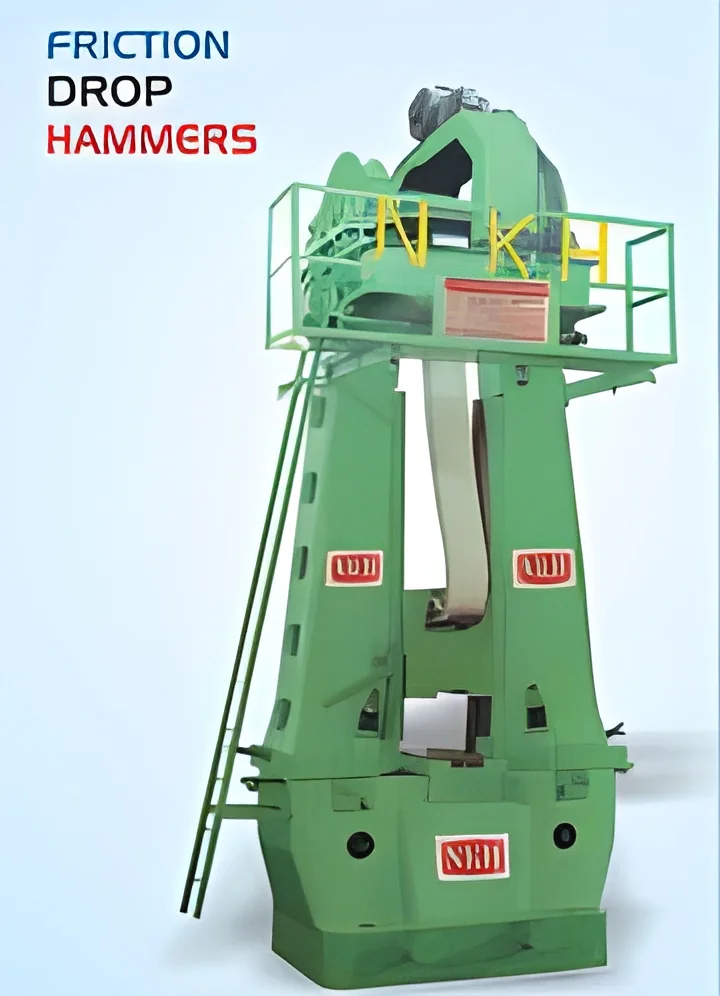
Our industrial drop forging hammer applies controlled compressive force to shape metal components through either hot or cold forging processes. In hot forging applications, metal is heated to its recrystallization temperature and pressed between custom dies, allowing the material to gradually take the shape of the die cavity through repeated strikes. Cold forging follows the same mechanical principle but operates without elevated temperatures, making it suitable for certain alloys and applications where material properties must remain unchanged. This versatile equipment represents the cornerstone of modern metal forming, offering manufacturers the ability to create high-strength components with consistent quality and precision. The hammer's robust construction ensures long-term reliability in demanding industrial environments, providing dependable performance for various production requirements across multiple sectors.

This forging hammer serves critical roles across multiple heavy industries that demand superior component strength and durability. The automotive sector utilizes these machines for producing essential components like crankshafts, connecting rods, and transmission gears that must withstand constant stress and vibration. Aerospace manufacturers rely on drop forging for creating turbine blades, landing gear components, and structural parts where failure is not an option. The construction industry depends on forged components for heavy machinery, while the oil and gas sector uses forged valves, flanges, and drilling equipment that operate under extreme pressure and corrosive conditions. Tool manufacturers also leverage this technology to produce durable hammers, wrenches, and industrial maintenance tools that professionals trust for demanding applications requiring reliable performance.

The business value of our drop forging hammer lies in its unmatched reliability and production efficiency. Manufacturers benefit from reduced material waste compared to machining processes, lower per-unit costs at high volumes, and consistent quality output that meets strict industry standards. The equipment's durability ensures minimal downtime and reduced maintenance costs, providing long-term operational stability. This investment delivers substantial returns through improved production capabilities, enhanced product quality, and the ability to take on more complex and profitable projects. The hammer's proven track record in industrial applications provides confidence that your production line will operate efficiently for years, supporting business growth and customer satisfaction through reliable metal forming solutions.

Key Features:
- High compressive force capability for both hot and cold forging processes
- Customizable die options for specific component shapes and sizes
- Robust construction ensures long-term reliability and minimal maintenance
- Consistent performance for high-volume production requirements
- Adaptable to various metal types and industrial applications

Benefits:
- Superior component strength through enhanced metal grain structure
- Reduced material waste compared to machining processes
- Lower per-unit costs at high production volumes
- Minimal downtime and reduced maintenance requirements
- Consistent quality output meeting strict industry standards
Specifications
| Additional Information | |
|---|---|
| Country of Origin | India |
Application
Drop forging hammers are essential in heavy industries where strong, complex metal components are required. They shape heated or cold metal into precise forms through repeated compressive strikes, making them ideal for high-volume production of durable parts. These machines serve critical roles in automotive, aerospace, and tool manufacturing sectors. Their ability to handle both hot and cold forging provides flexibility for various material types and design specifications, ensuring broad industrial applicability across multiple sectors requiring precision metal components.
Industries rely on drop forging hammers for creating high-strength components that withstand extreme stress and wear. The process enhances metal grain structure, resulting in superior mechanical properties compared to other forming methods. This makes it the preferred choice for safety-critical applications where component failure is not an option. Manufacturers value the hammer's adaptability to custom dies, enabling production of unique parts tailored to specific engineering requirements and dimensional specifications for various industrial applications.
- Automotive industry: producing crankshafts, connecting rods, and transmission gears
- Aerospace sector: manufacturing turbine blades, landing gear components, and structural parts
- Construction equipment: creating durable bolts, anchors, and heavy machinery components
- Oil and gas industry: forging valves, flanges, and drilling equipment parts
- Tool manufacturing: producing hammers, wrenches, and industrial maintenance tools
Trade Details
| Available Stock | In Stock |
| Sample Availability | No |
Payment Terms
| Payment Terms |
|
Company Profile
N K Forging & Rolling Industries, Punjab
 Punjab, India
Punjab, IndiaManufacturer•Distributor / Wholesaler
Factory Details
Factory SizeBelow 1000 sqm
Annual Production Capacity0
Main Markets
South Asia
Industrial Drop Forging Hammer For Precision Metal Shaping
Industrial drop forging hammer delivers precision metal shaping under high compressive force for hot or cold forging applications. Built for reliability and consistent quality in demanding manufacturing environments.
Min. Order Quantity: 1 unit
Shipping
Shipping fee and delivery date to be negotiated. Contact supplier now for more details.
N K Forging & Rolling Industries
 Punjab, India
Punjab, IndiaManufacturer