
 IN
Check Valves (NRV, Foot Valves)
12 products available
Key Features and Specifications
Check valves come with a variety of features and specifications that cater to different applications. These specifications help businesses choose the right valve for their needs, ensuring optimal performance and safety.
Key specifications include:
1. Material Composition
- Common materials include brass, stainless steel, and PVC.
- Selection depends on the fluid type and environmental conditions.
2. Pressure Rating
- Valves are available in different pressure ratings, typically ranging from 150 psi to 3000 psi.
- This specification is crucial for applications involving high-pressure systems.
3. Size and Diameter
- Available sizes range from 1 inch to over 24 inches.
- Proper sizing is essential for ensuring compatibility with existing piping systems.
4. Flow Coefficient (Cv)
- Indicates the flow capacity of the valve.
- Higher Cv values allow for greater flow rates.
5. Temperature Range
- Check valves can operate in various temperature ranges, with many rated for -20°C to 150°C.
- This range is important for applications involving hot or cold fluids.
6. End Connections
- Common types include threaded, flanged, and socket weld.
- The choice of connection type affects installation and compatibility.
7. Installation Orientation
- Some check valves are designed for vertical installations, while others can be installed horizontally.
- The orientation can impact performance and maintenance.
8. Certifications
- Many check valves meet industry certifications, such as CE.
- Compliance with these standards ensures reliability and safety.
In summary, understanding the key features and specifications of check valves is vital for making informed purchasing decisions. Proper selection ensures that the valve meets the operational requirements of specific applications.
Common Applications and Use Cases
Check valves are utilized across a wide range of industries, highlighting their versatility and importance.
1. Water Treatment: In water treatment plants, check valves prevent backflow, ensuring clean water flows to distribution systems and protecting pumps from damage.
2. Oil and Gas: In the oil and gas sector, check valves are critical for maintaining pressure and preventing backflow in pipelines, ensuring safe transport of hydrocarbons.
3. Manufacturing: Manufacturing processes often involve the use of check valves in fluid control systems, where they help regulate flow and maintain system integrity.
4. HVAC Systems: In heating, ventilation, and air conditioning (HVAC) systems, check valves prevent reverse flow of refrigerants, ensuring efficient operation.
5. Agriculture: Foot valves are commonly used in irrigation systems to maintain water levels in suction lines, preventing backflow and ensuring consistent water supply.
6. Chemical Processing: In chemical plants, check valves protect equipment by controlling the direction of corrosive fluids, preventing backflow that could cause contamination.
7. Fire Protection Systems: Check valves are essential in fire protection systems, ensuring that water only flows in the intended direction during emergencies.
Product Variants and Subcategories
Check valves come in various designs and configurations to meet specific application needs. The diversity of these variants allows for tailored solutions across industries.
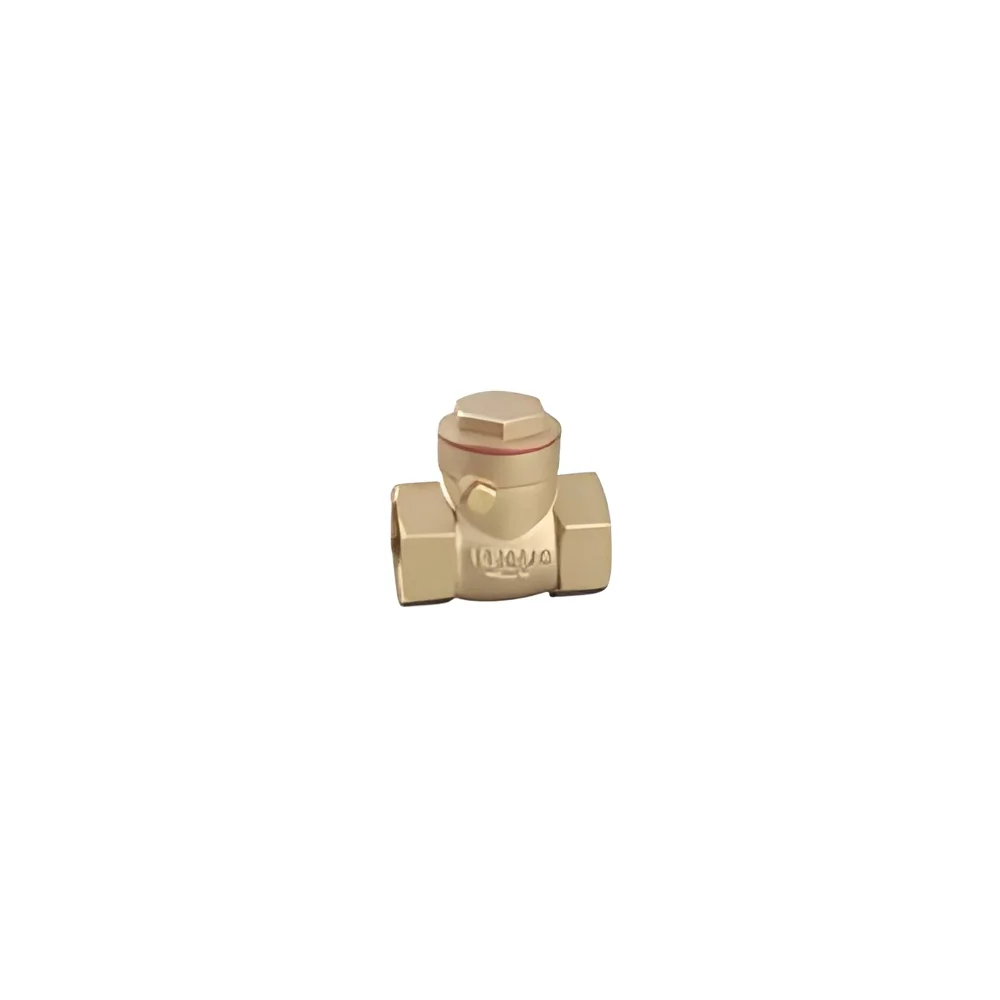
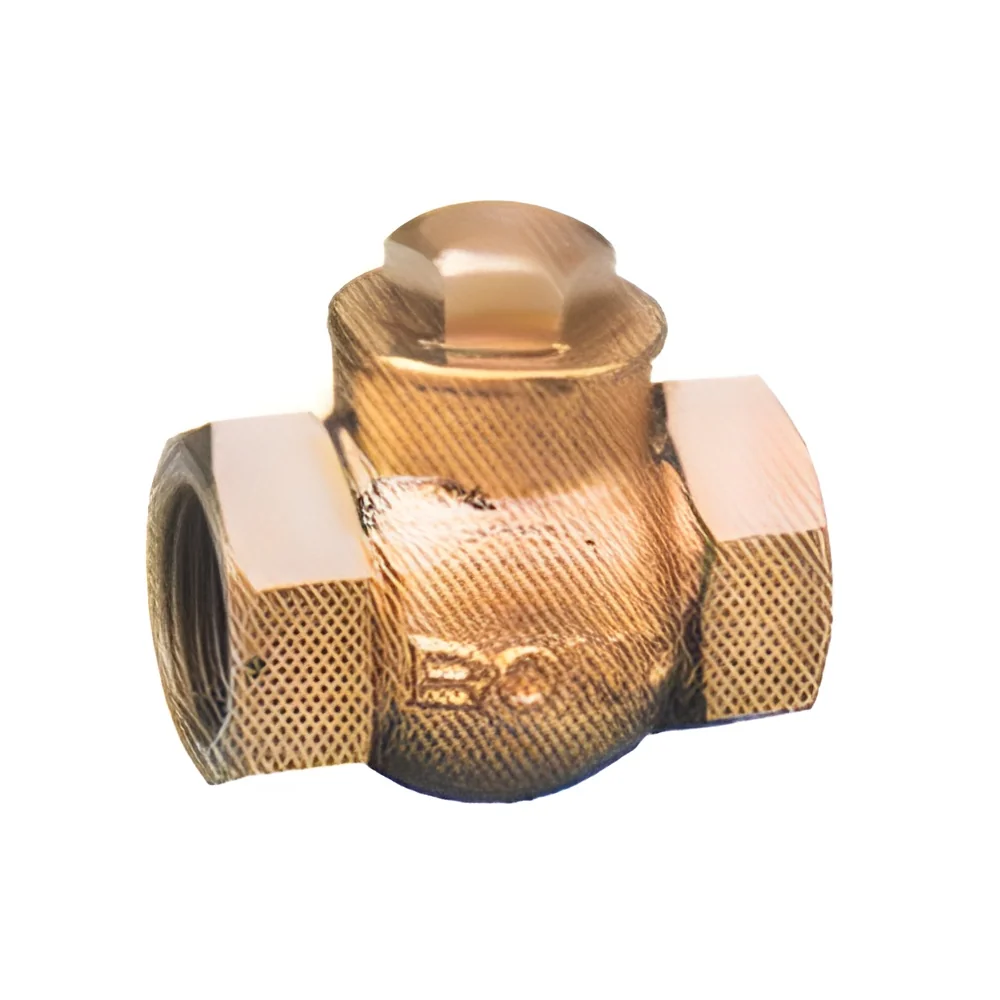
Swing Check Valves: These valves use a swinging disc to allow flow in one direction. They are commonly used in water supply and drainage systems due to their low-pressure drop.
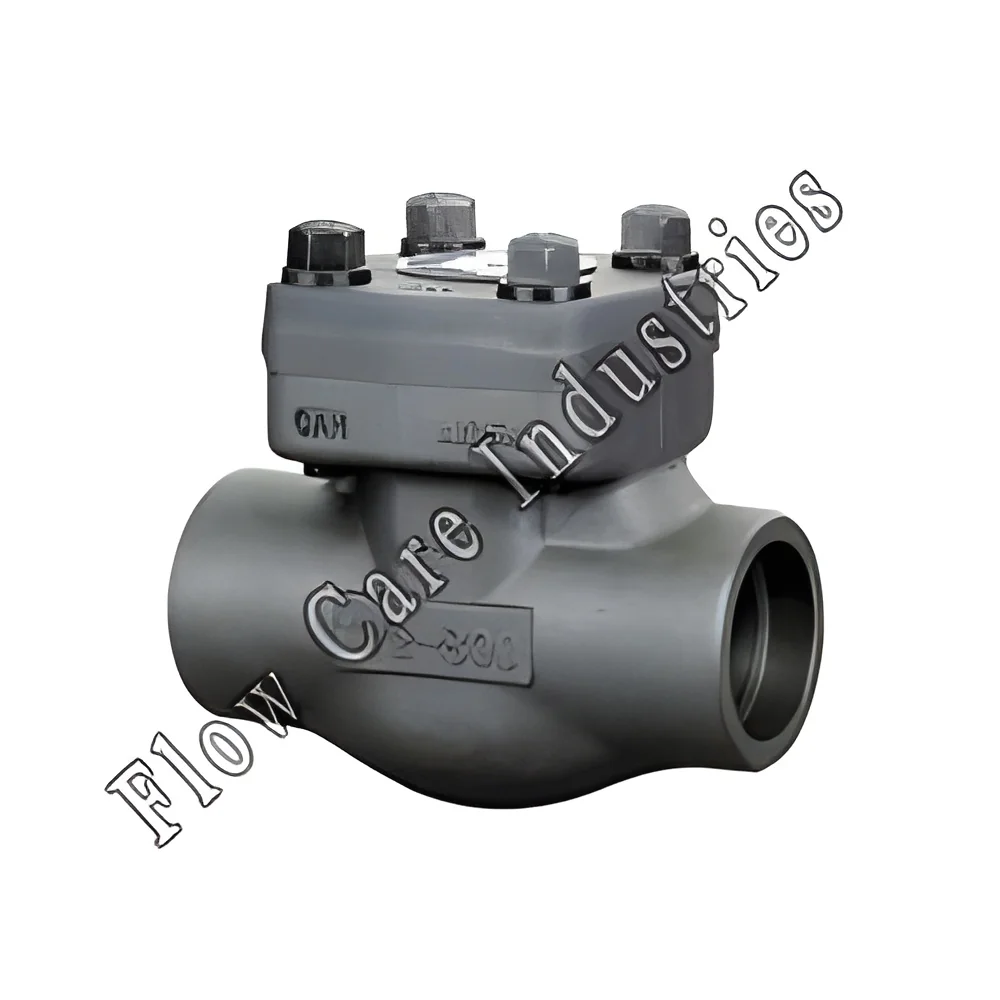
Lift Check Valves: Designed to prevent backflow by lifting a disc off its seat, these valves are suitable for high-pressure applications and are often seen in steam and gas systems.
Ball Check Valves: By using a ball that moves in response to flow direction, these valves provide a reliable seal against backflow. They are ideal for applications requiring tight sealing.
Diaphragm Check Valves: These valves utilize a flexible diaphragm to control flow direction. They are often used in sanitary and chemical applications where contamination must be avoided.
Benefits and Advantages
Check valves offer numerous benefits that enhance operational efficiency and safety in fluid handling systems.
1. Prevent Backflow: Check valves effectively prevent backflow, protecting pumps and equipment from potential damage.
2. Enhance System Efficiency: By allowing unidirectional flow, these valves optimize fluid transport and reduce energy consumption.
3. Minimize Maintenance: The robust design of check valves reduces wear and tear, leading to lower maintenance costs and longer service life.
4. Improve Safety: Check valves contribute to system safety by preventing the mixing of incompatible fluids, reducing the risk of hazardous situations.
5. Versatility: With various designs available, check valves can be used in numerous applications across different industries, making them highly versatile.
6. Compliance with Standards: Many check valves are certified to industry standards, ensuring they meet safety and quality requirements.
Buying Guide for B2B Buyers
When sourcing Check Valves (NRV, Foot Valves), it is important for buyers to evaluate several critical factors to make informed decisions.
1. Quality Assessment: Ensure that the valves meet industry standards and quality certifications. Look for materials and construction methods that guarantee durability and reliability.
2. Supplier Verification: Vet potential suppliers by checking their track records, customer reviews, and compliance with industry regulations. A reliable supplier can provide consistent quality and support.
3. Pricing and MOQ: Compare pricing among suppliers while considering minimum order quantities (MOQ). Understanding your budget and the volume of valves needed will help in negotiations.
4. Delivery and Lead Times: Assess suppliers' delivery capabilities and lead times. Timely delivery is crucial for maintaining project schedules and operational continuity.
5. Compliance Requirements: Be aware of any regulatory requirements that apply to your industry and ensure that the check valves meet these standards to avoid compliance issues.
Compliance and Certifications
Check valves are subject to various quality standards and certifications that ensure their reliability and safety in industrial applications. ISO 9001 is a well-recognized standard that focuses on quality management systems. Compliance with this standard indicates that a manufacturer maintains high-quality processes and products.
Additionally, many check valves carry CE certification, which signifies conformity with European health, safety, and environmental protection standards. This certification is particularly important for products sold in European markets.
Safety and testing requirements are also critical in the manufacturing of check valves. These valves must undergo rigorous testing to ensure they can withstand the pressures and conditions of their intended applications. Regional compliance considerations may vary, so it is essential for buyers to verify that the valves meet local regulations and industry-specific standards.
Why Source Check Valves (NRV, Foot Valves) from Pepagora?
Pepagora offers a trusted platform for sourcing Check Valves (NRV, Foot Valves) with several key advantages that benefit B2B buyers.
Verified Supplier Network: Pepagora connects buyers with a verified network of suppliers, ensuring that all vendors meet stringent quality and compliance standards. This network enables buyers to find reliable sources for their valve needs.
Streamlined RFQ Process: The platform simplifies the request for quotation (RFQ) process, allowing buyers to easily compare offers from multiple suppliers. This efficiency helps businesses make informed decisions quickly.
Trade Assurance and Support: Pepagora provides trade assurance to protect buyers throughout the procurement process. This includes support for quality disputes and delivery issues, ensuring a safer purchasing experience.
Regional Coverage: With a strong presence in India, the GCC, and Southeast Asia, Pepagora facilitates access to a wide range of suppliers and products. This regional coverage allows businesses to effectively source check valves tailored to their specific market needs.

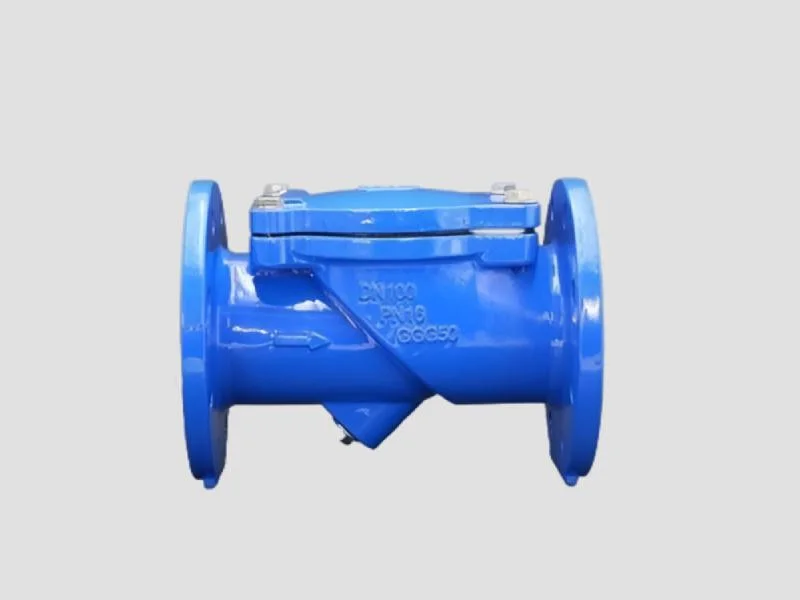
 India
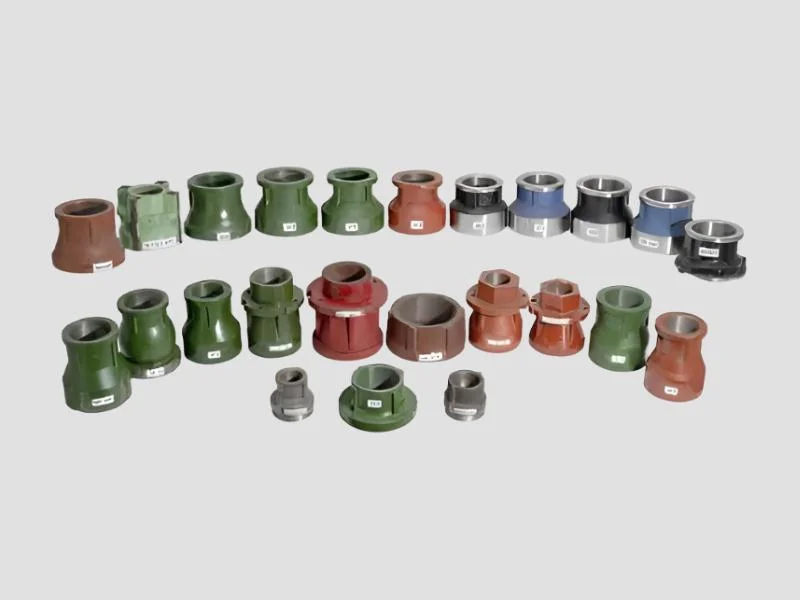
 India

 India
 India
 India
 India
 India

Frequently Asked Questions
What are Check Valves (NRV, Foot Valves)?
Check valves, including Non-Return Valves (NRV) and Foot Valves, are designed to allow fluid flow in one direction while preventing backflow. NRVs are commonly used in pipelines to maintain pressure, while Foot Valves are often installed at the bottom of a suction line to prevent the pump from losing its prime.
What are the different types of Check Valves (NRV, Foot Valves)?
The main types of check valves include swing check valves, lift check valves, and ball check valves. Foot valves, a specific category, are used at the inlet of a pump to keep the line filled with fluid, while NRVs are used to prevent backflow in various applications.
How do I choose the right Check Valves (NRV, Foot Valves)?
Choosing the right check valve involves considering factors such as the fluid type, pressure, temperature, and flow rate. It’s also essential to evaluate the installation conditions and ensure compatibility with existing piping systems.
What are the standard specifications for Check Valves (NRV, Foot Valves)?
Standard specifications for check valves typically include dimensions, material construction, pressure ratings, and temperature limits. Common materials used are brass, stainless steel, and PVC, ensuring durability and resistance to corrosion.
What is the price range for Check Valves (NRV, Foot Valves)?
The price range for check valves can vary significantly based on material, size, and brand. Generally, prices can start from a few hundred rupees for smaller, basic models to several thousand rupees for larger, high-quality options.
What quality standards apply to Check Valves (NRV, Foot Valves)?
Quality standards for check valves often include compliance with ISO, ASTM, and API specifications. These standards ensure that the valves meet safety, performance, and durability requirements for industrial applications.
Where can I find Check Valves (NRV, Foot Valves) suppliers in India?
You can find suppliers of check valves in India through B2B marketplaces like Pepagora.com, trade shows, and industry directories. It’s advisable to compare multiple suppliers to ensure quality and pricing.
Can Check Valves (NRV, Foot Valves) be customized?
Yes, many manufacturers offer customization options for check valves to meet specific requirements such as size, material, and pressure ratings. It is best to discuss your needs with the supplier to explore available customization options.
What is the typical minimum order quantity for Check Valves (NRV, Foot Valves)?
The minimum order quantity (MOQ) for check valves can vary by supplier and product type. Typically, MOQs can range from 10 to 50 units, but it is advisable to check with the specific manufacturer or supplier for their policies.
What is the typical lead time for Check Valves (NRV, Foot Valves)?
The lead time for check valves usually depends on factors such as order size, customization requirements, and supplier location. Generally, standard orders may take anywhere from 1 to 4 weeks for delivery.
Why Businesses Trust Pepagora
Thousands of companies trust Pepagora to source smarter and sell faster
Expand Your Sales Globally

Source Smarter,Grow Faster
