IN
IN₹
Apparel & Fashion
Description
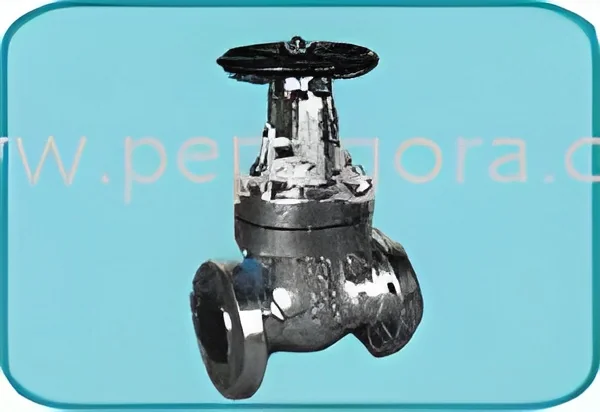
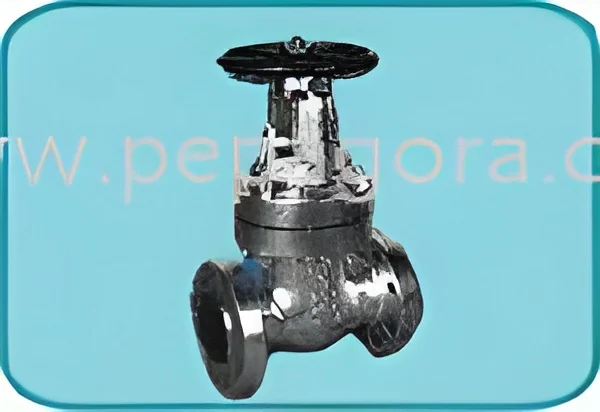
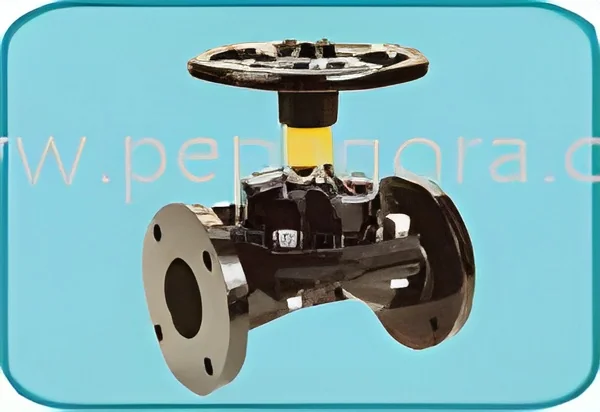
Industrial diaphragm valves manufactured from premium cast iron compliant with BS 1452 Gr.14 and ASTM A216 Class B standards provide exceptional durability for demanding fluid control applications. Designed per BS 5156 specifications, these valves accommodate pressure ratings PN 10 and PN 16 across a comprehensive size range from 15mm to 300mm. The diaphragm mechanism ensures complete isolation between the fluid stream and valve components, preventing contamination while delivering leak-tight performance even with challenging media. This engineering excellence makes them ideal for applications where operational reliability, safety, and process integrity are critical requirements for industrial operations.

These diaphragm valves serve essential functions across multiple industries where precise fluid control directly impacts operational efficiency and product quality. Water treatment facilities utilize them for chemical dosing, sludge handling, and treated water management with proven ...
Industrial diaphragm valves manufactured from premium cast iron compliant with BS 1452 Gr.14 and ASTM A216 Class B standards provide exceptional durability for demanding fluid control applications. Designed per BS 5156 specifications, these valves accommodate pressure ratings PN 10 and PN 16 across a comprehensive size range from 15mm to 300mm. The diaphragm mechanism ensures complete isolation between the fluid stream and valve components, preventing contamination while delivering leak-tight performance even with challenging media. This engineering excellence makes them ideal for applications where operational reliability, safety, and process integrity are critical requirements for industrial operations.

These diaphragm valves serve essential functions across multiple industries where precise fluid control directly impacts operational efficiency and product quality. Water treatment facilities utilize them for chemical dosing, sludge handling, and treated water management with proven reliability. Chemical processing plants depend on their corrosion resistance for handling aggressive substances and abrasive slurries. Pharmaceutical manufacturers require their contamination-free operation for sterile processing applications. Food production facilities value their hygienic design for ingredient handling and processing lines. Mining and mineral processing operations employ them for tough slurry applications where abrasion resistance is paramount, while power generation and wastewater management sectors benefit from their robust performance in critical fluid handling systems.

The business value of these diaphragm valves lies in their proven reliability, reduced maintenance requirements, and extended service life that directly influence operational costs and productivity. Cast iron construction provides superior strength and corrosion resistance, minimizing replacement frequency and system downtime. Standardized BS 5156 design ensures compatibility with existing infrastructure and simplifies maintenance procedures. The diaphragm mechanism eliminates stem packing leaks common in other valve types, reducing environmental risks and maintenance expenses. These valves deliver consistent performance under varying pressure conditions, ensuring process stability and product quality while meeting international standards that industrial operations require for their critical fluid control applications.

Key Features:
- Cast iron construction compliant with BS 1452 Gr.14 and ASTM A216 Class B standards
- Designed per BS 5156 specifications for reliable industrial performance
- Pressure ratings PN 10 and PN 16 suitable for various system requirements
- Comprehensive size range from 15mm to 300mm accommodating different applications
- Diaphragm isolation preventing fluid contamination and ensuring leak-tight operation

Benefits:
- Exceptional durability and corrosion resistance for extended service life
- Reduced maintenance requirements and minimized operational downtime
- Leak-tight performance ensuring process safety and environmental compliance
- Compatibility with existing systems through standardized design specifications
- Consistent fluid control performance across varying pressure conditions
Specifications
| Additional Information | |
|---|---|
| Country of Origin | India |
Application
These cast iron diaphragm valves deliver reliable fluid control in demanding environments where contamination prevention and leak-tight performance are essential. Built to BS 5156 standards with pressure ratings PN 10/16 and sizes from 15mm to 300mm, they handle abrasive slurries, corrosive chemicals, and viscous fluids efficiently across multiple industrial sectors. Their robust construction ensures minimal maintenance and long service life even in challenging operating conditions.
Industries including water treatment, chemical processing, pharmaceuticals, and food production rely on these valves for critical fluid handling operations. The diaphragm isolation mechanism prevents media contamination while providing precise flow control. Available in comprehensive size ranges, these valves accommodate various system requirements while maintaining consistent performance under pressure. Their durability makes them suitable for continuous operation in harsh industrial environments.
- Water treatment facilities for chemical dosing and sludge management systems
- Chemical plants handling corrosive fluids and abrasive slurry applications
- Pharmaceutical manufacturing requiring sterile, contamination-free processing
- Food and beverage production lines for hygienic ingredient handling
- Mining operations managing abrasive slurry transport and processing
Trade Details
| Available Stock | In Stock |
| Sample Availability | No |
Payment Terms
| Payment Terms |
|
Company Profile
Venus Fittings & Valves Pvt Ltd, Maharashtra
 Maharashtra, India
Maharashtra, IndiaIndustrial Equipment & Machinery•Manufacturer•Trading Company
Factory Details
Factory SizeBelow 1000 sqm
Annual Production Capacity0
Industrial Diaphragm Valves Cast Iron BS 5156 PN 10/16 15 300mm
Industrial diaphragm valves in cast iron per BS 5156 for PN 10/16 pressure, sizes 15-300mm. Reliable fluid control for demanding industrial applications with BS 1452 and ASTM A216 construction standards.
Min. Order Quantity: 1 unit
Shipping
Shipping fee and delivery date to be negotiated. Contact supplier now for more details.
Venus Fittings & Valves Pvt Ltd
 Maharashtra, India
Maharashtra, IndiaIndustrial Equipment & MachineryManufacturer