IN
IN₹
Apparel & Fashion
Description
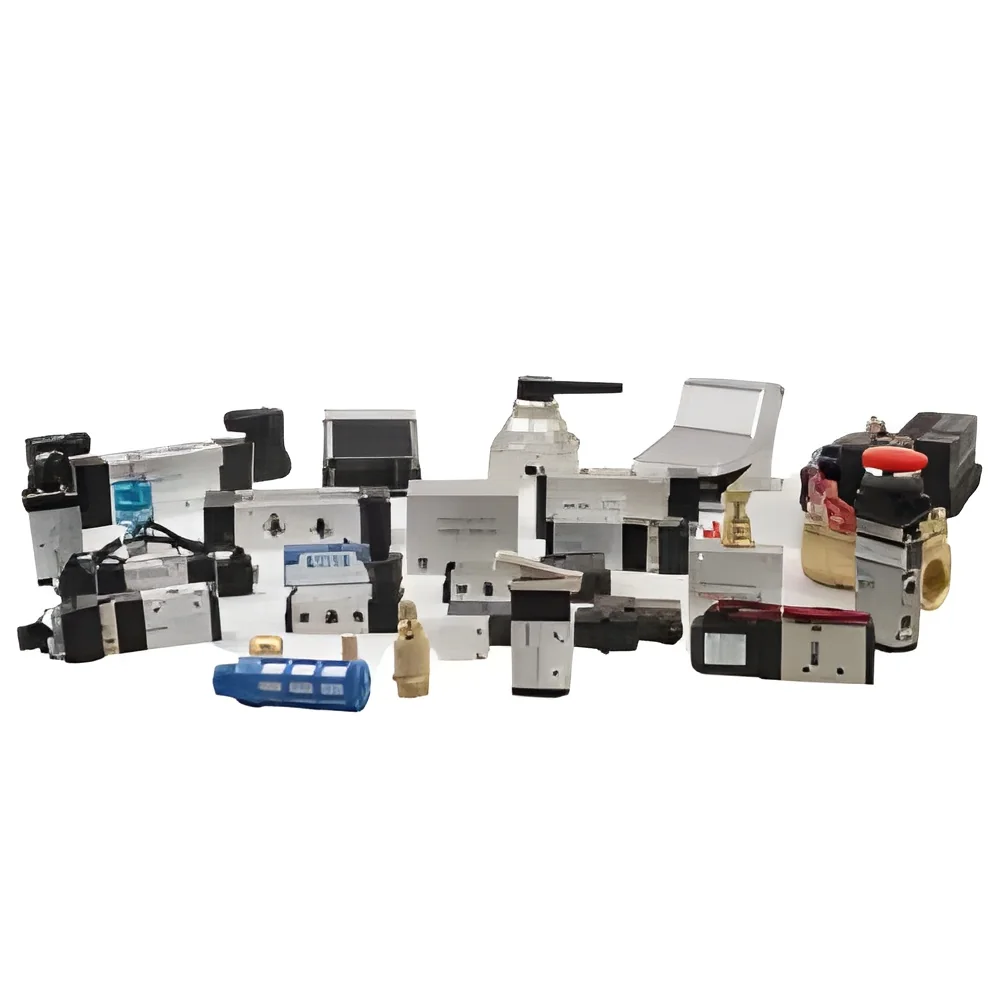
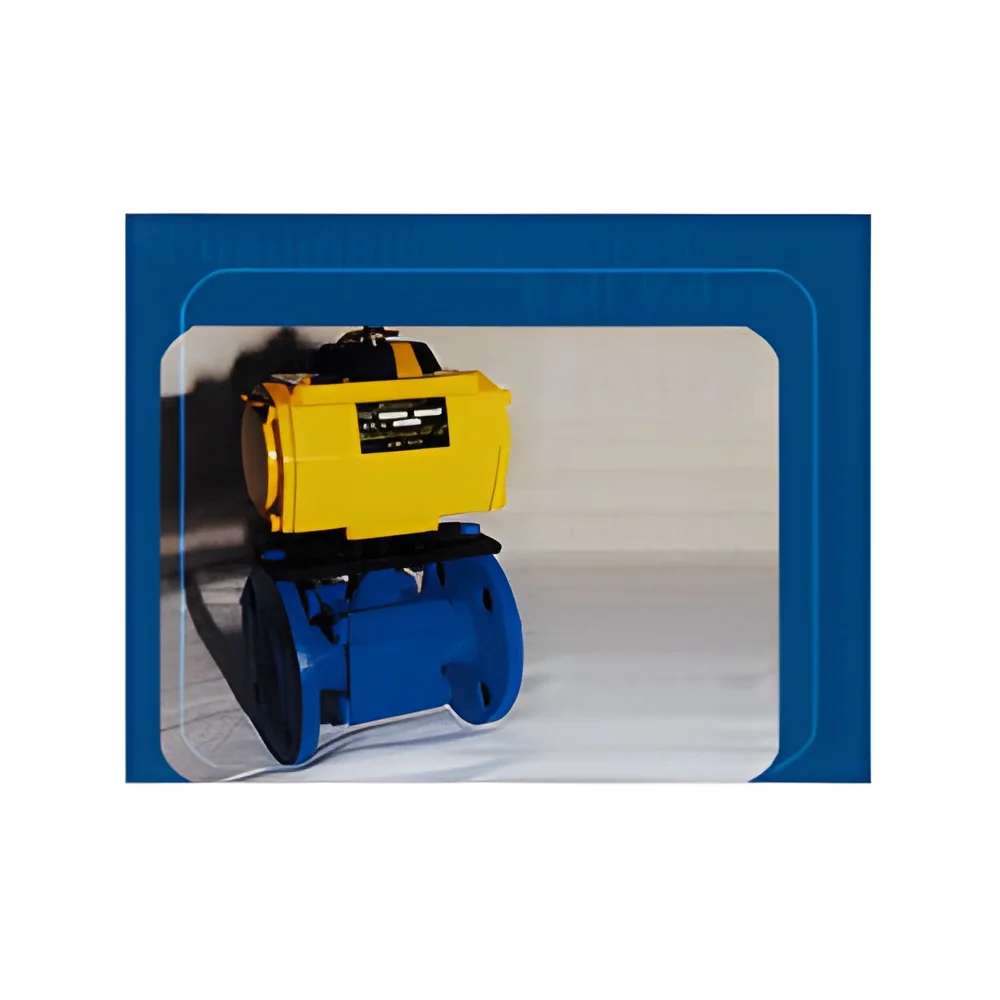
Our industrial automation pneumatic stainless steel ball valves represent advanced flow control technology designed for demanding industrial environments. These valves combine robust stainless steel construction with precision pneumatic actuation to deliver reliable performance where it matters most. Available in 1-piece, 2-piece, and 3-piece designs with sizes ranging from 8mm to 150 NB, they accommodate various piping configurations and pressure requirements. The rack and pinion pneumatic actuators provide quick 90-degree rotation for fast opening and closing operations, while the stainless steel ball and seats ensure tight shut-off and minimal maintenance needs. Supporting both single-acting and double-acting operation modes, these valves offer flexibility for different control system designs and automation requirements.

These pneumatic ball valves serve essential functions across multiple industries where automated fluid control is critical. In chemical processing plants, they han...
Our industrial automation pneumatic stainless steel ball valves represent advanced flow control technology designed for demanding industrial environments. These valves combine robust stainless steel construction with precision pneumatic actuation to deliver reliable performance where it matters most. Available in 1-piece, 2-piece, and 3-piece designs with sizes ranging from 8mm to 150 NB, they accommodate various piping configurations and pressure requirements. The rack and pinion pneumatic actuators provide quick 90-degree rotation for fast opening and closing operations, while the stainless steel ball and seats ensure tight shut-off and minimal maintenance needs. Supporting both single-acting and double-acting operation modes, these valves offer flexibility for different control system designs and automation requirements.

These pneumatic ball valves serve essential functions across multiple industries where automated fluid control is critical. In chemical processing plants, they handle aggressive chemicals and solvents with superior corrosion resistance and reliability. Water treatment facilities utilize them for automated filter control and distribution systems where consistent performance is mandatory. Food production manufacturers rely on their sanitary design for processing lines and cleaning systems that meet industry standards. Pharmaceutical applications benefit from their sterile operation capabilities and compliance with strict hygiene requirements. Oil and gas operations deploy them for remote flow control and emergency shutdown systems where operational safety and reliability are paramount considerations.

The business value of these pneumatic operated ball valves lies in their proven reliability, exceptional durability, and operational efficiency. They significantly reduce maintenance costs through robust construction and minimal wear components, while the pneumatic operation enables energy-efficient performance compared to electric alternatives. The quick response time and precise control capabilities minimize process downtime and improve overall system productivity. With various end connections including screwed, socket weld, and flanged options, along with different casting methods, these valves ensure perfect compatibility with specific application requirements. Designed for long service life with minimal maintenance, they provide excellent return on investment through reduced replacement costs and consistent operational reliability in challenging industrial environments.

Key Features:
- Stainless steel construction available in 1-piece, 2-piece, and 3-piece body designs
- Rack and pinion pneumatic actuators supporting single or double acting operation
- ANSI Class 150, 300, and 800 pressure ratings for diverse application needs
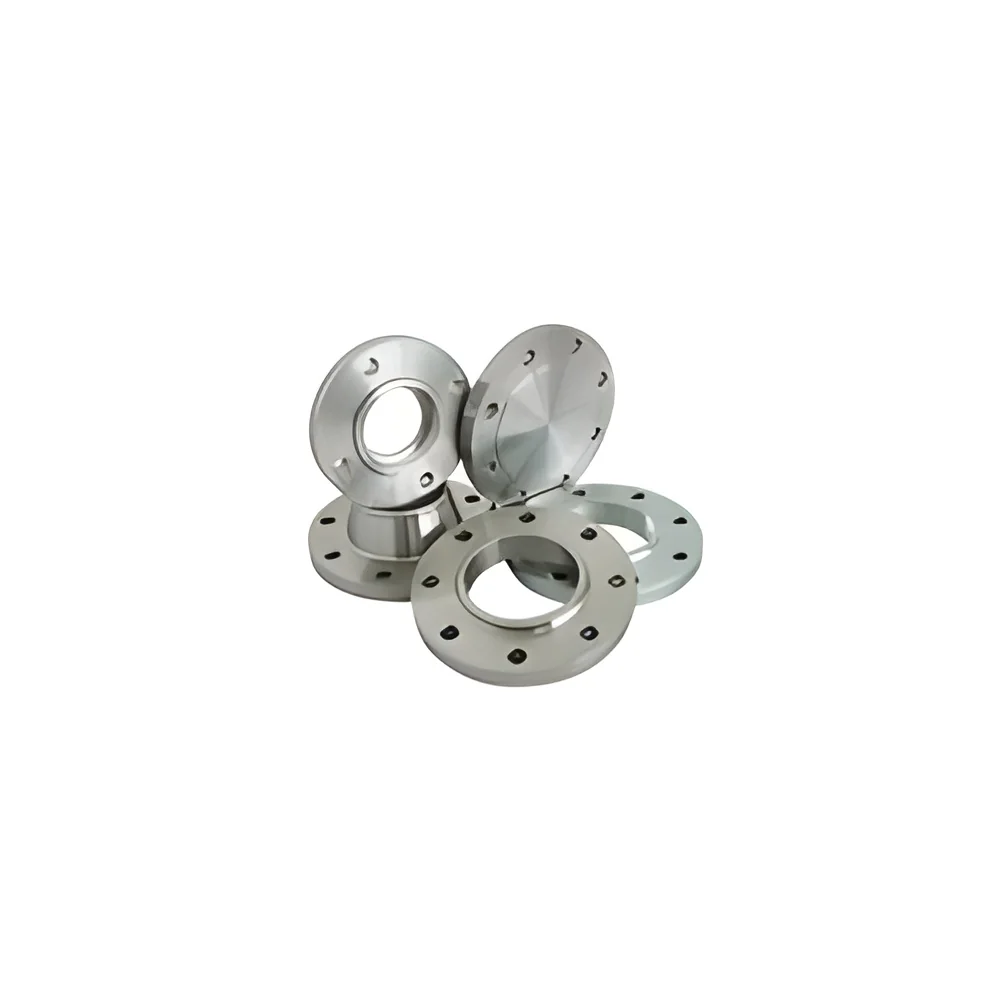
- Multiple end connection options including screwed, socket weld, and flanged types
- Comprehensive size range from 8mm to 150 NB with investment or sand casting methods

Benefits:
- Enhanced durability and corrosion resistance for extended service life
- Quick response time and precise control for improved process efficiency
- Reduced maintenance requirements and operational costs
- Flexible integration with various industrial control systems
- Reliable performance in demanding environments and aggressive media
Specifications
| Additional Information | |
|---|---|
| Country of Origin | India |
Application
These pneumatic stainless steel ball valves deliver reliable performance across demanding industrial fluid control applications. Engineered for precise automation with quick quarter-turn operation, they excel in systems requiring frequent cycling or remote control. The robust stainless steel construction ensures longevity with aggressive media and challenging environmental conditions, providing consistent operation where reliability matters most.
These valves serve critical functions in process industries where hygiene, corrosion resistance, and leak-proof operation are essential. Available in two-way and three-way configurations with multiple mounting options, they offer flexible solutions for diverse piping systems. The pneumatic actuation enables seamless integration with modern control systems for automated operation and monitoring, making them ideal for complex industrial processes.
- Automated chemical processing lines for precise dosing and flow diversion control
- Water treatment plants managing filter backwash and distribution systems
- Food production facilities ensuring sanitary flow control and cleaning processes
- Pharmaceutical manufacturing maintaining sterile fluid transfer operations
- Oil and gas pipelines handling remote flow control and emergency shutdown
Trade Details
| Available Stock | In Stock |
| Sample Availability | No |
Payment Terms
| Payment Terms |
|
Company Profile

Arihant Hardware, Karnataka
 Karnataka, India
Karnataka, IndiaTrading Company•Distributor / Wholesaler
Factory Details
Factory SizeBelow 1000 sqm
Annual Production Capacity0
Industrial Automation Pneumatic Stainless Steel Ball Valves ANSI Class
Industrial automation pneumatic stainless steel ball valves feature rack and pinion actuators, ANSI Class 150/300/800 ratings, and multiple end connections for precise flow control in demanding industrial applications.
Min. Order Quantity: 1 unit
Shipping
Shipping fee and delivery date to be negotiated. Contact supplier now for more details.
Arihant Hardware
 Karnataka, India
Karnataka, IndiaTrading Company