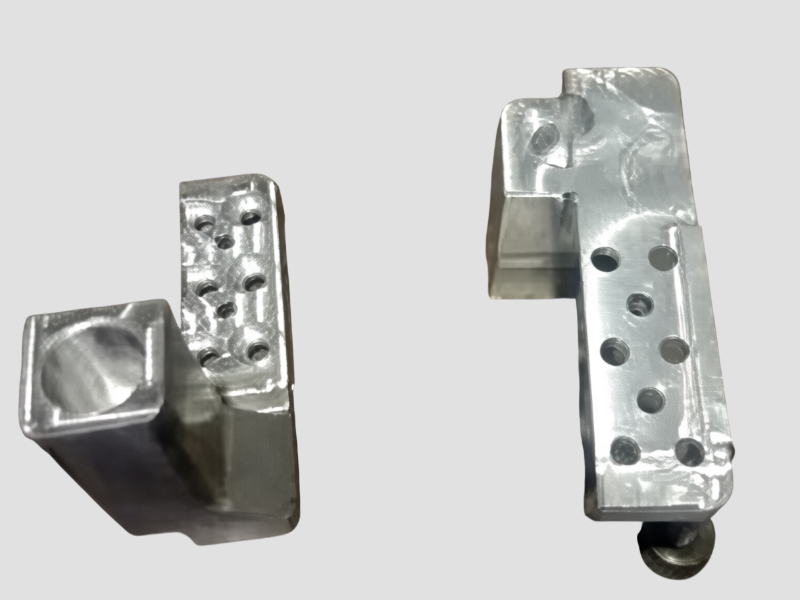
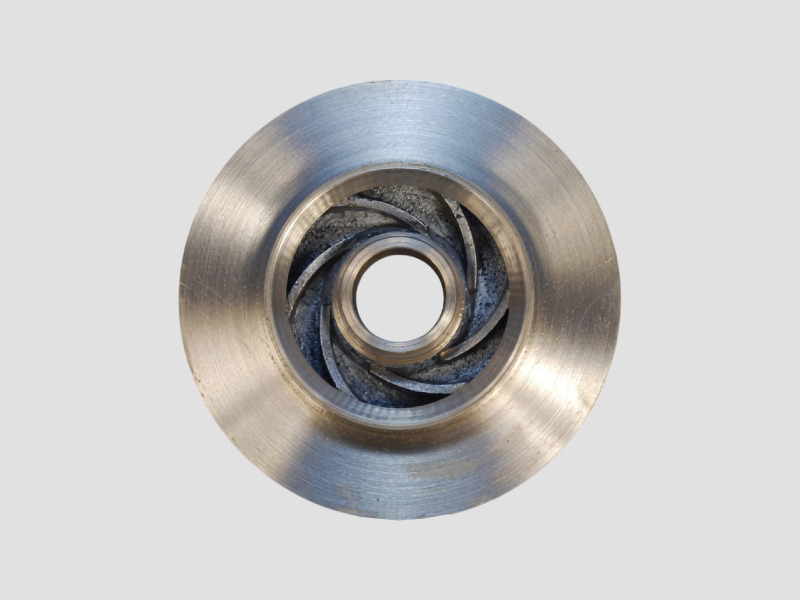
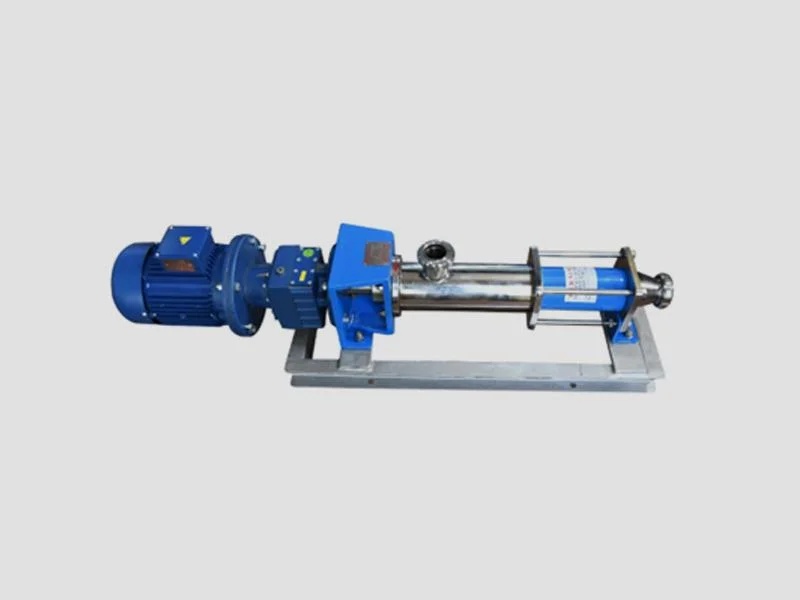
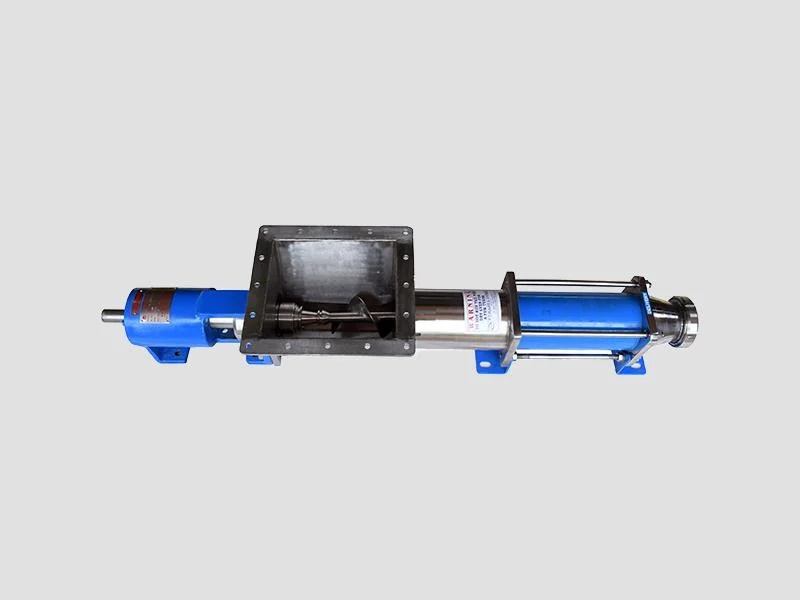
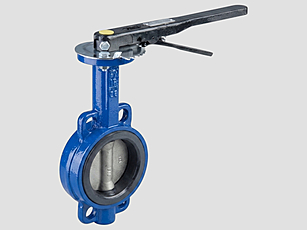
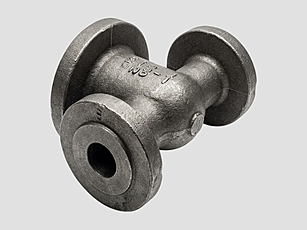
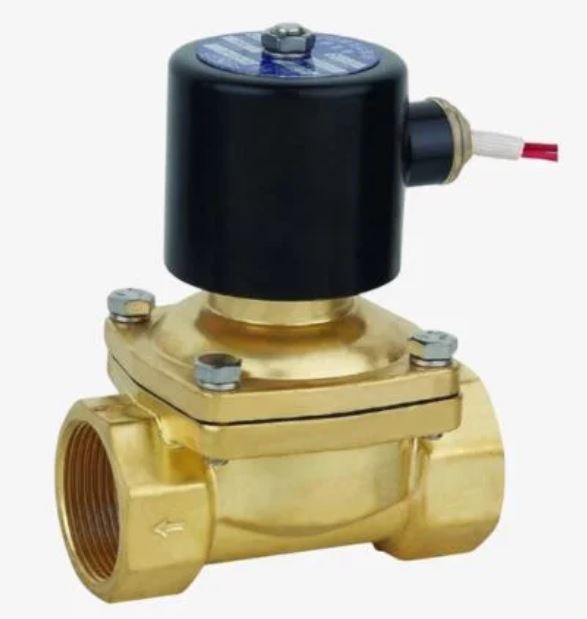
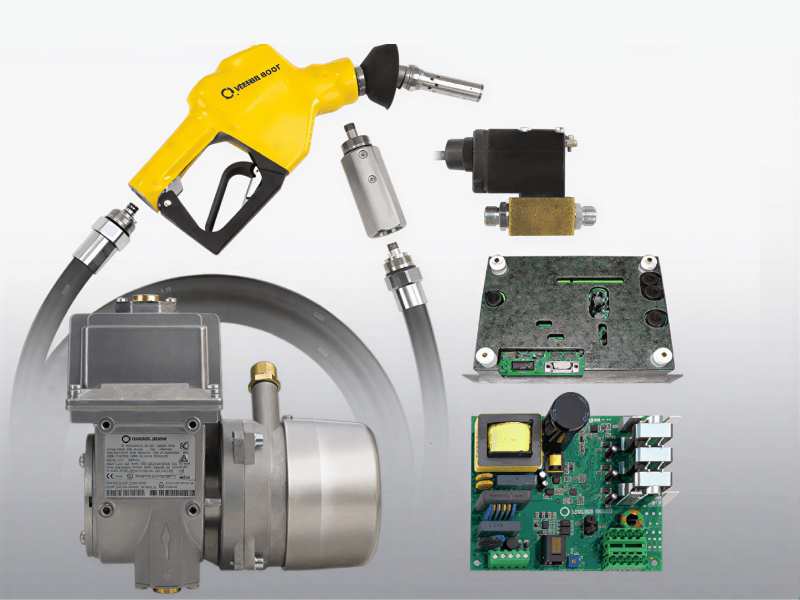
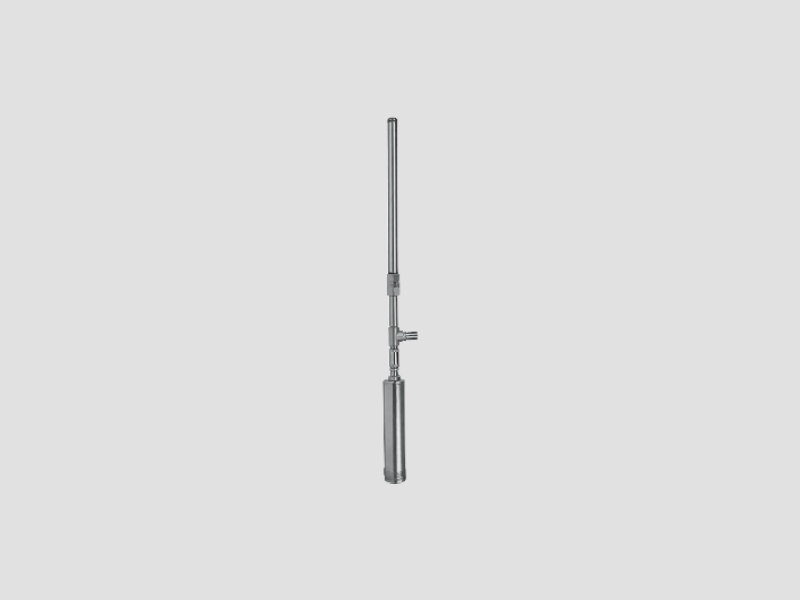
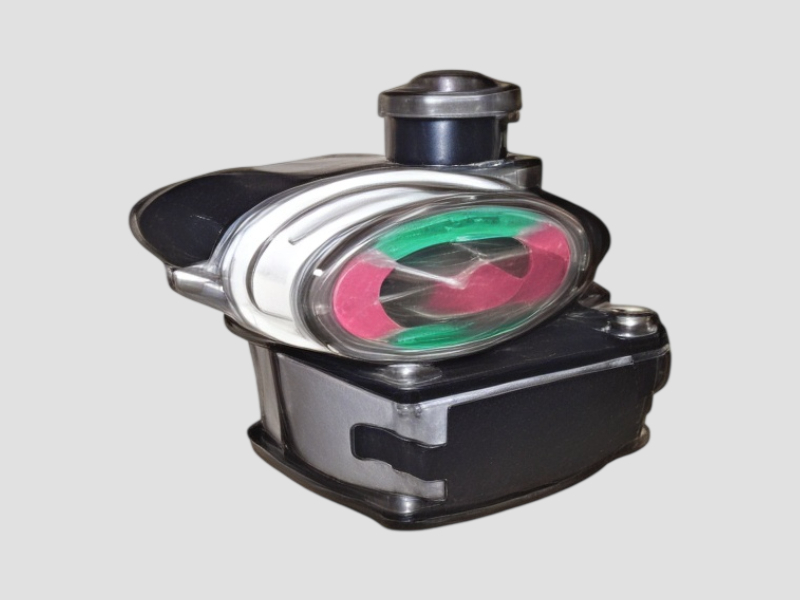
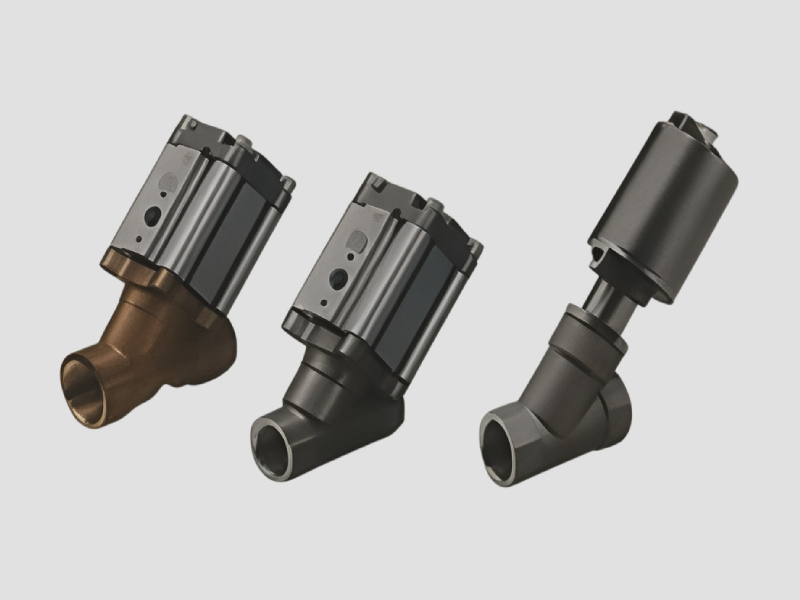
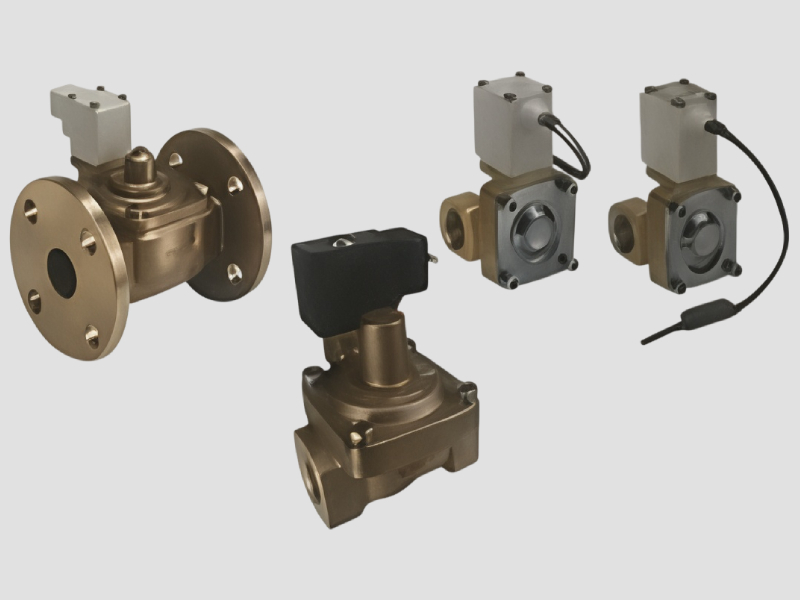
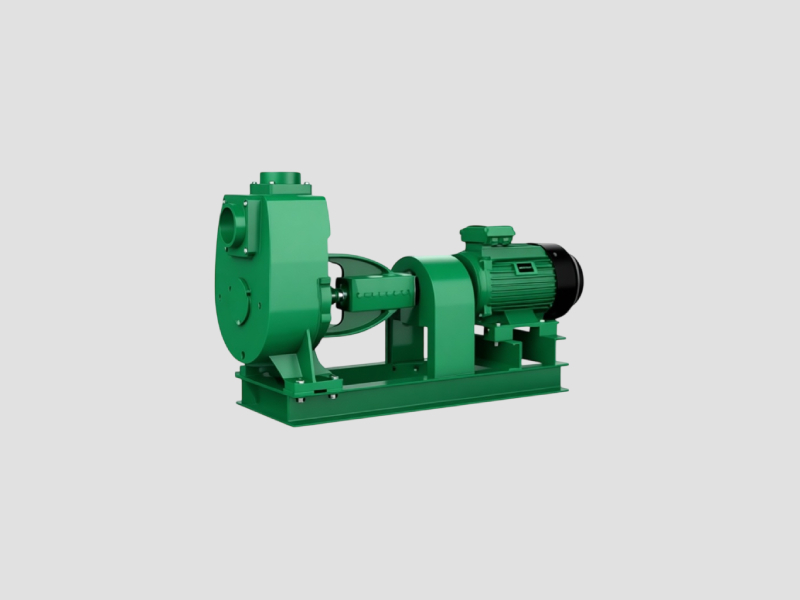
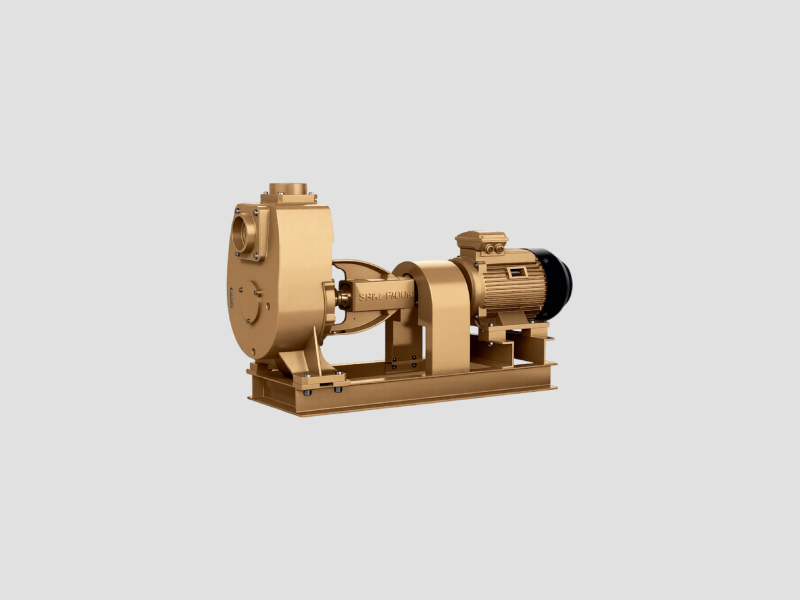
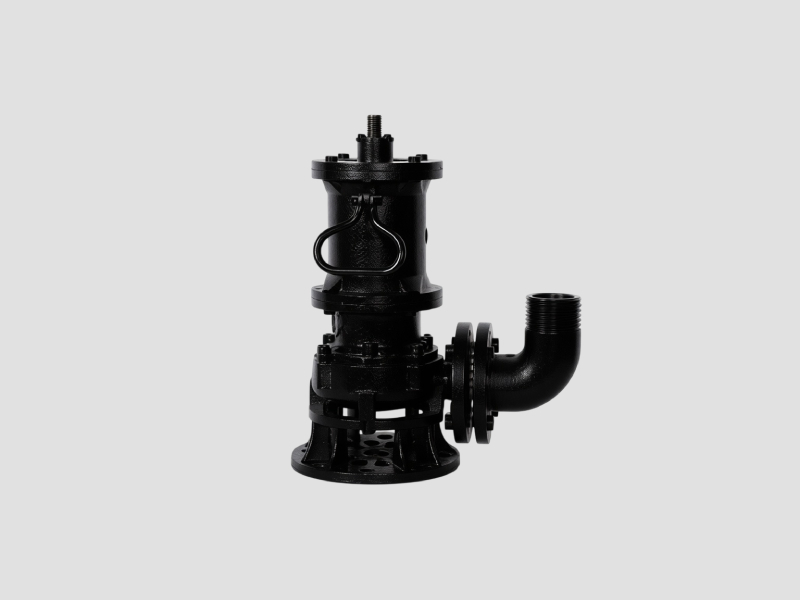
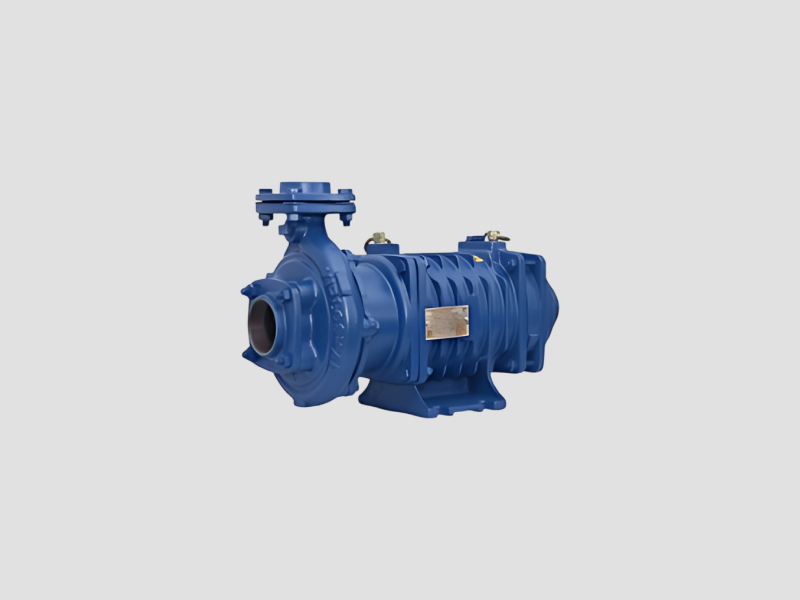
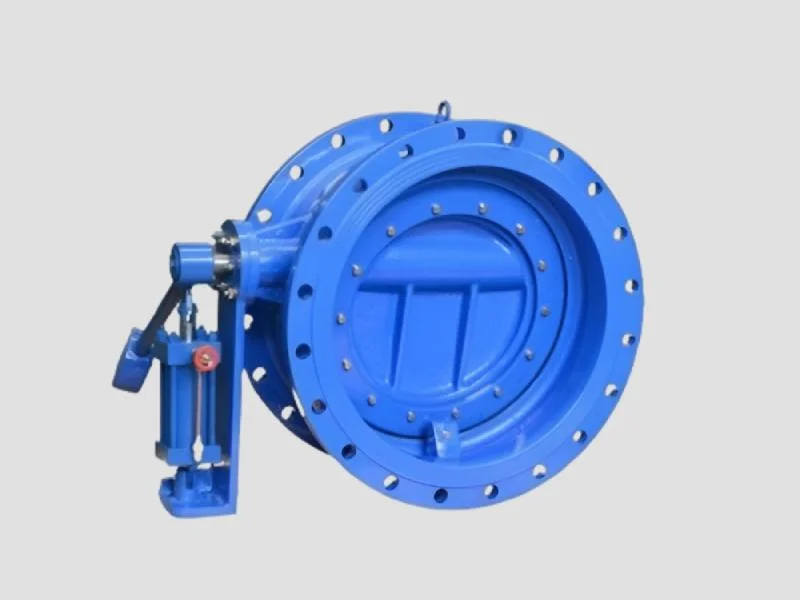
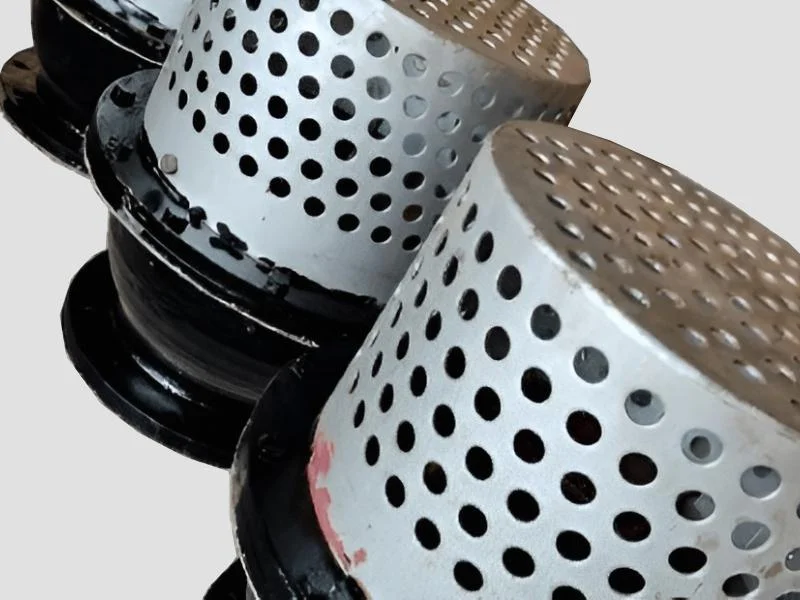
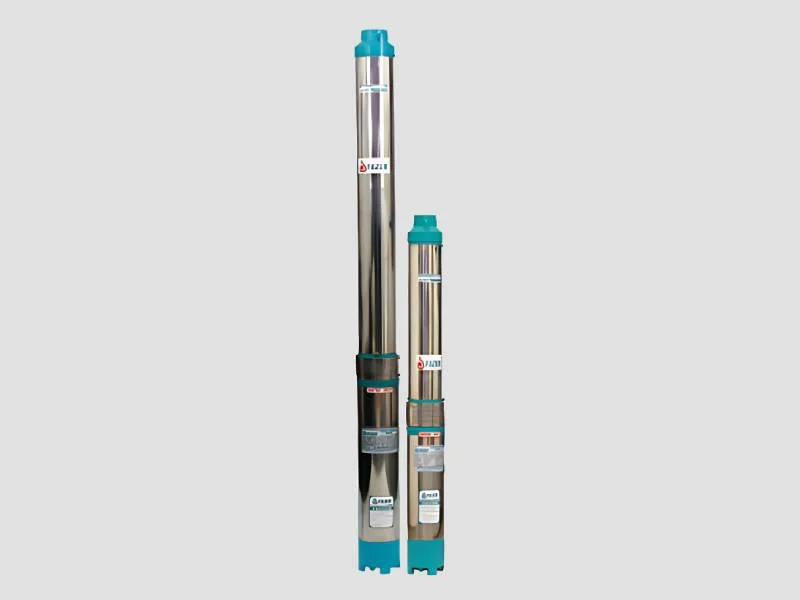
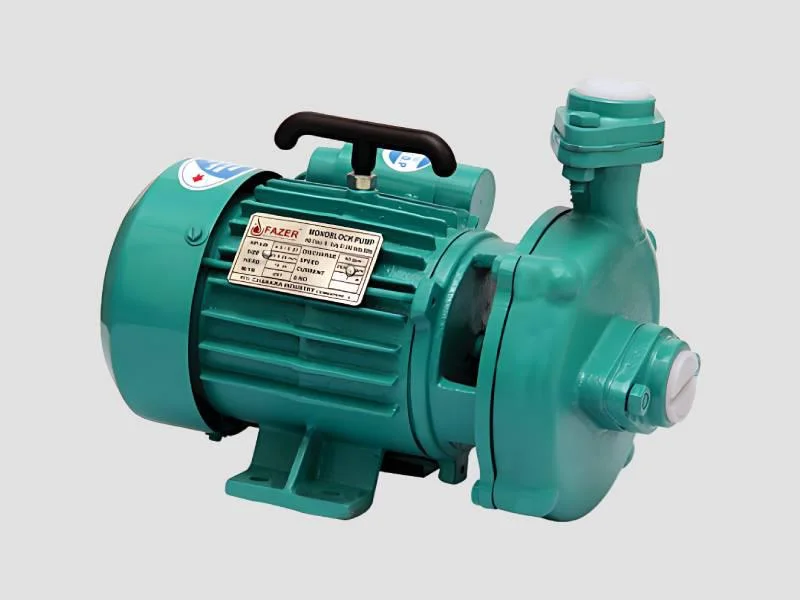
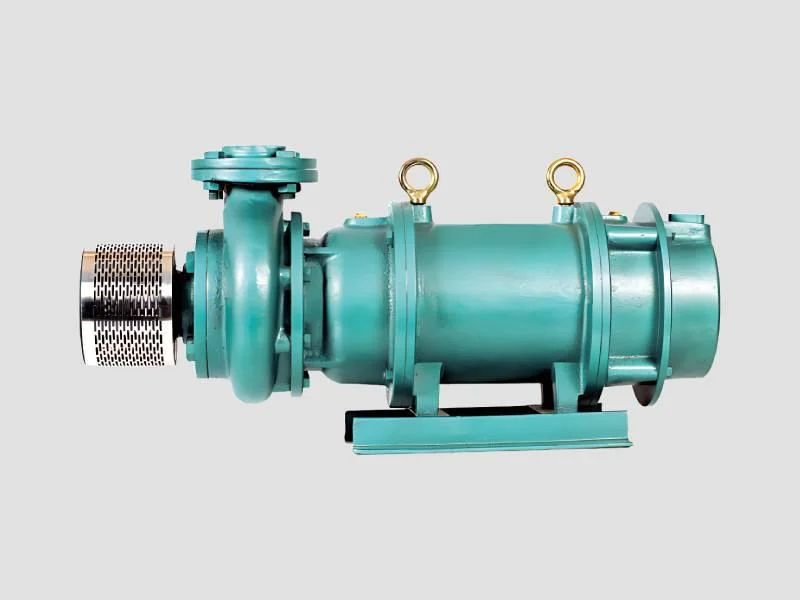
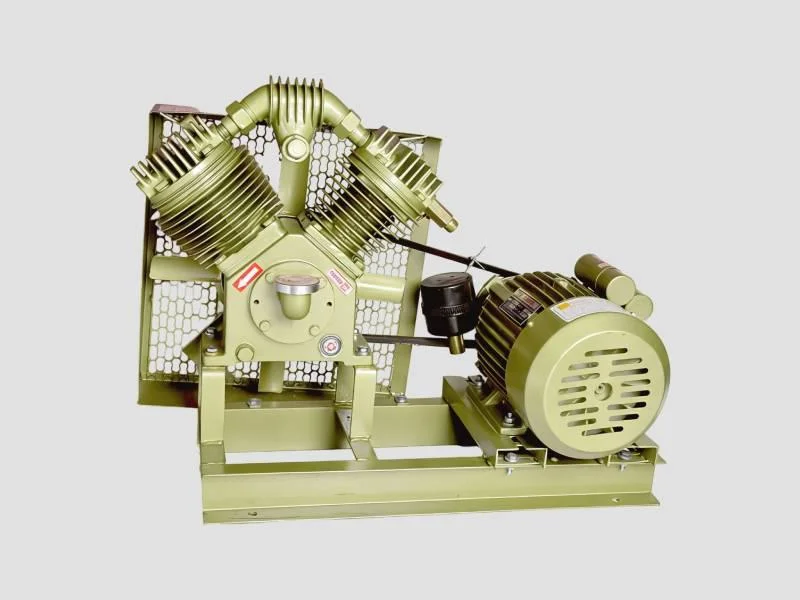
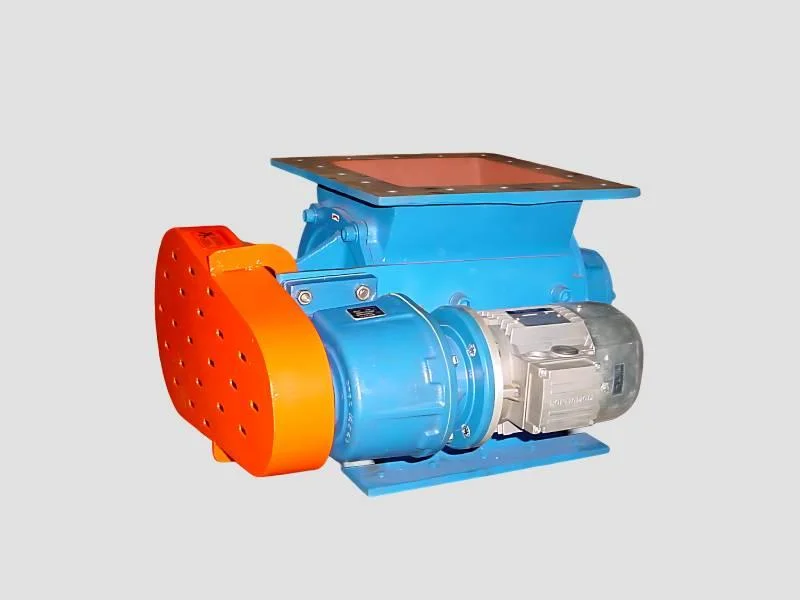
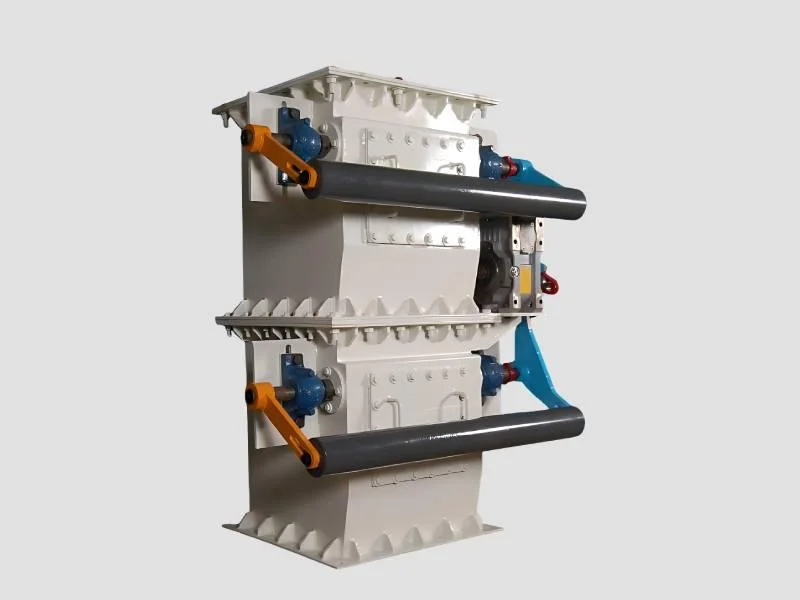
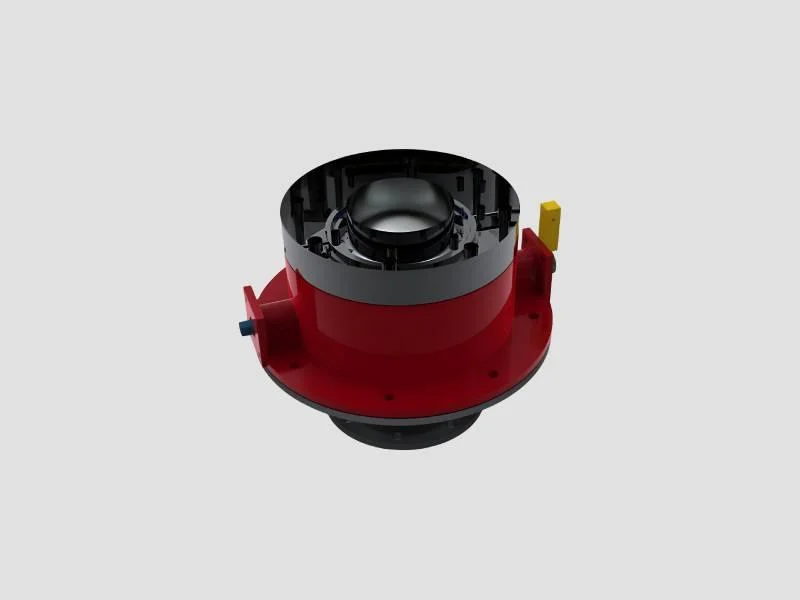
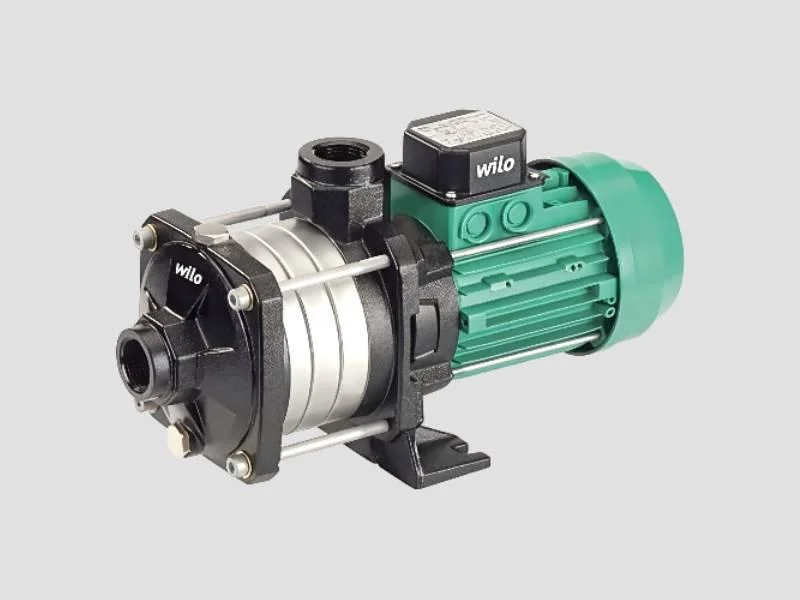
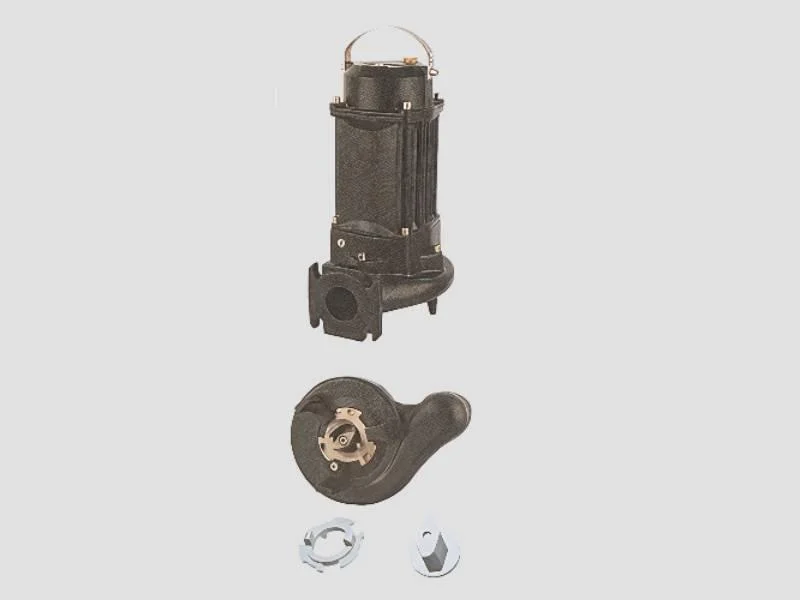
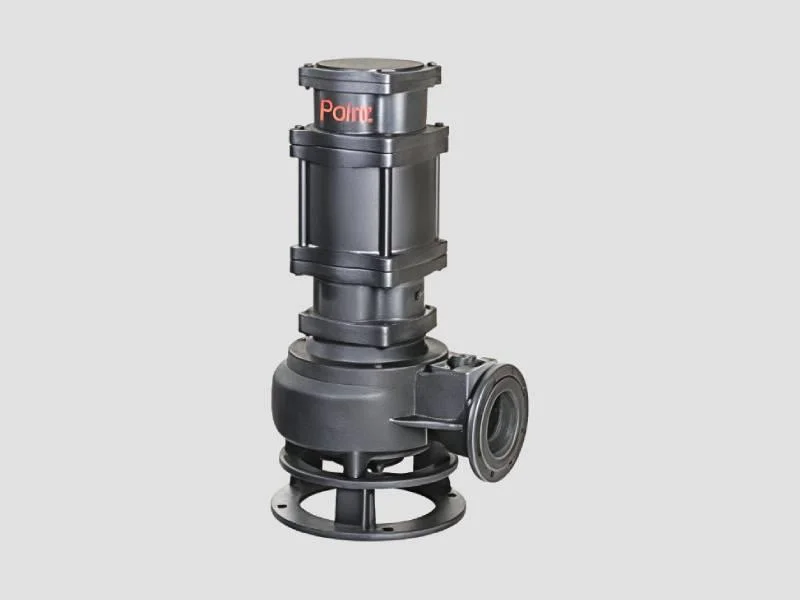
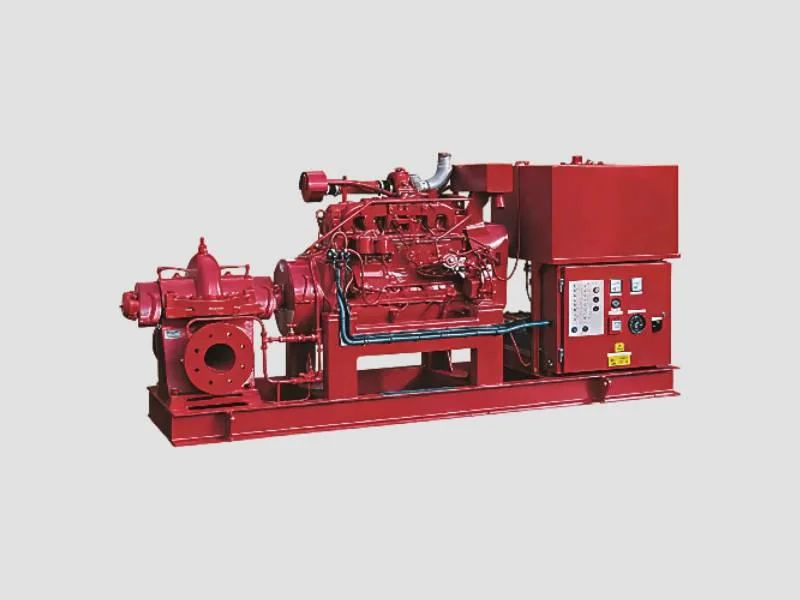
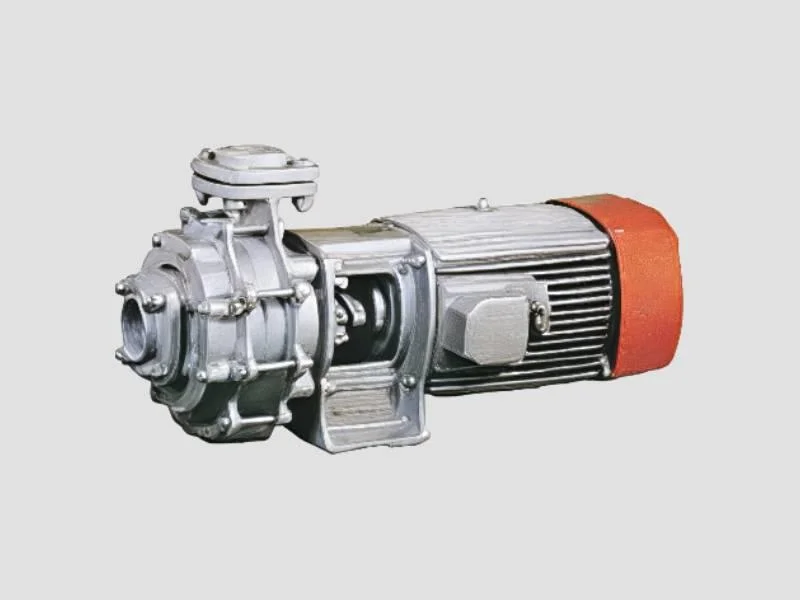
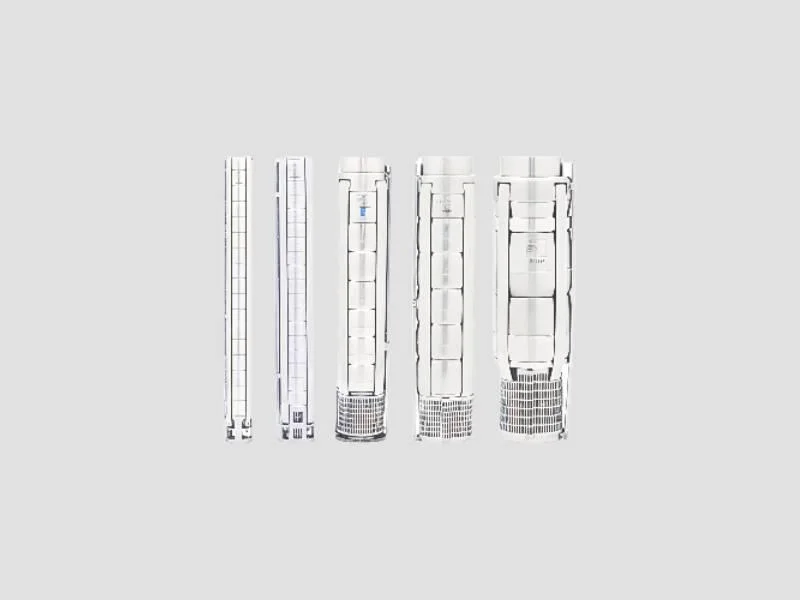
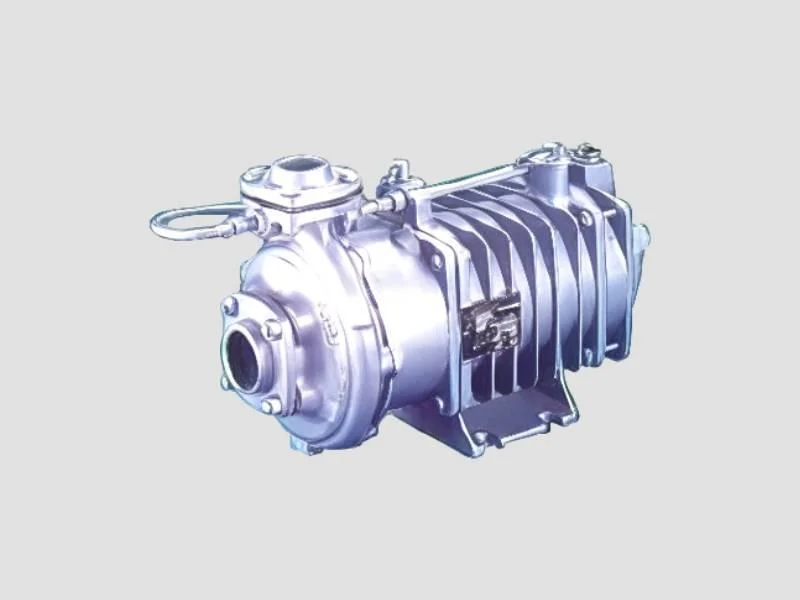
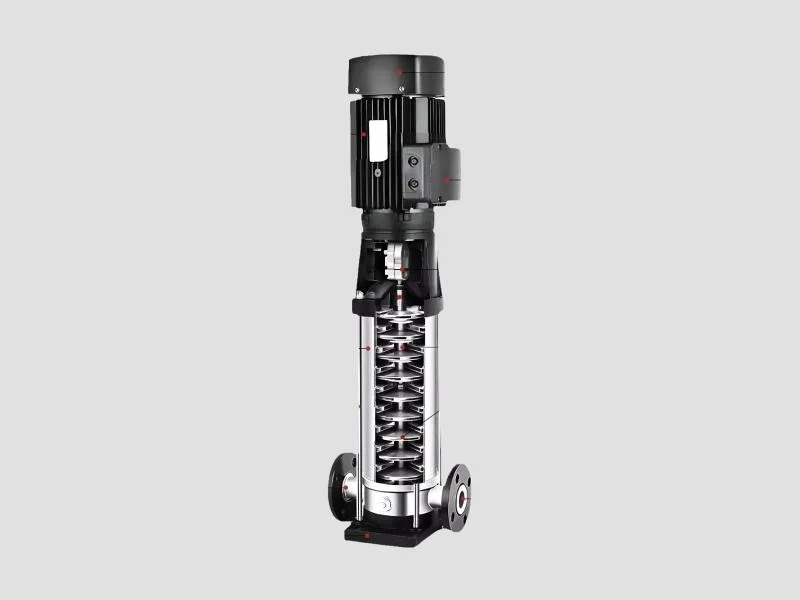
𝗪𝗵𝗮𝘁 𝗮𝗿𝗲 𝗣𝘂𝗺𝗽𝘀 & 𝗩𝗮𝗹𝘃𝗲𝘀?
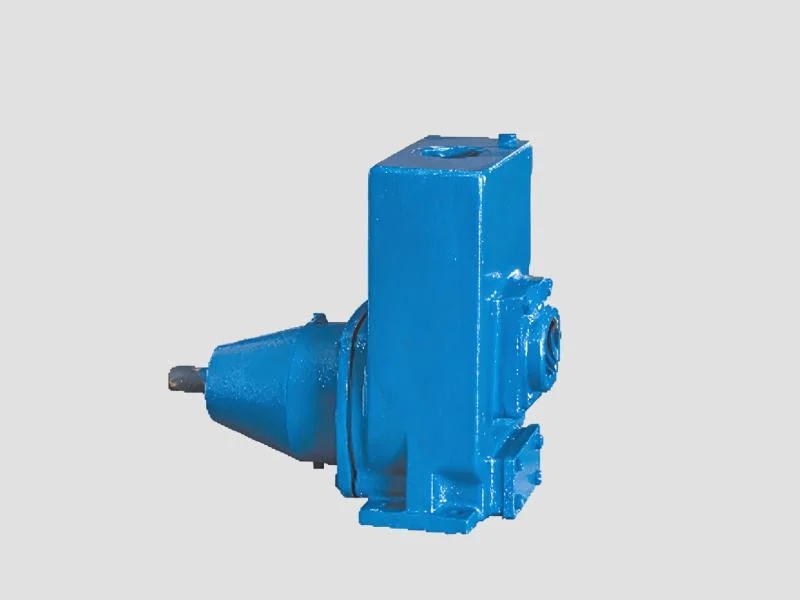
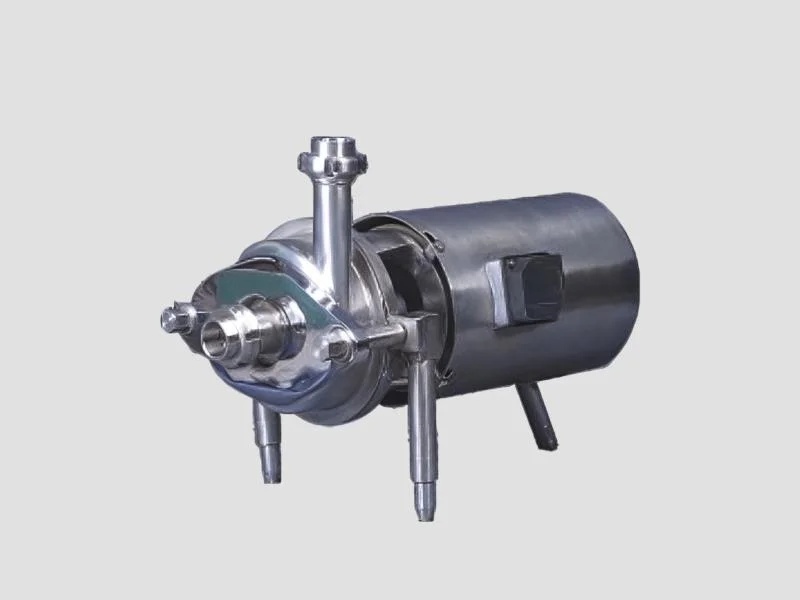
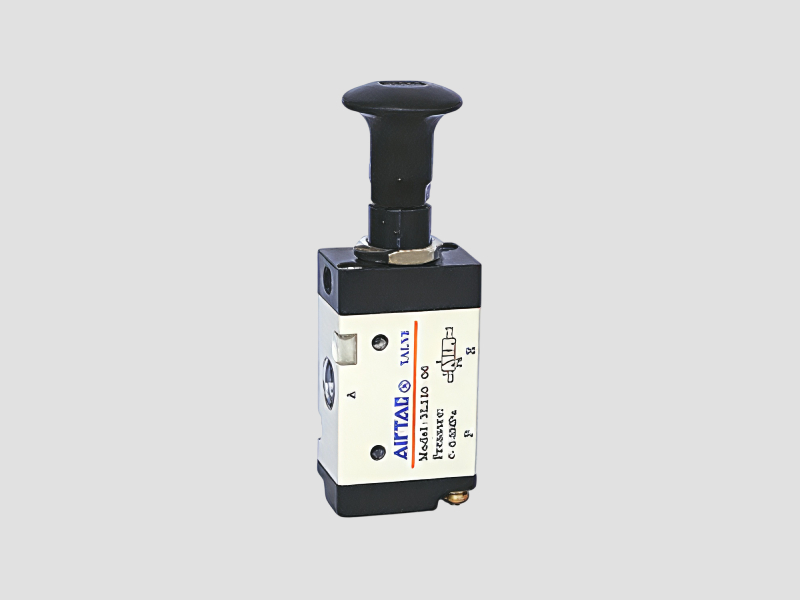
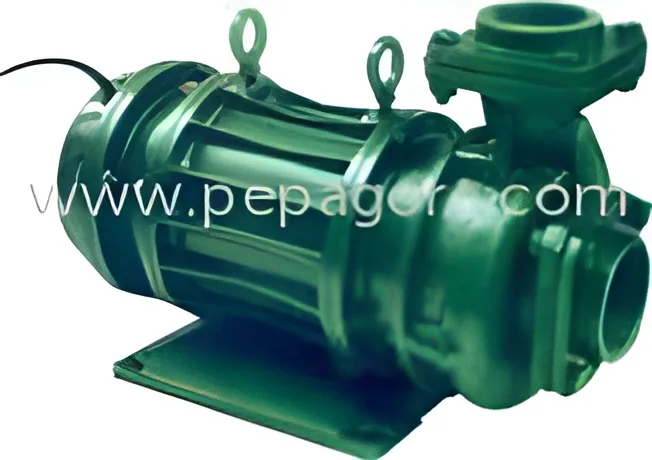
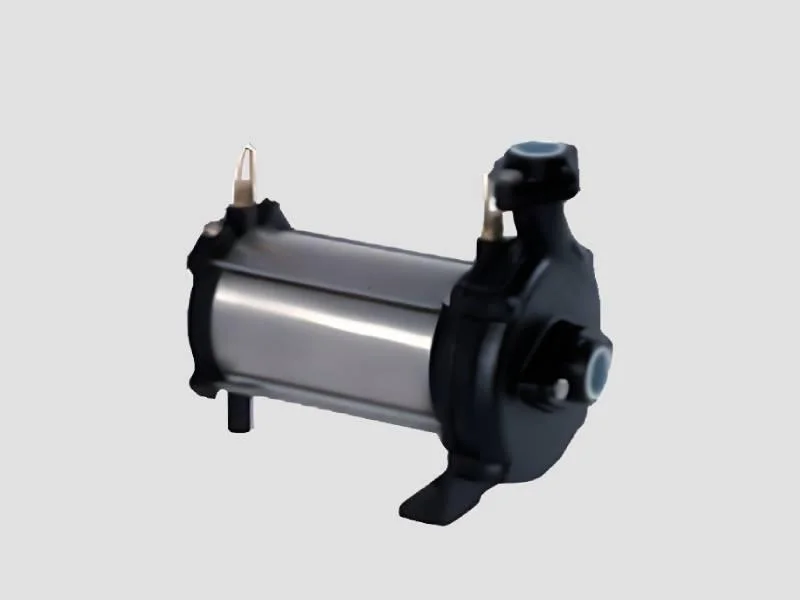
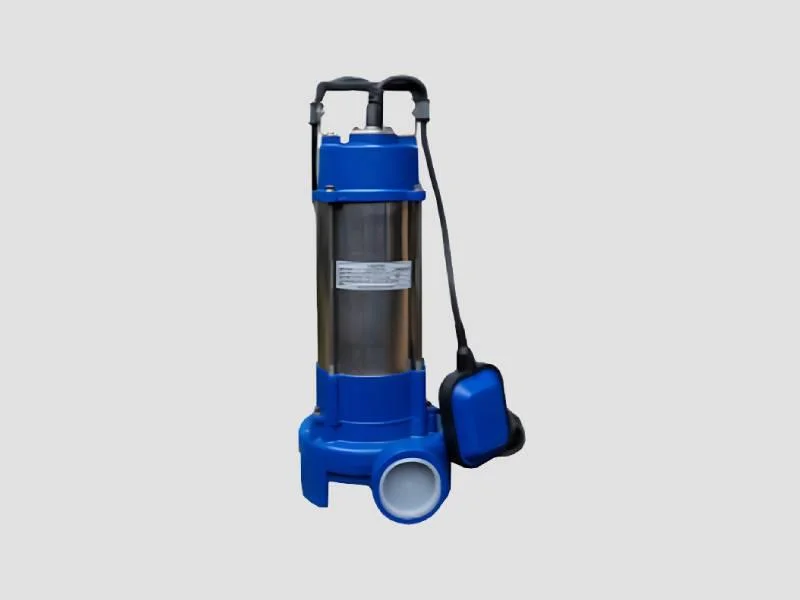
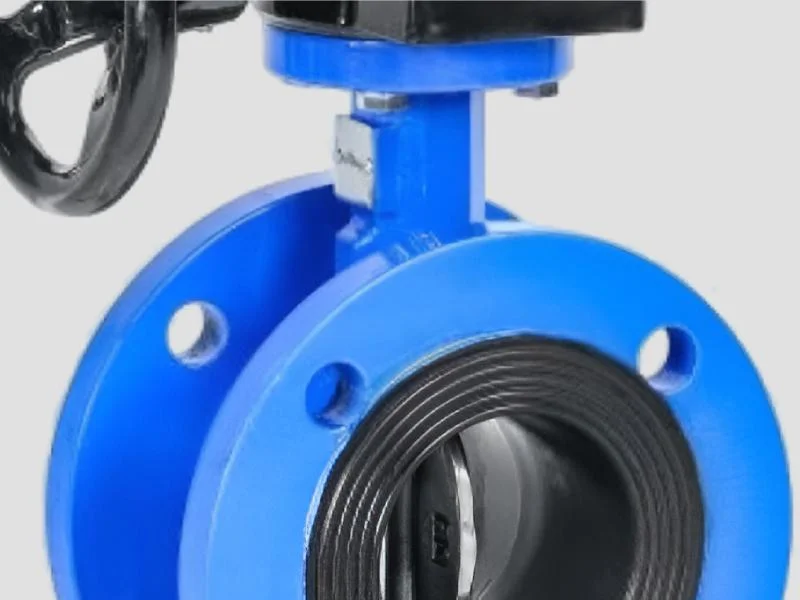
Pumps and valves are integral components used in various industrial processes to control the flow of liquids and gases. A pump is a mechanical device that moves fluids by converting mechanical energy into hydraulic energy. Valves, on the other hand, are devices that regulate, direct, or control the flow of fluids in a system. Together, they ensure the efficient operation of pipelines, tanks, and other fluid handling systems.
These products find applications across multiple industries, including water treatment, oil and gas, chemical processing, and food and beverage manufacturing. Pumps are used to transport fluids from one location to another, while valves manage flow rates, pressure, and direction. Their importance in these sectors cannot be overstated, as they contribute to operational efficiency, safety, and compliance with regulatory standards.
In the current market, the demand for efficient and reliable pumps and valves continues to grow. Industries are increasingly focusing on automation and process optimization, which drives the need for advanced pumping and valving solutions. The competitive landscape is characterized by the emergence of innovative technologies and materials, which enhance performance and durability.
𝗞𝗲𝘆 𝗙𝗲𝗮𝘁𝘂𝗿𝗲𝘀 𝗮𝗻𝗱 𝗦𝗽𝗲𝗰𝗶𝗳𝗶𝗰𝗮𝘁𝗶𝗼𝗻𝘀
Pumps and valves come with a range of features and specifications that cater to diverse industrial needs. Understanding these specifications is crucial for selecting the right product for specific applications.
Key specifications include:
1. Flow Rate
- The volume of fluid that can be moved per unit of time.
- Typically measured in liters per minute (L/min) or gallons per minute (GPM).
2. Pressure Rating
- The maximum pressure the pump or valve can handle.
- Measured in pounds per square inch (PSI) or bar.
3. Material Composition
- Common materials include stainless steel, cast iron, and plastic.
- Material choice impacts corrosion resistance and suitability for various fluids.
4. Temperature Range
- The operational temperature limits of the pump or valve.
- Critical for applications involving heat-sensitive materials.
5. Size and Dimensions
- Physical dimensions influence installation space and compatibility with existing systems.
- Often specified in millimeters or inches.
6. Power Source
- Pumps may be electric, hydraulic, or pneumatic.
- The power source impacts efficiency and operational costs.
7. Control Mechanism
- Manual, automatic, or remote control options available.
- Important for process automation and monitoring.
8. Certification Standards
- Compliance with industry standards such as CE.
- Ensures reliability and safety in various applications.
Choosing the right specifications ensures optimal performance and longevity of pumps and valves in industrial settings.
𝗖𝗼𝗺𝗺𝗼𝗻 𝗔𝗽𝗽𝗹𝗶𝗰𝗮𝘁𝗶𝗼𝗻𝘀 𝗮𝗻𝗱 𝗨𝘀𝗲 𝗖𝗮𝘀𝗲𝘀
Pumps and valves serve a wide range of industries, each with specific applications that highlight their functionality.
1. Water Treatment: Pumps are used to move water through filtration systems, while valves control flow rates in treatment plants.
2. Oil and Gas: Pumps transport crude oil and natural gas, and valves regulate pressure and flow in pipelines.
3. Chemical Processing: Pumps handle aggressive chemicals, and valves ensure safe control of chemical reactions and material flow.
4. Food and Beverage: Pumps are used for transporting ingredients, and valves manage the flow of liquids during production.
5. Pharmaceuticals: Pumps ensure precise dosing of liquids, while valves control the flow in sterile environments.
6. HVAC Systems: Pumps circulate water in heating and cooling systems, and valves regulate airflow and temperature.
7. Mining: Pumps remove water from mines, and valves control slurry flow in mineral processing.
𝗣𝗿𝗼𝗱𝘂𝗰𝘁 𝗩𝗮𝗿𝗶𝗮𝗻𝘁𝘀 𝗮𝗻𝗱 𝗦𝘂𝗯𝗰𝗮𝘁𝗲𝗴𝗼𝗿𝗶𝗲𝘀
Pumps and valves come in various types, each designed for specific applications and environmental conditions.
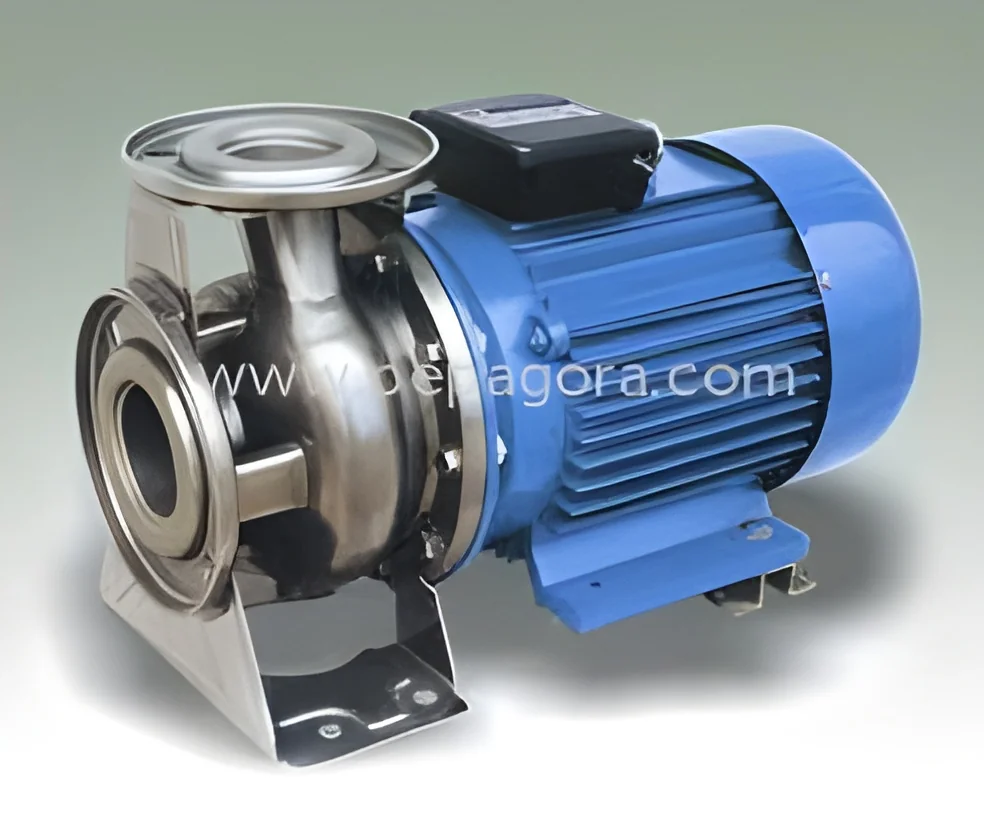
Centrifugal Pumps
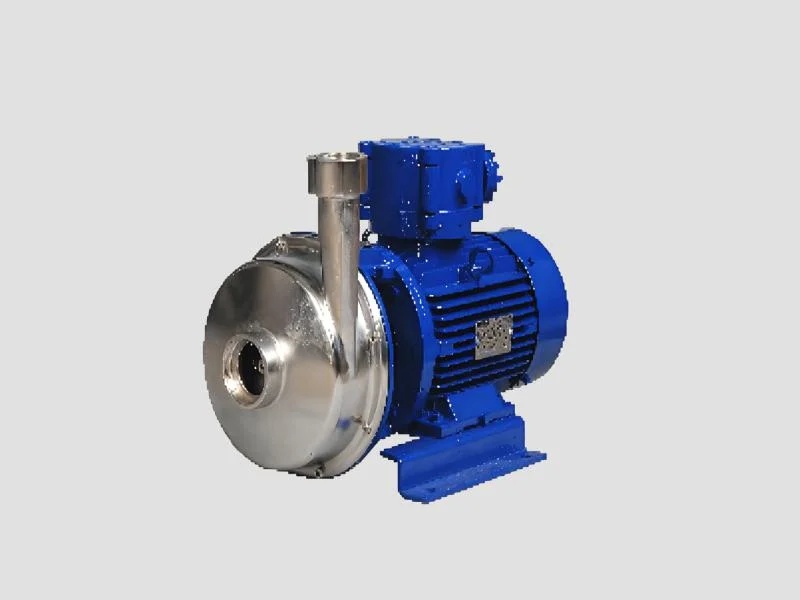
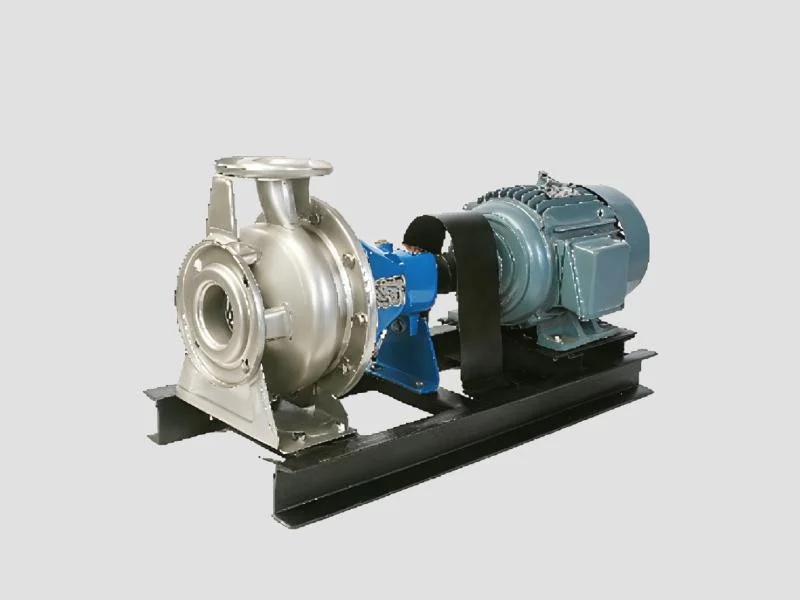
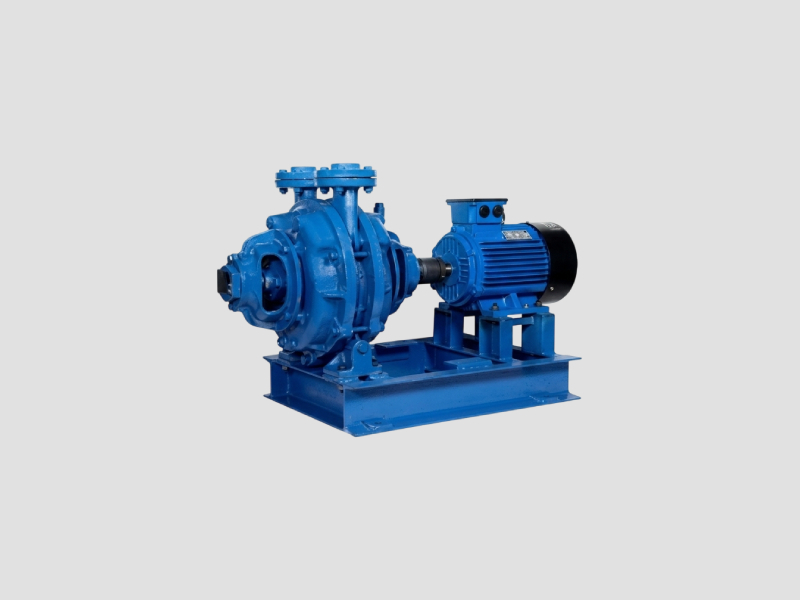
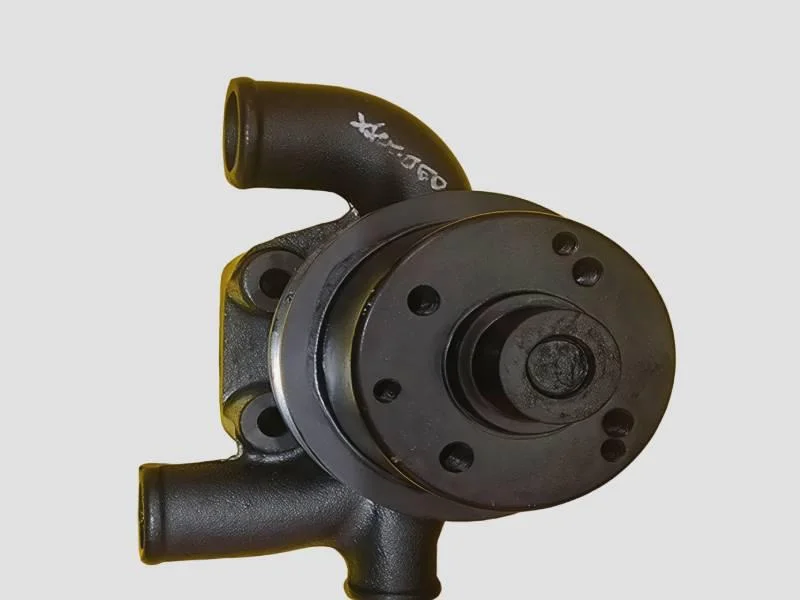
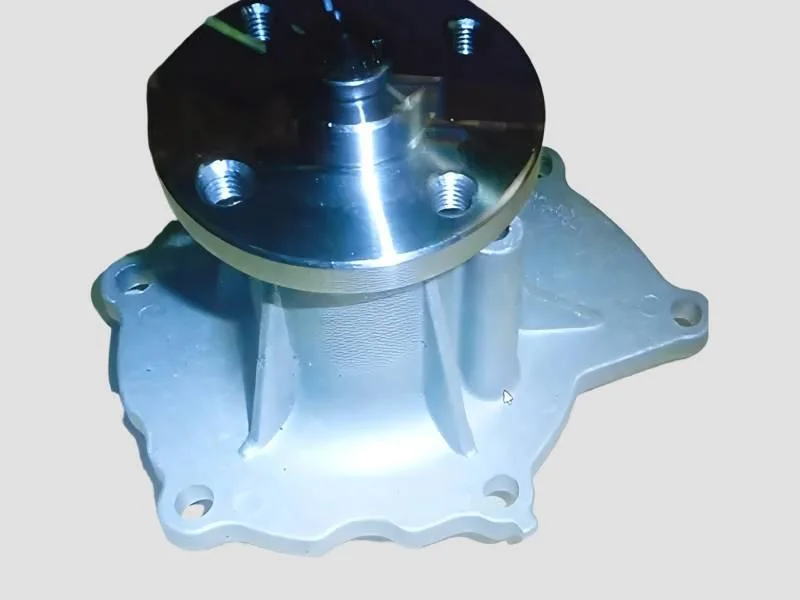
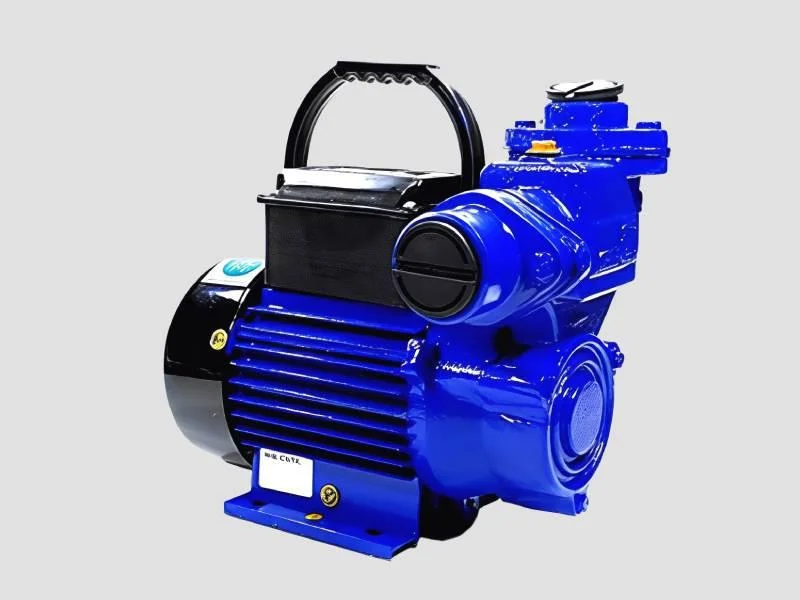
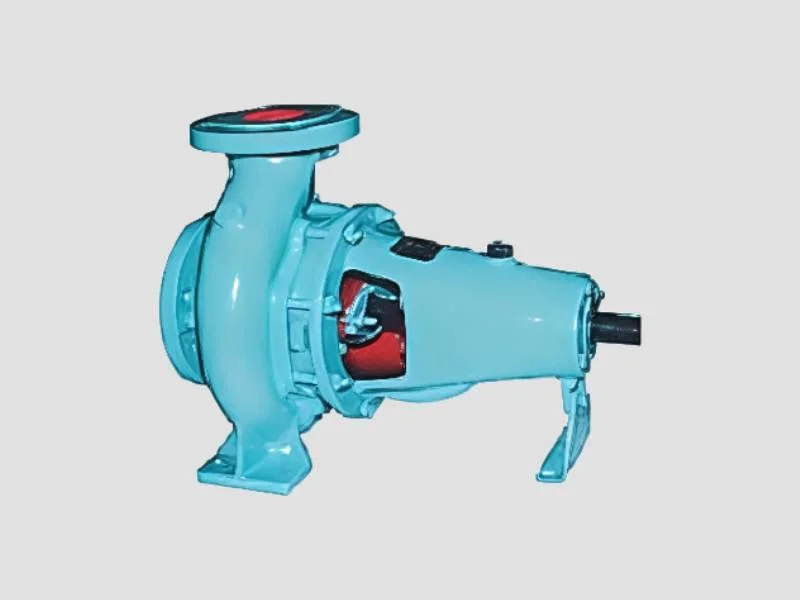
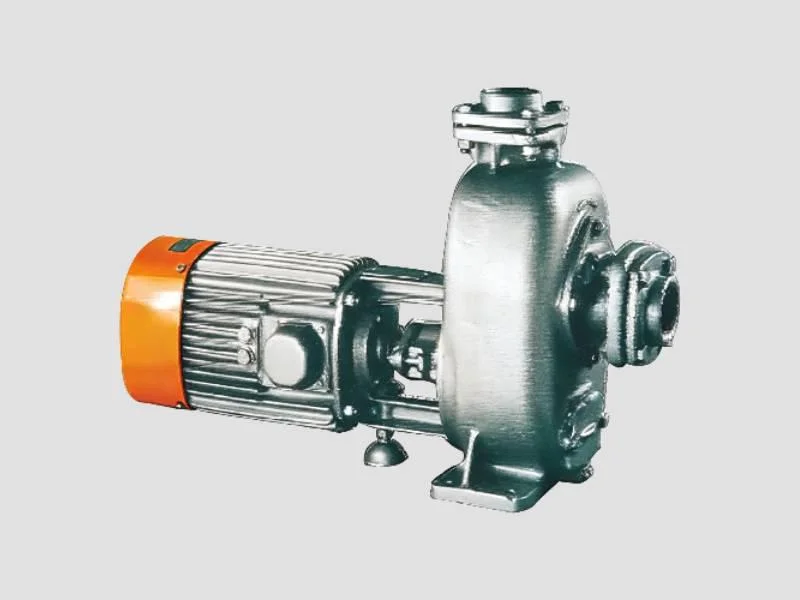
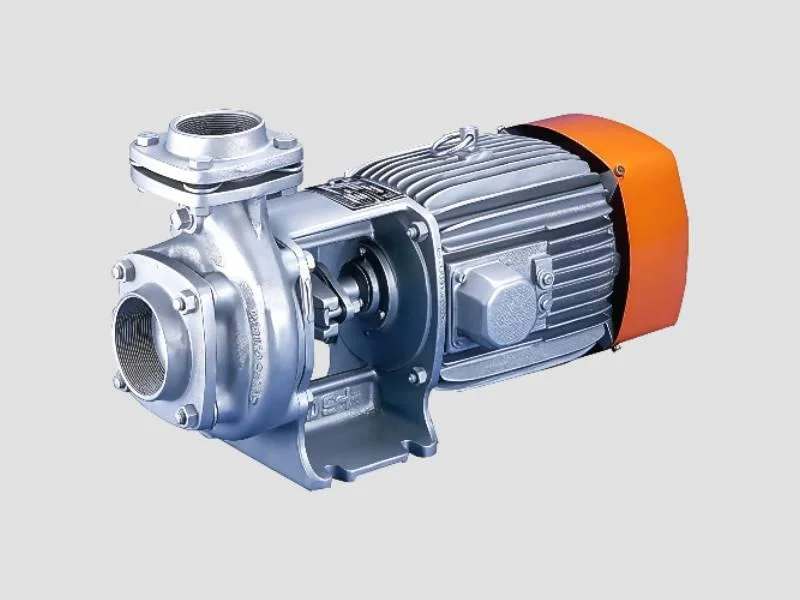
Centrifugal pumps are designed to move fluids using rotational energy. They are commonly used in applications requiring high flow rates and low viscosity fluids.
Diaphragm Pumps
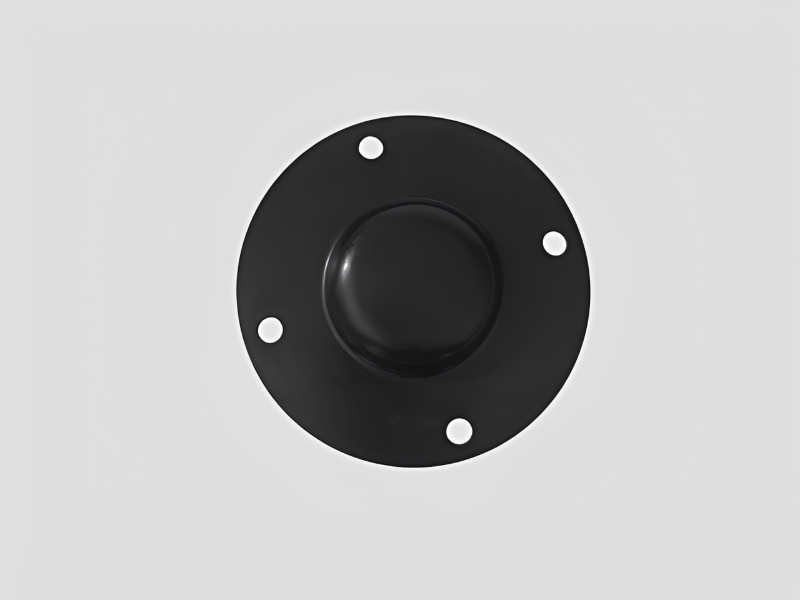
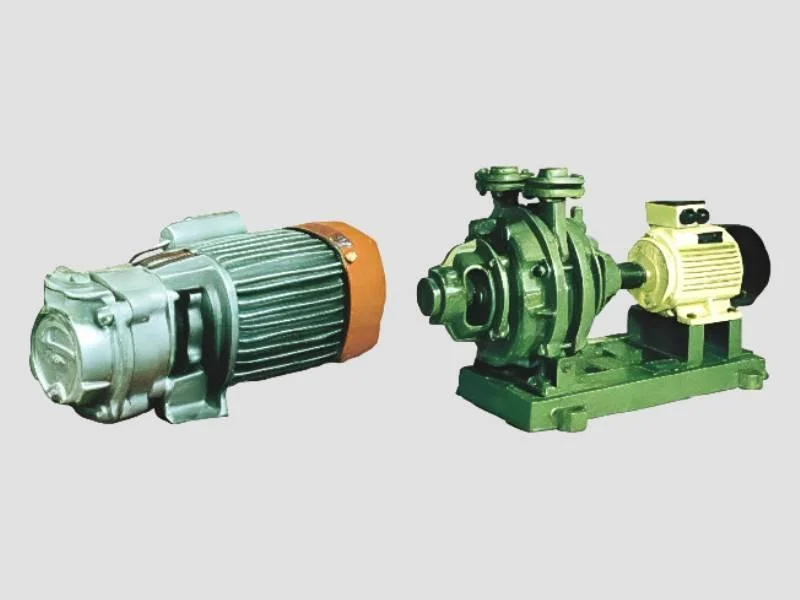
Diaphragm pumps utilize a flexible diaphragm to create a vacuum and draw in fluids. They are ideal for handling corrosive or viscous liquids and are often used in chemical processing.
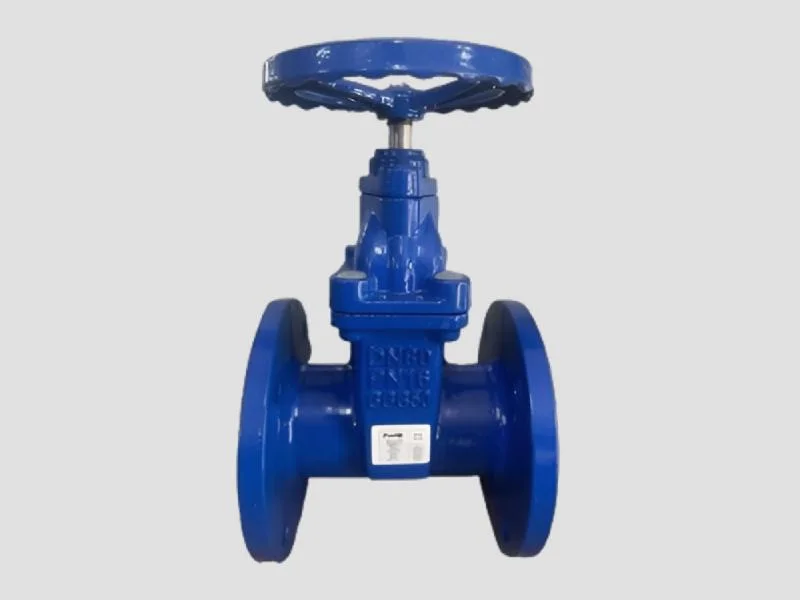
Gate Valves
Gate valves provide a straight-line flow of fluid and are used for on/off service. They are often found in water supply systems and industrial pipelines.
Ball Valves
Ball valves offer quick shut-off and are suitable for high-pressure applications. They are commonly used in oil and gas, water, and chemical industries.
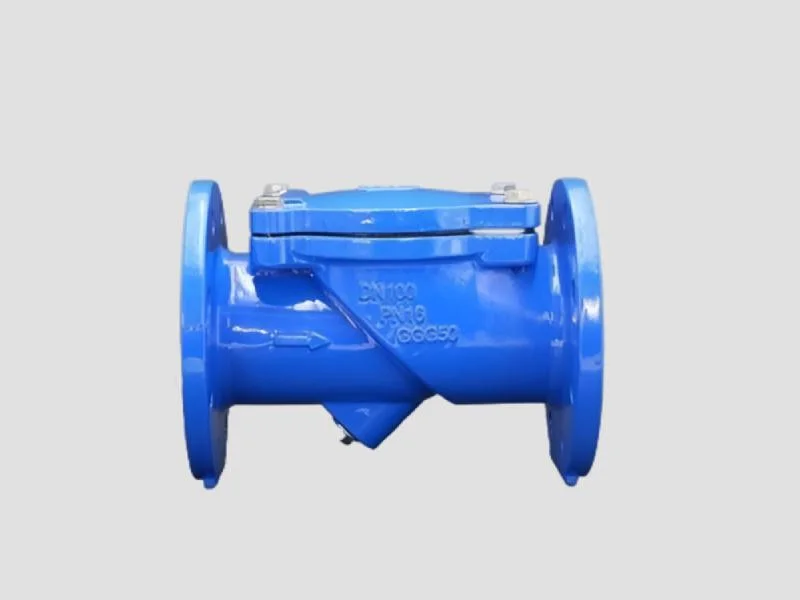
Check Valves
Check valves prevent backflow in piping systems. They are essential in maintaining pressure and ensuring the correct flow direction in various applications.
𝗕𝗲𝗻𝗲𝗳𝗶𝘁𝘀 𝗮𝗻𝗱 𝗔𝗱𝘃𝗮𝗻𝘁𝗮𝗴𝗲𝘀
Investing in quality pumps and valves brings several key benefits to businesses.
1. Enhanced Efficiency: Reliable pumps and valves improve operational efficiency, reducing downtime and maintenance costs.
2. Improved Safety: Properly functioning valves prevent leaks and spills, ensuring a safer working environment.
3. Cost Savings: High-quality products minimize energy consumption and reduce the need for frequent replacements.
4. Versatility: Pumps and valves can be customized for various applications, making them suitable for diverse industries.
5. Regulatory Compliance: Certified products meet industry standards, helping businesses adhere to regulations.
6. Durability: Quality materials and construction ensure long-lasting performance, even in harsh environments.
𝗕𝘂𝘆𝗶𝗻𝗴 𝗚𝘂𝗶𝗱𝗲 𝗳𝗼𝗿 𝗕𝟮𝗕 𝗕𝘂𝘆𝗲𝗿𝘀
When sourcing pumps and valves, several critical factors should be taken into account to ensure optimal selection.
1. Quality Assessment: Evaluate the quality of materials and construction. Look for products that meet industry standards and have proven reliability in similar applications.
2. Supplier Verification: Vet potential suppliers by checking their reputation, certifications, and customer reviews. Ensure they have a track record of delivering quality products.
3. Pricing and MOQ: Understand the pricing structure and minimum order quantities. Compare prices across suppliers to ensure competitive rates while considering quality.
4. Delivery and Lead Times: Confirm delivery schedules and lead times to avoid disruptions in your operations. Ensure the supplier can meet your timeline requirements.
5. Compliance Requirements: Verify that the products meet necessary compliance and regulatory standards within your industry. This includes certifications like CE.
𝗖𝗼𝗺𝗽𝗹𝗶𝗮𝗻𝗰𝗲 𝗮𝗻𝗱 𝗖𝗲𝗿𝘁𝗶𝗳𝗶𝗰𝗮𝘁𝗶𝗼𝗻𝘀
Pumps and valves must adhere to various quality standards and certifications to ensure safety and reliability in industrial applications. ISO 9001 is a widely recognized standard that outlines quality management principles, ensuring that manufacturers maintain high-quality production processes.
The CE marking indicates compliance with European safety and health requirements, which is crucial for suppliers targeting the European market. Additionally, industry-specific certifications may be required in sectors like pharmaceuticals and food processing to ensure products meet stringent safety and sanitation standards.
Testing requirements often include pressure testing, flow testing, and material analysis to guarantee product reliability under operating conditions. Regional compliance considerations may also dictate specific standards to adhere to, depending on the geographic market.
𝗪𝗵𝘆 𝗦𝗼𝘂𝗿𝗰𝗲 𝗣𝘂𝗺𝗽𝘀 & 𝗩𝗮𝗹𝘃𝗲𝘀 𝗳𝗿𝗼𝗺 𝗣𝗲𝗽𝗮𝗴𝗼𝗿𝗮?
Pepagora provides a trusted platform for sourcing pumps and valves, offering several key advantages to B2B buyers.
Verified Supplier Network: Pepagora collaborates with a network of verified suppliers, ensuring that buyers have access to high-quality products from reputable manufacturers. This verification process helps reduce risks associated with sourcing.
Streamlined RFQ Process: The platform facilitates a streamlined request for quotation (RFQ) process, allowing buyers to easily compare multiple supplier offers. This efficiency saves time and helps businesses make informed purchasing decisions.
Trade Assurance and Support: Pepagora offers trade assurance, protecting buyers from potential risks during transactions. Dedicated support teams are available to assist buyers with any inquiries or issues they may encounter throughout the sourcing process.
Regional Coverage: With a focus on India, the GCC, and Southeast Asia, Pepagora effectively connects buyers with suppliers across these regions. This geographic reach enables businesses to find suitable products tailored to local demands and conditions.

 IN
IN