What are X-ray Machines & Accessories?
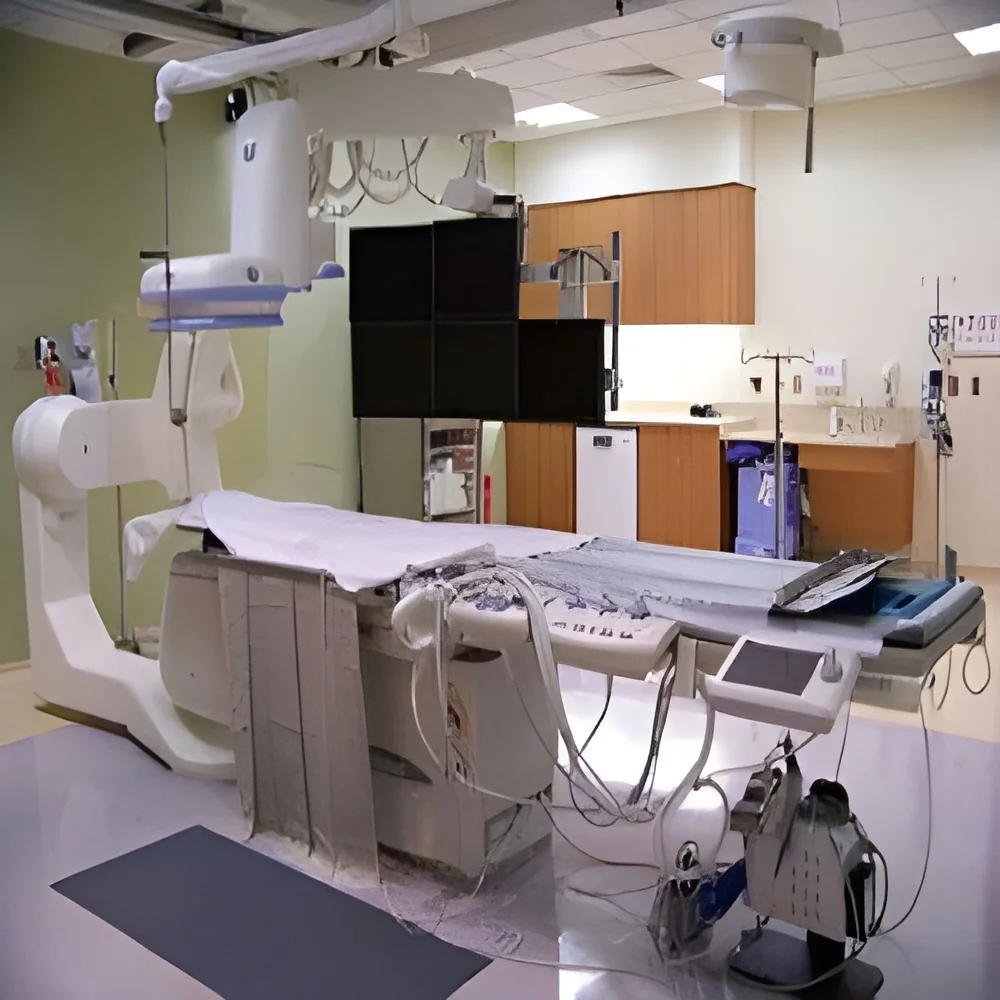
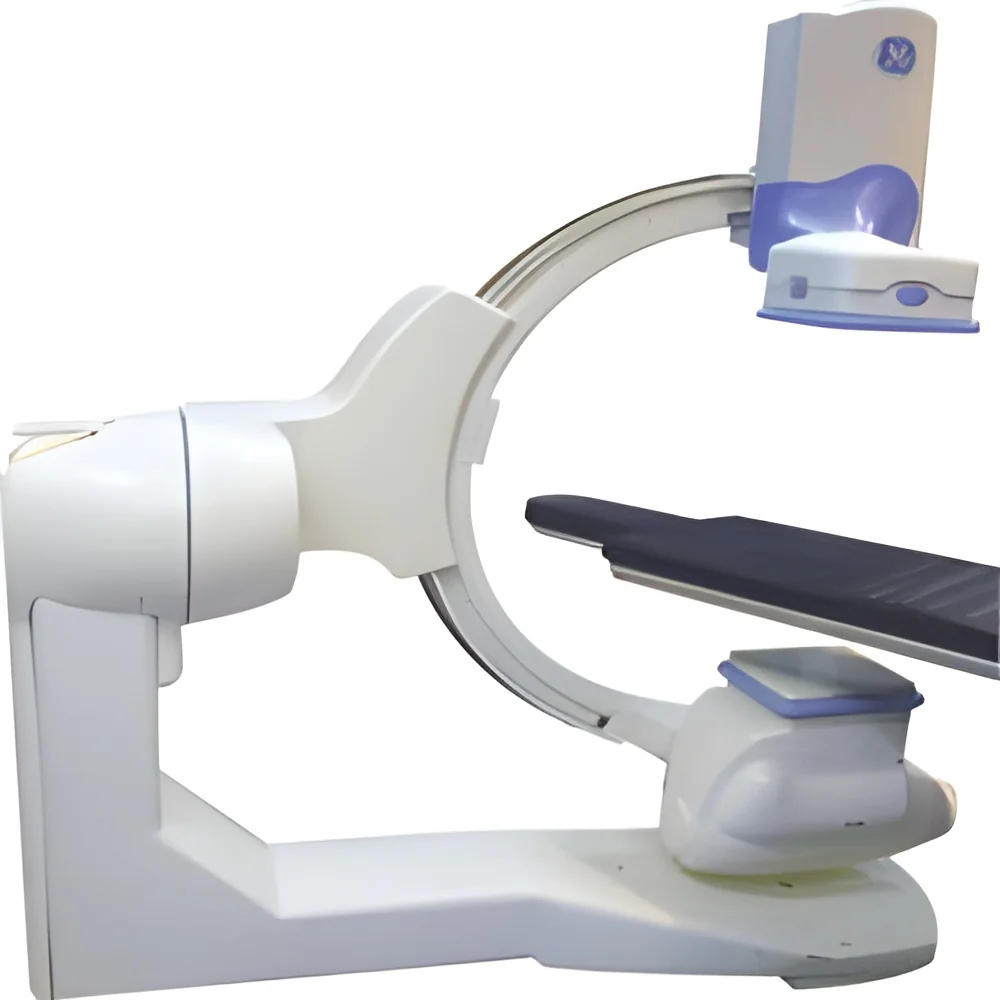
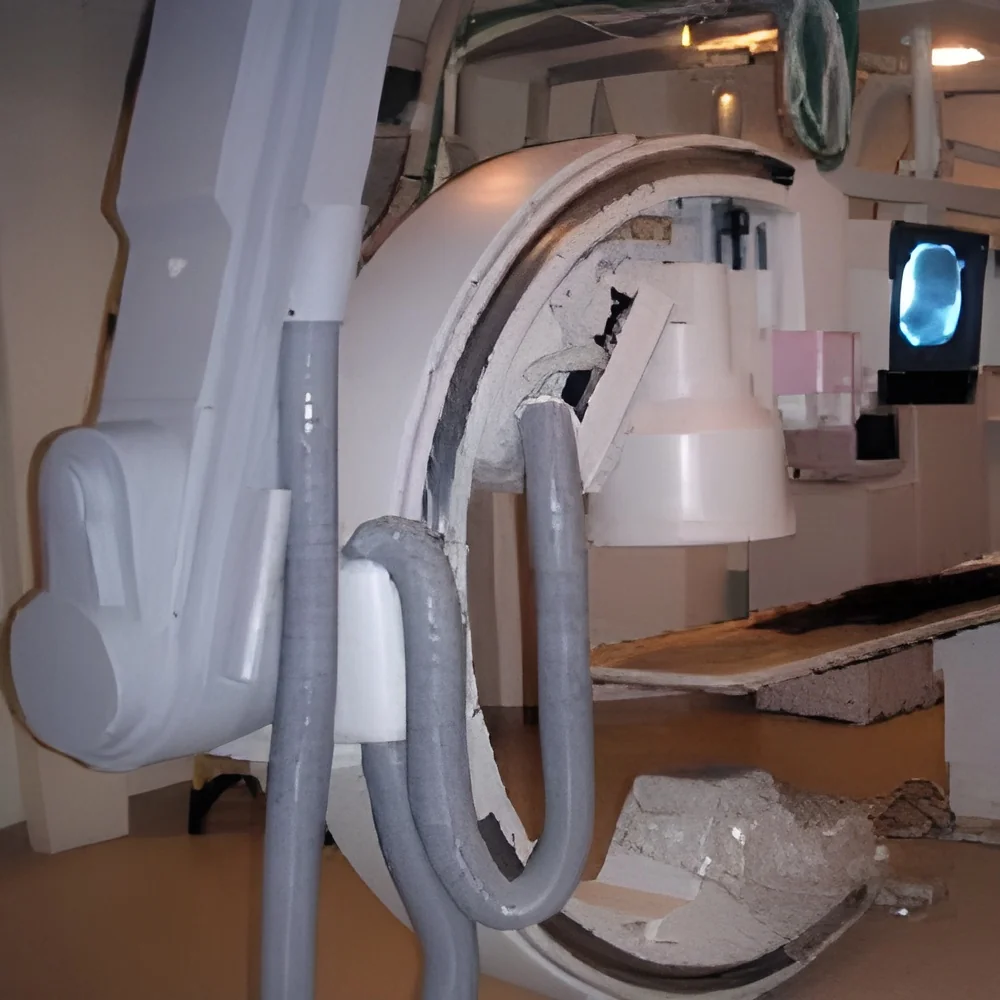
X-ray machines are diagnostic imaging devices that use X-ray technology to create images of the internal structures of objects, particularly in medical and industrial applications. These machines operate by emitting a controlled amount of X-rays, which pass through the subject and are captured by detectors, creating a visual representation of the internal features. X-ray machines are crucial tools in various settings, including hospitals, clinics, laboratories, and manufacturing plants, where they help in diagnosing conditions or inspecting materials.
The primary uses of X-ray machines span across multiple industries. In the medical field, they are primarily used for diagnosing bone fractures, identifying infections, and examining the condition of organs. In industrial applications, X-ray machines facilitate non-destructive testing, allowing for the inspection of welds, components, and assemblies to detect faults or weaknesses without damaging the material. The market for X-ray machines and accessories is growing, driven by advancements in technology and increasing demand for diagnostic imaging and quality control processes.
Key Features and Specifications
X-ray machines and their accessories come with a variety of features and specifications that cater to the needs of different industries. Understanding these specifications is essential for selecting the right equipment.
Key specifications include:
1. Image Resolution
- The clarity of the images produced by the machine.
- Measured in pixels or line pairs per millimeter.
2. Exposure Time
- The duration the X-ray machine is active during imaging.
- Ranges typically from milliseconds to seconds depending on the application.
3. Tube Voltage
- The voltage applied to the X-ray tube, influencing the penetration ability of the X-rays.
- Common ranges are between 40 kV to 150 kV.
4. Weight Capacity
- The maximum weight the machine can accommodate for imaging.
- Varies based on the design, often up to several hundred kilograms.
5. Safety Features
- Built-in mechanisms to protect users from radiation exposure.
- Includes lead shielding and automatic shut-off functions.
6. Compatibility with Accessories
- Availability of additional components such as imaging plates, stands, and software.
- Enhances functionality for specific applications.
7. Calibration Requirements
- Frequency and methods for maintaining accuracy.
- Regular calibration is needed to ensure reliable performance.
8. Power Supply
- The electrical requirements for operation.
- Typically requires standard voltage from power outlets.
In summary, understanding the key features and specifications of X-ray machines and accessories is critical for effective selection and use in various applications.
Common Applications and Use Cases
X-ray machines are utilized across a diverse range of industries, each with its unique applications.
1. Medical Sector: X-ray machines are widely used in hospitals and clinics for diagnosing medical conditions, including fractures, tumors, and infections. They provide clear images that assist healthcare professionals in making informed decisions about patient care.
2. Manufacturing: In the manufacturing sector, X-ray machines are employed for non-destructive testing of materials and components. They help identify defects in welds and materials without compromising the integrity of the product.
3. Security: X-ray machines are integral to security screening in airports and other high-security environments. They are used to inspect luggage and cargo for prohibited items, ensuring safety for travelers and staff.
4. Research Laboratories: In laboratories, X-ray technology aids in analyzing the composition of materials and conducting scientific research. It offers insights into the structural properties of various substances.
5. Veterinary Medicine: Veterinary clinics use X-ray machines for diagnosing conditions in animals. This assists veterinarians in assessing injuries and health issues in pets and livestock.
6. Dental Practices: Dental X-ray machines are used to examine the health of teeth and gums. They play a crucial role in diagnosing cavities, infections, and other dental conditions.
7. Aerospace: In the aerospace industry, X-ray machines are used for quality control in the manufacturing of aircraft components. They ensure that parts meet safety and performance standards.
Product Variants and Subcategories
X-ray machines and accessories come in various forms to meet specific needs across different applications.
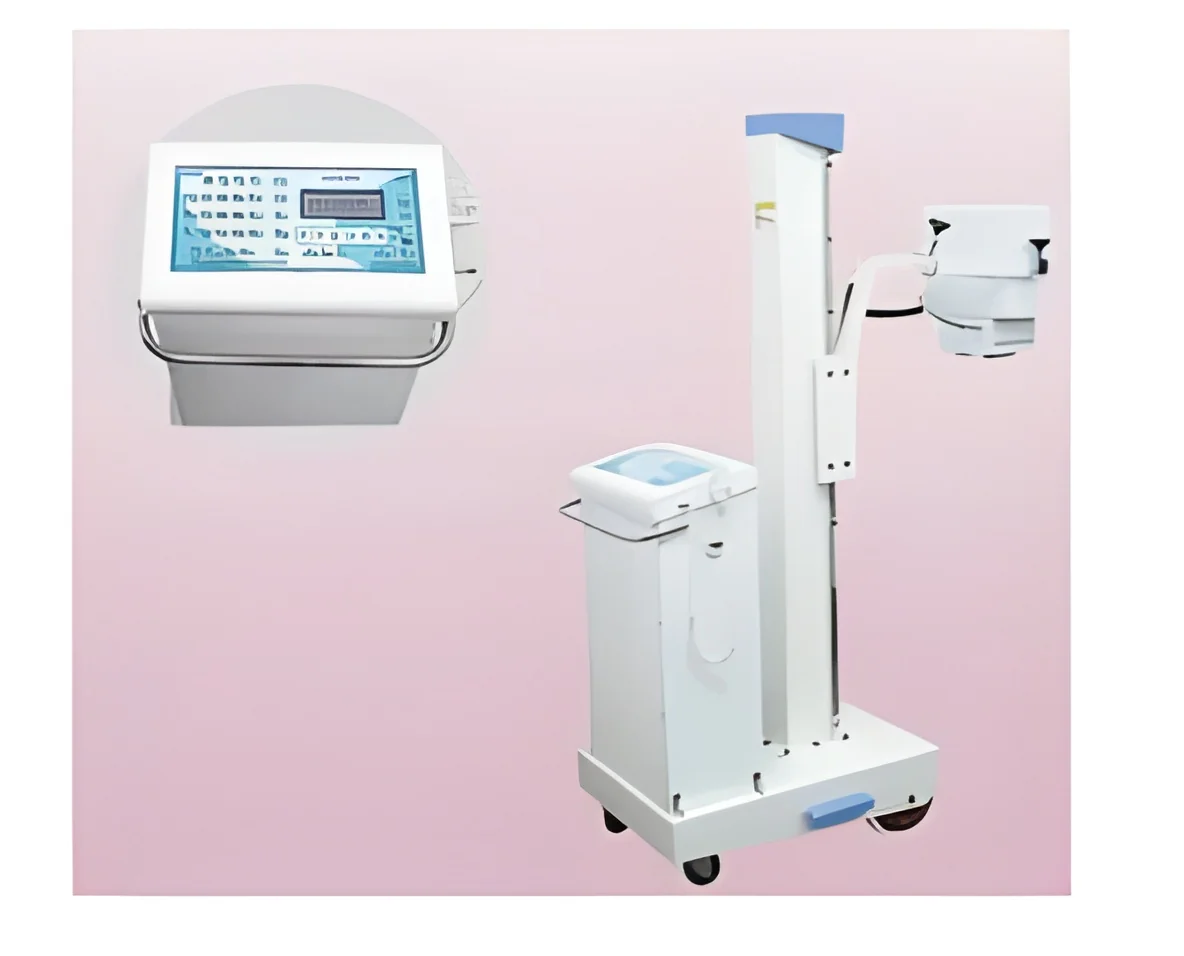
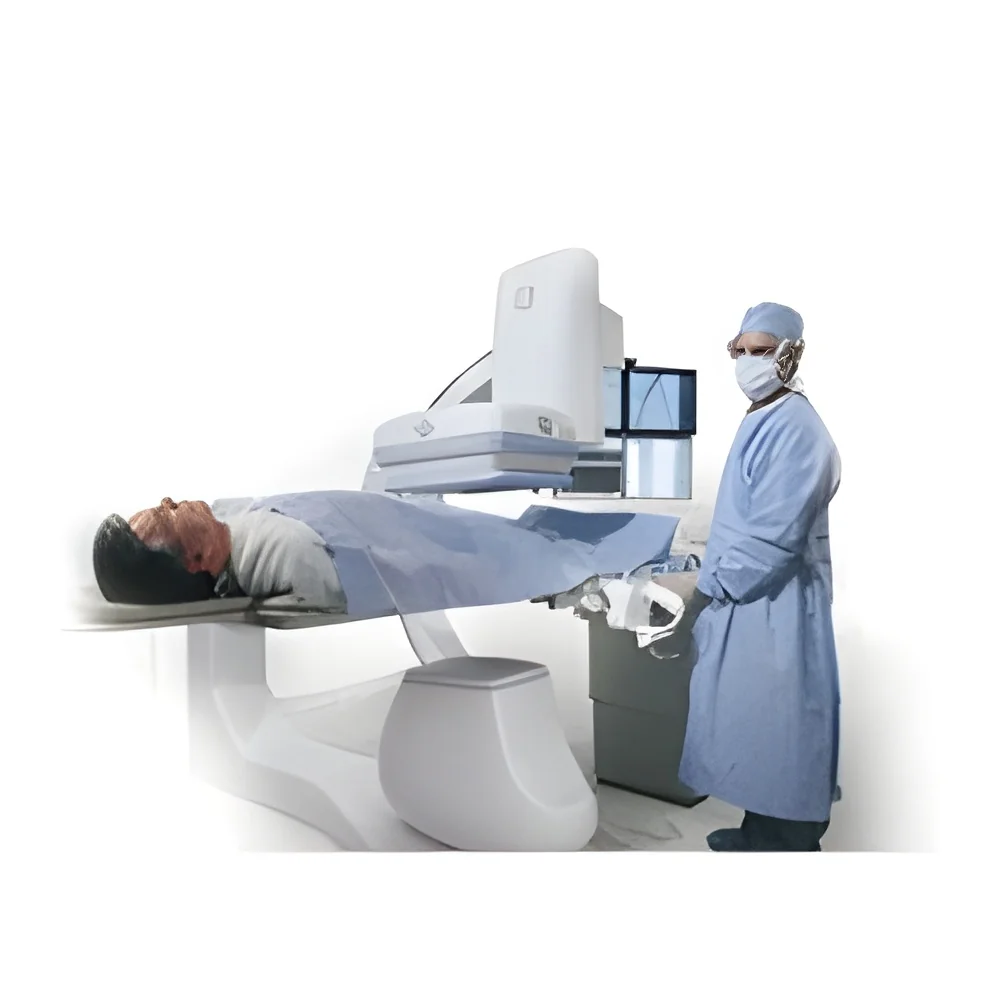
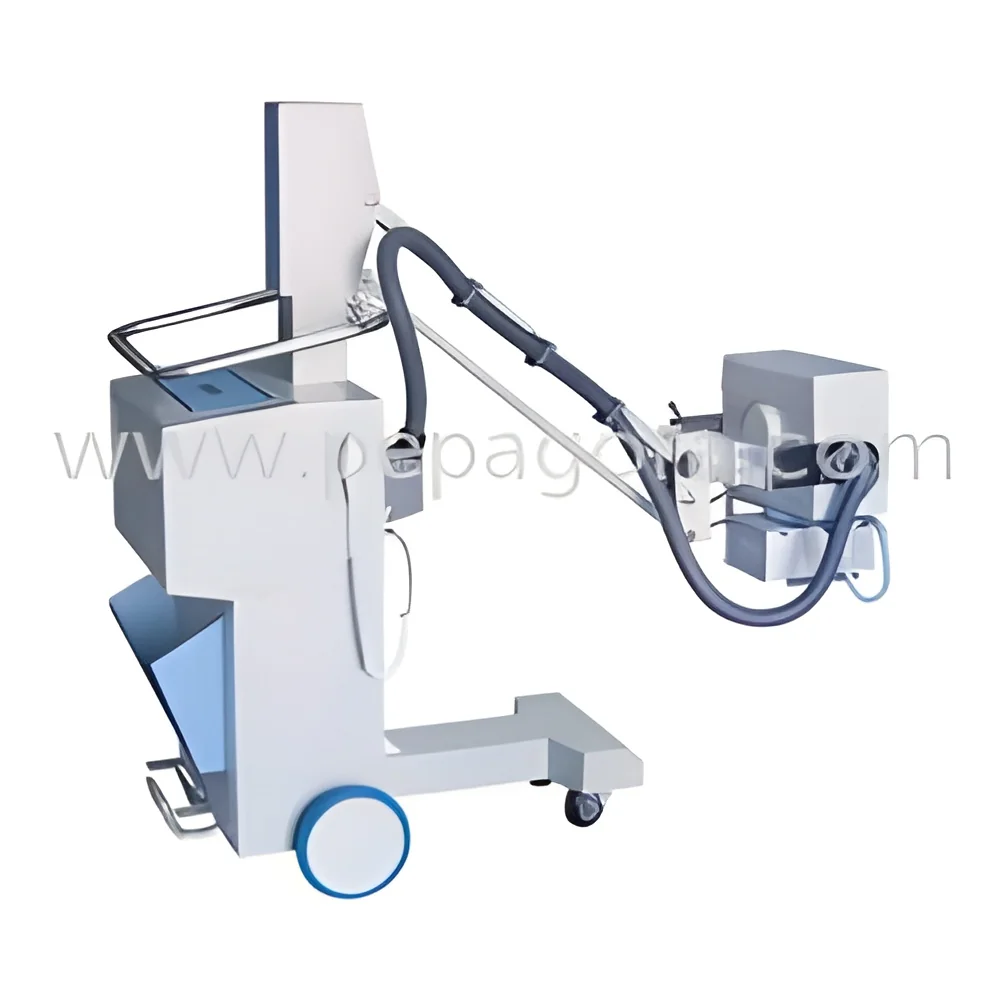
Mobile X-ray Machines: These portable units are designed for flexibility and ease of use in various locations, including patient bedsides or emergency situations. They offer convenience without sacrificing image quality.
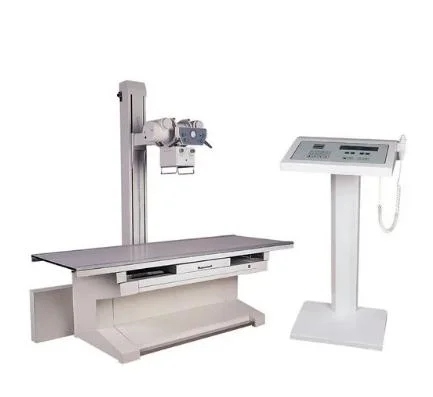
Fixed X-ray Machines: These are stationary systems typically found in hospitals or clinics. They provide high-quality imaging and are commonly used for routine examinations.
Digital X-ray Systems: These advanced machines utilize digital technology for faster image processing and enhanced image quality. They are widely adopted in medical and industrial applications for their efficiency.
Benefits and Advantages
Investing in X-ray machines and accessories offers numerous benefits for businesses and healthcare providers.
1. Enhanced Diagnostic Accuracy: X-ray machines provide detailed images that allow for accurate diagnosis of medical conditions and material defects.
2. Non-destructive Testing: They enable inspection of materials and products without causing damage, preserving their integrity while ensuring quality.
3. Time Efficiency: Modern X-ray machines offer faster imaging and processing times, resulting in quicker turnaround for diagnostics and inspections.
4. Versatility: X-ray machines can be used across various industries, making them a valuable asset for multiple applications.
5. Improved Patient Care: In healthcare settings, accurate imaging leads to better treatment plans and improved patient outcomes.
6. Regulatory Compliance: Utilizing certified X-ray machines helps businesses meet industry standards and regulations, ensuring safety and quality.
Buying Guide for B2B Buyers
When sourcing X-ray machines and accessories, several factors should be considered to ensure a successful purchase.
1. Quality Assessment: Evaluate the quality of the machines based on manufacturer reputation, customer reviews, and compliance with industry standards.
2. Supplier Verification: Conduct thorough research on potential suppliers. Check their certifications, experience in the market, and customer service capabilities.
3. Pricing and MOQ: Understand the pricing structure and minimum order quantities. Consider total cost of ownership, including maintenance and operational costs.
4. Delivery and Lead Times: Inquire about logistics, including expected delivery times and shipping options. Timely delivery is crucial for operational efficiency.
5. Compliance Requirements: Ensure that the machines meet relevant regulatory standards and certifications, such as CE marking, to avoid legal issues and ensure safety.
Compliance and Certifications
X-ray machines and accessories must adhere to various quality standards and regulations to ensure safety and efficacy. Relevant quality standards include ISO 9001, which focuses on maintaining quality management systems, and HACCP, which is essential for ensuring safety in food-related applications.
Industry certifications, such as CE, indicate compliance with European health and safety standards. This certification is crucial for manufacturers seeking to market their products in Europe and assures buyers of product reliability.
Safety and testing requirements are paramount in the X-ray industry. Regular testing and maintenance are necessary to ensure machines function correctly and safely. Regional compliance considerations may vary, so it's essential to be aware of local regulations that govern the use of X-ray technology.
Why Source X-ray Machines & Accessories from Pepagora?
Pepagora provides a trusted platform for sourcing X-ray machines and accessories, offering several key advantages for B2B buyers.
Verified Supplier Network: Pepagora connects buyers with a network of verified suppliers, ensuring quality and reliability in procurement. Each supplier undergoes a rigorous verification process to maintain high standards.
Streamlined RFQ Process: The platform features an easy-to-use request for quotation (RFQ) system, enabling buyers to receive competitive quotes from multiple suppliers quickly. This efficiency helps buyers make informed purchasing decisions.
Trade Assurance and Support: Pepagora offers buyer protection through trade assurance policies. This support ensures that transactions are secure and that buyers receive the products as promised.
Regional Coverage: With a strong presence in markets across India, the GCC, and Southeast Asia, Pepagora enables buyers to access a wide range of X-ray machines and accessories tailored to their regional needs. This geographic reach facilitates better service and support for diverse customer bases.

 IN
IN
 India
India