What are Portable Imaging Devices?
Portable Imaging Devices are compact tools designed to capture and analyze images in various settings outside of traditional laboratory environments. They utilize advanced imaging technologies to provide high-quality visual data that can be essential for various industrial, medical, and research applications. These devices offer mobility and flexibility, allowing users to conduct imaging tasks in remote or challenging locations with ease.
The primary uses of Portable Imaging Devices range from non-destructive testing in manufacturing to medical diagnostics in healthcare. Industries benefit from their ability to quickly assess conditions without the need for extensive equipment setups. Applications include inspections of structural components, on-site medical assessments, and field research in environmental studies. As industries increasingly focus on efficiency and rapid data collection, Portable Imaging Devices have gained significant traction in the market.
In the context of current industry trends, the demand for Portable Imaging Devices is rising, driven by technological advancements and the need for real-time data. The market is evolving as manufacturers innovate to enhance functionality, durability, and ease of use. This growth reflects a broader shift towards portable solutions that meet the needs of diverse sectors.
Key Features and Specifications
Portable Imaging Devices come equipped with a variety of features that enhance their functionality and usability in various applications. Understanding these specifications is crucial for buyers looking to make informed purchasing decisions.
Key specifications include:
1. Image Resolution
- Typically ranges from 640 x 480 pixels to 1920 x 1080 pixels.
- Higher resolution allows for more detailed analysis.
2. Imaging Technology
- Includes options such as infrared, visible light, and X-ray imaging.
- Each technology serves specific applications and industries.
3. Battery Life
- Generally offers operational times from 4 to 12 hours on a single charge.
- Extended battery life is essential for field use.
4. Weight
- Commonly weighs between 1 to 5 kilograms.
- Lightweight designs enhance portability and ease of use.
5. Connectivity Options
- Includes USB, Wi-Fi, and Bluetooth capabilities.
- Facilitates data transfer and integration with other devices.
6. Operating Temperature Range
- Usually supports temperatures from -10 to 50 degrees Celsius.
- Ensures functionality in various environmental conditions.
7. User Interface
- Often features touchscreen displays for intuitive operation.
- User-friendly interfaces improve accessibility for operators.
8. Storage Capacity
- Varies from 4 GB to 64 GB or more.
- Adequate storage is crucial for saving high-resolution images.
In summary, selecting the right Portable Imaging Device involves understanding these key features and specifications to ensure that the device meets specific operational requirements.
Common Applications and Use Cases
Portable Imaging Devices serve a wide range of industries, leveraging their flexibility and advanced imaging capabilities.
1. Healthcare: Portable imaging is essential for medical professionals to perform quick diagnostics, such as ultrasound imaging in remote areas or during emergencies.
2. Construction: These devices are used for inspecting structural integrity, allowing engineers to assess materials without disrupting ongoing work.
3. Environmental Monitoring: Researchers utilize portable imaging for real-time assessments of environmental conditions, such as monitoring air quality or studying wildlife.
4. Manufacturing: In manufacturing, portable imaging aids in quality control processes by inspecting products for defects on-site.
5. Agriculture: Farmers employ imaging devices to monitor crop health, enabling precise interventions based on visual data.
6. Automotive: Portable imaging is used for vehicle diagnostics, allowing mechanics to identify issues without dismantling components.
7. Security: These devices assist in surveillance and monitoring, providing clear images for security assessments in various environments.
Product Variants and Subcategories
Portable Imaging Devices come in diverse variants tailored to meet different industry needs. Each variant is designed with specific features to enhance their application.
Handheld Thermal Imaging Camera
This variant focuses on detecting heat signatures, making it ideal for electrical inspections and HVAC applications. It allows users to identify hotspots and energy inefficiencies in real-time.
Portable Ultrasound Devices
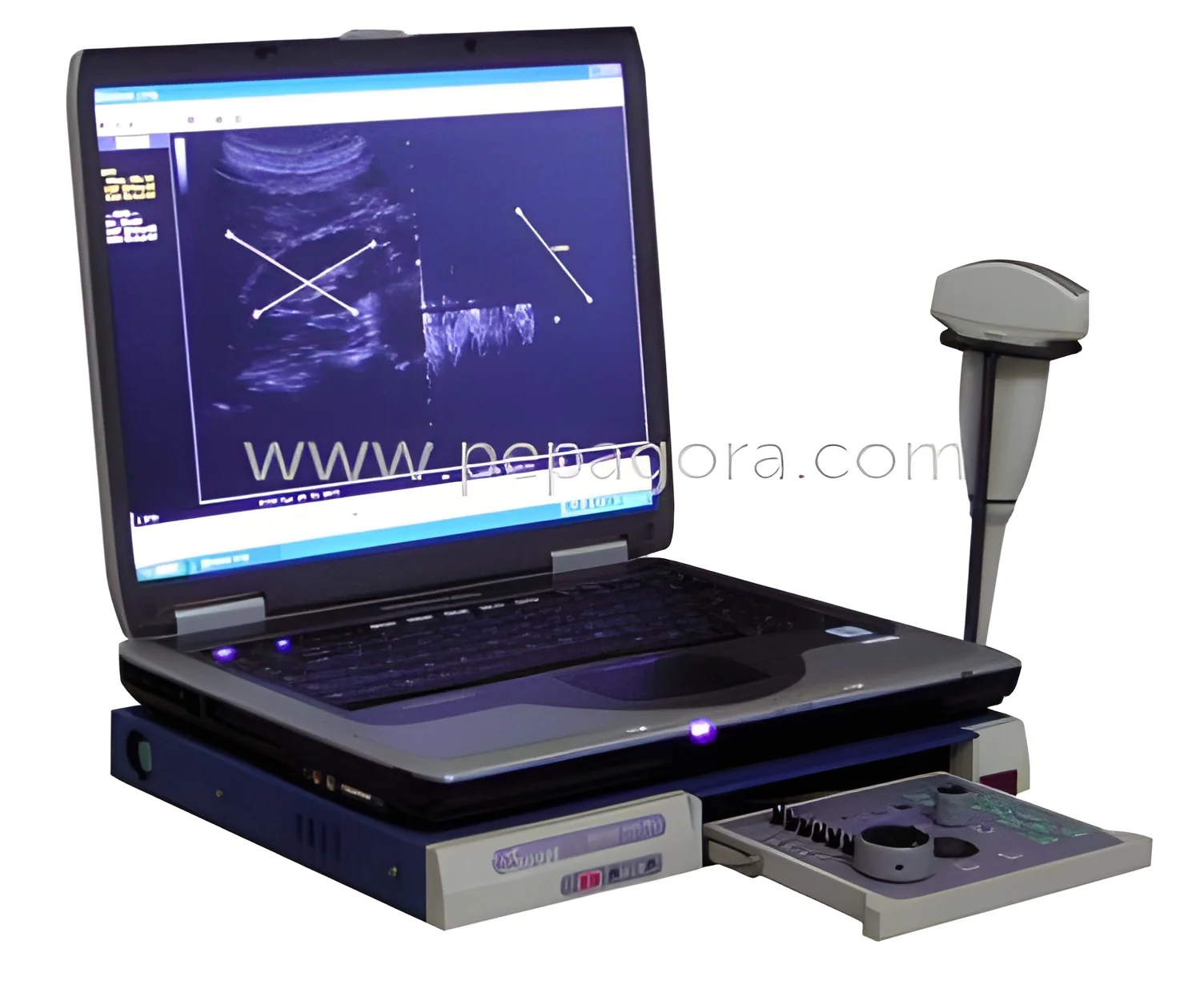
These devices are crucial in medical settings, providing quick imaging for patient diagnostics. Their compact design enables usage in various locations, including emergency situations.
Wireless Digital Cameras
These offer high-resolution imaging capabilities with the advantage of wireless connectivity. They are suitable for construction and inspection applications, allowing for easy sharing of data.
Benefits and Advantages
Portable Imaging Devices offer several advantages that enhance operational efficiency and decision-making.
1. Mobility: The compact design allows users to perform imaging tasks in remote or hard-to-reach locations.
2. Time Efficiency: Rapid data collection reduces downtime and speeds up decision-making processes, which is essential in fast-paced environments.
3. Real-Time Data: Users can obtain immediate visual feedback, enabling quick assessments and timely interventions.
4. Cost-Effectiveness: By reducing the need for extensive setups and lengthy analysis processes, these devices can lower operational costs.
5. Versatility: Suitable for various applications across multiple industries, enhancing their value for businesses.
6. Ease of Use: Many devices feature intuitive interfaces that simplify operation, making them accessible to users with varying levels of technical expertise.
Buying Guide for B2B Buyers
When sourcing Portable Imaging Devices, several factors are crucial for making the right choice.
1. Quality Assessment: Buyers should evaluate the imaging quality and durability of devices. Look for reviews and case studies that demonstrate reliability in challenging environments.
2. Supplier Verification: It is important to vet suppliers to ensure they have a solid reputation and offer good customer support. Check for certifications and past client feedback.
3. Pricing and MOQ: Understand the pricing structure and minimum order quantities to align with budgetary constraints. Compare costs among different suppliers to find the best value.
4. Delivery and Lead Times: Inquire about logistics and expected delivery times. Quick access to devices is essential for businesses that require immediate solutions.
5. Compliance Requirements: Ensure that the devices meet relevant industry standards and regulations. Compliance with safety and quality certifications is essential for operational integrity.
Compliance and Certifications
Compliance is a key aspect of Portable Imaging Devices, ensuring they meet industry standards and safety requirements.
Relevant quality standards include ISO 9001 for quality management systems, which ensures manufacturers maintain consistent quality. Additionally, compliance with HACCP (Hazard Analysis Critical Control Point) is essential in food-related applications to ensure safety in imaging processes.
Industry certifications such as CE are crucial in Europe, indicating that the device meets health, safety, and environmental protection standards.
Safety and testing requirements are also paramount, with devices needing to undergo rigorous testing to ensure they operate correctly under various conditions.
Regional compliance considerations may vary, so it is important for buyers to understand local regulations that apply to their specific markets.
Why Source Portable Imaging Devices from Pepagora?
Pepagora provides a trusted platform for sourcing Portable Imaging Devices, offering several key advantages for B2B buyers.
Verified Supplier Network: Pepagora has established a network of verified suppliers, ensuring that buyers can source high-quality devices from reputable manufacturers. This network reduces the risk of purchasing substandard products.
Streamlined RFQ Process: The platform simplifies the request for quotation (RFQ) process, allowing buyers to compare prices and specifications easily. This efficiency helps businesses make informed purchasing decisions quickly.
Trade Assurance and Support: Pepagora offers buyer protection through trade assurance, ensuring that transactions are secure. Additionally, dedicated support teams are available to assist with any inquiries or issues that may arise.
Regional Coverage: Pepagora's reach extends across India, the Gulf Cooperation Council (GCC), and Southeast Asia, making it a convenient option for businesses operating in these regions. This geographic coverage allows for swift access to Portable Imaging Devices tailored to regional needs.

 IN
IN