What are ICU Ventilators?
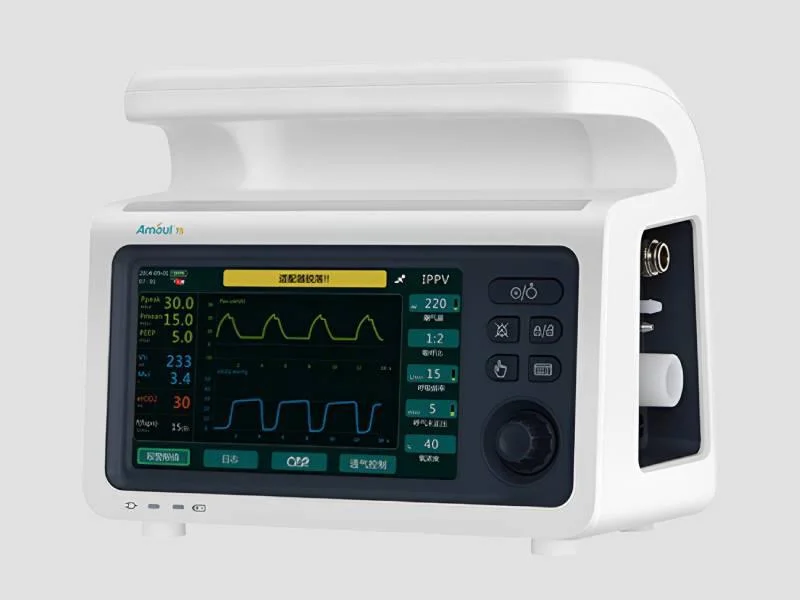
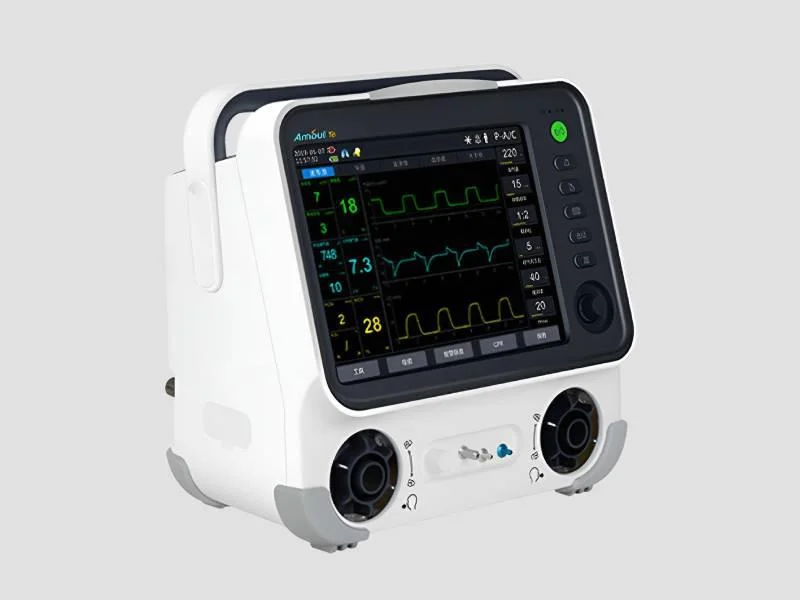
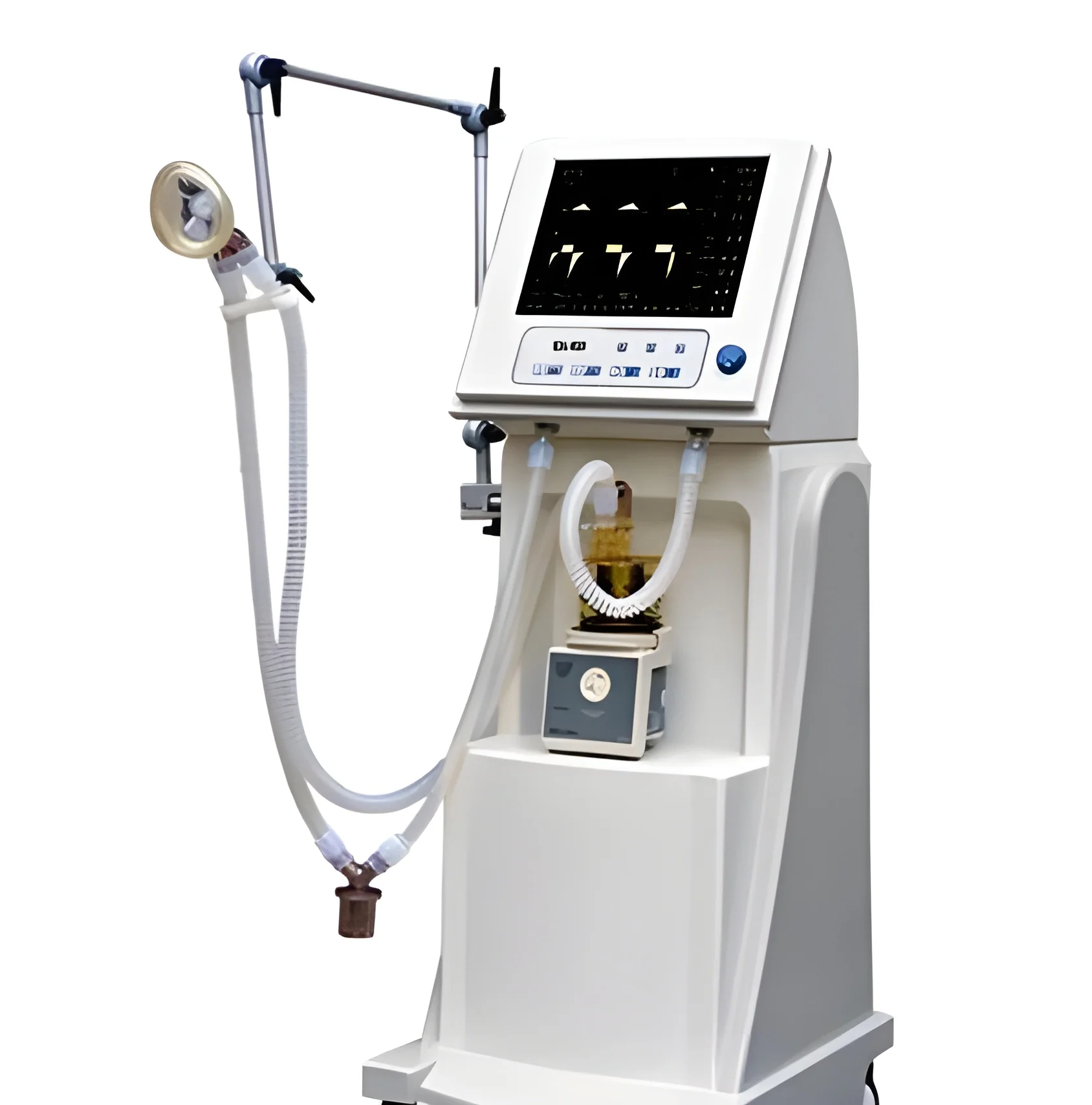
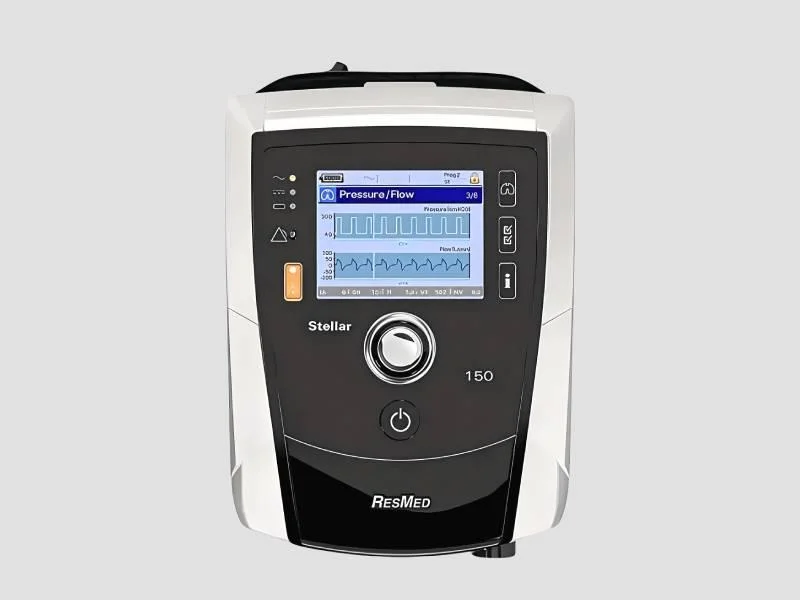
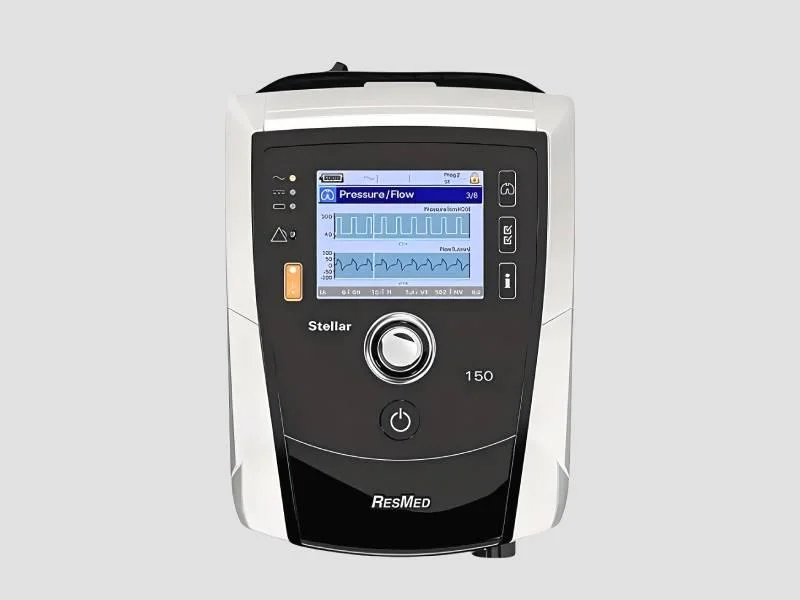
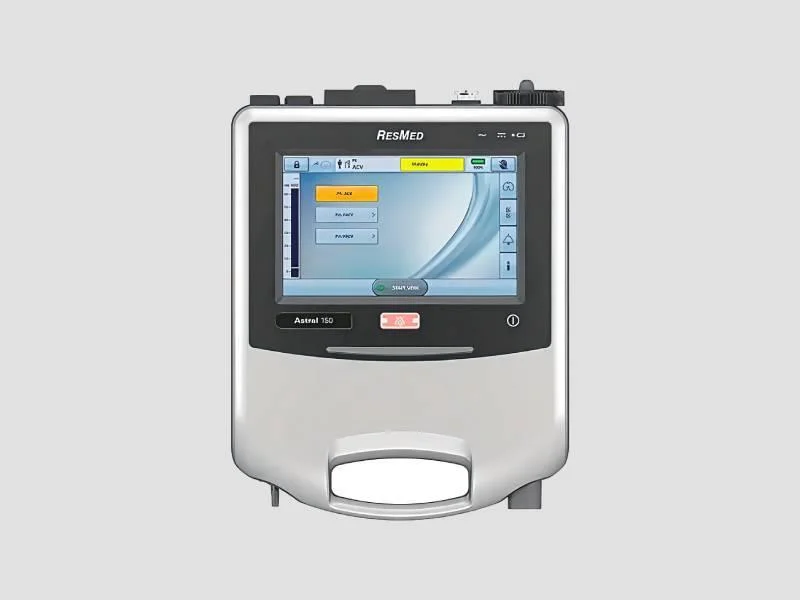
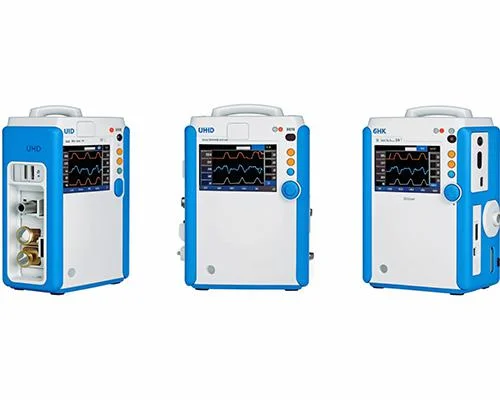
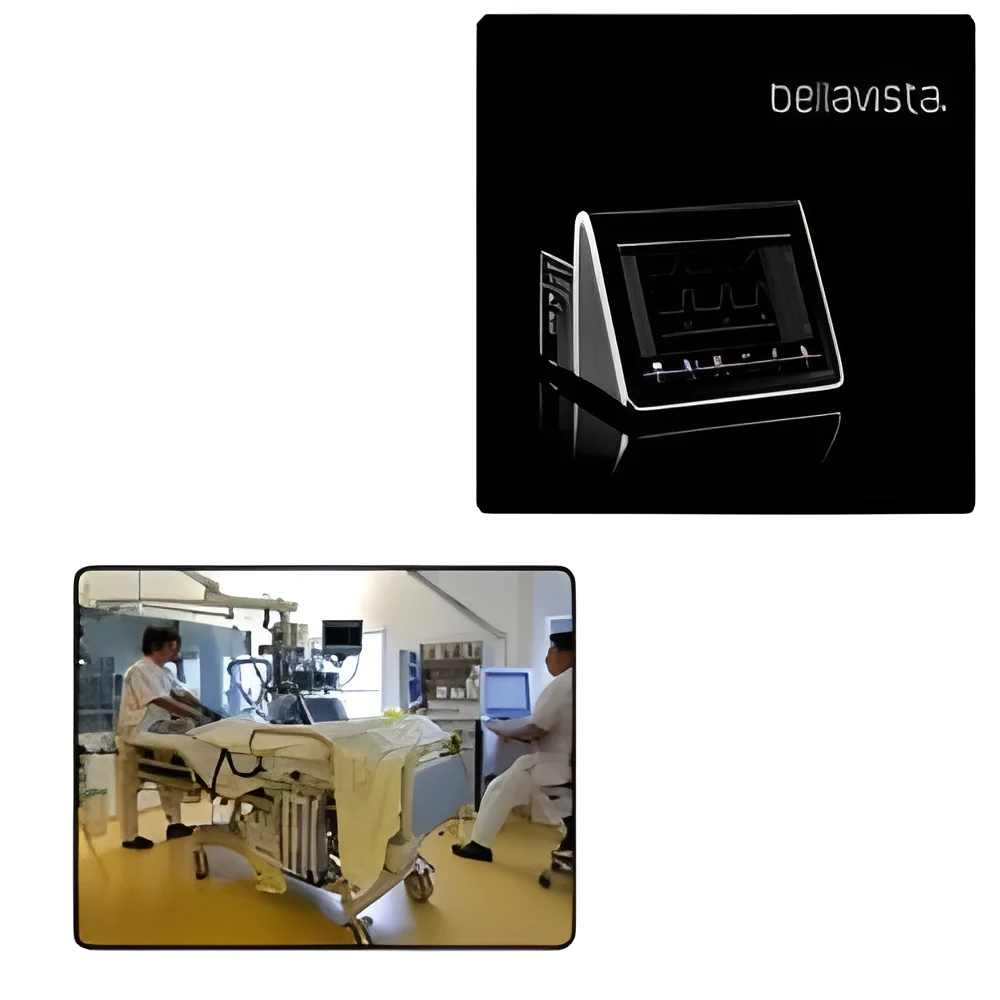
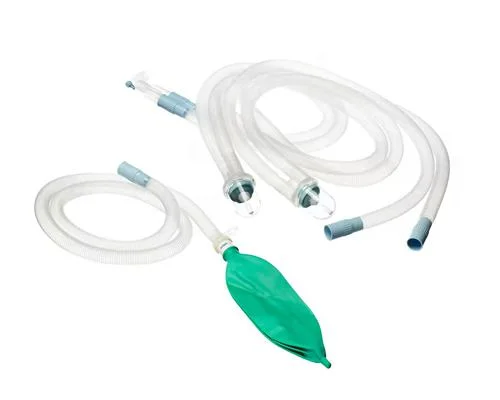
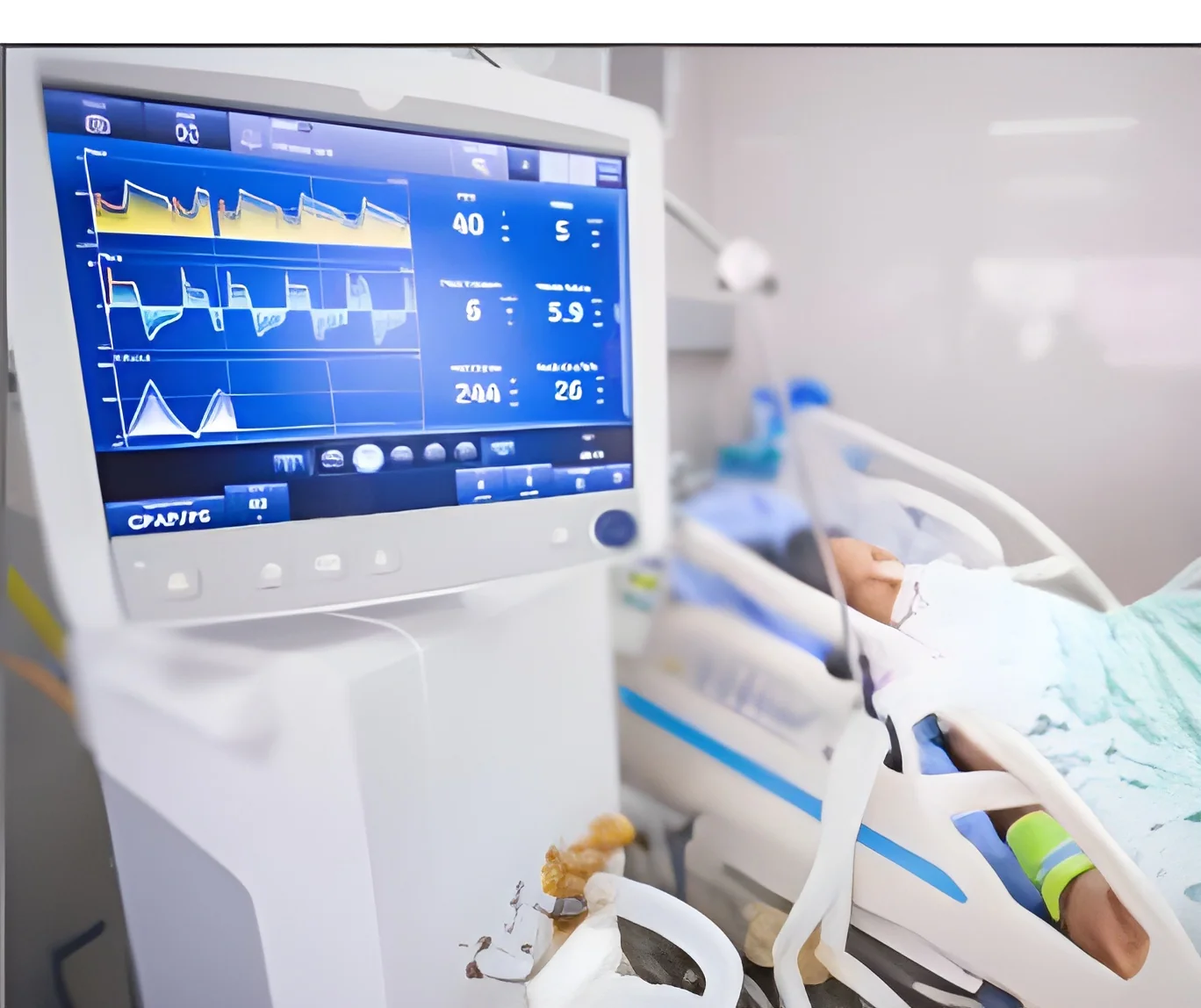
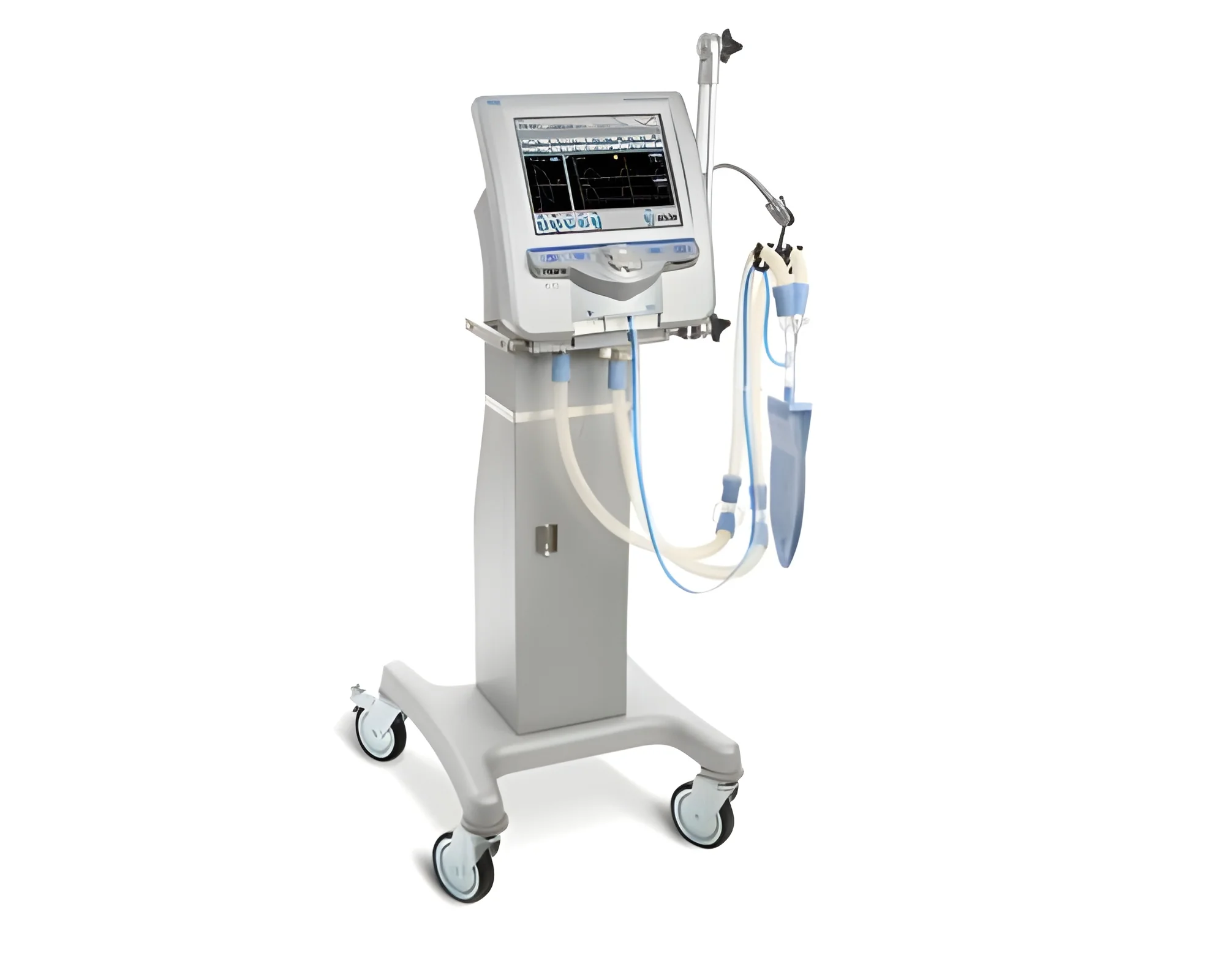
ICU ventilators are advanced medical devices designed to support patients who are unable to breathe adequately on their own. These machines provide mechanical ventilation, delivering a controlled mixture of air and oxygen to patients with respiratory failure. They are equipped with various modes and settings that can be adjusted according to individual patient needs, ensuring effective ventilation and oxygenation.
The primary uses of ICU ventilators include treating patients with severe respiratory conditions such as pneumonia, chronic obstructive pulmonary disease (COPD), or acute respiratory distress syndrome (ARDS). They are critical in intensive care units where patients require continuous monitoring and support. The demand for ICU ventilators has surged due to the increasing prevalence of respiratory diseases and global health emergencies, making them a vital component of modern healthcare facilities.
In the current market context, ICU ventilators are essential for both public and private healthcare systems. They represent a significant investment for hospitals and clinics, and their effectiveness can directly impact patient outcomes. As technology advances, manufacturers are continually enhancing the capabilities of these ventilators, leading to improved patient care and operational efficiency in critical care settings.
Key Features and Specifications
ICU ventilators come with a range of features designed to optimize patient care. Understanding these specifications is crucial for healthcare providers and procurement teams to ensure they select the right equipment for their facilities.
Key specifications include:
1. Ventilation Modes
- Multiple modes such as Assist-Control (AC), Synchronized Intermittent Mandatory Ventilation (SIMV), and Continuous Positive Airway Pressure (CPAP).
- Each mode allows for different levels of patient interaction and support.
2. Oxygen Delivery
- Adjustable oxygen concentration settings typically ranging from 21% to 100%.
- Ensures that patients receive the appropriate level of oxygen based on their condition.
3. Tidal Volume Settings
- Customizable tidal volume delivery, usually between 100 to 1,200 milliliters.
- Critical for ensuring adequate ventilation based on patient size and needs.
4. Pressure Support
- Range of pressure support settings that can be adjusted for comfort and effectiveness.
- Typically from 5 to 30 cm H2O to assist patients in breathing.
5. Monitoring Capabilities
- Integrated monitoring systems for tracking vital parameters such as tidal volume, respiratory rate, and airway pressure.
- Enables real-time assessment and adjustments.
6. Alarms and Alerts
- User-configurable alarms for various parameters to alert healthcare staff to potential issues.
- Important for patient safety and timely intervention.
7. Humidity Control
- Built-in humidification systems to maintain airway moisture.
- Essential for patient comfort and reducing complications.
8. Portability and Size
- Design considerations for ease of transport within hospital settings.
- Compact models available for facilities with space constraints.
Overall, ICU ventilators are complex devices that require careful consideration of their specifications to ensure optimal patient outcomes.
Common Applications and Use Cases
ICU ventilators play a crucial role in various medical scenarios. Their versatility allows them to be used across different healthcare sectors.
1. Emergency Medicine: ICU ventilators are essential in emergency departments for patients experiencing respiratory failure due to trauma or acute illnesses.
2. Critical Care: In intensive care units, these ventilators support patients recovering from major surgeries or severe infections requiring close monitoring.
3. Pulmonology: Patients with chronic respiratory diseases benefit from ventilators during acute exacerbations, helping to stabilize their condition.
4. Anesthesia: Ventilators are also used during surgical procedures to ensure proper ventilation while patients are under anesthesia.
5. Rehabilitation: In rehabilitation units, ventilators assist patients transitioning from mechanical support to independent breathing.
6. Home Care: Certain portable ICU ventilators can be used for patients requiring long-term ventilation support at home.
7. Pediatric Care: Specially designed pediatric ventilators cater to the unique respiratory needs of children in critical care settings.
Product Variants and Subcategories
ICU ventilators come in various models tailored to specific needs and environments. While subcategories are not available, the diversity of ventilators allows healthcare facilities to select the best fit for their requirements.
Standard ICU Ventilator
This model is designed for general use in intensive care settings. It features multiple ventilation modes and advanced monitoring capabilities, making it suitable for a wide range of patients.
Portable ICU Ventilator
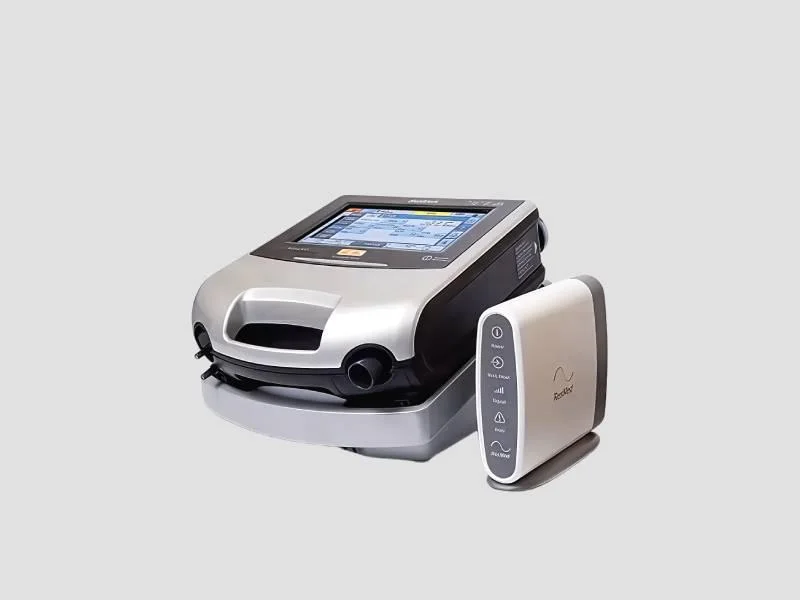
Ideal for emergency situations and transport, portable ventilators are lightweight and compact. They offer essential features for patient support outside the ICU, ensuring continuity of care.
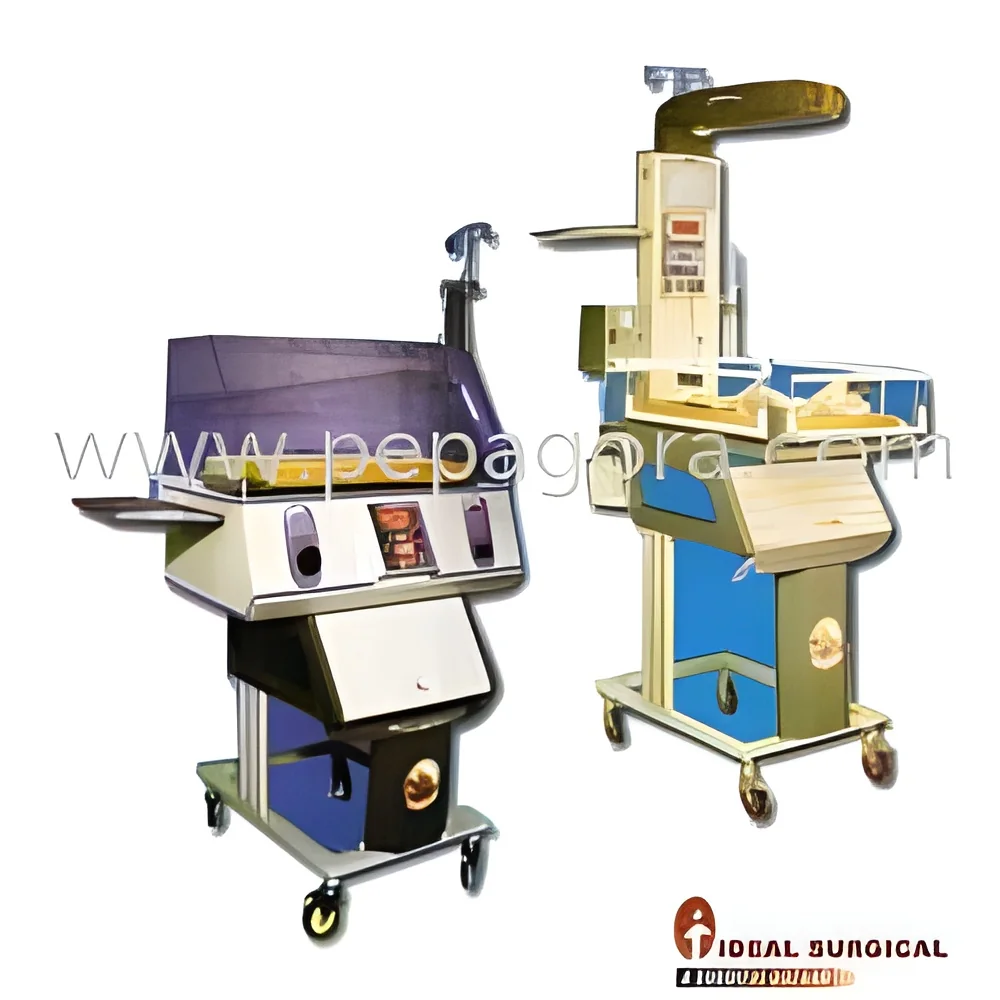
Pediatric ICU Ventilator
These ventilators are specifically engineered for children, providing lower tidal volumes and specialized settings to accommodate the unique physiology of pediatric patients.
Benefits and Advantages
ICU ventilators offer numerous advantages that significantly enhance patient care in critical situations.
1. Improved Patient Outcomes: By providing adequate ventilation, these devices can stabilize patients suffering from respiratory failure, leading to better recovery rates.
2. Versatility: ICU ventilators support a wide range of ventilation modes, making them suitable for various clinical scenarios and patient needs.
3. Real-time Monitoring: Integrated monitoring systems allow healthcare providers to track critical parameters, leading to timely interventions.
4. Enhanced Comfort: Features such as humidity control and pressure support improve patient comfort, which is essential for long-term ventilation.
5. Safety Features: Alarm systems and safety protocols built into ventilators help prevent complications and ensure patient safety.
6. Cost-effectiveness: Investing in quality ICU ventilators can reduce the overall cost of patient care by improving outcomes and reducing ICU stays.
Buying Guide for B2B Buyers
When sourcing ICU ventilators, it is essential for healthcare procurement teams to consider several key factors to ensure they make informed purchasing decisions.
1. Quality Assessment: Evaluate the quality of ventilators based on manufacturer reputation, product reviews, and adherence to industry standards. Ensure they meet international quality certifications.
2. Supplier Verification: Vet suppliers by checking their background, certifications, and customer feedback. A reliable supplier can provide ongoing support and service.
3. Pricing and MOQ: Consider the pricing structure and minimum order quantities (MOQ). Balance cost with quality to ensure you receive value for your investment.
4. Delivery and Lead Times: Assess delivery options and lead times to ensure timely availability of ventilators, especially in urgent care situations.
5. Compliance Requirements: Ensure that the ventilators meet local and international regulatory requirements. Compliance with safety standards is crucial for patient safety and device efficacy.
Compliance and Certifications
ICU ventilators must adhere to various quality standards and regulations to ensure safety and effectiveness. Key standards include ISO 9001, which outlines requirements for quality management systems, ensuring consistent product quality.
Additionally, industry certifications such as CE mark indicate compliance with European health, safety, and environmental protection standards. This certification is crucial for market acceptance in many regions.
Safety and testing requirements must also be met to ensure that ventilators operate reliably under clinical conditions. This includes rigorous performance testing and validation of all features.
Regional compliance considerations vary, with some regions requiring specific certifications or approvals before devices can be marketed. Understanding these requirements is essential for manufacturers and suppliers in the global market.
Why Source ICU Ventilators from Pepagora?
Pepagora provides a trusted platform for sourcing ICU ventilators, offering several advantages that simplify the procurement process for healthcare facilities.
Verified Supplier Network: Pepagora has established a robust network of verified suppliers, ensuring that buyers can connect with reputable manufacturers. This verification process helps confirm the quality and reliability of the products.
Streamlined RFQ Process: The platform features an efficient request for quotation (RFQ) system, allowing buyers to easily request quotes from multiple suppliers. This streamlines the procurement process and facilitates competitive pricing.
Trade Assurance and Support: Pepagora offers trade assurance to protect buyers throughout the purchasing process. This includes support for resolving any issues that may arise, ensuring a smooth transaction experience.
Regional Coverage: With a strong presence in India, the GCC, and Southeast Asia, Pepagora connects buyers with suppliers across these regions. This geographic reach enables healthcare facilities to access a diverse range of ICU ventilators tailored to local needs.

 IN
IN