Key Features and Specifications
Blood pressure monitors come equipped with various features designed to enhance functionality and accuracy. Understanding these specifications is crucial for making informed purchasing decisions.
Key specifications include:
1. Measurement Method
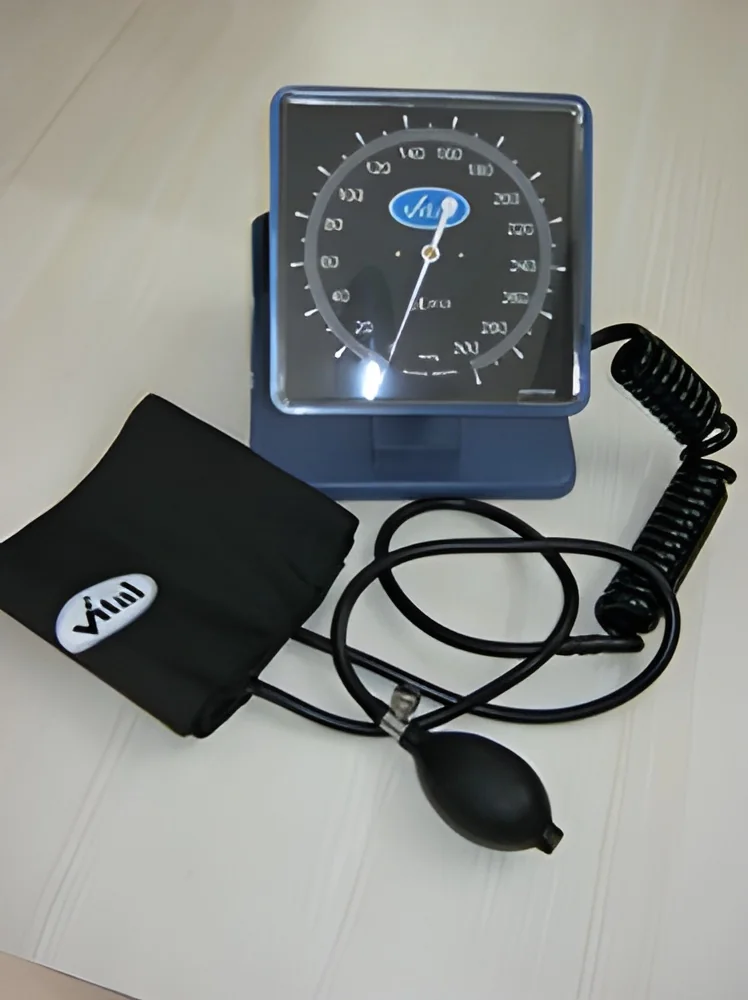
- Manual monitors use a cuff and stethoscope for readings.
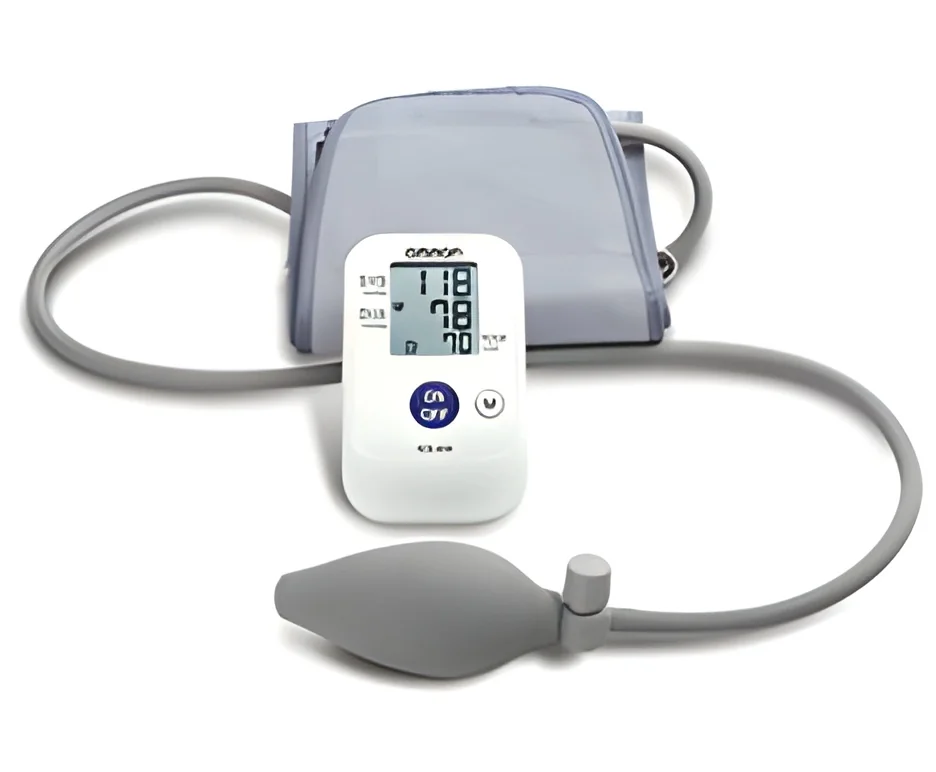
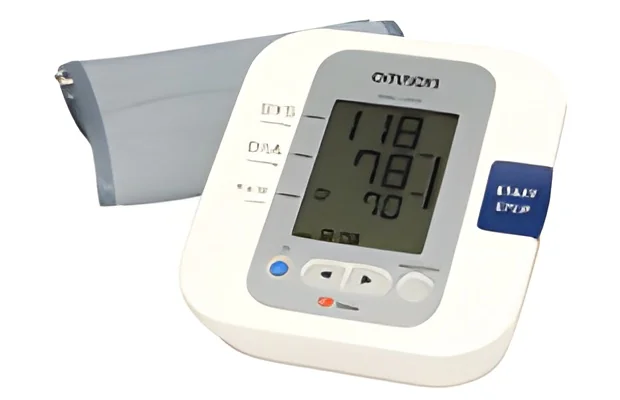
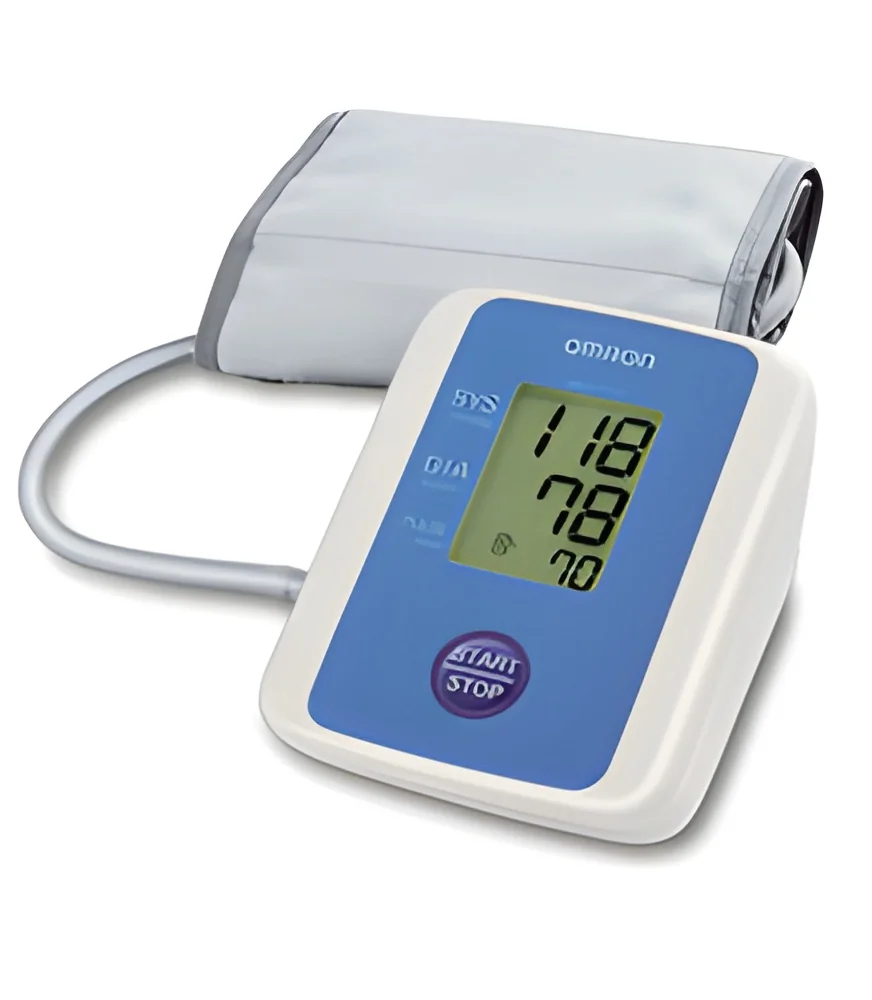
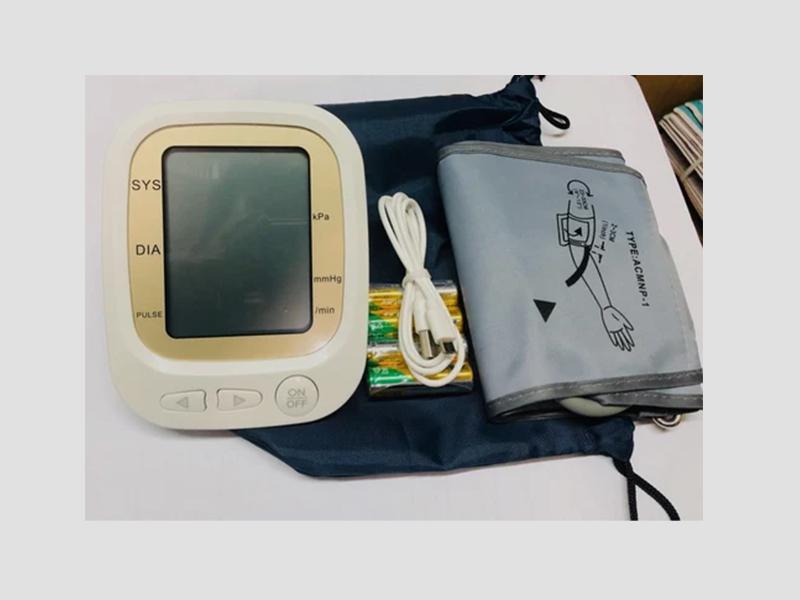
- Digital monitors use oscillometric technology for automatic readings.
2. Display Type
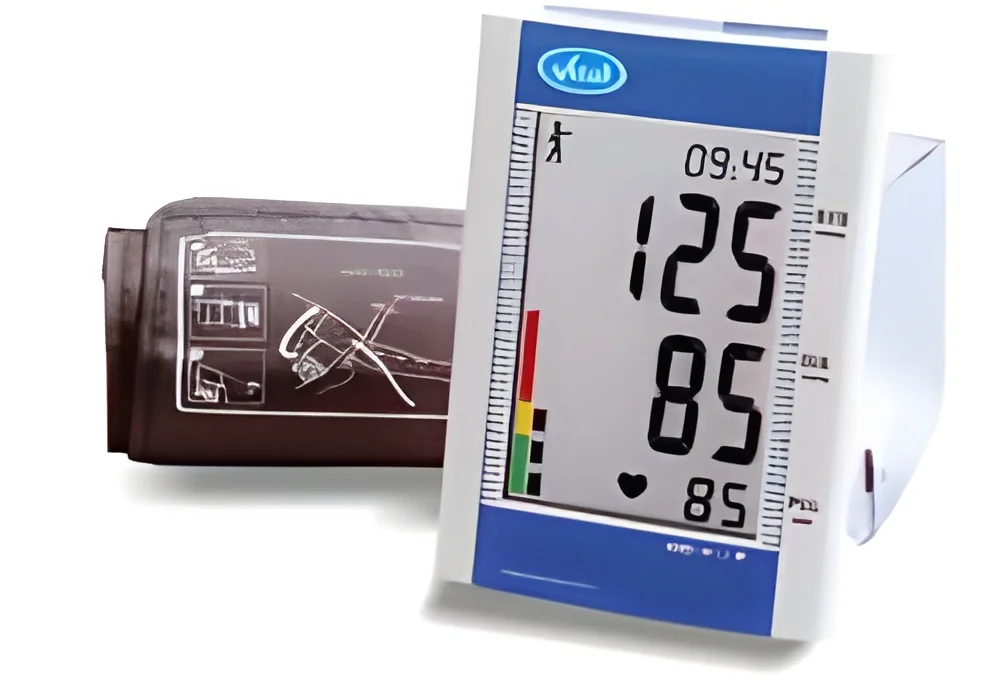
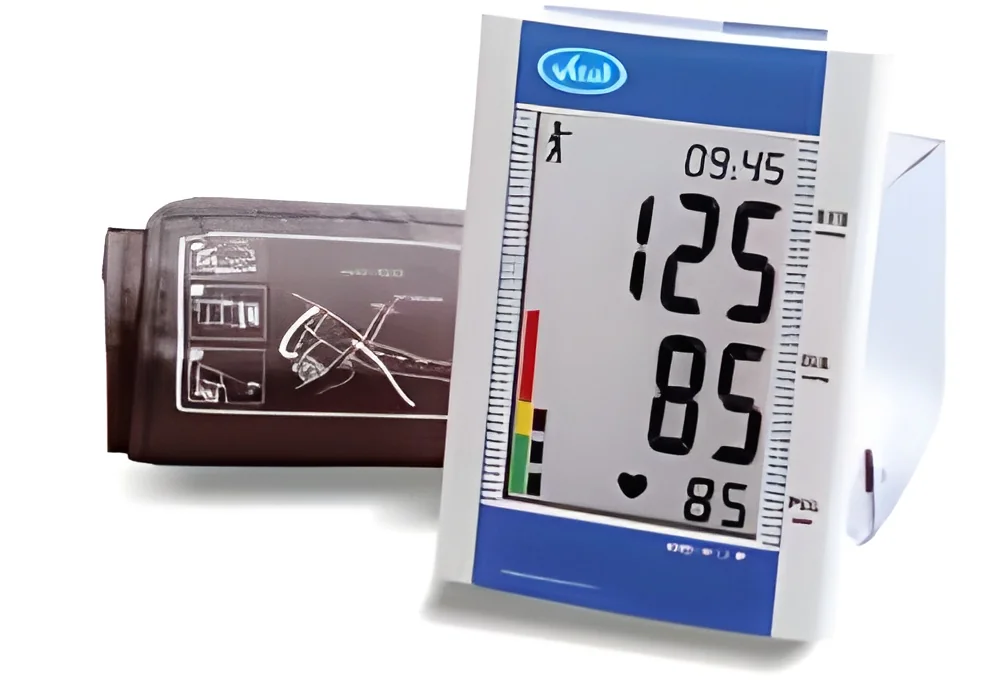
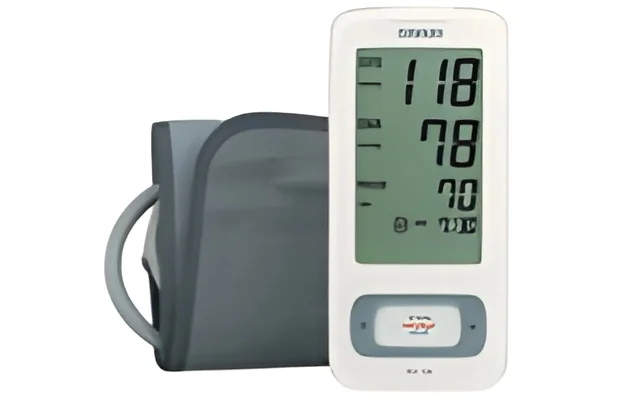
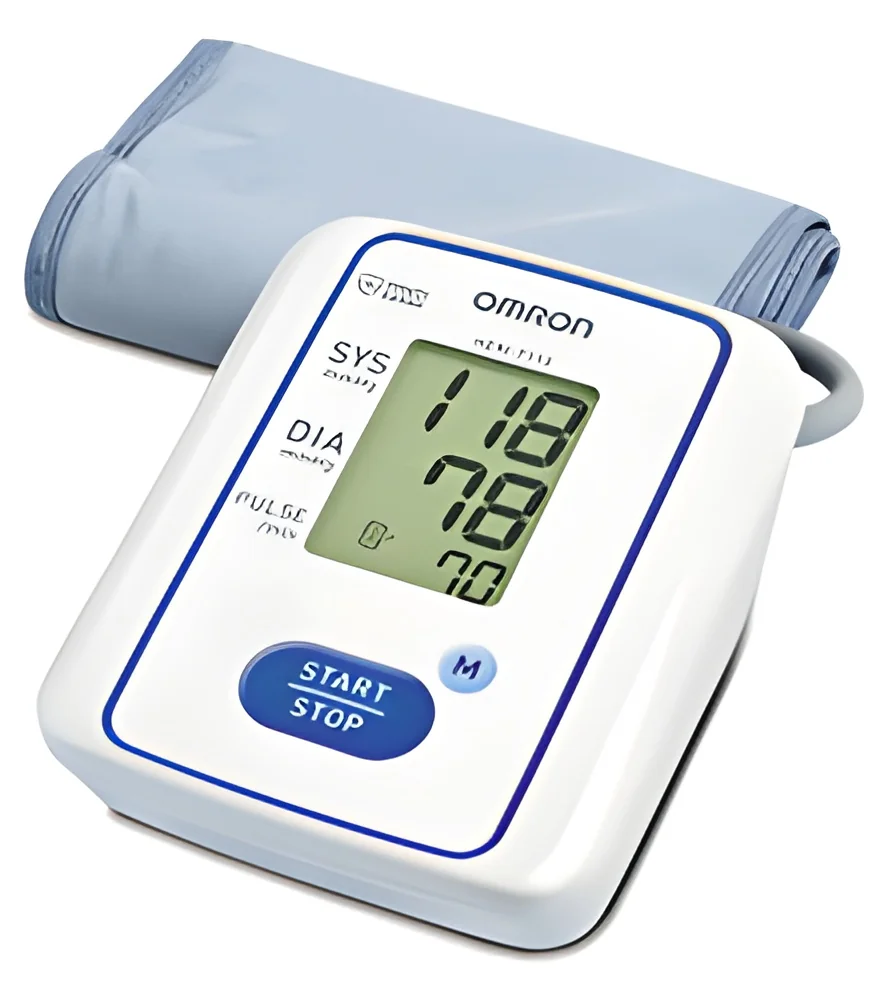
- Digital monitors often feature LCD screens for easy reading.
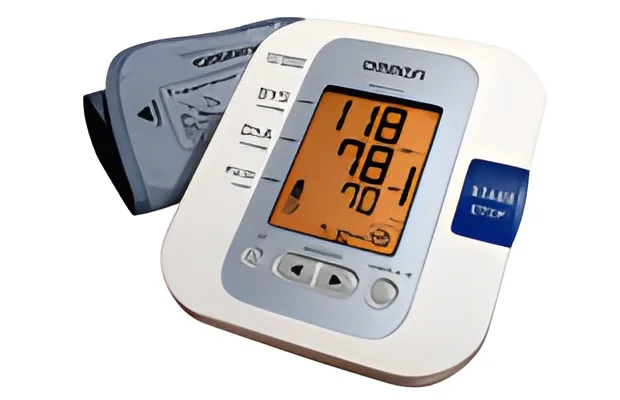
- Some models may include backlit displays for visibility in low light.
3. Power Source
- Digital monitors are typically battery-operated or rechargeable.
- Manual monitors do not require a power source.
4. Cuff Size and Type
- Cuffs come in various sizes to accommodate different arm circumferences.
- Some monitors have adjustable cuffs for a better fit.
5. Memory Function
- Digital models may store previous readings for trend analysis.
- Some models can track multiple users.
6. Accuracy Level
- Monitors are generally required to meet specific accuracy standards.
- Calibration may be necessary for manual models.
7. Portability
- Digital monitors are often lightweight and compact for easy transport.
- Manual monitors can also be portable but may require additional accessories.
8. Connectivity Features
- Some digital monitors offer Bluetooth or Wi-Fi connectivity for data sharing.
- This feature allows for easy integration with health management apps.
In summary, selecting a blood pressure monitor involves considering various specifications that meet specific healthcare needs.
Common Applications and Use Cases
Blood pressure monitors are utilized across multiple industries and settings, reflecting their versatility and importance.
1. Healthcare Facilities: Hospitals and clinics use these monitors for routine patient assessments, ensuring timely diagnosis and treatment of hypertension.
2. Home Healthcare: Patients can use digital monitors at home for self-monitoring, allowing for better management of their health conditions.
3. Fitness and Wellness: Health and fitness centers may provide monitors for members to track their cardiovascular fitness as part of wellness programs.
4. Pharmaceutical Research: Blood pressure monitors are used in clinical trials to evaluate the efficacy of new medications aimed at treating cardiovascular diseases.
5. Sports Medicine: Athletic trainers and sports physicians monitor athletes’ blood pressure to ensure optimal health and performance.
6. Telemedicine: With the rise of telehealth services, blood pressure monitors facilitate remote patient monitoring, enabling healthcare providers to maintain contact with patients.
7. Occupational Health: Companies may use monitors to assess employees’ health, particularly in high-stress environments where cardiovascular risk is elevated.
Product Variants and Subcategories
Blood pressure monitors come in a variety of forms to cater to different user preferences and needs.
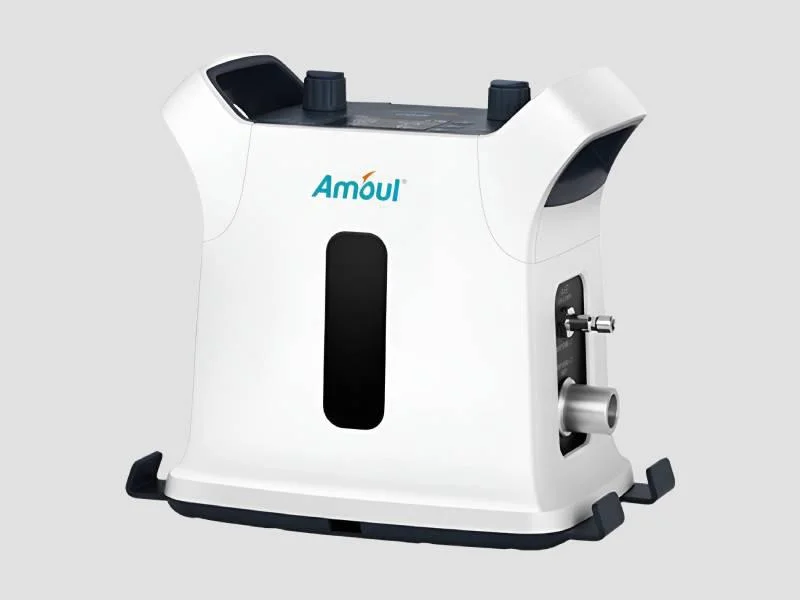
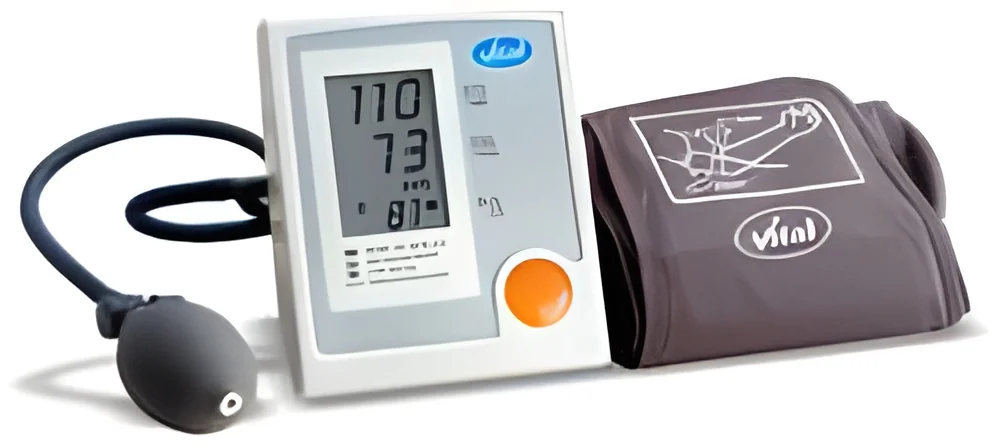
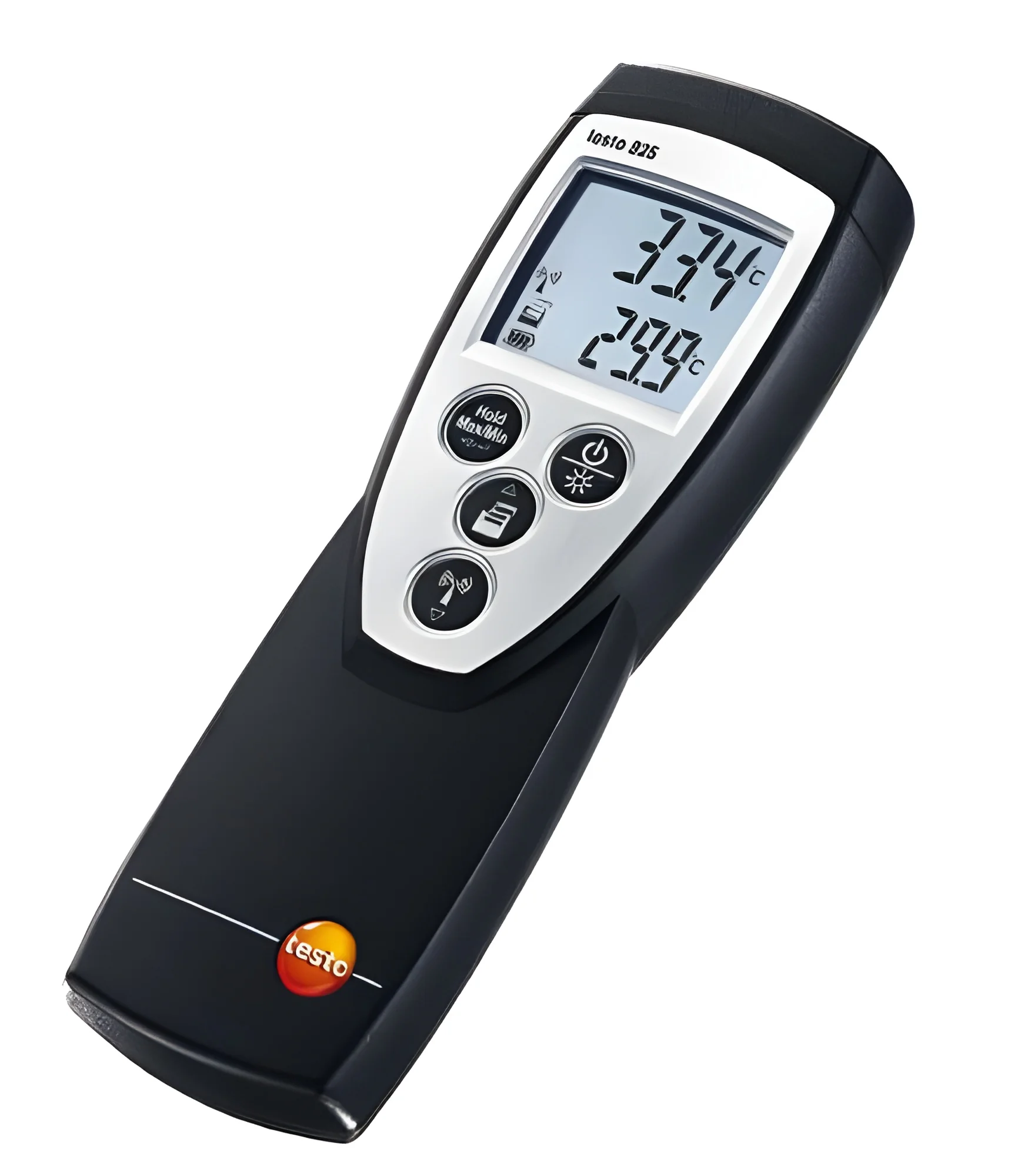
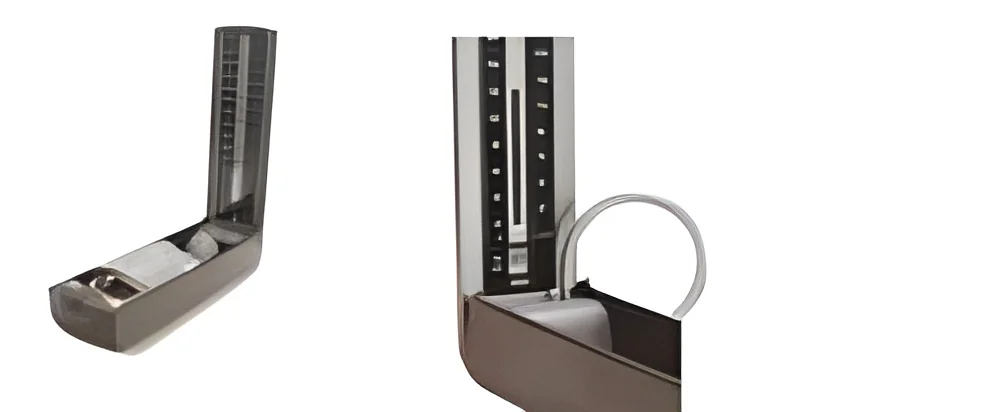
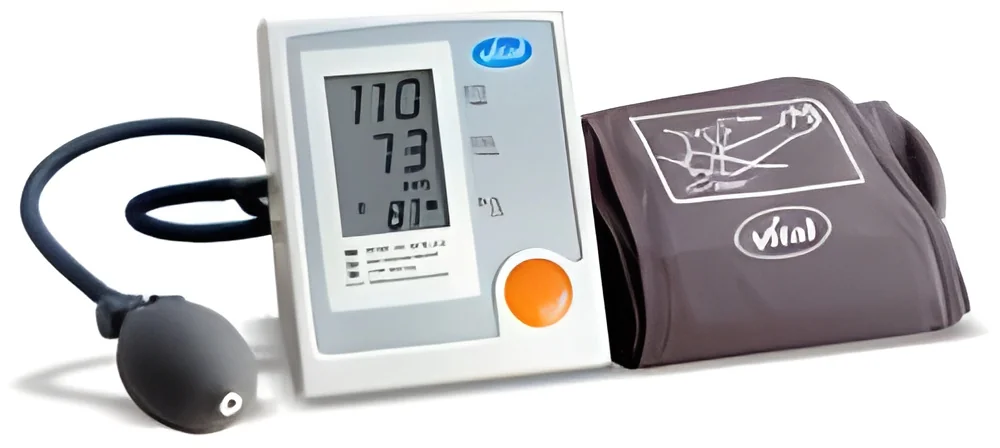
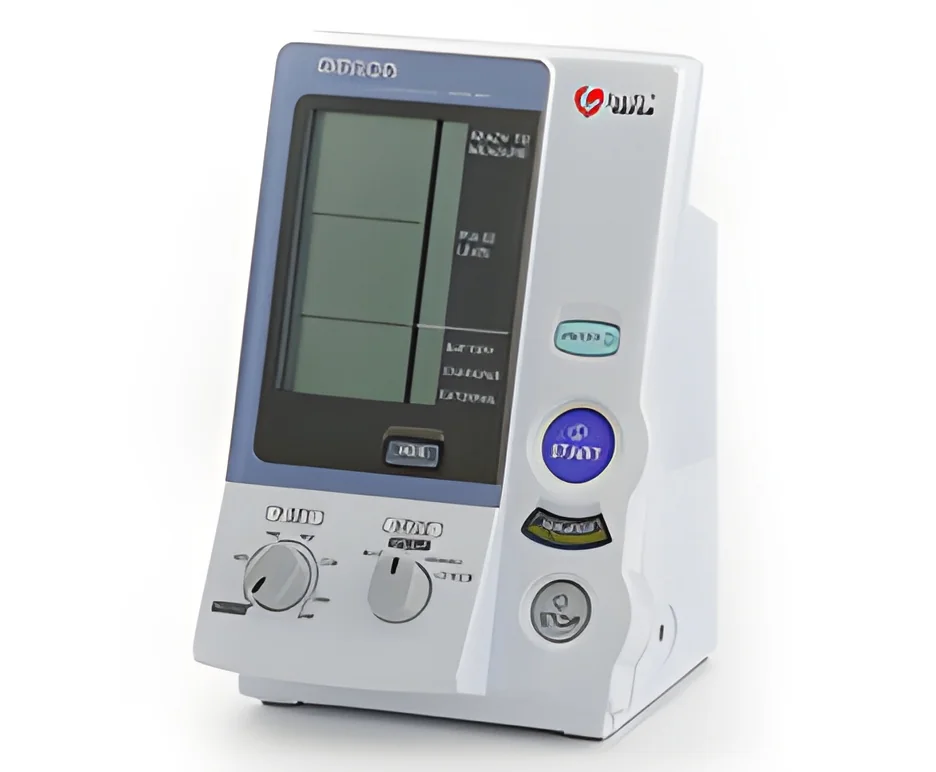
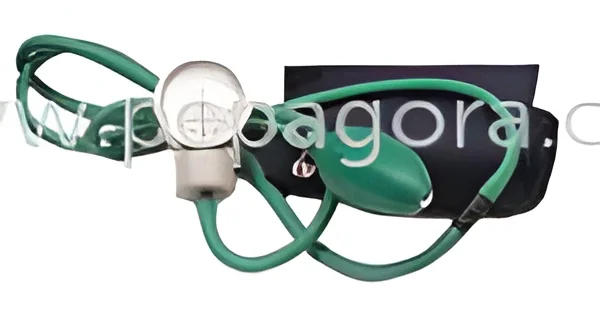
Manual Blood Pressure Monitors: These devices require the user to inflate the cuff manually and listen for heartbeats through a stethoscope. They are favored in clinical settings for their reliability and accuracy.
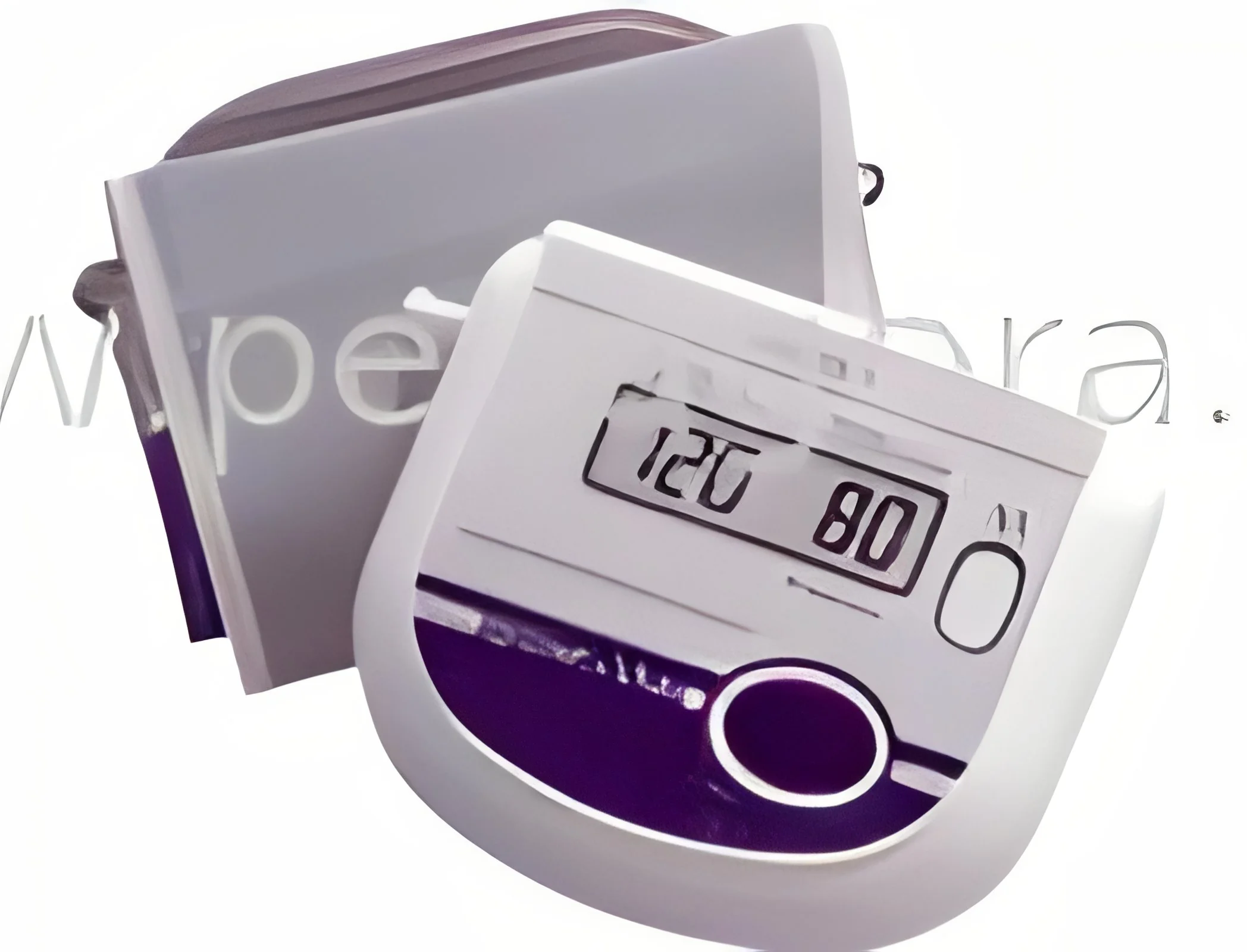
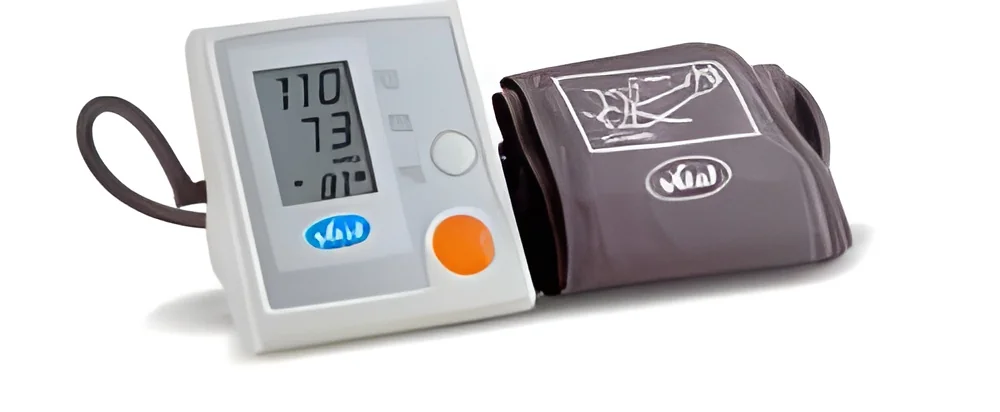
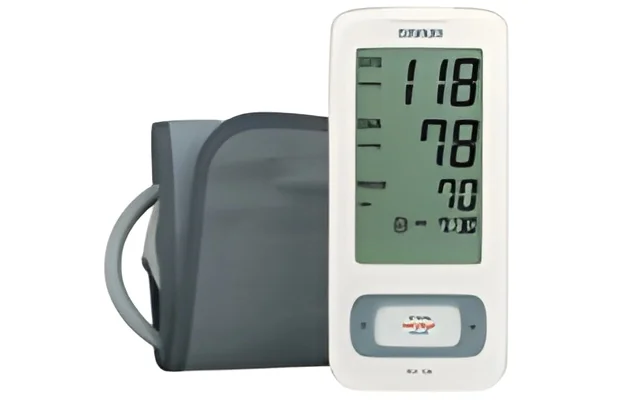
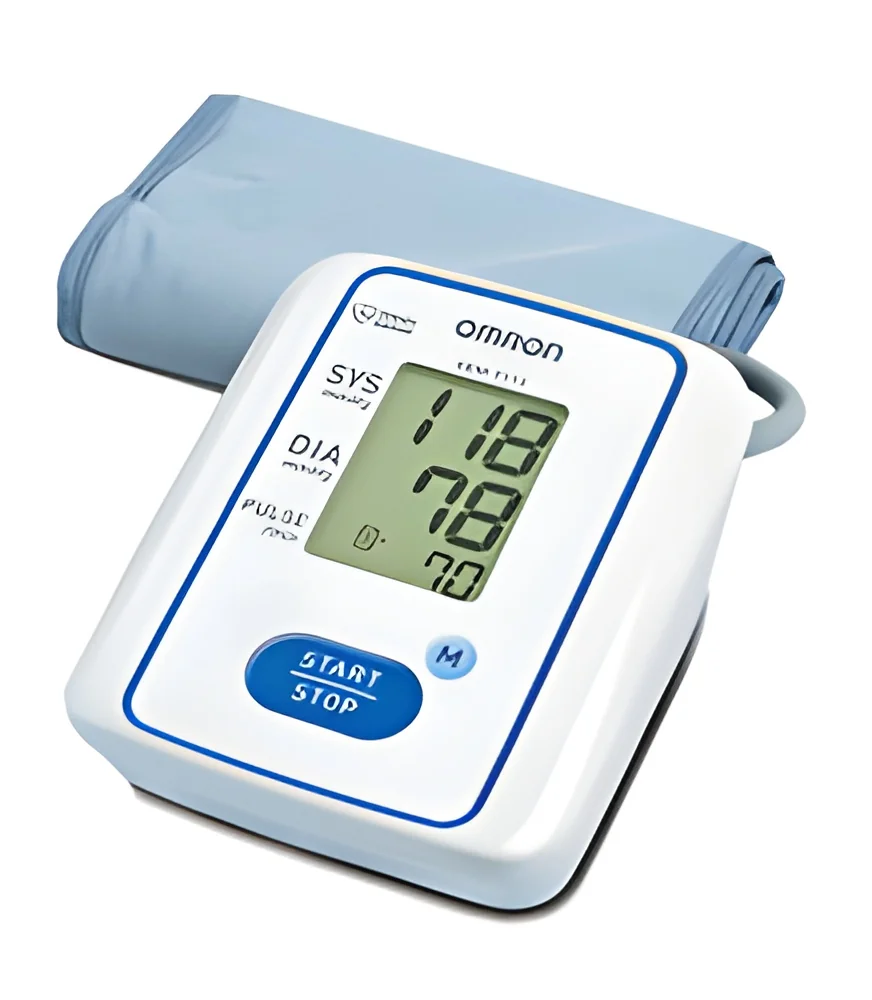
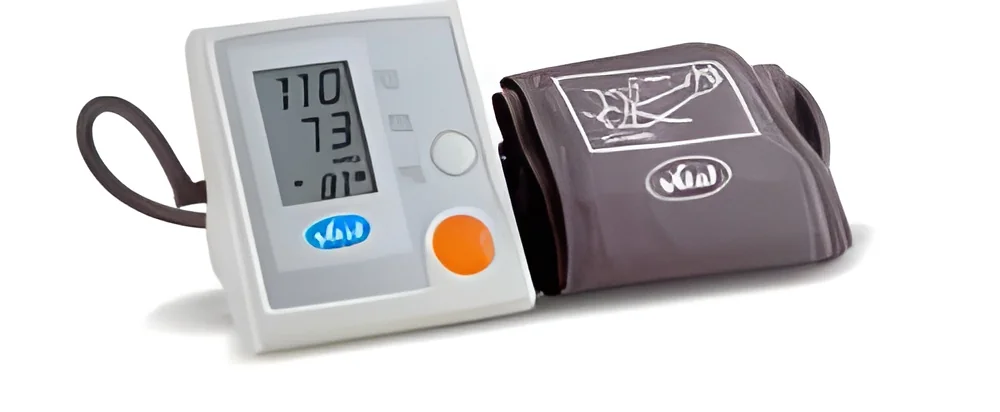
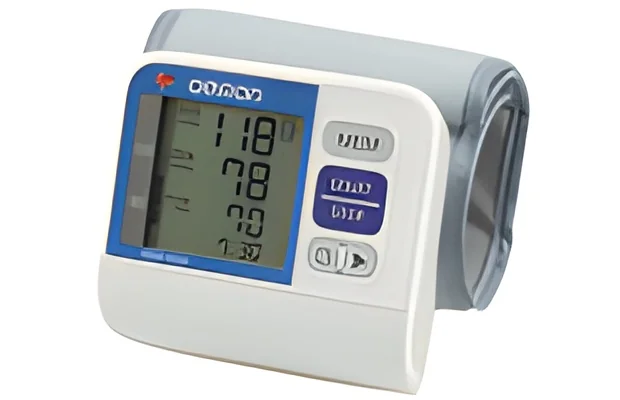
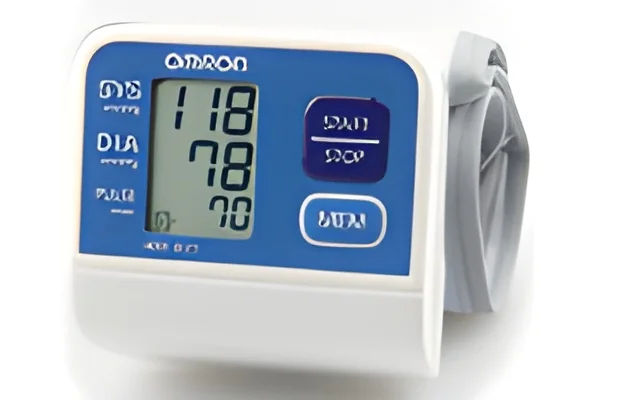
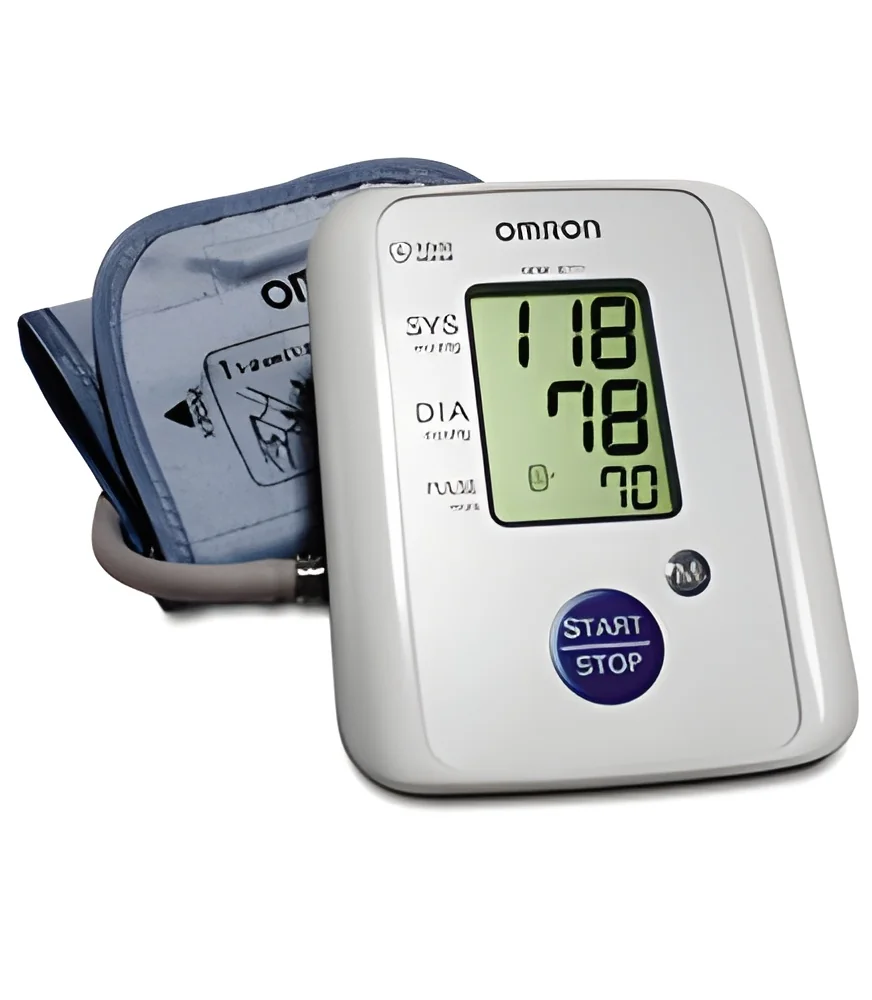
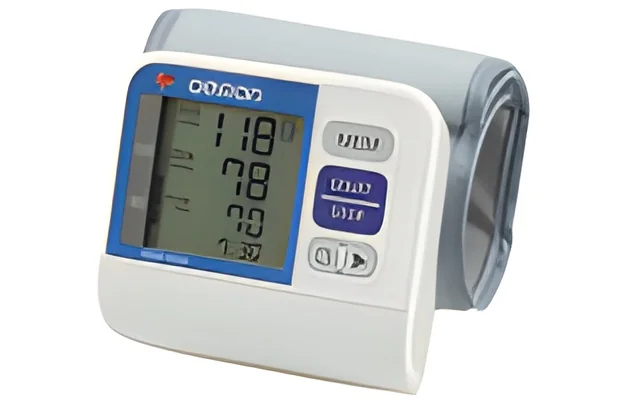
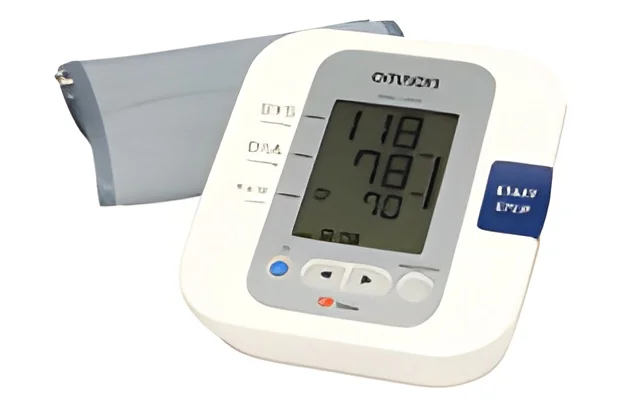
Digital Blood Pressure Monitors: These automated devices simplify the measurement process. Users only need to press a button, and the monitor displays the reading on a digital screen. They are ideal for personal use due to their convenience and ease of operation.
Benefits and Advantages
Blood pressure monitors offer several significant benefits that enhance user experience and health management.
1. Accuracy: Modern digital monitors provide precise readings, reducing the chance of human error associated with manual devices.
2. Ease of Use: Digital monitors are user-friendly, making them suitable for individuals with limited medical knowledge.
3. Real-time Monitoring: Continuous monitoring capabilities help in managing blood pressure effectively and making timely health decisions.
4. Data Storage: Many digital monitors can store previous measurements, allowing users to track changes over time.
5. Portability: Compact designs enable easy transport, making it convenient for users to monitor their blood pressure anywhere.
6. Enhanced Patient Engagement: Home monitoring encourages patients to take an active role in managing their health.
Buying Guide for B2B Buyers
When sourcing blood pressure monitors, B2B buyers should consider several key factors to ensure they select the best products for their needs.
1. Quality Assessment: Buyers should evaluate the quality of monitors by reviewing testing standards and user feedback. High-quality products typically offer accuracy and durability.
2. Supplier Verification: It is important to vet suppliers for reliability and reputation. This can include checking certifications and customer reviews.
3. Pricing and MOQ: Understanding the price range and minimum order quantities helps in budgeting and planning purchases effectively.
4. Delivery and Lead Times: Buyers should inquire about logistics to ensure timely delivery of products, especially for urgent needs.
5. Compliance Requirements: Adherence to regional regulations and certifications is essential to ensure that the monitors meet safety and efficacy standards.
Compliance and Certifications
Blood pressure monitors must comply with various quality standards to ensure their effectiveness and safety in medical applications. Relevant standards include ISO 9001, which focuses on quality management systems, and CE certification, which signifies compliance with health, safety, and environmental protection standards within the European Economic Area.
Industry certifications also play a critical role in assuring users of the devices' reliability. Compliance with safety and testing requirements is essential, particularly in healthcare settings where accuracy is paramount. Additionally, regional compliance considerations may vary, requiring buyers to understand specific regulations applicable in their markets to avoid legal complications.
Why Source Blood Pressure Monitors (Manual, Digital) from Pepagora?
Pepagora serves as a trusted platform for sourcing blood pressure monitors, offering key advantages to B2B buyers.
Verified Supplier Network: Pepagora has established a rigorous vetting process for suppliers, ensuring that buyers access high-quality products from reputable manufacturers. This reduces the risk of sourcing from unreliable sources.
Streamlined RFQ Process: The platform simplifies the request for quotation (RFQ) process, enabling buyers to receive competitive pricing and timely responses from multiple suppliers. This efficiency aids in making informed purchasing decisions.
Trade Assurance and Support: Pepagora provides buyer protection through trade assurance, ensuring that transactions are secure. The platform also offers support for navigating any issues that may arise during the purchasing process.
Regional Coverage: With a strong presence in India, GCC, and Southeast Asia, Pepagora facilitates access to a wide range of blood pressure monitors suited to various market needs, making it easier for businesses to find the right products for their operations.

 IN
IN