What are Pulse Oximeters?
Pulse oximeters are medical devices that non-invasively measure the oxygen saturation level in a person's blood. These devices utilize light-based technology to assess how much oxygen is being carried by red blood cells. By shining a light through a thin part of the body, usually a fingertip or earlobe, pulse oximeters can determine the percentage of oxygen in the blood and provide quick readings that are crucial in various healthcare settings.
The primary uses of pulse oximeters include monitoring patients in hospitals, assessing respiratory conditions, and guiding oxygen therapy. They are commonly used in intensive care units, emergency rooms, and during surgeries. Additionally, pulse oximeters find applications in outpatient settings and home healthcare, allowing patients to monitor their oxygen levels remotely. The growing prevalence of respiratory diseases and the need for continuous monitoring in critical care have led to an increase in demand for these devices across the healthcare industry.
As healthcare technology advances, the pulse oximeter market continues to expand. Factors such as an aging population, the rise in chronic diseases, and increased awareness about health monitoring contribute to the demand for reliable and accurate pulse oximeters. Furthermore, developments in sensor technology and data integration into electronic health records enhance the functionality and adoption of these devices.
Key Features and Specifications
Pulse oximeters offer various features that enhance their usability and accuracy. Understanding the specifications is essential for selecting the right model for specific applications.
Key specifications include:
1. Measurement Range
- Typical oxygen saturation range: 70% to 100%
- Pulse rate range: 30 to 250 beats per minute
2. Display Type
- LED or OLED screens for clear visibility
- User-friendly interface for easy navigation
3. Power Source
- Battery-operated models for portability
- Rechargeable options available for extended use
4. Accuracy
- Common accuracy levels: ±2% for SpO2 readings
- Pulse rate accuracy: ±3 beats per minute
5. Weight
- Lightweight designs for ease of use
- Typical weight range: 50 to 100 grams
6. Connectivity
- Bluetooth or USB options for data transfer
- Compatibility with healthcare software systems
7. Operating Temperature
- Standard operating range: 10°C to 40°C
- Storage temperature range: -20°C to 60°C
8. Compliance Standards
- CE marking for European market
- UL certification for safety assurance
In summary, understanding these features and specifications is crucial for healthcare providers and organizations to ensure they choose pulse oximeters that meet their specific needs and regulatory requirements.
Common Applications and Use Cases
Pulse oximeters serve various industries beyond traditional healthcare settings.
1. Healthcare: In hospitals and clinics, pulse oximeters are vital for monitoring patients undergoing anesthesia, managing chronic lung diseases, and assessing emergency cases.
2. Home Care: Patients with respiratory conditions can use pulse oximeters to monitor their oxygen levels at home, allowing for timely intervention when necessary.
3. Sports Medicine: Athletes and trainers use pulse oximeters to monitor oxygen saturation levels during training and competition, helping optimize performance.
4. Aviation: Pilots and crew members may use pulse oximeters to monitor oxygen levels during flights at high altitudes, ensuring safety and compliance with regulations.
5. Emergency Services: Ambulance teams utilize pulse oximeters to assess patients quickly during transport, aiding in decision-making for treatment.
6. Sleep Studies: In sleep clinics, pulse oximeters help diagnose conditions like sleep apnea by monitoring oxygen levels during sleep.
7. Research: Clinical researchers use pulse oximeters in trials to collect data on oxygen levels in various populations and conditions.
Product Variants and Subcategories
Pulse oximeters come in various models to cater to different applications and user needs.
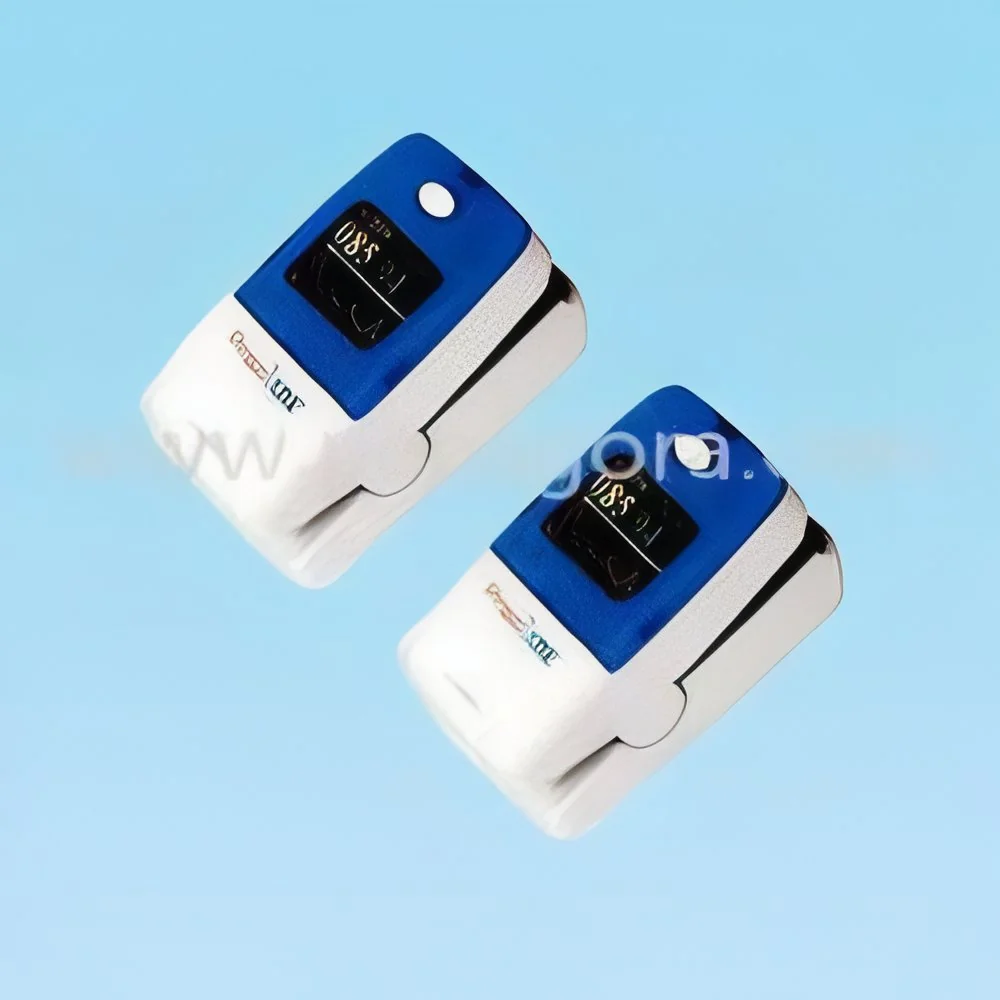
Portable Pulse Oximeters
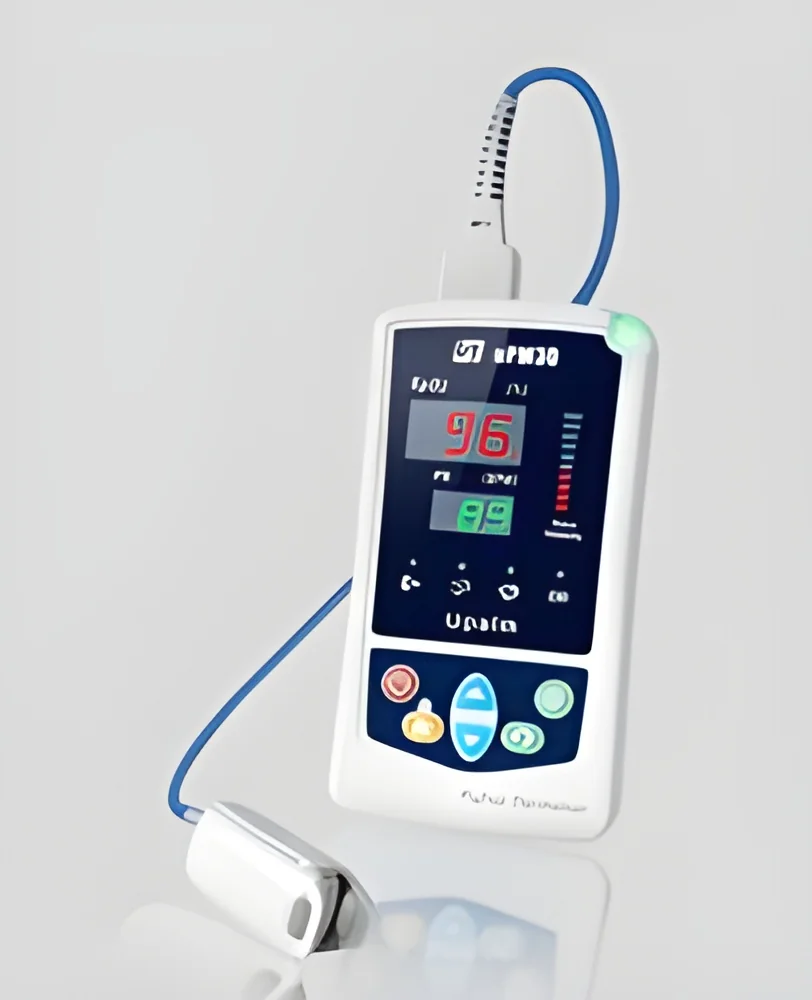
These compact devices are designed for easy transport and quick measurements. They are ideal for home use and emergency situations, providing immediate feedback on oxygen saturation levels.
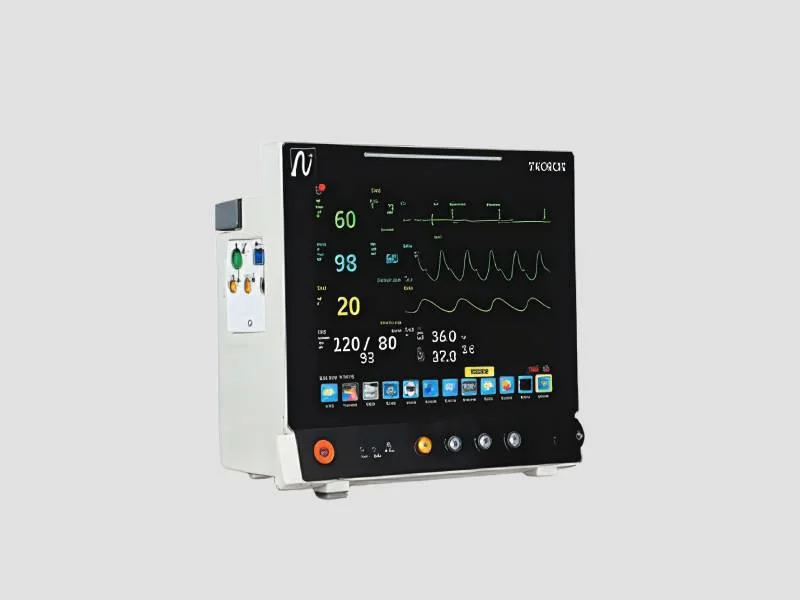
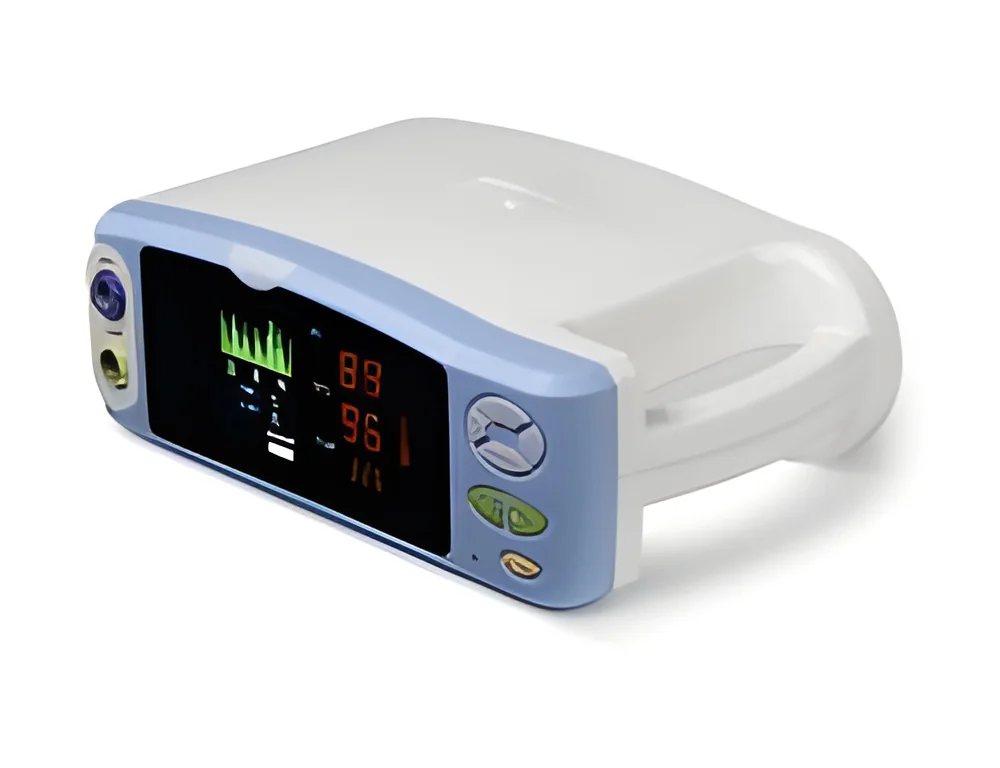
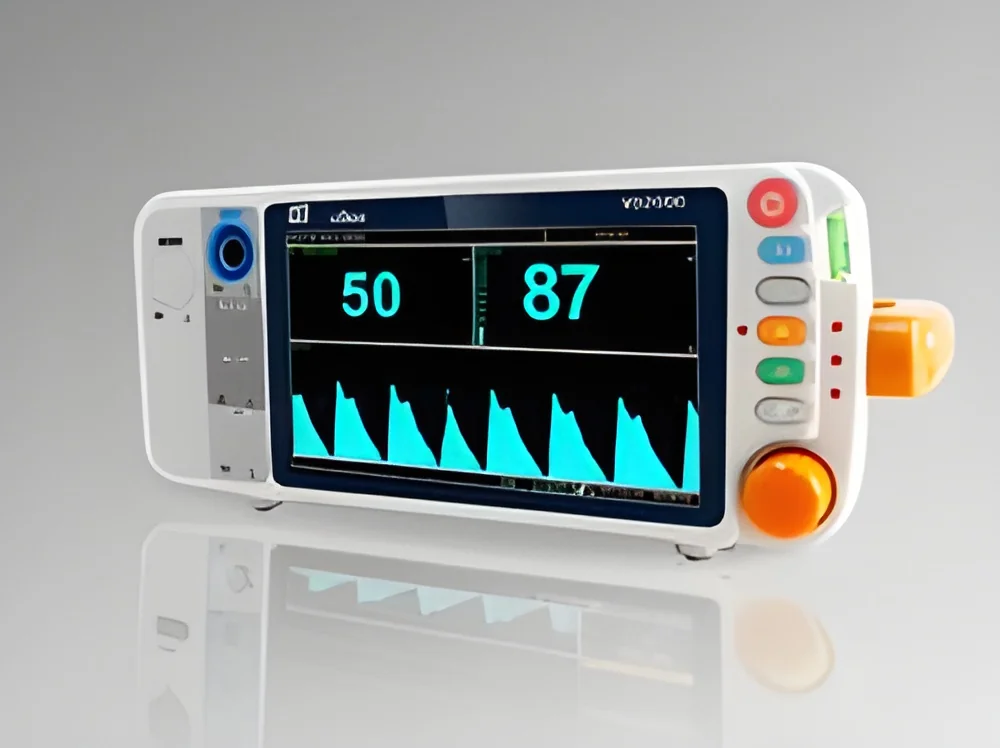
Handheld Pulse Oximeters
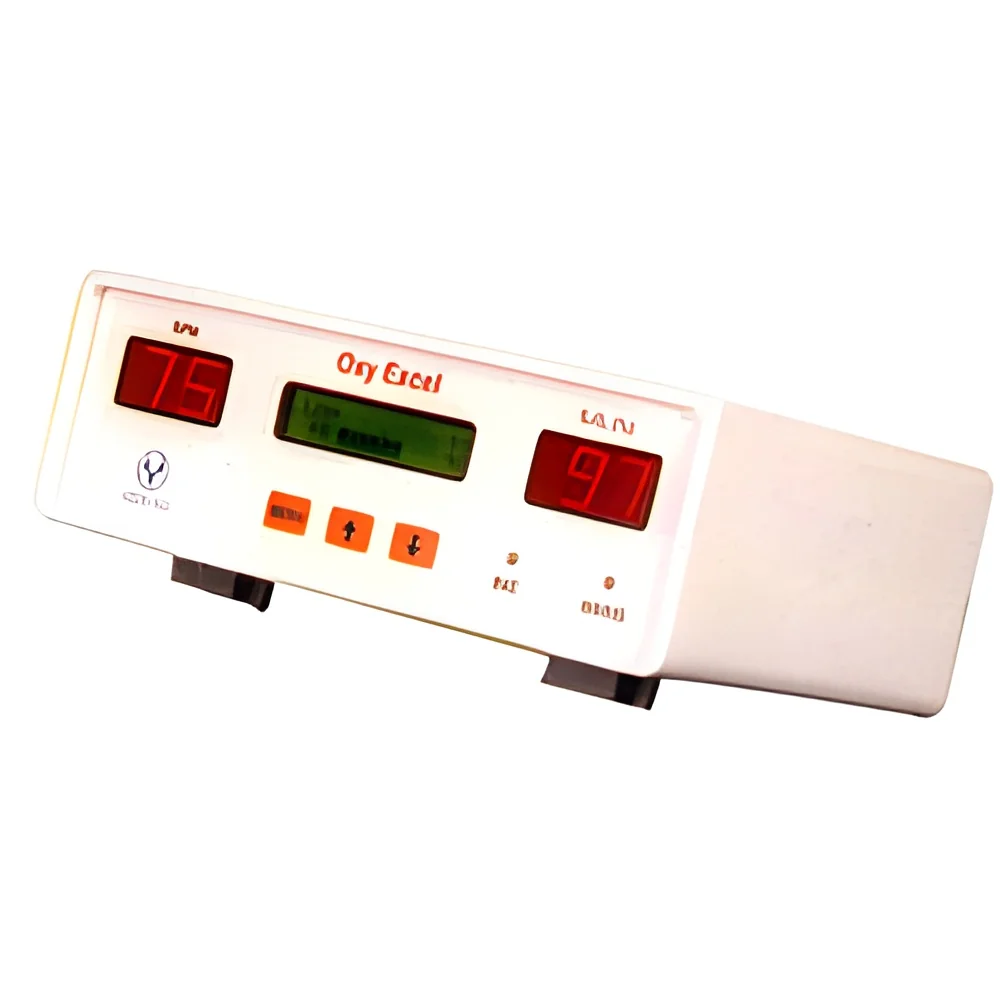
These models are typically used in clinical settings for more detailed monitoring. They often feature advanced display options and connectivity for data logging and analysis.
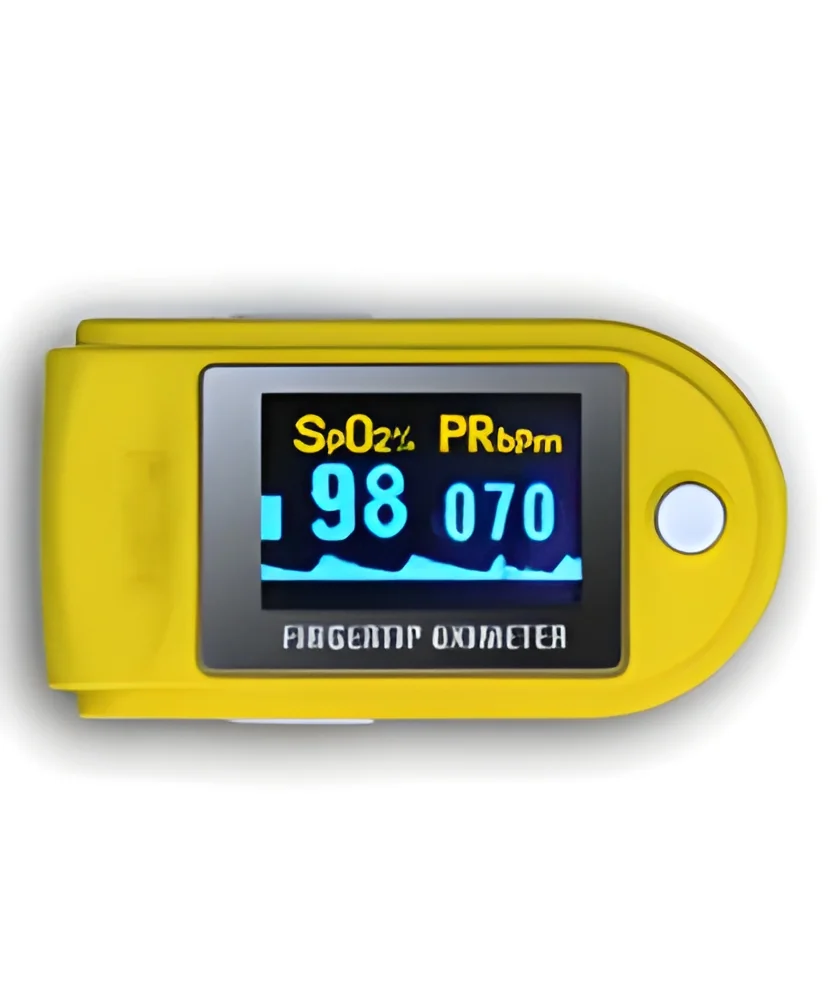
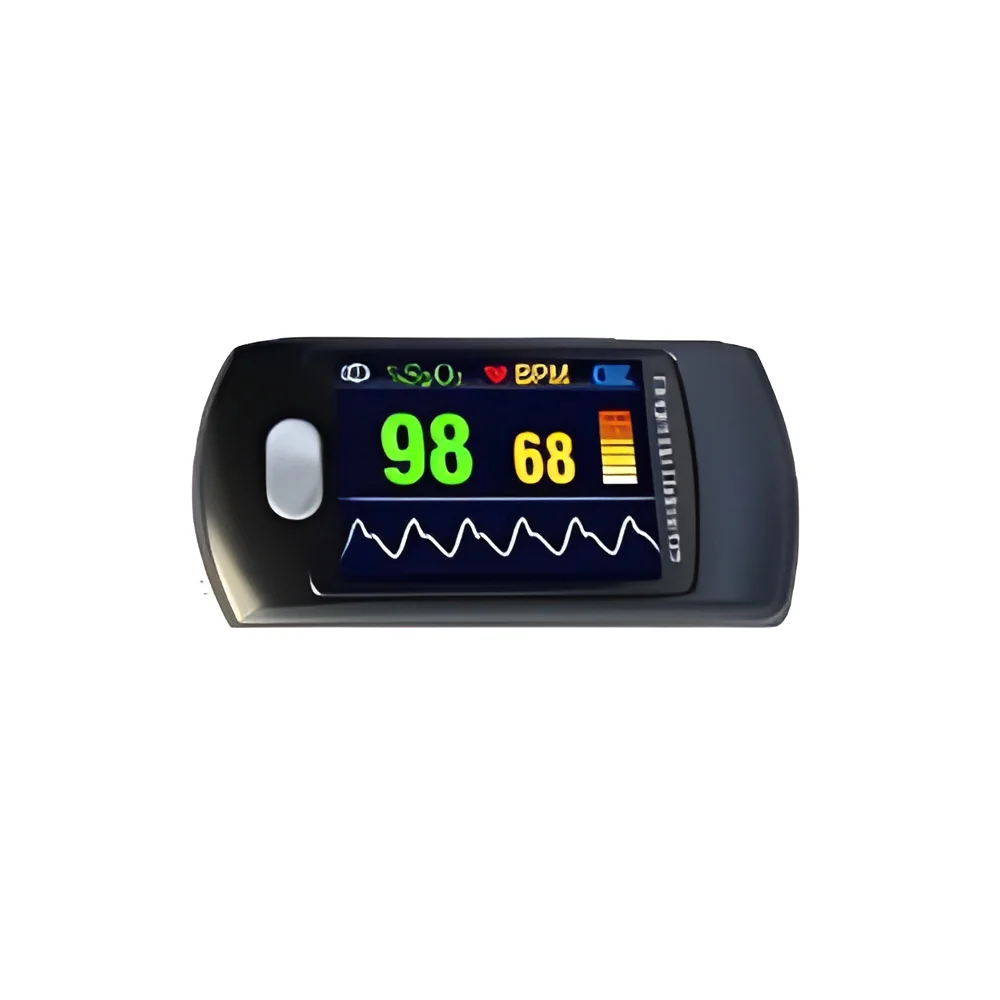
Fingertip Pulse Oximeters
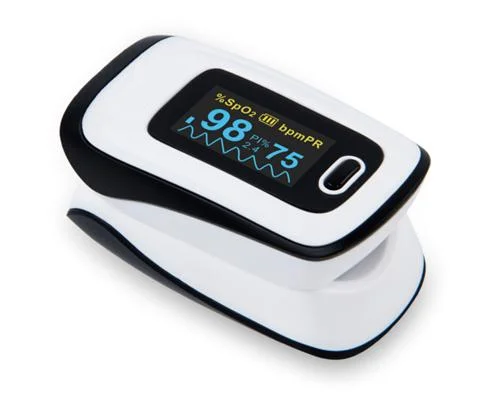
These user-friendly devices are often used for personal monitoring. They are easy to operate and provide real-time readings, making them popular among fitness enthusiasts and home users.
Wrist Pulse Oximeters
Designed for continuous monitoring, these devices can be worn on the wrist. They are beneficial for patients requiring ongoing observation of oxygen levels.
Benefits and Advantages
Pulse oximeters offer several advantages that enhance patient care and operational efficiency.
1. Non-Invasive Monitoring: Pulse oximeters provide a painless way to measure oxygen saturation without the need for blood samples.
2. Quick Results: These devices deliver immediate readings, allowing for timely medical decisions, especially in critical situations.
3. Enhanced Patient Safety: Continuous monitoring helps detect hypoxia early, enabling prompt intervention and reducing risks.
4. User-Friendly Designs: Many pulse oximeters feature simple interfaces, making them accessible for both healthcare professionals and patients.
5. Portability: Lightweight and compact models allow for use in various settings, from hospitals to home care.
6. Data Integration: Advanced models can connect to healthcare systems, facilitating better patient management through integrated data tracking.
Buying Guide for B2B Buyers
When sourcing pulse oximeters for business use, several factors should be taken into account.
1. Quality Assessment: Look for pulse oximeters that meet established quality standards. Verify if the devices have certifications such as CE or UL to ensure reliability and safety.
2. Supplier Verification: Vet potential suppliers by checking their reputation, customer reviews, and compliance with industry standards. This helps ensure you're working with a reliable partner.
3. Pricing and MOQ: Consider budget constraints and minimum order quantities. Pricing can vary significantly based on features and specifications, so compare options thoroughly.
4. Delivery and Lead Times: Evaluate suppliers' logistics capabilities and lead times to ensure timely delivery of products to meet your operational needs.
5. Compliance Requirements: Be aware of any regulatory requirements specific to your region or industry. Compliance with local health regulations is crucial for medical devices.
Compliance and Certifications
Compliance and certifications are critical aspects of pulse oximeter manufacturing and distribution.
Relevant quality standards, such as ISO 9001, ensure that manufacturers maintain consistent quality management practices. Compliance with these standards indicates a commitment to quality and reliability in production.
Industry certifications like CE and UL signify that pulse oximeters meet established safety and performance criteria. CE marking is essential for products sold in the European market, while UL certification provides assurance of electrical safety.
Safety and testing requirements must be met throughout the manufacturing process, covering aspects such as device accuracy and durability. Regular testing ensures that pulse oximeters function correctly under specified conditions.
Regional compliance considerations are also vital. Different countries may have unique regulations regarding medical devices, so it is essential to understand these requirements when sourcing pulse oximeters for specific markets.
Why Source Pulse Oximeters from Pepagora?
Pepagora provides a trusted platform for sourcing pulse oximeters with several key advantages.
The verified supplier network ensures that buyers have access to reputable manufacturers and distributors. Each supplier is vetted for quality and compliance, giving buyers peace of mind regarding their purchases.
The streamlined RFQ process simplifies the procurement experience. Buyers can easily submit their requirements and receive quotes from multiple suppliers, facilitating informed decision-making.
Trade assurance and support provide additional buyer protection. Pepagora's commitment to safeguarding transactions helps ensure that buyers receive their orders as expected, reducing risks associated with online sourcing.
Lastly, Pepagora's regional coverage extends across India, the GCC, and Southeast Asia. This geographic reach allows businesses to connect with suppliers in their local markets, enhancing accessibility and convenience in sourcing pulse oximeters.

 IN
IN