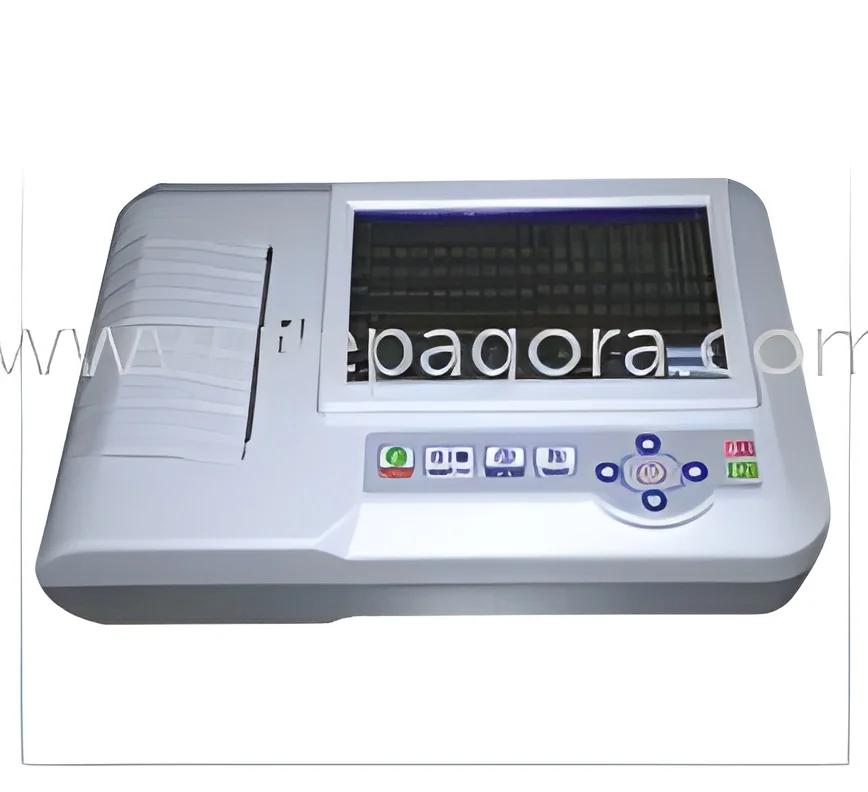
What are ECG Machines?
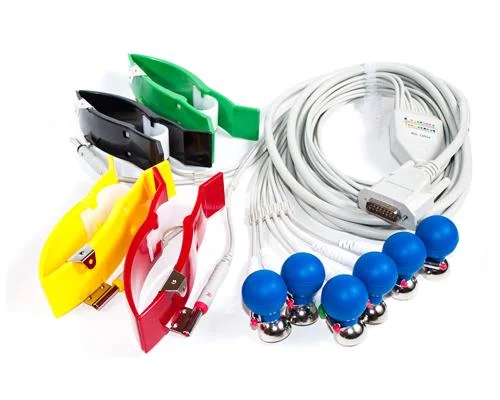
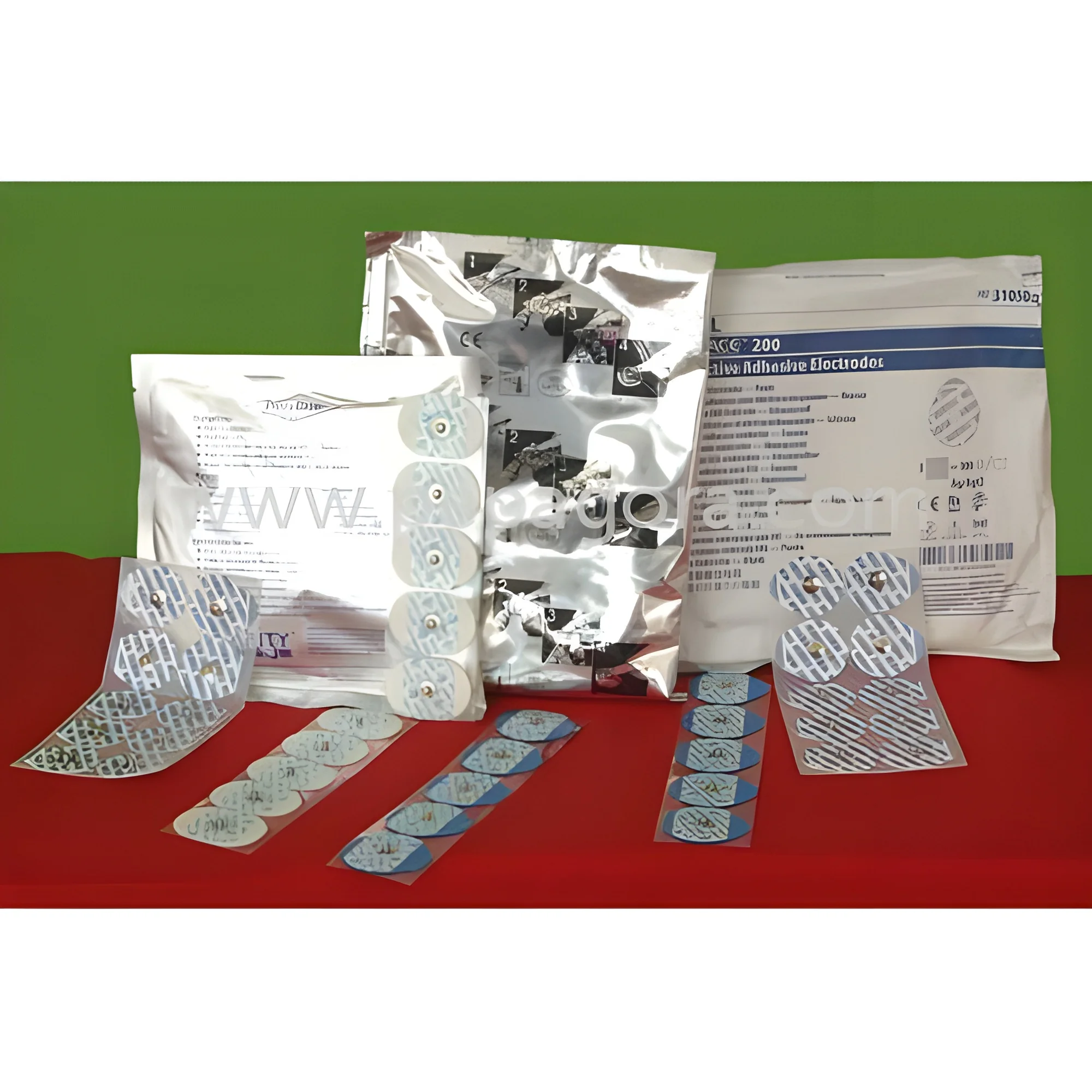
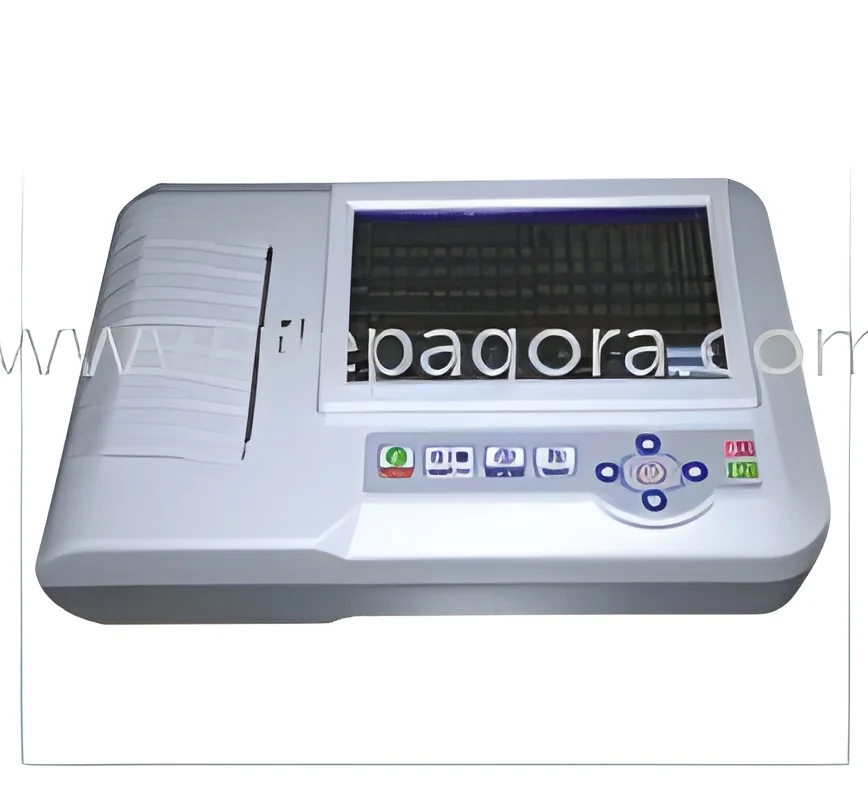
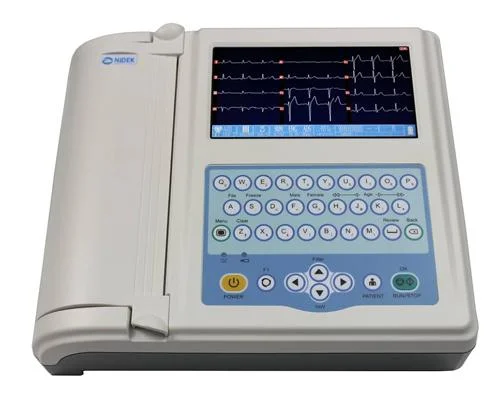
ECG machines, or electrocardiograms, are medical devices used to measure the electrical activity of the heart over a period of time. They provide graphical representations of heart rhythms, allowing healthcare professionals to assess heart health and identify potential abnormalities. ECG machines work by placing electrodes on the skin, which detect electrical signals produced by heartbeats. These signals are then recorded and displayed, providing valuable insights into heart function.
Primarily, ECG machines are used in hospitals, clinics, and emergency care settings. They are essential for diagnosing various heart conditions, including arrhythmias, heart attacks, and other cardiac disorders. Additionally, ECG machines are utilized in routine health check-ups and pre-surgical assessments to ensure that patients have a stable heart condition before undergoing any procedures. The increasing prevalence of cardiovascular diseases has heightened the demand for ECG machines in the medical sector, making them a critical component of patient care.
The market for ECG machines continues to expand, driven by technological advancements and the growing emphasis on preventive healthcare. As healthcare providers seek efficient and reliable diagnostic tools, ECG machines remain relevant in various clinical settings. With the ability to deliver quick and accurate results, these machines are invaluable for both patient monitoring and diagnosis, reinforcing their importance in the healthcare industry.
Key Features and Specifications
ECG machines come with a variety of features and specifications that enhance their performance and usability. These specifications are essential for healthcare providers to ensure accurate diagnostics and reliable monitoring of patients' heart health.
Key specifications include:
1. Display Type
- Digital or graphical display options
- High-resolution screens for clarity
2. Lead Types
- Standard 12-lead ECG capability
- Optional additional leads for advanced monitoring
3. Data Storage
- Internal memory capacity for storing ECG data
- Options for external data transfer via USB or Wi-Fi
4. Battery Life
- Duration of battery operation during non-plugged use
- Rechargeable options for convenience
5. Print Capability
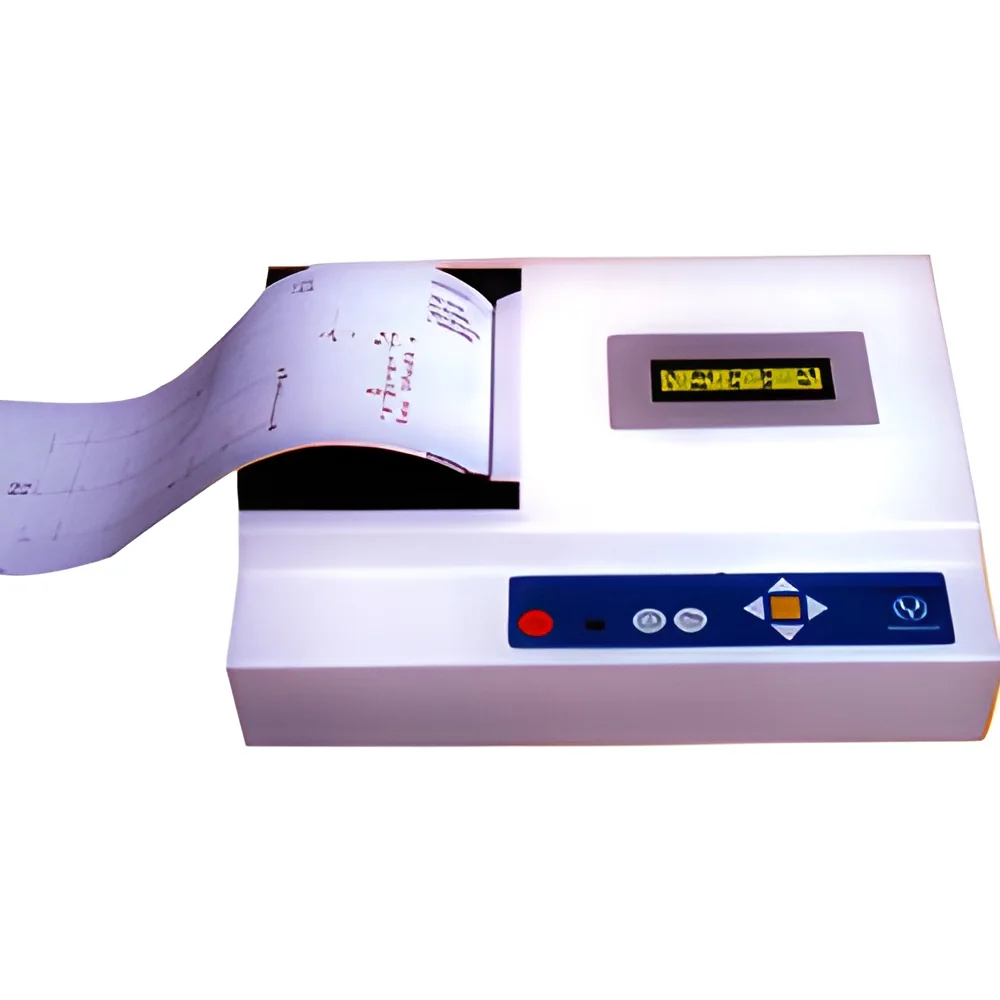
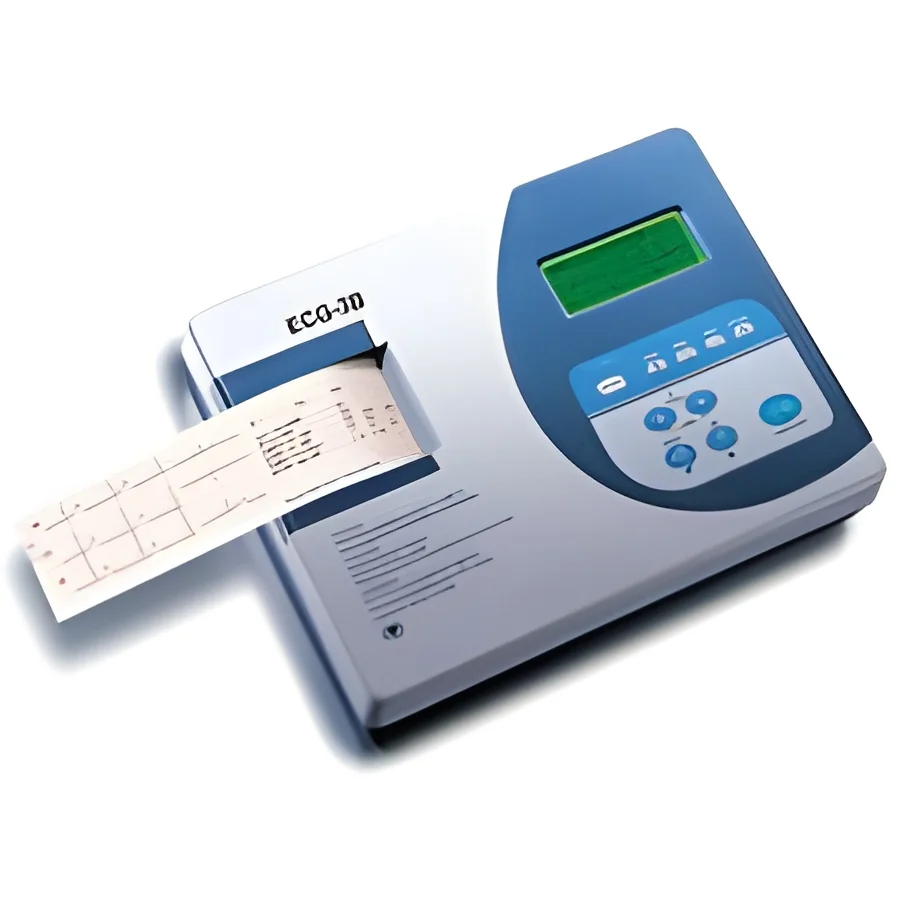
- Integrated thermal printer for immediate results
- Ability to print reports in multiple formats
6. User Interface
- Intuitive touchscreen controls
- User-friendly software for ease of navigation
7. Size and Portability
- Compact design for ease of transport
- Weight specifications for mobile usage
8. Connectivity Options
- Bluetooth and Wi-Fi connectivity for data sharing
- Compatibility with electronic health record systems
These specifications ensure that ECG machines meet the diverse needs of healthcare providers while maintaining high standards of accuracy and functionality.
Common Applications and Use Cases
ECG machines serve various industries and medical sectors, offering crucial diagnostic capabilities.
1. Hospitals: In hospitals, ECG machines are used in emergency departments to quickly assess patients with chest pain or suspected heart issues. They are vital for monitoring patients in intensive care units.
2. Clinics: General practitioners and cardiologists use ECG machines in outpatient settings to diagnose and manage heart conditions during routine check-ups and follow-up consultations.
3. Cardiac Rehabilitation Centers: These facilities utilize ECG machines to monitor patients' heart activity during exercise programs, ensuring safety and effectiveness in rehabilitation.
4. Sports Medicine: Sports physicians employ ECG machines to evaluate athletes’ heart health, particularly in pre-participation screenings and during training regimens.
5. Telemedicine: With the rise of telehealth services, ECG machines equipped with data transmission capabilities are used for remote monitoring, allowing healthcare providers to assess patients from a distance.
6. Occupational Health: Companies use ECG machines to conduct health screenings for employees, particularly in high-risk professions, to monitor heart health and identify potential issues.
7. Research Institutions: ECG machines are also used in clinical research settings to gather data on heart health for studies focusing on cardiovascular diseases.
Product Variants and Subcategories
ECG machines come in various models, catering to different healthcare needs and settings.
Portable ECG Machines
These compact devices are designed for mobility, making them ideal for home healthcare providers and emergency medical services. They offer essential ECG monitoring capabilities without the bulk of traditional machines.
Stress Test ECG Machines
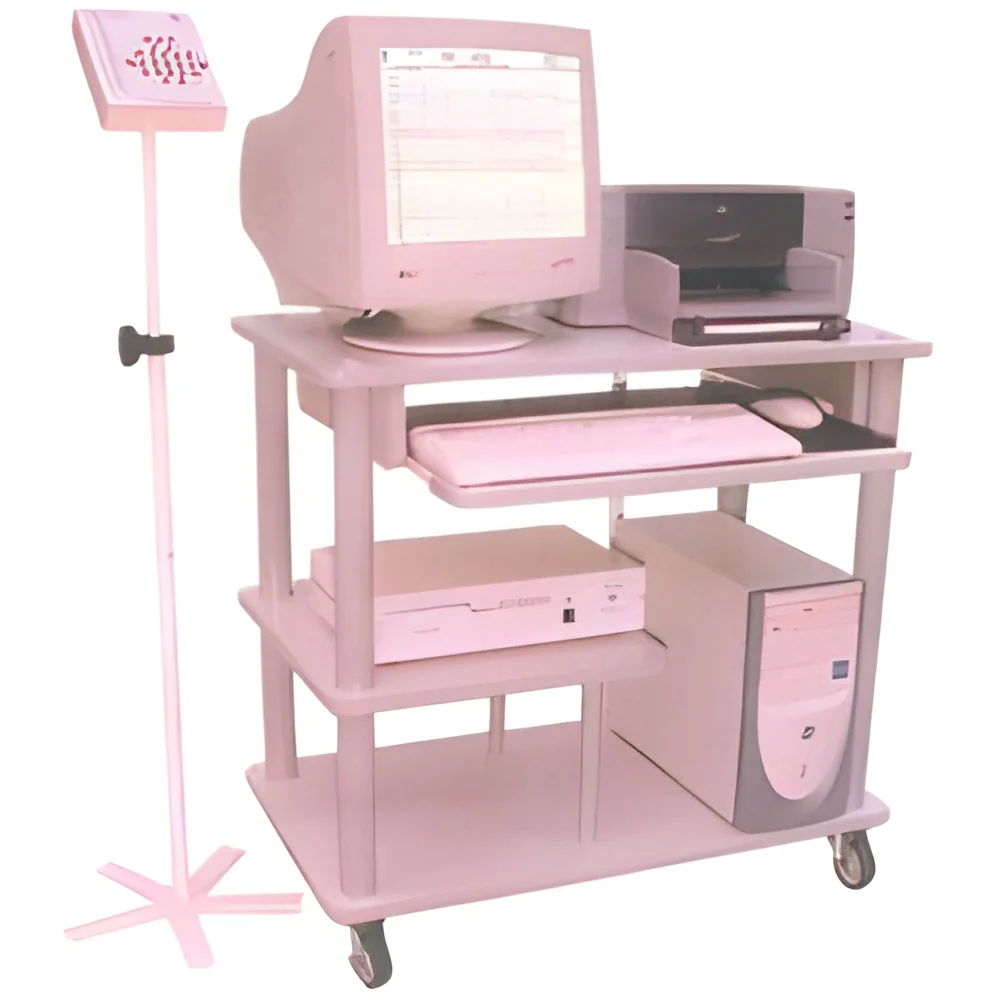
These machines are specifically designed for stress testing, allowing healthcare providers to monitor heart activity during physical exertion. They typically include features for managing exercise protocols and analyzing stress test data.
Holter Monitors
Holter monitors are wearable ECG devices that continuously record heart rhythms over 24 hours or more. They are used to detect irregularities that may not appear during a standard ECG test.
Wireless ECG Monitors
These advanced devices offer wireless connectivity for data transmission, enabling real-time monitoring and data sharing with healthcare providers, enhancing patient management.
Benefits and Advantages
ECG machines provide numerous benefits for healthcare providers and patients alike.
Key benefits include:
1. Quick Diagnosis: ECG machines deliver immediate results, allowing for rapid assessment of cardiac conditions and timely treatment interventions.
2. Non-invasive Testing: The use of electrodes on the skin means that ECG testing is non-invasive, making it a comfortable option for patients.
3. Comprehensive Monitoring: ECG machines can provide continuous monitoring, capturing variations in heart activity that may be missed during a traditional one-time test.
4. Improved Patient Outcomes: Early detection of cardiac issues through ECG testing leads to better management and improved outcomes for patients.
5. Data Analysis: Advanced ECG machines often come with software that assists healthcare providers in analyzing data, facilitating more accurate diagnoses.
6. Cost-effectiveness: Investing in ECG machines can reduce overall healthcare costs by preventing complications through early detection and management of heart conditions.
Buying Guide for B2B Buyers
When sourcing ECG machines, it is essential for buyers to consider several factors to ensure they make informed purchasing decisions.
1. Quality Assessment: Evaluate the quality of ECG machines by checking for certifications and compliance with industry standards. Look for machines that have been tested for reliability and accuracy.
2. Supplier Verification: It is crucial to vet suppliers carefully. Check their reputation, customer reviews, and history of service to ensure they can deliver quality products consistently.
3. Pricing and MOQ: Understand the pricing structures and minimum order quantities. Compare multiple suppliers to find competitive pricing while ensuring you do not compromise on quality.
4. Delivery and Lead Times: Consider logistics and delivery schedules. Ensure suppliers can meet your timeline needs for product delivery, especially in urgent care scenarios.
5. Compliance Requirements: Be aware of any regional compliance requirements and regulatory standards that ECG machines must meet in your country to ensure full legal and operational compliance.
Compliance and Certifications
ECG machines must adhere to various quality standards and certifications to ensure their safety and efficacy in medical settings.
Relevant quality standards include ISO 9001, which outlines requirements for a quality management system, ensuring that manufacturers maintain high-quality processes. Additionally, compliance with regulations such as CE certification is crucial, as it indicates that the product meets European health, safety, and environmental protection standards.
Safety and testing requirements are also significant, as ECG machines must undergo rigorous testing to ensure they provide accurate readings and function reliably in clinical environments.
In various regions, compliance considerations may differ, requiring manufacturers to adapt their products to meet local regulations, further emphasizing the importance of sourcing from certified suppliers.
Why Source ECG Machines from Pepagora?
Pepagora provides a trusted platform for sourcing ECG machines, offering several key advantages that streamline the purchasing process for B2B buyers.
Verified Supplier Network: Pepagora has a robust network of verified suppliers, ensuring that buyers are connected with reputable manufacturers who meet industry standards. This network helps mitigate risks associated with sourcing and assures quality.
Streamlined RFQ Process: The platform simplifies the request for quotation process, allowing buyers to receive competitive quotes from multiple suppliers efficiently. This saves time and ensures transparency in pricing.
Trade Assurance and Support: Pepagora offers trade assurance to protect buyers throughout the purchasing process. This includes support services that assist in resolving any issues that may arise during transactions.
Regional Coverage: With a strong presence in India, the GCC, and Southeast Asia, Pepagora offers extensive regional coverage. This ensures that buyers can source ECG machines tailored to their specific market needs while benefiting from localized support.

 IN
IN