What are Surgical Lights & Tables?
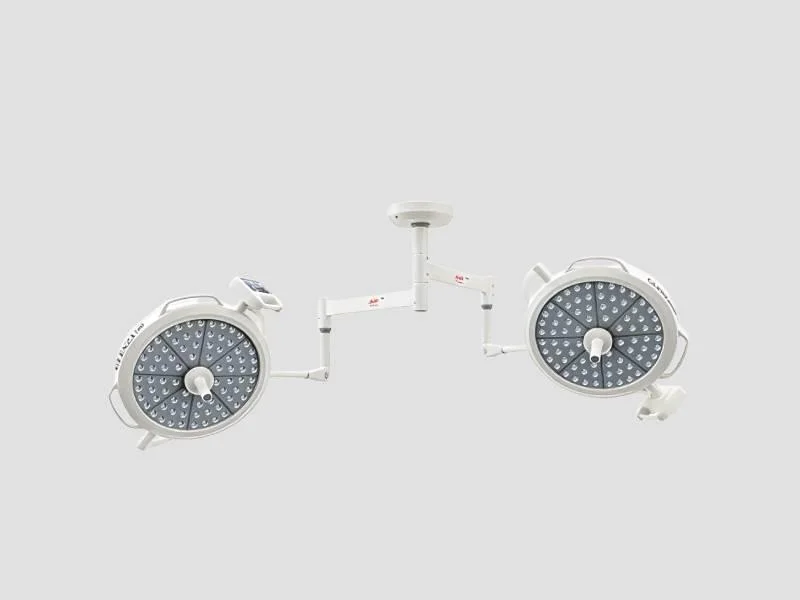
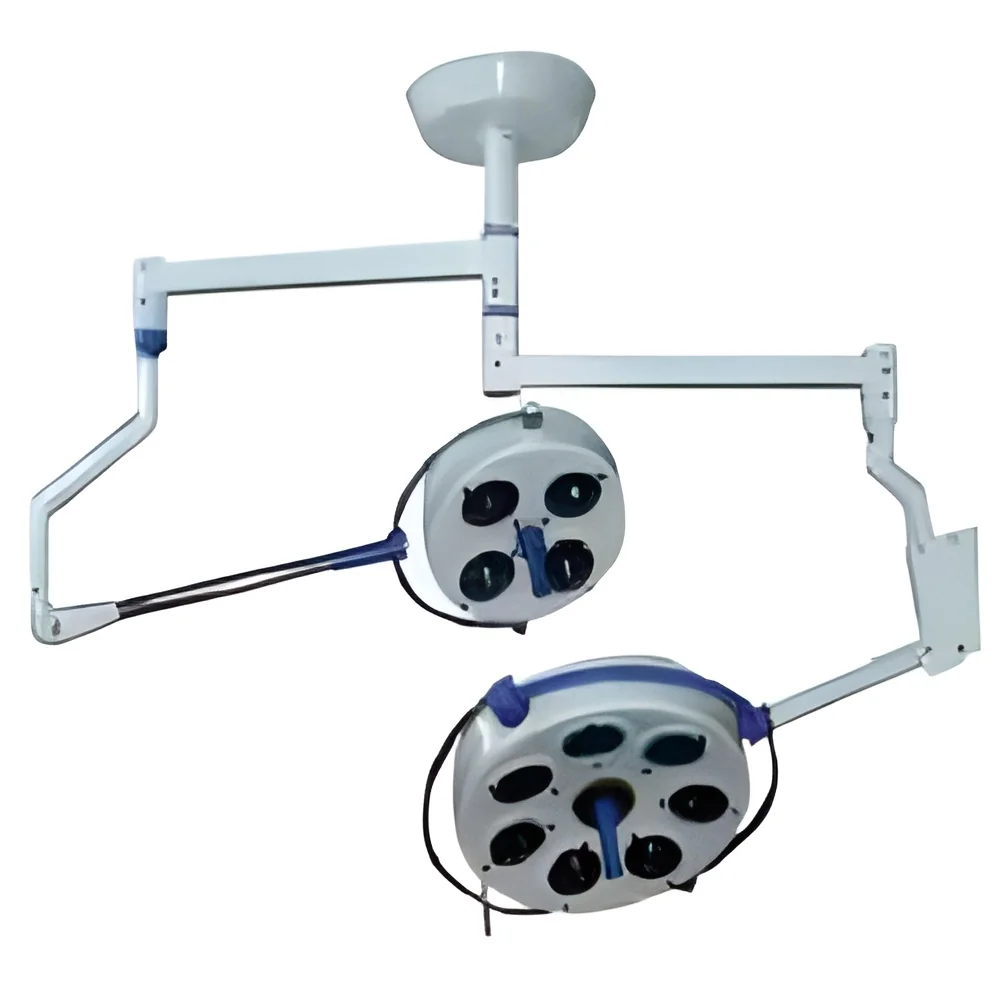
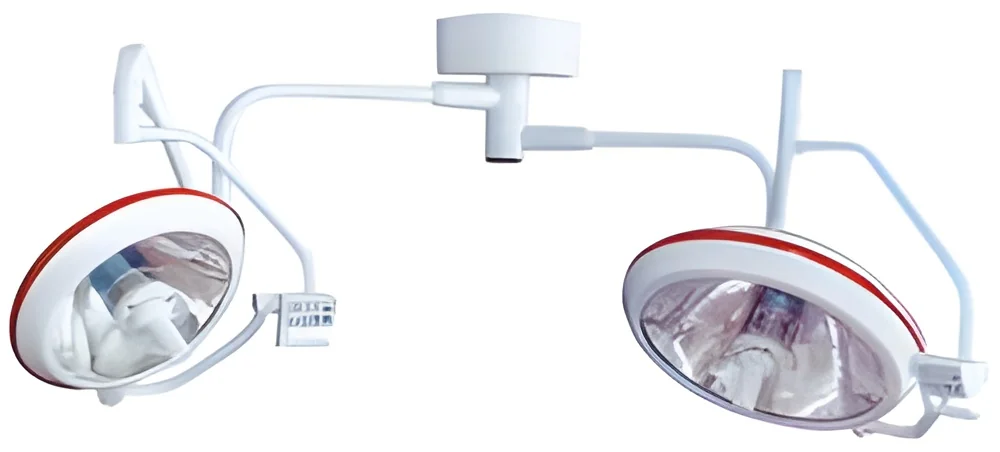
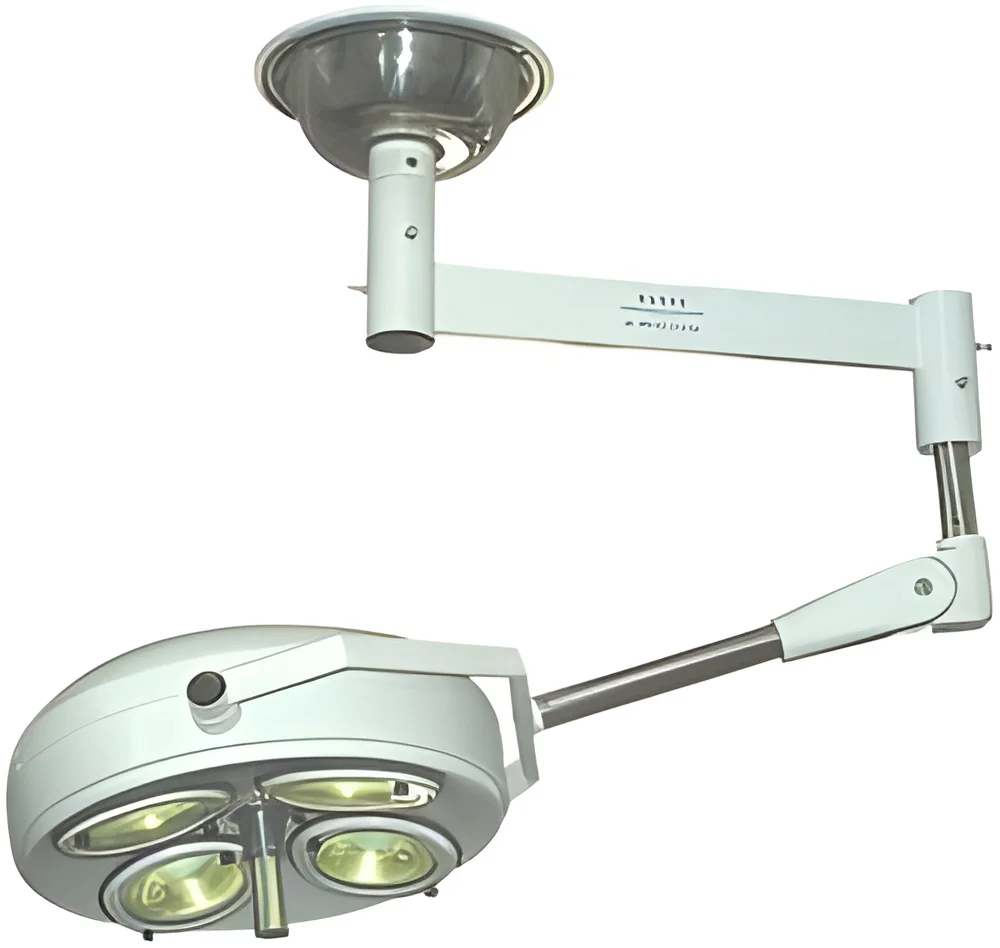
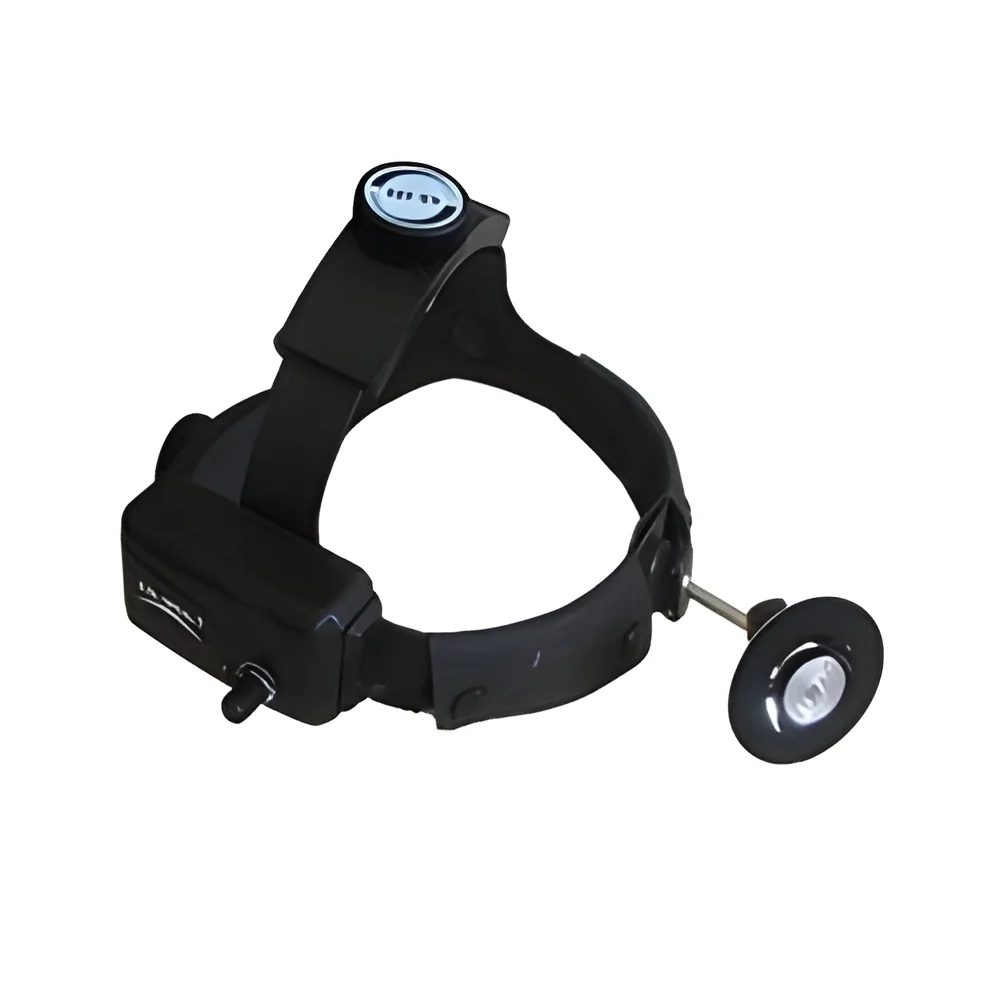
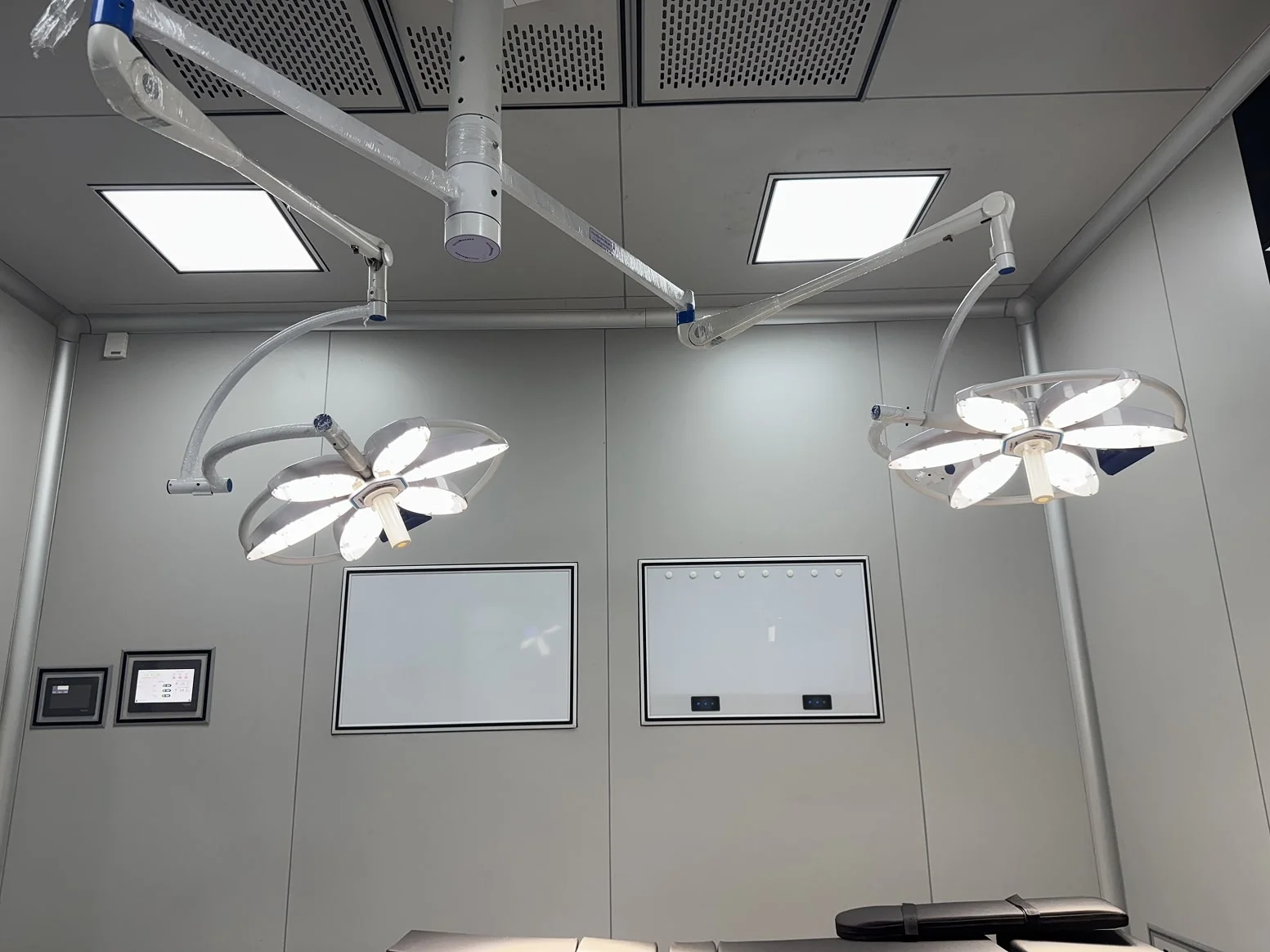
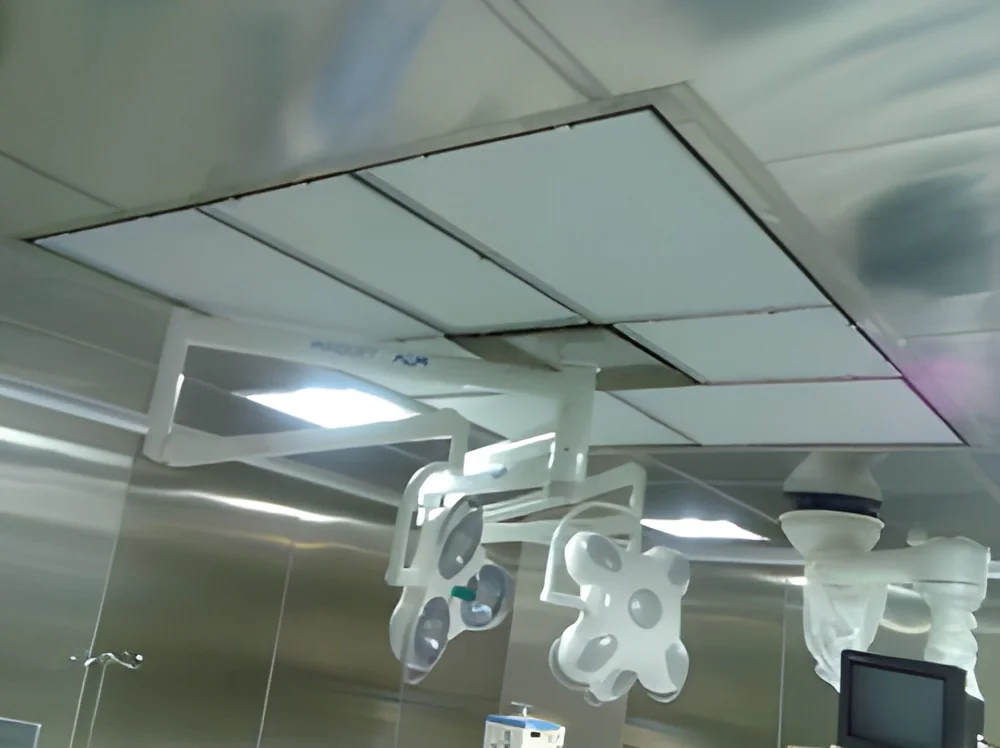
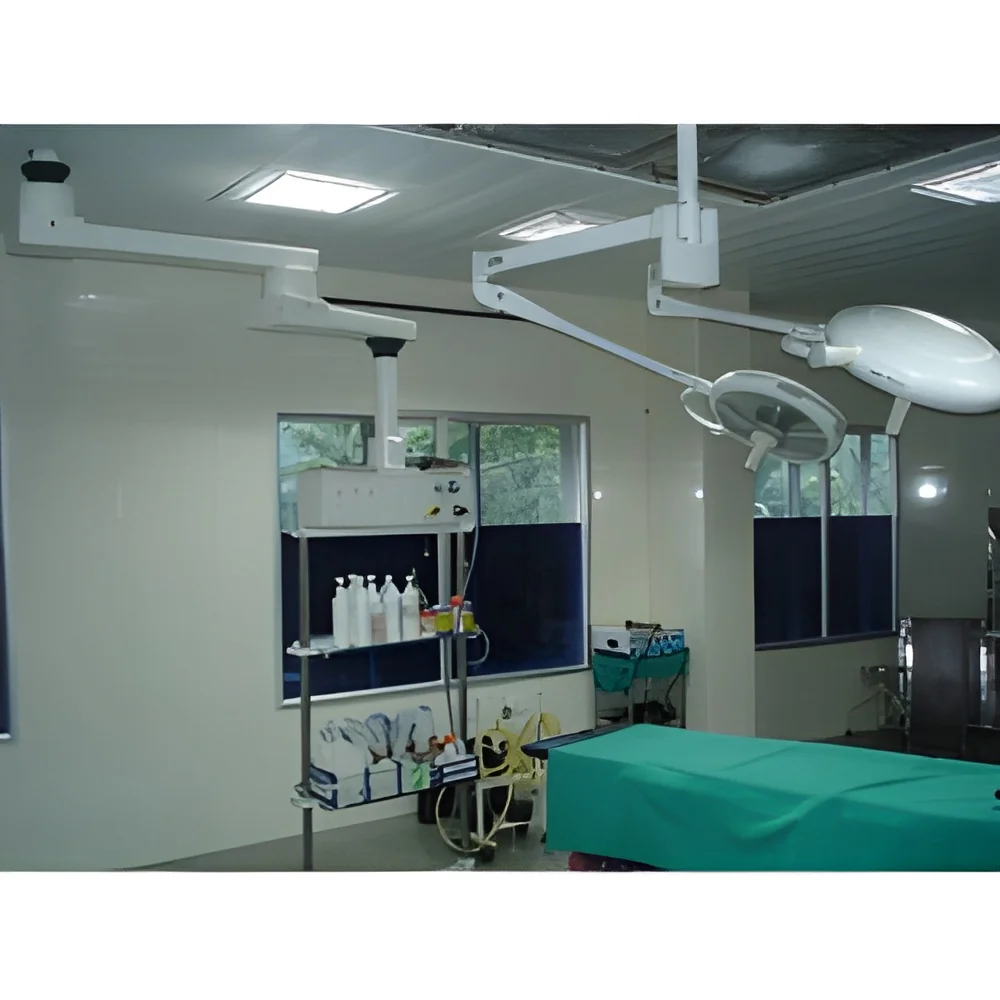
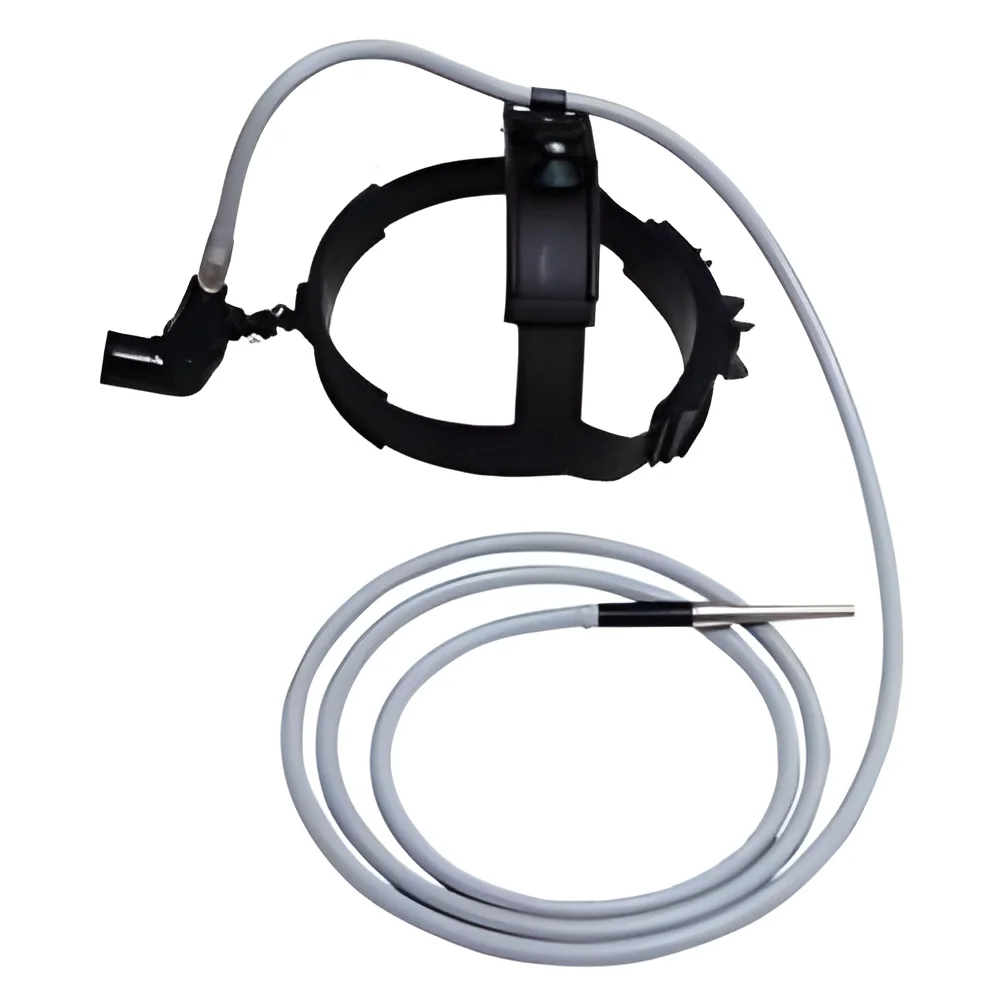
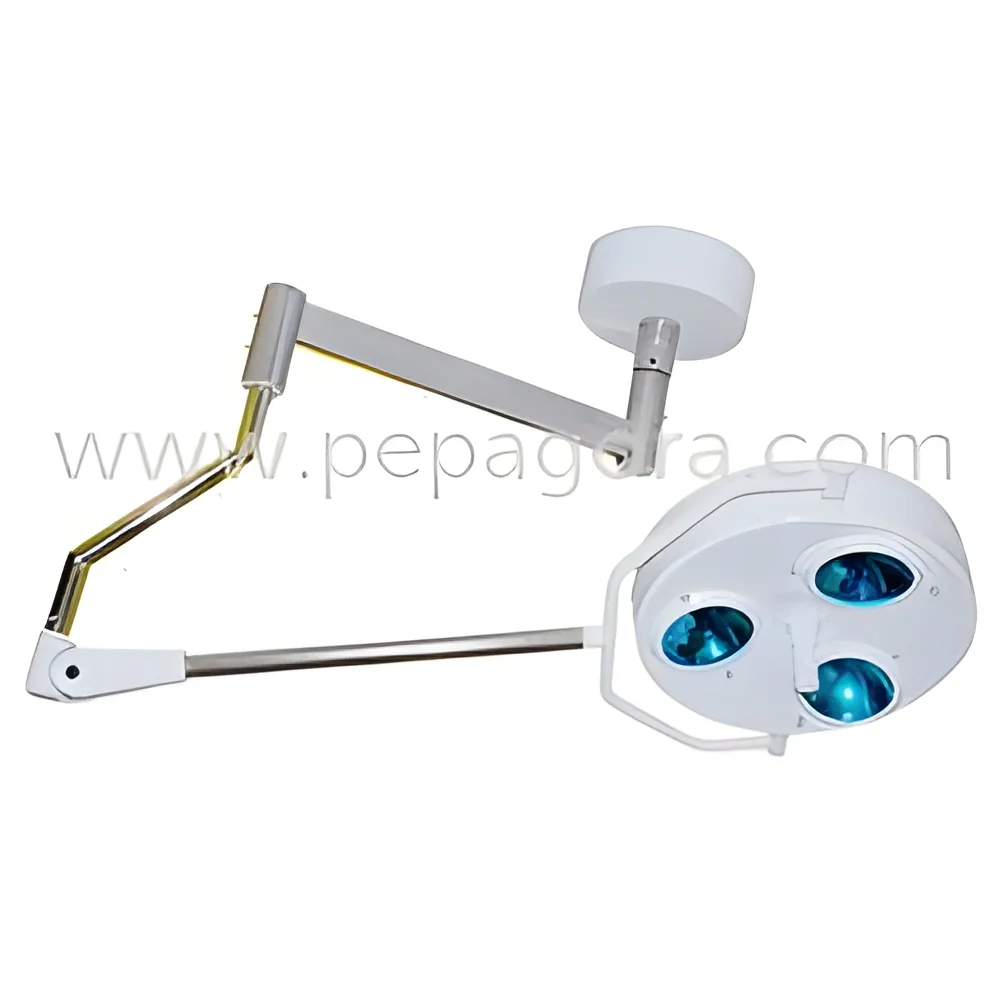
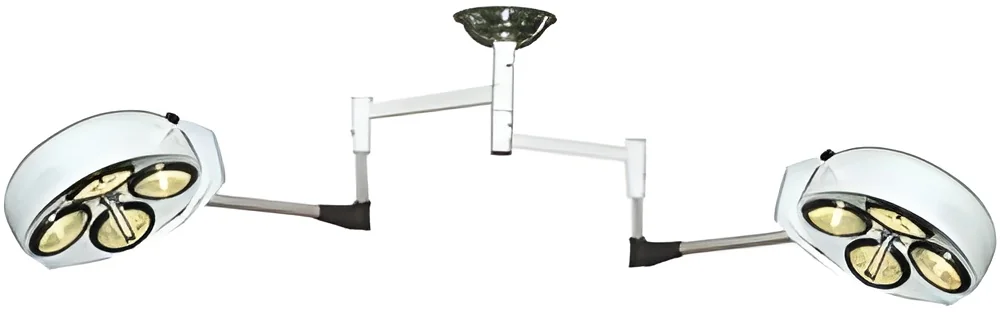
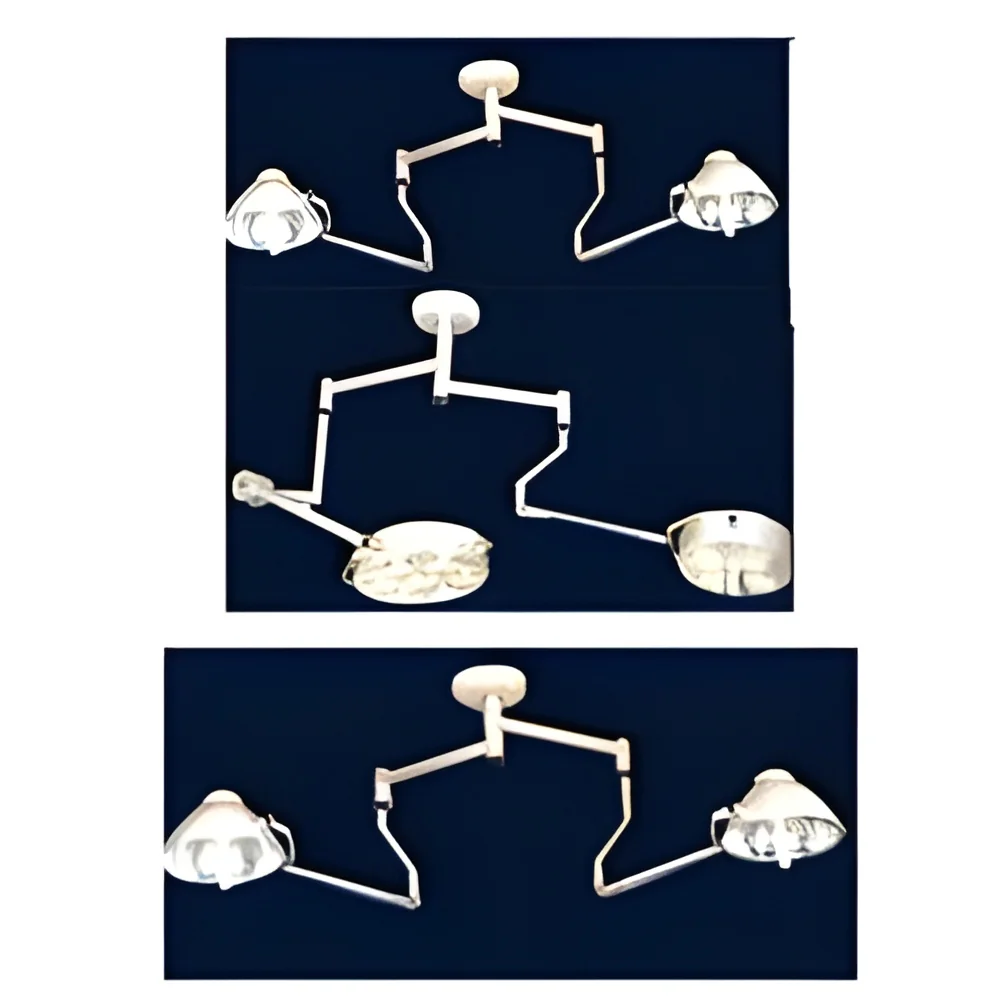
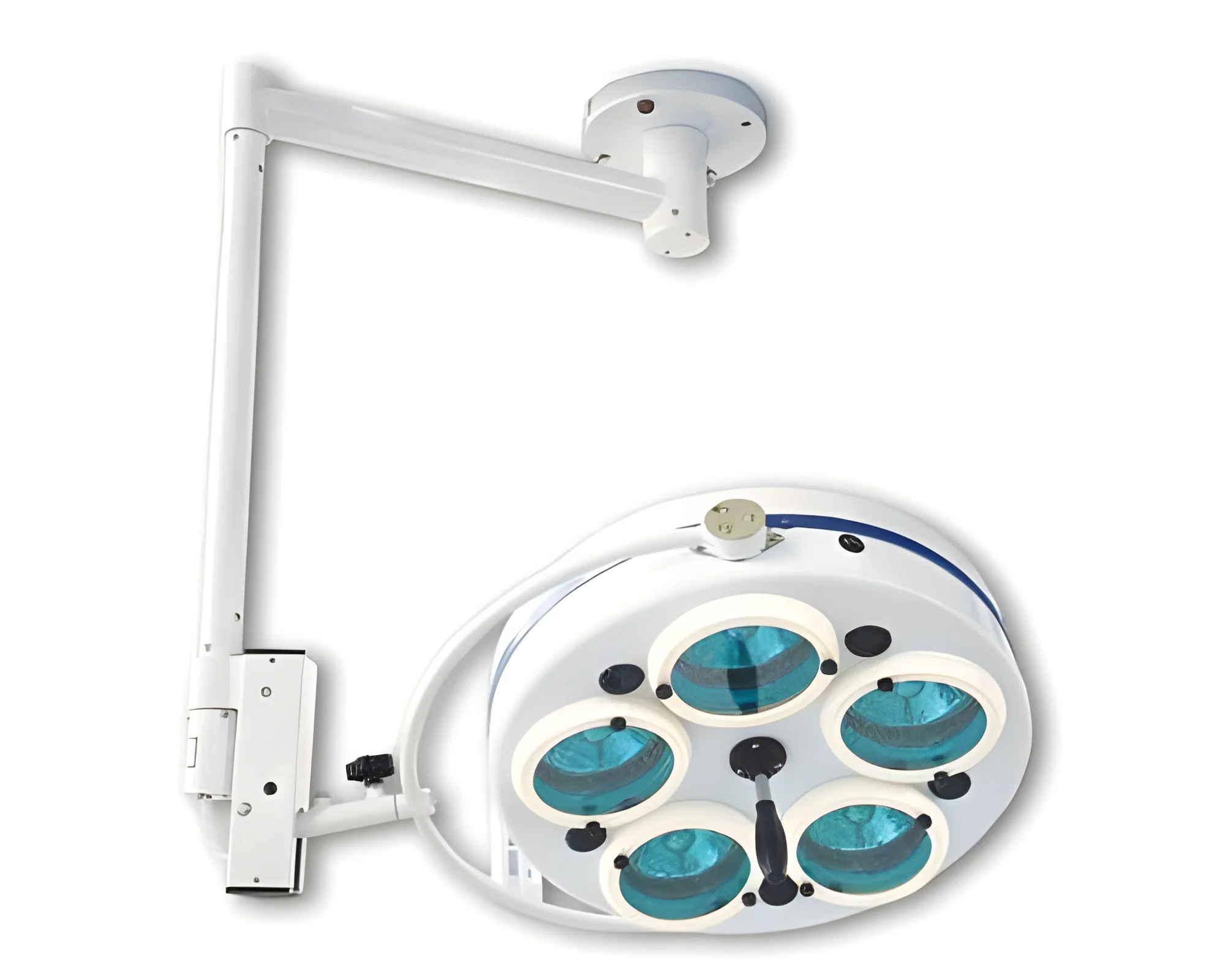
Surgical lights and tables are essential equipment found in operating rooms, designed to enhance visibility and support medical professionals during surgical procedures. Surgical lights provide bright, focused illumination that can be adjusted according to the needs of the procedure, helping surgeons see intricate details clearly. Meanwhile, surgical tables are specialized surfaces that allow for the safe positioning of patients during surgery, offering features such as height adjustment, tilt, and mobility.
These products are primarily used in hospitals, surgical centers, and clinics for a range of procedures, from minor operations to complex surgeries. Their role is critical in enhancing the efficiency of surgical teams and ensuring patient safety. The demand for high-quality surgical lights and tables has grown as the healthcare industry continues to evolve, placing greater emphasis on precision and patient care.
The relevance of surgical lights and tables in the medical field cannot be overstated. As healthcare technologies advance, the market for these products is expanding, driven by the need for improved surgical outcomes and the adoption of minimally invasive techniques. This growth presents opportunities for manufacturers and suppliers to innovate and meet the diverse needs of healthcare providers.
Key Features and Specifications
Surgical lights and tables come with a variety of features and specifications designed to enhance usability and performance. Understanding these specifications is crucial for buyers to make informed purchasing decisions.
Key specifications include:
1. Illumination Quality
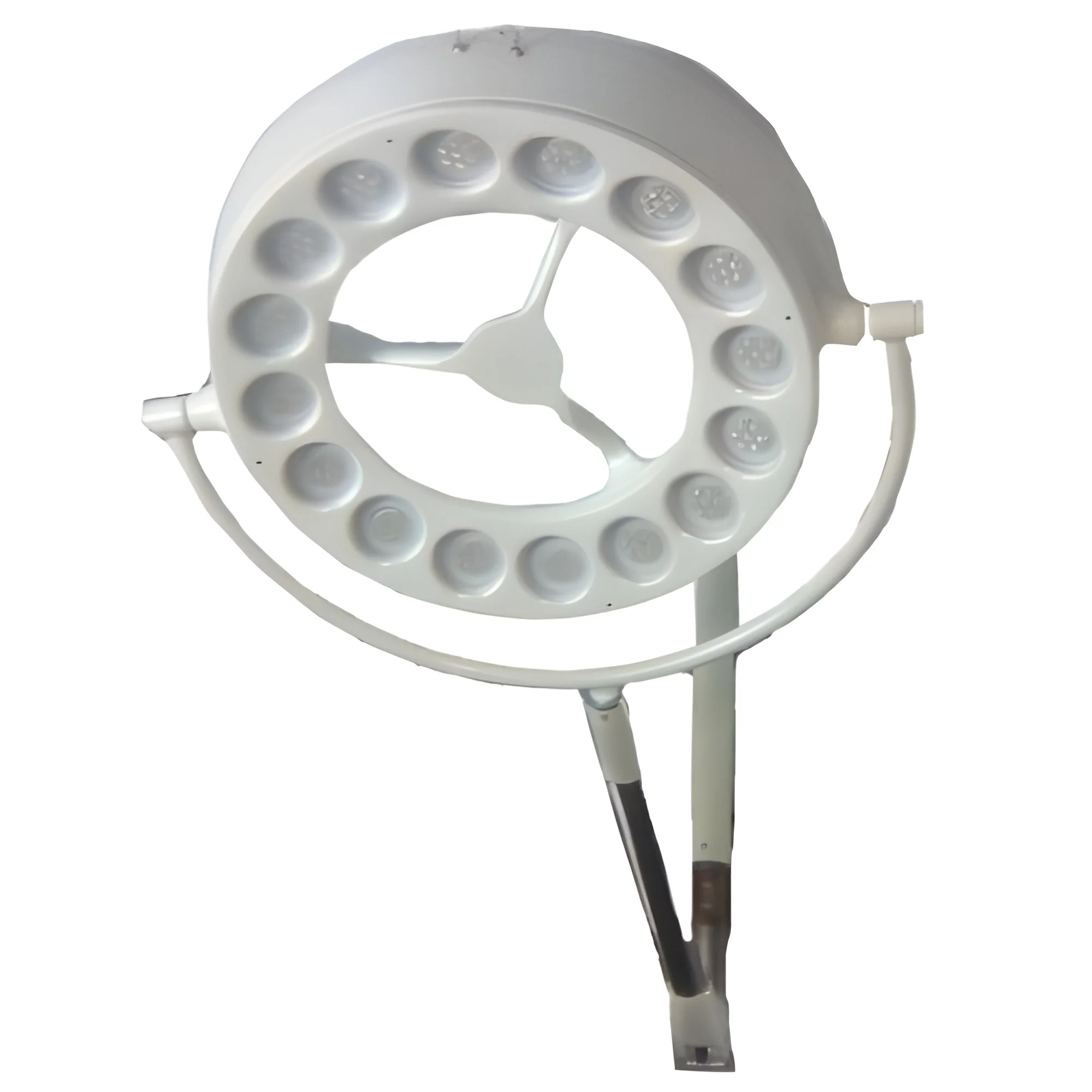
- Surgical lights typically offer LED technology providing bright, white light with adjustable intensity.
- Color temperature should range between 4000K to 5000K for optimal visibility.
2. Table Adjustability
- Surgical tables should allow multiple adjustment options including height, tilt, and lateral movements.
- Weight capacity is critical, often ranging from 300 to 500 pounds to accommodate diverse patient sizes.
3. Light Positioning
- Lights should have flexible arms or mechanisms for easy positioning.
- Some models feature a ceiling-mounted design for improved space management.
4. Control Systems
- User-friendly control panels for adjusting light intensity and position.
- Wireless remote controls are becoming common for ergonomic use.
5. Durability and Materials
- Made from high-quality, corrosion-resistant materials to withstand sterilization.
- Surfaces should be easy to clean and maintain.
6. Safety Features
- Tables should include safety locks to prevent unintended movements.
- Lighting systems may have fail-safes to ensure operation in case of power failure.
7. Certification Compliance
- Products must meet industry standards such as CE certification for safety and quality assurance.
8. Customization Options
- Availability of tailored solutions to meet specific needs of surgical teams.
In summary, selecting surgical lights and tables involves evaluating these specifications based on the specific requirements of the healthcare facility and the types of procedures conducted.
Common Applications and Use Cases
Surgical lights and tables are versatile products that serve various industries within the healthcare sector.
1. Hospitals: Surgical lights and tables are fundamental in operating rooms, facilitating a wide range of surgical procedures including general surgery, orthopedics, and neurosurgery.
2. Outpatient Surgical Centers: These facilities rely on efficient lighting and adjustable tables to perform same-day surgeries, enhancing patient comfort and operational efficiency.
3. Dental Clinics: Surgical lights are crucial in dental procedures, providing necessary illumination for intricate work, while specialized tables assist in patient positioning.
4. Veterinary Clinics: Veterinary surgeries benefit from surgical lights and tables designed for animal anatomy, improving visibility and operational effectiveness.
5. Research Institutions: Surgical lights are utilized in laboratory settings for precise procedures, enabling researchers to conduct experiments under optimal lighting conditions.
6. Training Facilities: Medical training institutions use surgical tables and lights to simulate real-life surgical environments for educational purposes.
7. Emergency Rooms: Quick access to portable surgical lights can provide immediate illumination in trauma situations, aiding in rapid response.
Product Variants and Subcategories
Surgical lights and tables come in various models to meet the diverse needs of medical facilities.
LED Surgical Lights
These lights utilize advanced LED technology, providing bright, energy-efficient illumination. They are known for their longevity and lower heat emission, making them suitable for prolonged use in operating rooms.
Electric Surgical Tables
These tables come with electric controls for height and position adjustments, allowing for effortless modifications during procedures. Their stability and flexibility make them ideal for a variety of surgical applications.
Mobile Surgical Lights
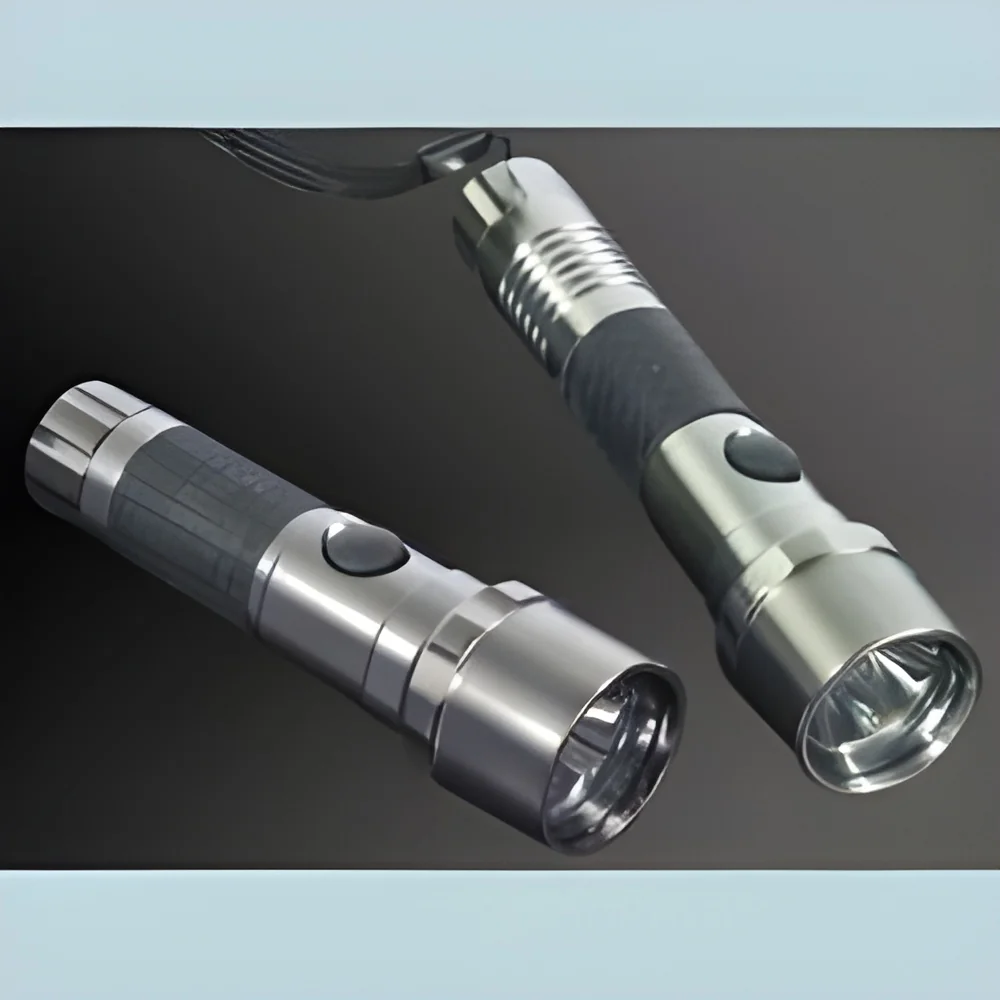
Designed for versatility, mobile surgical lights can be moved between operating rooms or used in emergency situations. Their compact design ensures they can fit into various setups while still providing effective illumination.
Benefits and Advantages
Investing in high-quality surgical lights and tables offers significant advantages to healthcare facilities.
1. Enhanced Visibility: Bright, adjustable lighting improves surgical precision and reduces the risk of errors during procedures.
2. Improved Safety: Reliable equipment with safety features ensures patient safety and enhances the overall surgical experience.
3. Increased Efficiency: Adjustable tables and lights allow for faster setup and transitions between procedures, optimizing operating room time.
4. Ergonomic Design: User-friendly controls and flexible positioning reduce strain on surgical teams, promoting better performance.
5. Quality Assurance: Certified products meet industry standards, ensuring reliability and safety in surgical environments.
6. Long-term Cost Savings: Durable materials and energy-efficient lighting reduce replacement and energy costs over time.
Buying Guide for B2B Buyers
When sourcing surgical lights and tables, several factors should be considered to ensure the best investment.
1. Quality Assessment: Evaluate the durability and performance of the products. Look for reviews and testimonials from other healthcare providers.
2. Supplier Verification: Vet suppliers to ensure they have a good reputation in the industry. Consider their experience and customer service capabilities.
3. Pricing and MOQ: Understand the pricing structure and minimum order quantities. Compare different suppliers to find the best value.
4. Delivery and Lead Times: Confirm delivery times and logistics to ensure that equipment arrives when needed.
5. Compliance Requirements: Ensure that the products meet necessary regulatory standards and certifications for safety and quality.
Compliance and Certifications
Surgical lights and tables must adhere to several quality standards and certifications to ensure safety and effectiveness. Key quality standards include ISO 9001, which focuses on quality management systems and continuous improvement.
Industry certifications, such as CE marking, indicate compliance with European health, safety, and environmental protection standards. This certification is essential for products sold in the European market and signifies that the equipment meets rigorous safety requirements.
Additionally, surgical lights and tables should comply with safety and testing requirements relevant to their use in medical environments. This includes performance testing to ensure proper functionality under various conditions.
Regional compliance considerations may also include local health regulations and standards specific to healthcare facilities. Buyers should be aware of these requirements to ensure that their equipment is compliant in their respective regions.
Why Source Surgical Lights & Tables from Pepagora?
Pepagora provides a trusted platform for sourcing surgical lights and tables with several key advantages.
Verified Supplier Network: Pepagora connects buyers with a network of verified suppliers, ensuring that all products meet high standards of quality and safety. This network enables buyers to source reliable equipment with confidence.
Streamlined RFQ Process: The request for quotation (RFQ) process is designed to be efficient and user-friendly. Buyers can easily compare options and receive timely responses from suppliers.
Trade Assurance and Support: Pepagora offers buyer protection through trade assurance, providing support throughout the purchasing process. This ensures a secure transaction for both buyers and suppliers.
Regional Coverage: Pepagora's operations span across India, the GCC, and Southeast Asia, providing a broad reach for buyers looking for surgical lights and tables. This regional coverage facilitates access to local suppliers and products tailored to specific market needs.

 IN
IN