𝗪𝗵𝗮𝘁 𝗮𝗿𝗲 𝗗𝗲𝗻𝘁𝗮𝗹 𝗜𝗺𝗮𝗴𝗶𝗻𝗴 𝗘𝗾𝘂𝗶𝗽𝗺𝗲𝗻𝘁?
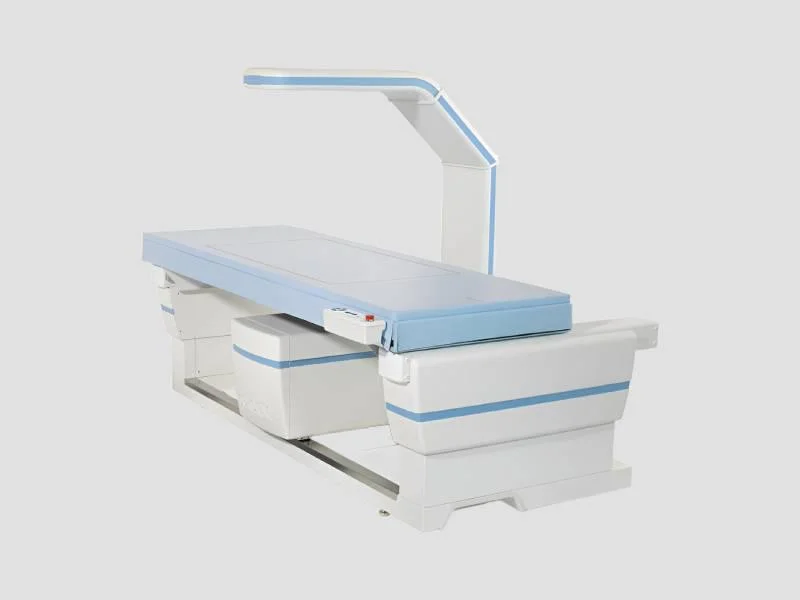
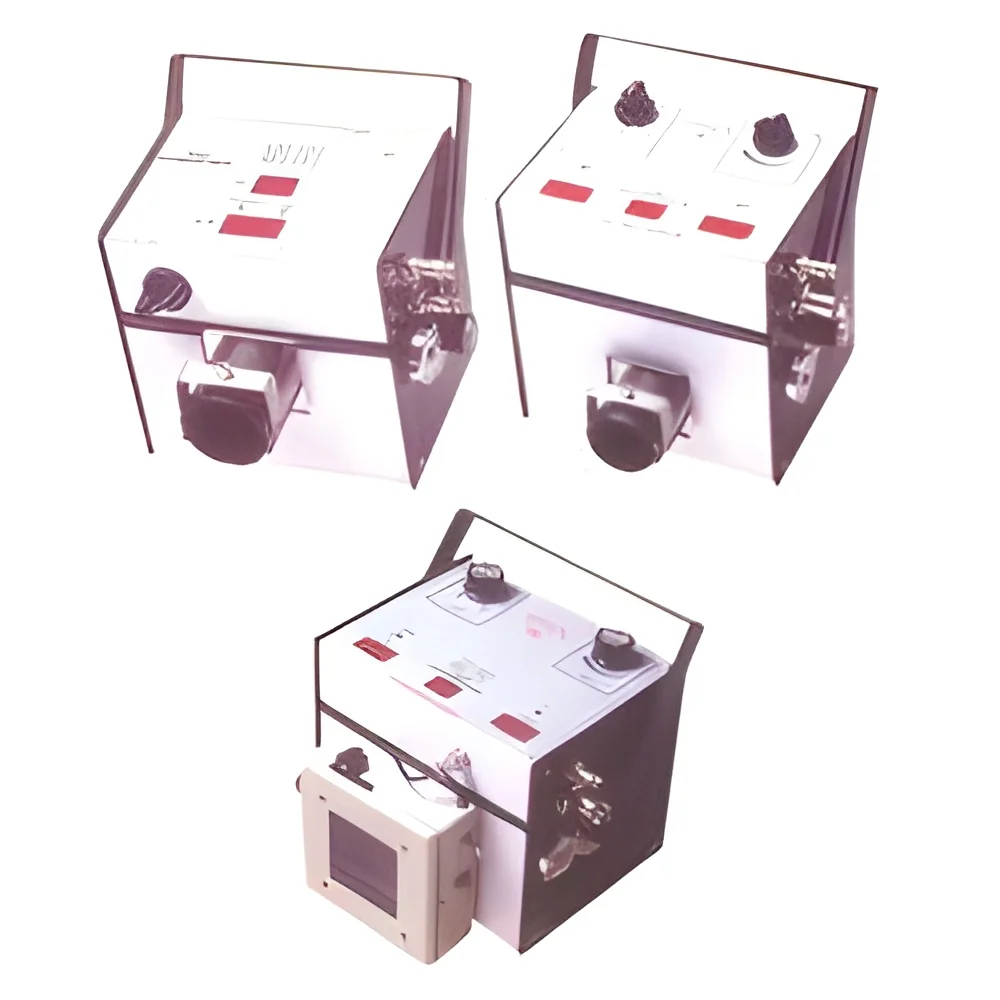
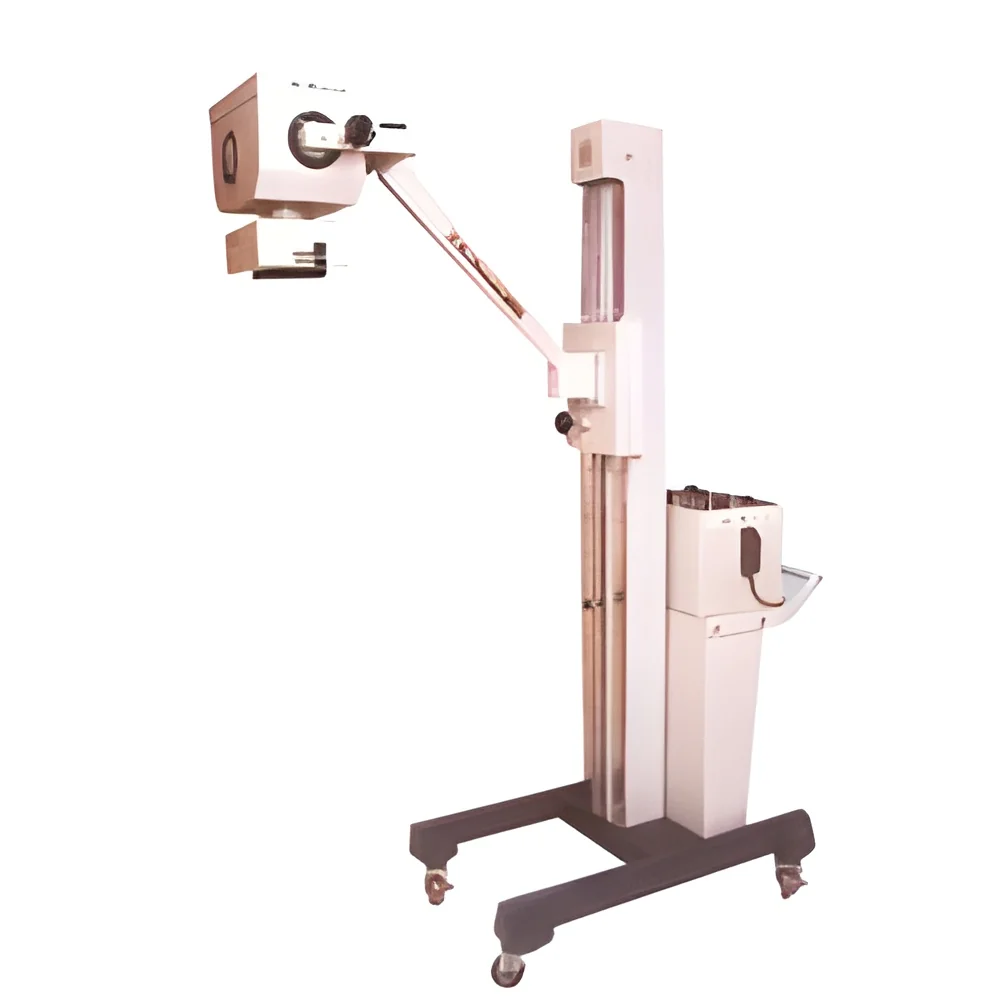
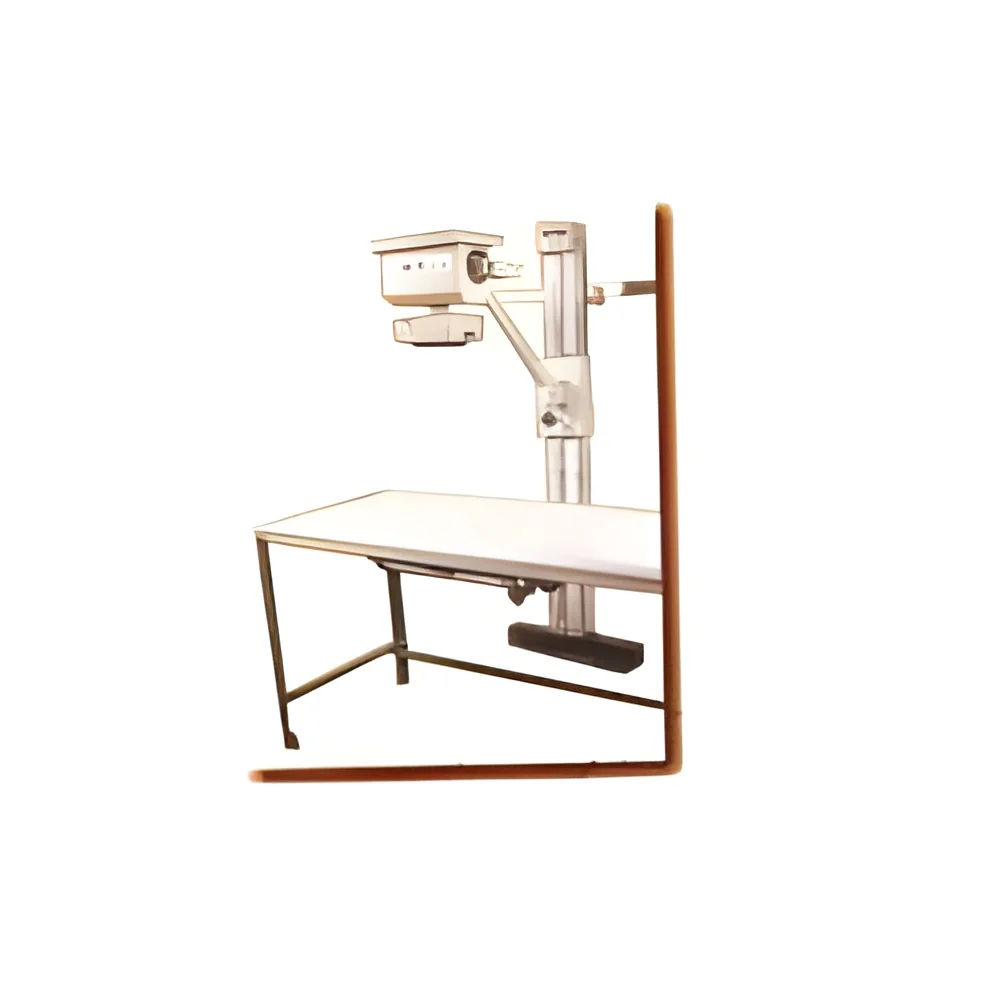
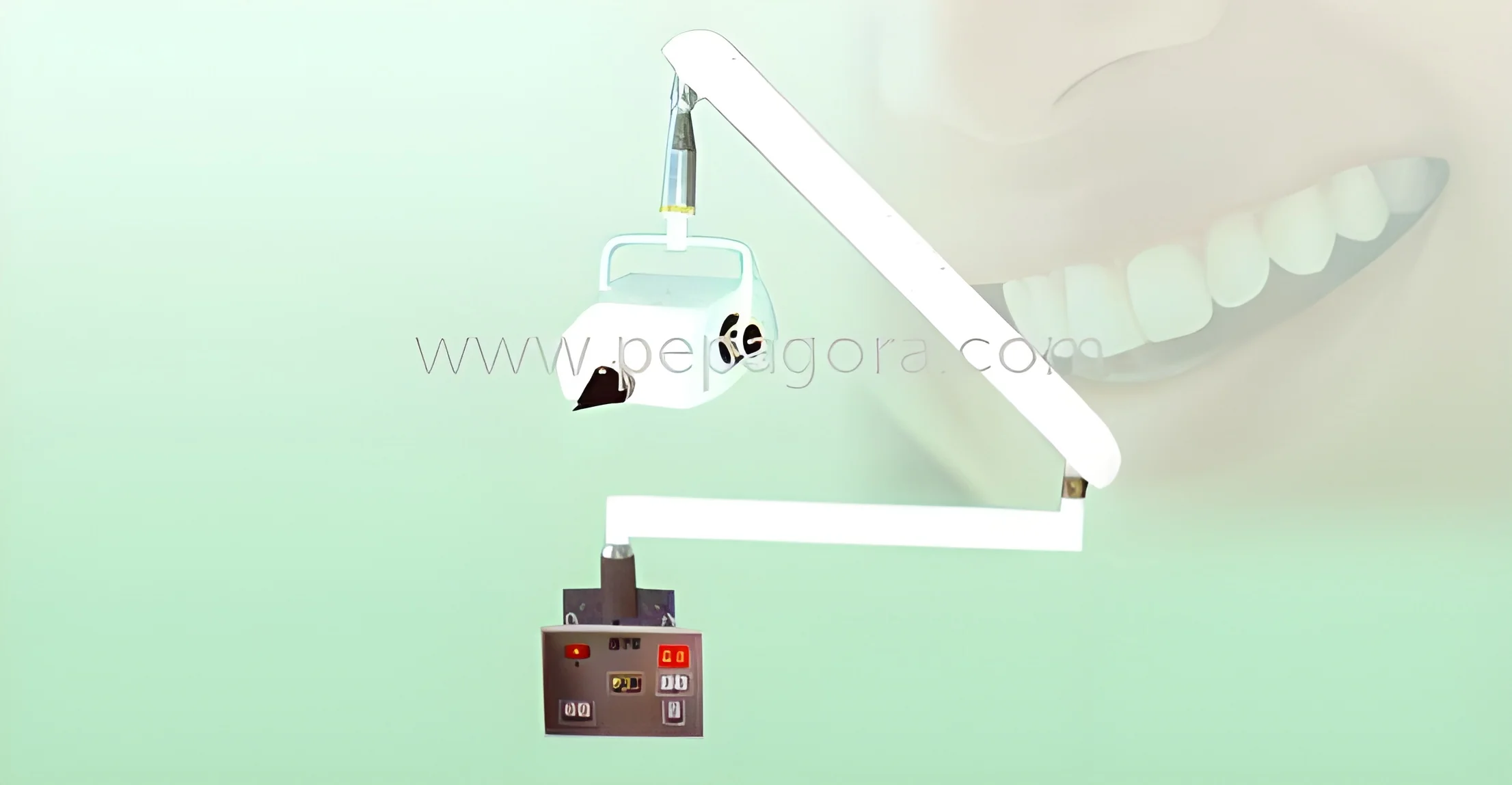
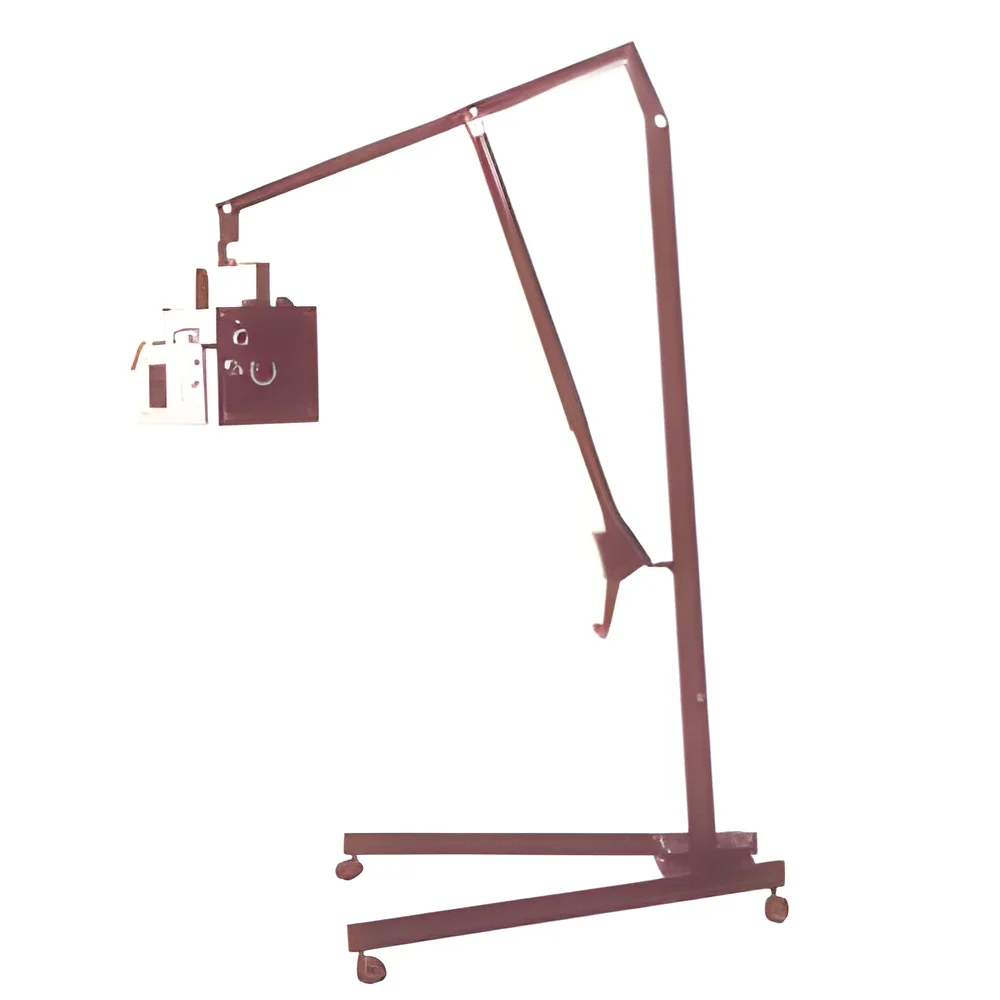
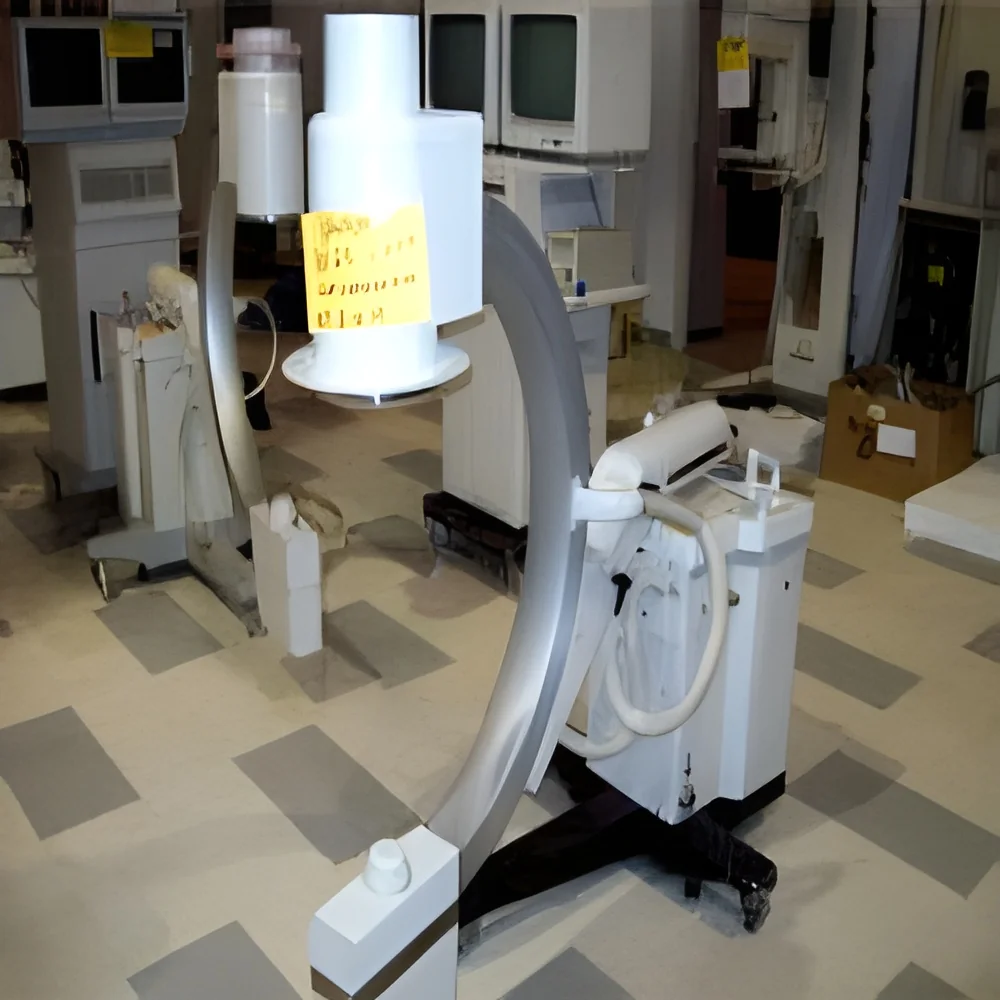
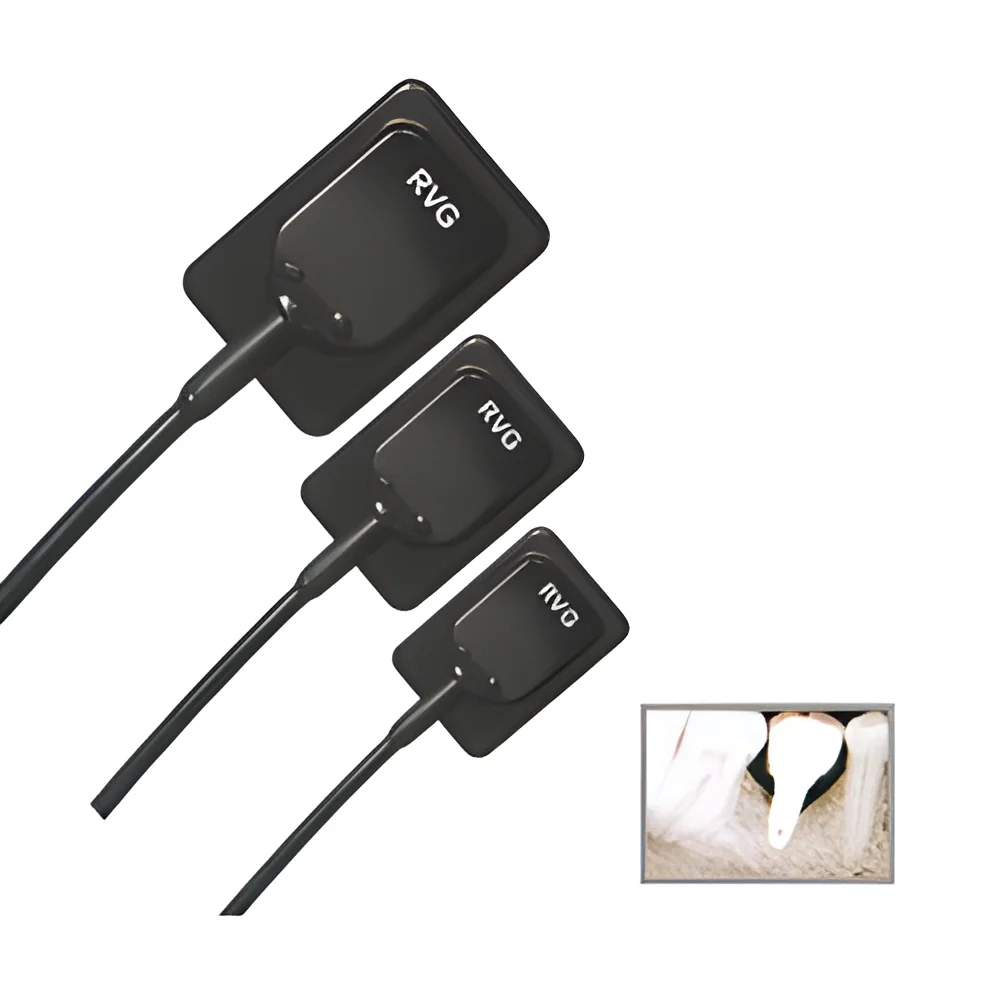
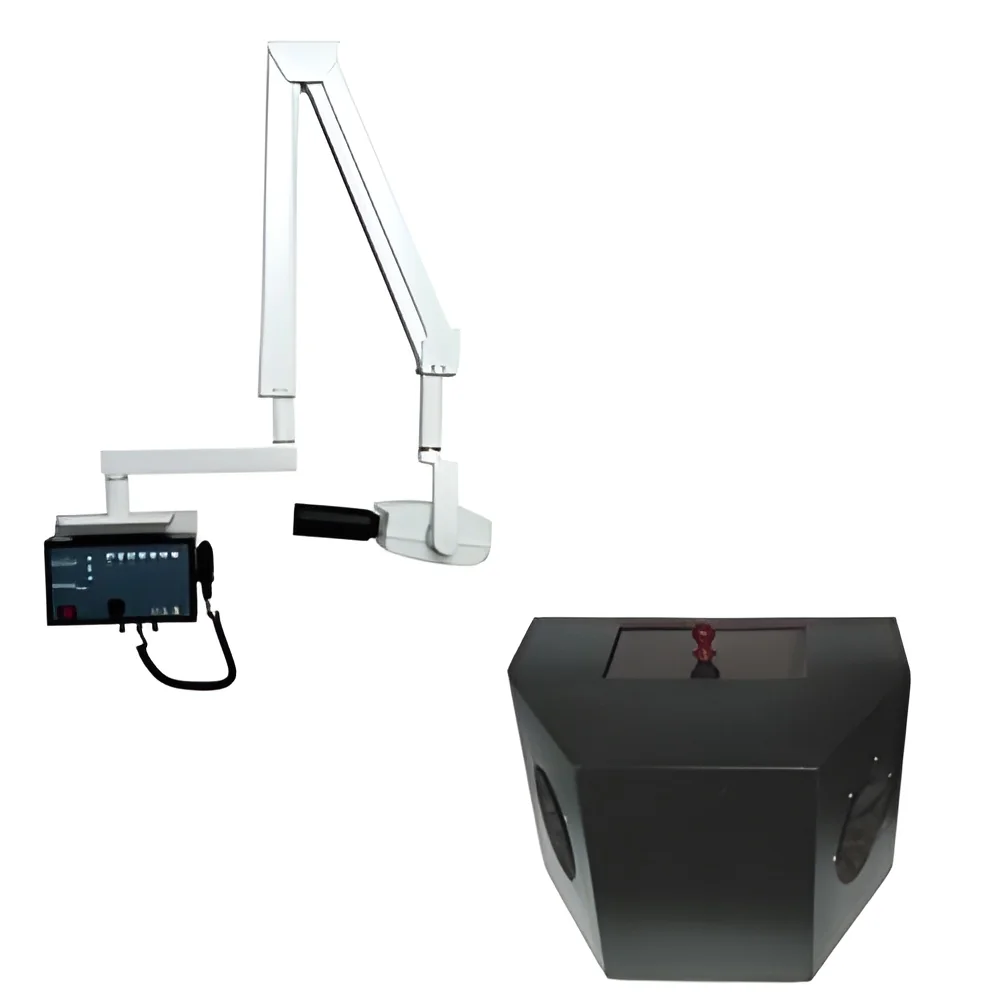
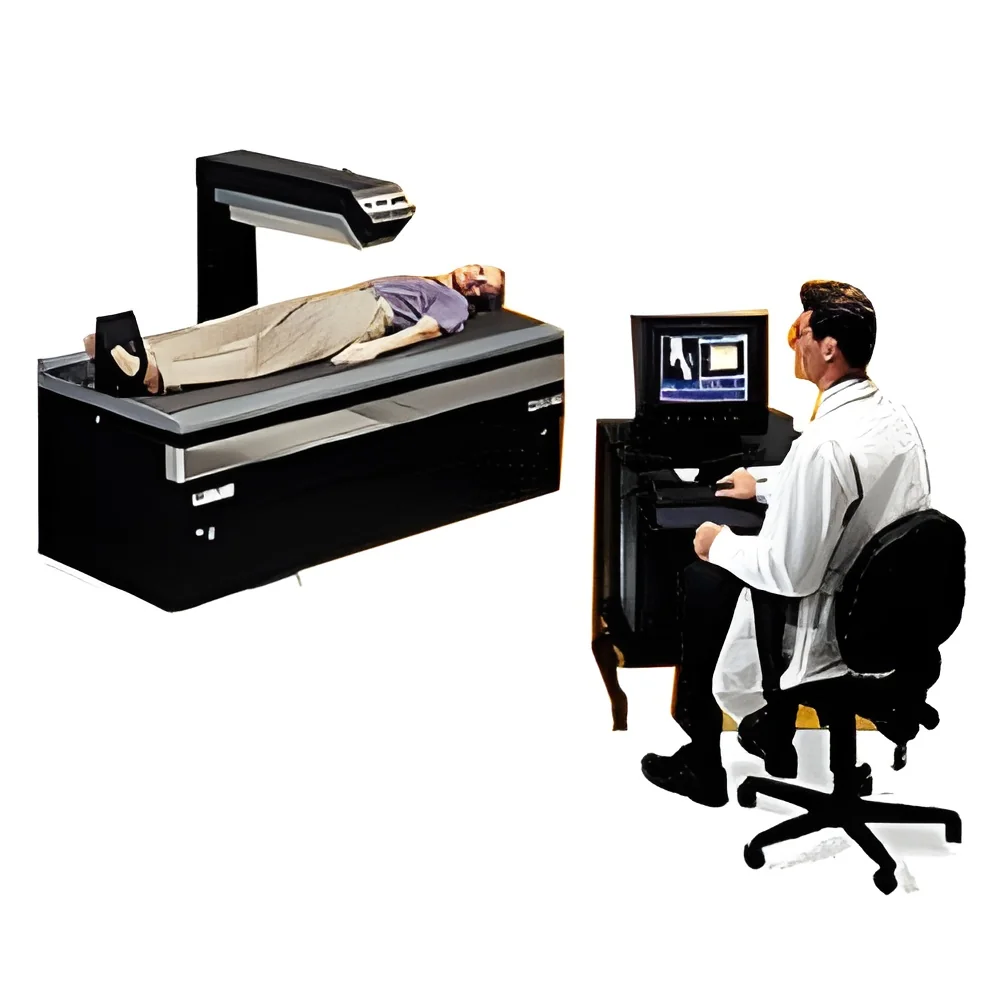
Dental Imaging Equipment refers to specialized tools and devices used in dentistry to capture detailed images of the teeth, gums, and surrounding structures. This equipment includes digital X-ray machines, intraoral cameras, cone beam computed tomography (CBCT) systems, and panoramic imaging devices. These technologies utilize advanced imaging techniques to provide high-resolution visuals that assist dental professionals in diagnosing and planning treatments effectively.
The primary uses of Dental Imaging Equipment encompass a variety of applications, including diagnosing dental diseases, assessing the condition of teeth and bones, and planning orthodontic treatments. These tools are essential in both clinical settings and research environments, allowing practitioners to visualize oral structures in ways that enhance the accuracy of their assessments and interventions. As the dental industry continues to evolve, the demand for high-quality imaging solutions is increasing, making this equipment a critical component of modern dental practices.
In the current market context, Dental Imaging Equipment is relevant due to the growing emphasis on preventative dentistry and patient education. The rise in awareness regarding dental health, alongside technological advancements, has led to an increase in the adoption of these imaging systems across dental clinics and hospitals worldwide. This growth trajectory is expected to continue, driven by innovations that improve image quality and reduce radiation exposure.
𝗞𝗲𝘆 𝗙𝗲𝗮𝘁𝘂𝗿𝗲𝘀 𝗮𝗻𝗱 𝗦𝗽𝗲𝗰𝗶𝗳𝗶𝗰𝗮𝘁𝗶𝗼𝗻𝘀
Dental Imaging Equipment is characterized by several critical features that enhance its functionality and performance. These specifications are important for buyers to consider when evaluating equipment options.
Key specifications include:
1. Image Resolution
- High-quality images for accurate diagnostics
- Common ranges from 10 to 20 megapixels
2. Radiation Dose
- Low radiation exposure for patient safety
- Typical doses significantly lower than traditional X-rays
3. Software Compatibility
- Integration with existing dental practice management software
- Support for various file formats such as DICOM
4. Imaging Speed
- Quick image capture capabilities
- Instant viewing of images for immediate analysis
5. Size and Portability
- Compact designs for easy handling
- Lightweight units for enhanced mobility within clinical settings
6. User Interface
- Intuitive controls for ease of use
- Touchscreen options for streamlined operation
7. Connectivity Options
- Wi-Fi and Bluetooth capabilities for seamless data transfer
- Cloud storage integration for image backup and access
8. Maintenance Requirements
- Minimal maintenance for consistent performance
- User-friendly cleaning protocols to ensure hygiene
These specifications not only define the capabilities of Dental Imaging Equipment but also help dental practices choose the right tools for their specific needs.
𝗖𝗼𝗺𝗺𝗼𝗻 𝗔𝗽𝗽𝗹𝗶𝗰𝗮𝘁𝗶𝗼𝗻𝘀 𝗮𝗻𝗱 𝗨𝘀𝗲 𝗖𝗮𝘀𝗲𝘀
Dental Imaging Equipment serves various industries beyond just dentistry, highlighting its versatility and importance.
1. Dental Clinics: In these settings, imaging equipment is used for routine checkups, treatment planning, and diagnosis of dental conditions. It aids in identifying cavities, gum disease, and other oral health issues.
2. Orthodontics: Orthodontists utilize imaging systems to assess tooth alignment and plan braces or other corrective devices. Accurate imaging is crucial for developing effective treatment plans.
3. Oral Surgery: Surgeons rely on detailed imaging to evaluate complex cases such as wisdom teeth extraction or jaw surgery. High-resolution images assist in surgical planning and execution.
4. Research Institutions: In academic and research settings, Dental Imaging Equipment is used to study dental diseases and develop new treatment methods. Imaging data plays a vital role in clinical studies.
5. Veterinary Dentistry: Veterinary practices also use dental imaging to diagnose oral health issues in animals. This application emphasizes the broader relevance of imaging technology.
6. Forensic Dentistry: Forensic experts employ dental imaging in legal investigations to identify individuals through dental records. This application showcases the critical role of imaging in public safety.
7. Education and Training: Dental schools use imaging equipment in training programs for students. Hands-on experience with imaging technologies is essential for developing future dental professionals.
𝗣𝗿𝗼𝗱𝘂𝗰𝘁 𝗩𝗮𝗿𝗶𝗮𝗻𝘁𝘀 𝗮𝗻𝗱 𝗦𝘂𝗯𝗰𝗮𝘁𝗲𝗴𝗼𝗿𝗶𝗲𝘀
Dental Imaging Equipment includes a range of variants tailored to different applications and user needs. Each variant offers unique features suited for specific clinical requirements.
Digital X-ray Systems
These systems provide instant imaging capabilities with reduced radiation exposure. They are widely used in dental practices for routine diagnostics and are essential for patient consultations.
Intraoral Cameras
Intraoral cameras allow dentists to capture detailed images inside the patient's mouth. They are valuable for enhancing patient communication and understanding treatment options.
Cone Beam Computed Tomography (CBCT)
CBCT systems offer three-dimensional imaging, providing comprehensive views of dental structures. They are especially useful for complex cases requiring precise planning, such as implants.
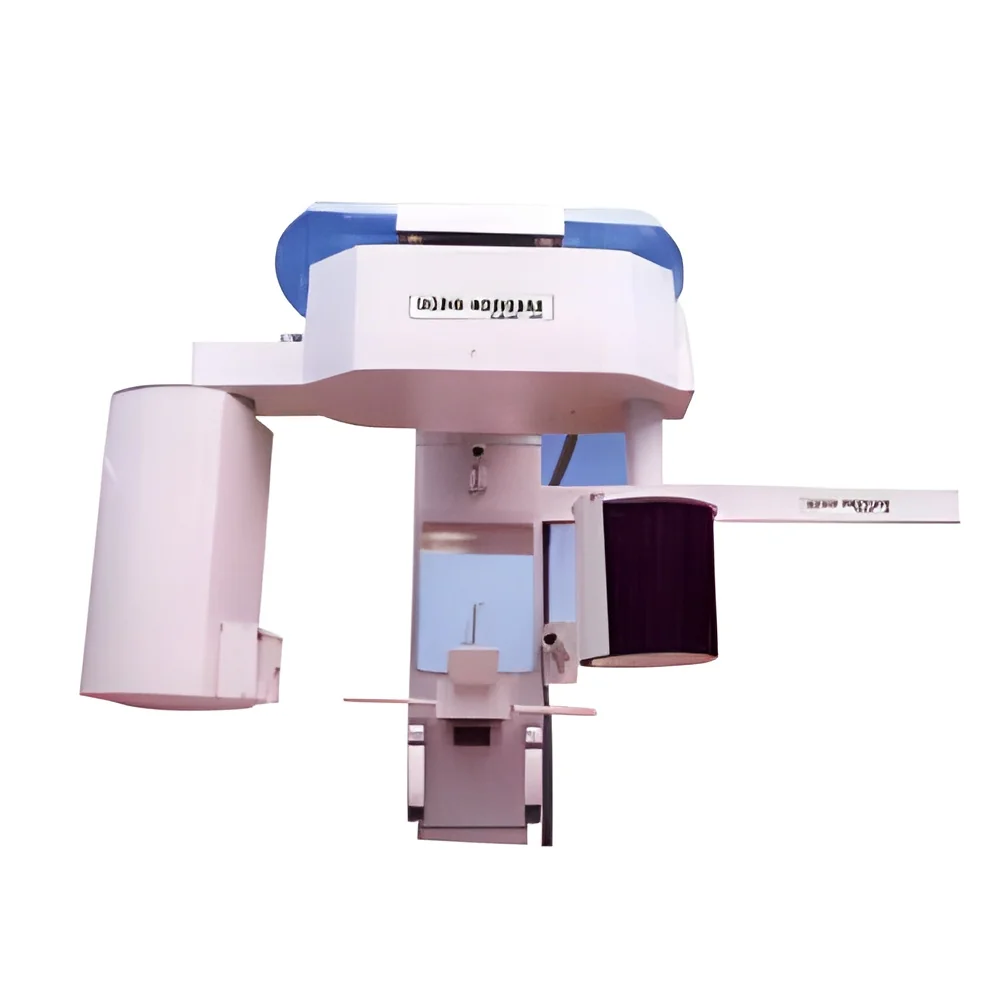
Panoramic Imaging Systems
These systems capture a full view of the mouth, including the upper and lower jaws. They are essential for orthodontic evaluations and general diagnostics.
𝗕𝗲𝗻𝗲𝗳𝗶𝘁𝘀 𝗮𝗻𝗱 𝗔𝗱𝘃𝗮𝗻𝘁𝗮𝗴𝗲𝘀
Dental Imaging Equipment offers numerous benefits that enhance clinical practice and patient care.
Key benefits include:
1. Enhanced Diagnostic Accuracy: High-resolution images enable precise identification of dental issues, leading to better treatment outcomes.
2. Increased Efficiency: Quick imaging processes reduce patient wait times and improve workflow in dental offices.
3. Improved Patient Communication: Visual aids from imaging equipment help dentists explain conditions and treatment options more effectively to patients.
4. Reduced Radiation Exposure: Advanced imaging technologies minimize radiation risks, ensuring greater safety for patients.
5. Streamlined Workflow: Integration with dental management software allows for efficient data handling and patient record management.
6. Greater Treatment Planning: Detailed imaging supports more effective treatment planning, enhancing overall patient care and satisfaction.
𝗕𝘂𝘆𝗶𝗻𝗴 𝗚𝘂𝗶𝗱𝗲 𝗳𝗼𝗿 𝗕𝟮𝗕 𝗕𝘂𝘆𝗲𝗿𝘀
When sourcing Dental Imaging Equipment, several factors should be considered to ensure the best investment.
1. Quality Assessment: Evaluate the imaging quality based on specifications such as resolution and radiation dose. Look for equipment that meets industry standards for performance.
2. Supplier Verification: Research potential suppliers to ensure they are reputable and provide reliable products. Check for customer reviews and industry certifications.
3. Pricing and MOQ: Understand the pricing structures and minimum order quantities (MOQ) to align with your budget and operational needs.
4. Delivery and Lead Times: Consider the logistics involved in acquiring the equipment, including delivery times and support during installation.
5. Compliance Requirements: Ensure that the equipment adheres to relevant regulatory standards and certifications specific to your region, such as CE certification.
𝗖𝗼𝗺𝗽𝗹𝗶𝗮𝗻𝗰𝗲 𝗮𝗻𝗱 𝗖𝗲𝗿𝘁𝗶𝗳𝗶𝗰𝗮𝘁𝗶𝗼𝗻𝘀
Dental Imaging Equipment is subject to several compliance standards and certifications that ensure quality and safety.
Relevant quality standards, such as ISO 9001, set benchmarks for manufacturing and service quality. Compliance with these standards signifies that the equipment meets international quality management principles.
Industry certifications, like CE marking, indicate that the equipment complies with European health, safety, and environmental protection standards. This certification is crucial for ensuring that the equipment is safe for use in clinical settings.
Safety and testing requirements are essential to minimize risks associated with radiation exposure and equipment malfunction. Regular maintenance and adherence to safety protocols are vital for continued compliance.
Additionally, regional compliance considerations must be taken into account, as regulations may vary by country. Understanding these requirements is essential for ensuring that the equipment meets local legal standards.
𝗪𝗵𝘆 𝗦𝗼𝘂𝗿𝗰𝗲 𝗗𝗲𝗻𝘁𝗮𝗹 𝗜𝗺𝗮𝗴𝗶𝗻𝗴 𝗘𝗾𝘂𝗶𝗽𝗺𝗲𝗻𝘁 𝗳𝗿𝗼𝗺 𝗣𝗲𝗽𝗮𝗴𝗼𝗿𝗮?
Pepagora offers a trusted platform for sourcing Dental Imaging Equipment, providing numerous advantages to buyers.
Verified Supplier Network: Pepagora features a network of verified suppliers, ensuring that buyers can access high-quality products from reputable manufacturers. This verification process helps mitigate risks associated with purchasing.
Streamlined RFQ Process: The platform simplifies the request for quotation (RFQ) process, allowing buyers to quickly compare prices and specifications. This efficiency fosters informed decision-making.
Trade Assurance and Support: Pepagora provides trade assurance, ensuring that buyers receive protection throughout their purchasing journey. This includes support in case of discrepancies or issues with suppliers.
Regional Coverage: With a strong presence in India, the GCC, and Southeast Asia, Pepagora offers extensive geographic reach. This regional coverage ensures that businesses can source equipment conveniently, tailored to their specific market needs.

 IN
IN